Embarking on the journey of rabbit breeding offers a rewarding experience, blending the science of animal husbandry with the gentle art of nurturing new life. This guide serves as your compass, navigating the intricate steps from understanding the fundamental biological processes to ensuring the health and well-being of your rabbits throughout their reproductive cycle.
We will explore the essential knowledge required to successfully breed rabbits, covering everything from recognizing readiness for mating and preparing a safe environment to understanding the delicate stages of gestation, the miracle of kindling, and the crucial care of newborn kits. Furthermore, we delve into the long-term considerations of managing your breeding stock and maintaining optimal health and hygiene within your rabbitry.
Understanding Rabbit Reproduction Basics
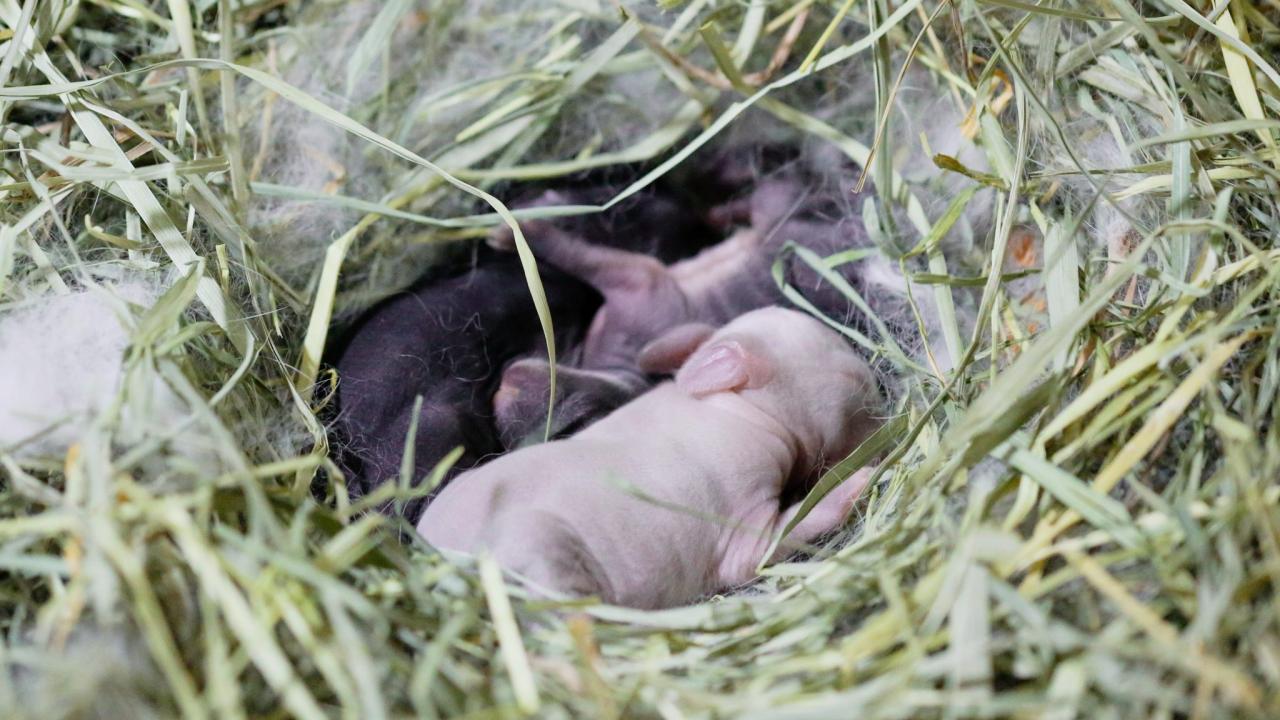
Successfully breeding rabbits requires a foundational understanding of their reproductive cycle and the factors influencing it. This knowledge is crucial for ensuring the health and well-being of both the parent rabbits and their offspring, as well as for maximizing the chances of a successful litter.Delving into the intricacies of rabbit reproduction reveals a fascinating biological process. From the duration of pregnancy to recognizing the subtle cues of a receptive doe, each element plays a vital role in the journey from mating to the arrival of kits.
Understanding these basics will equip you with the confidence and competence to embark on your rabbit breeding endeavors.
Rabbit Gestation Period
The gestation period for rabbits is remarkably consistent and relatively short when compared to many other mammals. This rapid development cycle is a key characteristic of their reproductive strategy.The average gestation period for a domestic rabbit is approximately 31 days. However, this can range slightly, typically between 28 to 33 days. Factors such as breed, litter size, and individual doe health can influence the exact duration.
Monitoring the doe closely during this period is important, and any significant deviation from the average should be discussed with a veterinarian.
Signs of Estrus in Female Rabbits
Identifying when a female rabbit, known as a doe, is in heat or receptive to mating is paramount for successful breeding. This period, also referred to as estrus, is when her reproductive system is most prepared for fertilization.Several observable signs indicate that a doe is in estrus:
- Restlessness and Increased Activity: A doe in heat may exhibit more energetic behavior, hopping around more frequently, and showing a general increase in activity levels.
- Vocalization: Some does may vocalize more than usual, producing soft grunts or squeals, especially when approached or interacting with a buck.
- Mounting Behavior: A doe in estrus might attempt to mount other rabbits, including other does or even inanimate objects, which is a clear indicator of her readiness to breed.
- Genital Swelling and Color Change: The vulva of a doe in heat will typically appear swollen and may take on a darker, reddish-pink hue. This is a primary physical indicator.
- Rubbing Scent Glands: She may rub her chin and body more frequently against objects or her cage, marking her territory and signaling her availability.
It is important to note that unlike some other mammals, rabbits do not have a distinct, cyclical estrus period. Instead, they are induced ovulators, meaning ovulation is triggered by the act of mating. Therefore, observing these signs is crucial for timing your breeding attempts effectively.
Optimal Age for Breeding Rabbits
The age at which rabbits are ready to be bred is a critical consideration for ensuring healthy pregnancies and viable offspring. Breeding too early can put undue stress on young rabbits, while waiting too long might reduce their reproductive efficiency.Generally, female rabbits (does) can be bred when they reach sexual maturity, which is typically between 4 to 6 months of age, depending on the breed.
Larger breeds may mature slightly later, while smaller breeds might be ready sooner. Male rabbits (bucks) are usually fertile slightly earlier, around 4 to 5 months of age.It is advisable to wait until does are at least 5 months old before attempting to breed them, and for bucks to be at least 6 months old. This ensures they have fully developed physically and are better equipped to handle the demands of pregnancy, birth, and raising young.
Physical Characteristics of a Healthy Breeding Pair
Selecting a healthy breeding pair is fundamental to producing strong, robust offspring and minimizing the risk of genetic or health-related complications. Both the doe and the buck should exhibit excellent physical condition and temperament.Key physical characteristics to look for in a healthy breeding pair include:
- Vibrant Coat and Healthy Skin: Both rabbits should have a glossy, clean coat and healthy, unblemished skin. Any signs of fur loss, sores, or parasites indicate a health issue that should be addressed before breeding.
- Clear Eyes and Nose: Their eyes should be bright and clear, with no discharge. Similarly, their nose should be clean and free from any nasal discharge or crusting.
- Good Body Condition: Rabbits should be neither too thin nor overweight. A healthy weight allows for optimal energy levels and reproductive function. You should be able to feel their ribs with gentle pressure but not see them prominently.
- Strong Limbs and Mobility: Ensure both rabbits move freely and without any signs of lameness or difficulty in locomotion. Healthy joints and muscles are essential for successful mating and for the doe to care for her kits.
- Clean Genital Area: The genital area of both the doe and the buck should be clean and free from any discharge, inflammation, or signs of infection.
- Good Temperament: While not strictly a physical characteristic, a calm and docile temperament is desirable. Highly nervous or aggressive rabbits can be more difficult to handle and may stress the doe during mating.
When selecting a pair, it is also beneficial to consider their lineage. If possible, inquire about the health history and temperament of their parents and previous offspring. This can provide valuable insights into their genetic predispositions.
Preparing for Rabbit Breeding
Embarking on the journey of rabbit breeding requires careful preparation to ensure the well-being of the pregnant doe and her future litter. A proactive approach to setting up the environment, gathering necessary supplies, and understanding nutritional needs is crucial for a successful and healthy breeding cycle. This section will guide you through the essential steps to prepare for this rewarding experience.
Essential Supplies Checklist
To facilitate a smooth breeding process and ensure the comfort and safety of the mother rabbit and her kits, a comprehensive checklist of supplies is indispensable. Having these items readily available will minimize stress during pregnancy and after birth.
- Nesting Box: A secure, draft-free box, typically made of wood or sturdy plastic, with an opening large enough for the doe to enter and exit comfortably. It should be deep enough to prevent kits from falling out and provide a sense of security.
- Bedding Material: Soft, absorbent, and safe bedding is vital for the nesting box. Options include clean straw, timothy hay, or shredded paper. Avoid dusty or treated materials that could harm the respiratory system of the mother or kits.
- Water Source: A heavy ceramic crock or a sipper bottle that the doe can easily access. During lactation, increased water consumption is expected, so a reliable and accessible water supply is paramount.
- Food Bowls: Sturdy, easy-to-clean bowls for both hay and pellets.
- High-Quality Pellets: Specifically formulated rabbit pellets, ideally with a higher protein content during pregnancy and lactation.
- Fresh Hay: Unlimited access to fresh timothy hay or other suitable grass hays is essential for digestive health and as a primary food source.
- Cleaning Supplies: Disinfectant safe for animal enclosures, brushes, and a shovel for regular cleaning and maintenance.
- Scale: A small digital scale to monitor the weight of the doe and kits, which can be an early indicator of health issues.
- Rabbit First-Aid Kit: Including items like sterile gauze, antiseptic wipes, and any specific medications recommended by a veterinarian.
Housing Setup for Pregnant Rabbits and Offspring
The housing environment plays a critical role in the health and development of pregnant does and their kits. A well-designed setup promotes a calm atmosphere, protects from environmental hazards, and provides a safe space for nurturing new life.
The primary housing for a pregnant doe should be a clean, spacious, and secure enclosure. This could be a large hutch or a dedicated section within a larger rabbitry. It is crucial to ensure the enclosure is draft-free, well-ventilated, and protected from extreme temperatures, both hot and cold. Direct sunlight should be avoided during warmer months, and adequate insulation is necessary in colder climates.
The enclosure should be easily accessible for cleaning and monitoring without causing undue stress to the doe.
A critical component of the housing setup is the nesting box. This should be introduced a few days before the expected due date to allow the doe to acclimate to it and prepare it for her kits. The nesting box should be placed in a quiet, undisturbed corner of the enclosure. It’s common for does to pull fur from their belly and flanks to line the nesting box, creating a warm and insulated environment for the newborns.
The size of the nesting box should be appropriate for the breed of rabbit, generally around 12x12x10 inches for medium-sized breeds, ensuring enough space for the doe to comfortably enter and tend to her kits without crushing them.
For the kits, the nesting box provides their initial world. Once they are old enough to venture out, typically around 3-4 weeks of age, they will begin to explore their surroundings. The main enclosure needs to be “kit-proofed” to prevent accidents. This includes ensuring there are no small gaps where kits could escape or get trapped, and that all electrical cords or potentially harmful items are secured or removed.
If multiple litters are being raised, or if kits from different litters are to be housed together, careful consideration must be given to social dynamics and potential aggression, especially as they mature.
Nutritional Requirements for Pregnant and Nursing Does
Proper nutrition is fundamental for the health of the pregnant doe and the optimal development of her kits. The nutritional demands increase significantly during gestation and lactation, requiring a carefully balanced diet to support these critical physiological processes.
During pregnancy, the doe’s diet should be rich in protein, calcium, and phosphorus to support the growth of the fetuses and the development of mammary glands. While a standard high-quality rabbit pellet formulated for adult rabbits can be adequate, transitioning to a grower or breeder pellet with a higher protein content (around 16-18%) is often recommended in the last two weeks of gestation.
This ensures sufficient building blocks for fetal development.
Unlimited access to fresh, high-quality hay, such as timothy or orchard grass, remains a cornerstone of the diet throughout pregnancy. Hay provides essential fiber for digestive health, which is particularly important as the enlarging uterus can put pressure on the digestive tract. Fresh, clean water must always be available, as hydration is crucial for all bodily functions, including fetal development and milk production.
As lactation begins, the nutritional demands escalate dramatically. The doe will need significantly more calories and protein to produce milk. The breeder or grower pellets should continue to be offered, and the quantity may need to be increased based on the size of the litter and the doe’s condition. Some breeders also supplement with small amounts of vitamin-rich vegetables, such as dark leafy greens, but this should be introduced gradually and in moderation to avoid digestive upset.
It is important to monitor the doe’s body condition and adjust her food intake accordingly. A doe that is losing weight rapidly may not be producing enough milk or may be over-exercising. Conversely, a doe that is becoming excessively overweight may be prone to health issues.
“Adequate nutrition during pregnancy and lactation is not merely about sustenance; it is the foundation for healthy fetal development and robust milk production, directly impacting the survival and growth rates of the offspring.”
Potential Health Concerns During Pregnancy
While rabbit breeding can be a rewarding experience, it is essential to be aware of potential health concerns that may arise during pregnancy and lactation. Early detection and prompt intervention can significantly improve outcomes for both the doe and her kits.
One of the most common issues is pregnancy toxemia, also known as ketosis. This condition typically affects does in the later stages of pregnancy, especially those carrying large litters or overweight does. Symptoms can include lethargy, loss of appetite, difficulty breathing, and neurological signs such as twitching or seizures. It is often linked to inadequate nutrition, stress, or obesity. Management involves supportive care, dietary adjustments, and in severe cases, veterinary intervention.
Mastitis, an infection of the mammary glands, is another concern, particularly during lactation. The mammary glands may become red, swollen, and warm to the touch, and the doe may exhibit signs of pain, fever, and a reduced appetite. Kits may refuse to nurse from affected teats. Prompt treatment with antibiotics prescribed by a veterinarian is crucial to prevent the spread of infection and protect the kits.
Orf, a viral disease, can affect the teats and mouth of nursing does, causing painful sores that can make nursing difficult for both the doe and her kits. While generally self-limiting, it can lead to secondary bacterial infections. Good hygiene and supportive care are important for management.
Dystocia, or difficult birth, can occur, although it is less common in rabbits than in some other species. Signs may include prolonged straining without delivery, or a doe showing signs of distress. In such cases, veterinary assistance is immediately required. It is also important to monitor for signs of cannibalism, where the doe may consume her kits. This is often a sign of extreme stress, malnutrition, or a lack of maternal instinct, and requires immediate intervention to separate the kits and provide artificial rearing if possible.
Regular observation of the pregnant doe is key. Monitoring her appetite, activity level, and physical condition allows for early detection of any deviations from normal. Any unusual behavior, discharge, or physical changes should be noted and, if concerning, discussed with a rabbit-savvy veterinarian.
The Breeding Process
Successfully bringing together a male and female rabbit for mating requires careful planning and observation to maximize the chances of conception and ensure the well-being of both animals. This stage involves understanding the subtle cues of rabbit behavior and providing an optimal environment for their interaction.The act of breeding itself is a delicate dance, and recognizing its success is key to the next steps in your rabbitry journey.
A calm, undisturbed setting is paramount for fostering the natural instincts of your rabbits.
Introducing the Buck to the Doe
The introduction of a buck to a doe for breeding should always be handled with caution, as does can be territorial and may react aggressively to an unfamiliar male. The primary goal is to facilitate a positive and non-threatening encounter that encourages mating.To ensure a safe and effective introduction, follow these steps:
- Prepare the Environment: Select a neutral, quiet, and enclosed space that neither rabbit considers their primary territory. This could be a spacious cage or a secure pen. Remove any existing litters or young rabbits from the doe’s area to avoid distraction or potential aggression.
- Introduce the Doe First: Place the doe into the prepared breeding area and allow her a few minutes to acclimate and explore. This gives her a sense of ownership over the space before the buck is introduced.
- Introduce the Buck: Gently place the buck into the same area. Observe their interactions from a distance without interfering unless absolutely necessary.
- Observe Behavior: Look for signs of acceptance or rejection. A receptive doe may thump her hind legs, exhibit a lordosis posture (arching her back and lowering her hindquarters), or allow the buck to mount her. An unreceptive doe might flee, hiss, growl, or even attack the buck.
- Supervise Mating: Allow the rabbits to interact for a limited time, typically 15-30 minutes, or until successful mating has been observed. If the doe is aggressive or the buck shows no interest, separate them and try again later, perhaps on a different day. It is common for a doe to reject a buck on the first encounter.
- Separate After Mating: Once mating is observed, or if the interaction becomes stressful, gently separate the rabbits. Do not leave them together unsupervised for extended periods, especially if the doe is not receptive.
Recognizing Successful Mating
Identifying that mating has occurred is crucial for determining the next steps in your breeding program. While direct observation is the most reliable method, certain behavioral cues and physical signs can indicate successful copulation.Several indicators point towards successful mating:
- The Buck’s Behavior: After mating, the buck will often exhibit a distinct post-coital behavior. This can include falling onto his side, rolling over, or exhibiting a dazed appearance. This is a strong indicator that the act has been completed.
- The Doe’s Posture: As mentioned previously, a receptive doe will typically adopt a lordosis posture, arching her back and lowering her hindquarters, making it easier for the buck to mount and achieve penetration.
- Observed Mounting and Thrusting: The most direct confirmation is witnessing the buck mount the doe and engage in rhythmic thrusting movements. A single successful mating event is often sufficient for conception.
- “Cease” Behavior: Following a successful mating, the doe may exhibit a “cease” behavior, which involves her grooming herself or showing disinterest in the buck, indicating the interaction is complete from her perspective.
It is important to note that sometimes a buck may mount a doe without successful ejaculation or fertilization. Therefore, a second mating attempt a few hours later or the following day is often recommended to increase the chances of pregnancy.
The Importance of a Quiet and Stress-Free Environment
The success of rabbit breeding is significantly influenced by the environment in which it occurs. Rabbits are prey animals and are highly sensitive to their surroundings, meaning stress can disrupt their natural reproductive behaviors and reduce conception rates.A calm and undisturbed setting is vital for several reasons:
- Reduces Stress and Anxiety: Loud noises, sudden movements, or the presence of other animals can cause significant stress to rabbits. This stress can inhibit their natural mating instincts and lead to a doe rejecting a buck, even if she is physiologically ready.
- Promotes Natural Behavior: In a secure and quiet environment, rabbits are more likely to relax and exhibit their natural courtship and mating behaviors. This allows the breeding process to occur smoothly and efficiently.
- Increases Conception Rates: When rabbits are not stressed, their hormonal balance is more conducive to reproduction. This can lead to higher success rates in terms of conception and the subsequent development of a pregnancy.
- Prevents Injury: A chaotic environment can lead to hurried or aggressive interactions, potentially resulting in injuries to either the buck or the doe. A peaceful setting minimizes this risk.
When preparing for a breeding session, ensure the location is free from distractions. This means keeping children and other pets away, minimizing human traffic, and avoiding any sudden changes or disturbances in the vicinity.
Observing the Mating Process
Careful and discreet observation of the mating process is essential for understanding the dynamics of your rabbits’ interaction and confirming successful breeding. This observation should be conducted from a distance to avoid disturbing the animals.A step-by-step guide for observing the mating process is as follows:
- Initial Introduction and Acclimation: As previously described, introduce the doe to the breeding area first, followed by the buck. Allow them a few minutes to become aware of each other’s presence.
- Courtship Behaviors: Observe the initial interactions. The buck may circle the doe, sniff her extensively, and attempt to mount. The doe’s receptivity will be evident through her posture and reactions.
- Mounting and Thrusting: The most critical observation is the actual act of mating. The buck will mount the doe, and you will see rhythmic thrusting movements. This can be a very brief event, sometimes lasting only a few seconds.
- Post-Mating Behavior: Note the behavior of both rabbits immediately after mating. The buck’s characteristic fall or roll and the doe’s potential grooming or disinterest are key indicators.
- Duration of Observation: Typically, observing for 15 to 30 minutes is sufficient. If mating occurs, you have confirmed a successful breeding attempt. If no mating occurs within this timeframe, and the doe appears unreceptive or aggressive, it is best to separate them and try again later.
- Second Mating Attempt: For increased certainty of pregnancy, it is common practice to reintroduce the buck to the doe several hours later or the following day for a second mating attempt. Observe this second interaction as well.
Throughout the observation period, maintain a quiet demeanor and avoid any actions that could startle the rabbits. Your role is that of a silent witness to a natural process.
Gestation and Pregnancy Care
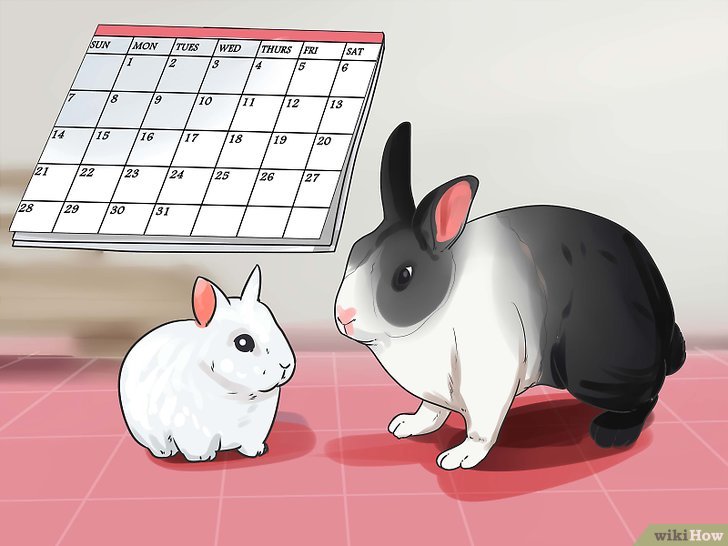
Welcoming new life into your rabbitry is a rewarding experience, and proper care during gestation is paramount to ensuring the health of both the mother and her kits. This phase requires attentive observation and specific management to navigate potential challenges and promote a successful birth.Caring for a pregnant rabbit involves a consistent routine that addresses her nutritional, environmental, and social needs.
A well-prepared environment and attentive care can significantly reduce stress and improve the chances of a healthy litter.
Daily Care Routine for a Pregnant Doe
Maintaining a consistent and attentive daily routine is crucial for a pregnant doe. This routine focuses on providing optimal nutrition, a calm environment, and regular monitoring for any signs of distress or complications.A typical daily care routine includes:
- Feeding: Ensure the doe has constant access to fresh, clean water and high-quality hay. Gradually increase the amount of high-energy pellets and offer a small portion of nutrient-rich vegetables, such as dark leafy greens, as her pregnancy progresses. Introduce new foods slowly to avoid digestive upset.
- Observation: Spend time observing the doe’s behavior. Look for signs of lethargy, loss of appetite, or unusual restlessness. Note any changes in her droppings.
- Environment: Maintain a clean and quiet living space. Remove any potential stressors, such as loud noises or other aggressive rabbits. Ensure the temperature is comfortable, avoiding extreme heat or cold.
- Litter Box: Keep the litter box clean to prevent the buildup of ammonia, which can be harmful to pregnant rabbits.
- Social Interaction: While a calm environment is important, gentle interaction can be beneficial. Avoid rough handling and allow the doe to retreat if she wishes.
Assessing Pregnancy in a Doe
Several methods can help determine if a doe is pregnant, ranging from visual cues to more hands-on techniques. Early detection allows for timely preparation for birth.Methods for assessing pregnancy include:
- Palpation: This is the most common and reliable method. Gently feel the doe’s abdomen, typically 7-14 days after mating. You may be able to feel small, firm lumps, which are the developing fetuses. This technique requires practice and a gentle touch to avoid harming the doe or fetuses. It is advisable to seek guidance from an experienced breeder or veterinarian.
- Behavioral Changes: Around 10-14 days post-mating, a pregnant doe may start showing behavioral changes. She might become more withdrawn, spend more time in her nesting area, or begin plucking fur from her belly and dewlap in preparation for building a nest.
- Abdominal Swelling: As pregnancy progresses, typically after 20 days, the doe’s abdomen will become noticeably larger and rounder.
- Nipple Color Change: The doe’s nipples may become enlarged and a darker pink or reddish color around 10-14 days into pregnancy. This is a good early indicator.
Building a Nesting Box for a Pregnant Rabbit
A well-constructed nesting box provides a safe, secure, and comfortable environment for the doe to give birth and for her kits to grow. It should be designed to protect the young from drafts and predators.Key considerations for building a nesting box:
- Materials: Use untreated wood, such as pine or plywood. Ensure there are no sharp edges or splinters.
- Size: The box should be large enough for the doe to comfortably turn around in, but not so large that the kits could get lost or chilled. A common size for medium to large breeds is approximately 18 inches long, 10 inches wide, and 8 inches high.
- Entrance: Create an entrance hole that is just large enough for the doe to enter and exit easily. A hole approximately 6-8 inches in diameter is usually sufficient. Consider adding a lip or ramp to the entrance to prevent kits from falling out.
- Ventilation: Drill a few small holes near the top of the box for adequate ventilation, preventing the buildup of moisture and stale air.
- Removable Top/Side: A removable lid or a side panel makes it easier to check on the doe and kits without disturbing them excessively.
- Bedding: Provide plenty of soft, absorbent bedding. Straw, hay, or shredded paper are good options. The doe will further line the nest with fur she plucks.
Common Challenges During Rabbit Pregnancy and How to Address Them
While rabbit pregnancies are often straightforward, several challenges can arise. Being aware of these potential issues and knowing how to respond can significantly improve outcomes.Common challenges and their management:
- Pregnancy Toxemia (Ketosis): This is a serious condition, more common in obese or older does carrying large litters, typically occurring in the last week of gestation. Symptoms include lethargy, loss of appetite, difficulty breathing, and seizures. Management involves dietary adjustments, ensuring adequate fiber and avoiding overfeeding high-energy pellets. If suspected, consult a veterinarian immediately for treatment, which may include supportive care and medication.
- Miscarriage or Resorption: This can occur due to stress, poor nutrition, infection, or genetic issues. Signs might include vaginal bleeding, discharge, or a sudden decrease in abdominal size. There is often no direct treatment, but identifying and removing the cause of stress or illness is crucial.
- Mastitis: Inflammation of the mammary glands can occur, especially after kindling. Symptoms include redness, swelling, heat, and pain in the teats, and the doe may appear feverish or lethargic. Prompt veterinary attention is required for antibiotics and supportive care.
- Dystocia (Difficult Birth): While rare, a doe may have trouble giving birth. This can be due to a large fetus, a deformed fetus, or uterine inertia. Signs include prolonged straining without delivery. If a doe is straining for more than 30-60 minutes without success, veterinary intervention is necessary.
- Cannibalism: In some cases, a doe may consume her kits. This is often linked to stress, fear, inadequate nesting material, or a perceived threat. Ensuring a quiet, safe environment, providing ample nesting material, and minimizing disturbances during kindling can help prevent this.
- Poor Mothering: Some does may neglect their kits. This can be due to inexperience, stress, or illness. If a doe is not tending to her kits, they may need to be fostered to another doe or hand-raised, which is a labor-intensive process.
“Prevention through attentive care and a well-prepared environment is the best approach to managing challenges during rabbit gestation.”
Birthing and Newborn Care (Kindling)
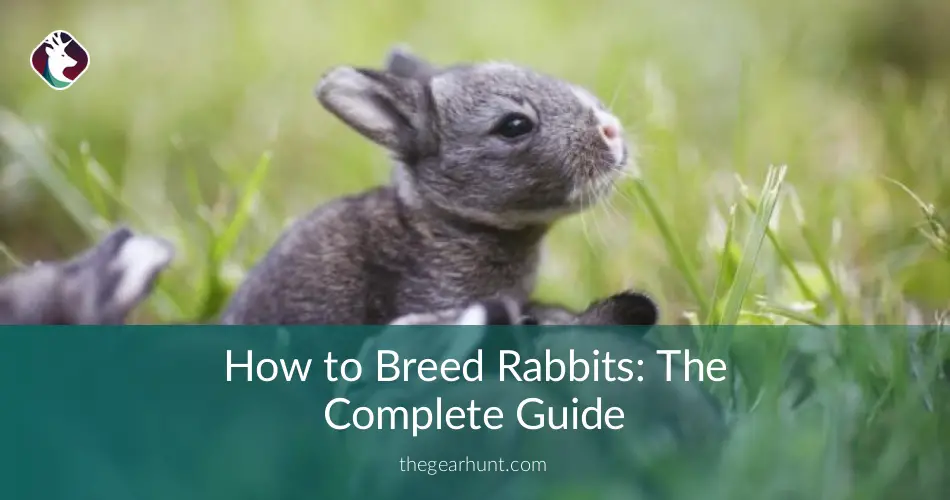
Kindling, the term for a rabbit giving birth, is a critical and often delicate stage in the breeding process. Proper preparation and attentive observation during this period are paramount for the survival and well-being of both the mother doe and her litter of kits. Understanding the signs of impending labor and knowing how to provide appropriate care can significantly increase the success rate of your rabbit breeding endeavors.This section will guide you through the essential aspects of kindling, from recognizing the signs that birth is imminent to the crucial first few days of the kits’ lives, ensuring a smooth transition for the new rabbit family.
Signs of Impending Kindling
Several behavioral and physical changes indicate that a doe is preparing to give birth. Observing these signs allows breeders to be ready and provide a safe environment for the kindling process.A doe nearing kindling will exhibit distinct behaviors and physical changes:
- Nest Building: This is one of the most obvious signs. The doe will frantically gather nesting material, such as straw, hay, and even fur she pulls from her own body, to create a warm and secure nest in her nesting box.
- Nesting Box Obsession: She may become highly territorial and protective of her nesting box, often rearranging the material repeatedly.
- Increased Agitation: The doe might appear restless, anxious, or even aggressive, particularly if disturbed.
- Appetite Changes: Some does may eat less in the 24-48 hours before kindling, while others might have an increased appetite.
- Abdominal Swelling: While subtle, there might be a slight enlargement of the abdomen.
- Discharge: A small amount of clear or slightly bloody discharge may be observed.
Monitoring the Doe During Kindling
Observing the doe during the birthing process requires a balance of attentiveness and non-interference. The goal is to ensure her safety and intervene only if absolutely necessary.It is important to monitor the doe from a distance to minimize stress:
- Prepare the Nesting Box: Ensure the nesting box is clean, dry, and filled with adequate nesting material at least a few days before the expected due date.
- Minimize Disturbances: Keep the rabbitry quiet and calm. Avoid loud noises, sudden movements, or unnecessary handling of the doe during labor.
- Observe from a Distance: Watch for signs of active labor, such as straining, the appearance of kits, and the doe actively tending to her newborns.
- Note the Time Between Kits: If kits are born, note the approximate time between each birth. A prolonged gap (over 30 minutes) between kits can sometimes indicate a problem.
- Check for Stillbirths: Observe if any kits are born stillborn.
- Avoid Direct Intervention Unless Necessary: The doe is usually capable of handling the birthing process independently. Only intervene if the doe appears to be in distress, is unable to expel a kit, or if there is excessive bleeding.
Handling Newborn Kits Safely
Newborn kits are extremely fragile and require gentle handling to prevent injury or hypothermia. Their survival depends on their mother’s care and the breeder’s careful management.When handling newborn kits, always prioritize their safety and warmth:
- Wash Your Hands: Always wash and dry your hands thoroughly before handling kits to prevent the transfer of germs and to ensure your scent does not overly alarm the doe.
- Handle Kits Briefly: Limit handling time to as short as possible.
- Use a Gentle Touch: Support the kit’s body, being careful not to squeeze.
- Maintain Warmth: If a kit is removed from the nest, return it quickly. You can temporarily place it in a warm, dry towel or a box lined with soft material.
- Check for Malformations: Briefly inspect kits for any obvious birth defects.
- Observe for Nursing: Ensure kits are actively nursing.
Ensuring Doe Acceptance and Nursing
A doe’s acceptance of her kits and her ability to nurse them are vital for their survival. Sometimes, a doe may reject her litter, or there might be issues with milk production.To promote a healthy mother-kit bond and successful nursing:
- Provide a Calm Environment: A stressed doe is less likely to be attentive to her kits. Ensure the nesting area is peaceful.
- Allow Mother-Kits Bonding Time: Once kindling is complete, allow the doe undisturbed time to bond with her litter.
- Observe Nursing Behavior: Check daily (usually by observing the kits’ full bellies and slight plumpness) to ensure kits are being nursed. You may see the kits wriggling and suckling.
- Check for Milk Production: Gently feel the doe’s teats; they should be full and firm if she is producing milk. You might see milk streaks on the kits’ faces.
- Supplement if Necessary: If a doe is not producing enough milk or has rejected kits, you may need to hand-feed or foster kits to another lactating doe.
- Ensure Adequate Nutrition for the Doe: A lactating doe needs high-quality food and plenty of fresh water to support milk production.
Common Kindling Complications and Solutions
While kindling is often uneventful, complications can arise. Prompt recognition and appropriate action can save lives.Here is a comparison of common complications and their potential solutions:
| Complication | Signs | Potential Solutions |
|---|---|---|
| Stillbirths | Kits born lifeless. | Often due to genetics, poor doe health, or stress. Ensure good nutrition and minimize stress during pregnancy. Remove stillborn kits promptly. |
| Dystocia (Difficult Birth) | Doe straining excessively for a prolonged period without delivering a kit; visible kit stuck. | Ensure adequate space and a calm environment. If the doe is straining for over 30 minutes without progress, gentle manual assistance may be attempted by an experienced breeder. If unsuccessful, veterinary consultation is advised. |
| Doe Rejection of Kits | Doe ignores, attacks, or attempts to kill kits; pushes kits out of the nest. | Ensure the doe is not overly stressed. Try reintroducing kits gently. If rejection persists, hand-feeding or fostering to another doe may be necessary. |
| Mastitis (Inflammation of Mammary Glands) | Red, swollen, hot, and painful teats; doe may appear lethargic or feverish; kits may refuse to nurse. | Isolate the affected doe. Consult a veterinarian for antibiotics and pain relief. Frequent warm compresses and milk stripping may be recommended. Ensure kits are being supplemented. |
| Hypothermia in Kits | Kits feel cold to the touch, appear weak, and are lethargic. | Ensure the nesting box is warm and draft-free. Use a heat lamp or a warm water bottle (wrapped in a towel) to keep kits warm. Ensure the doe is nursing adequately. |
| Starvation/Kits Not Nursing | Kits appear underweight, dehydrated, and less active than littermates. | Observe for signs of nursing. Ensure the doe has good milk production. If kits are not nursing, hand-feed with a rabbit milk replacer or foster them to another doe. |
Raising Young Rabbits (Kit Development)
The journey of raising young rabbits, or kits, from birth to weaning is a fascinating and rewarding experience for any rabbit breeder. This period is critical for their survival, health, and proper development, requiring careful observation and appropriate care. Understanding the distinct stages of their growth will allow you to provide the best possible environment and nutrition.The initial weeks of a kit’s life are marked by rapid development.
From being entirely dependent on their mother to becoming more independent and exploring their surroundings, each day brings significant changes. This section will guide you through these crucial phases, ensuring you are well-equipped to support healthy kit development.
Kit Growth Stages
Kits undergo remarkable transformations in the weeks following birth. Their development can be broadly categorized into distinct stages, each characterized by specific physical and behavioral milestones. Monitoring these stages helps in assessing their health and readiness for subsequent steps.The following Artikels the typical progression of kits from birth to weaning:
- Birth to 7 Days: Neonatal Stage. At birth, kits are blind, deaf, and completely dependent on their mother. They are born with fine, downy fur. Their primary activity is nursing and sleeping. Their eyes and ears remain closed during this period.
- 7 to 14 Days: Early Development Stage. Around day 7 to 10, kits’ eyes begin to open, revealing their eye color, which may change as they mature. Their ears also start to uncurl and open. They become more active within the nest box, wriggling and nudging each other.
- 14 to 21 Days: Intermediate Stage. Kits’ fur becomes thicker and more developed. They start to show more curiosity and may tentatively explore the immediate vicinity of the nest box. Their coordination improves, and they begin to groom themselves. They will still be nursing frequently.
- 21 to 28 Days: Pre-Weaning Stage. This is a period of significant growth and exploration. Kits are now fully mobile, hopping around the cage and interacting more actively. They will begin to sample solid food, such as pellets and hay, provided by their mother or placed in the cage. Nursing frequency may start to decrease.
- 28 to 35 Days: Weaning Stage. Kits are increasingly independent, relying less on their mother’s milk. They are adept at eating solid food and drinking water. This is the typical window for weaning.
Feeding Schedule for Young Kits
While the mother rabbit is the primary source of nutrition for kits, understanding their dietary needs at different stages is crucial. Solid food introduction is a gradual process, complementing the mother’s milk.A general feeding guideline for kits, starting from when they begin to explore solid food, is as follows:
- Week 1-2: Mother’s Milk Only. Kits are entirely reliant on their mother’s rich milk for all their nutritional needs.
- Week 3: Introduction to Solids. Small amounts of high-quality rabbit pellets, specifically formulated for young rabbits (often labeled as “starter” or “grower” pellets), should be introduced. Offer a small, easily accessible bowl of pellets. Fresh hay should also be readily available.
- Week 4: Increased Solid Food Consumption. As kits become more active and their digestive systems mature, they will consume more pellets and hay. Ensure a constant supply of fresh water, preferably in a heavy crock that is difficult to tip over.
- Week 5 onwards (until weaning): Continued Solid Food and Water Access. Kits should be eating a significant amount of pellets and hay. The mother’s milk intake will naturally decrease as they rely more on solid food.
It is important to note that the quantity of pellets should be appropriate for their age and size, typically around 1/8 to 1/4 cup per kit per day, adjusted based on their consumption and growth.
Weaning Kits from Their Mother
Weaning is the process of gradually transitioning kits from their mother’s milk to a solid diet. This is a critical juncture that should be managed carefully to minimize stress on both the kits and the mother. The optimal time for weaning is typically between 4 to 6 weeks of age, depending on the breed and the kits’ development.The process of weaning can be approached using several methods, each with its advantages:
- Gradual Separation (Recommended): This method involves slowly increasing the time kits spend away from their mother. Initially, separate them for a few hours each day, gradually extending the duration. This allows the kits’ digestive systems to adapt to solid food and reduces the emotional stress of abrupt separation. By the end of the week, they should be spending most of their time separated.
- Complete Separation: This involves moving the kits to a separate enclosure away from the mother all at once. While simpler, it can be more stressful for both the mother and the kits. If this method is used, ensure the kits have access to ample food and water and are housed in a safe, comfortable environment.
- Controlled Nursing Access: In some cases, particularly with larger litters or if the mother seems overwhelmed, breeders may limit nursing time. This could involve temporarily removing the kits from the mother for a set period each day to encourage them to eat more solids. This should be done with caution and close observation.
When weaning, it is essential to ensure that the kits are already accustomed to eating solid food and drinking water. If they are not, introduce pellets and hay a week or two before planned weaning.
Potential Health Issues in Young Kits and Their Prevention
Young kits are vulnerable to various health challenges due to their immature immune systems and developing bodies. Proactive care and a keen eye for early signs of illness are paramount for their survival.Common health issues and their preventive measures include:
- Diarrhea (Scours): This is a serious and often fatal condition in young kits. It can be caused by dietary changes, improper feeding, or bacterial infections.
- Prevention: Ensure a consistent, high-quality diet for the mother. Introduce solid food gradually. Maintain strict hygiene in the housing area.
Avoid sudden changes in the kits’ diet. If diarrhea is observed, consult a veterinarian immediately.
- Prevention: Ensure a consistent, high-quality diet for the mother. Introduce solid food gradually. Maintain strict hygiene in the housing area.
- Digestive Upset/Bloat: This can occur if kits consume too much of a new food or if their digestive systems are not yet mature.
- Prevention: Introduce new foods slowly and in small quantities. Ensure access to fresh hay, which aids digestion. Monitor their droppings for consistency.
- Overcrowding and Poor Hygiene: These conditions can lead to stress, disease transmission, and the proliferation of parasites.
- Prevention: Provide adequate space for the litter. Keep the nest box and cage clean and dry. Regularly remove soiled bedding.
- Predation and Accidental Injury: Kits are fragile and can be harmed by predators or accidents within the enclosure.
- Prevention: Ensure the nest box is secure and protected from drafts and predators. Handle kits gently and with care.
- Mastitis (in the Mother affecting Kits): Although a condition affecting the mother, it can indirectly impact kits by reducing milk supply or causing discomfort.
- Prevention: Monitor the mother for signs of swollen or painful teats. Ensure proper hygiene and good nutrition for the mother.
Regular observation of the kits’ behavior, appetite, and physical condition is the most effective way to catch potential problems early.
Comparison of Different Weaning Methods for Rabbit Kits
Choosing the right weaning method is crucial for a smooth transition. Each method has its pros and cons, and the best approach may depend on the specific litter, the mother’s temperament, and the breeder’s experience.Here’s a comparison of common weaning methods:
| Method | Description | Advantages | Disadvantages | Best Suited For |
|---|---|---|---|---|
| Gradual Separation | Kits are separated from the mother for increasing periods over several days. | Minimizes stress on both mother and kits. Allows for gradual adaptation to solid food. Reduces risk of mastitis in the mother. | Requires more time and consistent monitoring. | Most litters, especially for new breeders or sensitive rabbits. |
| Complete Separation | Kits are moved to a separate enclosure from the mother all at once. | Simpler and quicker to implement. | Can be stressful for both mother and kits. Higher risk of digestive upset if not already accustomed to solids. | Kits that are already very independent and well-established on solid food. Experienced breeders. |
| Controlled Nursing Access | Nursing time is limited by temporarily removing kits or the mother. | Can help ensure kits consume adequate solids. Useful if the mother is overwhelmed or has a very large litter. | Requires careful observation to ensure kits are not deprived of necessary nutrients. Can be stressful if not managed correctly. | Situations where a mother may be struggling to support a large litter, or when ensuring solid food intake is a priority. |
Regardless of the method chosen, ensuring that kits have constant access to fresh water and a palatable, high-quality starter pellet diet is paramount. Observing the kits’ condition and behavior throughout the weaning process will help determine if any adjustments are needed.
Selecting and Managing Breeding Stock
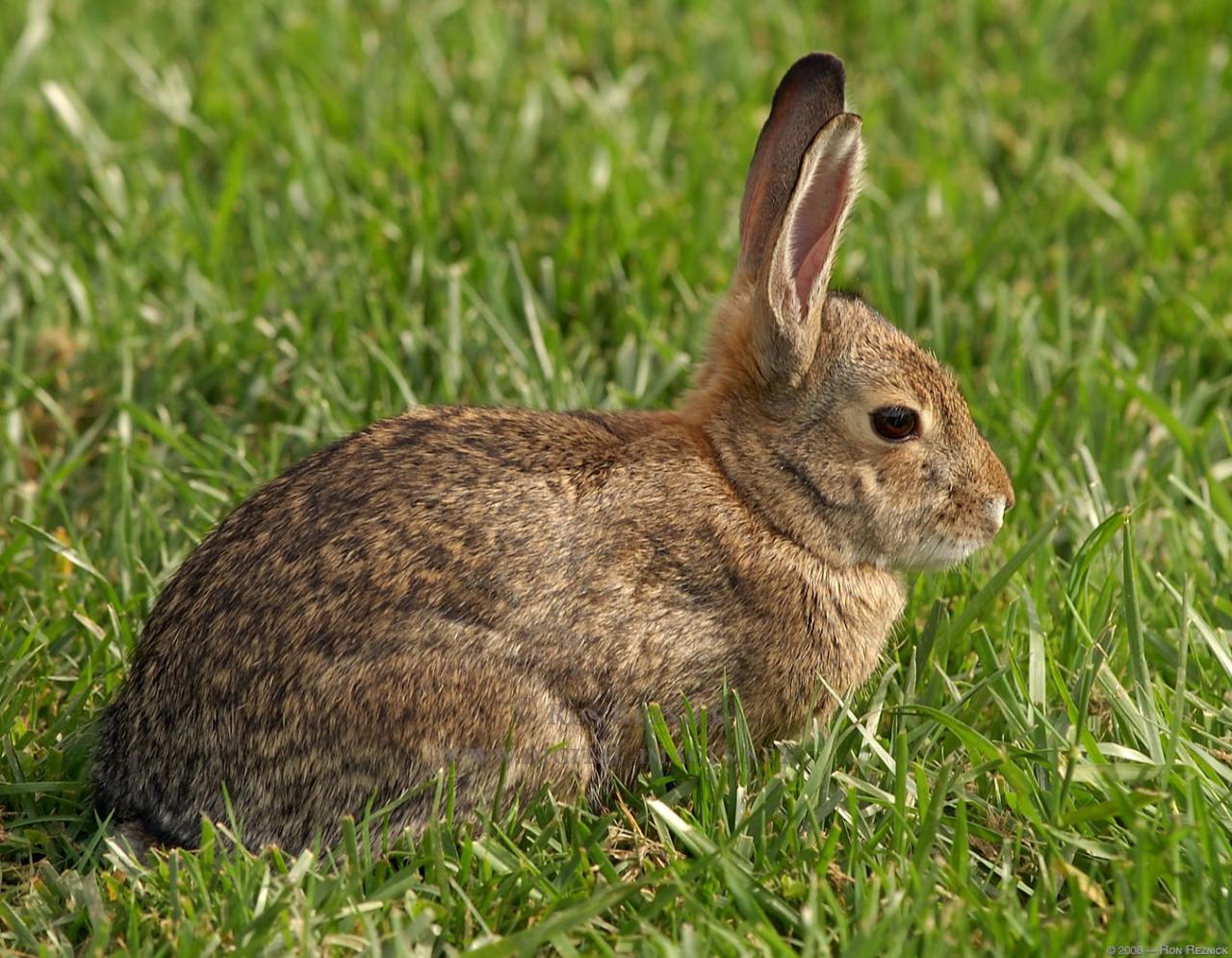
Selecting and managing your breeding stock is a cornerstone of successful rabbit breeding. The quality of your foundation animals directly influences the health, vigor, and productivity of your future generations. This involves a thoughtful approach to choosing rabbits that possess desirable traits, considering genetic health, and maintaining meticulous records to track lineage and progress.A well-managed breeding program is built upon understanding the strengths and weaknesses of different breeds and implementing a clear plan for maintaining the health and efficiency of your breeding population.
This includes identifying and addressing any genetic predispositions to illness and making informed decisions about which animals best contribute to your breeding goals.
Traits for Selecting Breeding Rabbits
When selecting rabbits for your breeding program, focus on characteristics that promote health, productivity, and desirable offspring. These traits contribute to a robust and sustainable rabbitry.Key traits to evaluate include:
- Temperament: Select rabbits that are docile and easy to handle. This makes the breeding process less stressful for both the rabbits and the handler, and also influences the temperament of the kits.
- Physical Conformation: Look for rabbits with strong bone structure, good muscle development, and a symmetrical body shape appropriate for their breed. Avoid rabbits with obvious physical defects or imbalances.
- Health: Breeding animals should be free from any signs of illness, parasites, or chronic conditions. Healthy parents are more likely to produce healthy offspring.
- Fertility: Observe for signs of good reproductive health in both bucks and does, such as regular cycles in does and active libido in bucks.
- Mothering Instincts: For does, observe their ability to care for their young. A good mother will be attentive, provide adequate milk, and protect her litter.
- Growth Rate and Feed Conversion: If your goal is meat production, select rabbits that grow quickly and efficiently convert feed into body mass.
- Fur Quality: For fur production, select rabbits with dense, lustrous fur of the desired type and color.
Genetic Considerations for Preventing Inherited Health Problems
Proactive genetic management is crucial to minimize the incidence of inherited health issues within your rabbitry. Understanding common genetic disorders and their inheritance patterns allows for informed breeding decisions.It is important to:
- Research Breed-Specific Genetic Disorders: Familiarize yourself with common genetic conditions prevalent in the breeds you are working with. For example, some breeds may be predisposed to certain skeletal issues or digestive problems.
- Select Foundation Stock Carefully: When acquiring new rabbits, inquire about their genetic history and any known health issues within their lineage. Reputable breeders are transparent about this information.
- Avoid Inbreeding and Linebreeding When Unnecessary: While controlled linebreeding can fix desirable traits, indiscriminate inbreeding can concentrate undesirable genes, leading to increased susceptibility to disease and reduced vigor (inbreeding depression).
- Understand Dominant and Recessive Genes: Learn about basic Mendelian genetics to understand how traits, including those for health and disease, are passed down.
- Observe Offspring for Health Issues: Closely monitor litters for any signs of genetic abnormalities. If a particular health issue appears repeatedly in offspring from specific pairings, consider discontinuing those lines.
- Consult with Veterinarians or Geneticists: For complex genetic issues or if you are developing a large-scale breeding program, seeking professional advice can be invaluable.
Framework for Record-Keeping of Breeding Lines and Offspring
Comprehensive record-keeping is the backbone of any successful breeding program, providing valuable insights for making informed decisions and tracking progress over time. A well-organized system allows you to understand lineage, identify productive animals, and troubleshoot issues.A robust record-keeping framework should include:
| Rabbit Identification | Details |
|---|---|
| Ear Tattoo/Number | Unique identifier for each rabbit. |
| Breed and Variety | Specific breed and color of the rabbit. |
| Date of Birth | Essential for tracking age and maturity. |
| Sire and Dam Information | Identification numbers of the parents, crucial for pedigree tracking. |
| Health Records | Vaccinations, deworming, treatments, and any observed health issues. |
| Breeding Records | Date of pairing, date of kindling, number of kits born (live and stillborn), litter survival rate, and any complications. |
| Offspring Records | Identification of each offspring, their sire and dam, date of birth, sex, and any significant traits or health concerns observed. |
| Temperament and Behavior | Notes on handling ease, mothering abilities, and general disposition. |
| Production Data (if applicable) | Weight at specific ages, feed conversion ratios, pelt quality, etc. |
Digital record-keeping systems, such as spreadsheets or specialized rabbitry management software, can greatly simplify this process.
Advantages and Disadvantages of Different Rabbit Breeds for Specific Purposes
Choosing the right breed is paramount for achieving your breeding objectives, whether for meat, fur, pets, or exhibition. Each breed has distinct characteristics that make it more or less suitable for particular roles.Here is a comparison of common breeds and their suitability:
-
New Zealand White:
- Advantages: Excellent meat producers, fast growth rate, good maternal instincts, large litters, hardy and adaptable. Widely used in commercial meat production.
- Disadvantages: Can be prone to sore hocks if not provided with adequate footing, may require more space due to their size.
- Californian:
- Advantages: Similar to New Zealand Whites in meat production capabilities, good carcass yield, calm temperament, hardy.
- Disadvantages: Can be susceptible to heat stress, their white fur can show dirt easily.
- Rex:
- Advantages: Prized for their unique velvety fur, good meat producers, generally docile.
- Disadvantages: Fur can be delicate and prone to damage, some genetic lines may have a higher incidence of ear problems.
- Flemish Giant:
- Advantages: Largest of the domestic breeds, can be gentle giants, good for meat production and as large pets, impressive presence.
- Disadvantages: Require more space and feed, can be slower to mature than smaller breeds, potential for skeletal issues due to their size if not managed properly.
- Holland Lop:
- Advantages: Popular as pets due to their small size and docile nature, distinct lop ears, relatively easy to handle.
- Disadvantages: Not typically bred for meat or fur production, can be prone to ear infections and dental issues if not properly cared for, smaller litter sizes.
The best breed for you will depend entirely on your specific goals, available resources, and personal preferences.
Plan for Culling Unhealthy or Unproductive Breeding Animals
A responsible breeding program necessitates a plan for culling animals that are unhealthy, genetically unsound, or unproductive. This ensures the overall health and efficiency of your breeding stock and prevents the perpetuation of undesirable traits.Your culling plan should consider the following:
- Health Criteria: Animals exhibiting chronic illness, persistent parasites, congenital defects, or injuries that compromise their well-being or reproductive capacity should be considered for culling. This includes rabbits with poor conformation that could lead to future health problems.
- Reproductive Performance: Does that consistently fail to conceive, have small or weak litters, or abandon their young may be unproductive. Bucks that show low libido or consistently produce infertile offspring should also be evaluated.
- Temperament: Aggressive, overly fearful, or difficult-to-handle rabbits can pose a risk to themselves, other rabbits, and the handler.
- Genetic Issues: If a rabbit consistently passes on undesirable genetic traits or health problems, it should be removed from the breeding program.
- Age and Productivity Decline: As rabbits age, their reproductive capabilities may decline. It is wise to retire older animals from breeding to ensure consistent productivity.
- Humane Euthanasia: When culling is necessary, it must be performed humanely. This typically involves euthanasia by a veterinarian or through methods that cause rapid and painless death. Consult with local regulations and veterinary professionals for guidance on humane euthanasia practices.
- Record-Keeping: Maintain clear records of why an animal was culled. This data is invaluable for identifying patterns and making future breeding decisions.
Health and Hygiene in Breeding Programs
Maintaining a healthy environment and implementing robust hygiene practices are paramount for the success and sustainability of any rabbit breeding program. A clean rabbitry minimizes stress, prevents disease outbreaks, and ensures the well-being of your breeding stock, pregnant does, and developing kits. Proactive health management is a cornerstone of responsible rabbit husbandry.This section will delve into the essential practices that contribute to a healthy rabbitry, including detailed hygiene protocols, a recommended vaccination schedule, identification and treatment of common ailments, parasite control, and emergency preparedness.
By adhering to these guidelines, breeders can significantly improve their rabbits’ health, productivity, and overall longevity.
Essential Hygiene Practices for a Rabbitry
A clean and well-maintained environment is the first line of defense against disease. Regular cleaning and disinfection protocols are crucial for preventing the buildup of pathogens, parasites, and ammonia, which can negatively impact rabbit health and reproductive success.
- Daily Cleaning: Remove soiled bedding, droppings, and uneaten food from cages and hutches daily. This prevents ammonia buildup, which can irritate respiratory systems and eyes.
- Weekly Deep Cleaning: Thoroughly clean and disinfect all cages, waterers, and feeders at least once a week. Use a rabbit-safe disinfectant and ensure all surfaces are dry before returning rabbits.
- Bedding Management: Provide fresh, absorbent bedding such as straw, hay, or paper-based products. Avoid dusty or moldy bedding, which can cause respiratory issues. Change bedding frequently, especially in damp weather.
- Water and Food Sanitation: Wash water bottles and crocks daily to prevent bacterial growth. Ensure food is stored in a cool, dry place and remove any uneaten wet food promptly.
- Ventilation: Ensure adequate ventilation in the rabbitry to reduce humidity and the concentration of airborne pathogens and ammonia. However, avoid direct drafts on the rabbits.
- Pest Control: Implement measures to control flies, rodents, and other pests that can carry diseases into the rabbitry.
- Quarantine Procedures: Always quarantine new rabbits for at least 30 days before introducing them to your existing stock. This allows for observation and treatment of any potential health issues.
Vaccination Schedule for Breeding Rabbits
While not all regions require vaccinations, a proactive approach to disease prevention can safeguard your breeding program. The specific vaccines needed will depend on the prevalent diseases in your geographical area and may require consultation with a veterinarian.
Vaccination is a critical component of preventative healthcare, offering protection against potentially fatal diseases.
A typical vaccination schedule might include protection against Rabbit Hemorrhagic Disease Virus (RHDV) and Myxomatosis. These diseases are highly contagious and often fatal. The exact timing and boosters will be determined by the vaccine manufacturer and your veterinarian. For instance, young rabbits may receive their first vaccinations around 4-6 weeks of age, with boosters administered periodically. Pregnant does should generally be vaccinated well before their due date to ensure passive immunity is transferred to their kits through colostrum.
Identifying and Treating Common Rabbit Diseases Affecting Breeding Stock
Early detection and prompt treatment are vital for managing diseases in breeding rabbits. Understanding the signs of illness allows for timely intervention, which can prevent the spread of disease and improve the chances of recovery.
Respiratory Infections (Snuffles)
Caused by bacteria such as
-Pasteurella multocida*, snuffles can manifest as sneezing, nasal discharge (clear to white or yellow), watery eyes, and labored breathing. In breeding rabbits, chronic or severe infections can impact fertility and overall health.
- Identification: Observe for sneezing, nasal discharge, coughing, and noisy breathing.
- Treatment: Veterinary diagnosis is crucial. Treatment often involves antibiotics prescribed by a veterinarian. It is essential to isolate affected rabbits to prevent spread.
Digestive Upset (GI Stasis)
Gastrointestinal stasis occurs when the rabbit’s digestive system slows down or stops. This is often a symptom of an underlying issue, such as pain, stress, or an inappropriate diet. It is a serious condition that requires immediate attention.
- Identification: Lack of appetite, reduced fecal output (small, dry droppings or no droppings), lethargy, hunched posture, and a distended abdomen.
- Treatment: This is a medical emergency. Contact your veterinarian immediately. Treatment may involve fluid therapy, pain management, and medications to stimulate gut motility. Addressing the underlying cause is paramount.
Dental Problems
Rabbit teeth grow continuously. Overgrown or misaligned teeth can cause pain, difficulty eating, and lead to digestive issues. This is particularly important in breeding stock as it can affect their ability to maintain condition.
- Identification: Drooling, reduced appetite, weight loss, selective eating (preferring soft foods), and visible overgrowth of incisors or molars.
- Treatment: Veterinary dental care is required. Teeth may need to be trimmed or burred by a veterinarian. Regular dental checks are recommended.
Mastitis
Inflammation of the mammary glands, mastitis can occur in lactating does. It is often caused by bacterial infection and can be painful and life-threatening.
- Identification: Redness, swelling, heat, and pain in the mammary glands. Milk may appear discolored or contain pus. Affected kits may refuse to nurse.
- Treatment: Immediate veterinary attention is necessary. Treatment typically involves antibiotics and supportive care, including pain relief and ensuring kits are able to nurse or are supplemented.
Parasite Control Measures for Pregnant Does and Kits
Parasites, both internal and external, can significantly impact the health of pregnant does and their young kits. Effective parasite control is essential to prevent anemia, weight loss, disease transmission, and reduced growth rates.
External Parasites
Mites (e.g., ear mites, fur mites) and fleas can cause significant discomfort, skin irritation, and anemia. Pregnant does can pass mites to their kits.
- Identification: Itching, hair loss, scabs, flaky skin, and visible parasites. For ear mites, head shaking and dirty ears are common signs.
- Control: Regular inspection of all rabbits is key. Use rabbit-safe treatments recommended by your veterinarian. These may include topical applications or injections. Ensure treatments are safe for pregnant and lactating animals. Environmental cleaning is also vital to eliminate parasite eggs and larvae.
Internal Parasites
Coccidia are common intestinal parasites, particularly in young rabbits. While adult rabbits may have a degree of immunity, pregnant does can become stressed and more susceptible, potentially shedding oocysts and infecting their kits.
- Identification: Diarrhea, weight loss, poor growth, and lethargy. In severe cases, blood may be present in the feces.
- Control: Maintain excellent hygiene to minimize oocyst contamination. Your veterinarian may recommend fecal testing to identify specific parasites. Treatment often involves anticoccidial medications administered in the water or feed. For pregnant does and kits, specific dosages and drug choices are critical.
A consistent parasite prevention program, tailored to your rabbitry’s specific risks and confirmed by veterinary advice, is more effective than treating outbreaks.
Emergency Preparedness Steps for a Rabbitry
Being prepared for emergencies can make a critical difference in the outcome for your rabbits. This includes having a plan for natural disasters, power outages, and sudden illness or injury.
A well-thought-out emergency plan ensures that you can act quickly and effectively when unexpected events occur, minimizing stress and potential harm to your rabbits.
- Emergency Contact List: Maintain an up-to-date list of contacts, including your veterinarian, emergency veterinary clinics, trusted rabbit-savvy individuals, and local animal control.
- First-Aid Kit: Assemble a comprehensive rabbit first-aid kit. This should include items such as:
- Rabbit-safe antiseptic wipes or solution
- Gauze pads and bandages
- Medical tape
- Syringes (without needles) for administering liquid medication or critical care formula
- Critical care rabbit food formula
- Probiotics
- Saline solution for flushing wounds
- Thermometer
- Nail clippers
- Tweezers
- A clean towel or blanket for handling and warmth
- Contact information for your veterinarian for urgent advice
- Evacuation Plan: If you live in an area prone to natural disasters like floods, fires, or hurricanes, have a plan for safely evacuating your rabbits. This includes identifying suitable carriers, a secure transport vehicle, and pre-determined safe locations.
- Power Outage Preparedness: For breeding programs that rely on electricity for heating, cooling, or ventilation, have backup power solutions such as generators and sufficient fuel. For extreme temperatures, consider battery-operated fans or insulated carriers.
- Food and Water Stockpile: Maintain a sufficient supply of rabbit feed, hay, and fresh water to last for at least a week in case of supply chain disruptions.
- Illness and Injury Protocols: Know the signs of common rabbit emergencies and have a clear protocol for what to do. This includes knowing when to contact your veterinarian immediately versus when home care might be appropriate.
- Documentation: Keep detailed records of each rabbit’s health history, vaccinations, and any treatments. This information is invaluable during an emergency.
Final Review
Mastering the art of rabbit breeding involves a commitment to careful observation, diligent care, and a thorough understanding of each stage. From the initial pairing to the successful weaning of kits and the ongoing management of your breeding program, this comprehensive approach ensures not only the continuation of healthy rabbit lines but also a deeply satisfying and educational experience for the dedicated breeder.
By applying the principles Artikeld, you are well-equipped to cultivate a thriving and productive rabbitry.