Beginning with how to milk a cow, the narrative unfolds in a compelling and distinctive manner, drawing readers into a story that promises to be both engaging and uniquely memorable.
This guide delves into the fundamental aspects of milking a cow, exploring its historical significance and the practical benefits of understanding the process. We will cover everything from essential hygiene and equipment preparation to the detailed techniques of manual milking, ensuring both the milker and the cow are comfortable and safe throughout. Furthermore, we will touch upon automated systems, post-milking care, and common challenges, providing a holistic view of this age-old practice.
Introduction to Milking a Cow
Milking a cow is a practice that has sustained human civilization for millennia, providing a vital source of nutrition and economic stability. This fundamental agricultural skill, honed over generations, connects us directly to the natural world and the essential processes that support life. Understanding how to milk a cow offers a unique perspective on animal husbandry, sustainable living, and the origins of one of our most cherished food products.The historical significance of milking cows is profound.
Archaeological evidence suggests that dairy farming began around 10,000 years ago in the Fertile Crescent, coinciding with the domestication of cattle. This innovation allowed early human societies to access a consistent and nutrient-rich food source beyond hunting and gathering, contributing to population growth and the development of settled communities. From ancient pastoralists to modern dairy operations, the act of milking has remained a cornerstone of agriculture.The benefits of understanding the milking process extend beyond the immediate acquisition of milk.
For individuals, it fosters a deeper appreciation for the labor involved in food production and a more intimate connection with farm animals. For communities, particularly those in rural areas, dairy farming can be a significant economic driver, supporting livelihoods and local economies. Furthermore, the knowledge of proper milking techniques contributes to animal welfare, ensuring healthy herds and a sustainable supply of milk.To effectively milk a cow, it is important to be familiar with the primary components involved.
These are the parts of the cow that are directly interacted with during the milking process.
Primary Components of a Cow Relevant to Milking
The physical anatomy of a cow plays a crucial role in the milking process. Understanding these key areas ensures efficiency, safety, and the well-being of both the animal and the milker.
- Udder: This is the mammary gland of the cow, responsible for producing milk. It is typically divided into four quarters, each with its own teat. The udder is a highly vascularized organ, and its size and shape can vary significantly between breeds and individual cows.
- Teats: These are the projections from the udder through which milk is extracted. Each teat has a canal that leads to the milk cistern within the udder. The texture and sensitivity of the teats are important considerations during milking.
- Milk Cistern: Located within the udder, this is a reservoir where milk collects before being released through the teats.
- Teat Canal (Streak Canal): This is the opening at the tip of the teat that allows milk to flow out. It is lined with sphincter muscles that keep it closed when not being milked.
Preparing for Milking
Before commencing the milking process, meticulous preparation is paramount to ensure the health of both the milker and the cow, as well as the quality of the milk produced. This stage involves establishing a clean environment and gathering all necessary equipment. Adhering to a strict routine in this phase significantly reduces the risk of contamination and promotes efficient milking.A clean and organized approach to milking preparation not only safeguards against mastitis and other infections in the cow but also contributes to a higher standard of milk hygiene, making it safer for consumption and processing.
The following sections detail the essential steps and tools for this critical phase.
Hygiene Practices for Milker and Cow
Maintaining a high level of cleanliness is fundamental for successful and safe milking. This involves dedicated practices for both the individual performing the milking and the animal being milked.For the milker, personal hygiene is the first line of defense against the transfer of bacteria. This includes thorough handwashing with soap and water before and after milking. It is also advisable to wear clean clothing and, if possible, dedicated milking attire.
If hand sanitizers are used, ensure they are effective against common milkborne pathogens.The cow’s hygiene is equally vital. The udder and teats are the direct points of contact during milking and are susceptible to contamination. Prior to milking, the udder should be cleaned to remove any dirt, manure, or debris. This can be achieved using clean cloths dampened with a mild, approved udder wash solution.
The teats should be dried thoroughly with a separate, clean towel after washing. This pre-milking teat cleaning is a critical step in preventing the introduction of bacteria into the milk.
Essential Equipment and Tools for Manual Milking
To perform manual milking effectively and hygienically, a specific set of tools and equipment is required. Having these items readily available and in good condition streamlines the process and ensures optimal results.The following list comprises the primary equipment needed for manual milking:
- Milking Pail: A clean, wide-mouthed pail, typically made of stainless steel, is used to collect the milk. It should be thoroughly washed and dried after each use.
- Stool or Milking Seat: A comfortable and stable stool or seat is necessary for the milker to sit on during the milking process.
- Udder Wash Solution: A mild, veterinarian-approved antiseptic solution used for cleaning the cow’s udder and teats.
- Clean Cloths or Paper Towels: Multiple clean cloths or disposable paper towels are essential for washing and drying the udder and teats.
- Teat Dip: An antiseptic solution used to dip the teats after milking to disinfect them and prevent bacterial entry.
- Gloves (Optional but Recommended): Disposable gloves can be worn by the milker to enhance hygiene and protect their hands.
- Strainer: A milk strainer with a clean filter is used to remove any particulate matter from the milk before it is stored.
- Storage Container: A clean, food-grade container for storing the milk after straining.
Pre-Milking Preparation Checklist
A systematic checklist ensures that all preparatory steps are completed before milking begins, minimizing the risk of errors and contamination. This checklist serves as a guide to maintain consistency and efficiency in the milking routine.Before starting the milking process, review and complete the following items:
- Ensure the milking area is clean and free from debris.
- Gather all necessary equipment: milking pail, stool, udder wash, clean cloths, teat dip, strainer, and storage container.
- Wash hands thoroughly with soap and water.
- If wearing gloves, ensure they are clean and intact.
- Approach the cow calmly and ensure she is in a relaxed state.
- Inspect the cow’s udder for any signs of injury, swelling, or abnormalities.
- Clean the cow’s udder using the udder wash solution and a clean cloth.
- Dry the udder and teats thoroughly with a separate, clean towel.
- Visually inspect the first streams of milk from each teat for any abnormalities (e.g., flakes, discoloration). This is a crucial step for early detection of mastitis.
- Ensure the milking pail is clean and ready to receive milk.
“Hygiene is not a single act, but a habit.”
The Manual Milking Technique
Manual milking, while less common in large-scale operations today, remains a valuable skill for small farms, homesteaders, and in situations where mechanical equipment is unavailable. It offers a direct connection to the animal and allows for close observation of udder health. This section will guide you through the fundamental steps of hand milking a cow, emphasizing proper technique for efficiency and the cow’s comfort.The process of hand milking involves a rhythmic squeezing and releasing motion of the teat, encouraging milk to flow from the udder.
Achieving this requires understanding the anatomy of the teat and applying the correct pressure at the right moments. It’s a skill that improves with practice, and patience is key, both for the milker and the cow.
Step-by-Step Manual Milking Procedure
The following steps Artikel the sequential actions for effectively milking a cow by hand. Each step builds upon the previous one to ensure a smooth and complete milking process.
- Begin by ensuring the cow is calm and comfortably secured.
- Wash your hands thoroughly with soap and water, and dry them completely.
- Gently grasp the teat with your thumb and forefinger at the top, just below the udder. This initial grip should effectively close off the top of the teat.
- Using your middle, ring, and pinky fingers, sequentially squeeze downwards. This action pushes the milk that has collected in the teat cistern down towards the teat opening.
- Release the pressure from all fingers simultaneously, allowing the teat to refill with milk from the udder cistern.
- Repeat this squeezing and releasing motion in a rhythmic, consistent pattern.
- Continue milking each teat until the milk flow significantly slows down or stops.
- Once the primary milking is complete, gently massage the udder towards the teats to encourage any remaining milk to be expressed. This is often referred to as “stripping” the udder.
- Collect all expressed milk in a clean container, ensuring no contaminants enter.
Correct Hand Positioning and Pressure
Proper hand placement and the application of pressure are crucial for both efficient milk extraction and the well-being of the cow. Incorrect technique can lead to discomfort for the animal and reduced milk yield.The fundamental principle involves mimicking the sucking action of a calf. The thumb and forefinger form a seal at the top of the teat, preventing milk from flowing back up into the udder.
The subsequent squeezing motion with the remaining fingers should be firm but not forceful, akin to squeezing a sponge. Avoid pulling or yanking the teats, as this can cause injury and pain. The pressure should be applied in a downward motion, pushing the milk out. It is important to release the pressure fully between squeezes to allow the teat to refill.
“The rhythm of milking is as important as the pressure. A consistent, gentle rhythm encourages milk let-down and reduces stress on the cow.”
Common Challenges and Solutions in Manual Milking
Encountering difficulties during manual milking is a normal part of the learning process. Understanding these challenges and their solutions will help you become a more proficient and compassionate milker.
Challenges and Solutions Table
| Common Challenge | Explanation | Solution |
|---|---|---|
| Cow is Restless or Agitated | The cow may be nervous due to a new milker, the environment, or discomfort. | Approach the cow calmly and speak softly. Ensure she is comfortable and has a secure footing. Offer a small amount of feed as a distraction. Patience is key; do not rush the process. |
| Difficulty Initiating Milk Flow | Sometimes, the initial milk flow can be slow to start. | Ensure you are correctly sealing the top of the teat with your thumb and forefinger. Try a slightly firmer initial grip. Warm water applied to the udder before milking can also aid in milk let-down. |
| Teats are Sore or Injured | Irritation or injury to the teats can make milking painful for the cow and difficult for the milker. | Inspect teats for any redness, swelling, or cuts. If teats are sore, be extremely gentle. Milking may need to be postponed or done with extra care. Consult a veterinarian if injuries are severe. |
| Incomplete Milk Removal | Not all milk is being expressed from the udder. | After the main milking, perform gentle stripping by massaging the udder towards the teats. This helps to remove the residual milk, which is rich in fat. Ensure you are consistently releasing pressure between squeezes. |
| Milker Fatigue | Prolonged milking can lead to hand and arm fatigue. | Develop a consistent rhythm to conserve energy. Take short breaks if necessary, but try to maintain the cow’s comfort. Practicing regularly will build stamina. |
Sequence of Actions for Efficient and Comfortable Milking
An organized approach to manual milking ensures both the milker’s efficiency and the cow’s comfort, leading to a more positive experience for both. This sequence emphasizes a smooth transition through the milking process.To achieve efficient and comfortable milking, consider the following sequence of actions:
- Preparation: Ensure all necessary equipment is clean and within reach. Prepare the cow by calming her and ensuring she is properly secured.
- Udder Preparation: Gently wash and dry the udder and teats. This not only promotes hygiene but also aids in milk let-down.
- Initial Milking: Begin by milking the teats in a consistent rhythm, focusing on a firm seal at the top and a smooth squeezing motion downwards.
- Alternating Teats: While it’s possible to milk all four teats simultaneously, many find it more efficient and less fatiguing to milk two teats at a time, alternating between pairs.
- Stripping: Once the main flow of milk has subsided, gently massage the udder to strip out the remaining milk.
- Post-Milking: Ensure the milking area is clean and the cow is released calmly. Clean all equipment thoroughly.
Understanding Cow Comfort and Behavior During Milking
Ensuring a cow’s comfort and understanding her behavior during milking is paramount for both successful milk production and the animal’s overall well-being. A relaxed cow will yield more milk and experience less stress, contributing to a more positive and efficient milking routine. Recognizing subtle cues of discomfort allows for timely adjustments, fostering a trusting relationship between the milker and the cow.Paying close attention to a cow’s body language and vocalizations provides valuable insights into her emotional state.
These observations are crucial for identifying potential issues before they escalate and for implementing strategies that promote a calm and cooperative milking experience.
Signs of Stress or Discomfort
Cows communicate their feelings through a variety of physical and behavioral indicators. Identifying these signs is the first step in addressing any discomfort they might be experiencing during the milking process.
- Restlessness and Fidgeting: A cow that is constantly shifting her weight, flicking her tail excessively, or trying to move away from the milker may be experiencing discomfort. This can be due to improper handling, discomfort from the milking equipment, or general anxiety.
- Ears and Tail Position: Ears held back or flat against the head, combined with a tucked or aggressively swishing tail, are strong indicators of stress or fear. Relaxed cows typically have their ears forward or in a neutral position, and their tails may hang loosely or swish gently.
- Vocalization: While not always present, mooing or bellowing during milking can signify distress, pain, or extreme frustration. Occasional low moos might indicate contentment, but a change in vocalization patterns warrants attention.
- Muscle Tension: A cow that appears rigid, with tense muscles, especially around her hindquarters, may be experiencing pain or apprehension. This can manifest as difficulty in letting down her milk.
- Refusal to Enter Milking Area: If a cow consistently resists entering the milking parlor or stall, it suggests a negative association with the experience, likely stemming from past discomfort or fear.
- Kick-offs: While sometimes a learned behavior, repeated kick-offs during milking can indicate pain or a strong desire to escape an unpleasant situation.
Strategies for Ensuring Cow Calmness and Relaxation
Creating a calm environment and employing gentle handling techniques are fundamental to a positive milking experience for the cow. These strategies not only improve milk let-down but also build trust and reduce stress.
- Consistent Routine: Cows thrive on predictability. Maintaining a consistent milking schedule, using the same entry and exit points, and having the same personnel involved in milking as much as possible helps reduce anxiety.
- Gentle Handling: Approach cows calmly and avoid sudden movements or loud noises. Speak in a soft, reassuring tone. Leading cows with a gentle touch rather than forceful pushing is essential.
- Proper Equipment Fit: Ensure milking clusters are properly attached and that the vacuum levels are appropriate for the individual cow. Ill-fitting equipment can cause pain and irritation.
- Positive Reinforcement: Offering a small amount of desirable feed (like concentrates) in the milking parlor can create a positive association with the milking process. This encourages cows to enter the parlor willingly.
- Sufficient Time for Milk Let-down: Allow adequate time for the cow to relax and let down her milk before attaching the milking unit. This can be facilitated by pre-milking teat preparation which also stimulates milk let-down.
- Adequate Space: Ensure cows have enough space in the holding area and milking stall to feel comfortable and not crowded.
Approaches to Handling Cows for Milking
The way a cow is handled before, during, and after milking significantly impacts her comfort and behavior. Different approaches can yield varying results in terms of stress levels and cooperation.
| Handling Approach | Description | Impact on Cow Comfort | Pros | Cons |
|---|---|---|---|---|
| Gentle and Calm Approach | Involves slow, deliberate movements, soft vocalizations, and a focus on reading the cow’s body language. Milkers aim to build trust and minimize fear. | High comfort, low stress. Cows are more likely to be cooperative and allow for efficient milking. | Promotes milk let-down, reduces risk of injury, fosters positive human-animal bond, improves milk quality. | Requires patience and skill, may take slightly longer initially. |
| Forceful or Aggressive Approach | Characterized by loud noises, quick movements, pushing, and sometimes physical correction to move the cow. | Low comfort, high stress. Cows become fearful and resistant, potentially leading to injury. | May move cows quickly in the short term. | Causes significant stress and fear, can lead to kicking and injury, reduces milk let-down, damages human-animal relationship, potential for reduced milk production and quality over time. |
| Habituation and Training | Involves consistent exposure to the milking environment and positive reinforcement from a young age, coupled with clear and consistent handling cues. | High comfort once habituated. Cows learn to associate milking with positive experiences or at least a neutral, predictable routine. | Leads to very cooperative animals, reduces need for forceful handling, efficient milking. | Requires long-term commitment and consistent application from birth. |
Milking Equipment and Automation
Transitioning from manual milking to utilizing equipment and automation represents a significant advancement in dairy farming efficiency and consistency. While manual milking offers a direct connection to the animal, modern technology provides solutions for larger herds and demands for increased productivity and hygiene. This section explores the various types of milking equipment available and the principles behind automated systems.
Types of Milking Machines
Milking machines have revolutionized the dairy industry by mechanizing the process of milk extraction. These machines work by creating a vacuum that stimulates the teat and draws milk from the udder. There are several primary types, each with its own design and application.
- Bucket Milkers: These are relatively simple, portable units consisting of a vacuum pump, a milk bucket, and teat cups. They are suitable for smaller herds and offer a step up from purely manual milking.
- Pipeline Milking Systems: In these systems, milk is drawn directly from the cow through a network of pipes to a central collection tank. This eliminates the need to carry heavy milk buckets and improves hygiene by reducing milk exposure to the environment.
- Rotary Milking Parlors: Often referred to as “carousels,” these systems involve a rotating platform where cows are milked as they move around. This allows for a continuous milking process and high throughput, making them ideal for very large herds.
- Parallel Parlors: Cows stand side-by-side in stalls that are perpendicular to the operator’s walkway. This design allows for efficient udder access and quick attachment of milking units.
- Herringbone Parlors: In this configuration, cows stand at an angle to the operator’s walkway, resembling a herringbone pattern. This arrangement allows for a greater number of stalls in a given space and good udder visibility.
Operational Principles of Automated Milking Systems
Automated Milking Systems (AMS), commonly known as robotic milkers, represent the pinnacle of milking automation. These sophisticated systems aim to mimic the milk let-down reflex and milk extraction process while minimizing human intervention.
- Cow Identification: Each cow is typically equipped with an electronic tag (e.g., RFID) that allows the system to identify her as she enters the milking station.
- Teat Detection and Cleaning: Advanced sensors and cameras identify the cow’s teats. The system then automatically cleans the teats, often using a pre-milking teat cup washer or spray.
- Teat Cup Attachment: Robotic arms, guided by sensors, precisely attach the milking clusters to the teats.
- Milking Process: The system applies vacuum and pulsation cycles to extract milk, similar to conventional machines, but with finely tuned parameters based on the individual cow and milk flow.
- Milk Monitoring: Sensors monitor milk quality and quantity, detecting any abnormalities such as blood or mastitis.
- Teat Cup Detachment: Once milking is complete, the cups are automatically detached.
- Post-Milking Teat Dipping: A post-milking teat dip is often applied to help prevent infection.
Milking Machines Versus Manual Methods: Advantages and Disadvantages
The choice between manual milking and using milking machines involves weighing several critical factors that impact efficiency, labor, and animal welfare.
Advantages of Milking Machines
Milking machines offer significant benefits, particularly for larger operations. They can drastically reduce the physical labor required, leading to less fatigue for farmhands. The consistent application of vacuum and pulsation can also lead to more efficient milk let-down and faster milking times compared to manual methods. Furthermore, well-maintained milking machines can contribute to improved hygiene by minimizing human contact with the milk and employing controlled vacuum levels that are less likely to cause udder irritation if set correctly.
Disadvantages of Milking Machines
The primary disadvantage of milking machines is their initial cost, which can be substantial, especially for automated systems. They also require regular maintenance, cleaning, and skilled operation to ensure they function correctly and do not cause harm to the cows. Malfunctioning equipment can lead to udder damage or reduced milk production. For very small herds, the investment in milking equipment might not be economically justifiable.
Advantages of Manual Milking
Manual milking allows for a direct assessment of the cow’s udder and can foster a closer bond between the milker and the animal. It requires no significant capital investment in machinery and is not susceptible to mechanical failures. It can be a viable option for hobby farms or very small, low-production herds where efficiency is not the primary concern.
Disadvantages of Manual Milking
The most significant drawback of manual milking is the intense physical labor involved. It is time-consuming and can lead to repetitive strain injuries. Consistency in milk extraction can be challenging, and the risk of introducing contaminants is higher due to direct human contact. It is also impractical for managing larger herds, as the labor demands become overwhelming.
Comparison of Manual Milking and Automated Milking Systems
The following table highlights the key differences between manual milking and automated milking systems across several important factors.
| Feature | Manual Milking | Automated Milking |
|---|---|---|
| Speed | Slow and labor-intensive per cow. Efficiency is limited by human stamina and technique. | Significantly faster per cow due to efficient automated processes. High throughput is achievable. |
| Labor Requirement | High, requiring dedicated time and physical effort for each milking session. | Low, with human oversight focused on monitoring, maintenance, and herd health rather than direct milking. |
| Initial Cost | Very low, requiring minimal investment in basic tools. | Very high, involving substantial investment in robotic units, infrastructure, and software. |
| Hygiene Control | Relies heavily on the milker’s cleanliness and practices; higher risk of contamination without strict protocols. | High, with automated cleaning, controlled vacuum, and reduced human contact minimizing contamination risks. |
| Consistency | Varies based on the milker’s skill and fatigue. | Highly consistent, with pre-programmed settings and precise robotic movements. |
| Data Collection | Minimal, typically recorded manually. | Extensive, with real-time data on milk yield, quality, and cow health metrics. |
Post-Milking Procedures and Milk Handling
Following the milking process, diligent post-milking procedures are paramount to maintaining the health of the cow’s udder and ensuring the highest quality and safety of the collected milk. These steps are crucial for preventing mastitis, minimizing bacterial contamination, and preserving the milk’s nutritional value and shelf life.
Teat and Udder Cleaning After Milking
Proper cleaning of the teats and udder immediately after milking is a critical step in preventing the entry of bacteria into the teat canal, which can lead to mastitis. This process not only protects the cow’s health but also significantly contributes to milk hygiene.The following steps are essential for effective post-milking teat and udder cleaning:
- Wiping the Teats: Use clean, dry, and individual cloths or paper towels to wipe each teat. This removes any residual milk and debris.
- Teat Dipping: Apply a post-milking teat dip solution to each teat. These dips contain antimicrobial agents that help to disinfect the teat canal opening and prevent bacterial colonization. Ensure the entire teat, from the base to the tip, is covered by the dip.
- Allowing to Air Dry: Let the teat dip air dry on the teat. This allows the antimicrobial agents to remain in contact with the teat surface and provides a protective barrier.
- Udder Wash (if necessary): In cases of significant soiling, a gentle udder wash with a mild disinfectant can be used before milking, but it’s crucial to ensure the udder is thoroughly dried before attaching milking equipment. Post-milking, the focus is primarily on teat cleaning.
Milk Collection and Storage
The journey of fresh milk from the udder to storage requires careful handling to maintain its purity and prevent spoilage. Proper collection and storage techniques are fundamental to producing safe and high-quality milk.Fresh milk should be collected and stored using the following methods:
- Immediate Cooling: Freshly drawn milk is warm and an ideal breeding ground for bacteria. It must be cooled rapidly to below 4°C (40°F) as soon as possible after milking. This significantly slows down bacterial growth.
- Filtration: Milk should be filtered immediately after collection to remove any physical impurities such as dirt, hair, or udder debris. This is typically done using specialized milk filters that are replaced after each milking.
- Clean Containers: Use only clean, sanitized, and food-grade containers for milk storage. Stainless steel is preferred for its durability and ease of cleaning.
- Sealed Storage: Containers must be kept tightly sealed to prevent contamination from the environment, including dust, insects, and odors.
- Dedicated Storage Area: Store milk in a cool, clean, and dedicated area, separate from other strong-smelling substances like feed or chemicals, which could be absorbed by the milk.
Ensuring Milk Quality and Safety
Maintaining the quality and safety of milk involves a comprehensive approach that addresses hygiene, temperature control, and regular testing. Adhering to best practices safeguards public health and ensures the milk meets regulatory standards.Best practices for ensuring milk quality and safety include:
- Strict Hygiene: Maintaining impeccable cleanliness of milking equipment, storage containers, and the milking environment is non-negotiable. Regular cleaning and sanitization protocols are essential.
- Temperature Management: Consistent and rapid cooling of milk is vital. Any fluctuations in temperature can lead to increased bacterial activity and spoilage.
- Regular Testing: Implement a schedule for regular milk testing. This includes testing for somatic cell count (SCC), which is an indicator of udder health and potential mastitis, and bacterial counts.
- Antibiotic Residue Testing: Ensure that no milk from cows treated with antibiotics enters the bulk supply. Proper withdrawal periods must be observed, and milk from treated cows should be segregated and tested.
- Traceability: Maintain records that allow for the traceability of milk, from the individual cow to the final consumer. This is crucial for effective recall procedures if any issues arise.
Milk Handling Process Flowchart
The following flowchart illustrates the sequential steps involved in handling milk from the point of milking to its final storage, emphasizing critical control points for quality and safety.
The milk handling process begins immediately after milking and involves several interconnected stages:
| Step | Description | Purpose |
|---|---|---|
| 1. Milking | Collection of milk from the cow’s udder. | Primary collection of raw milk. |
| 2. Initial Filtration | Passing milk through a coarse filter. | Removal of large particulate matter. |
| 3. Rapid Cooling | Chilling milk to below 4°C (40°F). | Inhibits bacterial growth. |
| 4. Bulk Storage Cooling | Holding cooled milk in a refrigerated bulk tank. | Maintains low temperature and allows for batch collection. |
| 5. Transfer/Collection | Pumping milk from the bulk tank to transport or processing. | Efficient movement for further processing or distribution. |
| 6. Secondary Filtration | Further filtration during transfer. | Ensures removal of finer impurities. |
| 7. Storage (Final) | Refrigerated storage at processing plant or distribution center. | Maintains quality until consumption or further processing. |
Common Issues and Troubleshooting in Milking
Milking is a fundamental practice in dairy farming, but it is not always without its challenges. Recognizing and effectively addressing common issues that arise during the milking process is crucial for maintaining cow health, ensuring milk quality, and optimizing production. This section will delve into potential problems, their identification, solutions, and preventative strategies.
Effective troubleshooting during milking requires a keen observation of both the cow and the milking equipment. Many issues are preventable with diligent care and attention to detail.
Mastitis Recognition and Management
Mastitis, an inflammation of the udder, is one of the most significant health and economic challenges in dairy herds. Early detection and appropriate management are paramount to minimizing its impact on milk production, milk quality, and the cow’s well-being.
- Clinical Signs: Observable changes in the udder and milk are the primary indicators of clinical mastitis. These include redness, swelling, heat, and pain in the affected quarter(s). The milk may appear watery, discolored (e.g., clotted, stringy, or bloody), or have an abnormal odor.
- Subclinical Signs: Subclinical mastitis, which lacks visible symptoms in the udder or milk, is often detected through routine milk quality testing, such as somatic cell counts (SCC). Elevated SCCs indicate an immune response to infection within the udder.
- Diagnosis: A veterinarian can confirm mastitis through physical examination, milk culture, and sensitivity testing to identify the causative bacteria and guide antibiotic treatment.
- Treatment: Treatment protocols typically involve intramammary infusions of antibiotics directly into the affected quarter(s), and in severe cases, systemic antibiotic therapy may be required.
- Prevention: Strict adherence to hygiene protocols during milking, proper functioning of milking equipment, maintaining clean housing, and ensuring a balanced diet are critical for preventing mastitis. Vaccination programs may also be considered.
Incomplete Milk Let-Down
The milk let-down reflex is a complex physiological response triggered by the release of oxytocin, stimulated by sensory signals from the teat. Disruptions to this reflex can lead to incomplete milk removal, leaving residual milk in the udder, which can increase the risk of mastitis and reduce overall yield.
- Causes: Stress and fear are the most common inhibitors of milk let-down. Factors contributing to stress include loud noises, rough handling, unfamiliar environments, pain, or discomfort. Inadequate stimulation of the teats prior to milking can also hinder the reflex.
- Recognition: Incomplete let-down is observed when milk flow is significantly reduced or stops entirely shortly after milking begins, even though the udder may still feel full. The cow may also appear agitated or restless.
- Troubleshooting: Ensuring a calm and quiet milking environment is essential. Gentle handling, consistent milking routines, and adequate teat stimulation (e.g., proper pre-milking teat cleaning and drying) are vital. Addressing any pain or discomfort the cow might be experiencing is also crucial.
- Prevention: Building a trusting relationship with the cows through positive reinforcement and consistent, gentle handling can significantly improve milk let-down. Minimizing changes in routine and ensuring comfortable housing contribute to a low-stress environment.
Milking Equipment Malfunctions
Faulty or poorly maintained milking equipment can lead to a range of problems, from inefficient milk removal to udder damage and increased mastitis incidence. Regular inspection and maintenance are therefore non-negotiable.
- Pulsation Issues: Incorrect pulsation rates or ratios can lead to inefficient milking and potential udder trauma. For instance, a pulsation that is too fast or has too much vacuum during the massage phase can cause discomfort and irritation.
- Vacuum Fluctuations: Unstable vacuum levels, either too high or too low, can negatively impact milk flow and udder health. Excessive vacuum can cause teat end damage, while insufficient vacuum results in slow milking and incomplete udder evacuation.
- Liner Wear: Rubber liners are consumables that degrade over time. Worn liners can lose their elasticity, fail to seal properly, and harbor bacteria, increasing the risk of mastitis and causing discomfort to the cow.
- Troubleshooting and Prevention: Regular servicing and calibration of milking machines by qualified technicians are essential. Daily visual checks of equipment, including liners, hoses, and pulsators, should be performed. Prompt replacement of worn parts is critical.
Teat End Condition and Health
The teat ends are the primary entry point for bacteria into the udder and are susceptible to damage from improper milking practices or equipment issues. Maintaining healthy teat ends is a cornerstone of udder health management.
- Signs of Damage: Healthy teat ends are typically smooth and pink. Signs of damage include redness, swelling, chapping, cracking, hyperkeratosis (thickening of the skin), or the presence of teat sores.
- Causes: Over-milking, excessive vacuum, improper liner fit, rough handling, and exposure to harsh environmental conditions can all contribute to teat end damage.
- Management: Ensuring correct milking machine settings and liner selection is paramount. Post-milking teat dipping with an effective antiseptic solution helps to disinfect the teat canal and promote healing. Applying teat balms can also help to keep the skin supple and protected.
- Prevention: Consistent monitoring of teat end condition during and after milking allows for early detection of problems. Adjusting milking machine parameters and improving handling techniques are key preventative measures.
Preventative Measures for Common Milking-Related Health Problems
A proactive approach to milking management can significantly reduce the incidence of common health issues in dairy cows. Prevention is always more cost-effective and beneficial for animal welfare than treating established problems.
- Hygiene Protocols: Implementing rigorous hygiene standards throughout the milking process, including pre-milking teat cleaning and disinfection, maintaining clean milking equipment, and ensuring a clean milking parlor environment, is fundamental.
- Proper Milking Technique: Gentle handling of cows, avoiding sudden movements or loud noises, and ensuring the milking machine is properly attached and detached are crucial to minimize stress and udder trauma.
- Equipment Maintenance: Regular servicing, calibration, and prompt replacement of worn parts in milking machines are essential to ensure they function correctly and do not cause harm to the cows.
- Nutritional Management: A balanced diet that supports a strong immune system is vital for cows to effectively fight off infections, including mastitis.
- Environmental Management: Providing clean, dry, and comfortable housing minimizes exposure to pathogens and reduces stress, contributing to overall herd health.
- Regular Monitoring: Routine checks of milk quality (e.g., SCC), teat end condition, and cow behavior during milking allow for early detection of potential problems before they become severe.
Visualizing the Milking Process
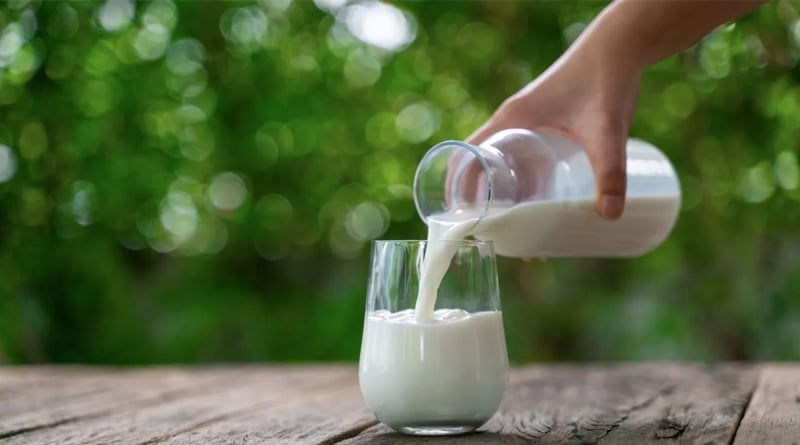
Observing the cow and the milk itself provides valuable insights into the milking process, allowing for adjustments and ensuring a smooth experience for both the animal and the milker. This section will guide you through the visual cues to look for and the sensory feedback you might experience.
Cow Readiness for Milking
A cow ready for milking will exhibit specific physical characteristics that indicate her comfort and the fullness of her udder. Paying attention to these signs is crucial for a successful and stress-free milking session.
- Udder Fullness: The udder will appear visibly swollen and taut, particularly in the teats. It will feel firm and warm to the touch. In some cows, the veins on the udder may become more prominent.
- Posture and Demeanor: A cow ready to be milked will often stand calmly and relaxedly. She may shift her weight slightly, but generally, she will be cooperative. Signs of discomfort, such as restlessness, kicking, or tail flicking, may indicate she is not yet ready or is experiencing an issue.
- Teat Appearance: The teats will be engorged and may appear slightly pinker than usual due to increased blood flow in preparation for milk let-down.
Appearance of Expressed Milk
The visual characteristics of milk as it is expressed can offer immediate feedback on its quality and the cow’s health.
- Color: Freshly expressed cow’s milk is typically white to creamy yellow. The exact shade can vary depending on the cow’s diet and breed. For instance, milk from cows grazing on fresh pasture rich in beta-carotene may have a slightly more yellowish hue.
- Consistency: Normal milk has a smooth, fluid consistency. It should not appear watery or clumpy. Any presence of blood, flakes, or unusual thickness warrants further investigation.
- Clarity: Milk should be free from visible sediment or foreign matter.
Physical Sensations During Manual Milking
The tactile experience of manual milking is an important part of the process, providing direct feedback and aiding in technique refinement.
- Teat Texture: As you grip the teat, you will feel its firmness and warmth. The skin should be smooth and elastic.
- Milk Flow: With each milking stroke, you will feel a distinct release of pressure and the warm flow of milk through your fingers. The sensation is akin to squeezing a firm, yielding tube.
- Udder Tension: As milk is withdrawn, you will feel the udder gradually become softer and less tense. This change in firmness indicates that milk is being effectively removed.
- Cow’s Response: A relaxed cow will feel steady under your touch. Any sudden tensing or movement from the cow can be felt through your hands, signaling potential discomfort or a need to adjust your approach.
Ultimate Conclusion
In conclusion, mastering the art of milking a cow offers a rewarding connection to agricultural heritage and provides valuable insights into animal husbandry. Whether employing traditional manual methods or modern automated systems, the core principles of cleanliness, cow welfare, and milk quality remain paramount. This comprehensive exploration equips you with the knowledge to approach milking with confidence and care, ensuring a successful and ethical outcome.