Embarking on the journey of raising goats for market requires a strategic approach, and understanding how to effectively fatten goats for sale is paramount to success. This guide offers a deep dive into the science and practice of optimizing goat growth, ensuring your animals reach their full potential for sale. We will explore the fundamental biological factors, delve into precise nutritional strategies, and highlight essential health and environmental management techniques that contribute to rapid and healthy weight gain.
From selecting the right breeds and formulating balanced feed rations to implementing robust health protocols and creating conducive living environments, every aspect plays a crucial role. This comprehensive overview is designed to equip you with the knowledge and actionable steps needed to prepare your goats for market, maximizing both their condition and your profitability.
Understanding Goat Growth and Weight Gain
Successfully fattening goats for market hinges on a thorough understanding of their biological processes and the factors that influence their ability to gain weight efficiently. This knowledge forms the bedrock of any successful livestock operation aimed at producing high-quality meat animals. By optimizing these elements, producers can significantly enhance their profitability and meet market demands effectively.Goat growth and weight gain are complex processes influenced by a combination of genetics, nutrition, health, and environmental conditions.
These factors interact to determine how quickly a goat can convert feed into body mass. Understanding these dynamics allows for targeted interventions to maximize growth rates and achieve desired market weights within optimal timeframes.
Biological Factors Influencing Goat Weight Gain
Goats, like all mammals, grow through a process of cell proliferation and enlargement. Key biological drivers of weight gain include muscle development, fat deposition, and skeletal growth. Hormonal regulation, particularly growth hormone and insulin-like growth factor 1 (IGF-1), plays a crucial role in stimulating these processes. Digestive efficiency is also paramount; goats with a more efficient digestive system can extract more nutrients from their feed, leading to better weight gain.
The rumen, a specialized stomach compartment in ruminants, is vital for breaking down fibrous plant material, and its microbial population significantly impacts nutrient availability and absorption. Furthermore, a healthy immune system is essential, as disease outbreaks can severely impede growth and lead to weight loss.
Optimal Age Range for Fattening Goats for Market
The most opportune age range for fattening goats for market typically falls between 4 to 9 months. During this period, young goats are in a rapid growth phase, exhibiting high feed conversion efficiency. Their bodies are actively building muscle and developing frame size before reaching maturity. Goats younger than 4 months may still be reliant on their mother’s milk and may not have fully developed digestive systems for optimal feed utilization.
Conversely, older goats, particularly mature breeding animals, tend to have slower growth rates and may begin to deposit fat more readily than muscle, which can be less desirable for certain market specifications.
Importance of Genetics in Achieving Rapid Growth
Genetics are a foundational element in determining a goat’s inherent potential for rapid growth and efficient weight gain. Certain genetic lines are predisposed to faster growth rates, better feed conversion ratios, and a more desirable carcass composition. Selecting animals with superior genetic traits for meat production can significantly reduce the time and resources required to bring them to market weight.
This selection process involves evaluating factors such as birth weight, weaning weight, post-weaning gain, and overall body conformation. Responsible breeding programs focus on identifying and propagating these advantageous genetic markers to improve herd performance over generations.
“Genetics provides the blueprint; management provides the environment for that blueprint to be realized.”
Common Breeds Known for Efficient Fattening
Several goat breeds are renowned for their exceptional ability to gain weight rapidly and efficiently, making them highly sought after for meat production. These breeds often possess a combination of good muscling, a docile temperament that encourages efficient feeding, and a robust constitution.The following breeds are commonly recognized for their fattening capabilities:
- Boer Goats: Originating from South Africa, Boer goats are a premier meat breed. They are characterized by their rapid growth rate, excellent carcass yield, and a naturally muscular build. They are known for their ability to reach market weight at a young age and their adaptability to various climates.
- Kalahari Red: A variant of the Boer goat, the Kalahari Red shares many of its desirable traits, including rapid growth and a high meat-to-bone ratio. They are also known for their hardiness and resistance to parasites.
- Myotonic (Fainting) Goats: While not exclusively a meat breed, Myotonic goats are known for their efficient feed conversion and a tendency to lay down muscle quickly. Their “fainting” trait, a temporary muscle stiffening, is unrelated to their meat production capabilities but contributes to their docility.
- Nubian Goats: Although often recognized for dairy production, Nubian goats, particularly bucks, can be effectively fattened for meat. They possess a large frame and can achieve substantial weights, offering a good meat yield when managed for meat production.
- Spanish Goats: These are a diverse group of goats, often referred to as “scrub” or “native” goats, which have a long history of meat production in various regions. They are typically hardy, adaptable, and can exhibit good growth rates, especially when selected for meat characteristics.
Nutritional Strategies for Weight Gain
Achieving optimal weight gain in goats destined for sale requires a well-structured and energy-dense nutritional plan. This section delves into the science and practical application of feeding strategies that promote efficient growth and desirable carcass quality. Understanding the specific dietary needs of goats at different growth stages is paramount to maximizing their potential and ensuring profitability.A high-energy feed ration is the cornerstone of a successful fattening program.
This involves carefully balancing macronutrients, ensuring adequate energy density, and providing essential micronutrients to support rapid growth and muscle development. The goal is to provide a diet that allows goats to convert feed into body mass efficiently, minimizing waste and maximizing return on investment.
Formulating High-Energy Feed Rations
Creating a high-energy feed ration involves selecting ingredients that provide a concentrated source of calories, primarily from carbohydrates and fats. The energy density of the ration is typically measured in Metabolizable Energy (ME) or Net Energy for Gain (NEg). Rations for fattening goats should aim for higher energy levels compared to maintenance diets. This is achieved by increasing the proportion of digestible carbohydrates and fats while ensuring sufficient protein is present to support muscle synthesis.
Careful consideration must be given to the palatability and digestibility of ingredients to ensure high feed intake.
Suitable Feed Ingredients and Their Nutritional Contributions
A variety of feed ingredients can be utilized to formulate high-energy rations. Grains are excellent sources of carbohydrates and energy.
- Corn (Maize): A highly digestible source of energy, rich in starch. It provides a significant caloric boost to the diet.
- Barley: Another good energy source, slightly lower in energy than corn but often more palatable and digestible for goats.
- Oats: Provides energy and also offers a good source of fiber, which can be beneficial for digestive health.
- Sorghum: A cost-effective grain option, similar in energy content to corn, though processing may be required for optimal digestibility.
Fats and oils can also be added to increase energy density.
- Vegetable Oils (e.g., soybean oil, canola oil): Highly concentrated energy sources that can significantly boost the ME of a ration.
- Animal Fats (e.g., tallow): Another option for increasing energy, though palatability can be a concern if not properly incorporated.
Forage, while important for ruminant health, should be of high quality and digestible to contribute to energy intake.
- Legume Hays (e.g., alfalfa, clover): Provide energy, protein, and essential minerals. Higher quality hays are more digestible and contribute more energy.
- Grass Hays (e.g., timothy, orchardgrass): Can be used as a base, but for fattening, they need to be supplemented with higher energy grains and protein sources.
By-product feeds can also be valuable.
- Wheat Middlings: A source of carbohydrates and some protein, offering moderate energy.
- Distillers Grains: A nutrient-dense by-product of ethanol production, providing energy, protein, and B vitamins.
Sample Feeding Schedule for Goats Intended for Sale
A consistent feeding schedule is crucial for optimizing digestion and nutrient absorption. This sample schedule is for goats in the rapid growth and fattening phase, typically from weaning to market weight. Daily Feeding Schedule (Example):
- Morning (7:00 AM): Offer fresh, high-quality forage (e.g., alfalfa hay). Ensure access to clean, fresh water at all times.
- Mid-day (11:00 AM): Provide the primary concentrate ration. This ration should be formulated for high energy and protein.
- Late Afternoon (4:00 PM): Offer additional forage or a small amount of concentrate, depending on intake and condition. Some producers prefer a single concentrate feeding.
- Throughout the Day: Continuous access to clean, fresh water and a mineral supplement.
The exact timing and frequency may be adjusted based on the goats’ consumption patterns and the specific ration formulation. It is important to monitor feed intake closely and adjust as needed to prevent digestive upset.
The Role of Protein in Muscle Development for Weight Gain
Protein is a critical building block for muscle tissue, and therefore, plays an indispensable role in weight gain, particularly in the development of lean meat. During the fattening phase, goats require a higher protein intake than during maintenance. The amino acid profile of the protein is also important; specific amino acids like lysine are essential for muscle protein synthesis. Insufficient protein will limit muscle growth, even if energy intake is high, leading to a less desirable carcass composition.
Comparison of Supplemental Feeds and Their Effectiveness
Supplemental feeds vary in their energy and nutrient content, impacting their effectiveness for fattening.
- Grain-based concentrates: Highly effective for providing energy. Their effectiveness depends on the type of grain and its digestibility. Corn and barley are generally very effective.
- Protein supplements (e.g., soybean meal, cottonseed meal): Essential for ensuring adequate amino acid intake to support muscle growth. Soybean meal is highly effective due to its good amino acid profile.
- Fat supplements: Can significantly increase energy density and improve feed efficiency, especially in diets that are otherwise limited in energy. However, their inclusion rate needs careful management to avoid negative impacts on fiber digestion.
- Commercial complete feeds: These are formulated to provide a balanced diet and can be very effective, offering convenience. Their effectiveness relies on the quality of ingredients and formulation by the manufacturer.
The most effective approach often involves a combination of high-quality forage and a well-formulated concentrate ration tailored to the goats’ needs.
Essential Vitamins and Minerals Crucial for Growth
Vitamins and minerals, though required in smaller quantities than macronutrients, are vital for numerous metabolic processes that support growth and overall health.
- Calcium (Ca) and Phosphorus (P): Crucial for bone development and strength. A proper Ca:P ratio is essential, typically between 1.5:1 and 2:1.
- Magnesium (Mg): Involved in enzyme activity and energy metabolism.
- Potassium (K): Important for fluid balance and muscle function.
- Sodium (Na) and Chloride (Cl): Essential for electrolyte balance and nerve function.
- Trace Minerals:
- Zinc (Zn): Important for immune function, skin health, and growth.
- Copper (Cu): Involved in enzyme systems and red blood cell formation.
- Selenium (Se): An antioxidant and crucial for immune function.
- Manganese (Mn): Plays a role in bone formation and reproduction.
- Iodine (I): Essential for thyroid hormone production, which regulates metabolism.
- Vitamins:
- Vitamin A: Important for vision, immune function, and epithelial cell health.
- Vitamin D: Essential for calcium and phosphorus absorption and bone health.
- Vitamin E: An antioxidant that works with selenium to protect cells from damage.
- B Vitamins (e.g., Thiamine, Riboflavin, Niacin, B12): While often synthesized by rumen microbes, supplementation may be beneficial during periods of high stress or rapid growth.
A balanced mineral supplement, often provided free-choice, is recommended to ensure goats meet their requirements.
Calculating Feed Quantities Based on Goat Weight and Growth Stage
Determining the correct amount of feed is critical for both efficient growth and cost management. A common method is to feed a percentage of the goat’s body weight.
For growing and fattening goats, a general guideline is to feed 2% to 4% of their body weight per day in total dry matter.
This percentage varies based on the energy density of the feed and the goat’s specific requirements. Younger, rapidly growing goats may require the higher end of this range, while older, heavier goats might be on the lower end. Example Calculation:Consider a goat weighing 80 lbs (approximately 36 kg) intended for fattening.If feeding at 3% of body weight in dry matter:Daily feed intake = 80 lbs
0.03 = 2.4 lbs (approximately 1.1 kg) of dry matter per day.
This 2.4 lbs represents the total dry matter from both forage and concentrate. The proportion of concentrate to forage will depend on the ration’s energy density and the desired rate of gain. A higher concentrate diet will mean a lower total dry matter intake for the same energy level.
Table Outlining a Balanced Diet for Fattening Goats
This table provides a sample diet formulation for a 90-100 lb (40-45 kg) goat in the fattening phase, aiming for a high-energy intake. The percentages are by dry matter.
| Feed Ingredient | Percentage of Diet (Dry Matter) | Nutritional Contribution |
|---|---|---|
| Ground Corn | 50% | Primary energy source (carbohydrates) |
| Soybean Meal (44% protein) | 20% | Essential protein for muscle development, amino acids |
| Alfalfa Hay (high quality) | 20% | Fiber, protein, vitamins, minerals, palatability |
| Wheat Middlings | 5% | Carbohydrates, some protein, fiber |
| Molasses (liquid or dry) | 3% | Palatability enhancer, energy source |
| Mineral-Vitamin Premix | 2% | Provides essential vitamins and trace minerals |
| Salt | 0.5% | Electrolyte balance |
| Calcium Carbonate (Limestone) | 0.5% | Calcium source to balance phosphorus |
| Total | 100% | Balanced Ration |
This sample diet aims to provide approximately 3.0 Mcal ME/kg and around 16-18% crude protein. The exact formulation should be adjusted based on specific ingredient analyses and the goats’ performance. Monitoring body condition score and adjusting feed intake accordingly is crucial.
Health Management for Optimal Fattening
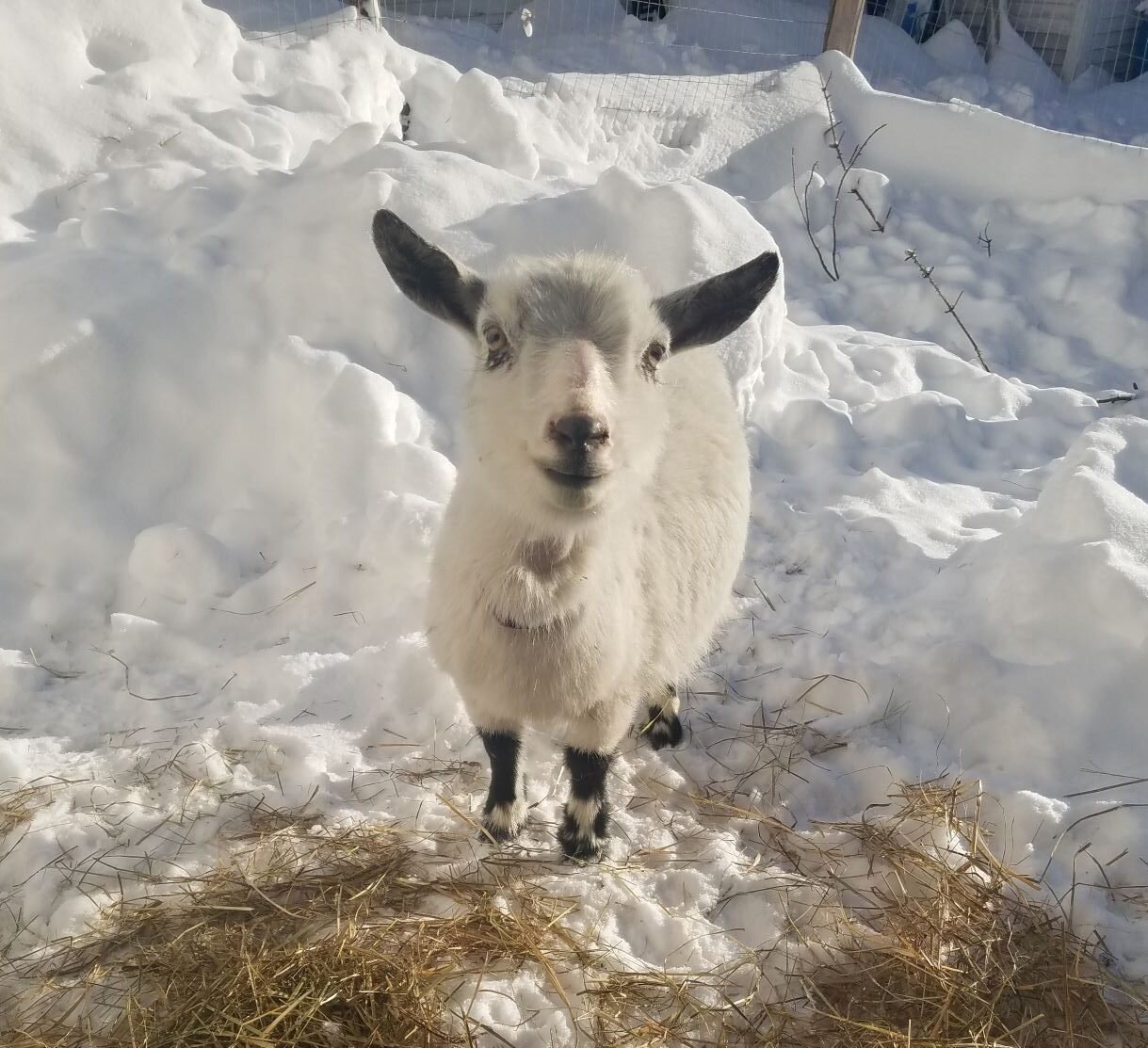
Maintaining the health of your goats is paramount to achieving successful fattening outcomes. A healthy animal efficiently converts feed into meat, whereas a sick animal diverts energy towards fighting disease, significantly hindering weight gain. This section will Artikel key health management strategies to ensure your goats remain in peak condition throughout the fattening period.A robust health management plan encompasses preventative measures, timely interventions, and a keen understanding of your goats’ well-being.
By proactively addressing potential health challenges, you can minimize losses, optimize growth rates, and ultimately improve the profitability of your operation.
Common Health Issues Hindering Weight Gain
Several common ailments can significantly impede a goat’s ability to gain weight. Recognizing these issues early allows for prompt treatment and prevents cascading negative effects on the herd.
- Internal Parasites: Worms, particularly gastrointestinal nematodes, are a primary concern. They damage the gut lining, impair nutrient absorption, and can lead to anemia, all of which directly reduce weight gain. Severe infestations can cause ill thrift, diarrhea, and even death.
- External Parasites: Mites, lice, and keds can cause intense itching and discomfort, leading to reduced feed intake and restlessness. The constant irritation diverts energy and can result in skin damage, further impacting overall health and weight gain.
- Bacterial and Viral Infections: Diseases such as pneumonia, coccidiosis, and enterotoxemia can cause fever, lethargy, loss of appetite, and digestive upset, all of which severely curtail weight gain.
- Nutritional Deficiencies: While this section focuses on health, it’s important to note that imbalances or deficiencies in the diet, such as lack of essential minerals or vitamins, can weaken the immune system, making goats more susceptible to disease and thus affecting weight gain.
- Stress-Related Illnesses: Overcrowding, improper handling, and sudden environmental changes can lead to stress, which compromises the immune system and can trigger or exacerbate other health problems.
Preventative Health Measures for a Healthy Herd
Proactive health management is far more effective and economical than treating sick animals. Implementing a comprehensive preventative program ensures a resilient and productive herd.To maintain a healthy herd and support optimal fattening, a multi-faceted approach to prevention is essential. This includes maintaining a clean environment, providing good nutrition, and implementing strategic health interventions.
- Biosecurity Protocols: Implement strict biosecurity measures to prevent the introduction of diseases. This includes quarantining new animals before introducing them to the main herd, controlling visitor access, and ensuring equipment is cleaned and disinfected between uses.
- Good Husbandry Practices: Provide clean, dry, and well-ventilated housing. Avoid overcrowding, as it increases stress and the transmission of diseases. Ensure adequate access to fresh, clean water at all times.
- Balanced Nutrition: As discussed previously, a diet that meets all nutritional requirements is fundamental for a strong immune system and efficient growth.
- Stress Reduction: Minimize handling stress by using calm and consistent methods. Avoid sudden changes in environment, diet, or social groupings where possible.
- Regular Observation: Daily observation of your goats allows for early detection of subtle changes in behavior or appearance that might indicate the onset of illness.
Importance of Regular Deworming Protocols
Internal parasites are a persistent threat to goat health and productivity, especially in intensive fattening operations. A well-structured deworming program is critical for mitigating their impact.Deworming is not merely about eliminating visible signs of worms; it is a crucial component of a broader parasite management strategy. Consistent and targeted deworming ensures that goats can efficiently absorb nutrients and direct energy towards growth rather than fighting off parasitic burdens.The effectiveness of deworming relies on understanding parasite life cycles and employing strategic treatments.
- Fecal Egg Counts: Regularly conducting fecal egg counts (FECs) on a representative sample of your herd can help determine the prevalence and intensity of internal parasite infections. This data informs the necessity and type of deworming required.
- Strategic Deworming: Rather than blanket deworming, consider strategic approaches based on FEC results, goat age, and production status. This can include treating only animals showing clinical signs of parasitism or those at high risk.
- Product Rotation: To prevent the development of anthelmintic resistance, rotate deworming products with different active ingredients. Consult with a veterinarian to establish an effective rotation schedule.
- Pasture Management: Implement rotational grazing to reduce the buildup of parasite larvae in pastures. This involves moving goats to clean pastures regularly, allowing contaminated pastures time to break the parasite life cycle.
- Record Keeping: Maintain detailed records of deworming treatments, including the product used, dosage, date, and the individual or group treated. This helps track efficacy and identify any potential resistance issues.
Signs of Illness Requiring Immediate Attention
Vigilance in observing your goats is key to early detection of illness. Prompt intervention can significantly improve recovery rates and prevent the spread of disease.Recognizing the subtle and overt signs of sickness allows for timely veterinary consultation and treatment, which is crucial for minimizing the impact on individual animals and the entire herd.
- Changes in Appetite: A noticeable decrease or complete loss of appetite is a primary indicator of illness.
- Lethargy and Depression: Goats that are unusually quiet, withdrawn, or unwilling to move require close monitoring.
- Diarrhea or Abnormal Feces: Loose, watery, or discolored feces can signal digestive upset or parasitic infections.
- Coughing or Difficulty Breathing: Respiratory distress is a serious sign that needs immediate attention.
- Weight Loss or Poor Body Condition: Despite efforts to fatten, a goat that is losing weight or appears emaciated is clearly unwell.
- Fever: An elevated body temperature (typically above 103.5°F or 39.7°C) is a common sign of infection.
- Discharge from Eyes or Nose: Runny eyes or a nasal discharge can indicate infections.
- Lameness: Difficulty walking or limping suggests pain, injury, or infection in the legs or hooves.
Best Practices for Stress Reduction in Goats
Stress negatively impacts goat health, immune function, and ultimately, their ability to gain weight. Creating a low-stress environment is a cornerstone of effective fattening.Goats are sensitive animals, and minimizing stressors is crucial for their well-being and optimal growth. A calm and predictable environment allows them to focus on feeding and growing.
- Gentle Handling: Approach and handle goats calmly and quietly. Avoid sudden movements, loud noises, or rough physical restraint.
- Familiar Routines: Maintain consistent feeding times, watering schedules, and general management practices. Predictability reduces anxiety.
- Adequate Space: Ensure that goats have sufficient space in their pens or pastures to move freely, lie down comfortably, and avoid feeling crowded.
- Social Grouping: Introduce new animals gradually and monitor social dynamics to prevent bullying or excessive stress within established groups.
- Environmental Stability: Protect goats from extreme weather conditions. Ensure adequate shelter from sun, wind, and rain.
- Minimizing Transportation Stress: If transportation is necessary, ensure it is done efficiently and with appropriate handling techniques to reduce anxiety.
Vaccination Schedules Relevant to Fattening Operations
Vaccination is a vital component of a preventative health program, protecting goats from common and potentially devastating diseases that can derail fattening efforts. The specific vaccination schedule will depend on your geographical location, the prevalence of diseases in your area, and your herd’s specific risk factors.It is crucial to consult with a veterinarian to develop a tailored vaccination protocol that addresses the most pertinent diseases for your operation.
This proactive approach helps build immunity and prevent outbreaks that can lead to significant economic losses.A typical vaccination schedule for goats intended for fattening may include protection against:
- Clostridial Diseases: Diseases like Clostridium perfringens types C and D (enterotoxemia or “overeating disease”) and Clostridium tetani (tetanus) are often fatal and can strike rapidly, especially in goats on high-energy diets. A multi-valent clostridial vaccine (e.g., C&D toxoid) is highly recommended. Initial vaccinations are typically given in two doses, with a booster annually or as recommended by the manufacturer.
- Respiratory Diseases: Vaccines for common respiratory pathogens like Mannheimia haemolytica and Pasteurella multocida can help reduce the incidence and severity of pneumonia, which is a significant cause of morbidity and mortality in feedlot settings.
- Other Diseases: Depending on regional disease prevalence, your veterinarian might recommend vaccines for diseases such as Foot Rot, Caprine Arthritis Encephalitis (CAE) if your operation is not certified CAE-negative, or other specific bacterial or viral agents.
It is important to note that vaccinations are most effective when administered to healthy animals. Therefore, ensure goats are in good condition and free from parasites before vaccinating. Always follow the manufacturer’s instructions for vaccine storage, handling, and administration, and maintain meticulous vaccination records.
Environmental and Management Practices
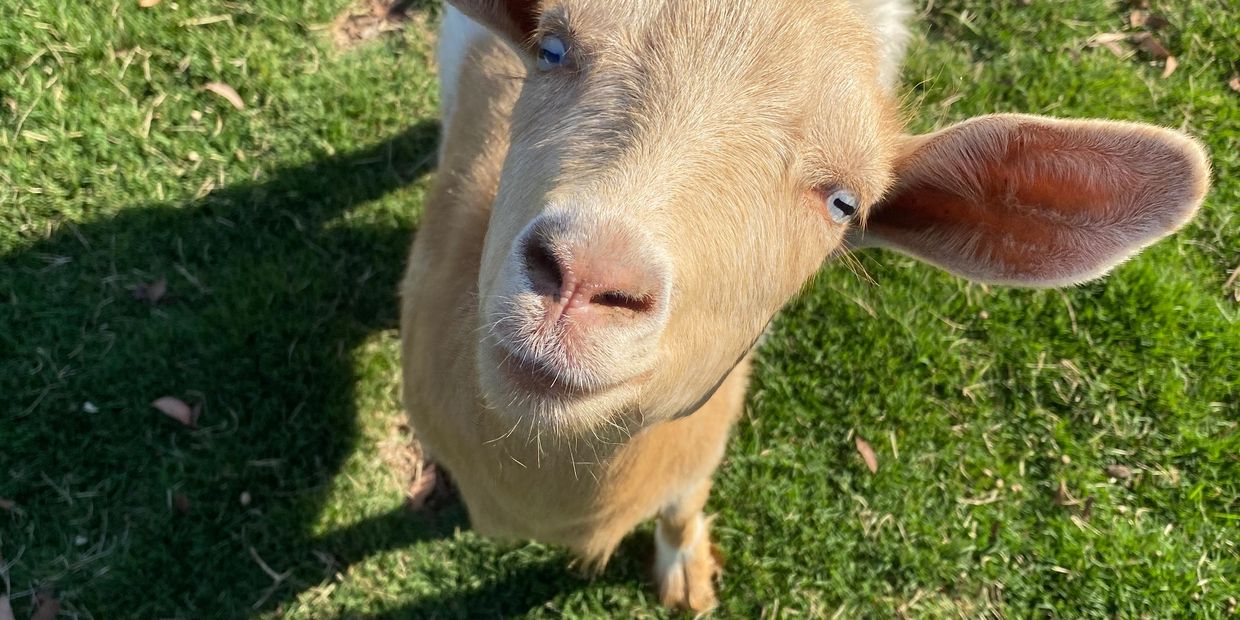
The environment in which goats are housed and managed plays a crucial role in their overall health, stress levels, and ultimately, their ability to gain weight efficiently. Providing appropriate shelter and maintaining a clean living space are foundational to a successful fattening program. Careful attention to these details can significantly impact the success of your operation.Creating an optimal environment involves more than just providing a roof over their heads.
It encompasses the physical space, cleanliness, and the overall management approach that influences the goats’ daily lives and their ability to thrive. Understanding these elements is key to maximizing weight gain and ensuring the well-being of your animals.
Housing and Shelter Impact on Goat Growth
Adequate housing and shelter are paramount for protecting goats from extreme weather conditions, reducing stress, and preventing the spread of diseases, all of which directly influence growth rates. Goats need protection from rain, wind, excessive sun, and cold. Proper ventilation is also essential to prevent the buildup of ammonia from urine and feces, which can lead to respiratory issues. A comfortable and secure environment encourages feeding and resting, which are critical for weight gain.
Ideal Pen Sizes and Configurations for Fattening Goats
The size and layout of pens are critical for ensuring comfort, reducing aggression, and facilitating management. Overcrowding can lead to increased stress, disease transmission, and competition for feed, hindering weight gain. Conversely, excessively large pens might make it harder to monitor individual animals and can lead to wasted feed.For fattening goats, a general guideline for space allocation is approximately 10-15 square feet per adult goat.
This allows for comfortable movement, resting, and access to feeders and waterers without undue crowding. Pens should be designed to minimize drafts while ensuring good air circulation. Configurations can vary, but long, narrow pens can sometimes be more efficient for feeding and observation than square ones. Ensure easy access for cleaning and for moving animals.
Strategies for Maintaining a Clean and Hygienic Environment
A clean environment is fundamental to preventing diseases and parasites that can impede weight gain. Regular cleaning and disinfection protocols are essential for the health and productivity of fattening goats.Key strategies for maintaining hygiene include:
- Daily Removal of Feces and Soiled Bedding: This is the most critical step to reduce ammonia levels and prevent the buildup of pathogens.
- Regular Bedding Changes: Depending on the climate and housing type, bedding (such as straw or wood shavings) should be replenished or replaced frequently to keep the area dry and absorbent.
- Waterer and Feeder Cleaning: Waterers should be cleaned daily to prevent algae and bacterial growth. Feeders should be cleaned regularly to remove old feed and prevent spoilage.
- Disinfection of Pens: Periodically, pens should be thoroughly cleaned and disinfected, especially between groups of animals, to eliminate any lingering pathogens. Use approved disinfectants and follow manufacturer instructions.
- Manure Management: Implement a system for collecting and managing manure, such as composting, to reduce odor and potential disease vectors.
Controlled Grazing Versus Confinement for Fattening
The choice between controlled grazing and confinement depends on various factors, including available land, cost, and desired outcome. Both methods have distinct advantages and disadvantages for fattening goats. Confinement:
- Advantages: Allows for precise control over diet and feed intake, minimizes energy expenditure on foraging, facilitates intensive monitoring, and reduces exposure to parasites and predators. This often leads to faster and more predictable weight gain.
- Disadvantages: Requires significant investment in housing and feed infrastructure, can lead to increased stress if not managed properly, and necessitates careful waste management.
Controlled Grazing:
- Advantages: Can be more cost-effective if land is available, allows goats to express natural foraging behaviors, and can improve meat flavor through a more varied diet. It also offers opportunities for pasture improvement.
- Disadvantages: Diet composition can be less predictable, requiring supplemental feeding to ensure adequate nutrition for fattening. Goats are more exposed to parasites, predators, and variable weather conditions. Monitoring and management can be more challenging.
For intensive fattening, confinement or semi-confinement systems are often preferred due to the ability to precisely manage nutrition and environment for optimal weight gain. However, carefully managed rotational grazing can also be effective, especially when supplemented with high-energy feeds.
Methods for Monitoring Individual Goat Progress and Adjusting Feeding Plans
Regular monitoring of individual goat progress is essential to ensure that the feeding plan is effective and to identify any animals that may be falling behind or experiencing health issues. This allows for timely adjustments to optimize growth and minimize waste.Effective monitoring methods include:
- Regular Weighing: Weighing goats at regular intervals (e.g., every 2-4 weeks) provides direct data on weight gain. This can be done using a livestock scale.
- Body Condition Scoring: This involves visually assessing and feeling the fat cover over key areas of the goat’s body (e.g., spine, ribs, hips). A scoring system (e.g., 1-5) helps track fat deposition.
- Visual Observation: Daily observation for signs of lethargy, changes in appetite, or abnormal behavior can indicate underlying issues that might affect weight gain.
- Feed Intake Monitoring: Keeping track of how much feed each pen or group of goats is consuming can indicate if the ration is being accepted and if intake is sufficient.
Based on these observations, feeding plans can be adjusted. For example, if goats are not gaining weight as expected, the energy density of the ration might need to be increased, or feed intake might need to be stimulated. Conversely, if goats are becoming excessively fat, the ration might need to be adjusted to a slightly lower energy level.
Daily Management Tasks for Fattening Goats
A structured routine of daily management tasks is crucial for maintaining a healthy environment and ensuring that goats receive the necessary attention for optimal growth. Consistency is key to success.Here is a checklist of essential daily management tasks:
| Task | Description | Frequency |
|---|---|---|
| Feed Check and Distribution | Ensure feeders are clean and filled with fresh, appropriate feed. Monitor consumption. | Daily (morning and evening, or as per feeding schedule) |
| Water Availability Check | Verify that all waterers are clean, full, and functioning properly. | Daily (at least twice a day) |
| Health Observation | Visually inspect all goats for any signs of illness, injury, or unusual behavior. | Daily (during feeding and throughout the day) |
| Pen Cleaning | Remove feces and soiled bedding from immediate feeding and resting areas. | Daily (spot cleaning) |
| Environmental Check | Ensure adequate ventilation and check for drafts or extreme temperatures. | Daily |
| Record Keeping | Note any observations regarding feed intake, water consumption, or animal health. | Daily |
Market Preparation and Sales
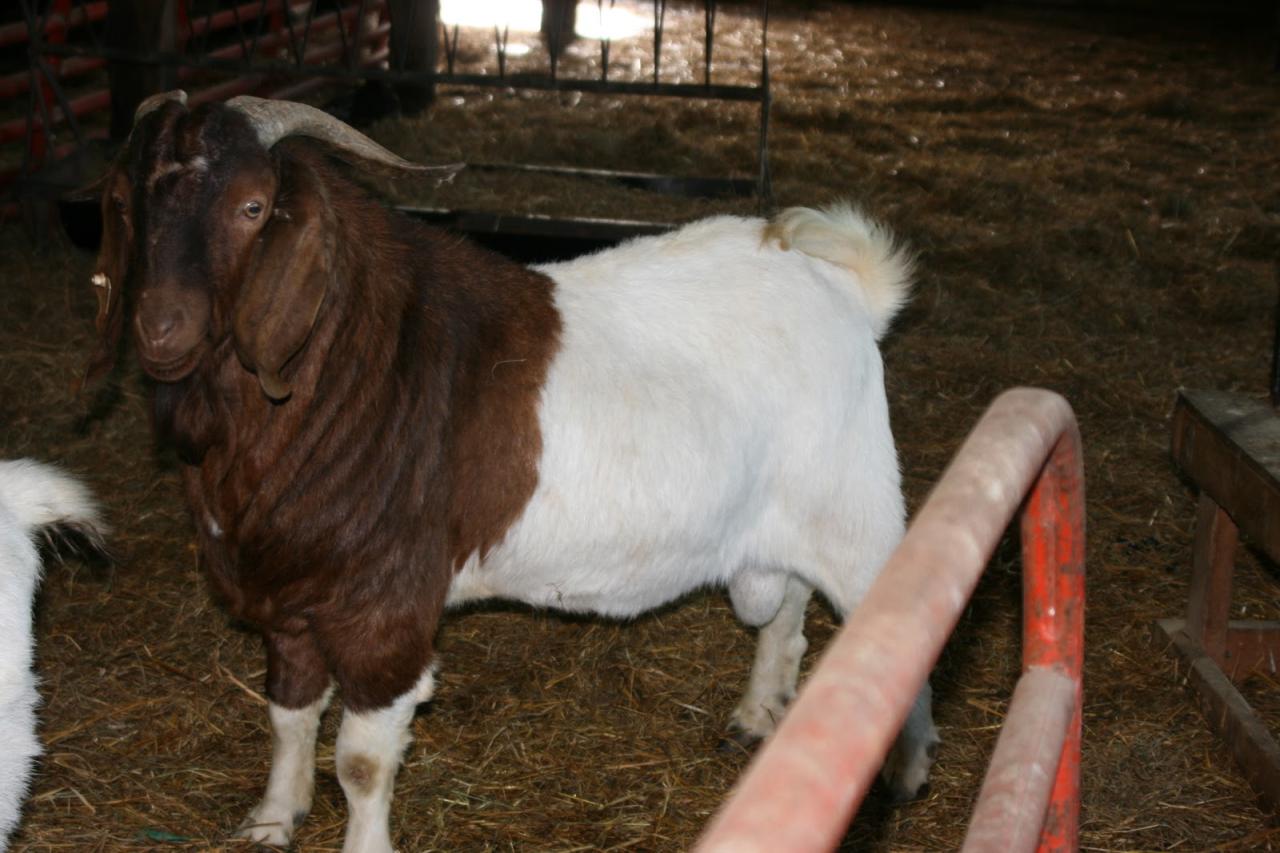
Successfully fattening goats is only part of the process; preparing them for market and executing sales effectively are crucial for realizing your efforts’ full value. This section will guide you through the final stages, ensuring your goats are presented professionally and sold efficiently to meet market demands.The culmination of your hard work in goat fattening is bringing your animals to market.
This involves not just having well-conditioned animals but also understanding how to showcase them, handle them appropriately, and navigate the sales process to achieve the best outcomes.
Assessing Goat Readiness for Sale
Determining when your goats have reached optimal market weight and condition is a critical step. This assessment ensures you present animals that meet buyer expectations for size, meat yield, and overall quality, maximizing their market value.Goat readiness is primarily gauged by two key factors: body weight and physical condition. Experienced farmers often use a combination of visual appraisal and actual weighing to make this determination.
- Body Weight: The target weight will vary depending on the breed, intended market, and buyer preferences. For many markets, goats in the 70-120 pound (32-54 kg) range are highly sought after. Regularly weighing your goats, especially during the fattening period, provides concrete data for decision-making. A simple scale, whether a hanging scale for individual animals or a platform scale for groups, is invaluable.
- Body Condition Score (BCS): This is a visual and tactile assessment of the goat’s fat cover and muscle development. A BCS of 3 to 4 on a 5-point scale is generally considered ideal for market readiness. This involves feeling the ribs and backbone; they should be palpable but not overly prominent (indicating too lean) nor completely covered by thick fat (indicating over-fattened). The loin area and rump should feel full and muscular.
- Age and Maturity: While weight is primary, the age and maturity of the goat also play a role. Younger, well-finished goats are often preferred for tenderness. Animals approaching full maturity but still showing good fat cover are ideal.
Presenting Goats Attractively
The initial impression a buyer has of your goats can significantly influence their purchasing decision. Presenting your animals in a clean, well-organized, and appealing manner can enhance their perceived value and attract more interest.A well-presented animal signals that it has been well-cared for, which instills confidence in potential buyers. This care extends from their environment to their physical appearance.
- Cleanliness: Ensure goats are clean before they are viewed by potential buyers. This can involve brushing them or, if necessary and feasible, a gentle wash. Mud or manure-caked animals are less appealing.
- Grooming: Trim any excess hair around the eyes, ears, and hindquarters. A neat appearance suggests attention to detail.
- Housing and Penning: If selling on-farm or at a market, ensure the pens are clean, dry, and free of debris. Provide adequate space so the goats are not overcrowded, allowing them to move freely and be easily viewed. Good lighting in the selling area also helps.
- Health Appearance: Healthy-looking goats are paramount. They should be alert, have clear eyes, and a smooth coat. Any signs of illness or distress will deter buyers.
Proper Handling and Transportation
The way goats are handled before and during transportation is vital for their welfare, safety, and the preservation of their market condition. Rough handling can lead to stress, injury, and bruising, all of which diminish value.Safe and humane handling practices are not only ethical but also economically prudent, ensuring the animals arrive at their destination in the best possible state.
- Gentle Handling: Always approach goats calmly and move them using a flight zone principle. Avoid shouting, chasing, or hitting. Use guidance boards or flags if necessary to direct them smoothly.
- Loading: Load goats onto trailers or trucks one at a time or in small, manageable groups. Ensure ramps are not too steep and have good traction. Avoid overcrowding the transport vehicle.
- Vehicle Setup: Transport vehicles should be well-ventilated, clean, and provide adequate footing to prevent slips. The size of the vehicle should be appropriate for the number of goats being transported. Consider covering windows to reduce stress from external stimuli.
- Short Trips: For longer journeys, plan for stops to allow animals to rest, drink, and if necessary, feed. However, for fattened goats, minimizing stress during transit is often prioritized over feeding during short trips to avoid digestive upset.
Common Market Demands and Preferences
Understanding what buyers are looking for in terms of goat meat is fundamental to successful sales. Market demands can vary by region, cultural practices, and specific end-uses, such as for roasting, stewing, or ethnic cuisines.Knowledge of these preferences allows you to tailor your fattening program and target the most lucrative market segments.
- Weight Range: As mentioned, specific weight ranges are often preferred. Buyers often seek goats that yield a certain amount of carcass weight, which translates to a preferred live weight.
- Age and Maturity: Younger goats (often referred to as “kid” meat) are generally preferred for their tenderness and milder flavor, especially in Western markets. Older goats might be sought for specific traditional dishes where a stronger flavor is desired.
- Fat Cover: A moderate amount of fat cover is usually desired, as it contributes to moisture and flavor in the meat. Overly lean animals can be dry, while excessively fat animals may be unappealing or wasteful.
- Breed Characteristics: Certain breeds might be favored for their meat quality, growth rates, or specific flavor profiles. For example, breeds known for rapid growth and good muscling are often preferred for fattening operations.
- Gender: While both male and female goats are sold, intact males (billies) can sometimes have a stronger odor and flavor that may not be desirable for all markets. Castrated males (wethers) or females (does) are often preferred for their more consistent meat quality.
Sale Methods
Choosing the right sales method can significantly impact your profitability and reach. Different approaches cater to various scales of operation and buyer types, each with its own advantages and disadvantages.Diversifying your sales channels can help you access a broader customer base and potentially achieve better prices.
- Direct Sales to Consumers: This involves selling directly from your farm or at local farmers’ markets. It typically offers the highest profit margin per animal as you cut out intermediaries. This method requires good customer relations and marketing efforts.
- Sales to Restaurants/Chefs: Many chefs seek high-quality, locally sourced goat meat. Building relationships with chefs can provide a consistent outlet for your animals. You may need to meet specific specifications for cuts or weight.
- Live Auctions: These are common in livestock markets where animals are sold to the highest bidder. They offer quick sales but prices can be volatile and unpredictable. You will need to transport your goats to the auction site.
- Slaughterhouses/Processors: Selling live weight or carcass weight to a local butcher or processing plant is another option. This provides a more standardized sale, but you typically receive a lower price per pound compared to direct sales.
- Online Platforms: Some farmers utilize online marketplaces or social media groups to advertise and sell their goats, either live or as processed meat. This can expand your reach beyond local buyers.
Simple Record-Keeping System for Tracking Sales and Profits
Effective record-keeping is essential for understanding the financial health of your goat operation and making informed business decisions. A straightforward system can help you track expenses, income, and ultimately, your profitability.Maintaining detailed records allows you to identify which practices are most profitable, where costs can be reduced, and the overall return on your investment.A basic system can be implemented using a spreadsheet or a simple ledger.
Key information to record for each sale includes:
| Date of Sale | Number of Goats Sold | Description (e.g., Breed, Age, Weight) | Sale Price (Total) | Price per Unit (e.g., per lb, per head) | Buyer Information | Expenses Related to Sale (e.g., transport, feed) | Profit/Loss |
|---|---|---|---|---|---|---|---|
| [Date] | [Number] | [Details] | $[Amount] | $[Amount] | [Name/Company] | $[Amount] | $[Amount] |
| [Date] | [Number] | [Details] | $[Amount] | $[Amount] | [Name/Company] | $[Amount] | $[Amount] |
To calculate profit/loss for each sale, you would use the following formula:
Profit/Loss = Total Sale Price – (Total Cost of Goats + Expenses Related to Sale)
For the “Total Cost of Goats,” you would refer to your records of initial purchase price or the cost of raising them (feed, labor, veterinary care) up to the point of sale. Regularly reviewing these records will provide valuable insights into your business performance.
Advanced Techniques and Considerations
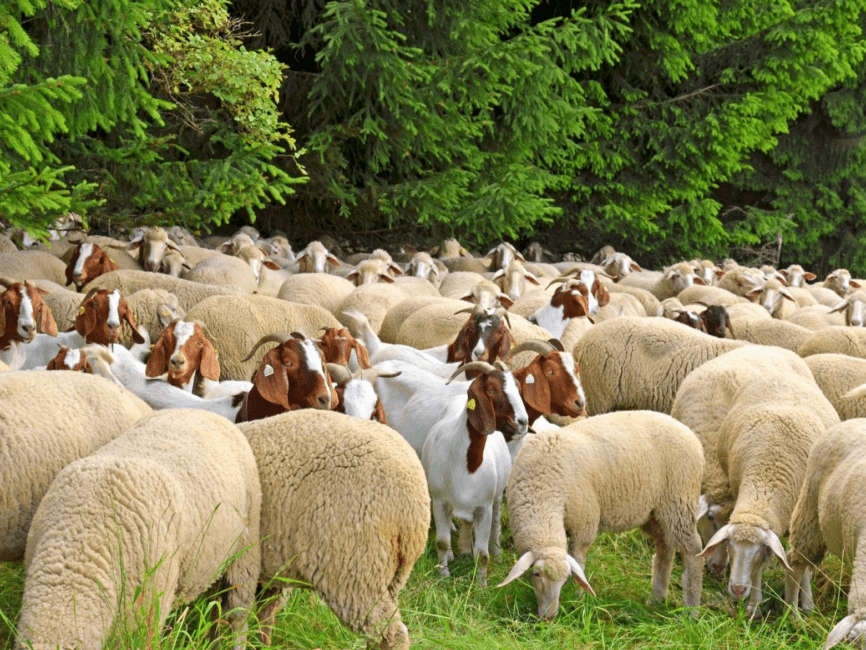
Beyond fundamental nutritional and health management, several advanced strategies can significantly impact the efficiency and profitability of fattening goats for sale. These techniques involve careful consideration of modern advancements, market nuances, and cost-benefit analyses to optimize weight gain and meet specific market demands.
Growth Promoters and Their Application
The use of growth promoters in animal agriculture is a topic that warrants careful examination, weighing potential benefits against established risks and regulatory considerations. These substances are designed to enhance feed conversion efficiency and accelerate weight gain.Growth promoters can be broadly categorized into several types:
- Antibiotic Growth Promoters (AGPs): Historically used to improve feed efficiency and reduce subclinical infections, their use is increasingly restricted or banned in many regions due to concerns about antimicrobial resistance.
- Hormonal Growth Promoters: These are generally not permitted in many countries for food-producing animals due to potential human health risks and consumer concerns.
- Probiotics and Prebiotics: These beneficial microorganisms and their substrates can improve gut health, enhance nutrient absorption, and indirectly contribute to better growth rates.
- Enzymes: Feed enzymes, such as phytase and carbohydrases, can break down complex compounds in feed, making nutrients more digestible and improving overall feed utilization.
- Beta-agonists: These compounds, when administered correctly and within regulatory guidelines, can alter metabolism to promote muscle growth and reduce fat deposition.
It is crucial to consult with a veterinarian and adhere strictly to local regulations regarding the use of any growth-promoting substances. Misuse or unauthorized use can lead to significant penalties and negatively impact market access.
Comparative Effectiveness of Feed Additives
Various feed additives can be incorporated into goat diets to enhance weight gain, each with its own mechanism of action and effectiveness. Understanding these differences allows for informed decision-making in feed formulation.A comparison of common feed additives for enhancing weight gain includes:
- Ionophores: Such as monensin, these coccidiostats also exhibit a positive effect on feed efficiency and weight gain by altering ruminal fermentation patterns to favor propionate production.
- Amino Acids: Supplementation with essential amino acids, particularly lysine and methionine, can support protein synthesis and muscle development, leading to improved growth rates, especially in diets that may be limiting in these nutrients.
- Trace Minerals and Vitamins: Adequate levels of essential trace minerals (e.g., zinc, copper, selenium) and vitamins (e.g., A, D, E) are vital for metabolic processes, immune function, and overall growth. Deficiencies can significantly hinder weight gain.
- Organic Acids: These can improve gut health by lowering pH and inhibiting the growth of pathogenic bacteria, thereby enhancing nutrient absorption and growth.
The effectiveness of these additives is often synergistic, meaning that a combination of several well-chosen additives can yield better results than any single additive used in isolation. The specific diet composition and the goats’ physiological state will influence which additives are most beneficial.
The Concept of “Finishing” Goats
“Finishing” refers to the final stage of production where goats are fed to achieve optimal market weight and desired carcass quality. This phase is critical for meeting specific buyer requirements and maximizing profitability.Key aspects of goat finishing include:
- Target Weight and Condition: Different markets have varying preferences for goat weight and fat cover. For instance, younger, leaner goats might be preferred for certain ethnic markets, while others may desire slightly more mature animals with a moderate fat layer for flavor and juiciness.
- Dietary Adjustments: During the finishing period, the diet is often adjusted to be more energy-dense. This typically involves increasing the proportion of grains and fats while ensuring adequate protein and fiber to prevent digestive upset.
- Duration of Finishing: The length of the finishing period depends on the breed, age, initial condition of the goats, and the target market specifications. It can range from a few weeks to several months.
- Carcass Quality: Finishing aims to optimize carcass yield, meat tenderness, and flavor. This involves balancing muscle development with appropriate fat deposition.
Understanding the target market’s preferences for carcass characteristics is paramount. For example, if a market demands a specific marbling score or lean meat percentage, the finishing diet and duration must be tailored accordingly.
Managing Feed Costs and Maximizing Profitability
Feed represents the largest single expense in goat production. Effective management of feed costs is therefore essential for maximizing profitability.Strategies for cost-effective feed management include:
- Bulk Purchasing: Buying feed ingredients in larger quantities can often secure lower per-unit costs.
- On-Farm Feed Mixing: If feasible, mixing rations on the farm can reduce costs compared to purchasing pre-mixed commercial feeds, provided quality control is maintained.
- Forage Quality: Maximizing the use of high-quality forages, especially during the growing season, can reduce the reliance on more expensive concentrate feeds.
- Accurate Ration Formulation: Precisely formulating rations to meet the goats’ nutritional requirements without overfeeding expensive ingredients is critical. This involves regular analysis of feedstuffs.
- Minimizing Waste: Implementing efficient feeding systems that reduce spoilage and waste of feed is crucial. This includes proper storage and feeder design.
For example, a producer might find that by carefully analyzing their home-grown hay and supplementing it with a cost-effective grain mix, they can achieve the same weight gain as a more expensive commercial feed at a significantly lower cost per head.
Understanding Market Price Fluctuations
Goat prices can be subject to considerable fluctuation, influenced by a variety of economic, seasonal, and demand-side factors. Understanding these dynamics allows producers to make informed decisions about when to sell.Factors influencing market price fluctuations include:
- Seasonal Demand: Demand for goat meat often increases during certain holidays and cultural events (e.g., Eid al-Adha, Lunar New Year). Producers can strategically time their sales to coincide with these periods of higher demand.
- Supply and Demand: Like any commodity, goat prices are influenced by the overall supply of goats available in the market and the level of consumer demand. A surplus of goats can drive prices down, while a shortage can increase them.
- Economic Conditions: Broader economic conditions, such as disposable income and consumer spending power, can affect demand for meat products, including goat.
- Feed Costs: High feed costs can force some producers to sell their animals earlier than planned, increasing supply and potentially lowering prices. Conversely, periods of lower feed costs can encourage producers to hold onto animals longer, potentially reducing immediate supply.
- Live vs. Carcass Weight Pricing: Understanding how prices are quoted (per pound of live weight versus per pound of carcass weight) is important for accurate financial assessment.
For instance, a producer might observe that prices typically rise by 10-15% in the two months leading up to a major holiday where goat consumption is high. By strategically adjusting their breeding and feeding schedules, they can aim to have animals ready for sale during this peak demand period.
Wrap-Up
In conclusion, mastering how to fatten goats for sale involves a holistic integration of biological understanding, precise nutritional planning, diligent health management, and thoughtful environmental practices. By meticulously applying the strategies Artikeld, from selecting optimal breeds and crafting high-energy diets to ensuring rigorous health checks and ideal living conditions, you are well-positioned to achieve remarkable growth and present your goats in prime condition for market.
This comprehensive approach not only enhances the marketability of your animals but also underscores a commitment to efficient and responsible goat husbandry, ultimately leading to rewarding outcomes for your farming enterprise.