Embarking on the journey of raising chickens is a rewarding experience, but ensuring their health and well-being is paramount. This comprehensive guide delves into the essential strategies for safeguarding your flock from common ailments, offering practical insights and actionable advice. We will explore the fundamental principles of disease prevention, from understanding prevalent conditions to implementing robust biosecurity measures and optimizing nutrition.
Discover how a well-managed environment, attentive observation, and proactive care can significantly reduce the risk of sickness. This exploration will equip you with the knowledge to identify early warning signs, understand the importance of hygiene, and create a thriving habitat for your feathered companions.
Understanding Common Chicken Diseases
Maintaining a healthy flock of backyard chickens is a rewarding experience, but it requires vigilance and knowledge of potential health challenges. Understanding the most prevalent diseases, their causes, and how to spot early symptoms is crucial for prompt intervention and the overall well-being of your birds. Environmental factors also play a significant role in disease prevention and management.This section will delve into the common ailments that can affect your chickens, providing insights into their origins and the tell-tale signs that indicate a problem within the coop.
By equipping yourself with this information, you can better protect your flock from illness and ensure they continue to thrive.
Avian Influenza (Bird Flu)
Avian Influenza is a highly contagious viral disease that can affect domestic poultry, including chickens. It is caused by influenza A viruses, which are naturally found in many wild birds, particularly waterfowl. Transmission occurs through direct contact with infected birds, their feces, or contaminated environments such as feed, water, and equipment. Airborne transmission is also possible.Early signs of Avian Influenza in chickens can include:
- Sudden death without prior illness.
- Lack of energy and appetite.
- A significant decrease in egg production.
- Soft-shelled or misshapen eggs.
- Swelling of the comb, wattles, and legs.
- Purple discoloration of the comb and wattles.
- Nasal discharge, coughing, sneezing, and watery eyes.
- Diarrhea.
- Lack of coordination.
Environmental factors that can increase the risk of Avian Influenza outbreaks include close confinement with wild birds, inadequate biosecurity measures, and poor sanitation in and around the coop. Stress from overcrowding or poor nutrition can also make birds more susceptible.
Infectious Bronchitis
Infectious Bronchitis (IB) is a highly contagious viral disease that primarily affects the respiratory system of chickens. It is caused by a coronavirus and can lead to significant economic losses due to reduced egg production and poor egg quality in layers, as well as poor growth and mortality in broilers. Transmission is rapid and occurs through the air, contaminated feed and water, and contact with infected birds or contaminated equipment.Key symptoms of Infectious Bronchitis to observe in your flock include:
- Gasping and coughing.
- Sneezing and nasal discharge.
- Ruffled feathers and lethargy.
- Reduced feed and water intake.
- A noticeable drop in egg production.
- Eggs with thin, rough, or watery albumen (egg white).
- Deformed eggs.
Environmental conditions that can exacerbate IB outbreaks include poor ventilation in the coop, high ammonia levels from accumulated droppings, and sudden temperature fluctuations, all of which can stress the respiratory system and increase susceptibility to the virus.
Coccidiosis
Coccidiosis is a common parasitic disease caused by protozoa of the genus Eimeria. These parasites live in the intestinal tract of chickens and damage the lining of the intestines, interfering with nutrient absorption and causing significant health issues. Chickens typically contract coccidiosis by ingesting oocysts (infective eggs) from contaminated litter, feed, or water.The most common signs of Coccidiosis in chickens are:
- Bloody diarrhea, often appearing as dark red or brown droppings.
- Weight loss and poor growth.
- Reduced appetite.
- Pale combs and wattles.
- Ruffled feathers and general listlessness.
- Weakness and droopiness.
- In severe cases, sudden death.
Environmental factors that strongly contribute to Coccidiosis outbreaks include damp, warm, and unsanitary living conditions. Overcrowding, poor litter management (allowing it to become wet and caked), and inadequate ventilation create an ideal environment for the Eimeria oocysts to mature and infect the flock.
Mycoplasmosis (Chronic Respiratory Disease)
Mycoplasmosis, commonly known as Chronic Respiratory Disease (CRD), is a bacterial infection that affects the respiratory system of chickens. The most common causative agent is Mycoplasma gallisepticum. It is highly contagious and spreads through direct contact with infected birds, contaminated feed and water, and airborne transmission. Vertical transmission from infected parent stock to offspring is also a significant factor.Warning signs that may indicate Mycoplasmosis in your flock include:
- Sneezing, coughing, and tracheal rattling.
- Nasal discharge and swollen sinuses.
- Reduced egg production and quality.
- Poor growth rate in younger birds.
- Lethargy and ruffled feathers.
- Difficulty breathing.
- In severe cases, secondary bacterial infections can lead to airsacculitis and pneumonia.
Environmental stressors can significantly worsen Mycoplasmosis. Poor ventilation, high ammonia levels, dust, and extreme temperature fluctuations can weaken the birds’ immune systems and make them more vulnerable to infection or exacerbate existing infections. Overcrowding also plays a role by facilitating rapid transmission.
Fowl Pox
Fowl Pox is a viral disease that affects chickens and other poultry, causing lesions on the skin (dry form) or in the mouth and throat (wet form). The virus is spread by mosquitoes, other biting insects, and through direct contact with infected birds or contaminated equipment. Fowl Pox is generally slow to spread but can persist in a flock for several weeks.The symptoms of Fowl Pox vary depending on the form of the disease:
- Dry Pox: Characterized by raised, yellowish lesions that turn brown and crusty on the comb, wattles, eyelids, and legs. These lesions can interfere with eating and vision.
- Wet Pox: Appears as diphtheritic membranes in the mouth, throat, trachea, and esophagus, which can obstruct breathing and make swallowing difficult.
- General signs of illness, such as lethargy, loss of appetite, and reduced egg production, can also be observed.
Environmental factors that increase the risk of Fowl Pox include the presence of insect vectors, particularly mosquitoes, in and around the coop. Poor sanitation can also contribute to insect populations. Additionally, stress from overcrowding or poor nutrition can make birds more susceptible to the virus.
Impact of Environmental Factors on Disease Outbreaks
The environment in which chickens are housed plays a critical role in their susceptibility to diseases and the potential for outbreaks. Understanding these influences allows for proactive management and prevention strategies.Several key environmental factors contribute to disease outbreaks:
- Ventilation: Inadequate ventilation leads to the buildup of ammonia from droppings, dust, and high humidity. These conditions irritate the respiratory tract, making birds more vulnerable to respiratory infections like Mycoplasmosis and Infectious Bronchitis. Poor air quality can also suppress the immune system.
- Sanitation and Biosecurity: A lack of regular cleaning and disinfection of the coop, feeders, and waterers allows pathogens to thrive. Contaminated litter, especially when wet, is a breeding ground for parasites like coccidia and bacteria. Implementing strict biosecurity measures, such as limiting access to the flock and disinfecting footwear, is essential to prevent the introduction of diseases.
- Temperature and Humidity: Extreme fluctuations in temperature, as well as consistently high or low humidity, can stress chickens. Stress weakens their immune systems, making them more susceptible to infections. Damp conditions are particularly conducive to the growth of mold and bacteria, and can exacerbate respiratory issues.
- Overcrowding: Housing too many birds in a confined space leads to increased stress, easier transmission of diseases through direct contact and airborne particles, and a quicker depletion of resources like feed and clean water. Overcrowding also makes it more difficult to maintain good sanitation.
- Litter Management: The condition of the litter (bedding material) is paramount. Wet, caked litter provides an ideal environment for the development and spread of coccidiosis and other bacterial infections. Regular turning and replenishing of litter are crucial to maintain a dry and healthy environment.
“A clean, dry, and well-ventilated environment is the first line of defense against many common chicken diseases.”
Implementing Biosecurity Measures
Biosecurity is the cornerstone of preventing disease in any chicken flock. It involves a set of practices designed to prevent the introduction and spread of disease-causing agents onto your farm and within your flock. A robust biosecurity plan is not just a recommendation; it’s a vital investment in the health and productivity of your chickens. By implementing these measures diligently, you create a protective barrier that significantly reduces the risk of outbreaks, saving you potential heartache and financial loss.The core principle of biosecurity is to minimize contact between your healthy flock and potential sources of disease.
This includes everything from controlling access to your property to managing the health of new birds introduced to your existing flock. A comprehensive approach considers all potential avenues of disease transmission and establishes clear protocols to mitigate those risks.
Designing a Comprehensive Biosecurity Plan
A well-structured biosecurity plan acts as a roadmap for disease prevention. It should be tailored to your specific operation, considering the size of your flock, your location, and your resources. This plan should be documented and understood by everyone involved in the care of your chickens.A comprehensive biosecurity plan typically includes the following key components:
- Isolation: Keeping your flock separate from external disease sources. This includes fencing the coop and run, controlling visitor access, and preventing contact with wild birds or other animals.
- Traffic Control: Managing the movement of people, vehicles, and equipment onto and off your property. This involves designating entry points, implementing disinfection protocols, and limiting unnecessary traffic.
- Sanitation: Regular cleaning and disinfection of housing, equipment, and personnel. This is crucial for eliminating pathogens that may be present.
- Monitoring: Regularly observing your flock for signs of illness and promptly investigating any concerns. This includes daily checks for changes in behavior, appetite, and droppings.
- Record Keeping: Maintaining accurate records of flock health, treatments, purchases, and movements. This aids in disease investigation and trend analysis.
Sanitizing Equipment and Housing
Regular and thorough cleaning and disinfection are critical to eliminating disease-causing microorganisms. This process should be systematic and address all surfaces that come into contact with your chickens or their environment.A step-by-step guide to sanitizing equipment and housing includes:
- Removal of Organic Matter: Begin by thoroughly removing all litter, feed, manure, and debris from the coop and run. This is a crucial first step as organic matter can shield pathogens from disinfectants. Use shovels, brooms, and scrapers for this task.
- Washing: Wash all surfaces, feeders, waterers, and equipment with hot water and a detergent. Scrubbing helps to physically remove remaining dirt and grime. Rinse thoroughly to remove all soap residue.
- Drying: Allow all surfaces and equipment to dry completely. Many pathogens cannot survive in dry conditions, and drying ensures the disinfectant will be effective.
- Disinfection: Apply a broad-spectrum disinfectant approved for poultry operations. Follow the manufacturer’s instructions carefully regarding dilution rates and contact times. Ensure all surfaces are thoroughly wetted and allow the disinfectant to remain wet for the recommended contact period. Common disinfectants include quaternary ammonium compounds, phenolic disinfectants, and oxidizing agents.
- Rinsing (if necessary): Some disinfectants require rinsing after the contact time has elapsed. Check the product label.
- Allowing to Air Out: Let the housing and equipment air out completely before reintroducing your flock. This helps to dissipate any chemical odors from the disinfectant.
It is essential to have dedicated cleaning tools for the coop and run that are not used elsewhere to prevent cross-contamination.
Quarantine Procedures for New Birds
Introducing new birds to an established flock without proper quarantine is one of the most common ways diseases are introduced. Quarantine provides a buffer period to ensure that new additions are healthy and do not carry any contagious diseases.The importance of quarantine procedures for new birds cannot be overstated. New birds can be asymptomatic carriers of diseases that could devastate your existing flock.
Quarantine allows you to observe them for any signs of illness, treat any underlying issues, and confirm they are disease-free before they mingle with your healthy birds.Here are the key aspects of implementing effective quarantine:
- Dedicated Space: Set up a separate coop or enclosure for new birds that is physically distant from your main flock. This separation should prevent any direct or indirect contact, including shared air or proximity that allows for dust or droppings to travel.
- Duration: A minimum quarantine period of 30 days is generally recommended. This timeframe allows for the incubation and manifestation of most common poultry diseases. Some recommend extending this to 45 days for added security.
- Observation: Closely monitor the quarantined birds daily for any signs of illness, such as lethargy, loss of appetite, abnormal droppings, respiratory distress, or unusual behavior.
- Separate Care: Use separate feeders, waterers, and handling equipment for the quarantined birds. If you must use shared equipment, clean and disinfect it thoroughly between uses.
- Biosecurity for Caretakers: If you are tending to the quarantined birds, wash your hands and change your clothing and footwear before interacting with your main flock.
- Veterinary Consultation: Consider having a veterinarian examine the new birds before or during their quarantine period, especially if you have any concerns. They may recommend specific tests to rule out common diseases.
Controlling Pests and Wild Animals
Pests and wild animals can act as vectors, carrying and spreading diseases to your chickens. Rodents, wild birds, insects, and even stray dogs and cats can introduce pathogens.Effective methods for controlling pests and wild animals that can spread disease include:
- Secure Housing: Ensure the coop and run are constructed with sturdy materials and have no gaps or holes that pests can enter. Use hardware cloth (1/2 inch or smaller mesh) for ventilation openings and windows.
- Rodent Control: Implement a comprehensive rodent control program. This includes sealing entry points, storing feed in rodent-proof containers, keeping the area around the coop clean, and using traps or bait stations if necessary. Never use rodenticides where chickens can access them.
- Insect Management: Control insect populations, especially flies and mites, which can transmit diseases. Regular cleaning, proper manure management, and the use of approved insecticidal products can help.
- Wild Bird Deterrents: Prevent wild birds from accessing your chicken feed and water. Use feeders that are designed to exclude larger birds and ensure water sources are not easily accessible to them.
- Predator Control: Secure the coop against predators such as foxes, raccoons, and weasels. This includes sturdy latches, strong fencing, and ensuring the coop is locked at night.
- Waste Management: Dispose of chicken manure and other waste promptly and away from the coop and run to avoid attracting pests and wild animals.
Checklist of Essential Biosecurity Practices for Daily Routines
Integrating biosecurity into your daily routines makes it an effortless habit rather than a chore. Consistent application of these practices is key to maintaining a healthy flock.Here is a checklist of essential biosecurity practices for your daily routines:
- Observe Flock Health: Conduct a visual check of all chickens. Look for any birds that appear lethargic, isolated, or show signs of distress.
- Check Feed and Water: Ensure fresh, clean water is always available. Check feed levels and look for any signs of contamination in the feeders.
- Cleanliness Check: Briefly scan the coop and run for any excessive accumulation of droppings or debris that needs immediate attention.
- Footwear Change: If you have visited other farms or areas where poultry are kept, change into dedicated footwear before entering your coop and run.
- Hand Washing: Wash your hands thoroughly with soap and water after handling chickens, eggs, or any equipment used in the coop.
- Pest Monitoring: Briefly check for any signs of rodents or insects around the coop and run.
- Secure Coop: Ensure the coop is securely latched and locked if necessary, especially at night, to protect against predators.
By making these simple checks and actions a part of your daily routine, you significantly enhance the biosecurity of your chicken operation.
Nutrition and Disease Prevention
Providing your chickens with the right nutrition is a cornerstone of preventing diseases and ensuring a robust flock. A well-balanced diet acts as the first line of defense, strengthening their immune system and making them less susceptible to pathogens. This means more than just filling their feed hoppers; it involves understanding the specific nutritional requirements of your birds and how different dietary components contribute to their overall health and resilience.A healthy immune system in chickens, much like in humans, relies on a complex interplay of nutrients.
These nutrients work synergistically to build and maintain the body’s defense mechanisms, enabling them to fight off infections, recover faster from illness, and maintain optimal growth and productivity. By focusing on a diet rich in essential vitamins, minerals, and proteins, you are proactively investing in the long-term health and well-being of your flock.
Essential Vitamins and Minerals for Poultry Health
Vitamins and minerals are micronutrients that play vital roles in numerous physiological processes, including immune function, bone development, egg production, and overall metabolic health. Ensuring adequate intake of these essential elements is paramount for disease prevention.The following are some of the most critical vitamins and minerals for poultry health:
- Vitamin A: Essential for the health of the skin, mucous membranes, and the immune system. It plays a role in antibody production and helps maintain the integrity of the epithelial tissues, which are the first barrier against pathogens.
- Vitamin D3: Crucial for calcium and phosphorus absorption, which are vital for strong bones and eggshell quality. It also has a role in immune modulation.
- Vitamin E: A potent antioxidant that protects cells from damage and is essential for immune response. It works synergistically with selenium.
- B Vitamins (e.g., B12, Biotin, Riboflavin): Involved in energy metabolism, nerve function, and cell growth. Deficiencies can lead to poor growth and weakened immune systems.
- Calcium: Primarily known for its role in eggshell formation, but also essential for bone health and muscle function.
- Phosphorus: Works alongside calcium for bone development and is involved in energy metabolism.
- Selenium: An important antioxidant that works with Vitamin E to protect cells and support immune function.
- Zinc: Plays a role in immune cell development and function, as well as wound healing.
- Iron: Essential for oxygen transport in the blood and for many enzyme functions.
Optimal Feed Formulations
Creating optimal feed formulations for chickens involves carefully balancing macronutrients (protein, carbohydrates, fats) and micronutrients (vitamins and minerals) to meet their specific needs. While commercial feeds are formulated to be complete, understanding the ingredients can help in making informed choices or supplementing appropriately.Here is a sample ingredient list for a balanced starter feed, suitable for young chicks:
- Grain Base: Corn, wheat, or barley provide carbohydrates for energy.
- Protein Source: Soybean meal, fish meal, or poultry by-product meal supply essential amino acids.
- Fat Source: Vegetable oil or animal fat adds energy and aids in the absorption of fat-soluble vitamins.
- Vitamin and Mineral Premix: A commercial blend ensuring adequate levels of all essential micronutrients.
- Calcium Carbonate: For bone development and eggshell precursors.
- Amino Acids: Such as methionine and lysine, which are often limiting in plant-based protein sources.
“A balanced diet is not just about providing energy; it’s about supplying the building blocks for a strong immune system.”
Nutritional Needs Across Breeds and Life Stages
The nutritional requirements of chickens vary significantly based on their breed, age, and physiological state. A feed suitable for a laying hen will not be appropriate for a broiler chick or a heritage breed rooster.Here’s a general overview of how nutritional needs differ:
| Life Stage/Breed Type | Primary Nutritional Focus | Key Considerations |
|---|---|---|
| Chicks (0-6 weeks) | Rapid growth, development of immune system | High protein (20-24%), adequate vitamins and minerals for early development. Easily digestible ingredients. |
| Grower Birds (6-18 weeks) | Continued growth, development of reproductive organs | Gradual reduction in protein (16-20%), balanced energy and nutrients for skeletal and muscular development. |
| Laying Hens (18+ weeks) | Egg production, maintenance | High calcium (3.5-4.5%) and phosphorus, adequate protein (16-18%), and balanced vitamins/minerals for eggshell quality and hen health. |
| Broilers | Rapid meat production | High protein and energy density, specific amino acid profiles for fast muscle growth. |
| Heritage Breeds | Often slower growth, foraging ability | May require slightly lower protein density but benefit from access to varied natural forage. Nutritional needs can be more varied. |
Feed Supplements for Immune Boost
While a complete feed is the foundation, certain feed supplements can provide an extra boost to a chicken’s immune system, particularly during times of stress, illness, or environmental challenges. These supplements often contain concentrated forms of vitamins, minerals, or specific beneficial compounds.When considering feed supplements, focus on those that support immune function:
- Probiotics: Live beneficial bacteria that promote a healthy gut microbiome, which is crucial for nutrient absorption and immune response.
- Prebiotics: Non-digestible fibers that feed beneficial gut bacteria, indirectly supporting immune health.
- Herbal Extracts: Certain herbs like oregano, garlic, and echinacea are known for their antimicrobial and immune-modulating properties.
- Vitamin C: While chickens can synthesize their own Vitamin C, supplementation can be beneficial during periods of stress or illness, as it acts as an antioxidant and supports immune function.
- Omega-3 Fatty Acids: Found in sources like fish oil or flaxseed, these can help reduce inflammation and support immune cell function.
Always introduce new supplements gradually and follow recommended dosages to avoid upsetting the birds’ digestive systems. Consulting with a poultry nutritionist or veterinarian can help determine the most appropriate supplements for your flock’s specific needs.
Environmental Management for Health
A healthy flock starts with a healthy environment. Managing the coop’s conditions effectively is a cornerstone of preventing disease and ensuring your chickens thrive. This involves careful attention to air quality, cleanliness, temperature, humidity, and overall comfort.Proper environmental management goes beyond simply providing shelter; it’s about creating a living space that actively supports your chickens’ well-being and minimizes their exposure to pathogens and stressors.
By proactively addressing these factors, you can significantly reduce the incidence of common chicken ailments.
Ventilation and Respiratory Health
Adequate ventilation is crucial for maintaining good air quality within the chicken coop, which directly impacts respiratory health. Stale, damp air can become a breeding ground for airborne pathogens and ammonia, leading to respiratory infections.Effective ventilation allows for the continuous exchange of air, removing moisture, ammonia, and other waste products while introducing fresh oxygen. This process helps to keep the air dry and clean, significantly reducing the risk of diseases like infectious bronchitis, Newcastle disease, and mycoplasmosis, which often target the respiratory system.Methods to ensure proper ventilation include:
- Installing vents at different heights within the coop to facilitate natural air circulation. Lower vents allow fresh air in, while higher vents allow stale air to escape.
- Using exhaust fans in larger operations to actively manage air exchange, especially during warmer months or when flock density is high.
- Avoiding over-packing the coop, as overcrowding significantly hinders air movement and increases the concentration of airborne irritants.
- Ensuring that bedding materials do not obstruct airflow from vents.
Maintaining Dry and Clean Bedding
Dry and clean bedding is fundamental to preventing a multitude of diseases, particularly those affecting the feet, legs, and reproductive systems. Wet and soiled litter creates an ideal environment for the proliferation of bacteria, fungi, and parasites, which can cause conditions like bumblefoot, scaly leg mites, and internal parasites.Regularly removing soiled bedding and replacing it with fresh material is essential.
This practice not only reduces the presence of pathogens but also helps to control ammonia levels, which can irritate chickens’ eyes and respiratory tracts.Methods for maintaining dry and clean bedding include:
- Daily spot-cleaning of droppings and wet patches.
- Adding fresh bedding material regularly to absorb moisture and cover soiled areas.
- Using absorbent bedding materials such as pine shavings, straw, or sand. Avoid using sawdust, which can be dusty and less absorbent.
- Deep litter management, where soiled litter is allowed to accumulate and decompose, generating heat that helps dry out the coop, but this requires careful monitoring and occasional turning.
- Ensuring the coop has a well-draining floor to prevent water from accumulating.
Ideal Temperature and Humidity Ranges
Chickens are sensitive to extreme temperatures and humidity levels, which can compromise their immune systems and make them more susceptible to illness. Maintaining a stable and appropriate environment is key to their health and productivity.The ideal temperature for adult chickens typically ranges from 55°F to 75°F (13°C to 24°C). Chicks require warmer temperatures, starting around 95°F (35°C) and gradually decreasing by about 5°F (3°C) each week.
Humidity levels should ideally be between 40% and 70%. High humidity can promote the growth of mold and bacteria, while very low humidity can lead to respiratory irritation.
Maintaining consistent temperature and humidity is more important than hitting an exact number, as fluctuations can be more stressful.
Potential Hazards in the Coop Environment
The chicken coop, if not managed properly, can harbor various hazards that can lead to illness. Identifying and mitigating these risks is a critical aspect of disease prevention.Common hazards include:
- Accumulation of droppings: High levels of ammonia from decomposing feces can cause respiratory distress and eye infections.
- Moisture and dampness: Wet litter promotes the growth of harmful bacteria, fungi, and parasites.
- Poor ventilation: Leads to stagnant air, increased ammonia, and the spread of airborne pathogens.
- Sharp objects or protruding nails: Can cause injuries that may become infected.
- Pesticide or chemical residues: If the coop or surrounding areas are treated with chemicals, these can be toxic to chickens.
- Introduction of wild birds or rodents: These can carry diseases and parasites into the coop.
- Mold and mildew: Often found in damp, poorly ventilated areas, these can cause respiratory issues.
Creating a Stress-Free Living Space
A stress-free environment is vital for maintaining a strong immune system in chickens. Chronic stress can suppress their natural defenses, making them more vulnerable to diseases.Creating a calm and secure living space involves several factors:
- Adequate space per bird: Overcrowding is a major stressor. Ensure sufficient roosting space, nesting boxes, and floor area.
- Consistent routines: Chickens are creatures of habit. Regular feeding times, water checks, and coop cleaning help reduce anxiety.
- Protection from predators: A secure coop and run that protects against foxes, raccoons, hawks, and other predators is essential.
- Minimizing sudden noises or disturbances: Avoid loud noises or sudden movements around the coop, especially during sensitive times like roosting or laying.
- Providing opportunities for natural behaviors: Allow chickens to dust bathe, forage (if possible), and socialize.
- Ensuring access to clean water and feed at all times: Deprivation of basic needs causes significant stress.
Recognizing and Responding to Sickness
Being observant of your flock’s behavior and physical condition is paramount to early disease detection. A healthy flock is generally active, alert, and exhibits normal eating and drinking habits. Recognizing subtle changes can make a significant difference in the outcome for an individual bird and the health of the entire flock.Performing regular health checks allows you to become familiar with what is normal for your chickens.
This familiarity is your best tool for spotting deviations that might indicate illness. Early intervention is often the key to successful treatment and preventing widespread outbreaks.
Performing a Basic Health Check on an Individual Chicken
A thorough health check involves observing the chicken’s overall appearance, behavior, and specific physical attributes. This routine assessment helps you identify any signs of distress or abnormality that could signal an underlying health issue.To perform a basic health check, approach the chicken calmly. Observe its posture; a healthy chicken stands upright with its head held high. Look for any signs of lethargy, drooping wings, ruffled feathers that are not related to preening, or unusual stances.
Gently pick up the chicken, supporting its body weight. Examine its eyes for clarity and absence of discharge; they should be bright and open. Check the nostrils for blockages or discharge. Feel the breastbone to assess the bird’s body condition – it should be firm but not overly bony. Inspect the vent area for cleanliness; a clean vent indicates good digestive health, while pasted droppings can signal illness.
Observe its breathing; it should be quiet and effortless. Finally, check for any external parasites like mites or lice, particularly around the vent and under the wings.
Isolating a Sick Bird to Prevent Further Spread
Prompt isolation of any bird showing signs of illness is a critical biosecurity measure. This action is essential to prevent the potential transmission of infectious diseases to the rest of your flock, safeguarding their health and well-being.To isolate a sick bird, prepare a separate, clean, and dry enclosure away from the main flock. This isolation area, often called a “sick bay” or “hospital pen,” should be easily accessible for monitoring and treatment but distant enough to prevent nose-to-nose contact or shared airspace.
The enclosure should be well-ventilated but free from drafts, with comfortable bedding. Ensure the sick bird has access to fresh food and water within its enclosure. It is also important to use separate feeding and watering equipment for the isolated bird to avoid cross-contamination. Designate specific tools or gloves for handling the sick bird and clean them thoroughly after each use.
Continue to observe the isolated bird closely for any changes in its condition.
When to Seek Professional Veterinary Advice for Poultry
While many minor ailments can be managed at home, certain situations warrant the expertise of a poultry veterinarian. Recognizing when to escalate care ensures that serious conditions are addressed promptly and appropriately, potentially saving the bird’s life and protecting the flock.You should seek professional veterinary advice when:
- A bird exhibits severe symptoms such as difficulty breathing, extreme lethargy, paralysis, or significant blood loss.
- Symptoms do not improve or worsen despite initial home care and treatment.
- You suspect a highly contagious disease is present, indicated by multiple birds showing similar symptoms rapidly.
- The illness appears to be affecting egg production significantly or causing abnormal eggs.
- You are unsure of the diagnosis or the appropriate course of treatment.
- The bird is a valuable breeding bird or has significant sentimental value.
A veterinarian can provide accurate diagnoses, prescribe appropriate medications, and offer guidance on disease management and prevention strategies tailored to your specific flock.
Common Treatment Options for Mild Versus Severe Chicken Illnesses
The approach to treating sick chickens varies significantly based on the severity of their illness. Mild cases often respond well to supportive care and simple remedies, while more serious conditions may require veterinary intervention and specific medications.For mild illnesses, which might include minor digestive upset, a slight droopiness, or a mild respiratory sniffle, the focus is on supportive care and enhancing the bird’s natural recovery processes.
- Supportive Care: Ensure the bird has access to clean water, palatable feed, and a comfortable, draft-free environment. Adding electrolytes to the water can help with hydration and recovery.
- Nutritional Support: Offering easily digestible foods like scrambled eggs or cooked oatmeal can provide extra nourishment.
- Herbal Remedies: Some keepers find success with natural remedies like garlic or oregano added to feed or water, though scientific evidence for efficacy varies.
- Rest: Allowing the bird to rest undisturbed in its isolation pen is crucial.
Severe illnesses, characterized by significant lethargy, difficulty breathing, neurological signs, open wounds, or symptoms of serious infections, require more aggressive intervention.
- Veterinary Diagnosis and Medication: This is often the first and most critical step. A vet can diagnose the specific pathogen (bacterial, viral, parasitic) and prescribe targeted antibiotics, antivirals, or antiparasitics.
- Wound Care: For injuries, cleaning and disinfecting wounds, followed by the application of antiseptic ointments, is necessary. Severe wounds may require sutures.
- Fluid Therapy: In cases of severe dehydration, subcutaneous or intravenous fluid administration may be necessary, typically performed by a veterinarian.
- Intensive Care: This might involve keeping the bird warm, providing nutritional support through gavage feeding if necessary, and administering prescribed medications on a strict schedule.
It is important to always follow veterinary advice meticulously when treating severe illnesses.
Essential Items for a Chicken First-Aid Kit
A well-stocked first-aid kit is an invaluable resource for any chicken keeper, enabling prompt and effective response to common injuries and minor illnesses. Having these items readily available can save precious time and potentially save a bird’s life.Here is a list of essential items to include in your chicken first-aid kit:
- Antiseptic Solution: Such as Betadine or chlorhexidine for cleaning wounds.
- Sterile Gauze Pads and Rolls: For dressing wounds and applying pressure.
- Adhesive Tape: Medical tape for securing bandages.
- Tweezers: For removing splinters, thorns, or foreign objects.
- Scissors: Small, sharp scissors for cutting bandages or trimming feathers around wounds.
- Saline Solution: For flushing eyes or wounds.
- Petroleum Jelly or Antibiotic Ointment: To prevent wound drying and infection.
- Disposable Gloves: To maintain hygiene and prevent the spread of germs.
- Syringes (without needles): For administering liquid medications or flushing wounds.
- Electrolyte Solution or Poultry Vitamin Supplement: For adding to water during times of stress or illness.
- Styptic Powder or Cornstarch: To quickly stop minor bleeding from trimmed nails or small cuts.
- A Small Towel or Blanket: For gently handling and restraining a bird.
- A Copy of Your Flock’s Vaccination Records (if applicable) and Veterinary Contact Information.
- A Poultry First-Aid Guidebook or Reliable Online Resource.
Regularly check your kit to ensure supplies are not expired and that it remains fully stocked.
Vaccination and Natural Immunity
Ensuring the health and well-being of your flock is a multifaceted endeavor, and understanding the concepts of vaccination and natural immunity plays a crucial role in disease prevention. These two approaches work in tandem to build a robust defense against common poultry ailments, offering different but complementary benefits to your chickens. By familiarizing yourself with how each works, you can make informed decisions to protect your feathered friends.Vaccination is a proactive measure that introduces a weakened or inactive form of a pathogen to a chicken’s immune system.
This exposure allows the bird’s body to develop antibodies and a memory of the disease without experiencing the full-blown illness. Natural immunity, on the other hand, is the body’s inherent ability to fight off infections, which strengthens over time as the chicken encounters various environmental factors and pathogens. Both are vital components in a comprehensive disease prevention strategy.
The Role of Vaccinations in Preventing Specific Poultry Diseases
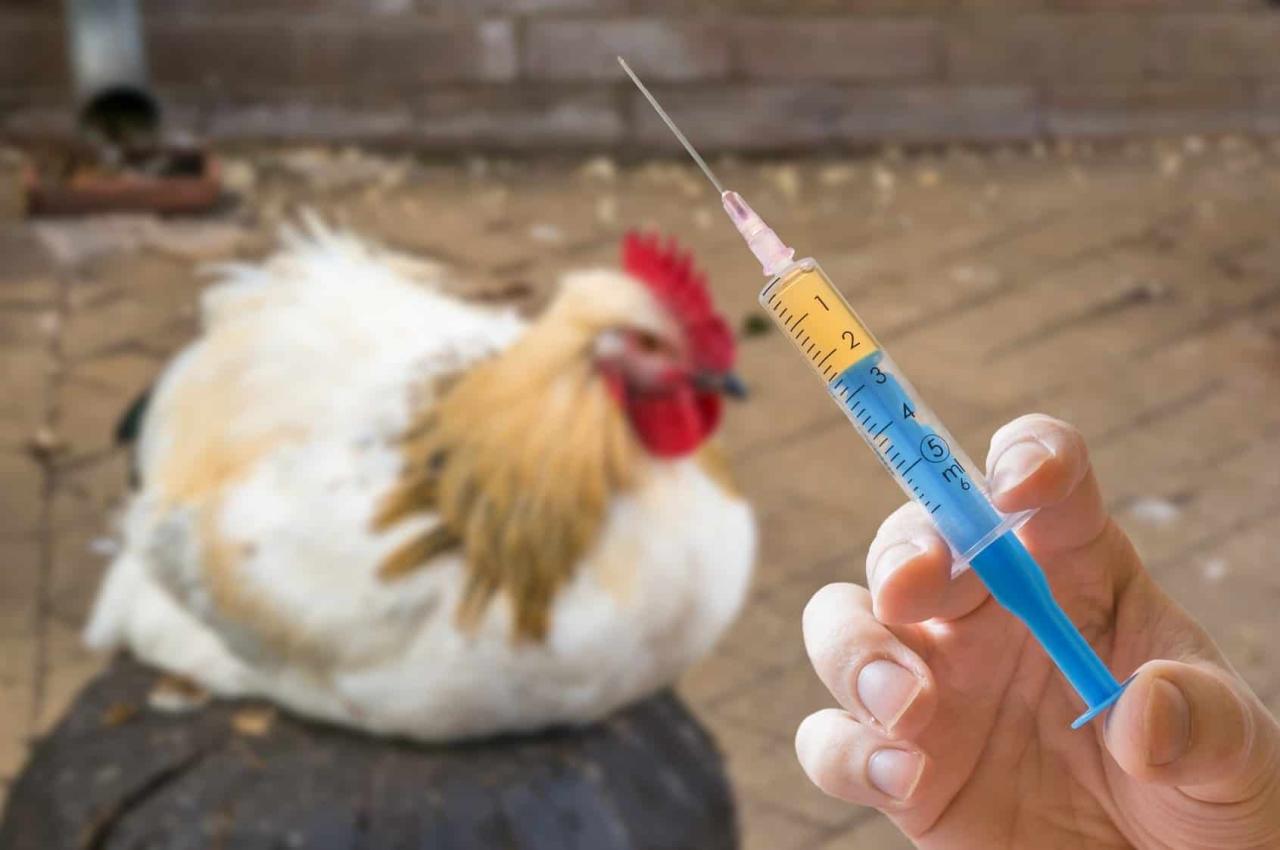
Vaccinations are highly effective tools for preventing specific, often severe, poultry diseases. They work by stimulating an adaptive immune response, priming the bird’s system to recognize and neutralize a particular pathogen upon subsequent exposure. This targeted approach can significantly reduce the incidence and severity of diseases that might otherwise decimate a flock.Common diseases for which vaccinations are available include Marek’s disease, infectious bronchitis, Newcastle disease, and fowl pox.
For backyard flocks, the specific vaccines recommended will depend on the geographic location, the prevalence of diseases in the area, and the types of chickens being raised. Consulting with a local veterinarian or poultry extension specialist is the best way to determine an appropriate vaccination program.
Common Vaccination Schedules for Backyard Flocks
Establishing a vaccination schedule is a key component of proactive flock management. While specific schedules can vary, there are general guidelines that many backyard poultry keepers follow. These schedules are designed to provide protection at critical stages of a chicken’s life, from young chicks to adult birds.A typical vaccination schedule might begin shortly after chicks hatch. For instance, Marek’s disease is often vaccinated at one day of age, as chicks are highly susceptible to this viral infection.
Infectious bronchitis and Newcastle disease vaccines may be administered via drinking water or as an aerosol in multiple doses throughout the first few weeks of a chick’s life. Fowl pox, a slower-acting viral disease, might be vaccinated around 6-10 weeks of age.It is important to note that the administration method of vaccines can vary. Some are given via injection, while others can be administered in the drinking water, as an eye drop, or through wing web stab.
Each method has its own requirements for accuracy and efficacy, and following manufacturer instructions precisely is paramount.
Natural Immunity and Its Development Over Time
Natural immunity is the intrinsic defense mechanism of a chicken’s body. It is a complex system involving various cells and processes that work to identify and eliminate foreign invaders like bacteria, viruses, and parasites. This immunity is not static; it develops and adapts throughout a chicken’s life.As chickens are exposed to their environment, they naturally encounter a multitude of microorganisms.
Each encounter, especially if it doesn’t result in severe illness, can contribute to building a stronger natural immune response. This is often referred to as “building immunity” through exposure. Factors such as good nutrition, low stress levels, and a clean environment all support the development of a robust natural immune system.
A healthy immune system is the first line of defense against disease.
The development of natural immunity is a gradual process. Young chicks have immature immune systems and are more vulnerable. As they mature, their immune system becomes more sophisticated, better equipped to handle a wider range of pathogens. This is why older birds may appear more resilient to certain common ailments compared to very young chicks.
Benefits and Drawbacks of Different Approaches to Disease Resistance
Both vaccination and the fostering of natural immunity have their unique advantages and disadvantages in disease resistance. Understanding these trade-offs allows for a balanced approach to flock health.Here’s a comparison of the benefits and drawbacks:
-
Vaccination:
- Benefits: Highly effective against specific, dangerous diseases; provides predictable immunity; can prevent widespread outbreaks.
- Drawbacks: Requires proper administration and storage; can be costly; not available for all diseases; may not provide 100% protection in all individuals.
- Natural Immunity:
- Benefits: Develops over time with exposure; supports a broader range of defenses; generally less costly than vaccination programs.
- Drawbacks: Can be slow to develop; vulnerable young birds can succumb to diseases before immunity is established; exposure can lead to illness and potential losses; less predictable than vaccination.
A balanced approach often involves strategic vaccination for high-risk diseases, while simultaneously implementing practices that support and strengthen natural immunity through good husbandry.
Common Myths and Facts Surrounding Chicken Vaccinations
The topic of chicken vaccinations can sometimes be surrounded by misinformation. Separating fact from myth is essential for making sound decisions for your flock’s health.Here are some common myths and their corresponding facts:
-
Myth: All chickens need every available vaccine.
Fact: Vaccination needs are highly dependent on geographic location, disease prevalence, and flock type. Over-vaccination can be unnecessary and potentially stressful. Consulting with experts is key to determining essential vaccines. -
Myth: Vaccines are a guarantee against all disease.
Fact: While vaccines significantly reduce the risk and severity of specific diseases, they do not offer absolute immunity. Factors like individual bird health, stress levels, and the virulence of the pathogen can influence vaccine effectiveness. -
Myth: Vaccinating chicks can harm them or make them sick.
Fact: Vaccines are designed to stimulate an immune response without causing significant illness. When administered correctly, they are safe and beneficial. Mild, temporary reactions can occur but are generally not a cause for concern. -
Myth: Natural immunity is always superior to vaccination.
Fact: Natural immunity is crucial, but it takes time to develop and relies on exposure. For highly contagious and deadly diseases, vaccination provides a faster and more reliable protective shield, especially for vulnerable young birds.
Water Management and Hygiene
Providing your chickens with access to clean, fresh water is as crucial as offering them nutritious feed. Water is essential for all bodily functions, including digestion, nutrient absorption, temperature regulation, and waste elimination. Dehydration can quickly lead to stress, weakened immunity, and increased susceptibility to various diseases. Therefore, diligent water management and hygiene are fundamental pillars of a healthy flock.Maintaining impeccable water hygiene prevents the proliferation of harmful bacteria, viruses, and parasites that can contaminate water sources and infect your birds.
A contaminated water supply can rapidly spread diseases throughout your flock, leading to significant health issues and potential losses. Consistent cleaning and disinfection routines are key to safeguarding your chickens’ well-being.
Importance of Clean, Fresh Water
Water is the lifeblood of a chicken’s system, facilitating every metabolic process. Without adequate hydration, chickens cannot properly digest their food, absorb vital nutrients, or maintain a stable body temperature. This physiological stress weakens their immune system, making them more vulnerable to pathogens. The consequences of insufficient water intake extend beyond immediate thirst; chronic dehydration can stunt growth, reduce egg production, and exacerbate existing health conditions.
Regular Cleaning and Disinfection of Waterers
Establishing a consistent schedule for cleaning and disinfecting waterers is paramount. This practice removes biofilm, algae, fecal matter, and other contaminants that can harbor disease-causing microorganisms. The frequency of cleaning will depend on factors such as the type of waterer, the environment, and the number of birds.A thorough cleaning and disinfection process should involve the following steps:
- Daily Rinsing: Empty, rinse, and refill waterers daily to remove any debris and stale water.
- Weekly Scrubbing: At least once a week, disassemble waterers and scrub them thoroughly with a stiff brush to remove any build-up. Use a mild detergent or a solution of vinegar and water.
- Disinfection: After scrubbing and rinsing, disinfect the waterers. A diluted bleach solution (1 part bleach to 10 parts water) or a commercial poultry disinfectant can be used. Ensure the disinfectant is rinsed off thoroughly after the recommended contact time to avoid any harmful residues.
- Drying: Allow waterers to air dry completely before refilling, as moisture can encourage microbial growth.
Preventing Water Contamination
Proactive measures are essential to prevent contamination of your chickens’ water supply. The goal is to create a barrier against environmental and fecal contamination.Best practices for preventing water contamination include:
- Waterer Placement: Position waterers away from high-traffic areas, roosting spots, and dust baths to minimize the introduction of dirt and droppings.
- Elevating Waterers: Consider elevating waterers slightly off the ground to reduce the risk of bedding and fecal matter being kicked into them.
- Covering Waterers: If possible, use waterers with covers to prevent debris from falling in.
- Using Clean Water Sources: Ensure the water source itself is clean. If using well water, test it periodically for contaminants. If using municipal water, it is generally safe, but be aware of any potential treatment chemicals.
- Managing Bedding: Keep the coop bedding clean and dry, as soiled bedding can contribute to water contamination.
- Quarantine New Birds: Always quarantine new birds before introducing them to the main flock. This helps prevent the introduction of diseases that could be transmitted through shared water sources.
Signs of Dehydration in Chickens
Recognizing the signs of dehydration is crucial for timely intervention. Dehydrated chickens will exhibit distinct symptoms that indicate they are not receiving or retaining enough fluids. Early detection can prevent severe health complications and potentially save lives.Key signs of dehydration in chickens include:
- Lethargy and Weakness: Dehydrated birds will appear listless, less active, and may stand with their heads drooping.
- Sunken Eyes: Their eyes may appear sunken into their sockets, lacking the usual brightness.
- Dry, Tacky Comb and Wattles: The comb and wattles, which are normally moist and pliable, will feel dry and inelastic to the touch.
- Loss of Skin Elasticity: Gently pinch the skin on the back of the neck or leg. In a well-hydrated chicken, the skin will snap back quickly. In a dehydrated chicken, it will remain tented or return slowly.
- Reduced Droppings: While not always a definitive sign, a significant decrease in the volume or frequency of droppings can indicate dehydration.
- Panting: In severe cases, especially in hot weather, panting can be a sign of heat stress, which is often exacerbated by dehydration.
Dehydration significantly compromises a chicken’s ability to fight off infections, making them highly susceptible to diseases. A stressed, dehydrated bird is an easy target for pathogens.
Selecting Appropriate Water Dispensers
The choice of water dispenser should align with the size of your flock and the specific needs of your birds. Different types of waterers offer varying levels of hygiene, convenience, and capacity.A guide to selecting appropriate water dispensers:
| Waterer Type | Ideal For | Pros | Cons |
|---|---|---|---|
| Nipple Drinkers | Medium to large flocks, automated systems | Highly hygienic (birds drink from nipples, minimizing contamination), reduce water waste, can be connected to a reservoir for continuous supply. | Can be more expensive initially, may require adjustment for young chicks, can freeze in cold weather if not managed. |
| Bell Drinkers | Medium to large flocks, can be hung or placed on the ground | Provide a larger water surface area, easy to refill, relatively inexpensive. | More prone to contamination from droppings and debris, can be tipped over by larger birds. |
| Cup Drinkers | Small flocks, chicks, or specific feeding stations | Simple to use, can be hung, relatively clean. | Lower capacity, may require more frequent refilling, can be more easily soiled. |
| Gravity Feeders (e.g., basic plastic waterers with a reservoir and tray) | Small to medium flocks, starter flocks | Very common, easy to use and clean, good visibility of water level. | Prone to contamination from droppings and bedding, water can become warm in hot weather. |
When choosing a water dispenser, consider the ease of cleaning, the material it is made from (food-grade plastic or metal is recommended), and its stability. For chicks, ensure the water level is accessible without them drowning. For larger birds, ensure the dispenser is robust enough to withstand their use.
Stress Reduction and Flock Dynamics
Maintaining a healthy flock goes beyond just disease prevention; it also involves creating an environment where chickens feel secure and can interact positively. Stress, in any form, can significantly compromise a chicken’s immune system, making them more susceptible to illnesses. Understanding and managing flock dynamics is crucial for overall well-being and preventing stress-related health issues.Chickens are social creatures, and their interactions within the flock can have a profound impact on their health.
A well-balanced flock with minimal stress will exhibit stronger immune responses and a reduced incidence of disease. Conversely, high stress levels can lead to a cascade of negative physiological effects, weakening their defenses and making them vulnerable.
Factors Contributing to Stress
Several environmental and social factors can contribute to stress in chickens, impacting their health and productivity. Recognizing these stressors is the first step in mitigating their effects.
- Overcrowding: Insufficient space can lead to increased competition for resources, higher ammonia levels, and a greater chance of disease transmission.
- Inadequate Roosting Space: Lack of comfortable and sufficient roosting spots can cause anxiety and competition, especially at night.
- Poor Ventilation: Stale air, high humidity, and ammonia buildup irritate respiratory systems and create a breeding ground for pathogens.
- Sudden Environmental Changes: Loud noises, unusual activity, drastic temperature fluctuations, or changes in lighting can startle and stress birds.
- Predator Threats: The constant fear of predators, even if they are not successful in an attack, can create chronic stress.
- Nutritional Deficiencies: Imbalances in diet can lead to weakened immune systems and increased susceptibility to stress.
Minimizing Stressors in the Chicken Environment
Proactive management of the chicken environment is key to reducing stress and promoting a healthier flock. Implementing these strategies can create a more peaceful and resilient population.
- Provide Ample Space: Ensure adequate square footage per bird, both in the coop and the run, to reduce competition and allow for natural behaviors. A general guideline is 2-4 square feet per bird inside the coop and 8-10 square feet per bird in the run.
- Offer Sufficient Roosting Bars: Equip the coop with enough roosting space for all birds, positioned at varying heights if possible. This allows them to perch comfortably and establish their natural pecking order without conflict.
- Ensure Good Ventilation: Design coops with adequate ventilation to allow fresh air circulation, removing moisture and ammonia. Avoid drafts directly on the birds.
- Maintain Consistent Routines: Avoid sudden changes in feeding times, coop cleaning schedules, or handling practices. Predictability helps birds feel secure.
- Secure the Coop Against Predators: Use sturdy materials and secure latches to protect chickens from predators like foxes, raccoons, and birds of prey.
- Offer Enrichment: Provide opportunities for natural foraging, dust bathing, and pecking. Hanging cabbage or providing a treat ball can keep them engaged and reduce boredom-related stress.
Flock Size and Social Hierarchy Impact on Health
The size of your flock and the established social hierarchy, often referred to as the “pecking order,” significantly influence the stress levels and overall health of individual birds and the group as a whole.A properly sized flock allows for natural social interactions without excessive competition or aggression. In a healthy flock, the pecking order is established and generally respected, leading to a more stable social environment.
However, if the flock is too large or too small, or if the hierarchy is constantly challenged, it can lead to increased stress, injuries, and a higher risk of disease.
Signs of Bullying or Aggression in a Flock
Observing your flock regularly can help you identify early signs of bullying and aggression, which are indicators of stress and potential health problems. Addressing these issues promptly can prevent injuries and maintain flock harmony.
Common signs of bullying and aggression include:
- Excessive Pecking: Persistent pecking at a specific bird, especially around the head, vent, or wings, leading to feather loss or open wounds.
- Chasing: One or more birds relentlessly chasing another bird, preventing it from accessing food, water, or resting spots.
- Dominance Displays: Birds puffing up their chests, strutting, or attempting to mount other birds outside of mating behavior.
- Exclusion: A particular bird being consistently prevented from joining the rest of the flock during foraging, dust bathing, or roosting.
- Injuries: Visible wounds, feather loss, or lameness that can be attributed to aggression.
- Lethargy or Withdrawal: A bullied bird may become withdrawn, spend time alone, appear listless, and stop participating in flock activities.
Introducing New Birds to an Existing Flock Safely
Integrating new birds into an established flock requires careful planning and a phased approach to minimize stress and aggression. A sudden introduction can lead to significant conflict and stress for both new and existing members.The goal is to allow the new birds to acclimate to the environment and the scent of the existing flock before direct contact. This gradual introduction helps the existing flock accept the newcomers and reduces the likelihood of aggressive encounters.
Quarantine Period for New Birds
Before introducing new birds to your main flock, it is essential to place them in a separate, isolated living space for a minimum of 30 days. This quarantine period serves multiple critical purposes:
- Disease Prevention: It allows you to observe the new birds for any signs of illness or parasites. If a disease is present, it can be treated without spreading it to your established flock.
- Behavioral Observation: You can assess the temperament and social behavior of the new birds to anticipate potential integration challenges.
- Acclimation: The new birds can begin to adjust to their new surroundings and diet without the immediate pressure of a dominant flock.
Methods for Gradual Integration
Once the quarantine period is successfully completed and the new birds appear healthy, you can begin the process of integrating them into the main flock. This should be done incrementally to allow for social adjustment.
- Scent Introduction: Place the quarantine coop near the main coop, but out of sight, so the birds can get used to each other’s scents. You can also swap bedding materials between the two coops.
- Visual Introduction (Through Barriers): Allow the new birds to see the existing flock, and vice versa, through a sturdy wire mesh or a chicken tractor. This allows for visual recognition without physical contact. Observe their reactions.
- Supervised Flock Time: In a neutral, larger space (like an expansive run or yard), allow the new birds to mingle with the existing flock under close supervision for short periods. Be prepared to intervene if significant aggression occurs.
- Full Integration: Once the supervised periods go well with minimal aggression, you can allow the new birds to fully join the flock. Continue to monitor their interactions closely for the first few days.
During the integration process, ensure that there is plenty of food and water available to reduce competition and that there are enough roosting spots to accommodate everyone.
Recognizing External and Internal Parasites
Parasites, both external and internal, can significantly impact the health and productivity of your chicken flock. Understanding how to identify and manage these unwelcome guests is a crucial aspect of preventative chicken care. Early detection and prompt treatment can save your flock from discomfort, disease transmission, and even mortality.External parasites are visible on the outside of the chicken’s body, while internal parasites reside within the digestive tract or other organs.
Both require distinct approaches for identification and treatment.
External Parasites: Mites and Lice
Mites and lice are the most common external parasites affecting chickens. They feed on blood, skin, or feathers, causing irritation, anemia, reduced egg production, and general poor health.
Types of External Parasites
- Northern Fowl Mites: These tiny, reddish-brown mites are often found around the vent, on the legs, and under the wings. They are active day and night and can infest a flock rapidly, especially during warmer months. Heavy infestations can lead to anemia and decreased egg production.
- Red Mites (Roost Mites): These mites are nocturnal and hide in cracks and crevices of the coop during the day, emerging at night to feed on the chickens. They are a pale gray or white when unfed and turn red after a blood meal. Signs of infestation include pale combs, restlessness, and reduced egg laying.
- Chicken Lice: These are larger, visible insects that spend their entire life cycle on the chicken. They feed on feathers and skin debris. Different species of lice exist, each preferring different areas of the body. Lice cause itching, feather damage, and can lead to weakened chicks.
Identifying and Treating External Parasite Infestations
Regularly inspecting your flock is key to early detection. Gently part the feathers, especially around the vent, under the wings, and on the legs, looking for the parasites themselves or signs of their presence like feather damage and irritated skin.
- Visual Inspection: Part feathers and look for small moving insects or tiny eggs. For red mites, check the coop crevices, especially around roosting areas, for small red or black dots.
- Behavioral Changes: Chickens that are constantly scratching, pecking at themselves, or appear restless may be suffering from an infestation.
- Feather Damage: Broken or missing feathers, particularly around the vent and back, can indicate lice.
- Treatment Options:
- Dust Baths: Providing a dust bath area with diatomaceous earth or wood ash can help chickens naturally manage minor infestations.
- Commercial Dusts and Sprays: Several veterinarian-approved dusts and sprays are available specifically for poultry. Apply these according to product instructions, ensuring all birds in the flock are treated.
- Coop Cleaning and Treatment: For red mites, thorough cleaning of the coop, including scrubbing cracks and crevices, is essential. Use a poultry-safe insecticide for the coop as well.
- Natural Repellents: Some owners use essential oils like peppermint or lavender diluted in water as a spray, though their efficacy can vary.
Internal Parasites: Worms
Internal parasites, primarily roundworms and cecal worms, live within the chicken’s digestive system. They compete for nutrients, damage the intestinal lining, and can lead to significant health problems.
Common Internal Parasites and Their Impact
- Roundworms (Ascaridia galli): These are large, white, thread-like worms found in the small intestine. They can cause weight loss, decreased egg production, diarrhea, and in severe cases, intestinal blockage.
- Cecal Worms (Heterakis gallinarum): These small, thread-like worms reside in the ceca (blind pouches of the large intestine). While they may not cause severe symptoms on their own, they are vectors for Blackhead disease, a serious protozoal infection in turkeys and sometimes chickens.
- Tapeworms: Less common but more damaging, tapeworms attach to the intestinal wall and absorb nutrients. They require an intermediate host (like slugs or flies) to complete their life cycle.
Deworming Strategies
Preventing internal parasites is often more effective than treating infestations. However, when treatment is necessary, a combination of natural and chemical approaches can be employed.
- Natural Deworming Strategies:
- Garlic: Adding fresh garlic to the chickens’ diet is believed to have anthelmintic properties.
- Pumpkin Seeds: Raw, ground pumpkin seeds (specifically Cucurbita pepo) are a traditional remedy.
- Diatomaceous Earth (Food Grade): While not a direct dewormer, it can help manage some intestinal parasites by dehydrating them. Ensure it’s food-grade and not inhaled by you or the chickens.
- Herbal Supplements: Certain herbs like wormwood, thyme, and oregano are sometimes used in poultry feed for their potential deworming properties.
- Chemical Deworming Strategies:
- Veterinary-Prescribed Medications: The most effective and reliable method is using dewormers prescribed by a veterinarian. These are formulated to target specific parasites and dosages are critical.
- Over-the-Counter Products: Some dewormers are available without a prescription, but it’s crucial to identify the type of parasite if possible for effective treatment. Always follow label instructions precisely.
It is important to note that deworming should be done strategically. Rotating deworming treatments and consulting with a veterinarian can help prevent resistance.
Preventing Parasite Re-infestation
Preventing parasites from returning is as important as treating them. Good hygiene and management practices are key.
- Quarantine New Birds: Always quarantine new birds for at least 30 days before introducing them to your existing flock. This allows you to monitor them for any signs of parasites or disease.
- Regular Coop Cleaning: Keep the coop clean and dry. Remove droppings regularly and perform thorough cleanings periodically, especially during warm weather.
- Manage Moisture: Parasites thrive in damp environments. Ensure good ventilation and drainage in the coop and run.
- Rotate Pastures: If your chickens free-range, rotate their grazing areas to reduce the buildup of parasite eggs in the soil.
- Control Intermediate Hosts: For tapeworms, managing slugs, snails, and insects in and around the coop can help break the life cycle.
- Maintain a Healthy Flock: Well-nourished, unstressed chickens with strong immune systems are better equipped to resist parasite challenges.
- Regular Fecal Testing: Consider periodic fecal testing by a veterinarian to detect internal parasite loads before they become a serious problem.
Managing Specific Disease Scenarios
Even with the best preventative measures, it’s essential to be prepared for specific disease scenarios. Understanding how to identify, manage, and respond to outbreaks can significantly impact the health and survival of your flock. This section delves into common disease categories and Artikels practical steps for managing them effectively.
Bacterial Infections in Chickens
Bacterial infections can manifest in various ways, affecting different organ systems. Prompt identification of symptoms and swift initial management are crucial to prevent widespread illness and mortality. The following table Artikels common bacterial infections, their typical symptoms, likely causes, and initial management strategies.
| Disease | Symptoms | Causes | Initial Management |
|---|---|---|---|
| Salmonellosis (Pullorum Disease, Fowl Typhoid) | Sudden death, weakness, droopiness, reduced appetite, diarrhea (often white or greenish), ruffled feathers, closed eyes, pale comb and wattles. In young chicks: lethargy, unabsorbed yolk sac. | Various Salmonella species, often spread through contaminated feed, water, droppings, or infected breeder stock. | Isolate affected birds immediately. Improve sanitation and hygiene practices. Consult a veterinarian for diagnosis and appropriate antibiotic treatment. Cull severely affected birds to prevent further spread. |
| Colibacillosis (E. coli infection) | Lethargy, ruffled feathers, reduced appetite, diarrhea, difficulty breathing, swollen abdomen, swollen joints, omphalitis (inflammation of the navel) in chicks. Can also cause airsacculitis, peritonitis, and septicemia. | Escherichia coli bacteria, often opportunistic and secondary to other stressors or infections. Contaminated environment, poor ventilation, and stress are common contributing factors. | Improve ventilation and reduce dust. Ensure clean, fresh water and appropriate feed. Isolate sick birds. Antibiotic treatment may be effective if administered early, guided by veterinary advice and culture sensitivity testing. |
| Mycoplasmosis (Chronic Respiratory Disease – CRD) | Sneezing, coughing, nasal discharge, watery eyes, swollen sinuses, difficulty breathing, reduced egg production, decreased growth rate. | Mycoplasma gallisepticum (MG) and Mycoplasma synoviae (MS) are common culprits. Spread through direct contact, aerosols, and contaminated eggs. | Isolate affected birds. Improve ventilation and reduce environmental stressors. Consult a veterinarian for diagnosis and appropriate antibiotic therapy. Strict biosecurity is vital to prevent introduction. |
| Infectious Coryza | Swollen eyelids, watery eyes, nasal discharge (clear to cloudy), sneezing, facial swelling, decreased feed intake, drop in egg production. | Primarily caused by Avibacterium paragallinarum. Highly contagious and spreads rapidly through direct contact, contaminated equipment, and wild birds. | Isolate affected birds. Treat with appropriate antibiotics as prescribed by a veterinarian. Thorough cleaning and disinfection of the premises are essential. Maintain strict biosecurity to prevent reintroduction. |
Viral Outbreaks in Poultry
Viral diseases can spread with alarming speed and often lack specific cures, making prevention and containment paramount. When a viral outbreak occurs, a structured and rapid response is critical to minimize its impact on your flock.
During a viral outbreak, immediate isolation of sick birds is the first and most crucial step. This prevents further transmission within the flock and to neighboring poultry. Strict biosecurity protocols, including dedicated clothing and footwear for the isolation area, and thorough disinfection of all equipment and surfaces are non-negotiable.
The next priority is to contact a qualified avian veterinarian. They can provide an accurate diagnosis, advise on supportive care, and recommend any available treatments or management strategies. Supportive care often includes ensuring access to clean water and palatable feed, maintaining optimal environmental conditions (temperature, ventilation), and reducing any additional stressors on the birds.
Quarantine of any new birds introduced to the flock for an extended period (typically 30 days or more) is essential to prevent introducing new viral agents. Furthermore, maintaining detailed records of bird health, mortality, and any observed symptoms can aid in identifying patterns and managing future outbreaks effectively.
Fungal Infections in Chickens
Fungal infections, while less common than bacterial or viral diseases, can still pose a significant threat to poultry health, particularly in damp or poorly ventilated environments. These infections often affect the respiratory system or digestive tract.Preventative measures for fungal infections primarily focus on environmental control and hygiene. Ensuring adequate ventilation in coops and runs is paramount to reduce humidity and prevent the buildup of moisture, which is conducive to fungal growth.
Regular cleaning and disinfection of the coop, including removing wet litter promptly and replacing it with dry bedding, are essential. Feed and water sources should be kept clean and dry, as mold can grow on contaminated feed or in stagnant water. Avoiding the use of moldy feed is critical, as it can lead to mycotoxicosis, a serious condition caused by fungal toxins.
When purchasing feed, ensure it is stored properly in a dry, rodent-free environment to prevent spoilage.
Marek’s Disease Management
Marek’s disease is a highly contagious viral disease that affects the nervous system, eyes, and other organs of chickens. It is caused by the Gallid herpesvirus type 1 (GaHV-1). While there is no cure, effective management strategies focus on prevention through vaccination and maintaining a healthy flock.Vaccination is the most effective tool for preventing Marek’s disease. Chicks are typically vaccinated at the hatchery shortly after hatching.
For backyard flocks, sourcing vaccinated chicks from reputable hatcheries is highly recommended. If vaccinating older birds is considered, it should be done by a veterinarian as the vaccine requires specific handling and administration. Beyond vaccination, maintaining excellent hygiene and biosecurity within the flock is crucial. Infected birds shed the virus, so prompt removal of sick or deceased birds, thorough cleaning of the coop, and minimizing stress on the birds can help reduce the spread of the virus.
Regular monitoring of the flock for any neurological signs such as lameness, paralysis, or enlarged nerves is important for early detection.
Responding to Botulism in Chickens
Botulism is a serious and often fatal condition caused by toxins produced by the bacterium Clostridium botulinum. These toxins affect the nervous system, leading to paralysis. The most common sources of botulism in chickens are contaminated feed, decaying organic matter, or carcasses, and insect larvae found in stagnant water or spoiled feed.The primary strategy for responding to botulism is immediate prevention and rapid intervention if suspected.
- Identify and Remove the Source: The most critical step is to identify and remove the source of the botulinum toxin. This could involve discarding contaminated feed, cleaning up decaying carcasses, and eliminating stagnant water sources.
- Isolate Affected Birds: Birds showing signs of botulism should be immediately isolated to prevent them from consuming further contaminated material and to observe them closely.
- Supportive Care: Since there is no direct cure for the toxin itself, supportive care is vital. This includes ensuring affected birds have access to fresh water and are kept in a quiet, comfortable environment to minimize stress. Affected birds may need assistance with feeding and drinking due to paralysis.
- Veterinary Consultation: Due to the severity and rapid progression of botulism, immediate consultation with an avian veterinarian is essential. They can confirm the diagnosis and may recommend antitoxin therapy if available and administered early enough, although its effectiveness can be limited once severe paralysis sets in.
- Sanitation: Thorough cleaning and disinfection of the coop and any areas where contaminated materials were found are crucial to prevent future outbreaks.
Ultimate Conclusion
In conclusion, a proactive and informed approach is the cornerstone of a healthy chicken flock. By diligently applying the principles of biosecurity, providing optimal nutrition and environmental conditions, and staying vigilant for any signs of distress, you can significantly minimize the risk of disease. Remember, a healthy flock is a happy flock, contributing to a more fulfilling and productive backyard poultry experience.