How to prevent fish diseases sets the stage for this enthralling narrative, offering readers a glimpse into a story that is rich in detail and brimming with originality from the outset. This guide is meticulously crafted to empower aquarists with the knowledge and strategies necessary to maintain a thriving and healthy aquatic environment for their beloved fish. We will delve into the fundamental causes of common ailments, explore the critical role of water quality, and uncover the secrets to bolstering your fish’s natural defenses through proper nutrition and stress management.
Understanding the nuances of fish health is paramount for any aquarist aiming to provide a safe and vibrant home for their aquatic companions. This comprehensive exploration will equip you with the insights needed to identify potential threats, implement robust preventative measures, and create an aquarium ecosystem where fish can flourish, free from the ravages of disease. From diligent water testing to meticulous quarantine protocols, every aspect of proactive care will be addressed to ensure the well-being of your underwater charges.
Understanding Common Fish Diseases
Maintaining a healthy aquarium environment is paramount to the well-being of your aquatic inhabitants. Despite our best efforts, fish can still fall prey to various ailments. Understanding the root causes, prevalent diseases, their symptoms, and the environmental factors that contribute to their spread is the first crucial step in preventing and managing them effectively. This knowledge empowers aquarists to act swiftly and decisively when signs of illness appear.Fish diseases are typically a complex interplay of pathogens, weakened immune systems, and suboptimal environmental conditions.
Pathogens, such as bacteria, viruses, fungi, and parasites, are often present in aquariums but only cause disease when the fish’s defenses are compromised. Stressors like poor water quality, inadequate nutrition, overcrowding, and improper handling can significantly weaken a fish’s immune system, making it susceptible to opportunistic infections.
General Causes of Fish Diseases
The development of fish diseases is rarely due to a single factor. Instead, it is a confluence of external and internal influences. The introduction of new fish or plants without proper quarantine, contaminated water sources, or even inadequate tank cleaning can all introduce disease-causing agents into the aquarium. However, the most significant trigger is often the failure to maintain a stable and appropriate environment for the fish.
“A healthy fish is a resilient fish, and resilience is built on a foundation of excellent environmental conditions and a robust immune system.”
Prevalent Freshwater Aquarium Diseases
Freshwater aquariums, while diverse in their inhabitants, are susceptible to a common set of diseases. Identifying these allows for targeted prevention and treatment strategies.The most frequently encountered diseases in freshwater aquariums include:
- Ich (White Spot Disease): Caused by the parasite
-Ichthyophthirius multifiliis*, it manifests as small white spots resembling grains of salt on the fish’s body and fins. - Fin Rot: A bacterial infection that causes the fins to appear ragged, torn, or eroded. It can also affect the tail and dorsal fins.
- Fungal Infections (e.g., Saprolegnia): Often appear as cottony or fuzzy white patches on the skin, fins, or gills. These are secondary infections that thrive on already damaged tissue.
- Velvet Disease (Oodinium): Caused by a dinoflagellate parasite, it presents as a fine, rust-colored or yellowish dusting on the fish’s body, often giving a “velvet” appearance.
- Dropsy: Not a disease itself, but a symptom of an underlying bacterial infection or organ failure, characterized by severe bloating and protruding scales.
- Bacterial Infections (e.g., Columnaris): Can manifest in various ways, including fuzzy white patches, red sores, or fin erosion, often affecting the mouth area.
Common Signs and Symptoms of Sick Fish
Early detection of illness is critical for successful treatment. Observing your fish regularly for subtle changes in behavior and appearance can make a significant difference.Key indicators of illness in fish include:
- Changes in swimming behavior: Lethargy, darting, erratic swimming, or difficulty maintaining buoyancy.
- Physical appearance changes: Development of spots, lesions, ulcers, fuzzy patches, or redness on the body, fins, or gills.
- Loss of appetite or refusal to eat.
- Rapid breathing or gasping at the surface.
- Clamped fins held close to the body.
- Rubbing or flashing against objects in the aquarium.
- Swollen abdomen or protruding scales (Dropsy).
- Cloudy eyes or changes in eye appearance.
- Discoloration of the body or fins.
Role of Environmental Factors in Disease Outbreaks
Environmental factors are the silent architects of fish health, and their neglect can pave the way for disease. Stress is a primary driver, and poor environmental conditions are the leading causes of stress in aquarium fish.The following environmental factors significantly contribute to disease outbreaks:
Poor Water Quality: This is arguably the most critical factor. High levels of ammonia, nitrite, and nitrate, along with fluctuating pH and temperature, create a stressful environment that weakens the fish’s immune system. Ammonia and nitrite are particularly toxic, damaging gill tissues and impairing oxygen uptake.
Inadequate Filtration: A properly functioning filter is essential for removing waste products and maintaining water clarity. Overloaded or undersized filters cannot keep up with the biological load, leading to rapid deterioration of water quality.
Overcrowding: Too many fish in a tank lead to increased waste production, competition for resources, and heightened stress levels. This makes fish more susceptible to diseases and can accelerate their spread.
Temperature Fluctuations: Most fish species have specific temperature requirements. Sudden or drastic changes in water temperature can stress fish and make them vulnerable to pathogens.
Lack of Oxygen: Insufficient surface agitation or overstocking can lead to low dissolved oxygen levels, causing fish to gasp at the surface and weakening their overall health.
Poor Nutrition: A diet lacking essential vitamins and minerals weakens the immune system. Feeding a varied and high-quality diet appropriate for the specific species is crucial for maintaining good health.
Introduction of New Fish/Plants: New additions to the aquarium can carry diseases or parasites. Without proper quarantine, these can be introduced to an established, healthy population, leading to an outbreak.
Proactive Prevention Strategies
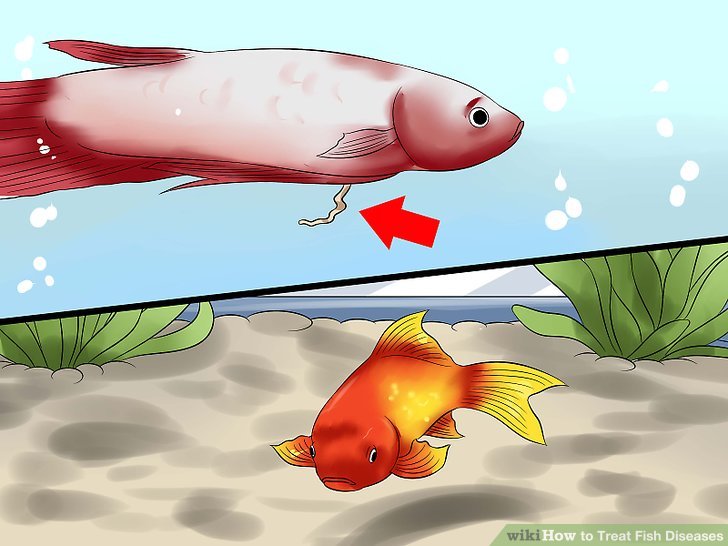
Preventing fish diseases is significantly more effective and less stressful than treating them. By adopting a proactive approach, aquarists can create a robust environment that minimizes the risk of pathogens taking hold and spreading. This involves consistent attention to detail and implementing established best practices that foster a healthy ecosystem for your aquatic inhabitants.The foundation of a healthy aquarium lies in maintaining optimal water conditions.
Fish are highly sensitive to their environment, and even minor fluctuations can compromise their immune systems, making them susceptible to illness. Therefore, understanding and diligently managing water parameters is paramount to preventing disease.
Optimal Water Quality Maintenance
Maintaining pristine water quality is the cornerstone of disease prevention. Fish excrete waste products, such as ammonia, which are toxic. Beneficial bacteria in the aquarium’s biological filter convert ammonia into less harmful nitrates. Regular monitoring and water changes are crucial to keep these compounds at safe levels.A comprehensive approach to water quality involves several key practices:
- Regular Water Testing: Utilize a reliable aquarium test kit to monitor essential parameters such as ammonia, nitrite, nitrate, and pH. Aim for zero ammonia and nitrite, and keep nitrates as low as possible through water changes.
- Appropriate Water Changes: Perform partial water changes regularly, typically 10-25% weekly, depending on tank size and stocking levels. Use dechlorinated water that has been temperature-matched to the aquarium to avoid shocking the fish.
- Adequate Filtration: Ensure your filter is appropriately sized for your tank and maintained according to manufacturer instructions. Clean filter media gently in removed tank water to preserve beneficial bacteria.
- Oxygenation: Sufficient oxygen levels are vital. This can be achieved through surface agitation from filters, air stones, or powerheads.
- Temperature Stability: Maintain a stable temperature within the appropriate range for your specific fish species. Use a reliable aquarium heater and thermometer.
Proper Tank Stocking Levels
Overstocking a fish tank is a common mistake that significantly increases the risk of disease. When a tank is overcrowded, it leads to a rapid accumulation of waste products, depleting oxygen levels and stressing the fish. Stressed fish have weakened immune systems, making them vulnerable to pathogens.The principle of “less is more” is particularly relevant in aquarium keeping. Consider these points:
- Species-Specific Needs: Research the adult size and space requirements of each fish species before purchasing. Some fish require more swimming room than others.
- Waste Production: Fish that produce more waste (e.g., goldfish, cichlids) require more space and a more robust filtration system.
- Territoriality: Some fish are territorial and need ample space to establish their own areas, preventing aggression and stress.
- Filtration Capacity: Your filtration system has a limit to how much waste it can process. Overstocking will overwhelm even a powerful filter.
A general guideline for stocking density, though not a strict rule, is to consider the mature size of the fish. For example, a 1-inch adult fish might be allocated a certain volume of water, but this varies greatly by species. It is always better to err on the side of caution and understock rather than overstock.
Effective Quarantine Procedures
Introducing new fish to an established aquarium without proper quarantine is akin to inviting potential disease into your home. New arrivals may carry pathogens or parasites that are not apparent immediately but can quickly spread to your existing, healthy fish population. Quarantine acts as a crucial buffer, allowing you to observe and treat any issues before they affect your main tank.The quarantine process should be thorough and systematic:
- Dedicated Quarantine Tank: Set up a separate, smaller aquarium for quarantining new fish. This tank should have a simple setup, including a heater, filter, and basic hiding places.
- Observation Period: Keep new fish in the quarantine tank for a minimum of 4-6 weeks. This allows ample time for any latent diseases or parasites to manifest.
- Daily Monitoring: Observe the quarantined fish daily for any signs of illness, such as lethargy, clamped fins, erratic swimming, changes in appetite, or visible spots or lesions.
- Treatment if Necessary: If any signs of disease appear, treat the fish in the quarantine tank. This prevents the spread of illness to your main aquarium.
- Gradual Acclimation: Once the quarantine period is successfully completed without any issues, new fish can be gradually acclimated to the main aquarium.
Quarantine is not an optional step; it is a fundamental practice for responsible fishkeeping and the long-term health of your aquarium community.
Routine Maintenance Schedule for Aquarium Health
A consistent maintenance schedule is vital for preventing disease by keeping the aquarium environment stable and healthy. This routine ensures that potential problems are identified and addressed before they escalate into serious issues. A well-organized schedule reduces guesswork and promotes a proactive approach to aquarium care.Here is a sample routine maintenance schedule:
Daily Tasks:
- Feed fish appropriate amounts, observing their behavior and appetite.
- Check water temperature and ensure it is stable.
- Visually inspect fish for any signs of stress or illness.
- Ensure all equipment (filters, heaters, lights) is functioning correctly.
Weekly Tasks:
- Perform a partial water change (10-25%) using dechlorinated, temperature-matched water.
- Test key water parameters (ammonia, nitrite, nitrate, pH).
- Clean the aquarium glass of algae.
- Gently siphon debris from the substrate.
Bi-Weekly/Monthly Tasks:
- Clean filter media in removed tank water (do not rinse under tap water).
- Prune and trim live plants if applicable.
- Clean the exterior of the aquarium.
- Top off evaporated water with dechlorinated water.
Less Frequent Tasks (as needed):
- Deep clean substrate (avoid disturbing the entire substrate at once to preserve beneficial bacteria).
- Replace filter cartridges or media according to manufacturer recommendations, but do so gradually to maintain the biological filter.
Essential Aquarium Equipment for Disease Prevention
Having the right equipment is crucial for maintaining a healthy aquarium and preventing diseases. Each piece of equipment plays a specific role in ensuring stable water conditions, adequate oxygenation, and early detection of problems. Investing in quality equipment is an investment in the health and well-being of your fish.Here is a checklist of essential equipment:
| Equipment | Purpose in Disease Prevention |
|---|---|
| Reliable Aquarium Heater and Thermometer | Maintains stable and appropriate water temperatures, preventing thermal shock and stress which weaken immune systems. |
| Appropriately Sized Aquarium Filter | Processes waste products, removes physical debris, and houses beneficial bacteria essential for the nitrogen cycle, keeping water clean and safe. |
| Air Pump and Airstone/Powerhead | Increases surface agitation, promoting vital oxygen exchange and preventing low oxygen levels that stress fish and make them susceptible to disease. |
| Quality Aquarium Test Kits (Ammonia, Nitrite, Nitrate, pH) | Allows for regular monitoring of water parameters, enabling early detection of dangerous conditions before they harm fish. |
| Quarantine Tank | A separate, smaller tank used to observe and treat new fish, preventing the introduction of diseases into the main aquarium. |
| Siphon/Gravel Cleaner | Facilitates regular water changes and debris removal from the substrate, maintaining water quality and reducing the buildup of harmful organic matter. |
| Fish Net | Used for safely transferring fish, minimizing stress and injury. Essential for moving fish to and from quarantine tanks. |
| Algae Scraper/Pad | Keeps the aquarium glass clean, allowing for better visibility to observe fish and detect early signs of illness. |
Water Quality Management for Disease Control
Maintaining optimal water quality is the cornerstone of a healthy aquatic environment for your fish and a critical component in preventing the onset and spread of diseases. Fish, unlike terrestrial animals, live and breathe in their environment, making them highly susceptible to fluctuations in water parameters. Poor water quality stresses fish, weakening their immune systems and making them more vulnerable to pathogens.
Proactive management of these parameters creates a robust defense against illness.The relationship between water quality and fish health is direct and undeniable. When key parameters fall outside their ideal ranges, fish experience physiological stress. This stress can manifest in various ways, including reduced appetite, sluggish behavior, increased susceptibility to infections, and even death. By understanding and actively managing these parameters, you create a stable and healthy habitat that supports your fish’s well-being and resilience.
Critical Water Parameters Influencing Fish Health
Several water parameters are fundamental to maintaining a healthy aquarium or pond ecosystem. Deviations from ideal ranges can significantly impact fish physiology and immune response, creating an environment ripe for disease. Understanding these parameters and their effects is crucial for effective disease prevention.
- Ammonia (NH₃/NH₄⁺): This is a highly toxic compound produced from the breakdown of organic waste, primarily fish waste and uneaten food. Even low concentrations can damage fish gills, impair oxygen uptake, and suppress the immune system.
- Nitrite (NO₂⁻): A byproduct of the nitrification process, nitrite is also highly toxic. It interferes with the ability of fish’s blood to carry oxygen, leading to suffocation.
- Nitrate (NO₃⁻): While less toxic than ammonia and nitrite, high nitrate levels can still stress fish over time, contributing to weakened immune systems and promoting the growth of undesirable algae.
- pH: This measures the acidity or alkalinity of the water. Fluctuations in pH can stress fish and affect the toxicity of other compounds like ammonia. Different fish species have specific pH requirements.
- Temperature: Fish are ectothermic, meaning their body temperature is regulated by their environment. Sudden temperature swings or temperatures outside the species’ ideal range can cause stress and weaken their immune systems.
- Dissolved Oxygen (DO): Fish require dissolved oxygen to breathe. Low DO levels can lead to suffocation and stress, making fish more susceptible to disease.
Testing for Ammonia, Nitrite, and Nitrate Levels
Regular testing of ammonia, nitrite, and nitrate is essential for monitoring the health of your aquatic environment. These tests provide a clear indication of the effectiveness of your biological filtration and highlight potential issues before they become critical. Utilizing reliable test kits ensures accurate readings, allowing for timely interventions.The nitrogen cycle is a crucial biological process in aquariums and ponds, and monitoring its key components—ammonia, nitrite, and nitrate—is vital.
- Ammonia and Nitrite Testing: These tests typically use liquid reagent kits. A small water sample is mixed with specific reagents, and the resulting color change is compared to a color chart provided with the kit to determine the concentration. For ammonia, readings should ideally be 0 ppm. For nitrite, readings should also be 0 ppm in a cycled aquarium.
- Nitrate Testing: Nitrate tests also utilize liquid reagent kits, often with a different set of reagents. The color comparison method is similar. While 0 ppm nitrate is ideal, in a well-established and balanced system, nitrates are generally kept below 20-40 ppm for freshwater aquariums and ponds, depending on the species.
“The absence of ammonia and nitrite is a sign of a healthy, established nitrogen cycle, while their presence indicates a problem that requires immediate attention.”
Performing Effective Water Changes
Regular and appropriate water changes are one of the most effective ways to manage water quality and prevent disease. They dilute accumulated nitrates, remove dissolved organic compounds, and replenish essential trace elements. The frequency and volume of water changes depend on the stocking density, filtration capacity, and overall health of the aquarium or pond.Effective water changes involve careful planning and execution to avoid shocking the fish.
- Preparation: Always use a dechlorinator to treat new tap water. Chlorine and chloramines are highly toxic to fish and beneficial bacteria. Allow the new water to reach a temperature similar to the aquarium or pond water to prevent thermal shock.
- Volume: For most freshwater aquariums, a 10-25% water change weekly is a good starting point. For heavily stocked tanks or ponds, larger or more frequent changes may be necessary. Avoid changing more than 50% of the water at once, as this can disrupt the beneficial bacteria colony.
- Removal: Use a gravel vacuum to siphon water from the bottom of the aquarium. This not only removes water but also cleans accumulated detritus and uneaten food from the substrate, which contributes to ammonia production.
- Addition: Slowly add the prepared new water back into the aquarium or pond, ensuring it mixes well and doesn’t stir up excessive debris.
Benefits of Using Biological Filtration Systems
Biological filtration is the backbone of a healthy aquatic ecosystem, providing a natural method for breaking down harmful waste products. It relies on beneficial bacteria to convert toxic ammonia and nitrite into less harmful nitrate. A robust biological filter is crucial for preventing spikes in these toxic compounds, thereby significantly reducing fish stress and disease risk.The effectiveness of biological filtration lies in its ability to harness the power of nature.
- Waste Conversion: Beneficial bacteria, primarily Nitrosomonas and Nitrobacter, colonize porous filter media. Nitrosomonas bacteria convert ammonia into nitrite, and Nitrobacter bacteria then convert nitrite into nitrate.
- Toxin Reduction: By efficiently processing ammonia and nitrite, biological filters maintain these compounds at safe, undetectable levels, preventing them from poisoning the fish.
- Water Clarity: A well-functioning biological filter contributes to clearer water by removing dissolved organic compounds that can fuel algae blooms and cloudiness.
- Disease Prevention: By ensuring consistently safe ammonia and nitrite levels, biological filtration significantly reduces the physiological stress on fish, making them less susceptible to diseases.
Guide for Selecting Appropriate Water Conditioners and Additives
Water conditioners and additives can be valuable tools for maintaining optimal water quality and supporting fish health, but their selection requires careful consideration. They are not a substitute for proper filtration and regular maintenance but can help address specific issues or enhance the environment. Always choose products designed for aquatic use and follow manufacturer instructions precisely.When selecting water conditioners and additives, consider the specific needs of your aquarium or pond and its inhabitants.
- Dechlorinators: Essential for treating tap water, these products neutralize chlorine and chloramines, making the water safe for fish and beneficial bacteria. Look for products that also bind heavy metals.
- Beneficial Bacteria Starters: These products introduce live or dormant beneficial bacteria to help establish or re-establish the nitrogen cycle, especially after filter maintenance or in new setups.
- pH Adjusters: If your tap water’s pH is consistently outside the desired range for your fish, pH buffers can help stabilize it. Use these cautiously, as rapid pH swings are more detrimental than a slightly off-but-stable pH.
- Water Clarifiers: These can help remove fine particulate matter that causes cloudy water, improving aesthetics and light penetration. However, they do not address the underlying cause of cloudiness, such as overfeeding or poor filtration.
- Mineral Supplements: In some cases, particularly in heavily planted aquariums or specific pond environments, mineral supplements may be needed to replenish trace elements. Ensure they are formulated for aquatic life.
“Always read and understand the label of any water conditioner or additive before use. Incorrect application can be more harmful than beneficial.”
Nutrition and Feeding for a Healthy Immune System
A well-balanced diet is fundamental to a fish’s overall health and its ability to ward off diseases. Just as in humans, proper nutrition strengthens the immune system, making fish more resilient to pathogens and environmental stressors. A deficiency in essential nutrients can weaken their defenses, leaving them vulnerable to infections.The impact of diet on fish immunity is profound. Key nutrients, such as vitamins, minerals, and fatty acids, play critical roles in immune cell function, antibody production, and the integrity of the skin and mucous membranes, which act as the first line of defense.
A diet lacking these vital components can lead to a compromised immune response, making fish more susceptible to common diseases.
High-Quality Fish Food Options
Selecting the right food is paramount for providing the necessary nutrients. High-quality fish foods are formulated to meet the specific dietary needs of different fish species and life stages. These foods typically contain a balanced blend of protein, carbohydrates, fats, vitamins, and minerals, with a focus on easily digestible ingredients.When choosing fish food, look for options that list high-quality protein sources, such as fish meal, shrimp meal, or insect meal, as the primary ingredients.
Avoid foods with excessive fillers like wheat or corn, especially for carnivorous or omnivorous species. The packaging should also clearly state the nutritional analysis, including protein, fat, and fiber content.
Appropriate Feeding Frequencies and Portion Sizes
The frequency and amount of food provided significantly influence a fish’s health and can impact disease prevention. Overfeeding can lead to poor water quality and health issues, while underfeeding can result in malnutrition and a weakened immune system.General guidelines suggest feeding adult fish once or twice a day. The portion size should be an amount that the fish can consume within 2-3 minutes.
For juvenile or growing fish, more frequent feedings may be necessary, but always with smaller portions. It is beneficial to observe your fish’s behavior; active and alert fish are generally well-fed, while lethargic or bloated fish may indicate overfeeding.
Comparison of Specialized Fish Diets
Different fish species have distinct dietary requirements, and specialized diets cater to these needs. Understanding these differences ensures that your fish receive optimal nutrition.
- Herbivore Diets: These foods are formulated with a high percentage of plant-based ingredients, such as spirulina, algae, and vegetable matter. They are essential for fish that primarily consume plants in their natural habitat.
- Carnivore Diets: Rich in animal protein, these diets mimic the natural feeding habits of predatory fish. They typically contain high levels of fish meal, krill, and other animal-based proteins.
- Omnivore Diets: These are balanced diets that include both plant and animal-based ingredients, suitable for fish that consume a varied diet in the wild.
- Growth Formulas: Designed for fry and juvenile fish, these foods are more nutrient-dense, particularly in protein, to support rapid growth and development.
- Color-Enhancing Foods: These diets contain natural pigments like carotenoids, derived from sources like shrimp or algae, to promote vibrant coloration in ornamental fish.
- Medicinal Foods: While not a primary preventative measure, some foods are medicated to treat specific ailments, but their use should be guided by a veterinarian or experienced aquarist.
Avoiding Overfeeding and Its Consequences
Overfeeding is a common mistake that can have detrimental effects on fish health and water quality, ultimately increasing the risk of disease. When fish are fed more than they can consume, uneaten food decomposes, polluting the water.The consequences of overfeeding include:
- Poor Water Quality: Decomposing food releases ammonia and other harmful substances into the water, stressing the fish and creating an environment conducive to disease.
- Obesity and Health Problems: Fish that are consistently overfed can become obese, leading to internal organ damage, swim bladder issues, and a weakened immune system.
- Algal Blooms: Excess nutrients from uneaten food can fuel the growth of algae, further degrading water quality and oxygen levels.
- Digestive Issues: Overeating can lead to digestive upset, bloating, and constipation in fish.
Identifying and Addressing Stressors
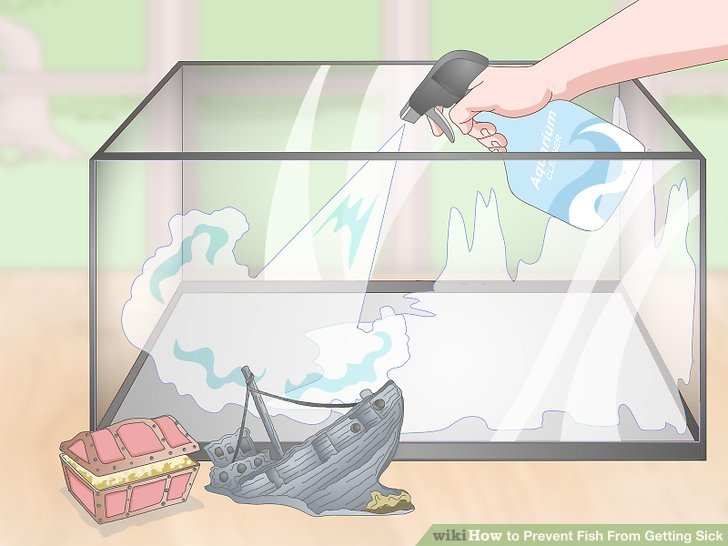
Fish, like all living beings, can experience stress, which significantly impacts their immune system and makes them more susceptible to diseases. Understanding and mitigating these stressors is a crucial aspect of preventative fish healthcare. By proactively identifying potential sources of stress and implementing strategies to minimize them, you can create a more robust and healthy environment for your aquatic inhabitants.Environmental and social factors can both contribute to stress in fish.
Recognizing these can help in creating a more harmonious and stable aquarium.
Common Stressors in Aquatic Environments
Several factors can contribute to stress in fish, often stemming from the aquarium’s environment or social dynamics. These stressors can manifest in various ways, from behavioral changes to physical symptoms, ultimately weakening the fish’s defenses against pathogens.A comprehensive approach to identifying and managing these stressors involves a keen observation of your fish and their surroundings.
- Inadequate Space: Overcrowding leads to increased competition for resources like food and territory, resulting in constant agitation and stress for individual fish.
- Poor Water Quality: Fluctuations in parameters like ammonia, nitrite, nitrate, and pH, as well as low dissolved oxygen levels, directly impact a fish’s physiological well-being.
- Incompatible Tank Mates: The presence of overly aggressive, territorial, or predatory fish can lead to constant harassment, fear, and injury for more docile species.
- Sudden Environmental Changes: Rapid shifts in temperature, lighting, or water parameters can shock fish, disrupting their natural biological rhythms and weakening their immune response.
- Insufficient Hiding Places: Fish that feel exposed and vulnerable are constantly on edge, which is a significant source of chronic stress.
- Inappropriate Diet: A lack of essential nutrients or an unbalanced diet can compromise a fish’s immune system, making it less capable of fighting off infections.
- Over-handling or Frequent Disturbances: Excessive interaction with the aquarium, such as frequent water changes without acclimation or constant net activity, can be highly stressful.
Impact of Aggressive Tank Mates
The social environment within an aquarium plays a vital role in fish health. When aggressive or incompatible species are housed together, it can lead to a cascade of negative effects that compromise the well-being of the more timid inhabitants. This constant state of alert and potential physical harm significantly depletes a fish’s energy reserves and weakens its immune system, making it an easy target for diseases.
The social hierarchy and territorial disputes in a mixed-species aquarium can be a primary driver of chronic stress, leading to reduced growth, increased susceptibility to illness, and even mortality.
Examples of aggressive species that often cause issues include certain cichlids, bettas (when housed with similar-looking fish), and some barbs. Conversely, smaller, more peaceful fish like neon tetras or guppies can become victims of bullying. Careful research into the compatibility of species before introducing them to a tank is paramount.
Importance of Adequate Hiding Places
Providing ample hiding spots is fundamental to reducing stress in fish. Many fish species, by nature, seek out sheltered areas to rest, feel secure, and escape perceived threats. When these opportunities are lacking, fish are forced to remain in open water, constantly vigilant and unable to relax, which is a significant source of chronic stress.A well-designed aquarium will incorporate a variety of hiding places that cater to the natural behaviors of its inhabitants.
This can include:
- Aquatic Plants: Dense planting, whether live or artificial, offers excellent cover and creates a more naturalistic environment.
- Driftwood and Rocks: Strategic placement of these items can create caves, overhangs, and crevices where fish can retreat.
- Decorative Hides: Commercially available caves, tunnels, and ornaments provide safe havens.
- Substrate: Some fish prefer to burrow, so a substrate that allows for this, such as sand, can be beneficial.
The availability of these safe zones allows fish to exhibit natural behaviors, conserve energy, and feel secure, thereby bolstering their overall health and resilience.
Effect of Temperature Fluctuations on Fish Health
Fish are ectothermic, meaning their body temperature is regulated by their environment. Consequently, even small fluctuations in water temperature can have a profound impact on their metabolism, immune function, and overall health. Rapid or extreme temperature changes can shock a fish’s system, making it more vulnerable to disease.
- Metabolic Rate: Temperature directly influences a fish’s metabolic rate. Too cold, and their metabolism slows, hindering their ability to digest food and fight off infections. Too warm, and their metabolism can be excessively high, leading to stress and oxygen depletion.
- Immune Response: A stable temperature range is crucial for optimal immune function. Sudden drops can suppress the immune system, while sustained high temperatures can weaken it.
- Disease Susceptibility: Many fish diseases thrive within specific temperature ranges. Fluctuations can create an environment conducive to the proliferation of pathogens.
Maintaining a stable temperature within the appropriate range for your specific fish species is a cornerstone of preventative fish care.
Strategy for Minimizing Sudden Environmental Changes
Minimizing sudden environmental changes is key to preventing stress and disease in fish. This involves a proactive and consistent approach to aquarium maintenance and management.A well-thought-out strategy includes the following elements:
- Gradual Acclimation: When introducing new fish or plants, or when performing water changes, always acclimate them gradually to the new water parameters. This can involve drip acclimation or floating the bag for an extended period.
- Consistent Water Parameter Monitoring: Regularly test your water parameters (pH, ammonia, nitrite, nitrate, temperature) to ensure stability and catch any deviations early.
- Slow Water Changes: Perform water changes gradually rather than all at once. A common recommendation is to change no more than 20-30% of the tank volume at a time, and to ensure the new water is pre-conditioned and at a similar temperature to the tank water.
- Use of a Thermostat and Heater/Chiller: Employ a reliable aquarium heater and thermostat to maintain a consistent temperature. In warmer climates, a chiller might be necessary. Regularly check the thermostat’s accuracy.
- Stable Lighting Schedule: Avoid drastic changes in lighting duration or intensity. Use timers to ensure a consistent photoperiod.
- Controlled Feeding: Avoid overfeeding, which can lead to water quality issues and stress. Feed only what your fish can consume within a few minutes.
- Avoid Overcrowding: Ensure your tank is not overstocked, as this is a constant source of environmental stress.
By implementing these practices, you create a predictable and stable environment, significantly reducing the risk of stress-induced illnesses for your fish.
Quarantine and Introduction of New Fish
Introducing new fish to an established aquarium is a critical juncture that requires careful consideration to safeguard the health of your existing aquatic inhabitants. A well-executed quarantine protocol acts as a vital buffer, preventing the introduction of pathogens and parasites that could trigger widespread disease outbreaks. This proactive measure is far more effective and less stressful than attempting to treat an infected main tank.The purpose of a fish quarantine period is to isolate newly acquired fish in a separate, controlled environment for a sufficient duration to observe them for any signs of illness and to treat them if necessary before they come into contact with your main aquarium population.
This isolation period allows potential diseases or parasites to manifest under controlled conditions, minimizing the risk to your established community. The typical quarantine duration ranges from 30 to 45 days. This timeframe is generally sufficient to cover the incubation periods of most common fish diseases and to allow for observation of any chronic conditions.
Quarantine Tank Setup
Setting up a dedicated quarantine tank is a straightforward process that requires minimal equipment but maximum attention to detail. A properly prepared quarantine tank ensures a stable and healthy environment for new arrivals.Here is a step-by-step guide for setting up a quarantine tank:
- Select an appropriate tank: A 10 to 20-gallon tank is generally suitable for most small to medium-sized fish. Ensure it is thoroughly cleaned and has never been used for treating sick fish or housing diseased fish without proper sterilization.
- Install essential equipment: A small, reliable filter (such as a sponge filter or hang-on-back filter with adjustable flow) is crucial for maintaining water quality. A heater is necessary to maintain a stable temperature consistent with the fish’s original environment. An air pump and airstone can improve oxygenation.
- Add substrate and decorations: A bare-bottom tank is often preferred for ease of cleaning and observation during quarantine. If substrate is used, opt for a fine, inert sand or gravel that is easy to siphon. Decorations should be minimal, such as a few smooth rocks or a ceramic cave, providing hiding places without harboring excessive detritus. Avoid live plants initially, as they can harbor parasites.
- Cycle the tank: It is highly recommended to have a cycled quarantine tank ready before introducing new fish. This can be achieved by using media from an established, healthy aquarium or by using a fishless cycling method. A cycled tank will have a beneficial bacteria colony to process ammonia and nitrite, preventing toxic spikes.
- Prepare water: Use dechlorinated water that matches the temperature and general water parameters (pH, hardness) of the main aquarium. Perform a partial water change of 25-50% before introducing the fish.
Observing New Fish for Signs of Illness
Diligent observation is the cornerstone of an effective quarantine. By carefully monitoring new fish, you can detect early warning signs of distress or disease, allowing for prompt intervention.Methods for observing new fish for signs of illness include:
- Daily visual inspection: Observe each fish for at least a few minutes each day. Look for any changes in behavior, such as lethargy, hiding excessively, erratic swimming, or gasping at the surface.
- Physical examination: Check for any external abnormalities, including spots, lesions, fuzzy patches, torn fins, swollen eyes, or protruding scales. Note any changes in coloration or appetite.
- Fecal matter observation: Observe the feces of the fish. Healthy fish typically produce firm, dark, or colored feces. Stringy, white, or mucus-covered feces can indicate internal parasites or digestive issues.
- Breathing rate: Monitor the gill movement. Rapid or labored breathing can be a sign of poor water quality or respiratory distress.
- Interaction with tank mates: If multiple fish are in quarantine, observe their interactions. Signs of aggression, bullying, or avoidance can indicate stress or illness.
Treating Potential Diseases During Quarantine
The quarantine period provides a safe space to address any health issues that may arise. Prompt and appropriate treatment can prevent the spread of disease and ensure the fish is healthy before entering the main display.The approach to treating potential diseases during quarantine involves:
- Early detection and diagnosis: The first step is to accurately identify the suspected disease or parasite based on observed symptoms. Research common fish diseases and their treatments.
- Medication administration: If a specific disease is diagnosed, select an appropriate medication. Many medications are available in fish stores, but it is crucial to follow the dosage instructions precisely. Consider using a separate treatment tank if the medication can affect beneficial bacteria in the filter.
- Water parameter monitoring: During treatment, it is especially important to monitor water parameters closely. Some medications can impact water quality, and maintaining stable conditions is vital for recovery.
- Dietary support: Supplementing the diet with medicated foods or vitamin-enriched foods can aid in recovery and boost the immune system.
- Observation during treatment: Continue to observe the fish closely throughout the treatment period to assess its response to the medication. Adjustments to the treatment plan may be necessary based on the fish’s progress.
Risks of Direct Introduction of New Fish
Introducing new fish directly into your main aquarium without a quarantine period is a gamble that can have severe consequences for your entire aquatic ecosystem. The potential for introducing pathogens outweighs any perceived convenience.The risks associated with directly introducing new fish to a main aquarium include:
- Introduction of parasites: Many common aquarium parasites, such as Ich (white spot disease), Velvet, and various flukes, are microscopic and invisible to the naked eye. New fish can carry these parasites without showing immediate symptoms.
- Transmission of bacterial and viral infections: Bacteria and viruses can also be present on new fish or their packaging water, leading to rapid outbreaks in a susceptible, established population.
- Stress-induced illness: The stress of transport and introduction to a new environment can weaken a fish’s immune system, making it more vulnerable to diseases it may already be carrying.
- Widespread disease outbreaks: Once a disease enters a main aquarium, it can spread rapidly, affecting all inhabitants and potentially leading to significant fish loss.
- Difficult and costly treatments: Treating an entire main aquarium for a disease is far more challenging, stressful for all fish, and often more expensive than treating a single fish in a quarantine tank. It may also require removing all inhabitants for treatment.
Biosecurity Measures in Aquariums
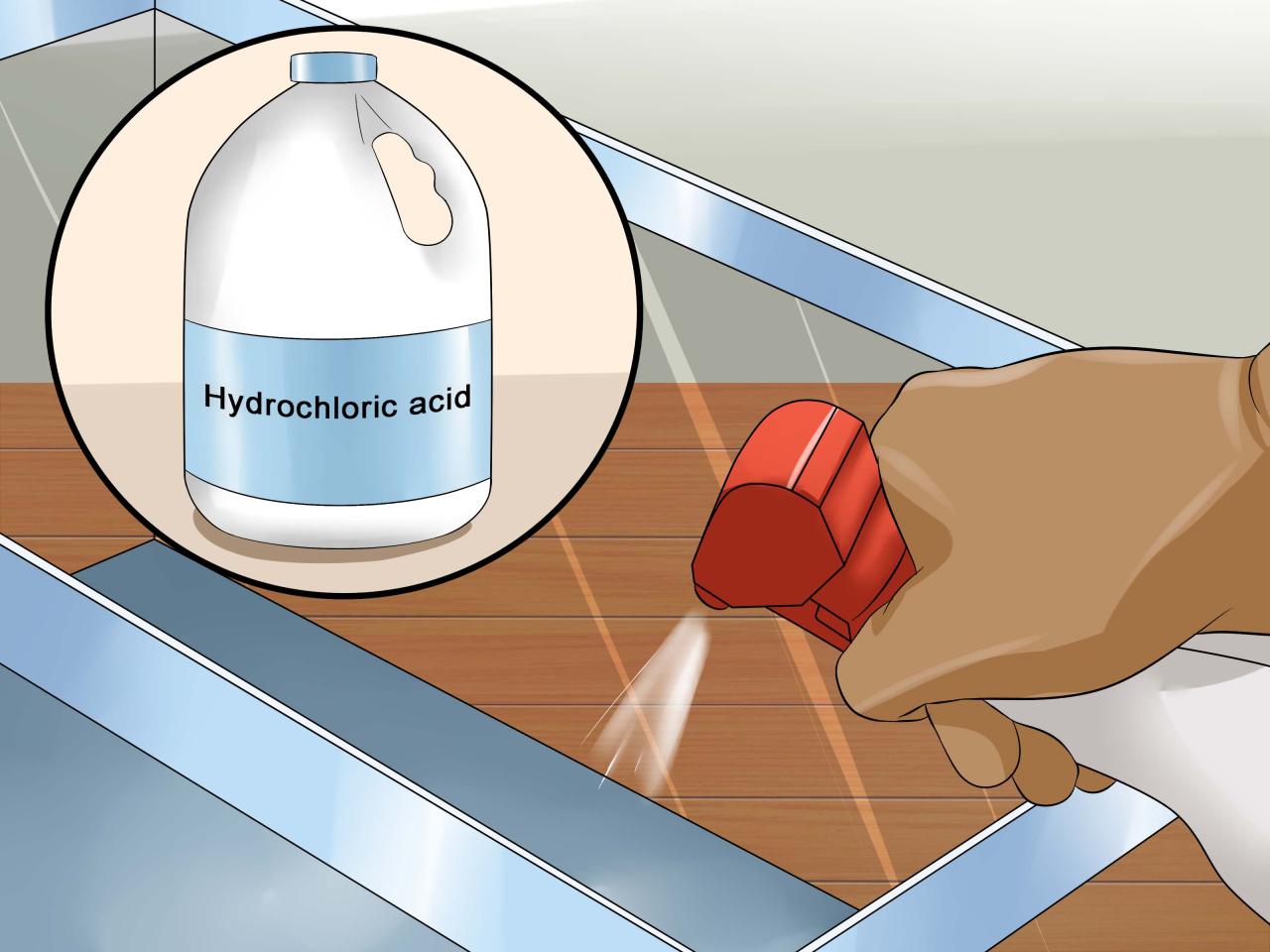
Implementing robust biosecurity measures is paramount to safeguarding your aquarium inhabitants from disease. Biosecurity, in the context of aquariums, refers to the set of practices and procedures designed to prevent the introduction and spread of disease-causing pathogens into your aquatic environment. By understanding the potential entry points for diseases and diligently applying preventive measures, you can significantly reduce the risk of outbreaks and maintain a healthy, thriving ecosystem for your fish.The concept of biosecurity extends beyond just treating sick fish; it is a proactive approach focused on containment and prevention.
This involves a comprehensive understanding of how diseases can enter an aquarium and the establishment of protocols to mitigate these risks. It’s about creating a secure barrier against external threats and managing internal risks effectively.
Common Pathways for Disease Introduction
Diseases can find their way into an aquarium through various avenues, often unintentionally. Recognizing these pathways is the first step in preventing them.Common entry points include:
- Introduction of new fish, invertebrates, or plants that are unknowingly carrying pathogens.
- Contaminated water from other aquariums, such as from siphoning equipment or shared water sources.
- Introduction of pathogens via live foods, especially if they are sourced from potentially infected waters.
- Infected wild-caught fish or invertebrates that have not been properly quarantined.
- Contaminated equipment, decorations, or substrates that have been in contact with diseased fish or water.
- Airborne pathogens, although less common, can also be a factor in some instances.
Importance of Cleaning and Disinfecting Equipment
Thorough cleaning and disinfection of all aquarium equipment are critical components of biosecurity. Pathogens can adhere to surfaces and equipment, remaining viable for extended periods and posing a constant threat of reintroduction or spread. Regular and proper sanitation protocols ensure that equipment does not become a vector for disease transmission.This practice is particularly vital when introducing new equipment or when moving equipment between different tanks.
Even seemingly clean equipment can harbor microscopic threats that are invisible to the naked eye.
Procedure for Sanitizing Nets and Other Aquarium Tools
Establishing a routine for cleaning and sanitizing essential aquarium tools, such as nets, algae scrapers, siphons, and feeding implements, is crucial. A simple yet effective procedure can significantly reduce the risk of disease transmission.A recommended sanitization procedure involves:
- Initial Rinse: Rinse all equipment thoroughly with clean, dechlorinated water to remove any visible debris, fish waste, or organic matter.
- Soaking Solution: Prepare a sanitizing solution. Common and effective options include:
- A dilute bleach solution (1 part bleach to 19 parts water).
- A commercial aquarium-safe disinfectant.
- A strong salt solution (e.g., 1 cup of aquarium salt per gallon of water for an extended soak).
- Soaking Time: Submerge the equipment completely in the chosen sanitizing solution for at least 10-15 minutes. For nets, ensure the mesh is fully saturated.
- Thorough Rinsing: After soaking, rinse all equipment extensively with clean, dechlorinated water to remove any residual disinfectant. This step is vital to prevent harming fish with traces of cleaning agents.
- Drying: Allow the equipment to air dry completely before storing or reusing it. Drying can further inhibit the survival of some pathogens.
For nets, it is often advisable to have separate nets for different tanks, especially if there is a concern about disease.
Preventing Cross-Contamination Between Different Tanks
Cross-contamination is a significant risk when managing multiple aquariums. Pathogens can easily spread from one tank to another through shared equipment, water, or even hands. Implementing strict protocols to prevent this transfer is essential for maintaining the health of all your fish.Key strategies for preventing cross-contamination include:
- Dedicated Equipment: Ideally, use separate nets, siphons, and other tools for each aquarium. If this is not feasible, ensure thorough cleaning and disinfection of all shared equipment between uses in different tanks.
- Handwashing: Always wash your hands thoroughly with soap and water before and after working with any aquarium. If you have handled fish from a potentially sick tank, wash your hands immediately.
- Water Changes: Avoid using water from one established aquarium to top off another, as this can transfer pathogens.
- Quarantine Protocols: Strictly adhere to quarantine procedures for all new additions, preventing them from coming into contact with established tanks until their health status is confirmed.
- Tank Placement: While not a direct biosecurity measure, avoid placing tanks in a way that allows for easy splashing or transfer of water between them.
By diligently applying these biosecurity measures, you create a much safer environment for your fish, minimizing the likelihood of disease outbreaks and ensuring a more enjoyable aquarium hobby.
Natural Remedies and Supportive Care
Beyond the foundational aspects of disease prevention, incorporating natural remedies and focusing on supportive care can significantly bolster your fish’s health and resilience. This approach often involves leveraging the power of the aquatic environment itself and providing a nurturing space for recovery.The principles of natural remedies and supportive care aim to enhance the fish’s intrinsic ability to fight off pathogens and recover from illness.
This often involves optimizing the environment and providing gentle, non-invasive treatments.
Aquatic Plants for Water Quality Improvement
Certain aquatic plants play a vital role in maintaining a healthy aquarium ecosystem, contributing to water quality by consuming excess nutrients and producing oxygen. Their presence can create a more stable and less stressful environment for fish, indirectly aiding in disease prevention.Here are some examples of aquatic plants known for their beneficial properties:
- Java Fern (Microsorum pteropus): This hardy plant is an excellent nutrient exporter, absorbing nitrates and phosphates from the water column, which helps prevent algal blooms and maintains cleaner water.
- Anubias species: Similar to Java Fern, Anubias are slow-growing plants that effectively utilize dissolved nutrients. Their robust nature makes them suitable for various tank setups.
- Hornwort (Ceratophyllum demersum): A fast-growing floating plant, Hornwort is highly efficient at absorbing excess nutrients and provides excellent cover for fish. It can also help to oxygenate the water through photosynthesis.
- Duckweed (Lemna minor): While it can spread rapidly, duckweed is an incredibly effective nutrient sponge, quickly removing nitrates and phosphates. It also provides a food source for some fish and can shade the water surface, reducing light penetration and discouraging certain algae.
The Role of Beneficial Bacteria in Disease Resistance
Beneficial bacteria are the unsung heroes of any aquarium, forming the backbone of the nitrogen cycle and playing a crucial role in maintaining a healthy environment that inherently resists disease. These microorganisms break down toxic waste products, preventing them from accumulating and stressing the fish.A robust colony of beneficial bacteria ensures that ammonia and nitrite, highly toxic substances produced by fish waste and uneaten food, are converted into less harmful nitrates.
This process is vital for preventing the common ailments associated with poor water quality, which often weaken a fish’s immune system and make it susceptible to infections. Introducing and nurturing these bacteria through proper cycling and maintenance is a cornerstone of proactive disease resistance.
Environmental Oxygenation for Fish Health
A well-oxygenated environment is paramount for the health and well-being of all aquatic life. Fish, like all aerobic organisms, require dissolved oxygen to respire. Insufficient oxygen levels can lead to stress, weakened immune systems, and increased susceptibility to diseases.The importance of adequate oxygenation can be understood through the following:
- Respiration: Fish extract dissolved oxygen from the water through their gills. Low oxygen levels impair this process, making it difficult for them to breathe.
- Stress Reduction: Stress is a significant factor in disease development. A well-oxygenated tank reduces physiological stress on fish, allowing their immune systems to function optimally.
- Metabolic Function: Oxygen is essential for all metabolic processes. Without sufficient oxygen, bodily functions, including immune responses, are compromised.
- Disease Prevention: Many pathogens thrive in low-oxygen conditions. Maintaining high dissolved oxygen levels can create an environment less conducive to their proliferation.
Creating adequate surface agitation through filters, air stones, or water surface movement is key to facilitating gas exchange and maintaining healthy oxygen levels.
Creating a Supportive Environment for Recovering Fish
When a fish is recovering from illness, providing a supportive and stress-free environment is as critical as any treatment. This involves a combination of environmental adjustments and careful observation to facilitate healing and prevent relapse.The following elements contribute to a supportive environment for recovering fish:
- Hospital Tank Setup: A separate hospital tank, ideally a smaller aquarium, allows for controlled treatment and observation without disturbing the main community. This tank should be thoroughly cycled or managed with mature filter media to ensure good water quality.
- Water Parameters: Maintaining pristine water quality in the hospital tank is non-negotiable. Regular water changes, often larger and more frequent than in the main tank, are essential to remove waste and maintain optimal conditions.
- Temperature Stability: Consistent and appropriate water temperature is crucial for fish metabolism and immune function. Avoid sudden fluctuations, and consider slightly elevating the temperature (if appropriate for the species) to boost immune response.
- Reduced Stressors: Minimize any potential sources of stress. This includes reducing tank mates, avoiding bright lights, and ensuring a calm environment.
- Gentle Filtration: Use gentle filtration that does not create strong currents, which can be taxing for a weakened fish. Sponge filters are often a good choice for hospital tanks.
- Nutritious and Palatable Food: Offer easily digestible, highly nutritious foods. Soaking food in vitamins or immune-boosting supplements can be beneficial.
- Observation: Closely monitor the recovering fish for any changes in behavior, appetite, or physical condition. Early detection of any setbacks allows for prompt intervention.
The goal is to create a sanctuary where the fish can expend its energy on healing rather than on fighting a challenging environment.
Ending Remarks
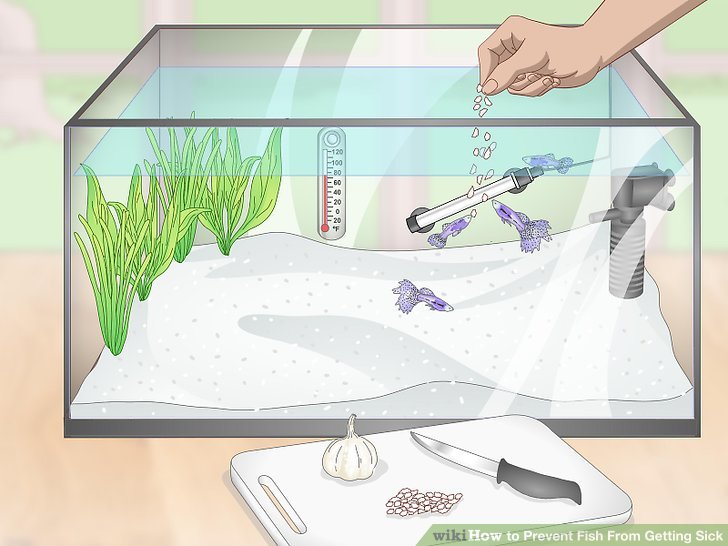
In conclusion, the journey to a disease-free aquarium is one of continuous learning and diligent practice. By embracing proactive prevention strategies, maintaining impeccable water quality, and fostering a supportive environment, you can significantly reduce the risk of fish diseases and ensure your aquatic pets lead healthy, vibrant lives. Remember that vigilance, consistent care, and a thorough understanding of your aquarium’s ecosystem are your most powerful tools in safeguarding the well-being of your fish, transforming your aquarium into a true sanctuary of aquatic health.