Understanding how to feed livestock properly is fundamental to ensuring their health, productivity, and overall well-being. Proper nutrition not only supports growth and reproduction but also enhances disease resistance and farm profitability. This comprehensive guide delves into essential nutritional requirements, appropriate feed types, effective feeding techniques, and best practices for storage and management, providing a solid foundation for responsible livestock care.
From balancing nutrients to implementing sustainable feeding routines, this discussion offers valuable insights for farmers and animal caretakers aiming to optimize their livestock feeding strategies in a humane and environmentally conscious manner.
Nutritional Requirements for Livestock
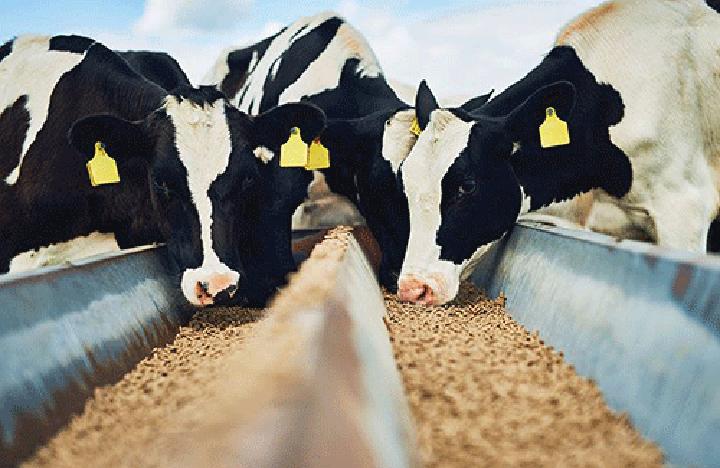
Proper nutrition is fundamental to maintaining healthy and productive livestock. Understanding the specific dietary needs of different animals ensures optimal growth, reproduction, and milk or meat production. Each type of livestock—whether cattle, sheep, goats, pigs, or poultry—has unique nutritional requirements that must be carefully met to prevent deficiencies and promote overall well-being.
Balancing the intake of macronutrients—such as carbohydrates, proteins, and fats—and micronutrients like vitamins and minerals is essential for livestock health. Overfeeding or underfeeding certain nutrients can lead to health problems, reduced productivity, and economic losses. Therefore, a well-formulated diet tailored to the physiological stage, age, and production goals of the animals is critical for sustainable livestock management.
Essential Nutrients for Different Types of Livestock
Each livestock species has specific nutritional needs based on their physiology and production purpose. For example, dairy cattle require nutrients that support milk synthesis, while meat-producing animals focus on growth and muscle development. Nutritional requirements are typically expressed as a percentage of the animal’s body weight or in daily intake quantities, and are often adjusted according to life stage, such as growth, reproduction, or lactation.
Determining dietary needs involves consulting nutritional guidelines provided by veterinary and animal science resources, considering factors such as breed, age, weight, and production level. Regular monitoring of animal health, growth rates, and production outputs helps to fine-tune dietary plans and ensure nutritional adequacy.
Balancing Macronutrients and Micronutrients
Achieving a balanced diet requires careful consideration of both macronutrients and micronutrients. Macronutrients provide the energy necessary for daily activities and physiological functions, while micronutrients support metabolic reactions and overall health.
For example, a typical dairy cow’s diet should include:
- Carbohydrates: primarily sourced from forages and grains, providing energy for milk production.
- Proteins: from legumes, soybean meal, or other plant-based sources, essential for milk synthesis and tissue repair.
- Fats: included in small amounts through oilseeds or added fats to increase energy density.
Micronutrients such as calcium, phosphorus, vitamin A, and zinc are vital for bone health, reproduction, and immune function. A deficiency in minerals like selenium or copper can result in specific health issues, such as anemia or joint problems.
Nutritional Components Table
Below is a summary of key nutrients vital for livestock, including their functions, primary sources, and signs indicating deficiency:
| Nutrient | Function | Sources | Deficiency Signs |
|---|---|---|---|
| Protein | Builds and repairs tissues, supports growth and milk production | Legumes, soybean meal, fish meal, cereals | Stunted growth, poor wool or feather quality, reduced milk yield |
| Energy (Carbohydrates & Fats) | Provides fuel for metabolic processes and activity | Grains, root crops, oilseeds, fats/oils | Weight loss, decreased productivity, lethargy |
| Minerals (Calcium & Phosphorus) | Bone development, metabolic functions, reproduction | Calcium carbonate, bone meal, mineral supplements | Rickets, weak bones, reproductive issues |
| Vitamins (A, D, E, K, B-complex) | Regulate metabolic processes, support immune function, vision, reproduction | Green forages, fortified feeds, supplements | Night blindness, poor growth, reproductive failures |
| Water | Vital for all physiological functions, temperature regulation | Clean drinking water sources | Dehydration, reduced feed intake, lethargy |
Types of Livestock Feed and Their Proper Usage
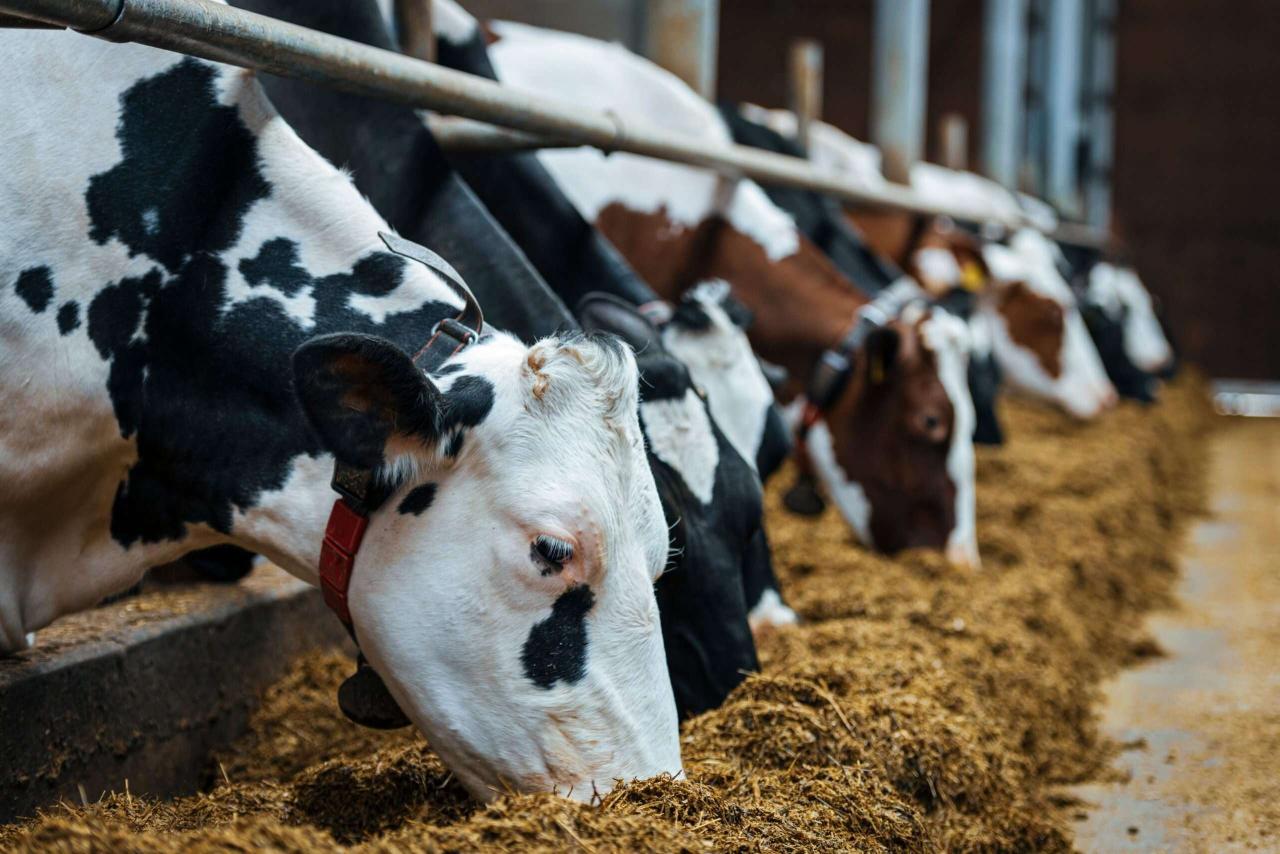
Providing livestock with appropriate and balanced feed is essential for ensuring optimal growth, productivity, and overall health. Understanding the different types of feeds available and their proper application helps farmers and livestock managers make informed decisions that align with the animals’ nutritional needs and production goals. The variety of livestock feeds includes forages, concentrates, silage, and supplements. Each type has unique characteristics, advantages, and disadvantages, making it suitable for specific purposes and feeding schedules.
Selecting the right combination and timing of these feeds maximizes efficiency and supports sustainable livestock management.
Forages and Roughages
Forages are plant-based feeds that form the primary diet for ruminants such as cattle, sheep, and goats. They are rich in fiber and include grasses, legumes, hay, and pasture grasses. Forages are essential for maintaining rumen health and providing energy through digestible fiber.Advantages of forages include their availability, cost-effectiveness, and contribution to digestive health. However, their nutritional content can vary depending on harvest time, species, and growing conditions.
Forages are best fed during the grazing season or as hay during dry periods, usually constituting the bulk of the diet.Disadvantages include inconsistent nutrient content and lower energy density compared to concentrates, necessitating supplementation for high-producing animals. Proper storage, such as dry hay or well-preserved pasture, is critical to prevent spoilage and nutrient loss.
- Examples of Forages:
- Grass hay (e.g., Timothy, Bermuda grass)
- Leguminous hay (e.g., Alfalfa, Clover)
- Greens and pasture grasses (e.g., Ryegrass, Fescue)
Concentrates and Energy Feeds
Concentrates are feeds with high energy and protein content, primarily used to complement forages, especially during periods of high production such as lactation or rapid growth. Typical concentrates include cereals, oilseed meals, and grain by-products.Their advantages include high digestibility, rapid energy supply, and ability to boost production efficiency. Disadvantages involve their higher cost and potential for digestive disturbances if overused or fed improperly.Concentrates are usually fed in the form of grains (such as maize, barley, or wheat) or processed feeds and are given in small, frequent meals to prevent digestive problems.
They are particularly appropriate during high-demand periods like lactation, fattening, or growth.
- Examples of Concentrates:
- Maize (corn)
- Soybean meal
- Barley
- Oats
Silage and Preserved Forage
Silage is fermented, high-moisture stored fodder prepared from green crops such as maize, sorghum, or grasses. It serves as a valuable feed source during periods when fresh forage is unavailable, especially in winter or dry seasons.Advantages include high palatability, improved digestibility, and the ability to store large quantities of feed efficiently. The fermentation process inhibits spoilage and preserves nutrients effectively.Disadvantages involve the need for proper fermentation conditions, risk of mold growth if improperly stored, and the requirement for specialized equipment for making silage.Silage is best fed to livestock in quantities that supplement their diet without causing digestive upset, typically fed in the early morning or late afternoon.
- Examples of Silage:
- Maize silage
- Sorghum silage
- Grass silage (e.g., ryegrass, fescue)
Supplements and Additives
Supplements are concentrated nutrients or minerals added to the basic diet to meet specific nutritional deficiencies or requirements. They include mineral mixes, vitamin supplements, and other feed additives.The primary advantage of supplements is ensuring that animals receive all necessary nutrients for optimal health, reproduction, and productivity. They are especially important when feeding a diet composed mainly of forages or low-quality feed.Disadvantages involve the risk of over-supplementation, which can lead to toxicity or health issues, and the additional cost involved.Supplements are typically provided in controlled amounts and at specific times, such as during high-producing phases or to address deficiencies identified through regular nutritional assessments.
- Examples of Supplements:
- Mineral blocks or mixes (e.g., salt, trace minerals)
- Vitamin premixes
- By-pass proteins
Feeding Techniques and Schedules
Implementing effective feeding techniques and establishing consistent schedules are essential components in maintaining the health, growth, and productivity of livestock. Proper feeding practices ensure animals receive the necessary nutrients at the right times, minimizing waste and reducing feeding costs.
Optimizing feeding routines involves understanding the specific needs of different livestock categories and adapting schedules to seasonal variations. This approach promotes overall animal well-being, enhances production efficiency, and supports sustainable farm management.
Best Practices for Efficient Livestock Feeding
To maximize the benefits of feeding and promote livestock health, it is vital to adhere to established best practices. These include providing clean, fresh feed and water, avoiding sudden changes in diet, and ensuring feed is distributed evenly to prevent competition among animals. Regular monitoring of feed intake and animal health indicators allows for timely adjustments.
Feeding techniques such as using feeding troughs, automatic feeders, or hand-feeding can be selected based on livestock type, farm size, and available resources. Maintaining proper hygiene in feeding areas reduces the risk of disease transmission. Additionally, balancing rations to meet the nutritional requirements of each livestock category ensures animals grow efficiently and produce high-quality products.
Daily, Weekly, and Seasonal Feeding Routines
Establishing a structured feeding routine is crucial for consistent livestock management. Daily routines typically involve providing feed and water at fixed times, which helps animals adapt to predictable schedules, reducing stress and improving digestion. Weekly and seasonal adjustments are necessary to align with changes in feed availability, nutritional needs, and environmental conditions.
During colder months, animals may require increased energy intake to maintain body temperature, while in warmer seasons, hydration becomes more critical. Regularly reviewing feeding routines based on production stages, health status, and seasonal variations ensures optimal animal performance throughout the year.
Feeding Schedule Table for Different Livestock Categories Across Seasons
Below is an organized table illustrating typical feeding schedules for cattle, sheep, goats, and pigs during different seasons. These schedules serve as a guide, but should be tailored to specific farm conditions and animal requirements.
| Livestock Category | Season | Feeding Frequency | Type of Feed | Notes |
|---|---|---|---|---|
| Cattle | Spring/Summer | Twice daily | Fresh pasture, hay, supplemented with concentrate as needed | Ensure ample water; Grazing is primary, supplement with concentrates during lactation |
| Cattle | Autumn/Winter | Twice daily or more | Stored hay, silage, concentrates | Provide mineral supplements; Increase energy intake to maintain body condition |
| Sheep | Spring/Summer | Twice daily | Grazing, pasture, supplemented with hay or silage if pasture is limited | Maintain clean watering points; Avoid overgrazing |
| Sheep | Autumn/Winter | Once or twice daily | Hay, silage, concentrates | Provide mineral supplements; Monitor for signs of nutritional deficiencies |
| Goats | Spring/Summer | Twice daily | Pasture, browse, supplemented with hay and concentrates | Ensure access to mineral licks; Provide ample water |
| Goats | Autumn/Winter | Once daily | Hay, silage, concentrates | Maintain good nutritional balance; Watch for cold stress |
| Pigs | Spring/Summer | 2-3 times daily | Commercial pig feed, supplemented with kitchen scraps or forage | Ensure continuous access to clean water; Adjust feed amount based on growth stage |
| Pigs | Autumn/Winter | 2-3 times daily | High-energy feed, additional root crops or grains | Prevent feed wastage; Maintain proper bedding hygiene |
Note: Seasonal adjustments should consider local climate conditions, feed availability, and specific breed requirements to optimize livestock performance.
Proper Feed Storage and Handling
Ensuring that livestock feed is stored and handled correctly is crucial for maintaining its nutritional quality, preventing spoilage, and safeguarding animal health. Proper storage and handling practices help to preserve feed freshness, avoid contamination, and maximize feed efficiency, ultimately supporting productive and healthy livestock management.Effective feed storage and handling involve implementing strategies that minimize exposure to environmental elements, pests, and contaminants.
Proper storage practices also involve adhering to safety procedures to prevent accidents or contamination, which can compromise feed quality. A well-designed storage facility not only protects the feed but also facilitates ease of access, inventory management, and environmental control, such as temperature and humidity regulation.
Methods for Storing Feed to Prevent Spoilage, Contamination, and Nutrient Loss
The integrity of livestock feed can be compromised by exposure to moisture, pests, and improper handling. To mitigate these risks, it is essential to adopt specific storage methods:
- Use airtight and moisture-proof containers: These containers prevent moisture ingress, which can lead to mold development and nutrient degradation. Examples include plastic bins, metal silos, or specialized feed storage tanks.
- Maintain proper ventilation: Adequate airflow reduces humidity levels within storage units, discouraging mold growth and spoilage. Ventilation systems should be designed to prevent entry of pests and dust.
- Store feed off the ground: Using pallets, racks, or platforms keeps feed containers elevated, reducing contact with ground moisture and pests, and facilitating cleaning underneath.
- Control environmental conditions: Keeping storage areas dry, cool, and well-ventilated helps preserve nutrient content. Avoid exposure to direct sunlight, which can cause heat buildup and nutrient deterioration.
- Implement pest control measures: Regular inspections and the use of pest deterrents or traps help prevent infestations that can contaminate or spoil feed supplies.
Safety Procedures for Handling Livestock Feed to Ensure Quality and Hygiene
Handling feed with care minimizes contamination risks and maintains its nutritional value. Adherence to safety protocols is vital:
- Wash hands and tools: Always wash hands thoroughly and sanitize tools such as shovels, scoops, and buckets before use to prevent the transfer of pathogens.
- Wear protective clothing: Use gloves, masks, and coveralls when handling or inspecting feed to avoid contamination from human sources.
- Inspect feed regularly: Check for signs of mold, pests, or spoilage before feeding livestock. Remove any compromised feed immediately.
- Maintain cleanliness of storage facilities: Routinely clean storage areas to prevent mold, bacterial growth, and pest infestations. Discard any spoiled feed responsibly.
- Control access: Limit entry to storage areas to authorized personnel only, reducing contamination risks and ensuring proper handling procedures are followed.
Description of a Proper Feed Storage Facility
A well-designed feed storage facility is essential for maintaining feed quality and safety. Such a facility typically features:
- Layout: The storage area should be organized with clear zones for receiving, storing, and dispatching feed. Proper spacing allows for easy movement of personnel and equipment, reducing the risk of cross-contamination.
- Materials: The structure should be constructed with durable, non-porous materials such as concrete or metal that are easy to clean and resistant to pests and moisture infiltration. Walls and floors should be smooth for easy sanitation.
- Environmental controls: The storage room should have ventilation systems to regulate temperature and humidity levels, preventing mold and spoilage. Installing exhaust fans or air circulation systems ensures proper airflow.
- Pest management features: Sealed doors, window screens, and pest traps are integrated to prevent entry of rodents and insects, which can contaminate the feed.
- Lighting and safety measures: Adequate lighting facilitates inspection and handling, while safety equipment such as fire extinguishers and proper signage ensures safe operation.
Proper feed storage and handling are fundamental components of effective livestock nutrition management. Implementing these practices safeguards feed quality, protects animal health, and enhances overall farm productivity.
Monitoring and Adjusting Livestock Diets
Effective livestock management requires continuous assessment of animal health and nutrition to ensure optimal growth, productivity, and wellbeing. Regular monitoring allows farmers and livestock managers to identify nutritional imbalances early, enabling timely adjustments to feeding strategies that accommodate changing needs throughout different life stages and health conditions. Properly calibrated diets not only enhance productivity but also prevent issues related to overfeeding or deficiencies, thereby promoting sustainable and ethical animal husbandry practices.Maintaining accurate oversight of livestock nutrition involves a combination of visual assessments, physical examinations, and record-keeping.
Adjustments to feed rations should be made based on individual animal requirements influenced by age, weight, physiological stage, and health status. Consistent monitoring helps in fine-tuning feeding programs, reducing feed wastage, and ensuring animals receive a balanced diet tailored to their specific needs at each stage of production.
Techniques for Assessing Livestock Health and Nutritional Status
Evaluating livestock health and nutritional status is a critical component of effective feeding management. Regular inspections, both visual and physical, provide immediate insights into an animal’s wellbeing. Visual cues include coat condition, body condition score, posture, and behavior, which can indicate nutritional adequacy or deficiencies. Physical examinations focus on detecting signs such as swelling, lameness, or abnormal discharges that may relate to nutritional issues or underlying health problems.In addition to visual and physical assessments, body condition scoring (BCS) is a standardized method used worldwide to quantify the fat reserves of animals.
BCS involves assigning a score, typically on a scale of 1 to 5 or 1 to 9, where higher scores indicate better fat reserves. Regular weighing, using scales or weight tapes, helps track growth rates and overall weight changes, facilitating adjustments in feed rations.Laboratory analyses can also be employed to evaluate blood mineral levels, enzyme activity, or other biochemical parameters, offering precise insights into nutritional deficiencies or excesses.
Monitoring reproductive performance, milk yield, or growth rates provides further data points to assess whether diets meet the animals’ needs.
Procedures for Adjusting Feed Rations
Adjusting feed rations effectively requires a systematic approach that considers the animal’s current status, production demands, and environmental factors. The following procedures serve as guidelines for making informed modifications:
- Assess the animal’s current weight, age, and physiological stage (e.g., growth, lactation, gestation).
- Evaluate recent health records, reproductive status, and production performance indicators such as milk yield or weight gain.
- Compare observed signs with nutritional requirements to identify potential deficiencies or excesses.
- Calculate the current nutritional intake against recommended standards, considering feed composition and intake levels.
- Formulate a revised diet plan that addresses identified gaps, ensuring inclusion of essential nutrients such as energy, proteins, vitamins, and minerals.
- Implement the adjusted diet gradually over several days to minimize digestive disturbances.
- Continue monitoring key indicators post-adjustment, including weight, body condition, and production metrics.
- Document changes and outcomes to inform future feeding decisions and maintain comprehensive management records.
“Regularly reviewing and fine-tuning livestock diets ensures animals receive the optimal balance of nutrients necessary for their specific stage of life and health status.”
Signs Indicating Nutritional Deficiencies or Excesses in Livestock
Recognizing early signs of nutritional imbalances is vital for prompt correction and prevention of long-term health issues. The following list highlights common symptoms associated with deficiencies or excesses:
- Deficiencies:
- Poor coat quality, dull and rough hair coat
- Reduced growth rate or weight gain
- Weak or brittle bones, increased incidence of fractures
- Delayed breeding or reproductive failures
- Diarrhea or decreased feed intake
- Muscular weakness or tremors
- Swollen joints or lameness
- Poor milk production or reproductive performance
- Excesses:
- Obesity or excessive fat deposition
- Digestive disturbances such as bloating or diarrhea
- Reduced fertility or conception rates
- Metabolic disorders like ketosis or fatty liver
- Swelling or edema due to imbalances in mineral intake
- Behavioral changes, such as lethargy or restlessness
Monitoring these signs and correlating them with feed intake and management practices enables timely adjustments, ensuring livestock health and productivity are maintained at optimal levels.
Environmental and Ethical Considerations
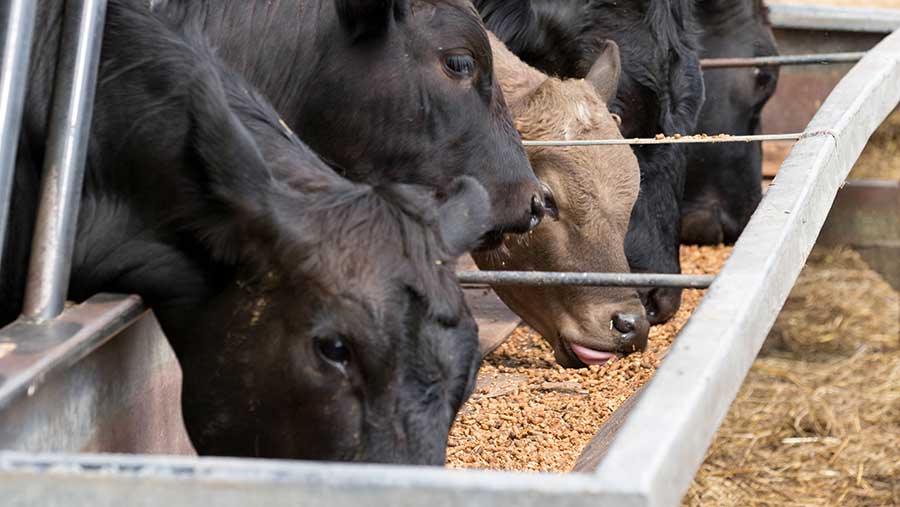
Integrating environmental sustainability and ethical practices into livestock feeding routines is essential for promoting responsible animal management and reducing ecological footprints. Sustainable feeding not only preserves resources but also enhances animal welfare, ensuring ethical treatment aligns with ecological stewardship. Addressing these considerations helps build a resilient agricultural system that benefits farmers, animals, and the planet alike.
Adopting environmentally friendly and ethically sound feeding practices involves careful planning and commitment. It requires balancing nutritional needs with ecological impacts, minimizing waste, and respecting the natural behaviors and welfare of livestock. Implementing such practices ensures that livestock farming remains sustainable and humane, fostering long-term productivity and ecological harmony.
Sustainable Feeding Practices to Minimize Waste and Environmental Impact
Effective sustainable feeding strategies focus on optimizing resource use, reducing waste, and minimizing environmental pollution. These practices are vital for conserving natural resources such as water, land, and feed materials, while also reducing greenhouse gas emissions associated with livestock production.
Key methods include:
- Utilizing locally available feed ingredients to decrease transportation emissions and support regional economies.
- Implementing precision feeding techniques that tailor feed amounts to the specific nutritional requirements of livestock, thus avoiding overfeeding and waste.
- Incorporating crop residues and by-products as feed sources, which reduces reliance on conventional feeds and minimizes waste.
- Adopting composting and manure management systems to recycle waste products and reduce methane emissions.
It is also essential to monitor feed intake and waste accurately, using data to refine feeding programs continuously. These practices help maintain a balance between livestock nutrition and environmental conservation, ensuring sustainable productivity.
Ethical Considerations in Livestock Feeding
Ethical livestock feeding emphasizes respecting animal welfare and allowing natural behaviors to flourish within farming routines. Healthy, well-fed animals exhibit behaviors such as grazing, foraging, and social interaction, which are fundamental to their well-being. Ensuring their nutritional and environmental needs are met aligns with ethical farming principles and legal standards.
Important aspects include:
- Providing a balanced diet that meets all nutritional requirements to promote health and prevent suffering from malnutrition or disease.
- Ensuring feed quality and safety by avoiding contaminated or substandard feed sources, which can compromise animal health.
- Designing feeding systems that reduce stress, such as providing adequate space, proper shelter, and consistent feeding schedules.
- Respecting natural foraging behaviors by incorporating pasture grazing or free-range systems where feasible.
Ethical considerations also extend to environmental impacts, as responsible feeding minimizes resource depletion and pollution. Transparent record-keeping and adherence to animal welfare standards underpin ethical livestock management practices.
Integrating Environmentally Friendly Practices into Feeding Routines
Embedding eco-friendly methods into daily feeding routines involves strategic planning and stakeholder cooperation. These practices help create a sustainable feeding system that benefits the environment while maintaining livestock productivity.
Strategies for integration include:
- Developing a comprehensive feed management plan that prioritizes the use of sustainable ingredients and minimizes waste.
- Implementing rotational grazing and pasture management to optimize land use, improve soil health, and reduce feed costs.
- Using feed conservation techniques such as silage and haymaking to preserve nutrients and reduce spoilage, thus minimizing waste.
- Utilizing renewable energy sources, like solar-powered feed mixers and automatic watering systems, to reduce the carbon footprint of feed handling and distribution.
- Educating farm personnel on eco-friendly practices and fostering a culture of sustainability within the farm management team.
Integrating environmental considerations into feeding routines also involves regular assessment of resource use, waste management, and the ecological impact of feeding practices. Continuous improvement and adaptive management are crucial for achieving long-term sustainability and ethical integrity in livestock production.
Closing Summary
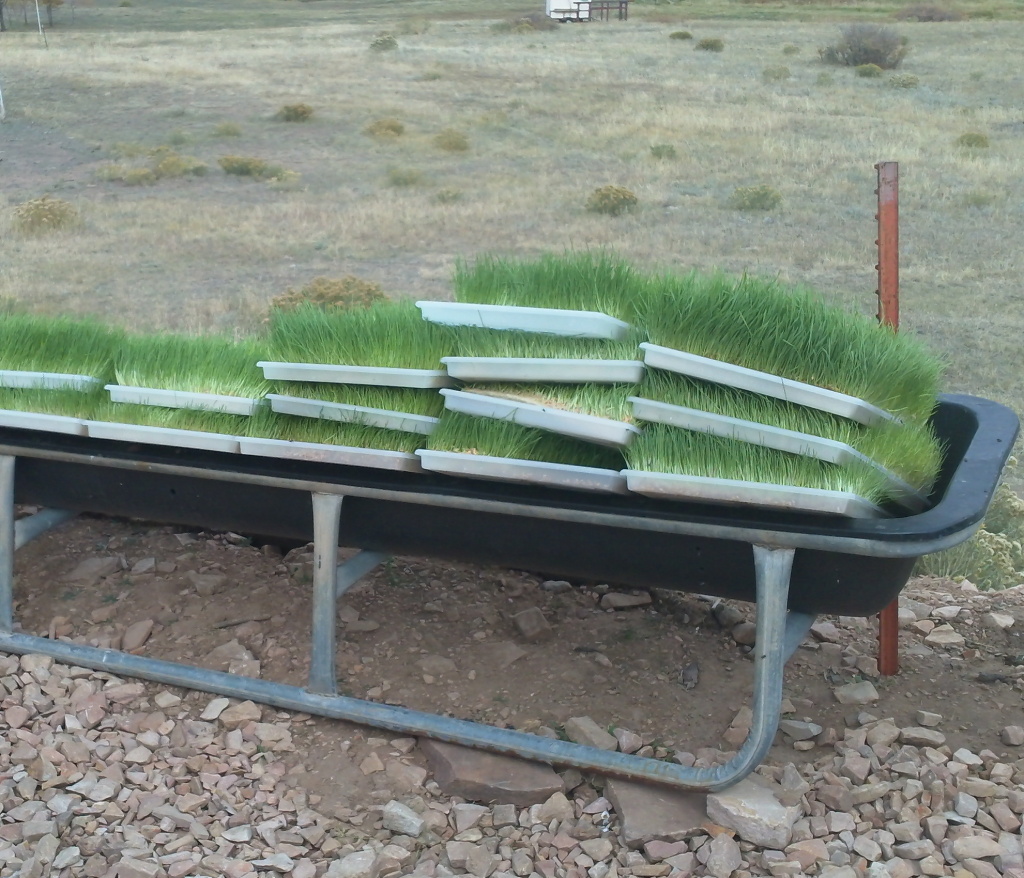
In conclusion, mastering how to feed livestock properly is a vital component of successful animal husbandry. By carefully selecting suitable feed, monitoring nutritional status, and adopting sustainable practices, farmers can ensure healthier livestock and a more productive, ethical agricultural operation. Implementing these principles paves the way for long-term success and animal welfare.