Learning how to feed ducks appropriately enhances their well-being and ensures a positive interaction between humans and wildlife. Proper feeding practices not only support the health of these charming birds but also help maintain ecological balance in their natural habitats.
This guide provides essential information on suitable foods, proper feeding techniques, environmental considerations, and ethical practices to promote responsible and beneficial duck feeding experiences.
Overview of feeding ducks in their natural habitat
Feeding wild ducks in their natural environment is a practice that many outdoor enthusiasts engage in to enjoy close encounters with these aquatic birds. While offering food can enhance the experience, understanding their natural diet and ecological role is essential to ensuring their health and the balance of their ecosystem.
Wild ducks primarily rely on a diverse diet that supports their nutritional needs and maintains their role within aquatic ecosystems. Human interaction through feeding can supplement their diet but also carries potential risks if not done responsibly. Recognizing the differences between their natural feeding habits and human-provided food helps promote sustainable and safe interactions with these waterfowl.
Comparison of Natural Diet vs. Human-Provided Food for Ducks
| Aspect | Natural Diet of Wild Ducks | Human-Provided Food |
|---|---|---|
| Sources of Food |
|
|
| Nutritional Balance |
Natural diets are well-balanced, providing essential proteins, carbohydrates, and nutrients tailored to the ducks’ needs, supporting healthy growth, reproduction, and immunity. |
Many human foods, especially bread, lack essential nutrients and can cause malnutrition or health issues when consumed excessively. Some processed foods contain additives harmful to ducks. |
| Ecological Role |
Wild ducks contribute to the aquatic ecosystem by controlling insect populations, dispersing seeds, and maintaining wetland health through their foraging activities. |
Feeding ducks with processed or inappropriate foods can disrupt natural foraging behaviors, lead to dependency, and negatively impact the ecosystem’s balance. |
| Potential Risks |
|
|
Appropriate Foods to Feed Ducks
Feeding ducks can be a delightful activity, but it is essential to provide them with suitable foods that support their health and well-being. Offering appropriate nourishment ensures that ducks remain energetic, healthy, and able to thrive in their natural habitat. Understanding which foods are beneficial and which should be avoided helps promote responsible feeding practices that do not harm these charming waterfowl.
Choosing the right foods involves considering their nutritional value, safety, and natural dietary preferences. Providing a balanced diet that mimics their natural intake can prevent health issues and environmental harm. This section highlights recommended food options, foods to avoid, and a clear distinction between safe and unsafe foods for ducks.
Recommended Food Options for Ducks
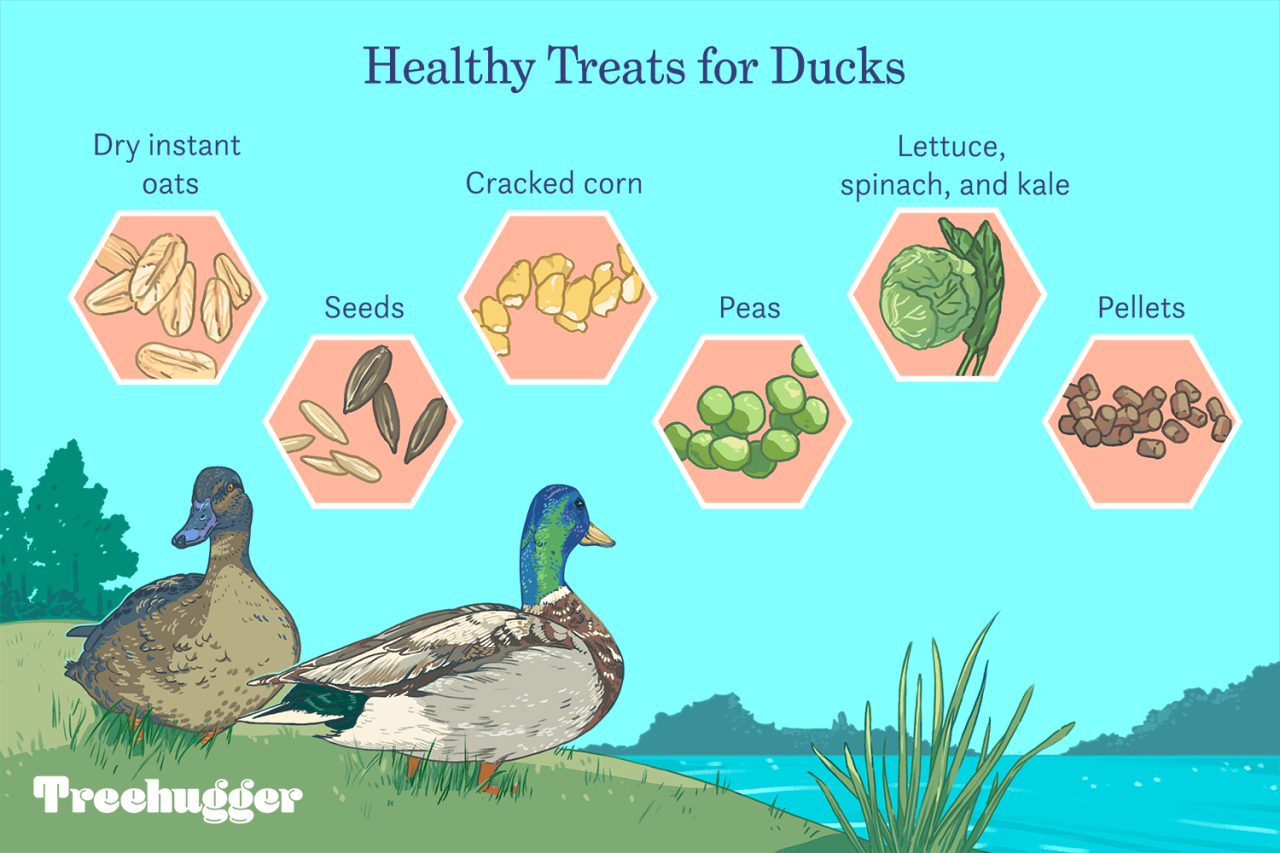
When selecting foods to feed ducks, prioritize items that provide essential nutrients like carbohydrates, proteins, vitamins, and minerals. Natural, wholesome foods are ideal for supporting their immune system, feather health, and energy levels. Some of the most suitable options include:
- Grains: Cracked corn, oats, wheat, and barley are excellent sources of carbohydrates that provide energy without excessive calories.
- Leafy greens: Lettuce, kale, spinach, and other dark, leafy vegetables offer vital vitamins and antioxidants beneficial for overall health.
- Vegetables: Peas, carrots, corn kernels, peas, squash, and zucchini supply essential nutrients and enrich their diet.
- Fruits: Small amounts of berries, watermelon, and apples (without seeds) can be treats that provide hydration and nutrients.
- Commercial duck feed: Specially formulated pellets designed for waterfowl contain a balanced mix of nutrients tailored for their dietary needs.
Note: Always ensure foods are fresh, unprocessed, and free of added salt, sugar, or seasoning, which can be harmful to ducks.
Foods to Avoid and Reasons
Feeding ducks inappropriate foods can lead to health problems, environmental issues, and disrupt their natural foraging behaviors. Certain foods are known to be particularly harmful and should be strictly avoided. These include:
- Bread: Although commonly fed to ducks, bread offers little nutritional value, can cause malnutrition, and lead to dangerous conditions like Angel Wing.
- Processed foods and junk food: Chips, crackers, cereal, and other processed snacks contain additives, preservatives, and unhealthy fats that are detrimental to ducks’ health.
- Salty or sugary foods: Foods high in salt or sugar can disrupt their electrolyte balance, leading to dehydration or other health issues.
- Foods high in fats or fried items: These can cause obesity and fatty liver disease in waterfowl.
- Avocado: Contains persin, which is toxic to many animals, including ducks, and should always be avoided.
- Chocolate and caffeine: Both contain substances that are highly toxic to birds and waterfowl.
Remember: Providing inappropriate foods not only harms individual ducks but can also negatively impact the entire aquatic ecosystem by promoting unhealthy growth and pollution.
Safe versus Unsafe Foods for Ducks
To clearly distinguish between what is suitable and what should be avoided, the following list summarizes safe and unsafe foods for ducks:
| Safe Foods | Unsafe Foods |
|---|---|
| Cracked corn, oats, wheat, barley | Bread, processed snacks, junk food |
| Leafy greens: lettuce, kale, spinach | Avocado, chocolate, caffeine |
| Vegetables: peas, carrots, zucchini, squash | Salty foods, fried foods, high-fat processed items |
| Fruits: berries, watermelon, apple slices (without seeds) | Frozen or spoiled food, sugary treats |
| Commercial waterfowl pellets | Any food containing additives, preservatives, or artificial ingredients |
Proper feeding procedures and techniques
Feeding ducks responsibly in parks and lakes requires an understanding of proper procedures and techniques that promote their health and well-being. Implementing the correct methods ensures that ducks receive adequate nutrition without causing harm to their natural habits or environment. Adhering to these guidelines also fosters a safe and enjoyable experience for visitors and wildlife alike.
Proper feeding techniques involve more than just offering food; they encompass the timing, manner, and amount of food provided. Small, consistent portions delivered at appropriate intervals help prevent overfeeding and reduce the risk of water pollution or health issues among the ducks. Responsible feeding practices contribute to maintaining the ecological balance of habitats and ensure that ducks remain healthy and active.
Step-by-step procedures for responsible duck feeding
- Prepare suitable food in manageable portions: Select healthy, appropriate foods such as grains or chopped vegetables, and measure out small servings to avoid excess that can pollute water sources.
- Choose a safe and accessible location: Find a designated feeding spot where ducks gather naturally, avoiding areas with heavy foot traffic or where food disperses unevenly.
- Approach the ducks calmly and steadily: Walk slowly to prevent startling the birds, and approach the feeding site without rushing or making loud noises.
- Dispense food gradually: Scatter small amounts of food in the water or on the ground in front of the ducks, allowing them to eat at their own pace.
- Observe and monitor the ducks: Keep an eye on their behavior to ensure all birds get an opportunity to feed and that no one is overwhelmed or aggressive.
- Clean up after feeding: Remove any uneaten food and dispose of waste properly to prevent water contamination and maintain habitat cleanliness.
Importance of portion size and feeding frequency
Controlling portion sizes and establishing appropriate feeding frequencies are essential components of responsible duck feeding. Overfeeding can lead to health issues such as obesity, malnutrition, and reliance on human-provided food that may lack essential nutrients. Excess food left in the environment can decay, attracting pests and polluting water bodies, which negatively impacts the entire ecosystem.
Feeding frequency should align with the natural feeding patterns of ducks, generally once or twice daily, to prevent dependency on human intervention and encourage natural foraging behaviors. Small, consistent meals help maintain ducks’ health, support their immune systems, and promote natural foraging skills that are vital for their survival in the wild.
Recommended portions for different duck sizes and ages
| Duck Size / Age | Recommended Portion per Feeding | Feeding Frequency |
|---|---|---|
| Ducklings (less than 4 weeks old) | Approx. 1-2 tablespoons of chopped grains or vegetables | Twice daily (morning and late afternoon) |
| Juvenile Ducks (4 weeks to 6 months) | Approximately 2-3 tablespoons of suitable grains or greens | Once or twice daily, depending on activity levels |
| Adult Ducks (over 6 months) | About 3-4 tablespoons of grains or vegetables per bird | Once daily, ideally in the late morning or early afternoon |
Adhering to these portions and feeding schedules ensures that ducks sustain their energy levels without risking health problems associated with overfeeding. Adjustments should be made based on the specific needs of the birds, environmental conditions, and guidance from wildlife experts to foster responsible and sustainable feeding practices.
Equipment and Environment Considerations
Feeding ducks responsibly requires careful attention to the tools used and the environment in which feeding takes place. Selecting appropriate equipment and maintaining a suitable environment help ensure the health of the ducks, reduce environmental impact, and promote enjoyable, safe interactions. Proper planning and awareness of these factors enhance the overall experience for both the ducks and their human visitors.A well-thought-out setup minimizes the risk of pollution, disturbance to natural habitats, and interference with the ducks’ natural foraging behaviors.
By considering equipment choices and environmental conditions, feeders can contribute positively to wildlife conservation efforts while fostering educational and recreational engagement.
Selection of Appropriate Feeding Tools
Choosing the right equipment for feeding ducks is essential to promote safe and hygienic interactions. The tools should be easy to handle, prevent waste, and avoid contamination. Commonly used tools include scoops, specialized feeders, and containers designed for outdoor use.When selecting feeding tools, prioritize materials that are durable, non-toxic, and easy to clean. Stainless steel or high-quality plastic scoops are ideal choices, as they resist rust and do not leach chemicals into the food.
Portable feeders with secure lids can prevent spillage and keep the food fresh. Small, shallow containers are suitable for individual or small-group feeding, ensuring that the ducks can access the food easily without overcrowding or causing stress.
- Opt for tools made from stainless steel or BPA-free plastic to ensure safety and longevity.
- Choose lightweight and portable equipment for convenience during outdoor feeding sessions.
- Ensure that tools are easy to clean and disinfect to prevent disease transmission.
- Avoid using metal or sharp-edged tools that could injure the ducks or handlers.
Ideal Environment for Feeding Ducks
Creating a safe and conducive environment for feeding ducks involves selecting locations that minimize disturbance and environmental pollution. Ideal sites are calm, shallow water bodies with ample space for ducks to forage naturally after feeding, and where human activity is controlled to prevent stress.Feeding stations should be set up away from busy pathways, noisy areas, and locations prone to pollution runoff.
Placing feeding stations on stable, non-erosive ground like gravel or grass reduces environmental impact and prevents contamination of water sources. Proper spacing between feeders and water bodies allows ducks to access food comfortably without overcrowding, which can lead to aggression or injury.Maintaining clean surroundings and using designated feeding areas help prevent littering and water contamination. Regularly removing leftover food and waste prevents the buildup of bacteria and reduces the attraction of pests, contributing to the overall health of the ecosystem.
“Establishing a designated, clean, and quiet feeding environment supports the well-being of ducks and preserves the natural beauty of their habitat.”
Do’s and Don’ts for Setting Up Feeding Stations
Implementing best practices when establishing feeding stations ensures that feeding activities are beneficial and environmentally responsible. Following simple do’s and don’ts can make a significant difference in the health of the ducks and the cleanliness of the area.
- Do: Use sturdy, clean containers or platforms that are resistant to weather conditions.
- Do: Place feeders on stable ground away from high-traffic zones to minimize disturbance.
- Do: Regularly clean and disinfect feeding equipment to prevent disease transmission.
- Do: Provide food in moderation to prevent over-reliance and pollution of the water source.
- Don’t: Overfill feeders, which can lead to spillage and attract pests or cause water contamination.
- Don’t: Feed ducks with bread, processed foods, or human snacks that can harm their health.
- Don’t: Leave uneaten food and waste around the feeding area, as this can pollute water and attract unwanted wildlife.
- Don’t: Disturb nesting sites or natural foraging areas during sensitive times such as breeding seasons.
Impact of feeding on duck health and behavior
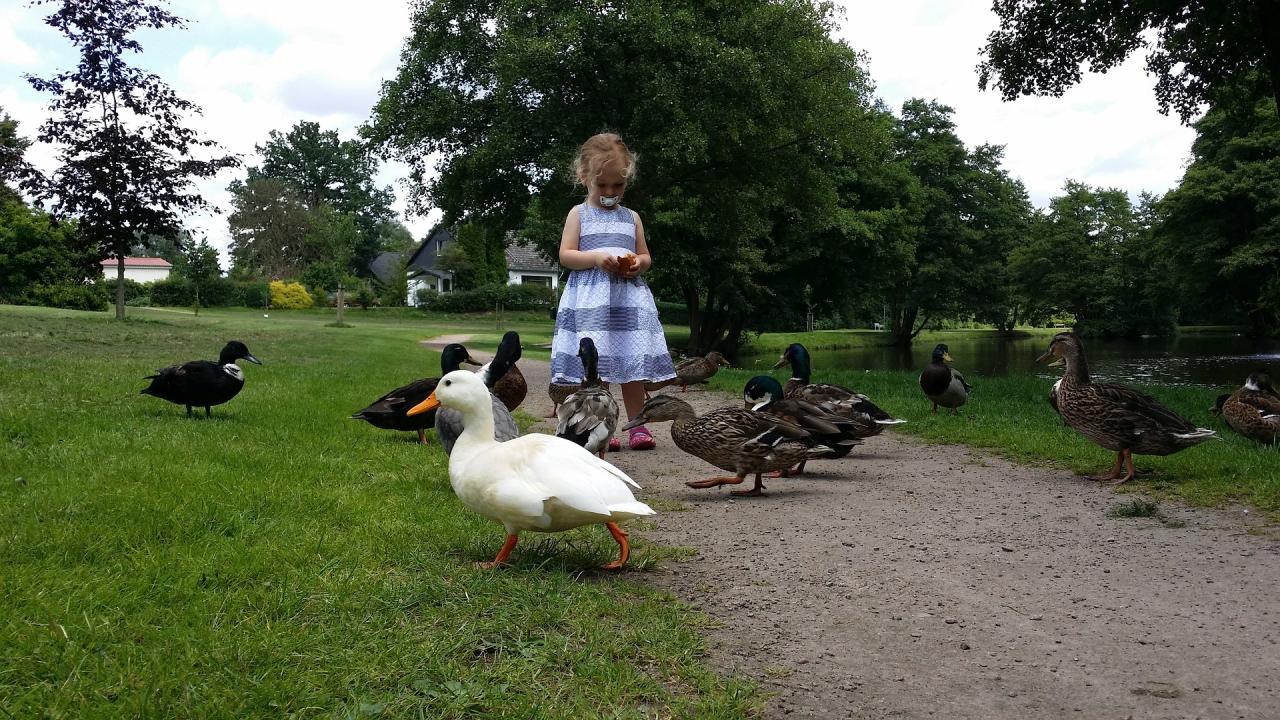
Feeding ducks in human-controlled environments can significantly influence their natural behaviors, health, and migratory patterns. While providing supplemental food can support duck populations, improper feeding practices may lead to unintended consequences that affect the well-being of these waterfowl. Understanding these impacts is essential for responsible interaction with wild ducks and ensuring their health and ecological balance are maintained.Feeding practices directly alter how ducks behave, migrate, and sustain themselves in their natural habitats.
By providing an easy food source, humans can inadvertently encourage ducks to become dependent on supplemental feeding rather than foraging naturally. This dependency can diminish their instinctual foraging skills, potentially leading to health issues if the provided food does not meet their nutritional needs. Furthermore, altered feeding routines can disturb natural migration cues, causing ducks to delay or skip migration altogether, which can adversely affect their lifecycle and the health of the population.
Changes in habitat use and social interactions may also occur, resulting in increased competition and stress among the ducks, influencing their overall health and reproductive success.
Effects of human feeding on duck migration, mating, and health
The influence of human feeding extends beyond immediate nutrition, impacting critical behavioral and physiological processes.
Feeding ducks consistently at the same locations can cause them to develop a dependency, which may interfere with their natural migration behaviors. Migration is driven by environmental cues such as temperature, daylight length, and food availability. When ducks are regularly fed artificially, they may lose the motivation to migrate, potentially leading to overpopulation in certain areas and increased competition for resources.
This disruption can also affect breeding patterns, as some species rely on migratory cues for mating rituals and nesting behaviors.
In terms of health, the nutritional quality and quantity of the food provided by humans play a pivotal role. Unhealthy or inappropriate foods, such as bread or processed snacks, can cause malnutrition, obesity, or deformities in ducks. Overfeeding can lead to a surplus of nutrients that encourages unnatural fat accumulation, which hampers mobility and immune function. Conversely, insufficient or imbalanced feeding may weaken their resistance to diseases, making populations more vulnerable to ailments like avian botulism or parasitic infections.
Signs of overfeeding or unhealthy duck populations
Recognizing signs of overfeeding or declining health in ducks is critical for ensuring their well-being and assessing the impact of human interaction.
Overfed ducks often display certain physical and behavioral signs, such as excessive fat deposits, difficulty walking or flying, and bloated appearances. These physical indicators can be accompanied by behavioral changes, including decreased foraging activity and reduced alertness to threats. An overpopulated area with unnatural congregation can also be a sign of dependence on human-provided food, leading to crowding stress and increased transmission of diseases.
Unhealthy duck populations may show signs of illness or nutritional deficiency. These include ruffled or dull plumage, lethargy, abnormal swimming behaviors (such as circling or standing still for extended periods), and deformities like twisted necks or swollen legs. Changes in reproductive success, such as reduced nesting or abnormal egg development, can also indicate underlying health issues.
Monitoring duck health involves observing physical appearance, activity levels, and social interactions. Regularly noting any deviations from typical behaviors helps identify health concerns early, enabling timely intervention or modification of feeding practices.
In conclusion, human feeding has a profound impact on duck health and behavior, influencing migration, reproductive cycles, and overall well-being. Responsible feeding, based on understanding these effects, is essential to preserving the natural balance and health of wild duck populations.
Environmental and Ethical Considerations
Feeding ducks in urban environments presents a complex interplay between human activities and ecological balance. While offering food to these birds can enhance recreational experiences and support local communities, it is essential to consider the broader environmental and ethical implications. Responsible feeding practices are vital to ensuring that human interventions do not inadvertently harm duck populations or the surrounding ecosystems.
Unregulated or careless feeding can lead to significant ecological consequences, including invasive species proliferation, water quality degradation, and disruption of natural foraging behaviors. Therefore, understanding and implementing environmentally conscious and ethically sound practices is crucial for the sustainability of urban duck populations and the health of their habitats.
Ecological Consequences of Feeding Ducks in Urban Areas
Feeding ducks in cities can alter the natural dynamics of local ecosystems. When humans provide food that is not part of the ducks’ native diet, it can lead to nutritional imbalances, increased disease transmission, and overpopulation in specific areas. Overfeeding can result in an unnatural congregation of ducks, which concentrates waste and affects water quality, fostering algae blooms and deterring native aquatic plants.
Additionally, artificially abundant food sources may attract predators or invasive species, disrupting the native food chain. Such ecological disturbances can diminish biodiversity and compromise the resilience of urban ecosystems. Moreover, dependence on human-provided food may weaken ducks’ natural foraging instincts, reducing their ability to survive independently in the wild.
Guidelines for Responsible Feeding to Support Conservation
Supporting duck conservation through responsible feeding involves adhering to guidelines that promote ecological balance and health. Properly managed feeding ensures that ducks receive appropriate nutrition without disrupting their natural behaviors or habitat. It also minimizes environmental pollution and supports the overall sustainability of urban water bodies.
Practicing moderation, selecting suitable foods, and avoiding overconcentration of feeding sites are key components. Encouraging community awareness and collaboration with local wildlife conservation agencies can further enhance the positive impact of feeding activities. Promoting habitat preservation and supporting native flora and fauna are essential complements to responsible feeding practices.
Ethical Practices to Promote Healthy Duck Populations
Ethical feeding practices are fundamental to maintaining sustainable and healthy duck populations. The following practices help ensure that feeding efforts contribute positively to the well-being of the birds and their environment:
- Provide only appropriate, natural foods such as grains, peas, or duck pellets designed for waterfowl, avoiding processed human foods like bread or junk food.
- Feed in moderation, ensuring that food is distributed evenly to prevent overcrowding and reduce waste accumulation.
- Choose feeding locations that do not disturb nesting sites or sensitive habitats, maintaining a respectful distance from breeding areas.
- Clean up any uneaten food and debris promptly to prevent water pollution and the spread of disease.
- Limit feeding to specific times and areas to discourage overdependence and promote natural foraging behaviors.
- Support habitat preservation efforts by maintaining clean waterways, planting native aquatic vegetation, and advocating for sustainable urban planning.
- Educate the community about the ecological impacts of feeding and encourage responsible practices among visitors and residents.
Creating Educational Resources for Duck Feeding Awareness
Effective educational resources play a vital role in promoting responsible duck feeding practices within communities. By designing clear, engaging, and informative materials, individuals can be better informed about how to feed ducks ethically and sustainably, thus minimizing negative impacts on their health and habitat. These resources serve as essential tools to educate the public, foster environmental stewardship, and encourage responsible behavior around urban and natural water bodies where ducks reside.
Developing comprehensive and accessible educational materials, such as pamphlets and posters, can significantly influence community attitudes and actions. When coupled with community programs, these resources can create a ripple effect, leading to a more informed and conscientious approach to interacting with duck populations. Ensuring that key messages are straightforward and visuals are compelling enhances understanding and retention, making educational efforts more effective in promoting environmental responsibility.
Designing a Simple Informational Pamphlet or Poster
Creating an informative and visually appealing pamphlet or poster requires a strategic combination of clear messaging and engaging visuals. The goal is to communicate essential information about responsible duck feeding succinctly and attractively, encouraging viewers to adopt better practices.
Key components include:
- Concise Headline: A catchy title such as “Feed Ducks Responsibly” immediately informs the audience of the pamphlet’s purpose.
- Visuals: Use high-quality images of ducks in their natural habitat alongside illustrations showing appropriate feeding techniques and foods. Visual cues help reinforce messages and attract attention.
- Core Messages: Highlight the importance of feeding natural, healthy foods, avoiding bread or processed items, and providing food in moderation. Use bullet points or icons for quick comprehension.
- Do’s and Don’ts List: Clearly Artikel recommended behaviors with symbols or checkmarks for positive actions and crosses for actions to avoid. This structure simplifies understanding and recall.
- Contact Information & Resources: Include links or QR codes to local wildlife organizations or environmental groups for further information and community involvement opportunities.
Community Programs to Promote Responsible Duck Feeding
Community programs are instrumental in fostering responsible environmental behaviors by engaging residents directly in educational and conservation initiatives. These programs can take various forms, including workshops, educational walks, or volunteer-led habitat cleanups, all aimed at raising awareness about the impacts of improper feeding and the importance of native diets for ducks.
Effective ideas for community programs include:
- Educational Workshops: Host sessions where wildlife experts explain the ecological effects of feeding ducks with inappropriate foods and demonstrate proper feeding techniques.
- School Collaboration: Incorporate duck conservation and responsible feeding into school curricula, encouraging young people to become environmental stewards through projects and activities.
- Public Campaigns: Launch local awareness campaigns utilizing social media, flyers, and community events to disseminate key messages about responsible feeding practices.
- Volunteer Monitoring: Organize volunteer groups to monitor local duck populations and habitats, fostering a sense of ownership and responsibility among community members.
Organizing Key Messages and Visuals for Effective Communication
Structured key messages and compelling visuals are essential for maximizing the impact of educational resources. Clarity, consistency, and visual appeal help ensure that the messages resonate and are retained by diverse audiences.
Strategies for effective communication include:
- Core Messages: Focus on the importance of feeding natural foods like grains, vegetables, and aquatic plants. Emphasize that bread and processed foods harm ducks and disrupt their natural foraging behavior.
- Visual Hierarchy: Use bold headings, icons, and color coding to differentiate between recommended actions and warnings. For example, green checkmarks for positive behaviors and red crosses for harmful actions.
- Infographics: Develop infographics illustrating the correct feeding process, the impact of improper feeding, and the benefits of natural diets. Visual data representation facilitates understanding.
- Consistent Messaging: Maintain uniform language and visuals across all materials to reinforce the message. Repetition of key points helps embed responsible practices in the community’s consciousness.
- Inclusive Content: Use language accessible to all age groups and backgrounds, ensuring messages are inclusive and easy to comprehend.
Wrap-Up
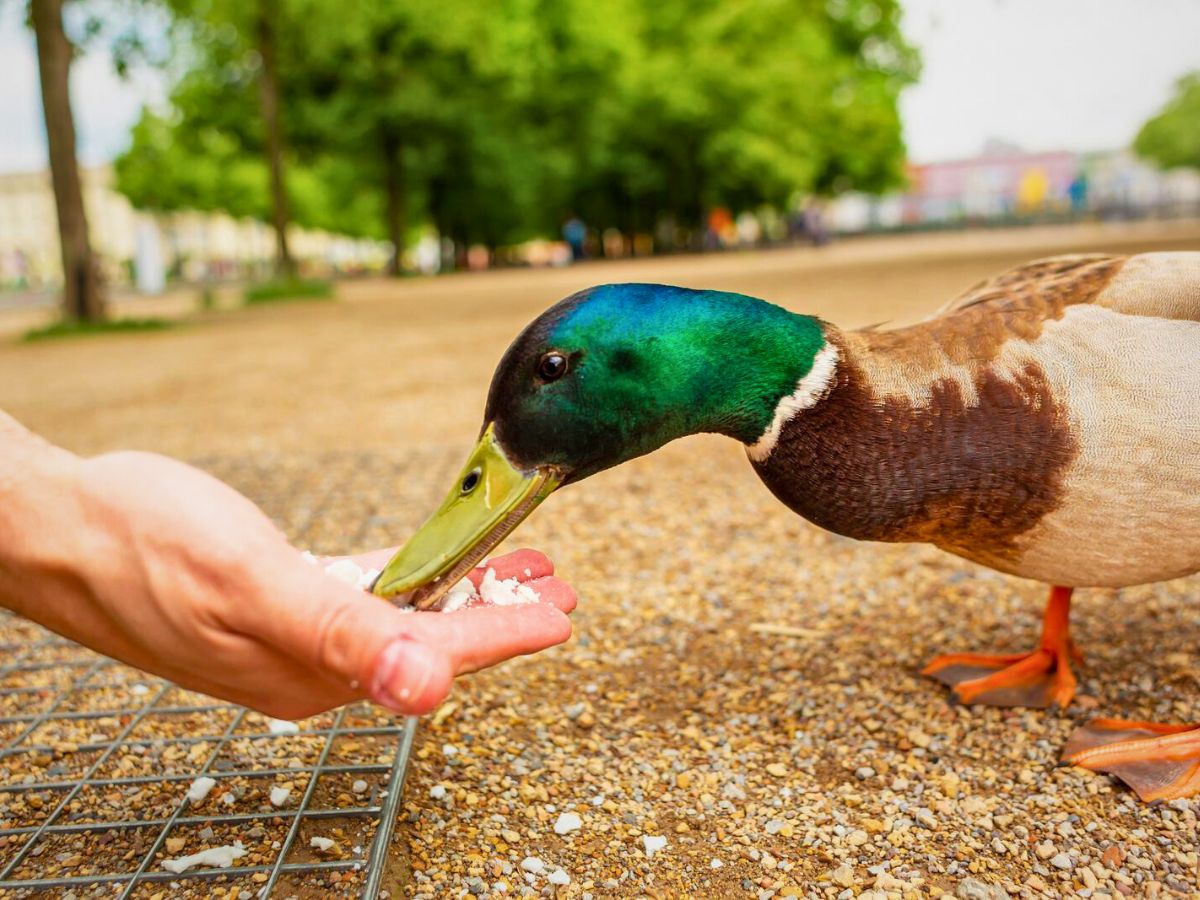
By understanding how to feed ducks responsibly, we can enjoy observing these delightful creatures while safeguarding their health and habitats. Responsible feeding fosters healthier duck populations and contributes to the conservation of their ecosystems, making every interaction meaningful and sustainable.