Enhancing pasture soil fertility is essential for achieving optimal forage production and maintaining sustainable land management. This comprehensive guide explores the key factors influencing soil health and offers practical strategies to improve nutrient availability and soil structure. Understanding these principles enables land managers and farmers to foster a thriving pasture ecosystem that supports robust plant growth and long-term productivity.
Understanding Pasture Soil Fertility

Optimizing pasture productivity hinges on a comprehensive understanding of soil fertility. Soil fertility influences the capacity of the soil to supply essential nutrients and maintain favorable conditions for pasture growth. Several interconnected factors determine soil health, including chemical properties, organic content, and biological activity, all of which play pivotal roles in sustaining productive and resilient pastures.
By analyzing and managing these key components, land managers can implement targeted strategies to enhance soil conditions, promote healthy plant growth, and ensure long-term pasture sustainability. An integrated approach that considers soil pH, organic matter content, and microbial activity is fundamental to maintaining optimal pasture soil fertility.
Key Components Affecting Soil Fertility
Understanding the fundamental components that influence soil fertility allows for more precise management practices. The following table summarizes the primary factors involved, their functions, and how they interact to support pasture health:
| Component | Function | Influence on Soil Fertility | Management Considerations |
|---|---|---|---|
| Soil pH | Measures acidity or alkalinity of the soil | Determines nutrient availability; optimal pH for pastures is typically between 6.0 and 7.0 | Regular testing; liming acidic soils; avoiding excessive fertilization that alters pH |
| Organic Matter | Includes decomposed plant and animal residues | Enhances soil structure, improves water retention, and supplies nutrients | Incorporate organic amendments; minimize soil disturbance; utilize cover crops |
| Microbial Activity | Facilitates nutrient cycling and organic matter decomposition | Strengthens soil health; promotes nutrient availability and disease suppression | Maintain soil moisture; avoid excessive chemical use; add organic inputs to stimulate microbes |
| Nutrient Content | Presence of primary and secondary nutrients like nitrogen, phosphorus, potassium | Essential for plant growth; deficiency leads to poor pasture quality | Conduct soil testing; apply fertilizers based on crop needs; adopt balanced fertilization |
Soil fertility is a dynamic balance influenced by chemical, biological, and physical factors, all of which must be managed cohesively to sustain healthy pastures.
Soil Testing and Nutrient Assessment

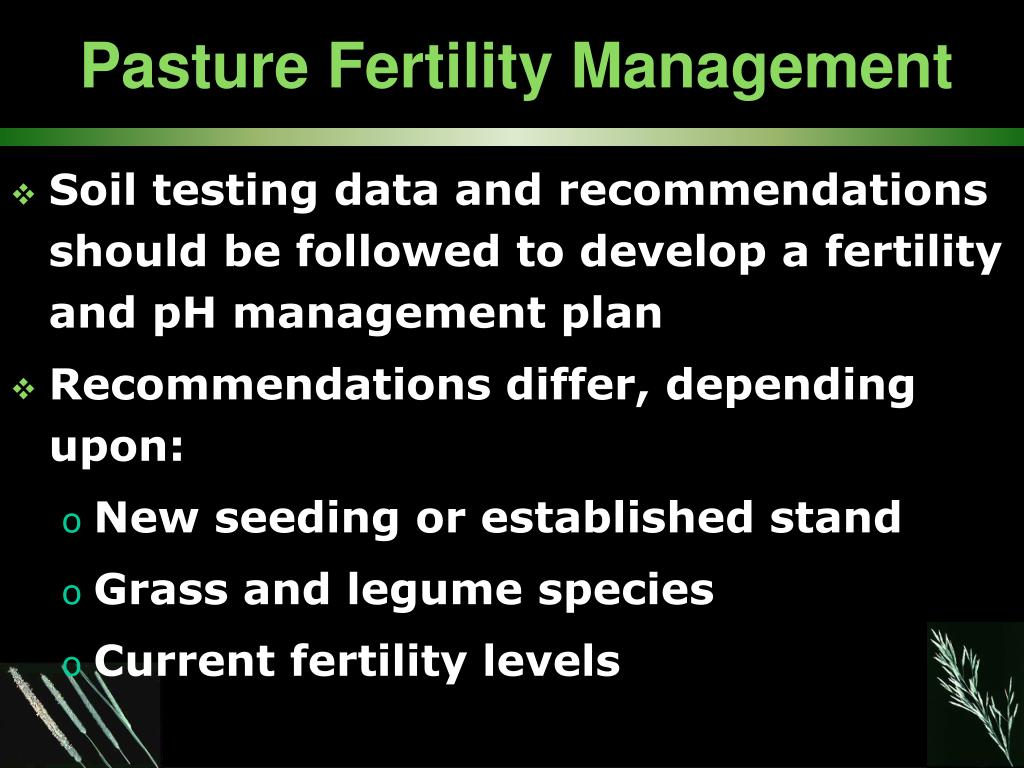
Accurate soil testing is a vital component of effective pasture management, providing essential insights into soil health and fertility. Conducting comprehensive assessments helps determine nutrient deficiencies or imbalances, guiding targeted amendments that optimize pasture productivity. This process ensures sustainable land use and enhances the nutritional quality of forage crops, ultimately supporting healthy livestock and improved yields.
Understanding the key nutrients required for pasture growth and their optimal levels allows for precise management practices. Proper sampling procedures, combined with accurate interpretation of soil test results, enable land managers and farmers to make informed decisions about fertilizer applications and soil amendments. This proactive approach fosters soil health, reduces unnecessary input costs, and promotes long-term pasture sustainability.
Procedures for Conducting Comprehensive Soil Tests
Effective soil testing involves a systematic approach to collecting, handling, and analyzing soil samples. The goal is to obtain representative samples that accurately reflect the variability within the pasture area. Proper procedures should be followed to ensure reliable results, which form the basis for tailored nutrient management strategies.
Key Nutrients Essential for Pasture Productivity and Their Optimal Levels
Pasture productivity depends on a balanced supply of macro and micronutrients. The primary nutrients include nitrogen (N), phosphorus (P), and potassium (K), each playing a vital role in plant growth and forage quality. Secondary nutrients such as calcium (Ca), magnesium (Mg), and sulfur (S), along with micronutrients like zinc, copper, manganese, and molybdenum, are also critical for optimal pasture health.
Optimal nutrient levels vary depending on soil type, climate, and forage species. For example, nitrogen levels are crucial for lush vegetative growth, but excessive amounts can lead to leaching and environmental concerns. Phosphorus is vital for root development, while potassium supports overall plant vigor and disease resistance. Regular soil testing guides the maintenance of these nutrients within suitable ranges, ensuring sustainable pasture management.
Step-by-Step Guide for Collecting Soil Samples and Interpreting Results
Proper sampling and interpretation are fundamental to effective nutrient management. The following steps provide a comprehensive approach to collecting representative soil samples and understanding test outcomes:
- Identify sampling locations: Divide the pasture into manageable sections based on variations in soil type, past management history, and topography. Collect samples from each section to capture variability.
- Use appropriate tools: Employ a clean soil probe, auger, or spade to extract samples. Ensure tools are cleaned between samples to avoid cross-contamination.
- Sample depth: Collect soil samples from the root zone, typically 0-15 cm (0-6 inches), where most nutrient uptake occurs. For deeper-rooted forage species, consider sampling up to 30 cm (12 inches).
- Sample collection: Take multiple subsamples from each section (usually 5-10 spots), mixing them thoroughly in a clean container to obtain a composite sample representative of that area.
- Handling and labeling: Air-dry the composite samples in a clean, shaded area. Label each sample clearly with location, date, and relevant field information.
- Sending samples for analysis: Submit the samples to a reputable laboratory, ensuring proper paperwork and sample identification are completed.
- Interpreting soil test results: Review the laboratory report, focusing on soil pH, nutrient levels, and recommendations. Compare nutrient concentrations against established optimal ranges for pasture crops.
- Adjusting management practices: Use the interpretation to develop a nutrient application plan, addressing deficiencies or excesses. Incorporate soil pH adjustments if necessary, utilizing lime or sulfur to modify acidity or alkalinity.
Understanding and accurately interpreting soil test results is essential for making informed decisions about fertilizer and soil amendments, leading to improved pasture productivity and soil health.
Fertilization Strategies
Optimizing fertilization practices is essential for enhancing pasture soil fertility and ensuring sustainable forage production. Selecting appropriate fertilization methods involves understanding the soil’s nutrient status, crop requirements, and environmental considerations. Implementing effective strategies can improve forage yield, quality, and soil health while minimizing costs and ecological impacts.
Fertilization strategies encompass a range of practices, from precise application timing to choosing between organic and inorganic fertilizers. The goal is to supply nutrients efficiently, promote soil microbial activity, and avoid nutrient runoff or buildup that could harm the environment. Proper planning and management of fertilization schedules are fundamental components of pasture management systems, tailored to specific soil conditions and pasture needs.
Types of Fertilization Practices
Various fertilization practices can be employed to improve pasture soil fertility, each with its benefits and limitations. These practices are often integrated into a comprehensive nutrient management plan to maximize pasture productivity and sustainability.
- Broadcasting: Applying fertilizers evenly across the pasture surface, suitable for large, uniform areas. This method provides a quick nutrient boost but may lead to uneven distribution if not performed carefully.
- Spot or Targeted Application: Applying fertilizers to specific areas with identified deficiencies, often based on soil testing results. This approach conserves resources and prevents over-fertilization.
- Injection or Fertigation: Delivering nutrients directly into the soil or through irrigation systems. These methods increase nutrient use efficiency and reduce losses, especially effective for micronutrient applications.
- Topdressing: Applying fertilizers over existing pasture, typically after grazing or mowing, to stimulate growth and replenish nutrients lost during growth cycles.
Organic versus Inorganic Fertilizers
Choosing between organic and inorganic fertilizers is a crucial decision in fertilization strategies, each offering distinct advantages and disadvantages based on cost, environmental impact, and effectiveness.
Organic fertilizers are derived from natural sources such as compost, manure, and plant residues. They release nutrients slowly, improve soil structure, and promote microbial activity. However, they can be costly, have variable nutrient content, and require longer to show results.
Inorganic fertilizers are synthetically manufactured compounds containing specific nutrients in readily available forms. They provide immediate nutrient availability, enabling quick correction of deficiencies. Nevertheless, they may lead to soil degradation over time, water pollution through runoff, and are less beneficial for long-term soil health.
Application Schedule Examples
Designing an application schedule involves planning the timing, type, and amounts of fertilizers to match the pasture’s growth stages and nutrient requirements. The following table compares typical schedules for organic and inorganic fertilizers applied to a temperate pasture.
| Application Timing | Fertilizer Type | Amount per hectare | Purpose |
|---|---|---|---|
| Early Spring (Pre-Growth) | Inorganic | 100 kg urea (46-0-0) | Provide immediate nitrogen to stimulate early growth |
| Mid-Growth (Post-Grazing) | Organic | 10 tons composted manure | Supply nutrients gradually, improve soil structure |
| Late Spring/Early Summer | Inorganic | 50 kg triple superphosphate (0-20-0) | Enhance phosphorus availability for root development |
| Late Summer | Organic | Application of covered compost or mulch | Maintain nutrient levels, conserve moisture |
Adjustments to these schedules depend on soil test results, pasture species, and growth conditions. Combining both organic and inorganic fertilizers in an integrated nutrient management plan can optimize soil fertility, improve pasture productivity, and promote environmental sustainability.
Legume Integration for Natural Nitrogen Fixation
Integrating legumes into pasture systems offers a sustainable and cost-effective method to enhance soil nitrogen levels naturally. This process leverages the symbiotic relationship between legumes and nitrogen-fixing bacteria, reducing dependence on synthetic fertilizers and promoting healthier, more productive pastures. Proper selection, planting, and management of legumes can significantly improve soil fertility and support the overall productivity of grazing systems.
Legumes play a vital role in biological nitrogen fixation, which involves converting atmospheric nitrogen (N₂) into a form accessible to plants, primarily ammonium and nitrate. This natural process enriches the soil with essential nutrients, improves soil structure, and fosters a balanced microbial ecosystem, ultimately supporting the growth of grasses and other forage species.
Effective Legume Species for Various Climates and Soil Types
Choosing the right legume species tailored to specific climatic conditions and soil types is crucial for successful integration and optimal nitrogen fixation. Different legumes possess distinct adaptations that make them suitable for diverse environments.
- Desert and arid regions: Sebastiania spp. and Mesquite are hardy legumes that tolerate drought and poor soils, providing valuable nitrogen addition during limited rainy seasons.
- Temperate zones: White clover (Trifolium repens) and Red clover (Trifolium pratense) thrive in cooler, moist soils, offering excellent nitrogen fixation and forage quality.
- Tropical climates: Leucaena (Leucaena leucocephala) and Stylosanthes spp. are well-adapted to warm, humid conditions and improve soil fertility quickly.
- Acid and low-fertility soils: pigeon pea (Cajanus cajan) demonstrates tolerance to such conditions and can significantly contribute to nitrogen enrichment.
Plantings, Benefits, and Maintenance Tips for Legumes
Implementing legumes into pastures requires careful planning and management to maximize their benefits for soil nitrogen content and overall pasture health. The following guidance Artikels essential steps and considerations for successful integration.
- Planting procedures:
- Prepare the soil by ensuring proper pH adjustment if necessary; most legumes prefer a pH between 6.0 and 7.5.
- Use high-quality seeds that are free from disease and have good germination rates.
- Sow seeds at recommended depths—usually 1-2 cm—during the appropriate season to ensure optimal germination and establishment.
- Inoculate seeds with specific Rhizobium strains corresponding to the legume species to enhance nodulation and nitrogen fixation.
- Benefits of legume integration:
Legumes reduce the need for synthetic nitrogen fertilizers, lower feed costs, improve pasture productivity, and enhance soil health through organic matter addition and microbial activity.
- Maintenance tips:
- Implement rotational grazing practices to prevent overgrazing and allow legumes to recover and establish effectively.
- Control weeds that compete for nutrients and space, especially during the establishment phase.
- Monitor plant health regularly, addressing pest and disease issues promptly to maintain vigorous growth.
- Apply appropriate lime and fertilizer amendments based on soil test recommendations to support both legumes and grasses.
- Manage grazing intensity to avoid damaging legume plants, which are often more sensitive than grasses to overgrazing.
Soil pH Adjustment Techniques
Maintaining optimal soil pH is essential for maximizing pasture productivity and ensuring nutrient availability. Soil pH determines how effectively plants can absorb essential nutrients and can influence microbial activity in the soil. Correcting soil acidity or alkalinity involves specific management practices that help create a favorable environment for pasture growth.
Adjusting soil pH involves selecting appropriate amendments, primarily lime for raising pH in acidic soils, or sulfur for lowering pH in alkaline soils. Proper application methods, timing, and rates are critical to achieving desired pH levels efficiently and sustainably. Understanding these techniques helps in establishing resilient pastures with improved soil health and productivity.
Lime Application Procedures, Rates, and Timing
Lime is the most common amendment used to neutralize soil acidity in pastures. The effectiveness of lime depends on its quality, particle size, and the correct application rate based on soil test results. Application procedures should aim for uniform distribution to ensure consistent pH adjustment across the pasture area.
Prior to lime application, conducting a soil test is essential to determine the current pH and soil buffering capacity. Based on the test results, appropriate lime type (commonly calcitic or dolomitic lime) and quantity can be selected. In general, lime application should be performed during the dry season to facilitate incorporation and minimize runoff. For existing pastures, applying lime in the fall or early spring allows adequate time for the soil to adjust before the main grazing or forage-growing season.
The recommended lime application rate is often expressed in tons per hectare (t/ha) or pounds per acre, depending on the soil’s acidity level. For example, acid soils with a pH below 5.5 might require 1 to 3 tons per hectare of lime, while soils closer to neutral may need less. Incorporating lime into the soil to a depth of 10-15 cm enhances its effectiveness and ensures better contact with the soil particles.
Below is an illustrative table detailing typical pH adjustment steps and expected outcomes:
| Soil pH Level | Action | Lime Type | Application Rate | Expected pH Change | Timing |
|---|---|---|---|---|---|
| Below 5.5 | Correct acidity | Calcitic or dolomitic lime | 2-3 t/ha | Increase pH by approximately 0.3-0.5 units | Fall or early spring |
| 5.5 to 6.0 | Maintain or slightly raise pH | Calcitic lime | 1-2 t/ha | Increase pH by approximately 0.2-0.4 units | Fall or early spring |
| Above 6.0 | No lime needed | – | – | No change | – |
Note: The actual pH change depends on soil buffering capacity, lime fineness, and application uniformity. Regular soil testing is recommended to monitor progress and adjust management practices accordingly.
Erosion Control and Soil Conservation
Maintaining soil fertility and preventing land degradation are critical components of sustainable pasture management. Soil erosion, driven by water runoff and wind, can significantly diminish soil quality, reduce productivity, and lead to environmental challenges. Implementing effective erosion control and conservation practices helps preserve the integrity of pasture soils, ensuring long-term productivity and ecological balance.
Effective soil conservation techniques involve a combination of physical, biological, and structural strategies designed to minimize soil loss while promoting healthy pasture development. These methods not only protect the soil surface but also enhance water retention, improve soil structure, and foster beneficial soil organisms. Proper application of erosion control measures is essential for maintaining soil fertility, preventing sedimentation in nearby water bodies, and supporting sustainable grazing practices.
Soil Conservation Techniques and Implementation Procedures
Implementing soil conservation practices requires an understanding of the specific conditions of the pasture site, including slope, soil type, and climate. The following techniques are among the most effective and widely adopted for safeguarding pasture soil fertility:
- Contour Farming: This technique involves plowing or planting along the natural contours of the land to reduce water runoff velocity and encourage water infiltration. It effectively minimizes soil erosion on sloped terrains. Implementation includes identifying the land’s contour lines using leveling tools or GPS technology and aligning planting rows or furrows accordingly, ensuring water flows across rather than down the slope.
- Mulching: Applying organic or inorganic mulches on the soil surface protects against raindrop impact, reduces surface runoff, and maintains soil moisture. Organic mulches such as straw, wood chips, or compost are commonly used in pastures. To implement, evenly spread the mulch material over the soil surface around plants, ensuring coverage is sufficient to shield soil from erosive forces while allowing water penetration.
- Strip Grazing: This method involves dividing pasture land into narrow sections or strips and grazing livestock sequentially to prevent overgrazing and reduce soil disturbance. This controlled grazing allows vegetation to recover, stabilizing soil and reducing erosion. Implementation includes setting up fencing and moving livestock systematically, while ensuring that each strip has adequate plant cover before grazing resumes.
- Cover Crops: Growing specific grasses or legumes during off-season periods helps protect the soil surface, improve soil structure, and add organic matter. Cover crops like clover or ryegrass are sown after harvest, establishing a protective vegetative cover that reduces erosion and enhances soil fertility.
- Terracing and Contour Bunds: For steep slopes, constructing terraces or contour-level ridges helps slow water flow and trap sediment. Implementation involves shaping the land into steps or bunds that follow the natural contours, requiring careful planning and earthmoving equipment to create stable, erosion-resistant platforms.
“Integrating these soil conservation techniques within pasture management promotes soil stability, enhances water retention, and preserves the land’s productive capacity for future grazing seasons.”
Use of Soil Amendments and Biological Products
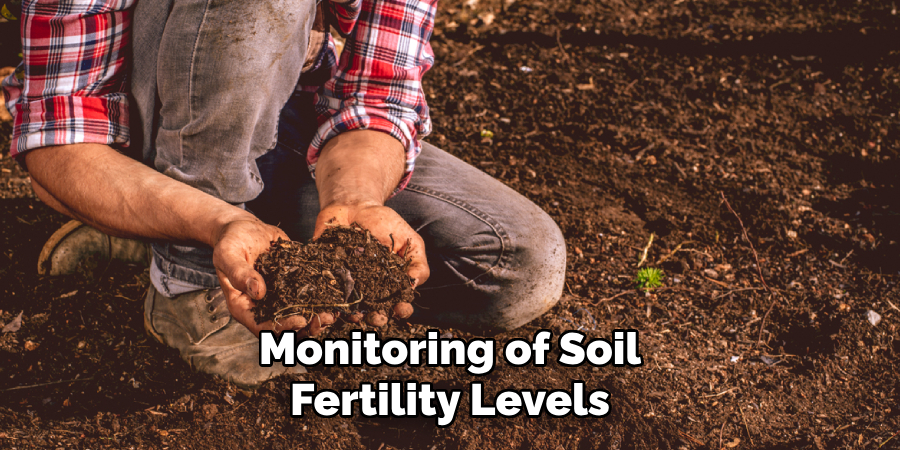
Improving pasture soil fertility extends beyond traditional fertilization techniques. Incorporating soil amendments and biological products plays a vital role in enhancing soil structure, nutrient availability, and overall soil health. These solutions contribute to sustainable pasture management by promoting natural biological activity and improving soil resilience against degradation.
Soil amendments, biological products, mineral amendments, and soil conditioners work synergistically to optimize nutrient cycling, improve soil physical properties, and foster a thriving microbial ecosystem. Their application requires understanding specific soil needs and selecting appropriate products to achieve optimal results for pasture productivity and environmental sustainability.
Role of Biofertilizers, Mineral Amendments, and Soil Conditioners
Biofertilizers comprise living microorganisms that enhance nutrient availability through biological processes such as nitrogen fixation, mineral solubilization, and organic matter decomposition. They are particularly effective in reducing dependence on chemical fertilizers, promoting sustainable soil fertility management, and boosting plant growth.
Mineral amendments include substances like lime, gypsum, and rock phosphate, which directly supply essential nutrients or modify soil conditions. These amendments are used to correct deficiencies or imbalances in soil chemistry, thereby improving nutrient uptake and plant vigor.
Soil conditioners, such as compost, peat moss, and biochar, improve physical properties like soil structure, porosity, and water retention. They assist in aeration, reduce compaction, and foster beneficial microbial activity, resulting in healthier root systems and increased forage yields.
Application Methods and Expected Effects on Soil Health
Applying soil amendments and biological products involves tailored techniques to maximize their efficacy. Common methods include broadcasting, incorporation into the soil profile, or drenching, depending on the product and site conditions. Timing of application often coincides with soil preparation phases or before the rainy season to facilitate integration and activation.
Expected effects on soil health encompass enhanced microbial diversity, improved nutrient cycling, increased organic matter content, and stabilized soil pH. These changes contribute to a resilient soil ecosystem capable of supporting vigorous pasture growth, reducing erosion, and minimizing chemical dependency.
Real-World Examples and Outcomes
Implementing soil amendments and biological products has yielded notable benefits in diverse pasture systems:
- Cover-cropped soils in New Zealand: The addition of biofertilizers combined with compost led to a 25% increase in forage biomass over two seasons, alongside improved soil microbial diversity.
- Gypsum application in US Midwest pastures: Corrected soil salinity and improved soil structure, resulting in enhanced pasture productivity and reduced runoff.
- Biochar use in Australian grazing lands: Increased water retention and soil carbon levels, which contributed to drought resilience and better nutrient retention.
- Lime and phosphate amendments in African rangelands: Corrected soil acidity and phosphorus deficiencies, leading to higher forage quality and increased livestock weight gain.
Effective integration of soil amendments and biological products offers a pathway toward sustainable pasture productivity, environmental conservation, and improved soil resilience against degradation challenges.
Long-term Pasture Soil Management Plans
Developing and implementing a comprehensive long-term soil management plan is essential for sustaining and enhancing pasture productivity over the years. Such strategies focus on maintaining soil health, optimizing nutrient cycling, and adapting to environmental changes to ensure the longevity and productivity of pasture lands.
Effective long-term management involves a combination of tailored practices, continuous monitoring, and adaptive adjustments. By establishing a structured plan, land managers can prevent soil degradation, improve soil fertility, and maximize forage yields, ultimately supporting sustainable pasture systems.
Strategies for Maintaining and Improving Soil Fertility Over the Years
To ensure sustained pasture productivity, multiple strategies should be integrated into a long-term management plan. These include:
- Routine Soil Testing and Nutrient Monitoring: Regular soil testing allows for precise identification of nutrient deficiencies or imbalances, enabling timely amendments and reducing the risk of over-fertilization.
- Adaptive Fertilization: Based on soil test results, develop a fertilization schedule that aligns with pasture growth cycles, ensuring nutrients are replenished efficiently without causing environmental harm.
- Incorporation of Legumes and Nitrogen-Fixing Crops: Rotating or integrating legumes in pasture mixes naturally replenishes soil nitrogen, reducing reliance on synthetic fertilizers and improving soil health.
- Soil Organic Matter Management: Adding organic residues, compost, or applying cover crops enhances soil structure, increases microbial activity, and boosts nutrient retention.
- Controlled Grazing and Rest Periods: Implementing grazing strategies that prevent overgrazing helps maintain plant cover and protects soil from erosion, fostering better soil conditions over time.
- Erosion Control Measures: Establishing buffer strips, contour farming, and maintaining ground cover minimize soil loss and preserve fertility.
- Use of Soil Amendments and Biological Products: Applying lime, bio-fertilizers, and soil conditioners corrects pH imbalances and stimulates beneficial microbial activity, promoting a resilient soil ecosystem.
Sample Management Calendar for Long-term Soil Fertility
Maintaining a structured timeline of key activities ensures consistent soil health management. The following sample calendar illustrates typical activities spread throughout the year, emphasizing monitoring, amendments, and conservation practices.
| Month | Key Activities |
|---|---|
| January |
|
| March |
|
| June |
|
| September |
|
| December |
|
Monitoring and Adjustment Procedures for Sustained Pasture Productivity
Continuous monitoring and flexible adjustment are vital to adapt to changing soil conditions, weather patterns, and grazing pressures. Effective procedures include:
Regular Soil and Plant Tissue Testing: Conducting tests at least annually provides current data on soil health and plant nutrient status, informing timely adjustments in fertilization and management practices.
Visual Assessments and Pasture Performance: Routine inspections for signs of nutrient deficiencies, pest pressures, or erosion help identify issues early and guide corrective actions.
Record Keeping and Data Analysis: Maintaining detailed logs of soil test results, fertilization schedules, grazing patterns, and pasture yields enables trend analysis and informed decision-making.
Adaptive Management: Adjust fertilization rates, grazing intensity, and conservation practices based on monitoring data to optimize soil health and pasture productivity over time.
This proactive and data-driven approach ensures that pasture soil management remains effective, sustainable, and responsive to environmental and operational changes, securing long-term productivity and soil vitality.
Last Recap
In summary, improving pasture soil fertility involves a combination of soil testing, organic matter enhancement, appropriate fertilization, and conservation practices. Implementing these strategies ensures healthier soil, increased forage yields, and sustainable pasture management. Continuous monitoring and adaptation are vital to maintaining optimal soil conditions and securing future productivity.