Providing the correct nutrition for quail is essential for their health, productivity, and overall well-being. Whether you are raising quail for eggs, meat, or as a hobby, understanding how to feed quail effectively can make a significant difference in their development and performance. Proper feeding practices involve knowing their nutritional requirements, selecting suitable foods, and establishing a consistent feeding schedule that adapts to their life stages.
This comprehensive guide explores various aspects of feeding quail, from nutritional needs and food types to preparation methods and environmental considerations. By mastering these elements, you can ensure your quail stay healthy, active, and productive, while avoiding common feeding challenges.
Nutritional Requirements for Feeding Quail
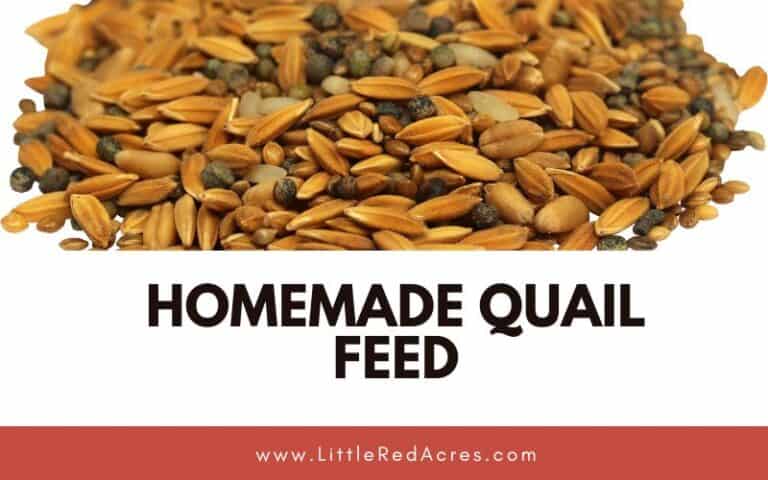
Providing a balanced diet tailored to the specific nutritional needs of quail is essential for their health, growth, and productivity. Understanding the fundamental nutrients and dietary components ensures that quail receive adequate nourishment throughout their life stages, from chicks to adults. Proper nutrition directly influences their immune function, reproductive success, and overall vitality, making it a cornerstone of effective quail management.
Quail require a carefully formulated diet rich in proteins, vitamins, minerals, and energy sources. Their dietary needs vary based on age, reproductive status, and activity levels. Meeting these requirements with appropriate natural foods and supplemental feeds promotes optimal growth, feathering, and egg production while preventing deficiencies and related health issues.
Essential Nutrients and Dietary Needs at Different Life Stages
During their growth stages, quails need specific proportions of nutrients to develop properly and maintain health. Chicks, for example, require higher protein levels to support rapid growth, whereas mature birds focus more on maintenance and reproduction. Nutrients such as amino acids, calcium, phosphorus, and vitamins are vital for processes like bone development, feather formation, and reproductive efficiency. Tailoring the diet based on the life stage ensures that the birds receive the right nutrients in the correct amounts, thereby promoting longevity and productivity.
Natural Food Sources Rich in Protein, Vitamins, and Minerals
Integrating natural, nutrient-dense foods into a quail’s diet can enhance their health and reduce reliance on processed feeds. The following list provides examples of readily available natural sources that supply essential nutrients:
- Insects: Mealworms, small crickets, and black soldier fly larvae are excellent protein sources rich in amino acids and essential fatty acids.
- Grains and Seeds: Millet, crushed corn, oats, and sunflower seeds provide energy, vitamins, and minerals essential for daily activity and reproduction.
- Vegetables: Leafy greens like spinach, kale, and lettuce supply vitamins A, C, and K, along with minerals such as calcium and magnesium.
- Legumes: Lentils and peas offer high protein and fiber content, supporting muscle development and digestion.
- Calcium Sources: Crushed oyster shells or limestone grit are crucial for eggshell formation and bone health.
- Fruits: Small quantities of berries, apple slices, or melons can provide vitamins and antioxidants, but should be offered in moderation to prevent digestive issues.
Comparison of Commercial Feeds and Homemade Diets
Choosing the appropriate diet for quail often involves balancing convenience, cost, and nutritional adequacy. The table below compares commercial feeds with homemade diets based on key criteria:
| Ingredients | Benefits | Drawbacks |
|---|---|---|
Commercial Feeds
|
|
|
Homemade Diets
|
|
|
Types of Food to Feed Quail
Providing a varied and balanced diet is essential for maintaining healthy, productive quail, whether they are being bred, raised for meat, or kept as pets. The selection of appropriate food sources influences growth rates, reproductive performance, feather quality, and overall vitality. Understanding the different types of suitable foods helps ensure that quail receive all necessary nutrients for optimal health.
Incorporating a mix of grains, seeds, greens, and insects forms the foundation of a well-rounded diet for quail. These food items supply essential proteins, vitamins, minerals, and energy. Additionally, supplementing their diet with specific foods can enhance immune function, improve egg production, and support recovery from illness or stress. The following sections Artikel key dietary components and practical examples of balanced feed mixes suitable for various stages of quail development.
Suitable Grains, Seeds, and Greens for Quail Diets
Quail thrive on a diverse array of grains and seeds that provide carbohydrates and essential fatty acids necessary for their energy needs and reproductive functions. Greens offer vital vitamins and minerals, promoting healthy feathering, mobility, and immune health. Incorporating insects adds a valuable protein source, supporting growth and egg production.
- Grains: Millet, wheat, barley, oats, and sorghum are commonly used grains that supply energy and fiber. Finely ground grains are preferred for easier digestion, especially in young or breeding quail.
- Seeds: Sunflower seeds, flaxseeds, and sesame seeds provide healthy fats and additional nutrients. They can be mixed with grains to enhance dietary diversity.
- Greens: Fresh leafy greens such as lettuce, spinach, kale, and dandelion greens are excellent sources of vitamins A, C, and K, as well as minerals like calcium and magnesium. These can be offered in small quantities daily or as treats.
- Insects: Mealworms, crickets, and small earthworms are highly nutritious, offering concentrated protein and fats. They are especially beneficial during breeding or for growing juveniles.
Examples of Balanced Feed Mixes for Different Stages of Quail
Creating stage-specific feed mixes ensures quail receive appropriate nutrients for their development and reproductive needs. The formulations vary based on age, purpose—whether for breeding, growing, or maintaining adult stock—and environmental conditions. Below are practical examples of balanced feeds tailored to each stage.
- Breeding Quail: A mix comprising 50% millet and wheat, 20% sunflower seeds, 15% greens, and 15% insect protein, supplemented with vitamin and mineral premixes, supports reproductive health and hatchability.
- Growing (Juvenile) Quail: A formulation with 60% corn, 20% oats, 10% greens, and 10% insects ensures rapid growth and healthy development, with additional calcium sources for bone strength.
- Adult Quail: A diet combining 45% millet, 25% wheat, 15% greens, and 15% insects maintains body condition and egg production, with periodic mineral supplementation.
Note: Regularly adjusting feed composition based on seasonal changes, reproductive cycles, and health status maximizes quail productivity and well-being.
Supplementary Foods to Enhance Quail Health and Productivity
In addition to primary grains and greens, a variety of supplementary foods can improve quail health, boost immunity, and increase productivity. Incorporating these items into their diet ensures they receive a full spectrum of essential nutrients and helps prevent deficiencies that could impair growth or reproduction.
- Mineral blocks or grit, providing calcium and trace minerals necessary for eggshell formation and overall skeletal health.
- Eggshell powder, offering additional calcium to support eggshell quality, especially during peak laying periods.
- Yogurt or fermented greens, containing probiotics that promote gut health and improve nutrient absorption.
- Dark leafy vegetables, such as collard greens and beet greens, rich in antioxidants and micronutrients.
- Fresh fruits, like berries or apple slices, as occasional treats to provide vitamin C and hydration.
- Herbs such as basil or parsley, which can aid digestion and enhance immune response.
- Commercial vitamin-mineral supplements tailored for poultry, ensuring that micronutrient needs are consistently met.
Feeding Schedule and Portion Control
Establishing an effective feeding schedule and controlling portion sizes are crucial components of quail husbandry that directly influence the health, growth, and productivity of your birds. Proper timing and quantity management ensure that quail receive adequate nutrition without wastage or overfeeding, which can lead to health issues or decreased productivity. Tailoring these practices to the age and purpose of your quail—whether for breeding, meat, or hobby—optimizes their performance and wellbeing.
Implementing a consistent feeding routine also helps maintain the birds’ digestive health and reduces stress, promoting a stable environment for their development. It is essential to observe individual and group behaviors to adjust portions and schedules accordingly, ensuring each bird’s nutritional needs are met efficiently.
Optimal Feeding Frequency and Portion Sizes
Feeding frequency and portion sizes should be adapted based on the age, size, and purpose of the quail. Juvenile quail require more frequent feeding due to their rapid growth, typically being fed three to four times daily. Mature breeding quail generally benefit from two to three feedings per day, ensuring steady nutrient intake without overloading their digestive systems.
Portion sizes must be carefully calculated to prevent underfeeding, which can stunt growth and reduce reproductive performance, or overfeeding, which may lead to obesity and related health complications. As a general guideline, feeding about 10% of their body weight per day for adult quail can serve as a starting point, adjusted based on activity level and environmental conditions. For example, a 150-gram adult quail would require approximately 15 grams of feed daily, split into appropriate servings.
Daily Feeding Timetable
A well-structured daily timetable helps streamline feeding practices and ensures consistency. It also allows for monitoring the birds’ responses to specific feedings and adjusting schedules as needed. Typically, morning and evening feedings are most effective, aligning with natural foraging behaviors and maintaining steady energy levels throughout the day.
| Time | Food Type | Quantity |
|---|---|---|
| 07:00 AM | Commercial game bird feed or mixed grains with added protein supplement | Approximately 50% of daily ration, adjusted for age and purpose |
| 05:00 PM | Same as morning feed, with fresh greens or treats if appropriate | Remaining 50% of daily ration |
For younger quail, especially those in growth phases, a third smaller feeding around midday can be added to support rapid development. Conversely, adult breeding birds may require slightly reduced portions but more frequent access to water and supplemental greens to support their reproductive needs.
Preparing and Serving Food for Quail
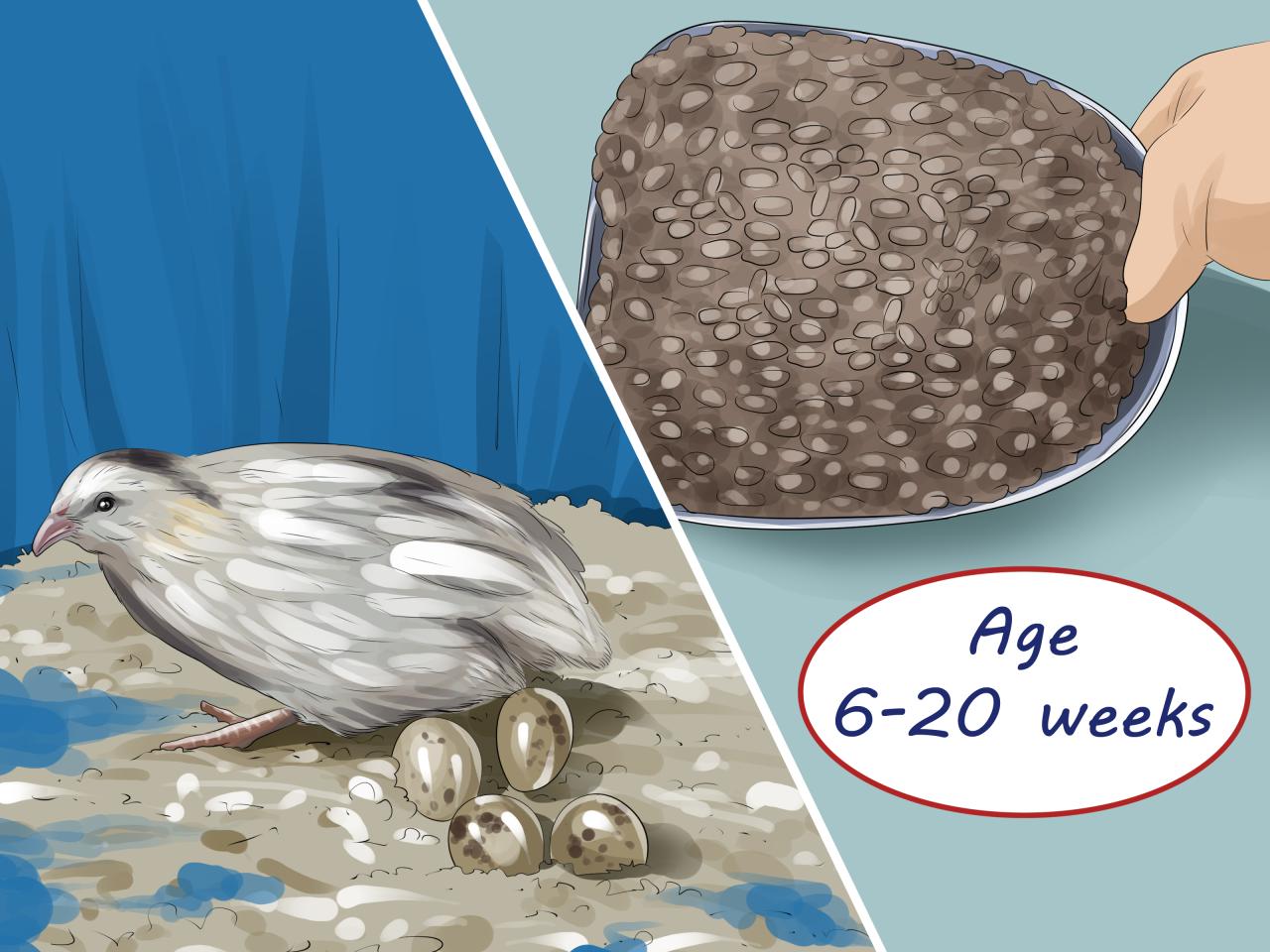
Properly preparing and serving food to quail is essential to ensure their health, vitality, and optimal growth. Maintaining the freshness and nutritional integrity of their diet helps prevent health issues and encourages natural foraging behaviors. This process involves selecting quality ingredients, appropriate storage methods, and serving techniques tailored to different enclosures, whether they are cages, pens, or free-range setups.
Implementing correct food preparation and serving practices not only sustains the nutritional value of the feed but also minimizes the risk of contamination and spoilage. By following structured procedures, caretakers can create a safe and appealing feeding environment that promotes consistent intake and overall well-being of the quail.
Proper Methods for Preparing, Storing, and Serving Quail Food
Ensuring the food remains fresh and nutritious involves careful handling from preparation to presentation. The process begins with selecting high-quality ingredients, followed by proper mixing and storage before serving. Serving techniques should be adapted to the type of enclosure, whether enclosed cages or open pens, to facilitate easy access for the quail and reduce waste.
Preparation
- Thoroughly clean and dry all ingredients before mixing to prevent bacterial growth.
- Combine grains, greens, and supplements in appropriate proportions as per nutritional guidelines.
- For wet feeds, such as sprouted grains or vegetables, ensure they are freshly prepared and free from mold or spoilage.
Storage
Proper storage is critical to maintaining food quality and preventing spoilage. Use airtight containers to keep dry feeds fresh, cool, and dry. For prepared wet feeds, store them in refrigerated conditions at temperatures below 4°C (39°F) and serve within 24 hours to ensure freshness.
Serving
Serving food efficiently depends on the enclosure type:
- For cage setups, spread the feed evenly across feeding trays or dishes, ensuring easy access for all quail and minimizing waste.
- In open pens, scatter the feed on the ground or use troughs positioned at appropriate heights to prevent contamination and facilitate natural foraging behavior.
- In free-range environments, provide feeding stations in sheltered areas to protect food from weather elements and pests.
Best practices for avoiding food contamination and spoilage include: Regularly cleaning feeding dishes and trays, promptly removing uneaten or spoiled food, and storing feeds in dry, clean, and pest-proof containers. Always check for signs of mold, pests, or foul odors before serving, and ensure that food is served at appropriate times to minimize exposure to environmental contaminants.
Common Feeding Challenges and Solutions
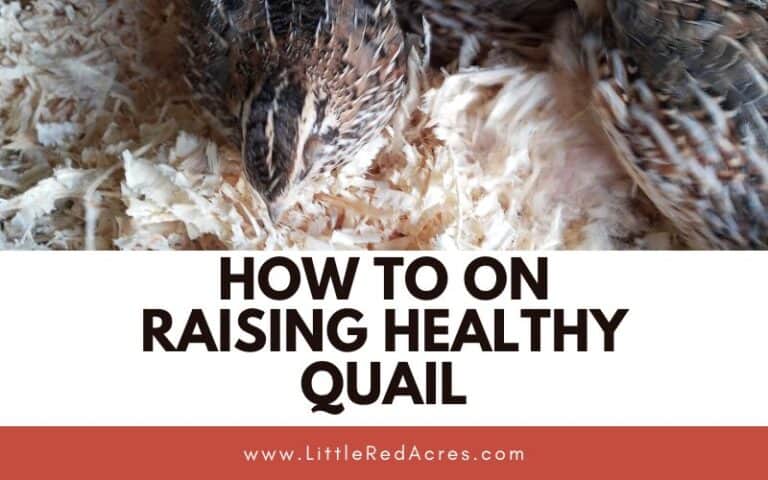
Feeding quail successfully involves understanding and managing various challenges that can arise during their nourishment. Addressing issues such as food refusal, overfeeding, or nutritional deficiencies is essential for maintaining healthy and productive birds. By recognizing common problems and implementing effective solutions, quail keepers can ensure optimal health, growth, and egg production.Understanding these challenges allows for targeted interventions that improve feeding routines and prevent long-term health issues.
This section provides a comprehensive troubleshooting guide to assist in resolving frequent feeding problems, thereby promoting a balanced diet and overall well-being of the quail.
Food Refusal and Poor Intake
Food refusal is a common challenge, especially when quail are adjusting to new diets, experiencing stress, or facing environmental changes. It can result in weight loss, reduced egg production, and weakened immune systems.To troubleshoot this issue:
- Ensure Food Freshness: Always serve fresh, clean food and avoid offering spoiled or stale feed, which discourages intake. Regularly inspect the feed for mold, pests, or foul odors.
- Adjust Feeding Times and Environment: Quail are sensitive to disturbances. Provide a calm, quiet environment during feeding times and establish a consistent schedule to encourage routine eating.
- Modify Food Texture or Flavor: Sometimes, changing the form of feed—such as offering crumbles instead of pellets—or adding a small amount of natural flavors can stimulate appetite.
- Check for Illness or Stress Factors: Illness, overcrowding, or sudden environmental changes can lead to food refusal. Monitor for signs of disease and ensure proper housing conditions.
Overfeeding and Related Complications
Overfeeding can lead to obesity, liver issues, and reduced activity levels, ultimately affecting productivity and health.Potential solutions include:
- Implement Portion Control: Use precise measurements for daily feed portions based on age, weight, and production stage. Avoid free-feeding unless specifically recommended for young or growing quail.
- Establish a Feeding Schedule: Feed at regular times to prevent overeating and to allow for monitoring consumption patterns.
- Monitor Body Condition: Regularly assess the weight and physical appearance of quail to adjust feeding quantities accordingly. Remove uneaten food after a designated period to prevent excessive intake.
- Provide Nutrient-Dense Feed: Ensure the feed is rich in essential nutrients without excessive calories, thus supporting health without promoting unnecessary weight gain.
Nutritional Deficiencies
Nutritional deficiencies, such as lack of calcium, vitamins, or amino acids, can manifest as poor feathering, weak bones, or reproductive issues.Solutions to address deficiencies include:
- Balance the Diet: Incorporate a variety of feeds, such as grains, greens, and supplemental minerals, to cover all nutritional requirements.
- Use Fortified Feed Supplements: Add commercial vitamin and mineral premixes formulated specifically for quail to ensure coverage of essential nutrients.
- Regular Health Monitoring: Observe for signs like feather loss, weak eggshells, or lethargy, which may indicate deficiencies.
- Consult a Veterinarian or Avian Nutrition Expert: For persistent issues, seek professional advice to formulate a tailored nutritional plan tailored to the specific needs of the flock.
Addressing feeding challenges promptly and effectively enhances the health, productivity, and longevity of quail, ensuring a successful and sustainable breeding operation.
Special Dietary Considerations
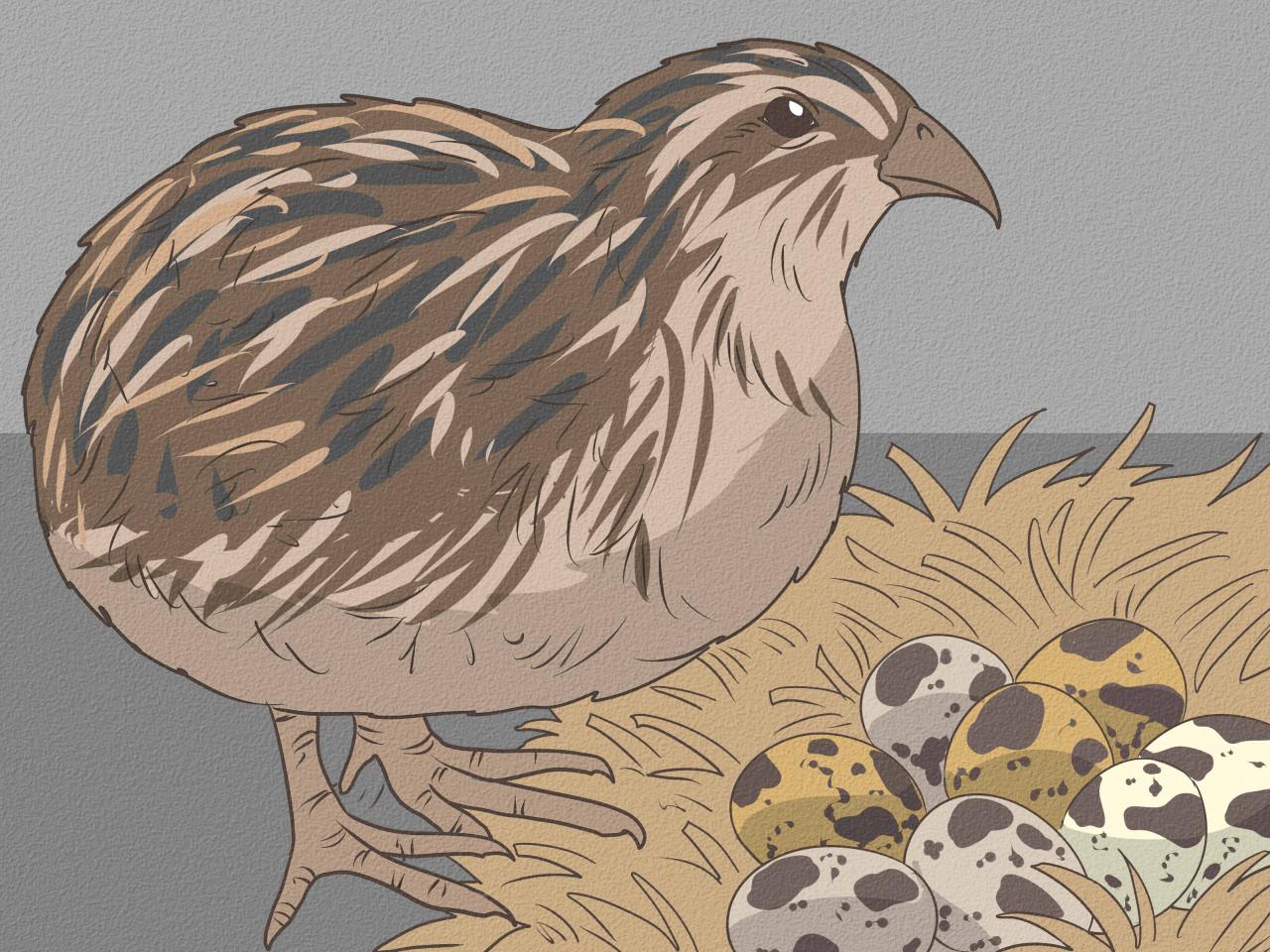
Feeding quail involves more than just providing standard nutrition; it requires attention to specific dietary needs associated with different physiological states, health conditions, and recovery phases. Understanding these special considerations ensures optimal health, reproduction, and longevity for your quail flock, while minimizing health risks associated with inappropriate feeding practices.Addressing special dietary needs involves careful adjustments to their feeding regimen based on their current life stage or health status.
These modifications can significantly influence reproductive success, molt recovery, and disease resistance. Properly managing these factors promotes overall well-being and productivity.
Dietary Adjustments for Breeding, Molting, or Illness Recovery
When quail are in different physiological states such as breeding, molting, or recovering from illness, their nutritional requirements change to support their specific needs. Providing the right diet during these times is crucial for maintaining health and optimizing productivity.Breeding quail require increased levels of proteins and certain amino acids for successful egg production and fertility. Nutrients like calcium and vitamin D are vital for eggshell formation, while energy-dense feeds support the heightened activity levels.During molting, quail shed and regrow feathers, which demands higher protein intake and essential fatty acids.
This phase may also involve increased mineral requirements to facilitate tissue repair and feather development.Recovering quail from illness benefit from diets rich in easily digestible nutrients, vitamins, and minerals that support immune function and tissue repair. Supplements such as probiotics or immune-boosting additives can be incorporated to enhance recovery.
- Adjust protein levels to meet reproductive or regenerative demands, typically increasing from the standard 20-24% in maintenance diets to 24-28% during breeding or molt.
- Ensure sufficient calcium and vitamin D, especially during egg-laying periods, to prevent eggshell defects.
- Incorporate easily digestible energy sources and maintain hydration to support recovery phases.
- Limit or avoid abrupt dietary changes to reduce stress and digestive upset.
Guidelines for Introducing New Foods or Supplements Safely
Introducing new foods or dietary supplements must be done gradually to prevent digestive disturbances and adverse reactions. A cautious approach ensures quail adapt comfortably to dietary changes without compromising their health.Start by offering small quantities of the new food alongside their familiar diet for several days. Observe their behavior and health responses, such as appetite, droppings, and activity levels. Incrementally increase the proportion of the new item over a week or two, ensuring there are no signs of distress or intolerance.When adding supplements, follow manufacturer instructions regarding dosage and frequency.
Regularly monitor for any negative effects, such as changes in droppings or feather condition, which could indicate over-supplementation or intolerance.
“Gradual introduction of new dietary components minimizes digestive issues and enhances nutrient absorption, promoting overall health and productivity.”
Comparison Table of Dietary Protocols for Different Health and Reproductive Conditions
The following table provides a clear comparison of dietary protocols tailored to various health statuses and reproductive states, ensuring appropriate nutrient balances are maintained for each condition.
| Condition | Standard Diet | Adjustments | Purpose |
|---|---|---|---|
| Maintenance (healthy, non-breeding quail) | 20-24% protein, balanced minerals | Maintain baseline nutrient levels | Support general health and longevity |
| Breeding | Increase protein to 24-28%, ensure high calcium | Enhanced amino acids, calcium, vitamin D | Optimize egg production and fertility |
| Molting | Increase protein to 26-30%, add fatty acids | Supplement with vitamin E and omega fatty acids | Facilitate feather regrowth and tissue repair |
| Illness recovery | Easy-to-digest, nutrient-rich diet | Include immune-boosting supplements, probiotics | Support immune function and tissue healing |
Ensuring proper dietary adjustments according to these conditions enhances health outcomes, supports reproductive success, and promotes swift recovery when needed. Careful monitoring and adherence to these protocols help maintain a resilient and productive quail flock.
Environmental Factors Affecting Feeding
Effective quail feeding is not solely dependent on diet and schedule but is significantly influenced by external environmental conditions. Temperature, humidity, and housing quality play crucial roles in determining the appetite, digestion, and overall health of quails. Understanding how these factors interact with feeding practices enables caretakers to optimize nutrient intake and maintain vibrant, healthy flocks.
Variations in environmental conditions can alter a quail’s metabolic rate, feed consumption, and digestion efficiency. For instance, extreme temperatures can suppress appetite or cause stress, while inadequate housing can lead to moisture buildup and mold growth, impacting food quality. Adjusting feeding strategies to align with these environmental factors is essential for achieving optimal growth, reproduction, and productivity in quail farming.
Impact of Temperature, Humidity, and Housing on Quail Appetite and Digestion
Temperature fluctuations directly influence a quail’s metabolic rate and feed intake. During hot weather, quails tend to reduce their food consumption to prevent overheating, which can lead to nutritional deficiencies if not managed properly. Conversely, cold temperatures increase energy requirements as birds work harder to maintain body heat, prompting higher feed intake. Humidity levels also affect digestion; high humidity can cause mold growth on feed, leading to spoilage and illness, while low humidity can cause dehydration and stress, suppressing appetite.
Housing conditions serve as a critical factor in maintaining a stable environment. Proper ventilation, insulation, and cleanliness help regulate temperature and humidity, reducing stress and promoting consistent feeding behavior. Poorly ventilated or damp housing can foster diseases and mold, impairing digestion and reducing feed efficiency. Ensuring the housing is designed to buffer environmental extremes supports steady appetite and optimal nutrient absorption.
Recommendations for Modifying Feeding Practices Based on Environmental Conditions
Adjusting feeding practices in response to environmental variations enhances quail health and productivity. During hot weather, provide cooler, nutrient-dense feed early in the day when temperatures are lower, and ensure ample fresh water availability. Implement shade structures and improve ventilation to reduce heat stress. In colder conditions, increase the energy content of the diet with supplemental grains or fats to meet higher caloric needs, and maintain a draft-free yet well-ventilated housing environment to prevent cold stress.
In high humidity scenarios, store feed in airtight containers to prevent mold and spoilage. Consider offering wetter feed formulations with moisture-retaining ingredients or supplements that help quails stay hydrated. During dry periods, ensure the availability of fresh water and humidify the environment if necessary to prevent dehydration and promote proper digestion.
Environmental Management Tips to Optimize Feeding Efficiency
- Maintain consistent and optimal temperature ranges between 18°C and 24°C (65°F to 75°F) to support steady appetite and digestion.
- Ensure adequate ventilation in housing to control humidity levels and prevent the buildup of ammonia and mold, which can adversely affect feed intake.
- Use shading and insulation techniques to minimize temperature extremes, especially during intense summer heat or winter cold.
- Regularly monitor environmental conditions with thermometers and hygrometers to adjust feeding schedules and diet formulations accordingly.
- Implement dust control measures and keep housing clean to reduce respiratory stress and prevent mold growth on stored feed.
- Provide ample fresh, clean water at all times, especially during hot weather, to support digestion and nutrient absorption.
- Schedule feeding times during cooler parts of the day to encourage maximum intake and minimize heat stress.
- Use environmental enhancements such as fans, misters, or heating lamps judiciously to create a stable and comfortable environment conducive to healthy feeding behaviors.
Ultimate Conclusion
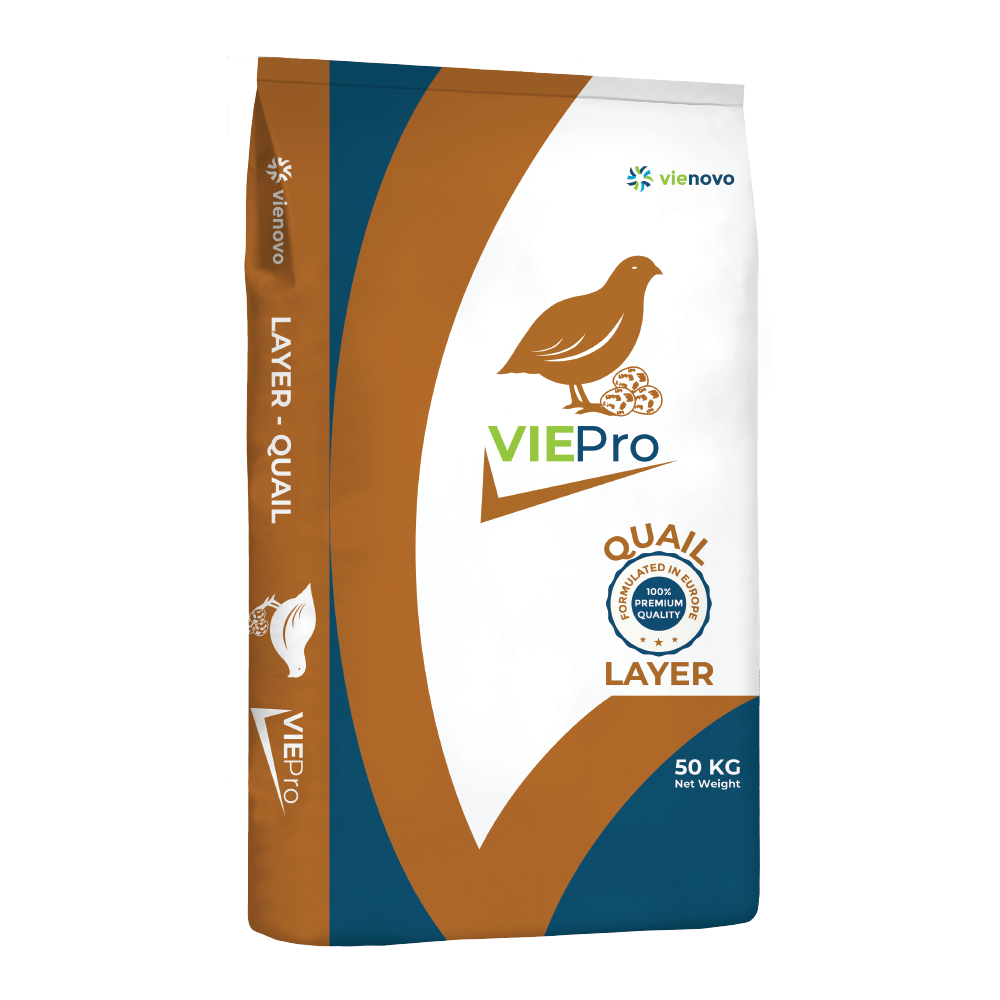
In conclusion, effective feeding strategies are fundamental to maintaining healthy and thriving quail populations. By understanding their nutritional needs, choosing appropriate foods, and adjusting practices based on environmental factors, you can optimize their growth and productivity. Implementing these insights will help you succeed in your quail-raising endeavors and enjoy the rewarding benefits of healthy, energetic birds.