Mastering the art of proper sheep feeding is essential for ensuring their health, productivity, and overall well-being. Understanding the specific nutritional needs at various stages of life and selecting appropriate feeds can significantly impact the longevity and productivity of your flock. By implementing effective feeding routines and water management practices, sheep owners can optimize growth, reproduction, and milk production while minimizing health issues.
This guide provides a comprehensive overview of the nutritional requirements, suitable feed types, proper feeding procedures, water management, and special considerations for different sheep categories. Whether you are a seasoned farmer or a beginner, these insights will help you develop a balanced and sustainable feeding strategy tailored to your sheep’s needs and seasonal conditions.
Nutritional Requirements for Sheep
Understanding the nutritional needs of sheep at various stages of their life cycle is fundamental to ensuring their health, productivity, and longevity. Proper feeding strategies revolve around providing a balanced supply of essential nutrients tailored to their age, reproductive status, and environmental conditions. A well-nourished sheep exhibits optimal growth, reproduction, and wool production, while deficiencies or excesses can lead to health issues and economic losses.
Sheep require a combination of macro and micronutrients that support vital bodily functions. These nutrients include proteins for growth and repair, energy sources for daily activities, vitamins for metabolic processes, and minerals essential for skeletal development and overall health. Meeting these requirements through appropriate feed choices and supplementation is critical for maintaining a resilient and productive flock.
Essential Nutrients for Different Life Stages
Sheep have varying nutritional demands depending on their age, reproductive phase, and health status. Lambs, growing sheep, pregnant ewes, lactating ewes, and aged sheep each require specific nutrient balances to support their physiological needs. For instance, lambs need high protein levels for rapid growth, while pregnant ewes require additional minerals like calcium and phosphorus for fetal development. Ensuring these specific needs are met helps prevent deficiencies and promotes optimal productivity.
| Feed Type | Crude Protein (%) | Energy (MJ/kg) | Vitamins | Minerals |
|---|---|---|---|---|
| Pasture Grass | 10-20 | 6-9 | Vitamin A, D, E (variable) | Calcium, Phosphorus, Magnesium |
| Hay (Alfalfa, Clover) | 12-20 | 7-9 | Rich in Vitamins A, D | High Calcium, Phosphorus |
| Grain (Barley, Oats) | 8-12 | 12-14 | Vitamins B complex | Limited minerals |
| Commercial Sheep Feed | 14-18 | 10-12 | Fortified with vitamins A, D, E | Balanced mineral mix |
Balancing protein, energy, vitamins, and minerals is crucial for maintaining sheep health. Excessive protein can cause metabolic issues, while deficiencies impair growth and immune function. Similarly, energy deficits reduce productivity, and inadequate vitamins or minerals can lead to specific deficiency diseases. Achieving a balanced diet tailored to each sheep’s life stage ensures optimal health and productivity outcomes.
Nutrient Deficiencies and Their Symptoms
Identifying signs of nutrient deficiencies early allows for timely corrective measures, preventing long-term health problems within the flock. The following bullet points Artikel common deficiencies and their associated symptoms:
- Protein deficiency: Slow growth, poor wool quality, weight loss, and decreased milk production.
- Energy deficiency: Lethargy, decreased feed intake, poor weight gain, and decreased reproductive performance.
- Vitamin A deficiency: Night blindness, poor immune response, reproductive issues, and rough coat.
- Vitamin D deficiency: Rickets in lambs, soft bones, and poor calcium absorption.
- Calcium deficiency (Hypocalcemia): Muscle tremors, weak or shaky lambs, and compromised bone development.
- Phosphorus deficiency: Lameness, poor growth, and reproductive failure.
- Magnesium deficiency: Tetany or “grass tetany,” characterized by muscle spasms, staggering, and convulsions.
Monitoring sheep behavior, growth rates, and physical condition, combined with regular nutritional assessments, helps detect deficiencies early, allowing for targeted supplementation and management adjustments.
Types of Feed for Sheep and Their Benefits
Providing sheep with a balanced and appropriate diet is essential for their health, productivity, and overall wellbeing. Different types of feed serve specific nutritional purposes and are suitable for various ages, purposes, and seasonal conditions. Understanding the available feed options helps farmers optimize feeding strategies to ensure optimal growth, reproduction, and wool production.
Each feed type offers unique advantages and challenges. Selecting the right combination requires considering factors such as the sheep’s age, purpose (meat, wool, breeding), and seasonal availability. Properly balancing these feeds ensures sheep receive the necessary nutrients to thrive throughout the year.
Pasture
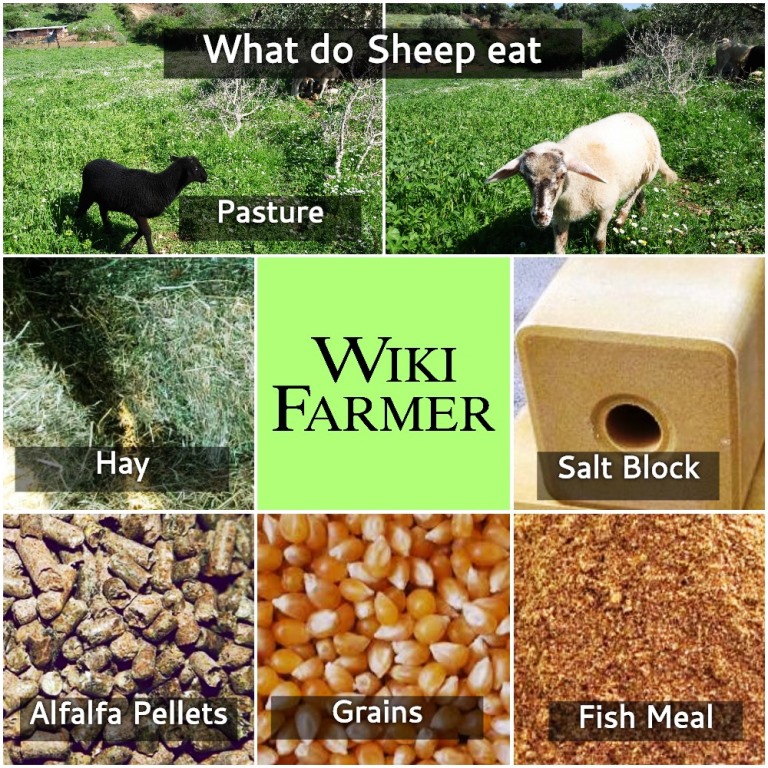
Pasture represents the primary natural feed source for many sheep farming systems. It consists of grasses, legumes, and herbs grown in grazing fields, providing fresh, nutrient-rich forage that supports natural grazing behaviors. Pasture feeding is cost-effective and promotes animal health through high fiber content and natural antioxidants.
Farmers should consider pasture quality, diversity, and availability when planning feeding strategies. Well-managed pastures can reduce reliance on supplemental feeds and improve the overall sustainability of sheep farming.
- High-quality grasses such as ryegrass, timothy, and orchardgrass
- Legumes like clover and lucerne (alfalfa) that enhance protein content
- Mixed swards that provide a broader spectrum of nutrients
Hay
Hay is dried forage harvested from pastures and stored for use during periods of low pasture availability, such as winter or droughts. It provides a stable, readily available source of roughage and nutrients essential for maintaining digestive health and energy levels.
Choosing the right hay depends on its nutrient content, dryness, and storage conditions. Properly cured hay with a balanced fiber and protein level can support sheep health through various production stages.
- Timothy hay: Rich in fiber, suitable for maintenance and lactating ewes
- Alfalfa hay: High in protein and calcium, ideal for growing lambs and pregnant ewes
- Orchardgrass hay: Good nutritional profile, versatile for different sheep classes
Silage
Silage is fermented, high-moisture fodder made from green forage crops such as maize (corn), oats, or grasses, stored in airtight conditions to preserve nutrients. It offers a nutrient-dense feed option that supports energy needs, especially during winter or dry seasons when fresh forage is scarce.
Silage provides a digestible carbohydrate source, essential for maintaining adequate energy levels, particularly for lactating ewes or growing lambs. Proper fermentation and storage are crucial to prevent spoilage and mycotoxin development.
- Maize (corn) silage: High in energy, suitable for high-producing sheep
- Oat silage: Good balance of energy and fiber
- Grass silage: Provides fiber and nutrients similar to fresh pasture
Grains
Grains such as barley, oats, corn, and wheat are concentrated feeds that supply high energy and are typically used to supplement roughage diets. They are especially valuable during growth, reproduction, or lactation phases when additional caloric intake is necessary.
Incorporating grains requires careful balancing to prevent digestive disturbances and ensure that sheep do not consume excessive energy, which could lead to metabolic issues.
- Barley: Rich in energy, supports weight gain and milk production
- Oats: High in digestible fiber, suitable for all age groups
- Corn: High caloric value, ideal for finishing lambs or supporting lactation
Supplements
Supplements such as mineral blocks, salt, vitamins, and protein concentrates are used to fill nutritional gaps, especially when forage quality is insufficient. They play a vital role in enhancing reproductive efficiency, growth rates, and wool quality.
Selection of supplements should be based on forage analysis and specific sheep needs, ensuring balanced intake without over-supplementation.
- Mineral blocks containing magnesium, calcium, and trace minerals
- Protein concentrates like soybean meal or cottonseed meal
- Vitamin mixes tailored to seasonal or reproductive demands
Comparison Table of Feed Types for Sheep
| Feed Type | Advantages | Disadvantages |
|---|---|---|
| Pasture | Cost-effective, natural, promotes grazing behavior, rich in nutrients | Seasonal dependence, quality varies with weather and management |
| Hay | Available year-round, preserves forage nutrients, supports fiber intake | Requires proper curing and storage, nutrient loss if poorly made |
| Silage | High nutrient density, excellent during forage shortages, preserves nutrients | Potential spoilage, requires fermentation expertise, initial storage costs |
| Grains | High energy, supports rapid growth and lactation, easy to feed | Risk of digestive upset if overused, can be expensive, requires careful balancing |
| Supplements | Fills nutritional gaps, improves reproductive and wool quality | Costly if overused, needs precise formulation and management |
Optimal feeding strategies involve selecting the appropriate feed types based on the sheep’s developmental stage, purpose, and seasonal conditions. Combining these feeds in a balanced manner ensures the health and productivity of the flock while maintaining economic and environmental sustainability.
Feeding Procedures and Schedules
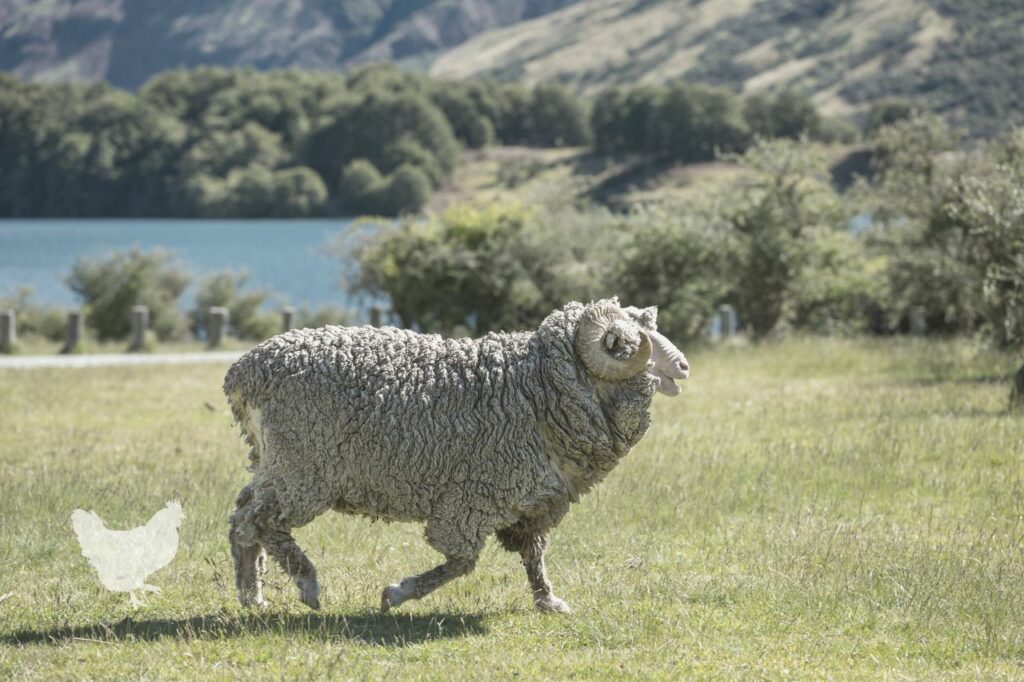
Implementing an effective feeding procedure and schedule is fundamental to maintaining sheep health, optimizing growth, and ensuring efficient resource utilization. Proper routines help prevent nutritional deficiencies, reduce waste, and promote consistent intake among the flock. Establishing a structured approach ensures that each sheep receives adequate nutrition tailored to their specific needs while simplifying farm management tasks.
Careful planning of daily feeding routines involves selecting appropriate feed types, determining quantities, and timing feedings to align with sheep’s natural behavior and metabolic rhythms. Regular monitoring of eating habits and adjusting feeds accordingly are essential components for achieving optimal health and productivity.
Step-by-Step Daily Feeding Procedures
Consistency and attention to detail are key in daily feeding routines. The following step-by-step procedures help maximize intake and promote overall sheep well-being:
- Preparation of Feed: Before feeding, ensure all feed components are fresh, clean, and free from mold or contaminants. Measure quantities based on the number of sheep, their age, weight, and production stage.
- Feeding at Scheduled Times: Establish consistent feeding times, preferably early in the morning and late in the afternoon, to mimic natural grazing patterns and promote steady intake.
- Distribution of Feed: Distribute feed evenly across the feeding area. Use feeders or troughs suitable for the type of feed to reduce wastage and prevent competition among sheep.
- Monitoring During Feeding: Observe sheep during feeding to identify any difficulties, such as reluctance to eat or aggressive behavior, which might indicate health issues or feed deficiencies.
- Post-Feeding Observation: After feeding, check for leftovers or uneaten feed to gauge consumption levels and adjust quantities for subsequent feedings.
Sample Weekly Feeding Schedule
Developing a structured weekly schedule ensures consistent nutrient supply and simplifies farm management. The schedule considers feed rotation, timing, and quantity adjustments based on sheep’s needs and seasonal variations.
| Day | Time | Feed Type | Quantity per Sheep | Notes |
|---|---|---|---|---|
| Monday | 8:00 AM | Fresh forage or hay | 0.5 kg | Start of week, check forage freshness |
| Monday | 4:00 PM | Grain mixture (concentrates) | 0.2 kg | Ensure grain is free-flowing |
| Tuesday | 8:00 AM | Pasture grazing or hay | Varies with pasture growth | Rotate pasture sections to prevent overgrazing |
| Wednesday | 4:00 PM | Mineral supplement and grain | Adjust as per sheep age | Monitor for intake and adjust accordingly |
| Thursday | 8:00 AM | Fresh forage or hay | 0.5 kg | Check for mold or spoilage |
| Friday | 4:00 PM | Concentrate feed | 0.2 kg | Observe sheep for over- or under-eating |
| Saturday | 8:00 AM | Grazing or hay | As available | Assess pasture health |
| Sunday | 4:00 PM | Supplementary minerals and grains | Adjust based on previous week’s consumption | Prepare for the upcoming week |
Monitoring and Adjusting Feeding Habits
Effective management involves continuous observation of sheep’s eating behaviors and adjusting feeding practices accordingly. Regularly monitor the following indicators:
- Feed Intake: Track the amount of feed consumed daily. Sudden decreases may indicate health issues or feed palatability problems.
- Eating Behavior: Observe how actively sheep eat, whether they spend adequate time grazing or show signs of boredom or stress.
- Fecal Consistency: Observe manure for signs of digestive health, which reflect diet suitability.
- Body Condition: Regularly assess the sheep’s body condition score to ensure they are neither undernourished nor overfed.
Adjust feed type, quantity, or schedule based on these observations. For example, if sheep leave more than 10% of feed uneaten consistently, decrease the portion size or improve feed palatability. Conversely, if sheep appear undernourished or lose weight, increase feed quantity or provide higher-quality forage and concentrates. Seasonal changes and growth stages should also inform adjustments to maintain optimal nutrition.
Common Mistakes to Avoid During Feeding
Preventing common errors enhances sheep health and minimizes wastage. Be mindful of these pitfalls:
- Overfeeding or Underfeeding: Both can lead to metabolic disorders or nutritional deficiencies. Regularly assess body condition and adjust accordingly.
- Irregular Feeding Times: Inconsistent schedules can disrupt grazing patterns and digestion. Maintain regular feeding routines.
- Feeding Spoiled or Contaminated Feed: Always inspect feed for mold, pests, or spoilage to prevent health issues.
- Ignoring Behavior Signs: Failing to observe sheep’s reactions can result in unrecognized health problems or feed refusals.
- Uneven Feed Distribution: Ensure all sheep have access to feed, preventing dominance by more aggressive animals and ensuring balanced nutrition for all.
Adhering to these procedures and mindful practices ensures that sheep receive optimal nutrition, leading to healthier animals, improved productivity, and efficient farm operations.
Water Management for Sheep
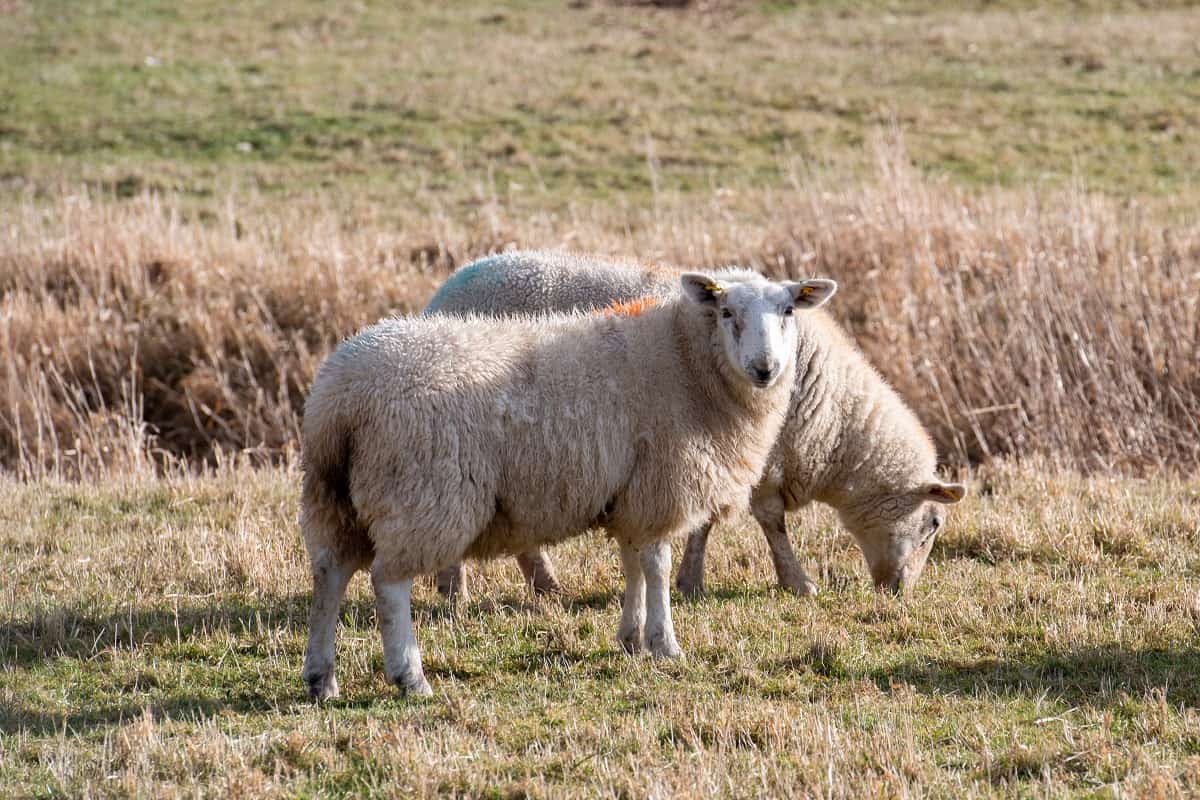
Effective water management is a critical component of proper sheep care, directly influencing their health, productivity, and overall well-being. Ensuring that sheep have access to clean, fresh water at all times supports vital physiological processes such as digestion, temperature regulation, and metabolic functions. Proper water intake is especially important in maintaining optimal growth rates, reproductive performance, and resistance to diseases.
Sheep require a consistent supply of clean water to prevent dehydration, which can lead to decreased feed intake, reduced weight gain, and increased susceptibility to illness. Understanding their water needs based on age, size, and activity level allows farmers and caretakers to establish effective watering routines tailored to specific conditions and environmental factors. Proper water management practices not only enhance animal welfare but also improve farm productivity and sustainability.
Water Needs Based on Age, Size, and Activity Level
Accurate estimation of water requirements for sheep depends on several factors, including their age, weight, and activity levels. Young lambs, adult ewes, and rams each have different hydration needs, which can vary further with changes in climate and pasture conditions. The following table summarizes typical daily water intake levels for sheep across different categories:
| Sheep Category | Approximate Daily Water Intake | Notes |
|---|---|---|
| Lamb (up to 6 months) | 1.5 – 3 liters | Higher intake during growth spurts and in warmer weather |
| Adult Ewe (average weight 45-60 kg) | 3 – 8 liters | Increased during lactation and high activity periods |
| Adult Ram | 4 – 9 liters | Needs are similar to ewes, with possible increases during breeding season |
| Sheep with high activity levels or in hot climates | Up to 15 liters or more | Additional water is necessary to prevent dehydration under stress |
These values serve as general guidelines; actual water needs can fluctuate based on environmental conditions, diet composition, and individual animal health. Monitoring sheep for signs of dehydration or water deficiency is essential to maintain optimal hydration levels.
Best Practices for Providing Water in Different Environments and Weather Conditions
Adapting water supply systems to suit various environments and weather patterns ensures sheep access to clean water at all times. In outdoor pastures, water sources should be easily accessible, shaded, and protected from contamination by runoff or debris. In colder climates, heated or insulated water troughs prevent freezing, ensuring animals have continuous access during winter months. During hot weather, providing multiple water points and frequent refilling help meet increased demand, reducing competition and stress among sheep.
In confined or indoor systems, water delivery should be consistent, with troughs and bowls regularly cleaned and checked for functionality. Drip or pressure systems can be advantageous in large operations, ensuring a steady flow of fresh water without wastage. Proper placement of water sources close to feeding and resting areas minimizes movement and encourages regular drinking behavior.
Best practices include:
- Providing fresh, clean water at all times, with multiple access points if feasible.
- Ensuring water sources are shaded or protected from direct sunlight, especially in hot climates.
- Using insulated or heated troughs in cold weather to prevent freezing and ensure continuous access.
- Regularly cleaning water containers and troughs to prevent algae, bacteria buildup, and contamination.
- Monitoring water levels frequently, particularly during heatwaves or periods of increased activity.
- Ensuring water is free from debris, manure, or chemicals that could harm sheep or affect taste and safety.
Procedures for Ensuring Water Hygiene and Preventing Contamination
Maintaining water hygiene is crucial to prevent the spread of diseases and keep sheep healthy. Implementing proper procedures reduces the risk of waterborne illnesses and promotes consistent water intake. The following steps are recommended:
- Clean water troughs, buckets, and pipes regularly, ideally daily, using brushes and disinfectants suitable for livestock equipment.
- Drain and scrub troughs thoroughly to remove algae, biofilm, and organic matter.
- Replace water frequently, especially during high temperatures or if contamination is suspected.
- Inspect water sources daily for debris, manure, or algae accumulation, removing any obstructions promptly.
- Use safe, potable water sources and avoid runoff from contaminated areas, such as manure piles or chemical-treated fields.
- Install screens or mesh on water inlets to prevent insects, rodents, and debris from entering the system.
- Maintain proper drainage around water points to prevent stagnation and runoff contamination.
- Ensure that water containers are covered or sealed to prevent contamination from pests or environmental factors.
Adhering to these procedures safeguards sheep from infections such as foot rot, leptospirosis, and other waterborne diseases, thereby supporting their overall health and productivity.
Special Feeding Considerations
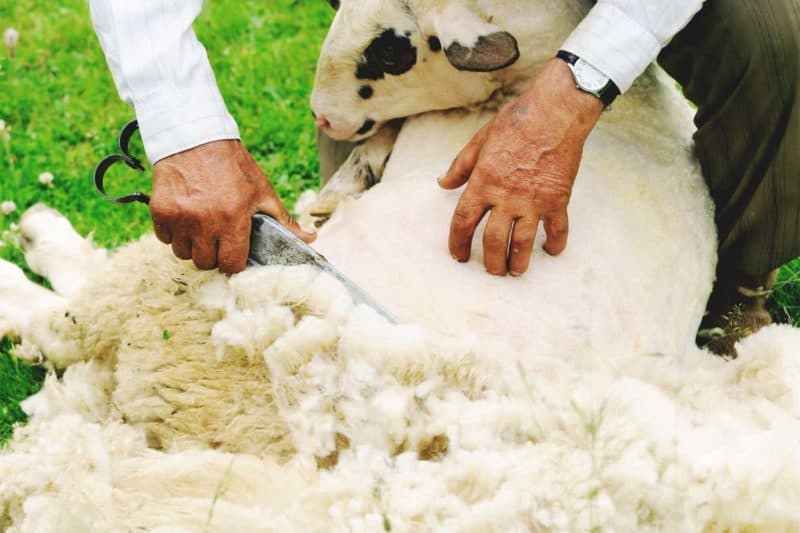
Providing appropriate nutrition to sheep requires careful attention to their physiological states, health conditions, environmental factors, and seasonal variations. These considerations are vital to ensure optimal growth, reproductive success, and overall well-being of the flock. Tailoring feeding strategies to meet these specific needs can significantly enhance productivity and animal welfare.Proper feeding management during different life stages and health statuses is essential, as it influences the animals’ recovery, reproductive outcomes, and resilience against diseases.
Adjustments in feeding routines and supplementary support during seasonal changes and drought conditions help maintain nutritional balance and prevent deficiencies or overfeeding.
Feeding Strategies for Pregnant, Lactating, and Ill Sheep
Pregnant, lactating, and ill sheep have distinct nutritional requirements that need to be addressed with precise feeding strategies to support their health and productivity.
Pregnant sheep, especially in the last trimester, require increased energy, protein, vitamins, and minerals to support fetal development. It is recommended to gradually increase feed intake during the final stages of gestation, focusing on high-quality forage supplemented with concentrates if necessary. Overfeeding should be avoided to prevent metabolic disorders such as pregnancy toxemia.
Lactating ewes have heightened nutritional demands to produce sufficient milk. Their diet must be rich in energy and protein, with easily digestible feeds that promote milk production. Providing clean, fresh water and additional mineral supplements, particularly salts and calcium, supports lactation and prevents deficiencies.
Ill sheep, whether recovering from illness or experiencing chronic conditions, need balanced, easily digestible feeds that promote healing and maintain body condition. It is important to monitor their intake closely and avoid sudden dietary changes. Supplements such as electrolytes or specific medications should be administered under veterinary guidance to support recovery.
Supplementary Feeds and Medications
Supplementary feeds and medications can be integral to managing specific health issues or nutritional gaps in the sheep population.
Supplementary feeds include:
- Mineral licks or blocks containing essential minerals like selenium, zinc, and copper.
- Vitamins such as A, D, and E, administered through injections or added to feed.
- Molasses or energy concentrates to boost caloric intake during periods of low forage availability.
- Protein supplements like soybean meal or cottonseed cake to support growth and reproduction.
Medications should always be administered following veterinary prescription and guidelines. Common medications include antiparasitic drugs, antibiotics for bacterial infections, and vitamin injections. Proper timing and dosage are critical to prevent resistance buildup and ensure efficacy.
Impact of Seasonal Changes on Feeding Routines
Seasons profoundly influence feed availability, nutritional quality, and sheep health, necessitating routine adjustments to feeding strategies.
During rainy and lush seasons, pastures are abundant, and sheep can graze freely, reducing the need for supplemental feeding. However, care should be taken to prevent grazing on toxic plants or overgrazing that can lead to soil erosion and nutritional deficiencies.
In dry seasons or winter, forage quality diminishes, and supplementation becomes critical. Increasing the use of hay, silage, and concentrates prevents nutritional deficits. It’s also essential to adjust mineral and vitamin supplementation based on seasonal deficiencies, such as vitamin D during low sunlight periods.
Planning for Feed During Drought or Scarcity
Effective planning during drought or feed scarcity ensures the health and productivity of the sheep remain stable despite limited resources.
Preparation involves strategic steps, including:
- Assessing the current feed inventory and estimating future needs based on flock size and growth stages.
- Conserving available forage through proper storage methods like haymaking or silage preparation.
- Establishing relationships with feed suppliers early to secure alternative or supplementary feeds.
- Implementing rotational grazing to maximize pasture utilization and prevent overgrazing.
- Introducing feed additives that enhance digestion or improve nutrient absorption to make the most of limited feed resources.
- Monitoring sheep health closely and adjusting feed rations promptly to prevent nutritional deficiencies.
Planning ahead and adopting flexible feeding routines help mitigate the adverse effects of drought, ensuring that sheep remain healthy and productive during challenging periods.
Ending Remarks
In conclusion, proper feeding practices are the cornerstone of a healthy and productive sheep flock. By understanding nutritional needs, choosing suitable feeds, and maintaining diligent water and health management, you can ensure your sheep thrive under your care. Implementing these strategies will lead to better growth, reproduction, and overall farm success, making your sheep raising endeavor both rewarding and sustainable.