Understanding how to feed catfish effectively is essential for achieving optimal growth, maintaining water quality, and ensuring a sustainable aquaculture operation. Proper nutrition and feeding strategies play a vital role in maximizing productivity and health of your catfish stock.
This comprehensive guide explores the dietary needs of catfish across various life stages, suitable food types, feeding techniques, system management, and solutions to common challenges. By applying these insights, you can enhance your feeding practices and promote thriving fish populations.
Understanding Catfish Nutrition and Dietary Needs
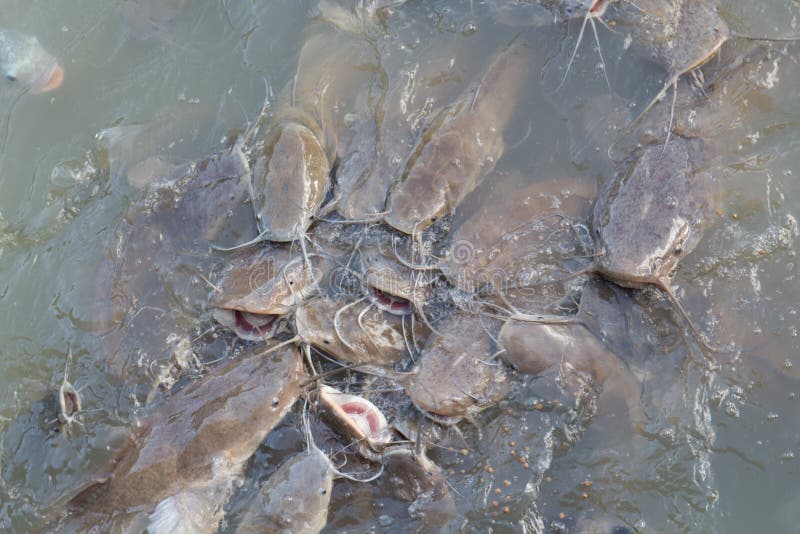
Providing optimal nutrition for catfish is fundamental to ensuring healthy growth, disease resistance, and efficient feed conversion. A well-balanced diet tailored to their physiological requirements supports the development of robust and productive fish. Recognizing the specific nutritional needs at various life stages enables aquaculture practitioners to formulate appropriate feeding strategies that maximize growth while maintaining good health.
Catfish require a carefully designed diet that supplies essential nutrients including proteins, lipids, carbohydrates, vitamins, and minerals. These nutrients support not only basic metabolic functions but also promote tissue growth, immune strength, and reproductive health. Understanding the dietary distinctions for different age groups ensures that young, juvenile, and mature catfish receive the appropriate amount and quality of feed, thereby fostering optimal development and productivity.
Essential Nutrients for Healthy Catfish Growth
Growth and overall health of catfish depend largely on the intake of key nutrients, which include:
- Proteins: Critical for tissue growth, muscle development, and enzymatic functions. High-quality protein sources are preferred for maximum digestibility.
- Lipids (Fats): Provide energy and facilitate the absorption of fat-soluble vitamins. Essential fatty acids are crucial for cellular functions and skin health.
- Carbohydrates: Serve as an energy source, especially when supplemented with adequate proteins and lipids, reducing feed costs.
- Vitamins: Support metabolic processes, immune response, and overall vitality. Vitamins A, D, E, and C are particularly important.
- Minerals: Including calcium, phosphorus, magnesium, and trace elements, are vital for bone development, enzymatic reactions, and osmoregulation.
Dietary Requirements at Different Life Stages
Catfish exhibit varying nutritional demands throughout their growth cycle, necessitating tailored feeding approaches. Properly adjusting feed formulations at each stage ensures efficient growth and reduces the risk of nutritional deficiencies.
- Larval Stage: Requires a diet rich in highly digestible proteins and lipids, with fine particle sizes to facilitate ingestion. Live feeds or specially formulated starter feeds are commonly used.
- Juvenile Stage: As fish grow, their diet should include balanced proteins (about 40-45%), with increased carbohydrate levels to meet energy needs. Formulated pellets with fine to medium particle sizes are suitable.
- Adult Stage: Mature catfish require lower protein levels (around 30-35%), with emphasis on balanced minerals and vitamins. Feed can be in the form of larger pellets to suit their size and feeding behavior.
Suitable Feed Ingredients for Catfish
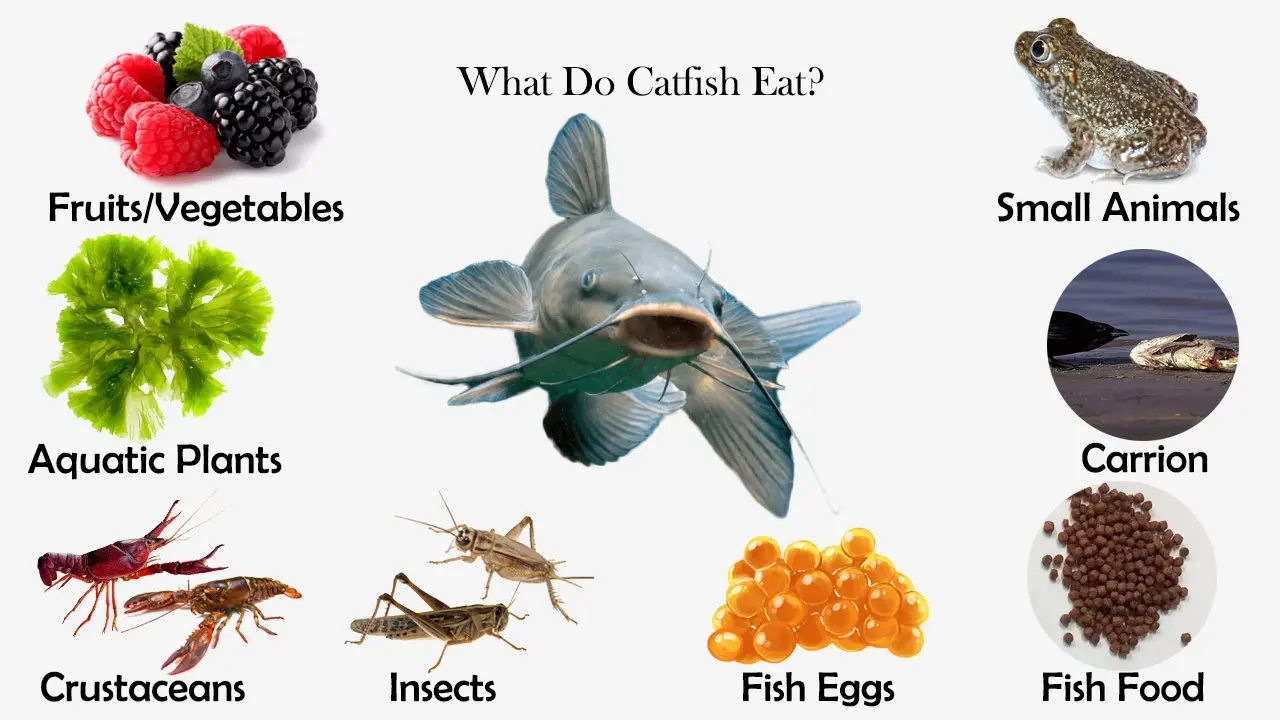
To meet the diverse nutritional needs of catfish, both natural and commercial feed ingredients can be incorporated into their diet. The selection of ingredients should consider digestibility, nutrient content, and cost-effectiveness.
| Natural Feed Ingredients | Commercial Feed Ingredients |
|---|---|
|
|
For optimal growth, the diet should contain a crude protein level of approximately 35-40% for juvenile to adult catfish, with energy sources calibrated to sustain consistent feeding and growth rates.
Types of Food Suitable for Feeding Catfish
Providing the appropriate diet is fundamental to ensuring healthy growth and optimal yield in catfish farming. Understanding the different types of food available allows aquaculturists to select the most suitable options based on cost, convenience, and nutritional value. Each feeding method offers unique advantages and considerations, making it essential to evaluate their benefits and drawbacks in relation to specific farming conditions.
Choosing the right feed type can influence growth rates, water quality, and overall fish health. Therefore, a comprehensive understanding of available feed options, including commercial products and homemade recipes, supports sustainable and productive catfish cultivation.
Comparison of Feed Types for Catfish
The following table provides a clear comparison of the most commonly used feed types, highlighting their respective benefits and limitations. This comparison aims to assist farmers in making informed decisions tailored to their operational needs.
| Feed Type | Benefits | Drawbacks |
|---|---|---|
| Pellets |
|
|
| Flakes |
|
|
| Live Feed |
|
|
| Formulated Feeds |
|
|
Characteristics of High-Quality Commercial Catfish Feeds
High-quality commercial feeds are designed to meet the specific nutritional requirements of catfish at various stages of growth. They typically feature a balanced composition of proteins, lipids, carbohydrates, vitamins, and minerals, often enhanced with additives that improve digestibility and immune response. Such feeds are produced under stringent quality control measures to ensure consistency and safety.
Key characteristics include minimal ingredient variation, high digestibility, optimal pellet size for different age groups, and low levels of contaminants. These features collectively facilitate rapid growth, improve feed conversion ratios, and promote overall fish health, translating into increased farm profitability.
Homemade Feed Recipes Using Common Ingredients
In small-scale or resource-limited settings, homemade feeds can be a practical alternative to commercial products. Formulating nutritious, cost-effective feed using readily available ingredients can significantly reduce operational expenses while maintaining fish health.
Below are examples of simple recipes that incorporate common ingredients to meet the dietary needs of catfish:
Basic Fish Feed Recipe: Combine ground maize (cornmeal), soybean meal, rice bran, and fish meal in proportions that provide approximately 35-40% crude protein. Add vitamin premix and a small amount of oil for energy. Mix thoroughly and form into pellets or feed directly as mash.
Vegetable-Based Feed: Mix rice bran, chopped vegetables (such as spinach or lettuce), and a small amount of crushed fish or shrimp for added protein. Supplement with vitamin premix and oil for nutritional balance. This type is suitable as a supplementary or alternative diet.
Protein-Rich Homemade Mix: Use a combination of crushed dried insects, earthworms, or cooked chicken liver, mixed with rice bran and plant-based ingredients. Ensure the mixture is well-balanced to provide essential amino acids and nutrients.
When preparing homemade feeds, it is essential to balance the ingredients to meet the nutritional requirements at different growth stages. Regular monitoring of fish health and growth performance helps optimize these formulations for better results.
Feeding Techniques and Schedules for Catfish
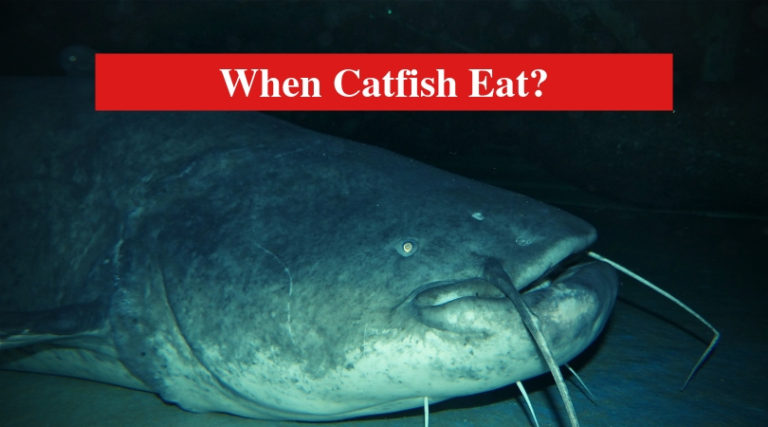
Implementing an effective feeding regimen is crucial for optimizing the growth, health, and overall productivity of your catfish stock. Proper scheduling and feeding methods not only promote efficient nutrient intake but also help in maintaining water quality by minimizing uneaten food and waste accumulation. Tailoring feeding practices to the specific age groups and environmental conditions of the fish ensures sustainable and profitable catfish farming.
Adapting feeding techniques based on the size, age, and water quality creates an environment conducive to healthy development. Employing precise feeding schedules, combined with efficient delivery methods, reduces feed wastage and prevents issues such as water pollution or overfeeding stress. This section provides detailed guidance on establishing and maintaining optimal feeding routines for various stages of catfish growth.
Daily Feeding Schedule for Various Age Groups
An appropriate feeding schedule varies significantly between juvenile, growing, and mature catfish. Recognizing these differences helps in ensuring that each group receives the right amount of nutrients at the right time, fostering steady growth and minimizing resource waste.
- Juvenile Catfish (1-5 weeks old): Feed 4-6 times daily to support rapid growth and development. Small, frequent feedings improve digestibility and prevent water quality issues caused by uneaten food.
- Growing Catfish (6-12 weeks old): Reduce feeding frequency to 3-4 times per day. Monitor fish behavior and adjust quantities to match their increasing appetite without overfeeding.
- Mature Catfish (over 12 weeks): Transition to 2-3 feedings per day. Provide sufficient feed to meet maintenance needs while avoiding excess that can degrade water conditions.
Adjustments should be made seasonally; for example, during colder months, fish metabolism slows, requiring a reduction in feeding frequency and quantity to prevent overfeeding and water quality deterioration.
Methods for Efficient Feeding to Minimize Waste and Maximize Growth
Efficient feeding techniques are essential for promoting optimal growth while conserving resources and maintaining water quality. Employing methods that deliver the right amount of feed directly to the fish minimizes wastage and reduces the risk of pollution.
- Distribute Feed Evenly: Use feeding trays or automated feeders to ensure even distribution across the pond or tank, preventing dominant fish from monopolizing food and encouraging uniform growth.
- Feed in Small Portions: Provide small, manageable quantities at each feeding time, allowing fish to consume the food within 15-20 minutes. Observe fish behavior to determine if adjustments are necessary.
- Monitor Fish Response: Regularly assess feeding response and adjust quantities accordingly. Signs of overfeeding include leftover feed and water cloudiness, while underfeeding manifests as sluggish behavior or weight fluctuations.
- Timing of Feeding: Feed during periods of optimal activity, typically early morning and late afternoon, to enhance feed intake and digestion.
Consistent observation and adjustment are key. An effective feeding strategy reduces costs, promotes healthy growth, and preserves water quality.
Adjusting Feeding Frequency and Quantity Based on Water Conditions and Fish Size
The dynamic nature of aquaculture environments requires continuous monitoring and modification of feeding practices. Water temperature, oxygen levels, and fish growth stage influence feeding needs, demanding flexibility in schedule and quantity.
- Water Temperature: In colder water (below 20°C), metabolism slows, so reduce feeding frequency and quantity to prevent excess feed decomposition, which can deteriorate water quality.
- Water Quality: Poor water conditions or low oxygen levels necessitate decreased feeding to minimize waste buildup and prevent fish stress or mortality.
- Fish Size and Growth Rate: As fish grow larger, increase the amount of feed proportionally. Regularly weigh samples to ensure feeding remains aligned with growth rates, preventing underfeeding or overfeeding.
Optimal feeding adjusts dynamically with environmental and biological factors, ensuring sustainable growth and maintaining pond health.
Managing Feeding Systems and Equipment
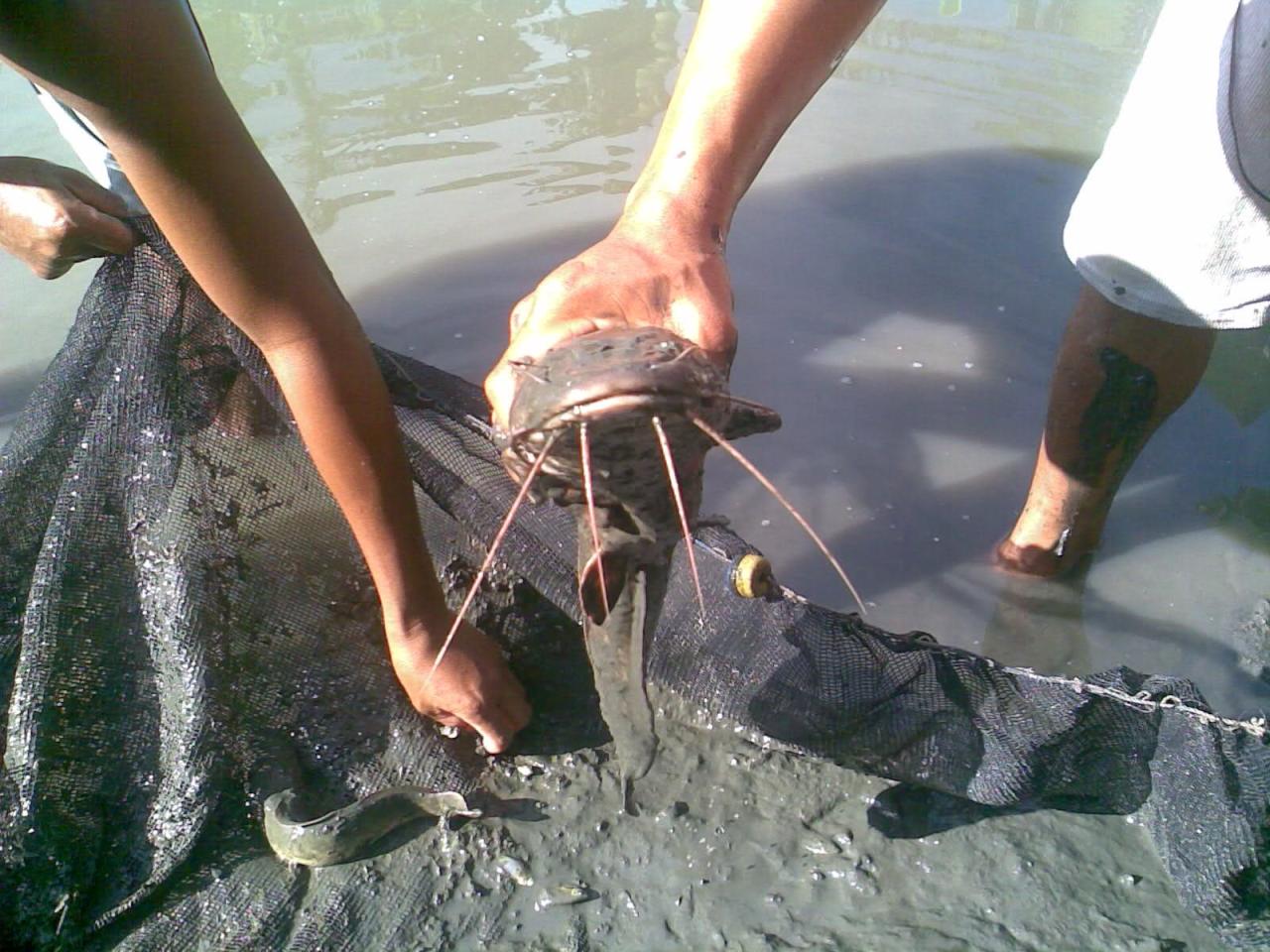
Effective management of feeding systems and equipment is vital for ensuring consistent feed delivery, optimal fish growth, and operational efficiency in catfish farming. Proper selection, maintenance, and monitoring of feeding machinery not only improve feed conversion ratios but also minimize waste and reduce labor costs. Adopting suitable feeding systems tailored to farm size, layout, and management style enhances overall productivity and fish health.
This section provides an overview of various feeding systems, their maintenance, calibration, and best practices for monitoring feed intake and fish health, ensuring sustainable and profitable aquaculture practices.
Design Descriptions for Different Feeding Systems
Catfish farmers have several options for feeding systems, each with unique advantages and considerations. The choice depends on farm scale, resources, labor availability, and specific management goals. Below are common feeding systems used in commercial and small-scale operations:
| Feeding System | Description | Advantages | Considerations |
|---|---|---|---|
| Automatic Feeders | Mechanical devices programmed to dispense predetermined feed quantities at set intervals, often using timers or sensors. | Ensures precise, consistent feeding; reduces labor; minimizes feed wastage. | High initial investment; requires regular maintenance; vulnerable to power outages. |
| Hand Feeding | Farmers manually deliver feed directly into the water or feeding trays at scheduled times. | Flexible; allows for observation of fish behavior; easy to implement on small farms. | Labor-intensive; inconsistent feeding times; potential for overfeeding or underfeeding. |
| Flood Feeding | Dispersing feed during water exchange or flooding events, often in extensive pond systems. | Natural feed distribution; reduces labor; suitable for large-scale pond setups. | Less control over feed amount; can lead to feed loss; dependent on water management practices. |
Maintaining and Calibrating Feeding Equipment
Consistent feed delivery hinges on proper maintenance and calibration of feeding equipment. Regular upkeep ensures accuracy, prevents equipment breakdowns, and extends the lifespan of machinery. Calibration aligns feed output with desired delivery rates, helping to avoid overfeeding or underfeeding, which can affect fish health and feed costs.
Calibration Formula: Feed Rate (g) = Desired feed amount per fish × Number of fish / Number of feeding cycles
- Perform routine inspections for wear, corrosion, and blockages in feeders, gears, and motors.
- Adjust feed rate settings periodically based on fish size, growth stage, and feed conversion efficiency.
- Test the output volume regularly by collecting dispensed feed and measuring weight to ensure accuracy.
- Keep detailed records of calibration adjustments and maintenance activities for future reference and troubleshooting.
Best Practices for Monitoring Feed Intake and Fish Health
Monitoring feed intake and fish health is crucial for optimizing feeding strategies and ensuring the overall well-being of catfish populations. Consistent observation helps detect early signs of nutritional deficiencies, stress, or disease, allowing for timely intervention.
- Maintain daily records of feed delivered and residual feed to assess consumption patterns.
- Observe fish behavior during and after feeding for signs of satiation, aggression, or abnormal activity.
- Use sample fish to evaluate growth rates, condition factors, and fattening indicators periodically.
- Regularly check water quality parameters such as oxygen levels, pH, and temperature, as these influence feed intake and health.
- Implement a responsive feeding schedule that adjusts to seasonal changes, fish age, and environmental conditions.
Incorporating these management practices enhances feed efficiency, supports healthy growth, and promotes sustainable production systems in catfish aquaculture.
Common Feeding Challenges and Solutions
Feeding catfish efficiently is crucial for successful aquaculture operations, yet it often presents certain challenges that can affect fish health, growth rates, and water quality. Recognizing and addressing these issues promptly can help optimize production while minimizing environmental impact and operational costs.Improper feeding practices can lead to a range of problems, from water pollution caused by excess feed and waste to poor fish growth due to underfeeding.
Overfeeding is a frequent issue that results in uneaten feed accumulating in the water, leading to deteriorated water quality, increased oxygen demand, and potential outbreaks of diseases. Conversely, underfeeding can cause stunted growth, increased susceptibility to stress, and uneven size distribution within the stock. Additionally, inappropriate feeding techniques can cause stress to the fish, leading to reduced feed intake and compromised immune responses.
Frequent Feeding Problems and Diagnostic Procedures
Understanding the root causes of feeding issues involves careful observation and analysis of fish behavior, water quality, and feed management practices. Identifying symptoms early allows for corrective measures before problems escalate.
- Overfeeding: Commonly revealed by excess feed remaining uneaten after scheduled feeding times, decline in water quality parameters such as dissolved oxygen and ammonia levels, and increased sedimentation at the pond bottom. Fish may appear sluggish or demonstrate signs of bloating.
- Underfeeding: Indicated by fish showing persistent hunger, slow growth, and increased feed conversion ratios. A noticeable decrease in activity levels and feed intake are also signs, often accompanied by weight disparities among fish.
- Water pollution from improper feeding: Excess feed decomposes, releasing ammonia, nitrites, and organic matter that elevate biological oxygen demand (BOD). This leads to hypoxia conditions, stressing the fish and creating a breeding ground for pathogens.
Strategies for Correcting Feeding-Related Issues
Effective correction involves systematic adjustments based on continuous monitoring and adaptive management.
- Implement a strict feeding schedule based on the fish’s appetite and growth stage, avoiding both excessive and insufficient feeding.
- Utilize feed trays or feeding rings to control feed dispersion and minimize wastage. Observing fish response during feeding times helps fine-tune the amount of feed given.
- Regularly test water quality parameters such as dissolved oxygen, ammonia, nitrite, and pH. Immediate action, such as aeration or partial water exchange, can mitigate pollution caused by overfeeding.
- Adjust feed composition and pellet size to match the size and nutritional needs of the fish, preventing selective feeding or waste.
- Introduce gradual feed reduction if water quality deteriorates, followed by cleaning of ponds or tanks to remove accumulated waste and uneaten feed.
Balancing Feed Costs with Optimal Growth Performance
Achieving economic efficiency in feeding requires a strategic approach that balances the expense of high-quality feeds against the benefits of enhanced growth and feed conversion ratios.
Efficient feeding practices should aim to maximize fish growth while minimizing feed wastage and environmental impact, ensuring sustainability and profitability.
- Use of formulated feeds with appropriate nutrient profiles tailored to the specific growth stages of catfish can improve feed efficiency and reduce unnecessary expenses.
- Implementing precise feeding techniques, such as automatic feeders or manual feed based on fish appetite, helps prevent overfeeding and reduces feed costs.
- Monitoring growth performance metrics, including specific growth rate (SGR) and feed conversion ratio (FCR), guides adjustments in feeding rates to optimize costs.
- Incorporating locally available, cost-effective ingredients into supplemental feeds can lower overall feed costs without compromising nutritional quality.
- Regular evaluation of feed expenses relative to fish biomass gain ensures that feeding strategies remain economically viable and environmentally sustainable.
Impact of Water Quality and Environment on Feeding
Effective feeding of catfish is significantly influenced by the surrounding water conditions. Variations in water quality parameters such as temperature, oxygen levels, and overall water cleanliness can alter feeding behavior, growth rates, and health. Recognizing and adjusting to these environmental factors are crucial for maintaining optimal feeding routines and ensuring the well-being of the fish.
Monitoring water quality parameters regularly and understanding their impacts enable fish farmers to develop adaptive feeding strategies. This proactive approach minimizes stress on the fish, promotes efficient feed utilization, and enhances overall productivity, especially when environmental conditions fluctuate due to seasonal changes or unforeseen events.
Influence of Water Temperature, Oxygen Levels, and Water Quality on Feeding Behavior
Water temperature, oxygen availability, and water purity directly affect the metabolic activity and appetite of catfish. These parameters determine the fish’s ability to digest and assimilate nutrients effectively. Deviations from ideal conditions can lead to reduced feeding activity, slower growth, or health issues, which in turn impact feeding schedules and rationing.
Optimal water temperature for feeding catfish typically ranges between 25°C and 30°C, where their metabolic processes operate efficiently. Temperatures below or above this range can suppress appetite or cause stress, leading to irregular feeding. Adequate dissolved oxygen levels, generally above 5 mg/L, are essential for maintaining normal activity levels and digestion. Poor water quality, including high ammonia or nitrite levels, can cause fish to become lethargic, reduce feed intake, or even result in mortality if unaddressed.
For example, during an unexpected drop in water temperature due to seasonal shifts, fish may slow their feeding or become inactive. Similarly, in overcrowded tanks, oxygen levels may decline, necessitating adjustments to feeding times or the amount of feed dispensed to prevent wastage and ensure all fish receive adequate nutrition.
Procedures for Adjusting Feeding Routines in Response to Environmental Changes
Adapting feeding routines according to fluctuating environmental conditions is critical for maintaining fish health and growth. Regular water quality testing should be performed using reliable kits or sensors to detect changes promptly. Based on these readings, farmers can implement specific adjustments to feeding schedules and ration sizes.
In colder conditions, feeding frequency should be reduced to prevent uneaten feed from decomposing and polluting the water. Conversely, if water temperature rises and fish become more active, increasing feeding frequency may be beneficial, provided water quality remains stable. In situations where oxygen levels drop, it may be necessary to decrease feed amounts temporarily or enhance aeration systems to ensure fish are not deprived of essential oxygen during feeding.
Implementing a flexible feeding plan involves closely observing fish behavior, such as feeding response and activity levels, and correlating these observations with water parameters. For instance, if fish show sluggishness and refuse feed during low oxygen periods, supplemental aeration should be prioritized alongside adjusted feeding routines. Once environmental conditions stabilize, feeding can gradually return to normal levels.
Optimizing Feeding for Different Pond or Tank Conditions
Environmental variations across ponds and tanks require tailored approaches to maximize feed efficiency and fish health. In well-maintained, aerated tanks with stable water quality, standard feeding schedules and high-quality formulated feeds can be employed confidently. Conversely, in ponds prone to temperature fluctuations or pollution, more cautious strategies are necessary.
In larger ponds where water conditions may vary spatially, dividing the pond into sections and monitoring each zone’s parameters ensures more precise feeding. For example, shallow areas exposed to sunlight may warm faster, increasing fish activity and appetite, thus warranting higher feed rates in those zones. Deeper or shaded areas with cooler water may require reduced feeding to prevent uneaten feed from accumulating, which could deteriorate water quality.
In situations where pond water quality is compromised, such as elevated ammonia or nitrite levels, performing partial water exchanges and adjusting feed quantities accordingly can mitigate stress. Additionally, incorporating aeration devices or biological filters helps stabilize oxygen levels, supporting consistent feeding activity. Regularly assessing environmental conditions and customizing feeding routines accordingly promote optimal growth and health outcomes regardless of pond or tank variability.
Final Conclusion
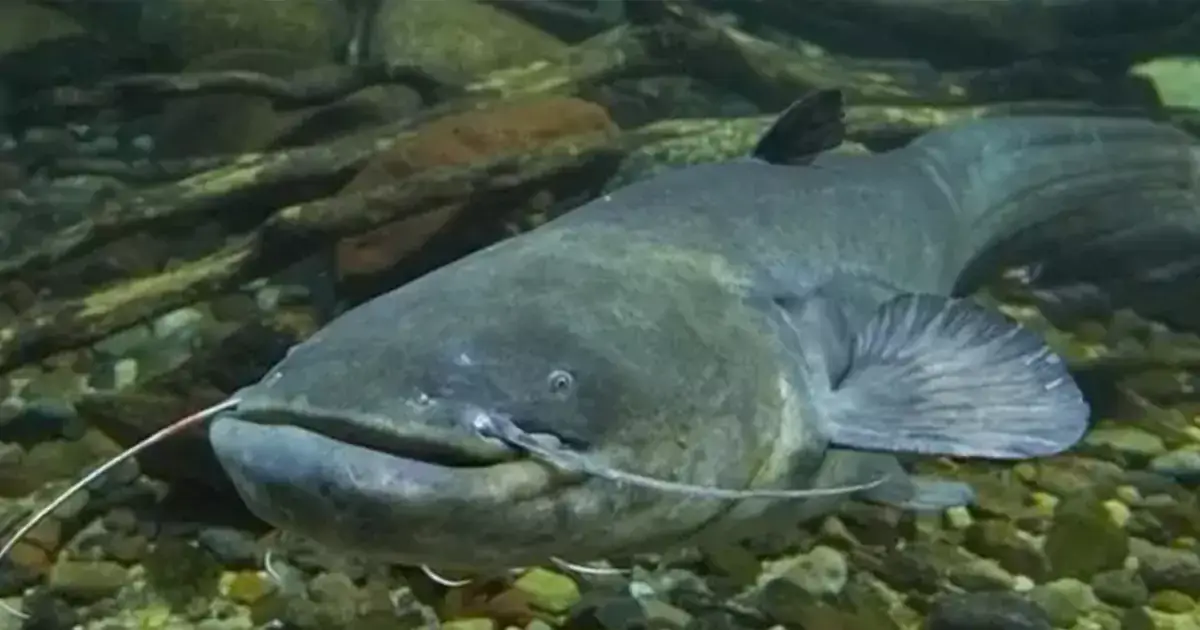
In summary, mastering the art of feeding catfish involves understanding their nutritional requirements, selecting appropriate feeds, implementing efficient feeding schedules, and managing environmental factors. With diligent application of these principles, you can achieve healthy, fast-growing catfish while maintaining water quality and operational efficiency.