Controlling livestock odor is essential for maintaining a harmonious relationship between farms and their surrounding communities, as well as safeguarding environmental quality. Implementing effective odor management strategies not only enhances farm sustainability but also promotes better air quality and community well-being. This overview explores various methods and technologies that can significantly reduce odors emitted from livestock operations.
Understanding the sources of livestock odor, including manure decomposition and feed-related emissions, allows farm managers to adopt targeted practices such as proper waste handling, dietary adjustments, and technological solutions. By integrating these approaches, farms can effectively mitigate odor issues while maintaining productive operations.
Understanding Livestock Odor
Livestock odor arises from various biological and chemical processes occurring within animal husbandry environments. These odors not only affect the well-being of farm workers but also have significant implications for surrounding communities and ecosystems. Recognizing the origins, chemical composition, and comparison with other agricultural odors is essential for developing effective management strategies.
Livestock odors primarily originate from manure management, feed storage, and animal housing systems. These odors can permeate air quality, contributing to complaints about air pollution, and may even impact mental health and quality of life for nearby residents. The complexity of these odors stems from a mixture of organic compounds, which vary based on animal diet, manure handling methods, and environmental conditions.
Sources of Livestock Odor
The principal sources of livestock odors include manure decomposition, feed spillage, and waste management practices. When manure is stored or treated improperly, microbial activity breaks down organic matter, releasing odorous compounds into the atmosphere. Similarly, feed residues and bedding materials can emit distinct smells, especially when contaminated with moisture or decomposing organic material. The proximity of animal housing to residential areas can magnify the impact of these odors on communities.
Chemical Compounds Responsible for Livestock Odors and Their Formation Processes
Odors from livestock are mainly caused by volatile organic compounds (VOCs), ammonia, hydrogen sulfide, and other sulfur-containing compounds. These chemicals are generated during the microbial breakdown of organic waste in manure, bedding, and feed residues.
- Ammonia (NH3): Produced from the breakdown of urea in animal urine, ammonia has a sharp, pungent smell and can cause respiratory issues.
- Hydrogen Sulfide (H2S): Formed during anaerobic decomposition of sulfur compounds in manure, it has a rotten egg odor and can be hazardous at high concentrations.
- Methane (CH4): Also a byproduct of anaerobic digestion, methane is odorless but signifies anaerobic conditions in manure storage.
- Volatile Organic Compounds (VOCs): Including compounds like phenols, indoles, skatoles, and volatile fatty acids, these contribute to the characteristic manure smell and can vary based on diet and waste management practices.
“The formation of odorous compounds is heavily influenced by microbial activity, environmental temperature, and the handling procedures of manure and waste residues.”
Comparison of Livestock Odors versus Other Agricultural Odors
The nature and persistence of odors vary among different agricultural practices. Understanding their differences aids in targeted mitigation strategies.
| Source | Composition | Duration | Mitigation |
|---|---|---|---|
| Livestock Manure | Ammonia, hydrogen sulfide, VOCs, organic acids | Hours to days, depending on storage and weather conditions | Proper aeration, manure cover, diet adjustments |
| Crop Residue Burning | Particulate matter, NOx, SOx | Days during and after burning | Alternative residue management, crop rotation |
| Pesticide Application | Pesticide vapors, solvents | Hours to a few days | Adherence to application guidelines, buffer zones |
| Fruit and Vegetable Processing | Odorous VOCs, organic acids | Varies with operation scale and process | Odor control systems, biofilters |
Best Practices in Livestock Management
Implementing effective livestock management techniques is crucial for minimizing odor emissions from livestock facilities. Proper management not only enhances animal health and productivity but also significantly reduces environmental impacts, ensuring sustainable farm operations and improved community relations.
Adopting a comprehensive management approach involves various strategies, from daily routines to infrastructural modifications. These practices collectively contribute to controlling odorous emissions, promoting a healthier environment for both animals and humans.
Management Techniques to Reduce Odor Emissions
Effective livestock management encompasses a range of techniques designed to minimize odor generation at the source and through proper handling processes. The following practices are essential:
- Maintaining optimal animal density to prevent overstocking, which can lead to increased waste production and odor.
- Implementing regular cleaning schedules for animal housing and equipment to limit organic buildup that causes odor.
- Ensuring proper ventilation within livestock facilities to facilitate air exchange and reduce ammonia and odor concentrations.
- Providing appropriate diet formulations that optimize digestion and reduce manure odor, such as incorporating feed additives that bind ammonia.
- Managing manure application timing and methods to prevent odor dispersion, favoring application during periods of low wind activity.
- Utilizing buffer zones and vegetative barriers around facilities to trap and diminish airborne odor plumes.
Procedural Steps for Manure Handling and Storage
Proper manure management is critical for controlling odors. Implementing a systematic approach ensures that manure is handled and stored in ways that minimize odor emissions and environmental contamination.
- Collection: Regularly collect manure to prevent excessive accumulation, which intensifies odor. Use sloped floors and drainage systems to facilitate easy removal.
- Transportation: Transport manure promptly from the point of collection to storage facilities to limit odor buildup near animal housing.
- Storage: Store manure in covered, airtight containers or lagoons to contain odors and prevent emissions. Consider using anaerobic digesters to treat manure while producing biogas.
- Application: Apply manure during calm weather conditions and at recommended agronomic rates to reduce volatilization of odorous compounds.
- Monitoring and Maintenance: Regularly inspect storage units for leaks or breaches and maintain cover integrity to ensure odor containment.
Management Methods, Expected Results, and Necessary Materials
To facilitate understanding and implementation, the following organized table summarizes key management methods, their anticipated outcomes, and the materials required:
| Method | Expected Results | Necessary Materials |
|---|---|---|
| Optimizing Animal Density | Reduced waste accumulation and lower odor levels in facilities | Space planning tools, appropriate fencing, and bedding materials |
| Regular Cleaning and Disinfection | Limited organic buildup, leading to decreased odor emissions | Cleaning agents, water supply, brushes, and disinfectants |
| Effective Ventilation Systems | Improved air quality and dilution of odorous gases | Fans, ductwork, and air filters |
| Proper Manure Storage | Minimized odor escape and environmental contamination | Airtight lagoons or covered storage tanks, liners, and odor-control covers |
| Timely Manure Application | Reduced volatilization of odorous compounds and minimized nuisance | Application equipment, weather monitoring tools, and nutrient management plans |
Feed and Dietary Adjustments
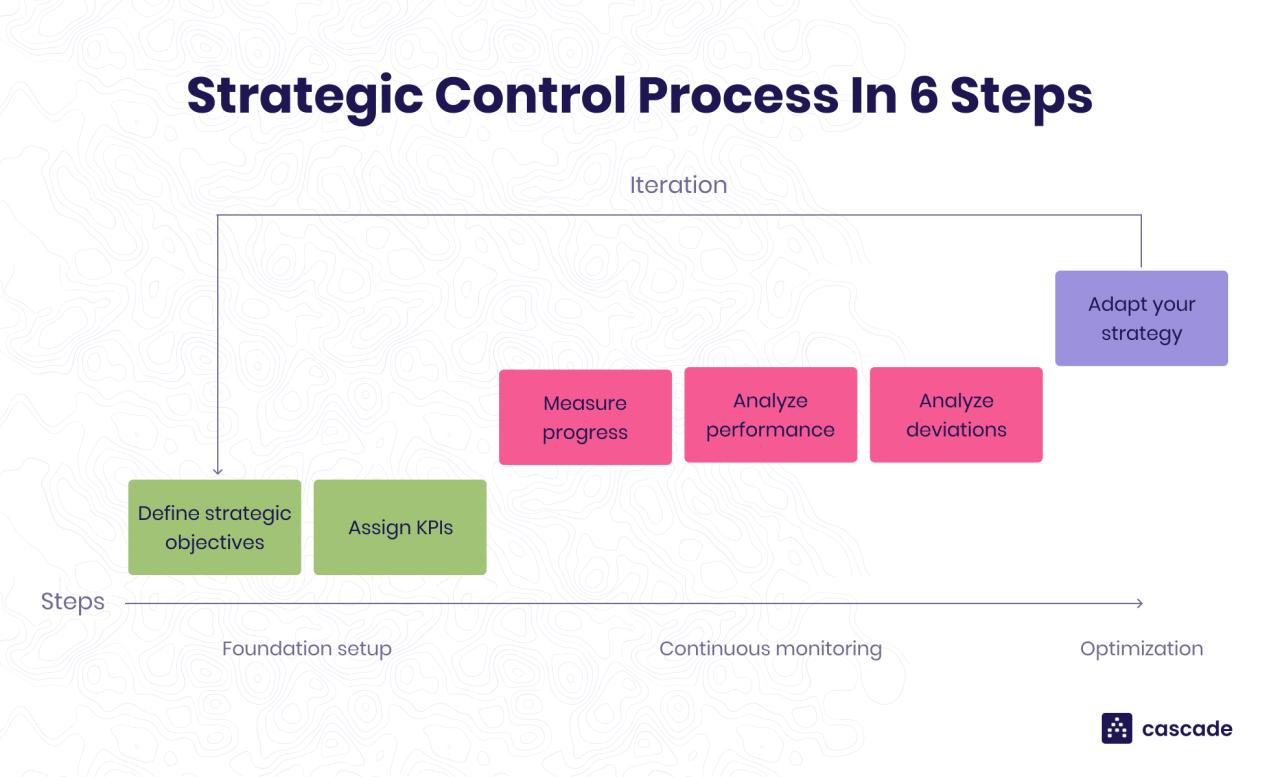
Optimizing livestock diets offers a practical approach to mitigating odor emissions, particularly those associated with ammonia and other volatile compounds. Dietary modifications influence the composition and digestion processes within the animals, thereby reducing the formation of odorous substances that are expelled through manure and urine. Implementing targeted feeding strategies can improve environmental quality while maintaining animal health and productivity.
By adjusting the types and ratios of feed ingredients, producers can effectively decrease the production of odorous compounds such as ammonia, hydrogen sulfide, and volatile fatty acids. These adjustments not only contribute to odor control but can also enhance feed efficiency and overall animal performance when carefully managed.
Dietary Modifications to Reduce Odor Production
Several dietary modifications have been identified as effective in reducing livestock odor emissions. These include increasing the intake of digestible fiber, supplementing with specific additives, and balancing nutrient profiles to minimize excess nitrogen excretion. Such modifications focus on improving gut health, enhancing nutrient absorption, and reducing the substrates available for odorous compound formation.
Feed Ingredients Known for Reducing Odorous Compounds
Research has demonstrated that certain feed ingredients can help lower the levels of ammonia and other unpleasant odors emanating from livestock operations. Incorporating these ingredients into diets can be a beneficial component of odor management strategies:
- Feeding Corn Silage and Fermented Forages: These high-quality forages are rich in digestible fiber, which promotes better fermentation in the gut and reduces nitrogen excretion.
- Adding Enzymes and Probiotics: Enzymes such as phytase improve mineral absorption, while probiotics support a healthy gut microbiome, decreasing the production of odorous compounds.
- Inclusion of Acid-Producing Additives: Organic acids like formic or lactic acid can lower intestinal pH, inhibit harmful bacteria, and reduce ammonia emissions.
- Use of Fat Supplements: Fats can decrease fermentation of nitrogenous compounds, thereby reducing ammonia production.
- Incorporating Tannin-Rich Feeds: Tannins can bind to proteins, decreasing their breakdown and subsequent ammonia release.
Feeding Strategies, Advantages, and Limitations
Implementing specific feeding strategies can effectively mitigate odors; however, each approach has its benefits and considerations that need to be evaluated in the context of overall animal health and farm management goals.
- Reducing Crude Protein in Diets
Lowering dietary crude protein levels can decrease nitrogen excretion and odor emissions, especially ammonia. This strategy is effective when diets are balanced to meet animal requirements without excess protein. However, excessive reduction may compromise growth rates and milk production, necessitating careful formulation.
- Enhancing Digestibility of Feed
Using highly digestible feed ingredients reduces waste and nitrogen excretion, leading to less odorous manure. The main advantage is improved nutrient utilization, but it may involve higher costs or limited ingredient availability.
- Adding Feed Additives (Probiotics, Enzymes, Organic Acids)
These additives support gut health and inhibit odorous microbial activity, thus reducing emissions. While beneficial, their effectiveness varies depending on application methods and environmental conditions, and ongoing costs should be considered.
- Balancing Mineral Content
Proper mineral supplementation, particularly with sulfur and other trace minerals, can influence odor production. Correct balancing minimizes excess mineral excretion and associated odors, but requires precision in formulation to avoid deficiencies or toxicities.
Waste Management Techniques

Effective waste management is crucial for controlling odor emissions from livestock operations. Implementing appropriate systems can significantly reduce the release of malodorous compounds into the environment, thereby improving air quality and the overall well-being of farmworkers and nearby communities. Selecting the right waste treatment approach depends on farm size, available resources, and specific odor concerns.
Various waste management methods, including composting, anaerobic digestion, and solid separation, offer unique benefits and challenges. Understanding how to optimize each technique is essential for achieving odor mitigation goals while maintaining environmental sustainability and farm efficiency.
Composting
Composting involves aerobic decomposition of organic waste, transforming manure and other organic residues into stable, nutrient-rich soil amendments. Proper composting reduces odors by encouraging aerobic microbial activity, which minimizes the production of unpleasant gases such as hydrogen sulfide and ammonia. To optimize composting processes:
- Maintain Adequate Aeration: Turning the compost regularly ensures oxygen availability, promoting aerobic decomposition and reducing foul odors.
- Manage Moisture Levels: Keeping moisture around 50-60% facilitates microbial activity without creating anaerobic pockets that emit odors.
- Balance Carbon to Nitrogen Ratio: Using sufficient bedding material or carbon-rich amendments like straw or woodchips helps stabilize the compost and suppress odor formation.
- Cover Compost Piles: Using covers or windrows shields from wind dispersion and limits odor escape, especially during high-temperature phases.
Consistent monitoring and adjusting parameters such as temperature (aiming for 55-65°C during active composting) enhance microbial efficiency and odor control.
Anaerobic Digestion
Anaerobic digestion entails the breakdown of organic waste by microbes in oxygen-free conditions, producing biogas (methane and carbon dioxide) and digestate. This method effectively captures odorous compounds, converting manure into valuable energy and reducing emissions. To optimize anaerobic digestion:
- Maintain Stable Temperature: Operating at mesophilic (35-40°C) or thermophilic (50-55°C) conditions ensures microbial activity and consistent biogas production.
- Control pH Levels: Keeping pH between 6.8 and 7.2 encourages microbial stability and minimizes odor production.
- Feed Consistently and Appropriately: Regular, balanced feeding reduces fluctuations that can lead to odor spikes.
- Ensure Proper Mixing and Retention Time: Adequate mixing and retention times of 15-30 days facilitate complete digestion and odor reduction.
Biogas capture not only minimizes nuisance odors but also provides renewable energy for farm operations, exemplified by farms converting manure into electricity or heat.
Solid Separation
Solid separation involves mechanically or hydraulically partitioning manure into liquid and solid fractions. The solid fraction, often enriched with organic matter, can be composted or used as bedding, thereby reducing overall odor emissions from raw manure handling. Optimizing solid separation involves:
- Using Effective Mechanical Equipment: Screw presses, centrifuges, or belt filter presses efficiently separate solids while minimizing residual odors.
- Rapid Processing: Immediate separation after manure collection prevents the buildup of odors associated with stored liquid manure.
- Proper Storage of Solid Fraction: Storing separated solids in covered, aerated containers limits odor release until subsequent utilization.
- Adjusting Solid Content: Ensuring optimal solid content enhances subsequent treatment effectiveness and odor suppression.
Combining solid separation with composting or digesting the separated solids can further enhance odor control and resource recovery.
Comparison of Waste Management Techniques
| Technique | Benefits | Drawbacks |
|---|---|---|
| Composting |
|
|
| Anaerobic Digestion |
|
|
| Solid Separation |
|
|
Use of Additives and Coverings
Effective odor control in livestock operations can be significantly enhanced through the strategic application of additives and coverings. These methods serve as vital tools to minimize the release of odorous compounds, improve environmental conditions, and promote healthier facilities for both animals and workers. Incorporating appropriate additives and coverings complements other management practices, resulting in a comprehensive approach to odor mitigation.
Additives and coverings work by either chemically neutralizing odor-causing compounds, promoting microbial activity that breaks down odorous materials, or physically blocking odor emission pathways. Their application must be carefully planned and executed to maximize effectiveness and ensure compliance with environmental standards.
Application of Additives
Applying additives such as enzymes, probiotics, and chemical agents requires precise timing and proper dosage to optimize their odor-controlling properties. These additives are introduced into manure, slurry, or storage tanks to enhance biological decomposition and reduce the production of volatile odorous compounds.
Steps for effective additive application include:
- Assessing manure or waste characteristics to determine the appropriate additive type and dosage.
- Preparing the application equipment, ensuring proper mixing and calibration for even distribution.
- Adding the additive during manure handling or storage, preferably at times of minimal agitation to enhance contact with waste materials.
- Monitoring the effectiveness over time and adjusting dosages as needed based on odor levels and waste characteristics.
Some effective additives and their mechanisms include:
| Additive Type | Examples | Mechanism of Action |
|---|---|---|
| Enzymes | Proteases, lipases, cellulases | Accelerate the breakdown of organic matter, reducing substrate availability for odor-producing bacteria |
| Probiotics | Beneficial bacteria like Bacillus subtilis, Lactobacillus spp. | Outcompete odorous bacteria, promote stable microbial communities that decompose waste efficiently |
| Chemical Agents | Alum (aluminum sulfate), lime (calcium hydroxide), oxidizers | Bind or neutralize odorous compounds chemically, reduce pH to inhibit odor-causing bacteria, or oxidize volatile compounds |
Application of Coverings on Manure Storage and Treatment Tanks
Physical coverings serve as an effective barrier to odorous emissions emanating from manure storage facilities and treatment tanks. Proper installation and maintenance of coverings are crucial for maximizing odor mitigation and preventing environmental contamination.
Step-by-step procedures for applying coverings include:
- Evaluating the type and size of the storage tank or manure pit to select the appropriate covering system, such as floating covers, fixed covers, or dome structures.
- Preparing the surface area by cleaning and inspecting for any damages or leaks.
- Installing the cover material securely, ensuring that it is properly anchored and sealed to prevent leaks and gas escape.
- Regularly inspecting the covering for integrity, tears, or punctures, and performing necessary repairs promptly.
- Implementing maintenance schedules to maintain the cover’s effectiveness over time.
Examples of effective coverings include:
- Floating Covers: Made of impermeable materials like high-density polyethylene (HDPE) or geomembranes, these covers float on the manure surface, trapping odorous gases and reducing emissions.
- Rigid Fixed Covers: Constructed from durable materials such as steel or reinforced concrete, these covers are permanently sealed over storage tanks, often used in conjunction with ventilation systems.
- Dome Covers: Curved, airtight covers that provide a natural barrier against gas escape and are often used in anaerobic digesters or slurry tanks.
Environmental Controls and Technology
Implementing advanced environmental control systems is vital for effective livestock odor management. These technologies not only help in reducing odor emissions but also enhance overall air quality within and around livestock facilities. Proper selection, design, and installation of these systems can significantly contribute to sustainable livestock operations and community relations.
State-of-the-art air treatment methods such as biofilters, scrubbers, and other specialized technologies are increasingly being adopted in livestock management. Understanding their operation, benefits, and implementation strategies enables producers to optimize odor control while maintaining economic viability and environmental responsibility.
Technological Solutions for Odor Control
Various technological interventions are available to treat and reduce odorous emissions from livestock facilities. These systems often operate in conjunction with existing waste management practices, providing an effective barrier against odor dispersion. Below are some of the most prominent technologies used in modern livestock odor control, their functions, costs, and relative effectiveness.
| Technology | Function | Cost | Effectiveness |
|---|---|---|---|
| Biofilters | Use naturally occurring microorganisms to biologically degrade odorous compounds as air passes through a medium such as compost, wood chips, or soil. The biofilter traps and transforms volatile compounds into less harmful substances, effectively reducing odors. | Moderate initial investment with ongoing maintenance; typically ranging from $20 to $50 per square meter of filter area. | Highly effective for many odorous compounds, capable of removing up to 90% of odors depending on filter media and system design. |
| Scrubbers | Employ liquids such as water or chemical solutions to scrub odorous gases from exhaust air streams. The gases are absorbed or reacted with chemicals, neutralizing offensive odors before release into the environment. | Higher initial costs generally between $50 and $150 per square meter of treatment area; operational costs depend on chemical usage and system size. | Effective for a broad range of odorous compounds; removal efficiencies often between 80-95%, especially when tailored with specific chemical agents. |
| Air Treatment Systems (Oxidizers, UV Photolysis) | Utilize chemical oxidation or ultraviolet light to neutralize odorous molecules in the air. These systems can be integrated into existing ventilation structures for continuous odor control. | Costs vary widely, from $10,000 to over $100,000 based on capacity and technology complexity. | Generally provides 70-90% odor reduction, suitable for high-density operations requiring rapid treatment. |
| Other Technologies (Electrostatic Precipitators, Activated Carbon Filters) | Electrostatic precipitators remove particulate matter along with associated odorous compounds, while activated carbon filters adsorb volatile compounds from the air stream. | Costs depend on system size and media replacement frequency; activated carbon filters may cost $50-$200 per cubic meter of media replaced annually. | Electrostatic precipitators can achieve 50-80% reduction, while activated carbon filters often reach 60-85% effectiveness depending on application. |
Design and Installation of Environmental Control Systems
Effective deployment of air treatment technologies involves careful planning, site assessment, and integration with existing facility infrastructure. The design process should consider airflow rates, odor sources, climate conditions, and available space to optimize system performance. Installation must adhere to manufacturer specifications and environmental regulations, ensuring safe operation and maintenance access.
For biofilters, selecting appropriate media that supports microbial activity, ensuring proper airflow distribution, and maintaining moisture levels are critical for consistent odor removal. Scrubber systems require proper sizing and chemical dosing control to maximize efficiency and minimize operational costs. Collaboration with specialists and adherence to local standards help ensure systems operate reliably, providing long-term odor control benefits.
Regulatory and Community Engagement

Effective odor control in livestock operations extends beyond technical solutions to encompass compliance with environmental regulations and proactive engagement with local communities. Adhering to legal requirements not only reduces the risk of penalties but also fosters trust and collaboration with stakeholders. Engaging communities early and transparently helps address concerns, mitigate conflicts, and promote sustainable livestock management practices.Compliance with environmental regulations related to odor management involves staying informed about local, state, and federal guidelines.
These regulations may specify permissible odor levels, waste handling procedures, and reporting obligations. Non-compliance can lead to fines, operational restrictions, or legal actions, which can adversely affect the farm’s reputation and profitability. Therefore, implementing practices aligned with these standards, such as maintaining proper waste storage, implementing odor mitigation techniques, and documenting activities, is essential.Engagement with local communities should focus on transparent communication, responsiveness to concerns, and collaborative problem-solving.
When communities feel heard and involved, it reduces misunderstandings and opposition. Proactive strategies include regular informational meetings, providing updates on odor management efforts, and establishing channels for feedback. Building positive relationships also involves educating residents about livestock operations, demonstrating commitment to environmental stewardship, and addressing odor complaints promptly.
Best Practices for Regulatory Compliance
Adhering to existing environmental laws and guidelines requires a systematic approach to monitoring and documentation. Livestock operations should establish standard operating procedures (SOPs) that incorporate regulatory requirements into daily practices. Regular inspections, record-keeping, and audits ensure continuous compliance and facilitate reporting obligations. Engaging with environmental consultants or local agencies can help interpret complex regulations and implement best practices.
Strategies for Community Engagement
Building rapport with local residents and authorities involves open, ongoing communication. Livestock operations can adopt several strategies to address odor concerns proactively:
- Establish Communication Channels: Create dedicated contact points, such as a community liaison or hotline, to receive and respond to odor complaints or inquiries promptly.
- Regular Updates and Transparency: Hold informational sessions, distribute newsletters, or share social media updates regarding odor control measures, operational changes, and environmental performance.
- Participate in Community Meetings: Attend local forums and public hearings to voice commitment to odor management and listen to community feedback.
- Implement Feedback and Complaint Procedures: Develop clear processes for recording, investigating, and resolving odor complaints, ensuring timely and effective responses.
- Educational Outreach: Provide educational materials about livestock practices, odor mitigation efforts, and environmental stewardship initiatives to foster understanding and support.
Monitoring, Reporting, and Communication Techniques
Effective odor management and community engagement depend on transparent monitoring and reporting systems. These practices help demonstrate compliance, identify issues early, and maintain trust with stakeholders. Techniques include:
- Odor Monitoring: Use a combination of sensory assessments, odor dispersion modeling, and, where feasible, electronic odor sensors to track odor levels and patterns.
- Record Keeping: Maintain detailed logs of waste management activities, odor incidents, and mitigation measures. This documentation supports regulatory compliance and ongoing improvement.
- Reporting Procedures: Submit regular reports to regulatory agencies detailing odor control efforts, monitoring results, and incident responses. Ensure reports are accurate, comprehensive, and timely.
- Communication Strategies: Use clear, factual language in all communications with the community and regulators. Highlight proactive measures, successes, and ongoing commitments to odor reduction.
Transparency, consistency, and proactive engagement are the cornerstones of effective regulatory compliance and community relations in livestock odor management.
Case Studies and Practical Examples

Implementing effective livestock odor control strategies often benefits from real-world experiences that demonstrate successful applications. Examining diverse case studies provides valuable insights into tailored solutions that address specific farm challenges while improving environmental quality and community relations. These practical examples highlight best practices, innovative techniques, and measurable results that can serve as benchmarks for similar operations.
Below, several detailed case studies illustrate how different farms approached odor issues with customized solutions, combining management routines, technological interventions, and community engagement to achieve notable improvements in odor mitigation.
Case Study: Dairy Farm Adopts Feed Additives and Coverings to Reduce Odor
This dairy farm faced persistent strong odors emanating from manure storage areas, impacting neighboring residents and farm workers. The farm implemented a comprehensive plan integrating dietary modifications and physical coverings to address the issue effectively.
| Farm Type | Odor Issue | Solution Implemented | Results |
|---|---|---|---|
| Dairy Farm | Persistent manure odor affecting local community |
|
|
| Swine Operation | Ammonia and volatile organic compounds (VOCs) from pig housing |
|
|
| Beef Cattle Feedlot | Persistent manure and bedding odor in open feedlots |
|
|
Analyzing these case studies reveals that a combination of dietary strategies, physical modifications, and waste management practices can effectively mitigate odors. Tailoring solutions to specific farm types and issues produces measurable improvements and fosters sustainable livestock operations.
Conclusion
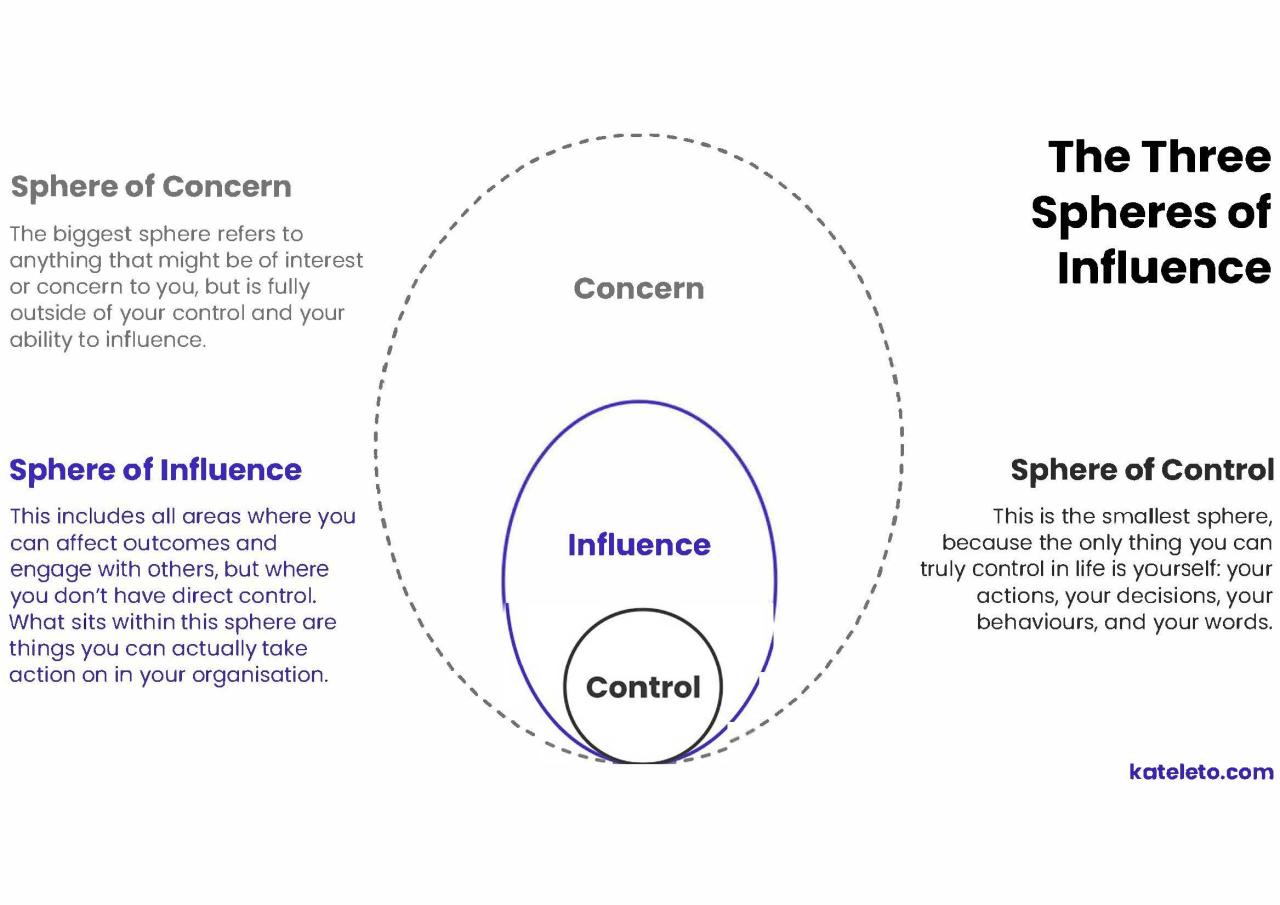
In conclusion, managing livestock odor requires a comprehensive approach that combines best management practices, technological innovations, and community engagement. By applying these strategies thoughtfully, farmers can reduce environmental impacts and foster positive relations with their neighbors. Continued efforts and innovations in odor control will further enhance the sustainability and acceptance of livestock industries worldwide.