Understanding how to feed turkeys effectively is essential for ensuring their health, growth, and productivity. Proper nutrition and feeding strategies can make a significant difference in the success of your turkey farming endeavors, whether you are a beginner or an experienced poultry enthusiast.
This comprehensive guide covers the fundamental requirements for feeding turkeys, including suitable feed types, optimal feeding schedules, and management techniques. By following these best practices, you can promote healthy development and prevent common feeding challenges that may arise along the way.
Nutritional Requirements for Feeding Turkeys
Providing turkeys with a balanced and nutritionally adequate diet is fundamental to their health, growth, and overall productivity. Different stages of a turkey’s life require tailored nutritional inputs to support proper development, immune function, and optimal meat quality. Understanding these specific needs helps poultry farmers formulate effective feeding strategies that promote healthy growth rates and economic efficiency.
Ensuring turkeys receive the appropriate nutrients at each growth phase involves careful consideration of their protein, carbohydrate, vitamin, and mineral requirements. Proper diet formulation not only supports rapid growth but also enhances resistance to diseases and improves feed conversion efficiency. The following sections detail the essential nutrients for various stages and Artikel the ideal composition of turkey feed to meet these needs.
Essential Nutrients at Different Growth Stages
Turkeys undergo several growth phases, including starter, grower, and finisher stages, each with unique nutritional demands. During the starter phase (up to 4 weeks old), the focus is on providing high-protein diets to support rapid muscle development and immune system maturation. The grower stage (4 to 12 weeks) requires a balanced intake of energy and nutrients to sustain steady growth, while the finisher phase (beyond 12 weeks) emphasizes energy conservation and final weight gain.
Proper nutrient levels at each stage prevent deficiencies, promote uniform growth, and optimize feed efficiency.
Ideal Composition of Turkey Feed
The formulation of turkey feed should be based on the specific requirements at each growth stage, with an emphasis on key nutrients that foster healthy development and productivity. The ideal diet generally contains:
- Proteins: 20-28% during starter, reducing to 14-16% during finisher stages to avoid excess fat deposition.
- Grains and Carbohydrates: Corn, wheat, and sorghum serve as primary energy sources, providing digestible carbohydrates necessary for growth and activity.
- Vitamins: Essential vitamins such as A, D3, E, and B-complex support immune functions, bone development, and overall health.
- Minerals: Adequate levels of calcium, phosphorus, sodium, and trace minerals like selenium and zinc are crucial for skeletal health and metabolic processes.
Comparison Table of Feed Ingredients and Their Nutritional Values
Understanding the nutritional contribution of various feed ingredients assists in formulating balanced diets for turkeys. The table below compares common ingredients based on their key nutritional components:
| Ingredient | Protein Content (%) | Energy (kcal/kg) | Fiber (%) | Key Vitamins & Minerals |
|---|---|---|---|---|
| Yellow Corn | 8-10% | 3,500 | 2.5% | Vitamin B complex, Phosphorus |
| Soybean Meal | 44-48% | 2,200 | 3% | High in Protein, Iron, Calcium |
| Wheat | 12-14% | 3,150 | 2% | B Vitamins, Manganese |
| Animal Fat | 0% | 8,800 | 0% | Essential fatty acids, Vitamin E |
Maintaining a balanced diet with appropriate nutrient levels at each growth stage is vital for optimal turkey health, efficient growth, and high-quality meat production.
Types of Feed Suitable for Turkeys
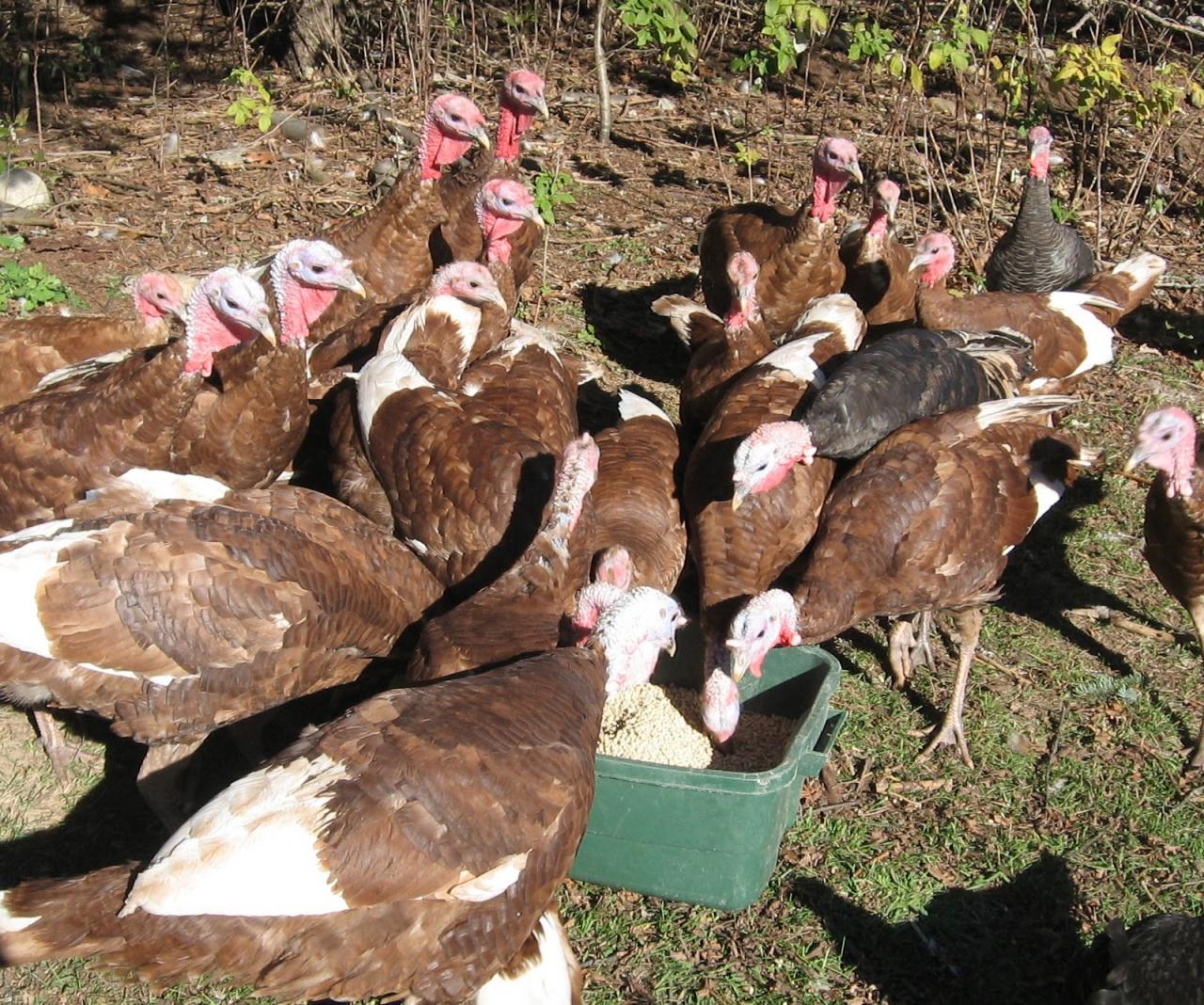
Providing a well-balanced diet is essential for healthy turkey growth and optimal productivity. Understanding the different feed options available allows poultry farmers and enthusiasts to tailor feeding strategies that meet the specific nutritional needs of turkeys at various life stages. The selection of appropriate feed types can also influence growth rate, health, and overall farm profitability.
Turkeys can be fed a variety of diets, each with its own advantages and limitations. These include commercial formulated feeds, natural foraging options, and supplemental treats that can enhance their diet. Selecting the right combination depends on factors such as age, purpose (meat or breeding), and resource availability.
Commercial Feed
Commercial turkey feeds are specially formulated to meet all essential nutritional requirements. These feeds often come in pelleted or mash form and are available in starter, grower, and finisher varieties to match the turkeys’ developmental stages. The formulations are balanced to support rapid growth, immune function, and reproductive health.
Benefits of commercial feed include consistency in nutrient content, convenience, and ease of feeding management. Drawbacks may include higher costs and dependence on processed ingredients, which could raise concerns about additives or preservatives used in some brands.
Natural Forage and Grazing
Allowing turkeys access to natural forage such as grasses, weeds, insects, and seeds can supplement their diet with additional fiber and micronutrients. Foraging encourages natural behavior and can reduce feed costs, especially in free-range systems. However, the nutritional content of forage varies with season and location, which can lead to inconsistencies in intake.
Feeding turkeys solely on foraging is suitable for certain periods or in extensive systems but may not suffice for optimal growth, especially for meat production. It is ideal when combined with other feed sources to balance their diet.
Supplemental Treats
Supplementary treats serve as nutritional supplements or enrichment for turkeys, often used to encourage foraging and improve overall well-being. Suitable treats include kitchen scraps, vegetables, fruits, and grains. These should be given in moderation to prevent nutritional imbalances.
While treats can enhance feed intake and provide enrichment, they should not replace balanced diets and must be free from harmful substances. Overfeeding treats, especially those high in fats or sugars, can lead to health issues such as obesity or digestive disturbances.
Safe and Unsafe Feeding Ingredients for Turkeys
Understanding which ingredients are safe or unsafe is essential to prevent poisoning and ensure optimal health in turkeys. The following list highlights common ingredients and their safety status:
Safe Ingredients include: corn, soybeans, wheat, oats, barley, greens, vegetables, fruits, and commercial poultry feed formulations.
Unsafe Ingredients include: raw or spoiled foods, onions, garlic, chocolate, caffeine, moldy grains, avocados, green potatoes, and any food containing harmful additives or preservatives.
- Safe Ingredients: Corn, soybeans, wheat, oats, barley, leafy greens, carrots, apples (without seeds), pumpkins, and commercial feed.
- Unsafe Ingredients: Raw potatoes, green tomatoes, onions, garlic, chocolate, caffeine, moldy or spoiled grains, green or sprouted seeds, avocados, and foods containing artificial chemicals or preservatives.
Preparing Homemade Turkey Feed Mixes
Homemade feed mixes can be a cost-effective way to provide nutritious diets for turkeys, especially in small-scale or backyard settings. The key is to balance ingredients to meet their dietary needs for energy, protein, vitamins, and minerals.
Typical homemade turkey feed includes grains, protein sources, and supplemental nutrients. A common recipe might combine ingredients such as:
- Base grains like cracked corn and wheat for energy.
- Protein sources such as soybean meal, sunflower seeds, or cooked eggs.
- Calcium sources like crushed oyster shells or crushed eggshells.
- Green vegetable scraps or finely chopped greens for vitamins and fiber.
- Mineral supplements or commercial premixes to ensure micronutrient adequacy.
Sample Homemade Mix:
Cracked corn (60%), soybean meal (20%), chopped greens (10%), crushed oyster shells (5%), mineral premix (5%). Adjust proportions based on age and nutritional needs.
It is vital to ensure ingredients are clean, free from mold, and suitable for poultry consumption. Regular consultation with a poultry nutritionist can help optimize homemade mixes for specific flock requirements.
Benefits and Drawbacks of Each Feed Type for Different Ages
Each feed type offers distinct advantages and limitations that vary with the age and purpose of the turkeys. Recognizing these differences enables better management and feeding strategies.
| Feed Type | Advantages | Limitations | Best For |
|---|---|---|---|
| Commercial Feed | Balanced nutrients, consistent quality, easy to administer | Higher cost, dependence on processed ingredients | All ages, especially during rapid growth phases |
| Natural Forage | Cost-effective, enriches natural behavior, provides fiber | Variable nutrient content, may not meet complete nutritional needs alone | Adult turkeys in free-range systems, supplementary feeding at all ages |
| Supplemental Treats | Diet enrichment, encourages foraging, improves welfare | Risk of nutritional imbalance if overused | Young poults and adult turkeys in moderation |
In summary, combining these feed options according to the age and specific needs of turkeys can promote healthy growth, prevent deficiencies, and enhance overall productivity in poultry management practices.
Feeding Schedules and Portion Control
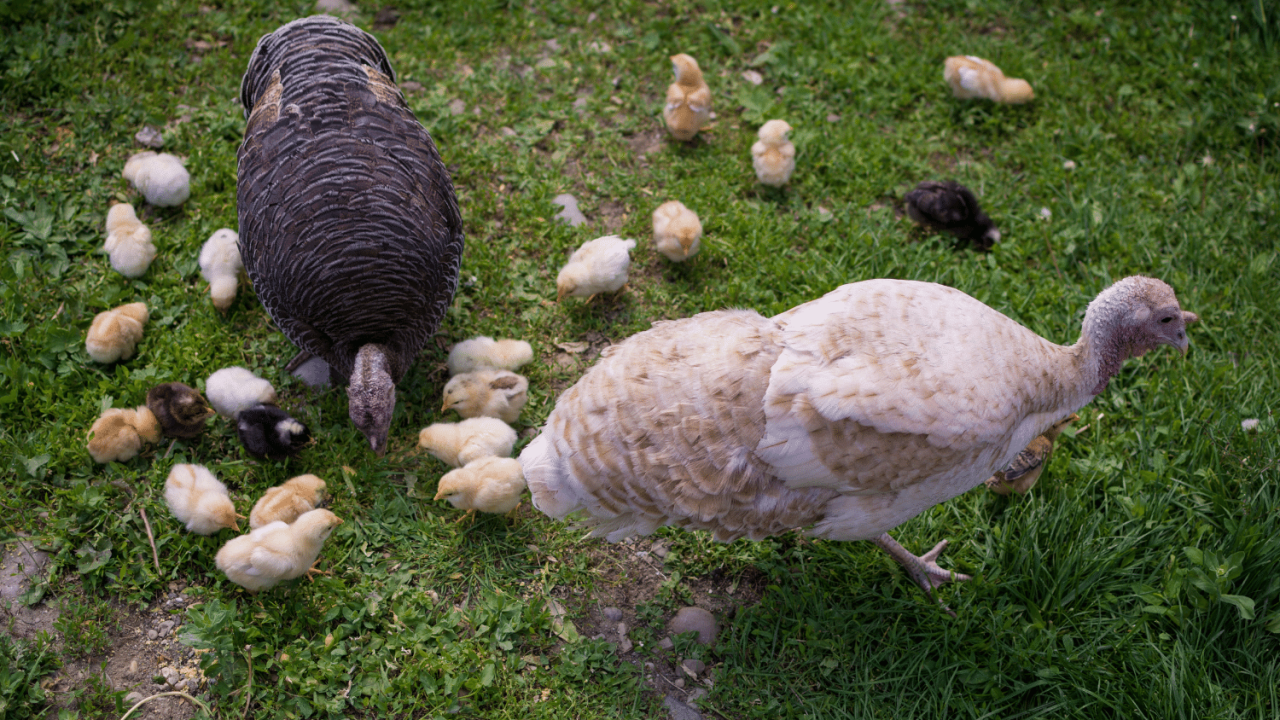
Effective feeding schedules and precise portion control are essential components in ensuring healthy growth and optimal production in turkeys. Proper timing and amount of feed not only promote steady development but also prevent issues related to overfeeding or underfeeding, such as obesity or nutritional deficiencies. By tailoring feeding routines to different age groups, farmers can optimize growth rates and improve overall flock health.A well-structured feeding schedule takes into account the specific needs of turkeys at various stages of their life cycle, balancing energy and nutrient intake with their growth requirements.
Monitoring and adjusting feed based on turkey appetite and behavior further enhances feed efficiency and prevents wastage.
Structured Feeding Timetable for Different Age Groups
To support the varying nutritional needs of turkeys from hatch to maturity, a sample feeding timetable can be structured as follows:
- Chicks (0-4 weeks): Feed small quantities frequently to match their small stomach capacity. Provide feed 4-6 times daily at regular intervals, ensuring constant access to fresh feed and water.
- Juveniles (5-12 weeks): Gradually reduce feeding frequency to 3 times daily. Increase portion sizes to support rapid growth while avoiding overfeeding that can lead to leg and metabolic issues.
- Mature Turkeys (13 weeks and onwards): Transition to 2-3 feedings per day with larger portions. Focus on maintaining body condition and preparing for the breeding or market phase.
Portion Sizes and Feeding Frequency for Steady Growth
Accurate portioning is vital to prevent nutritional deficits or excesses that could impair health. As turkeys grow, their feed intake increases significantly, necessitating adjustments in portions.
- Chicks: Feed approximately 15-20 grams per bird per day, divided into 4-6 feedings. Frequent smaller meals improve digestion and nutrient absorption.
- Juveniles: Increase to 70-120 grams per bird daily, divided into three feedings. Ensure feed is palatable and easily accessible to encourage intake.
- Mature Turkeys: Provide about 250-400 grams per bird daily, split into 2-3 feedings. Focus on maintaining consistent intake to support reproductive health and body condition.
Monitoring Appetite and Adjusting Feed
A systematic approach to observing and adjusting feed based on turkey appetite enhances feeding efficiency:
- Observe daily consumption patterns: Record the amount of feed offered and remaining at each feeding to determine actual intake.
- Assess bird activity and behavior: Healthy turkeys exhibit active behavior and regular feed intake, while decreased interest may signal health issues or inappropriate feed portions.
- Adjust portions based on intake: If turkeys leave excessive feed, slightly reduce portions to prevent waste. Conversely, if they finish their feed quickly and appear hungry, increase portions gradually.
- Monitor growth performance: Regularly weigh a sample of turkeys to ensure they are developing according to expected benchmarks, and tweak feeding schedules accordingly.
- Implement incremental changes: Changes should be made gradually over several days to allow adaptation and avoid digestive disturbances.
Comparison of Feeding Frequency and Portion Sizes Across Age Groups
| Age Group | Feeding Frequency | Average Portion Size per Bird per Day | Notes |
|---|---|---|---|
| Chicks (0-4 weeks) | 4-6 times daily | 15-20 grams | Small, frequent meals to facilitate digestion |
| Juveniles (5-12 weeks) | 3 times daily | 70-120 grams | Gradual increase supports rapid growth |
| Mature Turkeys (13+ weeks) | 2-3 times daily | 250-400 grams | Focus on maintaining body condition and reproductive health |
Consistent monitoring and adjusting of feeding routines based on observed appetite and growth metrics are crucial for raising healthy, productive turkeys. Applying these structured schedules ensures that each bird receives appropriate nutrition at every stage, promoting overall flock vigor and productivity.
Feeding Techniques and Management

Effective feeding techniques and diligent management practices are fundamental to ensuring the health, productivity, and overall well-being of turkeys. Proper methods prevent feed wastage, reduce contamination risks, and promote uniform growth across the flock. Implementing these practices requires understanding both the setup of feeding equipment and the strategic management tailored to different husbandry systems, whether free-range or confined.
Adopting precise feeding methods and regular maintenance routines not only optimize feed utilization but also contribute to disease prevention and improved economic returns. The following guidelines provide insights into best practices for feeding turkeys effectively while minimizing environmental impact and ensuring animal welfare.
Proper Feeding Methods to Prevent Waste and Ensure Even Distribution
Using appropriate feeding techniques is vital for delivering the correct amount of nutrients while avoiding wastage and ensuring all turkeys receive adequate nutrition. Uniform feed distribution encourages healthy growth and reduces feed competition among birds.
Implement the following practices to optimize feeding efficiency:
- Distribute feed in multiple feeding points if the flock is large, ensuring even access for all turkeys.
- Use feeders that prevent feed spillage by design, such as troughs with raised edges or adjustable openings.
- Adjust feeding quantities based on the age, size, and production stage of the birds to prevent overfeeding or underfeeding.
- Introduce feeding schedules that align with the turkeys’ natural feeding behavior to promote consistent intake.
Setup of Feeders to Minimize Contamination and Spoilage
Proper setup of feeders is essential for maintaining feed quality and preventing contamination, which can lead to illness and reduced productivity. Well-designed feeders facilitate easy access, reduce feed wastage, and limit exposure to environmental contaminants.
Key considerations include:
- Position feeders in well-ventilated, dry areas away from water sources to prevent moisture accumulation that fosters mold and bacteria growth.
- Ensure feeders are elevated from the ground to prevent contact with manure, dirt, and pests.
- Use feeders with tight-fitting covers or lids to protect feed from dust, insects, and other contaminants.
- Arrange feeders in a manner that allows easy cleaning and inspection, reducing residual feed buildup that could spoil.
Procedures for Cleaning and Maintaining Feeding Equipment
Regular cleaning and maintenance of feeding equipment are crucial for maintaining feed hygiene and preventing disease transmission. Dirty or damaged feeders can harbor pathogens and lead to feed contamination.
Adopt the following procedures:
- Clean feeders thoroughly with hot water and suitable disinfectants at least once weekly or more frequently if needed.
- Remove any feed residues, dust, or debris after each cleaning session to prevent mold and bacterial growth.
- Inspect feeders regularly for signs of wear, damage, or rust, and repair or replace parts as necessary to ensure smooth operation.
- Ensure all cleaning agents are thoroughly rinsed off before refilling with fresh feed to prevent chemical contamination.
Best Practices for Free-Range versus Confined Feeding Setups
The management of feeding practices varies significantly between free-range and confined systems. Understanding these differences helps optimize feed efficiency and bird welfare in each setting.
In free-range systems, turkeys forage naturally and supplement their diet with available vegetation and insects, reducing the reliance on commercial feed. Nonetheless, providing supplemental feed through strategically placed feeders encourages balanced nutrition and prevents overreliance on forage alone.
Key practices for free-range setups include:
- Utilizing mobile or hanging feeders to minimize ground contamination and prevent feed spillage.
- Positioning feeders along shaded areas or shelter to encourage consistent access and reduce feed spoilage from weather exposure.
- Monitoring forage and supplemental feed intake regularly to adjust quantities and prevent underfeeding.
In confined systems, precise control over feed delivery is essential. Feeders are typically stationary and designed for easy access and sanitation.
Best practices include:
- Using automatic or manual feeders that dispense measured amounts to prevent overfeeding and waste.
- Ensuring the feeders are placed in ventilated, protected areas to minimize spoilage and pest attraction.
- Implementing strict cleaning routines and routine inspections to maintain hygiene standards.
Maintaining proper feeding techniques and equipment hygiene safeguards turkey health, enhances growth performance, and optimizes resource use across different husbandry systems.
Common Feeding Challenges and Solutions
Proper feeding management is crucial to maintaining healthy and productive turkeys. Despite careful planning, poultry farmers often encounter challenges that can compromise the health and growth of their flocks. Recognizing these issues early and implementing effective strategies can significantly improve feeding outcomes and overall flock welfare.Addressing common feeding challenges involves understanding their root causes and adopting practical solutions to prevent and resolve them.
From issues related to overfeeding and underfeeding to nutritional deficiencies, each problem requires targeted interventions to ensure turkeys receive optimal nutrition without wastage or health risks.
Overfeeding and Underfeeding
Overfeeding can lead to excessive weight gain, obesity-related health problems, and increased feed costs, while underfeeding hampers growth, weakens immunity, and prolongs the time to reach market weight. Both issues stem from improper feed quantity management and require vigilant monitoring.To prevent overfeeding, farmers should establish and adhere to precise feeding schedules based on the age and size of the turkeys.
Using portion control tools and regular weighing helps maintain appropriate intake levels. Conversely, underfeeding can be addressed by regularly assessing bird weight and adjusting feed quantities accordingly, ensuring each bird receives enough nutrients to support healthy growth without excess.
Nutritional Deficiencies
Nutritional deficiencies, such as lack of essential vitamins and minerals, can manifest as poor feathering, weak bones, or decreased egg production in breeding turkeys. These deficiencies often result from an unbalanced diet or inadequate supplement intake.Implementing a balanced diet formulated based on the specific nutritional needs of turkeys at different growth stages is vital. Routine feed analysis and periodic blood tests can help detect deficiencies early.
When deficiencies are identified, supplementing feed with targeted vitamins and minerals, such as calcium for bone strength or vitamin A for immune health, can mitigate health problems.
Strategies to Address Feed Wastage and Spoilage
Efficient feed management minimizes wastage, reduces costs, and prevents spoilage that could harbor harmful bacteria. Common causes of wastage include spillage, improper storage, and overfeeding.To reduce wastage, use appropriate feeders that limit spillage and adjust feeding quantities to match consumption rates. Store feed in airtight, cool, and dry conditions to prevent spoilage caused by moisture, pests, and mold. Regular cleaning of feeders and storage areas also helps maintain feed quality.
Troubleshooting Steps for Diet-Related Health Issues
When health issues arise that are linked to diet, systematic troubleshooting is essential. Begin by assessing recent feed formulations and feeding practices, checking for nutritional imbalances or contamination. Observe the affected birds for symptoms such as lethargy, diarrhea, or abnormal feathering.The troubleshooting process involves:
- Review feed records to identify recent changes or inconsistencies.
- Inspect feed storage for contamination, spoilage, or pests.
- Consult with a veterinary nutritionist to analyze feed composition and nutrient levels.
- Conduct health assessments of the flock, including necropsy if necessary, to identify underlying causes.
- Adjust diet formulations based on findings, correcting deficiencies or excesses.
- Implement preventive measures, such as routine feed testing and health monitoring, to avoid recurrence.
Feeding Problem Troubleshooting Flowchart
A structured approach enables quick identification and resolution of common feeding issues:
Step 1: Observe bird behavior and performance (growth rate, feed intake, health status).
Step 2: Check feed records and recent changes in diet or feeding routines.
Step 3: Examine feed storage and quality for spoilage, contamination, or pests.
Step 4: Perform physical examination of affected birds for clinical signs.
Step 5: Consult with a veterinarian or nutritionist for feed analysis and health assessment.Step 6: Make necessary diet adjustments and reinforce feeding protocols.
Step 7: Monitor subsequent flock performance and health to evaluate effectiveness.
Ending Remarks
In conclusion, mastering how to feed turkeys involves understanding their nutritional needs, choosing appropriate feed options, and implementing effective feeding routines. With attentive management and proper diet planning, you can ensure robust health and optimal growth for your turkeys, leading to a successful and sustainable poultry venture.