Learning how to deworm animals is an essential aspect of maintaining their overall health and productivity. Proper deworming practices not only protect animals from internal parasites but also promote better growth, reproduction, and well-being. Understanding the types of parasites, appropriate medications, and effective treatment strategies ensures that animals remain healthy and productive throughout their lives.
This guide provides comprehensive information on the importance of deworming, types of medications available, signs of parasitic infestations, and best practices for administering treatments. By following these guidelines, animal owners and caretakers can implement effective parasite control programs tailored to their specific animals’ needs.
Introduction to Deworming Animals
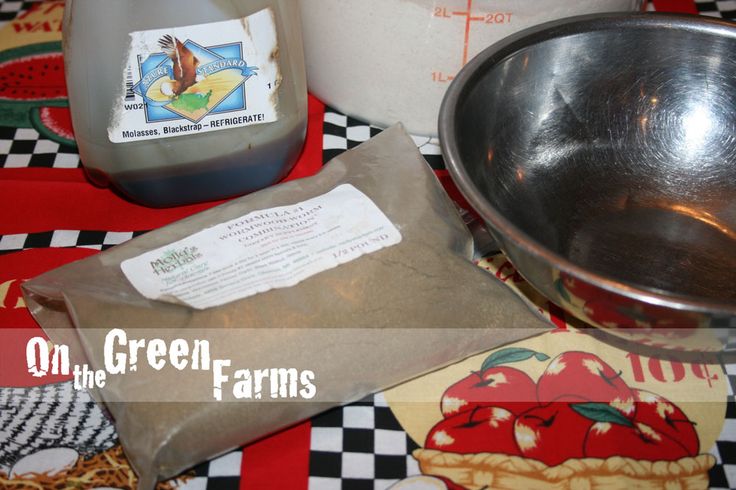
Deworming is a vital practice in maintaining the health, productivity, and overall well-being of both livestock and companion animals. Internal parasites can significantly impair an animal’s growth, reproductive performance, and resistance to diseases, making regular deworming an essential component of responsible animal management.
Effective deworming involves the strategic use of anthelmintic medications to eradicate common internal parasites that threaten animal health. Recognizing the types of parasites and understanding the appropriate timing for treatment helps prevent infestations from reaching problematic levels, ensuring animals remain healthy and productive.
Common Types of Internal Parasites Affecting Animals
Internal parasites pose a persistent challenge in animal husbandry, with several species capable of causing clinical and subclinical health issues. Awareness of these parasites aids in selecting suitable deworming protocols and monitoring programs. Among the most prevalent internal parasites are:
- Roundworms (Nematodes): Such as
-Ascaris suum* in pigs,
-Toxocara canis* in dogs, and
-Ostertagia* spp. in cattle. These worms often reside in the intestines, causing malnutrition, diarrhea, and poor growth. - Hookworms (Ancylostoma spp.): These parasites attach to the intestinal wall, leading to anemia, weight loss, and weakness. They are common in both dogs and livestock.
- Whipworms (Trichuris spp.): Residing in the large intestine, whipworms can cause inflammation, diarrhea, and in severe cases, rectal prolapse.
- Cestodes (Tapeworms): Such as
-Dipylidium caninum* in dogs and
-Moniezia* spp. in ruminants. Tapeworm segments are often visible in feces and can cause nutritional deficiencies. - Liver flukes (Fasciola hepatica): Affecting ruminants, they cause liver damage and reduced productivity, especially in areas with wet pastures.
Guidelines for Deworming Frequency and Timing
Implementing an effective deworming schedule depends on the species, age, environment, and level of parasite exposure. Proper timing minimizes the development of drug resistance and ensures maximum efficacy. Key points include:
- Livestock: Generally, young animals require deworming every 6 to 8 weeks during the grazing season. Adults may be treated two to four times annually, with adjustments based on regional parasite load and pasture management practices.
- Pets: Dogs and cats typically undergo deworming every three months, especially if they have access to outdoor environments or are at higher risk of parasite exposure. Puppies and kittens often need more frequent treatments during their initial months.
- Environmental considerations: Deworming schedules should be adapted to seasonal patterns of parasite transmission. For example, in temperate regions, treatments may be more frequent during spring and autumn when parasite larvae are most active.
Consistent monitoring through fecal egg counts helps determine the need for additional treatments and assesses the effectiveness of deworming programs. Combining good pasture management, sanitation, and routine deworming creates a comprehensive approach to controlling internal parasites in animals.
Types of Deworming Medications
Understanding the various classes of anthelmintic drugs is essential for effective deworming of animals. Each class targets specific parasites and has unique properties that influence their choice and application in different veterinary contexts. Selecting the appropriate medication ensures optimal health outcomes and minimizes the risk of resistance development.
Anthelmintic medications are broadly categorized based on their chemical structure and mechanism of action. The most commonly used classes include benzimidazoles, macrocyclic lactones, imidazothiazoles, and levamisoles. These drugs are formulated to efficiently eliminate internal parasites such as roundworms, hookworms, whipworms, tapeworms, and flukes, depending on their spectrum of activity.
Classes of Anthelmintic Drugs
Each class of deworming medication has distinct characteristics that influence their selection for specific animals and parasites:
- Benzimidazoles: These are among the most widely used anthelmintics. They work by inhibiting the microtubule formation in parasites, leading to their death. Examples include albendazole and fenbendazole. They are effective against a broad range of gastrointestinal nematodes and some tapeworms.
- Macrocyclic Lactones: This class includes ivermectin, moxidectin, and selamectin. They increase the permeability of parasites to chloride ions, causing paralysis and death. Macrocyclic lactones are highly effective against nematodes and ectoparasites, with some formulations also targeting heartworms.
- Imidazothiazoles: Levamisole is a prominent drug in this category. It stimulates the nicotinic acetylcholine receptors, resulting in spastic paralysis of the worms. It primarily targets intestinal nematodes.
- Levamisoles: Similar to imidazothiazoles, levamisole is used to treat infections caused by gastrointestinal nematodes, especially in cattle and small ruminants. It offers a quick and effective elimination of parasites.
Comparison Table of Deworming Medications
Below is a comparative overview of select deworming medications highlighting their uses, target parasites, administration methods, and age suitability to assist in informed decision-making:
| Medication Name | Target Parasites | Administration Method | Age Suitability |
|---|---|---|---|
| Fenbendazole | Roundworms, whipworms, hookworms, some tapeworms | Oral paste or suspension | 2 weeks and older |
| Ivermectin | Gastrointestinal nematodes, heartworms, ectoparasites | Injectable, oral, topical | 8 weeks and older |
| Levamisole | Gastrointestinal nematodes | Oral or injectable | 6 weeks and older |
| Praziquantel | Tapeworms (cestodes) | Oral tablet or injection | Suitable for adult animals; consult veterinarian for young animals |
Popular deworming medications are selected based on their broad-spectrum activity, safety profile, and ease of administration. For example, fenbendazole is frequently used in small animals for its effectiveness against multiple nematodes and some cestodes, making it a versatile choice for routine deworming. Ivermectin is favored for its effectiveness against both internal and external parasites, especially in larger animals like cattle and horses.
Levamisole offers rapid action against gastrointestinal nematodes in livestock, and praziquantel is often combined with other drugs to eliminate tapeworm infections in dogs and cats.
Signs and Diagnosis of Parasitic Infestation

Recognizing the early signs of parasitic infestation in animals is crucial for timely intervention and effective treatment. Parasitic infections can manifest differently depending on the species and the type of parasite involved, affecting overall health, productivity, and longevity of the animal. Accurate diagnosis ensures that appropriate deworming strategies are implemented, preventing complications and reducing the risk of transmission to other animals or humans.
Diagnosis involves careful observation of clinical signs combined with diagnostic procedures such as physical examination and laboratory testing. These methods help identify the presence of internal or external parasites, determine the severity of infestation, and guide the selection of suitable deworming medications.
Signs Indicating Parasitic Infections in Animals
Different parasites affect animals in various ways, often leading to distinctive clinical signs. Recognizing these signs enables early detection and improves treatment outcomes.
- Gastrointestinal parasites (e.g., roundworms, hookworms, whipworms): Manifestations include diarrhea, constipation, weight loss, a dull coat, anemia, and abdominal discomfort. In severe cases, animals may exhibit vomiting or visible worms in feces.
- External parasites (e.g., fleas, ticks, mites): Symptoms comprise itching, scratching, hair loss, skin irritation, and anemia in cases of heavy infestations.
- Liver and lung parasites (e.g., flukes, lungworms): Signs include coughing, labored breathing, decreased appetite, and lethargy, often accompanied by abnormal lung sounds upon auscultation.
- Protozoan infections (e.g., coccidia, giardia): Animals may experience diarrhea, dehydration, weight loss, and poor growth performance.
Procedures for Detecting Parasitic Infestation
Effective detection of parasitic infections combines physical examination findings with laboratory tests to confirm the presence and type of parasites. This comprehensive approach ensures accurate diagnosis and appropriate treatment planning.
- Physical Examination: Veterinarians conduct a thorough physical check, observing for signs such as an abnormal fecal consistency, visible worms in stool, skin lesions, or anemia. Palpation may reveal enlarged organs like the liver or lymph nodes.
- Fecal Testing (Fecal Egg Count): The most common and reliable diagnostic tool involves analyzing fecal samples to detect parasite eggs, larvae, or cysts. Techniques include direct smear, flotation, and sedimentation methods.
Step-by-Step Guide for Collecting and Submitting Fecal Samples
Following proper procedures for sample collection enhances diagnostic accuracy and prevents contamination. The steps below Artikel best practices for collecting, storing, and submitting fecal specimens to a laboratory.
- Preparation: Use clean, dry containers with tight-fitting lids. Label the container with the animal’s name, date, and time of collection.
- Sample Collection: Collect fresh fecal material, preferably within 15-20 minutes of defecation, to ensure sample integrity. Use disposable gloves and a spatula or scoop to gather a representative sample from different parts of the feces.
- Sample Storage: If immediate submission isn’t possible, store the sample in a cool environment, such as a refrigerator at 4°C, and deliver it to the laboratory within 24 hours.
- Submission: Transport the sample in a sealed container to avoid contamination or spillage. Accompany the sample with relevant clinical information about the animal, including age, breed, health status, and observed signs.
- Follow-Up: Contact the laboratory to confirm receipt and inquire about testing procedures or additional requirements, ensuring timely processing of the sample.
Proper sample collection and timely submission are essential for accurate diagnosis, enabling targeted deworming and effective management of parasitic infestations.
Procedures for Deworming Animals
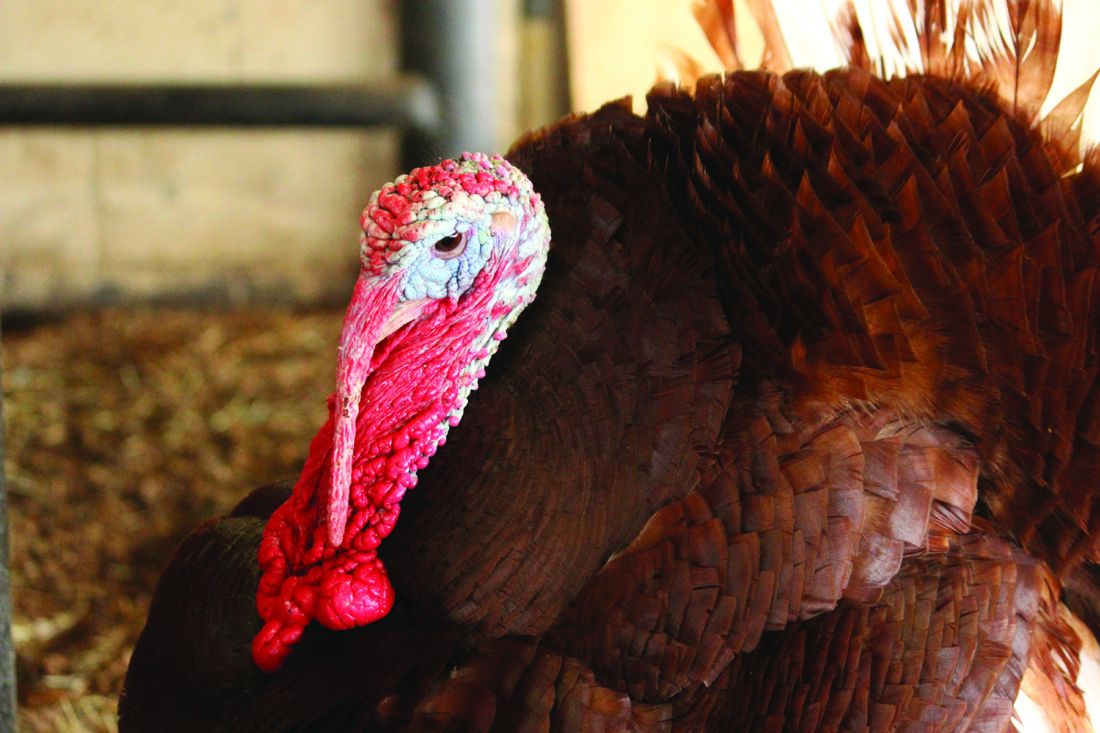
Implementing effective deworming procedures is essential to ensure the health and productivity of animals. Proper administration of deworming medications minimizes the risk of adverse reactions and ensures that parasitic infestations are effectively controlled. Following structured procedures helps maintain animal safety and optimizes treatment outcomes.
This section provides detailed guidance on the correct dosages, administration techniques for various animal species, a comprehensive procedural checklist, and safety precautions during deworming. Adhering to these protocols promotes humane treatment and effective parasite control.
Correct Dosages and Administration Techniques
Accurately determining the appropriate dosage based on animal species, age, weight, and health status is crucial for effective deworming. Administering the right dose prevents under-treatment, which may lead to persistent parasitic infections, and over-treatment, which could cause toxicity.
Different animal species require specific medication forms and administration routes to ensure proper absorption and efficacy. For example, small animals like dogs and cats typically receive oral tablets or topical medications, whereas large animals such as cattle may require injections or drench methods.
Accurate weight measurement is vital for dose calculation. Use a calibrated weighbridge for large animals and a digital or spring scale for smaller animals. For medications in liquid form, ensure proper measurement using syringes or dosing cups. Tablets should be given directly with water or concealed within food to improve acceptance.
Ensure the medication is well mixed and administered uniformly to achieve consistent dosing across the animal population.
Procedural Checklist for Deworming
Following a step-by-step checklist ensures the deworming process is systematic, safe, and thorough. This promotes animal well-being and maximizes treatment effectiveness.
- Preparation:
- Gather all necessary materials, including the correct medication, weighing equipment, syringes, and protective gear.
- Verify the medication’s expiration date and storage conditions.
- Identify the animals due for deworming and record their details, including age, weight, and health status.
- Ensure the animal is calm; if necessary, restrain or immobilize the animal gently.
- Medication Administration:
- Calculate the precise dose based on the animal’s weight and the manufacturer’s recommended dosage.
- Prepare the medication according to instructions, ensuring proper mixing or formulation.
- Administer the medication using the appropriate route—oral, injectable, or topical—while maintaining animal safety.
- Observe the animal during and immediately after administration for any adverse reactions.
- Post-Treatment Care:
- Monitor the animal for signs of discomfort, adverse reactions, or allergic responses.
- Record the treatment details, including date, medication name, dosage, and any observations.
- Advise owners or handlers on signs to watch for and any necessary follow-up actions.
- Ensure the animal is kept in a clean, comfortable environment to facilitate recovery.
Safety Precautions and Handling During Deworming
Maintaining safety during deworming procedures protects both the animal handler and the animal. Proper handling minimizes stress, prevents injuries, and reduces the risk of medication errors.
Implementing safety precautions involves using personal protective equipment such as gloves and masks, especially when handling potent medications or large animals. Proper restraint techniques are essential to prevent injuries to animals and handlers—small animals can be secured with gentle but firm hold, while large animals may require specialized equipment like halters or stocks.
Administer medications carefully to avoid accidental self-injection or ingestion. It is advisable to prepare doses in a clean, designated area to prevent contamination and ensure accuracy. During administration, keep the animal calm by speaking softly and handling gently, which decreases stress and movement that could lead to accidents.
In case of an adverse reaction, such as vomiting, allergic response, or sudden distress, immediately stop treatment and provide necessary first aid. Contact a veterinarian if severe reactions occur or if uncertain about the appropriate response.
Preventative Measures and Best Practices
Implementing effective preventative strategies is essential to minimize parasite infestations in animals and maintain a healthy environment. These measures not only reduce the frequency of deworming treatments but also promote overall well-being and productivity of the animals. A combination of hygiene practices, environmental management, and strategic fencing can significantly lower the risk of reinfestation, ensuring sustainable health management for livestock and pets alike.
Adopting integrated parasite control programs that blend deworming with environmental management strategies provides a comprehensive approach to parasite prevention. Such programs are tailored to specific animal populations and environmental conditions, resulting in more effective long-term control and healthier animals.
Methods to Reduce Parasite Exposure in Animals and Their Environment
Reducing exposure to parasitic agents requires proactive measures to limit contact with infective stages of parasites present in the environment. These methods involve both direct management of the animals and indirect control of their surroundings.
- Implement regular cleaning and disinfection routines in animal housing to eliminate parasite eggs and larvae from bedding, floors, and feeding areas.
- Provide clean, dry, and well-ventilated living quarters to minimize moisture and reduce habitat suitability for parasite development.
- Limit access to contaminated water sources and ensure fresh, clean water is always available to prevent ingestion of infective stages.
- Practice rotational grazing or pasture rest periods to interrupt the parasite life cycle by allowing contaminated areas to undergo natural desiccation or disinfection.
- Remove manure regularly and dispose of it properly to reduce the environmental load of infective parasite stages.
These practices significantly cut down the chances of animals ingesting infective parasite larvae or eggs, thus decreasing the likelihood of infestation and disease transmission.
Hygiene Practices, Pasture Management, and Fencing Strategies to Minimize Reinfestation
Maintaining proper hygiene and strategic environmental management are vital components of sustainable parasite control programs. These practices help break the life cycle of parasites and prevent reinfestation in animal populations.
- Hygiene Practices: Regularly cleaning and disinfecting animal living areas reduces the buildup of parasite eggs and larvae. Ensuring bedding is dry and replaced frequently prevents parasite development. Handlers should also practice good hygiene to avoid spreading parasites through contamination.
- Pasture Management: Implementing rotational grazing cycles allows contaminated areas to rest. Rest periods of 4-8 weeks can significantly diminish larval populations, especially when combined with manure removal and pasture reseeding. Avoid grazing young or vulnerable animals on contaminated pastures.
- Fencing Strategies: Installing fencing to restrict access to high-risk areas, such as damp, shaded zones where parasite larvae thrive, can reduce exposure. Using proper fencing also deters wild animals and rodents that may act as parasite reservoirs, thereby lowering reinfestation risks.
These environmental management strategies greatly contribute to reducing parasite loads and fostering a healthier environment for animals.
Examples of Integrated Parasite Control Programs
Successful parasite control often combines deworming schedules with environmental management techniques tailored to specific farm or facility conditions. For instance, a dairy farm employing a rotational grazing schedule, coupled with regular manure removal and pasture resting, was able to reduce parasite reinfestation rates by over 60% within a year. Additionally, strategic fencing was used to keep young calves away from contaminated areas, further minimizing infection risk.
“Integrated parasite management is more effective than relying solely on anthelmintic treatments, as it addresses both the biological and environmental factors contributing to infestations.”
Such programs exemplify how combining deworming with hygiene, pasture rotation, and fencing strategies can lead to sustainable parasite control, reduce drug resistance development, and improve overall animal health and productivity.
Potential Risks and Side Effects
While deworming medications are vital for maintaining the health and well-being of animals, it is essential to recognize that they can sometimes cause adverse reactions. Understanding these potential risks allows caretakers and veterinarians to administer treatments safely and respond promptly to any issues that may arise.
Proper management of side effects and correct dosing practices are critical in minimizing risks. Overdosing can lead to toxicity, while underdosing may not effectively eliminate parasites and can contribute to resistance development. Awareness of contraindications and situations requiring veterinary consultation ensures that deworming is both safe and effective for each individual animal.
Common Adverse Reactions and Management Strategies
Animals may occasionally exhibit side effects after deworming, which can range from mild to severe. Recognizing these reactions early and knowing how to manage them is vital to ensure animal safety and comfort.
- Gastrointestinal disturbances: Diarrhea, vomiting, or abdominal discomfort are common mild reactions. These usually resolve on their own but may require supportive care such as hydration and a bland diet.
- Allergic reactions: Swelling, itching, or difficulty breathing indicate hypersensitivity. Immediate veterinary attention is necessary, and antihistamines or corticosteroids may be administered as prescribed.
- Neurological signs: Tremors, ataxia, or seizures are rare but serious. These symptoms suggest toxicity and require urgent veterinary intervention.
In cases of adverse reactions, discontinuing the medication and consulting a veterinarian is crucial. Supportive care, including fluids and symptomatic treatment, may be employed to aid recovery.
Importance of Correct Dosing to Prevent Resistance Development
Accurate dosing of deworming medications is fundamental to safety and efficacy. Administering the correct dose ensures complete parasite elimination and reduces the risk of developing anthelmintic resistance, which can compromise future treatment effectiveness.
Overuse or subtherapeutic dosing encourages parasite survival, leading to resistant strains that are harder to eliminate, thereby threatening the long-term success of deworming programs.
To achieve proper dosing, it is essential to consider factors such as an animal’s weight, age, health status, and species-specific responses. Regular weight assessments and adherence to manufacturer guidelines help prevent both underdose and overdose.
Contraindications and Situations Requiring Veterinary Consultation
Certain animals or conditions necessitate professional veterinary advice before administering deworming medications. Recognizing contraindications helps prevent complications and ensures tailored treatment approaches.
- Pregnant animals: Some dewormers may pose risks during pregnancy and should only be used under veterinary guidance.
- Animals with existing health issues: Animals with liver, kidney, or other systemic diseases may require dosage adjustments or alternative treatments.
- Recent medication history: Animals recently treated with other drugs or vaccines may have interactions that need veterinary assessment.
Veterinary consultation is especially important when dealing with young, elderly, or immunocompromised animals, as they may have unique sensitivities or require specific treatment protocols.
Tips for Effective Deworming
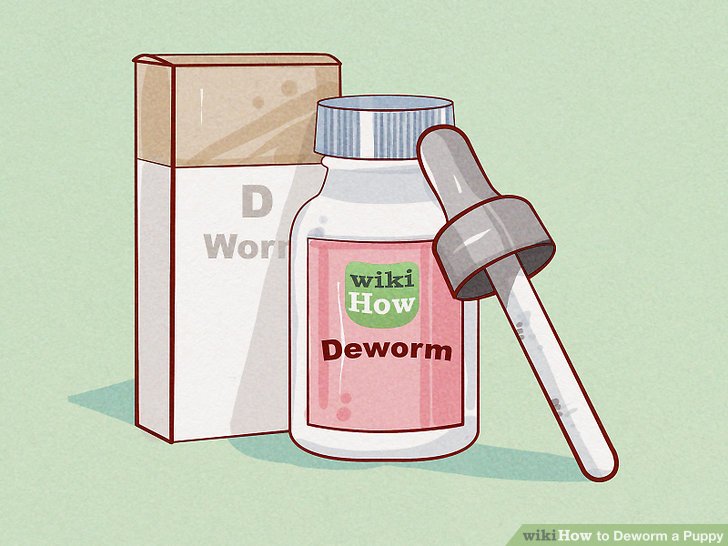
Implementing deworming protocols effectively is crucial to ensure that parasitic infestations are thoroughly managed and that animals remain healthy and productive. Proper timing, medication administration, and diligent monitoring can significantly enhance treatment success and prevent reinfestation.
Adhering to best practices during deworming not only optimizes medication absorption but also minimizes potential side effects and resistance development. This section provides practical tips to enhance the efficacy of deworming procedures across different animal species and age groups.
Methods to Ensure Proper Medication Absorption and Timing
Achieving maximum effectiveness from deworming medications depends on correct administration techniques and adherence to recommended schedules. Factors such as medication type, animal condition, and environmental considerations influence absorption and overall treatment success.
To optimize medication absorption:
- Ensure the animal is in a calm and relaxed state to prevent stress-related interference with swallowing or ingestion.
- Follow the prescribed dosage precisely; overdosing can cause toxicity, while underdosing may lead to ineffective treatment.
- Administer medications at the same time each day or according to the schedule to maintain consistent blood levels of the drug.
- Combine deworming with food if recommended, as some medications are better absorbed with a meal, preventing gastrointestinal irritation and improving efficacy.
Timing is critical to target different parasite life stages effectively. For example, administering dewormers before pasture rotation can significantly reduce environmental contamination.
Additionally, avoid administering medications during extreme weather conditions or when the animal is ill, as these factors can compromise absorption and immune response.
Example Deworming Schedules for Different Animals and Age Groups
Developing tailored deworming schedules enhances parasite control while reducing drug resistance. The following examples illustrate common protocols for various animals and age brackets:
- Sheep and Goats:
- Lambs and kids: Deworm at 2-3 week intervals during high-risk seasons (spring and fall) until they reach 3 months of age.
- Adults: Deworm every 4-6 weeks in endemic areas or as dictated by fecal egg counts.
- Cattle:
- Calves (up to 6 months): Deworm at 4-6 week intervals, especially during grazing seasons.
- Adult cattle: Deworm every 8-12 weeks, with additional treatments before and after grazing periods.
- Dogs and Cats:
- Young animals (puppies and kittens): Start deworming at 2-3 weeks of age, then repeat every 2-4 weeks until 3 months old.
- Adults: Deworm every 3-6 months, or more frequently if they have high exposure to parasite sources.
Adjustments to these schedules should be made based on regional parasite prevalence, animal health status, and veterinary advice.
Role of Record-Keeping and Monitoring Treatment Outcomes
Consistent record-keeping is vital for tracking deworming history, identifying patterns of reinfestation, and evaluating treatment effectiveness. Proper documentation helps in making informed decisions about future interventions and adjusting schedules accordingly.
Effective monitoring involves:
- Maintaining detailed logs of medication types, dosages, and administration dates for each animal.
- Scheduling follow-up fecal examinations to assess parasite load reduction post-treatment.
- Observing animals for any adverse reactions or side effects following deworming and documenting these incidents.
- Evaluating the overall health status and productivity metrics (e.g., weight gain, milk production) to gauge treatment success.
Regular monitoring and record-keeping empower livestock managers and pet owners to optimize deworming protocols, prevent parasitic resistance, and maintain animal well-being.
Ending Remarks
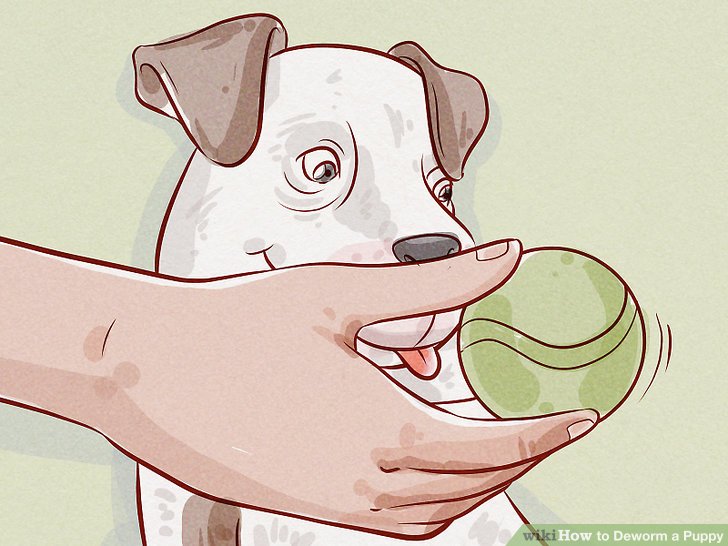
In summary, effective deworming is a cornerstone of responsible animal management, combining timely treatments with preventative measures to reduce reinfection risks. Regular monitoring, proper medication administration, and environmental management work together to ensure animals remain healthy and productive, fostering a sustainable and thriving environment for both livestock and pets.