How to fatten turkeys effectively involves a combination of strategic feeding, environmental management, and careful health monitoring. Achieving desirable weight gain while maintaining the well-being of the birds requires understanding the right nutrition, housing conditions, and supplementation techniques. Implementing these practices ensures healthy growth and successful fattening outcomes.
This comprehensive approach covers essential feeding strategies, optimal environmental conditions, the use of nutritional supplements, and ethical practices to promote rapid yet sustainable weight gain in turkeys. By closely monitoring progress and adjusting routines as needed, farmers can achieve the best results with efficiency and responsibility.
Techniques for Fattening Turkeys
Efficiently increasing the weight of turkeys requires a combination of strategic feeding, proper management, and understanding of nutritional needs. Implementing effective techniques ensures rapid growth while maintaining the health and well-being of the birds. Properly executed, these methods can lead to a healthy, market-ready turkey in a shorter period, maximizing productivity and profitability.
Optimizing turkey fattening involves selecting high-calorie, nutrient-dense feeds, establishing a consistent feeding schedule, and monitoring the birds’ health closely. This comprehensive approach ensures that turkeys gain weight efficiently without the risk of metabolic issues or obesity, which can adversely affect their overall health and quality of the meat produced.
Effective Feeding Strategies to Increase Turkey Weight Quickly
Feeding strategies play a crucial role in achieving rapid and healthy weight gain in turkeys. The focus should be on providing high-calorie, balanced diets that meet the birds’ nutritional requirements for growth and development. Adequate feed intake, combined with strategic feeding times, can significantly influence growth rates and overall productivity.
- Increase Feed Intake Gradually: Gradually escalating the feed amount encourages the turkeys to consume more calories without overwhelming their digestive systems. Start with standard rations and increase portions as birds adapt.
- Use High-Energy Feed Formulations: Incorporate energy-dense ingredients such as corn, soybean meal, and fats/oils to boost caloric content. These ingredients support rapid weight gain and improve feed conversion ratios.
- Supplement with Nutrient-Rich Additives: Additives like molasses or sugar can enhance palatability and energy density. Additionally, vitamin and mineral supplementation support overall health during rapid growth phases.
- Limit Stress and Ensure Clean Environment: Minimizing stress factors such as overcrowding or sudden environmental changes encourages consistent feed consumption and healthy growth.
High-Calorie and Nutrient-Rich Feed Options for Turkeys
Choosing the right feed options is vital for effective fattening. The focus should be on high-calorie, nutrient-rich feeds that support rapid growth while maintaining health. These feeds typically combine energy sources with essential nutrients to ensure balanced development.
| Feed Brand | Key Nutritional Contents | Benefits |
|---|---|---|
| Gold Turkey Grower | Crude protein: 22%, Metabolizable energy: 3,200 kcal/kg, Fats: 6% | Promotes rapid weight gain, improves feed efficiency, and supports immune health |
| Premium Fattening Mix | Crude protein: 20%, Metabolizable energy: 3,100 kcal/kg, Fats: 5.5% | Excellent for finishing phase, enhances meat quality, and supports overall growth |
| SuperNutri Turkey Feed | Crude protein: 23%, Metabolizable energy: 3,250 kcal/kg, Fats: 7% | High energy and protein content ideal for maximizing weight gain in a short period |
| Fattening Poultry Pellet | Crude protein: 21%, Metabolizable energy: 3,150 kcal/kg, Fats: 6% | Balanced nutrition for consistent growth with minimal health risks |
Feeding Schedule to Maximize Growth and Minimize Health Risks
Establishing an optimal feeding schedule is essential to promote steady weight gain while avoiding issues such as obesity or metabolic disorders. Consistency in feeding times and quantities, along with periodic adjustments, ensures that turkeys receive the right nutrients at appropriate intervals.
Feeding should be divided into 2 to 3 main meals daily, with a focus on morning, midday, and late afternoon to mimic natural feeding behaviors and optimize digestion.
A typical schedule involves:
- Initial Fattening Phase (Weeks 1–4): Provide nutritious, high-calorie feed thrice daily, with gradual increase in feed quantities based on the birds’ appetite and growth performance.
- Peak Fattening Phase (Weeks 5–8): Maintain consistent feeding times, monitor bird weight regularly, and adjust feed levels to prevent overfeeding or underfeeding. Incorporate occasional high-energy supplements if necessary.
- Pre-Harvest Phase (Week 9 onward): Reduce feed slightly to improve meat quality, ensuring birds are not over-fatty, and prepare for processing.
Monitoring bird health, weight progression, and feed consumption daily ensures that the feeding regimen remains effective and safe, enabling the producer to make timely adjustments to optimize fattening results.
Environmental Conditions for Optimal Fattening

Creating the ideal environment is essential for promoting healthy weight gain and ensuring the overall well-being of fattening turkeys. Proper management of housing conditions directly influences growth rates, feed efficiency, and the health of the birds. Optimizing temperature, humidity, ventilation, space, and cleanliness plays a pivotal role in achieving maximum productivity during the fattening period.
Maintaining a suitable environment involves carefully regulating various parameters to prevent stress, disease, and discomfort. When these conditions are closely monitored and adjusted as needed, turkeys are more likely to develop uniformly and reach market weight efficiently, ultimately leading to increased profitability and animal welfare.
Housing Conditions for Healthy Weight Gain in Turkeys
Efficient turkey fattening requires a well-designed housing setup that provides comfort, safety, and proper environmental control. The housing must protect birds from extreme weather conditions, predators, and disease vectors, while also facilitating easy management and ventilation. Adequate space per bird prevents overcrowding, reducing stress and aggression, which can impede growth. The environment should be kept clean and dry to minimize the risk of infections, and the flooring should promote good hygiene while supporting the turkeys’ comfort.
It is essential to continuously monitor and adjust environmental parameters to match the turkeys’ developmental stages. Properly managed housing contributes significantly to faster growth rates, better feed conversion, and overall health, leading to successful fattening outcomes.
Managing Temperature, Humidity, and Ventilation
The regulation of temperature, humidity, and ventilation is fundamental to creating the optimal environment for fattening turkeys. Each factor influences the birds’ comfort, feed intake, and disease susceptibility. Maintaining the right balance among these parameters ensures rapid growth without causing stress or health issues.
- Temperature: The ideal temperature range for fattening turkeys from 4 to 8 weeks old is between 18°C and 24°C (65°F to 75°F). Temperatures above or below this range can cause heat stress or cold stress, respectively, impairing growth and health. Use thermostats and heating/cooling systems to maintain consistent conditions.
- Humidity: Humidity levels should be kept between 50% and 70%. Excess humidity promotes mold growth and respiratory problems, while low humidity can cause dehydration and dry skin. Humidifiers or dehumidifiers can be employed to control moisture levels effectively.
- Ventilation: Proper ventilation removes excess moisture, carbon dioxide, and ammonia from manure and feed residues. An adequate ventilation system ensures fresh air circulation without creating drafts that could chill the birds. Mechanical ventilation with adjustable exhaust fans and inlet openings helps maintain airflow and air quality.
Key Formula:
Air exchange rate = (Room volume in cubic meters) x (Air changes per hour).
For turkeys, an air exchange rate of 6-8 per hour is generally recommended to maintain optimal air quality.
Importance of Space and Cleanliness
Providing sufficient space for each turkey reduces stress, aggressive behaviors, and injury risks, all of which contribute to better growth performance. Overcrowding can lead to competition for feed and water, resulting in uneven development and slower weight gain. An environment with ample space supports natural behaviors and enables better access to resources, facilitating healthier and faster growth.
Cleanliness is equally vital to prevent disease spread and maintain optimal health. Regular removal of waste, disinfecting the housing environment, and ensuring dry bedding or flooring significantly reduce the risk of bacterial and parasitic infections. Maintaining a hygienic environment also enhances feed conversion efficiency, as healthy birds are better able to absorb nutrients.
Checklist for Optimal Turkey House Setup
| Parameter | Recommended Value | Notes |
|---|---|---|
| Room Temperature | 18°C – 24°C (65°F – 75°F) | Adjust with heating or cooling systems as needed |
| Humidity Level | 50% – 70% | Use humidifiers or dehumidifiers accordingly |
| Air Exchange Rate | 6-8 air changes per hour | Ensure proper ventilation system is operational |
| Space per Bird | 0.5 – 0.75 square meters (5.5 – 8.1 sq ft) | Adjust based on bird age and size |
| Flooring | Non-slip, dry, and easy to clean | Mattings or slatted floors recommended |
| Cleaning Frequency | Daily removal of waste; weekly disinfection | Maintain dry and sanitary conditions |
Supplementary Nutrition and Additives
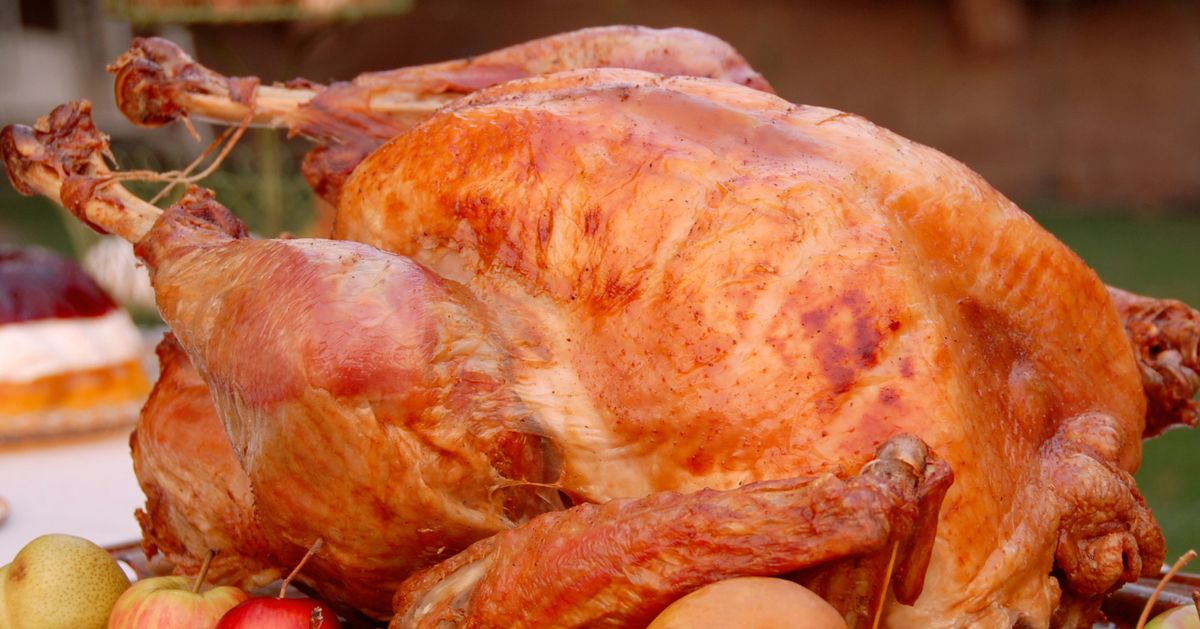
Enhancing turkey growth and maximizing weight gain often requires the strategic use of supplementary nutrition and additives. These supplements complement the regular feed, providing essential nutrients that support healthy fattening processes and improve overall productivity. When incorporated effectively, they can significantly accelerate growth rates and improve carcass quality, making them a vital component of modern turkey fattening protocols.
Integrating supplements into daily feeding routines involves careful planning to ensure consistent intake without disrupting the natural diet. Proper dosage, timing, and selection of supplements are essential to achieve optimal results while maintaining the health and well-being of the turkeys. Both natural ingredients and commercial additives can be utilized based on availability, cost, and desired outcomes, with a focus on balancing nutritional benefits and safety standards.
Natural and Commercial Supplements for Growth and Weight Gain
Supplements can be classified into natural ingredients, which are often readily available and cost-effective, and commercial formulations designed specifically for poultry fattening. Natural supplements typically include ingredients that support metabolic functions and improve feed efficiency, while commercial products are formulated to supply concentrated nutrients, vitamins, and minerals in precise amounts.
Effective supplementation involves mixing these additives into daily feeds or providing them as top-dressings. Ensuring uniform distribution and appropriate dosages enhances nutrient absorption and promotes steady growth. Regular monitoring of turkey health and weight progress helps to adjust supplementation strategies for optimal results.
Comparison of Supplement Additives
Below is a structured comparison of common additives used to promote turkey growth:
| Additive Type | Description | Benefits | Typical Usage |
|---|---|---|---|
| Grains (e.g., corn, wheat) | Rich sources of energy and carbohydrates, often used as the base feed component. | Supports weight gain, improves feed conversion, and provides essential calories. | Mixed into daily feed at 50-70% of total diet; used throughout fattening period. |
| Oils (e.g., vegetable oils, fish oil) | High-energy supplements that increase caloric density of feed. | Enhances energy intake, promotes fat deposition, and improves taste appeal. | Added at 2-5% of total feed; used to boost energy especially in the finishing phase. |
| Vitamins (e.g., A, D, E, B-complex) | Essential micronutrients vital for metabolic health and growth. | Boosts immune function, improves feed efficiency, and supports tissue development. | Included in premixes or as top-dressings; administered daily according to manufacturer instructions. |
| Mineral Supplements (e.g., calcium, phosphorus) | Critical for skeletal development and overall health. | Prevents deficiencies, improves bone strength, and supports muscular growth. | Mixed into feed at recommended levels; essential throughout the fattening cycle. |
| Natural Ingredients (e.g., garlic, ginger, turmeric) | Organic compounds with growth-promoting and health-enhancing properties. | Support immune health, reduce inflammation, and improve digestive efficiency. | Used as natural additives in small quantities, often as powder or extract, incorporated into daily feed. |
Natural Ingredients Supporting Healthy Fattening Processes
Natural ingredients have gained popularity due to their safety profile and additional health benefits. Components like garlic, ginger, turmeric, and oregano possess antimicrobial and anti-inflammatory properties that can improve gut health, leading to better nutrient absorption and growth efficiency. Additionally, ingredients such as algae and kelp are rich in natural minerals and trace elements that support metabolic functions crucial for healthy fattening.
Incorporating these ingredients into the diet can be achieved by mixing powdered forms into feed or using extracts. For example, garlic powder added at 1-2% of the feed can boost immune response and stimulate appetite. Turmeric, known for its anti-inflammatory properties, can be included at 0.5% to aid in reducing stress and promoting overall health. These natural supplements not only enhance growth rates but also contribute to the overall well-being of the turkeys, resulting in a more efficient and sustainable fattening process.
Monitoring Growth and Health Indicators
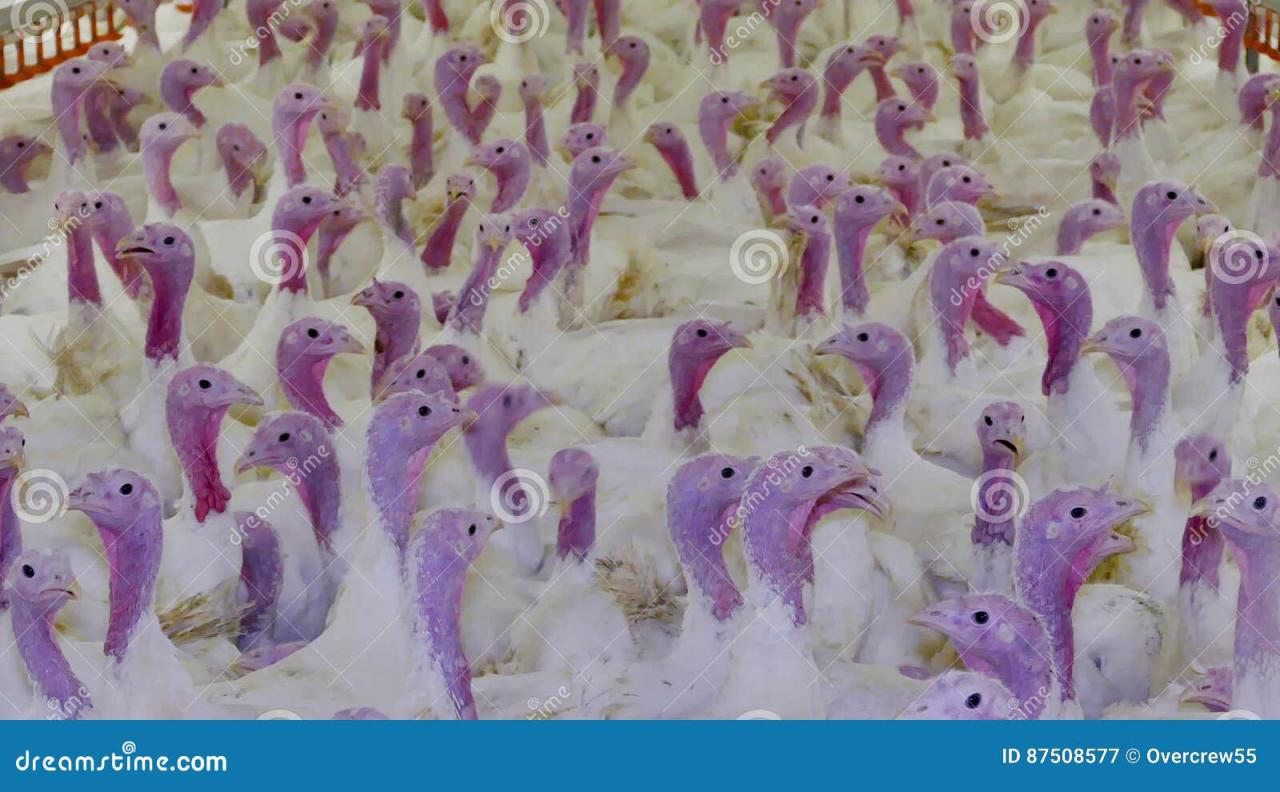
Effective management of turkey fattening relies heavily on consistent monitoring of growth and health parameters. Regular assessment helps ensure that turkeys are developing appropriately and that any health issues are identified early, allowing for timely intervention. Keeping detailed records of weight gain and health status supports informed decisions about diet adjustments, healthcare, and overall management practices, ultimately contributing to a successful and profitable fattening cycle.Monitoring the growth and health of turkeys involves observing specific physical signs and systematically measuring their progress.
Healthy turkeys exhibit steady weight gain, bright and clear eyes, smooth feathering, and active behavior. Any deviations, such as lethargy, loss of appetite, unsteady gait, or abnormal feathering, may indicate health problems that require immediate attention. Recognizing these signs early can prevent the spread of disease and mitigate weight loss or poor growth outcomes.
Signs of Healthy Weight Gain and Potential Health Issues
Understanding the key indicators of healthy turkey development enables producers to distinguish between normal growth and warning signs of health concerns. A healthy turkey typically demonstrates consistent weight increase aligned with its age and breed standards. The bird should appear well-rounded, with a firm but not overly bloated abdomen, and maintain an energetic posture. Conversely, signs of concern include sudden weight stagnation, weight loss, respiratory distress such as coughing or nasal discharge, abnormal drooping of wings, or swelling in the legs or wattles.
Key indicators of healthy growth: steady weight gain, active movement, vibrant plumage, and normal behavior.
Potential health issues: sudden weight loss, lethargy, abnormal droppings, respiratory symptoms, or swelling.
Procedures for Measuring and Recording Turkey Weights
Accurate and regular weighing of turkeys is essential for tracking growth patterns and making data-driven management decisions. Use a calibrated platform scale or a hanging scale suitable for the bird’s size to ensure precision. Weigh turkeys at consistent intervals—commonly weekly—to observe trends and identify any deviations early. Record each bird’s weight along with the date to build a comprehensive growth profile.
When weighing, handle the turkeys gently to minimize stress, and ensure the scale is zeroed before use. For larger birds, use a slung scale or a weigh-in enclosure to facilitate safe and accurate measurement. Maintain detailed records with the following data points:
- Individual bird ID or batch number
- Date of measurement
- Weight recorded
- Notes on physical condition or behavior
Consistent recording allows for analysis of growth rates and identification of outliers that may require health assessment or dietary adjustment.
Schedule for Health Check-ups and Dietary Adjustments
Establishing a routine health check-up schedule is vital for maintaining flock health throughout the fattening period. Schedule inspections at least once every two weeks, with additional visits if any health concerns are observed. During these check-ups, observe the general condition of the turkeys, inspect for signs of disease or injury, and assess their physical parameters.
Based on health and growth data, adjust diets as necessary to optimize weight gain and prevent deficiencies or excesses. For example, if turkeys are not gaining weight as expected, consider increasing high-quality protein intake or supplementing with specific additives. Conversely, if rapid weight gain is leading to obesity or stress, dietary adjustments should be made to slow growth and improve overall health.
Document any health issues diagnosed during check-ups, treatments administered, and diet modifications to maintain comprehensive health records.
Growth Metrics and Health Status Tracking Table
| Date | Bird ID | Weight (kg) | Growth Rate (kg/week) | Physical Condition | Health Status | Notes |
|---|---|---|---|---|---|---|
| 2024-04-01 | 001 | 5.2 | – | Active, bright eyes, smooth feathers | Healthy | Initial weight |
| 2024-04-08 | 001 | 6.0 | 0.8 | Active, normal behavior | Healthy | Steady growth observed |
| 2024-04-01 | 002 | 4.8 | – | Lethargic, dull feathers | Potential health concern | Further examination needed |
This table serves as a practical tool to monitor individual bird progress, identify trends, and promptly address issues that may hinder optimal growth or compromise health.
Ethical and Sustainable Fattening Practices
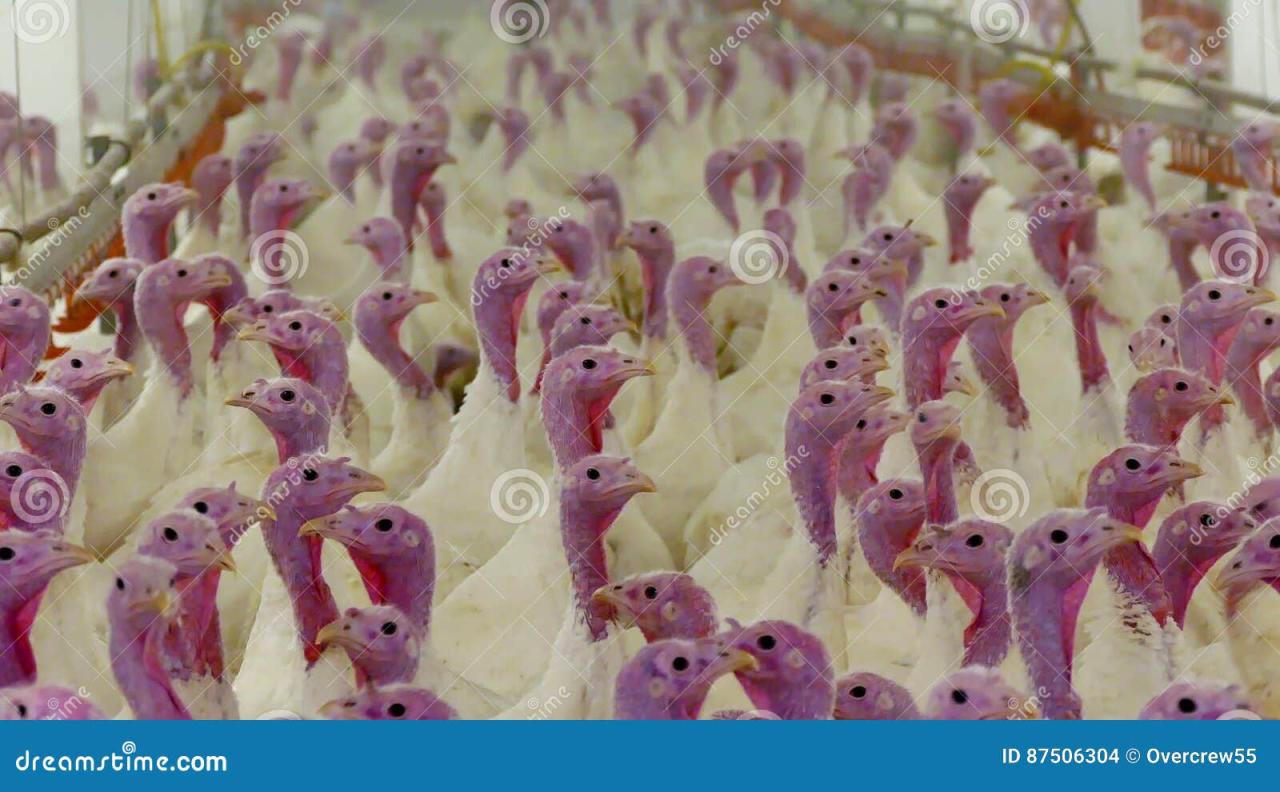
Implementing humane and environmentally responsible methods in turkey fattening is essential for promoting animal welfare and ensuring sustainable poultry production. Ethical practices not only improve the health and well-being of the birds but also contribute to consumer trust and industry credibility. Integrating sustainability into fattening routines fosters a balanced approach that supports growth while respecting natural resources and animal rights.
Adopting ethical and sustainable practices involves carefully managing feeding regimens, environmental conditions, and health monitoring to prevent stress and health issues. This section highlights the principles and strategies necessary for achieving humane and eco-friendly turkey fattening, with clear guidelines and visual representations to aid in implementation.
Humane Methods to Increase Turkey Weight without Causing Stress or Harm
Ensuring animals are treated with care during the fattening process is paramount. Humane methods focus on minimizing discomfort, stress, and injury while promoting healthy growth. These practices include gentle handling, avoiding overcrowding, and providing ample space, which reduces stress-induced health problems and improves overall welfare.
Proper environmental enrichment, such as perches or straw bedding, encourages natural behaviors and reduces boredom and frustration. Consistent access to clean water and high-quality nutrition tailored to the birds’ developmental stages further supports stress-free weight gain. Avoiding sudden changes in diet or environment prevents shock and anxiety, fostering a calm, healthy growth environment.
Sustainable Feeding Practices Supporting Growth and Animal Welfare
Sustainable feeding practices emphasize the use of locally sourced, environmentally friendly ingredients that meet the nutritional needs of turkeys. These practices balance growth with ecological considerations, reducing dependence on non-renewable resources and minimizing waste.
- Utilize plant-based and by-product feeds: Incorporating agricultural by-products like wheat bran, soybean meal, and corn reduces environmental impact and supports local economies.
- Optimize feed conversion ratios: Providing precisely formulated feeds tailored to specific growth stages decreases excess waste and overfeeding.
- Implement rotational grazing or integrated crop-livestock systems: These approaches promote soil health and reduce the environmental footprint of feed production.
- Reduce reliance on antibiotics and growth promoters: Focusing on natural growth aids and probiotics enhances gut health and decreases chemical use.
Such practices necessitate a meticulous approach to ensure birds receive adequate nutrition without overfeeding, thus maintaining a balance that prioritizes animal health and environmental sustainability.
Methods to Prevent Overfeeding and Related Health Complications
Overfeeding can lead to obesity, cardiovascular issues, and metabolic disturbances among turkeys. To prevent these problems, it is crucial to establish clear guidelines and monitoring systems that regulate feed intake and detect early signs of overnutrition.
| Preventive Measure | Description |
|---|---|
| Regular Weight Monitoring | Weekly weighing of birds helps identify deviations from expected growth patterns, enabling timely adjustments in feeding. |
| Calorie Control and Portioning | Providing appropriate feed portions based on age, weight, and activity level prevents excess calorie intake. |
| Use of Body Condition Scoring | Assessing the fatness of individual birds through visual and tactile examination guides adjustments to feeding protocols. |
| Implementing Feeding Schedules | Structured feeding times and restricted access reduce the likelihood of overeating and promote natural feeding behaviors. |
| Environmental Management | Maintaining proper ventilation, lighting, and space ensures birds are not overly stimulated to eat or stressed, which can lead to overconsumption. |
“Balanced feeding and vigilant monitoring are key to ethical fattening, ensuring healthy weight gain without compromising welfare or provoking health issues.”
Outcome Summary
In conclusion, effective fattening of turkeys combines proper nutrition, ideal living conditions, and ethical practices to ensure healthy and rapid growth. By applying these principles, poultry farmers can maximize productivity while prioritizing animal welfare, leading to successful and sustainable farming results.