Understanding how to prevent farm accidents is essential for maintaining a safe and productive agricultural environment. Farms are dynamic workplaces with numerous hazards that can lead to injuries, illnesses, or even fatalities if proper precautions are not taken. Implementing effective safety measures not only protects human lives but also contributes to the overall efficiency and sustainability of farming operations.
This comprehensive approach involves identifying common risks, establishing safety protocols, utilizing protective equipment, and fostering a culture of safety awareness among farm workers. By staying proactive and informed, farms can significantly reduce the likelihood of accidents and ensure a secure environment for everyone involved.
Importance of Preventing Farm Accidents
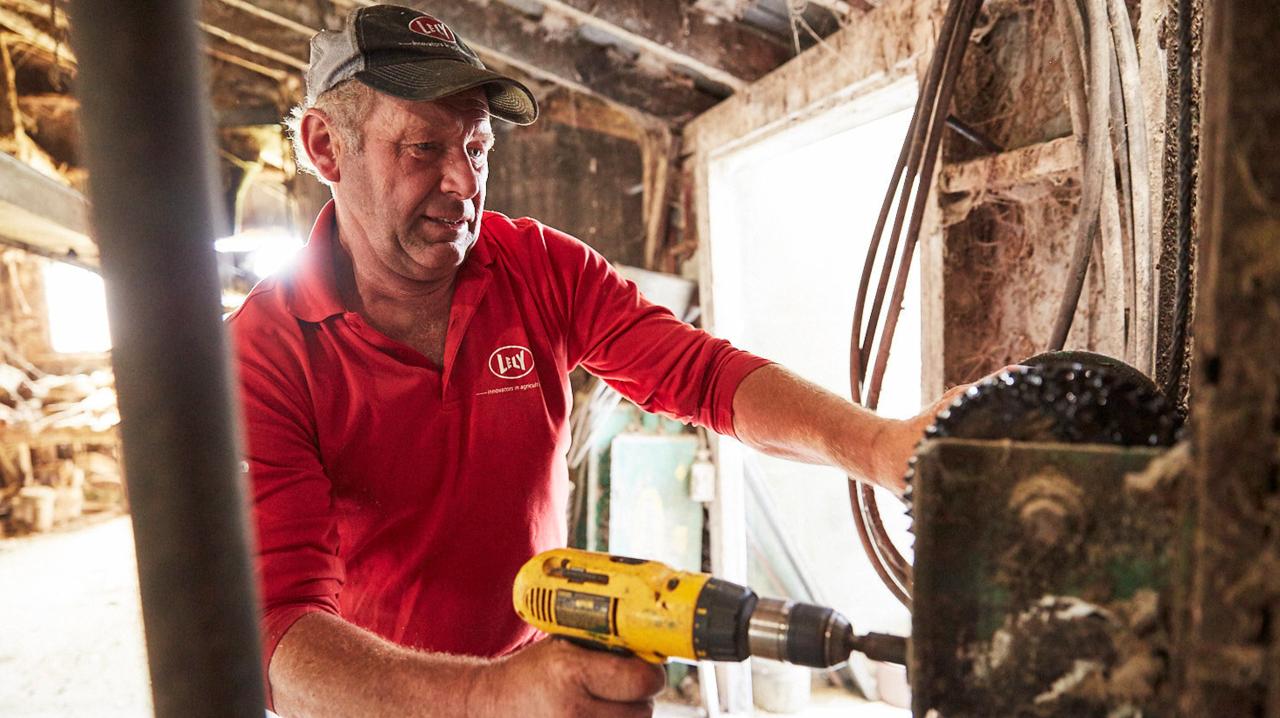
Ensuring safety on farms is crucial not only for protecting the well-being of workers but also for maintaining the productivity and sustainability of agricultural operations. Farm environments inherently involve various hazards, such as heavy machinery, chemicals, and unpredictable terrains, which can pose significant risks if proper safety measures are not in place. Implementing effective safety protocols can significantly reduce the incidence of accidents, safeguarding human life and supporting the economic stability of farming enterprises.
Farm accidents can have devastating consequences, affecting individuals, families, and communities. According to the World Health Organization, agricultural work accounts for a substantial proportion of occupational injuries worldwide, with estimates indicating that over 170,000 deaths annually are linked to farm-related accidents. In many countries, these incidents are underreported, but the human and economic toll remains prominent. Injuries such as tractor rollovers, falls from heights, and machinery entanglements not only cause immediate harm but often lead to long-term disabilities, impacting livelihoods and quality of life.
Economic and Human Costs of Farm Injuries
Understanding the full scope of the costs associated with farm accidents highlights the importance of preventive measures. These costs extend beyond immediate medical expenses, encompassing long-term rehabilitation, lost productivity, and emotional trauma for affected families. The financial burden on farmers can be overwhelming, especially for small-scale operations lacking comprehensive insurance coverage. Beyond the economic impact, the human costs include pain, suffering, and the interruption of daily life for injured workers, which can have ripple effects throughout their communities.
Prioritizing safety not only saves lives but also sustains the economic viability of agricultural practices by reducing costly accidents and fostering a safer working environment.
Common Causes of Farm Accidents
Farm safety is a critical concern, and understanding the common causes of accidents can significantly reduce risks. Many incidents occur due to preventable factors that, with proper awareness and precautions, can be minimized or avoided altogether. Recognizing these causes allows farmers and farm workers to adopt safer practices and maintain a safer working environment.Accidents on farms often result from a combination of human error, equipment failure, environmental hazards, and animal behavior.
Addressing these issues requires diligent attention to safety protocols, proper equipment handling, and awareness of environmental conditions. By understanding the primary causes, farms can develop targeted safety measures to protect everyone involved.
Machinery Mishandling and Equipment Malfunctions
Farm machinery is essential for productivity, but improper handling and maintenance can lead to severe accidents. Machinery mishandling includes operating equipment without proper training, neglecting safety guards, or using machinery in unsafe conditions. Mechanical failures, such as broken belts, loose or damaged parts, and electrical faults, also contribute to accidents.Proper maintenance and routine inspections are vital to reduce machinery-related hazards.
For example, a tractor with worn-out brakes or a malfunctioning hydraulic system can cause loss of control, leading to injuries or fatalities. Training farm workers on the correct operation and safety features of machinery is equally important to prevent mishaps.
Falls and Slips
Falls remain a leading cause of farm injuries, often resulting from uneven terrain, wet surfaces, or cluttered work areas. Working on hillsides, slippery floors, or elevated platforms without adequate safety measures increases the risk of slips and falls.Environmental conditions such as rain or dew can make surfaces slick, especially on steps, ladders, or equipment. Ensuring proper footwear, installing guardrails, and keeping pathways clear of obstructions are effective strategies to prevent falls.
Regular inspections of work areas and immediate cleanup of spills or mud are crucial to maintaining a safe environment.
Chemical Exposure
Farm operations frequently involve the use of chemicals like pesticides, fertilizers, and herbicides, which pose health risks if not handled properly. Accidental exposure can lead to skin irritations, poisoning, respiratory issues, or longer-term health problems.Safe handling of chemicals starts with proper storage, clear labeling, and using personal protective equipment such as gloves, masks, and goggles. Training workers on correct application procedures and emergency response also reduces the likelihood of accidents related to chemical exposure.
Regular monitoring and adherence to safety guidelines are essential to protect farm workers from hazardous substances.
Animal Attacks and Behavior
Animals are integral to farming but can also be a source of danger when they become agitated or frightened. Unexpected animal attacks, kicks, or bites can cause serious injuries to farm workers.Understanding animal behavior, especially during breeding, feeding, or handling, helps mitigate risks. Using proper handling techniques, secure enclosures, and minimizing sudden movements can prevent aggressive reactions. Training staff to recognize signs of stress or agitation in animals enhances safety, and always approaching animals calmly and cautiously reduces the chance of injury.
Environmental Hazards and Terrain Risks
Environmental factors such as adverse weather conditions, uneven terrain, and natural obstacles contribute significantly to farm accidents. Heavy rain, snow, or strong winds can create dangerous conditions, while rugged terrain may cause trips or falls.Farmers should evaluate environmental risks regularly and implement appropriate measures. For instance, creating proper drainage systems, installing signage for hazardous areas, and maintaining pathways can reduce accidents.
Adjusting work schedules during extreme weather and ensuring adequate lighting during low visibility conditions also play a role in maintaining safety on the farm.
Key Safety Protocols and Procedures
Implementing well-structured safety protocols is essential to minimize risks and safeguard the well-being of farm workers. A comprehensive safety framework ensures that safety measures are consistently followed, reducing the likelihood of accidents and injuries on the farm. Establishing clear procedures and responsibilities fosters a culture of safety and accountability among all personnel.
Effective safety protocols involve systematic planning, training, and regular review. They should address potential hazards, Artikel specific actions to mitigate risks, and clearly assign responsibilities. Proper organization of safety procedures helps to create a proactive safety environment, ensuring that all workers are aware of best practices and know how to respond in emergency situations.
Developing a Comprehensive Safety Protocol for Farm Workers
Creating a robust safety protocol begins with assessing the specific needs and hazards of the farm environment. The protocol should encompass all aspects of farm work, including machinery operation, chemical handling, animal management, and emergency response. Involving workers in the development process encourages adherence and provides valuable insights from those with practical experience.
The safety protocol should include training programs, clear communication channels, and detailed procedures for various tasks. Regular drills and refresher training sessions reinforce safety awareness and preparedness. Updating the protocols periodically ensures they remain relevant with technological advances and changing farm conditions.
Step-by-Step Safety Procedures
To standardize safety practices across the farm, organizing procedures into a clear, step-by-step guide enhances consistency and compliance. The table below Artikels common tasks, responsible personnel, required safety gear, and recommended frequency of review:
| Tasks | Responsible Person | Safety Gear | Frequency |
|---|---|---|---|
| Operating heavy machinery | Machinery Operator | Helmet, ear protection, safety gloves, steel-toed boots | Before each use / Weekly inspection |
| Handling chemicals (fertilizers, pesticides) | Farm Worker | Protective suit, gloves, goggles, mask | During each application / Monthly safety review |
| Feeding and managing livestock | Farm Supervisor | Protective boots, gloves, mask if necessary | Daily |
| Electrical equipment maintenance | Qualified Electrician | Insulated gloves, safety glasses | Monthly / As needed |
Checklists for Safety Inspections
Consistent safety inspections are vital to identify hazards early and prevent accidents. Developing detailed checklists for daily, weekly, and monthly inspections ensures that safety standards are maintained and potential risks are addressed proactively.
Daily Inspections: Focus on immediate hazards such as blockages, unsafe machinery, or spills that could cause slips or falls. Confirm that safety gear is in place and operational. Conduct visual checks of equipment and work areas to identify any visible defects or hazards.
- Inspect machinery for leaks, damages, or irregular functioning.
- Check that safety guards and emergency stops are in place and functional.
- Verify that walkways are clear and free of obstructions.
- Ensure fire extinguishers and first aid kits are accessible and fully stocked.
Weekly Inspections: Include more comprehensive checks on the condition of equipment, storage areas for chemicals, and safety signage. Evaluate the effectiveness of safety procedures and conduct brief training refreshers if needed.
- Test emergency alarms and communication devices.
- Inspect chemical storage for leaks, expiry dates, and proper labeling.
- Review PPE compliance among workers.
- Assess the condition of fences, gates, and animal enclosures for safety.
Monthly Inspections: Focus on maintenance and system-wide safety assessments. Review incident reports, update safety protocols, and conduct safety drills to ensure preparedness.
- Perform thorough maintenance checks on all machinery and equipment.
- Review safety protocols and update them based on recent incidents or new hazards.
- Conduct simulated emergency response exercises with workers.
- Inspect structural elements like buildings, bridges, and storage tanks for integrity.
Equipment and Machinery Safety Measures
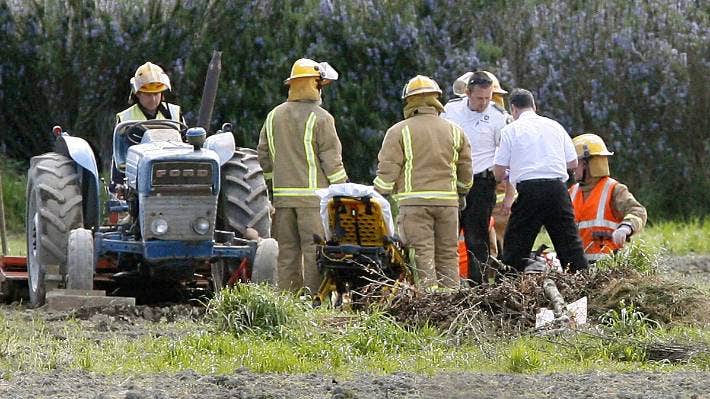
Ensuring the safe operation of farm equipment and machinery is fundamental to preventing accidents and safeguarding the well-being of farm workers. Regular maintenance, proper operation techniques, and the use of safety features are critical components of a comprehensive safety strategy. This section elaborates on essential practices that help minimize risks associated with farm machinery.
Implementing safety measures for farm equipment not only protects individual workers but also enhances overall farm productivity by preventing costly damage and downtime caused by preventable accidents. Adhering to established safety guidelines fosters a safer working environment where workers can focus on their tasks with confidence and security.
Regular Inspection and Maintenance of Farm Equipment
Routine inspection and maintenance of farm machinery are vital to identify potential issues before they lead to accidents. Preventative care extends the lifespan of equipment and ensures optimal performance during operation. Farm managers and workers should develop a scheduled maintenance checklist tailored to the specific machinery used on the farm.
- Inspect hydraulic systems, belts, and chains for wear, damage, or leaks. Hydraulic failures can cause sudden equipment failure or injuries.
- Check electrical wiring and connections for corrosion or loose contacts, which could lead to fires or electrical shocks.
- Lubricate moving parts regularly to reduce friction and prevent overheating or mechanical failure.
- Verify that safety guards, shields, and covers are in place and securely attached. Damaged or missing guards increase the risk of contact with moving parts.
- Test brakes, lights, and safety alarms periodically to ensure they function correctly, especially before starting work each day.
“Routine maintenance is the best defense against equipment failure and farm accidents.” – Farm Safety Advisory
Proper Operation of Machinery with Detailed Procedures
Proper operation of farm equipment is essential to prevent accidents caused by misuse or misunderstanding of machinery functions. Training workers in the correct procedures reduces the likelihood of injuries and enhances operational efficiency.
- Pre-Operation Checks: Before starting machinery, conduct a visual inspection to ensure all safety features are intact and functional. Confirm that safety guards are in place and that there are no obstructions in the working area.
- Starting Equipment: Mount securely on the equipment, ensuring no loose clothing or accessories that could get caught in moving parts. Follow manufacturer instructions precisely for ignition or start-up procedures.
- During Operation: Maintain focus and avoid distractions. Use designated controls and avoid making adjustments while machinery is running unless specified in the manual. Keep a safe distance from moving parts and ensure bystanders are at a safe distance.
- Shutting Down and Post-Operation: Turn off equipment using the proper procedures. Allow moving parts to come to a complete stop before performing any maintenance or inspections. Engage parking brakes and disconnect power sources if necessary.
Safety Guards, Emergency Shut-Offs, and Signage
The integration of safety guards, emergency shut-offs, and clear signage forms a crucial layer of protection against accidental injuries. These features serve as immediate safeguards and visual reminders for safe operation practices.
- Safety Guards: Physical barriers designed to shield workers from rotating, cutting, or crushing parts. Regular inspection ensures guards are securely attached and free from damage or obstruction.
- Emergency Shut-Offs: Easily accessible controls that allow operators to quickly stop machinery during an emergency. All farm machinery should be equipped with clearly labeled emergency stop buttons or levers, tested periodically for proper function.
- Signage: Use of standardized warning signs and labels on machinery highlights potential hazards such as pinch points, hot surfaces, or electrical risks. Signs should be visible, legible, and maintained in good condition to effectively communicate safety information.
“Proper safety guards and clear signage are simple yet powerful tools in preventing farm accidents and ensuring quick response during emergencies.” – Agricultural Safety Guidelines
Personal Protective Equipment (PPE) Use
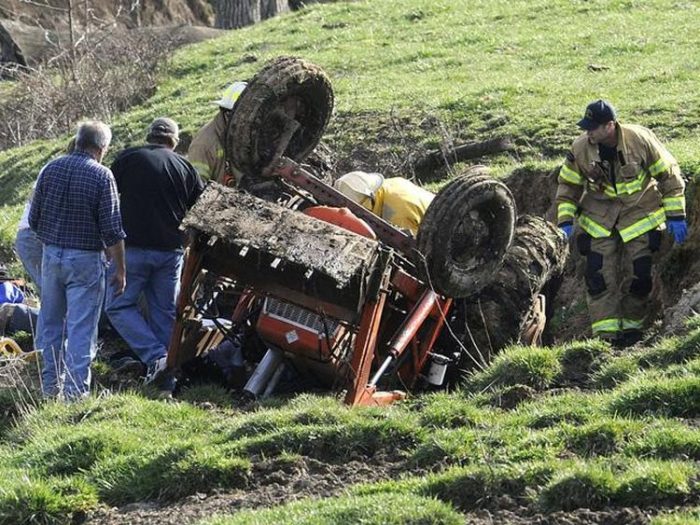
Implementing proper Personal Protective Equipment (PPE) usage is essential for safeguarding farm workers against accidents and health hazards. PPE acts as a critical barrier, reducing exposure to dangerous substances, machinery, and environmental elements. Proper selection, fitting, and maintenance of PPE significantly contribute to a safer and more productive farming environment.
Ensuring that farm workers are equipped with the right PPE tailored to specific tasks minimizes injury risks and promotes a culture of safety. Training workers on correct PPE use and maintenance reinforces safety protocols and ensures PPE remains effective over time. Adherence to PPE standards not only protects individual workers but also enhances overall workplace safety and compliance with health regulations.
Essential PPE for Different Farming Tasks
Different farming activities pose unique risks, necessitating specific PPE to effectively mitigate hazards associated with each task. Proper PPE selection depends on the nature of the work, the potential hazards involved, and environmental conditions.
- General Farming Tasks: Work gloves, sturdy boots, long-sleeved shirts, and hats to protect against abrasions, cuts, and sun exposure.
- Chemical Handling: Chemical-resistant gloves, goggles or face shields, respiratory masks, and coveralls to safeguard against toxic substances.
- Machinery Operation: Hearing protection such as earplugs or earmuffs, safety goggles, gloves, and steel-toed boots.
- Field Work and Harvesting: Sun protection gear including wide-brimmed hats, sunglasses, and breathable clothing, alongside gloves to prevent blisters and cuts.
- Animal Handling: Waterproof gloves, protective boots, and coveralls to prevent contamination and bites.
Visual Breakdown of PPE Components with Descriptive Explanations
The following describes the primary PPE components essential for farm workers, providing clarity for visual identification and understanding of their functions.
| Component | Description and Function |
|---|---|
| Protective Gloves | Made from materials such as rubber, nitrile, or leather, gloves protect hands from cuts, chemicals, and contamination. Different gloves are designed for specific tasks, ensuring flexibility and safety. |
| Safety Goggles or Face Shields | These safeguard the eyes and face from flying debris, chemical splashes, and dust. Goggles should fit snugly around the eyes, while face shields cover the entire face for added protection. |
| Respiratory Masks | Designed to filter dust, fumes, and hazardous chemicals, masks vary from simple dust masks to complex respirators depending on exposure levels. |
| Coveralls or Protective Clothing | Coveralls made from durable, chemical-resistant fabric protect skin and clothing from contamination and exposure to harmful substances. |
| Safety Boots or Steel-Toed Shoes | Footwear providing slip resistance and protection against heavy falling objects. Steel toes offer additional protection for toes during heavy machinery operation or loading activities. |
| Hats and Sun Protection Gear | Wide-brimmed hats and UV-protective clothing shield workers from sunburn and heat-related illnesses during outdoor activities. |
Illustrations should depict each PPE component worn correctly, highlighting features such as snug fit, proper coverage, and fastenings to ensure clarity on correct usage.
Proper PPE Fitting, Usage, and Maintenance Routines
Correct fitting and consistent maintenance of PPE are vital to ensuring maximum protection during farm activities. Improperly fitted PPE can lead to discomfort, reduced protection, and increased risk of accidents.
- Fitting PPE: PPE should fit snugly without causing discomfort. Gloves should allow dexterity; goggles should seal properly around the eyes; masks should cover the nose and mouth securely without gaps; and helmets or hats should sit comfortably without shifting during movement.
- Usage Procedures: Workers must be trained on how to wear PPE correctly before beginning tasks. This includes checking for damage, ensuring proper fastening, and adjusting straps for comfort. PPE should be worn consistently during relevant activities and removed only after completing the task, followed by proper disposal or cleaning.
- Maintenance Routines: Regular inspection of PPE for signs of wear, tears, or degradation is essential. Cleaning protocols should adhere to manufacturer instructions, typically involving washing with appropriate disinfectants and drying thoroughly. Damaged PPE must be replaced immediately to maintain safety standards.
Maintaining PPE not only extends its usability but also ensures that safety standards are consistently upheld, preventing avoidable injuries on the farm.
Training and Education for Farm Workers
Effective training and ongoing education are essential components of a comprehensive farm safety program. By equipping workers with the necessary knowledge and skills, farms can significantly reduce the incidence of accidents and promote a culture of safety. Well-informed workers are better prepared to identify hazards, follow safety protocols, and respond effectively in emergency situations, thereby fostering a safer working environment for all involved.Training modules tailored specifically to farm safety should address the unique risks encountered in agricultural settings.
These modules serve as foundational tools to build awareness and reinforce best practices. Developing engaging and practical content ensures that workers understand the importance of safety protocols and can implement them consistently during daily operations. Regular training sessions also enable the reinforcement of safety messages and updates on new safety procedures or equipment.Organizing safety drills and emergency response exercises is an integral part of farm worker education.
These practical activities simulate real-life scenarios such as equipment malfunctions, chemical spills, or injuries, allowing workers to practice their responses in a controlled environment. Conducting regular drills not only improves readiness but also instills confidence among workers, ensuring they know how to act swiftly and appropriately in actual emergencies. Documentation of these exercises can help identify areas for improvement and ensure compliance with safety regulations.
Organizing Farm Safety Training Modules
To establish effective training programs, farms should develop comprehensive modules that cover essential safety topics such as proper equipment handling, hazard recognition, and emergency procedures. These modules should incorporate visual aids, demonstrations, and hands-on activities to enhance understanding and retention. Tailoring content to the specific needs of the farm, including the types of machinery used and common hazards, makes the training more relevant and impactful.
Regular updates and refresher courses are necessary to keep safety knowledge current and reinforce safe practices.
Developing Content for Safety Sessions
Content for safety training sessions must clearly explain the risks associated with farm work and the preventative measures to mitigate them. This includes detailed explanations of potential hazards such as machinery entanglement, chemical exposure, and falls, along with practical steps to avoid them. Using real-life case studies and statistics can make the information more relatable and emphasize the importance of following safety guidelines.
Interactive discussions, videos, and visual aids can help reinforce key messages and facilitate better understanding among workers.
Conducting Safety Drills and Emergency Response Exercises
Safety drills should be scheduled regularly to ensure that all workers are familiar with emergency procedures. These exercises should simulate various scenarios, including fire outbreaks, machinery accidents, and medical emergencies, to prepare workers for a range of possible situations. Clear roles and responsibilities should be assigned beforehand, and debriefing sessions after each drill can identify areas for improvement. Maintaining a record of drills and responses helps monitor progress and ensures ongoing preparedness, ultimately reducing the severity and impact of actual emergencies on farms.
Environmental and Site Safety
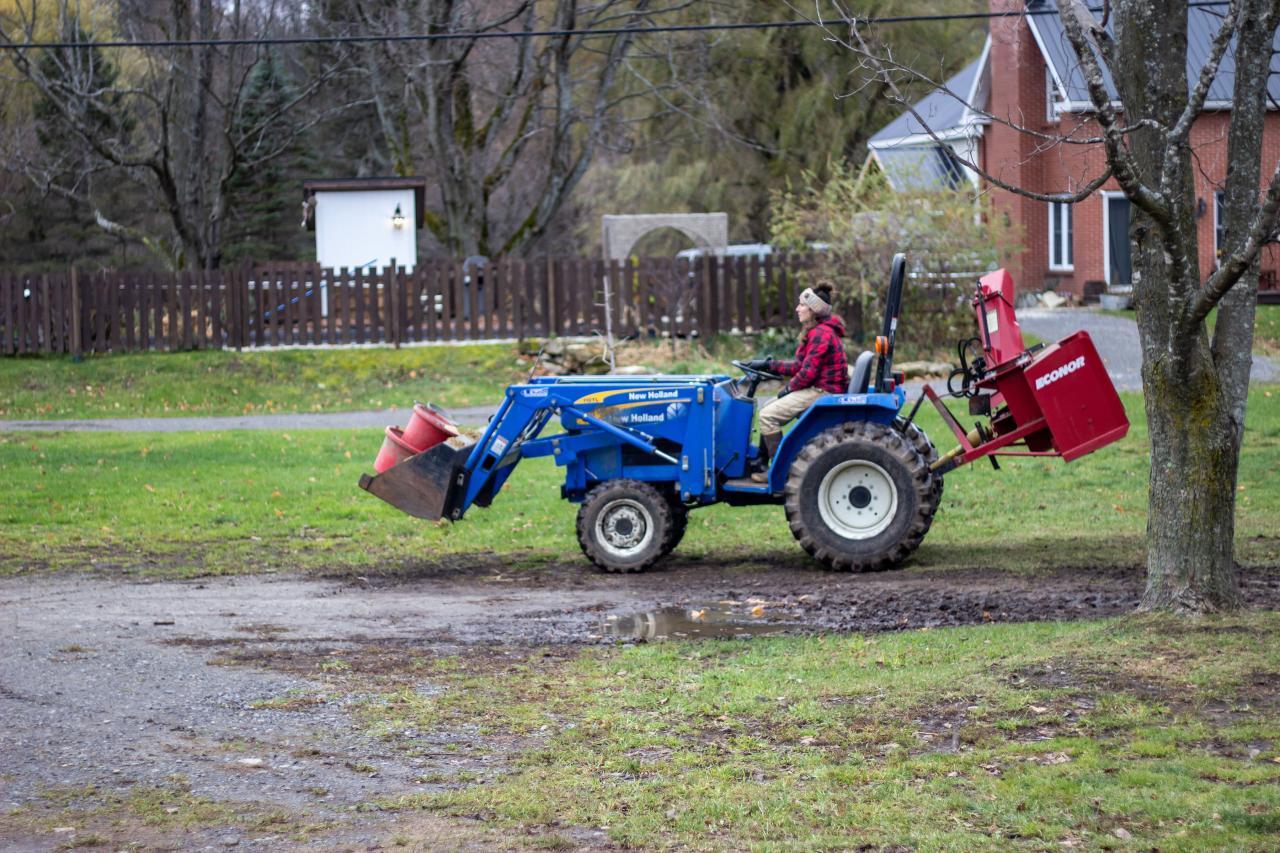
Maintaining a safe farm environment extends beyond equipment and procedures; it encompasses the overall site conditions and environmental factors that can pose hazards to workers. Proper assessment and management of these hazards are essential to prevent accidents and promote a secure working atmosphere. Implementing effective risk mitigation strategies tailored to the specific farm environment can significantly reduce the likelihood of injuries and environmental incidents.
Farm sites are dynamic environments where natural and human-made hazards coexist. Recognizing potential risks and proactively addressing them ensures the safety of all personnel, protects the surrounding ecosystem, and maintains operational efficiency. This section discusses hazard assessment, risk mitigation strategies, safety measures for environmental hazards, and guidelines for handling chemicals responsibly on farms.
Hazard Assessment and Risk Mitigation Strategies for Farm Environments
A comprehensive hazard assessment involves systematically identifying potential risks associated with the farm’s physical environment, operations, and seasonal changes. This proactive approach enables the development of targeted mitigation strategies that can prevent accidents before they occur.
Key steps in hazard assessment include:
- Site Inspection: Conduct regular inspections to identify physical hazards such as uneven terrain, unstable structures, or hidden debris that could cause trips, falls, or equipment damage.
- Environmental Monitoring: Observe weather patterns, soil stability, and water drainage to understand natural hazards like flooding, erosion, or heat stress.
- Operational Analysis: Evaluate machinery use, chemical application, and storage practices to uncover risks associated with handling and transportation.
Risk mitigation strategies should be tailored to address identified hazards, such as installing proper drainage systems, reinforcing structures, scheduling operations during safer weather conditions, and maintaining clear pathways. Regular training and updates ensure that farm workers remain aware of evolving risks and mitigation measures.
Environmental Hazards and Safety Measures
Implementing safety measures specific to various environmental hazards minimizes the risk of accidents and environmental damage. The table below Artikels common hazards encountered on farms along with corresponding safety precautions:
| Environmental Hazard | Safety Measures |
|---|---|
| Flooding and Water Accumulation |
|
| Soil Erosion and Landslides |
|
| Heat Stress and Sun Exposure |
|
| Wildlife Encounters |
|
Guidelines for Safe Chemical Storage, Handling, and Disposal
Proper management of chemicals on farms is vital to prevent accidental exposure, environmental contamination, and health hazards. Establishing clear protocols for storage, handling, and disposal ensures compliance with safety standards and environmental regulations.
Guidelines include:
- Chemical Storage: Store chemicals in well-ventilated, secure areas away from direct sunlight, heat sources, and incompatible substances. Use clearly labeled containers with hazard warnings, and keep Material Safety Data Sheets (MSDS) accessible for all chemicals.
- Handling Procedures: Train workers on correct handling techniques, including the use of appropriate Personal Protective Equipment (PPE). Use secondary containment to prevent spills and leaks, and handle chemicals in designated areas with adequate drainage and spill kits available.
- Chemical Disposal: Follow local regulations for disposal of unused chemicals and contaminated materials. Never pour chemicals into drains, waterways, or soil. Use approved disposal facilities or follow manufacturer instructions for safe disposal methods.
- Hazard Identification and Risk Assessment: Conduct thorough inspections to identify potential hazards such as chemical storage areas, machinery zones, animal handling areas, and environmental risks like flood-prone zones. Evaluate the likelihood and potential impact of each hazard.
- Define Emergency Scenarios: Determine likely emergencies relevant to the farm, including fires, electrical failures, chemical leaks, animal escapes, or medical emergencies. Prioritize scenarios based on risk assessment results.
- Establish Response Procedures: Develop clear, step-by-step procedures for each emergency scenario. Procedures should specify actions to take, roles and responsibilities, and safety measures to protect personnel and animals.
- Designate Emergency Contacts: Create a list of key contacts, including local emergency services, veterinarians, safety officers, and farm management. Ensure contact information is accessible at all times.
- Develop Evacuation Plans: Map out evacuation routes, assembly points, and shelter-in-place procedures. Consider accessibility for all workers, including those with disabilities.
- Communicate and Train: Share the plan with all farm staff and conduct regular training drills. Use real-life simulations to reinforce knowledge and preparedness.
- Review and Update: Periodically review the plan to incorporate new hazards, update contacts, and improve response strategies based on drills or incident debriefs.
- First Aid: Ensure that trained personnel are available on-site and equipped with a well-stocked first aid kit. In case of injury:
- Assess the injury without moving the victim unless necessary for safety.
- Administer basic first aid, such as stopping bleeding, immobilizing broken bones, or providing CPR if trained.
- Call emergency services if the injury is severe or beyond basic first aid capacity.
- Remain with the injured person until professional help arrives.
- Reporting Incidents: Establish a clear reporting hierarchy and documentation process:
- Immediately notify supervisors and safety officers.
- Fill out incident report forms detailing the nature, location, persons involved, and circumstances of the incident.
- Secure the scene to preserve evidence and prevent further injuries.
- Post-Accident Analysis: Conduct a thorough investigation to determine root causes:
- Review the incident reports and gather witness statements.
- Identify safety lapses, procedural failures, or equipment issues.
- Develop corrective actions, such as additional training, equipment repairs, or procedural updates.
- Implement improvements and communicate findings to all staff to prevent recurrence.
- Trimble Agriculture Management: Offers GPS-guided machinery, vehicle tracking, and data analytics to improve operational safety and efficiency.
- John Deere Operations Center: Integrates machinery data, field information, and safety alerts, enabling real-time monitoring and risk mitigation.
- AgriWebb: Provides digital farm records, task management, and safety checklists, ensuring compliance and safety standards are maintained.
- FarmLogs: Tracks equipment, weather, and field data, assisting in planning safer operations and avoiding hazardous conditions.
- Leadership by Example: Farm managers and supervisors should demonstrate a consistent commitment to safety protocols, setting a standard that workers are encouraged to follow.
- Regular Safety Meetings: Holding frequent safety meetings helps reinforce key safety messages, review recent incidents, and discuss new hazards or procedures.
- Visible Signage and Reminders: Strategic placement of safety signs, posters, and visual cues throughout the farm environment serve as constant reminders of safety practices.
- Inclusive Safety Discussions: Engaging workers in safety discussions encourages ownership and ensures that safety concerns are understood from multiple perspectives.
- Implement Clear Reporting Procedures: Establish straightforward processes for reporting hazards or near misses, including designated contacts, forms, or digital platforms.
- Promote a No-Blame Culture: Emphasize that reports are used to improve safety, not to assign blame, thereby reducing fear of repercussions among workers.
- Recognize and Reward Reporting: Acknowledge workers who proactively report hazards, reinforcing positive safety behaviors.
- Follow Up Seriously: Ensure reported issues are investigated promptly, and corrective actions are communicated back to the reporting individual.
- Safety Incentive Programs: Develop programs that reward safe behaviors, such as recognition awards, safety bonuses, or competitions focused on hazard identification or safe machinery operation.
- Ongoing Training and Refresher Courses: Regularly update training modules to reflect new equipment, procedures, or regulations. Use varied formats like workshops, e-learning, or on-the-job coaching to keep engagement high.
- Involving Workers in Safety Planning: Engage farm workers in developing safety policies and procedures, ensuring their practical insights are integrated and fostering a sense of ownership.
- Community Safety Campaigns: Organize safety fairs or awareness days that highlight key safety topics, share success stories, and promote a collective safety culture.
Adhering to these guidelines not only protects farm personnel but also safeguards surrounding ecosystems from chemical contamination, ensuring the farm’s sustainability and compliance with environmental safety standards.
Emergency Response Planning
Effective emergency response planning is vital for ensuring safety and minimizing risks on farms. A well-structured plan not only helps in responding swiftly to accidents but also reduces the severity of injuries and damages. Developing a comprehensive emergency response plan involves identifying potential hazards, establishing clear procedures, and ensuring all farm workers are familiar with their roles during emergencies.An organized plan prepares farm personnel to act efficiently and confidently when faced with incidents such as chemical spills, machinery accidents, fires, or medical emergencies.
It also plays a crucial role in compliance with safety regulations and fosters a safety-conscious culture on the farm.
Steps to Create an Effective Emergency Response Plan
Creating a robust emergency response plan requires systematic steps that encompass assessment, planning, communication, and training. The following Artikels essential steps to develop a plan tailored to the specific needs of the farm:
Sample Emergency Contact List and Evacuation Procedures
Maintaining an organized contact list and clear evacuation procedures ensures quick action during emergencies. The following table provides a model framework for essential contacts and evacuation steps:
| Emergency Contact List | Details |
|---|---|
| Local Emergency Services | 911 or Fire Department: (XXX) XXX-XXXX Police: (XXX) XXX-XXXX Ambulance: (XXX) XXX-XXXX |
| Farm Management | John Doe – Farm Manager Phone: (XXX) XXX-XXXX Email: [email protected] |
| Veterinary Services | Animal Care Vet Clinic Phone: (XXX) XXX-XXXX |
| Environmental Agencies | Local Department of Environmental Protection Phone: (XXX) XXX-XXXX |
| Evacuation Procedures | Description |
| Primary Evacuation Route | Follow the main farm roads leading to designated assembly points. Ensure all personnel evacuate promptly without rushing machinery or animals. Supervisors should account for all workers at assembly points. |
| Assembly Points | Open fields away from danger zones, clearly marked and accessible. Confirm all workers gather here, and conduct headcounts. |
| Shelter-in-Place | In case of chemical spills or environmental hazards, move to designated safe zones within existing buildings. Seal doors and windows if necessary. |
Procedures for First Aid, Incident Reporting, and Post-Accident Analysis
Immediate and organized response to incidents mitigates severity and facilitates learning. The following procedures Artikel best practices for handling emergencies effectively:
Use of Technology for Accident Prevention
Implementing advanced technological solutions on farms has become a vital strategy in reducing accidents and enhancing overall safety. As farms modernize, integrating GPS, sensors, and monitoring systems helps create safer environments for workers and machinery alike. These innovations enable real-time data collection and proactive safety management, significantly decreasing the risk of accidents and injuries.Technology integration on farms involves placing GPS devices on machinery and vehicles to monitor their locations, movements, and operational areas.
Sensors can detect environmental conditions such as soil moisture, chemical levels, and weather changes, providing critical data to farm managers. Monitoring systems aggregate this information, allowing for instant alerts and informed decision-making, thereby preventing potential hazards before they escalate into accidents.
Integration of GPS, Sensors, and Monitoring Systems
The deployment of GPS technology on farm equipment allows precise tracking of vehicle and machinery movements. This ensures operators maintain safe distances from other machinery or workers and prevents collisions or rollovers in hazardous terrains. Sensors placed on equipment can monitor operational parameters such as engine temperature, hydraulic pressure, or vibration, signaling maintenance needs or malfunctions that could lead to accidents if unaddressed.Monitoring systems integrate data from GPS devices and sensors, providing farm managers with a comprehensive view of farm operations.
These systems often feature real-time dashboards accessible via smartphones or computers, allowing prompt responses to emerging safety issues. For example, if a tractor exceeds safe operational limits, an alert can be sent immediately to the operator and supervisor, enabling prompt corrective action.
Data Collection and Safety Enhancement
Data collection plays a critical role in enhancing farm safety by enabling predictive analytics and trend analysis. Over time, accumulated data can identify patterns indicating increased risks under specific conditions or during certain times of the day. For instance, frequent near-misses during dusk might lead to implementing additional lighting or adjusting schedules.Farm management software tools utilize this data to optimize safety protocols and operational planning.
These tools compile information on equipment usage, maintenance schedules, and incident reports, supporting data-driven decision-making. By analyzing this data, farm managers can identify high-risk activities or areas, allocate resources effectively, and develop targeted safety interventions.
Examples of Farm Management Software Promoting Safety
Several software tools have been developed to promote safety and streamline farm management through technological integration:
These platforms facilitate comprehensive safety oversight by consolidating operational data, issuing alerts, and supporting proactive decision-making to prevent accidents effectively.
Promoting a Safety Culture on the Farm
Establishing a robust safety culture on the farm is essential for reducing accidents and fostering a workplace where safety is prioritized by all team members. A proactive safety environment not only minimizes risks but also encourages workers to actively participate in maintaining a secure and healthy workspace. Cultivating this culture requires deliberate strategies that embed safety into daily routines, attitudes, and organizational values.A strong safety culture depends on continuous engagement, open communication, and shared responsibility among all farm workers and management.
When safety is viewed as integral to farm operations rather than an added task, it becomes part of the daily mindset. Promoting such a culture involves implementing practical strategies that motivate workers, facilitate hazard reporting, and reinforce safety best practices consistently.
Strategies for Fostering Safety Awareness Among Workers
Creating an environment where safety awareness thrives involves several targeted approaches:
Fostering an atmosphere where safety is openly discussed and valued leads to increased vigilance and proactive hazard identification.
Methods to Encourage Reporting Hazards and Near Misses
Encouraging workers to report hazards and near misses is vital for preventing future accidents. An effective reporting system depends on trust, ease of access, and a non-punitive approach:
Creating an environment where reporting is normalized and valued helps identify risks before they result in accidents.
Organizing Safety Incentive Programs and Ongoing Education Initiatives
Maintaining a safety-first mindset requires continuous reinforcement through incentives and education:
Consistent education and positive reinforcement embed safety as a core value on the farm, leading to sustainable safety practices and a more aware workforce.
Final Wrap-Up
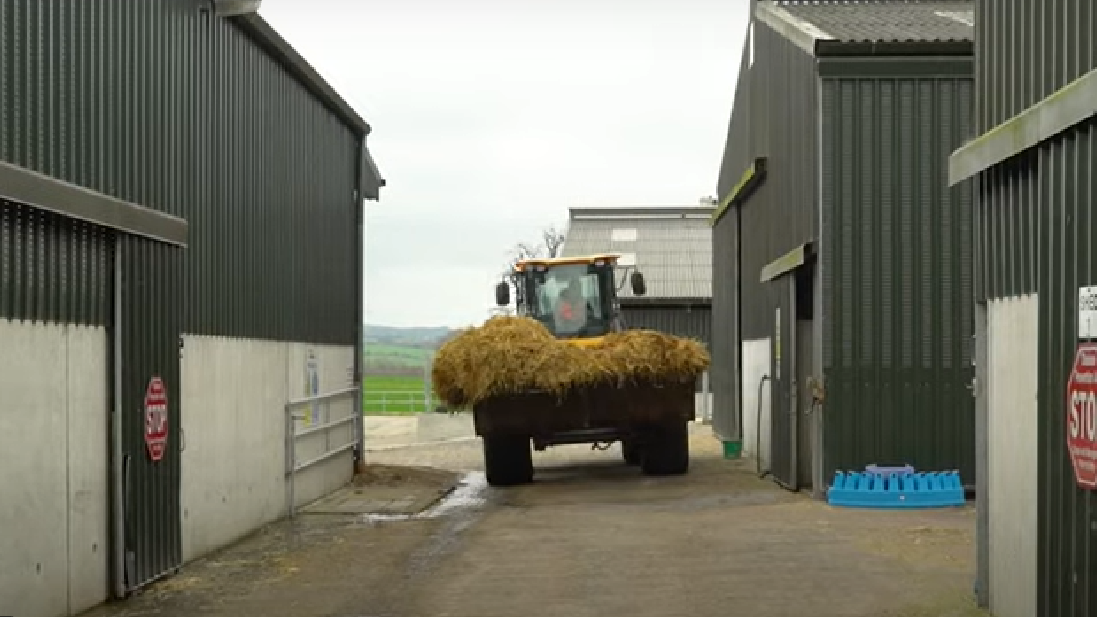
In conclusion, prioritizing safety through diligent planning, proper training, and the adoption of modern safety technologies is vital to preventing farm accidents. Cultivating a safety-oriented mindset and encouraging continuous improvement can lead to a safer, more productive farming community where risks are minimized and well-being is safeguarded.