Building a sheep shelter involves careful planning and precise execution to ensure the safety, comfort, and health of your flock. Whether you’re a seasoned farmer or just starting, understanding the fundamental steps can make the process rewarding and efficient. From designing the layout to selecting the best materials, each decision contributes to creating a durable and suitable environment for your sheep.
This guide covers essential aspects such as designing the shelter, choosing appropriate materials, considering environmental factors, incorporating safety features, and maintaining the structure over time. With these insights, you will be well-equipped to construct a shelter that withstands various climates while providing a secure haven for your sheep.
Planning and Design of a Sheep Shelter
Creating an effective sheep shelter begins with meticulous planning and thoughtful design. Properly designed shelters not only ensure the well-being of the sheep but also optimize space, facilitate maintenance, and enhance overall farm productivity. Understanding the key features and considerations involved in the design process is essential for building a safe, comfortable, and durable structure that withstands environmental challenges and meets the needs of the flock.
In this section, we will explore the essential features to include in a sheep shelter, Artikel a step-by-step guide for mapping out the layout, compare different materials and systems through a detailed table, and assess common structural shapes suitable for sheep housing, highlighting their advantages and disadvantages.
Essential Features and Considerations
Designing a sheep shelter requires attention to several critical features to promote health, safety, and productivity:
- Space Allocation: Adequate space per sheep is vital, typically about 1.5 to 2 square meters for adult sheep, to prevent overcrowding and reduce stress.
- Ventilation: Good airflow minimizes moisture buildup and prevents respiratory issues, especially in humid climates.
- Lighting: Access to natural light supports sheep health and helps regulate their daily cycle.
- Drainage and Flooring: Proper drainage reduces dampness; non-slip, easy-to-clean flooring options such as concrete with rubber mats are preferable.
- Protection from Elements: The shelter must shield sheep from wind, rain, and extreme temperatures, with insulation and sturdy roofing.
- Accessibility: Easy access for feeding, cleaning, and veterinary care ensures efficient management.
Step-by-Step Guide for Mapping Out the Shelter Layout
Creating an effective layout involves a systematic approach to ensure optimal use of space and functionality. Consider the following steps:
- Assess Available Land: Measure the total area and analyze environmental factors such as sunlight, prevailing winds, and drainage.
- Determine the Number of Sheep: Based on herd size, calculate total space requirements, allowing approximately 1.5-2 m² per adult sheep.
- Design Zones: Divide the shelter into functional areas: sleeping, feeding, watering, and manure management zones.
- Plan for Ventilation and Lighting: Incorporate windows, vents, and airflow pathways to ensure fresh air circulation.
- Draft the Layout: Use scaled drawings to position walls, doors, windows, and other features, ensuring pathways are accessible and safe.
- Review and Adjust: Evaluate the draft layout for efficiency, safety, and comfort, making necessary adjustments before construction begins.
Design Principles Comparison Table
Choosing the right materials, insulation, and ventilation systems is crucial for shelter durability and environmental control. The following table compares common options to aid in decision-making:
| Feature | Materials | Insulation Options | Ventilation Systems |
|---|---|---|---|
| Structural Materials | Wood, Steel, Concrete Blocks | Not applicable | Natural ventilation (vents, windows), Mechanical fans |
| Pros | Wood: Affordable, easy to work with Steel: Durable, long-lasting Concrete: Strong, fire-resistant |
Fiberglass batts, Spray foam, Straw bales | Efficient airflow, reduces moisture buildup |
| Cons | Wood: Susceptible to rot and pests Steel: Conducts heat/cold, needs insulation Concrete: Cold without insulation, heavy |
Cost varies; some materials may require professional installation | Can be energy-consuming if mechanical; may require maintenance |
Common Shapes and Structures for Sheep Shelters
Various structural shapes are suitable for sheep shelters, each offering distinct benefits and drawbacks. Selecting the appropriate structure depends on climate, land availability, and budget considerations.
- Gable Roof Shelter:
- Pros: Excellent water runoff, simple construction, good ventilation.
- Cons: Can be more susceptible to wind damage if not properly secured.
- Quonset (Arc) Shelter:
- Pros: Strong structural integrity, good wind resistance, efficient use of space.
- Cons: Less headroom at the edges, requires specialized construction methods.
- Shed or Lean-To:
-
Pros: Cost-effective, easy to expand or modify.
- Cons: Limited protection from all weather conditions, may require additional insulation.
-
Pros: Highly durable, excellent load distribution, energy-efficient.
Materials and Construction Techniques
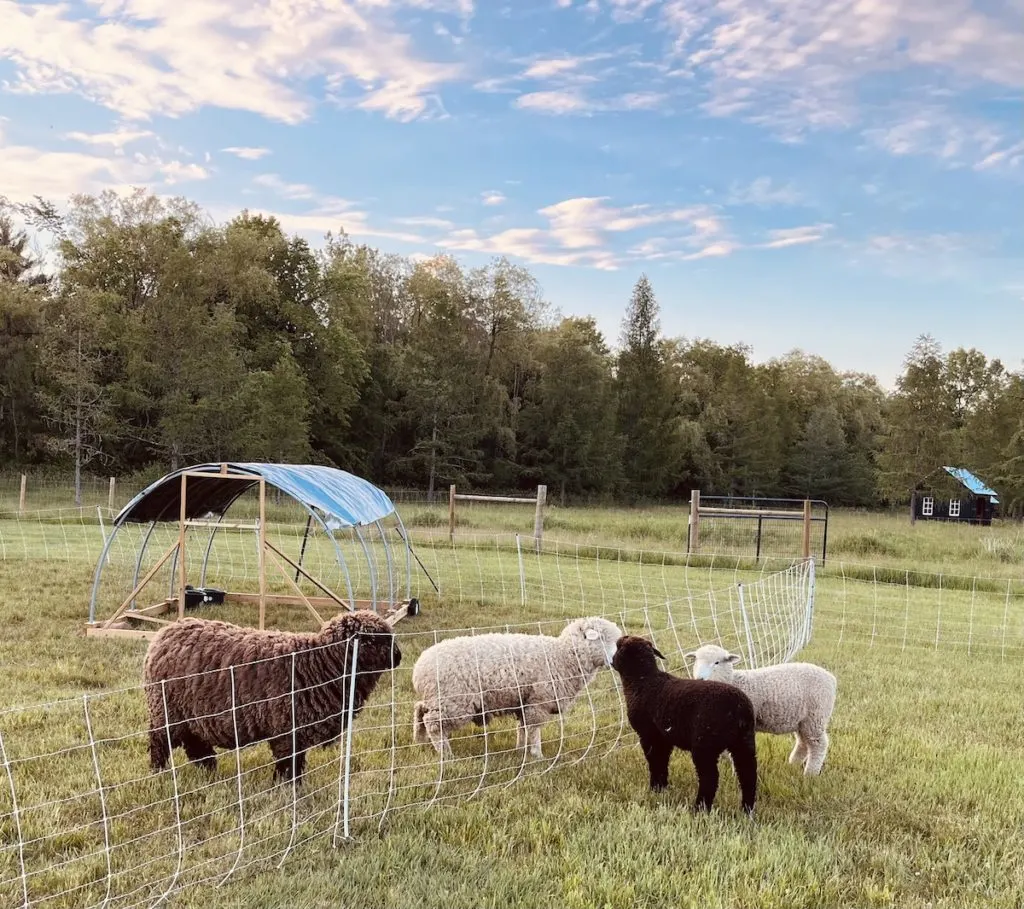
Building a durable and cost-effective sheep shelter necessitates careful selection of materials and construction methods. The choice of materials influences the longevity, maintenance, and overall functionality of the shelter. Employing appropriate construction techniques ensures structural integrity, safety, and comfort for the sheep, while also optimizing resource use and budget considerations.
In this section, we explore the most suitable materials for sheep shelter construction, methods for creating a sturdy framework, effective flooring options, and procedures for installing essential features such as doors, windows, and ventilation systems. These insights aim to provide a comprehensive guide for constructing a shelter that is resilient, practical, and economical.
Durable and Cost-Effective Materials
Selection of materials directly impacts the durability and affordability of sheep shelters. The ideal materials should withstand environmental conditions, resist pest and wear, and be easy to maintain. Here are some of the most recommended options:
- Wood: Treated timber or reclaimed wood are popular for framing and wall panels due to their availability, ease of handling, and insulative properties. Pressure-treated wood offers resistance to moisture, pests, and decay, extending the lifespan of the structure.
- Metal: Galvanized steel or aluminum are highly durable materials suitable for framing, roofing, and siding. Metal structures are resistant to pests, rot, and weather-related damage, though they may require insulation to prevent temperature extremes.
- Recycled Materials: Using recycled plastics, pallets, or metal scraps can significantly reduce costs and environmental impact. These materials can be repurposed for framing, flooring, or wall panels when properly treated for safety and durability.
Choosing high-quality, weather-resistant materials ensures the shelter’s longevity while balancing initial costs with long-term savings on repairs and maintenance.
Constructing a Sturdy Frame
The structural framework forms the backbone of the shelter and must be engineered to support loads, resist environmental stresses, and facilitate easy assembly. Construction techniques vary based on material choice:
- Wood Frame Construction: Utilize treated timber posts and beams arranged in a rectangular or square layout. Secure joints with galvanized nails or bolts, and connect vertical posts with horizontal beams using metal brackets for added stability. Ensure proper bracing with diagonal supports to prevent lateral movement.
- Metal Frame Construction: Weld or bolt together steel or aluminum tubing to form a rigid skeleton. Use gussets and cross-bracing to reinforce corners and prevent deformation under wind or snow loads. Properly treat welds to avoid corrosion.
- Recycled Materials: When using repurposed materials, ensure they are structurally sound and meet safety standards. For example, reclaimed pallets can be reinforced with metal fasteners, and scrap metal pieces can be welded or bolted to form frame elements.
Ensuring the frame is level, square, and securely anchored to the ground is essential for the overall stability of the shelter.
Flooring Options: Comparison Table
The flooring system in a sheep shelter influences hygiene, comfort, and maintenance frequency. Below is a comparison of common flooring options:
| Flooring Type | Advantages | Maintenance Needs | Cost |
|---|---|---|---|
| Concrete | Highly durable, easy to clean, resistant to pests and moisture | Requires regular cleaning and sealing to prevent cracking | Moderate to high initial investment |
| Wooden Slats | Good drainage, natural insulation, comfortable for sheep | Needs periodic replacement of worn slats and cleaning | Lower initial cost, but may require more frequent repairs |
| Dirt with Bedding | Cost-effective, simple to implement, allows natural behavior | High maintenance with regular bedding replacement | Low initial cost |
Construction Procedures for Doors, Windows, and Ventilation
Proper installation of doors, windows, and ventilation features is vital for ensuring the shelter’s functionality, airflow, and accessibility. The following procedures Artikel best practices:
- Doors: Construct doors from durable timber or metal, ensuring they are sized to allow easy entry and exit for sheep and personnel. Fit hinges securely, and install locking mechanisms to prevent unintended access. Use weatherproof seals to prevent drafts and water ingress.
- Windows: Install windows with sturdy frames made of wood or metal. Use wire mesh or glass panes suitable for the climate. Place windows at appropriate heights for ventilation and light entry, and incorporate secure latches. Consider installing adjustable shutters for controlling airflow.
- Ventilation Features: Incorporate ventilation openings such as side vents, ridge vents, or adjustable louvers. Install these features with screens to prevent entry of pests and debris. Proper placement facilitates cross-ventilation, reducing humidity and respiratory risks for sheep.
Ensuring these features are correctly installed with attention to sealing, insulation, and security will significantly enhance the shelter’s efficacy and longevity.
Environmental and Climate Considerations
Creating a sheep shelter that effectively addresses environmental and climate factors is vital for the health, comfort, and productivity of the flock. Properly designed shelters can mitigate the adverse effects of weather, ensuring sheep remain comfortable during extreme seasons and environmental conditions. Incorporating insulation, water management, suitable roofing materials, and airflow optimization are key components in achieving this goal.A well-considered environment reduces stress on sheep, minimizes health issues, and enhances overall welfare.
Tailoring the shelter design to local climate patterns, such as humidity, temperature fluctuations, and precipitation, ensures longevity and functionality of the structure.
Insulation for Different Climates and Seasons
Effective insulation is essential to maintain stable internal temperatures, especially in regions with cold winters or hot, humid summers. In colder climates, insulation helps retain heat, reducing the energy required for supplementary heating and preventing frostbite or hypothermia among sheep. Conversely, in warmer areas, insulation can prevent excessive heat gain, creating a cooler, more comfortable environment.Materials such as straw bales, foam boards, cellulose, or mineral wool can be incorporated into walls and roofs to enhance insulation performance.
Installing insulation in the roof is particularly crucial, as heat tends to rise. For seasonal adjustments, consider using removable or adjustable insulation panels that can be added or removed as needed.To optimize insulation effectiveness, seal all gaps and joints to prevent drafts and heat loss, and ensure the shelter’s orientation minimizes exposure to prevailing cold winds while maximizing sunlight during winter months.
Proper Drainage and Water Management
Ensuring effective drainage around the shelter is critical to prevent water accumulation, which can lead to muddy conditions, hoof diseases, and structural damage. Proper water management involves designing the shelter’s site to promote runoff away from the structure and establishing drainage channels or gravel beds.The ground within and surrounding the shelter should be graded to create a slight slope, directing water away from the entrance and living areas.
Installing gutters and downspouts on the roof directs rainwater efficiently, preventing pooling near entrances. Additionally, drainage pipes or French drains can be integrated into the perimeter to divert excess water.Regular maintenance, including clearing debris from drainage systems and inspecting the site after heavy rain, ensures water continues to flow freely. Using permeable paving materials like gravel or crushed stone around the shelter facilitates water absorption and reduces surface runoff.
Suitable Roofing Materials for Weather Resistance
Choosing durable roofing materials is essential for protecting the shelter from harsh weather conditions, including heavy rain, snow, hail, and strong winds. The following materials are effective for weather resistance:
- Steel or Metal Sheets: Highly durable, resistant to rot and pests, and capable of withstanding heavy snow and wind loads. Coated with zinc or other rust-inhibitors for longevity.
- Asphalt Shingles: Offer good weather resistance, especially in areas with moderate to heavy rainfall, and are relatively easy to install and repair.
- Clay or Concrete Tiles: Provide excellent resistance to fire, rot, and pests, suitable for regions with high rainfall and intense sunlight.
- Polycarbonate or Fiberglass Panels: Lightweight, impact-resistant, and allow natural light, beneficial in environments with frequent hail or storms.
Selecting the appropriate roofing material should consider local climate extremes, budget, and maintenance capacity. Proper installation and sealing are essential to prevent leaks and ensure longevity.
Optimizing Airflow While Maintaining Warmth
Balancing airflow with insulation is crucial for preventing moisture buildup and ensuring good air quality without compromising warmth. Excessive moisture can lead to respiratory issues and mold growth within the shelter.Effective methods to optimize airflow include installing adjustable vents, windows, or louvers positioned high on walls to facilitate cross-ventilation. These openings can be opened during warmer months to promote air exchange and closed during cold weather to conserve heat.Utilizing passive ventilation principles, such as ridge vents at the roof’s peak and intake vents at lower levels, creates a natural airflow cycle driven by temperature differences.
Ensuring that vents are screened prevents entrance of pests and prevents drafts from creating cold spots.Incorporating windbreaks, such as trees or fences, on the prevailing wind side can help reduce wind chill and stabilize internal temperatures. Proper placement and design of ventilation features can significantly enhance airflow while maintaining a warm, comfortable environment for the sheep during colder seasons.
Safety and Comfort Features
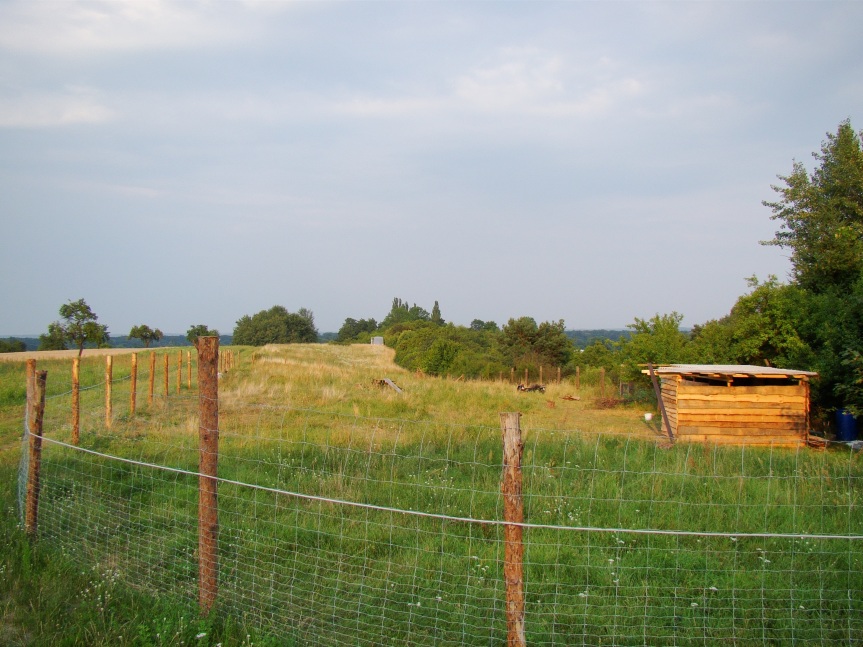
Implementing comprehensive safety and comfort features in a sheep shelter is essential for safeguarding the flock against predators while ensuring optimal living conditions for the sheep. These measures contribute to the health, productivity, and overall well-being of the animals, creating a secure and comfortable environment that promotes proper growth and reduces stress.
Effective safety and comfort features encompass secure fencing to deter predators, suitable bedding and lighting for sheep comfort, and proper ventilation and spatial arrangements. Paying close attention to these aspects fosters a healthy, secure, and pleasant habitat for sheep, minimizing risks and enhancing their quality of life.
Predator Prevention and Shelter Security
Protection from predators is a critical component of sheep shelter safety. Implementing physical barriers and security measures prevents unwanted intrusions that could threaten the flock’s safety. This includes installing predator-proof fencing, securing entry points, and employing additional deterrents to keep predators at bay.
- Predator-proof fencing: Use galvanized steel or high-tensile wire with a height of at least 1.8 meters (6 feet) to prevent climbing predators from entering. Incorporate a buried apron or skirt extending 30-45 cm underground to prevent digging predators from tunneling underneath.
- Secure gates and entry points: Reinforce gates with sturdy latches, padlocks, or locking mechanisms. Ensure all openings are tightly sealed when not in use.
- Additional deterrents: Install motion-activated lights, predator decoys, or audible devices that startle or deter predators from approaching the shelter.
Regular inspection and maintenance of fencing and security features are vital to identify and repair vulnerabilities promptly, maintaining a secure environment for the sheep.
Enhancing Sheep Comfort
Providing a comfortable environment enhances sheep welfare, promotes healthy growth, and reduces stress-related behaviors. Comfort features include appropriate bedding, optimal lighting, and adequate space allocation, which collectively contribute to the overall well-being of the flock.
- Bedding materials: Use clean, dry, and absorbent bedding such as straw, wood shavings, or hemp. Regularly replace bedding to prevent moisture buildup and reduce the risk of footrot and other health issues.
- Lighting considerations: Ensure the shelter has sufficient natural light or install soft, non-intrusive artificial lighting that mimics natural day-night cycles. Proper lighting encourages healthy circadian rhythms and supports sheep behavior and reproduction.
- Space per sheep: Maintain adequate space within the shelter, typically a minimum of 1.5 to 2 square meters per sheep, depending on size and activity level. Overcrowding can increase stress and disease transmission, so organizing the shelter layout to allow free movement is essential.
Installing Predator-Proof Fencing
Constructing predator-proof fencing is a fundamental safety measure. The installation process involves selecting the appropriate fencing materials, designing the layout to exclude predators, and ensuring secure anchoring to withstand environmental forces and predatory attempts.
- Site preparation: Clear the area around the fencing perimeter, removing debris, rocks, and vegetation that could undermine the fence’s stability or provide hiding spots for predators.
- Fence material selection: Opt for galvanized steel wire or high-tensile wire with a mesh size of 10-15 cm (4-6 inches), which prevents predators from squeezing through. The fencing height should be at least 1.8 meters (6 feet) to deter climbing predators like dogs or coyotes.
- Underground protection: Bury the fence approximately 30-45 cm (12-18 inches) underground, or install a concrete or wire apron extending outward to prevent digging predators from tunneling underneath.
- Gate and access reinforcement: Use heavy-duty hinges and secure latches that are predator-resistant. Consider adding double gates or vestibules to create an additional barrier.
- Routine inspection and maintenance: Regularly check for damages, corrosion, or breaches and repair promptly to maintain integrity and security.
“Investing in high-quality, predator-proof fencing not only protects your flock but also minimizes the need for constant vigilant supervision, ensuring peace of mind and animal safety.”
Ventilation, Lighting, and Space Checklist
Ensuring proper ventilation, lighting, and spatial arrangements is crucial for maintaining a healthy environment within the sheep shelter. Adhering to a detailed checklist helps systematically evaluate and optimize these factors.
| Parameter | Ideal Standards | Checklist Items |
|---|---|---|
| Ventilation | Fresh air exchange without drafts; humidity control |
|
| Lighting | Natural light with supplemental artificial light as needed |
|
| Space per sheep | 1.5 to 2 square meters depending on sheep size and activity |
|
Regularly reviewing and updating these parameters ensures the shelter environment remains conducive to the health and comfort of the sheep, promoting sustained productivity and well-being.
Maintenance and Upkeep
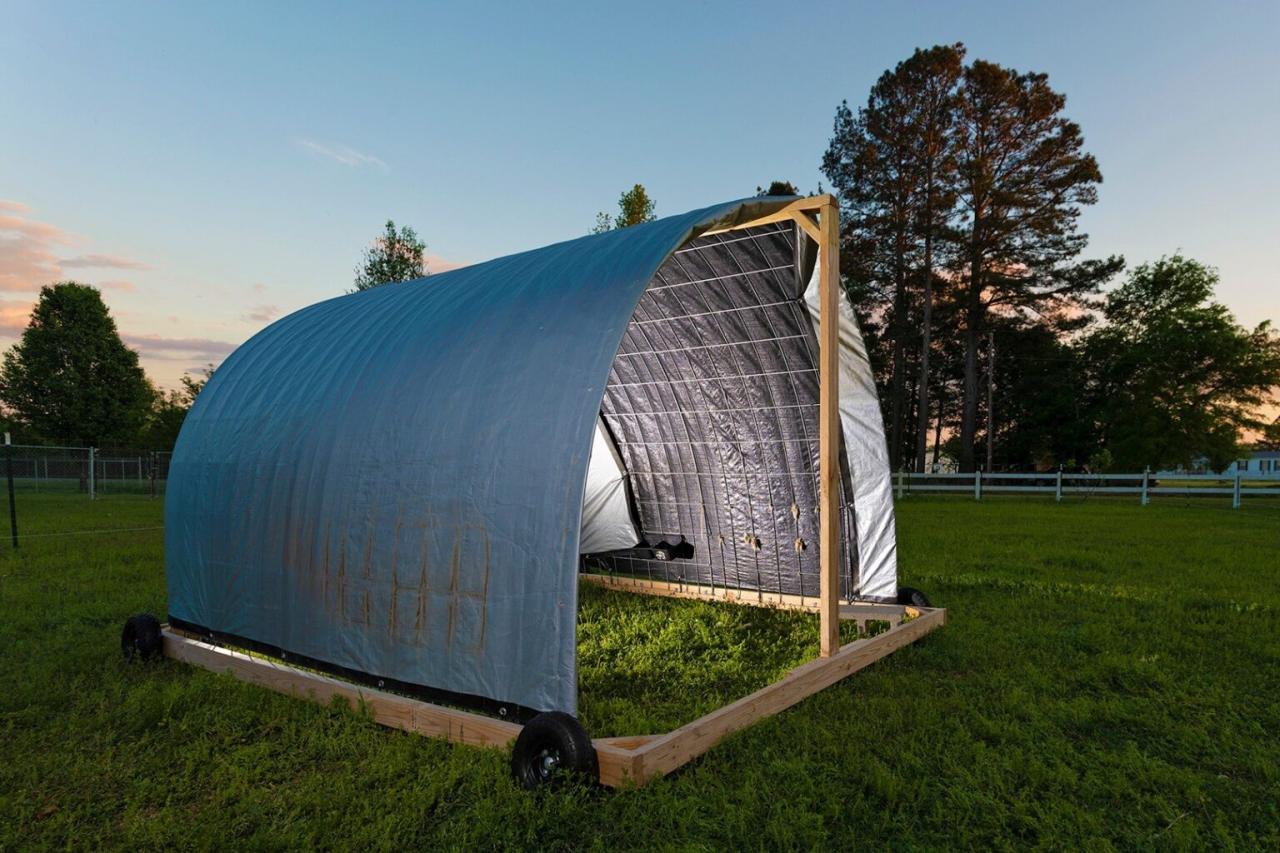
Ensuring the proper maintenance and regular upkeep of a sheep shelter is vital for promoting the health, safety, and well-being of the flock. A well-maintained shelter minimizes disease risk, extends the lifespan of building components, and provides a comfortable environment for sheep throughout the year. Consistent routines for cleaning, structural inspections, and seasonal adjustments are essential components of effective shelter management.Regular cleaning and disinfecting help prevent the buildup of pathogens and reduce the likelihood of infections among sheep.
Routine inspections of the shelter’s structural integrity are crucial for early identification of damages, such as broken fencing, worn roofing, or weakened foundations, allowing timely repairs that prevent accidents or exposure to harsh weather conditions. Developing a comprehensive maintenance schedule ensures that tasks are performed systematically, maintaining the shelter’s functionality and hygiene standards while optimizing resource use.Adopting seasonal adjustment practices further ensures the shelter remains suitable for sheep in different weather conditions.
For example, enhancing insulation during winter or improving ventilation in summer can significantly impact sheep comfort and health. Implementing these maintenance routines and adapting them to seasonal changes contributes to a resilient and sustainable shelter environment.
Cleaning and Disinfecting Routines
Maintaining a clean shelter environment is fundamental in promoting sheep health by preventing the spread of diseases and controlling parasites. Daily removal of manure, soiled bedding, and leftover feed reduces ammonia buildup and lowers the risk of respiratory issues. Implementing a routine that includes removing waste and replacing bedding at least once a week ensures a hygienic environment.Disinfecting surfaces, feeders, water troughs, and flooring using appropriate veterinary-approved disinfectants is essential to eliminate pathogens.
It is advisable to disinfect these areas after cleaning to maximize effectiveness. Using disinfectants with broad-spectrum activity and ensuring proper contact time are crucial for successful sanitation. During outbreaks of contagious diseases, increased disinfecting frequency may be necessary to contain the spread.
Structural Integrity Inspection and Repairs
Periodic inspections of the shelter’s structure help identify potential damages early, preventing costly repairs and ensuring safety. Key aspects to inspect include roofing, walls, fencing, ventilation openings, and drainage systems. Look for signs of wear such as rust, rot, cracks, loose fittings, or broken components that could compromise shelter safety.A systematic approach involves creating a checklist for monthly or quarterly inspections, documenting the condition of each element.
Repairs should be prioritized based on severity; for example, replacing a damaged door latch or patching holes in fencing to prevent sheep escape. Engaging professional builders or structural engineers periodically can ensure that the shelter meets safety standards and conforms to local building codes.
Maintenance Schedule and Tasks
A well-structured maintenance schedule helps organize routine tasks, allocate responsibilities, and ensure consistent shelter upkeep. Below is an example of a comprehensive schedule designed to maintain optimal shelter conditions:
| Task | Frequency | Responsible Person |
|---|---|---|
| Daily removal of manure and soiled bedding | Daily | Shepherd or Caretaker |
| Disinfection of feeding and watering equipment | Weekly | Caretaker |
| Inspection of structural components (roof, walls, fencing) | Monthly | Maintenance Personnel |
| Repair of damages or wear identified during inspections | As needed | Maintenance Team or Contractor |
| Deep cleaning and bedding replacement | Every 4-6 weeks | Caregiver |
| Ventilation system check and adjustment | Quarterly | Environment Specialist |
| Seasonal adjustments (insulation, shading, ventilation) | Before each season change | Management Team |
Seasonal Adjustments for Shelter Suitability
Seasonal modifications are necessary to ensure the shelter remains comfortable and functional throughout the year. During winter, adding insulation to walls and roofs helps retain heat, while installing windbreaks or temporary shelters can protect sheep from harsh weather. Ensure that drainage systems are clear to prevent snow accumulation or flooding.In summer, enhancing ventilation and providing shade reduces heat stress. Installing fans, opening adjustable vents, or adding shade cloths over exposed areas increases airflow and helps maintain a cooler environment.
Regularly monitoring temperature and humidity levels within the shelter allows for timely adjustments, safeguarding sheep from temperature extremes. Preemptive seasonal modifications and routine maintenance are key to sustaining a safe, comfortable, and healthy shelter environment for sheep year-round.
Last Word
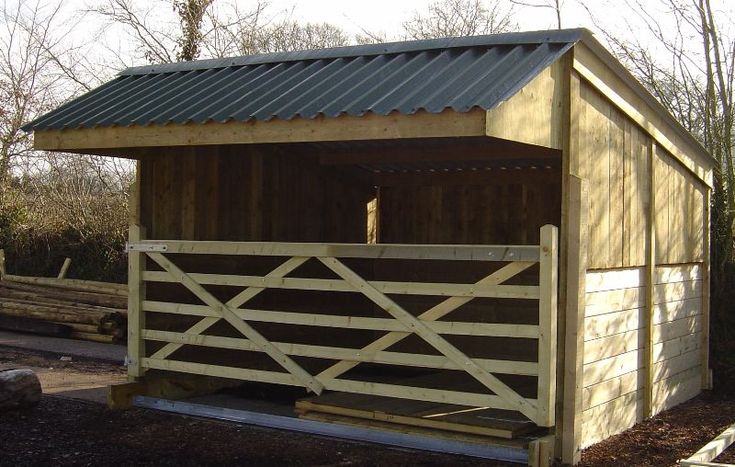
In conclusion, building a sheep shelter requires a blend of thoughtful design, quality materials, and ongoing maintenance. By implementing the right features and considering environmental and safety aspects, you can create a resilient and comfortable home for your sheep that supports their well-being throughout the year. Proper planning and attention to detail will ensure your shelter remains a valuable asset for your flock’s health and productivity.