Embarking on goat breeding can be a rewarding venture that combines biological understanding with attentive management. Whether you are a seasoned farmer or a hobbyist, mastering the essentials of how to breed goats unlocks the potential for healthy, productive herds. This guide offers valuable insights into each stage, from preparation to post-breeding care, ensuring your breeding program is both effective and sustainable.
Understanding the fundamental reproductive cycles, selecting optimal breeding stock, and implementing proper techniques are crucial steps toward successful kidding and offspring rearing. With meticulous planning and consistent management, you can enhance genetic diversity, improve herd quality, and achieve your breeding goals efficiently.
Overview of Goat Breeding
Goat breeding is a vital aspect of livestock management that ensures the production of healthy offspring, optimal milk yield, and improved genetic traits. Understanding the biological fundamentals and reproductive cycles of goats forms the foundation for successful breeding practices. Proper selection of breeding stock and maintaining genetic diversity are key components to fostering a resilient and productive herd. This overview provides essential insights into the principles guiding effective goat breeding efforts.
Effective goat breeding combines biological knowledge with practical management strategies. It involves understanding the reproductive physiology of goats, timing of breeding, and genetic considerations to achieve desirable outcomes. By carefully selecting healthy animals and ensuring genetic variability, breeders can enhance herd productivity, disease resistance, and adaptability to environmental conditions.
Fundamentals of Goat Breeding
Understanding the biological and reproductive aspects of goats is crucial for planning and executing successful breeding programs. The reproductive cycle of a goat is influenced by hormonal changes, environmental factors, and seasonal variations, all of which affect breeding timing and fertility.
| Aspect | Details | Examples |
|---|---|---|
| Reproductive Cycle | Goats are seasonal breeders, typically exhibiting estrous cycles lasting about 21 days. The estrus phase, when the female is receptive to breeding, lasts approximately 24-36 hours. Ovulation occurs during this period, making timing critical for successful mating. | In temperate regions, goats often breed in the fall, aligning with natural breeding seasons. In controlled environments, artificial lighting can manipulate cycles to extend breeding periods. |
| Biological Concepts | Reproductive success depends on the health of both the buck (male) and doe (female). Fertility is influenced by factors such as age, nutrition, and overall health. Proper understanding of hormone cycles facilitates optimal breeding times. | A healthy doe typically reaches sexual maturity around 7-8 months, while bucks are ready for breeding from 4-6 months, depending on breed and management practices. |
| Genetic Diversity | Maintaining genetic diversity involves selecting breeding animals from different bloodlines to prevent inbreeding depression and promote resilience. It enhances vital traits such as growth rate, disease resistance, and adaptability. | Using a broad selection of sires over multiple generations helps maintain a healthy gene pool, reducing the risk of hereditary issues and improving overall herd quality. |
| Selection of Breeding Stock | Choosing healthy, vigorous animals with desirable traits is fundamental. Breeding stock should be free from hereditary diseases, have good conformation, and meet production goals. | For milk production, selecting does with high milk yield genetics and bucks with proven fertility and good temperament optimizes outcomes. |
Preparing for Breeding
Effective goat breeding begins with thorough preparation to ensure both the health and reproductive readiness of the animals involved. Proper planning and assessment help maximize fertility rates and promote the well-being of the herd. This stage involves evaluating individual goats, setting up suitable environments, and ensuring optimal nutrition and health standards are met.
By systematically preparing bucks and does, breeders can foster a successful breeding season, reduce potential health issues, and improve overall herd productivity. Attention to detail during this phase is critical for achieving strong, healthy offspring and maintaining the longevity of the breeding stock.
Assessment of Goat Health and Reproductive Readiness
Assessing the health and readiness of goats for breeding is an essential step that involves a combination of physical examinations, reproductive evaluations, and health checks. This process helps identify any underlying issues that could impair fertility or lead to complications during pregnancy or kidding.
Ensuring optimal health prior to breeding not only increases the chances of conception but also promotes the overall vitality of the animals. Regular monitoring and documentation of each goat’s condition provide valuable insights and facilitate timely interventions if necessary.
Necessary Preparations for Breeding
Preparing the environment, nutrition, and health status of goats is fundamental to successful breeding. Adequate preparations create a conducive setting for conception and support the animals’ physical and reproductive health.
The following are essential procedures for both bucks and does to ensure they are ready for the breeding season:
- Habitat and Housing: Ensure that the goats have access to clean, dry, and well-ventilated shelters. Proper fencing prevents injuries and escapes, while maintaining a quiet, stress-free environment encourages natural behaviors conducive to breeding.
- Nutrition and Feeding: Provide a balanced diet rich in energy, proteins, vitamins, and minerals. Adequate nutrition boosts libido, supports reproductive organ health, and prepares the body for pregnancy. Incorporate quality forage, grains, and mineral supplements tailored to their specific needs.
- Health Checks and Vaccinations: Conduct comprehensive health assessments including physical exams, parasite control, and vaccination schedules. Ensure that both bucks and does are free from transmissible diseases, such as brucellosis or leptospirosis, which can affect fertility.
- Breeding Soundness Evaluation: For bucks, perform semen analysis and physical examinations to assess libido and reproductive organs. For does, check for normal estrous cycles and reproductive tract health. Breeding soundness evaluations help select optimal candidates for mating.
- Record Keeping and Observation: Maintain detailed records of each goat’s health status, reproductive history, and any treatments administered. Observe behavioral signs of readiness, such as mounting activity in bucks and signs of heat in does.
- Environmental Management: Adjust lighting, temperature, and overall conditions to mimic natural cues that stimulate reproductive activity, especially in controlled breeding setups.
Consistent health monitoring and environmental management are the cornerstones of successful breeding preparation, directly impacting fertility rates and offspring quality.
Breeding Techniques and Methods
Implementing effective breeding techniques is essential for achieving healthy and productive goats. Different methods offer various advantages and challenges, and selecting the appropriate technique depends on factors such as herd size, genetic goals, and available resources. Understanding the nuances of each method ensures successful reproduction and enhances overall herd quality.
In this section, we explore the primary breeding methods employed in goat husbandry: natural mating, artificial insemination, and hand mating. Detailed procedural descriptions and a comparison of these methods provide valuable insights for breeders aiming to optimize their breeding programs.
Natural Mating
Natural mating involves allowing a buck to mate freely with does in the herd, replicating the natural reproductive behavior of goats. This method is widely used due to its simplicity and minimal technological requirements. It is particularly suitable for small herds or farms with accessible breeding bucks.
- Selection of a healthy, fertile buck that matches the desired genetic traits of the herd.
- Introducing the buck into the does’ enclosure during the rutting period, typically in the early spring or fall when natural breeding peaks.
- Monitoring interactions to ensure successful mating, which usually involves the buck mounting the does during their estrus phase.
- Allowing multiple mating sessions within the estrus period, generally lasting 24-48 hours, to increase conception chances.
Natural mating benefits from simplicity and low cost but may result in less control over genetic traits and limited genetic diversity if the buck’s genetics are not carefully managed.
Artificial Insemination (AI)
Artificial insemination involves collecting semen from a selected buck and inseminating it into the doe’s reproductive tract using specialized equipment. This method allows for the use of superior genetics, disease control, and genetic improvement across herds separated geographically.
- Collection of semen from a healthy, high-quality buck using an artificial vagina or electro-ejaculation technique.
- Evaluation of semen quality, including motility, concentration, and viability, to ensure optimal fertility potential.
- Preparation of semen doses, often mixed with extenders to preserve sperm viability during storage or transport.
- Timing the insemination to coincide with the doe’s estrus cycle, which is determined through behavioral signs or hormonal synchronization protocols.
- Insemination performed using a pipette or insemination gun inserted into the doe’s cervix, ensuring proper placement of semen within the reproductive tract.
Artificial insemination extends genetic diversity and disease control, but it requires technical expertise, equipment, and precise timing to maximize success rates.
Hand Mating
Hand mating combines elements of natural and controlled breeding by manually facilitating the mating process. It involves the breeder actively bringing a selected buck and doe together for mating, often when natural rutting behavior is insufficient or impractical.
- Selection of a healthy, genetically desirable buck and doe, ensuring both are in good reproductive condition.
- Introducing the buck and doe in a controlled environment, such as a small pen, to encourage mating behavior.
- Observing the doe for signs of estrus, such as restlessness, vocalization, and mounting behavior, to facilitate timing.
- Assisting or encouraging the buck to mount the doe if natural interest is low, ensuring mating occurs effectively.
- Repeating the process over several days during the doe’s estrus period to improve conception chances.
Hand mating allows for careful selection and management but is labor-intensive and may not be practical for large herds or extensive operations.
Comparison of Breeding Methods
| Method | Advantages | Disadvantages |
|---|---|---|
| Natural Mating |
|
|
| Artificial Insemination (AI) |
|
|
| Hand Mating |
|
|
Reproductive Management
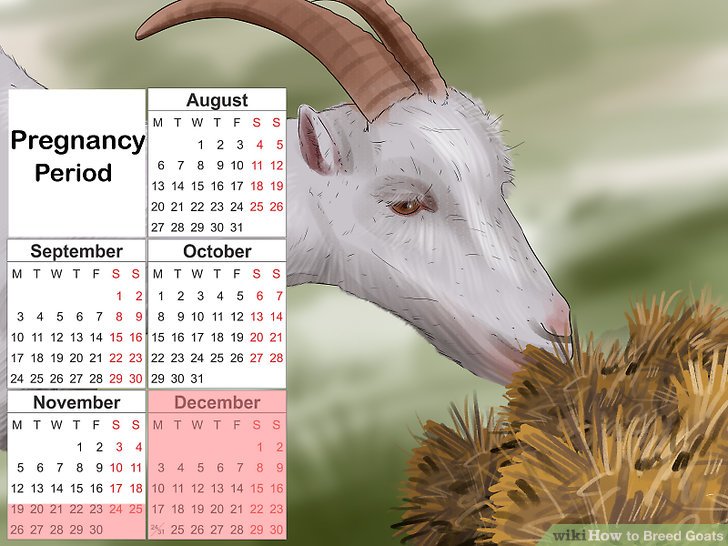
Efficient reproductive management is vital to optimizing breeding success and overall productivity in goat herds. Proper monitoring of reproductive cycles, timely identification of signs of heat, and meticulous tracking of breeding schedules contribute significantly to achieving high conception rates. Implementing systematic reproductive practices ensures that goats are bred at the most suitable times, leading to healthier offspring and improved herd performance.
Consistent reproductive management involves observing behavioral and physical indicators of estrus, maintaining accurate breeding records, and utilizing strategic scheduling to align with the goat’s natural reproductive rhythms. These practices help reduce breeding failures and enhance the genetic progress within the herd.
Monitoring Estrus Cycles and Signs of Heat
Understanding and recognizing the signs of estrus in female goats are essential for effective breeding management. Estrus, commonly known as heat, typically occurs every 18 to 21 days and lasts approximately 24 to 48 hours. During this period, female goats exhibit specific behavioral and physical changes that indicate readiness to breed. Accurate detection of these signs allows for timely mating or artificial insemination, thereby increasing conception rates.
Key signs of heat in female goats include increased agitation, restlessness, and vocalization. Physical indicators may involve swelling and reddening of the vulva, a clear mucus discharge, and seeking out the buck or showing receptiveness to mounting. Observing these signs regularly, especially during peak breeding seasons, enhances the likelihood of successful mating attempts.
Tracking Breeding Schedules and Optimizing Conception Rates
Effective management of breeding schedules requires diligent record-keeping and monitoring to ensure that each goat is bred during her optimal fertile window. Maintaining breeding logs that include dates of observed heat signs, mating, and pregnancy checks facilitates better planning and reduces missed breeding opportunities. This systematic approach helps in predicting and preparing for subsequent reproductive cycles, leading to improved conception outcomes.
Utilizing tools such as breeding calendars, electronic record systems, or mobile applications can streamline this process. Additionally, timing artificial insemination to coincide precisely with the female’s estrus peak maximizes the chances of fertilization. Proper timing not only improves conception rates but also reduces the number of breedings per doe, saving resources and labor.
Estrus Cycle Phases in Goats
| Phase | Duration | Description |
|---|---|---|
| Proestrus | 1-2 days | The period leading up to estrus, characterized by vulvar swelling and increased activity. The female prepares for heat but does not yet show receptiveness. |
| Estrus (Heat) | 24-48 hours | The fertile phase when the female exhibits signs of receptiveness and mating behaviors. Ovulation occurs toward the end of this phase. |
| Metestrus | 1-2 days | Post-estrus phase where receptiveness declines, and the corpus luteum begins to form. Physical signs diminish. |
| Diestrus | 10-14 days | The luteal phase dominated by the activity of the corpus luteum. If no pregnancy occurs, the cycle resets with proestrus. |
Monitoring these cycle phases allows breeders to pinpoint the optimal time for breeding, thus increasing the likelihood of conception and successful pregnancy outcomes.
Post-Breeding Care and Monitoring
Proper post-breeding care and vigilant monitoring are fundamental to ensuring the health and successful progression of pregnant goats. After breeding, careful attention to the animal’s well-being, early detection of pregnancy, and readiness for kidding are essential components that contribute to a smooth reproductive cycle and healthy offspring.Following breeding, managing the health of the doe involves providing optimal nutrition, minimizing stress, and closely observing her physical and behavioral changes.
Monitoring her closely during this period helps identify early signs of pregnancy and potential complications, enabling timely interventions that can prevent adverse outcomes. A well-organized postpartum care plan and a comprehensive kidding checklist are instrumental in facilitating a successful kidding process and ensuring the welfare of both mother and kids.
Caring for Pregnant Goats and Planning for Kidding
Providing appropriate care during pregnancy enhances fetal development and prepares the doe for labor and lactation. Nutritional adjustments should include increased energy and protein intake, along with vital minerals and vitamins to support fetal growth. Regular health checks, including temperature and body condition assessments, allow early detection of issues such as infections or nutritional deficiencies.Planning for kidding involves setting up a clean, quiet, and comfortable kidding area that minimizes stress and exposure to potential hazards.
It is crucial to have supplies on hand, such as clean towels, iodine for navel care, disinfectants, and a clean workspace. Additionally, scheduling veterinary visits for pregnancy confirmation and consultations about potential complications provides peace of mind and preparedness.
Observations for Signs of Pregnancy and Potential Complications
Monitoring signs of pregnancy in goats involves observing behavioral and physical changes over the gestation period. Common indicators include reduced activity, changes in appetite, udder development, and abdominal enlargement. Ultrasound or palpation around 30-40 days post-breeding can confirm pregnancy, with ultrasound being more reliable and less invasive.It is equally vital to recognize signs of complications that may arise during pregnancy, such as vaginal discharge, persistent lethargy, loss of appetite, or abnormal swelling.
Early detection of issues like placental retention, pregnancy toxemia, or infections allows prompt veterinary intervention, which can prevent pregnancy loss or health deterioration.
Postpartum Care Steps and Kidding Checklist
Ensuring proper postpartum care and a thorough kidding checklist helps facilitate a smooth transition for the doe and her newborns. Postpartum management involves monitoring for signs of illness, providing adequate nutrition, and assisting with any complications during delivery.Kidding Checklist:
- Preparation of the kidding area: Ensure it is clean, dry, well-ventilated, and free of hazards.
- Supplies ready: Disinfectants, clean towels, iodine solution for navel dipping, gloves, and scissors.
- Monitoring during labor: Observe for signs of labor such as restlessness, pawing, and udder swelling.
- Assistance during kidding: Be prepared to help if complications arise, such as breech presentation or dystocia.
- Post-kidding observation: Check for signs of retained placenta, excessive bleeding, or distress.
- Neonate care: Ensure kids are breathing properly, dry, and suckling effectively. Clear airways if necessary.
- Navel treatment: Dip the newborn’s navel in iodine solution to prevent infection.
- Record keeping: Document birth details, health status, and any interventions for future reference.
Maintaining these steps ensures the health of the dam and her kids, promoting growth and development while minimizing the risk of postpartum complications.
Kidding and Kid Care
Ensuring the well-being of newborn kids is a critical aspect of successful goat breeding. Proper management during kidding and the initial neonatal period significantly influences the health, growth, and future productivity of the young goats. This stage demands attentive observation, timely interventions, and appropriate care practices to foster strong, healthy kids that will develop into productive adults.Delivering kids involves careful monitoring of the doe during the labor process to ensure a smooth delivery.
When labor begins, it is essential to provide a clean, quiet, and comfortable environment to minimize stress and prevent infection. Most goats typically deliver within a few hours, but prolonged labor warrants immediate veterinary attention. Once the kid is born, immediate neonatal care includes clearing airways, stimulating breathing if necessary, and ensuring the kid is dry and warm to prevent hypothermia.Maintaining optimal health for the newborns involves early colostrum intake, bonding with the mother, and continuous health monitoring.
Colostrum, the first milk produced by the doe, is rich in antibodies vital for immune protection. Ensuring kids nurse within the first few hours of birth enhances their immunity and overall survival chances. Bonding with the mother encourages natural nursing behavior and reduces stress, which is crucial for successful early development.
Neonatal Delivery and Immediate Care
Deliveries should be closely observed, especially in the first few hours, to identify any complications such as dystocia or retained placenta. Once the kid is born, the following steps are vital:
- Clear the respiratory passages by gently wiping the nose and mouth with a clean, dry cloth if necessary.
- Stimulate breathing and circulation by rubbing the kid with a towel or using gentle air blows if breathing is weak.
- Ensure the kid is dry and warm, placing them under a heat lamp or in a sheltered, draft-free environment.
- Assist with initial nursing if the kid does not instinctively seek the udder within 10-15 minutes.
Kid Health, Colostrum Intake, and Bonding
The health and immunity of neonatal kids depend heavily on timely colostrum ingestion. Administering colostrum within the first 2-4 hours after birth ensures maximal absorption of immunoglobulins. Failure to receive adequate colostrum increases susceptibility to infections and mortality. Establishing a strong bond between the kid and the mother encourages natural feeding behaviors, reduces stress, and promotes social development.Monitoring kid health involves daily checks for signs of illness, dehydration, or weakness.
Maintaining a clean environment and providing adequate warmth are foundational for preventing disease. In cases where the kid is weak or refuses to nurse, supplementary feeding with high-quality milk replacer may be necessary to prevent starvation and dehydration.
Feeding Techniques and Growth Monitoring Practices
Different methods of feeding and regularly monitoring growth are essential to ensure healthy development. The choice of feeding technique impacts the kid’s growth rate and overall health. Here is a comparison of common feeding methods:
| Feeding Technique | Description | Advantages | Disadvantages |
|---|---|---|---|
| Natural Nursing | Kids nurse directly from the doe, encouraged by natural behavior. | Optimal intake of colostrum and milk; promotes bonding; minimal management effort. | Requires doe’s availability; risk of underfeeding if doe produces insufficient milk. |
| Milk Replacer | Commercially prepared formula fed via bottle or bucket. | Controlled nutrition; useful if doe’s milk is inadequate or unavailable. | Higher cost; risk of improper mixing; less bonding compared to natural nursing. |
| Hand-Feeding | Manual feeding using bottles or syringes, especially for weak or orphaned kids. | Ensures nutrition for vulnerable kids; allows precise feeding amounts. | Labor-intensive; requires careful sanitation; may affect social development. |
Regular growth monitoring involves recording weight and body condition at weekly intervals. Using a calibrated scale, record the kid’s weight, and compare it with breed-specific growth charts. Physical assessments include checking for proper body development, activity level, and absence of signs of illness. Tracking growth rates helps identify nutritional or health issues early, enabling timely interventions to support optimal development.
“Ensuring timely colostrum intake and consistent growth monitoring are vital steps toward raising resilient and productive goats.”
Closing Summary
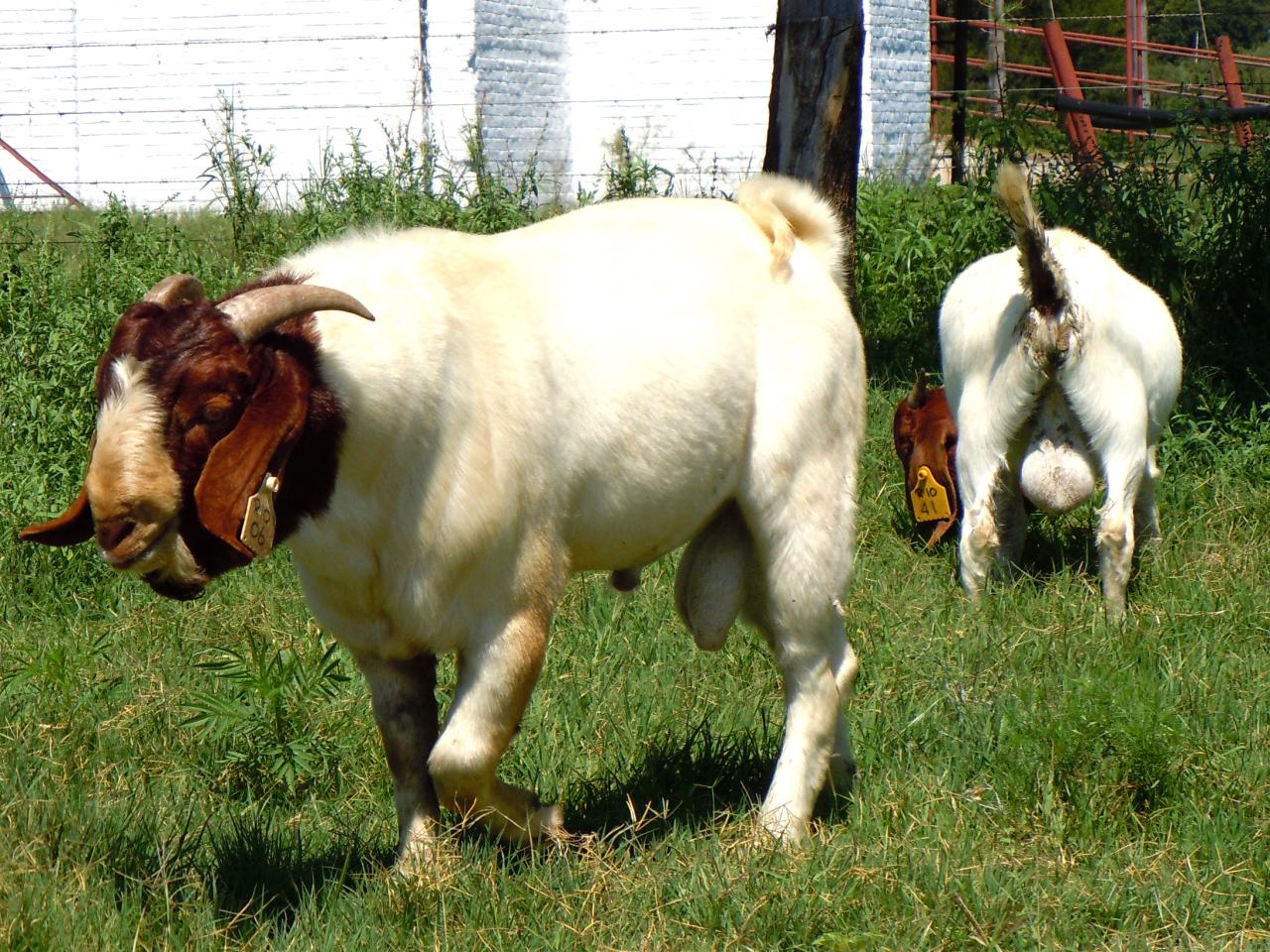
In conclusion, mastering how to breed goats involves a combination of biological knowledge, careful preparation, and diligent record-keeping. By applying best practices at each stage, from choosing the right stock to caring for the kids post-birth, you set the foundation for a thriving and productive herd. With patience and dedication, your goat breeding endeavors can become both rewarding and sustainable.