Learning how to fatten sheep effectively is essential for ensuring healthy growth and maximizing profitability in sheep farming. Proper management involves understanding nutritional needs, environmental conditions, and appropriate feeding strategies tailored to the sheep’s age and breed. By implementing best practices, farmers can achieve rapid weight gain while maintaining the animals’ well-being.
This comprehensive guide covers key aspects such as selecting suitable feeds, managing hydration, monitoring growth, preventing diseases, and creating an optimal living environment. With careful planning and consistent management, sheep can be fattened efficiently, leading to a successful and sustainable operation.
Basic Principles of Fattening Sheep
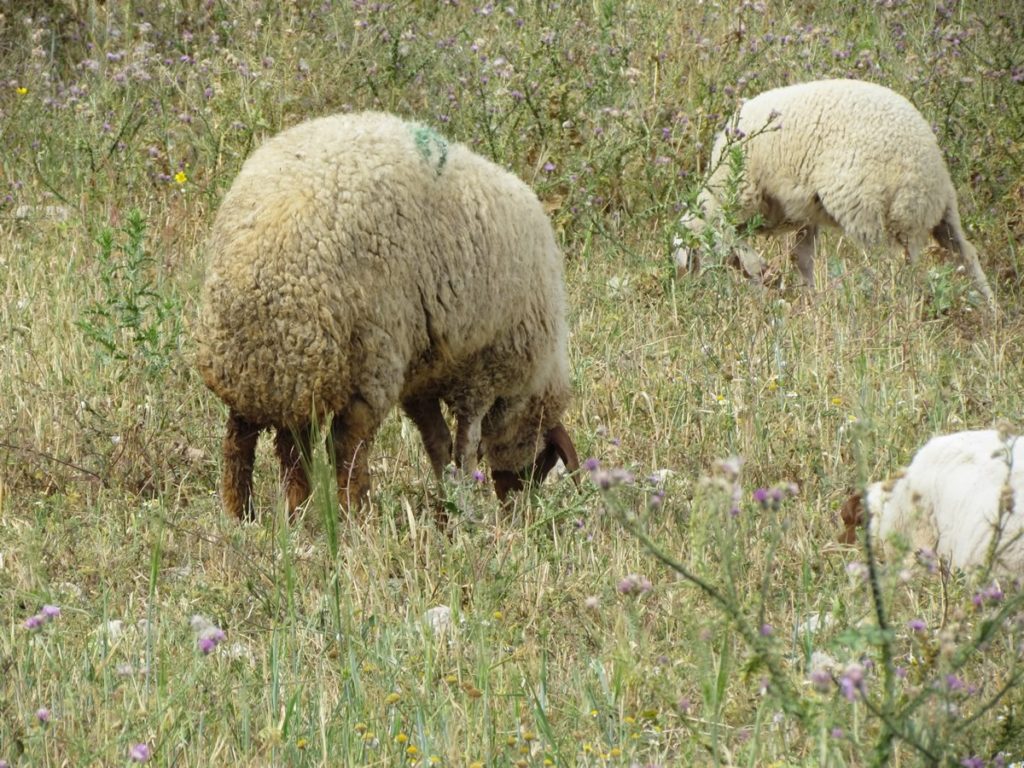
Fattening sheep effectively requires a comprehensive understanding of their nutritional needs, suitable living conditions, and breed-specific considerations. Proper management in these areas ensures optimal weight gain, health, and productivity, ultimately leading to a profitable operation. This section explores the core principles that underpin successful sheep fattening practices, providing a foundation for farmers and livestock managers aiming to enhance their outcomes.
Achieving consistent and efficient fattening involves balancing dietary inputs with environmental management, while selecting appropriate sheep breeds and ages that respond well to intensive feeding strategies. Adhering to these principles not only accelerates growth rates but also promotes animal welfare and sustainability within sheep farming enterprises.
Nutritional Needs of Sheep for Weight Gain
Providing a balanced and nutrient-rich diet is critical for sheep to gain weight efficiently. The primary nutritional components include energy sources, proteins, vitamins, and minerals, each playing a vital role in supporting growth and overall health.
Energy is predominantly supplied through carbohydrates and fats, which fuel the sheep’s metabolic processes and support muscle development. High-quality proteins are essential for tissue synthesis and repair, with sources such as soybean meal, alfalfa, and commercial concentrate feeds being commonly used. Adequate vitamins and minerals, including calcium, phosphorus, and vitamin A, support bone development and metabolic functions.
Feeding regimes should aim to provide approximately 2.2 to 2.8 kg of dry matter per day, tailored to the sheep’s weight, breed, and age, to promote optimal weight gain without overfeeding.
Optimal Environment and Housing Conditions for Fattening
Creating a suitable environment is fundamental to support healthy growth and maximize feed efficiency. Proper housing safeguards sheep from extreme weather conditions, reduces stress, and minimizes disease risks, all of which directly influence weight gain.
Optimal housing should include good ventilation, adequate space, and comfortable bedding to prevent injuries and promote natural movement. Well-ventilated shelters with protection from wind, rain, and direct sunlight help maintain a stable temperature and humidity, reducing metabolic stress. Proper drainage and cleanliness also contribute to minimizing parasite loads and disease transmission.
Furthermore, the layout should facilitate easy management of feeding, watering, and waste removal, ensuring that sheep have consistent access to clean water and nutritious feed. Maintaining a stress-free environment encourages better feed intake and efficient growth.
Breed and Age Considerations for Fattening Sheep
Choosing the right breed and age of sheep significantly impacts the success rate of fattening operations. Different breeds have varying growth potentials, feed conversion ratios, and adaptability to intensive fattening systems.
For example, terminal sire breeds such as Texel, Suffolk, and Hampshire are known for their rapid growth and meat quality, making them popular choices for fattening. These breeds typically reach market weight between 4 to 6 months of age, depending on the management practices.
It is advisable to select sheep around 3 to 4 months old at the start of fattening, as they are still in a rapid growth phase, allowing for efficient conversion of feed into body mass. Younger sheep tend to respond better to high-energy diets, resulting in quicker weight gain, while older animals might require more careful management to avoid metabolic issues.
Feeding Strategies for Rapid Growth
Implementing an effective feeding strategy is crucial to achieving rapid and healthy growth in sheep destined for fattening. Proper nutrition not only enhances weight gain but also improves overall health and carcass quality. A well-designed feeding schedule ensures that sheep receive the right nutrients at each stage of development, optimizing growth efficiency and economic returns.
This section provides a comprehensive overview of feeding schedules, compares various feed options such as grains, hay, and concentrates, and presents a practical feeding ratio table tailored to different growth phases in sheep fattening programs.
Comprehensive Feeding Schedule and Nutritional Requirements
To promote rapid growth, sheep should be fed a balanced diet that supplies adequate energy, protein, vitamins, and minerals. The feeding schedule must be tailored to the animal’s age, weight, and growth stage. Typically, the process begins with a focus on increasing energy intake for weight gain, transitioning to higher protein levels during the finishing phase to develop muscling and fat deposition.
For example, younger lambs in the early growth stage might receive a diet consisting of high-quality hay supplemented with concentrates rich in energy and protein. As sheep grow, gradually increasing concentrate intake ensures continuous weight gain without digestive disturbances. Close monitoring of body condition is essential to adjust feeding levels accordingly, preventing overfeeding or deficiencies.
Comparison of Feed Options for Fattening Sheep
The choice of feed significantly influences growth rate, feed conversion efficiency, and carcass quality. Below is an overview of common feed options used in sheep fattening:
- Grains: Such as barley, corn, oats, and wheat. These are high-energy feeds that promote rapid weight gain. They are best fed in controlled amounts to prevent digestive disorders, especially acidosis.
- Hay: Mainly medium to high-quality forage such as alfalfa or clover hay. It provides fiber essential for rumen health and acts as a baseline diet component, especially during the initial stages.
- Concentrates: Including soybean meal, corn gluten, or commercial pellet feeds. Concentrates are rich in protein and energy, supporting muscle development and fattening.
When designing a diet, balancing these components is key to maximizing growth without incurring digestive issues or unnecessary costs. Combining grains and concentrates with good-quality hay offers an optimal approach for achieving rapid and healthy weight gain.
Feeding Ratios Across Various Growth Stages
Implementing precise feeding ratios aligned with the sheep’s growth stage ensures efficient nutrient utilization and optimal weight gain. The table below illustrates typical feed ratios for different phases in the fattening process:
| Growth Stage | Feed Components | Percentage of Total Diet | Notes |
|---|---|---|---|
| Initial Growth (up to 50 kg live weight) |
|
70% hay, 30% concentrates | Focus on fiber intake, moderate energy supplementation |
| Rapid Growth (50–70 kg live weight) |
|
50% hay, 50% concentrates | Enhance growth rate, monitor for digestive health |
| Finishing Stage (above 70 kg live weight) |
|
30% hay, 70% concentrates | Maximize fat deposition and muscle development |
Adjustments to these ratios should be made based on individual animal response, feed availability, and economic considerations. Regular weighing and body condition scoring are vital to refining feeding strategies and ensuring optimal growth performance.
Selection of Feed Ingredients
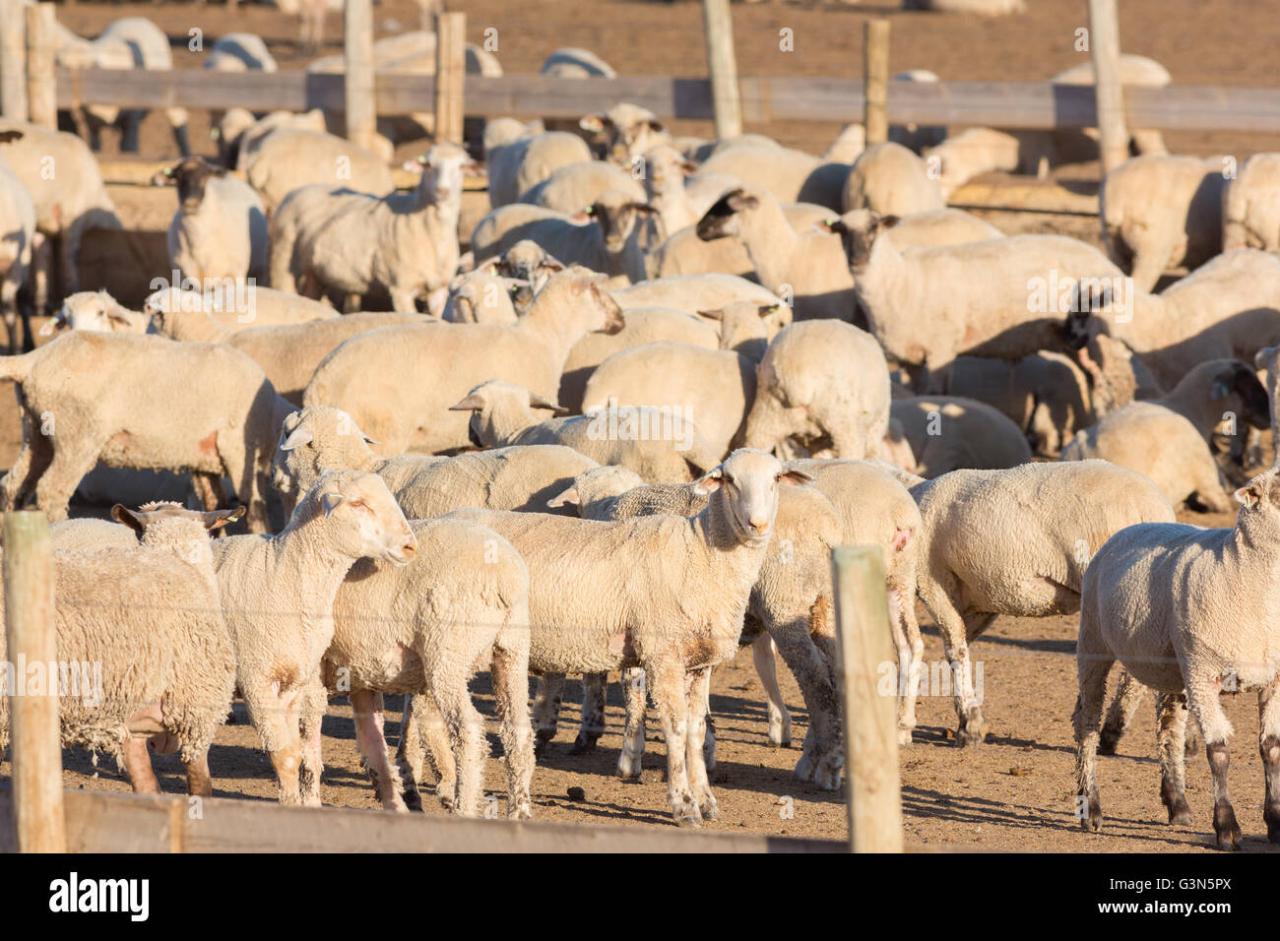
Selecting high-quality feed ingredients is a fundamental step in ensuring efficient and healthy fattening of sheep. The right choice of ingredients directly impacts growth rate, feed conversion efficiency, and overall animal health. It is essential to understand the nutritional profile and sourcing methods to formulate effective diets that meet the specific needs of fattening sheep.Choosing superior feed ingredients involves evaluating their nutritional content, freshness, and safety.
It is critical to source ingredients from reputable suppliers who adhere to quality standards to prevent contamination or nutritional deficiencies. Proper storage conditions help maintain ingredient quality, preventing spoilage, mold growth, or nutrient loss.
Methods to Select High-Quality Feed Ingredients
Ensuring the selection of quality feed ingredients involves both visual and analytical assessments. Visual inspection should include checking for mold, pests, discoloration, or unusual odors, which may indicate spoilage or contamination. Analytical testing can determine precise nutritional content, such as protein, energy, fiber, and mineral levels, guiding formulation decisions. It is advisable to select ingredients with consistent nutritional profiles to maintain diet uniformity and predictable growth outcomes.
Additionally, sourcing from suppliers with traceability and quality assurance certifications can mitigate risks associated with poor-quality inputs.
Nutritional Composition of Effective Feed Mixes
Effective feed mixes for sheep fattening should be balanced to provide adequate energy, protein, fiber, vitamins, and minerals. The optimal composition generally includes:
Crude Protein: 14-16% for rapid growth; energy levels around 2.8-3.2 Mcal/kg of dry matter; fiber content optimized for digestive health, approximately 20-30% neutral detergent fiber (NDF); and sufficient minerals and vitamins to support metabolic functions.
Ensuring these components are present in appropriate ratios promotes efficient growth, prevents metabolic disorders, and enhances overall feed utilization. The formulation should be tailored to the sheep’s age, breed, and intended growth rate, with consideration for local availability and cost-effectiveness.
Examples of Supplement Additions
To complement the base ingredients and optimize sheep health and productivity, strategic additions of minerals and vitamins are recommended. Common supplements include:
- Mineral mixes containing calcium, phosphorus, magnesium, and trace minerals such as zinc, copper, and selenium.
- Vitamin premixes including vitamins A, D, and E, which are vital for immune function, bone development, and antioxidant activity.
- Electrolyte solutions administered during periods of stress or dehydration.
- Additional omega-3 fatty acids or other fatty acids to enhance coat quality and immune response.
Incorporating these supplements ensures that nutritional gaps are bridged, promoting optimal growth performance and overall health in fattening sheep.
Monitoring and Adjusting Growth
Effective management of the sheep fattening process requires continuous monitoring of growth and health indicators. Regular assessment ensures that the sheep are progressing optimally and allows for timely adjustments to the feeding regimen. This proactive approach helps prevent issues like underdevelopment or health problems that can impact overall productivity and profitability.Accurate tracking of weight gain and health indicators provides valuable insights into the animal’s response to the feeding program.
By regularly monitoring these factors, farmers can identify trends, diagnose potential issues early, and implement necessary modifications to ensure consistent growth. Adjustments to the feeding strategy may be necessary if growth stalls or if health concerns arise, maintaining the balance between rapid growth and animal well-being.
Tracking Weight Gain and Health Indicators
Maintaining detailed records of each sheep’s weight, feed intake, and health status is fundamental. Utilizing a standardized weighing schedule—such as weekly or biweekly weigh-ins—facilitates the detection of growth patterns. Record these data points diligently, noting any deviations from expected growth curves. In addition to weight, observe health indicators including coat condition, activity level, breathing rate, and signs of illness or discomfort.Implementing a health and weight monitoring chart can help visualize progress over time.
Such charts assist in identifying slower growth rates or sudden declines in health that might require intervention. Consistency in measurement techniques and timing ensures data reliability, enabling more accurate decision-making.
Techniques for Adjusting Feeding When Growth Stalls
When growth stagnates or declines, it is crucial to evaluate and modify the feeding strategy promptly. First, verify that feed intake remains adequate and that feed quality is maintained. If intake is sufficient but growth is poor, consider increasing the energy density of the diet by incorporating higher-quality grains or supplemental fats, always ensuring the diet remains balanced.Adjustments may also involve modifying feeding frequency or portion sizes to stimulate appetite and improve digestion.
Introducing variety in feed ingredients can boost interest and intake. If health issues are suspected, consult a veterinarian or animal nutritionist to identify underlying problems and modify the diet accordingly. Regularly reviewing and refining the feeding plan ensures sheep continue to progress toward desired weight targets.
Signs of Overfeeding or Underfeeding
Recognizing the signs of improper feeding is essential for maintaining optimal growth and health. Overfeeding can lead to metabolic disorders, excessive fat deposition, and other health problems, while underfeeding results in slow growth, poor body condition, and increased susceptibility to illness.
- Signs of Overfeeding:
- Excessive fat accumulation, especially around the abdomen and tail area
- Swollen or bloated abdomen indicating potential overeating or digestive issues
- Sudden increase in weight with loss of muscle tone
- Decreased activity levels and lethargy
- Signs of Underfeeding:
- Poor body condition with prominent bones, especially along the ribs, hips, and backbone
- Stunted growth compared to age and breed standards
- Lethargy and reduced feed intake
- Weakness and increased vulnerability to diseases
Monitoring and adjusting growth are ongoing processes that require vigilance and expertise. By accurately tracking progress and responding promptly to signs of imbalance, farmers can optimize sheep development, promote health, and enhance overall productivity.
Environmental Management
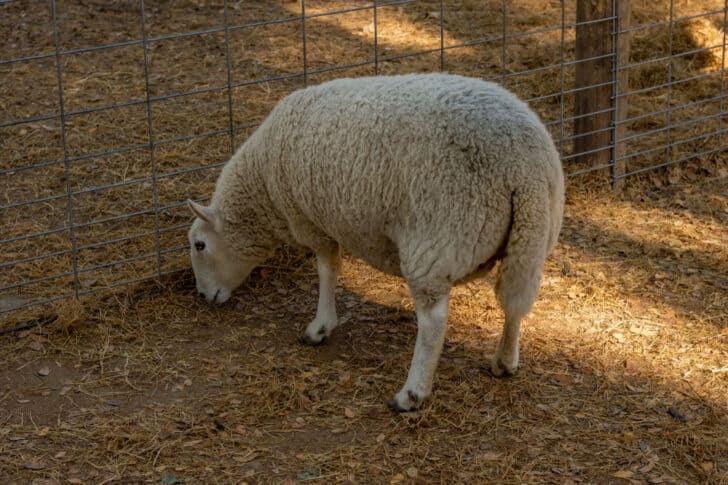
Effective environmental management is crucial for optimizing sheep growth and ensuring their overall health and well-being. Proper shelter design, ventilation, and maintaining suitable temperature and humidity levels create an ideal living environment that promotes efficient weight gain, reduces stress, and prevents disease. This section provides best practices to manage sheep housing and environmental conditions effectively.Creating an optimal shelter involves designing structures that protect sheep from extreme weather conditions while facilitating natural behaviors.
Proper ventilation is essential to maintain air quality, control humidity, and prevent the buildup of harmful gases such as ammonia from manure. Ensuring adequate airflow without causing drafts is vital for maintaining a comfortable environment, especially during colder months or in humid climates.Temperature and humidity significantly influence sheep growth rates and health. Elevated temperatures can cause heat stress, leading to decreased feed intake and slower growth, while low temperatures may increase energy expenditure for warmth, ultimately reducing weight gain.
High humidity can exacerbate heat stress and promote the proliferation of pathogens, increasing the risk of respiratory and other diseases.
Managing Shelter and Ventilation
Effective shelter management should focus on providing a clean, dry, and well-ventilated environment that minimizes stress and disease risk.
- Design shelters with adequate height and spacing to ensure good airflow and prevent overcrowding, which can elevate humidity and pathogen spread.
- Incorporate natural ventilation features such as windows, vents, or adjustable sidewalls to facilitate airflow while protecting sheep from excessive drafts or direct rain.
- Use fans or mechanical ventilation systems in larger or enclosed facilities to enhance air exchange, especially during hot and humid periods.
- Maintain cleanliness by regularly removing manure and soiled bedding, reducing ammonia levels and preventing respiratory issues.
- Ensure bedding is dry and comfortable, providing insulation and reducing footpad diseases.
Impact of Temperature and Humidity on Sheep Growth
Temperature and humidity levels directly influence the physiological and metabolic functions of sheep.
When temperatures exceed the sheep’s thermoneutral zone, which typically ranges from 15°C to 24°C (59°F to 75°F), sheep experience heat stress. This condition leads to reduced feed intake, increased respiration rates, and physiological stress, all of which negatively impact growth performance. For example, in tropical regions or during heatwaves, growth rates can decline by up to 30%, with some sheep losing weight due to decreased appetite.
Conversely, cold temperatures require increased energy expenditure for thermoregulation, diverting nutrients from growth to maintaining body temperature. High humidity levels exacerbate heat stress by impairing the sheep’s ability to dissipate body heat through evaporation. In humid environments, sheep are more prone to respiratory diseases and foot rot, conditions that hinder growth and productivity.
Maintaining a balance in environmental conditions is essential. For instance, during heatwaves, providing shade, increasing ventilation, and ensuring access to clean water can help mitigate adverse effects. In colder seasons, providing adequate shelter with insulation and bedding helps conserve body heat and promotes steady growth.
Guidelines for Maintaining Optimal Living Conditions
Maintaining optimal living conditions involves a combination of proper shelter design, environmental control, and routine monitoring.
- Ensure shelters are well-ventilated, with the capacity to adapt to changing weather conditions through adjustable openings or fans.
- Monitor ambient temperature and humidity regularly using thermometers and hygrometers to detect deviations from ideal ranges.
- Implement shading systems and natural windbreaks to protect sheep from direct sunlight and strong winds.
- Use appropriate bedding materials such as straw or wood shavings that absorb moisture and provide insulation, replacing them regularly to maintain hygiene.
- Schedule routine inspections to identify signs of heat stress or cold stress, such as excessive panting, drooping ears, or shivering, and take corrective actions promptly.
- Provide ample clean water at all times to support thermoregulation and metabolic functions, especially during hot weather.
- Manage manure and waste effectively to prevent ammonia build-up, which can impair respiratory health and reduce growth performance.
Implementing these guidelines ensures that the environment remains conducive to healthy growth, minimizes stress and illness, and maximizes the productivity of the flock.
Economic Considerations and Cost-Effective Practices
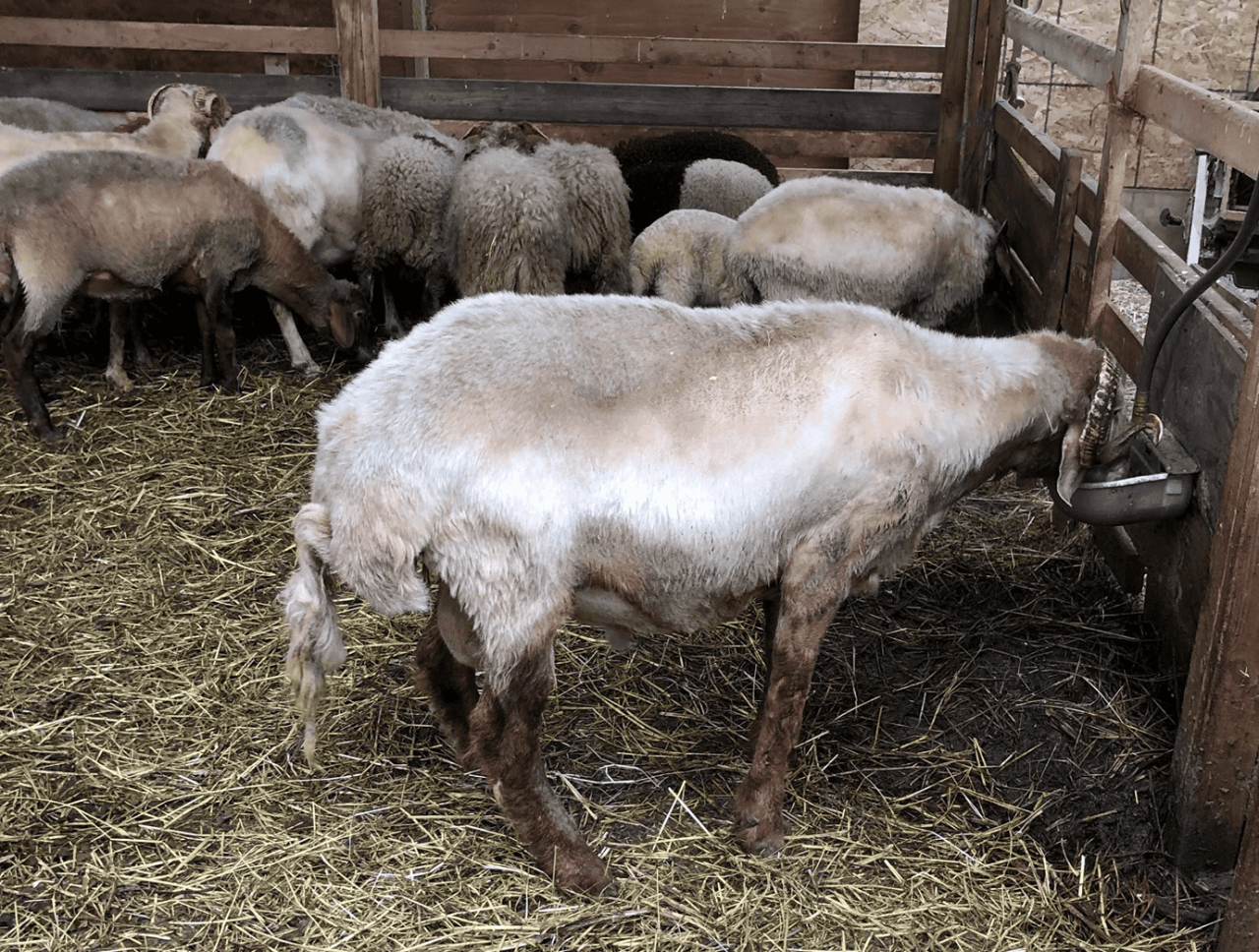
Efficient sheep fattening not only involves optimal animal care and feeding strategies but also hinges on sound economic management. Understanding and implementing cost-effective practices are crucial for maximizing profitability while maintaining animal health and growth rates. Proper financial planning, resource management, and operational efficiency can significantly influence the overall success of a sheep fattening enterprise.
By integrating economic considerations into routine management, producers can reduce unnecessary expenses, improve feed utilization, and enhance profitability. This involves careful calculation of key performance indicators, strategic sourcing of feed ingredients, and prudent budgeting to ensure sustainable and financially viable operations.
Calculating Feed Conversion Ratios
The feed conversion ratio (FCR) is a vital indicator of the efficiency with which sheep convert feed into body mass. It reflects the amount of feed required to produce a unit of weight gain, thereby serving as a measure of production efficiency and cost-effectiveness.
FCR Formula: FCR = Total Feed Intake (kg) / Total Weight Gain (kg)
To accurately determine FCR, record the total amount of feed consumed by the flock over a specific period and measure the total weight gain of the animals. A lower FCR indicates better feed efficiency, which directly correlates with reduced feed costs and higher profitability. Regularly monitoring FCR allows producers to identify inefficiencies and optimize feeding strategies accordingly.
Cost-Effective Feed Sourcing and Supplementation Strategies
Optimizing feed costs is essential for a profitable sheep fattening operation. Sourcing affordable, high-quality feed ingredients and utilizing supplementation effectively can enhance growth performance without inflating expenses.
- Leverage local feed ingredients such as crop residues, hay, and agro-industrial byproducts, which are often more affordable and readily available.
- Formulate balanced rations that meet nutritional requirements using least-cost formulation software or consultation with animal nutritionists.
- Use targeted supplementation to address specific deficiencies, avoiding unnecessary or excessive feed additives that increase costs without added benefits.
- Consider purchasing feed ingredients in bulk to secure discounts and reduce per-unit costs, especially for staple feeds like grains and legumes.
- Explore alternative protein sources such as sunflower meal or cottonseed cake, which may be cost-effective compared to commercial concentrates.
Budgeting for a Sheep Fattening Operation
Effective budgeting involves detailed planning of all expenses and expected revenues, enabling better financial control and decision-making. The following examples highlight key components to consider when developing a budget for sheep fattening:
- Initial purchase price of sheep, including breed selection and age considerations.
- Cost of feed ingredients and supplements, adjusted based on expected feed intake and growth targets.
- Expenses related to housing, equipment, and infrastructure maintenance.
- Labor costs, including feeding, monitoring, health management, and record-keeping.
- Health care expenses such as vaccinations, deworming, and veterinary services.
- Utilities and miscellaneous costs, including water, electricity, and cleaning supplies.
- Contingency funds for unforeseen expenses or emergencies.
- Projected revenue from the sale of healthy, well-finished sheep, based on current market prices and target weights.
Creating a comprehensive budget helps producers track expenses versus income, identify potential areas for cost savings, and ensure the enterprise remains financially sustainable.
Conclusion
In conclusion, mastering how to fatten sheep involves a combination of proper nutrition, health care, environmental management, and economic planning. By applying these principles diligently, farmers can enhance growth rates, improve product quality, and ensure the overall success of their sheep farming endeavors. Consistent attention to detail and adaptation are key to achieving the best results.