Learning how to wean baby goats is a crucial step in their development and the success of your goat farming venture. Proper weaning not only ensures the health and well-being of the young goats but also facilitates a smoother transition to independent feeding. Understanding the appropriate timing, methods, and supportive care can significantly impact the overall growth and productivity of your herd.
This guide provides comprehensive insights into preparing for weaning, various techniques to implement, nutritional management during the transition, and strategies to handle behavioral and health challenges. By following these guidelines, you can achieve a successful and stress-free weaning process that promotes healthy development.
Introduction to Weaning Baby Goats
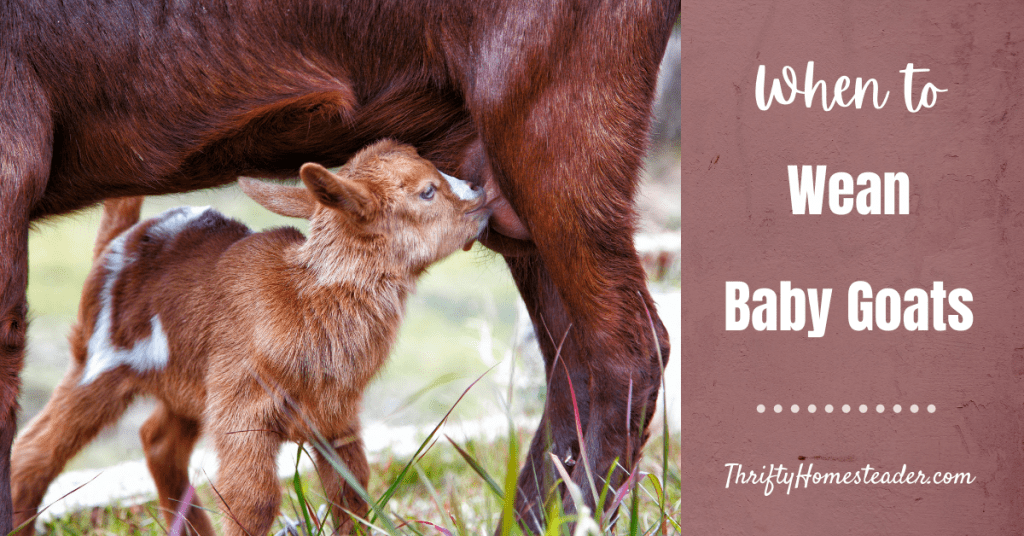
Weaning is a critical phase in the development of young goats, marking the transition from dependency on maternal milk to independent feeding on solid foods. Proper management during this stage influences the health, growth rate, and future productivity of the animals. The process requires careful planning to ensure that the goats adapt smoothly without undue stress or nutritional deficiencies, thereby fostering healthy development and maximizing their potential for future performance in the herd.Understanding the importance of weaning helps farmers and caregivers to implement strategies that promote optimal growth and reduce health issues associated with abrupt dietary changes.
Weaning involves multiple stages, beginning with observing the young goats’ readiness, gradually decreasing milk intake, and encouraging consumption of solid feeds such as hay, grains, and concentrates. Properly timed and managed weaning can also improve the social behavior of goats, as they learn to forage and interact independently within the herd environment.Different goat breeds and types have varying weaning age ranges, influenced by factors such as genetics, milk production levels, and environmental conditions.
Typically, dairy breeds like Nubian or Alpine goats are weaned at around 8 to 12 weeks of age, whereas meat breeds such as Boer goats may be weaned earlier, sometimes as young as 6 weeks, due to their rapid growth rates. Indigenous or dual-purpose breeds may fall somewhere in between, often weaned at approximately 10 weeks. Recognizing these differences allows farmers to tailor weaning practices according to breed-specific needs.Key signs indicating a young goat’s readiness for weaning include consistent voluntary intake of solid feed, a decline in milk consumption, and the ability to maintain stable weight and health without reliance on maternal milk.
Observing the animal’s interest in foraging, a steady increase in solid feed intake, and the absence of persistent separation anxiety are important cues. When these signs are present, it signifies that the goat is physically and behaviorally prepared to transition fully onto solid foods, facilitating a successful and stress-free weaning process.
Preparing for the Weaning Process
Proper preparation is crucial to ensure a smooth and healthy transition for the baby goats from milk to solid foods. Creating an appropriate environment, organizing necessary supplies, and establishing a gradual separation schedule help minimize stress and support the young goats’ development during weaning.
Implementing these steps carefully can foster a positive weaning experience, reduce health risks, and promote strong growth and adaptation in the kids. Attention to detail in preparation sets the foundation for successful weaning and overall herd health.
Setting Up the Environment and Housing for Weaning
Creating a dedicated, clean, and comfortable space for the weaning process is essential. The environment should be designed to facilitate easy supervision, minimize stress, and promote safe interaction between the kids and their surroundings.
- Design a separate weaning pen or area: Establish a designated space, ideally near the mother’s area to ease the transition, but with enough separation to encourage the kids to start independent eating. The enclosure should be well-ventilated, dry, and free of drafts.
- Ensure adequate space: Each kid should have sufficient room to move, lie down, and explore without crowding. Overcrowding can lead to stress and increase disease transmission.
- Maintain hygiene: Regularly clean the housing area to prevent the buildup of manure, which can harbor pathogens. Use bedding such as straw or wood shavings to provide comfort and absorb moisture.
- Control temperature: Keep the environment at a comfortable temperature suitable for young goats, especially if the climate is variable. Avoid extreme cold or heat to reduce stress and health issues.
- Install feeding stations: Set up designated feeding areas with easy access to solid feed and clean water to encourage consistent eating habits during weaning.
Organizing a Supplies Checklist for Weaning
Having all necessary supplies prepared ensures that the weaning process proceeds smoothly without delays or shortages. Proper planning minimizes stress for both the caretaker and the kids.
| Supply Item | Purpose |
|---|---|
| High-quality starter feed | Encourages solid food intake and nutritional transition |
| Fresh water containers | Ensures constant access to clean, fresh water to support hydration and digestion |
| Mineral supplements | Provides essential minerals, especially calcium and phosphorus, for skeletal development |
| Feeding buckets or troughs | Facilitates easy access to feed and reduces competition among kids |
| Disinfectants and cleaning supplies | Prevents disease spread during the transition period |
| Bedding materials | Offers comfort and helps maintain a dry environment |
| Monitoring equipment (weighing scale, observation tools) | Tracks growth progress and health status during weaning |
Designing a Gradual Separation Schedule
A carefully planned schedule for gradually separating kids from their mothers is vital to minimize stress and support health. A gradual approach allows the young goats to adjust physiologically and psychologically to independent eating and drinking.
- Initial phase (1-2 weeks before complete separation): Begin by introducing the kids to solid feed while they still have access to milk. Allow them to get accustomed to eating from the provided feed sources.
- Partial separation (starting at 2 weeks): Reduce the frequency of nursing sessions gradually. For example, limit nursing to specific times or days, encouraging the kids to rely more on solid food and water.
- Complete separation (around 4-8 weeks): When the kids regularly consume sufficient solid feed and water, remove the mothers entirely from the weaning pen. Monitor the kids closely for any signs of distress or health issues.
- Post-separation care: Continue providing balanced nutrition and clean water. Observe the young goats for any behavioral or health changes and address them promptly.
Maintaining a consistent schedule and providing positive reinforcement during each stage helps the kids adapt smoothly. Patience and close observation are key components to successful weaning, ensuring the young goats develop independence without undue stress.
Methods of Weaning Baby Goats
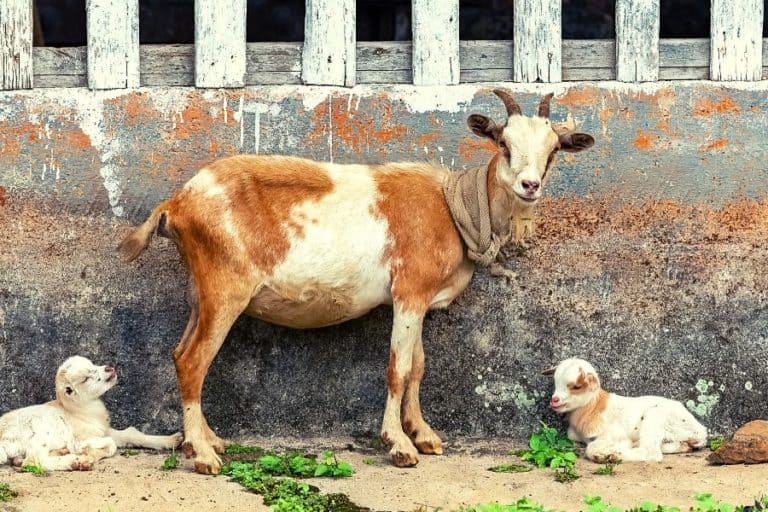
Weaning is a critical phase in the development of young goats, requiring careful selection of appropriate techniques to ensure their health and well-being. The choice of method can influence the duration of the transition, the stress levels experienced by the kids, and their adaptation to solid foods and adult goat diets. Understanding the different approaches allows caregivers to choose the most suitable method based on herd management practices, environment, and individual goat temperament.
Several methods are commonly employed to wean baby goats, each with its own set of advantages, disadvantages, and implementation considerations. These include abrupt weaning, gradual weaning, and fence-line weaning, which offer varying degrees of stress mitigation and management efficiency. Selecting the appropriate technique involves assessing factors such as herd size, available space, nutritional needs, and the behavioral response of the goats.
Abrupt Weaning
Abrupt weaning involves completely separating the kid from the dam in a single event, typically when the kid reaches a specific age or weight. This method is straightforward and quick, often used in commercial settings where rapid herd management is desired. While convenient, abrupt weaning can induce stress, leading to potential health issues such as weight loss, diarrhea, or decreased immune function.
Proper planning, including ensuring adequate nutrition and environmental comfort, can help mitigate some adverse effects.
To implement abrupt weaning effectively:
- Choose an appropriate time when the kid is healthy and has reached sufficient size.
- Prepare a clean, comfortable environment to minimize stress during separation.
- Provide high-quality, easily digestible solid feeds to compensate for the loss of milk intake.
- Monitor the kid closely for signs of stress or health issues and provide prompt veterinary care if needed.
Gradual Weaning
Gradual weaning is a method that reduces the stress associated with separation by slowly decreasing the dam’s milk supply or restricting the kid’s access to milk over a period of days or weeks. This approach encourages the development of independent feeding behaviors and minimizes abrupt nutritional changes. It is especially suitable for young or sensitive goats, or in herds where minimizing stress is a priority.
Implementation tips for gradual weaning include:
- Reduce the dam’s milk production gradually, if possible, through management or milking techniques.
- Introduce solid feeds progressively, increasing their availability over time.
- Limit direct contact between dam and kid in phases, such as moving them to separate but adjoining pens.
- Observe the goats closely, ensuring the kid is consuming enough solid food before complete separation.
Fence-line Weaning
Fence-line weaning allows the kid and dam to remain in close proximity but prevents direct nursing by separating them with a physical barrier, such as a fence or partition. This method encourages the kid to become accustomed to solid foods while still providing visual and auditory contact with the dam, which can reduce stress. Fence-line weaning is often used as a middle ground between abrupt and gradual methods, balancing ease of implementation with stress minimization.
To implement fence-line weaning successfully:
- Install a sturdy fence or partition that prevents nursing but allows visual and auditory contact.
- Ensure the environment is comfortable and free of stressors around the fencing area.
- Provide ample access to high-quality forage and concentrate feeds to promote independence from milk.
- Gradually increase the separation duration, monitoring the behavior and health of both dam and kid.
Comparison Table of Weaning Methods
| Method | Advantages | Disadvantages | Implementation Tips |
|---|---|---|---|
| Abrupt Weaning |
|
|
|
| Gradual Weaning |
|
|
|
| Fence-line Weaning |
|
|
|
Nutritional Transition During Weaning
The process of weaning baby goats from milk to solid foods is a critical phase that influences their overall health, growth, and development. Proper management of this transition ensures that young goats receive adequate nutrition to support their increasing energy and nutrient requirements. As they shift from relying solely on milk, introducing a balanced diet that encourages dietary diversity and monitors health status becomes paramount for successful weaning and long-term productivity.During this transitional period, the focus is on gradually replacing milk with appropriate solid feeds while maintaining essential nutrient intake.
This approach helps in developing the goat’s rumen and digestive capacity, promoting better feed utilization. Careful observation and adjustments are necessary to prevent nutritional deficiencies, digestive upsets, or growth setbacks. Therefore, implementing a structured feeding plan and consistent health monitoring are vital components of a successful weaning strategy.
Introducing Solid Foods and Enhancing Diet Diversity
Introducing solid foods at the right time and ensuring a diverse diet are fundamental to stimulating rumen development and supporting overall growth. Start offering age-appropriate solid feeds once the goat is around 3 to 4 weeks old, gradually increasing the amount as they adapt. These foods should complement milk intake without causing abrupt changes that may lead to digestive disturbances.Focus on providing high-quality forage such as hay or pasture, which supplies essential fiber necessary for rumen maturation.
Additionally, include a variety of concentrates like specially formulated goat pellets that are rich in energy, protein, vitamins, and minerals. Incorporate small quantities of browse, such as tender leaves or young woody plants, to diversify the diet and promote natural foraging behaviors. It’s important to introduce new feeds gradually, observing the goat’s acceptance and digestibility.
Recommended Feeding Schedules and Suitable Feeds
Establishing a consistent feeding schedule helps regulate intake and supports steady growth. A typical schedule might involve offering solid feeds multiple times per day—initially three to four feedings—while gradually increasing to two or three larger meals as the goat matures. Fresh, clean water should always be available to facilitate digestion and prevent dehydration.Suitable feeds during this period include:
- High-quality hay or pasture, such as alfalfa or clover, providing adequate fiber and nutrients.
- Starter concentrates formulated specifically for young goats, rich in energy and easily digestible proteins.
- Browse or tender leaves, which supply natural nutrients and fiber.
- Limited amounts of grain or cereal-based feed, introduced gradually to prevent digestive upsets.
A sample feeding schedule may look like:
- Early morning: Fresh water and a small portion of starter pellets.
- Mid-morning: Forage offering, such as hay or pasture.
- Afternoon: Additional concentrates and browse if available.
- Evening: A final serving of hay and water.
It is essential to adjust the quantity and type of feed based on the goat’s age, weight, and health status, ensuring a gradual increase in solid intake aligned with growth patterns.
Monitoring Health and Growth During Nutritional Transition
Regular assessment of the goat’s health and growth is critical during the weaning phase to identify potential issues early and make necessary adjustments. Visual inspections should include checking for signs of digestive discomfort, such as bloating, diarrhea, or constipation, and monitoring body condition scores to ensure adequate weight gain.A systematic approach involves:
Weekly weighing and recording of growth metrics allow for tracking progress and identifying deviations from expected growth rates.
Observing feed intake behaviors provides insight into acceptance and palatability, while health checks should involve examining coat condition, hydration status, and overall activity levels. Any signs of illness, poor growth, or nutritional deficiencies should prompt consultation with a veterinarian or animal nutritionist to modify the feeding plan accordingly.Implementing a diligent monitoring routine ensures that the nutritional needs of the young goat are met, supports healthy development, and reduces the risk of setbacks during the weaning process.
Managing Behavioral Changes
During the weaning process, baby goats often exhibit a range of behavioral signs that reflect their adaptation to new feeding routines and environmental changes. Recognizing these behaviors and responding appropriately is essential for ensuring a smooth transition and maintaining the well-being of the young animals. Proper management of behavioral changes not only reduces stress but also encourages the development of independence, fostering healthier and more resilient goats.Behavioral responses during weaning can include increased vocalizations, restlessness, nasal sniffing, and attempts to nurse despite the availability of solid food.
Some goats may display signs of anxiety, such as pacing or seeking comfort from their herd mates or human handlers. These behaviors are natural as the animals adjust to reduced milk intake and start exploring new food sources. However, if unmanaged, such behaviors can lead to heightened stress levels, decreasing overall health and increasing susceptibility to illness.Implementing strategies to handle behavioral signs effectively involves creating a supportive environment that minimizes stress and promotes confidence in self-feeding.
Establishing a predictable routine, providing environmental enrichment, and ensuring ample space can help reduce anxiety. Social behaviors, such as grouping weaned kids with herd mates, can also alleviate separation distress, fostering a sense of security.
Handling Common Behavioral Signs
Understanding typical behavioral signs during weaning allows caregivers to respond with appropriate interventions. Increased vocalizations, such as bleating, are common as young goats communicate their discomfort and seek reassurance. Restlessness and pacing often indicate frustration or anxiety linked to the loss of maternal contact. Attempts to nurse from peers or even humans are also observed, reflecting the drive for comfort and familiarity.To handle these signs effectively:
- Provide consistent and gentle reassurance through regular human interaction to establish trust.
- Create a calm, quiet environment with minimal sudden movements or loud noises that can heighten stress.
- Use visual barriers or natural shelter to offer a sense of security and reduce perceived threats.
Strategies to Reduce Stress and Separation Anxiety
Reducing stress and separation anxiety during weaning is crucial for the health and development of young goats. Stress can weaken the immune system, slow growth, and increase the likelihood of behavioral issues. The following strategies are effective in fostering a smooth transition:
- Gradual Separation: Slowly increasing the time away from the dam or herd allows kids to adjust without feeling overwhelmed. For example, starting with short separations during feeding times and gradually extending them helps build resilience.
- Environmental Enrichment: Providing toys, climbing structures, and varied environments encourages exploration and distracts from distress signals, promoting independence.
- Social Groupings: Maintaining young goats in small, familiar groups reduces feelings of isolation and provides peer support, which diminishes separation anxiety.
- Consistent Routine: Establishing predictable daily routines for feeding, cleaning, and social interactions reinforces a sense of stability and security.
Encouraging Self-Feeding and Independence
Fostering self-feeding behaviors during weaning ensures that goats develop good nutritional habits and confidence in their ability to feed themselves. Proper encouragement can streamline the transition from milk to solid foods and promote natural independence.To encourage self-feeding:
- Offer Palatable, Nutritious Solid Foods: Present a variety of fresh, appealing solid feeds such as hay, grains, and starter pellets that are easily accessible and appealing to young goats.
- Use Feeding Stations: Place feed in designated areas that are easily accessible, encouraging goats to explore and eat independently. Regularly replenish these areas to maintain interest.
- Limit Milk Availability Gradually: Reduce milk feeding gradually to motivate goats to seek and consume solid foods actively, avoiding sudden dietary changes that could cause stress or reluctance.
- Positive Reinforcement: Reward animals with gentle praise or minor treats when they successfully attempt to eat solid foods, reinforcing their behavior and building confidence.
Health Care and Monitoring
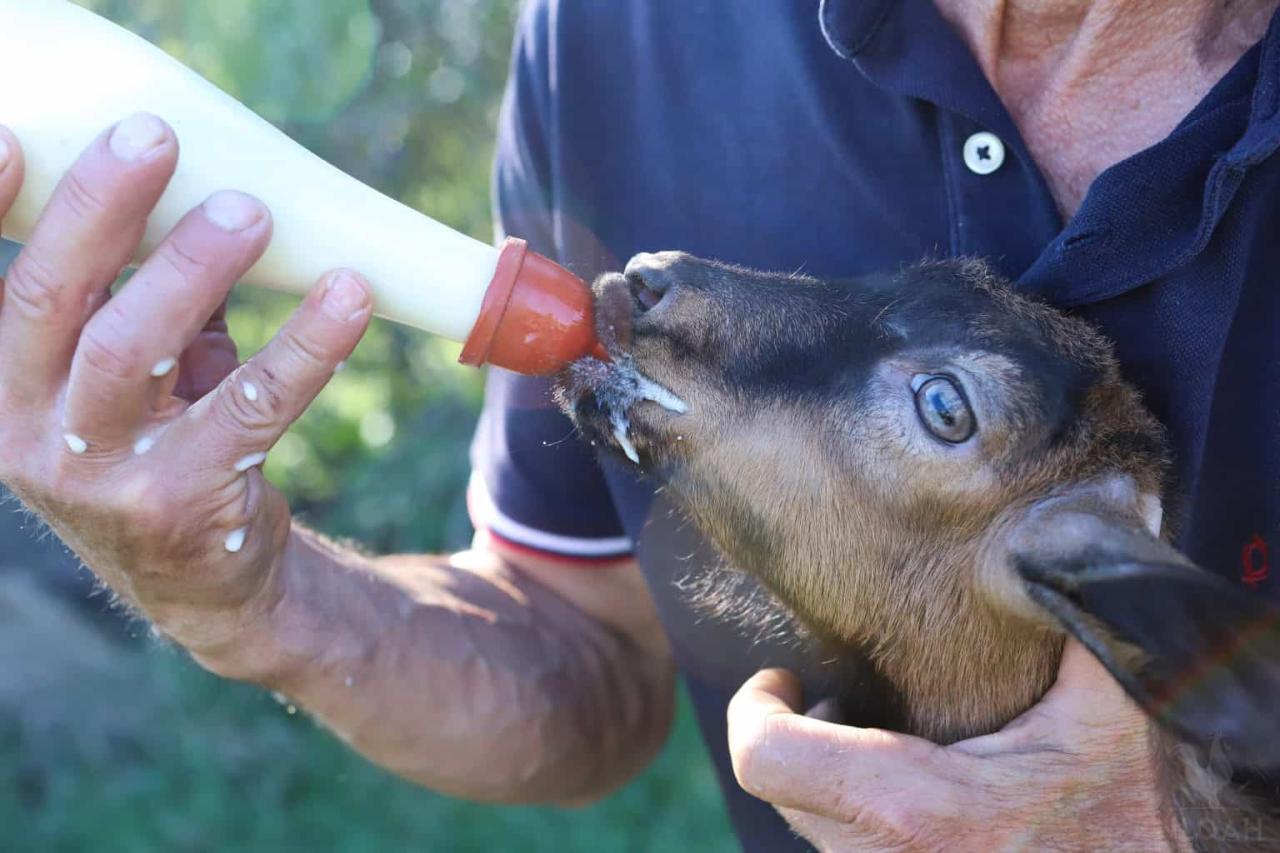
Effective health care and vigilant monitoring during the weaning period are critical to ensure the well-being and smooth transition of young goats from milk to solid feeds. This stage presents unique challenges that require attentive management to prevent illness, promote growth, and establish good health practices that will benefit the goats throughout their lives. Regular health assessments and proactive preventive measures are essential components of successful weaning management.Maintaining optimal health during weaning involves systematic checks and timely interventions.
Young goats are particularly susceptible to nutritional deficiencies, parasitic infestations, and infectious diseases as their immune systems adapt to new diets and environmental stresses. Ensuring that health issues are identified early and that preventive protocols are strictly followed can significantly reduce morbidity, improve growth rates, and foster resilience against future health challenges.
Essential Health Checks During Weaning
During the weaning period, routine health assessments should be conducted at least once every two weeks. These checks include visual examinations for signs of illness, such as lethargy, diarrhea, coughing, or respiratory distress. Palpation and physical assessments should focus on weight gain, hydration status, and the condition of the coat and hooves. Monitoring body condition scores helps determine if the goat is receiving adequate nutrition and is developing appropriately.Blood and fecal sampling may be necessary for more detailed health evaluations, especially if any signs of illness are observed.
These tests can detect underlying infections, nutritional deficiencies, or parasitic burdens that may not be immediately apparent. Maintaining detailed health records during this stage facilitates early detection of health issues, tracks growth progress, and informs veterinary consultations.
Common Health Issues and Preventive Measures
Understanding prevalent health issues during weaning enables timely intervention and prevention. Some common problems include:
Internal parasites like gastrointestinal worms are frequent in young goats. Regular fecal egg count tests and strategic deworming help control these parasites and prevent anemia and growth retardation. Diarrhea can result from dietary changes, infectious agents, or poor sanitation. Ensuring clean water, proper sanitation, and gradual diet transition reduces risks. Stress from weaning and environmental factors can predispose goats to pneumonia. Adequate ventilation, minimizing stress, and vaccination against respiratory pathogens are key preventive strategies.
Preventive measures should also include maintaining a clean living environment, ensuring proper nutrition, and avoiding overcrowding. Proper hand hygiene and biosecurity protocols reduce the risk of infectious disease transmission.
Vaccination and Parasite Control Guidelines
Vaccination is vital in safeguarding young goats against specific diseases prevalent in their region. It is recommended to follow a vaccination schedule that includes core vaccines such as clostridial diseases (e.g., tetanus, enterotoxemia) and respiratory pathogens, adjusted to local disease pressures. Consulting with a veterinarian assists in developing an effective vaccination plan tailored to the herd and environmental conditions.Organizing parasite control involves strategic deworming based on fecal egg counts and the lifecycle of the parasites involved.
Over-reliance on dewormers can lead to resistant parasite strains; thus, integrated parasite management, including pasture rotation and selecting goats with natural resistance, enhances control efforts.
“Regular health monitoring combined with targeted vaccination and parasite control measures creates a resilient foundation for healthy, thriving goats during and after the weaning process.”
Troubleshooting Common Weaning Challenges
During the weaning process, caregivers often encounter various challenges that can impact the health, growth, and behavior of baby goats. Recognizing these issues early and understanding appropriate interventions are essential for a successful transition from milk to solid feed. This section provides an overview of typical problems faced during weaning, along with effective solutions and a decision-making flowchart to guide timely responses.
Addressing these challenges promptly helps minimize stress for the young goats, prevents health complications, and ensures they develop proper feeding habits. By implementing proactive management strategies, caregivers can facilitate a smoother weaning experience that promotes overall well-being and development.
Common Problems Encountered During Weaning
Weaning can be a stressful period for both the young goats and their caregivers, often presenting a range of behavioral and health-related issues. Some of the most frequently observed problems include persistent vocalization, loss of appetite, diarrhea or constipation, weight stagnation, and signs of stress such as restlessness or isolation. Recognizing these signs early allows for rapid intervention, reducing potential setbacks to growth and health.
- Persistent vocalization or agitation: Indicates stress or discomfort due to the separation from the dam or change in feeding routine.
- Decreased feed intake or refusal to eat: May result from stress, dental issues, or improper transition management.
- Digestive disturbances such as diarrhea or constipation: Can be triggered by dietary changes, improper feed, or underlying health issues.
- Weight loss or stagnation: Reflects inadequate nutrition or ongoing health problems.
- Signs of dehydration or lethargy: Are indicators of severe health issues requiring immediate attention.
Solutions and Intervention Procedures
Effective management of weaning challenges involves targeted strategies to address specific problems. Implementing these solutions ensures that young goats adjust comfortably and maintain optimal health throughout the process.
- Managing stress and behavioral issues:
- Provide a comfortable, quiet environment to reduce anxiety.
- Gradually introduce solid feed alongside milk replacer to ease dietary transition.
- Ensure socialization with herd mates to prevent loneliness and promote normal behaviors.
- Encouraging feed intake:
- Offer high-quality, palatable starter feeds formulated for young goats.
- Use warm water or molasses to stimulate appetite if feed acceptance is low.
- Ensure fresh, clean water is always available to promote hydration and intake.
- Addressing digestive disturbances:
- Maintain a consistent feeding schedule and introduce dietary changes gradually.
- Use probiotics or digestive aids as recommended by a veterinarian.
- If diarrhea persists, consult a vet to rule out infections or parasites.
- Monitoring weight and health:
- Regularly weigh the kids to track growth progress.
- Provide nutritional supplements if growth stagnates.
- Observe for signs of illness and seek veterinary care promptly.
Decision-Making Flowchart for Addressing Weaning Issues
Implementing a structured approach helps in the timely resolution of problems during weaning. The following flowchart Artikels key decision points for caregivers to follow when issues arise:
Issue Detected Step 1 Step 2 Step 3 Persistent vocalization or agitation Assess environment for stressors Gradually reintroduce comfort measures If unresolved, consult veterinarian Refusal to eat or decreased feed intake Check feed quality and palatability Offer different feed textures or flavors If still refusing, evaluate health status Diarrhea or constipation Review recent dietary changes Ensure hydration and proper diet If persistent, seek veterinary diagnosis Weight stagnation or loss Measure and compare weight records Adjust nutritional plan accordingly Consult vet if poor response persists Signs of severe illness (lethargy, dehydration) Immediate hydration and supportive care Seek urgent veterinary assistance Follow prescribed treatment plan
This decision-making tool offers a systematic pathway to effectively address common issues, ensuring timely interventions that promote the health and well-being of baby goats during the challenging weaning phase.
Best Practices and Tips for Successful Weaning
Ensuring a smooth and stress-free weaning process for baby goats is essential for their health, development, and overall well-being. Implementing structured strategies and maintaining attentive care during this transition can significantly reduce common challenges and promote a positive experience for both the young goats and their handlers. This section provides a comprehensive guide to effective practices, including a step-by-step transition plan, real-life success stories, and recommendations for ongoing care after weaning completion.
A well-executed weaning process combines careful planning, patience, and attentive management. By following proven strategies, goat caretakers can facilitate a seamless transition from milk to solid feeds while supporting behavioral and nutritional adaptations. Continuous monitoring and adaptive practices are critical to address individual needs and prevent setbacks, ensuring the long-term health and productivity of the goats.
Step-by-Step Plan for a Smooth Weaning Transition
Implementing a clear, structured plan can help mitigate stress and promote successful adaptation for baby goats. The following steps Artikel a practical approach:
- Gradual Reduction of Milk Intake: Initiate a slow decrease in milk feeding over a period of 10 to 14 days. Reduce the amount given twice daily, replacing it incrementally with quality starter feeds and forage.
- Introduction of Solid Foods: Offer high-quality, easily digestible starter feeds and fresh forage from early in the weaning process. Encourage goats to explore and consume solids by placing feed in accessible areas.
- Transition to Solid Diets: As milk intake declines, increase the availability and attractiveness of solid feeds. Ensure continuous access to clean water, hay, and minerals to support growth.
- Monitoring and Adjusting: Observe individual goats for their acceptance of solid foods and adjust feeding strategies accordingly. Address any reluctance or health issues promptly.
- Providing Enrichment and Comfort: Maintain a calm environment, minimize handling stress, and ensure adequate space. Social interaction among goats can also ease anxiety during transition.
Successful Weaning Strategies and Examples
Real-world cases demonstrate that tailored approaches and patience yield positive outcomes. For instance, a dairy goat farm in Vermont adopted a staged weaning protocol where the milk was gradually tapered over two weeks while increasing the availability of high-energy starter grains and fresh hay. This method resulted in minimal stress behaviors, such as vocalization and restlessness, and improved growth rates compared to abrupt weaning.Another example involves a small-scale farm in New Zealand that incorporated environmental enrichment—like providing climbing structures and interactive toys—during weaning.
This practice helped reduce behavioral stress and fostered social bonding among the young goats, leading to a smoother transition.
“Gradual weaning combined with environmental enrichment and attentive monitoring can significantly reduce stress and improve health outcomes in young goats.” — Veterinary Nutritionist Dr. Jane Smith
Ongoing Care and Monitoring After Weaning
Post-weaning management remains vital for ensuring continued health and development. Once the goats are fully transitioned:
- Regular Health Checks: Schedule routine examinations to monitor weight gain, coat condition, and signs of illness. Early detection of issues such as parasitism or nutritional deficiencies is crucial.
- Balanced Nutrition: Provide a well-balanced diet that meets the specific needs of growing goats, including adequate energy, protein, vitamins, and minerals.
- Behavioral Observation: Continue to observe social interactions and feeding behaviors. Address any signs of stress, social conflict, or dietary intolerance promptly.
- Record Keeping: Maintain detailed records of growth rates, health interventions, and feeding practices to inform future management decisions.
- Environmental Management: Keep living areas clean, dry, and well-ventilated to prevent disease and promote comfort.
Consistent care and vigilant monitoring after weaning ensure that young goats develop into healthy, productive adults. Adjusting management practices based on individual responses and environmental conditions can lead to long-term success in goat husbandry.
Summary
In conclusion, effective weaning is vital for raising strong and healthy goats. By carefully preparing, choosing suitable methods, and monitoring their health and behavior, you can ensure a seamless transition for your young herd. Implementing best practices and staying attentive to their needs will lead to long-term success and productivity in your goat farming endeavors.