Understanding how to identify sick sheep early is crucial for maintaining a healthy flock and preventing the spread of disease. Recognizing the signs and symptoms associated with illness allows caretakers to take prompt and appropriate action, ensuring the well-being of the animals and the productivity of the farm.
This comprehensive guide covers physical and behavioral indicators, common diseases, observation techniques, diagnostic procedures, and management strategies to effectively detect and address health issues in sheep.
Signs and Symptoms of Sick Sheep
Recognizing the early signs of illness in sheep is crucial for timely intervention and effective treatment. Changes in physical appearance and behavior often serve as indicators of underlying health issues. Understanding these signs allows farmers and caregivers to distinguish between normal sheep behavior and symptoms warranting veterinary attention.
Sheep exhibit a variety of physical and behavioral changes when unwell. Visual cues such as altered posture, coat condition, and eye appearance, combined with specific symptoms like lethargy or abnormal gait, can help identify sick animals promptly. Monitoring these signs consistently is essential for maintaining flock health and preventing disease spread.
Physical Changes Indicating Illness
Physical alterations in sheep are often the first noticeable indicators of health problems. These changes can manifest in their posture, coat, eyes, and overall body condition, providing vital clues to their internal health status.
- Posture and Movement: Sick sheep may display a hunched or arched back, standing with legs apart or favoring one limb, indicative of pain or discomfort. An abnormal gait, such as limping or staggering, often signifies lameness or neurological issues.
- Coat and Skin Condition: A dull, rough, or patchy coat can suggest poor health, nutritional deficiencies, or parasitic infestations. Excessive scratching or hair loss may indicate external parasites like lice or mange.
- Eye Appearance: Cloudy, sunken, or bloodshot eyes are signs of infection, dehydration, or systemic illness. Discharge from the eyes, especially if thick or colored, may point to respiratory or ocular infections.
- Body Condition: Unexplained weight loss, swollen joints, or distended abdomen may be associated with internal diseases, parasitism, or metabolic disorders.
Behavioral and Clinical Symptoms
Beyond physical appearance, behavioral changes and clinical symptoms are crucial for diagnosing sick sheep. These signs often develop gradually but can worsen rapidly if not addressed promptly.
- Lethargy and Reduced Activity: A sheep that is less active than usual, reluctant to graze, or spends prolonged periods lying down could be experiencing illness. Lethargy may stem from infections, anemia, or metabolic disturbances.
- Nasal Discharge and Respiratory Signs: Clear or mucous-laden nasal discharge, coughing, or labored breathing are symptomatic of respiratory infections such as pneumonia or contagious pulmonary diseases.
- Abnormal Gait and Mobility Issues: Limping, stiffness, or reluctance to move may indicate lameness caused by footrot, abscesses, or neurological problems.
- Appetite Changes: A noticeable decrease in feeding behavior, or complete refusal to eat, often accompanies systemic illnesses and can lead to rapid deterioration of the sheep’s condition.
- Other Clinical Signs: Excessive salivation, diarrhea, swelling, or abnormal thrashing may be associated with specific diseases or poisoning.
Monitoring physical and behavioral changes regularly can significantly improve early detection and treatment outcomes for sick sheep.
Common Diseases that Affect Sheep
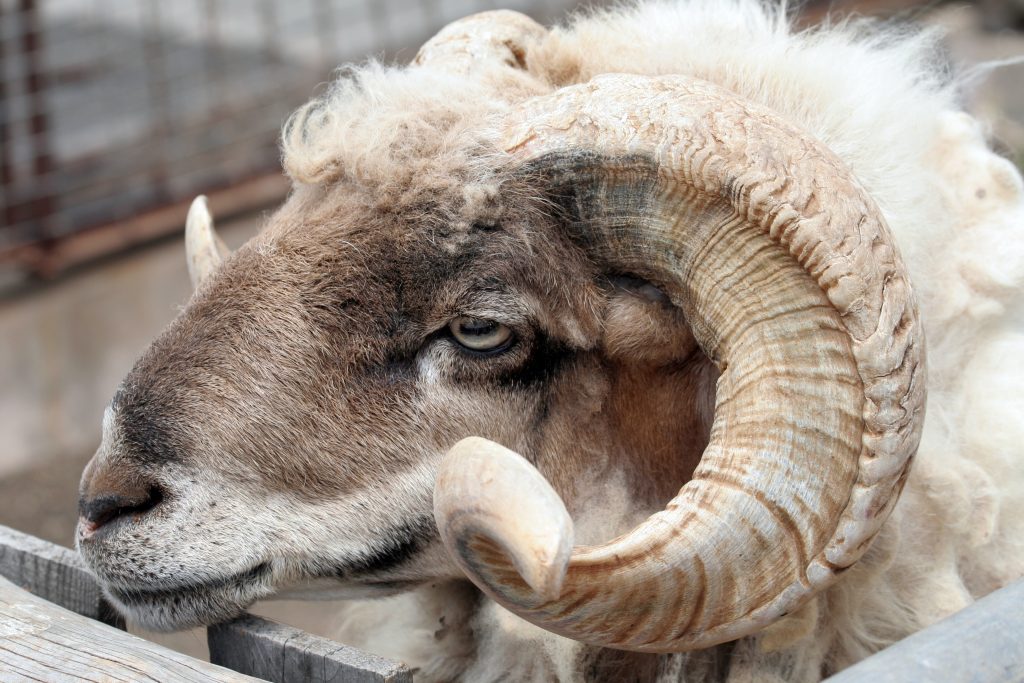
Sheep are susceptible to a range of diseases that can impact their health, productivity, and overall well-being. Recognizing the most prevalent illnesses and understanding their distinctive signs are essential for timely intervention and effective management. Proper identification not only helps in providing prompt treatment but also in implementing measures to prevent future outbreaks within the flock.
Several diseases such as foot rot, pneumonia, and parasitic infestations are among the most common ailments encountered in sheep. Each condition presents with unique symptoms and requires specific approaches for treatment and control. Differentiating these illnesses based on their signs ensures that sheep farmers and caregivers can address health issues efficiently, minimizing economic losses and promoting flock health.
Foot Rot
Foot rot is a contagious bacterial infection that affects the hooves of sheep, leading to lameness and discomfort. It is caused by a combination of bacteria, primarily Dichelobacter nodosus and Fusobacterium necrophorum, which thrive in moist, muddy environments. The disease spreads rapidly through direct contact among sheep or contaminated environment and can cause severe hoof damage if untreated.
Signs of foot rot include:
- Swelling and redness around the interdigital space (between the toes)
- Foul smell emanating from the hooves
- Limping or reluctance to walk
- Corrosion or decay of the hoof tissue
Effective treatment involves trimming the affected hooves to remove infected tissue, applying topical antibiotics, and maintaining dry and clean environments to prevent recurrence. Regular footbathing and vaccination can serve as preventative measures.
Pneumonia
Pneumonia in sheep is a respiratory disease often caused by bacterial or viral pathogens, with environmental stressors such as damp, cold weather, or poor ventilation increasing susceptibility. It can develop rapidly and becomes a serious health concern if not addressed promptly.
The clinical signs of pneumonia include:
- Rapid and labored breathing
- Coughing and nasal discharge
- Elevated temperature and lethargy
- Loss of appetite and decreased wool quality
Treatment typically involves administering appropriate antibiotics, providing supportive care, and improving housing conditions to reduce stress and environmental triggers. Prevention focuses on good ventilation, vaccination, and minimizing exposure to infectious agents.
Parasitic Infestations
Parasitic infestations are widespread among sheep and include internal parasites such as gastrointestinal worms and external parasites like lice and ticks. These infestations can cause weight loss, anemia, and overall decline in health, severely impacting productivity.
Common signs of parasitic infestation consist of:
- Persistent diarrhea or bloating
- Weakness and lethargy
- Scratching or rubbing against objects (external parasites)
- Palpable anemia or pale mucous membranes
Management involves strategic deworming programs, maintaining pasture hygiene, and using parasite-resistant breeds where possible. Regular monitoring and fecal egg counts assist in assessing parasite burdens and tailoring treatments effectively.
Comparison of Common Sheep Diseases
Feature Foot Rot Pneumonia Parasitic Infestations Primary Cause Bacterial infection (D. nodosus, F. necrophorum) Bacterial or viral pathogens, environmental stress Internal parasites (worms), external parasites (lice, ticks) Signs Lameness, foul smell, hoof decay Labored breathing, coughing, nasal discharge Weight loss, anemia, scratching, diarrhea Transmission Contagious, through contact and environment Inhalation of aerosols, environmental exposure Contaminated pasture, contact with infested animals Treatment Hoof trimming, topical antibiotics, footbathing Antibiotics, supportive care, improved ventilation Deworming, parasite control programs, pasture management
Observation and Monitoring Techniques
Effective observation and consistent monitoring are vital components of maintaining healthy sheep populations. Regular health assessments allow early detection of signs of illness, enabling prompt intervention and reducing the risk of disease spread within the flock. Implementing structured techniques ensures that each sheep receives proper attention and that health data can be accurately recorded for future reference and trend analysis.Proper monitoring involves a systematic approach to observing both behavioral patterns and physical conditions of the sheep.
It is essential to develop a routine that includes visual inspections, behavioral observations, and record-keeping practices. Such methods not only facilitate early identification of health issues but also support informed decision-making regarding management and treatment strategies.
Regular Sheep Health Assessment and Record-Keeping
Maintaining detailed records of health assessments is crucial to track the progression of individual sheep and the overall flock health status. These records should include information such as dates of assessments, observed symptoms, treatments administered, and recovery outcomes. Consistent documentation assists farmers and veterinarians in identifying recurring health problems and evaluating the effectiveness of interventions.Implementing a dedicated health assessment schedule promotes discipline and ensures no sheep is overlooked.
Using standardized forms or digital record-keeping systems can streamline data entry, facilitate easier analysis, and support compliance with veterinary advice and health regulations.
Organizing Procedures for Observing Sheep Behavior and Physical Condition
Systematic observation procedures are essential for early detection of health issues. Each observation session should include a checklist covering key behavioral and physical indicators. This structured approach reduces the likelihood of missing critical signs and ensures consistency across assessments.Behavioral observations focus on changes in activity levels, social interactions, feeding behavior, and signs of discomfort or distress. Physical condition assessments involve inspecting the coat, eyes, nose, mouth, udder, hooves, and overall body condition score (BCS).
Noticing deviations from normal patterns promptly can signal underlying health problems requiring further investigation or treatment.
Designing a Daily Health Check Checklist
A comprehensive daily health check checklist serves as a practical tool for routine monitoring. It should be simple, easy to follow, and include specific parameters to observe during each inspection.A typical checklist includes:
- Visual assessment of overall flock appearance and behavior
- Monitoring for signs of lameness or abnormal gait
- Inspection of eyes, nose, and mouth for discharge or lesions
- Observation of skin and coat condition for wounds, parasites, or inflammation
- Checking udder health, especially in lactating ewes
- Assessing hydration status, such as skin tent or gum moisture
- Recording feed and water intake levels
A sample table for documenting daily checks can include columns for sheep identification, specific signs observed, any treatments applied, and notes for follow-up. Regular use of such a table ensures no abnormalities are overlooked and provides a clear record of health trends over time.
Consistent and methodical observation is the cornerstone of effective sheep health management, enabling early intervention and promoting overall flock well-being.
Diagnostic Procedures for Sick Sheep
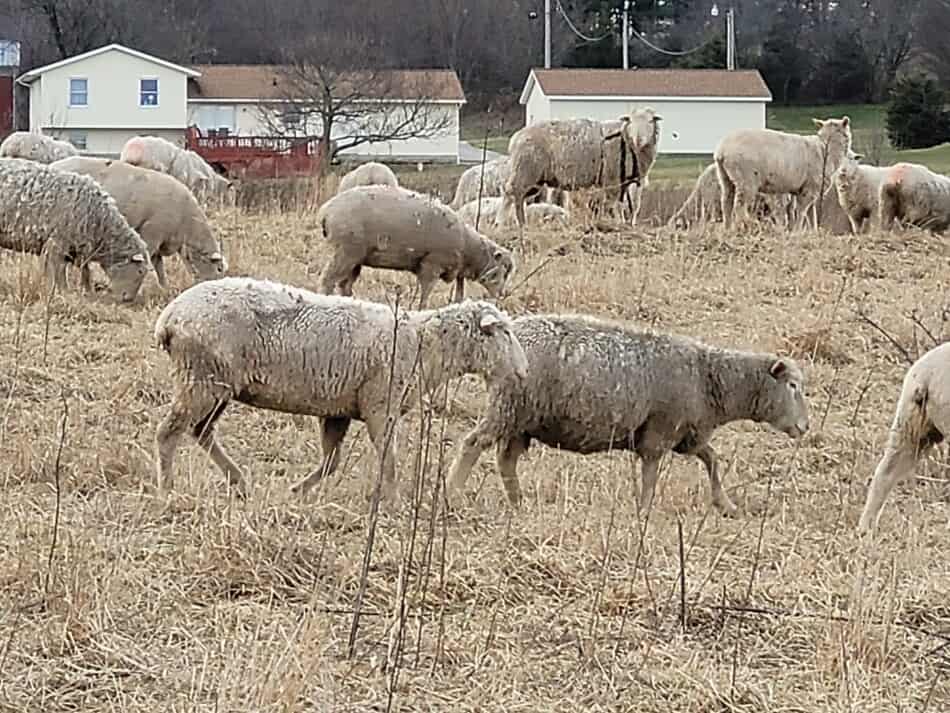
Effective diagnosis of sick sheep is crucial for implementing appropriate treatment and management strategies. Conducting thorough physical examinations and collecting suitable samples for laboratory testing form the foundation of accurate diagnosis. These procedures help identify the underlying health issues, distinguish between different diseases, and determine the severity of the condition, thereby guiding targeted interventions.Performing a comprehensive physical examination involves systematic assessment of the sheep’s vital signs, visual inspection, palpation, and auscultation.
Identifying abnormalities such as abnormal body temperature, irregular respiration, abnormal heart rate, and signs of lameness or swelling can indicate specific health problems. Observing the sheep’s demeanor, coat condition, and respiratory effort provides additional clues to underlying diseases.
Performing Physical Examinations and Identifying Abnormalities
An organized approach to physical examination is essential:
- Visual Inspection: Observe the sheep’s posture, gait, coat condition, and any visible lesions or swelling. Look for signs of discomfort, drooping ears, nasal discharge, or ocular abnormalities.
- Palpation: Touch the lymph nodes, limbs, abdomen, and joints to detect swelling, heat, or pain. Palpate the jaw and neck for lymphadenopathy, which can indicate infections such as caseous lymphadenitis.
- Auscultation: Use a stethoscope to assess heart rate, rhythm, and respiratory sounds. Abnormal sounds or increased respiratory effort may suggest pneumonia or pleuritis.
- Vital Signs Measurement: Record body temperature, pulse rate, and respiratory rate. Deviations from normal ranges can pinpoint specific health issues.
Important abnormalities include persistent fever, isolation from the flock, abnormal lung sounds, asymmetry in limb swelling, and signs of dehydration or anemia. Recognizing these signs early facilitates prompt intervention.
Sample Collection Methods for Laboratory Testing
Accurate laboratory diagnosis depends on proper collection, handling, and transportation of samples. Proper technique minimizes contamination and preserves sample integrity, leading to reliable results.Sample collection methods include:
- Blood Samples: Collect blood aseptically from the jugular vein using sterile needles and vacutainer tubes. These are used for hematology, biochemistry, serology, and culture tests. Ensure samples are labeled correctly with animal ID, date, and time.
- Fecal Samples: Obtain fresh feces directly from the rectum using gloved fingers or by rectal palpation. Store samples in clean, airtight containers and refrigerate if testing is delayed. Fecal analysis can detect parasitic eggs, bacteria, or pathogens like Clostridium perfringens.
- Tissue Samples: During necropsy or biopsy, collect tissue samples from affected organs such as lungs, liver, or lymph nodes. Place tissues in formalin for histopathology or in sterile containers for microbiology cultures.
Proper labeling, storage at appropriate temperatures, and timely submission to diagnostic laboratories are vital for accurate analysis.
Developing Step-by-Step Guides for On-Farm Diagnostic Tests
On-farm diagnostic testing offers rapid insights into the health status of sheep, enabling immediate decision-making. Developing clear, step-by-step procedures ensures consistency and accuracy.Example: Performing a Rapid Blood Glucose Test
- Gather necessary materials: glucometer, test strips, sterile lancets, alcohol swabs, and clean gloves.
- Prepare the sheep by restraining gently to minimize stress.
- Clean the sheep’s ear or tail vein with an alcohol swab to disinfect.
- Use a sterile lancet to prick the selected site, ensuring good blood flow.
- Apply a few drops of blood onto the test strip inserted into the glucometer.
- Read the result after the specified time, typically 10-15 seconds.
- Record the value and interpret according to normal reference ranges.
Similarly, for fecal egg count:
- Collect fresh feces in a clean container.
- Mix a small amount with a flotation solution (e.g., saturated sodium chloride or zinc sulfate).
- Strain the mixture through a sieve to remove debris.
- Fill a McMaster chamber or similar device with the mixture.
- Examine under a microscope to count parasitic eggs.
- Calculate eggs per gram (EPG) to assess infestation severity.
Establishing such protocols tailored to specific tests enhances on-farm diagnostic capabilities, leading to quicker responses and better sheep health management.
Handling and Managing Sick Sheep
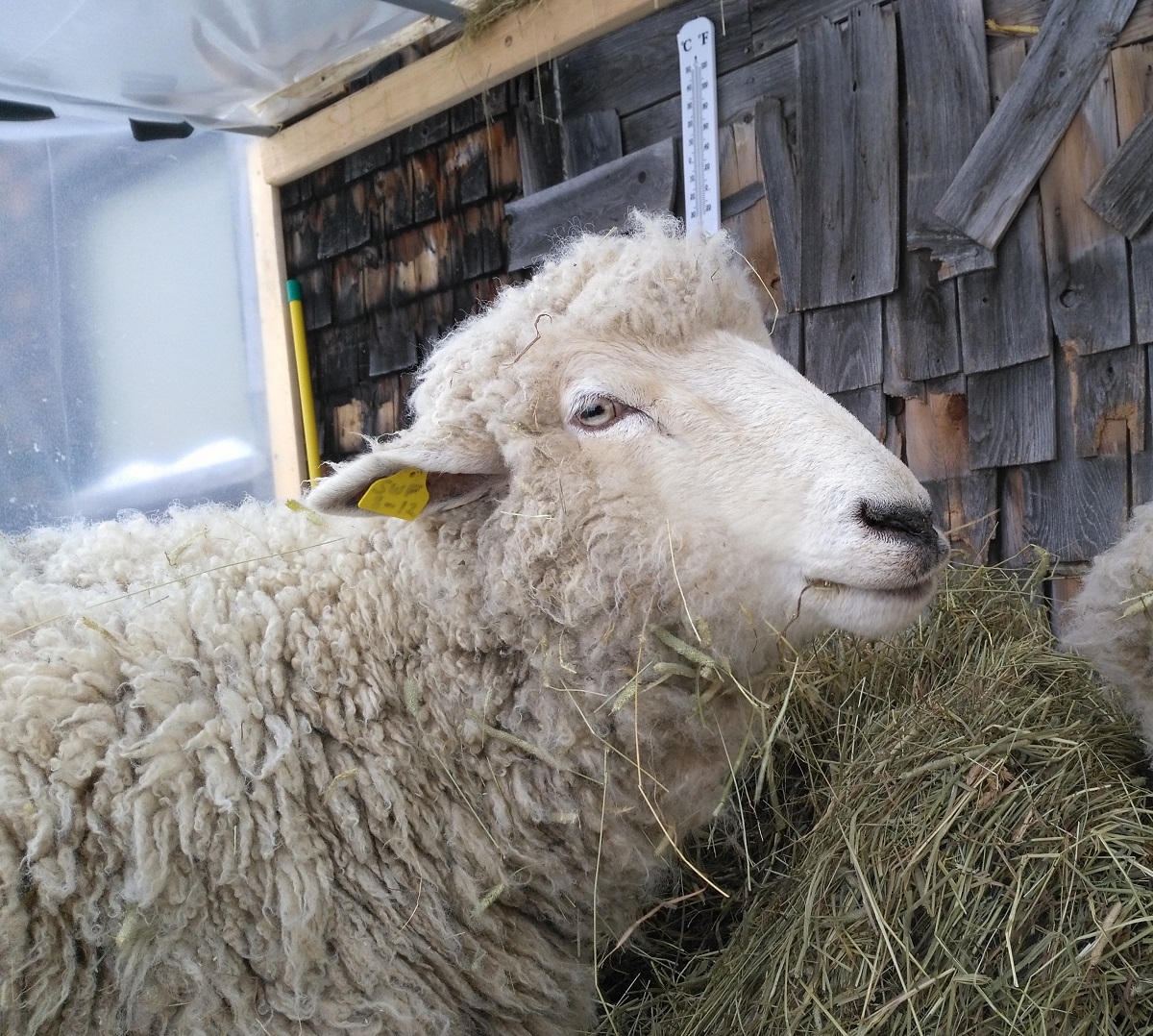
Effective handling and management of sick sheep are crucial components of maintaining flock health and preventing the spread of disease. Proper procedures not only ensure the well-being of the affected animals but also safeguard the overall health of the flock. Implementing systematic approaches to isolation, treatment, and supportive care helps minimize complications and promotes faster recovery.When sheep exhibit signs of illness, immediate and organized management is essential.
This involves isolating the affected animals promptly, administering appropriate treatments accurately, and providing supportive care tailored to their needs. Adhering to best practices in these areas can significantly reduce morbidity and mortality rates associated with common sheep diseases.
Isolation Procedures for Affected Sheep
Isolating sick sheep is a fundamental step to prevent the spread of infectious diseases within the flock. Proper isolation protocols include:
- Designate a quarantine area: Establish a separate, well-ventilated space away from healthy animals, ideally with easy access for monitoring and treatment.
- Limit contact: Minimize handling and restrict movement of the affected sheep to reduce contamination risk.
- Use protective gear: Wear gloves, coveralls, and boots when handling sick animals to prevent cross-contamination.
- Implement strict hygiene: Disinfect equipment, clothing, and footwear after contact with affected animals.
- Monitor closely: Observe the sheep regularly for changes in symptoms and response to treatment, adjusting management plans as needed.
Effective isolation not only contains the disease but also provides a controlled environment for administering treatments and monitoring progress without risking others in the flock.
Best Practices for Administering Treatments and Medications
Administering treatments correctly is vital to ensure their effectiveness and prevent issues such as resistance or adverse reactions. The following practices are recommended:
Before administering any medication, confirm the diagnosis and follow the prescribed dosage and treatment schedule precisely. Use clean, sterile equipment and ensure the medication is suitable for sheep.
- Injectable medications: Use sterile syringes and needles, and administer injections at the proper site, usually the neck or the side of the neck muscle, following aseptic techniques.
- Oral medications: Mix medications thoroughly with feed or water, ensuring the sheep consumes the correct amount. For precise dosing, administer medication via drenching when necessary.
- Topical applications: Apply topical medications or antiseptics directly to affected areas, ensuring full coverage for maximum efficacy.
- Record keeping: Document all treatments, including medication names, dosages, dates, and responses, to facilitate ongoing management and compliance with veterinary protocols.
Adherence to proper dosing and administration techniques maximizes treatment success and reduces the risk of drug resistance development in pathogens affecting sheep.
Supportive Care, Hydration, and Nutrition
Supporting the recovery of sick sheep involves providing adequate hydration, nutrition, and comfort to strengthen their immune response.
Supportive care measures should be tailored to the individual needs of each sheep, considering their condition and the disease involved. Ensuring hydration is critical, especially if dehydration is present due to diarrhea, fever, or reduced intake.
- Hydration: Provide clean, fresh water at all times. In cases of severe dehydration, administer oral rehydration solutions or, if necessary, intravenous fluids under veterinary supervision.
- Nutrition: Offer easily digestible, nutrient-rich feed to support energy levels and immune function. Enhance palatability with supplementation if appetite is reduced.
- Comfort and environment: Maintain a warm, clean, and stress-free environment to promote healing. Minimize environmental stressors such as overcrowding or loud noises.
- Monitoring: Regularly assess vital signs, hydration status, and overall condition to adjust supportive measures accordingly.
Comprehensive supportive care accelerates recovery, improves the immune response, and minimizes complications during illness management in sheep.
Prevention and Early Detection Strategies
Effective prevention and early detection are essential components of maintaining a healthy sheep flock. Implementing strategic vaccination schedules, parasite control programs, and environmental management practices can significantly reduce the incidence of disease and improve overall flock productivity. Early identification of potential health issues allows for prompt intervention, minimizing morbidity and mortality among the sheep population.To achieve optimal health outcomes, sheep producers must adopt a comprehensive approach that integrates vaccination, parasite management, and environmental safeguards.
These strategies not only protect individual animals but also help prevent the spread of infectious diseases within the flock and to neighboring herds.
Vaccination Schedules and Parasite Control Programs
Vaccination and parasite control form the cornerstone of disease prevention in sheep management. Properly timed vaccination schedules stimulate immunity against common infectious diseases such as clostridial enterotoxemia, tetanus, and parainfluenza. Parasite control programs aim to reduce the burden of internal and external parasites that can predispose sheep to other health problems and cause weight loss or anemia.
- Vaccination Schedules: Implement vaccines before high-risk periods, typically in the spring and fall, with booster doses as recommended by veterinary guidelines. Core vaccines include those against clostridial diseases, tetanus, and contagious diseases specific to the region.
- Parasite Control Programs: Conduct regular fecal egg counts to monitor parasite loads, especially for gastrointestinal nematodes. Use strategic deworming based on egg count thresholds and resistance patterns, and consider integrated parasite management (IPM) to avoid drug resistance.
“Effective vaccination and parasite control require scheduled planning, consistent implementation, and adaptation based on flock health status and regional disease prevalence.”
Environmental Management to Reduce Disease Risk
Managing the environment of sheep significantly influences their health status by reducing exposure to pathogens and vectors. Proper environmental practices decrease the likelihood of disease transmission and support overall flock resilience.
- Housing and Ventilation: Provide well-ventilated shelters to prevent the buildup of moisture, ammonia, and dust, which can predispose sheep to respiratory diseases. Ensure adequate space to reduce stress and prevent overcrowding.
- Pasture Management: Rotate grazing areas to prevent overgrazing and reduce parasite exposure. Rest pastures to break parasite life cycles and minimize contamination with fecal material.
- Water and Feed Hygiene: Maintain clean, fresh water sources and feed storage to prevent contamination. Avoid sharing feed and water with other livestock species that may carry cross-species pathogens.
“Environmental hygiene and management are proactive measures that create a less hospitable environment for disease agents, thereby safeguarding flock health.”
Summary of Preventive Measures
| Preventive Measure | Implementation Details |
|---|---|
| Vaccination | Follow scheduled vaccinations based on regional disease risks, with booster doses as recommended. |
| Parasite Control | Regular fecal monitoring, strategic deworming, and pasture rotation to manage parasite loads effectively. |
| Environmental Management | Ensure proper housing ventilation, pasture rotation, and hygiene to minimize disease exposure. |
| Monitoring and Record-Keeping | Maintain detailed health records to identify patterns and inform timely interventions. |
| Biosecurity Measures | Limit farm access, quarantine new animals, and implement sanitation protocols to prevent disease introduction. |
Training and Education for Sheep Caretakers
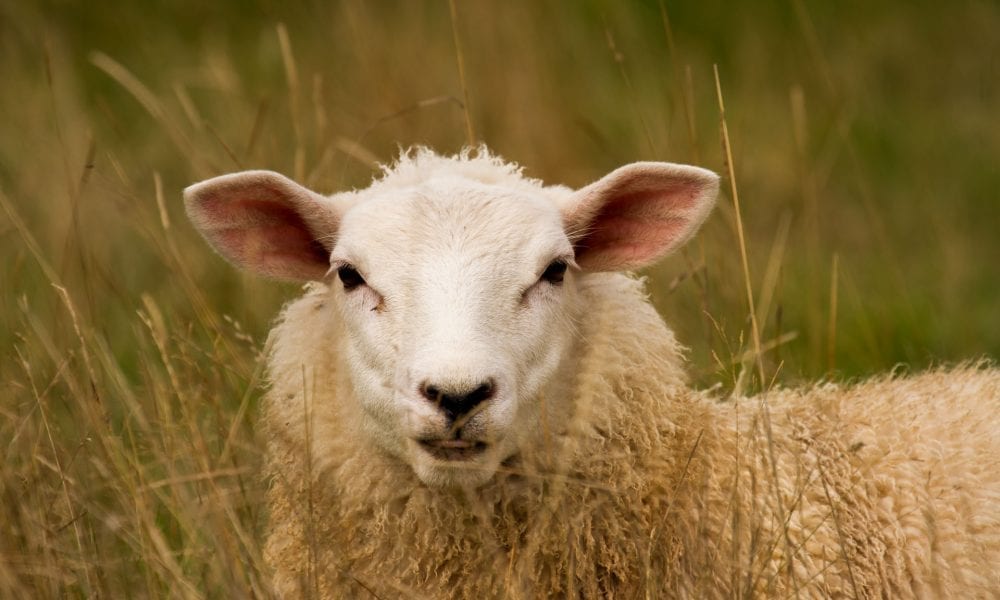
Effective sheep care relies heavily on the knowledge and skills of caretakers. Providing comprehensive training and ongoing education ensures that handlers can accurately recognize early signs of illness, implement proper management techniques, and respond promptly to health issues. Well-informed caretakers contribute significantly to the overall health, productivity, and welfare of the flock.
Educational initiatives should focus on equipping sheep caretakers with practical skills, the latest best practices, and an understanding of disease prevention. These programs foster a proactive approach to flock health management, reducing the incidence of severe disease outbreaks and improving early detection efforts.
Key Knowledge Points for Recognizing Early Signs of Illness
Recognizing early indicators of health problems in sheep is crucial for timely intervention. Caretakers should be trained to observe specific behaviors, physical changes, and environmental cues that suggest the onset of illness.
- Behavioral Changes: Lethargy, isolation from the flock, decreased feed intake, or unusual vocalizations often precede more severe symptoms.
- Physical Signs: Sudden weight loss, alterations in coat condition, swelling, or abnormal discharges from eyes, nose, or mouth are early warning signs.
- Vital Signs Monitoring: Abnormal temperature readings, increased respiration rate, or irregular heartbeat can indicate underlying health issues.
- Environmental and Management Factors: Poor sanitation, overcrowding, or recent introduction of new animals can increase disease risk, warranting closer observation.
Training should emphasize the importance of consistent monitoring and prompt documentation of any deviations observed in the sheep’s normal behavior or physical condition. Early detection can significantly improve treatment outcomes and prevent disease spread within the flock.
Organizing Training Module Topics with Detailed Content
Structured training modules should encompass a broad range of topics tailored to the specific needs of sheep caretakers. Each module must include theoretical knowledge, practical demonstrations, and assessment components to ensure comprehensive understanding.
- Introduction to Sheep Health and Welfare: Basic anatomy, physiology, and common health issues.
- Recognizing Disease Signs and Symptoms: Visual cues, behavioral changes, and vital sign abnormalities.
- Observation and Monitoring Techniques: Routine flock checks, use of observation schedules, and record keeping.
- Diagnostic Procedures and When to Seek Veterinary Help: Sample collection, use of diagnostic tools, and understanding laboratory results.
- Handling, Restraining, and Managing Sick Sheep: Proper techniques to minimize stress and injury during treatment.
- Preventive Measures and Biosecurity: Vaccination schedules, quarantine protocols, and hygiene practices.
- Emergency Response Planning: Developing action plans for outbreaks or sudden health emergencies.
Each module should incorporate case studies, hands-on activities, and visual aids such as charts, diagrams, and photographs illustrating healthy versus sick animals. Interactive sessions and quizzes can reinforce learning and improve retention of critical information.
Examples of Educational Resources and Visual Aids
To optimize training effectiveness, a variety of educational resources and visual aids should be utilized. These tools help translate theoretical knowledge into practical skills and facilitate better recognition of health issues among caretakers.
- Illustrated Guides and Posters: Clear images displaying normal anatomy, common disease symptoms, and proper handling techniques, suitable for display in farm clinics or training centers.
- Training Videos: Demonstrations of health assessment procedures, restraint methods, and emergency responses, allowing caretakers to observe and imitate best practices.
- Interactive Quizzes and Digital Modules: Online platforms providing scenario-based questions to test knowledge and decision-making skills.
- Field Observation Checklists: Structured forms for daily health monitoring, enabling systematic recording of observations and trends over time.
- Case Study Booklets: Collections of real-life outbreaks and management successes that illustrate application of knowledge in practical settings.
Implementing diverse educational materials supports varied learning styles and enhances the ability of caretakers to apply their knowledge effectively in real-world scenarios, ultimately improving flock health and productivity.
Conclusive Thoughts
In conclusion, timely identification of sick sheep through careful observation and proper diagnostic practices is essential for effective disease management. By implementing vigilant monitoring and preventive measures, caretakers can promote a healthier flock and ensure sustainable sheep farming.