How to shear sheep is a vital skill for ensuring the health and well-being of sheep while maintaining high-quality wool production. Proper shearing not only benefits the animals by preventing overheating and skin issues but also optimizes wool harvesting processes. Understanding the essential techniques, tools, and safety measures involved can make the task efficient and humane, leading to better outcomes for both sheep and shepherds.
This guide covers the entire process of shearing sheep, from preparation and technique to post-shearing care and ethical considerations. Whether you are new to sheep farming or seeking to refine your skills, mastering proper shearing practices is crucial for sustainable and responsible wool harvesting.
Basic Understanding of Sheep Shearing
Sheep shearing is a vital agricultural practice that involves removing the wool fleece from sheep. This process not only ensures the production of quality wool but also plays a crucial role in maintaining the health and well-being of the sheep. Proper shearing practices contribute to the prevention of health issues such as fleece rot, parasitic infestations, and overheating during warm weather.
Understanding the appropriate timing, frequency, and tools involved in sheep shearing is essential for both the safety of the animal and the efficiency of the process. Different sheep breeds may require tailored shearing schedules, and familiarity with specialized equipment ensures a smooth and humane procedure.
Importance of Sheep Shearing for Wool Health and Sheep Wellness
Regular shearing is fundamental to maintaining optimal wool quality and preventing health problems in sheep. Excess wool can trap moisture, dirt, and parasites, leading to infections or skin conditions that compromise sheep wellness. Shearing also prevents overheating, especially in warmer climates or during summer months, thus reducing stress and improving the overall comfort of the sheep. Additionally, clean and well-maintained wool reduces the risk of flystrike, a serious parasitic condition that can be fatal if untreated.
Timing and Frequency of Shearing for Different Sheep Breeds
The timing and frequency of shearing depend on the breed, climate, and purpose of the sheep. Typically, sheep are shorn once annually, usually in the spring, to prepare them for warmer weather. Some breeds with rapid wool growth, such as Merino or Romney, may require shearing twice a year in regions with long, hot summers. Conversely, breeds like Shetland or sporting sheep with finer wool often need less frequent shearing, often every 12 to 18 months.
For optimal health, it is recommended that shearing occurs when the fleece reaches a weight that could cause discomfort or health issues, generally around 4-6 kg for medium-wool breeds. Proper scheduling ensures sheep are not subjected to unnecessary stress or extreme weather conditions during the process.
Essential Tools and Equipment for Sheep Shearing
The effectiveness and safety of sheep shearing heavily rely on the appropriate tools and equipment. Using the right gear minimizes stress on the animal and reduces the risk of injuries for both the sheep and the shearer. The primary tools include:
| Tool | Description | Purpose |
|---|---|---|
| Hand shears | Traditional scissors-like tools with sharp blades | Suitable for small-scale or hobby shearing, and for trimming around sensitive areas |
| Electric shears | Power-operated clippers with motorized blades | Most commonly used in commercial shearing for efficiency and speed |
| Shearing stand or table | Supportive platform to hold the sheep securely | Facilitates safe and controlled shearing |
| Blade sharpener | Device for maintaining the sharpness of blades | Ensures clean cuts and prolongs tool lifespan |
| Protective gear | Personal safety during shearing |
Proper maintenance of tools, especially blades, is essential for efficient shearing and the safety of the animal. Regular sharpening prevents unnecessary pulling or cutting of the wool and reduces stress for the sheep.
Preparation Before Shearing

Proper preparation before shearing is essential to ensure the safety of both the sheep and the shearer, as well as to facilitate an efficient shearing process. This stage involves organizing the shearing environment, inspecting equipment, and handling the sheep with care to minimize stress and injury.
Investing time in thorough preparation reduces the risk of accidents, improves the quality of the shear, and ensures a smooth workflow. It also helps in creating a calm environment, which is vital for the well-being of the sheep and the overall success of the shearing session.
Steps to Prepare the Sheep and Shearing Environment
Ensuring both the sheep and the environment are adequately prepared involves several key steps. These steps serve to create a safe, comfortable, and efficient setting for shearing, minimizing stress for the animals and reducing the likelihood of injury or equipment malfunctions.
- Choose a suitable location: Select a clean, dry, and well-ventilated area with ample space to move the sheep comfortably. A shaded outdoor space or a dedicated shearing shed with non-slip flooring helps prevent accidents.
- Clear the workspace: Remove any clutter, sharp objects, or unnecessary tools that could pose hazards. Ensure the floor is clean and dry to prevent slipping.
- Inspect and prepare equipment: Check all shearing tools for sharpness, cleanliness, and proper functioning. Have spare blades, oil, and sharpening tools readily available.
- Gather handling supplies: Use appropriate handling aids such as halters, sheep holders, or portable shearing frames to stabilize the sheep during shearing.
- Ensure safety gear availability: Make sure all personnel involved wear suitable safety gear like gloves, protective aprons, and eye protection.
Safety Gear and Handling Supplies Checklist
Having the right safety gear and handling supplies on hand is crucial for conducting shearing safely and efficiently. These items help protect the shearer from cuts and other injuries, and they assist in handling the sheep securely to prevent stress and movement during shearing.
| Safety Gear | Handling Supplies |
|---|---|
|
|
Note: Proper safety gear not only protects the shearer but also minimizes the risk of sheep injury caused by accidental cuts or slips during the shearing process.
Calming and Positioning Sheep Prior to Shearing
Handling sheep with patience and care before shearing is vital to reduce stress and ensure a safe working environment. Proper calming techniques and positioning procedures help in controlling the sheep efficiently, making the shearing process smoother and safer for all involved.
- Approach calmly: Move slowly and speak softly to the sheep to prevent startling them. Gentle handling reduces fear and agitation.
- Secure the head: Use a halter or gentle grip to control the sheep’s head, which helps in guiding it into the shearing position. Avoid sudden movements that can cause panic.
- Position the sheep: Place the sheep on a shearing table or soft bedding, ensuring it is stable and comfortable. Slightly elevate the sheep’s hindquarters if necessary for better access to the fleece.
- Use handling aids: Employ sheep handling frames or chutes to restrict movement and keep the sheep in a designated shearing position. This minimizes struggling and potential injury.
- Monitor the sheep: Observe signs of stress or discomfort, such as vocalization or restlessness. Use calming techniques like gentle strokes or speaking softly to reassure the animal.
Important: Consistent, gentle handling and careful positioning not only improve the quality of shearing but also promote the welfare of the sheep, fostering a positive shearing experience for both the animal and the shearer.
Step-by-Step Shearing Technique
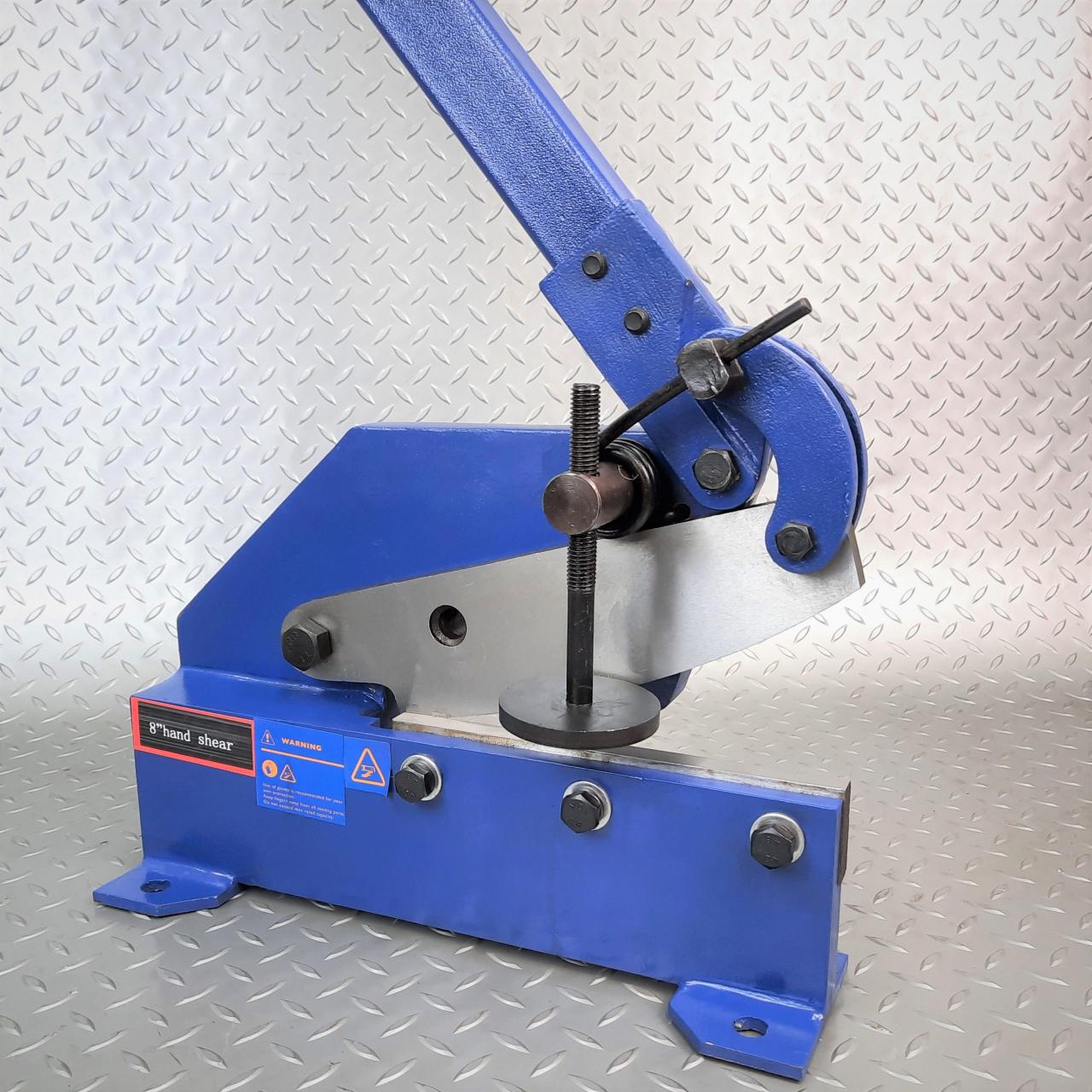
Executing a precise and efficient sheep shearing process requires a systematic approach to ensure the safety and comfort of the sheep, as well as clean and effective fleece removal. Mastering the proper handling, positioning, and cutting methods is essential for both novice and experienced shearers to achieve optimal results while minimizing stress and potential injury to the animal.
This section provides a detailed, step-by-step guide on how to hold and maneuver sheep during shearing, how to remove fleece in sections with clean cuts, and an organized overview of the tools involved along with their care and maintenance tips. Following this structured approach ensures a smooth shearing process that is both humane and productive.
Proper Holding and Maneuvering of Sheep
Secure handling and appropriate positioning of the sheep are fundamental to a safe shearing experience. Properly restrained sheep prevent unexpected movements, reduce stress, and allow for precise fleece removal. The shearer must develop a calm and gentle technique to foster trust and ensure the animal’s well-being throughout the process.
- Use a shearing stand or a non-slip surface to keep the sheep stable during shearing, especially with larger or nervous animals.
- Approach the sheep calmly, speaking softly to ease anxiety, and gently position the animal on its side or belly, depending on the shearing area.
- Secure the sheep’s legs with gentle but firm grip, ensuring the animal remains steady without causing discomfort or injury.
- Keep the sheep’s head elevated and supported to prevent sudden movements that could lead to cuts or accidents.
Maintaining a relaxed environment and using smooth, deliberate movements help in building trust with the sheep, facilitating a more efficient shearing process. It is crucial to continually assess the animal’s comfort level and adjust handling techniques accordingly.
Removing Fleece in Sections with Clean Cuts
Shearing in sections allows for a systematic approach to fleece removal, minimizing waste and ensuring high-quality fleece for processing. Clean, continuous cuts not only improve fleece quality but also reduce the risk of skin abrasions or cuts to the sheep.
- Start at the crutch area and proceed toward the neck, removing fleece in manageable sections rather than attempting to shear the entire body at once.
- Use the shearer’s comb and cutters to make smooth, consistent strokes, ensuring the blade remains sharp to prevent jagged edges.
- Work in overlapping passes, gradually lifting fleece away from the skin while following the natural contours of the sheep’s body.
- Maintain even pressure on the shearing handpiece, avoiding excessive force that could cause uneven cuts or skin irritation.
- Periodically check the fleece for tears or uneven areas, trimming or re-shearing as needed for a uniform finish.
By removing fleece in sections with clean cuts, the shearer ensures that the fleece remains intact, clean, and suitable for commercial processing. The key to success lies in patience, attention to detail, and consistent cutting technique throughout the process.
Tools for Sheep Shearing: Purposes and Maintenance Tips
Using the right tools and maintaining them properly are vital for efficient shearing and the longevity of equipment. The following table summarizes essential shearing tools, their functions, and best practices for care and maintenance:
| Tool | Purpose | Maintenance Tips |
|---|---|---|
| Shearing Handpiece (Clippers) | To cut fleece efficiently and precisely in sections. | Clean after each use by removing hair and debris. Lubricate blades regularly with machine oil to prevent rust and ensure smooth operation. |
| Shearing Blades (Cutters and Combs) | Provide sharp, clean cuts; cutters cut fleece, combs lift fleece away from the skin. | Sharpen blades regularly using appropriate sharpening stones or send for professional sharpening. Store blades in a dry, protected environment to prevent corrosion. |
| Hand Shears (Manual Clippers) | Backup tools or for small sections where power tools are impractical. | Keep blades razor-sharp, apply oil to prevent rust, and store in a protective case. |
| Shearing Stand or Support Frame | Provides stability and safety during shearing. | Inspect for wear and stability regularly. Keep clean and free from debris to prevent slipping or accidents. |
| Grooming and Cleaning Tools (Brushes, Wipes) | Remove debris and keep blades clean during operation. | Clean after each session, ensuring no hair or dirt remains that could cause blade dulling or contamination. |
Handling Challenges During Shearing
Shearing sheep is a skillful task that requires patience, technique, and awareness of potential issues that may arise during the process. Even with thorough preparation and proper technique, challenges can occur, making it essential for shearers to be prepared with effective strategies to manage them. Addressing these challenges promptly and safely ensures the well-being of both the sheep and the shearer, leading to a more efficient and humane shearing experience.Handling issues such as tangled wool, struggling sheep, and equipment malfunctions requires a calm and systematic approach.
Recognizing common problems and implementing best practices to resolve them minimizes stress and prevents injuries. This section provides guidance on tackling these challenges, offering practical solutions to maintain smooth shearing operations.
Tangled Wool and Sheep Struggling
Problems like tangled wool can obstruct the shearing process, while sheep that struggle or resist can increase the risk of injury to themselves and the shearer. Addressing these issues promptly is vital for safety and efficiency.
When wool becomes tangled, it can hinder the shearer’s ability to work smoothly and may cause accidental cuts or uneven cuts. To prevent this, regularly monitor the wool as it is being removed and gently tease out tangles when they occur. Using a comb or your fingers to carefully separate wool strands can facilitate smoother cutting and reduce stress on the sheep.
Sheep that resist or struggle pose a significant challenge, especially if they are frightened or uncooperative. To minimize resistance, handle sheep gently but firmly, and use calming techniques such as speaking softly or applying gentle pressure to their shoulders. Securing the sheep properly in a shearing stand or chute can also reduce movement, allowing for safer and more controlled shearing.
Preventing Cuts and Injuries
Ensuring safety during shearing involves meticulous attention to technique and environment to prevent accidental cuts and injuries to both sheep and shearers.
To avoid cuts, maintain sharp blades and ensure proper handling of the shearing equipment. Regularly inspect blades for dullness or damage; dull blades require more force and increase the likelihood of slips that can cause cuts. Use controlled, deliberate strokes rather than rushing, and keep the blades at the correct angle—approximately 45 degrees—to the wool and skin.
Positioning plays a key role in safety. Keep the sheep’s skin taut and maintain a steady hand, avoiding sudden movements that could lead to nicks. Employing protective gear such as gloves and, where appropriate, protective clothing can further reduce injury risks.
For the shearer, taking regular breaks to rest hands and wrists reduces fatigue, which can compromise precision and safety. Adequate training and adherence to safety protocols are essential to foster a safe shearing environment.
Troubleshooting Equipment Malfunctions
Equipment issues are common but manageable with proper knowledge and routine maintenance. Troubleshooting quickly minimizes downtime and maintains the quality of shearing.
Common malfunctions include blade dullness, motor overheating, or loose parts. To troubleshoot:
- Blade dullness: Regularly sharpen or replace blades according to manufacturer instructions. Dull blades require more force and can cause uneven cuts.
- Motor overheating: Ensure proper ventilation and avoid prolonged continuous operation. Allow the motor to cool down before resuming shearing if overheating occurs.
- Loose parts: Periodically check and tighten screws, bolts, and guards. Loose parts can cause misalignment or damage to equipment.
If equipment malfunctions persist despite routine care, consulting with a professional or contacting the manufacturer for repairs is recommended. Using high-quality, well-maintained tools not only prolongs the lifespan of equipment but also enhances safety and efficiency during shearing operations.
Proper handling of challenges during shearing ensures a humane, safe, and efficient process, safeguarding the health of the sheep and the well-being of the shearer. Regular vigilance, skillful technique, and proactive maintenance are key to overcoming common issues effectively.
Post-Shearing Care and Wool Management
Proper post-shearing care is essential to ensure the well-being of the sheep and maintain the quality of the wool harvested. Immediate attention following shearing helps reduce stress, prevents infections, and promotes swift recovery. Additionally, effective wool management practices enable farmers to maximize the value of their wool and ensure sustainable flock health.
Implementing systematic procedures for sheep care and wool handling not only enhances productivity but also supports the overall health and longevity of the flock. This segment provides detailed strategies for caring for sheep immediately after shearing, sorting and storing wool efficiently, and best practices to uphold sheep health and wool quality post-shearing.
Immediate Post-Shearing Care for Sheep
Sheep are vulnerable immediately after shearing due to exposed skin and potential stress from the process. Providing prompt and appropriate care minimizes discomfort and reduces the risk of infections or injuries. Ensuring a calm environment, checking for any cuts or abrasions, and offering supplementary nutrition are vital steps to promote swift recovery.
- Provide a sheltered, quiet space free from drafts and harsh weather conditions to allow the sheep to rest and recover.
- Inspect each sheep thoroughly for cuts, nicks, or skin irritations resulting from shearing, and treat any injuries with antiseptic solutions as needed.
- Offer clean, fresh water immediately after shearing to prevent dehydration.
- Provide high-energy, easily digestible feed to support the sheep’s energy needs during recovery.
- Minimize handling and movement to reduce stress; keep sheep close to familiar surroundings.
- Monitor the sheep continuously for signs of distress, dehydration, or infection, and seek veterinary assistance if necessary.
Sorting and Storing Wool Effectively
Efficient wool management begins with proper sorting and storage, which preserves wool quality and facilitates processing. Sorting involves separating wool based on quality, type, and cleanliness, while storing requires appropriate conditions to prevent damage and contamination. Proper handling ensures that wool retains its value for market or raw material processing.
Wool should be sorted immediately after shearing to categorize fleece qualities such as fine, medium, and coarse wool, and to remove any foreign matter like dirt, vegetable debris, or second cuts. Storage practices must focus on maintaining cleanliness, dryness, and protection from pests, which are key to preserving wool integrity and value.
- Sort wool promptly, grouping similar qualities together to streamline processing and pricing.
- Remove any foreign matter, second cuts, or damaged fibers during sorting to enhance wool grade.
- Use clean, breathable sacks or containers to store sorted wool, avoiding plastic that may trap moisture.
- Store wool in a cool, dry, and well-ventilated environment to prevent mold, mildew, and pest infestations.
- Label storage containers clearly with wool type, date of shearing, and quality grade for easy identification.
- Periodically check stored wool for signs of pests, moisture, or deterioration, and take corrective actions as needed.
Best Practices for Maintaining Sheep Health and Wool Quality Post-Shearing
Maintaining sheep health and wool quality after shearing involves a combination of careful monitoring, environmental management, and proper nutrition. These practices help ensure the flock remains healthy, and the wool produced continues to meet quality standards, thus optimizing both animal welfare and economic returns.
- Provide adequate shelter to protect sheep from extreme weather conditions, reducing environmental stress.
- Maintain regular health checks, including foot care, parasite control, and vaccination schedules, to prevent disease outbreaks.
- Avoid overcrowding, which can lead to stress, injuries, and increased disease transmission.
- Ensure balanced nutrition with sufficient protein, energy, vitamins, and minerals to support wool growth and overall health.
- Keep the environment clean by removing manure and soiled bedding to reduce parasite loads and prevent skin infections.
- Use gentle handling techniques to minimize stress during routine checks or health interventions.
- Implement wool harvesting practices that avoid repeated pulling or damage to fibers, preserving wool quality for longer periods.
- Regularly review and update management protocols based on the latest research and veterinary advice to optimize flock health and wool production.
Safety Tips and Best Practices
Implementing proper safety measures and adhering to best practices are essential components of a successful sheep shearing operation. Ensuring the safety of shearers not only prevents injuries but also promotes an efficient and humane environment for both workers and animals. This segment Artikels vital precautions, ergonomic considerations, and the appropriate safety equipment necessary to maintain a safe shearing process.
Maintaining safety during sheep shearing involves awareness, preparation, and the correct use of protective gear. Shearers must be vigilant in identifying potential hazards, creating an environment conducive to safe work practices, and consistently using safety equipment properly. By following these guidelines, shearers can minimize risks and foster a culture of safety in their operations.
Essential Safety Precautions for Shearers to Avoid Injuries
Shearers are exposed to various risks, including cuts, strains, and animal-related injuries. Recognizing common hazards and implementing preventive measures are crucial steps in safeguarding health and well-being during shearing activities.
- Proper Handling of Equipment: Always inspect shearing tools before use to ensure blades are sharp and in good condition. Dull blades require more force and increase the risk of slips or cuts. Handle shears with care, keeping fingers clear of moving parts.
- Maintaining Control: Maintain a firm grip on shearing tools and control movements to prevent accidental cuts. Use smooth, deliberate motions rather than hurried or jerky movements.
- Animal Safety: Properly restrain sheep to prevent sudden movements that could cause injury to the animal or shearer. Use appropriate handling techniques to reduce stress and movement during shearing.
- Personal Awareness: Be attentive to your surroundings, especially when working in a busy or cluttered environment, to avoid tripping or knocking over equipment.
Guidelines for Creating a Safe and Ergonomic Shearing Environment
The physical setup of the shearing area significantly influences safety and efficiency. An ergonomic environment minimizes strain and prevents musculoskeletal injuries, which are common among shearers performing repetitive tasks.
Designing a safe workspace involves careful consideration of layout, surface stability, and accessibility. Ensuring adequate space for movement, proper lighting, and stable work surfaces helps create a safer and more comfortable setting for all involved.
- Work Surface and Positioning: Use non-slip mats or stable platforms to prevent falls. Position sheep at a height that allows the shearer to work without excessive bending or stretching, reducing back and neck strain.
- Lighting and Ventilation: Ensure that the shearing area is well lit to avoid accidental cuts and to improve precision. Proper ventilation prevents overheating and maintains air quality.
- Clutter-Free Environment: Keep the workspace tidy, with tools organized and within easy reach. This reduces the risk of trips and accidental injuries.
Safety Equipment and Proper Usage During Shearing
The correct use of safety gear is fundamental in protecting shearers from injuries. Implementing appropriate equipment and ensuring its proper usage can significantly reduce the risk of cuts, abrasions, and other injuries.
| Safety Equipment | Purpose | Proper Usage Guidelines |
|---|---|---|
| Cut-Resistant Gloves | Protect hands from accidental cuts and abrasions | Wear gloves fitted snugly to allow dexterity. Remove when precision is needed for delicate cuts to avoid compromising control. |
| Protective Eyewear | Shield eyes from wool fibers, dust, and accidental blade fragments | Use safety goggles or glasses with side shields. Inspect regularly for damage and replace if scratched or broken. |
| Sturdy Footwear | Prevent slips and provide ankle support | Choose boots with slip-resistant soles. Keep footwear clean and dry to avoid accidents in moist or dusty environments. |
| Hearing Protection | Reduce exposure to loud noises from machinery | Use earplugs or earmuffs when working with loud shearing equipment, especially in busy or prolonged sessions. |
| First Aid Kit | Address minor injuries promptly | Keep accessible within the shearing area. Regularly check supplies and restock as needed. |
“Properly fitted safety equipment combined with vigilant work habits significantly reduces the risk of injury during sheep shearing.”
Environmental and Ethical Considerations
In the realm of sheep shearing, it is essential to recognize the significance of humane and environmentally responsible practices. Ensuring the well-being of sheep during the shearing process not only aligns with ethical standards but also promotes sustainable wool harvesting. Additionally, understanding environmental factors that influence shearing schedules can help optimize both animal health and resource conservation.
Adopting environmentally conscious and ethically sound practices is crucial for maintaining the integrity of sheep farming operations. These practices help mitigate negative impacts on ecosystems, support animal welfare, and foster consumer confidence in the wool industry.
Humane Handling During Shearing
Humane handling is fundamental to ethical sheep shearing, emphasizing the need to minimize stress and discomfort for the animals. Proper handling techniques contribute to the physical and psychological well-being of sheep, ensuring a smoother shearing experience that reduces the risk of injury or trauma.
Training shearers and handlers in gentle restraint methods, such as calm approaches and proper positioning, is vital. Using appropriate equipment that does not cause pain or injury, such as well-maintained blades and suitable shearing platforms, further supports humane treatment. Consistent observation of sheep for signs of distress allows handlers to intervene promptly, maintaining a compassionate approach throughout the process.
Sustainable Practices for Wool Harvesting
Implementing sustainable methods in wool harvesting involves strategies that conserve resources, reduce environmental impact, and promote animal health. These practices help ensure the longevity of sheep populations and the quality of wool produced.
Key sustainable practices include:
- Rotational Shearing Schedules: Planning shearing sessions to prevent over-shearing, which can weaken sheep’s health and deplete wool resources prematurely.
- Wool Recycling and Reuse: Utilizing wool remnants or recycling fleece to reduce waste and promote circular economies within the industry.
- Eco-Friendly Equipment and Chemicals: Employing biodegradable lubricants and cleaning agents that do not harm ecosystems or pollute water sources.
- Habitat Conservation: Maintaining natural grazing lands and minimizing land degradation through rotational grazing and proper land management.
“Sustainable wool harvesting balances economic viability with environmental stewardship, ensuring that sheep and ecosystems thrive together.”
Environmental Factors Influencing Shearing Schedules and Practices
Environmental conditions play a crucial role in determining the timing and methods of sheep shearing. Factors such as climate, seasonal variations, and local ecosystems influence decisions to optimize animal health and wool quality.
Considerations include:
- Temperature and Humidity: Shearing is typically scheduled in late spring or early summer when temperatures are rising but not excessively hot, to prevent heat stress post-shearing. High humidity can also increase the risk of skin infections, prompting careful scheduling.
- Rainfall and Moisture Levels: Shearing during dry periods helps reduce the risk of infections and keeps wool cleaner. Wet conditions can cause sheep to become chilled and complicate the shearing process.
- Vegetation and Grazing Conditions: Shearing is often coordinated with grazing patterns, allowing sheep to recover quickly and avoid stress caused by overgrown fleece or environmental hazards.
- Local Ecosystem and Conservation Needs: In areas prone to drought or with fragile ecosystems, scheduling shearing to minimize resource use and land disturbance supports environmental sustainability.
Last Point
In summary, learning how to shear sheep effectively combines proper preparation, skilled technique, and compassionate handling to ensure the health of the sheep and the quality of wool. Following safety protocols and ethical practices not only enhances productivity but also promotes humane treatment and environmental sustainability. With diligent practice and care, shearing becomes a rewarding part of sheep management that benefits all involved.