Learning how to lamb sheep safely is essential for ensuring the health and well-being of both the ewe and her lambs. Proper preparation and understanding of the lambing process can significantly reduce risks associated with this critical event. This comprehensive guide provides valuable insights into creating a secure environment, recognizing signs of impending labor, and offering effective assistance during delivery.
By following these detailed steps, sheep farmers can promote healthy births, prevent complications, and foster a safe, hygienic setting for new life to begin. From pre-lambing preparations to managing adverse weather conditions, the information presented aims to equip you with the confidence and knowledge needed for successful lambing experiences.
Preparing for Safe Lambing

Ensuring a safe and healthy lambing process begins with thorough preparation. Proper planning and organization of equipment, supplies, and environment are essential to safeguard both ewe and lambs during this critical period. Adequate pre-lambing measures not only facilitate smooth labor but also help in identifying potential health issues early, thereby promoting positive outcomes for your flock.
Meticulous preparation involves assembling necessary equipment, assessing the health and condition of the ewes, and establishing a secure, sanitary lambing area. These steps create a foundation for a successful lambing season, reducing stress and minimizing risks associated with unexpected complications.
Necessary Equipment and Supplies for Lambing Safely
Having the right tools and supplies on hand ensures readiness to assist during lambing and manage emergent situations effectively. Each item plays a vital role in maintaining hygiene, providing comfort, and addressing potential health concerns promptly.
- Lambing pen or barn: A dedicated, quiet, and well-ventilated space for ewes to lamb with minimal disturbance.
- Clean bedding materials: Straw, wood shavings, or straw to keep the area dry and comfortable.
- Palpation gloves: Sterile gloves for detecting pregnancy and early signs of labor.
- Disinfectants and antiseptics: For cleaning equipment and umbilical cords to prevent infection.
- Lambing assistance tools: Towels, lubricants, scissors for umbilical cord cutting if necessary, and a snare or lambing hook for assisting in difficult births.
- Thermometer and scale: To monitor the ewe’s temperature and weight, aiding in health assessments.
- Resuscitation supplies: Syringes, oxygen supply, and resuscitation bags for lambs in distress.
- Feed and water supplies: Fresh water and high-energy feed to support the ewe post-labor.
Pre-Lambing Preparations Checklist
Comprehensive pre-lambing preparations are crucial to ensure a seamless process. Regular assessments of the ewe’s health and environment, along with the organization of necessary resources, form the backbone of a successful lambing season.
- Health assessment of ewes: Check for signs of illness, nutritional deficiencies, or parasitic infestations. Ensure vaccinations are up to date, including tetanus toxoid if recommended locally.
- Housing inspection and sanitation: Confirm the lambing area is clean, dry, and well-ventilated. Remove old bedding, disinfect surfaces, and ensure proper drainage to prevent mold and bacterial growth.
- Supplies inventory: Confirm all necessary equipment and supplies are available, sterile, and within easy reach.
- Environmental safety check: Eliminate hazards such as sharp objects, protruding nails, or unstable structures that could harm ewes or lambs.
- Preparation of emergency contacts: Keep veterinarian contact information readily accessible, along with local assistance numbers for lambing emergencies or health issues.
- Monitoring plan: Establish a schedule for frequent observation of ewes approaching lambing, paying attention to signs like udder swelling, nesting behavior, and restlessness.
Setting Up a Secure Lambing Area with Sanitation and Safety Measures
Creating a safe and hygienic environment for lambing involves strategic planning and attention to detail. An optimal lambing area minimizes stress, reduces infection risks, and provides easy access for assistance if needed.
- Location selection: Choose a quiet, sheltered location away from high traffic areas and predators. The site should be easily accessible for both monitoring and emergency intervention.
- Structural considerations: Ensure the enclosure has sturdy walls or fencing to prevent predators, with secure gates for controlled access. Flooring should be non-slip and easy to clean, such as concrete or compacted dirt with bedding on top.
- Sanitation protocols: Prior to lambing, thoroughly clean and disinfect the entire area, including floors, walls, and feeding equipment. After each lambing, remove soiled bedding and disinfect surfaces to prevent disease transmission.
- Ventilation and temperature control: Proper airflow prevents moisture buildup and respiratory issues, while heating lamps or heated pads can be used in colder climates to maintain optimal temperatures.
- Safety features: Install proper lighting to facilitate nighttime observation. Keep hazards like sharp edges, protruding nails, or loose wires out of reach. Ensure that electrical outlets and heating devices are protected from contact with water or bedding.
- Monitoring arrangements: Set up observation points or surveillance systems to monitor ewes around the clock during the lambing period, facilitating timely assistance and intervention.
Implementing these safety and sanitation measures creates a controlled environment that supports healthy lambing and swift recovery for the ewe, laying the groundwork for a productive lambing season.
Recognizing Signs of Imminent Lambing
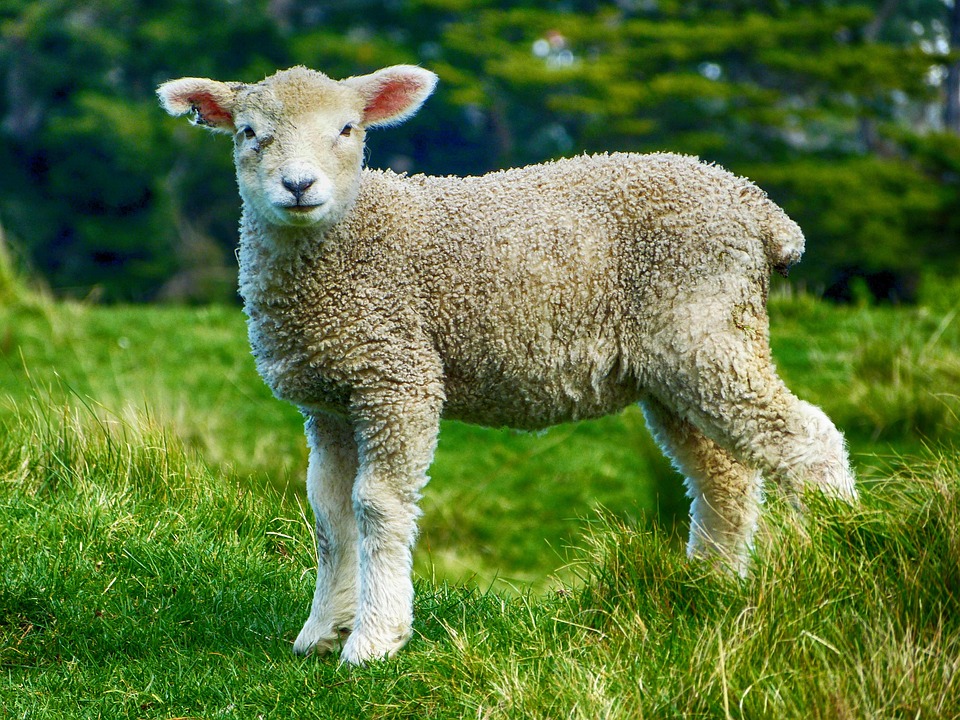
Accurately identifying the signs that precede lambing is critical for ensuring the safety and well-being of both ewes and their lambs. Early detection allows for timely intervention, providing a calm environment for the ewe and minimizing potential complications during labor. Understanding the physical and behavioral changes that occur as the ewe approaches lambing enables shepherds and caretakers to prepare adequately for this demanding period.
Signs of imminent lambing typically appear within a specific timeframe before labor begins, varying among individual sheep. Recognizing these signs involves observing changes in behavior, physical condition, and environmental cues. Proper monitoring, combined with knowledge of these indicators, supports a successful lambing process and promotes healthy lamb development.
Physical Signs of Approaching Lambing
Monitoring physical changes in the ewe provides valuable clues about the onset of labor. These changes often occur gradually, with some signs appearing hours or even days before actual labor begins. Recognizing these early indicators is essential for timely management.
- Udder Development: The udder enlarges significantly as the ewe prepares to produce milk. You may notice swelling and firmness, especially in the last few days before lambing. The teats become more prominent, and milk may begin to develop within the udder, often indicated by a waxy or sticky discharge.
- Vulva Swelling and Relaxation: The vulva becomes visibly swollen, soft, and more relaxed. This swelling can start several days before lambing, gradually increasing as labor approaches.
- Pelvic Area Changes: The pelvis may become more flexible and relaxed, facilitating lamb passage. These physical changes are often accompanied by a softer, more pliable pelvic region.
Behavioral Signs of Imminent Lambing
Behavioral observations are equally important in predicting lambing. Changes often occur within hours of labor onset and can serve as immediate indicators for caretakers to prepare for delivery.
- Nesting Behavior: The ewe may begin to seek out and prepare a sheltered, comfortable space. She might gather bedding material, circle the area repeatedly, or show signs of restlessness.
- Isolation: The ewe often isolates herself from the flock, seeking solitude in a quiet area to lamb. This behavior reduces disturbances during labor.
- Restlessness and Frequent Position Changes: Increased pacing, pawing at the ground, or shifting positions are common. Such agitation indicates that labor is imminent or underway.
- Drop in Body Temperature: Monitoring rectal temperature can reveal a decline of approximately 0.5°C to 1°C within 12-24 hours before lambing, signaling the approach of labor.
Timeline and Visual Indicators for Different Stages of Labor
Understanding the timeline of signs helps in distinguishing early signs from imminent labor. Recognizing these stages allows for better preparation and intervention if needed.
| Stage of Signs | Timeframe | Visual and Physical Indicators |
|---|---|---|
| Pre-lambing (Early Signs) | Several days to 24 hours before labor |
|
| Approaching Lambing (Late Signs) | Within 12 hours of labor onset |
|
| Active Labor | Within minutes to a few hours of lambing |
|
Monitoring both physical and behavioral signs, in conjunction with understanding the timeline, enhances the likelihood of a smooth lambing process and reduces risks for ewe and lamb health.
Assisting with Lambing Safely
Assisting a ewe during lambing is a critical task that requires patience, knowledge, and gentle handling to ensure the health and safety of both the mother and her lambs. While most natural deliveries proceed smoothly, complications can arise that necessitate intervention. Proper technique and timely response are vital to prevent injuries and increase the chances of successful lambing.
Understanding how to assist effectively involves recognizing signs of difficulty, using correct handling methods, and knowing when to seek veterinary assistance. This section provides essential guidance on assisting with lambing safely, addressing common complications, and performing manual interventions when needed.
Proper Techniques for Assisting a Ewe During Difficult Labor
Assisting a ewe safely requires a gentle approach and adherence to hygiene practices to minimize infection risks. The following techniques help ensure a smooth intervention process:
- Maintain hygiene: Wash hands thoroughly with disinfectant soap and wear clean gloves before touching the ewe or lambs. Clean and disinfect all equipment used.
- Gentle handling: Approach the ewe calmly and speak softly to reduce stress. Avoid sudden movements that may frighten her.
- Positioning: Place the ewe in a clean, comfortable, and well-lit area. Ensure her hindquarters are accessible and slightly elevated if necessary.
- Supporting the lamb: Carefully support the lamb’s body during extraction, avoiding excessive pulling, which can cause injuries or dislocation.
- Monitoring contractions: Observe the ewe’s abdominal contractions and signs of straining. Encourage her to push if necessary, but do not force her.
It is essential to proceed slowly and patiently, avoiding forceful maneuvers that could harm the ewe or lambs. If resistance persists or the lamb appears stuck, further action may be required.
Handling Common Lambing Complications Such as Dystocia
Complications during lambing, notably dystocia, can threaten the health of both ewe and lambs. Recognizing and managing these issues promptly can prevent severe outcomes. Dystocia is characterized by prolonged or difficult labor often caused by fetal malposition, oversized lambs, or maternal issues.
- Signs of dystocia include: prolonged labor beyond two hours without delivery, excessive straining, abnormal positioning of lambs, or visible distress in the ewe.
- Common causes: breech presentation, limb presentation, multiple lambs overlapping, or uterine inertia.
- Initial response: evaluate the position of the lambs by gently feeling inside the ewe’s birth canal, ensuring to use lubrication and gloves.
- Intervention steps: carefully reposition the lamb if malpresented, supporting its body as it is guided into the correct orientation for delivery.
- When to seek veterinary help: if manual repositioning fails, the lamb remains stuck after 30 minutes of gentle effort, or if the ewe shows signs of exhaustion or distress, professional assistance is necessary.
Step-by-Step Manual Assistance During Delivery
Following a systematic approach helps to minimize risks during manual assistance in lambing. The procedure must prioritize safety, hygiene, and gentle handling:
- Preparation: Gather clean gloves, lubricant, disinfectant, and towels. Ensure a calm environment to reduce ewe stress.
- Assess the situation: Determine if the lamb is presenting normally or if there is a malpresentation or obstruction.
- Positioning the ewe: Keep her in a comfortable, safe position—preferably lying on her side with hindquarters elevated slightly.
- Manual removal: With lubricated gloves, gently insert your hand into the birth canal, feeling for the lamb’s legs and head. Carefully grasp the legs, ensuring to keep the head aligned with the body.
- Assistance during delivery: Pull gently and steadily, applying equal force and coordinating with the ewe’s pushing efforts. Avoid excessive pulling or twisting.
- Completing delivery: Once the lamb is free, clear its airways if necessary by wiping mucus from the nose and mouth, and stimulate breathing with gentle rubbing.
- Aftercare: Clamp and cut the umbilical cord if it does not break naturally, disinfect the stump, and ensure the lamb starts nursing promptly.
When manual assistance does not result in delivery within 30 minutes or the ewe shows signs of exhaustion or severe distress, contacting a veterinarian is essential. Prompt professional intervention can prevent complications such as uterine rupture or severe injury.
Ensuring Ewe and Lamb Health Post-Lambing
After the lambing process, maintaining the health and well-being of both the ewe and the newborn lamb is essential for successful flock management. Immediate assessment and appropriate care prevent complications and promote recovery, ensuring the lamb grows strong and the ewe regains optimal health efficiently. Recognizing early signs of distress and promptly addressing health issues can significantly improve outcomes and reduce the risk of disease transmission or mortality.Providing attentive post-lambing care involves thorough observation, gentle handling, and adherence to hygiene standards.
It is also crucial to implement specific routines that support both ewe and lamb health, including vaccination schedules and parasite control strategies tailored to the farm’s local conditions and health history.
Checking Ewe and Lamb Health Immediately After Birth
In the moments following lambing, a systematic health check is vital for identifying any immediate problems that could threaten survival or recovery. The health assessment should prioritize the respiration, activity level, and physical condition of both the ewe and the lamb.Begin by observing the ewe for signs of distress, such as excessive bleeding, abnormal uterine discharge, or signs of pain.
Ensure the ewe is standing and able to move comfortably, indicating good recovery from labor. For the lamb, check for vigorous breathing, proper coloration (pink gums and mucous membranes), and active movement. A lamb that is weak or unresponsive may require immediate intervention, such as warming or assisted feeding.
Rapid response to abnormal signs can prevent life-threatening conditions. For example, a lamb that fails to breathe or has weak heartbeat needs urgent resuscitation, including gentle rubbing, clearing airways, or warming.
Cleaning, Warming, and Feeding the Newborn Lamb
Immediately after birth, careful attention must be given to cleaning, warming, and nourishing the lamb to ensure its survival and health. The environment should be clean, dry, and draft-free to reduce infection risks and promote comfort.Begin by removing any membranes or amniotic fluids from the lamb’s nose, mouth, and body, using clean, damp cloths or towels. Gently dry the lamb with a clean towel to stimulate circulation and prevent hypothermia.
Warming is critical, especially if the lamb appears cold or sluggish; place the lamb in a warm, draft-free area or use heat lamps designed for livestock. Ensure the lamb’s body temperature is maintained at around 39°C (102°F).Feeding the lamb involves encouraging it to nurse from the ewe as soon as possible, ideally within the first hour after birth. If the ewe is unable or unwilling to nurse, or if the lamb is weak, provide a clean, warmed colostrum substitute using a bottle or tube feeder.
Colostrum provides essential antibodies for immunity; thus, ensuring the lamb consumes an adequate amount within the first 24 hours is vital.
| Post-Lambing Care Routine | Ewe | Lamb |
|---|---|---|
| Vaccinations | Administer vaccines for clostridial diseases (e.g., tetanus) as per schedule, typically 4-6 weeks before lambing or immediately postpartum if indicated. | Ensure lambs receive colostrum containing adequate antibodies; vaccinate lambs at 4-6 weeks of age for common diseases such as enterotoxemia if recommended. |
| Parasite Control | Implement internal and external parasite control programs, including strategic deworming and topical treatments, considering the ewe’s exposure during pregnancy. | Schedule deworming at appropriate ages, typically at 2-4 months, and monitor for signs of parasitism; apply topical treatments for external parasites as needed. |
| Hygiene and Monitoring | Maintain clean bedding and environment; monitor for signs of mastitis, retained placenta, or metritis. | Keep the lamb warm and dry; check for signs of hypothermia, dehydration, or infection; ensure adequate milk intake. |
Creating a Safe Environment for Lambs and Ewes
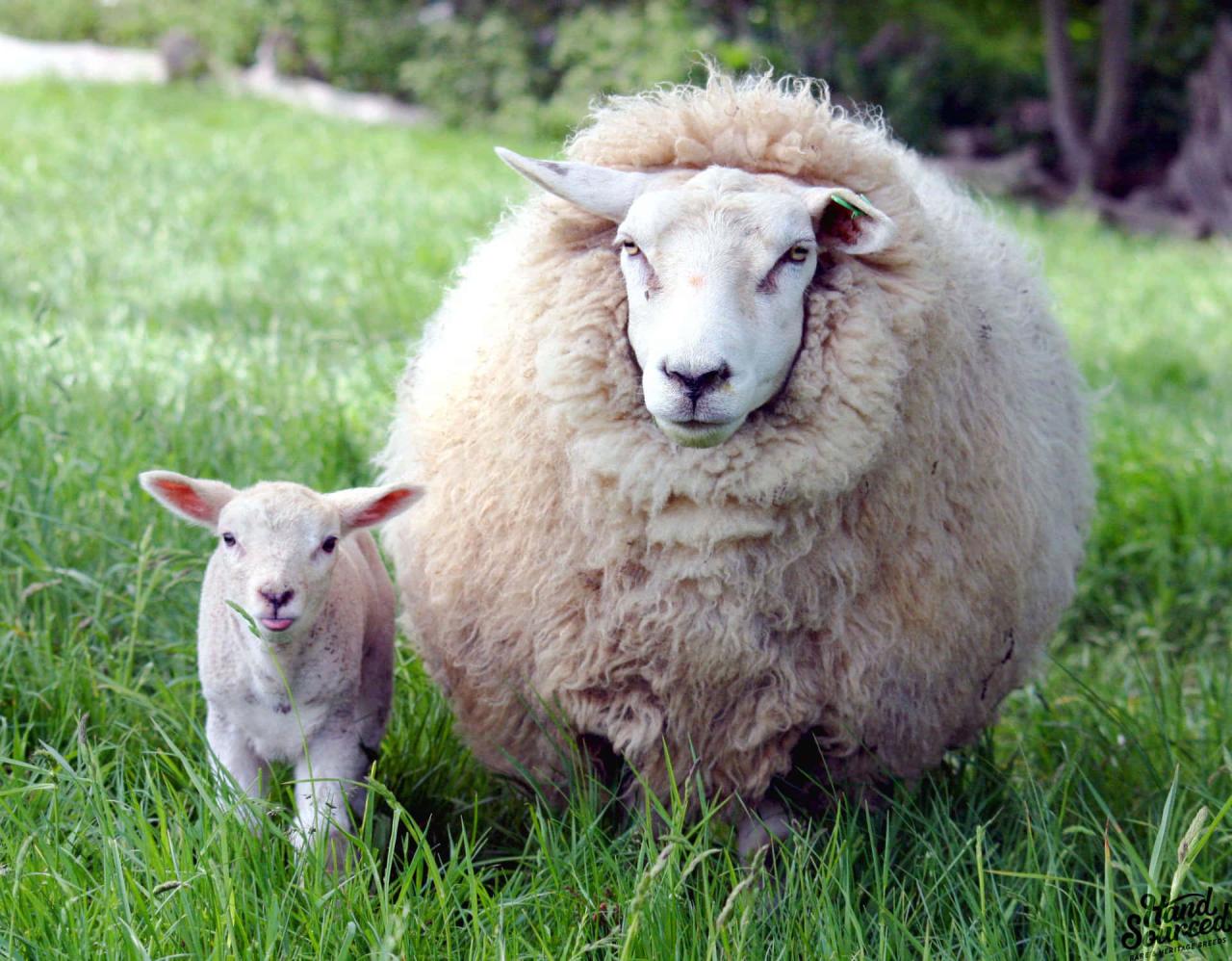
Establishing a secure and well-designed environment is essential for safeguarding both the ewe and her lambs during and after the lambing process. A carefully planned and maintained lambing area reduces stress, minimizes risks of injury or infection, and promotes healthy development for the newborn lambs. Proper environmental management is a cornerstone of successful lambing and long-term flock health.A thoughtfully organized lambing environment combines appropriate layout, bedding management, and safety protocols to support the well-being of both ewes and lambs.
This ensures that when lambing occurs, it is as smooth and safe as possible, preventing complications and encouraging a quick recovery for ewes while fostering early bonding and health for newborn lambs.
Design and Layout of a Lambing Pen
A well-designed lambing pen should prioritize safety, accessibility, and comfort. The layout must facilitate easy supervision and intervention without causing undue stress to the animals. The pen should be spacious enough to accommodate the ewe comfortably, allowing her to move freely but not so large that the lambs can stray or get lost.The entry and exit points of the pen should be secure to prevent ewes from escaping or unauthorized access by predators.
A solid, non-slip floor minimizes the risk of injury and ensures safety during lambing. Adequate ventilation without drafts is essential to maintain air quality and reduce respiratory issues. Lighting should be sufficient for monitoring but not harsh, to prevent stress.The design should also include designated areas for feeding, water, and waste removal, keeping the environment hygienic and reducing the likelihood of disease.
Isolation pens within the lambing area can be used for ewes needing special attention or in cases of high-risk lambing, ensuring close monitoring and quick response if necessary.
Bedding Materials and Bedding Management
Choosing appropriate bedding materials and managing them effectively are vital for maintaining hygiene and safety in the lambing environment. Bedding provides insulation, cushioning, and a clean surface for lambs and ewes to rest, reducing the risk of injury and infection.Common bedding materials include straw, sawdust, wood shavings, or hemp bedding. Straw is widely used due to its availability and excellent insulation properties, but it must be kept dry and clean to prevent bacterial growth.
Sawdust and wood shavings are good for moisture absorption but can sometimes cause respiratory issues if they become dusty; therefore, they should be of high quality and free from dust.Effective bedding management involves regularly checking and replacing wet or soiled bedding to prevent the buildup of bacteria and ammonia, which can cause respiratory problems and infections. Using deep bedding can help absorb moisture effectively, creating a dry and comfortable environment.
Regular turning and cleaning of bedding also discourage the proliferation of pathogens and parasites.
Safety Tips for Maintaining a Secure Environment During Lambing Season
Maintaining a safe environment requires vigilance and adherence to best practices throughout the lambing season. These safety tips help prevent accidents, ensure animal health, and promote a smooth lambing process.
- Ensure all fencing and gates are secure and free from damage to prevent escapes and protect from predators.
- Keep the lambing area clean, dry, and well-ventilated to reduce infection risks.
- Regularly inspect the environment for hazards such as sharp objects, protruding nails, or unstable structures that could cause injury.
- Limit access to the lambing area to essential personnel to reduce stress and disturbance to the animals.
- Maintain proper lighting to monitor lambing activity effectively without causing stress or disorientation.
- Keep emergency supplies, including clean towels, disinfectants, and medical tools, within easy reach for quick response if needed.
- Use appropriate protective clothing when handling ewes and lambs to prevent the spread of disease.
- Monitor the health of the flock continuously and isolate any animals showing signs of illness or distress.
- During lambing, ensure that the environment remains quiet and calm, avoiding sudden movements or loud noises that could stress the animals.
- Prepare an emergency plan for handling complications such as dystocia or injuries, including contact information for veterinary assistance.
Implementing these safety measures helps create a secure, hygienic, and supportive environment for lambing, promoting the health and safety of both ewes and lambs during this critical period.
Managing Lambing During Adverse Conditions
Conducting lambing under extreme weather or challenging environmental circumstances demands meticulous planning and proactive strategies to safeguard the health of both ewes and lambs. Adverse conditions such as heavy rain, snow, high winds, or extreme cold can significantly increase risks during the lambing process, making it essential to implement protective measures that minimize hazards and ensure a safe, successful lambing season.
Effective management in these circumstances involves not only protecting animals from the elements but also preparing for potential emergencies that may arise unexpectedly. Careful environmental control, predator deterrence, and rapid response plans are critical components in maintaining animal welfare and reducing losses during challenging times.
Strategies for Lambing in Extreme Weather or Challenging Environments
When faced with adverse environmental conditions, the foremost priority is creating a controlled, insulated area that shields ewes and lambs from the elements. This can be achieved through the use of well-ventilated shelters such as lambing pens, sheds, or portable lambing crates designed to retain warmth and prevent drafts. Maintaining a consistent, warm temperature reduces the risk of hypothermia and stress among newborn lambs.
Additional strategies include:
- Providing ample bedding materials such as straw or wood shavings to insulate against cold surfaces and absorb moisture.
- Ensuring access to clean, dry water and nutrition to support the ewe’s energy needs and promote strong milk production.
- Scheduling lambing during the milder parts of the day when possible, and closely monitoring ewes nearing lambing to intervene swiftly if adverse signs appear.
Protection from Predators and Environmental Hazards
Protecting lambs and ewes from predators and environmental hazards is vital, especially in open or vulnerable environments. Predators such as dogs, foxes, or birds of prey can pose a significant threat, particularly to newborn lambs during the critical first hours after birth. Environmental hazards like floodwaters, falling debris, or unstable ground can also jeopardize safety.
Implementing effective barriers and secure fencing around lambing areas can deter predators and prevent accidental escapes. Using predator-proof enclosures made of durable, small-mesh wire can prevent predators from gaining access, while maintaining a clear perimeter free of debris or potential hiding spots for predators.
Creating a safe space includes continuous surveillance, secure fencing, and prompt removal of hazards to mitigate risks effectively.
In flood-prone areas, elevating lambing pens or using portable, waterproof shelters can protect animals from rising waters. Regularly inspecting facilities for damage and ensuring that gates and fences are intact are essential practices to prevent unwanted intrusions or escapes.
Emergency Preparedness and Rapid Response
Preparedness for emergencies during lambing—such as sudden weather changes, injuries, or health crises—is crucial for minimizing losses and ensuring swift, effective responses. This involves having a comprehensive action plan, essential emergency supplies, and clear communication protocols.
Key elements include:
- Maintaining an emergency kit with supplies such as disinfectants, sutures, first aid materials, warm blankets, and portable heat sources.
- Developing a detailed response plan that includes contact information for veterinary services, procedures for handling difficult births, and protocols for evacuating animals if necessary.
- Training staff or farm helpers on emergency procedures, including safe handling of distressed animals, administering first aid, and performing basic resuscitation techniques if required.
Regular drills and reviews of emergency protocols enhance readiness, allowing staff to respond confidently and efficiently when unexpected situations occur. Additionally, establishing partnerships with local veterinary practitioners and emergency response teams can facilitate rapid assistance during critical incidents.
Conclusive Thoughts
In conclusion, mastering how to lamb sheep safely involves meticulous preparation, vigilant monitoring, and timely intervention. Implementing best practices not only ensures the health of the ewe and her lambs but also contributes to the overall productivity and sustainability of your flock. With proper care and safety measures in place, you can confidently navigate the lambing season and witness the rewarding arrival of healthy lambs.