Learning how to prevent goat diseases is essential for maintaining a healthy and productive herd. By implementing effective prevention strategies, farmers can reduce the risk of illness, improve overall animal well-being, and enhance farm productivity. Proper knowledge and proactive measures are the foundation of sustainable goat farming.
This comprehensive guide covers key aspects such as disease awareness, preventive health practices, vaccination schedules, nutrition, biosecurity, environmental management, and farmer training. Adopting these practices helps ensure your goats remain healthy and resilient against common ailments.
Understanding Goat Diseases
Goats are resilient animals; however, they are susceptible to a variety of diseases that can impact their health, productivity, and overall well-being. Recognizing these ailments, understanding their causes, and being aware of their symptoms are crucial steps in effective disease prevention and management. This knowledge enables farmers and goat keepers to implement timely interventions, reducing economic losses and promoting healthy herds.
Goat diseases can result from infectious agents such as bacteria, viruses, fungi, and parasites, as well as environmental factors like poor sanitation, inadequate nutrition, and improper housing conditions. Transmission methods often include direct contact with infected animals, contaminated feed or water, vectors such as insects, or environmental exposure. Proper biosecurity measures, hygiene practices, and vaccination protocols play vital roles in controlling the spread of these diseases.
Common Types of Goat Diseases, Symptoms, Causes, and Prevention Tips
| Disease Name | Symptoms | Causes | Prevention Tips |
|---|---|---|---|
| Contagious Caprine Pleuropneumonia (CCPP) |
|
|
|
| Foot Rot |
|
|
|
| Enterotoxemia (Overeating Disease) |
|
|
|
| Contagious Eczema |
|
|
|
| Parasites (Internal and External) |
|
|
|
Proper diagnosis and early intervention are essential in managing goat diseases effectively. Regular health monitoring, vaccination, good hygiene, and prompt treatment significantly reduce the risk and severity of infections, ensuring a healthy and productive herd.
Preventive Health Measures for Goats
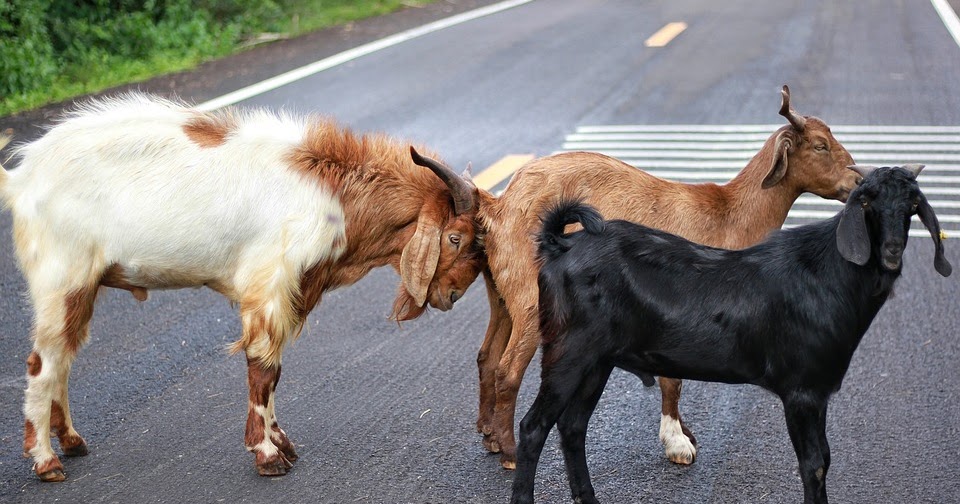
Maintaining the health and productivity of goats requires diligent preventive strategies that minimize the risk of disease and promote overall well-being. Implementing routine health management practices is essential for sustaining a healthy herd and reducing potential economic losses due to illness.A comprehensive approach to preventive health involves vaccination protocols, parasite control programs, and strict hygiene standards. These measures work synergistically to protect goats from common infectious diseases, internal and external parasites, and environmental hazards.
Proper management practices not only safeguard the health of individual animals but also contribute to herd immunity and improved productivity.
Routine Vaccination and Parasite Control
Effective disease prevention begins with adhering to a well-planned vaccination schedule tailored to regional disease prevalence. Regular vaccinations against highly contagious diseases such as enterotoxemia, tetanus, and peste des petits ruminants (PPR) are crucial. Consulting a veterinarian helps establish an appropriate timetable, typically involving initial vaccinations at a young age, followed by booster doses as recommended.Parasite control is equally vital, encompassing strategies against internal worms and external pests like mites and lice.
Routine fecal examinations assist in detecting parasitic loads early, enabling targeted deworming treatments. External parasite management includes regular inspection, topical treatments, and environmental sanitation to minimize infestations.The following procedures Artikel practical steps for maintaining proper living conditions and sanitation:
- Housing Management: Ensure adequate ventilation, proper drainage, and shelter design that reduces dampness and overcrowding. Well-ventilated shelters prevent respiratory diseases and control humidity, which can foster pathogen growth.
- Cleaning Regimen: Daily removal of manure, bedding, and feed remnants to prevent the buildup of waste that attracts parasites and promotes disease spread. Disinfect frequently touched surfaces and equipment with approved sanitizers.
- Feeding and Watering: Provide clean, fresh water at all times. Implement feeding protocols that prevent feed contamination, which can serve as a vehicle for pathogens.
- Isolation and Quarantine: Isolate new or sick animals to prevent disease transmission within the herd. Quarantining newly introduced goats for at least 2 weeks helps monitor health status before integration.
Adopting these practices greatly reduces the risk of disease outbreaks and enhances herd resilience. Consistent observation and record-keeping of health interventions ensure timely responses to emerging health issues.
Essential Preventive Methods to Reduce Disease Risk
To effectively prevent diseases in goats, the following methods should be integrated into routine management:
- Implement a strict vaccination schedule based on regional disease threats and veterinarian advice.
- Maintain a regular parasite control program with timely deworming and external parasite treatments.
- Practice proper hygiene protocols, including daily cleaning of housing, waterers, and feeding equipment.
- Ensure adequate ventilation and shelter design to prevent environmental stress and respiratory illnesses.
- Monitor herd health continuously, keeping detailed records of vaccinations, treatments, and health status.
- Isolate new or sick animals promptly to prevent disease spread within the herd.
- Maintain high standards of cleanliness in feeding and watering areas to minimize pathogen exposure.
- Manage manure and waste efficiently to reduce parasite breeding grounds and environmental contamination.
Consistent implementation of preventive health measures is the cornerstone of sustainable goat farming, reducing disease incidence and promoting healthy, productive herds.
Vaccination Strategies
Implementing an effective vaccination program is crucial for safeguarding goat herds against prevalent infectious diseases. A well-organized vaccination strategy not only enhances herd immunity but also minimizes economic losses caused by disease outbreaks. Proper planning, timely administration, and diligent record-keeping are fundamental components of a successful vaccination regimen.
Understanding the most effective vaccines available, determining appropriate vaccination timelines, and establishing a systematic approach to vaccination scheduling are essential steps in disease prevention. This ensures that goats are protected at the earliest possible stages of vulnerability and that immunity is maintained throughout their productive life.
Effective Vaccines for Goat Diseases and Recommended Timelines
To optimize disease prevention, selecting the right vaccines targeting specific pathogens is vital. The most widely used vaccines include those for tetanus, enterotoxemia, caseous lymphadenitis, and peste des petits ruminants (PPR). Each vaccine requires specific administration schedules to ensure maximum efficacy and longevity of immunity.
Generally, vaccines are administered to young goats at specific ages, followed by booster doses to sustain immunity. For instance, the tetanus toxoid vaccine is typically given at 8-12 weeks of age, with boosters every 6-12 months depending on exposure risk. The PPR vaccine is recommended to be administered annually in endemic regions, with initial doses given at around 4-6 months of age.
Mandatory vaccination intervals depend on factors such as regional disease prevalence, herd management practices, and vaccine type. Regular consultation with a veterinarian ensures alignment with current best practices and regional disease control programs.
Organizing a Vaccination Plan
Effective planning involves developing a comprehensive vaccination schedule tailored to the herd’s specific needs, environmental conditions, and disease risks. This plan should include:
- Identification of target diseases based on regional prevalence and herd health history.
- Selection of appropriate vaccines in consultation with veterinary professionals.
- Scheduling vaccination dates to align with age, production cycles, and seasonal disease patterns.
- Implementation of record-keeping systems to track vaccination dates, vaccine types, batch numbers, and response outcomes.
- Establishment of booster intervals to maintain herd immunity and prevent waning immunity.
Maintaining detailed records ensures that each animal receives the necessary doses at the correct intervals, and facilitates tracking the herd’s health status over time. Digital tools or physical logs can be employed for record management, with reminders set for upcoming booster doses.
Comparison Table of Goat Vaccines
| Vaccine | Target Disease | Initial Dose Age | Administration Frequency | Notes |
|---|---|---|---|---|
| Tetanus Toxoid | Tetanus | 8-12 weeks | Booster every 6-12 months | Essential for all goats, especially those with wound exposure |
| Enterotoxemia Vaccine | Clostridial diseases (types C & D) | 8-12 weeks | Booster every 6-12 months | Protects against overeating disease |
| Caseous Lymphadenitis (CLA) Vaccine | CLA | 4-6 months | Annual booster | Used in endemic areas to control outbreaks |
| Peste des Petits Ruminants (PPR) Vaccine | PPR (goat plague) | 4-6 months | Annual in endemic regions | Critical in regions with high PPR prevalence |
Adhering to these vaccination strategies and schedules significantly reduces the risk of disease outbreaks. Combining vaccination with good management practices creates a robust defense system, ensuring healthier and more productive herds.
Nutrition and Diet Management
Proper nutrition and diet management are fundamental to maintaining healthy goats and preventing the onset of diseases. A well-balanced diet not only supports optimal growth and productivity but also plays a crucial role in strengthening the immune system, enabling goats to better resist common illnesses. Ensuring that goats receive the right nutrients, vitamins, and minerals is a proactive approach to disease prevention and overall herd health.A comprehensive dietary plan tailored to the specific needs of goats helps in maintaining their health, improving their resilience against infections, and promoting quick recovery if they do fall ill.
Integrating high-quality feed ingredients and supplements into their diet can make a significant difference in their immune competence and disease resistance.
Balanced Dietary Plans for Immune Support
A diet that encompasses the appropriate balance of energy, protein, vitamins, and minerals is essential for maintaining a robust immune system. Goats require a combination of forage, concentrates, and supplementary nutrients to support metabolic functions and cellular immunity. The diet should be adjusted based on age, reproductive status, lactation stage, and environmental conditions to optimize health outcomes.Providing a diet rich in antioxidants, such as vitamins A, C, and E, can help combat oxidative stress, which often predisposes animals to disease.
Additionally, feeding strategies should prioritize high-quality forage like fresh pasture or hay, complemented by concentrates that supply essential amino acids and energy sources.
Role of Supplements and Mineral Blocks in Disease Prevention
Supplements and mineral blocks are integral components of disease prevention strategies, as they ensure goats receive necessary micronutrients often lacking in natural forage. Mineral blocks are formulated to provide a consistent supply of essential minerals such as selenium, copper, zinc, and cobalt, which support immune function, skin integrity, and disease resistance.In particular, selenium and zinc are known to enhance the function of immune cells, reducing susceptibility to infections like pneumonia, foot rot, and parasitic diseases.
Mineral blocks are especially beneficial in extensive grazing systems where natural forage may be deficient in certain nutrients. Regular supplementation with these blocks can prevent deficiencies that compromise immune responses and lead to health complications.
Recommended Feed Ingredients and Their Health Benefits
Providing a diverse and nutritious diet involves selecting ingredients that bolster goat health and immunity. The following are key feed components along with their specific benefits:
- Good Quality Forage (Grass, Hay, Silage): Supplies fiber for digestive health and essential nutrients, supporting gut immunity and overall vitality.
- Cereal Grains (Maize, Barley, Sorghum): Offer energy necessary for metabolic activities and immune cell function.
- Leguminous Plants (Lespedeza, Clover): Rich in protein and minerals, aiding in tissue repair and immune response.
- Bran and Oilseed Meals (Soybean, Cottonseed Meal): Provide high-quality protein and fatty acids that support cellular immunity.
- Mineral Blocks and Salt Licks: Ensure consistent mineral intake, essential for enzyme functions, bone health, and disease resistance.
- Vitamins and Probiotic Supplements: Enhance gut flora stability and boost immune responses, especially during stress or illness.
Incorporating these feed ingredients into a well-managed diet helps create a resilient herd capable of withstanding disease challenges effectively.
Quarantine and Biosecurity Protocols
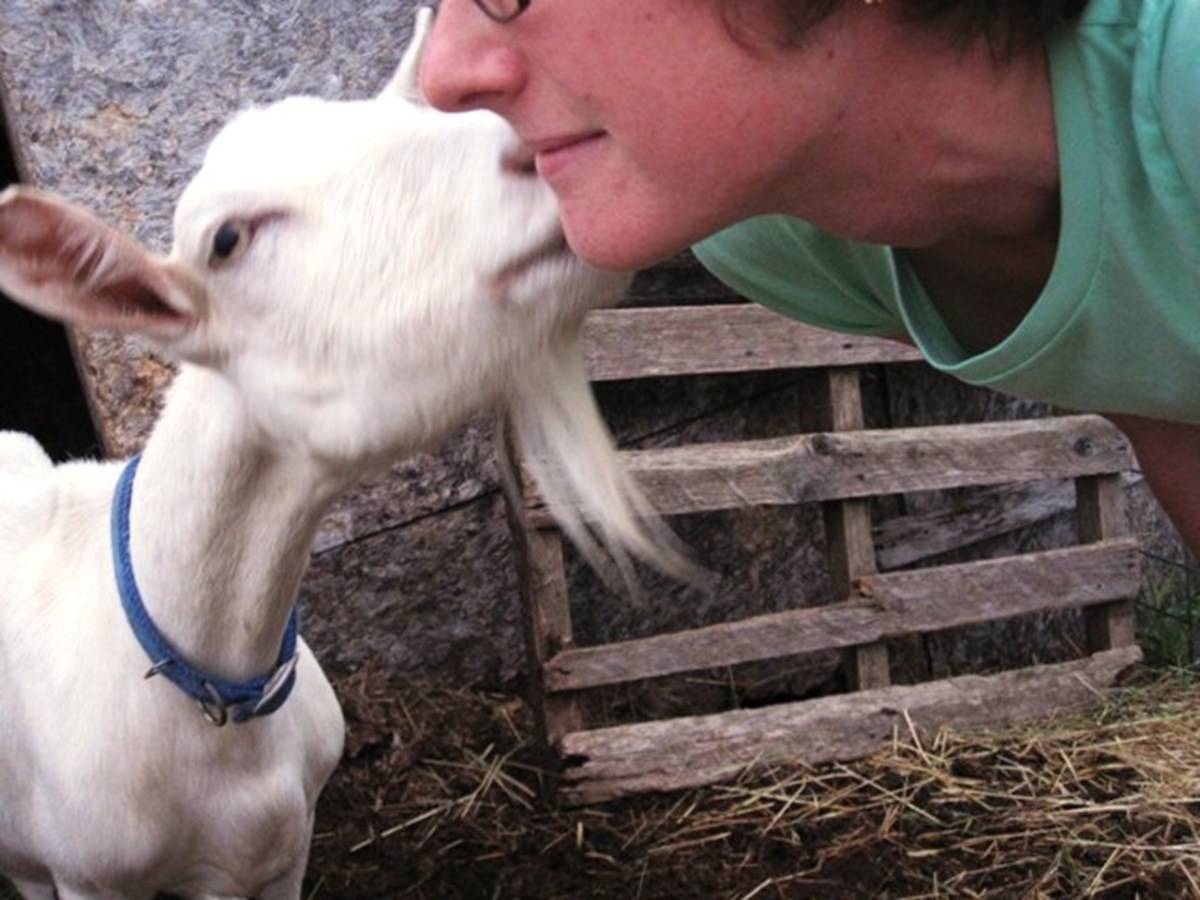
Maintaining a strict quarantine and biosecurity regimen is essential to prevent the introduction and spread of contagious diseases within a goat farm. Proper implementation of these protocols helps protect the health of the entire herd, reduces economic losses, and maintains overall farm productivity. This section Artikels the key procedures and measures necessary to establish effective quarantine and biosecurity practices.Effective quarantine and biosecurity measures serve as the first line of defense against infectious diseases.
They involve carefully managing new animals, controlling farm access, and maintaining hygiene routines that inhibit pathogen transmission. Proper planning and consistent enforcement of these protocols are vital for sustainable herd health management.
Quarantine Procedures for New or Sick Goats
To minimize the risk of disease transmission, all new or returning goats must undergo a quarantine period before integration with the main herd. The quarantine period typically lasts 30 to 45 days, depending on the local disease prevalence and risk factors. During this time, the goats are monitored closely for any signs of illness, such as coughing, diarrhea, or abnormal behavior.Procedures for quarantine include:
- Isolating new or sick goats in a separate, designated area away from healthy animals to prevent contact and pathogen spread.
- Conducting thorough health assessments, including physical examinations and diagnostic testing for prevalent diseases such as brucellosis, clostridial infections, and parasites.
- Administering necessary vaccinations or treatments during quarantine, if required.
- Monitoring the animals daily for signs of health issues, recording observations to identify any emerging problems early.
- Restricting movement of personnel, equipment, and visitors into the quarantine zone to avoid cross-contamination.
Biosecurity Measures and Farm Practices
Implementing comprehensive biosecurity measures is critical to protect the herd from external and internal disease sources. These practices involve physical barriers, controlled access, sanitation routines, and personnel management. Proper organization ensures that disease risks are minimized and that the farm environment remains hygienic.Key biosecurity measures include:
- Fencing and Controlled Access: Installing secure fencing around the farm to prevent entry of wild animals and unauthorized personnel. Establishing designated entry points where visitors, staff, and vehicles are screened and disinfected before entering farm premises.
- Disinfection Routines: Regularly disinfecting footwear, equipment, and vehicles using appropriate disinfectants. Creating footbaths at entry points and ensuring they are maintained adequately. Cleaning and disinfecting animal housing, feeding equipment, and water sources regularly to eliminate pathogens.
- Personnel Hygiene and Training: Training staff on disease prevention protocols, proper handling of animals, and hygiene practices. Enforcing the use of protective clothing, gloves, and masks when working with goats, especially in quarantine zones.
- Management of Feed and Water: Ensuring that feed and water sources are clean and uncontaminated. Using secure storage facilities to prevent access by pests or wild animals that could carry diseases.
- Record Keeping and Monitoring: Maintaining detailed records of animal health, vaccinations, and movements to track potential disease outbreaks and facilitate quick response measures.
Biosecurity Protocols Table
This table summarizes the essential steps, personnel responsible, and timing for implementing quarantine and biosecurity protocols in a typical goat farm:
| Step | Responsible Personnel | Timing |
|---|---|---|
| Isolation of new or sick goats in quarantine area | Farm Manager or Herd Supervisor | Immediately upon arrival or identification of illness; maintained for 30-45 days |
| Initial health assessment and diagnostic testing | Veterinarian or Farm Veterinarian | Within first week of quarantine |
| Application of vaccinations or treatments | Veterinarian or Trained Farm Staff | During quarantine, based on health assessment findings |
| Disinfection of footwear, equipment, and vehicles at entry points | Farm Staff or Biosecurity Officer | Before entering and leaving quarantine or farm premises, daily routine |
| Monitoring and record-keeping of animal health status | Farm Manager or Designated Record Keeper | Daily throughout quarantine and ongoing farm management |
| Restrict access to farm and quarantine zones | Farm Manager or Security Personnel | Constant, with access limited to authorized personnel only |
Environmental Management for Disease Prevention
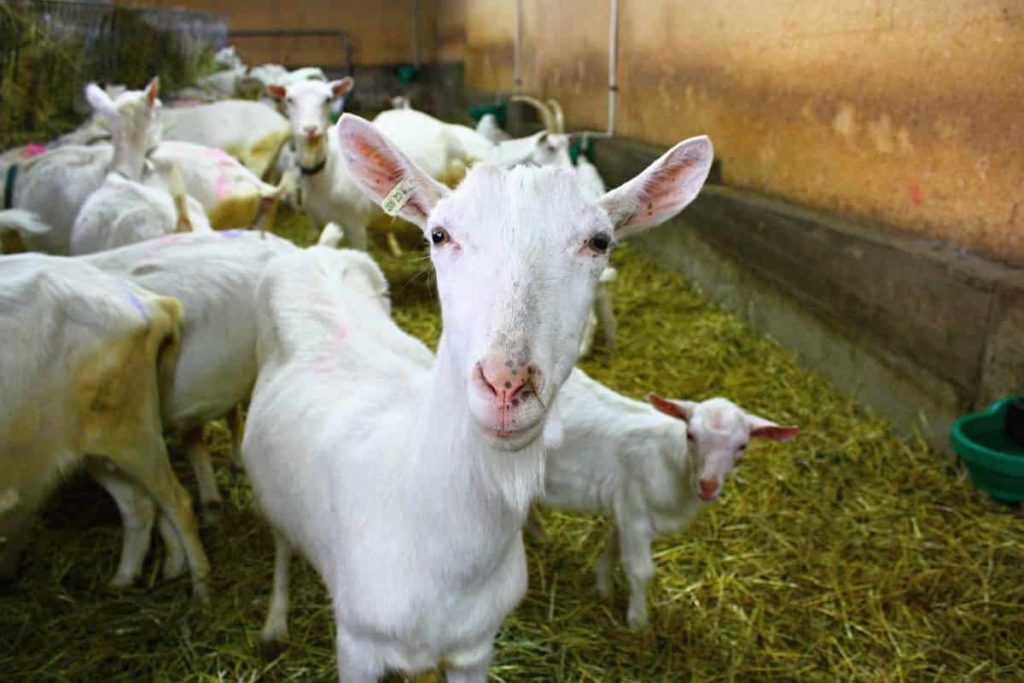
Effective environmental management plays a vital role in maintaining herd health and preventing the outbreak of goat diseases. Properly managing pasture rotation, drainage, shelter conditions, and hygiene practices reduces the risk of pathogen build-up and creates a healthier living environment for goats. These practices not only enhance overall well-being but also support the efficiency of other preventive measures such as vaccination and nutrition.
Implementing strategic environmental controls minimizes exposure to infectious agents, helps control parasites, and reduces stress among the herd, leading to improved immune response and productivity. Adopting a proactive approach to environmental management is essential for sustainable and disease-free goat farming.
Pasture Rotation and Drainage
Regular pasture rotation and effective drainage systems are crucial in minimizing the accumulation of manure, mud, and standing water, which are common breeding grounds for parasites and pathogens. Rotating grazing areas prevents overgrazing and reduces the contamination of pastures with infectious agents. Proper drainage ensures that water does not stagnate, thereby decreasing the risk of diseases such as footrot and gastrointestinal infections.
Farmers should develop a pasture management schedule that allows pastures to recover and rest, typically for a period of 30 to 60 days, depending on climate and herd size. Installing slopes or drainage ditches can help channel excess water away from grazing areas, maintaining dry and hygienic conditions.
Shelter and Ventilation
Shelter design and ventilation are key components in environmental disease prevention. Well-ventilated shelters help reduce humidity and ammonia buildup, which are conducive to respiratory diseases. Proper shelter positioning should protect goats from extreme weather, drafts, and excessive moisture, all of which can compromise immune function.
Good ventilation involves ensuring a continuous flow of fresh air without creating drafts that could stress the animals. Using natural air circulation or mechanical fans can maintain optimal airflow. Shelters should also be spacious enough to prevent overcrowding, which increases stress and disease transmission risk.
Environmental Best Practices
Adopting a set of best practices ensures a clean and healthy environment that supports disease prevention in goats. Below are actionable steps to maintain optimal environmental conditions:
- Maintain a regular schedule for cleaning and disinfecting shelters and feeding areas to eliminate pathogens.
- Use clean, dry bedding materials such as straw or wood shavings; replace bedding frequently to prevent mold and bacterial growth.
- Ensure proper drainage around shelter areas and grazing fields to prevent water stagnation and reduce parasite habitats.
- Design shelters with adequate size, ventilation, and protection from extreme weather conditions to minimize stress and disease susceptibility.
- Implement rotational grazing systems to reduce pasture contamination and parasite load.
- Control access to the herd, restricting entry to visitors or other animals that could introduce diseases.
- Regularly inspect and repair shelter structures to maintain a clean, safe environment for the goats.
Creating a hygienic and comfortable environment is fundamental in reducing disease incidence and promoting the overall health of goats.
Education and Farmer Training
Educating farmers and farm workers on disease recognition and prevention techniques is a vital component of widespread disease control in goat farming. Well-informed farmers are better equipped to identify early signs of illness, implement appropriate preventive measures, and respond swiftly to health issues, thereby reducing economic losses and improving herd health. Structured training programs foster awareness, improve overall farm management practices, and contribute to the sustainable productivity of goat enterprises.
Providing comprehensive training tailored to the specific needs of goat farmers ensures that essential knowledge about disease prevention is effectively transmitted. This empowers farmers to take proactive measures, minimizes reliance on costly treatments, and promotes a culture of health consciousness across the farming community.
Farmer and Staff Training Methods
The success of disease prevention hinges on the capacity of farmers and farm workers to recognize symptoms early and to understand effective intervention strategies. Implementing diverse training methods enhances knowledge retention and practical skills development.
- Workshops and Seminars: Organize interactive sessions that cover disease identification, transmission pathways, and prevention techniques. Use real-life case studies and visual aids to reinforce learning.
- Hands-on Demonstrations: Conduct practical exercises on proper hygiene practices, vaccination procedures, quarantine protocols, and sanitation measures within the farm setting.
- Printed Materials and Visual Guides: Distribute easy-to-understand leaflets, posters, and manuals illustrating common goat diseases, symptoms, and preventive actions for quick reference.
- On-farm Training: Provide personalized guidance during routine farm visits, allowing trainers to tailor advice to specific farm conditions and challenges.
- Use of Digital Platforms: Leverage mobile apps, videos, and online courses to reach farmers in remote areas, ensuring continuous access to updated information and best practices.
Sample Training Program for Goat Farmers
Implementing a structured training program ensures comprehensive coverage of key topics related to goat health and disease prevention. The following Artikel presents a practical approach to training sessions:
- Introduction to Goat Diseases: Overview of common contagious and non-contagious diseases, their impact on productivity, and importance of early detection.
- Recognizing Disease Symptoms: Visual identification of signs such as nasal discharge, diarrhea, lameness, swelling, or abnormal behavior. Practical exercise: matching symptoms with specific diseases.
- Biosecurity and Quarantine Measures: Techniques for isolating new or sick animals, controlling farm access, and disinfecting equipment. Practical exercise: setting up a quarantine area within the farm.
- Vaccination and Parasite Control: Timing, proper administration, and record-keeping. Demonstration of injection techniques and vaccine storage.
- Hygiene and Sanitation: Daily cleaning routines, waste management, and equipment disinfection. Practical exercise: cleaning and disinfecting feeding and watering systems.
- Nutritional Management: Ensuring balanced diets to boost immunity, with emphasis on the role of proper nutrition in disease prevention.
- Record Keeping and Monitoring: Maintaining health records, vaccination schedules, and monitoring herd health trends. Practical exercise: creating a health log template for daily observations.
- Emergency Response: Actions to take during disease outbreaks, including communication with veterinary services and emergency quarantine procedures.
Ongoing education and training foster a proactive approach to disease prevention, ultimately leading to healthier goats, increased productivity, and a more resilient farming operation. Engaging farmers continuously and updating training content based on emerging disease threats ensures a dynamic and effective health management system.
Wrap-Up
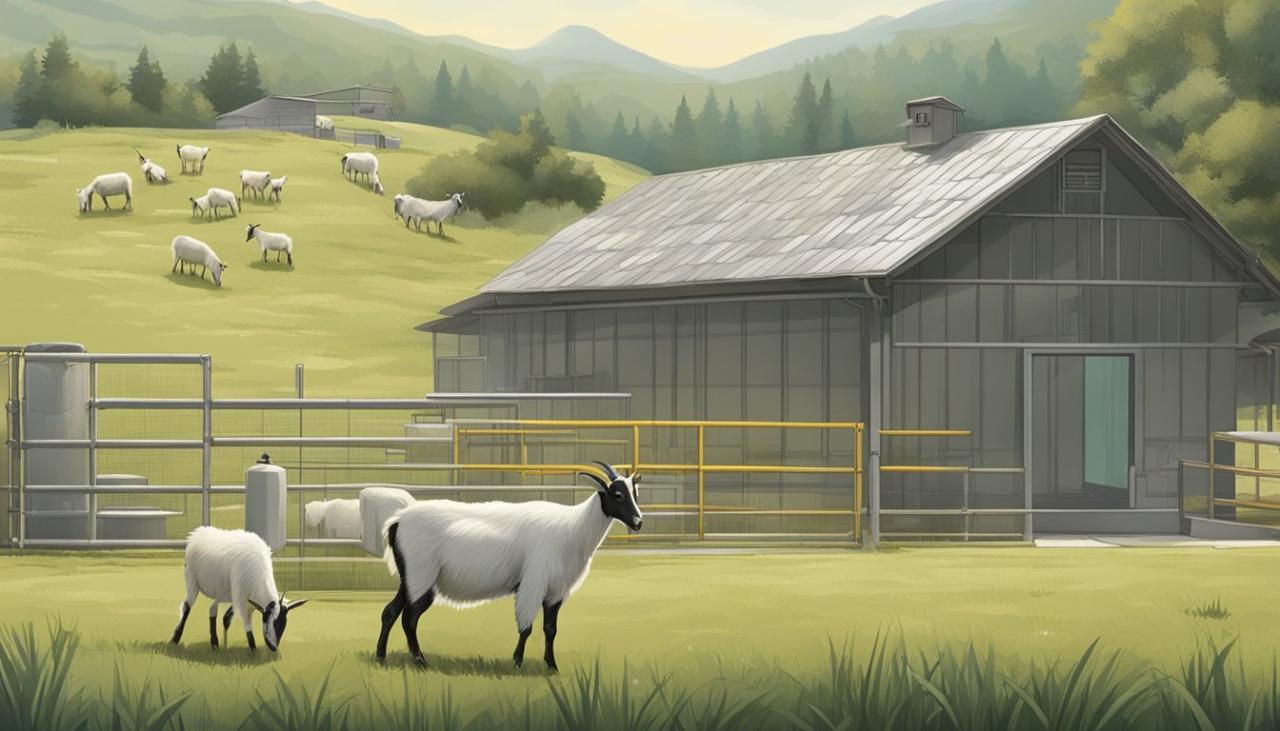
In conclusion, preventing goat diseases requires a combination of proper health management, vaccination, nutrition, biosecurity, and continuous monitoring. Educating yourself and your team about early detection and best practices plays a vital role in safeguarding your herd’s health. Implementing these strategies will lead to a more productive and disease-resistant goat farm.