Pond water pollution poses a significant threat to aquatic ecosystems, impacting water quality and the health of both plants and animals. Understanding the sources of pollution, from agricultural runoff to urban discharge, is the first step in protecting these valuable resources. This guide delves into practical strategies and techniques to mitigate pollution, ensuring your pond remains a thriving and balanced environment.
We will explore a range of effective methods, including best practices for pond management, filtration and aeration techniques, and controlling runoff and erosion. Furthermore, we’ll examine the responsible use of chemical and biological treatments, the crucial role of aquatic plants, and how to manage animals around the pond. Regular monitoring and testing are also highlighted as essential components of maintaining a healthy pond ecosystem.
This detailed overview provides pond owners with the knowledge needed to protect their water bodies.
Understanding Pond Water Pollution Sources
Pond water pollution poses a significant threat to aquatic ecosystems, impacting water quality, biodiversity, and overall environmental health. Identifying the sources of pollution is the first step in developing effective prevention and mitigation strategies. Pollution sources can be broadly categorized to understand the origin of contaminants and their impact on pond environments.
Agricultural Runoff
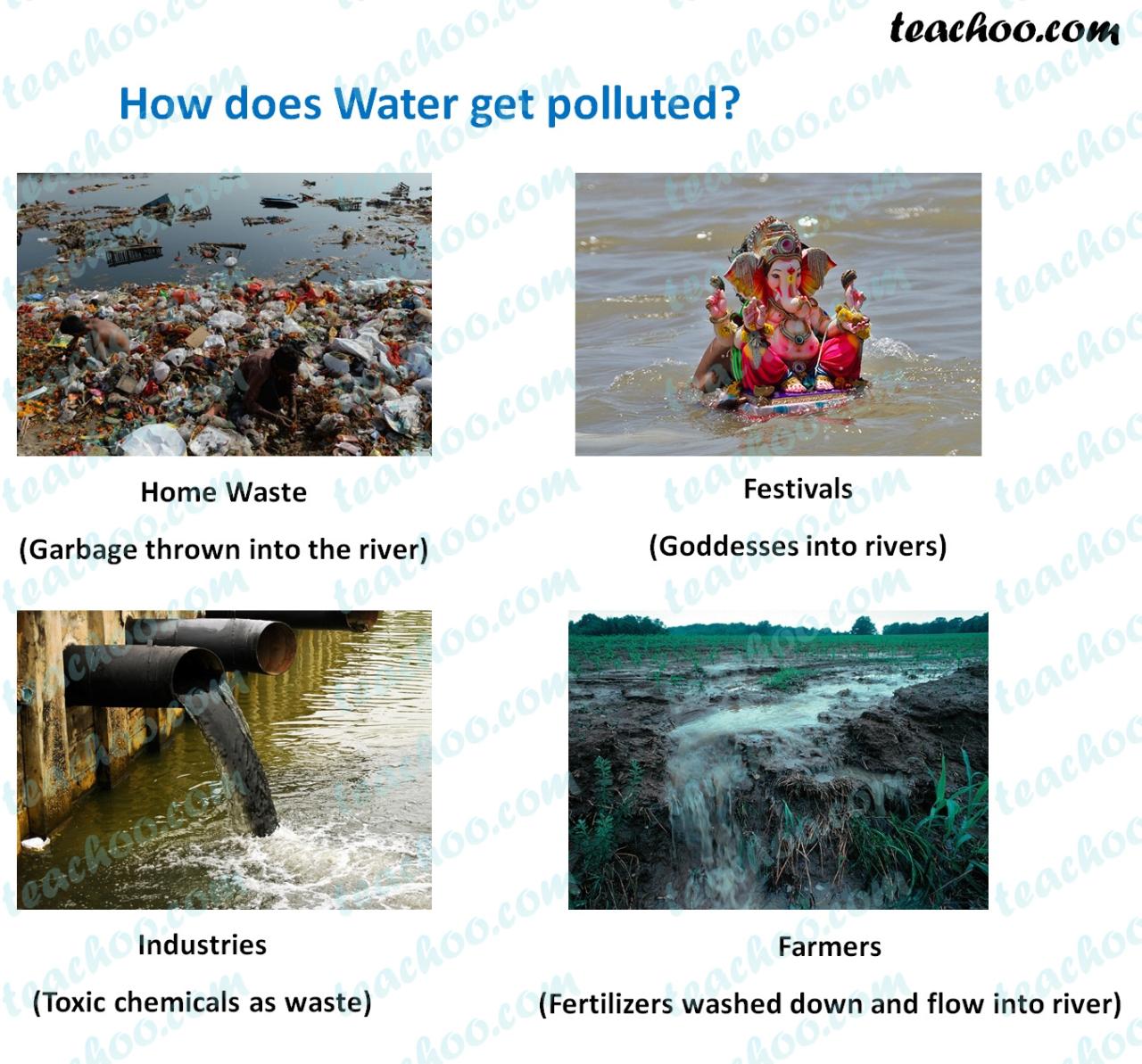
Agricultural activities contribute significantly to pond water pollution. Runoff from farmlands carries various pollutants, including fertilizers, pesticides, and animal waste.
- Fertilizers: Excessive use of fertilizers, such as nitrogen and phosphorus-based compounds, leads to nutrient enrichment in ponds, a process known as eutrophication. This triggers excessive algae growth, forming algal blooms. These blooms block sunlight, hindering the growth of submerged aquatic plants. As the algae die and decompose, the process consumes dissolved oxygen, leading to oxygen depletion and the potential for fish kills.
- Pesticides: The use of pesticides, herbicides, and insecticides to control pests and weeds can contaminate pond water. These chemicals can be toxic to aquatic organisms, including fish, invertebrates, and amphibians. Even low concentrations can disrupt the food chain and impact biodiversity. For example, the widespread use of organochlorine pesticides in the past, like DDT, had devastating effects on bird populations due to bioaccumulation in the food chain.
- Animal Waste: Livestock operations generate large amounts of animal waste, which can contaminate ponds through runoff. Animal waste contains high levels of nutrients, organic matter, and pathogens. These pollutants can cause eutrophication, oxygen depletion, and the spread of waterborne diseases. The runoff from concentrated animal feeding operations (CAFOs) can introduce excessive levels of nitrogen and phosphorus, as observed in many Midwestern ponds and lakes.
Urban Discharge
Urban areas generate various pollutants that can reach ponds through stormwater runoff, sewage overflows, and industrial discharges.
- Stormwater Runoff: Impervious surfaces like roads, parking lots, and rooftops prevent rainwater from infiltrating the ground. Stormwater runoff carries pollutants such as oil, grease, heavy metals, and litter into ponds. Oil and grease can coat the surface of the water, reducing oxygen transfer and harming aquatic life. Heavy metals, such as lead and mercury, can accumulate in sediments and be toxic to aquatic organisms.
- Sewage Overflows: Combined sewer systems, which carry both sewage and stormwater, can overflow during heavy rainfall events, releasing untreated sewage into ponds and waterways. Sewage contains organic matter, pathogens, and nutrients, leading to water quality degradation and potential health hazards.
- Industrial Discharges: Industries may discharge pollutants into ponds, including heavy metals, chemicals, and organic compounds. These pollutants can be toxic to aquatic organisms and can persist in the environment for long periods. For example, the release of mercury from industrial processes has contaminated many lakes and rivers worldwide, posing risks to human health through fish consumption.
Natural Causes
While human activities are the primary drivers of pond water pollution, natural processes can also contribute.
- Decomposition of Organic Matter: The natural decomposition of organic matter, such as fallen leaves and dead plants, can consume dissolved oxygen in ponds, particularly during periods of high organic input. This process can lead to oxygen depletion and the death of aquatic organisms.
- Erosion: Soil erosion from surrounding land can introduce sediment into ponds. Excessive sediment can cloud the water, reducing sunlight penetration and harming aquatic plants. Sediment can also carry pollutants, such as nutrients and pesticides, into the pond.
- Wildlife Waste: The waste produced by wildlife, such as waterfowl and other animals, can contribute to nutrient enrichment in ponds. While this is typically less significant than human-caused pollution, it can exacerbate existing problems.
Seasonal Changes and Pollution Effects
Seasonal variations influence the impact of pollution on ponds.
- Temperature: Higher water temperatures, typically during summer, increase the rate of biological processes, including decomposition and algae growth. This can exacerbate the effects of nutrient pollution, leading to more frequent and intense algal blooms and oxygen depletion.
- Precipitation: Rainfall patterns affect the amount of runoff and the transport of pollutants into ponds. Heavy rainfall can flush pollutants into ponds, while droughts can concentrate pollutants and reduce water levels.
- Ice Cover: During winter, ice cover can limit oxygen exchange between the water and the atmosphere. This can make ponds more susceptible to oxygen depletion if organic matter is present.
Best Practices for Pond Management
Maintaining a healthy pond ecosystem requires a proactive and multifaceted approach. Effective pond management minimizes pollution, promotes biodiversity, and ensures the longevity of your aquatic environment. This involves implementing various strategies, both preventive and responsive, to address potential threats and maintain optimal water quality.
Proactive Pollution Prevention Methods
Preventing pollution is the most effective way to maintain a healthy pond. This involves several strategies implemented before problems arise.
- Establishing Buffer Zones: A buffer zone is a vegetated area around the pond’s perimeter. This zone acts as a natural filter, preventing runoff from entering the pond. The vegetation absorbs nutrients, traps sediment, and reduces erosion. This prevents fertilizers, pesticides, and other pollutants from reaching the water. A well-designed buffer zone can significantly improve water clarity and reduce the risk of algal blooms.
- Proper Landscaping Practices: Choose plants native to your region for your pond and surrounding areas. Native plants are adapted to local conditions and require less fertilizer and pesticides, minimizing chemical runoff. Avoid excessive use of fertilizers and herbicides, which can leach into the pond and cause pollution. Consider using organic alternatives when possible.
- Managing Watershed Runoff: The watershed is the area of land that drains into your pond. Minimize pollution by controlling what enters the watershed. This involves educating neighbors about responsible land management practices and implementing erosion control measures. Directing rainwater away from the pond can also reduce pollutant input.
- Controlling Animal Waste: If you have pets or livestock near your pond, manage their waste effectively. Animal waste contains high levels of nutrients that can lead to excessive algae growth and deplete oxygen levels. Implement measures such as fencing off the pond from animals, providing designated waste disposal areas, and regularly cleaning up any waste that accumulates.
Reactive Pollution Control Measures
Even with proactive measures, pollution can sometimes occur. It is important to have reactive strategies in place to address any issues promptly.
- Aeration: Aeration involves introducing oxygen into the water. This can be achieved through various methods, such as fountains, surface aerators, or sub-surface aeration systems. Aeration helps to break down organic matter, improve water clarity, and prevent the buildup of harmful gases. It is particularly important during periods of high temperatures when oxygen levels tend to decrease.
- Filtration: Filtration removes suspended particles and pollutants from the water. Mechanical filters remove physical debris, while biological filters use beneficial bacteria to break down organic waste. Choose a filtration system appropriate for the size and needs of your pond. Regular filter maintenance is essential to ensure its effectiveness.
- Water Testing: Regularly test your pond water for key parameters such as pH, dissolved oxygen, nutrient levels (phosphorus and nitrogen), and ammonia. This allows you to identify potential problems early on and take corrective action. Water testing kits are readily available, and professional testing services can provide more detailed analysis.
- Algae Control: Algae can be a significant source of pond pollution, leading to unsightly blooms and water quality problems. Implement various algae control methods, such as shading, aeration, and the introduction of beneficial aquatic plants. Chemical algaecides can be used as a last resort, but it is crucial to use them responsibly and according to label instructions.
Step-by-Step Guide for Pond Owners
Implementing effective pond management practices can be straightforward with a clear plan. Here’s a step-by-step guide for pond owners.
- Assess Your Pond: Evaluate your pond’s current condition. Identify any existing problems, such as excessive algae growth, poor water clarity, or signs of pollution. Determine the size and depth of your pond, and the surrounding landscape.
- Develop a Management Plan: Based on your assessment, create a management plan. This plan should Artikel your goals for the pond, the specific strategies you will implement, and a timeline for implementation. Consider factors like budget and available resources.
- Establish a Buffer Zone: If you don’t already have one, establish a buffer zone around your pond. This could involve planting native vegetation, such as grasses, shrubs, and trees, around the perimeter.
- Implement Aeration and Filtration: Install an aeration system and a filtration system appropriate for the size of your pond. Follow the manufacturer’s instructions for installation and maintenance.
- Manage Nutrient Input: Reduce nutrient input by limiting fertilizer use, managing animal waste, and controlling runoff.
- Monitor Water Quality: Regularly test your pond water for key parameters. Keep records of your test results and track any changes over time.
- Control Algae and Aquatic Weeds: Implement appropriate algae control methods, such as shading, aeration, and the introduction of beneficial aquatic plants. If necessary, use chemical algaecides responsibly.
- Perform Regular Maintenance: Follow a regular maintenance schedule, including tasks such as cleaning filters, removing debris, and pruning aquatic plants.
- Adapt and Adjust: Pond management is an ongoing process. Be prepared to adapt your plan and adjust your strategies based on your observations and water quality test results.
Comparison of Pond Management Techniques
Different pond management techniques have varying benefits and drawbacks. Understanding these can help you choose the most appropriate methods for your pond.
| Technique | Pros | Cons | Implementation Considerations |
|---|---|---|---|
| Aeration | Increases oxygen levels, improves water clarity, reduces odors, promotes beneficial bacteria. | Requires electricity, can be expensive, may not be effective for all pollutants. | Choose an aeration system appropriate for pond size and depth; regular maintenance required. |
| Filtration | Removes suspended particles, improves water clarity, reduces organic waste. | Requires regular cleaning and maintenance, can be expensive, may not remove all pollutants. | Select the appropriate type of filter (mechanical, biological) based on pond needs; follow manufacturer’s instructions. |
| Buffer Zones | Reduces runoff, filters pollutants, provides habitat, enhances aesthetics. | Requires space, may take time to establish, may need regular maintenance (weeding, pruning). | Choose native plants; consider the surrounding landscape; regular maintenance is essential. |
| Algae Control (e.g., shading, aquatic plants, chemical algaecides) | Controls algae blooms, improves water clarity, can provide habitat (aquatic plants), can be effective (chemical algaecides). | Shading may limit sunlight for other plants, some aquatic plants can be invasive, chemical algaecides can harm other organisms if misused. | Use a combination of methods; choose appropriate aquatic plants; use algaecides as a last resort, following all safety guidelines. |
Pond Maintenance Checklist
Regular maintenance is crucial for preventing pollution and maintaining a healthy pond. Here’s a checklist for regular pond maintenance.
- Weekly Tasks:
- Inspect the pond for debris (leaves, twigs, etc.) and remove it.
- Check for any signs of algae growth and address it as needed.
- Observe the water clarity and look for any unusual changes.
- Monthly Tasks:
- Test water parameters (pH, dissolved oxygen, ammonia, etc.).
- Clean or backwash the filter system.
- Inspect and maintain the aeration system.
- Prune aquatic plants as needed.
- Quarterly Tasks (every 3 months):
- Inspect the pond’s shoreline and buffer zone for erosion or damage.
- Check for any signs of pest or disease in aquatic plants.
- Add beneficial bacteria if necessary.
- Annual Tasks:
- Perform a thorough pond cleaning (remove accumulated sediment).
- Inspect and maintain the pond liner (if applicable).
- Review and update the pond management plan as needed.
Filtration and Aeration Techniques
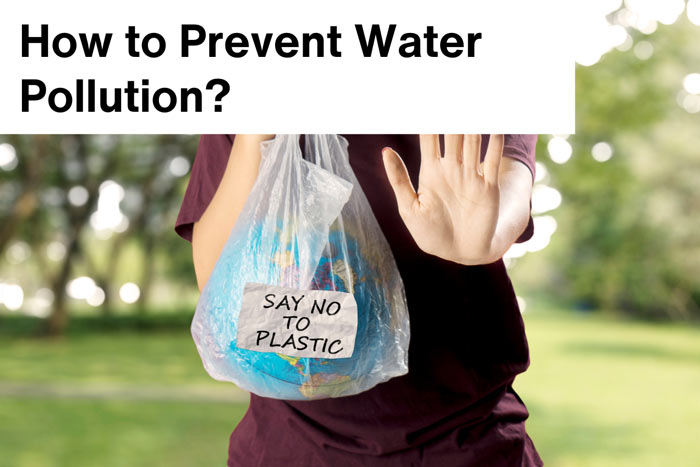
Maintaining a healthy pond ecosystem relies heavily on effective filtration and aeration. These processes work in tandem to remove pollutants, introduce oxygen, and create a balanced environment for aquatic life. Understanding and implementing appropriate techniques are crucial for preventing water pollution and ensuring a thriving pond.
Principles of Filtration and Aeration
Filtration and aeration are fundamental to pond water quality. Filtration physically removes debris and biologically breaks down harmful substances. Aeration introduces oxygen, essential for aquatic life and beneficial bacteria that aid in the filtration process.Filtration operates on the principle of removing particulate matter and dissolved pollutants from the water. This can involve mechanical, biological, and chemical processes. Mechanical filtration removes larger particles like leaves and algae.
Biological filtration utilizes beneficial bacteria to convert harmful substances like ammonia and nitrites into less toxic forms. Chemical filtration employs substances to remove specific pollutants or adjust water parameters.Aeration, on the other hand, focuses on increasing the dissolved oxygen (DO) levels in the water. Oxygen is vital for the survival of fish and other aquatic organisms. Aeration also supports the aerobic bacteria in the biological filtration process.
Adequate aeration prevents stagnation and the buildup of harmful gases, which can lead to fish kills and other water quality issues.
Types of Filtration Systems
Different filtration systems are available, each suited for specific pond sizes and pollution levels. The choice of system depends on factors like the pond’s volume, the number of fish, and the types of pollutants present.
- Mechanical Filtration: Mechanical filters remove solid particles from the water. This is the first line of defense against visible pollutants. These filters trap debris, preventing it from breaking down and further polluting the water.
- Settlement Tanks: Large tanks where heavier particles settle out of the water by gravity. These are ideal for larger ponds and are often used as a pre-filter.
- Filter Mats/Sponges: These are typically made of porous materials that trap particles as water passes through them. The density of the material can vary to capture different sizes of debris.
- Pressurized Filters: These filters use pressure to force water through filter media, providing efficient mechanical filtration. They are suitable for smaller ponds and are easy to maintain.
- Biological Filtration: Biological filters use beneficial bacteria to break down harmful substances like ammonia and nitrites, which are produced by fish waste and decaying organic matter. This process, known as the nitrogen cycle, converts these toxic compounds into less harmful nitrates.
- Bio-Media: Provides a large surface area for beneficial bacteria to colonize. This can include materials like bio-balls, ceramic rings, or porous lava rock.
- Submerged Filters: Filters that are placed underwater and use the water itself as a medium to facilitate biological filtration.
- Trickle Filters: Water trickles over bio-media, exposing it to oxygen and promoting bacterial growth. These filters are highly effective but can be more complex to install and maintain.
- Chemical Filtration: Chemical filters use various media to remove specific pollutants or adjust water parameters.
- Activated Carbon: Absorbs dissolved organic compounds, chlorine, and other chemicals, improving water clarity and removing odors.
- Zeolite: Removes ammonia from the water.
- Phosphate Removers: Reduce phosphate levels, which can fuel algae growth.
The suitability of each type of filtration system varies based on the pond’s characteristics. For example, a small pond with few fish might benefit from a simple mechanical filter and a small biological filter. A larger pond with a high fish population would require a more complex system, potentially including a settlement tank, a biological filter with ample bio-media, and chemical filtration.
Installation and Maintenance of Aeration Devices
Aeration devices are essential for oxygenating pond water and supporting beneficial bacteria. Proper installation and maintenance are crucial for their effectiveness.
- Air Pumps: Air pumps are the heart of the aeration system, providing the air pressure needed to operate diffusers or fountains. Select an air pump appropriate for the pond’s size and depth.
- Installation: Place the air pump in a protected location, ideally above the water level to prevent water from siphoning back into the pump. Protect the pump from the elements, such as rain and direct sunlight.
- Maintenance: Regularly check and clean the air filter on the pump. Replace the air pump if its performance declines.
- Diffusers: Diffusers release air bubbles into the water, increasing oxygen levels. They are available in various forms, including air stones, diffusers, and airstrips.
- Installation: Place diffusers at the bottom of the pond for maximum oxygen transfer. Ensure the air line is securely connected to the air pump. Consider the depth of the pond when selecting the type of diffuser.
- Maintenance: Clean diffusers periodically to remove debris that can clog them. Replace diffusers if the air bubble output decreases.
- Fountains: Fountains aerate the water by creating surface agitation, increasing oxygen exchange. They also enhance the aesthetic appeal of the pond.
- Installation: Position the fountain in the center of the pond or in a location that maximizes water circulation. Ensure the fountain pump is properly submerged and secured. Consider the flow rate and spray pattern for optimal aeration.
- Maintenance: Clean the fountain pump regularly to remove debris. Inspect the fountain for damage and repair as needed. Adjust the fountain’s spray pattern to prevent water loss due to wind.
Regular maintenance of aeration devices ensures their continued effectiveness. This includes cleaning, inspecting, and replacing components as needed. Proper installation and maintenance of aeration devices can significantly improve water quality and create a healthier environment for aquatic life.
Controlling Runoff and Erosion
Runoff and erosion are significant contributors to pond water pollution, transporting sediments, nutrients, and pollutants from surrounding areas. Effectively managing these processes is crucial for maintaining water quality and the overall health of the pond ecosystem. Implementing a range of control measures can significantly reduce the impact of runoff and erosion, safeguarding the pond from detrimental effects.
Effective Methods for Controlling Runoff and Erosion
A multifaceted approach is required to effectively control runoff and erosion. This involves implementing a combination of structural and vegetative measures designed to intercept, slow, and filter water before it reaches the pond. These methods are often most effective when used in combination.
- Terracing: Terracing involves creating a series of level platforms or steps on sloping land. This reduces the slope length and minimizes the velocity of runoff, allowing water to infiltrate the soil and reducing erosion.
- Swales: Swales are shallow, vegetated channels designed to convey runoff. They slow the flow of water, filter pollutants, and allow for infiltration. The vegetation in the swale helps to trap sediments and absorb nutrients.
- Rain Gardens: Rain gardens are shallow depressions planted with native vegetation that capture and filter runoff from impervious surfaces like roofs, driveways, and patios. They allow water to infiltrate the soil, reducing runoff volume and removing pollutants.
- Check Dams: Small dams built across a gully or channel to slow down the flow of water and trap sediment. They are particularly useful in areas with high erosion potential.
- Erosion Control Blankets: These are biodegradable materials, such as straw or coconut fiber, used to cover bare soil and prevent erosion. They help to stabilize the soil surface and provide a medium for vegetation establishment.
- Mulching: Applying a layer of organic material, such as wood chips or straw, to the soil surface. Mulching reduces erosion by protecting the soil from raindrop impact and slowing runoff. It also helps to retain moisture and suppress weed growth.
- Proper Grading and Drainage: Ensuring that the land is properly graded to direct runoff away from the pond and towards appropriate drainage systems. This minimizes the amount of water that flows directly into the pond.
Landscaping Techniques to Reduce Runoff and Filter Pollutants
Various landscaping techniques can be strategically employed to minimize runoff and filter pollutants before they reach the pond. These techniques not only enhance water quality but also contribute to the aesthetic appeal and ecological value of the surrounding landscape.
- Terracing: As mentioned previously, terracing reduces runoff velocity and allows for increased infiltration. The terraced areas can be planted with vegetation to further filter pollutants. An example of this is found in many vineyards located on sloping terrains. The terraces not only support the vines but also manage water flow and reduce soil erosion.
- Swales: Swales are effective in conveying runoff and filtering pollutants. They can be designed to follow the natural contours of the land and planted with native grasses and wildflowers. The vegetation helps to trap sediments, absorb nutrients, and filter pollutants.
- Rain Gardens: Rain gardens are designed to capture and filter runoff from impervious surfaces. They are typically planted with native plants that are adapted to the local climate and soil conditions. These plants help to absorb water, filter pollutants, and provide habitat for wildlife. For example, a homeowner in a suburban area could install a rain garden to capture runoff from their driveway and roof.
The rain garden would be planted with native plants like coneflowers and black-eyed Susans, which would help to filter pollutants and reduce the amount of runoff entering the storm drain system.
- Xeriscaping: Xeriscaping is a landscaping approach that emphasizes water conservation. It involves using drought-tolerant plants, reducing lawn areas, and using mulches to retain moisture. This reduces the need for irrigation, which can contribute to runoff.
- Permeable Paving: Permeable paving materials, such as porous concrete or pavers with gaps, allow water to infiltrate the soil. This reduces runoff and helps to recharge groundwater. An example is the use of permeable paving in parking lots, allowing rainwater to seep into the ground rather than running off into the storm drains.
Importance of Buffer Zones and Their Design
Buffer zones are vegetated areas established along the perimeter of a pond or water body to protect it from pollutants and erosion. These zones act as a natural filter, absorbing nutrients, trapping sediments, and slowing runoff. Effective buffer zone design is crucial for maximizing their protective benefits.
- Plant Selection: The selection of plants for a buffer zone is critical. Native plants are generally preferred as they are adapted to the local climate and soil conditions, requiring less maintenance and providing better habitat for wildlife. Plants with deep root systems help to stabilize the soil and prevent erosion.
- Plant Placement: The placement of plants within the buffer zone should be strategic. The zone can be divided into different zones, each with a specific function. The zone closest to the water body should be planted with plants that can tolerate frequent inundation. The next zone should be planted with plants that can tolerate occasional flooding. The outer zone can be planted with trees and shrubs to provide shade and further filter runoff.
- Width of the Buffer Zone: The width of the buffer zone is important. The wider the buffer zone, the more effective it is at filtering pollutants and reducing erosion. The recommended width of a buffer zone can vary depending on the size of the pond, the surrounding land use, and the potential for pollution. A buffer zone of at least 25 feet is generally recommended, but wider buffers are often more effective.
- Maintenance of Buffer Zones: Regular maintenance is required to ensure the effectiveness of the buffer zone. This includes removing invasive species, controlling weeds, and replanting any areas where plants have died. Periodic inspections should be performed to assess the condition of the buffer zone and identify any areas that need attention.
Designing a Plan to Mitigate Erosion Around a Pond’s Edge
Mitigating erosion around a pond’s edge requires a site-specific approach that considers factors like soil type, slope, and prevailing winds. A well-designed plan integrates multiple techniques to provide long-term protection.
Here is a basic plan Artikel:
- Assessment: Conduct a thorough assessment of the pond’s edge, including the soil type, slope, and prevailing winds. Identify areas with the highest erosion risk. Note the presence of existing vegetation and any signs of erosion.
- Stabilization: Implement methods to stabilize the soil. This may include:
- Vegetation Planting: Plant native vegetation with deep root systems along the pond’s edge. These roots will bind the soil and prevent erosion.
- Riprap: Place rocks or other durable materials along the shoreline to protect against wave action.
- Erosion Control Blankets: Use erosion control blankets on slopes to stabilize the soil and allow vegetation to establish.
- Runoff Management: Implement measures to manage runoff and prevent it from reaching the pond’s edge. This may include:
- Swales: Construct swales to divert runoff away from the pond.
- Terracing: Create terraces on slopes to reduce runoff velocity.
- Rain Gardens: Install rain gardens to capture and filter runoff from surrounding areas.
- Buffer Zone Establishment: Establish a buffer zone along the pond’s edge. This zone should be planted with native vegetation to filter pollutants and reduce erosion.
- Maintenance: Implement a maintenance plan to ensure the long-term effectiveness of the erosion control measures. This may include regular inspections, vegetation management, and repairs as needed.
Chemical and Biological Treatments
Maintaining a healthy pond ecosystem often necessitates the strategic use of chemical and biological treatments. These methods aim to control undesirable organisms, such as algae and weeds, and improve overall water quality. However, responsible application is crucial to minimize environmental impact and ensure the well-being of aquatic life. This section will explore the various approaches, providing guidance on their effective and safe implementation.
Responsible Use of Chemical Treatments
Chemical treatments can be valuable tools for managing pond ecosystems, but they must be used judiciously. The goal is to target specific problems, such as excessive algae blooms or invasive weed growth, while minimizing harm to beneficial organisms and the environment.To ensure responsible use:
- Accurate Identification: Correctly identify the target organism. Misidentification can lead to the use of ineffective treatments or, worse, harm to non-target species. For instance, different types of algae require different herbicides.
- Dosage Calculation: Carefully calculate the correct dosage based on the pond’s volume and the concentration of the chemical. Overdosing can have severe consequences for aquatic life, while underdosing may render the treatment ineffective.
- Timing of Application: Apply treatments at the appropriate time of year, considering factors such as water temperature, sunlight exposure, and the life cycle of the target organism. For example, algae treatments are often most effective when algae are actively growing.
- Water Quality Monitoring: Regularly monitor water quality parameters, such as pH, dissolved oxygen, and temperature, before, during, and after treatment. This helps assess the impact of the treatment and make adjustments as needed.
- Consideration of Non-Target Effects: Evaluate the potential impact of the treatment on non-target organisms, such as fish, invertebrates, and beneficial plants. Select treatments with the lowest toxicity to these organisms and follow label instructions carefully.
- Compliance with Regulations: Adhere to all local, state, and federal regulations regarding the use of chemical treatments. This includes obtaining necessary permits and following label instructions.
Comparison of Chemical Treatments
Different chemical treatments are available for pond management, each with its own strengths, weaknesses, and environmental considerations. A comparison helps in selecting the most appropriate option for a specific situation.
| Treatment Type | Effectiveness | Potential Side Effects | Environmental Impact | Examples |
|---|---|---|---|---|
| Algaecides (e.g., copper-based) | Effective at controlling algae blooms. | Can be toxic to fish and invertebrates at high concentrations. May cause copper accumulation in sediment. | Copper can persist in the environment and pose a risk to aquatic life. | Copper sulfate, chelated copper algaecides. |
| Herbicides (e.g., glyphosate) | Effective at controlling aquatic weeds. | Can harm non-target plants and potentially impact fish habitat. | Glyphosate can leach into groundwater and may have long-term environmental effects. | Glyphosate-based herbicides, diquat dibromide. |
| Water Clarifiers (e.g., flocculants) | Improve water clarity by clumping suspended particles. | May deplete dissolved oxygen if too many particles settle and decompose. | Can affect water chemistry and may indirectly impact aquatic life. | Aluminum sulfate (alum), polyaluminum chloride (PAC). |
The selection of a chemical treatment should be based on a careful assessment of the specific problem, the pond’s characteristics, and the potential environmental consequences. Consulting with a pond management professional can provide valuable guidance.
Principles of Biological Control Methods
Biological control methods offer an environmentally friendly approach to managing pond ecosystems. These methods utilize natural processes and organisms to control undesirable species and improve water quality.Some common biological control methods include:
- Introducing Beneficial Bacteria: Beneficial bacteria can be added to ponds to break down organic matter, reduce nutrient levels, and improve water clarity. Products containing strains of Bacillus bacteria are often used for this purpose.
- Planting Aquatic Vegetation: Aquatic plants compete with algae for nutrients and sunlight, helping to control algae blooms. They also provide habitat for fish and other aquatic organisms. Submerged plants like elodea and pondweed, and emergent plants like cattails and water lilies, can be strategically planted.
- Introducing Herbivorous Fish: Certain fish species, such as grass carp, consume aquatic weeds, effectively controlling their growth. Grass carp, for example, are highly effective at controlling submerged aquatic vegetation. However, their use should be carefully managed to avoid overgrazing and potential impacts on native plant communities.
- Adding Predator Organisms: Introducing predators, such as predatory insects or small fish, can help control populations of unwanted organisms like mosquito larvae. For example, Gambusia affinis, also known as mosquitofish, are commonly used to control mosquito populations in ponds.
Biological control methods are generally slower-acting than chemical treatments, but they offer a more sustainable and environmentally friendly approach. They require careful planning and monitoring to ensure their effectiveness and minimize any unintended consequences.
Safe Handling and Application of Chemical Treatments
The safe handling and application of chemical treatments are essential to protect the health of the applicator, the environment, and aquatic life.Follow these safety guidelines:
- Personal Protective Equipment (PPE): Always wear appropriate PPE, including gloves, eye protection (goggles or a face shield), a long-sleeved shirt, long pants, and waterproof boots. The specific PPE requirements will vary depending on the chemical being used; always refer to the product label.
- Read and Understand the Label: Carefully read and understand the product label before use. The label provides critical information on the chemical’s hazards, proper application rates, safety precautions, and disposal instructions.
- Mix and Apply in a Well-Ventilated Area: Mix and apply chemicals in a well-ventilated area to avoid inhaling fumes or vapors.
- Avoid Contact with Skin and Eyes: Avoid direct contact with the chemical. If contact occurs, immediately flush the affected area with plenty of water. Seek medical attention if necessary.
- Proper Storage: Store chemicals in a secure, locked location, out of reach of children and pets. Store them in their original containers and away from food, feed, and other chemicals.
- Spill Response: Have a spill kit on hand to contain and clean up any spills. Follow the manufacturer’s instructions for spill cleanup and disposal.
- Disposal Procedures: Dispose of unused chemicals and empty containers according to the manufacturer’s instructions and local regulations. Do not pour chemicals down the drain or into the pond. Rinse empty containers thoroughly and dispose of them properly.
By following these guidelines, you can minimize the risks associated with chemical treatments and ensure the safety of yourself and the environment.
Choosing and Maintaining Pond Plants
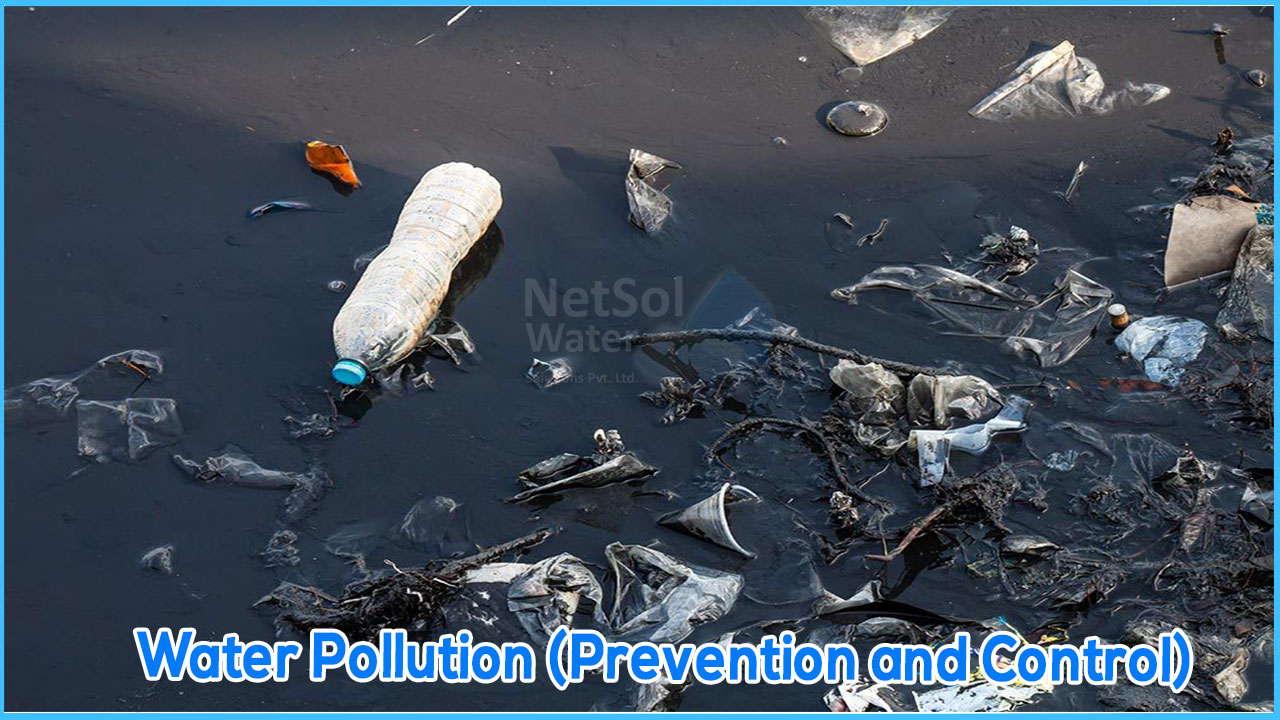
Selecting and maintaining the right aquatic plants is crucial for the long-term health and beauty of your pond. Plants play a vital role in maintaining water quality, providing habitat for wildlife, and enhancing the overall aesthetic appeal of your pond environment. Careful selection and proper care will ensure a thriving aquatic ecosystem.
The Role of Aquatic Plants in Pond Health
Aquatic plants are fundamental to a healthy pond ecosystem. They contribute to water quality in several key ways. They absorb excess nutrients, such as nitrates and phosphates, which helps to prevent algal blooms and keeps the water clear. Additionally, they provide oxygen through photosynthesis, which is essential for fish and other aquatic organisms. Plants also offer shelter and breeding grounds for fish, amphibians, and invertebrates, contributing to biodiversity.
The presence of aquatic plants stabilizes the pond bottom, preventing erosion and creating a more stable environment.
Plant Species for Different Pond Environments
Choosing the right plant species depends on your pond’s characteristics, including its size, depth, sunlight exposure, and climate. Plants are often categorized by their growth habit and the role they play in the pond.
- Oxygenators: These plants grow submerged and release oxygen into the water through photosynthesis. They are essential for maintaining healthy oxygen levels.
- Examples: Elodea canadensis (Canadian pondweed), Ceratophyllum demersum (hornwort), Myriophyllum spicatum (Eurasian watermilfoil).
- Nutrient Absorbers: These plants take up excess nutrients from the water, helping to control algae growth.
- Examples: Potamogeton species (pondweeds), Myriophyllum species (water milfoils), Lemna minor (duckweed).
- Floating Plants: These plants float on the water’s surface, providing shade and reducing sunlight penetration, which helps to limit algae growth.
- Examples: Nymphaea species (water lilies), Nelumbo nucifera (lotus), Lemna species (duckweed).
- Emergent Plants: These plants are rooted in the pond bottom but have stems and leaves that extend above the water’s surface. They provide habitat and help to stabilize the shoreline.
- Examples: Typha latifolia (cattail), Iris pseudacorus (yellow flag iris), Schoenoplectus lacustris (common bulrush).
- Shoreline Stabilizers: These plants are planted around the pond’s edge to prevent erosion and provide a transition zone between the water and the land.
- Examples: Carex species (sedges), Juncus species (rushes), Lobelia cardinalis (cardinal flower).
Selecting Plants for Climate and Pond Conditions
Selecting plants appropriate for your climate and pond conditions is crucial for their survival and contribution to pond health. Consider the following factors:
- Climate Zone: Choose plants that are hardy in your specific climate zone. Plants labeled with USDA Plant Hardiness Zones will assist in this determination. Research the hardiness of plants to ensure they can withstand your local temperatures.
- Sunlight Exposure: Determine how much sunlight your pond receives each day. Some plants require full sun, while others thrive in partial shade. For example, water lilies typically need at least 6 hours of sunlight per day.
- Pond Depth: Different plants have different depth requirements. Oxygenators and submerged plants need specific water depths to thrive. Research the mature depth of each plant before introducing it to your pond.
- Water Quality: Consider the water quality in your pond. Some plants are more tolerant of varying water conditions than others. Perform regular water tests to monitor pH, nutrient levels, and other parameters.
- Pond Size: Choose plants that are appropriate for the size of your pond. Large plants can quickly overwhelm a small pond.
Guide to Maintaining Pond Plants
Proper maintenance is essential for keeping your pond plants healthy and ensuring they contribute to a balanced ecosystem. This includes planting, pruning, and pest control.
- Planting: Plant aquatic plants in the appropriate soil or aquatic planting baskets. Submerged plants can be weighted and placed directly on the pond bottom. Floating plants can be simply placed on the water’s surface. Emergent plants are best planted in aquatic soil and placed in the pond at the appropriate depth.
- Pruning: Regular pruning helps to keep plants healthy and prevents them from overcrowding the pond. Remove dead or yellowing leaves and stems. Trim back emergent plants to control their size and shape. Prune water lilies to remove spent flowers and dead leaves.
- Pest Control: Monitor plants for pests and diseases. Common pests include aphids, snails, and waterlily leaf beetles. Use appropriate control methods, such as manual removal, introducing beneficial insects (e.g., ladybugs to control aphids), or using organic pesticides if necessary. Avoid using pesticides that can harm fish or other aquatic life.
- Fertilization: Use aquatic plant fertilizers sparingly, if at all. Over-fertilization can lead to algae blooms. If fertilization is necessary, choose slow-release fertilizers designed for aquatic plants and follow the manufacturer’s instructions carefully.
- Winter Care: In colder climates, some plants may need protection during the winter. Move tender plants indoors or to a sheltered location. Consider covering the pond to prevent ice from damaging plants. Trim back dead foliage before winter.
Responsible Animal Management
Animals, whether they are fish inhabiting the pond or livestock grazing nearby, significantly influence the quality of pond water. Their presence introduces various substances that can disrupt the delicate balance of the aquatic ecosystem. Managing animal populations responsibly is crucial for maintaining a healthy pond environment and preventing pollution.
Impact of Animals on Pond Water Quality
The impact of animals on pond water quality is multifaceted, stemming from both direct and indirect contributions. Understanding these impacts is essential for implementing effective management strategies.
- Fish Waste: Fish produce waste through their metabolic processes, primarily in the form of ammonia. Ammonia is highly toxic to aquatic life, and its accumulation can lead to fish kills and the proliferation of harmful algae blooms. This is particularly problematic in ponds with high fish stocking densities or inadequate filtration.
- Duck and Goose Waste: Waterfowl, such as ducks and geese, contribute significant amounts of fecal matter to ponds. Their droppings are rich in nutrients, especially phosphorus and nitrogen. These nutrients act as fertilizers, promoting excessive algae growth (eutrophication), which can deplete oxygen levels and harm other aquatic organisms.
- Livestock Runoff: Livestock, including cattle, horses, and other grazing animals, can impact ponds through direct access or runoff. Their waste contains high levels of nutrients and pathogens. This can lead to the same issues as waterfowl waste, including algal blooms, oxygen depletion, and the potential for waterborne diseases. The runoff from areas where livestock congregate also carries sediment, further clouding the water and reducing light penetration.
- Increased Sedimentation: Animal activity, especially by livestock, can lead to increased sedimentation in the pond. Grazing along the pond banks can erode soil, which is then washed into the water. This sediment clouding the water, reduces light penetration and smothers aquatic vegetation, disrupting the habitat for fish and other aquatic organisms.
Managing Animal Populations to Minimize Pollution
Managing animal populations effectively requires a multi-faceted approach that considers stocking densities, feeding practices, and other factors. The goal is to minimize the negative impacts on water quality while still allowing for responsible animal husbandry.
- Fish Stocking Density: The number of fish a pond can sustainably support depends on factors like pond size, oxygen levels, and filtration capacity. Overstocking leads to increased waste production and a higher risk of water quality problems. A general guideline is to start with a conservative stocking rate and gradually increase it while monitoring water quality parameters.
- Feeding Practices for Fish: Overfeeding fish is a common cause of poor water quality. Excess food that is not consumed decomposes, contributing to the buildup of organic matter and nutrient levels. Feeding fish only what they can consume within a few minutes, once or twice a day, helps to minimize waste. Using high-quality, easily digestible fish food also reduces waste production.
- Waterfowl Population Control: Limiting the number of waterfowl that frequent the pond is essential. This can be achieved through habitat modification (e.g., removing attractive features like grassy areas near the water) and deterrents (e.g., fencing, motion-activated sprinklers).
- Livestock Management: Restricting livestock access to the pond is critical. Fencing can prevent direct access, while providing alternative water sources reduces the animals’ need to enter the pond.
- Nutrient Management: Implementing nutrient management strategies can help to mitigate the effects of animal waste. This might involve using biological filters to remove excess nutrients or implementing regular water testing and adjustments to feeding and stocking practices.
Designing Animal Enclosures and Access Points
Careful design of animal enclosures and access points is vital to prevent direct pollution of the pond. This involves creating barriers and managing the animals’ interaction with the water.
- Fencing and Barriers: Install fencing around the pond to prevent livestock and other large animals from entering the water. The fence should be sturdy, properly maintained, and extend far enough from the pond’s edge to prevent erosion and runoff.
- Access Points for Waterfowl: If waterfowl are desired, design access points that minimize waste input. These can include gravel beaches or floating platforms that allow birds to access the water without entering the main pond area.
- Livestock Watering Systems: Provide alternative water sources for livestock, such as troughs or automatic waterers, located away from the pond. This reduces the animals’ reliance on the pond for drinking water and minimizes the potential for waste contamination.
- Waste Management Systems: Implement waste management systems in livestock areas, such as manure storage facilities, to prevent runoff from entering the pond.
- Vegetative Buffers: Establish vegetative buffers along the pond’s edge. These areas of dense vegetation help to filter runoff, absorb nutrients, and stabilize the soil, reducing erosion.
Health and Environmental Concerns Regarding Aquatic Animal Waste
Aquatic animal waste presents a range of health and environmental concerns that require careful management.
- Ammonia Toxicity: As previously mentioned, ammonia is a primary concern. Fish waste releases ammonia, which is toxic to fish and other aquatic organisms.
- Nutrient Enrichment: Waste from fish and waterfowl contributes to nutrient enrichment, leading to excessive algae growth and the potential for oxygen depletion.
- Pathogen Transmission: Animal waste can contain pathogens that can contaminate the water and pose a health risk to humans and other animals. This is especially true for livestock waste.
- Algal Blooms: Excess nutrients fuel the growth of harmful algal blooms (HABs). These blooms can produce toxins that are dangerous to humans, animals, and aquatic life. They can also deplete oxygen levels in the water.
- Oxygen Depletion: The decomposition of organic matter in animal waste consumes oxygen, potentially leading to fish kills and the death of other aquatic organisms.
- Sedimentation and Habitat Degradation: Animal waste and associated activities contribute to sedimentation, clouding the water, reducing light penetration, and smothering aquatic vegetation. This can destroy habitats for fish and other aquatic life.
Regular Monitoring and Testing
Regular monitoring and testing are critical components of effective pond management. Consistent assessment of water quality allows pond owners to detect problems early, implement corrective measures, and maintain a healthy aquatic ecosystem. This proactive approach helps prevent severe issues, ensuring the long-term vitality and beauty of the pond.
Importance of Water Testing and Monitoring
Regular water testing and monitoring are essential practices for maintaining a healthy pond environment. They provide insights into the pond’s overall health, allowing for the identification of potential problems before they escalate. Early detection of issues such as excessive algae growth, oxygen depletion, or nutrient imbalances enables timely intervention, preventing fish kills, unpleasant odors, and other detrimental effects. By consistently tracking water quality parameters, pond owners can make informed decisions about management practices, such as aeration, filtration, and the addition of beneficial bacteria, ensuring a balanced and thriving aquatic ecosystem.
Monitoring also helps evaluate the effectiveness of implemented treatments and adjustments, providing valuable feedback for optimizing pond management strategies.
Parameters to be Monitored and Their Significance
A comprehensive water quality monitoring program involves assessing various parameters to gain a complete understanding of the pond’s health. Each parameter provides unique insights into the pond’s condition.
- pH: Measures the acidity or alkalinity of the water. A pH between 6.5 and 9.0 is generally considered ideal for most aquatic life. Deviations from this range can stress or kill fish and other organisms. For example, a pH below 6.0 can cause heavy metals like aluminum to become toxic to aquatic life.
- Dissolved Oxygen (DO): Indicates the amount of oxygen available for aquatic organisms. Adequate DO levels (typically above 5 ppm) are crucial for fish survival and the breakdown of organic matter. Low DO levels can lead to fish kills and the release of harmful gases like hydrogen sulfide.
- Nutrient Levels (Nitrates and Phosphates): High levels of nitrates and phosphates often indicate excessive nutrient input, which can fuel algae blooms and excessive weed growth. These nutrients can originate from runoff, fertilizers, or decaying organic matter.
- Temperature: Influences the solubility of oxygen and the metabolic rates of aquatic organisms. Temperature fluctuations can stress fish and other aquatic life. Seasonal changes in temperature also affect the growth of algae and aquatic plants.
- Ammonia: A toxic compound produced by fish waste and decaying organic matter. High ammonia levels can be lethal to fish. Ammonia levels should ideally be close to zero.
- Hardness: Refers to the concentration of calcium and magnesium ions in the water. Hardness affects the ability of fish to regulate their internal processes. Very low hardness can be harmful.
- Alkalinity: Measures the water’s ability to resist changes in pH. Adequate alkalinity helps buffer against rapid pH fluctuations, which can be stressful to aquatic life.
- Turbidity: Refers to the cloudiness or murkiness of the water. High turbidity can reduce sunlight penetration, limiting plant growth and affecting the visibility of fish. It can be caused by suspended particles such as clay, silt, or algae.
Procedures for Conducting Water Tests and Interpreting Results
Water testing can be conducted using various methods, including test kits, electronic meters, and laboratory analysis. Test kits are readily available and provide a convenient way to measure key parameters.
- Test Kits: Most test kits involve collecting a water sample and adding reagents, which react with the water to produce a color change. The intensity of the color is then compared to a color chart or scale to determine the concentration of the parameter being measured. For example, a test kit for ammonia might involve adding a reagent to a water sample and comparing the resulting color to a chart.
- Electronic Meters: Electronic meters provide more precise and instantaneous readings. Meters are available for parameters such as pH, DO, and temperature. These meters often have digital displays and are easy to use. Calibration is essential to ensure accurate readings.
- Laboratory Analysis: For more detailed analysis, water samples can be sent to a laboratory. Laboratories can measure a wider range of parameters, including specific pollutants and trace elements. Laboratory results provide a comprehensive assessment of water quality.
Interpreting test results requires comparing the measured values to established guidelines or acceptable ranges for the specific parameters. If the results fall outside the ideal ranges, corrective actions should be taken. For instance, if dissolved oxygen levels are low, aeration may be necessary. If nutrient levels are high, measures to reduce nutrient input, such as controlling runoff or reducing fertilizer use, may be needed.
Regular monitoring allows for the tracking of trends and the evaluation of the effectiveness of management practices.
Effects of Poor Water Quality
Poor water quality can have a detrimental impact on a pond’s ecosystem, leading to a range of problems.
- Fish Kills: Oxygen depletion is a major cause of fish kills. When organic matter decomposes, it consumes oxygen, and during algal blooms, excessive algae can deplete oxygen at night. High levels of ammonia and other toxic substances, like hydrogen sulfide (produced by anaerobic decomposition), can also cause fish to die.
- Algae Blooms: Excessive nutrient levels (nitrates and phosphates) can trigger algae blooms, which cloud the water, reduce sunlight penetration, and deplete oxygen as the algae die and decompose. These blooms can also release toxins that are harmful to fish and other aquatic organisms.
- Excessive Weed Growth: Nutrient imbalances can lead to the overgrowth of aquatic weeds, which can choke out other plant life, reduce recreational use, and create stagnant areas where mosquitoes can breed.
- Unpleasant Odors: The decomposition of organic matter and the presence of anaerobic conditions can produce foul odors, such as the smell of rotten eggs (hydrogen sulfide).
- Loss of Biodiversity: Poor water quality can reduce the diversity of aquatic life. Sensitive species may die off, and the pond may become dominated by less desirable organisms.
For example, a pond experiencing an algae bloom will have murky, green water. Dead fish may be observed floating on the surface, indicating oxygen depletion or toxicity. The pond may emit an unpleasant odor. In contrast, a healthy pond will have clear water, a diverse range of aquatic plants and animals, and no foul odors.
Ending Remarks
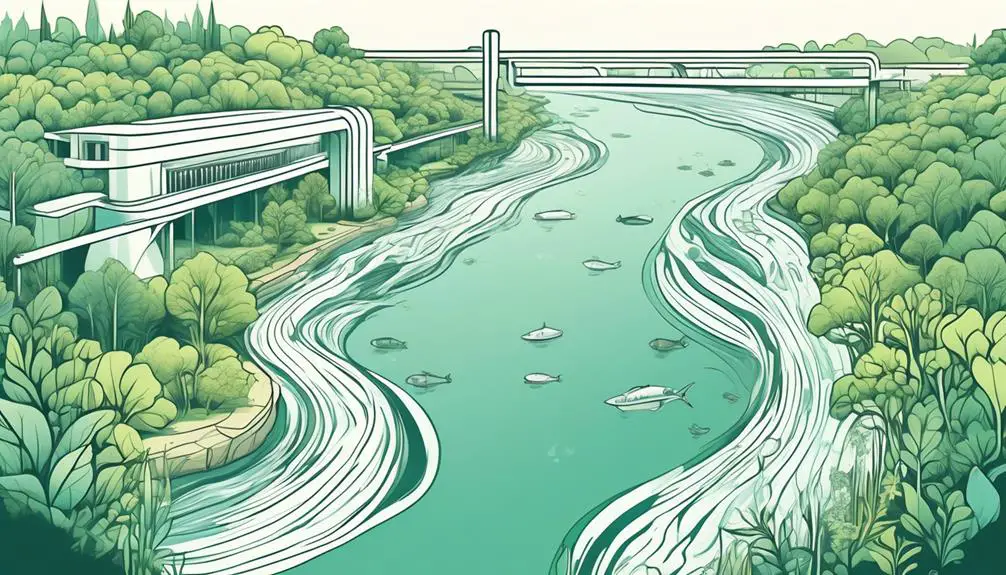
In conclusion, preventing pond water pollution requires a multifaceted approach, encompassing proactive management, informed practices, and consistent monitoring. By implementing the strategies Artikeld in this guide, pond owners can significantly reduce pollution, preserve water quality, and foster a thriving aquatic environment. Embrace these techniques to safeguard your pond and contribute to a healthier ecosystem for generations to come.