Understanding how to calculate pig feed ratio is fundamental to successful pig farming, influencing everything from growth rates to overall health and profitability. This guide will navigate the essential aspects of this crucial process, offering insights into optimizing your pig’s diet for optimal performance. We’ll explore the nutritional needs of pigs at various life stages, considering breed-specific requirements and the impact of environmental factors.
From understanding essential nutrients like protein, carbohydrates, and vitamins to practical applications, this comprehensive overview will cover the basics and delve into advanced considerations. We will guide you through calculating feed ratios, choosing appropriate ingredients, and adjusting them based on your pigs’ performance. Whether you’re a seasoned farmer or just starting, this guide provides valuable knowledge for creating balanced and efficient pig feed rations.
Understanding Pig Feed Requirements
Providing pigs with the correct feed is crucial for their health, growth, and overall productivity. This involves understanding their specific nutritional needs, which vary depending on their life stage, breed, and overall health. A well-balanced diet not only optimizes growth but also strengthens their immune system and reduces the risk of diseases. Understanding these requirements allows farmers to formulate cost-effective and efficient feeding strategies.
Life Stages and Nutritional Needs
The nutritional needs of pigs change significantly throughout their lives. Different life stages require varying levels of protein, energy, vitamins, and minerals to support their specific physiological processes.
- Gestation (Sow): During pregnancy, the sow requires a diet that supports both her own health and the development of the piglets. The nutritional requirements gradually increase throughout gestation, with the highest needs in the last trimester. Adequate protein, energy, vitamins (especially folic acid and choline), and minerals (calcium and phosphorus) are critical for the development of healthy piglets and milk production.
- Lactation (Sow): The lactating sow has the highest nutritional requirements of any stage in the pig’s life cycle. Milk production demands significant energy, protein, and other nutrients. Sows need a diet high in energy, protein, and essential amino acids to produce enough milk to support rapid piglet growth. Water availability is also crucial.
- Piglets (Weaning to Growing): After weaning, piglets transition to solid feed. This stage requires a diet that supports rapid growth and development. The feed should be highly digestible and provide adequate protein, energy, and essential amino acids. The diet should also contain vitamins and minerals for bone development and immune function.
- Growing and Finishing: During the growing and finishing phases, pigs require a diet focused on muscle development and fat deposition. The diet should provide sufficient protein, energy, and essential amino acids to support optimal growth. The specific nutrient ratios can be adjusted based on the desired carcass characteristics.
- Boars: Boars need a diet that maintains their body condition and supports their reproductive performance. The diet should provide adequate energy, protein, vitamins, and minerals to ensure optimal semen quality and libido. Overfeeding can lead to reduced fertility.
Impact of Breed on Feed Requirements
Different pig breeds have varying genetic predispositions for growth rate, body composition, and efficiency. Consequently, their feed requirements differ. Understanding these breed-specific needs allows for tailored feeding strategies.
- Large White: This breed is known for its high lean meat yield and efficient feed conversion. They typically require a diet with a higher protein content, particularly during the growing and finishing stages, to support muscle development. The diet should also be balanced in energy to optimize growth without excessive fat deposition.
- Landrace: Similar to the Large White, Landrace pigs are known for their lean meat production. Their nutritional needs are similar to the Large White, with an emphasis on high-quality protein and balanced energy levels. Proper mineral supplementation is also crucial for their long, strong bodies.
- Duroc: Duroc pigs are known for their rapid growth rate and good meat quality, including marbling. They typically require a diet with slightly higher energy levels compared to leaner breeds to support their growth and fat deposition. Their protein requirements are also high to support their growth rate.
- Hampshire: Hampshire pigs are known for their lean carcasses and good meat quality. Their feed requirements are similar to other lean breeds, emphasizing high-quality protein and balanced energy levels to promote muscle development.
- Berkshire: Berkshire pigs are known for their excellent meat quality, including marbling. They may require a diet that supports both muscle growth and fat deposition, with a balance of energy and protein to achieve the desired carcass characteristics.
Key Nutrients Essential for Pig Growth
Pigs require a balanced diet containing various nutrients to support optimal growth, health, and reproductive performance. These nutrients work synergistically to fulfill the pig’s physiological needs.
- Protein: Protein is essential for muscle development, tissue repair, and enzyme production. The amino acid composition of the protein is critical, as pigs require specific amino acids that they cannot synthesize themselves. Soybean meal, fish meal, and other protein sources are commonly used in pig feed. The amount of protein required varies depending on the life stage.
- Carbohydrates: Carbohydrates provide energy for growth, movement, and bodily functions. Grains such as corn, wheat, and barley are major sources of carbohydrates in pig feed. The digestibility of carbohydrates is important for efficient energy utilization.
- Fats: Fats are a concentrated source of energy and are also essential for the absorption of fat-soluble vitamins. They also improve the palatability of the feed. Vegetable oils and animal fats are commonly used in pig feed. The level of fat in the diet can be adjusted to meet energy requirements and influence carcass composition.
- Vitamins: Vitamins are essential for various metabolic processes and overall health. Pigs require both fat-soluble (A, D, E, K) and water-soluble (B complex, C) vitamins. Vitamin deficiencies can lead to various health problems. Vitamin premixes are commonly added to pig feed to ensure adequate intake.
- Minerals: Minerals are crucial for bone development, enzyme function, and electrolyte balance. Pigs require both macro-minerals (calcium, phosphorus, potassium, sodium, chlorine, magnesium) and micro-minerals (iron, zinc, copper, manganese, iodine, selenium). Mineral deficiencies can lead to growth retardation, skeletal abnormalities, and reduced immune function. Mineral supplements are typically added to pig feed to ensure adequate intake.
Calculating Feed Ratios
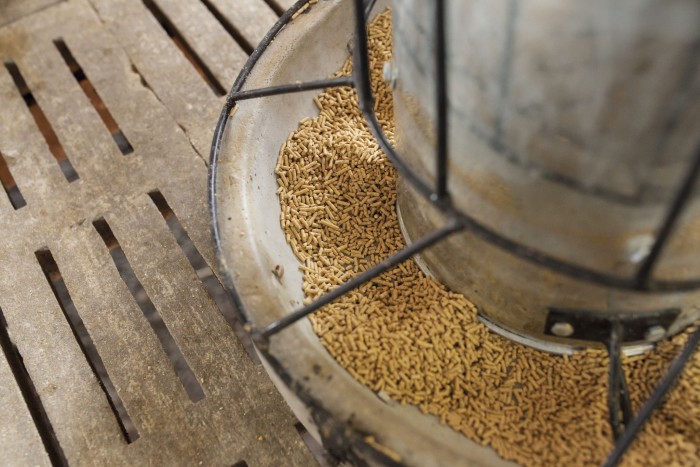
Understanding how to calculate feed ratios is essential for optimizing pig growth, health, and overall farm profitability. This section delves into the core principles of feed ratio calculation, providing a practical guide to formulating balanced pig diets.
Calculating Feed Ratios: The Basics
Feed ratios represent the proportion of different ingredients in a pig’s diet. They are crucial because they directly impact nutrient intake, affecting growth rate, feed efficiency, and the overall health of the pigs. An incorrect feed ratio can lead to nutrient deficiencies or excesses, hindering performance and increasing production costs.To calculate a simple feed ratio, follow these steps, illustrated with a hypothetical scenario:Let’s assume a farmer wants to create a grower pig feed using corn and soybean meal.
The desired feed should contain 16% crude protein. The nutritional profiles of the ingredients are: corn (8% crude protein) and soybean meal (44% crude protein).
- Determine the desired crude protein level: In this case, it is 16%.
- Establish the protein content of the ingredients: Corn has 8% crude protein, and soybean meal has 44% crude protein.
- Calculate the difference in protein content:
- Subtract the protein content of the lower-protein ingredient (corn) from the desired protein level: 16%
-8% = 8%. - Subtract the desired protein level from the protein content of the higher-protein ingredient (soybean meal): 44%
-16% = 28%.
- Subtract the protein content of the lower-protein ingredient (corn) from the desired protein level: 16%
- Determine the ratio: The ratio of corn to soybean meal is the inverse of the differences calculated in the previous step. It is 28 parts corn to 8 parts soybean meal. This can be simplified to a ratio of 7 parts corn to 2 parts soybean meal (28/8 = 7/2).
- Calculate the percentage of each ingredient: To convert the ratio to percentages:
- Add the ratio parts together: 7 + 2 = 9.
- Divide the parts of each ingredient by the total:
- Corn: (7 / 9)
– 100 = 77.78%. - Soybean meal: (2 / 9)
– 100 = 22.22%.
- Corn: (7 / 9)
Therefore, the feed ratio would be approximately 77.78% corn and 22.22% soybean meal to achieve a 16% crude protein diet for grower pigs. This calculation provides a foundation, and further adjustments may be needed based on specific pig requirements and ingredient availability.Common feed ingredients and their typical nutritional profiles are essential for feed ratio calculations. Here are some examples:
The following table provides a general overview of the nutritional content of common pig feed ingredients. These values are averages and can vary based on factors like the source, processing, and variety of the ingredients.
| Ingredient | Crude Protein (%) | Metabolizable Energy (kcal/kg) | Crude Fiber (%) |
|---|---|---|---|
| Corn | 8-10 | 3300-3400 | 2-3 |
| Soybean Meal (48% CP) | 46-48 | 2700-2800 | 3-4 |
| Wheat | 12-14 | 3200-3300 | 2-3 |
| Barley | 10-12 | 3000-3100 | 5-6 |
| Oats | 12-14 | 2900-3000 | 10-12 |
| Fish Meal | 60-70 | 3000-3200 | 1-2 |
| Alfalfa Meal | 16-18 | 2200-2300 | 25-30 |
| Dried Whey | 12-14 | 3400-3500 | 0.5-1 |
Important Note: The nutritional values provided are approximations. Accurate feed analysis is crucial for precise ration formulation. This table serves as a general guide and is not a substitute for laboratory analysis of feed ingredients.
Factors Influencing Feed Ratio Calculations
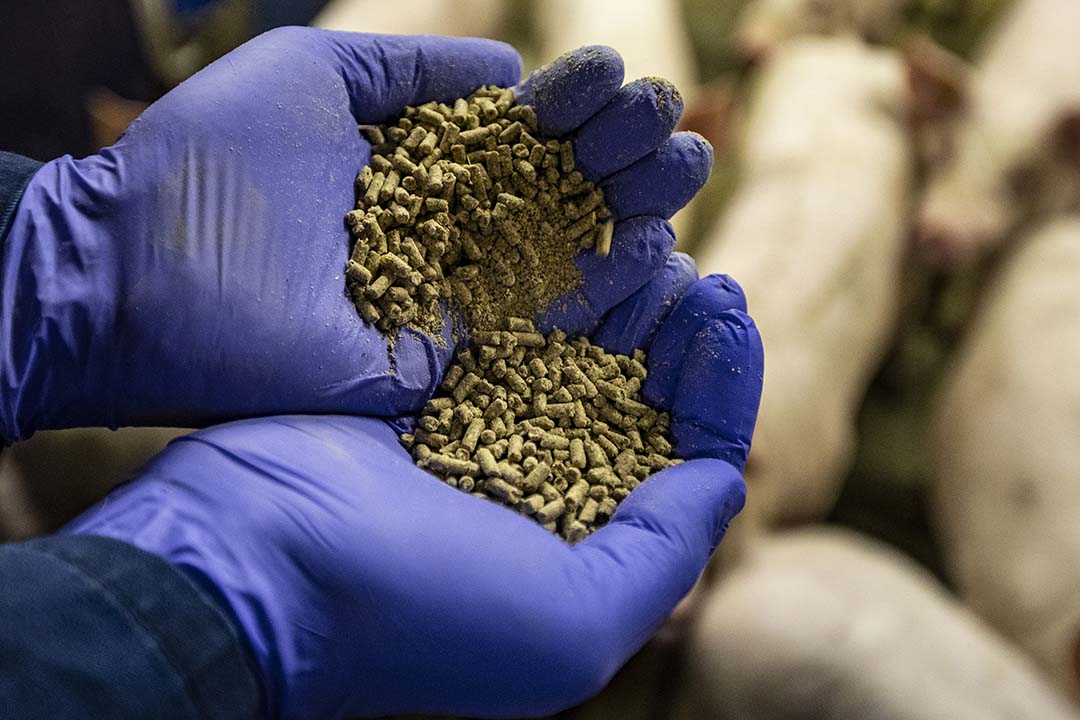
Accurately calculating pig feed ratios requires considering various factors beyond just the basic nutritional needs. These influences significantly impact feed intake and the efficiency with which pigs convert feed into growth. Understanding these elements is crucial for optimizing pig performance and minimizing feed costs.
Age and Weight Influence on Feed Ratio Calculations
The age and weight of pigs are primary determinants of their nutritional requirements and, consequently, their feed ratios. As pigs grow, their needs change dramatically, necessitating adjustments in the feed provided.
- Young Pigs (Weanlings to Growers): Young pigs, particularly those recently weaned, have high protein requirements for muscle development and growth. Their feed ratios typically contain a higher percentage of protein, along with easily digestible carbohydrates and fats. For instance, a weaner diet might contain 20-22% crude protein, gradually decreasing as the pig matures.
- Growing Pigs (Growers to Finishers): As pigs enter the grower and finisher phases, their protein requirements decrease, and the focus shifts towards efficient weight gain and fat deposition. The feed ratio is adjusted to reflect this, with a lower protein content (e.g., 14-16% crude protein) and increased energy density to support rapid growth.
- Breeding Stock: Sows and boars have specific nutritional needs. Sows, especially during gestation and lactation, require carefully balanced diets to support both their own health and the development of their piglets. Boars need diets that maintain body condition and support reproductive performance. The feed ratio must be tailored to these specific requirements.
The weight of the pig is directly correlated with its age and feeding stage. Feed ratios are often expressed based on weight ranges to provide a more precise feeding strategy. For example, a pig weighing between 20-50 kg might receive a specific feed formulation, while a pig weighing 50-80 kg would be transitioned to a different feed. This weight-based approach ensures that the pig receives the correct nutrients at the right time.
Effect of Environmental Factors on Feed Intake and Ratio Needs
Environmental conditions, particularly temperature, significantly influence a pig’s feed intake and, consequently, its feed ratio requirements. Pigs are homeothermic animals, meaning they maintain a constant internal body temperature. They utilize energy from their feed to regulate their body temperature, especially in extreme conditions.
- Temperature and Feed Intake: High environmental temperatures often lead to reduced feed intake in pigs. The pig may eat less to reduce metabolic heat production. In contrast, cold temperatures increase feed intake as the pig attempts to generate more heat through metabolism.
- Temperature and Energy Requirements: In cold environments, pigs require more energy to maintain body temperature. This means that the feed ratio might need to be adjusted to provide a higher energy density, even if the pig’s overall feed intake increases. In hot environments, the feed should be adjusted to encourage feed intake, but the focus should be on the composition of the feed, not on increasing the amount of feed provided.
- Humidity and Air Quality: High humidity can exacerbate the effects of heat stress, leading to decreased feed intake. Poor air quality, such as high ammonia levels in the pig house, can also negatively affect feed intake and overall health. These factors can influence the feed ratio decisions.
For instance, during the winter months, a pig farmer might increase the energy density of the feed (e.g., by adding more fat) to help pigs maintain their body temperature. In the summer, the feed might be formulated to encourage feed intake, using ingredients that are more palatable and easily digestible.
Differences in Feed Ratios for Pigs Raised Indoors Versus Outdoors
The environment in which pigs are raised significantly impacts their feed requirements and, consequently, their feed ratios. Pigs raised indoors and outdoors experience different environmental stressors and, therefore, have varying nutritional needs.
- Indoor Pigs: Pigs raised indoors, particularly in controlled environments, experience a more stable environment. The temperature, humidity, and air quality can be regulated, reducing the impact of environmental stressors. Feed ratios for indoor pigs can be optimized for growth and efficiency, with less emphasis on energy for temperature regulation.
- Outdoor Pigs: Pigs raised outdoors are exposed to a wider range of environmental conditions. They must cope with fluctuating temperatures, wind, rain, and direct sunlight. This exposure increases their energy requirements for maintaining body temperature and may also affect their feed intake. Outdoor pigs often require higher energy diets to compensate for these environmental challenges.
- Nutritional Considerations: Outdoor pigs may require more robust diets to support their immune systems and overall health, as they are exposed to more pathogens and environmental challenges. Indoor pigs might be more susceptible to some health issues related to the confinement environment, but they are also less exposed to some environmental pathogens. The feed ratio should reflect these differences, with considerations for vitamin and mineral supplementation to support overall health.
For example, pigs raised outdoors in colder climates might need a feed ratio with a higher energy density compared to those raised indoors in a climate-controlled barn. Outdoor pigs may also benefit from higher levels of certain vitamins and minerals to support their immune function.
Methods for Determining Feed Ratios
Determining accurate feed ratios is crucial for optimizing pig performance and minimizing feed costs. Several methods can be employed, ranging from simple calculations to sophisticated software applications. This section explores these methods, providing practical guidance for pig farmers.
Using Feed Formulation Software
Feed formulation software streamlines the process of calculating feed ratios. This software utilizes complex algorithms to determine the optimal combination of feed ingredients that meet the pig’s specific nutrient requirements.The inputs required for feed formulation software typically include:
- Pig Requirements: Data on the pig’s age, breed, stage of production (e.g., gestation, lactation, growing-finishing), and desired performance targets (e.g., average daily gain, feed conversion ratio). These requirements are based on established nutritional standards for pigs.
- Ingredient Information: A comprehensive database of feed ingredients, including their nutrient composition (e.g., crude protein, energy, amino acids, vitamins, and minerals), cost, and availability. This information is often obtained from feed ingredient analysis reports.
- Ingredient Constraints: Information on any limitations on ingredient inclusion levels, such as palatability, processing characteristics, or regulatory restrictions. This may also include ingredient cost and availability.
- Optimization Parameters: Settings that define the software’s objectives, such as minimizing feed cost, maximizing growth rate, or meeting specific nutrient specifications.
The software then uses these inputs to generate a least-cost feed formulation that meets the pig’s nutritional needs while considering the specified constraints. The output typically includes the proportion of each ingredient to be used in the feed mix, the calculated nutrient content of the formulated feed, and the estimated feed cost.
Illustrating the Relationship Between Feed Ingredients and Nutrient Content
Understanding the nutrient composition of feed ingredients is essential for formulating balanced diets. The following table illustrates the relationship between common feed ingredients and their nutrient content.
| Ingredient | Crude Protein (%) | Metabolizable Energy (kcal/kg) | Lysine (%) | Calcium (%) |
|---|---|---|---|---|
| Corn | 8.0 | 3300 | 0.25 | 0.02 |
| Soybean Meal (48%) | 48.0 | 2600 | 3.0 | 0.3 |
| Wheat Bran | 15.0 | 2200 | 0.6 | 0.1 |
| Fish Meal | 60.0 | 3000 | 5.0 | 4.0 |
This table provides a simplified overview. Actual nutrient content can vary depending on factors such as ingredient source, processing methods, and analytical procedures.
Adjusting Feed Ratios Based on Observed Pig Performance
Monitoring pig performance is crucial for assessing the effectiveness of the feed ration and making necessary adjustments. Several indicators can be used to evaluate pig performance and inform feed ratio adjustments.
- Growth Rate: The average daily gain (ADG) is a primary indicator of growth performance. If pigs are growing slower than expected, the feed ratio may need adjustment to increase the energy or protein content.
- Feed Conversion Ratio (FCR): The FCR measures the efficiency of feed utilization. A higher FCR (more feed required per unit of weight gain) suggests that the feed ration may not be optimally balanced or that the pigs may be experiencing health issues.
- Body Condition: Assessing body condition visually or through backfat measurements can provide insights into the pigs’ energy status. Overly thin pigs may require a higher energy density in their diet, while overly fat pigs may benefit from a reduced energy intake.
For example, if growing-finishing pigs consistently exhibit an FCR of 3.5:1 (3.5 kg of feed per kg of weight gain), while the target FCR is 3.0:1, the feed ration may be adjusted. This could involve increasing the level of a high-protein ingredient like soybean meal or supplementing the diet with an essential amino acid, such as lysine, to improve protein utilization and growth efficiency.
If the pigs are also showing a slower-than-expected ADG, the energy content of the diet could be increased by adding more corn or including a supplemental fat source. Conversely, if pigs are becoming excessively fat, the energy density of the diet could be reduced.
Ingredient Considerations for Feed Ratios
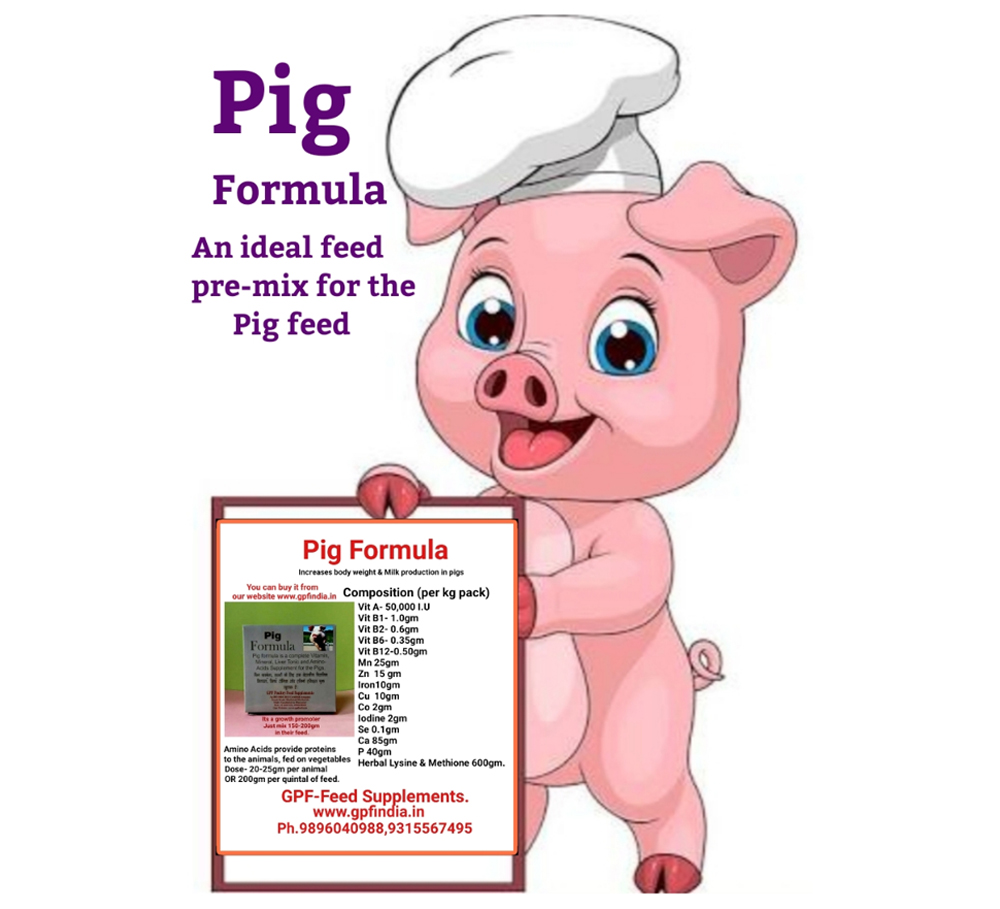
Understanding the specific ingredients and their nutritional contributions is crucial for formulating effective pig feed ratios. The choice and proportion of these ingredients directly impact the pig’s growth, health, and overall performance. Careful consideration of protein sources, energy sources, and the inclusion of vitamins and minerals ensures the feed meets the pig’s specific dietary needs at various life stages.
Protein Sources in Pig Feed
Protein is essential for muscle development, tissue repair, and overall growth in pigs. The quality and quantity of protein in the feed significantly affect pig performance. Several sources are commonly used, each offering a different amino acid profile and digestibility.
- Soybean Meal: Soybean meal is a widely used protein source due to its high protein content and relatively balanced amino acid profile. It is highly digestible and readily available. Soybean meal typically contains around 44-48% crude protein. The amino acid profile of soybean meal is generally well-suited to meet the requirements of growing pigs.
- Fish Meal: Fish meal is another excellent protein source, especially for young pigs, due to its high protein content and palatability. It also provides essential omega-3 fatty acids. However, fish meal can be more expensive and may affect the taste of the pork. Fish meal usually contains around 60-70% crude protein.
- Other Protein Sources: Other protein sources include:
- Canola Meal: Canola meal is a byproduct of canola oil production and is a good source of protein, although it may contain slightly lower levels of certain essential amino acids compared to soybean meal.
- Sunflower Meal: Sunflower meal is another alternative protein source, but its protein content and amino acid profile can vary depending on the variety of sunflower seeds.
- Meat and Bone Meal: Meat and bone meal can be utilized as a protein source, but it’s essential to consider potential risks related to disease transmission and palatability.
Energy Sources in Pig Feed
Energy is the primary fuel for pigs, providing the calories needed for growth, maintenance, and activity. The main sources of energy in pig feed are typically grains, which are rich in carbohydrates.
- Corn: Corn is the most common energy source in pig feed due to its high energy content, palatability, and relatively low cost. It provides a good source of carbohydrates, but it is relatively low in protein. Corn usually provides approximately 3,300-3,500 kcal of metabolizable energy (ME) per kilogram.
- Barley: Barley is another widely used energy source, particularly in regions where corn is less available or more expensive. Barley has a slightly lower energy content than corn and may contain more fiber, which can affect digestibility. Barley typically provides around 3,000-3,200 kcal of ME per kilogram.
- Other Energy Sources:
- Wheat: Wheat can be used as an energy source, but it may be more expensive than corn or barley in some regions.
- Oats: Oats provide a good source of energy and fiber, but they are generally used in smaller quantities due to their higher fiber content.
Incorporating Vitamins and Minerals in Feed Rations
Vitamins and minerals are crucial for various physiological functions, including bone development, immune system function, and enzyme activity. Deficiencies can lead to significant health problems and reduced performance. Vitamins and minerals are typically supplemented in premixes, which are added to the feed at specific levels.
- Vitamin Examples:
- Vitamin A: Essential for vision, growth, and reproduction. Recommended levels vary depending on the pig’s life stage, typically ranging from 3,000 to 6,000 IU per kilogram of feed.
- Vitamin D: Important for calcium and phosphorus absorption and bone development. Recommended levels are typically around 500 to 1,000 IU per kilogram of feed.
- Vitamin E: Acts as an antioxidant and supports the immune system. Recommended levels can range from 20 to 50 IU per kilogram of feed.
- B Vitamins: Essential for various metabolic processes. Levels vary based on the specific vitamin, but a complete B-vitamin premix is usually included.
- Mineral Examples:
- Calcium and Phosphorus: Crucial for bone development and maintenance. The ratio of calcium to phosphorus is important. Recommended levels are typically around 0.6-0.9% calcium and 0.5-0.7% phosphorus in the diet.
- Salt (Sodium Chloride): Essential for maintaining electrolyte balance. Recommended levels are typically around 0.25-0.5% in the diet.
- Trace Minerals: Including iron, zinc, copper, manganese, and selenium, which are vital for various enzyme functions and overall health. These are usually added in a premix.
- Premix Incorporation: Premixes are carefully formulated to provide the correct amounts of vitamins and minerals. The inclusion rate of a premix is determined by the manufacturer’s recommendations, which are based on the pig’s age, breed, and production stage. It is critical to follow the recommended inclusion rates to prevent deficiencies or excesses. A typical premix may be added at a rate of 0.5-2% of the total feed.
Practical Application of Feed Ratio Calculation
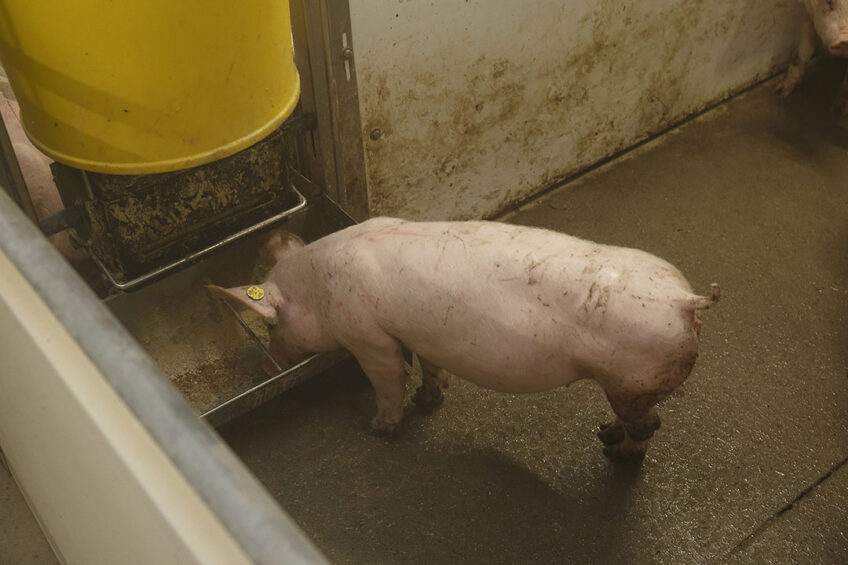
Understanding and applying feed ratio calculations is crucial for successful pig farming. This section delves into practical scenarios, providing guidance on how to utilize feed ratios to optimize pig performance and profitability. We will explore real-world applications, including adjusting ratios based on pig performance and conducting feed trials to evaluate effectiveness.
Adjusting Feed Ratios Based on Pig Performance
Pig farmers must continually monitor their animals and adjust their feed ratios to meet changing nutritional needs. Factors like growth stage, breed, and environmental conditions can significantly impact feed requirements. This section Artikels a scenario where a farmer adapts feed ratios to enhance pig performance.A farmer is raising three groups of pigs: piglets (weaned), growers (40-100 lbs), and finishers (100-280 lbs).
Initially, the farmer uses a standard feed ratio for each group, based on industry recommendations. After a few weeks, the farmer observes discrepancies in performance.* Piglets: The piglets are growing slower than expected. They seem to be consuming their feed but not gaining weight adequately. The farmer suspects a protein deficiency.
Growers
The grower pigs are gaining weight well, but the feed conversion ratio (FCR) – the amount of feed required to produce one pound of gain – is slightly higher than the farm’s target. This suggests the feed may be slightly imbalanced, potentially with too much energy relative to protein.
Finishers
The finisher pigs are showing good growth rates initially, but towards the end of the finishing period, the rate slows down. The farmer observes that the pigs are starting to deposit excess fat. This indicates a possible excess of energy relative to protein as the pigs reach market weight.Based on these observations, the farmer decides to adjust the feed ratios for each group.
The farmer consults with a nutritionist to formulate new feed rations. For the piglets, the protein content is increased. For the growers, the farmer slightly reduces the energy content of the feed and maintains the protein level. For the finishers, the energy content is reduced and the protein level is slightly increased to promote lean muscle growth instead of fat deposition.
After implementing these changes, the farmer monitors the pigs’ performance closely, tracking weight gain, feed consumption, and FCR to evaluate the effectiveness of the adjustments.
Conducting a Feed Trial to Evaluate Feed Ratio Effectiveness
Feed trials are essential for verifying the efficacy of feed ratios and identifying areas for improvement. These trials provide valuable data on how different feed formulations impact pig performance. This section describes the process of conducting a feed trial.To assess the impact of a new feed ratio, a farmer can conduct a controlled feed trial. The goal is to compare the performance of pigs fed the new ration against a control group fed the existing ration.Here’s how the feed trial can be structured:
1. Group Selection
The farmer selects two groups of pigs of similar age, breed, and initial weight. These groups should be housed in similar environments and managed under the same conditions (temperature, ventilation, etc.).
2. Feed Allocation
One group (the control group) continues to receive the standard feed ration. The other group (the treatment group) receives the new feed ration.
3. Data Collection
The farmer meticulously records the following data for each group:
Initial Weight
Weigh each pig at the start of the trial.
Feed Consumption
Accurately measure the amount of feed provided to each group daily or weekly.
Weight Gain
Weigh each pig regularly (e.g., weekly or bi-weekly) throughout the trial.
Feed Conversion Ratio (FCR)
Calculate the FCR by dividing the total feed consumed by the total weight gain. A lower FCR indicates greater feed efficiency.
Average Daily Gain (ADG)
Calculate the average daily weight gain for each pig in each group.
Carcass Quality (optional)
At the end of the finishing period, carcass quality can be assessed. This might include backfat thickness, loin eye area, and percentage of lean meat.
4. Trial Duration
The duration of the trial should be sufficient to observe meaningful differences in performance. For growers and finishers, this might be several weeks or months. For piglets, the trial can be shorter, depending on the growth phase.
5. Statistical Analysis
Analyze the collected data using statistical methods to determine if there are significant differences in performance between the two groups. This might involve calculating means, standard deviations, and performing t-tests or analysis of variance (ANOVA).
6. Interpretation and Conclusion
Based on the statistical analysis, the farmer can draw conclusions about the effectiveness of the new feed ratio. If the treatment group performs significantly better than the control group (e.g., higher ADG, lower FCR), the farmer can implement the new ration across the entire herd. Example:Consider a feed trial comparing two finisher rations. The control group receives a standard ration with an FCR of 3.0.
The treatment group receives a new ration formulated to optimize lean muscle growth. After 60 days, the treatment group exhibits an FCR of 2.8, a significantly lower value. The average daily gain in the treatment group is also higher than the control group. Based on these results, the farmer would likely adopt the new ration.
Common Problems Associated with Incorrect Feed Ratios
Using improper feed ratios can lead to a range of problems, impacting pig health, growth, and profitability. Understanding these potential issues is critical for effective pig farming.* Poor Growth Performance: Incorrect feed ratios can lead to suboptimal growth rates. For example, a deficiency in protein or essential amino acids can limit muscle development, resulting in slower weight gain. Insufficient energy can also slow growth, while an excess can lead to fat deposition instead of lean muscle growth.
Reduced Feed Efficiency
Improper feed ratios often result in a higher feed conversion ratio (FCR), meaning pigs require more feed to gain a pound of weight. This increases feed costs and reduces profitability.
Increased Fat Deposition
When pigs consume a diet that is too high in energy relative to protein, they tend to deposit excess fat, especially during the finishing phase. This can lead to lower carcass quality and reduced market value.
Digestive Problems
Imbalances in the feed ratio can disrupt the digestive system, leading to diarrhea, constipation, and reduced nutrient absorption. Fiber content imbalances can also cause digestive upsets.
Nutrient Deficiencies
Incorrect feed ratios can lead to deficiencies in essential nutrients, such as vitamins and minerals. This can weaken the immune system, making pigs more susceptible to diseases.
Increased Feed Costs
Using an inefficient feed ratio can increase feed costs because pigs require more feed to achieve the desired growth and performance levels.
Reproductive Issues
In breeding pigs, incorrect feed ratios can affect reproductive performance. For example, a deficiency in specific nutrients can reduce fertility rates and the number of piglets born.
Increased Risk of Disease
Nutrient deficiencies can weaken the immune system, making pigs more vulnerable to infections and diseases.
Environmental Impact
Overfeeding or improper nutrient ratios can increase nutrient excretion in manure, contributing to environmental pollution. Excess nitrogen and phosphorus in manure can contaminate water sources and contribute to greenhouse gas emissions.
Advanced Feed Ratio Considerations
Optimizing pig feed ratios involves more than just meeting basic nutritional requirements. Advanced considerations allow producers to fine-tune diets to achieve specific production goals, such as enhancing meat quality, improving gut health, and maximizing the effectiveness of feed additives. This section delves into these advanced aspects of feed ratio calculation, providing a deeper understanding of how to manipulate diets for superior results.
Adjusting Feed Ratios for Meat Quality
Meat quality is significantly influenced by the pig’s diet, specifically impacting marbling, fat content, and overall flavor. Adjusting feed ratios strategically allows for targeted improvements in these areas, ultimately enhancing the market value of the pork.To influence meat quality, the following strategies are commonly employed:
- Marbling Enhancement: Increasing the fat content within the muscle (marbling) is often desirable. This can be achieved by increasing the energy density of the diet during the finishing phase. This is typically accomplished by increasing the inclusion of fat sources like vegetable oils or adding more highly digestible carbohydrates. For instance, a diet with 3% added fat might be increased to 5% or 6% in the final weeks before slaughter.
This stimulates intramuscular fat deposition.
- Fat Content Control: Conversely, reducing overall fat content might be a goal. This can be achieved by limiting the energy density of the diet, especially during the finishing stage. Reducing the amount of fat sources or using feed ingredients with a lower energy content, like certain types of fiber, can help.
- Fatty Acid Profile Manipulation: The fatty acid profile of the fat can also be modified through diet. The ratio of omega-3 to omega-6 fatty acids in the diet can affect the fat composition. Adding sources rich in omega-3 fatty acids, such as flaxseed or fish oil, can increase the proportion of beneficial fatty acids in the pork, potentially improving its health profile and flavor.
- Protein Levels: The amino acid profile also plays a role. Ensuring an adequate supply of essential amino acids, particularly during the growth phase, supports muscle development and lean tissue accretion. Insufficient amino acid supply can lead to reduced muscle mass and increased fat deposition.
Role of Fiber in Pig Diets
Fiber, though often considered non-digestible, plays a critical role in pig nutrition and can significantly impact feed ratio calculations. Understanding the different types of fiber and their effects is crucial for formulating effective diets.Fiber affects feed ratio calculations in several key ways:
- Impact on Digestibility: The type and amount of fiber affect the digestibility of other nutrients. Soluble fibers, like those found in oats or barley, can slow down digestion and reduce the rate of nutrient absorption. Insoluble fibers, such as those in wheat bran, promote gut motility and help prevent constipation.
- Gut Health and Fermentation: Fiber serves as a substrate for fermentation by gut bacteria. This fermentation process produces volatile fatty acids (VFAs), which are a source of energy for the pig and contribute to gut health. However, excessive fermentation can lead to gas production and digestive upset.
- Satiety and Feed Intake: Fiber can increase the feeling of fullness, which can help regulate feed intake. This is particularly useful in controlling the growth rate of pigs, preventing overconsumption, and reducing the risk of obesity.
- Types of Fiber and Their Effects: Different types of fiber have varying effects. For example:
- Soluble Fiber: Slows down digestion, promotes the growth of beneficial bacteria, and can improve glucose metabolism.
- Insoluble Fiber: Increases gut motility, reduces constipation, and helps to maintain a healthy gut environment.
- Balancing Fiber Levels: The optimal level of fiber depends on the age, breed, and production stage of the pig. Young pigs generally require lower fiber levels than older pigs, as they have less developed digestive systems. Overfeeding fiber can reduce the digestibility of other nutrients and increase feed passage rate.
Incorporating Feed Additives
Feed additives, such as enzymes and probiotics, are used to improve nutrient utilization, enhance gut health, and promote growth performance. Successfully incorporating these additives into feed rations requires careful consideration of their specific functions and the overall diet composition.Here’s a detailed explanation of how to incorporate feed additives:
- Enzymes: Enzymes are biological catalysts that speed up specific chemical reactions. In pig diets, enzymes are commonly used to break down complex carbohydrates, such as those found in cereal grains, increasing the availability of nutrients.
- Types of Enzymes:
- Carbohydrases: Such as amylase, xylanase, and β-glucanase, break down complex carbohydrates like starch, xylan, and β-glucans.
- Proteases: Enhance protein digestion.
- Phytases: Release phosphorus from phytate, a compound found in plant-based feed ingredients, improving phosphorus availability and reducing environmental phosphorus pollution.
- Incorporation Strategies: Enzymes are typically added to the feed during the mixing process, following the manufacturer’s recommendations for dosage. The choice of enzyme depends on the feed ingredients used. For example, a xylanase might be added to a diet high in wheat, while a phytase is beneficial in diets containing corn and soybean meal.
- Types of Enzymes:
- Probiotics: Probiotics are live microorganisms that, when administered in adequate amounts, confer a health benefit on the host. They work by improving the balance of gut bacteria, enhancing immune function, and reducing the risk of disease.
- Types of Probiotics: Common probiotic strains include Lactobacillus and Bacillus species.
- Incorporation Strategies: Probiotics are added to the feed at a specified concentration, following the manufacturer’s guidelines. They are often added as a premix, which ensures even distribution throughout the feed. Probiotics are sensitive to heat and moisture, so proper storage and handling are essential to maintain their viability.
- Prebiotics: Prebiotics are non-digestible food ingredients that promote the growth of beneficial bacteria in the gut. They are often used in conjunction with probiotics to enhance their effects.
- Types of Prebiotics: Common prebiotics include fructooligosaccharides (FOS) and mannanoligosaccharides (MOS).
- Incorporation Strategies: Prebiotics are incorporated into the feed using similar methods to probiotics, following the manufacturer’s recommendations.
- Synergistic Effects: Often, feed additives are used in combination to achieve synergistic effects. For example, a combination of enzymes and probiotics can enhance nutrient digestion and improve gut health.
- Example: A diet containing high levels of corn may benefit from the inclusion of both a phytase enzyme to release phosphorus and a probiotic to improve gut health and nutrient absorption.
- Monitoring and Evaluation: The effectiveness of feed additives should be regularly monitored by tracking growth performance, feed conversion ratio (FCR), and overall health of the pigs. Regular analysis of fecal samples can help assess the composition of gut microbiota and the impact of additives on gut health.
Troubleshooting Feed Ratio Problems
Maintaining optimal feed ratios is crucial for pig health, growth, and profitability. Even with careful calculations, issues can arise. This section focuses on identifying and addressing common problems related to feed ratios, including underfeeding, overfeeding, and feed refusal. Early detection and prompt action are key to minimizing negative impacts on pig performance and overall farm efficiency.
Signs of Underfeeding and Adjusting Feed Ratios
Underfeeding pigs can lead to stunted growth, reduced weight gain, and increased susceptibility to diseases. Recognizing the signs of underfeeding is essential for implementing timely adjustments to the feed ratio.
- Reduced Growth Rate: Pigs will gain weight slower than expected for their age and breed. Monitor growth rates regularly by weighing pigs at predetermined intervals. A noticeable slowdown in weight gain, especially compared to established benchmarks for the breed and age, indicates a potential underfeeding issue.
- Poor Body Condition: Pigs may appear thin, with visible ribs and prominent hip bones. They will lack the appropriate fat cover for their stage of development. Observe the pigs’ body condition score (BCS) regularly. A BCS below the recommended range for the specific growth stage indicates underfeeding.
- Increased Aggression and Competition: Pigs may exhibit more aggressive behavior, competing fiercely for limited feed. This can lead to injuries and uneven growth within the group. Observe the feeding behavior of the pigs during meal times. Excessive competition and fighting at the feeders suggest that the pigs are not receiving enough feed.
- Delayed Puberty in Gilts: Gilts that are underfed may experience delayed onset of puberty, impacting their breeding potential. Monitor the age at which gilts reach puberty. If the age is significantly later than the average for the breed, underfeeding could be a contributing factor.
- Reduced Litter Size in Sows: Underfed sows may have smaller litters or experience difficulties conceiving. Track the litter sizes of sows and assess their body condition before and after farrowing. Consistently small litter sizes or a decline in reproductive performance can be linked to underfeeding.
To adjust feed ratios for underfeeding, consider the following steps:
- Increase Daily Feed Allowance: Gradually increase the amount of feed offered per pig per day. Monitor the pigs’ response to the increased feed intake and adjust the allowance as needed. Start with a modest increase, such as 5-10% of the current ration, and observe the pigs’ weight gain and body condition over a week or two.
- Evaluate Feed Nutrient Content: Ensure that the feed is providing adequate levels of protein, energy, vitamins, and minerals. Consult with a nutritionist or feed specialist to analyze the feed composition and make necessary adjustments. Review the feed analysis reports to ensure the feed meets the nutritional requirements for the pigs’ stage of development.
- Optimize Feeding Frequency and Access: Ensure that pigs have adequate access to feed and water, especially during the hottest parts of the day. Increase the number of feeding times if necessary, or ensure feeders are adequately sized and well-maintained. Make sure the feeders are clean and accessible, and that there is sufficient space for all pigs to eat comfortably.
- Consider Individual Needs: In some cases, individual pigs may have higher nutritional requirements. Separate weaker or smaller pigs from the group and provide them with additional feed. Regularly assess the body condition of individual pigs and make adjustments as needed.
- Monitor and Re-evaluate: Regularly monitor the pigs’ weight gain, body condition, and overall health. Adjust the feed ratio as needed, based on their performance and the specific circumstances of the farm. Keep detailed records of feed intake, growth rates, and any health issues to help identify and address future problems.
Signs of Overfeeding and Steps for Correction
Overfeeding pigs can lead to excessive fat deposition, reduced feed efficiency, and increased production costs. Recognizing the signs of overfeeding is important for implementing corrective measures.
- Excessive Fat Deposition: Pigs will have an excessive amount of backfat and appear excessively plump. Monitor backfat thickness regularly using ultrasound or other measurement tools. A backfat thickness exceeding the target range for the specific stage of development indicates overfeeding.
- Reduced Feed Efficiency: Pigs will require more feed per unit of weight gain. This can lead to increased feed costs and reduced profitability. Calculate the feed conversion ratio (FCR) regularly. An FCR that is higher than the target range for the breed and management system indicates overfeeding.
- Lameness and Joint Problems: Overweight pigs may be more prone to lameness and joint problems. Observe pigs for signs of lameness or difficulty moving. An increased incidence of lameness can be related to excessive weight gain and overfeeding.
- Reduced Reproductive Performance in Breeding Animals: Overfed breeding animals may experience reduced fertility. Sows may have difficulty conceiving or experience problems during farrowing. Monitor the reproductive performance of breeding animals. A decline in reproductive efficiency can be linked to overfeeding.
- Increased Risk of Metabolic Disorders: Overfeeding can increase the risk of metabolic disorders, such as porcine stress syndrome (PSS). Monitor pigs for signs of PSS, such as muscle tremors, rapid breathing, and sudden death. An increased incidence of metabolic disorders can be related to overfeeding.
To correct overfeeding, implement the following steps:
- Reduce Daily Feed Allowance: Gradually decrease the amount of feed offered per pig per day. Monitor the pigs’ response to the reduced feed intake and adjust the allowance as needed. Start with a modest reduction, such as 5-10% of the current ration, and observe the pigs’ weight gain and body condition over a week or two.
- Adjust Feed Nutrient Density: Reduce the energy density of the feed by adjusting the proportion of energy-rich ingredients. Consult with a nutritionist or feed specialist to formulate a lower-energy feed. Lowering the energy density of the feed can help to control weight gain.
- Implement Controlled Feeding Programs: Consider using a controlled feeding program, such as limiting feed intake to a specific amount per day. This can help to prevent overconsumption. Utilize feeding systems that allow for accurate measurement and control of feed intake.
- Monitor Body Condition Scores: Regularly assess the body condition scores of the pigs and adjust the feed allowance as needed to maintain the desired body condition. Use body condition scoring as a tool to assess the pigs’ nutritional status and adjust feeding practices accordingly.
- Provide Adequate Exercise: Encourage pigs to exercise by providing access to outdoor pens or other areas where they can move around. Exercise can help to burn calories and improve overall health. Ensure that pigs have sufficient space to move around and engage in natural behaviors.
Addressing Feed Refusal Problems Related to Feed Ratios
Feed refusal, where pigs do not consume their allotted feed, can have various causes, some of which are directly related to feed ratios. Identifying and addressing these issues is critical to ensuring adequate nutrient intake.
- Unpalatable Feed: The feed may be unpalatable due to poor ingredient quality, rancidity, or the presence of mold or toxins. Inspect the feed for signs of spoilage, such as mold growth, off-odors, or changes in color. Ensure that the feed is stored properly to prevent spoilage and contamination.
- Unsuitable Feed Texture: The feed texture may not be appropriate for the pigs’ age or the feeding system being used. Adjust the feed texture to suit the pigs’ preferences and needs. For example, young pigs may prefer a finely ground feed or pellets, while older pigs may be able to consume a coarser feed.
- Excessive Feed Particle Size: Very large feed particle sizes can reduce palatability and digestibility. Ensure that the feed is ground to an appropriate particle size. Monitor the feed particle size regularly to ensure that it is within the recommended range.
- Improper Feed Ratios: The feed may contain an imbalance of nutrients, making it unpalatable or causing digestive upset. Ensure that the feed ratio is balanced to meet the pigs’ nutritional needs. Review the feed formulation and consult with a nutritionist or feed specialist to ensure that the feed provides the correct balance of nutrients.
- Environmental Factors: Environmental factors, such as high temperatures, poor ventilation, or overcrowding, can reduce feed intake. Optimize the environmental conditions in the pig housing to encourage feed consumption. Ensure that the pigs have access to fresh, clean water at all times.
To address feed refusal problems related to feed ratios, take the following steps:
- Evaluate Feed Palatability: Assess the palatability of the feed by observing the pigs’ feeding behavior. If the pigs are hesitant to eat or are only consuming a small amount of the feed, the feed may be unpalatable. Consider adding palatability enhancers to the feed.
- Review Feed Formulation: Review the feed formulation to ensure that it is balanced and meets the pigs’ nutritional needs. Adjust the feed ratio as needed to correct any imbalances. Consult with a nutritionist or feed specialist to formulate a balanced feed.
- Check Ingredient Quality: Examine the ingredients used in the feed for any signs of spoilage or contamination. Replace any questionable ingredients. Source high-quality ingredients from reputable suppliers.
- Adjust Feed Texture: Adjust the feed texture to suit the pigs’ age and the feeding system being used. Experiment with different feed textures to find the one that the pigs prefer. Consider offering the feed in different forms, such as pellets, crumbles, or mash.
- Provide Fresh Feed: Ensure that the pigs have access to fresh feed at all times. Remove any uneaten feed regularly. Store the feed properly to prevent spoilage and contamination.
- Monitor Water Intake: Ensure that the pigs have access to a clean and readily available water supply. Adequate water intake is essential for proper digestion and nutrient absorption. Monitor water consumption and address any issues that may be affecting water intake.
Summary
In conclusion, mastering how to calculate pig feed ratio is key to unlocking your pig’s full potential. By understanding the intricacies of nutritional needs, applying effective calculation methods, and continuously monitoring your pigs’ performance, you can ensure optimal growth, health, and ultimately, a more profitable pig farming operation. Remember that careful planning, observation, and adjustment are vital for achieving the best results in your pig farming endeavors.