Embarking on the journey of goat farming necessitates a deep understanding of how to reduce goat mortality, a critical aspect of ensuring both animal welfare and the economic viability of your operation. This guide delves into the multifaceted factors that contribute to goat mortality, providing a roadmap for proactive management and care. From the youngest kids to mature adults, goats face various challenges that, if unaddressed, can significantly impact their survival.
This overview aims to equip you with the knowledge to navigate these challenges effectively.
We’ll explore the prevalent causes of goat deaths across different life stages, analyzing global mortality statistics and the influence of breed, climate, and management practices. The core of this guide lies in providing practical strategies for disease prevention, nutritional optimization, and effective kid management. Furthermore, we’ll cover essential topics like parasite control, environmental factors, biosecurity measures, and the role of breeding and genetics in bolstering goat health.
Each section is designed to offer actionable insights, enabling you to implement best practices and minimize losses within your herd.
Understanding Goat Mortality
Goat mortality, the rate at which goats die within a specific population over a given period, is a critical indicator of herd health and management efficiency. Understanding the underlying causes and contributing factors is essential for implementing effective strategies to reduce losses and improve overall productivity. This section delves into the primary drivers of goat mortality, providing a comprehensive overview of the challenges faced by goat farmers globally.
Common Causes of Goat Deaths Across Different Age Groups
Mortality rates vary significantly across different age groups of goats, with kids being particularly vulnerable. Identifying the specific causes of death at each stage of life is crucial for targeted intervention.* Kids (0-3 months): This age group typically experiences the highest mortality rates.
Neonatal Diseases
Infections acquired shortly after birth are a major concern. These can include:
Pneumonia
Inflammation of the lungs, often caused by bacterial or viral infections.
Diarrhea (Scours)
Can be caused by bacterial infections (e.g.,E. coli*), viruses (e.g., rotavirus), or parasites.
Septicemia
A bloodstream infection, often leading to organ failure.
Hypothermia
Young kids are highly susceptible to cold stress, especially in the first few days of life.
Starvation/Insufficient Colostrum Intake
Failure to receive adequate colostrum, the antibody-rich first milk, compromises immune function. Inadequate milk intake also leads to malnutrition.
Dystocia (Difficult Birth)
Complicated deliveries can result in injuries or stillbirths.
Predation
Young kids are vulnerable to predators like coyotes, foxes, and eagles.
Juveniles (3 months – 1 year)
Mortality rates typically decrease compared to kids, but several factors still pose significant risks.
Parasitism
Internal parasites (e.g., worms) and external parasites (e.g., ticks) can cause anemia, weight loss, and reduced growth.
Respiratory Diseases
Pneumonia remains a threat, especially during periods of stress or poor ventilation.
Enterotoxemia
Commonly known as “overeating disease,” caused by a proliferation of
Clostridium perfringens* bacteria in the gut.
Trauma
Injuries from fights, accidents, or poor handling can lead to death.
Adults (1 year and older)
While mortality rates are generally lower in adults, certain conditions can still lead to significant losses.
Reproductive Issues
Dystocia, uterine prolapse, and complications during pregnancy and kidding can be fatal.
Mastitis
Inflammation of the mammary gland, often caused by bacterial infections, can lead to decreased milk production and death.
Metabolic Diseases
Conditions like pregnancy toxemia (ketosis) and hypocalcemia (milk fever) can occur during late pregnancy or early lactation.
Chronic Diseases
Conditions like Caseous Lymphadenitis (CL), Johne’s disease, and arthritis can weaken goats over time and increase susceptibility to other diseases.
Predation
Although less common than in kids, adult goats can still be preyed upon by predators.
Global Statistics on Goat Mortality Rates
Goat mortality rates vary considerably depending on geographic location, management practices, and the prevalence of specific diseases. Data collection and reporting are often less comprehensive in developing countries, making it challenging to obtain precise global figures. However, available data reveals significant differences between developed and developing nations.* Developed Countries: Goat mortality rates in developed countries tend to be lower due to improved management practices, access to veterinary care, and disease control programs.
Mortality rates for kids can range from 5% to 15%, with adult mortality typically below 5%.
These rates are often influenced by factors like intensive farming systems, routine vaccination, and strict biosecurity measures.
For example, in the United States, data from the National Animal Health Monitoring System (NAHMS) provides valuable insights into goat health and mortality trends, allowing producers to make informed decisions and implement targeted interventions.
Developing Countries
Developing countries often face higher mortality rates due to limited resources, poor sanitation, inadequate veterinary services, and the prevalence of infectious diseases.
Kid mortality rates can be significantly higher, often exceeding 20% or even 30% in some regions.
Adult mortality rates are also elevated compared to developed countries.
Challenges include
Limited access to vaccines and medications.
Poor nutrition and inadequate housing.
Lack of knowledge about disease prevention and control.
The prevalence of endemic diseases such as peste des petits ruminants (PPR) and contagious caprine pleuropneumonia (CCPP).
The Food and Agriculture Organization of the United Nations (FAO) provides valuable data and reports on livestock production and mortality rates, offering insights into the challenges faced by goat farmers in developing nations.
Impact of Breed, Climate, and Management Practices on Mortality Rates
Several factors significantly influence goat mortality rates, including breed, climate, and the quality of management practices.* Breed:
Certain goat breeds are more susceptible to specific diseases or environmental stressors.
For example, dairy breeds like Saanen and Alpine may be more sensitive to heat stress than meat breeds like Boer goats.
The genetic makeup of a breed can also influence its resistance to parasites and diseases.
Selecting breeds that are well-adapted to the local climate and management conditions can significantly reduce mortality rates. –
Climate
Extreme temperatures (heat or cold) can increase mortality, especially in young kids.
High humidity can exacerbate the risk of respiratory diseases.
Climate change and its associated effects, such as drought and flooding, can indirectly impact mortality rates by affecting feed availability and increasing the spread of diseases.
Providing adequate shelter and adjusting management practices to mitigate the effects of climate is essential.
Management Practices
The quality of management practices has a profound impact on goat health and survival.
Nutrition
Providing a balanced diet that meets the goats’ nutritional needs is crucial.
Nutritional deficiencies can weaken the immune system and increase susceptibility to diseases.
For example, insufficient colostrum intake in newborn kids is a major contributor to mortality.
Housing
Clean and well-ventilated housing helps prevent the spread of diseases.
Overcrowding increases the risk of disease transmission and stress.
Providing adequate shelter from the elements is essential.
Biosecurity
Implementing biosecurity measures, such as quarantine of new animals and regular cleaning and disinfection of facilities, helps prevent the introduction and spread of diseases.
Vaccination and Parasite Control
Routine vaccination against common diseases and regular parasite control programs are essential for maintaining herd health.
Implementing a strategic deworming program, based on fecal egg counts, can significantly reduce parasite burdens and improve goat performance.
Kidding Management
Providing a clean and safe environment for kidding is crucial.
Monitoring does during labor and assisting if necessary can reduce dystocia-related deaths.
Ensuring that kids receive colostrum within the first few hours of life is critical for their survival.
Early Disease Detection and Treatment
Regularly monitoring goats for signs of illness and seeking veterinary care promptly is essential.
Early diagnosis and treatment of diseases can significantly improve survival rates.
Disease Prevention and Management
Maintaining a healthy goat herd requires a proactive approach to disease prevention and management. This involves implementing strategies to minimize disease risk, promptly identifying and treating sick animals, and maintaining a clean and sanitary environment. Effective disease management is crucial for reducing mortality rates and ensuring the overall well-being and productivity of your goats.
Preventative Measures Against Common Goat Diseases
Preventative measures are the cornerstone of a healthy goat herd. Implementing these strategies significantly reduces the incidence of common diseases. They focus on hygiene, nutrition, and appropriate management practices.
- Pneumonia: Preventing pneumonia involves several key strategies. Ensure adequate ventilation in housing to minimize the build-up of ammonia and other respiratory irritants. Avoid overcrowding, which facilitates the spread of pathogens. Provide a clean and dry environment to reduce exposure to respiratory pathogens. Implement colostrum management in kids, ensuring they receive adequate colostrum within the first few hours of life.
Consider vaccinating against common pneumonia-causing agents, such as Mannheimia haemolytica, if the disease is prevalent in your area.
- Coccidiosis: Coccidiosis is a common parasitic disease, particularly in young goats. Prevention focuses on minimizing exposure to coccidia oocysts and maintaining a healthy gut environment. Provide clean, dry bedding and frequently clean and disinfect feeders and waterers. Avoid overcrowding, which increases fecal contamination. Feed a balanced diet and provide access to fresh, clean water.
Consider using coccidiostats, such as monensin or decoquinate, in feed, especially for young kids, as a preventative measure.
- Enterotoxemia (Overeating Disease): Enterotoxemia is often associated with sudden changes in diet or overeating of highly fermentable feeds. Prevention focuses on careful feeding management. Gradually introduce new feeds to allow the rumen microflora to adapt. Avoid sudden changes in the diet, especially for grain-based feeds. Ensure adequate roughage in the diet to promote healthy rumen function.
Consider vaccinating against the causative agent, Clostridium perfringens type D, following a recommended vaccination schedule.
Vaccination Schedule for Goats
Vaccination is a crucial preventative measure against several infectious diseases. A well-planned vaccination schedule, tailored to your region and the specific health challenges faced by your herd, is essential. The schedule should be developed in consultation with a veterinarian.
The following is a general vaccination schedule. The specific vaccines needed and the timing may vary based on geographical location, disease prevalence, and individual farm conditions. Always consult with a veterinarian to create a vaccination program tailored to your herd.
- Clostridium perfringens type C & D and Tetanus (CD&T): Administer initial vaccination at 2-3 months of age, followed by a booster 3-4 weeks later. Administer annual boosters. Pregnant does should be vaccinated 4-6 weeks before kidding to provide passive immunity to their kids via colostrum.
- Rabies: Vaccinate goats annually, especially in areas with high rabies prevalence.
- Caseous Lymphadenitis (CL): Vaccination is available, but its use is controversial. Consult with a veterinarian to determine if vaccination is appropriate for your herd, considering the prevalence of CL in your area and the potential risks and benefits.
- Pneumonia (Mannheimia haemolytica): Vaccination can be considered if pneumonia is a significant problem in your herd. Follow the manufacturer’s recommendations for timing and boosters.
Note: Always follow the manufacturer’s instructions for vaccine administration, including dosage, route of administration, and storage.
Disease Diagnosis
Prompt and accurate disease diagnosis is critical for effective treatment and minimizing disease spread. This involves a systematic approach to identifying sick animals and determining the underlying cause of their illness.
- Observation: Regularly observe your goats for any signs of illness. Look for changes in behavior, appetite, and physical appearance.
- Physical Examination: Conduct a thorough physical examination of any animal showing signs of illness. This includes checking temperature, pulse, respiration rate, and examining the eyes, nose, mouth, and skin.
- History: Obtain a detailed history of the animal, including its age, breed, vaccination status, recent changes in diet or environment, and any previous illnesses. Also, note any animals that were recently introduced to the herd.
- Diagnostic Testing: If necessary, your veterinarian may recommend diagnostic testing, such as blood work, fecal samples, or tissue biopsies, to confirm a diagnosis.
- Treatment: Based on the diagnosis, your veterinarian will prescribe appropriate treatment.
- Isolation: Isolate sick animals to prevent the spread of disease to healthy goats.
Common Goat Diseases: Symptoms, Causes, and Treatments
The following table summarizes common goat diseases, their symptoms, causes, and general treatment approaches. This is for informational purposes only and should not be used as a substitute for professional veterinary advice. Always consult with a veterinarian for diagnosis and treatment.
| Disease | Symptoms | Causes | Treatments |
|---|---|---|---|
| Pneumonia | Coughing, nasal discharge, fever, rapid breathing, lethargy, loss of appetite. | Bacterial or viral infections, often exacerbated by stress, poor ventilation, or overcrowding. Common causative agents include Mannheimia haemolytica, Pasteurella multocida, and Mycoplasma spp. | Antibiotics (as prescribed by a veterinarian), supportive care (fluids, anti-inflammatory drugs), improve ventilation, and reduce stress. |
| Coccidiosis | Diarrhea (sometimes bloody), weight loss, dehydration, straining, loss of appetite, rough hair coat. | Protozoan parasites of the genus Eimeria. Common in young goats. | Coccidiostats (e.g., monensin, decoquinate), supportive care (fluids), and improved sanitation. |
| Enterotoxemia (Overeating Disease) | Sudden death, neurological signs (twitching, staggering), diarrhea, loss of appetite, bloat. | Overgrowth of Clostridium perfringens type D bacteria in the gut, producing toxins. Often associated with sudden changes in diet or overeating. | Antibiotics (as prescribed by a veterinarian), antitoxin, supportive care, and vaccination. |
| Caprine Arthritis Encephalitis (CAE) | Arthritis (lameness, joint swelling), pneumonia, mastitis, neurological signs (in kids). | Retrovirus transmitted through colostrum, milk, or blood. | No cure. Management focuses on preventing transmission (e.g., pasteurizing colostrum), supportive care, and culling infected animals. |
Nutritional Strategies for Reduced Mortality
Proper nutrition is paramount for goat health and survival, directly influencing their immune function, disease resistance, and overall well-being. A well-nourished goat is significantly less susceptible to illnesses and more likely to recover quickly if it does become sick. Conversely, nutritional deficiencies can weaken the immune system, making goats vulnerable to various diseases and increasing the risk of mortality, particularly in young kids and pregnant or lactating does.
Essential Nutrients for Goats
Goats require a balanced diet comprising various nutrients to thrive. Understanding these essential components and their sources is crucial for formulating effective feeding strategies.
- Energy: The primary source of energy for goats comes from carbohydrates, fats, and proteins. These are primarily obtained from grains, forages, and supplemental feeds. For example, corn and barley are high-energy grains often used in goat diets.
- Protein: Protein is vital for growth, muscle development, and reproduction. Protein sources include legumes like alfalfa and clover, as well as protein supplements like soybean meal and cottonseed meal. The crude protein percentage varies depending on the source, with soybean meal often containing around 48% crude protein.
- Vitamins: Vitamins play crucial roles in various bodily functions.
- Vitamin A: Essential for vision, reproduction, and immune function. It is commonly found in green forages and hay. Deficiencies can lead to night blindness and reproductive problems.
- Vitamin D: Crucial for calcium and phosphorus absorption, vital for bone health. Goats can synthesize Vitamin D from sunlight exposure.
- Vitamin E: An antioxidant that protects cells from damage. It’s found in green forages and grains.
- B Vitamins: Important for metabolism. They are typically synthesized by rumen microbes, so deficiencies are less common unless the rumen function is impaired.
- Minerals: Minerals are necessary for various physiological processes.
- Calcium and Phosphorus: Crucial for bone development and maintenance. They are found in forages and mineral supplements. The ideal calcium-to-phosphorus ratio for goats is typically between 1.5:1 and 2:1.
- Sodium and Chloride: Essential electrolytes, often provided through salt licks or mineral mixes.
- Trace Minerals (e.g., Copper, Zinc, Selenium): Required in small amounts but are essential for various functions. Copper is particularly important, with deficiencies leading to anemia and poor growth. Zinc supports the immune system. Selenium is an antioxidant.
- Water: Clean, fresh water is crucial for all bodily functions. Goats should have access to water at all times. A lactating doe can drink several gallons of water per day.
Formulating Balanced Diets for Goats
Formulating a balanced diet requires careful consideration of the goat’s life stage and nutritional needs. Different life stages necessitate varying levels of nutrients to support optimal health and productivity.
- Pregnancy: During pregnancy, especially in the final trimester, does require increased energy and protein to support fetal growth. Feeding a diet rich in high-quality hay, supplemented with grains and protein sources, is essential.
- Lactation: Lactating does have significantly higher energy and protein requirements to produce milk. Their diet should include high-quality forages and a concentrate mix tailored to their milk production levels. A doe producing a large quantity of milk may require a concentrate mix containing 16-18% crude protein.
- Growing Kids: Young goats need diets high in protein to support rapid growth. They should have access to high-quality hay, creep feed (a specialized feed for young animals), and fresh water.
- Maintenance: Adult goats that are not pregnant or lactating require less energy and protein. Their diet can primarily consist of good-quality forage, with minimal supplementation.
Impact of Feeding Practices on Goat Mortality
Feeding practices significantly impact goat mortality rates. Effective pasture management and appropriate supplementation can drastically improve goat health and survival.
- Pasture Management:
- Rotational Grazing: Implementing rotational grazing allows forages to regrow and reduces parasite burdens, which can weaken goats and make them susceptible to diseases.
- Forage Quality: Providing access to high-quality forages, such as legumes and diverse grass mixes, ensures adequate nutrient intake.
- Overgrazing Prevention: Avoiding overgrazing preserves forage quality and prevents soil erosion, which can indirectly affect goat health.
- Supplementation:
- Mineral Supplements: Providing a free-choice mineral mix ensures goats receive essential minerals, preventing deficiencies that can compromise health.
- Grain Supplementation: Supplementing with grains, particularly during periods of increased demand (pregnancy, lactation, growth), provides extra energy and nutrients.
- Protein Supplements: Adding protein supplements, like soybean meal, to the diet can address protein deficiencies.
Common Feed-Related Issues and Solutions
Several feed-related issues can negatively impact goat health. Understanding these issues and implementing appropriate solutions is essential for preventing mortality.
- Bloat: Bloat is a potentially fatal condition caused by gas buildup in the rumen.
- Cause: Often caused by consuming large amounts of lush, rapidly growing forages, particularly legumes.
- Solution: Introduce goats to lush pastures gradually, use bloat prevention products (e.g., poloxalene), and provide access to dry hay.
- Acidosis: Acidosis occurs when the rumen becomes too acidic, often due to overconsumption of grain.
- Cause: Excessive grain intake leads to the production of lactic acid in the rumen.
- Solution: Introduce grains gradually, provide adequate roughage, and monitor feed intake. In severe cases, administer oral antacids.
- Nutritional Deficiencies: Deficiencies in vitamins or minerals can lead to various health problems.
- Cause: Inadequate intake of essential nutrients.
- Solution: Provide a balanced diet, use mineral supplements, and consider vitamin injections if necessary.
- Toxicity: Some plants are toxic to goats.
- Cause: Ingestion of toxic plants.
- Solution: Identify and remove toxic plants from grazing areas, and ensure goats have access to alternative forage sources.
Improving Kid Management Practices
Effective kid management is crucial for minimizing goat mortality rates. Implementing best practices from the moment of birth, through early development, can significantly impact the health and survival of young goats. This section details essential aspects of kid management, from kidding assistance and colostrum administration to disease prevention and optimal housing conditions.
Best Practices for Kidding: Hygiene and Assistance
Kidding is a critical period requiring careful attention to hygiene and potential intervention. Preparing for kidding and assisting during birth can significantly increase the survival rate of newborn kids.
- Preparation for Kidding: Before kidding season, prepare a clean, dry kidding pen. Disinfect the area thoroughly to minimize the risk of infection. Ensure the pen has adequate bedding, such as straw or wood shavings, to keep the doe and kids warm and dry. Have essential supplies readily available, including clean towels, iodine solution for umbilical cord dipping, and a lubricant for assistance during birth if needed.
- Hygiene During Kidding: Maintaining strict hygiene during the kidding process is essential. Wash hands thoroughly with soap and water before assisting with the birth. Wear clean gloves to minimize the risk of introducing bacteria. Clean the doe’s perineal area if necessary.
- Assistance During Birth: Most does can kid without assistance. However, be prepared to intervene if labor is prolonged (over an hour) or if the doe appears to be struggling.
- Normal Presentation: A normal presentation involves the front feet followed by the head. Gently pull the kid in a downward direction, synchronizing your efforts with the doe’s contractions.
- Abnormal Presentation: If the kid is malpositioned, gently try to reposition it. Use a lubricant to facilitate movement. If you are unable to correct the position, seek veterinary assistance immediately.
- Post-Kidding Care: After birth, clear the kid’s mouth and nostrils of any mucus. Dip the umbilical cord in a 7% iodine solution to prevent infection. Ensure the kid nurses colostrum within the first few hours of life.
Colostrum Management: Timing and Quantity
Colostrum, the first milk produced by the doe, is vital for newborn kids. It provides essential antibodies that protect against diseases. Proper colostrum management is critical for kid survival.
- Importance of Colostrum: Colostrum contains high levels of immunoglobulins (antibodies) that provide passive immunity to the kid. These antibodies protect against common diseases. Colostrum also provides essential nutrients and promotes gut development.
- Timing of Colostrum Intake: Kids should receive colostrum as soon as possible after birth. The first 6-12 hours are critical. The ability to absorb antibodies from colostrum decreases significantly after the first 24 hours.
- Quantity of Colostrum: A general guideline is to provide 10% of the kid’s body weight in colostrum within the first 24 hours, ideally in multiple feedings. For example, a 5-pound (2.27 kg) kid should receive approximately 8 ounces (240 ml) of colostrum in the first 24 hours.
- Colostrum Sources: If the doe is unable to produce enough colostrum or if the kid is unable to nurse, alternative sources are necessary. Frozen colostrum from previous kidding seasons can be thawed and used. Commercial colostrum replacers are also available.
Identifying and Addressing Common Health Problems in Newborn Kids
Newborn kids are particularly vulnerable to various health issues. Early detection and prompt treatment are essential to prevent mortality.
- Hypothermia: Newborn kids are highly susceptible to hypothermia. Symptoms include shivering, weakness, and a body temperature below 100°F (37.8°C). Treatment involves warming the kid gradually, using a heat lamp or warm water bath.
- Failure of Passive Transfer (FPT): This occurs when a kid does not receive adequate colostrum. Symptoms include weakness, failure to thrive, and increased susceptibility to infections. Prevention involves ensuring timely colostrum intake. Treatment may involve administering colostrum or plasma transfusions, and antibiotics if infection develops.
- Scours (Diarrhea): Scours are a common cause of death in young kids. It can be caused by various pathogens, including bacteria, viruses, and parasites. Symptoms include watery diarrhea, dehydration, and weakness. Treatment involves rehydration therapy (oral electrolytes), and possibly antibiotics or other medications as directed by a veterinarian.
- Pneumonia: Pneumonia is an inflammation of the lungs. It can be caused by bacteria, viruses, or environmental factors. Symptoms include coughing, nasal discharge, fever, and difficulty breathing. Treatment involves antibiotics, supportive care, and improving environmental conditions.
Proper Kid Housing and Environmental Control
Housing and environmental control play a significant role in the health and survival of newborn kids. Providing a clean, warm, and draft-free environment is essential.
- Housing Design: Kid housing should provide protection from the elements. Pens should be draft-free and well-ventilated to prevent the buildup of ammonia and other harmful gases. The housing should be easily accessible for cleaning and disinfection.
- Temperature Control: Maintaining an appropriate temperature is critical, especially during the first few weeks of life. Provide supplemental heat, such as heat lamps, during cold weather. Monitor the temperature in the kidding pens to ensure it is warm enough for the kids.
- Bedding: Use clean, dry bedding, such as straw or wood shavings. Replace the bedding regularly to keep the pens clean and dry. This helps prevent the growth of bacteria and reduces the risk of disease.
- Ventilation: Adequate ventilation is essential to prevent the buildup of ammonia and other harmful gases. Ensure that the housing has proper airflow. Avoid overcrowding, as this can increase the risk of disease transmission.
- Hygiene: Regularly clean and disinfect the kidding pens and other areas where kids are housed. This helps to minimize the spread of disease. Isolate sick kids to prevent the spread of infection.
Common Kid Diseases: Symptoms and Treatment
The following table summarizes common kid diseases, their symptoms, and treatment options. Consulting with a veterinarian is essential for accurate diagnosis and treatment.
| Disease | Symptoms | Treatment Options |
|---|---|---|
| Scours (Diarrhea) | Watery diarrhea, dehydration, weakness, loss of appetite | Oral electrolyte solutions, antibiotics (if bacterial), probiotics, supportive care (warmth, clean environment) |
| Pneumonia | Coughing, nasal discharge, fever, difficulty breathing, lethargy | Antibiotics, anti-inflammatory drugs, supportive care (warmth, good ventilation), expectorants |
| Coccidiosis | Diarrhea (often bloody), weight loss, dehydration, loss of appetite | Coccidiostats (e.g., amprolium, decoquinate), supportive care (rehydration), improved sanitation |
| Navel Ill | Swollen, warm navel, fever, lethargy, loss of appetite, joint swelling | Antibiotics, drainage of abscesses, supportive care |
Parasite Control and Management
Parasite control is a critical aspect of goat health management, significantly impacting mortality rates. Parasites, both internal and external, can weaken goats, making them more susceptible to diseases and reducing their overall productivity. Effective parasite control requires a multi-faceted approach, combining strategic deworming, pasture management, and monitoring techniques.
Major Internal and External Parasites Affecting Goats
Goats are susceptible to a variety of parasites that can cause significant health problems. Understanding the common types of parasites is the first step in implementing effective control strategies.
- Internal Parasites: These parasites live inside the goat’s body, primarily in the digestive system, lungs, and liver. They are often the most significant cause of parasitic disease in goats.
- Haemonchus contortus (Barber Pole Worm): This blood-sucking worm is one of the most prevalent and damaging internal parasites, especially in warm, humid climates. It causes anemia, bottle jaw (swelling under the jaw), and reduced weight gain.
- Teladorsagia circumcincta (Brown Stomach Worm): This worm resides in the abomasum (true stomach) and causes inflammation and reduced feed efficiency.
- Trichostrongylus spp. (Small Intestinal Worms): These worms inhabit the small intestine and can cause diarrhea, weight loss, and poor growth.
- Eimeria spp. (Coccidia): While not a worm, coccidia are single-celled parasites that infect the intestinal lining, particularly in young goats. They cause coccidiosis, leading to diarrhea, dehydration, and potentially death.
- Lungworms ( Dictyocaulus filaria): These parasites live in the lungs and cause coughing, difficulty breathing, and pneumonia.
- Liver Flukes ( Fasciola hepatica): Found in areas with wet pastures and snails, liver flukes damage the liver and bile ducts.
- External Parasites: These parasites live on the goat’s skin or in its hair, causing irritation, discomfort, and sometimes transmitting diseases.
- Lice: Both biting and sucking lice can infest goats, causing itching, hair loss, and skin irritation.
- Mites: Mites cause mange, characterized by intense itching, skin lesions, and hair loss. Common types include sarcoptic mange (highly contagious) and chorioptic mange.
- Ticks: Ticks attach to the skin and feed on blood, potentially transmitting diseases like anaplasmosis and ehrlichiosis.
- Keds: Wingless flies that feed on blood and cause irritation.
Methods of Parasite Control: Deworming Strategies and Pasture Management
A comprehensive parasite control program involves a combination of deworming and pasture management practices. This integrated approach is crucial for minimizing parasite burdens and preventing the development of drug resistance.
- Deworming Strategies: Strategic deworming involves administering anthelmintics (dewormers) at specific times to target parasite life cycles and reduce egg shedding.
- FAMACHA© Scoring: This method assesses the level of anemia caused by Haemonchus contortus by examining the color of the lower eyelid. Goats with pale eyelids (score of 4 or 5) require deworming.
- Selective Deworming: Deworming only those animals that need it based on FAMACHA© scores, fecal egg counts, or clinical signs, helps to slow the development of drug resistance.
- Strategic Deworming Schedules: Develop a deworming schedule based on your region, parasite prevalence, and goat breed. This might involve deworming at kidding, during peak parasite seasons, and after moving to a new pasture.
- Dewormer Rotation: Rotate different classes of dewormers (e.g., benzimidazoles, macrocyclic lactones, imidazothiazoles) to reduce the selection pressure for resistance to a single drug.
- Combination Dewormers: Using dewormers with different modes of action can improve efficacy and delay the onset of resistance, particularly in situations where resistance is already present.
- Pasture Management: Effective pasture management significantly reduces parasite exposure.
- Pasture Rotation: Regularly move goats to new pastures to break the parasite life cycle. Parasite larvae typically die off after a few weeks without a host.
- Stocking Density: Avoid overcrowding, as this increases parasite transmission. Provide adequate space per goat.
- Pasture Rest: Allow pastures to rest for several weeks, especially during dry periods, to reduce parasite populations.
- Co-grazing: Grazing goats with other species, such as cattle or horses, can help reduce parasite burdens, as these species have different parasite preferences.
- Hay Feeding: Avoid feeding hay directly on the ground, as this can lead to parasite contamination. Use hay feeders to minimize waste and parasite ingestion.
- Composting Manure: Properly compost manure to kill parasite eggs and larvae before spreading it on pastures.
Importance of Fecal Egg Counts in Monitoring Parasite Burdens
Fecal egg counts (FECs) are a valuable tool for monitoring parasite burdens and assessing the effectiveness of deworming programs. Regular FECs provide crucial information for making informed decisions about deworming.
- Diagnostic Tool: FECs identify the presence and quantity of parasite eggs in a goat’s feces.
- Treatment Decisions: FECs help determine which goats need deworming and which do not, based on the egg count thresholds established.
- Dewormer Efficacy: FECs are used to assess the effectiveness of dewormers by comparing egg counts before and after treatment (fecal egg count reduction test or FECRT).
- Resistance Monitoring: FECRT helps detect the development of anthelmintic resistance by monitoring the reduction in egg counts after deworming.
- Implementation: Collect fresh fecal samples directly from the rectum or from the ground within a few hours of defecation. Submit samples to a veterinary diagnostic laboratory for analysis.
- Interpreting Results: Results are typically reported as eggs per gram (EPG) of feces. Specific thresholds for deworming vary depending on the parasite, goat age, and other factors. A veterinarian can help interpret the results and make recommendations.
Guidelines for Safe and Effective Deworming Practices
Administering dewormers safely and effectively is essential for parasite control. Proper dosage, administration, and withdrawal periods are crucial to avoid drug resistance and ensure food safety.
- Dosage: Accurately determine the goat’s weight using a weight tape or scale. Administer the correct dosage of dewormer according to the product label, following the veterinarian’s recommendations. Underdosing is a major contributor to drug resistance.
- Administration: Administer dewormers using the appropriate method (oral drench, injectable, or pour-on) as indicated on the product label. Ensure the animal swallows the medication.
- Withdrawal Periods: Adhere strictly to the withdrawal periods specified on the product label. These are the timeframes required between the last deworming and the slaughter of the animal or the use of milk for human consumption. Ignoring withdrawal periods can lead to drug residues in meat or milk, posing a health risk to consumers.
- Dewormer Selection: Choose dewormers based on the specific parasites prevalent in your area and the results of fecal egg counts. Consult with a veterinarian to determine the most appropriate dewormer for your goats.
- Storage: Store dewormers according to the manufacturer’s instructions (temperature, light, etc.) to maintain their efficacy.
- Record Keeping: Maintain detailed records of deworming treatments, including the date, dewormer used, dosage, animal identification, and any observed side effects. This information is essential for monitoring the effectiveness of your parasite control program and identifying potential problems.
- Examples:
- For oral dewormers, a common dosage for many goats is 1 ml per 20 pounds of body weight, but always refer to the product label.
- Withdrawal periods can vary from a few days to several weeks, depending on the dewormer.
Environmental Factors Contributing to Parasite Infestations and Mitigation
Environmental factors significantly influence parasite survival, transmission, and the overall risk of infestation. Understanding these factors allows for targeted management strategies to reduce parasite burdens.
- Climate: Warm and humid climates favor parasite survival and development.
- Mitigation: Provide adequate shelter to protect goats from excessive moisture and sun exposure. Ensure good ventilation in housing.
- Pasture Conditions: Overgrazed pastures and areas with poor drainage increase parasite transmission.
- Mitigation: Implement rotational grazing, avoid overgrazing, and improve pasture drainage.
- Water Sources: Contaminated water sources can harbor parasite larvae.
- Mitigation: Provide clean, fresh water in elevated troughs to prevent fecal contamination. Regularly clean and maintain water sources.
- Manure Management: Improper manure management allows parasite eggs and larvae to survive and spread.
- Mitigation: Regularly remove manure from housing and pastures. Compost manure properly before spreading it on fields.
- Animal Density: High stocking densities increase the risk of parasite transmission.
- Mitigation: Maintain appropriate stocking rates to reduce parasite exposure.
- Examples:
- In regions with heavy rainfall, the risk of Haemonchus contortus infections is significantly higher.
- Pastures with standing water or poor drainage are ideal breeding grounds for liver flukes.
Environmental Factors and Housing
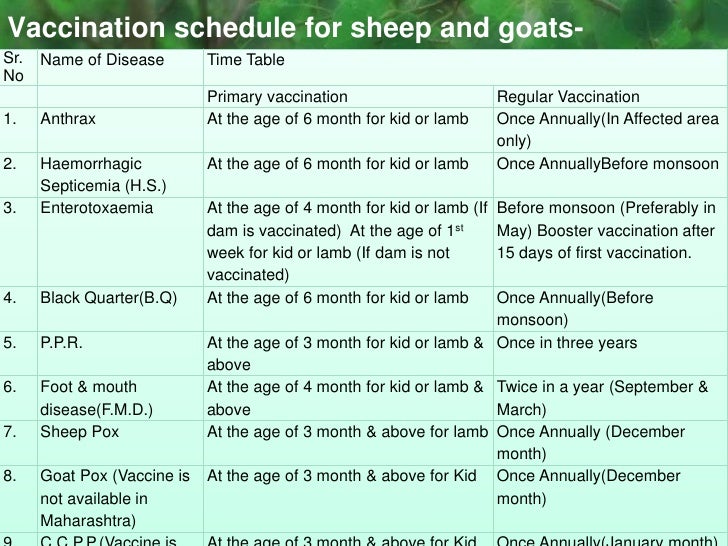
Maintaining a healthy environment is crucial for minimizing goat mortality. Proper housing and pasture management are vital in preventing disease, reducing stress, and ensuring the overall well-being of your herd. This section focuses on environmental considerations and housing strategies that contribute to a lower mortality rate in goats.
Housing Design for Reduced Mortality
The design of goat housing significantly impacts their health and survival. Well-designed housing provides protection from the elements, promotes good hygiene, and minimizes stress.Ventilation is essential for removing ammonia, moisture, and other harmful gases that can build up in enclosed spaces. Adequate ventilation helps prevent respiratory diseases, a common cause of mortality, especially in young goats. Effective ventilation can be achieved through natural means, such as open-sided barns with proper roof overhangs, or through mechanical systems, such as fans.
The airflow should be sufficient to replace the air in the barn several times per hour, depending on the stocking density and climate.Space allocation is another critical factor. Overcrowding increases stress, competition for resources, and the spread of diseases. The amount of space required per goat varies depending on age, breed, and housing type. Generally, adult goats require at least 15-20 square feet of indoor space per animal, with more space recommended for kidding areas.
Kids require less space, but overcrowding should still be avoided. Outdoor space, such as a paddock or pasture, should also be provided to allow for exercise and grazing.Sanitation is paramount in goat housing. Regular cleaning and disinfection of the housing environment are essential to control the spread of pathogens. Manure should be removed frequently, and bedding should be kept dry and clean.
The type of bedding used can also impact sanitation; materials like straw and wood shavings are commonly used, but should be replaced regularly. Regular disinfection with an appropriate disinfectant, such as a diluted bleach solution or a commercial disinfectant, can further reduce the risk of disease transmission.
Climate Control in Goat Housing
Climate control is essential for protecting goats from extreme weather conditions, which can significantly increase mortality rates.In hot weather, goats are susceptible to heat stress. Proper ventilation, shade, and access to cool, clean water are crucial. Fans can be used to increase airflow, and misters can be used to cool the environment. Providing shade through trees, shade cloths, or well-designed shelters is essential.During cold weather, goats require protection from wind and freezing temperatures.
Housing should be well-insulated and provide adequate shelter from the wind. Drafts should be minimized, and bedding should be deep and dry to provide insulation. Supplemental heating may be necessary in extremely cold climates, but should be used with caution to avoid fire hazards.
Suitable Housing Materials and Designs
The choice of housing materials and design depends on the climate and the specific needs of the goats.In hot, arid climates, housing should prioritize shade and ventilation. Open-sided barns with high ceilings and good airflow are ideal. The roof should be constructed of materials that reflect sunlight, such as light-colored metal.In cold climates, housing should prioritize insulation and protection from wind and moisture.
Barns should be enclosed with insulated walls and roofs. The roof should be designed to shed snow and rain effectively.In temperate climates, a combination of these features may be suitable. Barns should provide protection from both heat and cold, with adequate ventilation and insulation.Examples of housing designs include:
- Open-sided barns: Suitable for warm climates, providing shade and ventilation. These barns often have a simple roof structure and are open on one or more sides to allow for maximum airflow.
- Enclosed barns: Suitable for cold climates, providing insulation and protection from the elements. These barns have insulated walls and roofs and may include features like a concrete floor for easy cleaning.
- Three-sided sheds: Offer a compromise between open and enclosed housing, providing shelter from wind and rain while still allowing for ventilation. These sheds typically have a roof and three enclosed sides, with one side open to the elements.
Pasture and Grazing Management
Effective pasture and grazing management are critical for minimizing the risk of disease and injury in goats.Rotational grazing, where goats are moved to different pastures regularly, is essential for controlling parasite loads and preventing overgrazing. This allows pastures to recover and reduces the concentration of parasites in any one area. The frequency of rotation depends on the stocking density, the growth rate of the pasture, and the parasite load.Providing a diverse pasture with a variety of forages can improve the nutritional intake of the goats and reduce the risk of deficiencies.
This can also help to dilute parasite loads, as goats are less likely to graze in areas heavily contaminated with parasite larvae.Fencing should be well-maintained to prevent escapes and injuries. The type of fencing used should be appropriate for goats, such as woven wire or electric fencing. The fence should be inspected regularly for damage and repaired promptly.Access to clean water is essential.
Water troughs should be placed in areas that are easily accessible and protected from contamination. They should be cleaned regularly to prevent the growth of algae and bacteria.
Common Environmental Hazards and Prevention Methods
Environmental hazards can significantly impact goat health and survival. Preventing these hazards is crucial for reducing mortality.
- Heat stress: Provide shade, ventilation, and access to cool, clean water.
- Cold stress: Provide shelter from wind and freezing temperatures, with deep, dry bedding. Consider supplemental heating.
- Parasite infestations: Implement rotational grazing, regular fecal examinations, and deworming protocols.
- Predator attacks: Use secure fencing, guard animals (such as dogs or llamas), and secure housing at night.
- Toxic plants: Identify and remove or fence off toxic plants. Provide alternative forage options.
- Injuries: Ensure safe fencing, remove sharp objects from the environment, and provide adequate space to prevent overcrowding.
- Poor sanitation: Maintain clean housing, remove manure regularly, and provide clean bedding.
Biosecurity Measures
Implementing robust biosecurity measures is crucial for minimizing goat mortality and maintaining a healthy herd. Biosecurity encompasses all practices designed to prevent the introduction and spread of infectious diseases on a farm. A strong biosecurity plan not only protects the existing herd but also safeguards against economic losses associated with disease outbreaks. Effective biosecurity is a proactive approach, not a reactive one, and requires consistent vigilance and adherence to established protocols.
Importance of Implementing Biosecurity Protocols
Biosecurity protocols are the cornerstone of a healthy and productive goat operation. They protect against a wide range of diseases, including bacterial, viral, and parasitic infections. By preventing the introduction of pathogens, biosecurity minimizes the need for costly treatments, reduces the risk of mortality, and enhances overall herd performance. A well-designed and consistently implemented biosecurity plan offers significant benefits, including improved animal welfare, reduced antibiotic use, and increased profitability.
For instance, a study by the United States Department of Agriculture (USDA) found that farms with comprehensive biosecurity plans experienced a 30% reduction in disease-related losses compared to those without such plans.
Checklist for Establishing a Biosecurity Plan
Creating a comprehensive biosecurity plan involves several key components. This checklist provides a framework for establishing and maintaining effective biosecurity practices.
- Farm Perimeter Control: Establish clear boundaries and control access to the farm. This includes fencing to prevent unauthorized entry of people, animals, and vehicles. Signage should be posted indicating restricted areas and biosecurity protocols.
- Visitor Management: Implement a visitor log to record all individuals entering the farm, including their purpose of visit and date/time. Provide visitors with disposable boots, coveralls, and hand sanitizer. Restrict access to goat areas for visitors who have been in contact with other livestock or have traveled to areas with known disease outbreaks.
- Quarantine Procedures: Establish a designated quarantine area, separate from the main herd, for all new animals. Quarantine new arrivals for a minimum of 30 days, observing them for signs of illness. During quarantine, perform necessary health checks, including testing for common diseases.
- Animal Movement Control: Limit the movement of animals on and off the farm. If animals must be moved, ensure they are healthy and disease-free. Implement protocols for cleaning and disinfecting vehicles used for transporting animals.
- Equipment and Vehicle Sanitation: Designate specific areas for cleaning and disinfecting equipment and vehicles. Provide readily accessible cleaning and disinfection supplies. Ensure all equipment used in contact with goats is cleaned and disinfected before and after use.
- Feed and Water Management: Store feed in a manner that prevents contamination from rodents, birds, and other pests. Use clean water sources and regularly inspect water systems for leaks and contamination.
- Pest Control: Implement a pest control program to minimize the presence of rodents, insects, and other potential disease vectors. Regularly inspect buildings and feed storage areas for signs of pests.
- Employee Training: Provide regular training for all employees on biosecurity protocols, including proper hygiene practices, disease recognition, and reporting procedures.
- Record Keeping: Maintain detailed records of all biosecurity activities, including visitor logs, animal health records, cleaning and disinfection schedules, and pest control measures.
Disinfecting Equipment and Facilities to Prevent Disease Spread
Effective disinfection is a critical component of biosecurity, designed to eliminate or inactivate disease-causing organisms. This process requires careful selection of disinfectants and adherence to specific protocols. The choice of disinfectant depends on the type of organism to be controlled and the material being disinfected.
- Selecting Disinfectants: Choose disinfectants that are effective against the specific pathogens of concern. Consider factors such as the disinfectant’s spectrum of activity, contact time, and safety for animals and humans. Common disinfectants used on goat farms include quaternary ammonium compounds, chlorine-based products, and phenolic compounds. Always follow the manufacturer’s instructions for proper dilution and application.
- Cleaning Prior to Disinfection: Thoroughly clean all surfaces before applying disinfectant. Remove all organic matter, such as manure, dirt, and feed residue, as these can inactivate disinfectants. Use soap and water or a suitable detergent to clean surfaces.
- Application Methods: Apply disinfectant using appropriate methods, such as spraying, fogging, or soaking. Ensure that the disinfectant makes contact with all surfaces. Follow the recommended contact time for the disinfectant to be effective.
- Specific Areas and Equipment: Regularly disinfect high-traffic areas, such as feeding and watering stations, milking parlors (if applicable), and handling facilities. Disinfect equipment, including buckets, feeders, and grooming tools, after each use.
- Regular Disinfection Schedule: Establish a regular disinfection schedule based on the risk of disease and the type of facilities. Disinfect frequently used areas daily or weekly. Disinfect areas after an outbreak of disease.
Role of Proper Waste Management in Maintaining Biosecurity
Proper waste management is essential for preventing the spread of disease and maintaining a clean and healthy environment for goats. This involves the safe and effective disposal of manure, bedding, and other waste materials. Inadequate waste management can attract pests, contaminate water sources, and create breeding grounds for pathogens.
- Manure Management: Implement a manure management plan that minimizes the risk of disease transmission. This may involve composting, spreading manure on fields, or storing manure in a designated area away from the goat housing. Ensure that manure is handled and stored in a way that prevents runoff into water sources.
- Bedding Management: Regularly remove and replace soiled bedding. Dispose of used bedding in a manner that prevents contamination of the environment. Consider composting used bedding to reduce the risk of disease transmission.
- Carcass Disposal: Properly dispose of dead animals to prevent the spread of disease. Carcasses should be removed from the farm promptly and disposed of through rendering, composting, or burial in accordance with local regulations.
- Water Quality Protection: Protect water sources from contamination by waste materials. This includes ensuring that manure storage and disposal areas are located away from wells, streams, and other water sources.
- Rodent and Pest Control: Implement a rodent and pest control program to prevent pests from accessing waste materials. Pests can spread diseases by contaminating feed and water sources.
Common Biosecurity Mistakes and How to Avoid Them:
- Mistake: Failing to quarantine new animals. Avoidance: Always quarantine new animals for a minimum of 30 days, observing them for signs of illness and performing necessary health checks.
- Mistake: Neglecting to disinfect equipment and facilities regularly. Avoidance: Establish a regular cleaning and disinfection schedule and use appropriate disinfectants, following manufacturer’s instructions.
- Mistake: Allowing unrestricted access to the farm. Avoidance: Implement a visitor log, provide protective clothing for visitors, and restrict access to goat areas for those who have been in contact with other livestock or have traveled to areas with known disease outbreaks.
Breeding and Genetics
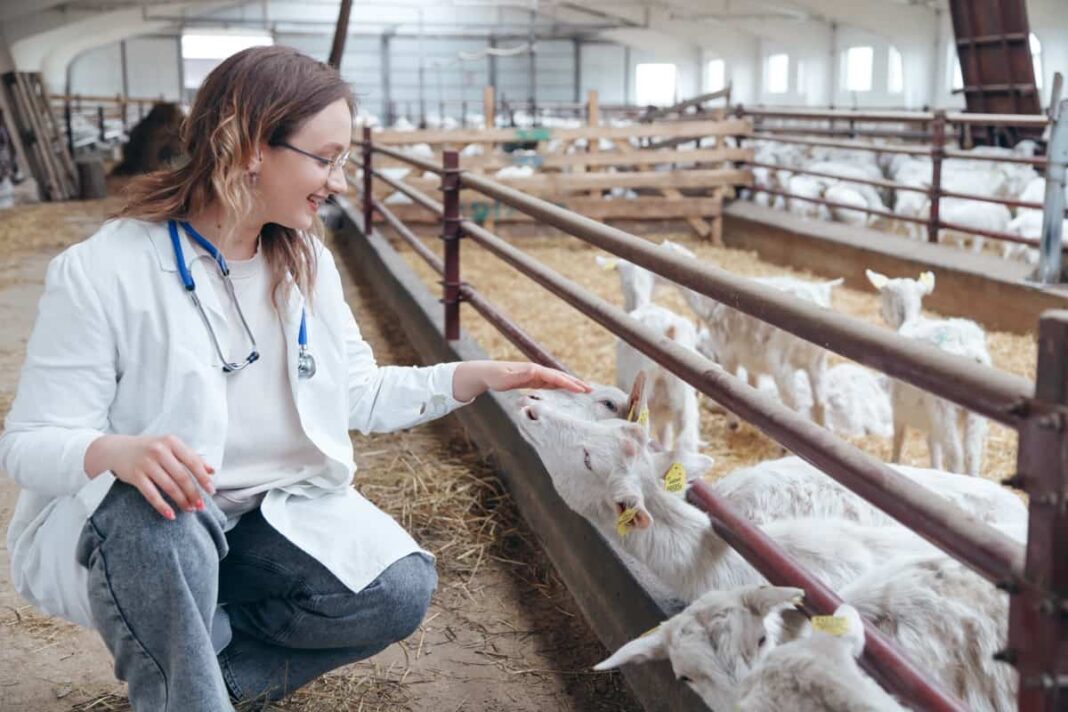
Breeding and genetics play a crucial role in enhancing goat health and reducing mortality rates. Selective breeding, informed by careful record-keeping and an understanding of inheritance, allows producers to improve the overall resilience and productivity of their herds. By focusing on desirable traits and avoiding detrimental genetic combinations, goat farmers can significantly contribute to a healthier and more sustainable goat population.
Role of Genetics in Improving Goat Health and Reducing Mortality
Genetics influence several aspects of goat health and longevity, directly impacting mortality rates. Heritable traits, such as disease resistance, parasite tolerance, and overall body condition, are passed down from parents to offspring.
- Disease Resistance: Goats with genetic predispositions for strong immune systems are less susceptible to common diseases, thereby reducing the likelihood of illness and death. For example, some goat breeds have shown increased resistance to internal parasites.
- Parasite Tolerance: Certain genetic lines exhibit a greater ability to tolerate parasite loads without experiencing severe health consequences. This can be a significant advantage in areas with high parasite burdens.
- Reproductive Efficiency: Fertility and kidding ease are also influenced by genetics. Goats with a genetic propensity for successful pregnancies and uncomplicated births are more likely to produce healthy offspring.
- Longevity: Genes contribute to overall lifespan. Goats with favorable genetic profiles tend to live longer, healthier lives.
Guidelines for Selecting Breeding Stock Based on Health Traits
Careful selection of breeding stock is paramount for improving herd health. The process should be based on a combination of phenotypic observation and, where possible, genetic testing.
- Phenotypic Evaluation: Observe the animals for physical traits indicative of good health. This includes body condition, coat quality, and overall vigor. Goats should exhibit a healthy appetite, clear eyes, and active behavior.
- Health Records Review: Analyze the health records of potential breeding stock and their relatives. Focus on disease history, parasite burdens, and reproductive performance. Avoid animals with a history of chronic illness or reproductive problems.
- Parasite Resistance: Select animals with low fecal egg counts (FEC) or that show resistance to internal parasites. This can be assessed through regular FAMACHA scoring and FEC testing.
- Breeding Soundness Exams: Conduct breeding soundness exams for bucks and does to evaluate their reproductive potential.
- Genetic Testing: Consider genetic testing for specific traits, such as resistance to certain diseases or genetic defects. This can provide valuable information for making informed breeding decisions.
Strategies for Preventing Inbreeding and Its Negative Effects on Goat Health
Inbreeding, the mating of closely related individuals, can lead to a decrease in genetic diversity and the expression of deleterious recessive genes, resulting in various health problems.
- Maintain Accurate Records: Detailed pedigree records are essential for tracking relationships and avoiding matings between closely related animals.
- Use Multiple Bucks: Utilize multiple bucks to reduce the reliance on a single genetic line. Rotate bucks regularly to introduce new genetics into the herd.
- Outcrossing: Introduce unrelated animals from other herds to broaden the genetic base. This is particularly important in small herds.
- Avoid Parent-Offspring and Sibling Matings: These matings have the highest risk of inbreeding depression.
- Monitor Progeny: Closely monitor the offspring of matings for any signs of inbreeding depression, such as reduced growth rates, increased susceptibility to disease, or reproductive problems.
Importance of Maintaining Accurate Breeding Records
Accurate and comprehensive breeding records are the cornerstone of effective herd management and genetic improvement. These records provide essential information for making informed breeding decisions, tracking performance, and preventing inbreeding.
- Pedigree Information: Record the parentage of each animal, including sire and dam. This information is crucial for calculating inbreeding coefficients and selecting appropriate breeding pairs.
- Birth Dates and Weights: Track birth dates and weights to monitor growth rates and identify potential problems early.
- Reproductive Performance: Record kidding dates, litter sizes, and any complications during kidding. This information is valuable for assessing reproductive efficiency and identifying animals with superior reproductive traits.
- Health Records: Document any health issues, treatments, and parasite control measures. This helps to identify animals with a predisposition to certain diseases and track the effectiveness of management practices.
- Performance Data: Record milk production (in dairy goats), fiber production (in fiber goats), and meat production (in meat goats).
Relationship Between Breeding Practices and Disease Resistance in Goats
Selective breeding can significantly enhance a goat’s resistance to diseases. By focusing on disease resistance traits, producers can create herds that are less vulnerable to common illnesses, reducing the need for treatments and improving overall herd health.
- Selection for Resistance: Breeding programs can prioritize animals that exhibit natural resistance to specific diseases, such as internal parasites. This involves selecting goats with low fecal egg counts or those that have shown to have the ability to withstand parasite loads.
- Immune System Enhancement: Certain genetic lines may have stronger immune systems. Breeding animals with robust immune responses can improve herd resistance to a wide range of diseases.
- Reducing Genetic Predisposition: Avoid breeding animals with a history of susceptibility to particular diseases. This helps to prevent the perpetuation of genetic weaknesses.
- Breeding for Overall Health: Prioritizing traits that contribute to overall health, such as body condition, growth rate, and reproductive efficiency, can indirectly improve disease resistance. Healthy goats are better equipped to fight off infections.
- Use of Breeding Values: Consider using Estimated Breeding Values (EBVs) or other genetic tools, when available, to identify animals with superior disease resistance traits.
Concluding Remarks
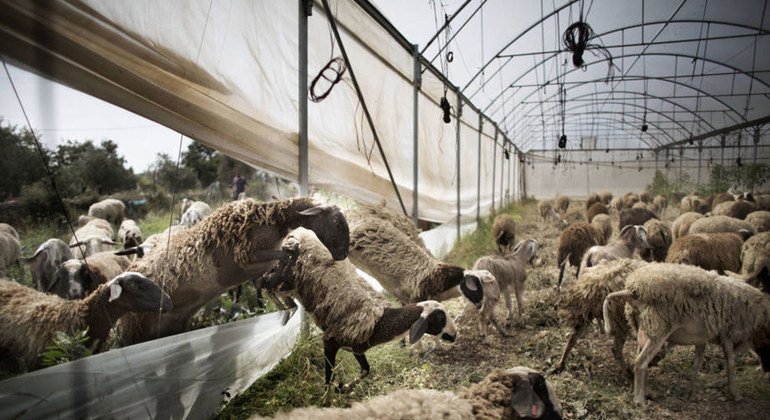
In conclusion, reducing goat mortality is not merely a goal; it’s a continuous process that demands vigilance, knowledge, and a proactive approach. By implementing the strategies Artikeld in this guide, from rigorous disease prevention to optimized nutrition and improved kid management, you can significantly enhance the health and longevity of your goats. Remember, successful goat farming hinges on a commitment to excellence in every aspect of animal care.
With dedication and the application of these principles, you can cultivate a thriving and resilient herd, ensuring both the well-being of your animals and the prosperity of your farm.