Embarking on the journey of marketing rabbit meat requires a strategic approach, one that addresses consumer perceptions, identifies target demographics, and leverages the right marketing channels. This guide provides a detailed roadmap, starting with understanding the current market landscape and progressing through branding, online and offline strategies, pricing, content creation, customer relationship building, legal considerations, visual marketing, and ultimately, measuring success.
The goal is to not only introduce rabbit meat to a wider audience but also to establish a thriving and sustainable business.
Rabbit meat, often overlooked, presents a unique opportunity in the food industry. Known for its lean protein, sustainability, and versatility, it caters to health-conscious consumers and those seeking alternative protein sources. This guide will delve into the specifics of how to effectively position rabbit meat, build a strong brand, and reach your target audience through various marketing channels, ultimately driving sales and fostering customer loyalty.
Understanding the Rabbit Meat Market
To effectively market rabbit meat, a comprehensive understanding of the current market landscape is crucial. This involves analyzing consumer perceptions, identifying target demographics, pinpointing geographical demand, and recognizing key competitors. This detailed examination allows for the development of targeted marketing strategies and effective product positioning.
Current Consumer Perception of Rabbit Meat
Consumer perception of rabbit meat varies considerably depending on cultural background and geographical location. In many Western countries, rabbit meat is often perceived as an exotic or niche product, sometimes associated with pet ownership rather than food. This can lead to hesitancy among consumers unfamiliar with its culinary uses. In contrast, in some European countries, rabbit meat is a traditional and well-established part of the diet.* Nutritional Benefits: Many consumers are unaware of the significant nutritional benefits of rabbit meat, including its high protein content, low fat, and rich source of essential vitamins and minerals.
Sustainability
Rabbit farming is often considered a more sustainable practice compared to some other forms of livestock farming due to the animals’ efficient feed conversion and lower environmental impact.
Flavor Profile
The flavor of rabbit meat is often described as mild and slightly gamey, making it versatile for various cooking methods and flavor profiles.
Target Demographics for Rabbit Meat Consumption
Identifying the appropriate target demographics is critical for effective marketing. These demographics can be categorized based on several factors, including lifestyle, income, and dietary preferences.* Health-Conscious Consumers: Individuals who prioritize healthy eating and are actively seeking lean protein sources are a significant target. They often value the nutritional advantages of rabbit meat.
Environmentally Aware Consumers
Those concerned about the environmental impact of their food choices may be drawn to rabbit meat due to its sustainable farming practices.
Culinary Adventurers
Consumers who enjoy exploring diverse cuisines and trying new foods are more likely to be receptive to rabbit meat.
Specific Ethnic Groups
Certain ethnic groups, particularly those with a history of rabbit consumption, may represent a valuable market segment.
Geographical Regions with the Highest Demand for Rabbit Meat
Demand for rabbit meat is concentrated in specific geographical regions. Understanding these areas allows for targeted marketing efforts and distribution strategies.* European Countries: Several European countries, including France, Italy, and Spain, have a long-standing tradition of rabbit consumption, resulting in high demand.
Parts of Asia
Certain Asian countries, such as China, also have a significant market for rabbit meat, with rabbit farming playing a vital role in local economies.
Emerging Markets
In some regions, demand is growing as consumers become more aware of the nutritional and environmental benefits of rabbit meat.
Key Competitors in the Rabbit Meat Market
The rabbit meat market faces competition from other protein sources. Identifying these competitors helps to understand the market dynamics and develop effective strategies.* Poultry: Chicken and other poultry products are major competitors due to their widespread availability, affordability, and established consumer acceptance.
Pork
Pork is another widely consumed protein source that competes with rabbit meat, particularly in regions where it is a staple food.
Other Meats
Beef, lamb, and other red meats also represent competition, especially in markets where they are readily available.
Plant-Based Alternatives
The growing popularity of plant-based protein sources, such as tofu and meat substitutes, presents another competitive factor, particularly for consumers seeking alternatives to animal products.
Product Positioning and Branding
To successfully market rabbit meat, it’s essential to establish a strong brand identity and clearly position the product within the competitive meat market. This involves crafting a unique brand image, communicating the benefits of rabbit meat, and highlighting its value propositions to consumers. Ethical sourcing and farming practices are crucial components of this strategy, shaping consumer perception and building trust.
Brand Identity: Name and Tagline
Creating a memorable brand identity is the first step in attracting consumers. The name and tagline should reflect the product’s core values and appeal to the target audience.* Brand Name: “Zest Hare”
Tagline
“The Delicate Delight, Responsibly Raised.”The name “Zest Hare” aims to evoke feelings of freshness and enjoyment, while the tagline emphasizes the taste and the ethical sourcing of the product. The name is short, easy to remember, and hints at the product without being overly literal. The tagline provides context, highlighting the unique selling points of the brand.
Product Description
A compelling product description informs consumers about the qualities and benefits of rabbit meat, enticing them to purchase it.Rabbit meat, from “Zest Hare,” is a lean and flavorful alternative to traditional meats. It is naturally high in protein and low in fat, making it a healthy choice for various diets. The meat boasts a delicate texture and a mild flavor, offering versatility in cooking.
Sourced from farms committed to ethical and sustainable practices, “Zest Hare” rabbit meat ensures the highest quality and taste. The meat can be prepared in countless ways, from simple roasting to complex stews, providing a delicious and nutritious culinary experience.
Value Propositions Compared to Other Meats
Offering a clear value proposition is critical for differentiating rabbit meat from other options. Here’s a comparison:Rabbit meat offers several advantages compared to more commonly consumed meats:* Lean Protein Source: Rabbit meat is significantly lower in fat and calories than beef, pork, and even chicken, making it a healthier option for weight management and overall health.
Rich in Nutrients
It’s an excellent source of high-quality protein, essential amino acids, and various vitamins and minerals, including Vitamin B12, iron, and phosphorus.
Environmentally Sustainable
Rabbit farming can be more environmentally friendly than other livestock farming practices, requiring less land, water, and feed per pound of meat produced.
Mild Flavor and Versatility
The delicate flavor of rabbit meat makes it adaptable to various cuisines and cooking methods, from grilling and roasting to braising and stewing.
Faster Growth Cycle
Rabbits have a shorter gestation period and faster growth cycle than other livestock, enabling more efficient meat production.
Ethical Considerations
Rabbits can be raised in systems that prioritize animal welfare, offering consumers a choice that aligns with ethical concerns.
Ethical Sourcing and Farming Practices in Branding
Ethical sourcing and farming practices are no longer optional; they are essential for building brand trust and resonating with today’s consumers. Highlighting these practices is a core element of the “Zest Hare” brand.* Animal Welfare: “Zest Hare” partners with farms that prioritize animal welfare, providing rabbits with ample space, enrichment activities, and humane handling practices. This commitment ensures the animals live healthy and stress-free lives.
For example, farms may use open-air housing or spacious indoor enclosures, which promotes natural behaviors and reduces stress.
Sustainable Farming
The brand emphasizes sustainable farming practices, including responsible land use, water conservation, and waste management. This helps to minimize the environmental impact of rabbit farming. One example is the implementation of composting systems to manage manure effectively.
Transparency and Traceability
“Zest Hare” provides transparency in its supply chain, allowing consumers to trace the origin of their rabbit meat and learn about the farming practices used. This builds trust and allows consumers to make informed choices. This could involve providing farm-specific information or QR codes on packaging that link to detailed information about the source.
Feed and Nutrition
The brand ensures rabbits are fed a balanced and nutritious diet, free from growth hormones and unnecessary antibiotics. This contributes to the overall health and quality of the meat.
Certification and Standards
“Zest Hare” may pursue certifications, such as those from animal welfare organizations or sustainable agriculture groups, to validate its commitment to ethical and sustainable practices. This offers consumers an external validation of the brand’s claims.
Marketing Channels
Reaching your target audience effectively is crucial for the success of any product, and rabbit meat is no exception. In today’s digital landscape, a robust online presence is essential for reaching potential customers and building brand awareness. This section focuses on leveraging online strategies to promote and sell rabbit meat.
Social Media Strategies for Rabbit Meat Promotion
Social media platforms offer unparalleled opportunities to connect with consumers, share information, and drive sales. Effective social media marketing requires a strategic approach that considers the unique characteristics of each platform and the preferences of your target audience.Here are some strategies for utilizing social media to promote rabbit meat:
- Platform Selection: Choose platforms where your target audience is most active. For instance, Instagram and Pinterest are ideal for showcasing visually appealing content like prepared rabbit dishes, while Facebook allows for building a community and sharing informative content. Twitter can be used for quick updates and engaging in conversations.
- Content Creation: Develop diverse content to keep your audience engaged.
- High-Quality Photography and Videography: Showcase the visual appeal of rabbit meat. This includes images and videos of fresh rabbit cuts, prepared dishes, and the cooking process.
- Recipe Sharing: Post recipes featuring rabbit meat, catering to different skill levels and culinary preferences. Offer seasonal recipes or variations on classic dishes.
- Behind-the-Scenes Content: Share content related to rabbit farming practices, highlighting animal welfare and sustainability. This helps build trust and transparency.
- Educational Content: Explain the nutritional benefits of rabbit meat, including its lean protein content and low-fat profile. Address common misconceptions about rabbit meat.
- User-Generated Content: Encourage customers to share their rabbit meat dishes and experiences by running contests or giveaways.
- Engagement and Community Building: Interact with your followers regularly. Respond to comments and messages promptly, and participate in relevant conversations. Run polls and quizzes to gauge interest and gather feedback.
- Paid Advertising: Utilize targeted advertising campaigns to reach specific demographics and interests. Platforms like Facebook and Instagram allow you to target users based on location, age, interests, and behaviors.
- Influencer Marketing: Partner with food bloggers, chefs, and health and wellness influencers to promote your product. They can create recipes, share their experiences, and reach a wider audience.
Successful Online Marketing Campaigns for Similar Products
Analyzing successful campaigns for similar products can provide valuable insights into effective marketing strategies.
- Applegate Farms: Applegate Farms, a producer of organic and natural meats, effectively uses social media to promote its products. Their campaigns feature high-quality images and videos of prepared meals, educational content about ingredient sourcing, and partnerships with food bloggers. They focus on transparency and building trust with consumers.
- ButcherBox: ButcherBox, a subscription meat delivery service, leverages social media to showcase its product offerings, share recipes, and build a strong community. They utilize visually appealing content, run contests, and partner with influencers to drive engagement and sales. They also focus on the convenience and quality of their product.
- Eatwild.com: Eatwild.com, a website promoting grass-fed and pastured meats, utilizes its website and social media to educate consumers about the benefits of these products. They share articles, recipes, and resources to inform and engage their audience. They focus on providing reliable information and building a community of informed consumers.
Utilizing a Website or Blog for Consumer Education
A dedicated website or blog serves as a central hub for information about your product, brand, and values. It’s a valuable tool for educating consumers, building trust, and driving sales.Here’s how to effectively utilize a website or blog:
- Informative Content: Create comprehensive content about rabbit meat, including its nutritional benefits, culinary uses, and sourcing information. Address common questions and misconceptions.
- Recipe Database: Build a database of recipes featuring rabbit meat, catering to different skill levels and dietary preferences.
- High-Quality Visuals: Include high-quality photos and videos of rabbit meat products and prepared dishes.
- Blog Posts: Regularly publish blog posts on topics related to rabbit meat, such as cooking tips, seasonal recipes, and information about rabbit farming.
- Customer Testimonials: Showcase customer testimonials and reviews to build trust and credibility.
- Call to Action: Include clear calls to action, such as “Shop Now,” “Learn More,” or “Subscribe to Our Newsletter,” to encourage conversions.
- Optimization: Optimize your website and blog content for search engines to improve visibility and attract organic traffic.
Content Calendar for Online Promotion
A content calendar helps plan and organize your online marketing efforts, ensuring consistency and maximizing reach.Here’s a sample content calendar:
| Day | Platform | Topic | Content Format |
|---|---|---|---|
| Monday | Recipe: Rabbit Stew | Image/Video of prepared dish with recipe details in caption | |
| Tuesday | Nutritional Benefits of Rabbit Meat | Informative post with infographics | |
| Wednesday | Blog | “5 Tips for Cooking Rabbit Meat” | Blog post with cooking tips and techniques |
| Thursday | Rabbit Meat Recipe Roundup | Infographic/Collection of recipe pins | |
| Friday | Instagram Stories | Behind-the-Scenes: Rabbit Farming | Short video showcasing farming practices |
| Saturday | Customer Recipe Share | User-generated content featuring a customer’s rabbit meat dish | |
| Sunday | Rabbit Meat Fact of the Week | Short, informative tweet |
Marketing Channels
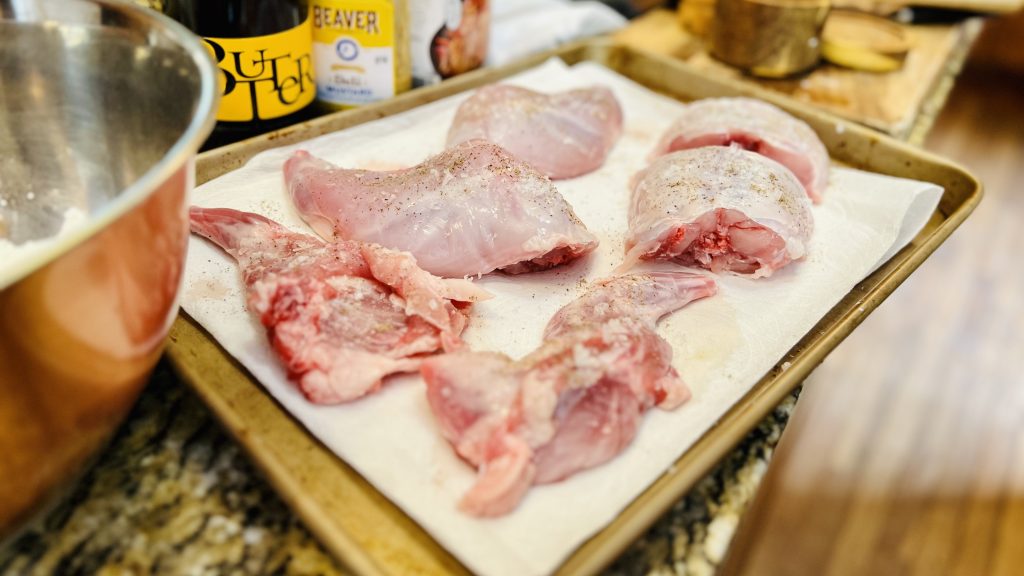
Effective marketing channels are essential for reaching target consumers and driving sales of rabbit meat. Utilizing a mix of offline and online strategies can maximize market penetration and brand awareness. This section focuses on the offline strategies crucial for successful rabbit meat marketing.
Participating in Local Farmers’ Markets and Food Festivals
Farmers’ markets and food festivals provide direct access to potential customers, offering opportunities for sampling, education, and immediate sales. They are excellent platforms for building brand recognition and establishing a loyal customer base.
- Market Selection: Prioritize markets and festivals based on their demographics and foot traffic. Research the customer base to ensure alignment with your target audience. Consider factors such as location, market size, vendor fees, and the presence of competing vendors.
- Booth Presentation: A well-designed booth is crucial for attracting attention. Display rabbit meat attractively, using clear signage, attractive packaging, and informative materials. Consider offering cooking demonstrations or samples to engage potential customers.
- Sampling and Education: Offer samples of prepared rabbit meat dishes to showcase its flavor and versatility. Provide educational materials, such as recipe cards and information about the health benefits of rabbit meat.
- Building Relationships: Engage with customers, answer their questions, and build relationships. Collect customer feedback and contact information for future marketing efforts.
- Compliance and Regulations: Ensure compliance with all local health regulations and market rules. Obtain necessary permits and licenses.
Comparing the Effectiveness of Different Advertising Methods
Choosing the right advertising methods is critical for reaching the target audience cost-effectively. Different methods have varying levels of reach, cost, and effectiveness.
- Print Advertising: Print advertising, such as advertisements in local newspapers or magazines, can be effective for reaching a local audience. However, it can be expensive, and its reach may be limited. Consider targeting publications focused on food, health, or local agriculture.
- Radio Advertising: Radio advertising can be effective for reaching a broad local audience. Radio spots can be targeted based on the station’s format and demographics. Consider the cost of producing and running radio ads.
- Direct Mail: Direct mail, such as postcards or brochures, can be targeted to specific households. This method allows for personalized messaging. Direct mail can be costly, and its effectiveness depends on the quality of the mailing list and the design of the materials.
- Local Community Partnerships: Partnering with local community organizations or events can increase visibility and awareness. Sponsoring local events or donating rabbit meat to charity events can be effective.
- Evaluating Effectiveness: Track the effectiveness of each advertising method by measuring customer inquiries, website traffic, and sales generated from each channel. This data helps optimize the marketing budget.
Identifying Opportunities for Partnerships with Restaurants and Chefs
Collaborating with restaurants and chefs can significantly increase brand visibility and sales. These partnerships can introduce rabbit meat to new customers and establish its culinary appeal.
- Restaurant Selection: Target restaurants that align with the brand’s values and target audience. Focus on restaurants that are known for using high-quality ingredients and are open to new culinary experiences.
- Chef Outreach: Contact chefs and restaurant owners to introduce rabbit meat and offer samples. Provide information about the meat’s sourcing, flavor profile, and versatility.
- Menu Integration: Work with chefs to create rabbit meat dishes for their menus. Offer recipe ideas and cooking tips. Consider offering special promotions or discounts to restaurants that feature your rabbit meat.
- Joint Marketing: Collaborate on marketing efforts, such as social media campaigns and events, to promote the partnership and the rabbit meat dishes.
- Supply Chain Considerations: Ensure a reliable supply chain to meet the restaurant’s demand. Establish clear communication channels for order fulfillment and delivery.
Creating a Plan for Distributing Promotional Materials
Effective distribution of promotional materials, such as brochures and flyers, is essential for reaching potential customers and conveying key marketing messages.
- Material Design: Develop high-quality brochures and flyers that are visually appealing and informative. Include information about the rabbit meat’s benefits, recipes, and where to buy the product.
- Distribution Channels: Utilize a variety of distribution channels to maximize reach. This includes:
- Farmers’ Markets and Food Festivals: Hand out brochures and flyers at your booth.
- Retail Locations: Place brochures and flyers in retail locations where rabbit meat is sold or where complementary products are available.
- Restaurants: Provide brochures and flyers to restaurants that feature rabbit meat on their menus.
- Community Events: Distribute materials at community events and festivals.
- Direct Mail: Include promotional materials in direct mail campaigns.
- Targeted Distribution: Target the distribution of materials to specific demographics or geographic areas. Consider using data from market research to identify the most effective distribution channels.
- Tracking and Evaluation: Track the distribution of promotional materials and measure their effectiveness. Use unique codes or offers on the materials to track customer responses.
- Inventory Management: Maintain an adequate inventory of promotional materials to meet demand. Regularly update the materials to reflect changes in product offerings or marketing messages.
Pricing and Sales Strategies
Effectively pricing and selling rabbit meat is crucial for profitability and market penetration. This section details various pricing models, discount strategies, relationship-building techniques, and a sales script to equip you with the tools needed to succeed in the rabbit meat market. A well-defined pricing and sales strategy will attract customers and secure long-term sales.
Pricing Models for Rabbit Meat
Choosing the right pricing model can significantly impact sales volume and profitability. Several models can be employed, each with its advantages and disadvantages.
- Per-Pound Pricing: This is the most common model, where rabbit meat is priced based on its weight. The price per pound can fluctuate depending on factors such as production costs, market demand, and the cut of meat. For instance, a whole rabbit might be priced at $8-$12 per pound, while specific cuts like legs or loins could command a higher price, perhaps $15-$20 per pound.
This model is straightforward and easily understood by consumers.
- Bundle Pricing: Offering rabbit meat in bundles can increase the perceived value for customers and encourage larger purchases. Bundles can be created based on different cuts, such as a “Family Pack” including a whole rabbit, legs, and ribs, or themed around meal types, such as a “Stew Pack.” Bundle pricing often involves a slight discount compared to purchasing individual items. For example, a “Stew Pack” containing two pounds of stew meat, a whole rabbit, and a package of ribs might be priced at $35, offering a savings compared to buying each item separately.
- Subscription Services: Implementing a subscription service provides a recurring revenue stream and allows customers to receive rabbit meat regularly. This model can involve weekly or monthly deliveries of a predetermined amount of meat or a selection of cuts. The price can be set on a per-delivery basis or a monthly fee. For instance, a monthly subscription offering two whole rabbits and a pound of rabbit sausage could be priced at $60.
This model fosters customer loyalty and allows for better production planning.
- Tiered Pricing: This model offers different price points based on the quantity purchased. This encourages larger orders and can be particularly effective for wholesale customers like restaurants. For example, the price per pound might be $10 for orders under 10 pounds, $9 for orders between 10 and 25 pounds, and $8 for orders over 25 pounds. This can incentivize bulk purchases.
Discounts and Promotions
Strategic discounts and promotions are essential for attracting customers and boosting sales.
- Introductory Offers: New businesses can offer introductory discounts to attract initial customers and generate interest. This could include a percentage off the first purchase or a special price for a limited time.
- Seasonal Promotions: Leveraging seasonal events and holidays, such as Easter or Thanksgiving, to offer special discounts or themed bundles. For example, an Easter promotion might feature a discount on whole rabbits, while a Thanksgiving promotion could focus on rabbit roasts.
- Bulk Purchase Discounts: Encourage larger orders by offering discounts for bulk purchases. This can be particularly effective for restaurants or other businesses.
- Loyalty Programs: Implement a loyalty program to reward repeat customers. This could involve earning points for purchases that can be redeemed for discounts or free products.
- Flash Sales: Occasionally, run flash sales for a limited time to create a sense of urgency and drive sales.
- Bundle Deals: As mentioned previously, creating bundles of rabbit meat products can provide value to customers.
- Partner with Complementary Businesses: Collaborate with local businesses, such as farms or farmers markets, to cross-promote products and offer joint promotions.
Establishing Relationships with Potential Buyers
Building strong relationships with potential buyers, especially restaurants and retail partners, is critical for long-term success. This process requires a proactive approach and consistent communication.
- Research Potential Buyers: Identify restaurants, grocery stores, and other potential buyers that align with your product’s positioning. Research their menus, customer base, and purchasing habits.
- Initial Contact: Reach out to potential buyers through email, phone calls, or in-person visits. Introduce your business, highlight the benefits of rabbit meat, and express your interest in partnering with them.
- Offer Samples: Provide samples of your rabbit meat to potential buyers so they can experience the quality and taste firsthand. This is a crucial step in gaining their confidence.
- Personalized Approach: Tailor your approach to each potential buyer’s specific needs and preferences. Understand their business model and offer solutions that fit their requirements.
- Follow-Up: Follow up with potential buyers after your initial contact and sample delivery. Maintain regular communication and address any questions or concerns they may have.
- Build Trust: Be reliable, consistent, and transparent in your interactions. Build trust by delivering on your promises and providing excellent customer service.
- Offer Support: Provide support and resources to help buyers incorporate rabbit meat into their offerings. This can include recipe ideas, menu suggestions, and marketing materials.
Sales Script for Approaching Potential Retail Partners
A well-crafted sales script is essential for approaching potential retail partners. This script should be adaptable and tailored to the specific partner you are approaching.
[Your Name/Company Name]: “Hello [Retail Partner Name], my name is [Your Name] from [Your Company Name]. We specialize in sustainably raised, high-quality rabbit meat.”
[Introduce Rabbit Meat and its Benefits]: “Rabbit meat is a lean, healthy, and versatile protein source. It’s lower in fat and cholesterol than chicken, pork, or beef, making it an excellent choice for health-conscious consumers. Our rabbits are raised [briefly describe your farming practices, e.g., humanely, with access to pasture].”
[Highlight the Opportunity]: “We believe our rabbit meat would be a valuable addition to your product selection. It caters to a growing demand for alternative proteins and aligns with the preferences of health-conscious consumers. We can offer various cuts, including whole rabbits, legs, loins, and ground rabbit.”
[Address Their Needs]: “We understand the importance of quality and consistency. We can provide a reliable supply of fresh or frozen rabbit meat, tailored to your inventory needs. We can also provide marketing materials and support to help you promote rabbit meat in your store.”
[Propose a Solution]: “Would you be interested in sampling our rabbit meat and discussing how we can collaborate? We could start with a small order to see how it performs with your customers.”
[Close and Follow Up]: “I can send you some samples and a price list. When would be a good time to follow up with you?”
[Important Considerations]:
- Be prepared to answer questions about your farming practices, pricing, and supply chain.
- Be enthusiastic and knowledgeable about rabbit meat and its benefits.
- Be flexible and willing to negotiate to meet the needs of your potential partners.
Content Creation and Storytelling
Creating a compelling narrative around rabbit meat is crucial for attracting consumers and building a loyal customer base. This involves highlighting its unique benefits and crafting engaging content that resonates with the target audience. Effective storytelling helps to educate consumers, address their concerns, and ultimately, drive sales.
Creating a Narrative: Health, Sustainability, and Taste
The narrative around rabbit meat should focus on its health benefits, sustainability, and delicious taste. By weaving these elements together, you can create a compelling story that differentiates rabbit meat from other protein sources.
- Health Benefits: Rabbit meat is a lean protein source, low in fat and cholesterol, and high in essential nutrients like vitamin B12 and iron. This makes it an attractive option for health-conscious consumers.
- Sustainability: Rabbit farming is often more sustainable than other forms of livestock farming. Rabbits have a high feed conversion ratio, require less space, and produce less waste. This appeals to environmentally conscious consumers.
- Taste and Versatility: Rabbit meat has a delicate flavor and can be prepared in various ways, from roasting and grilling to stewing and braising. Highlighting its versatility and delicious taste is essential.
Crafting Informative Content: Blog Posts and Videos
Creating informative content, such as blog posts and videos, is essential for educating consumers about rabbit meat and its benefits. This content should be engaging, informative, and easily accessible.
- Blog Posts: Blog posts can cover a wide range of topics, including recipes, health benefits, sustainability practices, and farming methods.
- Example: A blog post titled “The Nutritional Powerhouse: Why Rabbit Meat is Good for You” could delve into the specific vitamins and minerals found in rabbit meat, comparing them to other protein sources.
- Videos: Videos can be used to showcase recipes, farm tours, interviews with farmers, and cooking demonstrations.
- Example: A video demonstrating how to prepare a simple rabbit stew could visually engage viewers and provide step-by-step instructions.
- Content Planning: Develop a content calendar to ensure a consistent stream of new content. Consider using a variety of content formats, such as infographics, listicles, and long-form articles.
Building Trust: Testimonials and Customer Reviews
Testimonials and customer reviews are powerful tools for building trust and credibility. Positive feedback from satisfied customers can significantly influence purchasing decisions.
- Collecting Testimonials: Actively solicit testimonials from customers. This can be done through email, surveys, or social media.
- Example: “I used to be skeptical about rabbit meat, but after trying [Brand Name]’s rabbit, I’m a convert! It’s delicious and I feel great. Highly recommend!”
-Jane D.
- Example: “I used to be skeptical about rabbit meat, but after trying [Brand Name]’s rabbit, I’m a convert! It’s delicious and I feel great. Highly recommend!”
- Showcasing Reviews: Display customer reviews prominently on your website and social media channels.
- Example: Include a dedicated section on your website for customer reviews, allowing customers to easily browse and read them.
- Responding to Feedback: Respond to both positive and negative feedback promptly and professionally. This demonstrates that you value customer input and are committed to providing a positive experience.
Visual Representation: Infographics for Benefits
Infographics are a highly effective way to visually represent the benefits of rabbit meat. They can condense complex information into an easily digestible format.
- Infographic Design: Design infographics that are visually appealing and easy to understand. Use clear headings, concise text, and engaging visuals.
- Example: An infographic could compare the nutritional content of rabbit meat to chicken or beef, highlighting the differences in protein, fat, and cholesterol levels.
- Distribution: Share infographics on your website, social media channels, and in email newsletters.
- Example: Include an infographic on the health benefits of rabbit meat in a downloadable PDF on your website.
- Key Information: Include data on the nutritional value of rabbit meat, its sustainability benefits, and its versatility in cooking.
- Example: An infographic showing a side-by-side comparison of the environmental impact of rabbit farming versus other livestock farming. This infographic could use charts and graphs to illustrate the lower carbon footprint and water usage of rabbit farming.
Building Customer Relationships
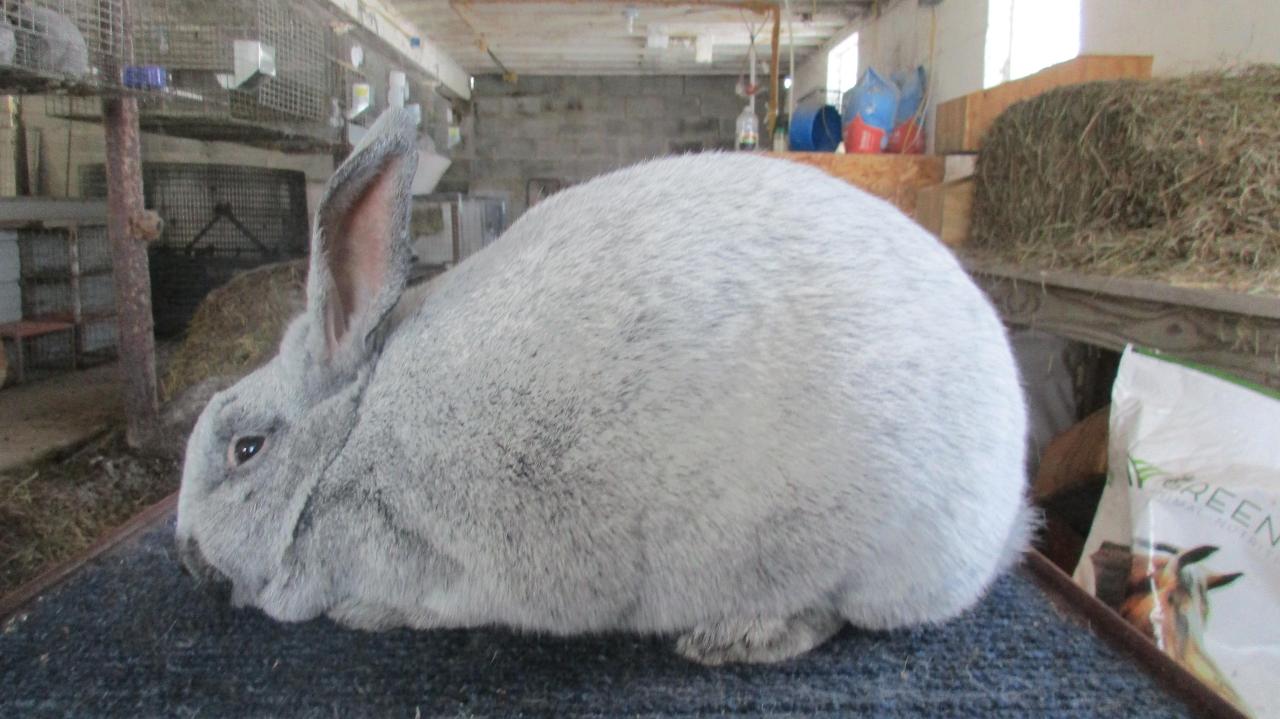
Cultivating strong customer relationships is crucial for the long-term success of any business, and the rabbit meat market is no exception. Building trust, providing exceptional service, and fostering loyalty will not only drive repeat purchases but also generate positive word-of-mouth marketing, which can be incredibly valuable in a competitive market. This section Artikels strategies for gathering feedback, delivering excellent customer service, and creating a loyal customer base.
Gathering Customer Feedback and Improving the Product
Understanding customer needs and preferences is paramount for continuous improvement. Gathering feedback allows businesses to refine their offerings, address concerns, and ultimately enhance customer satisfaction.To effectively gather customer feedback, consider the following methods:
- Surveys: Utilize online surveys (e.g., Google Forms, SurveyMonkey) or paper-based questionnaires to collect quantitative and qualitative data. Ask specific questions about product quality, taste, packaging, and overall satisfaction. Offer incentives for participation, such as discounts or entry into a prize draw.
- Customer Reviews: Encourage customers to leave reviews on your website, social media platforms, and online marketplaces. Actively monitor these reviews and respond to both positive and negative feedback promptly.
- Social Media Monitoring: Track mentions of your brand and products on social media. This can provide valuable insights into customer sentiment and identify areas for improvement.
- Direct Communication: Provide multiple channels for customers to contact you, such as email, phone, and live chat. This allows for direct interaction and the opportunity to gather in-depth feedback.
- Focus Groups: Organize focus groups with a representative sample of your target audience. This provides an opportunity to gather detailed feedback on product concepts, packaging, and marketing materials.
The feedback gathered should be analyzed regularly to identify trends and areas for improvement. Implement changes based on this feedback and communicate these changes to customers to demonstrate that their opinions are valued. For example, if numerous customers complain about the packaging being difficult to open, redesigning the packaging and informing customers of the change shows responsiveness and a commitment to quality.
Providing Excellent Customer Service
Exceptional customer service is a key differentiator in today’s market. It builds loyalty and fosters positive brand associations. Providing excellent customer service requires a proactive and customer-centric approach.Consider the following aspects of excellent customer service:
- Responsiveness: Respond to customer inquiries promptly and efficiently. Aim to acknowledge inquiries within 24 hours and resolve issues as quickly as possible.
- Personalization: Treat each customer as an individual. Address them by name and tailor your communication to their specific needs and preferences.
- Empathy: Show empathy and understanding when dealing with customer complaints or issues. Apologize sincerely for any inconvenience caused and offer solutions.
- Proactiveness: Anticipate customer needs and proactively offer solutions. For example, if a customer frequently orders a particular product, suggest related items or offer exclusive discounts.
- Product Knowledge: Ensure that your customer service representatives are knowledgeable about your products, including their origin, preparation methods, and health benefits.
- Accessibility: Make it easy for customers to contact you through various channels (phone, email, live chat, social media). Ensure that your contact information is readily available on your website and marketing materials.
Training customer service representatives is crucial. They should be trained on product knowledge, communication skills, and conflict resolution. Regularly assess customer service performance through metrics like response time, resolution rate, and customer satisfaction scores.
Building a Loyal Customer Base Through a Rewards Program
A loyalty program is an effective tool for rewarding repeat customers and incentivizing future purchases. By offering exclusive benefits, businesses can foster a sense of appreciation and encourage customers to choose their brand over competitors.When designing a rewards program, consider the following elements:
- Tiered System: Implement a tiered system where customers earn points based on their spending. As they accumulate points, they move up tiers and unlock more valuable rewards.
- Points-Based Rewards: Offer points for every dollar spent, as well as for actions such as referring friends, leaving reviews, or following your social media pages.
- Exclusive Discounts: Provide exclusive discounts and promotions to loyalty program members. This could include early access to sales, special offers on specific products, or free shipping.
- Personalized Offers: Tailor offers and recommendations to individual customer preferences based on their purchase history.
- Birthday Rewards: Offer a special gift or discount to customers on their birthdays.
- Partnerships: Collaborate with other businesses to offer cross-promotional rewards. For example, partner with a local farm or butcher shop to offer a discount on complementary products.
Effective communication is vital to the success of a loyalty program. Regularly communicate program updates, new rewards, and exclusive offers to members via email, social media, and your website. For example, consider the following:
A rabbit meat producer could implement a loyalty program offering 1 point for every $1 spent. Customers could earn bonus points for leaving reviews or referring friends. Rewards could include free shipping after reaching a certain point threshold, exclusive discounts on premium cuts, or early access to seasonal offerings. The program would be communicated through email newsletters and social media posts, highlighting the benefits of membership and promoting special offers.
Creating a Plan for Responding to Customer Inquiries and Complaints
Having a well-defined plan for responding to customer inquiries and complaints is essential for maintaining a positive brand image and resolving issues efficiently. This plan should Artikel the procedures for handling different types of inquiries and complaints.Consider the following steps in creating a response plan:
- Acknowledge Receipt: Upon receiving an inquiry or complaint, acknowledge its receipt promptly (within 24 hours). This reassures the customer that their concern is being addressed.
- Investigate the Issue: Thoroughly investigate the issue to understand the root cause. Gather all relevant information, including order details, product information, and customer communication.
- Offer a Solution: Based on the investigation, offer a fair and appropriate solution. This could include a refund, a replacement product, a discount on a future purchase, or an apology.
- Communicate Clearly and Empathetically: Communicate the solution to the customer in a clear, concise, and empathetic manner. Explain the steps you are taking to resolve the issue and express your regret for any inconvenience caused.
- Follow Up: After implementing the solution, follow up with the customer to ensure they are satisfied with the resolution. This demonstrates your commitment to customer satisfaction.
- Document Everything: Maintain a detailed record of all customer inquiries and complaints, including the issue, the solution, and the communication exchanged. This information can be used to identify recurring problems and improve your products or services.
In cases of negative reviews or complaints on social media, respond publicly to acknowledge the issue and direct the customer to a private channel (e.g., email or phone) to resolve the matter. This demonstrates your commitment to customer service to a wider audience. If a customer experiences a quality issue with the rabbit meat, the response plan should Artikel the process for handling the complaint, including requesting evidence of the issue (e.g., photos), offering a refund or replacement, and investigating the cause of the problem to prevent future occurrences.
Legal and Regulatory Considerations
Navigating the legal and regulatory landscape is crucial for anyone looking to market rabbit meat. Adhering to food safety standards, labeling requirements, and obtaining necessary licenses ensures consumer safety and builds trust in your brand. Failure to comply with these regulations can result in significant penalties and damage to your reputation.
Food Safety Regulations for Rabbit Meat
Rabbit meat, like any other food product, is subject to rigorous food safety regulations designed to protect public health. These regulations cover various aspects of production, processing, and handling.
- Food and Drug Administration (FDA): In the United States, the FDA plays a primary role in regulating food safety. They oversee the safety of food products, including rabbit meat, and ensure that food is produced under sanitary conditions. The FDA’s regulations, Artikeld in the Code of Federal Regulations (CFR), cover everything from processing practices to labeling requirements. For example, facilities that process rabbit meat must adhere to the FDA’s Good Manufacturing Practices (GMPs), which establish minimum sanitary and processing requirements.
- United States Department of Agriculture (USDA): The USDA’s Food Safety and Inspection Service (FSIS) is responsible for inspecting meat and poultry products, including rabbit meat, to ensure they are safe, wholesome, and correctly labeled and packaged. FSIS inspectors are present in processing plants to monitor operations and ensure compliance with regulations. They enforce the standards for Hazard Analysis and Critical Control Points (HACCP) plans, which are designed to identify and control potential hazards in food production.
- HACCP Plans: Implementing a HACCP plan is a mandatory requirement for rabbit meat processing facilities. This system involves identifying potential hazards, establishing critical control points (CCPs) to prevent or minimize those hazards, monitoring CCPs, and verifying the effectiveness of the plan. Examples of CCPs in rabbit meat processing might include temperature control during storage and cooking, and ensuring proper sanitation of equipment.
- State and Local Regulations: In addition to federal regulations, state and local health departments may have their own food safety requirements. These can vary significantly depending on the location. It is crucial to check with your local health department to understand the specific regulations that apply to your business.
Labeling Requirements for Rabbit Meat Products
Accurate and informative labeling is essential for providing consumers with the information they need to make informed choices. Labeling requirements for rabbit meat are specific and detailed.
- Product Name: The label must clearly state the product name, such as “Rabbit Meat,” “Rabbit Leg,” or “Rabbit Loin.”
- Net Weight: The net weight of the product must be prominently displayed on the label, typically in both metric and U.S. customary units.
- Ingredients List: If the rabbit meat product contains any added ingredients, such as seasonings or marinades, a complete ingredient list must be included, listed in descending order of predominance by weight.
- Nutrition Facts Panel: A nutrition facts panel is required, providing information on serving size, calories, fat, protein, carbohydrates, and other nutrients. This panel helps consumers understand the nutritional content of the product.
- Safe Handling Instructions: Labels must include safe handling instructions, such as “Keep Refrigerated” and “Cook to an Internal Temperature of 160°F (71°C).” These instructions are critical for preventing foodborne illnesses.
- Establishment Number: The label must include the establishment number of the processing facility, assigned by the USDA or relevant state agency. This number helps trace the product back to its source in case of a recall.
- “Product of” Statement: The label must indicate the country of origin of the rabbit meat. This helps consumers make informed purchasing decisions based on their preferences.
Process of Obtaining Necessary Licenses and Permits
Operating a rabbit meat business requires obtaining the appropriate licenses and permits from federal, state, and local authorities. This process ensures that your business meets all necessary health and safety standards.
- Federal Licenses: If you are processing rabbit meat for interstate commerce, you will need to obtain a federal license from the USDA-FSIS. This involves submitting an application, undergoing an inspection of your processing facility, and demonstrating compliance with FSIS regulations.
- State Licenses: Each state has its own licensing requirements for food businesses. Contact your state’s department of agriculture or health department to determine the specific licenses and permits needed in your area. These may include licenses for processing, storage, and sales.
- Local Permits: Your local city or county may also require permits for operating a food business. These permits may relate to zoning, building codes, and health inspections. Contact your local government to understand these requirements.
- Food Handler’s Permit: Employees who handle food may be required to obtain a food handler’s permit or certification. This ensures that they have the knowledge and skills to handle food safely.
- Inspection Process: The licensing process typically involves inspections of your facility by regulatory agencies. These inspections will assess the cleanliness of your facility, the equipment used, and the adherence to food safety practices. Be prepared to address any issues identified during the inspection to ensure compliance.
Restrictions on Advertising or Marketing Rabbit Meat
While there are no specific restrictions on advertising rabbit meat, marketers must ensure their advertising and marketing practices comply with general advertising regulations.
- Truthful and Non-Misleading Claims: All advertising claims must be truthful and not misleading. You cannot make false or unsubstantiated claims about the health benefits or nutritional value of rabbit meat.
- Labeling Compliance: Advertising must align with the information provided on the product label. For example, if your product is labeled as “lean,” your advertising should not contradict this claim.
- USDA/FDA Guidelines: Any health or nutritional claims must comply with USDA and FDA guidelines. For instance, you cannot claim that rabbit meat cures a disease without scientific evidence and approval from these agencies.
- Comparative Advertising: If you engage in comparative advertising, comparing your product to another, ensure that your comparisons are fair, accurate, and verifiable.
- Use of Testimonials: If using testimonials, ensure that they are genuine and reflect the actual experience of the individuals providing them.
- Ethical Considerations: Consider the ethical implications of your advertising. Avoid using images or language that could be offensive or insensitive to consumers.
Visual Marketing and Presentation
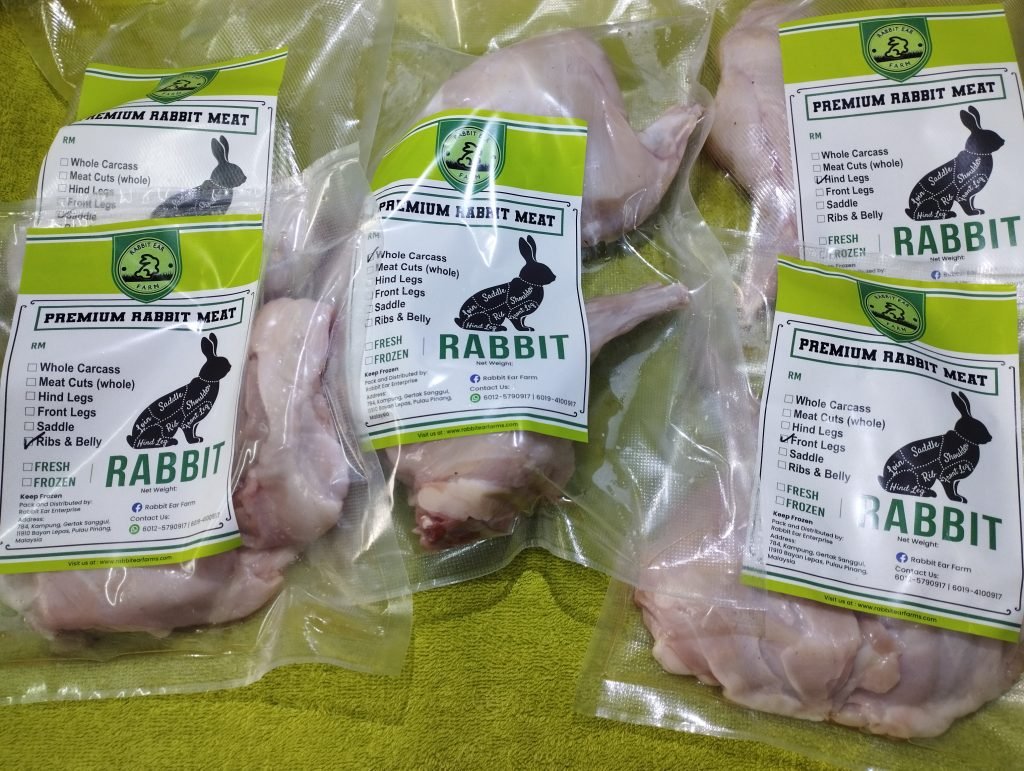
Visual marketing is crucial for the successful promotion of rabbit meat, as it allows potential customers to quickly understand the product’s appeal and quality. High-quality visuals can significantly influence purchasing decisions, especially for a product that may be unfamiliar to many consumers. Effective presentation encompasses everything from showcasing the product itself to demonstrating its versatility in cooking.
Descriptive Image Series for Rabbit Meat Cuts
A well-curated image series is vital for demonstrating the various cuts of rabbit meat and their suitability for different culinary applications. The images should be professional, well-lit, and clearly labeled.The image series should consist of the following:* Whole Rabbit: An image displaying a whole, dressed rabbit, ideally presented on a butcher’s block or a clean, neutral background. This showcases the complete form of the product and emphasizes its natural appearance.
The rabbit should be of a good size and condition, demonstrating its freshness and quality.
Legs
Close-up shot of rabbit legs, showing the texture and color of the meat. The image should highlight the potential for roasting, grilling, or braising. Consider showing the legs both bone-in and boneless.
Saddle
A photograph of the saddle (the back) of the rabbit, emphasizing its tender and lean qualities. This cut is ideal for pan-searing or stuffing.
Loin
An image of the rabbit loin, often presented as individual medallions. This cut is very versatile and can be used in various dishes.
Shoulders
A shot of the rabbit shoulders, showcasing the meat’s suitability for slow cooking or stews.
Ribs
An image of the rabbit ribs, highlighting their potential for barbecuing or grilling.
Ground Rabbit
A photo of ground rabbit meat, demonstrating its use as a versatile ingredient for burgers, meatballs, or sauces. This presentation shows the meat’s flexibility.
Variety Pack
A picture showing an assortment of cuts.Each image should be accompanied by a brief description, such as “Rabbit Legs – Perfect for roasting or braising” or “Rabbit Saddle – Tender and lean, ideal for pan-searing.”
Attractive Packaging Design for Rabbit Meat
Packaging design is a critical element in attracting consumers. It must protect the product, communicate the brand, and entice the buyer. The design should reflect the brand’s identity and the product’s quality.The process of creating an attractive packaging design should include the following steps:* Define Target Audience: Identify the specific consumer group the product is aimed at (e.g., health-conscious individuals, gourmet cooks, families).
Understanding the target audience helps tailor the packaging design to their preferences and needs.
Brand Identity
Develop a consistent brand identity, including a logo, color palette, and typography. The design should reflect the brand’s values, such as sustainability, freshness, or gourmet quality.
Material Selection
Choose packaging materials that protect the product, maintain freshness, and are environmentally friendly. Consider recyclable or biodegradable options to appeal to eco-conscious consumers. Vacuum-sealed packaging can extend shelf life and maintain quality.
Design Layout
Design a layout that is visually appealing and informative. The packaging should clearly display the product name, weight, ingredients (if applicable), and any certifications (e.g., organic). Use high-quality images of the rabbit meat to showcase its appearance.
Color Palette and Typography
Select a color palette that reflects the brand’s identity and the product’s characteristics. Use legible and attractive typography for all text elements.
Labeling and Information
Ensure all required labeling information is present, including nutritional facts, storage instructions, and cooking suggestions.
Prototyping and Testing
Create prototypes of the packaging and test them with potential consumers. Gather feedback to refine the design and ensure it effectively communicates the product’s value.
Sustainability Considerations
Explore eco-friendly packaging options. Using materials like recycled cardboard or plant-based plastics can appeal to environmentally conscious consumers.
Visual Presentation of Rabbit Meat Preparation
Demonstrating the versatility of rabbit meat through visual presentations of preparation methods can be highly effective. This can involve photography or videography.The visual presentation should highlight different cooking methods:* Roasting: Show images or video of a whole rabbit or rabbit pieces being roasted in an oven. Include visuals of the rabbit being seasoned, prepared, and the final presentation.
Grilling
Feature rabbit legs or saddle being grilled. Showcase the process of marinating, grilling, and serving the finished dish.
Braising
Demonstrate the braising of rabbit in a pot with vegetables and broth. Show the different stages of the cooking process.
Pan-Searing
Display the process of pan-searing rabbit loin medallions, emphasizing the technique for achieving a crispy exterior and tender interior.
Stewing
Visuals of rabbit stew being made, highlighting the combination of rabbit meat with various vegetables and seasonings.
Frying
Showcase the process of frying rabbit meat.Each cooking method should include:* Ingredient Preparation: Visuals of the ingredients being prepared (e.g., chopping vegetables, marinating the rabbit).
Cooking Process
Step-by-step visuals of the cooking process.
Plating and Presentation
Images of the finished dish, plated attractively with garnishes.
Photography and Videography in Marketing
Photography and videography are powerful tools for marketing rabbit meat. High-quality visuals can capture the product’s appeal and convey its value.The effective use of photography and videography involves:* Professional Equipment: Use professional-grade cameras, lighting, and editing software to ensure high-quality visuals.
Styling and Composition
Carefully style the food and the setting to create visually appealing images and videos. Consider using props, backgrounds, and garnishes to enhance the presentation.
Showcasing Versatility
Create a variety of visuals to showcase the different ways rabbit meat can be prepared and enjoyed.
Demonstrating Quality
Use visuals to demonstrate the quality and freshness of the product. Close-up shots can highlight the texture and color of the meat.
Storytelling
Use visuals to tell a story about the product, the brand, and the people behind it.
Social Media Optimization
Optimize images and videos for social media platforms. Use relevant hashtags and captions to increase visibility.
Consistency
Maintain a consistent visual style across all marketing materials to build brand recognition.
Video Formats
Produce videos in various formats, including short-form videos for social media, longer-form cooking tutorials, and behind-the-scenes videos.
Professional Editing
Invest in professional video editing to ensure that the final product is polished and engaging.By implementing these strategies, marketers can leverage the power of visual marketing to effectively promote rabbit meat and attract consumers.
Measuring Marketing Success
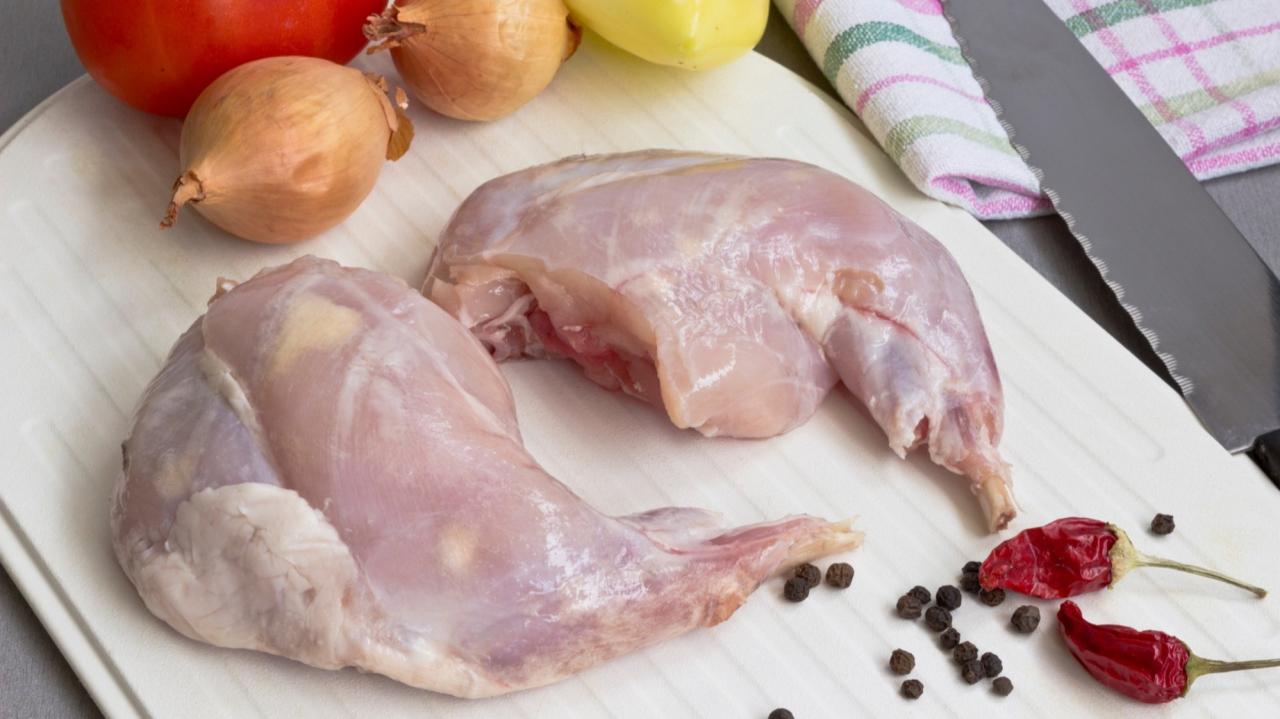
Effectively measuring the success of your marketing efforts is crucial for understanding what resonates with your target audience and optimizing your strategies for improved results. A data-driven approach allows you to identify areas for improvement, allocate resources efficiently, and ultimately, increase sales and brand awareness within the rabbit meat market. This section will explore key performance indicators (KPIs), analysis methods, and strategies to track and report on your marketing performance.
Identifying Key Performance Indicators (KPIs) for Tracking Campaign Effectiveness
Establishing relevant KPIs is the cornerstone of measuring marketing success. These measurable values demonstrate how effectively a company is achieving key business objectives. By focusing on specific metrics, you can assess the impact of your campaigns and make informed decisions.
- Website Traffic: Tracking website traffic is essential. Monitor the number of visitors, page views, bounce rate, and time on site. Use tools like Google Analytics to gain insights into user behavior, identify popular content, and understand where traffic originates. For instance, a significant increase in website traffic after a social media campaign indicates its effectiveness.
- Social Media Engagement: Assess social media engagement through likes, shares, comments, and follower growth. These metrics indicate how well your content resonates with your audience. For example, if a promotional post for rabbit meat recipes receives a high number of shares, it suggests the content is engaging and valuable to your followers.
- Conversion Rate: Measure the percentage of website visitors or social media users who complete a desired action, such as making a purchase, signing up for a newsletter, or requesting a sample. A high conversion rate indicates that your marketing efforts are effectively guiding users towards your business goals.
- Customer Acquisition Cost (CAC): Determine the cost of acquiring a new customer. Calculate this by dividing the total marketing expenses by the number of new customers acquired during a specific period. A lower CAC signifies a more efficient and cost-effective marketing strategy.
- Return on Investment (ROI): Calculate the ROI of your marketing campaigns to understand their profitability. The formula is:
ROI = ((Revenue – Cost of Goods Sold – Marketing Expenses) / Marketing Expenses)
– 100A positive ROI indicates that your marketing investments are generating profits.
- Brand Awareness: Evaluate brand awareness through surveys, social media mentions, and search engine trends. Increased brand awareness indicates that your marketing efforts are successfully reaching your target audience.
Providing Methods for Analyzing Website Traffic and Social Media Engagement
Analyzing website traffic and social media engagement provides valuable insights into how your marketing efforts are performing and what adjustments are needed. Understanding user behavior on your website and how they interact with your content on social media is key to optimizing your strategies.
- Website Traffic Analysis: Utilize tools like Google Analytics to analyze website traffic. Examine metrics such as:
- Traffic Sources: Identify the sources of your website traffic (e.g., organic search, social media, referral sites).
- User Behavior: Analyze user behavior, including bounce rate, time on site, and pages visited, to understand how users interact with your content.
- Conversion Tracking: Set up conversion tracking to measure the effectiveness of your website in achieving your goals, such as sales or newsletter sign-ups.
- Social Media Engagement Analysis: Use social media analytics tools to track engagement metrics:
- Reach: Measure the number of people who have seen your content.
- Engagement Rate: Calculate the engagement rate (likes, shares, comments) to understand how well your content resonates with your audience.
- Follower Growth: Monitor the growth of your follower base to gauge the effectiveness of your content in attracting new followers.
- Sentiment Analysis: Use sentiment analysis tools to understand the overall sentiment towards your brand on social media.
- Cross-Platform Analysis: Compare website traffic and social media engagement data to identify correlations. For example, a spike in website traffic after a successful social media campaign indicates the effectiveness of your social media efforts in driving traffic to your website.
Sharing Strategies for Measuring Sales Growth and Customer Acquisition Costs
Measuring sales growth and customer acquisition costs (CAC) provides crucial insights into the financial performance of your marketing efforts. Understanding these metrics allows you to evaluate the effectiveness of your sales strategies and the efficiency of your marketing spending.
- Measuring Sales Growth:
- Track Sales Over Time: Monitor sales revenue over time to identify trends and measure growth. Compare sales data from different periods (e.g., month-over-month, year-over-year) to assess the impact of your marketing campaigns.
- Segment Sales Data: Segment sales data by product, marketing channel, and customer segment to understand which strategies and products are driving the most sales. For instance, if a specific recipe featured in a recent social media post leads to increased sales of rabbit meat cuts, you can attribute that growth to that campaign.
- Calculate Average Order Value (AOV): Determine the average value of each order to assess how your marketing efforts influence customer spending. A higher AOV can indicate that your marketing campaigns are attracting customers who are willing to spend more.
- Measuring Customer Acquisition Cost (CAC):
- Calculate Total Marketing Expenses: Calculate the total marketing expenses for a specific period, including advertising costs, content creation costs, and marketing team salaries.
- Determine Number of New Customers Acquired: Determine the number of new customers acquired during the same period.
- Calculate CAC: Divide the total marketing expenses by the number of new customers acquired to determine the CAC.
CAC = Total Marketing Expenses / Number of New Customers Acquired
- Analyze CAC Trends: Monitor CAC trends over time to assess the efficiency of your marketing efforts. A decreasing CAC indicates that your marketing strategies are becoming more efficient in acquiring new customers.
- Analyze the relationship between Sales Growth and CAC: Compare sales growth with CAC to understand the efficiency of your marketing spending. A higher sales growth with a lower CAC indicates a more effective and profitable marketing strategy.
Designing a System for Tracking and Reporting on Marketing Results
A well-designed system for tracking and reporting on marketing results is essential for monitoring performance, making informed decisions, and optimizing marketing strategies. This system should be comprehensive, automated, and easily accessible to all relevant stakeholders.
- Choose Appropriate Tools: Select appropriate tools for tracking and reporting on marketing results. This may include:
- Analytics Platforms: Google Analytics for website traffic analysis.
- Social Media Analytics Tools: Built-in analytics dashboards or third-party tools for social media engagement analysis.
- CRM Systems: Customer Relationship Management (CRM) systems to track sales data, customer interactions, and customer acquisition costs.
- Marketing Automation Tools: Tools like Mailchimp, HubSpot, or similar platforms can automate reporting processes.
- Establish a Reporting Framework:
- Define Key Metrics: Clearly define the KPIs that will be tracked and reported on.
- Set Reporting Frequency: Determine the frequency of reporting (e.g., weekly, monthly, quarterly).
- Create Reporting Templates: Design templates for reports that are easy to understand and include all relevant metrics.
- Automate Data Collection and Reporting:
- Integrate Tools: Integrate your marketing tools to automatically collect and aggregate data.
- Automate Report Generation: Use automation tools to generate reports automatically.
- Analyze and Interpret Data:
- Review Reports Regularly: Regularly review the reports to identify trends, patterns, and areas for improvement.
- Analyze Results: Analyze the results to gain insights into the effectiveness of your marketing strategies.
- Share Insights: Share the insights with relevant stakeholders to facilitate data-driven decision-making.
- Refine and Optimize:
- Make Adjustments: Based on the insights gained from the reports, make adjustments to your marketing strategies.
- Continuously Improve: Continuously refine your tracking and reporting system to ensure it is providing the most accurate and valuable insights.
Final Conclusion
In conclusion, successfully marketing rabbit meat involves a multifaceted strategy that combines insightful market analysis, compelling branding, strategic channel utilization, and consistent customer engagement. By understanding the market, crafting a unique brand identity, leveraging online and offline marketing tactics, and focusing on customer relationships, you can cultivate a thriving business. The principles Artikeld here provide a solid foundation for navigating the challenges and seizing the opportunities within the rabbit meat market, leading to both commercial success and the promotion of a healthy, sustainable food choice.