Embarking on the journey of establishing a livestock business is a venture filled with promise, offering the opportunity to contribute to the agricultural landscape and build a sustainable enterprise. From raising cattle to breeding poultry, the world of livestock presents a diverse range of opportunities for entrepreneurs. This comprehensive guide will serve as your compass, navigating the essential steps required to legally and successfully launch your livestock business, ensuring you’re well-equipped to handle the intricacies of the industry.
This guide delves into the multifaceted aspects of livestock business registration, covering everything from defining your business structure and securing necessary permits to crafting a robust business plan and implementing effective marketing strategies. We’ll explore the critical importance of animal welfare, financial planning, and environmental considerations, providing you with the knowledge and tools needed to thrive in this rewarding sector.
Whether you’re a seasoned farmer or a budding entrepreneur, this resource will provide valuable insights to help you succeed.
Introduction: Defining a Livestock Business
A livestock business involves the raising, breeding, and selling of animals for various purposes, including meat, dairy, fiber, and labor. These businesses play a crucial role in the agricultural sector and contribute significantly to the global food supply and economy.
Defining a Livestock Business
A livestock business is generally defined as an agricultural enterprise dedicated to the production of animals for commercial purposes. This can encompass a wide range of activities, from the initial breeding of animals to the final processing and sale of animal products.
Types of Livestock Businesses
The livestock industry is diverse, with various business models specializing in different aspects of animal production. These include:
- Breeding Operations: These businesses focus on the reproduction and genetic improvement of livestock. They often sell breeding stock, such as bulls, boars, and rams, to other farms. An example would be a cattle ranch specializing in Angus cattle, known for their high-quality beef and desirable traits.
- Raising Operations: These farms raise animals from birth or purchase them at a young age, fattening them for meat production or for the production of other products like milk or eggs. A chicken farm that raises broiler chickens for meat is an example.
- Processing Businesses: These businesses transform livestock into marketable products. This includes slaughterhouses, meatpacking plants, and dairy processing facilities. For instance, a meatpacking plant that processes cattle into steaks, roasts, and ground beef would fall into this category.
- Dairy Farms: Focused on the production of milk and dairy products. They may range from small family farms to large-scale commercial operations.
- Poultry Farms: These farms specialize in raising chickens, turkeys, ducks, and other fowl for meat and egg production.
- Aquaculture Farms: Raising fish and other aquatic organisms in a controlled environment for food or other products. An example would be a salmon farm.
- Fiber Production: Raising animals like sheep, goats (for mohair), and alpacas for their wool or fiber.
Benefits of Starting a Livestock Business
Starting a livestock business can offer several potential advantages. These can include:
- Market Demand: There is a consistent and growing demand for animal products, particularly meat, dairy, and eggs, providing a stable market for livestock farmers. For example, global meat consumption has consistently increased over the past decades, driven by population growth and rising incomes in developing countries.
- Diversification of Income: Livestock businesses can diversify income streams. Farmers can sell animals, animal products, and byproducts.
- Potential for Profitability: With proper management and efficient operations, livestock businesses can be highly profitable. The profitability depends on factors such as production costs, market prices, and efficiency of operations.
- Rural Economic Development: Livestock businesses contribute to the economic vitality of rural communities by creating jobs and supporting related industries.
- Sustainable Practices: Livestock farming, when managed responsibly, can contribute to sustainable land management practices. For example, rotational grazing can improve soil health and reduce the need for fertilizers.
Legal Structure Considerations
Choosing the right legal structure is a crucial decision when establishing a livestock business. This choice impacts liability, taxation, and the administrative burden of running the operation. Understanding the different options available and their implications allows business owners to select the structure that best aligns with their specific needs and goals. Careful consideration at this stage can save time, money, and potential legal issues down the line.
Various Legal Structures for Livestock Businesses
Several legal structures are available for livestock businesses, each with its own set of advantages and disadvantages. The most common structures include sole proprietorship, partnership, Limited Liability Company (LLC), and corporation.
- Sole Proprietorship: This is the simplest structure, where the business is owned and run by one person, and there is no legal distinction between the owner and the business. The owner receives all profits but is also personally liable for all business debts and obligations.
- Partnership: A partnership involves two or more individuals who agree to share in the profits or losses of a business. Like a sole proprietorship, partners typically face personal liability for business debts, although limited partnerships offer some partners limited liability.
- Limited Liability Company (LLC): An LLC combines the pass-through taxation of a partnership or sole proprietorship with the limited liability of a corporation. Owners, known as members, are not personally liable for the company’s debts or obligations.
- Corporation: A corporation is a more complex structure, considered a separate legal entity from its owners (shareholders). Corporations can be structured as S corporations or C corporations, impacting how they are taxed. C corporations are subject to double taxation (at the corporate level and again when profits are distributed to shareholders), while S corporations offer pass-through taxation.
Comparison of Legal Structures
Understanding the nuances of each legal structure is best achieved by comparing them across key factors. The following table provides a comparative analysis of the four main legal structures, considering liability, taxation, and complexity.
| Structure | Liability | Taxes | Complexity |
|---|---|---|---|
| Sole Proprietorship | Unlimited personal liability. The owner is personally liable for all business debts and obligations. | Pass-through taxation. Profits are taxed as personal income. | Low. Simple to set up and maintain. |
| Partnership | General partners have unlimited personal liability. Limited partners have limited liability (depending on the partnership structure). | Pass-through taxation. Profits are taxed as personal income for each partner. | Moderate. Requires a partnership agreement. |
| LLC | Limited liability. Members are generally not personally liable for business debts and obligations. | Pass-through taxation (default). Can elect to be taxed as an S corporation. | Moderate. Requires filing articles of organization and operating agreements. |
| Corporation (C Corp) | Limited liability. Shareholders are not personally liable for business debts and obligations. | Double taxation. The corporation pays taxes on profits, and shareholders pay taxes on dividends. | High. Requires more complex setup and ongoing compliance. |
| Corporation (S Corp) | Limited liability. Shareholders are not personally liable for business debts and obligations. | Pass-through taxation. Profits are taxed as personal income for each shareholder, avoiding double taxation. | High. Requires more complex setup and ongoing compliance. |
Factors to Consider When Choosing a Legal Structure
Several factors should be carefully considered when selecting the most appropriate legal structure for a livestock business. These factors influence liability exposure, tax obligations, and the administrative burden associated with operating the business.
- Liability Exposure: Evaluate the level of personal risk. If the business involves significant financial risk or potential for lawsuits (e.g., due to animal-related incidents or product liability), a structure offering limited liability (LLC or corporation) might be preferable.
- Tax Implications: Consider the tax implications of each structure. Pass-through taxation (sole proprietorship, partnership, LLC, S Corp) avoids double taxation but can subject the owner to self-employment taxes. C corporations face double taxation.
- Business Complexity: Assess the administrative complexity. Sole proprietorships and partnerships are simpler to set up and maintain, while corporations require more paperwork and compliance procedures.
- Funding Needs: Determine future funding needs. Corporations may be better suited for attracting investors and raising capital.
- Future Growth: Plan for future business growth. If expansion is anticipated, a structure that can accommodate additional owners or investors (e.g., LLC or corporation) may be advantageous.
- Personal Circumstances: Consider the owner’s personal financial situation and risk tolerance.
Business Name and Registration
Choosing and registering a business name is a critical step in establishing your livestock business. It not only identifies your business to the public but also plays a significant role in branding and marketing efforts. A well-chosen name can attract customers and build trust, while a legally sound registration ensures you have the right to operate under that name.
Choosing a Business Name
Selecting a suitable business name requires careful consideration. The name should be memorable, relevant to your business, and easy to pronounce and spell. It is also important to consider the target audience and the overall image you want to project.
- Relevance: The name should reflect the nature of your livestock business. For example, “Green Pastures Farm” clearly indicates a farm-based operation.
- Memorability: A catchy and easy-to-remember name increases the likelihood of customer recall.
- Availability: Before settling on a name, verify its availability for use. This involves checking with your local business registry and considering potential trademark conflicts.
- Target Audience: Consider your target audience when choosing a name. A name appealing to local consumers might differ from one aimed at a national or international market.
- Brandability: Think about how the name will work with your brand identity. Does it lend itself to a logo, website, and other marketing materials?
Checking for Trademark Availability
Before finalizing your business name, it is essential to conduct a thorough trademark search. This helps prevent potential legal issues and protects your brand. A trademark protects a brand’s identity.
- Trademark Search Databases: Utilize online trademark databases, such as those provided by your country’s intellectual property office (e.g., the United States Patent and Trademark Office – USPTO), to search for existing trademarks.
- Professional Assistance: Consider consulting with a trademark attorney or a legal professional. They can provide expert guidance on trademark searches and assessments.
- Comprehensive Search: A thorough search should include exact matches, similar-sounding names, and names that use similar terms or concepts.
- Risk Assessment: If a potential conflict is identified, evaluate the risk involved. Factors to consider include the similarity of the goods or services, the geographic scope of the existing trademark, and the strength of the mark.
- Alternative Names: Have backup names prepared in case your preferred name is already trademarked.
Registering a Business Name in [Your Country/Region]
The specific steps for registering a business name vary depending on your country or region. However, the general process typically involves the following:
Please note: The following steps are general guidelines. Always consult with your local business registry or relevant government agency for the most accurate and up-to-date information.
- Choose a Legal Structure: Before registering your business name, determine your business’s legal structure (e.g., sole proprietorship, partnership, limited liability company (LLC), corporation). The legal structure impacts the registration process.
- Check Name Availability: Conduct a preliminary search of your local business registry to ensure your chosen name is not already in use. Most registries offer online search tools.
- Prepare Required Documents: Gather the necessary documents, which may include your business formation documents (e.g., articles of organization, partnership agreement), identification, and any required permits or licenses.
- Complete the Registration Application: Fill out the business name registration application form provided by your local business registry. Provide accurate information about your business, including the legal structure, business address, and contact details.
- Pay the Registration Fee: Submit the required registration fee. The amount varies depending on the location and the type of business.
- Submit the Application: Submit your completed application and supporting documents to the appropriate business registry. This may be done online, by mail, or in person.
- Receive Confirmation: Once your application is approved, you will receive confirmation of your business name registration. This may include a certificate of registration or other official documentation.
- Obtain an Employer Identification Number (EIN) (if applicable): If you plan to hire employees or operate as a corporation or partnership, you will likely need to obtain an EIN from the Internal Revenue Service (IRS) or your country’s equivalent.
- Comply with Ongoing Requirements: Be aware of any ongoing requirements, such as annual filings or renewal fees, to maintain your business name registration.
Example: In the United States, registering a business name for an LLC often involves filing Articles of Organization with the Secretary of State in the state where the business will operate. The specific requirements and fees vary by state. For instance, in California, the filing fee for Articles of Organization is $70, and the filing process can be completed online or by mail.
The business must also obtain an EIN from the IRS if it has employees or is a multi-member LLC.
Obtaining Necessary Permits and Licenses
Once you’ve established the legal structure and registered your livestock business, the next crucial step is obtaining the necessary permits and licenses. This ensures your operation complies with local, state, and federal regulations, promoting animal welfare, environmental protection, and public health. Failure to secure these permits can lead to hefty fines, operational shutdowns, and legal complications.
Types of Permits and Licenses Required
The specific permits and licenses needed vary depending on several factors, including the type of livestock you raise, the size of your operation, and the location of your business. It is essential to research the requirements specific to your geographic area and livestock type. Generally, you can expect to need some or all of the following:
- Business License: A general business license is often required at the city, county, or state level, permitting you to operate a business within that jurisdiction.
- Zoning Permit: Zoning regulations dictate where you can operate a livestock business. A zoning permit confirms that your property complies with these regulations.
- Animal Health Permits: These permits relate to animal health and disease control, often involving regular inspections and adherence to specific biosecurity protocols.
- Environmental Permits: Depending on the size and scope of your operation, you might need permits related to waste management, water usage, and air quality to minimize environmental impact.
- Food Safety Permits: If you plan to sell meat or other animal products directly to consumers, you’ll need food safety permits to ensure your products meet safety standards.
- Building Permits: Construction of barns, sheds, or other structures on your property may require building permits to ensure compliance with building codes.
- Transportation Permits: Transporting livestock across state lines often requires specific permits and adherence to transportation regulations to ensure animal welfare.
- Import/Export Permits: If you plan to import or export livestock, you will need permits from the relevant authorities, such as the USDA.
Here’s a more detailed breakdown, illustrating how the specific permits and licenses required can vary based on the type of livestock:
- Poultry (Chickens, Turkeys, Ducks, etc.):
- Poultry Operation License (required in many states).
- Egg Handler Permit (if selling eggs).
- Poultry Slaughter and Processing Permit (if processing poultry for sale).
- Waste Management Plan (for manure disposal).
- Cattle (Beef and Dairy):
- Premises Identification Number (PIN)
-often required for tracking animals and disease control. - Dairy Farm Permit (if operating a dairy farm).
- Slaughterhouse License (if operating a slaughterhouse).
- Water Quality Permit (if impacting water resources).
- Premises Identification Number (PIN)
- Swine (Pigs):
- Swine Operation Permit (depending on the size and scale of the operation).
- Waste Management Plan (critical for managing manure and preventing pollution).
- Manure Storage Permit (if storing manure).
- Sheep and Goats:
- Premises Identification Number (PIN).
- Scrapie Identification and Record Keeping (for sheep, to control the spread of Scrapie disease).
- Meat Handler’s License (if selling meat).
- Other Livestock (Horses, Llamas, etc.):
- Specific permits may be required depending on the state and local regulations, often related to animal health and welfare.
- Zoning regulations are particularly important for these animals, as they often involve more space requirements.
Permit and License Application Process Flowchart
The application process for permits and licenses generally follows a standardized approach, although specific steps and requirements can vary depending on the issuing agency. A flowchart illustrates the typical steps involved.
Flowchart Description:
The flowchart begins with the ‘Identify Required Permits and Licenses’ box. This initial step is crucial and involves researching all the necessary permits based on the type of livestock and location. Next, ‘Gather Required Documentation’ is represented, highlighting the importance of preparing all the necessary documents, such as business plans, site plans, and proof of ownership. Subsequently, the ‘Complete Application Forms’ step emphasizes the importance of accurately filling out all the forms provided by the issuing agencies.
‘Submit Application and Pay Fees’ is the next step, highlighting the necessity of submitting the application along with the associated fees. ‘Application Review’ is the subsequent step, representing the agency’s review of the application. This is followed by ‘Inspection (if required)’, which might involve an on-site inspection by the agency to verify compliance. The flowchart continues with ‘Permit Approval/Denial’. If approved, the process leads to ‘Receive Permit and Maintain Compliance’.
If denied, it goes to ‘Address Deficiencies/Appeal’. Finally, ‘Regular Renewals’ is included to highlight the need to renew the permit as needed.
Here is a text-based representation of the flowchart:
  +------------------------------------------+
  | Identify Required Permits and Licenses  |
  +------------------------------------------+
                   |
                   V
  +------------------------------------------+
  |       Gather Required Documentation      |
  +------------------------------------------+
                   |
                   V
  +------------------------------------------+
  |      Complete Application Forms         |
  +------------------------------------------+
                   |
                   V
  +------------------------------------------+
  |   Submit Application and Pay Fees      |
  +------------------------------------------+
                   |
                   V
  +------------------------------------------+
  |             Application Review           |
  +------------------------------------------+
                   |
                   V
  +------------------------------------------+
  |         Inspection (if required)        |
  +------------------------------------------+
                   |
                   V
  +------------------------------------------+
  |          Permit Approval/Denial          |
  +------------------------------------------+
           /                 \
          /                   \
  +-------+                 +-------+
  |  Yes  |                 |  No   |
  +-------+                 +-------+
       |                        |
       V                        V
  +------------------------------------------+   +------------------------------------------+
  | Receive Permit and Maintain Compliance |   |   Address Deficiencies/Appeal         |
  +------------------------------------------+   +------------------------------------------+
                   |
                   V
  +------------------------------------------+
  |              Regular Renewals            |
  +------------------------------------------+
This flowchart provides a general overview of the process.
It is vital to consult with the relevant regulatory agencies in your area to obtain detailed information and specific requirements for your livestock business.
Developing a Business Plan

A comprehensive business plan is a critical roadmap for any livestock business, serving as a blueprint for success. It Artikels the business’s goals, strategies, and how it intends to achieve them. It’s not just a document for securing funding; it’s a vital tool for internal management, providing clarity and focus for the business owner and guiding day-to-day operations. Developing a well-structured business plan increases the likelihood of success in the competitive livestock industry.
Importance of a Business Plan
The business plan acts as a compass, guiding the livestock business through various challenges and opportunities. It provides a clear understanding of the market, the competition, and the resources required. A well-crafted plan assists in securing funding from investors or lenders by demonstrating the viability and profitability of the business. Moreover, the process of creating a business plan forces the entrepreneur to carefully consider all aspects of the operation, from production to marketing, leading to better decision-making and improved efficiency.
It’s a living document that should be reviewed and updated regularly to adapt to changing market conditions and business needs.
Key Components of a Livestock Business Plan
A livestock business plan encompasses several key components that provide a comprehensive overview of the business. Each section plays a crucial role in assessing the business’s potential for success and guiding its operations.
- Executive Summary: This is a concise overview of the entire business plan, typically one to two pages long. It summarizes the business concept, mission statement, goals, and objectives. It should highlight the key aspects of the business, including the products or services offered, the target market, the management team, and the financial projections. It should also briefly Artikel the funding request if applicable.
- Market Analysis: This section involves in-depth research and analysis of the livestock market. It includes identifying the target market, analyzing the competition, and understanding market trends. This involves defining the specific type of livestock being raised (e.g., beef cattle, poultry, swine), and determining the market demand for the products. Consider the local and regional markets, and identify potential customers, such as restaurants, grocery stores, or direct-to-consumer sales.
Analyzing the competition involves identifying other livestock producers in the area and evaluating their strengths and weaknesses. It also involves understanding market trends, such as consumer preferences, changes in demand, and emerging opportunities.
- Operations Plan: This details the day-to-day operations of the livestock business. It covers the location, facilities, and equipment required for the business. It includes a description of the livestock production process, including breeding, feeding, health management, and waste management. It also covers staffing and labor requirements, outlining the roles and responsibilities of each employee. The operations plan should also address any regulatory requirements, such as permits, licenses, and environmental regulations.
For example, a cattle farm would detail the pasture management plan, feeding schedules, and veterinary care protocols.
- Management Team: This section provides an overview of the management team and their experience and expertise. It should include the names and titles of the key personnel, as well as their relevant experience and qualifications. It should also Artikel the organizational structure of the business, including the reporting relationships and decision-making processes. Highlighting the management team’s skills and experience helps demonstrate the business’s ability to succeed.
- Marketing and Sales Strategy: This section Artikels the strategies for promoting and selling the livestock products. It involves identifying the target market and developing a marketing plan to reach potential customers. The marketing plan should include the marketing mix, which involves the 4Ps: Product, Price, Place, and Promotion. The marketing plan might include a website, social media presence, and participation in local farmers’ markets.
It also covers sales strategies, such as pricing, distribution channels, and customer service. For example, a poultry farm might use a combination of online advertising, direct sales, and partnerships with local restaurants.
- Financial Projections: This is a crucial section of the business plan, providing an overview of the financial performance of the business. It includes financial statements such as the income statement, balance sheet, and cash flow statement. It also includes projections for sales, expenses, and profitability over a specific period, typically three to five years. These projections should be based on realistic assumptions and market research.
The financial projections should also include a break-even analysis, which determines the point at which the business will generate enough revenue to cover its expenses. Investors and lenders will carefully review the financial projections to assess the financial viability of the business.
- Funding Request (if applicable): If the business is seeking funding, this section Artikels the amount of funding needed, how it will be used, and the proposed repayment terms. It should include a detailed explanation of the funding request, including the specific uses of the funds, such as purchasing land, equipment, or livestock. It should also include the proposed repayment terms, such as the interest rate, repayment schedule, and collateral.
Template for a Livestock Business Plan
This template provides a framework for creating a comprehensive livestock business plan.
| Section | Content |
|---|---|
| Executive Summary | Brief overview of the business, mission, goals, and financial highlights. |
| Company Description | Detailed description of the livestock business, including its mission, vision, and values. |
| Market Analysis |
|
| Products and Services | Description of the livestock products or services offered. |
| Operations Plan |
|
| Management Team |
|
| Marketing and Sales Strategy |
|
| Financial Projections |
|
| Appendix | Supporting documents such as permits, licenses, resumes, and market research data. |
Location and Facilities
Selecting the right location and establishing suitable facilities are crucial for the success and sustainability of any livestock business. These decisions directly impact animal welfare, operational efficiency, and compliance with regulations. Careful consideration of various factors ensures a conducive environment for both the animals and the business operations.
Factors for Choosing a Location
The location of your livestock business significantly affects its operational costs, access to resources, and overall viability. Several key factors should be carefully evaluated before making a decision.
- Land Availability and Cost: Assess the availability of land that meets your business needs, considering both the initial purchase or lease cost and the long-term affordability. Factors to consider include the size of the property needed for your livestock, the potential for expansion, and the suitability of the land for grazing, housing, and waste management.
- Proximity to Markets and Transportation: Determine the distance to your target markets, including processing plants, auctions, and direct consumers. Evaluate the availability and cost of transportation options, such as trucking or rail, to ensure efficient movement of animals and products. A location closer to your markets can reduce transportation expenses and improve the freshness of your products.
- Access to Resources: Evaluate the availability of essential resources, including water, feed, and utilities. Ensure a reliable water source for drinking, sanitation, and irrigation, and assess the availability and cost of feed supplies. Consider the availability of electricity, natural gas, and internet access, as these are often necessary for modern farm operations.
- Climate and Environmental Conditions: The local climate directly impacts animal health, housing requirements, and feed production. Research the average temperature, rainfall, and humidity levels to determine if the environment is suitable for your chosen livestock. Consider the potential for extreme weather events, such as droughts, floods, or severe storms, and how these may affect your operation.
- Zoning Regulations and Land Use Restrictions: Investigate local zoning ordinances and land use restrictions to determine if your proposed livestock business is permitted in the area. Be aware of any restrictions on animal numbers, types of livestock, or facility construction.
- Labor Availability: Consider the availability of skilled and unskilled labor in the area. Evaluate the local labor market, including wage rates, skill levels, and the availability of experienced farm workers.
- Community Acceptance: Assess the community’s attitude toward livestock farming. Consider the potential for noise, odor, and other impacts on neighboring properties and the community. Engaging with local residents and addressing their concerns can help foster positive relationships and prevent conflicts.
Requirements for Livestock Housing and Facilities
Proper housing and facilities are essential for animal welfare, biosecurity, and operational efficiency. These elements must be designed to protect animals from the elements, provide a comfortable living environment, and facilitate efficient management practices.
- Housing Structures: The type of housing required depends on the species of livestock and the local climate. For example, cattle may require open-sided barns or sheds for protection from the sun and rain, while poultry may need enclosed houses with controlled ventilation and lighting. Housing should provide adequate space for the animals to move around, rest, and eat comfortably.
- Ventilation and Temperature Control: Proper ventilation is crucial for removing moisture, ammonia, and other harmful gases from the air. Temperature control is essential to maintain a comfortable environment for the animals, especially during extreme weather conditions. This can be achieved through natural ventilation, mechanical ventilation systems, and insulation.
- Waste Management Systems: Implement effective waste management systems to collect, store, and dispose of animal manure and other waste products. This is essential for preventing environmental pollution and protecting public health. Options include composting, anaerobic digestion, and manure storage lagoons.
- Feeding and Watering Systems: Provide accessible and clean feeding and watering systems. Ensure that animals have access to fresh, clean water at all times. Feeding systems should be designed to minimize waste and prevent contamination of feed.
- Fencing and Security: Install appropriate fencing to contain the livestock and prevent them from escaping. Security measures, such as fencing, gates, and surveillance systems, can help protect the animals from predators and theft.
- Biosecurity Measures: Implement biosecurity protocols to prevent the introduction and spread of diseases. This includes measures such as limiting access to the farm, disinfecting equipment and vehicles, and quarantining new animals.
Complying with Local Zoning and Environmental Regulations
Compliance with local zoning regulations and environmental regulations is essential for operating a livestock business legally and sustainably. Understanding and adhering to these regulations protects the environment and helps maintain positive relationships with the community.
- Zoning Ordinances: Carefully review local zoning ordinances to determine if your proposed livestock operation is permitted in the designated zone. Zoning regulations may specify the types of livestock allowed, the number of animals permitted, and the required setbacks from property lines and residential areas. Obtain necessary permits and approvals from the local zoning authority.
- Environmental Regulations: Comply with all applicable environmental regulations, including those related to water quality, air quality, and waste management. These regulations may govern the disposal of manure, the use of pesticides and herbicides, and the management of water resources.
- Manure Management Plans: Develop and implement a comprehensive manure management plan to address the collection, storage, and disposal of animal manure. This plan should Artikel the methods used to manage manure, the storage capacity, and the procedures for land application or other disposal methods. Ensure the plan complies with all applicable regulations and protects water quality.
- Water Quality Regulations: Implement measures to protect water quality, such as preventing runoff from entering waterways and properly managing manure storage facilities. Comply with regulations regarding the use of irrigation water and the discharge of wastewater.
- Air Quality Regulations: Implement practices to minimize air emissions, such as dust and ammonia, from livestock operations. This may involve using specific housing designs, manure management techniques, and feed management strategies.
- Permitting and Reporting: Obtain all necessary permits and licenses required for your livestock operation. Comply with all reporting requirements, such as those related to manure management, water usage, and air emissions.
Funding and Financial Planning
Securing adequate funding and implementing sound financial planning are critical for the success of any livestock business. Understanding the available funding options, navigating the loan application process, and creating a realistic budget are essential steps in establishing a sustainable and profitable operation. This section will guide you through the key aspects of financing and financial management for your livestock venture.
Funding Options for Livestock Businesses
Livestock businesses have several avenues for securing capital. Each option presents unique advantages and disadvantages, so selecting the right mix depends on your specific needs and circumstances.
- Loans: Loans from banks, credit unions, and the Farm Credit System are common funding sources. These typically require collateral, such as land, equipment, or livestock, and come with interest rates and repayment schedules. The terms of the loan will depend on the lender, the borrower’s creditworthiness, and the type of livestock operation. For example, a small-scale poultry farm might secure a loan for building a coop and purchasing chicks, while a larger cattle ranch might require a more substantial loan for land acquisition and breeding stock.
- Grants: Government agencies and private organizations offer grants to support agricultural businesses, including livestock operations. These grants often focus on specific areas, such as sustainable farming practices, research and development, or beginning farmer programs. The application process for grants can be competitive and requires a well-defined project proposal. An example would be a grant from the USDA for implementing water conservation techniques on a cattle farm.
- Investors: Seeking investment from private investors or venture capital firms can provide significant capital. This option often involves giving up a portion of ownership in the business. Investors may provide not only capital but also valuable expertise and connections. This is particularly common for innovative livestock businesses, such as those using new technologies for animal care or meat processing.
- Crowdfunding: Online platforms allow livestock businesses to raise funds from a large number of individuals. This can be a good option for projects that resonate with the public, such as a farm raising heritage breeds or offering direct-to-consumer meat sales. Success often depends on effective marketing and a compelling story.
- Personal Savings and Family Loans: Utilizing personal savings or borrowing from family members can be a way to start a business without the complexities of outside funding. However, it is essential to treat these funds as a loan, with a clear repayment plan to avoid damaging personal relationships.
Securing a Business Loan
Obtaining a business loan requires careful preparation and a thorough understanding of the lender’s requirements. The following steps Artikel the general process.
- Develop a Comprehensive Business Plan: A well-structured business plan is crucial. It should include a detailed description of your livestock operation, market analysis, financial projections (including income statements, balance sheets, and cash flow statements), and management team information.
- Determine Your Funding Needs: Calculate the total amount of capital required to start or expand your livestock business. Consider all expenses, including land, equipment, livestock, feed, and operating costs.
- Research Lenders: Compare different lenders, including banks, credit unions, and the Farm Credit System, based on their interest rates, loan terms, and fees.
- Gather Required Documentation: Lenders will typically require a variety of documents, such as:
- Business plan
- Personal and business financial statements
- Tax returns
- Collateral information (e.g., land appraisals, equipment valuations)
- Credit history
- Prepare a Loan Application: Complete the lender’s loan application form accurately and honestly.
- Submit the Application: Submit your completed application and supporting documentation to the lender.
- Loan Review and Approval: The lender will review your application, assess your creditworthiness, and evaluate the risk associated with the loan. This process may take several weeks.
- Loan Closing: If the loan is approved, you will sign loan documents and receive the funds.
Creating a Budget and Managing Finances
Effective financial management is essential for the long-term success of a livestock business. This involves creating a budget, tracking expenses, and monitoring cash flow.
- Develop a Detailed Budget: A budget is a financial plan that Artikels your expected income and expenses over a specific period, typically a year. Your budget should include:
- Income Projections: Estimate the revenue you expect to generate from sales of livestock, products (e.g., milk, eggs), and any other income sources.
- Expense Projections: Categorize and estimate all your anticipated expenses, including:
- Feed costs
- Veterinary care
- Labor costs
- Utilities
- Equipment maintenance
- Marketing expenses
- Interest payments
A well-prepared budget allows you to track your progress and make informed decisions about your business.
- Track Expenses: Accurately record all income and expenses. Utilize accounting software, spreadsheets, or a dedicated bookkeeper to maintain detailed financial records. This helps you monitor your actual financial performance against your budget.
- Monitor Cash Flow: Cash flow refers to the movement of cash into and out of your business. Regularly monitor your cash flow to ensure you have sufficient funds to cover your expenses. Use a cash flow statement to track cash inflows and outflows.
- Analyze Financial Statements: Regularly review your financial statements, including income statements (profit and loss statements), balance sheets, and cash flow statements. These statements provide insights into your business’s financial health and help you identify areas for improvement. For example, if your feed costs are significantly higher than budgeted, you can investigate alternative feed sources or management practices.
- Seek Professional Advice: Consider consulting with an accountant or financial advisor who specializes in agricultural businesses. They can provide valuable guidance on financial planning, tax strategies, and other financial matters.
- Revisit and Revise: Budgets are not static documents. Review and revise your budget regularly, typically at least quarterly, to reflect changing market conditions, unexpected expenses, and other factors.
Animal Welfare and Management
Prioritizing animal welfare is not only a moral imperative but also a crucial element for the success and sustainability of any livestock business. Healthy and well-cared-for animals are more productive, less prone to disease, and ultimately contribute to higher profitability. Furthermore, adherence to ethical animal welfare practices enhances a business’s reputation and strengthens its relationship with consumers who are increasingly concerned about the origins of their food.
Importance of Animal Welfare in a Livestock Business
Animal welfare directly impacts several key aspects of a livestock business. Neglecting animal welfare can lead to significant financial losses, reputational damage, and legal repercussions. A commitment to animal welfare, on the other hand, can improve animal health, increase productivity, reduce stress, and enhance the overall quality of the products. It can also lead to greater consumer trust and support.
Best Practices for Animal Care and Management
Implementing robust animal care and management practices is fundamental to ensuring the well-being of livestock. This involves a multifaceted approach encompassing housing, nutrition, health, and handling.
- Housing: Provide appropriate shelter that protects animals from extreme weather conditions such as heat, cold, and precipitation. The housing should be designed to allow for adequate space, ventilation, and cleanliness. For example, poultry housing should be well-ventilated to prevent the build-up of ammonia, which can harm the birds’ respiratory systems. Similarly, pig housing should offer adequate space for movement and social interaction to minimize stress and prevent injuries.
- Nutrition: Ensure that animals receive a balanced diet that meets their specific nutritional needs based on their age, breed, and production stage. This includes providing access to fresh, clean water at all times. For instance, dairy cows require a diet rich in nutrients to support milk production, while growing calves need a diet that promotes proper bone development.
- Health Management: Implement a comprehensive health management program that includes regular veterinary check-ups, vaccinations, and parasite control. Early detection and treatment of diseases are crucial. For example, regularly inspecting sheep for foot rot and promptly treating any infected animals can prevent the spread of the disease throughout the flock.
- Handling: Handle animals with care and respect, minimizing stress and avoiding rough treatment. This includes using appropriate handling techniques during movement, loading, and transportation. For example, using low-stress handling methods, such as moving cattle slowly and calmly, can reduce their stress levels and improve their overall well-being.
- Environment Enrichment: Provide environmental enrichment to promote natural behaviors and reduce boredom. This can include providing access to toys, scratching posts, or other objects that allow animals to express their natural instincts. For example, providing pigs with rooting materials can reduce their boredom and prevent them from engaging in destructive behaviors.
Common Livestock Diseases and Their Prevention
Livestock diseases can significantly impact productivity and profitability. Implementing preventative measures is key to minimizing the risk of outbreaks and maintaining the health of the animals. This section Artikels common livestock diseases and their preventive measures.
- Foot-and-Mouth Disease (FMD): FMD is a highly contagious viral disease that affects cloven-hoofed animals, including cattle, pigs, sheep, and goats. It causes fever, blisters in the mouth and on the feet, and lameness.
- Prevention: Vaccination, strict biosecurity measures (e.g., controlling animal movement, disinfecting premises), and early detection.
- Bovine Respiratory Disease (BRD): BRD, also known as shipping fever, is a common respiratory disease in cattle. It can be caused by a combination of viruses and bacteria. Symptoms include fever, coughing, nasal discharge, and difficulty breathing.
- Prevention: Vaccination, reducing stress during transportation and handling, providing adequate ventilation, and ensuring proper nutrition.
- Porcine Reproductive and Respiratory Syndrome (PRRS): PRRS is a viral disease that affects pigs, causing reproductive failure in sows and respiratory problems in piglets.
- Prevention: Implementing strict biosecurity protocols, vaccination, and sourcing animals from PRRS-free herds.
- Avian Influenza (AI): AI is a viral disease that affects birds, including chickens, turkeys, and ducks. Symptoms include respiratory distress, neurological signs, and sudden death.
- Prevention: Strict biosecurity measures (e.g., controlling access to premises, disinfecting equipment), vaccination (in some cases), and early detection.
- Mastitis: Mastitis is an inflammation of the mammary gland in dairy animals, primarily cows. It is often caused by bacterial infections. Symptoms include swelling, redness, and pain in the udder, and changes in the milk.
- Prevention: Practicing good hygiene during milking, proper udder care, and early detection and treatment of infections.
Note: The specific preventative measures and management strategies should be adapted based on the species of livestock, the geographic location, and the specific risks associated with the operation. Regular consultation with a veterinarian is crucial for developing and implementing effective disease prevention programs.
Insurance and Risk Management

Managing risks and securing adequate insurance are crucial aspects of operating a successful and sustainable livestock business. These practices protect your investment, safeguard your animals, and ensure business continuity in the face of unforeseen events. Proactive risk management and appropriate insurance coverage can significantly reduce financial losses and legal liabilities.
Types of Insurance Needed for a Livestock Business
Various types of insurance are essential for protecting a livestock operation from a range of potential risks. Understanding the specific coverage needed is vital for comprehensive protection.
- Property Insurance: This covers physical assets such as barns, sheds, fences, and equipment against damage or loss due to fire, windstorms, vandalism, or other covered perils. It is important to assess the replacement cost of all property to ensure adequate coverage. For instance, a large poultry farm with multiple buildings and specialized equipment would need a policy that reflects the high value of its infrastructure.
- Livestock Insurance: This policy protects against the loss of livestock due to death, injury, or theft. Coverage can be tailored to specific types of animals and the causes of loss. For example, a cattle rancher might insure against death from disease, accidental injury, or theft, while a sheep farmer might focus on protection from predators and severe weather.
- Liability Insurance: This is crucial for protecting against financial losses resulting from legal claims. It covers bodily injury or property damage caused by the business’s operations or animals. For example, if a customer is injured on your property or if your livestock escapes and causes an accident, liability insurance can cover medical expenses, legal fees, and settlements.
- Business Interruption Insurance: This insurance helps cover lost income and ongoing expenses if the business is temporarily closed due to a covered peril, such as a fire or natural disaster. This coverage ensures that you can continue to meet financial obligations while the business recovers. For example, a dairy farm forced to close due to a barn fire could use business interruption insurance to cover lost milk sales and employee wages.
- Workers’ Compensation Insurance: This is required in most states if you have employees. It covers medical expenses and lost wages for employees who are injured or become ill on the job. The premiums are typically based on the type of work performed and the number of employees.
Assessing and Managing Risks in a Livestock Business
A proactive approach to risk management involves identifying potential hazards, assessing their likelihood and impact, and implementing strategies to minimize their effects. Regular risk assessments and proactive measures are essential for business resilience.
- Identify Potential Hazards: This involves a thorough evaluation of all aspects of the business to identify potential risks. Consider factors such as animal health, weather, biosecurity, and market fluctuations. For example, a pig farm should identify the risk of disease outbreaks, such as African Swine Fever, which could lead to significant losses.
- Assess Risk Likelihood and Impact: Once potential hazards are identified, assess how likely they are to occur and the potential impact on the business. Use a risk matrix to prioritize risks based on their severity and probability. This allows for focused mitigation efforts.
- Develop Risk Mitigation Strategies: Implement strategies to reduce the likelihood or impact of identified risks. These strategies can include preventative measures, such as improved biosecurity protocols, vaccination programs, and secure fencing. For example, a poultry farm might implement a strict biosecurity plan to prevent the spread of diseases, including controlled access, sanitation procedures, and monitoring for disease symptoms.
- Monitor and Review: Regularly monitor the effectiveness of risk management strategies and review the risk assessment to ensure it remains relevant. Adjust strategies as needed based on changing conditions and new information. For instance, a farmer might regularly review the effectiveness of their predator control measures, adjusting them as necessary based on the number of livestock losses.
Examples of Common Risks and How to Mitigate Them
Livestock businesses face a variety of risks, each requiring specific mitigation strategies. Here are some examples of common risks and how to address them.
- Disease Outbreaks:
- Risk: Infectious diseases can rapidly spread among livestock, leading to illness, death, and economic losses.
- Mitigation: Implement strict biosecurity protocols, including vaccination programs, regular health checks, and quarantine procedures for new animals. Consider investing in disease-resistant breeds and working closely with a veterinarian.
- Severe Weather:
- Risk: Extreme weather events, such as floods, droughts, and heatwaves, can damage facilities, impact animal health, and disrupt operations.
- Mitigation: Build facilities in locations that minimize weather-related risks. Implement emergency plans for extreme weather, including sheltering animals, providing adequate water and feed, and having backup power generators. For example, a cattle rancher might prepare for a drought by storing extra hay and securing a water source.
- Predator Attacks:
- Risk: Predators can kill or injure livestock, leading to financial losses and increased stress for animals.
- Mitigation: Use protective measures such as fencing, guard animals (dogs, llamas), and night patrols. Consider predator-resistant building designs and livestock management practices. For example, a sheep farmer might use electrified fences and guard dogs to protect their flock from coyotes.
- Market Fluctuations:
- Risk: Changes in market prices for livestock products can significantly impact profitability.
- Mitigation: Develop a marketing plan that includes strategies for hedging against price volatility, diversifying product offerings, and exploring value-added processing. Monitor market trends and adjust production plans accordingly. For example, a hog farmer might use futures contracts to lock in a price for their pigs.
- Accidents and Injuries:
- Risk: Accidents involving equipment, handling animals, or working in hazardous environments can lead to injuries and legal liabilities.
- Mitigation: Implement safety training programs for employees, maintain equipment regularly, and ensure proper handling practices for livestock. Provide appropriate personal protective equipment (PPE) and conduct regular safety audits.
Marketing and Sales
Successfully marketing and selling livestock and livestock products is crucial for the financial viability of any livestock business. A well-defined marketing strategy helps reach the target audience, build brand awareness, and drive sales. Effective marketing considers various factors, including the type of livestock, the products offered, and the intended market.
Marketing Strategies for Livestock and Livestock Products
A diverse range of marketing strategies can be employed to promote livestock and related products. The best approach will depend on the specific business and its goals.
- Direct Sales: Selling directly to consumers offers the highest profit margins. This can be achieved through:
- Farmers’ Markets: Providing a venue to sell products directly to consumers and build relationships.
- Farm Stands: Establishing a physical location on the farm to sell products.
- Community Supported Agriculture (CSA): Offering shares of the farm’s harvest to customers who pay in advance.
- Online Sales: Using e-commerce platforms or a dedicated website to sell products directly to consumers.
- Wholesale: Selling products to retailers, restaurants, or other businesses. This can provide larger sales volumes but often involves lower profit margins per unit.
- Advertising and Promotion: Utilizing various channels to reach potential customers. This can include:
- Print Advertising: Placing advertisements in local newspapers, magazines, or industry publications.
- Online Advertising: Using search engine optimization (), pay-per-click (PPC) advertising, and social media marketing.
- Social Media Marketing: Building a presence on social media platforms to engage with customers, share information, and promote products. A visually appealing profile, showcasing the livestock and farm activities, is essential.
- Public Relations: Reaching out to media outlets to generate positive publicity for the business.
- Promotional Events: Hosting farm tours, open houses, or other events to attract customers.
- Networking: Building relationships with other businesses and organizations in the industry. This can lead to referrals, partnerships, and other opportunities.
- Branding: Developing a strong brand identity that differentiates the business from competitors. This includes creating a unique logo, choosing a memorable name, and crafting a consistent message.
- Product Differentiation: Highlighting the unique qualities of the livestock or products. This can include:
- Organic Certification: Obtaining organic certification to appeal to consumers who are looking for organic products.
- Pasture-Raised Livestock: Emphasizing the humane treatment of animals and the quality of the meat or other products.
- Specific Breed Selection: Offering products from a specific breed known for superior taste or other qualities.
Establishing a Customer Base
Building a loyal customer base requires a multifaceted approach that focuses on providing excellent products and outstanding customer service.
- Identify the Target Market: Determining the specific group of people the business wants to reach. This will influence the marketing strategies and the types of products offered. Consider factors like demographics, lifestyle, and purchasing habits.
- Develop a Customer Relationship Management (CRM) System: CRM systems help track customer interactions, preferences, and purchase history. This information can be used to personalize marketing efforts and improve customer service.
- Provide Excellent Customer Service: Responding promptly to customer inquiries, resolving complaints efficiently, and going the extra mile to satisfy customers. Happy customers are more likely to become repeat customers and recommend the business to others.
- Offer High-Quality Products: Providing products that meet or exceed customer expectations. This includes ensuring the livestock are healthy, well-cared-for, and produce high-quality products.
- Build a Strong Online Presence: Establishing a website and social media profiles to showcase the business, share information, and interact with customers. A well-designed website and active social media presence can significantly enhance brand visibility and customer engagement.
- Gather Customer Feedback: Soliciting feedback from customers through surveys, reviews, or other methods. This feedback can be used to improve products, services, and marketing efforts.
- Offer Loyalty Programs: Rewarding repeat customers with discounts, special offers, or other incentives. This can encourage customers to continue purchasing from the business.
Sample Marketing Plan for a Livestock Business
A marketing plan serves as a roadmap for promoting a livestock business and its products. It should be reviewed and updated regularly to adapt to changing market conditions.
Business Name: [Your Livestock Business Name]
Executive Summary: [Briefly describe the business, its products, and its marketing goals.]
Target Market: [Identify the specific group of people the business wants to reach. Examples include local families, restaurants, or health-conscious consumers.]
Marketing Objectives: [State the specific, measurable, achievable, relevant, and time-bound (SMART) goals for the marketing efforts. Examples include increasing website traffic by 20% in the next quarter or gaining 50 new customers within six months.]
Marketing Strategies: [Artikel the specific marketing strategies that will be used to achieve the marketing objectives.]
- Direct Sales:
- Participate in two local farmers’ markets per week.
- Establish a farm stand open on weekends.
- Develop an online store for direct sales.
- Advertising and Promotion:
- Create a website and social media profiles.
- Run targeted Facebook and Instagram ads.
- Distribute flyers and brochures at local events.
- Branding:
- Develop a logo and brand identity.
- Create marketing materials with a consistent brand message.
Marketing Budget: [Allocate funds for each marketing activity. Include costs for advertising, website development, marketing materials, and other expenses.]
Timeline: [Establish a timeline for implementing the marketing strategies. This includes deadlines for completing specific tasks and launching campaigns.]
Evaluation: [Determine how the success of the marketing efforts will be measured. This includes tracking website traffic, social media engagement, sales figures, and customer feedback.]
Contingency Plan: [Develop a plan to address potential challenges or changes in the market. This includes having alternative marketing strategies in case the primary strategies are not successful.]
Example: A hypothetical livestock business, “Green Pastures Farm,” focuses on selling pasture-raised chicken and eggs directly to consumers. Their marketing plan includes participating in farmers’ markets, creating a website and social media presence, and offering CSA shares. They allocate a budget of $500 per month for advertising and marketing materials. They plan to track website traffic, social media engagement, and sales figures to measure the success of their efforts.
In the event of a market slowdown, they plan to offer special promotions and increase their social media advertising to maintain sales volume.
Record Keeping and Reporting
Maintaining meticulous records is not merely a bureaucratic requirement but a fundamental pillar of a successful livestock business. Accurate and comprehensive record-keeping allows for informed decision-making, efficient management, and compliance with regulatory standards. These records serve as a historical account of all business operations, offering valuable insights into productivity, profitability, and animal welfare. Proper documentation also aids in identifying potential problems early, preventing losses, and optimizing overall operational efficiency.
Importance of Accurate Records
Accurate record-keeping provides several critical advantages for a livestock business. It enables precise tracking of expenses and revenues, allowing for effective financial management. It facilitates the monitoring of animal health and performance, which is crucial for maximizing productivity and minimizing losses. Records also provide evidence of compliance with government regulations, which is essential for avoiding penalties and maintaining the right to operate.
Furthermore, well-maintained records enhance the business’s credibility with potential investors and lenders.
Types of Records to Maintain
A comprehensive record-keeping system encompasses various categories of information, each contributing to a holistic understanding of the business’s performance. These records must be organized and easily accessible for effective analysis and decision-making.
- Breeding Records: These records document the breeding history of the livestock. They include information such as breeding dates, sires and dams, offspring, and any complications during gestation or parturition. Tracking breeding records is crucial for managing genetics, planning for future offspring, and identifying potential breeding problems. Accurate breeding records enable informed decisions about herd improvement, allowing for selective breeding to enhance desirable traits and reduce the incidence of genetic disorders.
- Health Records: Health records are essential for monitoring the well-being of the animals. They contain information about vaccinations, deworming treatments, illnesses, injuries, and any medications administered. These records must include dates, dosages, and the names of the animals treated. Comprehensive health records facilitate the early detection of disease outbreaks, allowing for prompt intervention and preventing widespread losses. They also provide a valuable history for each animal, which is essential for making informed decisions about treatment and preventative care.
- Financial Records: Financial records track all income and expenses related to the livestock business. These records include sales receipts, invoices, purchase orders, bank statements, and expense reports. Maintaining detailed financial records is crucial for understanding the financial performance of the business, including profitability, cash flow, and overall financial health. This data is used for tax purposes, securing loans, and making informed decisions about investments and future planning.
- Feeding Records: These records document the type and amount of feed provided to the livestock. They include information about feed ingredients, feeding schedules, and any changes in feed rations. Tracking feeding records is essential for optimizing animal nutrition, which directly impacts animal health, growth, and productivity. Accurate records also help in managing feed costs and identifying potential waste.
- Production Records: Production records track the output of the livestock, such as milk production, egg production, or weight gain. They include dates, quantities, and any relevant observations about the animals. Production records are critical for evaluating the performance of the livestock and identifying areas for improvement. This data provides a basis for making informed decisions about breeding, feeding, and overall management practices.
- Inventory Records: Inventory records track the number of animals, feed, supplies, and other assets on hand. They include dates of purchases, sales, and any changes in inventory levels. Accurate inventory records are essential for managing resources, minimizing waste, and ensuring that the business has sufficient supplies to meet its needs. These records are also crucial for conducting regular inventory audits and identifying any discrepancies.
Sample Template for Livestock Record-Keeping
A well-structured record-keeping system uses a consistent format for data entry. The following table provides a sample template for livestock record-keeping, which can be adapted to suit the specific needs of the business. This template provides a foundation for organizing and tracking critical information about the livestock.
| Record Type | Category | Date | Animal ID | Details | Quantity/Amount | Notes |
|---|---|---|---|---|---|---|
| Breeding | Mating | 2024-03-15 | Cow 123 | AI with Bull 456 | – | Confirmed pregnant on 2024-04-12 |
| Health | Vaccination | 2024-03-20 | Cow 123 | Administered Bovine Respiratory Vaccine | 1 dose | – |
| Financial | Sales | 2024-03-22 | – | Sold 50 lbs of beef | 50 lbs | Price: $7.00/lb |
| Feeding | Feeding | 2024-03-25 | Cow 123 | Fed Hay | 20 lbs | – |
| Production | Milk | 2024-03-28 | Cow 123 | Milk production | 10 gallons | Morning milking |
| Inventory | Animal Count | 2024-03-30 | – | Inventory Check | 10 Cows, 2 Bulls | – |
The template above is a basic example and can be customized to include additional fields and information relevant to the specific livestock operation. Software solutions and specialized record-keeping programs are available to streamline the process.
Health and Safety Regulations
Operating a livestock business necessitates strict adherence to health and safety regulations to protect both workers and animals. Compliance is not only a legal requirement but also crucial for preventing accidents, minimizing disease outbreaks, and ensuring the well-being of all involved. Understanding and implementing these regulations is fundamental to the sustainable and ethical operation of your business.
Relevant Health and Safety Regulations
Numerous regulations govern the health and safety aspects of livestock operations. These regulations are typically enforced at the federal, state, and local levels, and they cover various aspects of the business.
- Occupational Safety and Health Administration (OSHA) Standards: OSHA sets standards for workplace safety, including those specific to agriculture. These standards address hazards such as exposure to chemicals, machinery operation, and working in confined spaces.
- Animal Welfare Regulations: These regulations, often enforced by the USDA, focus on the humane treatment of animals. They cover aspects like housing, handling, and transportation.
- Environmental Regulations: Livestock operations can impact the environment. Regulations from agencies like the EPA address waste management, water quality, and air emissions to minimize environmental impact.
- Local Health Department Regulations: These may cover food safety, sanitation, and public health concerns related to livestock operations, especially those involved in the production of meat or dairy products.
Compliance with Health and Safety Regulations
Achieving compliance involves a multifaceted approach, including understanding the applicable regulations, implementing safety protocols, and providing adequate training to employees.
- Conduct a Hazard Assessment: Identify potential hazards in your operation, such as exposure to zoonotic diseases, machinery operation, and chemical handling. This assessment forms the basis for developing safety protocols.
- Develop a Written Safety Plan: Document your safety protocols, including procedures for handling animals, operating machinery, and responding to emergencies.
- Provide Employee Training: Ensure all employees receive comprehensive training on relevant safety procedures, including proper handling of animals, use of personal protective equipment (PPE), and emergency response. Training should be regularly updated.
- Use Personal Protective Equipment (PPE): Provide and ensure the use of appropriate PPE, such as gloves, masks, eye protection, and protective clothing, to minimize exposure to hazards.
- Implement a Preventative Maintenance Program: Regularly inspect and maintain equipment and facilities to prevent accidents. This includes machinery, housing structures, and waste management systems.
- Monitor and Review: Regularly monitor your safety program and review it to ensure its effectiveness. This includes conducting regular safety audits and incident investigations.
Safety Protocols for Handling Livestock
Safe animal handling practices are essential to protect both the handler and the animal. Proper handling techniques minimize stress on the animals and reduce the risk of injury.
- Approach Animals Calmly: Avoid sudden movements or loud noises that can startle animals. Speak calmly and move slowly when approaching them.
- Use Appropriate Handling Tools: Use tools such as sorting sticks, panels, or chutes to guide animals safely. Avoid using tools that could injure the animals.
- Maintain Safe Working Distances: Always be aware of the animal’s flight zone. Maintain a safe distance to avoid being kicked, bitten, or trampled.
- Provide Adequate Lighting and Ventilation: Ensure adequate lighting and ventilation in handling areas to improve visibility and reduce stress on the animals.
- Train Employees on Handling Techniques: Provide employees with training on proper handling techniques specific to the type of livestock.
- Practice Proper Hygiene: Wash hands thoroughly after handling animals and before eating or drinking to prevent the spread of zoonotic diseases.
- Be Aware of Animal Behavior: Understand the behavior of different species and breeds. Be prepared for unpredictable behavior, especially during breeding or calving seasons.
Environmental Considerations
Livestock farming, while essential for food production, has a significant impact on the environment. Responsible and sustainable practices are crucial to mitigate negative effects and ensure the long-term viability of the industry. This section addresses the key environmental considerations associated with livestock businesses and provides guidance on implementing sustainable practices.
Environmental Impact of Livestock Farming
Livestock farming can affect the environment in several ways. Understanding these impacts is the first step toward implementing effective mitigation strategies.
- Greenhouse Gas Emissions: Livestock, particularly ruminants like cattle, produce methane (CH₄) during digestion. Methane is a potent greenhouse gas, contributing to climate change. Additionally, the production and use of feed, as well as manure management, can release other greenhouse gases like carbon dioxide (CO₂) and nitrous oxide (N₂O).
- Water Usage and Pollution: Livestock farming requires substantial water resources for drinking, cleaning, and irrigation of feed crops. Improperly managed manure can contaminate water sources with nutrients (nitrogen and phosphorus), leading to eutrophication (excessive nutrient enrichment) and harming aquatic ecosystems.
- Land Use and Deforestation: Expanding livestock operations often require more land for grazing and feed production. This can lead to deforestation, especially in regions like the Amazon rainforest, where forests are cleared to create pastureland. Deforestation reduces carbon sequestration and can lead to habitat loss and biodiversity decline.
- Soil Degradation: Overgrazing can lead to soil erosion, compaction, and loss of fertility. Intensive farming practices, such as excessive use of fertilizers, can also degrade soil quality and reduce its ability to support plant growth.
- Biodiversity Loss: Habitat destruction, water pollution, and the spread of invasive species associated with livestock farming can contribute to biodiversity loss, affecting both plant and animal populations.
Sustainable Farming Practices
Implementing sustainable farming practices is vital to minimize the environmental footprint of livestock operations. These practices focus on resource efficiency, waste reduction, and ecosystem preservation.
- Optimized Feed Management: Improve feed efficiency by providing balanced diets tailored to the animals’ needs. This reduces feed waste and minimizes the production of methane and other greenhouse gases. Research and adoption of feed additives that reduce methane production in ruminants can be a significant step forward. For example, some studies have shown that incorporating seaweed into cattle feed can significantly reduce methane emissions.
- Manure Management: Implement composting, anaerobic digestion, or other manure management systems to reduce odors, prevent water pollution, and generate valuable byproducts. Anaerobic digestion, for example, produces biogas (methane), which can be used for energy generation. Composting transforms manure into a nutrient-rich soil amendment.
- Water Conservation: Implement water-efficient irrigation techniques for feed crops and conserve water in animal housing and cleaning operations. Rainwater harvesting can also be a useful way to supplement water resources.
- Grazing Management: Practice rotational grazing to prevent overgrazing and soil erosion. This involves moving livestock between different pastures to allow vegetation to recover. Implementing practices such as managed grazing can improve soil health, increase carbon sequestration, and enhance biodiversity.
- Agroforestry: Integrate trees and shrubs into livestock farming systems. This can provide shade for animals, improve soil health, and sequester carbon. Agroforestry also enhances biodiversity by creating habitats for wildlife.
- Renewable Energy: Utilize renewable energy sources, such as solar or wind power, to reduce reliance on fossil fuels for powering farm operations. This can include using solar panels for electricity and heating water.
- Conservation of Natural Resources: Protect and enhance natural resources, such as wetlands, forests, and riparian areas. This can involve establishing buffer zones around water bodies to filter runoff and prevent pollution.
Waste Management Plan
A comprehensive waste management plan is essential for mitigating the environmental impact of livestock farming. This plan should address manure, wastewater, and other waste streams.
- Manure Collection and Storage: Establish a system for collecting manure from animal housing and other areas. Store manure properly to prevent runoff and odor problems. This may involve the use of covered storage facilities or composting systems.
- Manure Treatment: Implement a manure treatment system appropriate for the size and type of operation. Options include composting, anaerobic digestion, and solid-liquid separation.
- Manure Utilization: Develop a plan for utilizing treated manure as a soil amendment or fertilizer for crops. This can reduce the need for synthetic fertilizers and improve soil health. Consider a nutrient management plan to guide manure application rates.
- Wastewater Management: Implement a wastewater management system to treat and dispose of wastewater from cleaning operations and other sources. This may involve the use of settling ponds, constructed wetlands, or other treatment technologies.
- Mortality Management: Develop a plan for managing animal mortalities. This may involve composting, rendering, or other approved disposal methods. Proper mortality management is crucial to prevent the spread of disease and environmental contamination.
- Waste Reduction: Implement practices to reduce waste generation, such as optimizing feed management, reducing water use, and recycling materials.
- Monitoring and Record Keeping: Regularly monitor waste management practices and maintain records of waste generation, treatment, and disposal. This information can be used to assess the effectiveness of the waste management plan and identify areas for improvement.
Resources and Support
Starting and managing a livestock business can be complex, and accessing the right resources and support is crucial for success. Numerous organizations and tools are available to assist livestock owners in various aspects of their operations, from regulatory compliance to marketing and financial planning. Utilizing these resources can significantly improve the chances of long-term viability and profitability.
Government Agencies and Industry Associations
A wide range of government agencies and industry associations offer valuable support and resources for livestock businesses. These organizations provide information, guidance, and sometimes financial assistance to help businesses thrive.
- Government Agencies: Several government agencies offer support for livestock businesses. The United States Department of Agriculture (USDA) is a primary source, providing information on market analysis, disaster assistance, and conservation programs. The Small Business Administration (SBA) offers loans and business development resources. State and local agricultural departments often provide specific guidance on regulations and local programs. For example, the USDA’s Farm Service Agency (FSA) administers programs like the Livestock Forage Disaster Program, offering financial aid to eligible livestock producers impacted by drought.
- Industry Associations: Numerous industry associations represent different livestock sectors. These associations provide networking opportunities, educational resources, and advocacy. Examples include the National Cattlemen’s Beef Association (NCBA), the National Pork Producers Council (NPPC), and the American Sheep Industry Association (ASIA). They often offer resources like best management practices guides, market reports, and training programs.
Online Tools and Platforms
Online tools and platforms have revolutionized how livestock businesses are managed. These resources streamline operations, improve efficiency, and provide access to valuable data and insights.
- Farm Management Software: Several software platforms are designed to manage various aspects of livestock operations. These platforms can track animal health, breeding records, feed consumption, and financial data. Examples include Agrivi, Farmbrite, and AgriWebb. These tools often include features for generating reports, analyzing data, and making informed decisions. For instance, AgriWebb can help a cattle rancher track individual animal performance and profitability.
- Marketplace Platforms: Online marketplaces connect livestock producers with buyers, expanding market access and potentially increasing profitability. Platforms like Livestock Direct and CattleUSA allow producers to list animals for sale and reach a wider audience. These platforms often provide features for secure transactions and transportation coordination.
- Financial Management Tools: Managing finances is crucial for any business. Tools like QuickBooks Self-Employed and Xero offer features for tracking income and expenses, generating financial reports, and managing invoices. Some platforms, like FarmLogs (now part of Climate FieldView), also provide financial insights tailored to agricultural operations.
Finding Mentors and Support Networks
Building a strong support network is essential for navigating the challenges of a livestock business. Mentors and peer networks can provide valuable guidance, advice, and encouragement.
- Mentorship Programs: Many agricultural organizations and universities offer mentorship programs. These programs connect experienced livestock producers with new or aspiring business owners. Mentors can provide insights into best practices, market trends, and business management. Contacting your local extension office is a great way to locate these programs.
- Peer-to-Peer Networks: Joining or forming a peer-to-peer network allows livestock producers to share experiences, challenges, and solutions. These networks can be formal or informal and provide a platform for exchanging information and support. Local agricultural cooperatives and industry associations often facilitate these networks.
- Online Forums and Communities: Online forums and social media groups provide opportunities to connect with other livestock producers and ask questions. These communities can be a valuable source of information, advice, and support. Research specific breeds or livestock types to find relevant online communities.
Case Studies: Successful Livestock Businesses
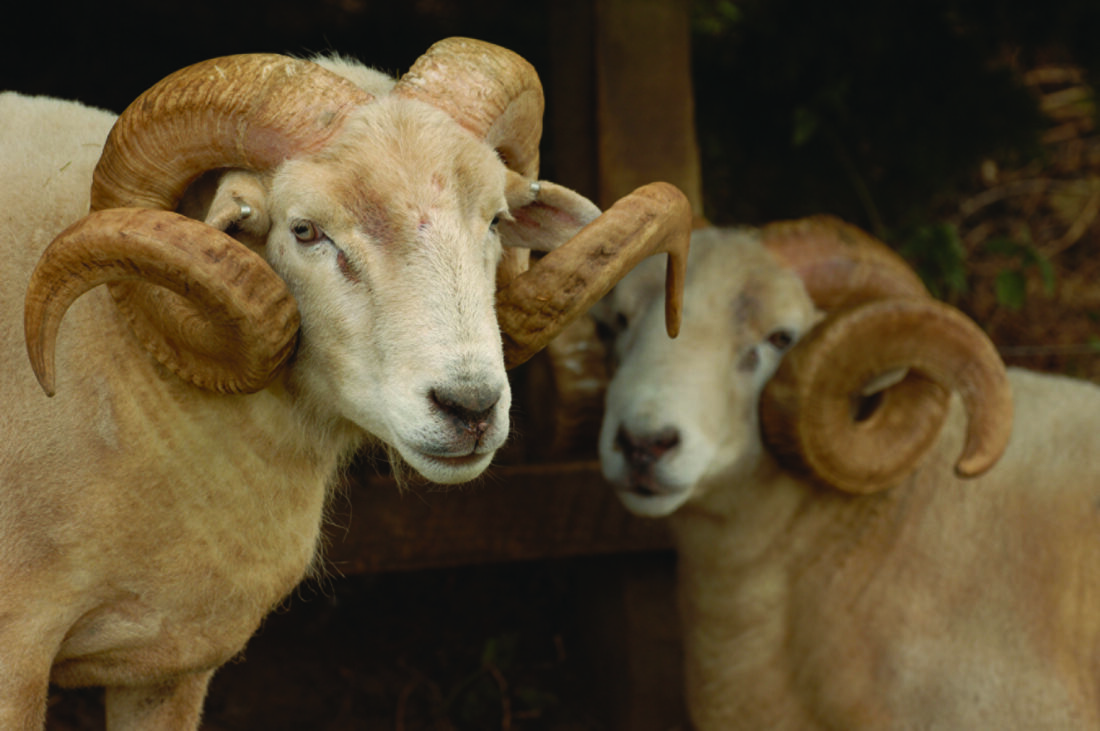
Understanding the strategies employed by successful livestock businesses provides invaluable insights for aspiring entrepreneurs. By examining real-world examples, we can identify key factors contributing to success and learn from the experiences of others. This section explores several case studies, highlighting their triumphs and the crucial elements that fueled their growth.
Successful Poultry Farm: A Focus on Efficiency and Market Demand
This case study focuses on “Feathered Friends Farms,” a poultry operation specializing in free-range chickens and eggs. Feathered Friends Farms has established a strong reputation for its commitment to animal welfare and high-quality products.
The farm’s success is attributable to several factors:
- Strategic Market Positioning: The farm identified a growing consumer demand for ethically raised, free-range poultry products. They positioned themselves as a premium brand, catering to health-conscious consumers willing to pay a premium for superior quality.
- Operational Efficiency: Feathered Friends Farms invested in efficient farming practices, including automated feeding and watering systems, and carefully managed their flock size to optimize resource utilization. They also implemented robust biosecurity measures to prevent disease outbreaks.
- Strong Marketing and Branding: They developed a compelling brand identity that emphasized their commitment to animal welfare and sustainability. This included attractive packaging, engaging social media presence, and partnerships with local restaurants and farmers’ markets.
- Diversification of Sales Channels: The farm didn’t rely solely on one channel; they sold directly to consumers at farmers’ markets, wholesale to local grocery stores, and through online platforms. This diversification minimized risk and maximized market reach.
Successful Cattle Ranch: Utilizing Technology and Sustainable Practices
“Prairie Ridge Ranch” is a family-owned cattle ranch that has successfully integrated technology and sustainable practices to enhance its profitability and environmental stewardship.
The ranch’s success can be attributed to the following key elements:
- Precision Ranching: Prairie Ridge Ranch utilizes GPS tracking, drone technology, and data analytics to monitor their cattle, optimize grazing patterns, and improve overall herd management. This data-driven approach minimizes waste and maximizes productivity.
- Sustainable Grazing Practices: They implemented rotational grazing systems to prevent overgrazing, improve soil health, and reduce the need for supplemental feed. This commitment to sustainability resonates with environmentally conscious consumers.
- Genetic Improvement Programs: The ranch invested in superior genetics to improve the quality and yield of their cattle. This included carefully selecting breeding stock and utilizing artificial insemination techniques.
- Vertical Integration: Prairie Ridge Ranch processes and markets its own beef, allowing them to capture a larger share of the value chain. This involved establishing a small-scale processing facility and developing a direct-to-consumer sales program.
Successful Swine Operation: Biosecurity and Value-Added Products
“Hog Haven Farms” is a successful swine operation that emphasizes biosecurity and produces value-added pork products.
Hog Haven Farms’ achievements stem from these key strategies:
- Rigorous Biosecurity Protocols: They implemented strict biosecurity measures to prevent the spread of diseases, including controlled access, sanitation protocols, and quarantine procedures. This proactive approach minimized the risk of costly disease outbreaks.
- Focus on Value-Added Products: They processed their pork into a variety of value-added products, such as sausages, bacon, and hams, allowing them to command higher prices and cater to specific market segments.
- Strategic Partnerships: Hog Haven Farms partnered with local butchers and chefs to promote their products and gain access to new markets. This collaboration helped them build brand awareness and establish strong customer relationships.
- Efficient Waste Management: They invested in manure management systems to reduce environmental impact and generate revenue from biogas production.
Common Mistakes and How to Avoid Them
Identifying and understanding common pitfalls in the livestock business is crucial for long-term sustainability.
Here’s a breakdown of frequent mistakes and how to circumvent them:
- Lack of Adequate Planning: A poorly developed business plan is a recipe for failure. It is essential to thoroughly research the market, assess financial projections, and develop a comprehensive plan before launching any livestock operation.
- Insufficient Capitalization: Underestimating startup costs or lacking sufficient working capital can lead to financial difficulties. It is important to accurately estimate all expenses and secure adequate funding to cover operational costs, including unexpected expenses.
- Ignoring Animal Welfare: Neglecting animal welfare can result in poor animal health, reduced productivity, and negative public perception. Implementing proper animal care practices, including providing adequate space, nutrition, and veterinary care, is essential.
- Poor Biosecurity Practices: Inadequate biosecurity measures can lead to disease outbreaks, resulting in significant financial losses and animal suffering. Implementing and consistently adhering to strict biosecurity protocols are crucial.
- Ineffective Marketing and Sales: Failing to effectively market products and reach target customers can hinder sales and profitability. Developing a strong brand identity, utilizing diverse sales channels, and understanding customer needs are crucial.
- Overexpansion: Expanding too rapidly can strain resources and lead to operational inefficiencies. It is important to scale operations gradually, allowing for proper management and resource allocation.
- Ignoring Regulatory Compliance: Failure to comply with local, state, and federal regulations can result in fines, legal issues, and business closures. Thoroughly understanding and adhering to all relevant regulations is essential.
A well-researched business plan should include market analysis, financial projections, and operational strategies.
Securing adequate funding is critical for weathering economic downturns and unexpected challenges.
Prioritizing animal welfare improves animal health and productivity.
Rigorous biosecurity is essential for disease prevention and control.
A strong marketing strategy is crucial for reaching target customers and building brand awareness.
Gradual expansion allows for effective resource management and operational efficiency.
Staying compliant avoids legal issues and ensures business continuity.
Summary
In conclusion, successfully registering and managing a livestock business requires a blend of meticulous planning, adherence to regulations, and a commitment to animal welfare and sustainable practices. By understanding the legal framework, developing a comprehensive business plan, and implementing effective operational strategies, you can establish a thriving enterprise. Remember to stay informed, adapt to industry changes, and continuously seek opportunities for growth.
With dedication and the knowledge gained from this guide, you’re well-positioned to build a prosperous and impactful livestock business.