Embarking on the journey of breeding livestock or companion animals requires a thoughtful approach, starting with how to select breeding stock. This process isn’t merely about pairing animals; it’s about shaping the future of a species, improving its traits, and ensuring its health and vitality. Understanding the fundamentals of genetics, evaluating potential candidates, and implementing ethical practices are all critical components of successful breeding programs.
This guide delves into the essential aspects of selecting breeding stock, from defining clear breeding goals to understanding the intricacies of genetics and heritability. We will explore various methods for evaluating potential candidates, analyzing pedigrees, and navigating different breeding systems. Furthermore, we will address the crucial considerations of health, age, and ethical practices to ensure the well-being of both the animals and the future generations.
Prepare to gain valuable insights that will empower you to make informed decisions and contribute to responsible breeding practices.
Defining Breeding Goals
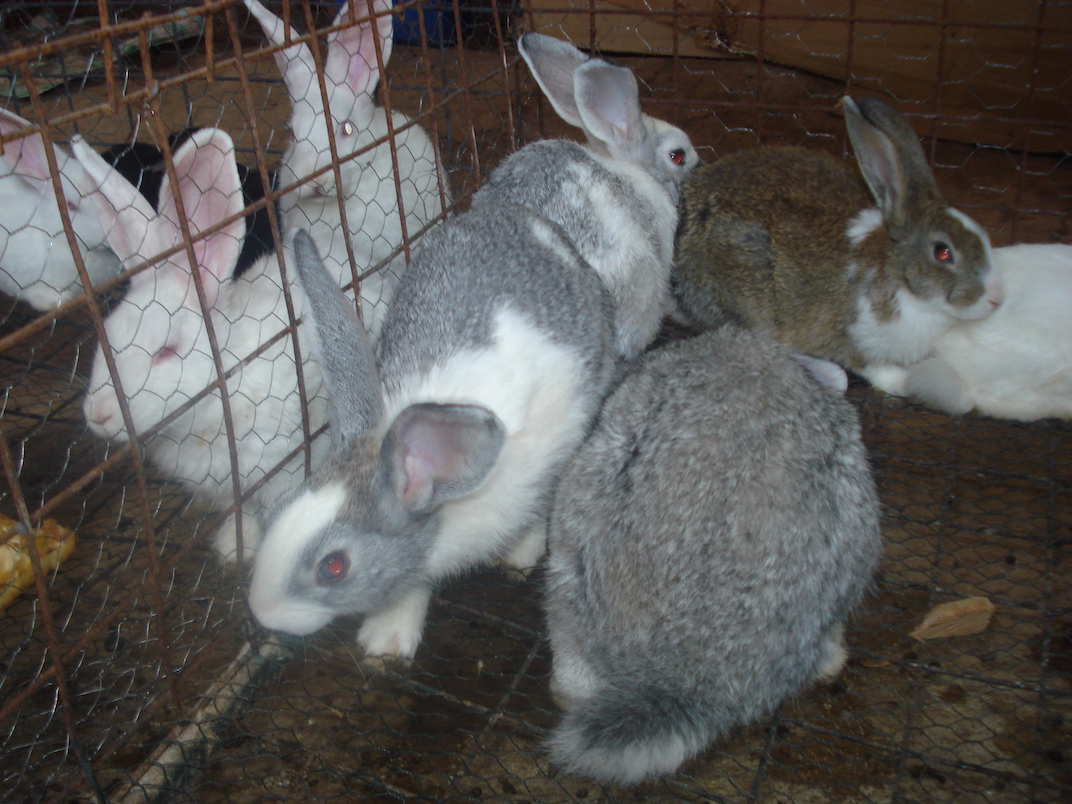
Establishing clear breeding goals is a fundamental step in any successful animal breeding program. These goals provide a roadmap, guiding the selection of breeding stock and ensuring that the desired traits are consistently improved across generations. Without well-defined objectives, breeding efforts can be directionless, leading to inconsistent results and a failure to meet the needs of the market or the specific purposes for which the animals are bred.
Defining the Desired Characteristics in Offspring
The process of defining breeding goals begins with identifying the specific characteristics that are most desirable in the offspring. This involves careful consideration of various factors, including the intended use of the animals, the environmental conditions in which they will be raised, and the economic viability of the breeding program. Breeders must prioritize traits based on their importance and the potential for genetic improvement.The following are examples of breeding goals for different animal species:
- Cattle:
- Increased milk production (liters per lactation).
- Improved milk composition (butterfat and protein percentage).
- Enhanced carcass quality (marbling, tenderness).
- Increased growth rate (average daily gain).
- Improved fertility (conception rate).
- Swine:
- Increased litter size (number of piglets born alive).
- Improved growth rate (days to market weight).
- Enhanced feed efficiency (pounds of feed per pound of gain).
- Increased carcass leanness (percentage of lean meat).
- Improved meat quality (marbling, tenderness).
- Poultry (Broilers):
- Increased body weight at a specific age (e.g., 42 days).
- Improved feed conversion ratio (pounds of feed per pound of gain).
- Enhanced breast meat yield (percentage of breast meat).
- Improved livability (survival rate).
- Resistance to specific diseases (e.g., coccidiosis).
- Horses (Thoroughbreds):
- Increased racing speed (time to complete a race).
- Improved stamina (ability to maintain speed over distance).
- Enhanced conformation (physical structure).
- Improved soundness (absence of injuries).
- Increased heritability of racing performance.
Importance of Aligning Breeding Goals with Market Demands
A critical aspect of defining breeding goals is ensuring that they align with market demands. The ultimate success of a breeding program often depends on its ability to produce animals that meet the needs of consumers or the industry. This requires a thorough understanding of current market trends, consumer preferences, and the economic factors that influence demand.For instance, in the beef industry, the demand for lean beef has increased in recent decades due to consumer health concerns.
Breeders who prioritize carcass leanness in their breeding goals are therefore more likely to produce animals that are marketable and profitable. Conversely, a breeding program that focuses solely on traits that are not valued by consumers or the industry is unlikely to be successful.Furthermore, market demands can change over time, so breeders must be adaptable and willing to adjust their goals accordingly.
This might involve incorporating new traits into the selection criteria or modifying the emphasis placed on existing traits. Regular market analysis and feedback from consumers and industry stakeholders are essential for staying abreast of these changes.
Understanding Genetics and Heritability
Understanding genetics and heritability is fundamental to successful livestock breeding. It allows breeders to make informed decisions about which animals to select for breeding, ultimately leading to improvements in desired traits within a herd or flock. This section will explore the basic principles of genetics and heritability, highlighting their significance in livestock production.
Basic Principles of Genetics
The principles of genetics provide the foundation for understanding how traits are passed from one generation to the next.
- Genes and Chromosomes: Livestock, like all complex organisms, inherit genetic information in the form of genes. These genes are located on chromosomes, which are structures found within the cells. Each animal inherits one set of chromosomes from each parent.
- Alleles: Genes exist in different forms called alleles. For example, a gene for coat color might have alleles for black or red. An animal inherits one allele from each parent for each gene.
- Genotype and Phenotype: The genotype refers to the genetic makeup of an animal (the specific alleles it possesses). The phenotype is the observable characteristic of an animal, such as its coat color, milk production, or growth rate. The phenotype is a result of the genotype and the environment.
- Mendelian Inheritance: Gregor Mendel’s work laid the groundwork for understanding inheritance patterns. Key concepts include:
- Dominance: Some alleles are dominant, meaning that their effect is expressed even when paired with a recessive allele.
- Recessiveness: Recessive alleles are only expressed when an animal inherits two copies of the recessive allele.
- Segregation: During the formation of gametes (sperm and egg), the alleles for a particular gene separate, so each gamete receives only one allele.
- Independent Assortment: Alleles for different genes assort independently of one another during gamete formation.
Heritability and Its Impact on Trait Selection
Heritability is a crucial concept in livestock breeding, as it quantifies the proportion of variation in a trait that is due to genetic factors.
- Definition of Heritability: Heritability is expressed as a value between 0 and 1. A high heritability value (close to 1) indicates that a large proportion of the variation in a trait is due to genetics. A low heritability value (close to 0) indicates that environmental factors have a greater influence.
- Impact on Trait Selection: Heritability significantly influences the effectiveness of trait selection.
- High Heritability Traits: These traits respond rapidly to selection because the animal’s phenotype is a good indicator of its genotype. Breeders can make significant progress by selecting animals with superior phenotypes.
- Low Heritability Traits: These traits are less responsive to selection because environmental factors play a more significant role. Breeding strategies may need to consider environmental management to maximize the expression of genetic potential.
- Calculating Heritability: Heritability is often estimated using statistical methods, such as analyzing the resemblance between relatives (e.g., parent-offspring).
- The formula for heritability is often represented as:
h2 = V G / V P
where:
- h 2 is the heritability
- V G is the genetic variance
- V P is the phenotypic variance (total variance observed in a population)
Comparison of High and Low Heritability Traits
The following table illustrates the differences between high and low heritability traits in livestock, providing examples and highlighting their respective impacts.
| Trait | Heritability | Impact | Example |
|---|---|---|---|
| Carcass Weight (Beef Cattle) | High (0.4-0.6) | Selection is highly effective; significant progress can be made by choosing animals with higher carcass weights. | Breeding programs can focus on selecting bulls with high Estimated Breeding Values (EBVs) for carcass weight. These bulls will likely sire offspring that are genetically predisposed to have heavier carcasses. |
| Milk Yield (Dairy Cattle) | Moderate (0.2-0.4) | Selection is effective, but environmental factors (nutrition, management) also play a role. | Dairy farmers utilize genetic evaluations and management practices (optimal feeding and housing) to increase milk production. Improvement can be seen, but it is often slower than with high heritability traits. |
| Fertility (All Species) | Low (0.05-0.15) | Selection is less effective; environmental factors and heterosis (hybrid vigor) have a larger influence. | Improving fertility requires a holistic approach that includes selecting for moderate genetic potential, proper nutrition, disease control, and optimal breeding management practices. For example, in sheep, the number of lambs born is significantly influenced by environmental conditions such as the ewe’s body condition score. |
| Resistance to Disease (All Species) | Low to Moderate (0.1-0.3) | Selection is moderately effective, but environmental factors, management practices, and exposure to pathogens play a significant role. | While there is a genetic component to disease resistance, factors such as vaccination, hygiene, and stress management are critical. For example, the genetic predisposition of chickens to certain types of Marek’s disease is moderate, and selecting for resistant birds is possible. However, environmental factors, such as exposure to the virus and the bird’s overall health, are important. |
Evaluating Potential Breeding Stock
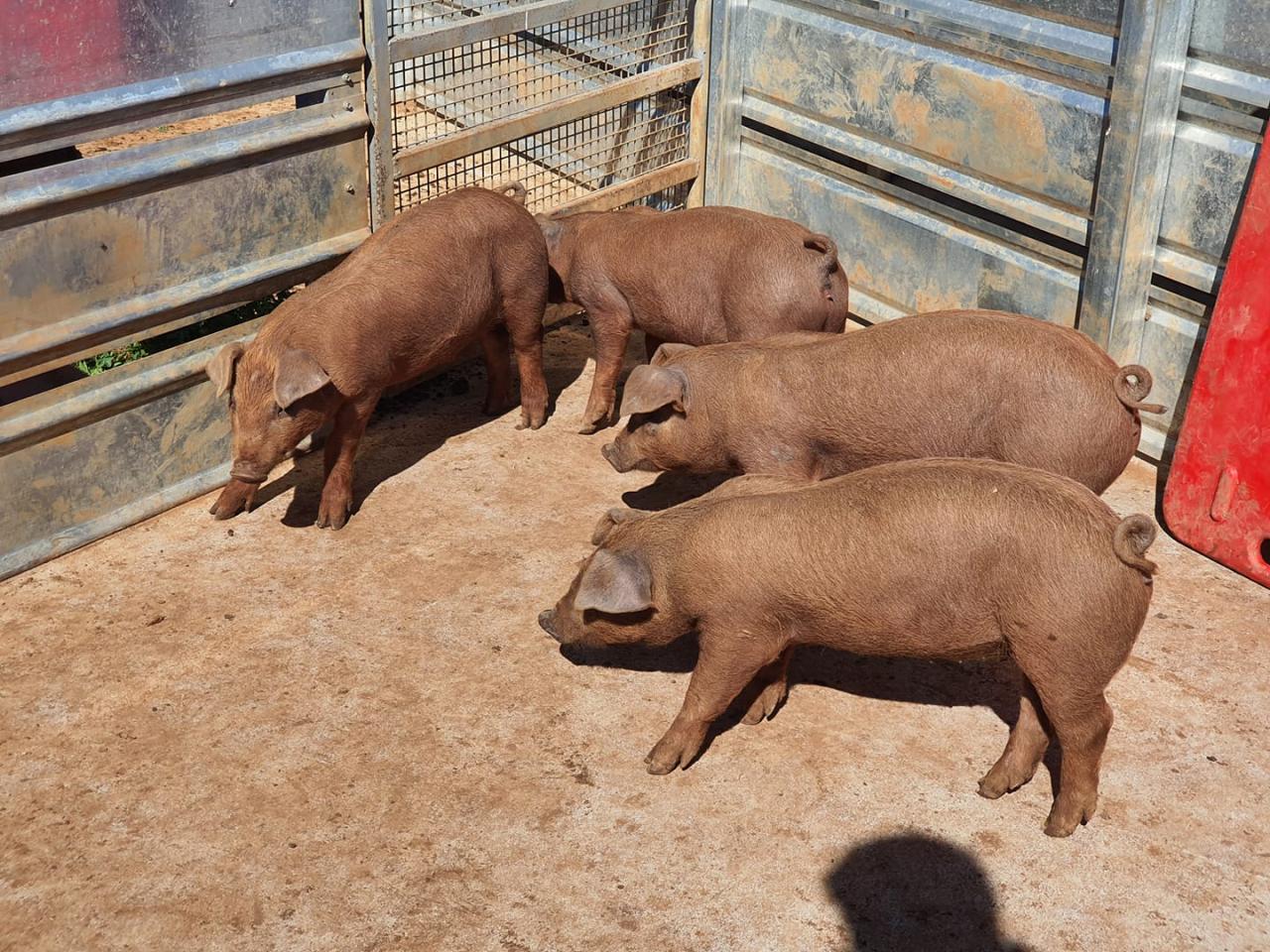
Selecting the right breeding stock is a crucial step in any successful breeding program. It’s where the theoretical knowledge of genetics meets the practical application of improving a population. Careful evaluation of potential breeding animals is paramount to making informed decisions that will positively impact the future generations. This involves a multi-faceted approach, considering various aspects of an animal’s phenotype and performance.
Methods for Assessing Breeding Stock Quality
Several methods are employed to assess the quality of potential breeding stock, each offering unique insights into an animal’s suitability for breeding. These methods are often used in combination to provide a comprehensive evaluation.
- Visual Appraisal: This involves assessing an animal’s physical characteristics based on breed standards and desired traits.
- Performance Testing: This focuses on measuring specific traits relevant to the breeding goals, such as growth rate, milk production, or egg laying.
- Progeny Testing: This evaluates the performance of an animal’s offspring to assess its genetic merit.
- Genomic Testing: This utilizes genetic markers to predict an animal’s breeding value for various traits.
- Pedigree Analysis: This involves examining the animal’s family history to identify desirable or undesirable traits that may be passed down.
Advantages and Disadvantages of Visual Appraisal Versus Performance Testing
Visual appraisal and performance testing are two of the most common methods used to evaluate breeding stock. Each method has its strengths and weaknesses.
- Visual Appraisal:
- Advantages: It’s a relatively inexpensive and quick method, allowing for rapid assessment of many animals. It is particularly useful for assessing traits that are easily observed, such as conformation and overall health.
- Disadvantages: It can be subjective, influenced by the evaluator’s experience and bias. It is less effective for assessing traits that are not easily visible, such as internal organ function or genetic predispositions to diseases. Environmental factors can also mask an animal’s true genetic potential.
- Performance Testing:
- Advantages: Provides objective data and quantitative measurements of specific traits. This data is less subjective than visual appraisal. It allows for a direct comparison of animals based on their performance in a controlled environment.
- Disadvantages: It can be more expensive and time-consuming than visual appraisal. Performance testing may not always reflect an animal’s genetic potential due to environmental influences. It requires standardized testing protocols and careful record-keeping.
Scoring System for Evaluating Milk Production
A scoring system can be used to evaluate milk production in dairy cattle. This system helps in quantifying and comparing the performance of different animals, using specific benchmarks. The following is an example.
Example: A scoring system to evaluate milk production over a 305-day lactation period (in kilograms). This system assumes that all animals are managed under similar environmental conditions.
| Score | Milk Production (kg) | Description |
|---|---|---|
| 1 | Less than 5,000 | Very Poor: Significantly below average production. |
| 2 | 5,000 – 6,500 | Poor: Below average production. |
| 3 | 6,501 – 8,000 | Average: Typical production for the breed and management. |
| 4 | 8,001 – 9,500 | Good: Above average production. |
| 5 | Greater than 9,500 | Excellent: High milk production, representing superior genetic potential. |
For example, a cow producing 7,200 kg of milk would receive a score of 3. This system provides a clear, standardized way to evaluate and compare milk production among potential breeding animals. This scoring system can be adjusted based on the specific breed and management practices.
Phenotype vs. Genotype
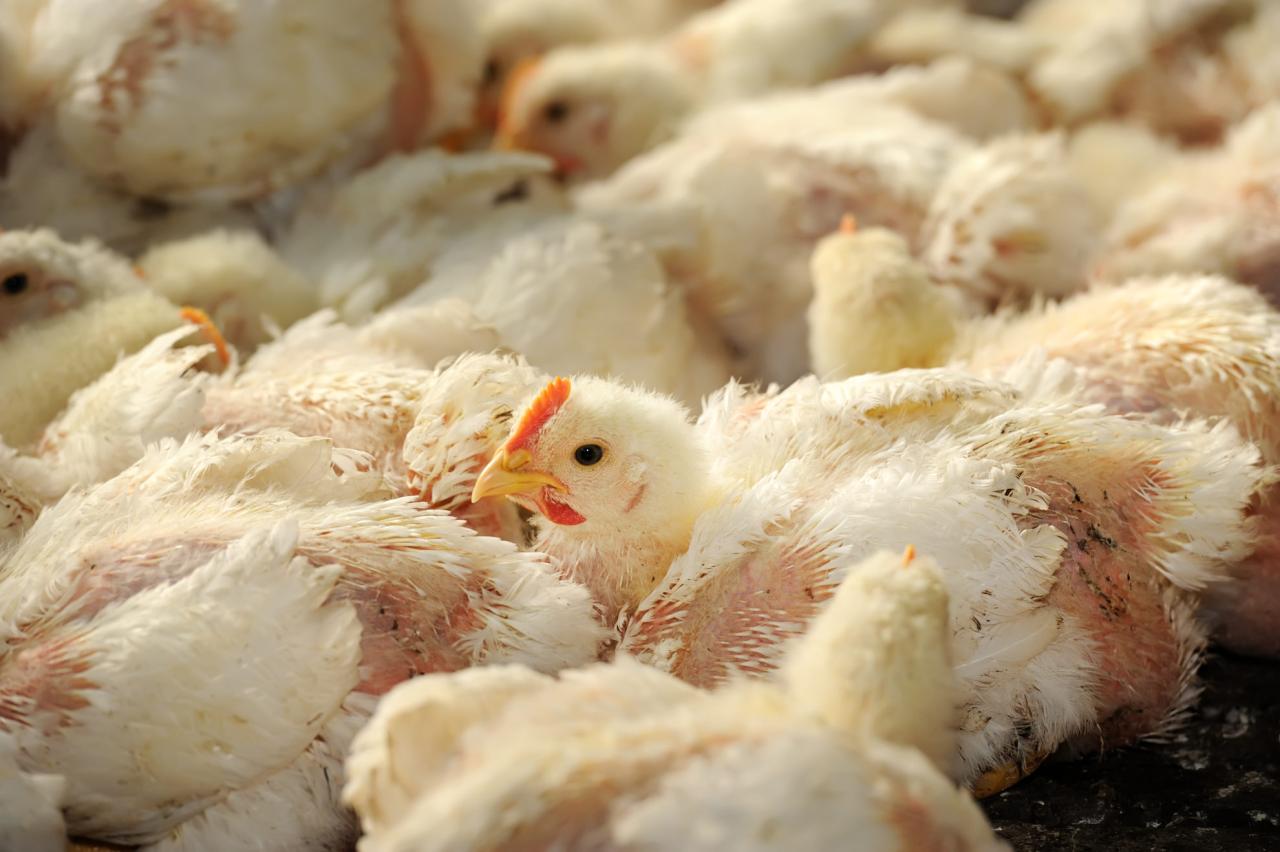
Understanding the distinction between phenotype and genotype is fundamental to successful breeding. This knowledge allows breeders to make informed decisions about which animals to select for their breeding programs, ultimately influencing the traits passed on to future generations. By carefully considering both observable characteristics and the underlying genetic makeup, breeders can improve the likelihood of achieving their desired breeding goals.
Phenotype and Genotype Defined
The phenotype and genotype represent two different aspects of an organism. The phenotype is the observable characteristics of an organism, resulting from the interaction between its genotype and the environment. The genotype is the genetic makeup of an organism, the specific set of genes it possesses.
Phenotype = Genotype + Environment
For example, consider a horse with a specific coat color. The coat color is the phenotype, a visible trait. The genotype, which is the set of genes responsible for coat color, is not directly observable. The horse’s environment, such as its diet and exposure to sunlight, can also influence the phenotype, potentially affecting the intensity of the coat color.
Utilizing Phenotype Information in Initial Selection
Phenotype information is crucial for making initial selection decisions in breeding programs. Breeders can use visual assessments and physical measurements to identify animals that possess desirable traits. This initial screening process allows breeders to narrow down the pool of potential breeding stock.For instance, in cattle breeding, a breeder might select cows with a high milk yield phenotype. They would assess the milk production records to identify cows that consistently produce a large quantity of milk.
In dog breeding, a breeder might select dogs with a specific conformation, such as a straight back and well-angulated legs, based on visual assessment and breed standards.
Genetic Testing Methods and Their Benefits
Genetic testing provides valuable information about an animal’s genotype, allowing breeders to make more informed decisions beyond just the phenotype. Various genetic testing methods are available, each with its own advantages.
- DNA Profiling: This method involves analyzing an animal’s DNA to create a unique genetic fingerprint. It can be used for parentage verification, ensuring that the offspring are correctly attributed to their parents. DNA profiling is also helpful in identifying individuals carrying desirable or undesirable genes. For example, in horse breeding, DNA profiling can confirm the parentage of a foal and screen for genetic diseases like polysaccharide storage myopathy (PSSM).
- Single Nucleotide Polymorphism (SNP) Testing: SNP testing examines variations in single nucleotide bases within an animal’s DNA. These variations can be associated with specific traits or genetic predispositions. This testing is commonly used to predict the genetic potential of an animal for traits like growth rate, milk production, or disease resistance. For example, in dairy cattle breeding, SNP testing can predict the genetic merit of a bull for milk production, helping breeders select sires with the potential to improve milk yield in their offspring.
- Whole-Genome Sequencing: This comprehensive method involves sequencing an animal’s entire genome. Whole-genome sequencing provides a complete picture of an animal’s genetic makeup, identifying all genes and variations. This information can be used to predict an animal’s susceptibility to various diseases, identify genes responsible for specific traits, and develop more precise breeding strategies. An example is in the breeding of certain dog breeds prone to inherited conditions, such as hip dysplasia or progressive retinal atrophy.
Whole-genome sequencing can help identify carriers of these conditions, allowing breeders to avoid matings that could produce affected offspring.
- Disease-Specific Genetic Tests: These tests specifically target genes associated with particular genetic diseases. They can determine if an animal carries a gene for a disease and whether it is a carrier or affected. For example, in some dog breeds, tests exist for conditions like degenerative myelopathy or dilated cardiomyopathy. These tests allow breeders to avoid breeding affected animals or carriers, thereby reducing the incidence of these diseases in the breed.
Pedigree Analysis and Record Keeping
Pedigree analysis and meticulous record keeping are indispensable components of a successful breeding program. They provide crucial insights into an animal’s genetic makeup and potential to transmit desirable traits. By studying an animal’s ancestry and maintaining detailed records, breeders can make informed decisions, increasing the likelihood of producing superior offspring and improving the overall quality of their breeding stock.
Importance of Pedigree Analysis in Predicting Offspring Traits
Pedigree analysis is a fundamental tool for predicting the traits of future generations. It involves examining the family history of an animal to identify the presence and frequency of desirable and undesirable traits. This analysis helps breeders understand the potential genetic contributions of each parent and estimate the likelihood of specific traits appearing in their offspring.The principle behind pedigree analysis is rooted in Mendelian genetics and the understanding of how genes are inherited.
By tracing traits through multiple generations, breeders can assess the probability of an animal inheriting specific genes from its ancestors. For instance, if a highly prized sire consistently produces offspring with exceptional performance characteristics, his pedigree would be carefully scrutinized to determine which ancestors might be contributing to that success. This information allows breeders to select mates with complementary traits, maximizing the potential for desirable offspring.Pedigree analysis also helps identify potential genetic risks.
For example, if a recessive genetic disorder is present in a pedigree, breeders can use this information to avoid matings that would increase the risk of affected offspring. This proactive approach helps maintain the health and well-being of the breeding population.
Key Elements of a Comprehensive Breeding Record
Maintaining detailed and accurate breeding records is essential for effective pedigree analysis and overall breeding program management. These records serve as a valuable resource for tracking progress, identifying trends, and making informed breeding decisions. A comprehensive breeding record should include the following elements:
- Animal Identification: This includes the animal’s unique identification number, name, breed, and registration information.
- Date of Birth: Recording the date of birth is essential for tracking age and calculating breeding timelines.
- Parentage: Documenting the sire and dam of each animal is crucial for pedigree analysis. Include registration numbers and any relevant performance data for both parents.
- Performance Data: This encompasses a wide range of traits relevant to the breeding goals. Examples include:
- For Livestock: Growth rate, milk production, carcass quality, and reproductive efficiency.
- For Equine: Racing performance, conformation scores, and temperament.
- For Companion Animals: Health records, temperament assessments, and show results.
- Health Records: Keep a detailed record of vaccinations, deworming, and any illnesses or treatments. This information is essential for maintaining the health and well-being of the breeding animals and their offspring.
- Reproductive History: Document breeding dates, gestation periods, litter sizes, and any complications during pregnancy or parturition.
- Progeny Information: Maintain records of offspring, including their identification, performance data, and health records. This information is crucial for evaluating the success of breeding decisions and identifying potential genetic contributions.
- Breeding Dates and Mating Information: Record the dates of matings, the sires and dams involved, and any relevant details about the mating process.
- Veterinary Records: Include records of all veterinary visits, including vaccinations, deworming, and any treatments.
- Genetic Testing Results: Include the results of any genetic testing performed, such as DNA testing for genetic disorders or parentage verification.
Sample Pedigree Chart for a Chosen Animal
A pedigree chart visually represents an animal’s ancestry, allowing for a quick and easy understanding of its genetic background. The chart typically starts with the individual animal of interest (the proband) and traces back through its parents, grandparents, and so on.Let’s consider a sample pedigree chart for a Labrador Retriever named “Buddy.” The chart would display Buddy’s parents, grandparents, and great-grandparents, along with their relevant information.
The chart might look like this:
| Generation | Sire | Dam | Notes |
|---|---|---|---|
| Proband (Buddy) | Buddy, Labrador Retriever | ||
| Parents | “Max” (Buddy’s Sire)
|
“Bella” (Buddy’s Dam)
|
|
| Grandparents (Sire’s Side) | “Duke” (Max’s Sire)
|
“Daisy” (Max’s Dam)
|
|
| Grandparents (Dam’s Side) | “Hunter” (Bella’s Sire)
|
“Lucy” (Bella’s Dam)
|
|
| Great-Grandparents (Sire’s Side) | “Ace” (Duke’s Sire)
|
“Ginger” (Duke’s Dam)
|
|
| Great-Grandparents (Sire’s Side) | “Rocky” (Daisy’s Sire)
|
“Shadow” (Daisy’s Dam)
|
|
| Great-Grandparents (Dam’s Side) | “Bear” (Hunter’s Sire)
|
“Maggie” (Hunter’s Dam)
|
|
| Great-Grandparents (Dam’s Side) | “Sam” (Lucy’s Sire)
|
“Lily” (Lucy’s Dam)
|
In this simplified example, the pedigree chart provides a snapshot of Buddy’s ancestry. It highlights the presence of desirable traits like excellent hip scores and field trial championships. By examining this pedigree, a breeder can gain valuable insights into Buddy’s genetic potential and make informed decisions about future breeding. The breeder could consider the possibility of Buddy’s predisposition for excellent hip scores, good temperament, and potential for field trial success, considering the history of those traits in his ancestors.
Breeding Systems
The selection of an appropriate breeding system is a critical step in any breeding program. The choice influences the genetic makeup of offspring, affecting traits like performance, health, and adaptability. Understanding the principles and implications of different breeding systems is essential for achieving desired breeding goals. This section explores various breeding systems, their applications, and the trade-offs involved in their implementation.
Breeding System: Inbreeding
Inbreeding involves mating closely related individuals. This practice increases homozygosity, meaning that the offspring are more likely to inherit two identical alleles for a particular gene.
- Inbreeding increases the likelihood of expressing recessive genes. This can reveal both desirable and undesirable traits, allowing breeders to identify and cull animals carrying detrimental genes.
- Prolonged inbreeding can lead to inbreeding depression, characterized by reduced fertility, increased susceptibility to disease, and decreased overall performance.
- Inbreeding is often used to establish and maintain distinct breeds or lines. It can also be used to fix desirable traits within a population.
Breeding System: Outbreeding
Outbreeding, also known as outcrossing, involves mating unrelated individuals within the same breed or species. This system increases heterozygosity, introducing new genetic variation.
- Outbreeding typically leads to increased vigor and improved performance, particularly in traits related to fitness.
- It can mask recessive genes, making it difficult to identify individuals carrying undesirable traits.
- Outbreeding is often used to improve the overall health and performance of a population, introducing new genetic material to counter the effects of inbreeding.
Breeding System: Crossbreeding
Crossbreeding involves mating individuals from different breeds or lines. This system is often employed to combine desirable traits from different sources or to exploit hybrid vigor.
- Crossbreeding can lead to significant improvements in performance, particularly in traits like growth rate, milk production, and disease resistance, due to hybrid vigor.
- The resulting offspring (hybrids) often exhibit a higher level of heterozygosity.
- Crossbreeding requires careful selection of breeds to ensure compatibility and to avoid undesirable traits. The breeding plan needs to consider the specific traits of the breeds involved and the desired characteristics of the offspring.
Comparison of Breeding Systems
The following table provides a comparison of inbreeding, outbreeding, and crossbreeding, outlining their advantages, disadvantages, and best uses.
| System | Advantages | Disadvantages | Best Use |
|---|---|---|---|
| Inbreeding |
|
|
|
| Outbreeding |
|
|
|
| Crossbreeding |
|
|
|
Hybrid Vigor (Heterosis)
Hybrid vigor, or heterosis, is the increased performance of hybrid offspring compared to their parents. This phenomenon is often observed in crossbreeding programs and is a result of increased heterozygosity. The level of heterosis varies depending on the traits involved and the genetic differences between the breeds being crossed.
Hybrid vigor is exemplified in the crossbreeding of certain cattle breeds. For instance, crossing Angus (known for marbling and carcass quality) with Brahman (known for heat tolerance and disease resistance) can result in offspring that exhibit both improved carcass traits and enhanced adaptability to challenging environments. This illustrates how crossbreeding can yield animals that outperform their parent breeds in specific, desirable characteristics.
Health and Disease Considerations
Selecting breeding stock is not just about desirable traits; it’s also about ensuring the health and well-being of the offspring and the overall herd or flock. This involves proactive measures to prevent the introduction and spread of diseases, as well as the transmission of genetic disorders. Prioritizing health is crucial for the long-term success and sustainability of any breeding program.
Importance of Health Screening for Potential Breeding Stock
Health screening is a cornerstone of responsible breeding practices. It involves a series of tests and examinations designed to identify potential health problems in prospective breeding animals. This proactive approach helps to minimize the risk of introducing diseases into the breeding population and reduces the likelihood of producing offspring that are predisposed to health issues.Regular health screenings are essential for several reasons:
- Disease Prevention: Screening for infectious diseases, such as brucellosis or bovine viral diarrhea (BVD) in cattle, helps to prevent outbreaks and protect the entire herd or flock.
- Genetic Disorder Management: Identifying carriers of genetic diseases allows breeders to make informed decisions about mating pairs, reducing the incidence of these disorders in future generations.
- Overall Animal Welfare: Healthy breeding stock is more likely to produce healthy offspring, contributing to the overall well-being of the animals.
- Economic Benefits: Preventing disease outbreaks and managing genetic disorders can reduce veterinary costs, improve productivity, and increase the profitability of the breeding program.
Common Genetic Diseases and Prevention
Genetic diseases can significantly impact the health and productivity of livestock. Many genetic disorders are caused by recessive genes, meaning that an animal must inherit two copies of the defective gene to exhibit the disease.Here are some examples of common genetic diseases and how to prevent them:
- Hip Dysplasia (Dogs): This condition, characterized by abnormal development of the hip joint, is common in many dog breeds. Preventing hip dysplasia involves:
- Screening: Radiographic evaluations (X-rays) are used to assess hip joint conformation in potential breeding dogs.
- Selective Breeding: Breeding dogs with excellent hip scores (as determined by organizations like the Orthopedic Foundation for Animals – OFA) helps to reduce the risk of hip dysplasia in offspring.
- Progressive Retinal Atrophy (PRA) (Dogs): PRA is a group of degenerative eye diseases that lead to blindness. Prevention strategies include:
- Genetic Testing: DNA tests can identify carriers of PRA.
- Avoiding Carrier Matings: Breeding carriers with non-carriers minimizes the risk of affected offspring.
- Spider Lamb Syndrome (Sheep): This genetic disorder causes skeletal deformities in lambs. Preventing spider lamb syndrome involves:
- Pedigree Analysis: Careful examination of pedigrees to identify potential carriers.
- Avoiding Carrier Matings: Breeding programs should avoid mating animals known to carry the gene.
- Porcine Stress Syndrome (PSS) (Pigs): PSS is a genetic condition that makes pigs susceptible to stress, leading to muscle rigidity and sudden death. Prevention includes:
- Genetic Testing: DNA testing to identify carriers.
- Selective Breeding: Breeding pigs that do not carry the gene.
Quarantine Procedures for New Animals
Quarantine is a critical practice for preventing the introduction and spread of infectious diseases within a breeding program. New animals, regardless of their perceived health, should be isolated from the existing herd or flock for a specific period. This allows for observation and testing to ensure they are free of disease before they are integrated into the breeding program.Here’s a detailed guide to quarantine procedures:
- Isolation: New animals should be housed in a separate facility, away from existing animals, for a minimum of 30 days. This facility should have its own dedicated equipment and personnel to minimize the risk of cross-contamination.
- Observation: During the quarantine period, the new animals should be closely monitored for any signs of illness, such as fever, coughing, diarrhea, or changes in appetite or behavior.
- Testing: Appropriate diagnostic tests should be performed to screen for common diseases prevalent in the species. The specific tests will vary depending on the species and the diseases of concern. These may include blood tests, fecal exams, and skin scrapings.
- Vaccination and Parasite Control: If appropriate for the species and based on the advice of a veterinarian, new animals should be vaccinated against common diseases and treated for internal and external parasites during quarantine.
- Biosecurity Measures: Strict biosecurity protocols should be followed throughout the quarantine period. This includes:
- Dedicated Clothing and Footwear: Personnel working with quarantined animals should wear dedicated clothing and footwear that are not used in other areas of the farm or facility.
- Hand Hygiene: Thorough hand washing with soap and water or the use of hand sanitizers is essential before and after contact with quarantined animals.
- Equipment Disinfection: All equipment used in the quarantine area should be thoroughly disinfected after each use.
- Veterinary Consultation: A veterinarian should be consulted to develop a quarantine protocol tailored to the specific needs of the breeding program and the species involved. The veterinarian can also advise on appropriate testing and treatment strategies.
- Gradual Integration: After the quarantine period and upon receiving a clean bill of health from the veterinarian, the new animals can be gradually integrated into the existing herd or flock. This may involve introducing them to a smaller group of animals first, before fully integrating them.
Selecting for Specific Traits: Examples

Selecting for specific traits is the cornerstone of successful breeding programs. It involves identifying desired characteristics and implementing strategies to increase the frequency of those traits in subsequent generations. This process requires a thorough understanding of the animal’s genetics, the environment, and the interaction between them. This section will explore examples of selecting for specific traits in different species, the challenges involved, and detailed descriptions of desirable characteristics.
Examples of Selecting for Specific Traits in Different Animal Species
Breeding programs have successfully targeted a wide array of traits across various animal species. The selection process differs based on the species’ biology, production goals, and the heritability of the trait.
- Dairy Cattle: Selection in dairy cattle has focused heavily on milk yield, milk composition (fat and protein percentage), and udder conformation. Breeding for increased milk production often involves using artificial insemination with semen from bulls with high Estimated Breeding Values (EBVs) for milk yield. Udder conformation is critical for both milk production and animal welfare, with desirable traits including strong suspensory ligaments, well-placed teats, and adequate udder depth.
These traits are often scored visually and incorporated into breeding indexes.
- Beef Cattle: In beef cattle, selection emphasizes growth rate, carcass quality, and reproductive efficiency. Traits such as weaning weight, yearling weight, and marbling score are key selection criteria. Breeds like Angus and Hereford are known for their marbling, which enhances meat tenderness and flavor. Breeders utilize performance testing, ultrasound scanning to assess carcass traits, and genetic markers to improve these traits.
- Swine: Swine breeding programs focus on traits such as litter size, growth rate, feed efficiency, and carcass leanness. Selection for litter size involves choosing sows that consistently produce large litters. Feed efficiency is measured by the amount of feed required to gain a unit of weight. Carcass leanness is assessed through ultrasound or carcass measurements after slaughter.
- Poultry (Chickens): Poultry breeding concentrates on egg production (number and size of eggs), meat production (growth rate and breast meat yield), and disease resistance. Layers are selected for high egg production rates, while broilers are selected for rapid growth and efficient feed conversion. Resistance to diseases like Marek’s disease and avian influenza is also a crucial breeding goal.
- Equine (Horses): Horse breeding targets traits specific to the breed and intended use, such as speed in racehorses, athleticism and trainability in sport horses, or conformation and temperament in specific breeds. For Thoroughbreds, selection is based on racing performance, pedigree, and conformation. Sport horses are selected for jumping ability, dressage aptitude, and temperament.
- Canine (Dogs): Dog breeding programs focus on various traits depending on the breed’s purpose, including conformation, temperament, working ability, and health. For example, working breeds like Border Collies are selected for herding ability and intelligence. Show dogs are judged based on breed standards, which detail specific physical characteristics.
Challenges of Selecting for Multiple Traits Simultaneously
Selecting for multiple traits simultaneously can be challenging because of genetic correlations and trade-offs.
- Genetic Correlations: Traits can be genetically correlated, meaning that genes affecting one trait also influence another. Positive correlations occur when selection for one trait also improves another. Negative correlations, however, present challenges, as selection for one trait can lead to a decline in another. For example, increasing milk yield in dairy cattle might, in some cases, negatively impact fertility.
- Trade-offs: Breeders often face trade-offs, where improving one trait might compromise another. Selecting for extreme values in a single trait can sometimes reduce overall fitness. For example, selecting for extremely large litter sizes in swine might lead to reduced piglet survival rates due to the sow’s inability to adequately care for all offspring.
- Breeding Indexes: To address these challenges, breeders often use breeding indexes, which combine information on multiple traits into a single value. These indexes assign weights to different traits based on their economic importance and genetic relationships. This helps breeders make more informed decisions, considering the overall genetic merit of an animal.
- Selection Pressure: Applying strong selection pressure on too many traits simultaneously can dilute the rate of genetic progress for any individual trait. Breeders must prioritize traits based on their economic importance and heritability, striking a balance between improving multiple traits without compromising overall progress.
Detailed Descriptions of Desirable Physical Characteristics for a Specific Breed
To illustrate the process, let’s consider the desirable physical characteristics of the Irish Setter, a breed known for its elegance and athleticism. The following description is suitable for generating illustrative material, such as drawings or 3D models.
The Irish Setter should exhibit a graceful, athletic build, reflecting both beauty and functionality. The overall impression should be of a dog that is balanced and capable of enduring stamina. The breed standard emphasizes the following key characteristics:
- General Appearance: The Irish Setter should be a medium-sized dog, with a height at the withers of approximately 26-27 inches for males and 24-25 inches for females. The dog should appear well-proportioned, with a slightly rectangular body shape. The head carriage should be proud, with a confident and alert expression.
- Coat and Color: The coat should be moderately long, silky, and of a rich, chestnut or mahogany red color. The coat should be free from excessive curliness, with feathering on the legs, chest, and tail. The feathering should be abundant but not obscuring the dog’s natural lines.
- Head: The head should be long and lean, with a slightly domed skull and a moderate stop (the indentation between the forehead and the muzzle). The muzzle should be of moderate length and depth, with a strong jaw. The eyes should be dark hazel or brown, almond-shaped, and set well apart. The ears should be set low and carried close to the head, with a fine texture.
- Body: The neck should be long, muscular, and slightly arched. The chest should be deep and moderately wide, with a well-sprung rib cage. The back should be strong and level, with a slight slope to the loin.
- Legs and Feet: The forelegs should be straight and well-boned, with the elbows close to the body. The hind legs should be strong and muscular, with well-angulated stifles and hocks. The feet should be compact, with well-arched toes and strong pads.
- Tail: The tail should be set on at a moderate angle, carried level with the back or slightly below. It should be of moderate length, tapering to a fine point, and well-feathered.
- Movement: The Irish Setter should move with a smooth, effortless gait, exhibiting good reach and drive. The gait should be efficient, covering ground with a minimum of effort.
Age and Reproductive Maturity
The age of breeding stock is a critical factor influencing reproductive success, encompassing both the health of the offspring and the well-being of the breeding animals. Breeding at the wrong age can lead to reduced fertility, increased health risks, and a lower overall quality of offspring. Understanding the reproductive maturity timelines specific to the species being bred is essential for optimizing breeding programs.
Impact of Age on Breeding Success
Reproductive success varies considerably with age across different species. Animals that are too young may not have fully developed reproductive systems, while older animals may experience a decline in fertility and an increased risk of complications during pregnancy and parturition.
Guidelines for Determining the Appropriate Age for Breeding
Determining the optimal breeding age requires careful consideration of species-specific characteristics, including the time it takes for sexual maturity and physical development. The following guidelines should be used to determine the appropriate breeding age:
- Species-Specific Knowledge: Research and understand the typical age of sexual maturity for the specific species. This is the age at which the animal is capable of reproduction.
- Physical Maturity: Breeding should generally occur after the animal has reached physical maturity, meaning it has completed its skeletal and muscular development.
- Body Condition Score: Ensure the animal is in optimal body condition. Overweight or underweight animals may experience reduced fertility.
- Health Screening: Conduct thorough health screenings to identify and address any potential health issues before breeding.
- First Breeding: For females, it is usually best to wait until after the first estrous cycle, but before the animal reaches its peak reproductive potential. For males, breeding can often commence once sperm production is adequate and behavior is appropriate.
- Breeding Records: Maintain detailed records of breeding attempts, including the ages of the parents, and the outcomes of each breeding event to monitor success rates.
Impact of Premature Breeding
Breeding animals prematurely can have detrimental effects on both the offspring and the mother. These impacts can lead to reduced productivity and health problems.
- Offspring Health: Offspring born to young mothers may be smaller, weaker, and more susceptible to diseases. Their survival rates can be lower.
- Maternal Health: Premature breeding can put a strain on the mother’s developing body, leading to stunted growth, increased risk of dystocia (difficult birth), and other health problems. For instance, in dairy cattle, breeding heifers too early can compromise their long-term milk production potential.
- Reproductive Performance: Early breeding can lead to a reduced number of offspring over the animal’s lifetime and a decreased overall reproductive efficiency.
- Long-Term Effects: In some species, premature breeding can have lasting effects on the animal’s overall health and longevity. For example, in certain dog breeds, breeding a female before she is fully mature can lead to an increased risk of hip dysplasia in both the mother and the puppies.
Ethical Considerations in Breeding
Selective breeding, while a powerful tool for improving animal populations, presents significant ethical challenges. It is crucial to balance the pursuit of desirable traits with the welfare of the animals involved. Ethical breeding practices prioritize the health, well-being, and natural behaviors of animals, ensuring that their lives are not unduly compromised for human benefit.
Ethical Implications of Selective Breeding Practices
Selective breeding can raise several ethical concerns, including the potential for increased susceptibility to diseases, reduced genetic diversity, and the exacerbation of inherited disorders. The focus on specific traits can inadvertently lead to the neglect of other important aspects of animal health and well-being. For example, selecting for extreme physical characteristics, such as exaggerated body sizes or facial features, can cause chronic pain, breathing difficulties, and other health problems.
The ethical implications extend to the responsibility breeders have to prevent the suffering of animals and to consider the long-term consequences of their breeding decisions on the overall health and viability of the breed or species.
Breeding Practices Prioritizing Animal Welfare vs. Those That Do Not
The core difference between ethical and unethical breeding lies in the consideration of animal welfare. Breeding practices that prioritize welfare are characterized by a commitment to the health, happiness, and natural behaviors of the animals. In contrast, practices that do not prioritize welfare often focus solely on maximizing the expression of desired traits, potentially at the expense of animal well-being.For instance, consider the breeding of brachycephalic (short-nosed) dog breeds like English Bulldogs.
In ethical breeding programs, breeders prioritize health and functionality, aiming to reduce the severity of breathing problems and other health issues common in these breeds. They might select for dogs with less extreme facial features and improved respiratory function, even if it means sacrificing some of the breed’s aesthetic standards. Conversely, unethical breeders might prioritize the exaggerated features that are considered desirable by some, even if it leads to severe health problems and a reduced quality of life for the animals.Another example is the breeding of dairy cows.
Ethical breeders focus on traits that improve the cows’ overall health and longevity, such as disease resistance and fertility, alongside milk production. They also provide adequate space, access to pasture, and appropriate care to ensure the cows’ comfort and well-being. Unethical breeders, on the other hand, might prioritize extremely high milk yields, potentially leading to health problems like mastitis (inflammation of the udder) and lameness, while neglecting the cows’ overall welfare.
Best Practices for Ethical Breeding
Ethical breeding requires a proactive and responsible approach. Here are some best practices:
- Prioritize Animal Health and Welfare: The primary goal should be the health and well-being of the animals. This includes preventing inherited diseases, ensuring adequate nutrition, providing a comfortable living environment, and addressing any health issues promptly.
- Select for Functionality and Soundness: Choose breeding stock that are structurally sound and functional, meaning they are capable of performing their natural behaviors and tasks without difficulty or pain.
- Maintain Genetic Diversity: Avoid inbreeding and strive to maintain a diverse gene pool within the breeding population. This helps to reduce the risk of inherited diseases and ensures the long-term health and viability of the breed.
- Thorough Health Testing: Conduct comprehensive health testing for known genetic disorders and diseases common to the breed or species. Only breed animals that have passed these tests and are free from such conditions.
- Consider Temperament and Behavior: Select for desirable temperaments and behaviors, such as a calm disposition and the ability to interact well with humans and other animals.
- Provide Adequate Care: Ensure that all animals receive appropriate care, including proper nutrition, veterinary care, and a stimulating environment.
- Transparency and Record Keeping: Maintain accurate and detailed records of breeding practices, health testing results, and pedigrees. Be transparent with potential buyers about the animals’ health and genetic background.
- Educate and Collaborate: Stay informed about the latest research in animal genetics and welfare. Collaborate with other breeders, veterinarians, and animal welfare organizations to improve breeding practices.
- Avoid Extreme Traits: Refrain from breeding for exaggerated physical traits that can compromise an animal’s health, well-being, or ability to function normally.
- Regular Evaluation and Adaptation: Continuously evaluate breeding programs and adapt practices as needed to ensure the best possible outcomes for the animals.
Last Recap
In conclusion, the art and science of selecting breeding stock is a multifaceted endeavor that demands knowledge, diligence, and a deep commitment to animal welfare. From understanding the interplay of phenotype and genotype to navigating the ethical landscape of breeding, each step plays a vital role in shaping the future of a species. By embracing best practices, prioritizing health, and considering the long-term implications of your choices, you can contribute to the betterment of animal populations and ensure a legacy of responsible breeding.
Remember that the journey is ongoing, and continuous learning is key to success.