Embark on a journey into the fascinating world of quail farming, where understanding the intricacies of “how to manage quail lighting” unlocks the secrets to optimal egg production and thriving bird health. This guide delves deep into the essential role light plays in the lives of these remarkable creatures, providing a roadmap for creating the perfect environment for your quail to flourish.
We will explore the critical impact of light duration and intensity, along with the practical application of various lighting systems and schedules.
From understanding the optimal light cycles for different breeds to mastering the art of seasonal adjustments, this comprehensive exploration equips you with the knowledge and tools necessary to maximize egg production, ensure consistent behavior, and create a safe and enriching habitat. Whether you are a seasoned farmer or just starting, the principles Artikeld here will guide you in establishing and maintaining a successful quail-raising operation.
Understanding Quail Lighting Needs

Proper lighting is crucial for the health, well-being, and productivity of your quail flock. Light plays a vital role in regulating their biological processes, particularly those related to egg production and overall behavior. Understanding the specific lighting needs of quail at different life stages and for different breeds is essential for successful quail farming.
Impact of Light Duration on Quail Egg Production
Light duration significantly influences egg production in quail. Quail, like other poultry, are photoperiodic animals, meaning their reproductive cycles are largely controlled by the length of daylight they experience. Increasing the hours of light, or photoperiod, can stimulate the quail’s reproductive system, leading to increased egg laying. Conversely, decreasing the photoperiod can signal the birds to cease laying, or at least significantly reduce production.
Optimal Light Cycle for Different Quail Breeds
The optimal light cycle varies slightly depending on the quail breed. Maintaining the correct light cycle is critical to achieving optimal egg production. The following table Artikels the recommended light cycles for some common quail breeds:
| Breed | Hours of Light | Hours of Darkness | Notes |
|---|---|---|---|
| Japanese Quail (Coturnix japonica) | 14-16 | 8-10 | A consistent light cycle is crucial for maximizing egg production. |
| Bobwhite Quail (Colinus virginianus) | 14-16 | 8-10 | May benefit from a slightly longer light cycle during peak laying season. |
| California Quail (Callipepla californica) | 14-16 | 8-10 | Similar requirements to Bobwhite Quail, but can be more sensitive to light fluctuations. |
| Button Quail (Coturnix chinensis) | 12-14 | 10-12 | May require slightly less light compared to other breeds, especially in warmer climates. |
Light Intensity Effects on Quail Behavior and Health
Light intensity impacts quail behavior and overall health. Excessive light intensity can lead to increased stress, feather pecking, and cannibalism. Conversely, insufficient light intensity can hinder egg production and negatively affect the quail’s activity levels. It’s important to strike a balance and provide the appropriate level of illumination.The recommended light intensity for quail is typically between 10 and 20 lux.
This can be achieved using LED bulbs. Observing the quail’s behavior can help determine if the light intensity is adequate. If the birds appear restless or are pecking at each other, the light may be too bright. If they are lethargic or their egg production is low, the light might be insufficient.
Differences in Lighting Requirements Between Growing Quail and Laying Quail
The lighting requirements for growing quail differ from those of laying quail. During the growing phase, quail require a different light cycle to promote healthy development. Once the quail reach laying age, the light cycle should be adjusted to stimulate egg production.Growing quail (0-6 weeks old) benefit from a consistent light cycle of 20-24 hours of light per day. This promotes rapid growth and development.
After 6 weeks, the light cycle should be gradually reduced to mimic the natural daylight cycle. Once the quail reach laying age (around 6-8 weeks for Japanese Quail), the light cycle can be increased to the optimal laying cycle (14-16 hours of light) to stimulate egg production. This adjustment must be done gradually, typically increasing the light duration by 15-30 minutes per day until the desired photoperiod is achieved.
Lighting Equipment and Setup
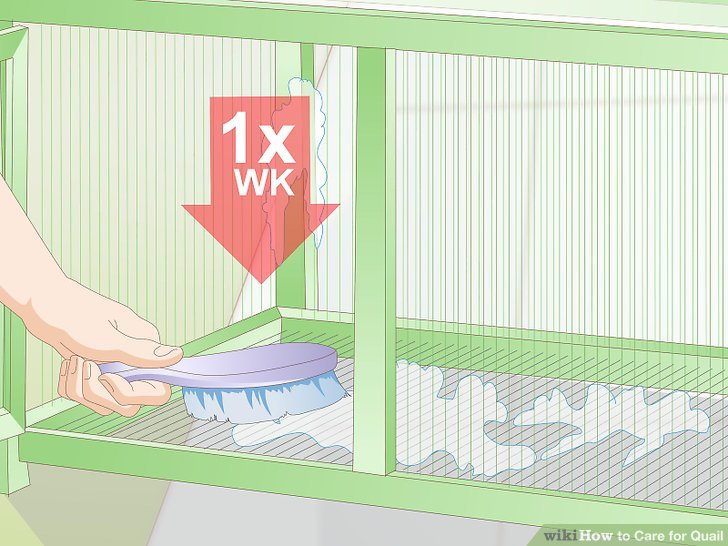
Effective lighting is crucial for successful quail management, impacting egg production, bird health, and overall well-being. Selecting the appropriate lighting equipment and implementing a proper setup is a key factor in achieving optimal results in your quail-keeping endeavors. This section provides a comprehensive overview of lighting options and practical setup strategies.
Types of Lighting Suitable for Quail
Several lighting options are available for quail coops, each with its own advantages and disadvantages. Understanding these differences will allow you to make an informed decision based on your specific needs and budget.
- Incandescent Bulbs: These bulbs were once a common choice. They produce a warm, reddish light and are relatively inexpensive to purchase initially.
- Fluorescent Bulbs: Fluorescent lights offer better energy efficiency than incandescent bulbs and provide a brighter, cooler light. They are available in various sizes and color temperatures.
- LED Bulbs: Light Emitting Diode (LED) bulbs are the most energy-efficient and long-lasting option. They offer a wide range of color temperatures and are available in various form factors, making them versatile for different coop designs.
Comparison of Lighting Types
Each lighting type has distinct characteristics that affect its suitability for quail coops. A comparative analysis helps in selecting the most appropriate option.
- Incandescent Bulbs:
- Pros: Low initial cost, provides a warm light.
- Cons: High energy consumption, short lifespan, potential for heat buildup.
- Fluorescent Bulbs:
- Pros: More energy-efficient than incandescent bulbs, longer lifespan.
- Cons: Contain mercury (requiring careful disposal), can flicker, may require ballast replacement.
- LED Bulbs:
- Pros: Highly energy-efficient, long lifespan, available in various color temperatures, do not contain mercury, minimal heat output.
- Cons: Higher initial cost than incandescent or fluorescent bulbs.
Best Practices for Positioning Lights
Proper light positioning is essential to ensure even illumination throughout the quail coop, preventing areas of excessive darkness or brightness.
- Light Placement: Position lights strategically to avoid shadows and ensure all areas of the coop receive adequate light. Consider the coop’s layout, including the location of feeders, waterers, and nesting boxes.
- Height and Distance: Hang lights at a height that provides sufficient light coverage without causing the quail to be overly stressed. A general guideline is to hang lights approximately 6-8 feet above the ground. Space the lights evenly, based on the light’s coverage area, to eliminate dark spots.
- Reflectors: Using reflectors can maximize light distribution and minimize energy consumption. Reflectors direct the light downwards, increasing the overall light intensity in the coop.
- Light Intensity: Ensure that the light intensity is appropriate for quail. A light intensity of 10-15 lux is generally recommended. This can be measured with a light meter.
Simple Lighting System Design for a Small Quail Pen
Designing a simple lighting system for a small quail pen involves careful consideration of wattage, bulb type, and timer setup. Here’s an example:
- Pen Size: Assume a pen size of 4 feet by 8 feet.
- Bulb Type: Choose LED bulbs for their energy efficiency and long lifespan. A 10-watt LED bulb is generally sufficient.
- Wattage Recommendation: For a small pen, one or two 10-watt LED bulbs should provide adequate lighting. This equates to a total of 10-20 watts.
- Timer Setup: Use a digital timer to automate the lighting schedule. Set the timer to provide 14-16 hours of light per day during peak egg-laying season. For example, the lights could be programmed to turn on at 6:00 AM and off at 8:00 PM.
- Placement: Install the LED bulb(s) centrally in the pen, ideally above the primary activity area (e.g., near the feeder and waterer). Ensure the light is positioned to avoid direct shining into the quail’s eyes.
- Safety: Ensure all electrical components are weatherproof and installed safely, away from water sources. Use appropriate wiring and fixtures.
Managing Light Cycles for Optimal Egg Production
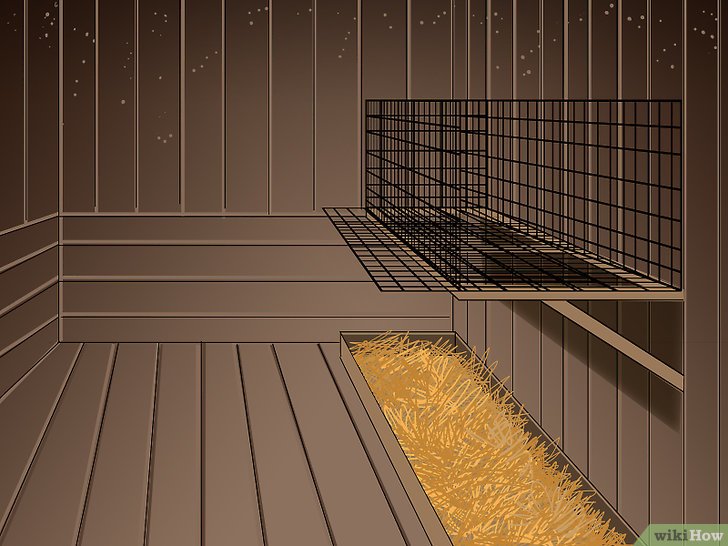
Maintaining a consistent and appropriate light cycle is crucial for maximizing egg production in quail. Quail, like many avian species, are highly sensitive to changes in daylight hours. Manipulating the light cycle can effectively stimulate or suppress egg-laying, allowing for greater control over production. This section Artikels the importance of light schedule consistency, provides a step-by-step guide for seasonal adjustments, and explains how to automate the process using a timer, including troubleshooting common issues.
Importance of Consistent Light Schedules for Egg Production
Consistent light exposure is fundamental to the quail’s reproductive cycle. Quail require a specific amount of light each day to stimulate the hormonal processes necessary for egg production. Disruptions to this light cycle can lead to reduced egg production, inconsistent laying patterns, and even complete cessation of laying. The pineal gland, which detects light, is key in this process, influencing the release of hormones that govern the quail’s reproductive functions.
Step-by-Step Procedure for Adjusting Light Cycles Seasonally
Adapting the light cycle to the changing seasons requires a methodical approach to maintain optimal egg production. The goal is to provide a consistent day length, typically around 14-16 hours of light, regardless of the natural daylight hours. This is achieved by supplementing natural light with artificial lighting.
- Observe Natural Daylight Hours: Regularly monitor the changing daylight hours throughout the year. Note the longest and shortest days of the year. This data provides a baseline for adjusting the artificial lighting.
- Determine Desired Light Duration: Decide on the desired light duration for your quail, typically between 14 and 16 hours per day. This duration will be maintained throughout the year, with adjustments made to the artificial lighting to compensate for variations in natural daylight.
- During Winter (Shorter Days): As daylight hours decrease, increase the duration of artificial light to maintain the desired total light exposure. For instance, if the natural daylight is 8 hours, the artificial light should provide an additional 6-8 hours to reach a total of 14-16 hours. Start adding artificial light gradually, increasing the light duration by 15-30 minutes per day over a week or two until the desired total light duration is reached.
- During Summer (Longer Days): As daylight hours increase, reduce the duration of artificial light. If the natural daylight is 16 hours or more, the artificial light may not be needed. Gradually decrease the artificial light duration, again by 15-30 minutes per day over a week or two, until the desired total light duration is reached.
- Monitor Egg Production: Continuously monitor egg production. Any significant drop in egg laying may indicate that the light cycle needs further adjustments. Fine-tune the light schedule as needed to optimize egg production.
Using a Timer to Automate the Quail Lighting Schedule
Using a timer is the most efficient way to manage the light cycle for quail. Timers ensure that the light schedule is consistent and reliable, eliminating the need for manual adjustments. There are several types of timers available, including mechanical and digital models.
- Choose a Timer: Select a timer appropriate for your lighting setup. Digital timers are generally more accurate and offer greater flexibility in programming. Ensure the timer is rated for the electrical load of the lighting system.
- Install the Timer: Connect the timer between the power source and the lights. Follow the manufacturer’s instructions for installation. Ensure the timer is securely mounted and protected from moisture.
- Program the Timer: Program the timer to switch the lights on and off at the desired times. For example, to provide 16 hours of light, set the timer to turn the lights on at 6:00 AM and off at 10:00 PM. Regularly check and adjust the timer settings as the seasons change and the daylight hours vary.
- Test the System: After programming, test the timer to ensure it is functioning correctly. Observe the lights turning on and off at the programmed times.
Troubleshooting Tips for Common Lighting Problems
Problems with the lighting system can negatively affect egg production. Promptly addressing these issues is essential. Here are solutions for common lighting problems.
- Burnt-Out Bulbs: Regularly check the light bulbs. If a bulb burns out, replace it immediately with a bulb of the same wattage and type. Keep spare bulbs on hand.
- Timer Malfunctions: If the timer malfunctions, the lights may not turn on or off at the correct times.
- Check the Power Supply: Ensure the timer is receiving power. Verify the outlet is working and the timer’s internal battery (if applicable) is charged.
- Reset the Timer: Some timers have a reset button. Pressing it may resolve minor programming errors. Consult the timer’s manual.
- Reprogram the Timer: Reprogram the timer to ensure the settings are correct. Double-check the on and off times.
- Replace the Timer: If the timer continues to malfunction, replace it with a new one.
- Inconsistent Light Intensity: Ensure that the light bulbs are providing sufficient light intensity. If the light is too dim, the quail may not receive adequate light stimulation. Consider using brighter bulbs or increasing the number of lights.
- Electrical Issues: Check for loose wiring or other electrical problems. If you are not comfortable working with electricity, consult a qualified electrician.
Environmental Considerations and Safety
Maintaining a controlled environment within your quail coop is crucial not only for their health and productivity but also for their safety and the prevention of potential hazards. This section addresses the importance of mitigating external environmental factors and ensuring safe practices when working with electrical equipment.
Avoiding Light Pollution from External Sources
Light pollution can significantly disrupt the carefully managed light cycles essential for quail egg production. External light sources, such as streetlights, security lights, or even light from neighboring buildings, can inadvertently extend the day length perceived by your quail, potentially leading to inconsistent egg laying or even a complete cessation of egg production.Strategies for managing light exposure in coops involve several practical considerations.
These include the strategic placement of the coop to minimize exposure to external light sources, and the use of barriers and coverings to block unwanted light.
Managing Light Exposure in Coops with Windows or Openings
Coops with windows or openings require careful management to prevent unwanted light intrusion. Windows, while beneficial for ventilation and natural light during the day, can become a source of light pollution at night.To manage light exposure in these coops:
- Cover Windows: Use blackout curtains, shades, or solid panels to completely block light from entering the coop during the night. Ensure these coverings are securely fastened to prevent gaps that allow light to seep in.
- Strategic Placement: Position the coop so that windows and openings face away from potential light sources, such as streetlights or floodlights.
- Use of Overhangs: Consider building an overhang or a porch-like structure to shade the windows from direct sunlight during the day, which can also help reduce the amount of light entering at night.
- Automatic Timers: Implement automatic timers for your lighting system. This ensures consistent light cycles, regardless of the presence of external light. This can be particularly useful in coops with openings.
- Regular Monitoring: Regularly monitor the coop environment, especially during dawn and dusk, to identify any light leaks and adjust coverings as needed.
Safety Guidelines for Working with Electrical Equipment in a Coop Environment
Electrical safety is paramount when dealing with lighting systems in a coop environment. The presence of moisture, dust, and potential for animal interaction increases the risk of electrical hazards. Following these guidelines will help minimize risks.
Potential Hazards and Mitigation Strategies
The following list Artikels potential hazards associated with electrical equipment in a quail coop and offers mitigation strategies:
- Water Exposure:
- Hazard: Water sources, such as drinkers or leaks from the roof, can come into contact with electrical wiring and equipment.
- Mitigation: Use waterproof or water-resistant electrical components. Ensure all wiring is properly insulated and protected. Keep water sources away from electrical outlets and wiring. Regularly inspect for leaks and address them immediately.
- Overloading Circuits:
- Hazard: Connecting too many electrical devices to a single circuit can overload it, leading to overheating and potential fire hazards.
- Mitigation: Calculate the total wattage of all devices connected to a circuit and ensure it does not exceed the circuit’s capacity. Use multiple circuits if necessary. Consider a dedicated circuit for coop lighting.
- Damaged Wiring:
- Hazard: Wires can be damaged by rodents, or through wear and tear, potentially leading to electrical shocks or fires.
- Mitigation: Regularly inspect wiring for damage. Use conduit or wire protectors to shield wiring from rodents and wear. Replace damaged wiring immediately. Ensure wiring is properly secured and out of reach of the quail.
- Improper Grounding:
- Hazard: Lack of proper grounding can increase the risk of electric shock.
- Mitigation: Ensure all electrical equipment is properly grounded. Use grounded outlets and extension cords. Have a qualified electrician inspect and maintain the electrical system.
- Dust and Debris:
- Hazard: Dust and debris can accumulate on electrical components, potentially leading to overheating or short circuits.
- Mitigation: Regularly clean electrical components and the surrounding areas. Use enclosed or sealed light fixtures to prevent dust accumulation. Consider using dust-resistant electrical equipment.
- Animal Interaction:
- Hazard: Quail or other animals can chew on wires or damage electrical equipment.
- Mitigation: Keep wiring out of reach of the quail. Use conduit or wire protectors to shield wiring. Regularly inspect for any signs of damage caused by animals.
- Using Extension Cords:
- Hazard: Extension cords are often used in coop environments. Using the wrong type of extension cord or overloading them can be dangerous.
- Mitigation: Use outdoor-rated extension cords, and ensure the cord is rated for the wattage of the connected devices. Avoid running extension cords across walkways or areas where they can be tripped over or damaged. Consider permanent wiring solutions.
Monitoring and Adjusting Lighting
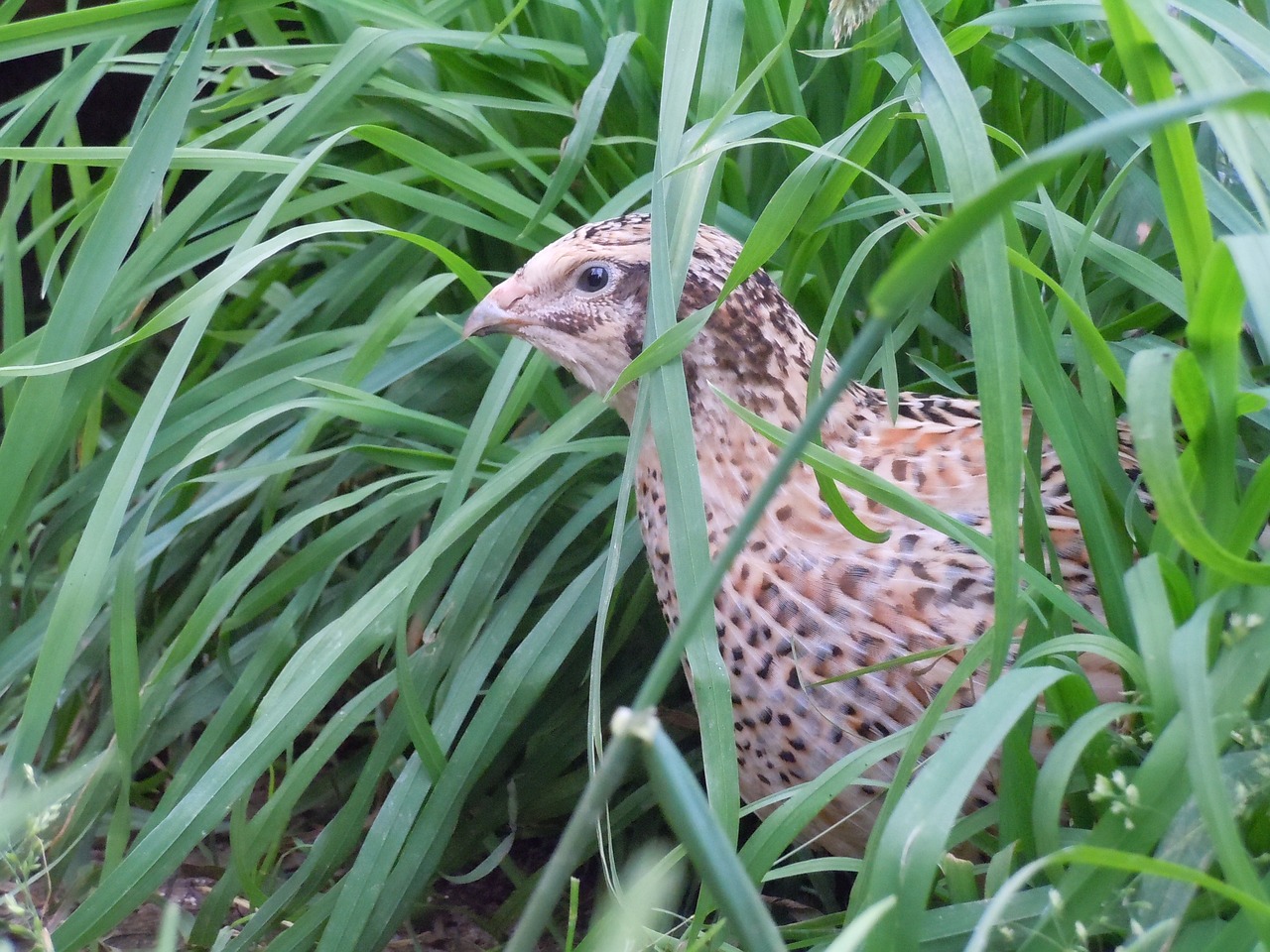
Maintaining optimal lighting conditions for quail requires diligent monitoring and the ability to make informed adjustments. Regularly assessing the effectiveness of your lighting system and its impact on egg production is crucial for maximizing output and ensuring the well-being of your flock. This section Artikels practical methods for monitoring, assessing, and adjusting your lighting schedule to meet the specific needs of your quail.
Methods for Monitoring the Effectiveness of the Lighting System
To ensure the lighting system is functioning correctly and providing the necessary light intensity and duration, several monitoring methods should be employed. These methods will help identify any potential issues before they significantly impact egg production.
- Light Intensity Measurement: Utilize a light meter to measure the light intensity at bird level. Take readings in various locations within the coop to ensure even distribution. Recommended light intensity for egg production in quail is generally between 14-16 hours of light at 10-20 lux. Readings should be taken at the same time each day to maintain consistency.
- Timer Verification: Regularly check the accuracy of your timers. Timers can malfunction or drift over time, leading to inconsistencies in the light cycle. Verify the timer’s settings against the desired light schedule. Use a digital timer with a battery backup for greater reliability.
- Visual Inspection: Conduct daily visual inspections of the lighting equipment. Check for burnt-out bulbs, loose connections, or any signs of damage. Ensure the light fixtures are clean and free of dust or debris, which can reduce light output.
- Record Keeping: Maintain a detailed log of all lighting measurements, timer settings, and equipment maintenance. This record provides a valuable history for identifying trends and diagnosing problems. The log should include dates, light intensity readings, timer settings, and any maintenance performed.
Procedure for Assessing Egg Production and Identifying Lighting-Related Issues
Egg production is the primary indicator of the lighting system’s effectiveness. Monitoring egg laying rates, egg quality, and the overall health of the birds helps identify any lighting-related problems.
- Egg Collection and Counting: Collect eggs daily and record the number of eggs laid. Calculate the percentage of eggs laid based on the number of birds in the flock. For example, if you have 100 quail and collect 70 eggs, the egg production rate is 70%.
- Egg Quality Assessment: Evaluate egg quality by assessing shell strength, shell color, and the appearance of the yolk and white. Weak shells, pale yolks, or watery whites can indicate lighting or nutritional deficiencies.
- Observation of Bird Behavior: Observe the birds for any signs of stress, such as feather pecking or reduced activity. Changes in behavior can sometimes indicate that the lighting schedule is not optimal.
- Analyzing Egg Production Data: Track egg production over time to identify any significant drops or fluctuations. Compare current production rates with historical data to identify trends. A sudden decrease in egg production, especially without any apparent changes in management practices, could indicate a lighting problem.
- Identifying Potential Lighting Issues: Consider lighting as a possible factor when egg production declines.
If egg production drops, check the lighting schedule, light intensity, and equipment for any discrepancies.
Adjusting the Lighting Schedule Based on Egg Production Data
The lighting schedule should be adjusted based on egg production data and the stage of the birds’ life cycle. These adjustments ensure that the quail receive the optimal amount of light to maintain high egg production.
- Increasing Light Duration: If egg production is low, and other factors like nutrition are ruled out, gradually increase the light duration. Increase the photoperiod by 15-30 minutes per day, monitoring the egg production response. Avoid abrupt changes, as these can stress the birds.
- Decreasing Light Duration: If egg production is too high, or if the birds are showing signs of stress, you might consider decreasing the light duration slightly. Reduce the photoperiod gradually, monitoring egg production and bird behavior.
- Maintaining Consistent Day Length: Once the desired egg production rate is achieved, maintain a consistent light schedule to avoid disrupting the birds’ laying cycle. Consistency is key for sustained egg production.
- Seasonal Adjustments: During the shorter days of winter, you may need to extend the photoperiod using artificial lighting to maintain egg production. In spring and summer, you may be able to reduce supplemental lighting as the natural daylight hours increase.
Examples of Lighting Adjustments for Various Scenarios
Implementing adjustments requires understanding how the lighting schedule impacts the quail and knowing how to react. Here are examples of common scenarios and how to address them.
- Decreased Egg Production: If egg production declines significantly, first rule out other potential causes like nutritional deficiencies or disease. If these factors are not present, gradually increase the light duration by 15-30 minutes per day. Monitor egg production for the next week to assess the response. If egg production improves, continue with the adjusted schedule. If no improvement is observed, further investigation is required.
- Molting: Molting is a natural process where birds shed and regrow their feathers, and it is often triggered by changes in light. During molting, egg production typically ceases. To manage this, provide a consistent light schedule to minimize stress and encourage a faster return to egg production. Do not increase the light duration during molting, as this can stress the birds.
- Over-Stimulation (Excessive Egg Production): If the birds are producing eggs at an unsustainable rate, or if you observe behavioral issues, slightly decrease the light duration. This can help to regulate egg production and reduce stress. Reduce the photoperiod gradually, monitoring egg production and bird behavior.
- Young Birds: For young quail, gradually increase the light duration to stimulate egg production. Begin with a photoperiod of 12 hours and increase it by 30 minutes each week until reaching the desired photoperiod of 14-16 hours.
Advanced Lighting Techniques
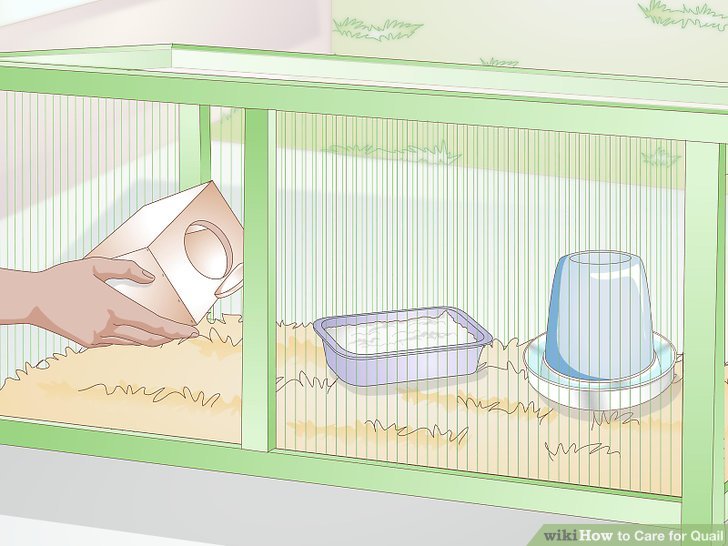
Mastering quail lighting goes beyond basic principles. This section explores advanced techniques to optimize quail performance, particularly for commercial operations, considering light spectrum and large-scale management strategies. These techniques are designed to fine-tune the light environment to maximize egg production, promote health, and ensure efficient operation.
Supplemental Lighting for Specific Purposes
Supplemental lighting allows producers to manipulate light cycles to achieve desired outcomes, such as initiating egg laying earlier in the quail’s life cycle. This can be particularly useful in commercial settings to maximize production and meet market demands. The timing and intensity of supplemental lighting are crucial for success.Supplemental lighting is frequently used to encourage early laying in young quail.
By gradually increasing the daily light exposure, producers can stimulate the birds’ reproductive systems, prompting them to begin laying eggs sooner than they would under natural light conditions. A common approach involves providing 14-16 hours of light per day, starting when the quail are around 6-8 weeks old. The precise timing and duration should be tailored to the specific breed and local environmental conditions.
Lighting Plan for a Large-Scale Quail Operation
Designing a lighting plan for a large-scale quail operation requires careful consideration of multiple factors, including coop layout, bird density, and the specific needs of different zones within the facility. This plan should be flexible enough to accommodate variations in bird age, production stage, and seasonal changes.The lighting plan for a large-scale operation would typically involve multiple coops, each with a dedicated lighting system.
Zones within each coop can be established based on the age and production stage of the quail.For instance:
- Zone 1 (Brooding): This zone would focus on providing adequate light intensity (e.g., 20-30 lux) for young quail to ensure proper growth and development. The light duration would be around 20-24 hours per day during the initial weeks.
- Zone 2 (Growing): As the quail mature, the light intensity can be reduced (e.g., 10-15 lux) and the light duration gradually decreased to 14-16 hours per day. This encourages proper skeletal development and prepares the birds for egg production.
- Zone 3 (Laying): Once the quail reach the laying stage, the light duration should be maintained at 14-16 hours per day. The light intensity can be adjusted to optimize egg production, with some producers finding that a slightly higher intensity (e.g., 15-20 lux) can be beneficial.
A well-designed lighting plan should also include a monitoring system to track light intensity and duration in each zone. This allows producers to make adjustments as needed to ensure optimal conditions for the quail. The plan should also incorporate emergency lighting systems to provide light during power outages.
Impact of Different Light Spectrums on Quail
The spectrum of light, referring to the range of wavelengths emitted by a light source, significantly impacts quail behavior, health, and productivity. Different light spectrums affect the birds’ hormonal balance, vision, and overall well-being.The color of light is determined by its wavelength. Different wavelengths stimulate different photoreceptors in the quail’s eyes, influencing various physiological processes. For instance, blue light can stimulate growth and development, while red light can promote egg production.Consider these examples:
- Blue Light: Exposure to blue light is associated with increased growth and feed conversion efficiency in quail. It stimulates the production of growth hormones and can lead to faster maturation.
- Red Light: Red light stimulates the production of hormones related to reproduction, promoting egg laying. It also helps to reduce stress and aggression among the birds.
- Green Light: Green light is often used to provide a comfortable environment for quail, promoting relaxation and reducing stress.
- Full-Spectrum Light: Full-spectrum lighting, which mimics natural sunlight, can improve overall bird health and well-being. It provides a balance of different wavelengths, which can lead to improved egg quality and enhanced immune function.
The choice of light spectrum should be carefully considered based on the specific goals of the quail operation. The best approach often involves using a combination of different light spectrums to achieve the desired outcomes.
Advanced Lighting Techniques and Their Potential Benefits
Several advanced lighting techniques can be implemented to optimize quail production and management. These techniques offer a range of benefits, from improved egg production to enhanced bird welfare.Here is a list of advanced lighting techniques and their potential benefits:
- Pulse Lighting: This involves using short bursts of light throughout the day. This can be beneficial for stimulating egg production and reducing energy consumption. The intermittent nature of pulse lighting can also reduce stress in the birds.
- Step-Up Lighting Programs: Gradually increasing the light duration over time, particularly during the growing phase, can stimulate early sexual maturity and egg production. This technique mimics the natural increase in daylight hours and can enhance the birds’ reproductive cycle.
- Light Dimming Systems: Implementing dimming systems allows for precise control of light intensity. This can be used to simulate sunrise and sunset, which can reduce stress and improve bird behavior. Dimming systems can also be used to conserve energy.
- Color-Specific Lighting: Utilizing lights with specific color spectrums, such as blue, red, or green, to target specific physiological responses in the quail. Blue light for growth, red for egg production, and green for stress reduction are common examples.
- Automated Lighting Controls: Employing automated systems to manage light cycles based on time of day, season, or specific production goals. These systems can be programmed to adjust light duration and intensity automatically, ensuring consistent and optimal lighting conditions.
- Light-Emitting Diode (LED) Technology: Utilizing LED lighting offers significant advantages, including energy efficiency, long lifespan, and the ability to emit specific light spectrums. LEDs provide a cost-effective and versatile solution for quail lighting.
Ending Remarks
In conclusion, mastering “how to manage quail lighting” is more than just a technical skill; it’s an investment in the well-being and productivity of your quail. By carefully considering the nuances of light duration, intensity, and schedule, you can create an environment that fosters optimal egg production, promotes healthy behavior, and ensures the long-term success of your quail farming endeavors.
Implement these strategies and witness the transformative power of light in your quail coop.