How to manage boar breeding is crucial for successful swine production, ensuring healthy litters and optimal farm profitability. This guide delves into the intricacies of boar breeding, from selecting the right boars to implementing effective breeding schedules. Understanding the fundamentals of boar breeding is essential for anyone involved in pig farming, as it directly impacts the genetic quality and overall productivity of a herd.
This resource provides a detailed exploration of each aspect of boar breeding, beginning with the initial selection of breeding boars, considering factors such as genetics, physical characteristics, and performance data. It then progresses through the practical elements of housing, nutrition, semen collection, and artificial insemination techniques. Moreover, the guide addresses the critical aspects of health management, disease prevention, and record-keeping, offering practical advice and actionable strategies for maximizing breeding success.
Introduction to Boar Breeding
Successful boar breeding is fundamental to the profitability and efficiency of swine production. The genetic contribution of boars significantly impacts the overall performance of a pig herd, influencing traits such as growth rate, feed efficiency, carcass quality, and reproductive success. A well-managed boar breeding program ensures the continuous improvement of these economically important traits, leading to higher productivity and enhanced returns for pork producers.Boars, the male breeding pigs, are selected and managed with the specific goal of producing offspring with desirable characteristics.
Their genetic influence is substantial, as they contribute half of the genetic makeup of each piglet born. The choice of boar and the implementation of effective breeding practices are therefore critical to the long-term success of any swine operation.
Common Boar Breeds
Several breeds of boars are commonly utilized in swine production, each possessing unique characteristics and advantages. Producers often select breeds based on their specific production goals, such as maximizing growth, improving meat quality, or enhancing reproductive efficiency.
- Yorkshire: Yorkshire boars are known for their excellent maternal traits, including large litter sizes and good mothering ability. They are typically white in color and are often used in crossbreeding programs to improve sow productivity.
- Landrace: Landrace boars are also recognized for their maternal qualities, similar to Yorkshires. They are typically white and have long bodies. They are known for their high prolificacy and are commonly used in crossbreeding.
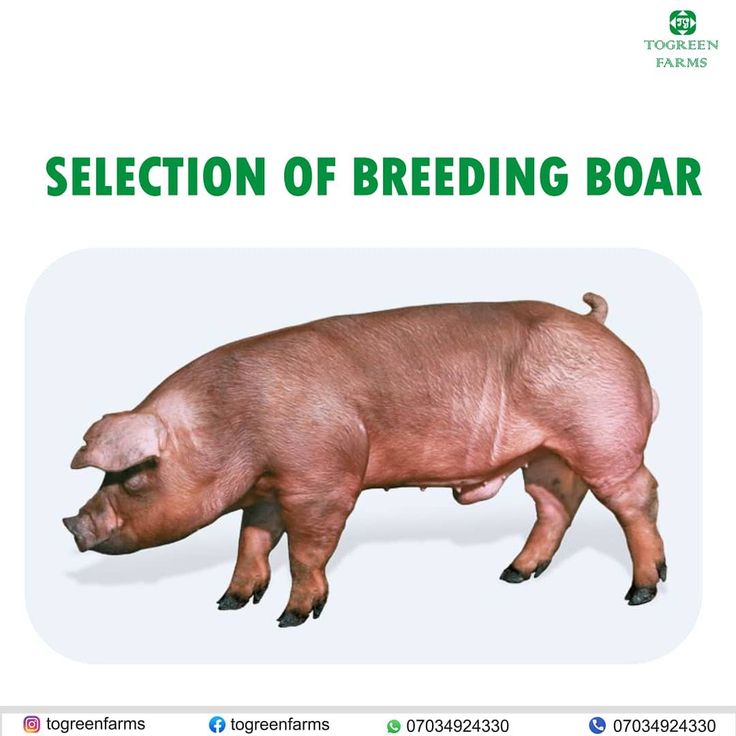
- Duroc: Duroc boars are valued for their rapid growth rate, excellent feed efficiency, and superior carcass characteristics, including high meat quality. They are typically reddish-brown in color and are often used as terminal sires, meaning their offspring are destined for market.
- Hampshire: Hampshire boars are known for their lean muscle development and are also used as terminal sires. They are easily identified by their black bodies with a white belt around their shoulders.
- Pietrain: Pietrain boars are recognized for their extreme muscling and lean carcasses. They are often used in specialized breeding programs to produce pigs with very high meat yields.
Key Objectives of a Boar Breeding Program
A boar breeding program aims to achieve several key objectives to optimize the genetic potential and overall performance of a swine herd. These objectives are interconnected and contribute to the economic viability of the pork production system.
- Genetic Improvement: The primary goal is to improve the genetic merit of the herd over time. This involves selecting boars with superior genetics for traits such as growth rate, feed efficiency, carcass quality, and reproductive performance. The use of Estimated Breeding Values (EBVs) and other genetic evaluation tools is crucial for making informed selection decisions.
- Maintaining Herd Health: A successful program prioritizes the health of the boars and the overall herd. This includes implementing strict biosecurity measures to prevent the introduction and spread of diseases, as well as regular health monitoring and veterinary care.
- Maximizing Reproductive Efficiency: Boar breeding programs focus on maximizing the reproductive efficiency of both boars and sows. This involves selecting boars with high libido, good semen quality, and the ability to successfully impregnate sows. Proper management practices, such as appropriate housing and nutrition, are also essential for optimizing reproductive performance.
- Meeting Market Demands: Boar breeding programs must align with market demands for specific pork characteristics. This may involve selecting boars with genetics that produce leaner carcasses, higher meat quality, or other desirable traits that meet consumer preferences and industry standards.
Selecting Breeding Boars
Selecting superior breeding boars is crucial for improving the genetic potential of a pig herd and maximizing profitability. Careful selection ensures desirable traits are passed on to offspring, leading to enhanced growth rates, carcass quality, and reproductive efficiency. This process involves a comprehensive evaluation of various factors, from physical characteristics to genetic data.
Critical Traits for Boar Selection
Identifying boars with the right traits is fundamental to successful breeding programs. These traits contribute significantly to the overall performance and profitability of the pig herd. Prioritizing these characteristics ensures the selection of boars that will positively impact the herd’s genetics.
- Growth Rate: Boars with faster growth rates tend to produce offspring that also grow quickly, leading to reduced time to market and increased efficiency. This is typically measured by average daily gain (ADG) from birth to a specific weight, such as 250 pounds.
- Feed Efficiency: Efficient boars convert feed into muscle more effectively. This trait is often quantified by the feed conversion ratio (FCR), which measures the amount of feed required to produce a pound of gain. Lower FCR values are desirable.
- Carcass Quality: Key carcass traits include backfat thickness, loin eye area, and percentage of lean meat. Boars with superior carcass traits produce offspring that yield higher-value cuts and leaner carcasses, meeting market demands.
- Reproductive Performance: Boars should have high libido, produce high-quality semen with good motility and morphology, and be able to successfully mate with a large number of sows.
- Structural Soundness: Boars must have sound legs and feet to remain productive throughout their breeding life. This includes proper leg conformation, good foot structure, and the absence of lameness.
- Temperament: Boars should have a calm and docile temperament, as aggressive boars can be difficult to manage and pose a safety risk.
Importance of Genetic Testing and Pedigree Analysis
Genetic testing and pedigree analysis are essential tools for making informed boar selection decisions. These methods provide valuable insights into a boar’s genetic potential, helping producers predict the performance of offspring more accurately.
- Genetic Testing: Genetic testing involves analyzing a boar’s DNA to identify specific genes associated with desirable traits. This allows producers to select boars that are more likely to pass on those traits to their offspring. For example, genetic tests can identify boars with genes for increased marbling, leanness, and disease resistance.
- Pedigree Analysis: Pedigree analysis involves studying a boar’s ancestry to determine its genetic background. This helps identify potential genetic strengths and weaknesses and can be used to predict the likelihood of certain traits being passed on. Knowing the performance of a boar’s relatives, such as its parents, siblings, and grandparents, can provide valuable information about its genetic potential.
- Benefits of Combining Genetic Testing and Pedigree Analysis: Combining these two approaches provides a more comprehensive assessment of a boar’s genetic merit. This allows producers to make more accurate breeding decisions and maximize the genetic improvement of their herd.
Boar Selection Criteria
The following table Artikels the key criteria for selecting breeding boars. This table presents a framework for evaluating boars across multiple dimensions. Each criterion contributes to the overall assessment of a boar’s suitability for breeding.
| Selection Criteria | Physical Characteristics | Performance Data | Genetic Markers |
|---|---|---|---|
| Growth Rate | Well-muscled body, good length, and width. Sound legs and feet, free from lameness. | Average Daily Gain (ADG): Measured from birth to market weight (e.g., 250 lbs). Target high ADG values. | Specific genes associated with growth rate (e.g., genes affecting growth hormone production). Results from DNA testing for growth-related SNPs (Single Nucleotide Polymorphisms). |
| Feed Efficiency | Good body condition score (not too thin or fat). Strong appetite and ability to consume feed efficiently. | Feed Conversion Ratio (FCR): Measures the amount of feed required per unit of weight gain. Lower FCR values are preferred. | Genes influencing feed efficiency and nutrient utilization. Identification of genetic markers linked to improved feed efficiency. |
| Carcass Quality | Well-developed loin, adequate muscle mass, and a lean appearance. | Backfat Thickness: Measured at the 10th rib. Loin Eye Area: Measured at the 10th rib. Percentage of Lean Meat: Calculated from carcass measurements. | Genes related to fat deposition and muscle development (e.g., genes affecting fat metabolism). Genetic markers for lean meat percentage and marbling. |
| Reproductive Performance | Healthy reproductive organs, well-developed testicles, and strong libido. | Semen Quality: Measured by sperm motility, morphology, and concentration. Breeding Soundness Exam: Assessment of overall reproductive health and fertility. Number of successful matings and farrowing rates of offspring. | Genes affecting sperm production and fertility. Genetic markers for prolificacy and litter size. |
Housing and Management of Breeding Boars
Managing breeding boars effectively is crucial for the success of any pig farming operation. Proper housing, feeding, and health management directly impact a boar’s fertility, longevity, and overall performance. This section details the essential aspects of boar management, providing practical guidance for optimal boar health and breeding efficiency.
Housing Environment for Breeding Boars
The ideal housing environment for breeding boars is designed to promote their health, comfort, and reproductive performance. It should provide adequate space, protection from the elements, and a clean and safe environment.The minimum space requirements for breeding boars vary depending on their size and the housing system. Generally, a mature boar needs a minimum of 7.5 to 9 square meters (80 to 100 square feet) of space.
This allows for adequate movement and reduces the risk of injuries. Individual pens are preferred to prevent fighting and allow for individual management. The floor should be non-slip to prevent injuries, and a solid floor with partial slatted areas for waste management is often used.Environmental controls are essential for maintaining a comfortable and healthy environment. Boars are sensitive to heat stress, so adequate ventilation is crucial, especially during warmer months.
Temperatures should be maintained between 16-21°C (60-70°F). Adequate ventilation removes excess heat, humidity, and harmful gases like ammonia. In colder climates, heating may be necessary to prevent chilling. Proper insulation and ventilation systems are key to maintaining optimal temperatures. Provide access to clean, fresh water at all times, with waterers placed at a height that is easily accessible.
Feeding and Nutrition of Breeding Boars
Proper nutrition is critical for maintaining a boar’s reproductive performance and overall health. A well-balanced diet should provide the necessary nutrients to support sperm production, libido, and body condition.The diet should be formulated to meet the boar’s specific needs, considering his age, weight, and activity level. Breeding boars typically require a diet with a moderate energy level and adequate protein, vitamins, and minerals.
Overfeeding can lead to obesity, which can negatively impact fertility and mobility. Underfeeding can result in poor body condition and reduced sperm production.Feed should be of high quality and free from contaminants. The diet should contain the following nutrients:
- Energy: Typically provided by grains like corn, barley, or wheat. The energy content should be adjusted based on the boar’s body condition.
- Protein: Essential for sperm production and overall health. Protein levels should be approximately 14-16% of the diet. High-quality protein sources include soybean meal, canola meal, and fish meal.
- Vitamins and Minerals: Important for various bodily functions, including reproduction. Supplement the diet with a complete vitamin and mineral premix. Key vitamins include A, D, E, and B vitamins. Important minerals include calcium, phosphorus, and zinc.
- Fiber: Aids in digestion and helps prevent constipation. Fiber sources include wheat bran and beet pulp.
Water is an essential nutrient, and boars should have access to clean, fresh water at all times. Water intake can increase during hot weather.A feeding schedule should be established, and the amount of feed provided should be adjusted based on the boar’s body condition. Regularly monitor the boar’s body condition score (BCS) to ensure he is neither too thin nor too fat.
A BCS of 3 (on a scale of 1-5, with 1 being emaciated and 5 being obese) is generally considered ideal for breeding boars. Feed intake may vary depending on the season and activity level.
Common Health Problems in Boars and Preventative Measures
Boars are susceptible to various health problems that can impact their reproductive performance and overall well-being. Implementing preventative measures is crucial for minimizing these risks.Here is a list of common health problems and preventative measures:
- Lameness: Often caused by injuries, infections, or poor hoof care.
- Preventative Measures: Provide non-slip flooring, regular hoof trimming, and treatment of any injuries promptly. Ensure adequate space and reduce overcrowding.
- Infections (e.g., pneumonia, urinary tract infections): Can be caused by bacteria, viruses, or parasites.
- Preventative Measures: Maintain a clean and sanitary environment, provide adequate ventilation, and vaccinate against common diseases. Isolate sick animals and provide prompt treatment.
- Reproductive Problems (e.g., decreased libido, poor semen quality): Can be caused by various factors, including heat stress, nutritional deficiencies, and infections.
- Preventative Measures: Provide adequate shade and ventilation, ensure a balanced diet, and control parasites. Regular semen evaluation can help identify and address potential problems early.
- Parasites (e.g., mange, lice, worms): Can cause skin irritation, anemia, and reduced growth.
- Preventative Measures: Implement a regular deworming and parasite control program. Maintain good hygiene in the housing environment.
- Heat Stress: Can significantly reduce sperm production and libido.
- Preventative Measures: Provide adequate shade, ventilation, and access to cool water. Misting or evaporative cooling systems can also be beneficial.
- Foot and Leg Injuries: These can be caused by slippery floors, aggressive behavior, or inadequate space.
- Preventative Measures: Ensure non-slip flooring, provide adequate space per boar, and monitor for aggressive behavior. Treat any injuries promptly.
Semen Collection and Evaluation
Successful boar breeding hinges not only on selecting the right animals and providing proper housing but also on the careful collection and thorough evaluation of semen. This process is critical for maximizing conception rates and ensuring the genetic progress of your herd. Proper semen handling and analysis provide valuable insights into the fertility potential of your boars, allowing for timely intervention if any issues arise.
Semen Collection Techniques
Semen collection from boars requires a gentle and controlled environment. There are several methods used to obtain semen, each with its own advantages and disadvantages. The goal is to collect a high-quality sample with minimal contamination and stress to the boar.
The most common method is the gloved-hand technique:
- Preparation: The boar is accustomed to a collection area, and a trained handler is present. The handler wears a clean, disposable glove, often lubricated with a non-spermicidal lubricant.
- Stimulation: The handler mimics the natural mating process, stimulating the boar’s penis with the gloved hand.
- Semen Collection: As the boar ejaculates, the gloved hand guides the semen into a collection container. The container should be pre-warmed to approximately 37°C (98.6°F) to prevent cold shock to the sperm.
- Fractionation: Boar semen is often collected in fractions: the pre-sperm fraction (containing primarily seminal fluids), the sperm-rich fraction (containing the highest concentration of sperm), and the post-sperm fraction (containing more seminal fluids). The sperm-rich fraction is usually the desired sample.
- Handling: The collected semen is immediately transferred to an appropriate container and protected from extreme temperatures and direct sunlight.
Another method is the use of an artificial vagina (AV):
- Preparation: The AV is preheated to the boar’s body temperature (around 38°C or 100.4°F) and lubricated.
- Stimulation: The boar is allowed to mount a dummy or a sow in estrus, and the penis is directed into the AV.
- Semen Collection: The ejaculate is collected into the AV.
- Fractionation: Similar to the gloved-hand method, the ejaculate can be fractionated.
- Handling: The semen is then removed from the AV and handled as described above.
Semen Quality Evaluation: Motility
Semen motility, the percentage of sperm cells moving actively, is a crucial indicator of fertility. Assessing motility provides insights into the ability of sperm to reach and fertilize the oocyte.
Motility is typically evaluated using a microscope with a warmed stage (around 37°C or 98.6°F). The following steps are involved:
- Sample Preparation: A small drop of semen is placed on a pre-warmed microscope slide and covered with a coverslip.
- Microscopic Examination: The slide is examined under a microscope at 100x to 400x magnification.
- Motility Assessment: The percentage of progressively motile sperm (sperm moving forward in a straight line) is estimated. This is usually done by visually estimating the percentage of sperm exhibiting this characteristic.
- Scoring: Motility is often scored on a scale, for example, 0% to 100%, or graded (e.g., excellent, good, fair, poor). A boar with less than 70% progressive motility may have reduced fertility.
Example: If a boar’s semen sample shows 80% progressive motility, this indicates a good motility score, suggesting a high probability of successful fertilization, assuming other semen parameters are also favorable. Conversely, a motility score of 40% would be considered poor, warranting further investigation into potential causes like infections or poor nutritional status.
Semen Quality Evaluation: Morphology
Sperm morphology refers to the shape and structure of sperm cells. Abnormalities in sperm morphology can negatively impact fertility.
Morphological assessment requires a microscope and specific staining techniques:
- Sample Preparation: A small sample of semen is mixed with a stain (e.g., eosin-nigrosin) and smeared on a microscope slide. The stain helps visualize the sperm cells and differentiate between normal and abnormal forms.
- Microscopic Examination: The slide is examined under a microscope at 1000x magnification (oil immersion lens).
- Morphology Assessment: The percentage of sperm cells with normal morphology is determined. Common abnormalities include:
- Head defects (e.g., small head, large head, double heads).
- Midpiece defects (e.g., bent midpiece, detached head).
- Tail defects (e.g., coiled tail, broken tail).
- Scoring: The percentage of normal sperm is recorded. Boars with more than 20% abnormal sperm are often considered to have reduced fertility.
Example: A semen sample analysis reveals 15% of the sperm cells have abnormal morphology, this is considered acceptable. If the same sample reveals 30% abnormal morphology, the boar’s fertility is likely compromised, and the issue should be investigated.
Semen Quality Evaluation: Concentration
Sperm concentration refers to the number of sperm cells per milliliter of semen. This is a crucial parameter for determining the appropriate number of sperm to use for insemination.
Sperm concentration can be measured using several methods:
- Hemocytometer: This is a manual method that involves counting sperm cells in a specialized counting chamber (hemocytometer) under a microscope.
- Spectrophotometer: This device measures the optical density of the semen sample, which is correlated to sperm concentration.
- Automated Sperm Analyzers: These devices use advanced technology to automatically measure sperm concentration and other parameters.
- Procedure:
- Dilution: The semen sample is diluted with a specific solution to allow for easier counting or measurement.
- Counting/Measurement: The diluted sample is then analyzed using the chosen method.
- Calculation: The sperm concentration is calculated based on the number of sperm cells counted or the optical density reading.
- Scoring: The ideal sperm concentration for boars varies, but a typical ejaculate may contain between 200 million and 600 million sperm cells per milliliter.
Example: A boar ejaculate with a concentration of 400 million sperm cells per milliliter would be considered normal. If the concentration is significantly lower, such as 150 million sperm cells per milliliter, the boar may have reduced fertility, and further investigations are needed.
Microscopic Examination of Semen
Using a microscope is fundamental to evaluating semen quality. Understanding the features to observe under the microscope is crucial for accurate analysis.
Here’s a guide to the microscopic examination of semen:
- Microscope Setup: Ensure the microscope is clean and in good working order. Use the correct magnification settings (100x to 1000x, depending on the parameter being evaluated). The microscope should be properly illuminated.
- Motility Assessment:
- Observe the movement of sperm cells.
- Identify progressively motile sperm (moving forward in a straight line).
- Assess the percentage of motile sperm.
- Morphology Assessment:
- Identify sperm cell structures, including the head, midpiece, and tail.
- Look for abnormalities in these structures.
- Evaluate the percentage of normal sperm.
- Concentration Assessment (using a hemocytometer):
- Count sperm cells in the designated squares of the hemocytometer.
- Use the appropriate dilution factor to calculate sperm concentration.
- Record Keeping: Maintain accurate records of all observations, including motility, morphology, and concentration.
Example: A visual observation of a sperm sample under the microscope might reveal a high percentage of sperm with bent tails, indicating a morphological defect. The observer should document this finding and investigate the potential causes, such as heat stress or nutritional deficiencies.
Artificial Insemination Techniques
Artificial insemination (AI) is a widely adopted practice in swine production, revolutionizing breeding efficiency and genetic improvement. This technique allows for controlled breeding, maximizing the use of superior boars and minimizing the risk of disease transmission. Understanding and implementing proper AI techniques are crucial for successful swine breeding programs, leading to increased litter sizes and improved overall herd performance.
Process of Artificial Insemination in Swine
The AI process in swine involves several key steps, from heat detection to semen deposition. Precise execution of each step is essential for achieving high conception rates.
- Heat Detection: Accurate heat detection is paramount. Sows and gilts must be observed regularly for signs of estrus, including a standing reflex when pressure is applied to their backs, swollen vulva, and increased vocalization. This can be achieved through boar exposure or utilizing heat detection aids.
- Preparation: Once a sow or gilt is confirmed in heat, the AI technician prepares the equipment. This includes thawing the semen (if frozen) or ensuring fresh semen is at the appropriate temperature, preparing the AI catheter, and lubricating the catheter tip.
- Catheter Insertion: The AI catheter is gently inserted into the sow’s or gilt’s vagina. The catheter is advanced until it reaches the cervix. The tip of the catheter is designed to either lock into the cervix or stimulate the cervix.
- Semen Deposition: The semen is slowly deposited into the uterus. This can be done manually by squeezing the semen container or using an AI gun. The semen should be deposited slowly to minimize stress on the sow.
- Post-Insemination Care: After insemination, the catheter is removed, and the sow is typically given a few minutes to rest. Record-keeping is crucial at this stage to track insemination dates, boar used, and sow identification for future breeding management.
Types of Semen Extenders and Their Purposes
Semen extenders play a critical role in extending the lifespan and increasing the volume of semen doses. Different extenders are formulated to provide nutrients, protect sperm cells, and buffer the environment.
Different Types of Semen Extenders and Their Purposes:
- Nutrient-Based Extenders: These extenders provide essential nutrients, such as glucose, to support sperm cell metabolism and viability. Examples include those containing glucose, fructose, and other energy sources.
- Cryopreservation Extenders: These extenders are designed to protect sperm cells from damage during freezing and thawing. They often contain cryoprotective agents like glycerol, which prevent ice crystal formation within the sperm cells.
- Antibiotic-Containing Extenders: These extenders incorporate antibiotics to control bacterial contamination, which can negatively impact sperm quality and fertility. Examples include gentamycin or lincomycin.
- pH Buffering Extenders: These extenders help maintain the appropriate pH level for sperm survival, protecting them from acidic conditions.
Proper Technique for Inseminating a Sow
Correct AI technique is essential for successful conception. This diagram provides a visual representation of the correct insemination process.
Diagram Description:
The diagram illustrates the AI procedure in a sow. A side-view cross-section of the sow’s reproductive tract is shown. The diagram clearly labels the vagina, cervix, and uterus. A technician is depicted holding an AI catheter and inserting it into the sow’s vulva. The catheter is being advanced through the vagina and towards the cervix.
The semen container, which is connected to the catheter, is held at a slight angle to allow the semen to flow. The diagram also highlights the importance of gentle handling and slow semen deposition. A separate, close-up view depicts the catheter tip in the cervix.
Breeding Soundness Examination (BSE)
Regular Breeding Soundness Examinations (BSEs) are a cornerstone of effective boar management, playing a critical role in optimizing reproductive performance and ensuring the financial viability of a pig farm. Implementing a consistent BSE program allows producers to identify and address potential reproductive issues early, maximizing the use of productive boars and minimizing losses associated with infertile or subfertile animals. This proactive approach not only improves the overall conception rates and litter sizes but also helps in the efficient allocation of resources, contributing to increased profitability.
Importance of Regular BSE for Breeding Boars
The consistent application of BSE is crucial for maintaining a high level of reproductive efficiency within a swine operation. Boars, even those appearing healthy, can experience changes in their reproductive capabilities due to various factors such as age, injury, disease, and environmental stress. Regularly assessing a boar’s breeding soundness allows for the timely identification of potential problems, enabling prompt intervention and preventing the spread of reproductive inefficiencies throughout the herd.
Components of a Comprehensive BSE
A comprehensive BSE is a multi-faceted assessment designed to evaluate the overall reproductive health and potential of a boar. This assessment typically includes a physical examination, semen evaluation, and libido assessment. The results of each component are combined to provide a comprehensive assessment of the boar’s breeding potential.
- Physical Examination: This part involves a thorough visual and tactile examination of the boar to identify any physical abnormalities that could impact breeding performance.
- The boar’s overall body condition is assessed to ensure it is neither too thin nor excessively fat. Both extremes can negatively affect reproductive function.
- The legs and feet are examined for lameness or structural problems, which can impede the boar’s ability to mount and breed.
- The external genitalia, including the penis, prepuce, scrotum, and testicles, are carefully inspected and palpated for any signs of injury, infection, or abnormalities. The size, symmetry, and consistency of the testicles are noted.
- Hernias are checked for.
- Semen Evaluation: This component focuses on assessing the quality of the boar’s semen, a critical factor in determining its fertility.
- Semen samples are typically collected using the gloved-hand technique or an artificial vagina.
- The semen is evaluated for several key parameters, including:
- Sperm concentration: This is the number of sperm cells per milliliter of semen. A sufficient sperm concentration is necessary for successful fertilization.
- Sperm motility: This refers to the percentage of sperm cells that are actively moving forward. High motility is essential for the sperm to reach and fertilize the egg.
- Sperm morphology: This involves examining the shape and structure of the sperm cells. A high percentage of normal sperm is crucial for fertility. Abnormal sperm can have structural defects that prevent them from fertilizing the egg.
- Sperm viability: This assesses the percentage of live sperm cells in the sample. Dead sperm cannot fertilize eggs.
- Libido Assessment: This evaluates the boar’s sexual behavior and willingness to mate.
- The boar’s interest in a receptive sow or gilt is observed.
- The boar’s mounting behavior, including the ability to mount, achieve intromission, and ejaculate, is assessed.
- This assessment helps to determine if the boar has any behavioral issues that might affect its breeding performance.
Boar BSE Report Examples
A typical boar BSE report summarizes the findings of the examination, providing a clear assessment of the boar’s breeding soundness. The report may include the following information:
- Boar Identification: Includes the boar’s name, registration number, and any other identifying information.
- Date of Examination: The date the BSE was performed.
- Physical Examination Findings: A description of any physical abnormalities observed, such as lameness, scrotal hernias, or lesions.
- Semen Evaluation Results: A detailed account of the semen parameters, including sperm concentration, motility, morphology, and viability.
- Libido Assessment: A description of the boar’s sexual behavior and willingness to mate.
- Breeding Soundness Classification: A classification based on the overall findings, such as:
- Satisfactory: The boar is expected to be capable of breeding sows and gilts successfully.
- Unsatisfactory: The boar is not expected to be capable of breeding sows and gilts successfully.
- Questionable: The boar’s breeding potential is uncertain, and further monitoring or re-evaluation may be necessary.
- Recommendations: Recommendations for the boar’s management, such as whether to use the boar for breeding, further evaluation, or treatment.
For example, a BSE report might state: “Boar identified as ‘Champion,’ registration number
- Physical examination revealed no abnormalities. Semen analysis showed a sperm concentration of 300 million/mL, 80% motility, 85% normal morphology, and 90% viability. Libido was assessed as excellent. Breeding Soundness Classification: Satisfactory. Recommendation: Continue to use for breeding.” Conversely, a report could state: “Boar identified as ‘Rusty,’ registration number
- Physical examination revealed a unilateral scrotal hernia. Semen analysis showed a sperm concentration of 50 million/mL, 30% motility, 60% normal morphology, and 50% viability. Libido was assessed as poor. Breeding Soundness Classification: Unsatisfactory. Recommendation: Culling or further investigation.”
Heat Detection in Sows
Accurate heat detection is crucial for successful swine breeding programs. Identifying the optimal time for insemination significantly impacts litter size and overall farm productivity. This section will delve into the signs of estrus in sows and explore various methods for detecting heat, providing a comprehensive understanding of this essential breeding management practice.
Signs of Estrus in Sows
Recognizing the behavioral and physical signs of estrus, also known as “standing heat,” is fundamental to successful breeding. Several key indicators can help producers determine when a sow is receptive to mating.
- Standing Reflex: The most reliable sign is the standing reflex. A sow in estrus will stand still and exhibit a rigid posture when pressure is applied to her back or flanks. This is often tested by applying pressure with a boar or a handler.
- Vulva Changes: The vulva will become swollen and red. The swelling intensifies as estrus progresses.
- Vocalization: Sows in heat may exhibit increased vocalization, such as grunting and restlessness.
- Mounting Behavior: Sows may attempt to mount other sows.
- Ear Posture: Sows in heat may have erect ears.
- Loss of Appetite: Some sows may experience a slight decrease in appetite.
Methods for Detecting Heat
Several methods can be employed to detect estrus in sows, each with its own advantages and disadvantages. These methods range from visual observation to the use of sophisticated aids.
- Visual Observation: This involves observing the sows for the signs of estrus, such as vulva swelling and the standing reflex.
- Boar Exposure: Exposing sows to a boar is a highly effective method. The boar will often stimulate the standing reflex in sows that are in heat.
- Heat Detection Aids: These aids can assist in identifying sows in estrus.
Comparison of Heat Detection Methods
The following table compares different heat detection methods, highlighting their advantages and disadvantages. Choosing the appropriate method or combination of methods depends on the farm’s resources, management practices, and the experience of the personnel.
| Method | Advantages | Disadvantages | Notes |
|---|---|---|---|
| Visual Observation | Simple and inexpensive; requires no special equipment. | Can be subjective and less accurate; requires experienced personnel; can miss subtle signs of estrus. | Best used in conjunction with other methods. Requires frequent observation, ideally twice daily. |
| Boar Exposure | Highly effective and reliable; stimulates the standing reflex; can identify sows in the early stages of estrus. | Requires a boar; can be time-consuming; potential for boar injury. | The boar should be mature, fertile, and of good temperament. The boar should be introduced to the sows in a safe manner. |
| Heat Detection Aids | Can improve accuracy; can be used by less experienced personnel; provide objective data. | Can be expensive; require proper training and use; may not be as accurate as boar exposure. | Include devices like pressure-sensitive crayons (for marking sows that stand), and electronic devices that measure changes in body temperature or activity. Examples include:
|
Breeding Schedules and Management
Effective breeding schedules and meticulous management practices are crucial for maximizing reproductive efficiency and profitability in boar breeding programs. Careful planning and consistent execution are essential for optimizing conception rates, minimizing losses, and ensuring a steady supply of piglets. This section delves into the intricacies of establishing and maintaining optimal breeding schedules, understanding the factors that influence breeding success, and implementing robust record-keeping systems.
Optimal Timing for Breeding Sows
Determining the precise timing for breeding sows is paramount for achieving successful conception. This involves understanding the sow’s estrous cycle and employing effective heat detection methods. Breeding at the appropriate time maximizes the chances of fertilization and ultimately, a successful pregnancy.The estrous cycle of a sow is approximately 21 days long. Estrus, or the period of sexual receptivity, typically lasts for 2-3 days.
The optimal time to breed a sow is during this estrus period.
- Breeding Timing Guidelines: Generally, sows should be bred approximately 12-24 hours after the onset of standing heat. This timing aligns with the release of the ova (eggs) from the ovaries. If multiple breedings are planned, it is often recommended to breed sows again 12-24 hours after the first breeding. This is to ensure that sperm are present in the oviduct when the eggs are released.
- Factors Influencing Breeding Timing: The timing of ovulation can vary slightly between individual sows. Several factors can influence the onset and duration of estrus, including:
- Parity: Gilts (first-time mothers) may exhibit estrus slightly differently than older sows.
- Season: Heat stress can affect estrus, with sows potentially showing shorter or less intense heat during warmer months.
- Nutrition: Proper nutrition, particularly during the pre-breeding period, is crucial for reproductive performance.
- Boar Presence: Exposure to a boar can stimulate and intensify estrus behavior.
- Practical Application: Producers should employ thorough heat detection methods, such as back-pressure testing, observing vulval swelling, and monitoring for mounting behavior. Utilizing a boar for heat checking is a common and effective practice.
Factors Influencing Breeding Success
Several factors, both internal and external, can significantly impact the success of a breeding program. Recognizing and managing these factors is essential for achieving high conception rates and minimizing losses.
- Boar Factors:
- Semen Quality: The quality of the boar’s semen is a primary determinant of breeding success. Semen should be evaluated regularly for motility, morphology (shape), and concentration. Boars with poor semen quality should be culled or managed appropriately.
- Boar Age: The age of the boar can influence fertility. Young boars may have lower sperm counts, while older boars may experience a decline in semen quality.
- Health Status: Boars must be free from reproductive diseases, such as brucellosis and pseudorabies. Regular veterinary checkups are crucial.
- Sow Factors:
- Body Condition: Sows should be in optimal body condition at breeding. Over-conditioned or under-conditioned sows may have reduced fertility.
- Health Status: Sows must be healthy and free from any infections or diseases that could interfere with conception or pregnancy.
- Parity: Sows in their prime (e.g., 2nd-5th parity) generally have higher conception rates.
- Environmental Factors:
- Temperature: Heat stress can negatively affect both boars and sows. Provide adequate ventilation, cooling systems, and shade to mitigate the effects of heat.
- Housing: Comfortable and clean housing environments are essential for both boars and sows. Reduce stress levels to promote optimal reproductive performance.
- Nutrition: Balanced nutrition is crucial for both boars and sows. Ensure they receive adequate vitamins, minerals, and energy.
- Breeding Management:
- Breeding Technique: Whether using natural mating or artificial insemination (AI), proper technique is critical. For AI, use fresh or properly stored semen and follow the manufacturer’s instructions.
- Heat Detection Accuracy: Accurate heat detection is vital. Employing multiple methods and carefully observing the sows can improve the chances of successful breeding.
- Stress Reduction: Minimize stress on both boars and sows. Provide a calm environment and avoid overcrowding.
Record-Keeping Systems for Boar Breeding Programs
Meticulous record-keeping is an indispensable component of any successful boar breeding program. Comprehensive records allow for accurate monitoring of reproductive performance, identification of potential problems, and informed decision-making.The following are key elements of a robust record-keeping system:
- Boar Records:
- Identification: Each boar should have a unique identification number.
- Pedigree: Detailed records of the boar’s ancestry, including parentage and any relevant genetic information.
- Health Records: Vaccination history, treatments, and any health issues.
- Semen Quality Data: Regular evaluations of semen motility, morphology, and concentration.
- Breeding Performance: Number of matings, conception rates, and litter sizes.
- Sow Records:
- Identification: Each sow should have a unique identification number.
- Breeding Dates: Dates of breeding and the boars used.
- Pregnancy Diagnosis: Dates and results of pregnancy checks.
- Farrowing Data: Date of farrowing, litter size (total born, live born, stillborn), and piglet survival rates.
- Reproductive History: Number of litters produced, conception rates, and any reproductive problems.
- Breeding Schedules:
- Planned Breedings: A schedule of planned breedings for each sow.
- Heat Detection Results: Records of estrus detection and the methods used.
- Breeding Dates and Times: Detailed records of each breeding event.
- Data Analysis and Reporting:
- Conception Rates: Calculate conception rates for individual boars and sows, as well as for the entire herd.
- Farrowing Rates: Track farrowing rates to assess overall reproductive efficiency.
- Litter Size: Monitor litter sizes to identify potential genetic or management issues.
- Weaning to Conception Interval: Track the interval between weaning and conception to assess reproductive efficiency.
- Examples of Record-Keeping Systems:
- Manual Systems: Paper-based records can be used for small-scale operations.
- Spreadsheet Software: Programs like Microsoft Excel or Google Sheets can be used for data entry and analysis.
- Specialized Software: Dedicated pig management software provides comprehensive record-keeping and analysis tools.
Health Management and Disease Prevention
Maintaining the health of breeding boars is paramount for the success of any pig breeding operation. A robust health management program, encompassing vaccination schedules and strict biosecurity protocols, is essential to minimize disease outbreaks and ensure optimal reproductive performance. This section will detail common diseases affecting boars and provide a practical framework for disease prevention.
Common Diseases Affecting Breeding Boars
Breeding boars are susceptible to a range of diseases that can impact their fertility, semen quality, and overall health. Understanding these diseases is crucial for implementing effective preventative measures and prompt treatment.
- Reproductive Diseases: These diseases directly affect the reproductive system and can lead to infertility or reduced semen quality.
- Porcine Reproductive and Respiratory Syndrome (PRRS): PRRS is a viral disease that can cause reproductive failure in boars, including decreased libido, reduced semen quality, and increased embryonic mortality in sows bred with infected semen. It is widespread globally.
- Brucellosis: This bacterial disease can cause orchitis (inflammation of the testicles), epididymitis (inflammation of the epididymis), and infertility in boars. Brucellosis is a zoonotic disease, meaning it can be transmitted to humans.
- Leptospirosis: Caused by bacteria, Leptospirosis can lead to reproductive problems, including abortions in sows and decreased fertility in boars.
- Swine Influenza: While primarily a respiratory disease, certain strains of swine influenza can also affect the reproductive system, leading to reduced fertility and increased embryonic mortality.
- Respiratory Diseases: Respiratory infections can weaken boars, affecting their overall health and potentially impacting semen quality.
- Mycoplasma hyopneumoniae (M. hyo): Causes enzootic pneumonia, which can weaken the boar and increase susceptibility to other respiratory infections.
- Actinobacillus pleuropneumoniae (App): This bacterium causes pleuropneumonia, a severe respiratory disease that can lead to high mortality rates.
- Swine Influenza: As mentioned above, swine influenza is a respiratory disease that can affect boars.
- Other Diseases: Several other diseases can impact the health of breeding boars.
- Erysipelas: This bacterial infection can cause skin lesions, fever, and arthritis, potentially affecting a boar’s ability to breed.
- Foot and Mouth Disease (FMD): Although less common in many regions due to vaccination, FMD is a highly contagious viral disease that can cause blisters in the mouth and on the feet, leading to lameness and reduced feed intake, thereby affecting overall health and reproductive performance.
- Parasitic Infections: Internal and external parasites can weaken boars and compromise their health. Examples include mange mites, lice, roundworms, and lungworms.
Vaccination Schedules and Biosecurity Protocols
Implementing a comprehensive vaccination schedule and robust biosecurity protocols is crucial for preventing and controlling diseases in breeding boars. Vaccination helps protect against specific pathogens, while biosecurity minimizes the introduction and spread of diseases.
- Vaccination Schedules: Vaccination programs should be tailored to the specific diseases prevalent in the region and the individual farm’s risk factors. Consulting with a veterinarian is essential to develop an appropriate schedule.
- PRRS: Vaccination against PRRS is commonly practiced. The specific vaccine and schedule will vary depending on the farm’s PRRS status and the strain of the virus. Vaccination can be done with modified-live vaccines or inactivated vaccines.
- Erysipelas: Vaccination is usually administered to protect against Erysipelas. The timing often involves initial vaccination followed by boosters.
- Leptospirosis: Vaccination against Leptospirosis is recommended in many regions, especially where the disease is prevalent. The schedule will typically involve an initial vaccination and booster shots.
- Mycoplasma hyopneumoniae (M. hyo): Vaccination is available and often used to control enzootic pneumonia. The vaccination schedule should be discussed with a veterinarian.
- Biosecurity Protocols: Biosecurity measures are designed to prevent the introduction and spread of diseases. These protocols should be strictly adhered to at all times.
- Isolation and Quarantine: New boars should be isolated and quarantined for a minimum of 30 days before introduction to the breeding herd. During quarantine, they should be monitored for signs of disease and vaccinated as needed.
- Personnel Hygiene: All personnel entering the breeding facility should shower and change into clean clothes and footwear. Visitors should be restricted, and those who must enter should follow strict biosecurity protocols.
- Vehicle and Equipment Sanitation: Vehicles and equipment entering the farm should be thoroughly cleaned and disinfected. Dedicated equipment should be used within the breeding facility.
- Rodent and Pest Control: Effective rodent and pest control programs are essential to prevent the introduction and spread of diseases.
- Semen Handling: Strict hygiene protocols must be followed when handling semen, including using disposable gloves and sanitizing equipment.
- All-in, All-out Management: Implementing an all-in, all-out management system, where boars are moved in and out of breeding groups together, can help minimize disease transmission.
- Regular Health Monitoring: Regular health checks and monitoring for clinical signs of disease are crucial. Any suspected cases should be immediately investigated, and appropriate treatment measures implemented.
Disease Prevention Plan Flow Chart
The following flow chart provides a visual representation of a disease prevention plan for a boar breeding facility. This plan integrates vaccination, biosecurity, and regular health monitoring to minimize the risk of disease outbreaks.
Disease Prevention Plan Flow Chart
[Descriptive text of the flow chart:]The flow chart begins with ” Incoming Boars.” From there, it branches into ” Quarantine (30 days)” and ” Vaccination Schedule.” The quarantine phase includes steps such as ” Health Examination,” ” Parasite Control,” and ” Disease Testing.” After quarantine, boars move to the ” Breeding Herd.”The ” Vaccination Schedule” leads to ” Boar Vaccination,” with a note that it should be determined by a veterinarian.Within the ” Breeding Herd,” the flow chart details continuous processes:
- ” Biosecurity Protocols” which encompasses ” Personnel Hygiene,” ” Vehicle Sanitation,” ” Rodent Control,” and ” Semen Handling.”
- ” Regular Health Monitoring,” which includes ” Daily Observation,” ” Semen Evaluation,” and ” Early Detection of Disease.”
“Disease Management” with two possible outcomes
” Treatment” or ” Culling/Isolation.”
The entire process includes regular review and updates to maintain effectiveness.
This comprehensive approach to health management, including vaccination, biosecurity, and regular monitoring, is essential for maintaining a healthy and productive boar breeding operation. Success hinges on consistent implementation and ongoing evaluation of these protocols.
Nutrition for Breeding Boars
Maintaining optimal nutrition is crucial for the reproductive performance and overall health of breeding boars. Proper feeding ensures adequate sperm production, libido, and physical condition, all of which directly impact the success of a breeding program. Understanding the specific nutritional needs at different life stages is paramount for achieving these goals.
Nutritional Requirements at Different Life Stages
The nutritional needs of breeding boars vary significantly depending on their age, stage of development, and level of activity. Different stages require specific nutrient profiles to support their physiological functions.
- Growing Boars (Up to 7-8 months): During this period, boars are still developing their skeletal structure and muscle mass. The diet should be formulated to support rapid growth while avoiding excessive fat deposition. This stage is critical for ensuring boars reach their full genetic potential for size and structural soundness.
- Young Boars (8-12 months): These boars are entering puberty and beginning to produce sperm. The diet should focus on supporting sperm production and libido. The focus is shifting from growth to reproductive development.
- Mature Boars (Over 12 months): Mature boars have reached their full size and are actively used for breeding. The nutritional focus shifts to maintaining body condition, supporting consistent sperm production, and providing energy for breeding activities. The diet needs to be adjusted based on breeding frequency and environmental conditions.
Examples of Feed Formulations for Boars
Feed formulations for boars are carefully designed to provide the necessary nutrients in appropriate proportions. These formulations typically include a combination of energy sources, protein sources, vitamins, and minerals.
Here are examples of feed formulations for boars at different life stages. These are example formulations and may need adjustment based on specific ingredients and boar performance. The values are expressed as percentages on a dry matter basis.
| Ingredient | Growing Boars | Young Boars | Mature Boars |
|---|---|---|---|
| Cracked Corn | 60% | 55% | 50% |
| Soybean Meal (48% CP) | 25% | 28% | 30% |
| Wheat Bran | 5% | 5% | 7% |
| Alfalfa Meal | 3% | 3% | 3% |
| Dicalcium Phosphate | 1% | 1% | 1% |
| Limestone | 0.5% | 0.5% | 0.5% |
| Salt | 0.5% | 0.5% | 0.5% |
| Vitamin and Mineral Premix | 5% | 5% | 7% |
| Crude Protein | 16-18% | 15-17% | 14-16% |
| Lysine | 0.9-1.0% | 0.8-0.9% | 0.7-0.8% |
| Energy (ME, kcal/kg) | 3300-3400 | 3350-3450 | 3400-3500 |
Note: These are example formulations. Actual formulations should be adjusted based on the specific ingredients available and the performance of the boars. Always consult with a nutritionist or veterinarian for tailored recommendations.
Proper nutrition is essential for optimal sperm production, libido, and overall health in breeding boars. A balanced diet, considering the boar’s life stage and breeding activity, is critical for reproductive success.
Digestive System of a Boar
The digestive system of a boar is designed to efficiently break down and absorb nutrients from feed. The process involves several key organs working in a coordinated manner.
The following is a descriptive illustration of the boar’s digestive system, highlighting the key organs involved in nutrient absorption. The illustration is described without using any image tags.
Imagine a simplified diagram of a boar’s digestive system, starting with the mouth. The mouth contains teeth for grinding feed and the salivary glands that begin the process of breaking down carbohydrates. The feed then passes through the esophagus, a muscular tube that transports the food to the stomach. The stomach is a muscular sac where food is mixed with gastric juices, including hydrochloric acid and enzymes like pepsin, to begin protein digestion.
From the stomach, the partially digested food (chyme) moves into the small intestine. The small intestine is a long, coiled tube where the majority of nutrient absorption occurs. It is divided into three sections: the duodenum, jejunum, and ileum. The duodenum receives secretions from the pancreas (enzymes) and the liver (bile), which aid in the digestion of carbohydrates, fats, and proteins.
The jejunum and ileum are primarily responsible for the absorption of these nutrients into the bloodstream. The inner lining of the small intestine is covered with villi and microvilli, which increase the surface area for absorption. Undigested material then passes into the large intestine, which consists of the cecum, colon, and rectum. The large intestine absorbs water and electrolytes, and the remaining waste material is formed into feces and stored in the rectum before being eliminated through the anus.
The pancreas and liver, though not directly part of the digestive tract, play critical roles by producing enzymes and bile that aid in digestion. The pancreas secretes enzymes for carbohydrate, protein, and fat digestion, and the liver produces bile, which emulsifies fats, facilitating their digestion and absorption.
Closure
In conclusion, mastering the art of how to manage boar breeding is a multifaceted endeavor that demands attention to detail, consistent management, and a proactive approach to health and nutrition. By implementing the strategies Artikeld in this guide, pig farmers can significantly improve their breeding success, enhance the genetic quality of their herds, and ultimately contribute to a more sustainable and profitable swine production operation.
The insights provided here aim to empower producers with the knowledge and tools necessary to navigate the complexities of boar breeding and achieve optimal results.