Maintaining a healthy pond ecosystem is essential for the well-being of its inhabitants and the beauty of your landscape. One of the most critical aspects of pond health is proper aeration. This guide delves into the fascinating world of natural pond aeration, exploring methods that harness the power of nature to keep your pond water clean, clear, and teeming with life.
We will explore how you can achieve optimal aeration without relying on mechanical systems, embracing sustainable and eco-friendly techniques.
This comprehensive guide will walk you through the fundamental principles of pond aeration, detailing the advantages of natural methods over their mechanical counterparts. We’ll uncover the detrimental effects of poor aeration and explore a variety of natural aeration techniques, from the strategic use of aquatic plants and the creation of water movement features like waterfalls, to harnessing the power of wind and sunlight.
We’ll also cover practical aspects like selecting the right method for your pond, maintaining and monitoring aeration levels, troubleshooting common problems, and even building a simple solar-powered aerator. Finally, we will highlight the critical role of beneficial bacteria in supporting a thriving pond environment.
Understanding Pond Aeration and Its Importance
Pond aeration is a critical process for maintaining a healthy aquatic ecosystem. It involves increasing the oxygen levels in the water, which is essential for the survival of aquatic life and the overall well-being of the pond. Understanding the principles and benefits of aeration is paramount for effective pond management, particularly when considering natural methods.
Fundamental Principles of Pond Aeration
Pond aeration fundamentally revolves around increasing the dissolved oxygen (DO) concentration in the water. This is achieved by introducing oxygen from the atmosphere into the pond or by promoting the activity of oxygen-producing organisms. Oxygen is vital for the respiration of fish, beneficial bacteria that break down organic matter, and other aquatic organisms.
- Oxygen Diffusion: Oxygen naturally diffuses into water from the air, but this process is slow. Aeration enhances this diffusion by increasing the surface area of contact between air and water.
- Photosynthesis: Aquatic plants and algae produce oxygen through photosynthesis. Aeration can help to distribute this oxygen throughout the pond.
- Decomposition: Organic matter, such as dead leaves and fish waste, decomposes in the pond. This process consumes oxygen. Aeration helps to replenish the oxygen used in decomposition.
Benefits of Natural Aeration Methods
Natural aeration methods offer several advantages over mechanical systems, particularly concerning environmental sustainability and cost-effectiveness. These methods often mimic natural processes, promoting a balanced and healthy pond environment.
- Sustainability: Natural methods, such as the use of plants and strategically placed fountains, rely on renewable resources and minimize energy consumption, making them environmentally friendly.
- Cost-Effectiveness: While initial setup costs may vary, natural aeration methods often have lower operational and maintenance expenses compared to mechanical systems. They do not require electricity or frequent repairs.
- Habitat Enhancement: Natural methods often create habitats that benefit a wider range of aquatic life. For example, aquatic plants provide shelter and breeding grounds for fish and other organisms.
- Aesthetic Appeal: Natural aeration features, such as fountains or waterfalls, can enhance the visual appeal of the pond, creating a more pleasing environment.
Consequences of Poor Aeration
Inadequate aeration can lead to a cascade of negative consequences for the pond environment, significantly impacting its health and the survival of its inhabitants. Understanding these consequences underscores the importance of effective aeration strategies.
- Fish Kills: Low dissolved oxygen levels can suffocate fish, leading to mass mortality events. This is particularly common during hot weather when oxygen solubility in water decreases.
- Algae Blooms: Anaerobic conditions (absence of oxygen) can promote the growth of harmful algae blooms. These blooms can further deplete oxygen levels as they die and decompose, creating a vicious cycle.
- Accumulation of Organic Matter: Without sufficient oxygen, the decomposition of organic matter slows down, leading to the accumulation of sludge at the bottom of the pond. This sludge releases harmful gases like hydrogen sulfide, which are toxic to aquatic life.
- Loss of Biodiversity: Poor aeration can favor the growth of undesirable organisms and lead to a decline in the diversity of plant and animal life in the pond.
- Unpleasant Odors: Anaerobic decomposition produces foul-smelling gases like hydrogen sulfide, resulting in an unpleasant odor emanating from the pond.
Natural Aeration Methods
Now that we understand the significance of pond aeration, let’s delve into the natural methods that can help maintain a healthy aquatic ecosystem. These techniques leverage natural processes to introduce oxygen into the water, providing a sustainable and often cost-effective approach to pond management. Understanding these methods and their limitations is crucial for choosing the right aeration strategy for your specific pond environment.
Wind-Powered Aeration
Wind-powered aeration utilizes the natural force of wind to circulate water and increase oxygen levels. This method can be particularly effective in ponds located in areas with consistent wind patterns.Wind-powered aerators typically consist of a surface aerator, a windmill, and an air compressor. The windmill captures the wind’s energy, which then powers the air compressor. The compressor, in turn, pumps air through tubing to diffusers placed at the bottom of the pond.
The rising air bubbles then circulate the water and increase dissolved oxygen.* Pros:
Environmentally friendly, utilizing a renewable energy source.
Can be relatively inexpensive to operate, once the initial investment is made.
Quiet operation compared to some mechanical aeration systems. –
Cons
Dependence on consistent wind, making it unreliable in areas with variable wind conditions.
Performance can be affected by weather events, such as storms.
Initial investment can be higher than some other natural aeration methods.
The efficiency can be lower compared to other aeration methods.
Vegetation and Aquatic Plants
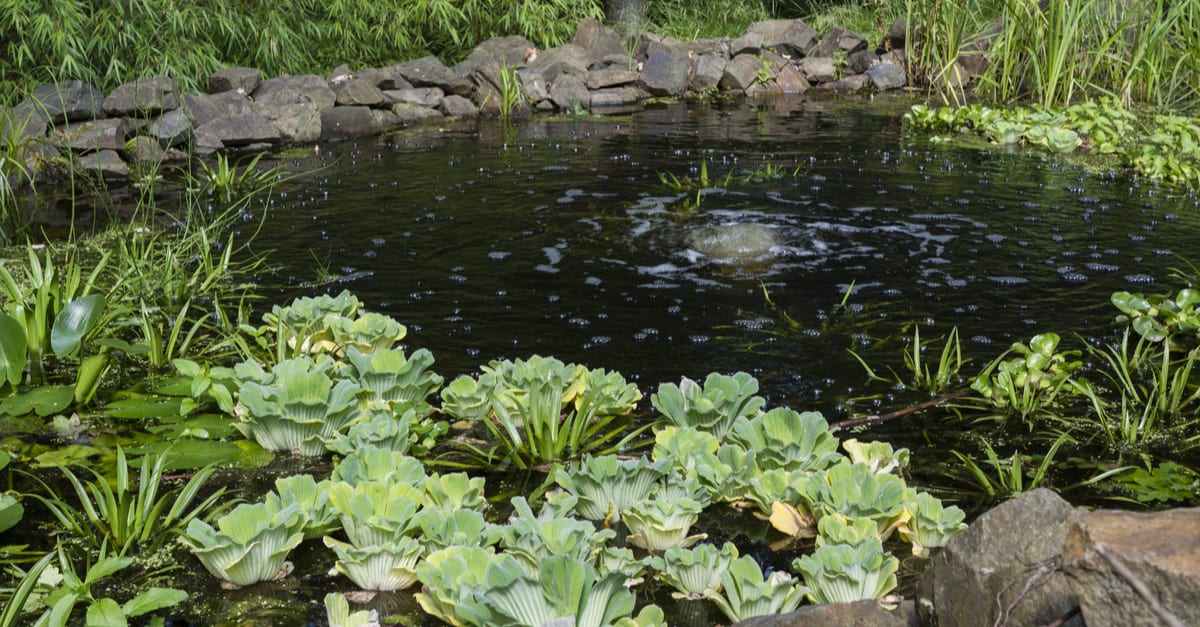
Aquatic plants, particularly submerged plants, play a crucial role in natural pond aeration. Through photosynthesis, they release oxygen into the water as a byproduct. This process is most active during daylight hours when sunlight is available for photosynthesis.* Pros:
Natural and aesthetically pleasing, enhancing the pond’s beauty.
Provide habitat and food for aquatic organisms.
Help to filter pollutants and reduce nutrient levels, improving water clarity.
Can reduce algae growth by competing for nutrients. –
Cons
Oxygen production is limited to daylight hours.
Plant growth can be seasonal, affecting oxygen levels throughout the year.
Excessive plant growth can lead to oxygen depletion at night due to respiration.
Requires careful management to prevent invasive species from taking over.
Examples of beneficial aquatic plants include:* Elodea (Elodea canadensis): A submerged plant that provides oxygen and habitat.
Water lilies (Nymphaea spp.)
Floating plants that provide shade, which helps to regulate water temperature and reduce algae growth.
Cattails (Typha spp.)
Emergent plants that help filter water and provide habitat.
Waterfalls and Fountains
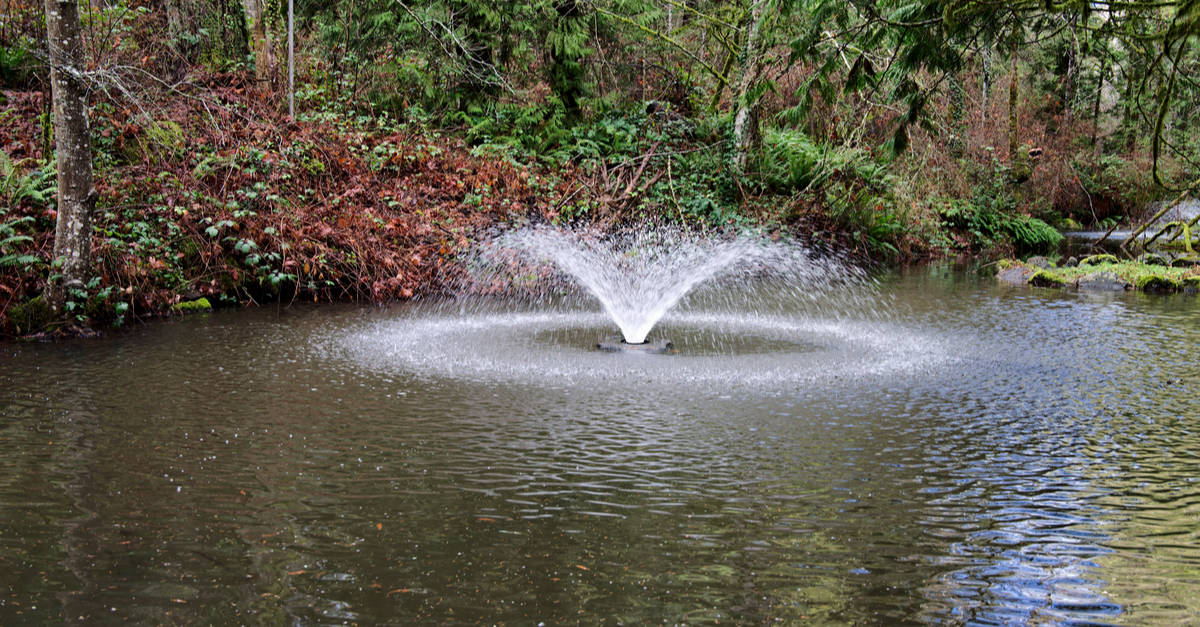
Waterfalls and fountains create aeration by increasing the surface area of water exposed to the air. As water cascades or sprays into the air, it absorbs oxygen from the atmosphere and releases dissolved gases. This method is particularly effective in smaller ponds or water features.* Pros:
Visually appealing, enhancing the aesthetic value of the pond.
Can be effective in increasing dissolved oxygen levels, particularly in the immediate vicinity of the feature.
Helps to circulate water, preventing stagnation. –
Cons
Less effective than other methods for large ponds.
Requires a pump and electricity to operate.
Can be affected by wind, reducing aeration efficiency.
May require regular maintenance to clean pumps and prevent clogging.
Factors Influencing Effectiveness
Several factors can influence the effectiveness of natural aeration methods:* Pond Size and Depth: Larger and deeper ponds may require more robust aeration methods or a combination of techniques.
Water Quality
Water with high levels of organic matter or pollutants may require more aeration to maintain healthy oxygen levels.
Climate and Weather
Temperature, sunlight, and wind conditions all play a role in the effectiveness of natural aeration.
Plant Life
The type and density of aquatic plants can significantly impact oxygen production.
Pond Design
The shape and structure of the pond can influence water circulation and aeration efficiency.Understanding these factors is essential for selecting and implementing the most appropriate natural aeration strategy for your pond. Monitoring oxygen levels and observing the overall health of the pond ecosystem will help you assess the effectiveness of your chosen methods and make adjustments as needed.
Using Aquatic Plants for Aeration
Aquatic plants play a vital role in maintaining a healthy pond ecosystem, and one of their key contributions is the natural aeration of the water. They achieve this through photosynthesis, a process where they absorb carbon dioxide and release oxygen as a byproduct. This released oxygen is crucial for supporting aquatic life, including fish, beneficial bacteria, and other organisms. Selecting the right plant species and implementing a well-thought-out planting scheme can significantly enhance a pond’s oxygen levels and overall health.
Role of Submerged Aquatic Plants in Oxygenation
Submerged aquatic plants are fundamental to pond oxygenation. During the day, they absorb sunlight and, through photosynthesis, convert carbon dioxide and water into glucose (sugar) for energy, simultaneously releasing oxygen into the water. This process increases the dissolved oxygen (DO) levels, which is essential for the survival of fish and other aquatic organisms. The oxygen produced by these plants is also used by beneficial bacteria that break down organic waste, further improving water quality.
At night, however, these plants, like all living organisms, respire and consume oxygen. Therefore, the overall oxygen balance depends on the plant density, the intensity of sunlight, and the amount of organic matter present in the pond. The efficiency of oxygen production varies depending on the species of plant, the depth of the water, and the clarity of the water, which affects the amount of sunlight that reaches the plants.
Effective Aerating Plant Species
Choosing the right plant species is critical for maximizing natural aeration. Several submerged plants are particularly effective at oxygenating pond water.
- Anacharis (Elodea canadensis): Also known as Canadian waterweed, Anacharis is a fast-growing plant that efficiently absorbs nutrients and releases oxygen. It thrives in a variety of conditions and can quickly establish itself in a pond.
- Hornwort (Ceratophyllum demersum): Hornwort is another excellent oxygenator. It lacks roots and floats freely in the water, making it easy to manage. It is also effective at suppressing algae growth by competing for nutrients.
- Waterweed (Hydrilla verticillata): Similar to Anacharis, Waterweed is a vigorous grower and a good oxygen producer. However, it can become invasive in some regions, so it’s essential to manage its growth.
- Water Milfoil (Myriophyllum spicatum): Water Milfoil is a submerged plant with feathery leaves that provide ample surface area for photosynthesis. It helps to oxygenate the water and provides habitat for aquatic organisms.
Planting Scheme for a Small Pond
A well-designed planting scheme can optimize aeration in a small pond. The key is to balance plant coverage with open water space. This allows sunlight to reach the plants while also preventing excessive plant growth that could lead to oxygen depletion at night.
Consider the following planting strategy:
- Placement: Position the plants strategically around the pond, leaving some open water areas. Avoid planting densely in one area. A good rule of thumb is to cover approximately 50-60% of the pond’s surface with plants.
- Species Selection: Incorporate a variety of plant species to ensure different oxygenation rates and to provide diverse habitats. A mix of Anacharis, Hornwort, and Water Milfoil can be a good starting point.
- Depth Zones: Consider the different depth zones within the pond. Plant species will have different requirements for water depth. For example, Anacharis can thrive in a range of depths, while Water Milfoil may prefer slightly shallower areas.
- Maintenance: Regular maintenance is crucial. Thin out plants as needed to prevent overcrowding and ensure that the plants remain healthy. Remove any dead or decaying plant matter to prevent oxygen depletion.
Example: Imagine a small, rectangular pond measuring 10 feet by 5 feet. A planting scheme could involve planting Anacharis along the edges and in the deeper sections of the pond, Hornwort floating freely in open areas, and Water Milfoil in a slightly shallower area. This approach allows for a balanced ecosystem with ample oxygen production and habitat for aquatic life.
Regular monitoring of water quality parameters, such as dissolved oxygen levels, can help to fine-tune the planting scheme for optimal aeration.
Water Circulation and Aeration Techniques
Effective water circulation is crucial for a healthy pond ecosystem, working in tandem with other natural aeration methods. Proper water movement not only enhances oxygen levels but also distributes nutrients, prevents stagnation, and helps to maintain a balanced environment for aquatic life. This section will delve into how water circulation facilitates aeration and explores various techniques to achieve it.
Water Movement Enhances Natural Aeration
Water movement significantly boosts natural aeration by increasing the surface area exposed to the atmosphere. As water moves, it breaks the surface tension, allowing for more efficient gas exchange. Oxygen from the air can dissolve more readily into the water, while harmful gases like carbon dioxide and methane are released. This process is amplified when water is agitated or falls from a height, as these actions create more surface disturbance and facilitate oxygen absorption.
Additionally, circulation helps to prevent thermal stratification, where water layers of different temperatures and oxygen levels form, potentially creating anaerobic zones at the bottom.
Methods for Creating Water Movement
Several methods can be employed to create water movement and improve aeration in a pond. These techniques vary in complexity and aesthetic appeal, allowing pond owners to choose options that best suit their needs and preferences.
- Waterfalls: Waterfalls are a highly effective method for aeration. As water cascades over rocks or other features, it becomes aerated through the impact and the increased surface area exposed to the air. The sound of a waterfall can also add a relaxing element to the pond environment.
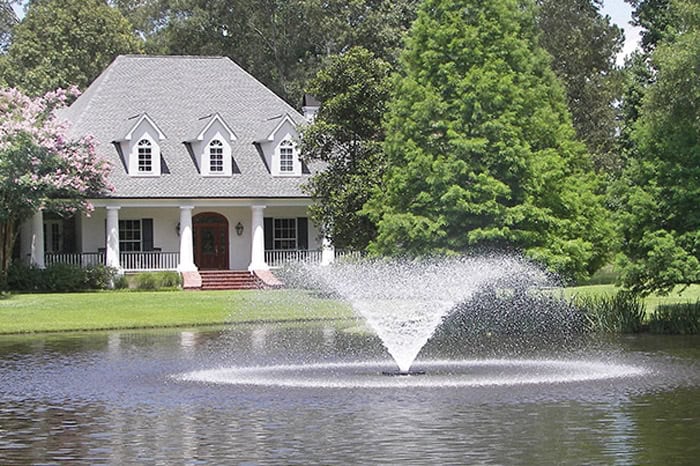
- Fountains: Fountains create water movement by propelling water upwards or outwards, creating a spray pattern that increases the surface area for gas exchange. Fountains are available in various designs and can be a decorative addition to a pond. They are particularly useful in ponds with a consistent depth.
- Submersible Pumps: Submersible pumps can be used to circulate water throughout the pond. They can be placed at the bottom of the pond to draw water and pump it through a filter or to a waterfall or fountain. They are typically energy-efficient and can be hidden from view.
- Aerating Fountains: Aerating fountains combine the aesthetic appeal of a fountain with the aeration benefits of an aerator. They spray water into the air while simultaneously introducing oxygen, providing both visual interest and improved water quality.
Building a Small, Natural Waterfall Feature to Improve Pond Aeration
Constructing a small waterfall is a rewarding project that can significantly enhance pond aeration. This feature not only improves water quality but also adds a natural and aesthetically pleasing element to the pond. The following steps provide a guide to building a small, natural waterfall.
- Planning and Design: Begin by planning the waterfall’s location, size, and shape. Consider the existing pond’s layout and the surrounding landscape. Choose a location where the waterfall can be easily incorporated into the pond’s edge. Sketch out the design, including the waterfall’s height, width, and the placement of rocks and plants.
- Gathering Materials: Collect the necessary materials. These include a pond liner (flexible or rigid, depending on the design), underlayment (to protect the liner), rocks of various sizes (for the waterfall cascade and surrounding area), a submersible pump (sized appropriately for the waterfall’s flow rate), tubing to connect the pump to the waterfall, and a pond-safe adhesive or sealant.
- Excavation and Liner Installation: Excavate the area for the waterfall, including the stream bed and the waterfall’s basin. The basin should be deep enough to hold the pump and any filtration equipment. Line the excavated area with underlayment, followed by the pond liner. Ensure the liner extends beyond the edge of the waterfall to prevent water loss.
- Rock Placement and Waterfall Construction: Begin placing the rocks to create the waterfall cascade. Start with larger rocks at the base and gradually build upwards, creating a natural-looking flow. Use smaller rocks and gravel to fill in gaps and secure the larger rocks. Ensure the rocks are stable and that water will flow smoothly over them.
- Pump and Tubing Installation: Place the submersible pump in the waterfall’s basin. Connect the tubing to the pump’s outlet and route it to the top of the waterfall. Conceal the tubing by burying it or covering it with rocks and plants.
- Testing and Finishing Touches: Turn on the pump and test the waterfall. Adjust the rock placement and flow rate as needed to achieve the desired effect. Add plants around the waterfall to soften the edges and create a natural look. Consider adding a small amount of pond-safe sealant to secure the rocks in place and prevent leaks.
Wind and Sunlight: Natural Aeration Allies
Wind and sunlight are often overlooked but potent natural allies in maintaining a healthy and well-oxygenated pond ecosystem. Their combined influence significantly contributes to the aeration process, supporting aquatic life and water quality. Understanding how to harness their power is crucial for any pond owner aiming for a sustainable and thriving aquatic environment.
The Aerating Role of Wind
Wind plays a vital role in aerating ponds by creating surface disturbances. These disturbances increase the surface area of the water exposed to the atmosphere, facilitating the exchange of gases, including oxygen and carbon dioxide.To effectively utilize wind for aeration, consider the following:
- Pond Placement and Orientation: The strategic placement of a pond is critical. Ideally, ponds should be positioned in areas that receive prevailing winds. Avoid locations sheltered by tall trees or buildings that block wind flow.
- Pond Shape and Design: Elongated ponds oriented perpendicular to the prevailing wind direction maximize wind-driven aeration. Wider ponds allow for greater surface disturbance.
- Windbreaks: While you want to capture the wind, excessive wind can also cause erosion. Consider planting strategically placed windbreaks (such as shrubs or hedges) to moderate wind speeds and protect the pond’s edges.
- Surface Features: Features such as fountains or waterfalls, when used in conjunction with wind, can further enhance aeration by increasing surface agitation.
Sunlight’s Contribution to Oxygen Production
Sunlight is essential for the process of photosynthesis, which is the primary means by which aquatic plants produce oxygen. This oxygen is then released into the water, benefiting fish and other aquatic organisms.Sunlight’s role in oxygen production is directly related to the presence and health of aquatic plants:
- Photosynthesis Process: Aquatic plants, like all plants, use sunlight, water, and carbon dioxide to create energy (in the form of sugars) and, as a byproduct, oxygen. This process is crucial for maintaining oxygen levels in the pond.
- Plant Selection: Choosing the right aquatic plants is important. Submerged plants are particularly effective at oxygenating the water, as they are constantly in contact with it. Floating plants also contribute, but their primary role is to provide shade and control algae growth.
- Sunlight Exposure: Ensure the pond receives adequate sunlight. While some shade is beneficial to control algae, excessive shade can limit photosynthesis and reduce oxygen production. Consider trimming overhanging branches or strategically placing plants to balance sunlight exposure.
- Algae Control: Excessive algae growth can deplete oxygen levels at night due to respiration. Implementing methods to control algae, such as introducing beneficial bacteria or using barley straw, helps to maintain a healthy balance.
Selecting the Right Method for Your Pond
Choosing the correct natural aeration method is crucial for maintaining a healthy pond ecosystem. The ideal approach depends on several factors unique to your pond. This section will guide you through the process of selecting the most effective and appropriate natural aeration method for your specific needs.
Factors to Consider When Choosing a Natural Aeration Method
Before deciding on a natural aeration method, carefully consider the following factors. These considerations will help you make an informed decision that aligns with your pond’s characteristics and your goals for its health.
- Pond Size: The surface area and volume of your pond significantly influence the aeration method’s effectiveness. Larger ponds require more robust solutions.
- Pond Depth: Deeper ponds often experience stratification, where water layers separate. Aeration methods must address this.
- Sunlight Exposure: The amount of sunlight your pond receives impacts the growth of aquatic plants and algae, which in turn affect oxygen levels.
- Water Flow: The natural water flow in your pond can affect the efficiency of different aeration methods.
- Presence of Aquatic Life: The type and quantity of fish and other aquatic life in your pond will determine the oxygen requirements.
- Budget: The cost of implementing and maintaining each method varies. Consider both initial and ongoing expenses.
- Aesthetic Preferences: Some aeration methods may impact the visual appeal of your pond. Consider how the method will look.
- Maintenance Requirements: Different methods require varying levels of maintenance, from regular plant trimming to periodic equipment checks.
Comparison of Natural Aeration Methods Based on Pond Size and Depth
The suitability of each natural aeration method varies depending on the pond’s size and depth. The following table provides a comparative overview to help you assess the best options for your situation.
| Aeration Method | Suitable for Pond Size | Suitable for Pond Depth | Key Considerations |
|---|---|---|---|
| Aquatic Plants | Small to Medium | Shallow to Medium | Requires sufficient sunlight; plant selection is crucial; may need regular maintenance to control overgrowth. |
| Waterfalls/Fountains | Small to Medium | Shallow to Medium | Effective at creating surface agitation; requires a pump; can be aesthetically pleasing. |
| Windmills (Surface Aeration) | Medium to Large | Shallow to Medium | Dependent on wind conditions; can be visually prominent; requires installation and maintenance. |
| Water Circulation (with pumps) | All sizes | All depths | Requires electricity; can be combined with other methods; consider energy consumption and maintenance. |
Assessing Your Pond’s Specific Aeration Needs
Evaluating your pond’s specific aeration requirements is a step-by-step process. Understanding these needs is essential for choosing the most effective aeration method.
- Assess Water Quality: Perform regular water quality tests to measure dissolved oxygen levels, pH, and nutrient levels. Low dissolved oxygen is a primary indicator of the need for aeration. Consider investing in a water testing kit for accuracy.
- Observe Aquatic Life: Monitor the behavior of fish and other aquatic organisms. Signs of oxygen deficiency include fish gasping at the surface or unusual lethargy.
- Evaluate Plant Life: Assess the health and abundance of aquatic plants and algae. Excessive algae blooms can deplete oxygen levels at night.
- Determine Pond Depth and Size: Accurately measure the pond’s dimensions and depth to determine the water volume. This information is critical for selecting the appropriate aeration method.
- Analyze Sunlight Exposure: Observe the amount of sunlight the pond receives throughout the day. Note how the sunlight changes with the seasons. This will help you decide if aquatic plants are suitable and how to manage algae.
- Consider Water Flow: Assess any existing water flow patterns, such as from streams or inlets. Understand how the flow affects oxygen levels.
- Document Your Findings: Keep a detailed record of your observations and test results. This documentation will help you track changes in your pond’s health over time and evaluate the effectiveness of your chosen aeration method.
Maintaining and Monitoring Natural Aeration
Maintaining and monitoring natural aeration is crucial for the long-term health and vitality of your pond ecosystem. Regular observation and proactive care ensure that your pond remains a thriving habitat for aquatic life and a visually appealing feature of your landscape. This section details the essential aspects of maintaining and monitoring natural aeration systems.
Monitoring Oxygen Levels in a Pond
Regularly monitoring dissolved oxygen (DO) levels is paramount for assessing the effectiveness of your natural aeration methods. Low DO levels can stress aquatic life, leading to fish kills and the proliferation of undesirable organisms. Several methods are available for monitoring oxygen levels.
- Using a Dissolved Oxygen Meter: A dissolved oxygen meter provides the most accurate and reliable readings. These meters typically have a probe that is submerged into the water to measure the DO level in parts per million (ppm) or milligrams per liter (mg/L). Readings should be taken at various depths and at different times of the day, especially early morning when DO levels are typically lowest.
For example, if you are monitoring a pond with koi fish, a DO level of 5 ppm or higher is generally recommended for their health and well-being.
- Using a Chemical Test Kit: Chemical test kits are a more affordable option and involve using reagents to react with the water sample and produce a color change. The color is then compared to a chart to determine the DO level. While less precise than a DO meter, they can provide a general indication of oxygen levels.
- Observing Aquatic Life Behavior: Observing the behavior of fish and other aquatic life can also provide clues about oxygen levels. If fish are gasping at the surface, it is a sign that oxygen levels may be low. Other signs include fish congregating near aeration sources or exhibiting lethargy.
Maintaining Aquatic Plants for Optimal Aeration
Aquatic plants play a significant role in natural aeration through photosynthesis, but they require proper care to function effectively. Regular maintenance ensures their continued contribution to oxygen production and overall pond health.
- Pruning and Thinning: Regularly prune and thin aquatic plants to prevent overcrowding and ensure adequate sunlight penetration. Overcrowding can lead to reduced oxygen production and can also contribute to the buildup of organic matter. Remove dead or decaying plant material promptly.
- Controlling Invasive Species: Invasive plant species can quickly outcompete native plants and disrupt the balance of the pond ecosystem. Identify and control invasive species as soon as they appear, using appropriate methods such as manual removal or the use of herbicides.
- Providing Nutrients: Aquatic plants require nutrients to thrive. Monitor nutrient levels in the pond and supplement with appropriate fertilizers if necessary. However, be cautious not to over-fertilize, as this can lead to algae blooms.
- Protecting from Pests: Monitor plants for pests, such as snails or insects, that can damage them. Implement control measures, such as introducing beneficial insects or using organic pest control products, if necessary.
Cleaning and Maintaining Natural Aeration Features
Natural aeration features, such as waterfalls and fountains, require regular cleaning and maintenance to function optimally. Neglecting these features can lead to reduced aeration and aesthetic appeal.
- Cleaning Waterfalls: Regularly clean waterfalls to remove debris, such as leaves and sediment, that can accumulate and restrict water flow. This can be done by manually removing debris or using a pump to flush the waterfall. Ensure the waterfall’s liner and surrounding areas are free from leaks or damage.
- Maintaining Fountains: Clean fountain components, including the pump, filter, and nozzles, to prevent clogging and ensure proper water circulation. Remove any algae or debris that accumulates on the fountain’s surface. Inspect the pump regularly for wear and tear and replace it if necessary.
- Checking for Obstructions: Inspect the entire aeration system for any obstructions that may be hindering water flow or aeration. Remove any debris or blockages promptly.
- Winterizing Aeration Features: In colder climates, take steps to winterize aeration features to protect them from freezing damage. This may involve draining the system, removing pumps, or using de-icers.
Troubleshooting Common Aeration Problems
Maintaining a naturally aerated pond requires vigilance. Even with the best planning, problems can arise. Recognizing these issues early and taking prompt action is crucial for preserving a healthy aquatic ecosystem. This section provides guidance on identifying, diagnosing, and resolving common aeration challenges.
Identifying Common Aeration Problems
Several telltale signs indicate inadequate aeration in a pond. These problems can negatively impact aquatic life and water quality. Early detection allows for timely intervention.
- Fish Kills or Distress: One of the most alarming signs is fish gasping at the surface, indicating oxygen deprivation. Fish may also exhibit lethargy, loss of appetite, or visible stress. Sudden fish deaths are a clear indicator of a serious aeration problem.
- Algae Blooms: Excessive algae growth, especially dense blooms of blue-green algae (cyanobacteria), can be a symptom of poor aeration. These blooms often thrive in stagnant, oxygen-depleted water, producing toxins that are harmful to both fish and humans. The water may appear green, murky, or have a foul odor.
- Foul Odors: The presence of unpleasant smells, such as rotten eggs (hydrogen sulfide) or sewage, suggests anaerobic decomposition, which occurs in oxygen-deficient environments. These odors are a result of the breakdown of organic matter by bacteria that do not require oxygen.
- Murky Water: Cloudy or turbid water can indicate a buildup of organic matter, suspended particles, or excessive algae growth. Poor aeration often exacerbates these conditions.
- Excessive Aquatic Weed Growth: While some aquatic plants are beneficial, an overabundance can signal an imbalance in the pond’s ecosystem, potentially due to poor aeration and nutrient buildup.
Diagnosing and Resolving Poor Aeration Issues
Once a problem is identified, a systematic approach to diagnosis and resolution is essential. This involves assessing potential causes and implementing appropriate solutions.
- Water Testing: Regularly testing water parameters is crucial. Use a water testing kit to measure dissolved oxygen (DO) levels, pH, ammonia, nitrite, and nitrate. Low DO levels (below 5 ppm for healthy fish) and high levels of ammonia and nitrites are strong indicators of poor aeration.
- Identifying the Cause: Analyze the potential causes:
- Excessive Organic Matter: Decaying leaves, uneaten fish food, and other organic debris consume oxygen as they decompose.
- Overstocking of Fish: A high fish population increases the demand for oxygen and contributes to waste accumulation.
- Lack of Circulation: Stagnant water prevents oxygen from reaching all parts of the pond.
- Warm Water Temperatures: Warm water holds less dissolved oxygen than cold water.
- Algae Blooms: While algae produce oxygen during the day, they consume it at night, leading to fluctuations in DO levels.
- Implementing Solutions: Based on the diagnosis, implement corrective measures:
- Remove Debris: Use a pond skimmer or netting to remove leaves, debris, and excess algae.
- Reduce Fish Population: If the pond is overstocked, consider removing some fish or adding more plants to help with oxygen production.
- Improve Water Circulation: Implement water circulation techniques, such as fountains or water pumps, to mix the water and prevent stagnation.
- Manage Algae Blooms: Control algae blooms through methods discussed previously, such as using barley straw or adding beneficial bacteria.
- Provide Shade: Planting trees or using floating shade structures can help to cool the water and increase oxygen solubility.
Alternative Solutions if Natural Aeration Methods Are Insufficient
In some cases, natural aeration methods may not be sufficient to maintain adequate oxygen levels. Consider these supplementary approaches.
- Supplemental Aeration Devices: If natural methods are inadequate, supplemental aeration devices may be necessary. These include:
- Fountains: Fountains increase surface agitation, promoting oxygen transfer.
- Aerators: Aerators come in various forms, such as surface aerators, bottom diffusers, and paddlewheel aerators, and they directly add oxygen to the water.
- Adjusting Pond Management Practices: If aeration remains an issue, it might be necessary to modify pond management practices:
- Reduce Feeding: Feed fish less frequently and use a high-quality, easily digestible food.
- Introduce Beneficial Bacteria: Add beneficial bacteria to help break down organic waste.
- Partial Water Changes: Regularly perform partial water changes to remove excess nutrients and pollutants.
- Professional Consultation: For persistent or complex aeration problems, consult with a pond management specialist. They can assess the pond’s specific needs and recommend tailored solutions. They can also help with advanced water quality testing and recommend appropriate aeration equipment.
Building a Simple Solar Aerator
Constructing a solar aerator is a practical and eco-friendly way to enhance the natural aeration of your pond. While commercial solar aerators are available, building your own allows for customization and can be significantly more cost-effective. This section will guide you through the process of designing and building a basic solar aerator using readily available materials.
Materials Needed
To build a simple solar aerator, you’ll need a few key components. Sourcing these materials shouldn’t be overly challenging, and many can be found at local hardware stores or online retailers. The following list provides a breakdown of the essential items:
- Solar Panel: A small solar panel (e.g., 10-20 watts) is the heart of the system, converting sunlight into electricity. The size of the panel will affect the aerator’s performance.
- Air Pump: A DC air pump, specifically designed for pond aeration, is crucial. Consider the pond’s size when selecting an air pump.
- Air Tubing: Flexible, durable air tubing connects the air pump to the diffuser. The length will depend on the distance between the pump and the pond’s bottom.
- Air Diffuser: An air diffuser releases air bubbles into the water. Options include airstones or diffuser discs.
- Battery (Optional): A 12V rechargeable battery can be added to store energy and allow for aeration during cloudy days or at night.
- Enclosure (Optional): A weatherproof enclosure, such as a plastic box, protects the air pump, battery (if used), and any wiring from the elements.
- Wiring and Connectors: Electrical wire, connectors, and a fuse holder are needed to connect the solar panel, air pump, and battery (if applicable).
- Mounting Hardware: Screws, brackets, and other hardware are needed to mount the solar panel and enclosure.
Step-by-Step Construction Procedure
Building a solar aerator is a straightforward process that can be accomplished with basic tools. The following steps provide a detailed guide:
- Prepare the Enclosure (If Using): If you’re using an enclosure, drill holes for the air tubing, wiring, and any mounting hardware. Ensure the enclosure is weatherproof.
- Mount the Solar Panel: Securely mount the solar panel in a location that receives ample sunlight. Tilt the panel at an angle to maximize sunlight capture, adjusting seasonally.
- Connect the Solar Panel to the Air Pump (Direct Connection): Connect the positive (+) and negative (-) wires from the solar panel directly to the corresponding terminals on the DC air pump. Use appropriate connectors and ensure the connections are secure.
- Connect the Air Tubing: Attach one end of the air tubing to the air pump’s outlet.
- Attach the Air Diffuser: Attach the other end of the air tubing to the air diffuser. Place the diffuser at the bottom of the pond.
- Wiring with a Battery (Optional): If you’re incorporating a battery, connect the solar panel to a charge controller (a device that regulates the flow of electricity to the battery). Connect the battery to the charge controller, and then connect the air pump to the battery. A fuse should be included in the circuit for safety.
- Test the System: Once all connections are made, expose the solar panel to sunlight. The air pump should start operating, and bubbles should be released from the diffuser in the pond.
Cost-Effectiveness of a DIY Solar Aerator
Building a solar aerator yourself can be significantly more economical than purchasing a pre-built one. The cost savings depend on several factors, including the size of the system, the quality of the components, and whether you already own some of the necessary tools.For example, a small DIY solar aerator for a small pond (e.g., less than 1/4 acre) might cost between $50 and $150.
This cost can vary depending on the choices made. Comparatively, commercial solar aerators for similar-sized ponds can range from $200 to $500 or more. This makes the DIY approach a cost-effective solution, especially for budget-conscious pond owners. The cost of the solar panel is typically the most significant expense, but the long-term savings in electricity costs (compared to electric aerators) are substantial.
The environmental benefits of using solar power further enhance the value proposition.
The Role of Beneficial Bacteria
Beneficial bacteria are microscopic organisms that play a crucial role in the health and aeration of a pond. They are essential for breaking down organic waste, converting harmful substances, and maintaining a balanced ecosystem. Their presence significantly contributes to cleaner water and improved oxygen levels, which are vital for aquatic life.
Contribution to Pond Health and Aeration
Beneficial bacteria are nature’s primary recyclers within a pond environment. They consume organic matter, such as dead plants, fish waste, and uneaten food, converting them into less harmful substances. This process, known as decomposition, prevents the buildup of sludge and reduces the likelihood of toxic ammonia and nitrite spikes. By breaking down these organic materials, the bacteria contribute to improved water clarity and prevent the depletion of dissolved oxygen, which is crucial for the survival of fish and other aquatic organisms.
Introducing and Maintaining Beneficial Bacteria
Introducing and maintaining a healthy population of beneficial bacteria is a relatively straightforward process, often involving the addition of commercially available bacterial supplements. These supplements typically contain a concentrated blend of beneficial bacteria strains specifically designed for pond environments. The goal is to establish a thriving colony that can effectively manage waste and maintain water quality.To introduce and maintain these beneficial bacteria:
- Initial Introduction: Start by adding a bacterial supplement according to the manufacturer’s instructions. The dosage usually depends on the pond’s size and the severity of existing water quality issues.
- Regular Dosing: Regular dosing, often weekly or bi-weekly, is essential to replenish the bacterial population and maintain their effectiveness. This is especially important after heavy rain, which can dilute the bacterial concentration.
- Provide Oxygen: Beneficial bacteria thrive in oxygen-rich environments. Ensure adequate aeration, either through natural methods or the use of an aerator.
- Maintain Proper pH: A stable pH level, generally between 6.5 and 8.5, is optimal for bacterial activity. Monitor the pH regularly and make adjustments as needed.
- Avoid Harmful Chemicals: Minimize the use of chemicals like algaecides and herbicides, as they can negatively impact the bacterial population.
- Provide a Carbon Source: Adding a carbon source can boost bacterial growth. This can be achieved by adding a small amount of molasses.
Expert Advice on Using Bacteria to Improve Water Quality
“Beneficial bacteria are the unsung heroes of pond management. They are critical for a healthy ecosystem, and using a good bacterial product will help maintain the balance. The key is consistent use and to ensure adequate oxygen is present to support the bacteria.”*Dr. Emily Carter, Aquatic Biologist*
Ultimate Conclusion
In conclusion, naturally aerating your pond is a rewarding endeavor that benefits both the environment and the aesthetics of your outdoor space. By understanding and implementing the techniques Artikeld in this guide, you can create a thriving aquatic ecosystem that requires minimal maintenance and provides years of enjoyment. From planting oxygenating plants to harnessing the power of the sun, natural aeration offers a sustainable and effective approach to pond management.
Embrace these natural methods and watch your pond flourish, becoming a vibrant testament to the power of nature’s ingenuity. Remember, a healthy pond is a beautiful pond, and with the right knowledge, you can achieve both.