Embarking on the journey of securing government farm grants can be transformative for agricultural endeavors. These grants offer vital financial support, fostering innovation, sustainability, and growth within the farming community. From conservation projects to research initiatives and equipment upgrades, the possibilities are vast, providing farmers with the resources they need to thrive in a competitive landscape.
This guide serves as a comprehensive roadmap, designed to demystify the application process and empower farmers with the knowledge and tools necessary to successfully navigate the world of government farm grants. We’ll explore eligibility criteria, delve into the intricacies of finding and researching available grants, and provide step-by-step instructions for crafting compelling applications. Furthermore, we’ll cover essential documentation, writing winning proposals, and the all-important submission and follow-up procedures.
By understanding the common pitfalls to avoid and leveraging available resources, farmers can significantly increase their chances of securing the funding they need to achieve their goals.
Understanding Government Farm Grants
Government farm grants are crucial resources for supporting and advancing the agricultural sector. These grants provide financial assistance to farmers, researchers, and agricultural businesses, fostering innovation, sustainability, and economic growth within the industry. This section delves into the core aspects of government farm grants, exploring their objectives, diverse types, and the significant benefits they offer.
Primary Objectives of Government Farm Grants
The main goals of government farm grants are multifaceted, designed to bolster various aspects of the agricultural sector. These objectives often include enhancing agricultural productivity, promoting environmental sustainability, supporting rural development, and fostering agricultural research and innovation. By achieving these goals, government grants contribute to food security, economic stability, and the overall well-being of farming communities.
Types of Farm Grants Typically Offered
A variety of farm grants are typically available, each designed to address specific needs within the agricultural landscape. The types of grants can vary depending on the specific government agency and its priorities, but some common categories include:
- Conservation Grants: These grants support practices that protect natural resources and promote sustainable farming. Examples include:
- Grants for implementing soil conservation practices, such as no-till farming and cover cropping.
- Funding for projects that improve water quality, such as constructing wetlands or implementing irrigation efficiency measures.
- Financial assistance for establishing windbreaks and other conservation buffers.
- Research Grants: These grants fund scientific investigations aimed at improving agricultural practices, developing new technologies, and addressing challenges facing the industry. Examples include:
- Support for research on crop improvement, including developing disease-resistant varieties.
- Funding for studies on livestock health and nutrition.
- Grants for research on precision agriculture technologies, such as GPS-guided farming.
- Equipment Grants: These grants help farmers purchase or upgrade essential equipment, improving efficiency and productivity. Examples include:
- Financial assistance for acquiring tractors, combines, and other farm machinery.
- Grants for purchasing precision farming equipment, such as yield monitors and variable-rate applicators.
- Support for investing in renewable energy systems, such as solar panels for powering farm operations.
- Rural Development Grants: These grants aim to strengthen rural communities by supporting agricultural businesses and infrastructure. Examples include:
- Funding for establishing or expanding agricultural processing facilities.
- Grants for developing farmers’ markets and other direct-to-consumer marketing channels.
- Support for building or improving rural infrastructure, such as roads and bridges.
Benefits of Government Farm Grants
Government farm grants offer a range of benefits to farmers, agricultural businesses, and the broader agricultural sector. These benefits contribute to economic prosperity, environmental stewardship, and enhanced food security.
- Financial Assistance: Grants provide crucial financial resources that can help farmers overcome economic barriers, such as the high cost of implementing new technologies or conservation practices. For example, a farmer might receive a grant to install a drip irrigation system, significantly reducing water usage and improving crop yields.
- Increased Productivity and Efficiency: Grants often support investments in new equipment and technologies, leading to increased productivity and efficiency. For example, a grant to purchase a new combine harvester can help a farmer harvest crops more quickly and with less labor.
- Environmental Sustainability: Many grants are specifically designed to promote environmentally friendly practices, such as conservation tillage and water conservation. This contributes to the long-term health of the land and water resources. For example, a grant might help a farmer implement cover cropping, reducing soil erosion and improving soil health.
- Innovation and Research: Grants support agricultural research and innovation, leading to the development of new technologies and practices that can improve crop yields, reduce environmental impact, and enhance farm profitability. For instance, grants can fund research into developing drought-resistant crops, which can be particularly beneficial in regions facing water scarcity.
- Rural Economic Development: Grants can stimulate economic growth in rural communities by supporting agricultural businesses and creating jobs. For example, a grant to establish a new agricultural processing facility can create employment opportunities and increase local income.
- Improved Food Security: By supporting agricultural production and research, grants contribute to food security by ensuring a stable and reliable supply of food. This is especially important in regions vulnerable to food shortages.
Eligibility Criteria for Farm Grants
Understanding the eligibility criteria is crucial for a successful farm grant application. These requirements, set by the granting agencies, determine who can apply and what projects are eligible for funding. Meeting these criteria is the first step in securing financial assistance for your farm. This section provides a detailed overview of common and specific eligibility requirements, as well as the necessary documentation.
Common Eligibility Requirements
Most farm grants share several common eligibility requirements, serving as a baseline for applicants. These criteria ensure that the funds are allocated to legitimate farming operations and align with the grant’s objectives.
- Farm Size and Operation Type: Grants often specify minimum farm size requirements, measured in acres or livestock units. They may also target specific types of agricultural operations, such as crop farming, livestock production, or specialty agriculture (e.g., organic farming, aquaculture). For example, a grant might require a minimum of 10 acres of cultivated land or a minimum herd size of 50 cattle.
- Legal Structure and Status: Applicants typically need to be registered as a legal entity, such as a sole proprietorship, partnership, corporation, or limited liability company (LLC). They must also be in good standing with relevant state and federal agencies. This often involves maintaining up-to-date tax filings and adhering to all applicable regulations.
- Location: Some grants are location-specific, targeting farmers in particular regions, counties, or states. This could be due to environmental concerns, economic development goals, or disaster relief efforts. Grants might prioritize areas with high rates of food insecurity or regions impacted by natural disasters.
- U.S. Citizenship or Legal Residency: Many federal and state grants require applicants to be U.S. citizens or legal residents. This requirement ensures that the funds are used to support U.S. agricultural operations.
- Compliance with Regulations: Farmers must comply with all applicable federal, state, and local laws and regulations, including environmental regulations, labor laws, and food safety standards. Failure to comply can disqualify an application.
Specific Requirements Varying by Grant Type
Eligibility criteria can vary significantly depending on the specific grant program. These variations reflect the unique goals and priorities of each grant. Understanding these differences is critical to tailoring your application to the specific requirements.
- Grant Purpose: Grants for conservation practices will have different requirements than grants for equipment upgrades or market development. For example, a grant focused on soil health might require applicants to implement specific conservation practices, such as cover cropping or no-till farming.
- Project Scope: The scope of the proposed project influences eligibility. Larger projects may require more extensive documentation and demonstrate a greater impact. A grant for building a new barn might require detailed construction plans and permits.
- Target Audience: Some grants are specifically designed for beginning farmers, underserved communities, or specific agricultural sectors. These grants may have specific age, income, or demographic requirements. For instance, a grant targeting beginning farmers might define “beginning” based on years of farming experience.
- Matching Funds: Many grants require applicants to provide matching funds or in-kind contributions. The required match can range from a small percentage of the project cost to a 50/50 split. This demonstrates the applicant’s commitment to the project and helps leverage grant funding.
- Reporting Requirements: Eligibility may depend on the applicant’s ability to meet the reporting requirements. These requirements often include regular progress reports, financial statements, and impact assessments. Grant recipients must be able to track and document their project’s progress and outcomes.
Documentation Needed to Prove Eligibility
To demonstrate eligibility, farmers must provide specific documentation. The required documents vary depending on the grant program, but common examples are:
- Proof of Farm Operation: This includes documentation like farm records, such as production reports, sales records, and inventory lists. It can also involve land ownership or lease agreements.
- Legal Entity Documentation: Articles of incorporation, partnership agreements, or business licenses are typically required to verify the farm’s legal structure.
- Tax Returns: Federal and state tax returns may be needed to verify income, farm expenses, and tax compliance.
- Financial Statements: Balance sheets, income statements, and cash flow projections may be required to demonstrate the farm’s financial stability and the project’s feasibility.
- Certifications and Permits: Copies of relevant certifications (e.g., organic certification) and permits (e.g., environmental permits, construction permits) may be necessary.
- Proof of Location: Documentation to prove the farm’s location, such as property deeds, tax bills, or utility bills, may be required.
- Letters of Support: Letters from lenders, suppliers, or other stakeholders can strengthen an application by demonstrating support for the project.
It is essential to carefully review the specific grant guidelines to determine the exact documentation required. Failing to provide the necessary documentation can lead to the rejection of your application.
Finding and Researching Available Grants
Navigating the world of farm grants requires a proactive approach to research and a keen understanding of your farm’s specific needs. This section provides a roadmap for farmers to effectively locate, evaluate, and secure the financial resources necessary for their operations. It emphasizes the importance of diligent research and strategic planning to maximize the chances of success.
Process for Locating Current Farm Grant Opportunities
A systematic process is crucial for efficiently identifying relevant farm grants. This involves a multi-step approach that begins with establishing clear goals and culminates in the continuous monitoring of funding opportunities.
- Define Farm Needs and Goals: Before searching, clearly articulate your farm’s objectives. Identify specific projects, such as implementing sustainable practices, expanding operations, or purchasing new equipment. Having well-defined goals helps narrow the grant search and ensures that the chosen grants align with the farm’s priorities.
- Conduct Initial Research: Begin by exploring government websites and agricultural organizations to understand the landscape of available grants. Utilize online search engines, but be specific with s. Search terms like “farm grants,” “agricultural funding,” and “sustainable farming grants” can be effective.
- Identify Potential Grant Sources: Compile a list of potential grant providers. This includes federal, state, and local government agencies, as well as private foundations and agricultural organizations. Each source often has its own specific focus and eligibility requirements.
- Review Grant Guidelines: Carefully examine the eligibility criteria, application deadlines, and funding priorities of each grant. Ensure that your farm meets the requirements and that the project aligns with the grant’s objectives. Pay close attention to any required documentation.
- Create a Timeline and Application Plan: Develop a detailed timeline for each grant application, including deadlines for gathering information, completing the application, and submitting the materials. Break down the application process into manageable tasks to avoid last-minute stress.
- Submit Applications and Follow Up: Submit completed applications before the deadline. After submission, follow up with the grant provider to confirm receipt and inquire about the review process. Be patient, as the evaluation process can take time.
- Monitor for New Opportunities: Regularly check for new grant announcements and updates from relevant organizations. Subscribe to newsletters, follow social media accounts, and attend webinars or workshops to stay informed about emerging funding opportunities.
Resources for Finding Grants
Several resources are available to assist farmers in their grant search. These resources range from government websites to agricultural organizations, each offering valuable information and support.
- Government Websites:
- United States Department of Agriculture (USDA): The USDA’s website is a primary source for federal farm grants. It offers information on various programs, including those focused on conservation, rural development, and research. Example: The USDA’s Rural Development programs often provide grants for infrastructure improvements and economic development in rural areas.
- State Agricultural Departments: Each state has its own department of agriculture, which often provides grants for local farming initiatives. These grants may target specific crops, sustainable practices, or regional priorities. Example: The California Department of Food and Agriculture (CDFA) offers grants for various programs, including those related to water conservation and climate-smart agriculture.
- Agricultural Organizations:
- Farm Bureaus: Farm Bureaus at the national, state, and local levels often provide information about grant opportunities and offer support to their members. They may also host workshops and seminars on grant writing.
- Agricultural Extension Services: Land-grant universities operate agricultural extension services that provide research-based information and technical assistance to farmers. They often have resources and expertise on grant opportunities.
- Non-Profit Organizations: Numerous non-profit organizations support agriculture through grants and other funding mechanisms. These organizations often focus on specific areas, such as sustainable agriculture, organic farming, or food security.
- Online Databases:
- GrantWatch: A subscription-based database that compiles grant opportunities from various sources, including government agencies and private foundations. It offers a comprehensive search tool.
- Foundation Center: A resource for finding information on foundations and their grant-making activities. It provides tools for researching potential funders.
Guide for Evaluating a Grant’s Suitability
Evaluating a grant’s suitability is a critical step in the application process. This involves assessing whether the grant aligns with the farm’s needs, goals, and capacity to comply with the requirements.
- Assess Alignment with Farm Needs: Determine whether the grant’s objectives align with your farm’s specific goals. Does the grant support projects that address your farm’s priorities, such as implementing new technologies, improving efficiency, or expanding operations?
- Evaluate Eligibility Criteria: Carefully review the eligibility requirements to ensure your farm meets them. Consider factors such as the farm’s size, location, type of operation, and legal structure. Confirm that your farm can meet all the eligibility criteria.
- Review Funding Priorities: Understand the grant’s funding priorities. Does the grant favor projects that address specific challenges, such as climate change, water conservation, or food security? Identify if your project aligns with the grant’s priorities.
- Analyze Grant Amount and Terms: Evaluate the grant amount and the terms of the award. Consider whether the funding is sufficient to cover the project’s costs and whether the terms are acceptable. Review the matching funds requirements, reporting requirements, and any other obligations.
- Assess Application Requirements: Review the application requirements and determine whether your farm has the capacity to complete the application. Consider the time and resources needed to gather the required documentation, write the proposal, and meet the deadlines.
- Consider the Project’s Feasibility: Assess the feasibility of the proposed project. Does the project have a realistic chance of success? Do you have the necessary resources and expertise to implement the project effectively?
- Evaluate Long-Term Sustainability: Consider the long-term sustainability of the project. Will the project continue to provide benefits to your farm after the grant funding ends?
The Application Process
Successfully navigating the application process is crucial for securing a government farm grant. This section provides a comprehensive overview of the steps involved, offering guidance on account registration, form completion, and best practices to increase your chances of a successful application. Attention to detail and thoroughness are key throughout this process.
General Steps for Applying
The application process for farm grants typically involves several standardized steps. Understanding these stages can help applicants prepare effectively and avoid common pitfalls.
- Research and Identify Grants: This is the foundational step. Carefully review the grant requirements, eligibility criteria, and deadlines. Ensure the grant aligns with your farm’s needs and projects.
- Gather Required Documentation: Compile all necessary documents, which may include business plans, financial statements, proof of land ownership or lease agreements, permits, and any other documents specified in the grant guidelines.
- Register and Create an Account (if applicable): Many grant-giving agencies require applicants to create an online account on their portal. Follow the registration instructions carefully.
- Complete the Application Form: Fill out the application form accurately and completely. Provide all requested information, paying close attention to detail.
- Submit the Application: Submit the application before the deadline. Ensure you have all required attachments and supporting documentation.
- Await Notification: After submission, the grant agency will review your application. You will be notified of the decision, which may take several weeks or months.
- Manage the Grant (if awarded): If awarded, carefully adhere to the grant terms and conditions, including reporting requirements and project timelines.
Registering and Creating an Account on Grant Portals
Many government agencies use online portals for grant applications. Registering and creating an account are often the first steps in the application process. This process typically involves providing personal and business information, as well as agreeing to terms and conditions.
Here’s how to approach the registration process:
- Find the Registration Link: Locate the registration link on the grant agency’s website. It’s usually clearly marked, often with phrases like “Register,” “Create Account,” or “Apply Now.”
- Provide Required Information: The registration form will request information such as your name, contact details, farm name, business structure (e.g., sole proprietorship, partnership, corporation), and tax identification number (TIN) or Employer Identification Number (EIN).
- Create a Secure Password: Choose a strong password that meets the portal’s security requirements. Use a combination of upper and lowercase letters, numbers, and symbols.
- Verify Your Account: After submitting the registration form, you may receive a verification email. Click the link in the email to activate your account.
- Complete Your Profile: Once logged in, complete your profile with additional information as requested. This may include details about your farm’s operations, project proposals, and financial information.
- Familiarize Yourself with the Portal: Explore the portal’s features, such as the application dashboard, application submission tools, and communication channels.
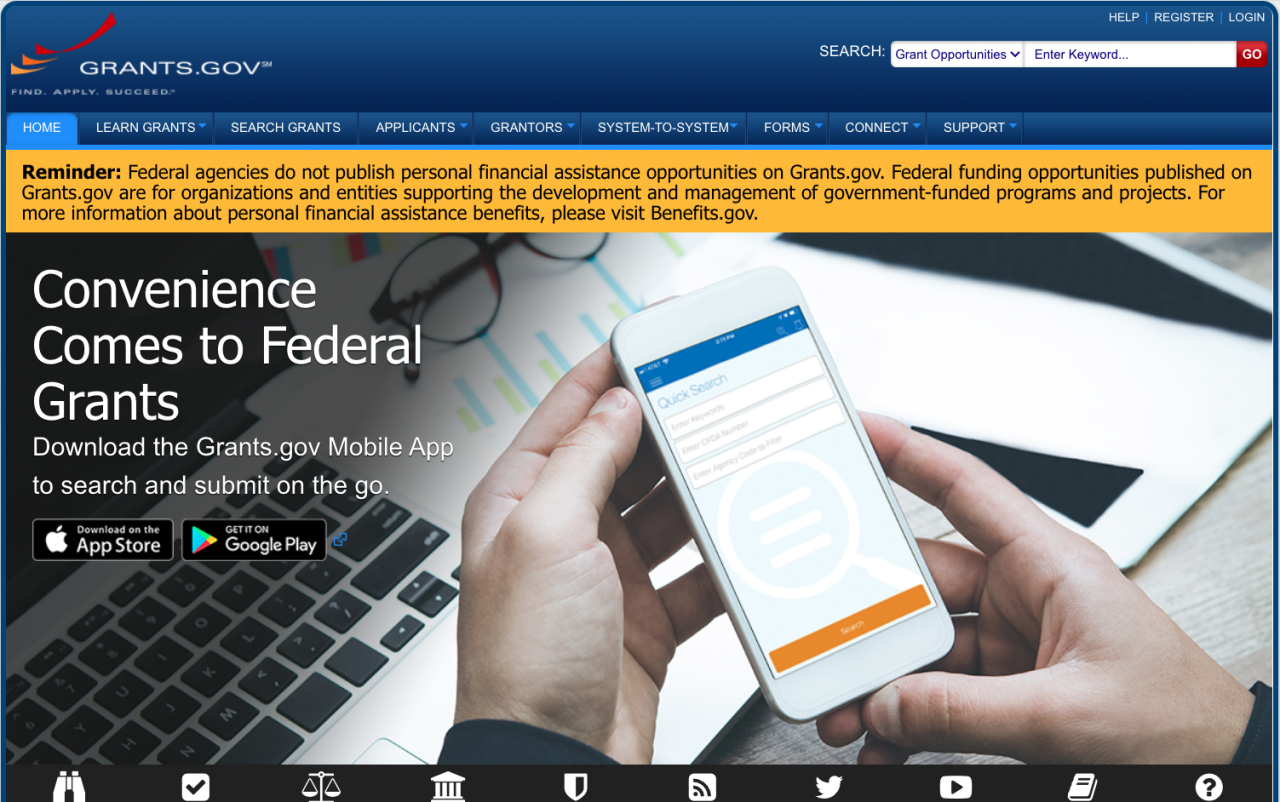
For example, the USDA’s Grants.gov portal requires users to register and obtain a Dun & Bradstreet Data Universal Numbering System (DUNS) number before applying for many grants. The DUNS number helps to uniquely identify businesses.
Filling Out Application Forms Accurately and Completely
Accurate and complete application forms are critical for grant success. Providing clear, concise, and detailed information is essential.
Here are some tips for completing application forms:
- Read the Instructions Carefully: Thoroughly review the grant guidelines and application instructions before starting. Understand all requirements and expectations.
- Answer All Questions: Provide responses to every question, even if you think it doesn’t apply. If a question doesn’t apply, indicate “N/A” (Not Applicable) or provide a brief explanation.
- Be Clear and Concise: Use clear, straightforward language. Avoid jargon or technical terms that the reviewers may not understand.
- Provide Supporting Documentation: Attach all required supporting documents, such as business plans, financial statements, and permits. Ensure these documents are well-organized and easy to read.
- Proofread Your Application: Before submitting, carefully proofread your application for any errors in grammar, spelling, or punctuation.
- Adhere to Word Limits: Respect the word or character limits provided for each section. Be concise and focused in your responses.
- Provide Specific Examples: Use concrete examples to illustrate your points. For example, if the application asks about your farm’s sustainability practices, describe specific methods you use, like crop rotation or water conservation techniques.
- Seek Feedback: If possible, ask someone to review your application before submission. Another pair of eyes can catch errors or areas for improvement.
Remember the importance of following these guidelines. For instance, missing a deadline or submitting an incomplete application significantly reduces your chances of being considered for a grant.
Required Documentation and Information
Preparing a grant application involves gathering and organizing specific documentation and information to support your project. This section Artikels the essential elements typically required by government farm grant applications, providing guidance on how to create a strong application package. Proper preparation significantly increases the chances of a successful grant award.
Essential Documents for Grant Applications
The documents required for a farm grant application vary depending on the specific grant program and the nature of your project. However, certain documents are almost universally requested. Understanding these requirements beforehand allows for efficient preparation and avoids last-minute scrambling.
- Business Plan: A comprehensive business plan is often a cornerstone of a grant application. It Artikels your farm’s current operations, future goals, and strategies for achieving them. It should include:
- Executive Summary: A concise overview of your farm, the project, and the funding request.
- Company Description: Details about your farm’s structure, history, and mission.
- Market Analysis: Research on your target market, competition, and industry trends.
- Products and Services: Descriptions of your farm’s offerings.
- Marketing and Sales Strategy: Plans for reaching customers and generating revenue.
- Management Team: Information about key personnel and their expertise.
- Financial Projections: Income statements, balance sheets, and cash flow projections for the project’s duration.
- Financial Statements: Provide a clear picture of your farm’s financial health. Common requirements include:
- Balance Sheets: A snapshot of your farm’s assets, liabilities, and equity at a specific point in time.
- Income Statements (Profit and Loss Statements): Summarizes your farm’s revenues, expenses, and net profit or loss over a period.
- Cash Flow Statements: Tracks the movement of cash in and out of your farm.
- Tax Returns: Copies of recent tax returns (e.g., Schedule F for farmers) may be required to verify income and expenses.
- Project Proposal: This document details the specific project for which you are seeking funding. It should clearly articulate the project’s goals, activities, timeline, and expected outcomes. (See below for detailed guidance).
- Budget Proposal: A detailed breakdown of all anticipated project costs. (See below for detailed guidance).
- Supporting Documents: These documents provide additional context and support your application. Examples include:
- Permits and Licenses: Copies of any necessary permits or licenses required for your farm’s operations or the proposed project.
- Letters of Support: Letters from suppliers, customers, or other stakeholders demonstrating support for your project.
- Quotes and Estimates: Documentation of the costs of goods or services, such as equipment, materials, or consulting fees.
- Site Plans and Maps: If applicable, include maps or site plans showing the location of the project.
- Proof of Eligibility: Depending on the grant, you may need to provide documentation to prove your eligibility, such as:
- Farm Identification Number (e.g., Farm Service Agency (FSA) farm number)
- Proof of U.S. citizenship or legal residency (if required)
- Documentation demonstrating compliance with environmental regulations
Crafting a Compelling Project Proposal
The project proposal is your opportunity to persuade the grant reviewers of the project’s merit and its alignment with the grant’s objectives. A well-written proposal is clear, concise, and persuasive.
- Clearly Define Project Goals and Objectives: State precisely what you intend to achieve with the grant funding. Objectives should be SMART: Specific, Measurable, Achievable, Relevant, and Time-bound.
- Describe the Project Activities: Detail the specific steps you will take to accomplish your goals. Include a timeline outlining the project’s duration and key milestones.
- Explain the Need for the Project: Clearly articulate the problem or opportunity your project addresses. Provide evidence to support your claims, such as market research data, industry statistics, or examples of similar successful projects.
- Highlight Expected Outcomes and Benefits: Describe the anticipated positive impacts of your project. This could include increased production, improved efficiency, environmental benefits, or economic development. Quantify these outcomes whenever possible.
- Demonstrate Project Feasibility: Show that your project is realistic and achievable. This involves demonstrating your farm’s capacity to manage the project, providing a detailed plan, and including a realistic budget.
- Align with Grant Priorities: Ensure your project aligns with the grant’s stated goals and priorities. Emphasize how your project meets the funder’s objectives.
- Maintain Clarity and Conciseness: Use clear, concise language and avoid jargon. Organize your proposal logically and make it easy to read and understand.
- Include a Compelling Narrative: Tell a story that engages the reviewers and highlights the passion and commitment behind your project.
Writing a Strong Budget Proposal
A well-prepared budget is essential for demonstrating financial responsibility and the project’s feasibility. It should be accurate, detailed, and aligned with the project activities.
- Itemize All Costs: List all anticipated expenses related to the project. Be specific and provide detailed breakdowns for each cost category. Common categories include:
- Personnel: Salaries, wages, and benefits for project staff.
- Equipment: Purchase or rental costs for machinery, tools, and other equipment.
- Supplies: Costs of materials and consumables.
- Travel: Expenses for project-related travel, such as transportation, lodging, and meals.
- Contractual Services: Fees for consultants, contractors, or other professional services.
- Other: Any miscellaneous expenses not covered in the above categories.
- Provide Accurate Estimates: Obtain quotes and estimates from vendors to ensure the accuracy of your budget. Research market prices for equipment, supplies, and services.
- Justify Each Expense: Provide a brief explanation for each budget item, justifying its necessity and relevance to the project. Explain how the expense will contribute to achieving the project’s goals.
- Demonstrate Cost-Effectiveness: Show that your project is cost-effective and that you are managing resources efficiently. Consider alternatives and seek the best value for your money.
- Include a Funding Request: Clearly state the amount of funding you are requesting from the grant program.
- Show Other Sources of Funding: If you are contributing matching funds or receiving funding from other sources, include this information in your budget. Indicate the source and amount of other funding.
- Include a Budget Narrative: Provide a brief narrative that summarizes your budget and highlights key cost drivers. Explain any significant changes in costs over time.
- Example:
Suppose a farmer applies for a grant to purchase a new irrigation system. The budget proposal would include the cost of the irrigation equipment, installation fees, and any associated supplies. The farmer should provide quotes from irrigation system suppliers, justify the need for the system (e.g., increased crop yield, water conservation), and show how the investment will contribute to the farm’s profitability.
Writing a Winning Grant Application
Crafting a successful grant application is a critical step in securing government funding for your farm. This section provides essential strategies and tips to help you develop a compelling application that effectively communicates your farm’s strengths, project goals, and addresses potential weaknesses. A well-written application significantly increases your chances of approval.
Crafting a Clear and Concise Application Narrative
A clear and concise narrative is the cornerstone of a strong grant application. Reviewers often have numerous applications to evaluate, making it crucial to present your information efficiently and effectively.
- Use Plain Language: Avoid jargon or overly technical terms that may confuse reviewers. Clearly explain your project and its objectives in language that is accessible to a broad audience.
- Structure Logically: Organize your narrative with a clear introduction, body, and conclusion. The introduction should succinctly state your project’s purpose, the body should provide detailed information and supporting evidence, and the conclusion should summarize the key benefits and reiterate your request.
- Be Specific: Provide concrete details rather than vague generalizations. Use specific examples, data, and measurable outcomes to demonstrate the project’s potential impact.
- Keep it Concise: Adhere to the word limits and guidelines provided in the grant application instructions. Focus on the most important information and avoid unnecessary details.
- Proofread Carefully: Errors in grammar, spelling, and punctuation can undermine your credibility. Thoroughly proofread your application before submission. Consider having someone else review it as well.
Highlighting Farm Strengths and Project Goals
Effectively showcasing your farm’s strengths and clearly articulating your project goals is essential for capturing the attention of grant reviewers. This involves presenting your farm in the best possible light while demonstrating the project’s value and alignment with the grant’s objectives.
- Showcase Farm Experience and Capabilities: Provide evidence of your farm’s experience and success in similar projects or activities. This can include past accomplishments, certifications, and relevant expertise of your team. For example, if applying for a grant to implement water conservation, highlight previous water management practices and their positive outcomes.
- Clearly Define Project Goals and Objectives: State your project goals in a clear, measurable, achievable, relevant, and time-bound (SMART) manner. For instance, instead of stating “Improve crop yields,” specify “Increase corn yields by 15% within three years through the implementation of precision irrigation techniques.”
- Demonstrate Project Alignment with Grant Objectives: Ensure that your project goals and activities directly align with the grant’s stated objectives and priorities. Clearly explain how your project addresses the issues or challenges the grant aims to solve.
- Quantify Expected Outcomes: Use data and projections to demonstrate the potential impact of your project. This could include expected increases in production, cost savings, environmental benefits, or community impacts. For example, if applying for a grant to install solar panels, estimate the reduction in energy costs and carbon footprint.
- Emphasize Innovation and Sustainability: Highlight any innovative aspects of your project and its long-term sustainability. Explain how the project will contribute to the farm’s resilience and its ability to adapt to future challenges.
Addressing Potential Weaknesses in the Application
Acknowledging and addressing potential weaknesses in your application demonstrates transparency and a proactive approach. This shows reviewers that you are aware of the challenges and have a plan to mitigate them.
- Identify Potential Challenges: Anticipate any potential challenges or risks associated with your project, such as weather-related issues, supply chain disruptions, or regulatory hurdles.
- Develop Mitigation Strategies: Provide specific plans to address the identified challenges. This could include alternative strategies, contingency plans, or partnerships with other organizations. For example, if weather is a concern, describe how you will use weather forecasts and irrigation systems to manage water resources effectively.
- Acknowledge Financial Constraints: If your farm has limited financial resources, acknowledge this and explain how the grant funding will help overcome these constraints.
- Address Skill Gaps: If your farm lacks certain skills or expertise, explain how you will acquire them, such as through training, hiring consultants, or collaborating with other organizations.
- Be Realistic: Avoid making unrealistic claims or promises. Base your projections and timelines on realistic assessments of your farm’s capabilities and the project’s potential impact.
Submission and Follow-up

The final stages of applying for government farm grants are crucial for ensuring your application is received and considered properly. Understanding the submission process, post-submission actions, and how to handle inquiries from the grant-giving agency can significantly increase your chances of success. This section will guide you through these critical steps.
Submission Process Details
The submission process typically involves adhering to strict deadlines and using the specified methods. Failure to comply with these requirements can lead to the rejection of your application.The common elements of the submission process include:
- Deadlines: Grant applications often have firm deadlines. These dates are typically specified in the grant announcement or guidelines. It is important to note these dates. Late submissions are generally not accepted.
- Methods of Submission: Grant applications are usually submitted through specific methods. These can include online portals, email, or postal mail. The grant guidelines will clearly state the acceptable methods.
- Online Portals: Many government agencies use online portals for grant submissions. These portals require applicants to create an account, upload documents, and complete an online form.
- Email Submissions: Some grants allow applications to be submitted via email. The guidelines will specify the email address and any required file formats (e.g., PDF).
- Postal Mail: For grants that accept postal mail, the guidelines will indicate the address to which the application should be sent. They may also specify requirements for the packaging and delivery method (e.g., certified mail).
- File Format Requirements: Ensure that all documents are submitted in the required file formats (e.g., PDF, Word). Failing to do so can make it difficult for the agency to review your application.
- Confirmation of Receipt: After submitting your application, it is important to obtain confirmation of receipt. This could be an automated email from an online portal, a confirmation email from the agency, or a return receipt for postal mail.
Post-Submission Actions
After submitting your grant application, several actions can help you manage the process and potentially improve your chances of success.Here are some important steps to take after submission:
- Review Your Application: Review a copy of the submitted application. This will help you respond effectively to any inquiries from the agency.
- Keep a Record: Maintain a detailed record of your application, including the submission date, method, and any confirmation of receipt.
- Monitor Communications: Regularly check your email and postal mail for any communications from the grant-giving agency.
- Prepare for Site Visits (If Applicable): Some grants involve site visits. Be prepared to host a site visit, providing access to your farm and answering questions about your project.
- Follow-up (Cautiously): While patience is crucial, it may be appropriate to follow up with the agency if you haven’t heard back within the timeframe specified in the grant guidelines. Be polite and professional in your communications.
Handling Inquiries from the Grant-Giving Agency
Receiving an inquiry from the grant-giving agency is a positive sign. It means your application is being considered. Responding professionally and promptly can strengthen your chances of receiving the grant.Here’s how to effectively handle inquiries:
- Respond Promptly: Respond to inquiries as quickly as possible. Delays can reflect negatively on your application.
- Read the Inquiry Carefully: Understand the specific questions or concerns raised by the agency.
- Provide Clear and Concise Answers: Answer the questions directly and provide all requested information. Avoid rambling or providing irrelevant details.
- Be Honest and Accurate: Ensure all information provided is accurate and truthful.
- Consult Experts (If Necessary): If you are unsure how to answer a question, consider consulting with an expert, such as an agricultural consultant or financial advisor.
- Document All Communications: Keep a record of all communications with the agency, including the date, time, and content of the inquiry and your response.
- Maintain a Professional Tone: Always communicate in a professional and courteous manner.
Common Mistakes to Avoid
Applying for government farm grants can be a competitive process. Many applications are rejected due to common errors. Understanding these pitfalls and proactively addressing them significantly improves the chances of success. This section highlights frequent mistakes, offering guidance on how to avoid them and ensuring a more compelling application.
Incomplete or Inaccurate Information
Providing incomplete or inaccurate information is a leading cause for grant application rejection. This can range from missing sections to incorrect financial data.
- Missing Required Sections: Failure to complete all mandatory fields or sections in the application form is a critical error. Grant applications often have specific requirements. Missing even a single section can lead to immediate disqualification.
- Incorrect Financial Data: Incorrectly stating financial information, such as revenue, expenses, or existing debts, can undermine the credibility of the application. This data is crucial for assessing the financial viability of the project.
- Unclear or Ambiguous Project Descriptions: A vague or poorly defined project description can confuse the reviewers. Clearly articulate the project’s goals, objectives, and anticipated outcomes. Use specific language and avoid jargon.
- Failure to Provide Supporting Documentation: Not including all required supporting documents, such as permits, licenses, or letters of support, weakens the application. Always review the grant guidelines carefully to ensure all necessary documentation is included.
Lack of Alignment with Grant Objectives
Failing to demonstrate a clear alignment between the project and the grant’s objectives is another frequent mistake. Granting agencies have specific priorities, and applications must clearly address these.
- Ignoring Grant Guidelines: Ignoring the specific goals and priorities Artikeld in the grant guidelines is a significant error. Every grant program has a specific focus.
- Lack of a Clear Project Purpose: The application must clearly state the purpose of the project and how it aligns with the grant’s goals. Without a clear purpose, the application appears unfocused.
- Failure to Demonstrate Need: Grant applications should clearly demonstrate the need for the project. This could involve highlighting existing problems, challenges, or opportunities the project aims to address.
- Unrealistic Project Scope or Budget: Proposing a project scope or budget that is unrealistic or out of line with the grant’s funding limits can lead to rejection. Ensure the project’s scope and budget are reasonable and justifiable.
Poorly Written Applications
A poorly written application, lacking clarity, conciseness, and professionalism, can damage an applicant’s chances. Reviewers often have many applications to assess.
- Grammatical Errors and Typos: Grammatical errors and typos make the application appear unprofessional and can distract reviewers from the project’s merits. Proofread the application carefully.
- Lack of Clarity and Conciseness: Applications should be clear, concise, and easy to understand. Avoid jargon and overly complex language.
- Poor Formatting and Presentation: Poor formatting, such as inconsistent font sizes, poor spacing, and lack of headings, can make the application difficult to read. Use clear formatting to enhance readability.
- Failure to Follow Instructions: Failing to adhere to the application instructions, such as page limits or formatting requirements, demonstrates a lack of attention to detail. Always follow all instructions carefully.
Insufficient Planning and Research
Grant applications require thorough planning and research. A lack of either can significantly weaken an application.
- Inadequate Market Research: If the project involves a new product or service, inadequate market research can be a significant flaw. Demonstrate a clear understanding of the target market, competition, and potential demand.
- Lack of a Detailed Budget: A vague or poorly detailed budget can raise concerns about the project’s financial planning. Provide a clear and comprehensive budget that itemizes all costs and revenue projections.
- Unrealistic Timelines: Proposing unrealistic timelines for project completion can raise doubts about the applicant’s ability to execute the project effectively. Develop a realistic project timeline that includes key milestones and deadlines.
- Failure to Consider Risks and Mitigation Strategies: Grant applications should identify potential risks and Artikel strategies to mitigate them. Failure to address risks suggests a lack of preparedness.
Checklist for Application Review
Before submitting a grant application, use the following checklist to ensure completeness and accuracy.
- Review Grant Guidelines: Ensure a thorough review of the grant guidelines, including eligibility criteria, funding priorities, and application instructions.
- Complete All Sections: Confirm that all required sections of the application form are completed.
- Verify Accuracy of Information: Double-check all information, including financial data, project descriptions, and contact details.
- Include Supporting Documentation: Verify that all required supporting documents are included, such as permits, licenses, and letters of support.
- Align with Grant Objectives: Confirm that the project clearly aligns with the grant’s objectives and priorities.
- Ensure Clarity and Conciseness: Review the application for clarity, conciseness, and ease of understanding.
- Proofread for Errors: Proofread the application for grammatical errors, typos, and formatting inconsistencies.
- Check Budget and Timelines: Review the budget and timelines for accuracy and realism.
- Address Risks and Mitigation: Ensure that potential risks are identified and mitigation strategies are Artikeld.
- Seek Feedback: Obtain feedback from others, such as colleagues or mentors, before submitting the application.
Grant Award and Implementation
Receiving a government farm grant is a significant achievement, marking the beginning of a new phase for your farm. This section Artikels the critical steps and considerations that follow a successful grant application, ensuring you can effectively manage the awarded funds and fulfill the grant’s objectives. Proper implementation is crucial for maintaining good standing with the granting agency and for maximizing the impact of the grant on your farm.
Grant Approval Notification
Once your application is approved, you will receive a formal notification from the granting agency. This notification will typically include:
- Award Letter: This document officially confirms the grant award and specifies the grant amount, the project’s start and end dates, and the approved scope of work.
- Grant Agreement: This is a legally binding contract outlining the terms and conditions of the grant. It details the responsibilities of both the granting agency and the recipient, including reporting requirements, fund usage restrictions, and audit procedures.
- Contact Information: The notification will provide contact details for the grant manager or program officer, who will serve as your primary point of contact for any questions or concerns throughout the grant period.
Accepting the Grant and Fulfilling Requirements
Accepting the grant involves carefully reviewing the award letter and grant agreement and taking the necessary steps to comply with the terms and conditions.
- Review the Award Letter and Grant Agreement: Thoroughly read both documents to understand all the obligations, timelines, and restrictions. Pay close attention to the eligible expenses, performance metrics, and reporting requirements.
- Acceptance and Signature: Sign and return the grant agreement by the specified deadline. This signifies your commitment to adhering to the grant’s terms.
- Establish a Grant Management System: Set up a dedicated system for managing the grant funds and tracking project activities. This may involve creating separate bank accounts, budgeting tools, and record-keeping systems to ensure accurate financial management.
- Develop a Detailed Project Implementation Plan: Create a comprehensive plan outlining the specific activities, timelines, and resources needed to achieve the grant’s objectives. This plan should align with the approved scope of work and include contingency plans to address potential challenges.
- Comply with all applicable regulations: Ensure that all project activities comply with federal, state, and local regulations. This includes environmental regulations, labor laws, and any other relevant requirements.
Reporting Requirements and Managing Grant Funds
Properly managing grant funds and fulfilling reporting requirements are essential for maintaining compliance and ensuring the grant’s success.
Grant funds must be used exclusively for the purposes Artikeld in the grant agreement. It is important to maintain detailed records of all expenditures, including receipts, invoices, and other supporting documentation. The specific reporting requirements will vary depending on the granting agency and the nature of the grant, but they typically include the following:
- Financial Reports: These reports provide a detailed account of how the grant funds were spent. They typically include information on expenditures, revenues, and the remaining balance. For example, a grant for purchasing irrigation equipment would require tracking payments to the vendor, installation costs, and any associated labor expenses.
- Progress Reports: These reports describe the progress made toward achieving the grant’s objectives. They typically include information on the activities completed, the results achieved, and any challenges encountered. For example, a grant for implementing soil conservation practices would require reporting on the acres treated, the types of practices used, and any improvements in soil health.
- Performance Metrics: Many grants require the tracking of specific performance metrics to measure the impact of the grant. These metrics may include things like crop yields, water usage, or environmental benefits. For instance, a grant for adopting precision agriculture techniques might require reporting on fertilizer use reduction, or crop yields.
- Site Visits and Audits: Granting agencies may conduct site visits or audits to verify the accuracy of the reports and ensure compliance with the grant’s terms. It is important to cooperate fully with any such requests.
Here’s a practical example: A farmer receives a grant to implement a new cover cropping system. The grant agreement specifies the following:
“The farmer must submit quarterly financial reports detailing the costs of seed, labor, and equipment used for cover crop implementation. They must also submit annual progress reports including photos of the cover crops, soil samples showing improvements in organic matter, and yield data from the subsequent cash crop. Finally, the farmer must participate in a site visit by the granting agency at the end of the second year.”
By diligently following these steps, the farmer ensures compliance, demonstrates effective grant management, and maximizes the benefits of the cover cropping system.
Resources and Support
Navigating the world of government farm grants can be complex, but numerous resources are available to assist you. This section provides access to government agencies, agricultural organizations, publications, and expert advisors, all designed to streamline your application process and increase your chances of success. Leveraging these resources can save you time, provide valuable insights, and ensure you have the support you need.
Government Agencies and Agricultural Organizations
Several government agencies and agricultural organizations offer direct assistance with farm grants. These entities provide information, workshops, and often direct support to farmers seeking funding.
- United States Department of Agriculture (USDA): The USDA is the primary federal agency overseeing agricultural programs, including various grant opportunities. Their website ([https://www.usda.gov/](https://www.usda.gov/)) provides detailed information on available grants, application guidelines, and contact information. You can find specific programs through their grants and loans search tool. The USDA also offers regional and state-level resources, tailored to local agricultural needs.
- Farm Service Agency (FSA): The FSA, a branch of the USDA, administers several farm loan and grant programs. Their website ([https://www.fsa.usda.gov/](https://www.fsa.usda.gov/)) provides details on specific programs, eligibility criteria, and application procedures. The FSA often partners with other organizations to deliver grant assistance and outreach programs.
- National Institute of Food and Agriculture (NIFA): NIFA, another USDA agency, supports research, education, and extension programs. They administer grants that promote agricultural innovation and sustainability. Information on NIFA grants is available on their website ([https://www.nifa.usda.gov/](https://www.nifa.usda.gov/)).
- State Departments of Agriculture: Each state has its own Department of Agriculture, which often provides grant programs and resources tailored to the specific needs of local farmers. Search online for your state’s Department of Agriculture website to find available programs and contact information. Many states also have agricultural development boards that offer grant programs.
- Agricultural Organizations: Numerous agricultural organizations, such as the National Farmers Union ([https://nfu.org/](https://nfu.org/)), American Farm Bureau Federation ([https://www.fb.org/](https://www.fb.org/)), and various commodity-specific associations, often offer grant information, workshops, and advocacy for farmers. These organizations can provide valuable insights into grant opportunities and application strategies.
Helpful Publications and Online Resources
Accessing relevant publications and online resources can significantly improve your understanding of farm grants. These resources provide in-depth information, application tips, and examples of successful grant proposals.
- USDA Publications: The USDA publishes numerous guides, fact sheets, and reports related to farm grants. These publications often provide detailed information on specific grant programs, eligibility requirements, and application procedures. Check the USDA website ([https://www.usda.gov/](https://www.usda.gov/)) for downloadable publications.
- University Extension Services: University extension services provide educational resources, workshops, and one-on-one assistance to farmers. They often publish guides on grant writing and offer assistance with application preparation. Contact your local extension office for resources and support.
- Grant Writing Guides: Several online resources and publications offer guidance on grant writing. These guides often provide tips on writing a compelling proposal, understanding eligibility criteria, and navigating the application process.
- Online Databases: Utilize online databases to search for available farm grants. These databases allow you to filter by program type, eligibility criteria, and funding amount. Examples include Grants.gov ([https://www.grants.gov/](https://www.grants.gov/)), which lists federal grant opportunities, and state-specific grant databases.
- Webinars and Workshops: Many organizations offer webinars and workshops on farm grants. These events provide valuable insights, application tips, and opportunities to ask questions. Check the websites of the USDA, agricultural organizations, and university extension services for upcoming events.
Agricultural Extension Services and Advisors
Agricultural extension services and advisors provide expert guidance and support to farmers. They offer personalized assistance with grant applications, farm management, and agricultural practices.
- Agricultural Extension Agents: Agricultural extension agents are experts in various aspects of farming. They provide technical assistance, educational resources, and one-on-one support to farmers. Contact your local extension office to connect with an agent in your area. Extension agents can review your grant application, offer feedback, and provide guidance on farm management practices.
- Farm Business Advisors: Farm business advisors provide specialized assistance with financial planning, business management, and grant applications. They can help you develop a strong business plan, analyze your financial needs, and prepare a compelling grant proposal.
- Consultants: Consider hiring a grant writing consultant to assist with your application. Consultants have expertise in grant writing and can provide valuable insights and support. They can help you identify grant opportunities, write a compelling proposal, and navigate the application process.
- Mentorship Programs: Some organizations offer mentorship programs that connect farmers with experienced mentors. These mentors can provide guidance, support, and insights on various aspects of farming, including grant applications.
- Networking with Other Farmers: Connect with other farmers in your area. They can provide valuable insights, share their experiences, and offer support. Consider joining a local farmers’ association or attending agricultural events to network with other farmers.
Case Studies and Examples
Understanding how government farm grants can benefit agricultural businesses is best illustrated through real-world examples. Learning from successful applications and observing the positive impacts these grants have had on farms provides valuable insights for potential applicants. This section will explore successful grant applications, highlighting the diverse ways farmers have leveraged government funding to achieve their goals.
Examples of Successful Farm Grant Applications
Numerous farmers across the country have secured government grants to improve their operations. These examples showcase the variety of projects funded and the positive outcomes achieved.
- Renewable Energy for Dairy Farm: A dairy farm in Wisconsin received a grant to install solar panels. The grant covered a significant portion of the installation costs, allowing the farm to reduce its reliance on fossil fuels and lower its energy bills. The project included the installation of several solar panels on the barn roof, which would generate electricity to power the farm’s operations.
The farm was able to reduce its carbon footprint and save money, with an estimated annual savings of \$15,000.
- Precision Agriculture Technology for Crop Farming: A large-scale crop farm in Iowa utilized a grant to implement precision agriculture technologies, including GPS-guided machinery and soil sensors. This investment enabled the farm to optimize fertilizer and water usage, leading to increased yields and reduced environmental impact. The project allowed the farm to make data-driven decisions about planting, fertilizing, and harvesting, resulting in an estimated 15% increase in crop yield.
- Organic Certification and Marketing for Vegetable Growers: A group of vegetable growers in California obtained a grant to cover the costs of organic certification and develop a marketing strategy for their produce. This funding enabled them to tap into the growing market for organic food and increase their revenue. The grant covered the costs of certification, marketing materials, and participation in farmers’ markets. The farmers saw a 20% increase in sales after implementing the new marketing strategies.
- Livestock Infrastructure Improvements: A cattle ranch in Montana received a grant to upgrade its fencing and water systems. This allowed the ranch to improve animal welfare, increase operational efficiency, and enhance its land management practices. The project involved building new fences, installing water troughs, and improving existing infrastructure. The ranch reported improved animal health and a reduction in labor costs.
Case Studies of Farmers Who Have Benefited from Government Grants
Examining specific case studies offers a more in-depth understanding of the transformative impact of farm grants. These narratives highlight the challenges faced, the solutions implemented, and the overall success achieved.
- The Johnson Family Farm (Sustainable Practices): The Johnson family, owners of a small family farm in Vermont, secured a grant to implement sustainable farming practices. They used the funds to install a rainwater harvesting system, purchase cover crop seeds, and invest in composting equipment. The grant significantly reduced their water bills, improved soil health, and allowed them to increase their crop yields. The farm is now a model for sustainable agriculture in the region, demonstrating a reduction in water usage by 40% and a 25% increase in crop yields.
- Green Acres Orchard (Diversification and Expansion): Green Acres Orchard in Washington State received a grant to diversify its operations and expand its fruit production. The grant enabled them to purchase new fruit trees, install an irrigation system, and build a small processing facility. The orchard successfully increased its production capacity, expanded its product line, and created new job opportunities in the local community. The orchard saw a 30% increase in revenue and the creation of five new full-time jobs.
- Prairie View Ranch (Innovation in Grazing Management): Prairie View Ranch in South Dakota utilized a grant to implement innovative grazing management techniques. The grant funded the purchase of rotational grazing equipment and provided training in sustainable grazing practices. The ranch experienced improved pasture health, increased livestock productivity, and reduced the need for supplemental feed. The ranch reported a 20% increase in livestock weight gain and a 15% reduction in feed costs.
Comparative Table of Grant Types, Focus, and Impact
The following table compares different types of farm grants, their specific areas of focus, and the impact they have on agricultural operations.
| Grant Type | Focus Area | Impact | Example |
|---|---|---|---|
| Rural Energy for America Program (REAP) | Renewable energy systems, energy efficiency improvements | Reduced energy costs, environmental sustainability | A dairy farm installs solar panels, decreasing energy bills by 30% and reducing carbon emissions. |
| Conservation Innovation Grants (CIG) | Development and adoption of innovative conservation practices | Improved soil health, water conservation, enhanced biodiversity | A farm implements cover cropping and no-till farming, increasing crop yields by 10% and reducing soil erosion. |
| Value-Added Producer Grant (VAPG) | Processing and marketing of value-added agricultural products | Increased revenue, market diversification, job creation | A fruit farm processes its produce into jams and jellies, increasing sales by 25% and creating new retail opportunities. |
| Beginning Farmer and Rancher Development Program (BFRDP) | Training, education, and outreach for beginning farmers and ranchers | Improved farming skills, access to resources, business success | A new farmer receives training in sustainable agriculture, improving yields and establishing a successful farm business. |
Trends and Future of Farm Grants
The landscape of government farm grants is constantly evolving, shaped by advancements in agricultural technology, shifting environmental concerns, and evolving economic realities. Understanding these trends and anticipating future developments is crucial for farmers seeking to secure funding and for policymakers designing effective support programs. This section explores the emerging trends, the impact of new technologies, and the anticipated future of government support for agriculture.
Emerging Trends in Government Farm Grants
Several key trends are currently reshaping the government farm grant landscape. These trends reflect a growing emphasis on sustainability, technological innovation, and economic resilience within the agricultural sector.
- Emphasis on Sustainable Practices: Grants are increasingly focused on supporting sustainable farming practices. This includes promoting soil health, water conservation, and reduced pesticide use. For example, the USDA’s Natural Resources Conservation Service (NRCS) offers various programs, such as the Environmental Quality Incentives Program (EQIP), that provide financial and technical assistance to farmers who implement conservation practices.
- Support for Climate-Smart Agriculture: There is a growing trend towards funding initiatives that mitigate climate change and build resilience to its effects. This includes grants for practices like carbon sequestration, renewable energy adoption, and climate-resilient crop varieties.
- Investment in Local and Regional Food Systems: Government grants are increasingly supporting local and regional food systems to improve food access, strengthen rural economies, and reduce transportation emissions. This includes funding for farmers markets, community-supported agriculture (CSA) programs, and processing facilities.
- Focus on Beginning and Underserved Farmers: Many grant programs are specifically designed to support beginning farmers, socially disadvantaged farmers, and those in underserved communities. These programs often provide targeted technical assistance, financial support, and access to resources.
- Data-Driven Decision Making: There is a shift towards using data and technology to inform grant decisions and measure program effectiveness. This involves collecting data on grant outcomes, utilizing precision agriculture techniques, and employing data analytics to identify areas for improvement.
Potential Impact of New Agricultural Technologies on Grant Programs
The rapid advancement of agricultural technologies is poised to significantly impact government farm grant programs. These technologies offer opportunities to improve efficiency, sustainability, and profitability, leading to new funding priorities and grant requirements.
- Precision Agriculture: Grants are likely to support the adoption of precision agriculture technologies, such as GPS-guided machinery, sensor-based irrigation systems, and variable rate application of fertilizers and pesticides. These technologies can reduce input costs, improve yields, and minimize environmental impacts. For instance, grants may be offered for the purchase of drones equipped with multispectral cameras to monitor crop health and identify areas needing attention.
- Automation and Robotics: The use of automation and robotics in agriculture is increasing, leading to grants that support the purchase of automated harvesting equipment, robotic weeders, and other labor-saving technologies. This can help farmers address labor shortages and improve operational efficiency.
- Biotechnology and Genetic Engineering: Grants may focus on research and development of new crop varieties that are resistant to pests, diseases, and climate change impacts. This includes funding for genetic engineering and other biotechnological advancements.
- Data Analytics and Artificial Intelligence (AI): The use of data analytics and AI in agriculture is growing rapidly. Grants may support the development and implementation of AI-powered tools for crop management, pest control, and market analysis. For example, grants could fund the creation of AI algorithms that predict crop yields based on weather data and soil conditions.
- Vertical Farming and Controlled Environment Agriculture (CEA): With the rise of urban agriculture, grants may support the construction and operation of vertical farms and other CEA systems. These systems can produce crops year-round in controlled environments, reducing the need for land and water resources.
Forecast on the Future of Government Support for Farmers
The future of government support for farmers is likely to be characterized by a continued emphasis on sustainability, technological innovation, and economic resilience. The following trends are expected to shape the landscape of farm grants in the coming years.
- Increased Funding for Climate-Smart Agriculture: As climate change becomes a more pressing concern, governments are expected to increase funding for programs that promote climate-smart agricultural practices. This will likely include initiatives focused on carbon sequestration, renewable energy, and climate-resilient crop varieties.
- Greater Integration of Technology: Grant programs will likely become more integrated with technology, with a focus on supporting the adoption of precision agriculture, automation, and data analytics. This will require farmers to have access to the necessary training and infrastructure to utilize these technologies effectively.
- Emphasis on Data and Evaluation: Governments will increasingly rely on data and evaluation to measure the effectiveness of grant programs. This will involve collecting data on program outcomes, utilizing data analytics to identify areas for improvement, and conducting rigorous evaluations to assess the impact of grant funding.
- Continued Support for Beginning and Underserved Farmers: Government support for beginning farmers, socially disadvantaged farmers, and those in underserved communities is expected to continue. This will include targeted technical assistance, financial support, and access to resources.
- Public-Private Partnerships: Governments are likely to foster greater collaboration with private sector partners to support agricultural innovation and development. This may involve joint funding initiatives, research partnerships, and the development of new technologies and products.
Epilogue
In conclusion, securing government farm grants requires diligent research, meticulous preparation, and a strategic approach. By understanding the objectives of the grants, meeting the eligibility requirements, and crafting a persuasive application, farmers can unlock significant opportunities for growth and sustainability. Remember to leverage available resources, learn from successful examples, and stay informed about emerging trends in the agricultural sector. With dedication and a well-executed plan, the path to securing government farm grants can lead to a brighter and more prosperous future for your farm.