Foot rot is a common and often debilitating disease affecting sheep, causing significant discomfort and economic loss for farmers. Understanding how to prevent sheep foot rot is crucial for maintaining a healthy and productive flock. This guide delves into the intricacies of foot rot, exploring its causes, symptoms, and the various preventative measures that can be implemented to safeguard your sheep.
From the bacteria responsible for this condition to the environmental factors that contribute to its spread, we will cover all aspects of foot rot. We’ll examine best practices in animal husbandry, including regular foot inspections, proper trimming techniques, and the importance of quarantine protocols. Furthermore, we will discuss the role of vaccination, biosecurity measures, and early detection methods to minimize the impact of this pervasive disease.
Finally, we will explore breed considerations and selective breeding programs to improve foot health within your flock.
Understanding Sheep Foot Rot
Foot rot is a significant infectious disease affecting sheep, causing lameness and economic losses for farmers worldwide. It is crucial to understand the disease’s causes, symptoms, and predisposing factors to implement effective prevention and control strategies. This section will delve into the intricacies of sheep foot rot, providing a comprehensive overview of the condition.
Causes of Foot Rot
Foot rot is primarily caused by a synergistic bacterial infection involving two main bacteria:
- Dichelobacter nodosus* and
- Fusobacterium necrophorum*.
- Dichelobacter nodosus* is the primary pathogen, and it is essential for the development of foot rot.
- Fusobacterium necrophorum* is a secondary bacterium that plays a role in the progression of the disease.
The role of each bacteria in the infection process:
- *Dichelobacter nodosus*: This bacterium produces proteinases that degrade the interdigital skin and hoof horn, leading to separation of the horn from the underlying tissues. This is the critical step in the development of foot rot. Different strains of
-D. nodosus* vary in their virulence, with some strains causing more severe disease than others. - *Fusobacterium necrophorum*: This bacterium is commonly found in the environment and acts as an opportunistic pathogen. It invades the damaged tissues created by
-D. nodosus*, contributing to tissue necrosis and worsening the infection. This bacterium is also involved in the development of foot scald, a milder form of foot rot.
Symptoms of Foot Rot
Identifying foot rot early is crucial for effective treatment and preventing its spread. The symptoms of foot rot can vary in severity, depending on the strain ofDichelobacter nodosus* involved and the environmental conditions. Early detection can significantly improve the chances of a full recovery and reduce the risk of the disease spreading through the flock.Visual cues and behavioral changes indicating foot rot include:
- Lameness: This is the most common and obvious sign. Sheep may exhibit a reluctance to bear weight on the affected foot. The severity of lameness can range from mild to severe, making it difficult for the animal to walk or stand.
- Swelling: Swelling may be present in the interdigital space (the area between the toes) and around the coronary band (the area where the hoof meets the skin).
- Odor: A characteristic foul odor, often described as putrid, is associated with the infection. This odor is due to the bacterial breakdown of the tissues.
- Lesions: Examination of the foot may reveal lesions, ranging from mild interdigital dermatitis (inflammation of the skin between the toes) to severe separation of the hoof wall from the underlying tissues. In severe cases, the hoof may slough off.
- Behavioral Changes: Affected sheep may spend more time lying down, appear less active, and show a decreased appetite. They may also isolate themselves from the rest of the flock.
Factors Increasing Sheep’s Susceptibility to Foot Rot
Several factors can increase a sheep’s susceptibility to foot rot. Understanding these factors is crucial for implementing effective preventative measures. These factors can be broadly categorized into environmental conditions and breed-related predispositions.Factors influencing susceptibility:
- Environmental Conditions: Warm, wet conditions are ideal for the survival and spread of
-Dichelobacter nodosus*. The bacteria thrive in moist environments, and the bacteria can survive in the soil for several weeks. Overcrowding in muddy areas also increases the risk of transmission.- Example: A study in the United Kingdom found that the incidence of foot rot was significantly higher during periods of heavy rainfall and high humidity.
- Breed: Certain sheep breeds are more susceptible to foot rot than others. Breeds with a history of poor foot conformation or those with a higher stocking density tend to have higher foot rot prevalence.
- Example: Some studies have shown that breeds with tighter feet are more prone to foot rot.
- Foot Conformation: Sheep with poor foot conformation, such as overgrown hooves or hoof defects, are more likely to develop foot rot. These conditions can create environments that favor bacterial growth and entry.
- Management Practices: Poor hygiene in sheep housing and handling facilities can increase the risk of foot rot. Failure to regularly trim hooves also contributes to the problem.
Preventative Measures
Maintaining a healthy environment for your sheep is crucial in preventing foot rot. This involves proactive steps to minimize exposure to the bacteria that cause the disease. Focusing on environmental management, we can significantly reduce the risk and spread of foot rot within your flock. Effective environmental control creates an unfavorable environment for the bacteria
Dichelobacter nodosus*, the primary cause of foot rot.
Maintaining Clean and Dry Pasture Conditions
Preventing foot rot hinges on keeping pastures clean and dry. This strategy focuses on limiting the survival and spread ofDichelobacter nodosus*. The bacteria thrive in warm, wet conditions, making pasture management a cornerstone of prevention.
- Regular Mowing and Weed Control: Regularly mow pastures to keep grass short and allow sunlight to reach the soil surface. Sunlight and air circulation help dry out the environment, making it less hospitable for the bacteria. Control weeds, as they can trap moisture and create damp microclimates that favor bacterial growth.
- Manure Management: Promptly remove manure from pastures. Manure can harbor the bacteria and provide a breeding ground for foot rot. Regular removal minimizes the risk of contamination. Consider composting manure before spreading it on pastures to kill the bacteria.
- Water Source Management: Prevent areas around water troughs and feeders from becoming muddy. Sheep tend to congregate in these areas, increasing the risk of foot rot if the ground is wet. Consider using gravel or concrete pads around these locations to improve drainage and reduce mud. Regularly clean and maintain water troughs to prevent contamination.
- Strategic Grazing: Avoid overgrazing pastures. Overgrazing damages the grass and exposes the soil, which can lead to muddy conditions. Rotate pastures to allow grazed areas to recover and reduce the concentration of sheep in any one area.
Designing a Plan for Improving Drainage
Effective drainage is critical in preventing foot rot. Poor drainage leads to wet, muddy conditions, ideal for the survival and spread ofDichelobacter nodosus*. Implementing a well-designed drainage plan can significantly reduce the risk of foot rot.
- Assessment of Existing Drainage: Begin by assessing your current pasture drainage. Identify areas prone to waterlogging, such as low-lying areas, areas with compacted soil, and areas near water sources. Observe how water flows across the pasture after rainfall.
- Surface Drainage Improvements: Implement surface drainage improvements to remove excess water quickly. This may involve creating shallow ditches (swales) to direct water away from problem areas. Grade the land to create a gentle slope that allows water to flow naturally.
- Subsurface Drainage Systems: In areas with persistent drainage problems, consider installing subsurface drainage systems, such as French drains or tile drains. French drains consist of a trench filled with gravel and a perforated pipe to collect and remove water. Tile drains are underground pipes that collect and drain water.
- Soil Improvement: Improve soil structure to enhance drainage. Aerate compacted soils to improve water infiltration and drainage. Consider adding organic matter, such as compost, to the soil to improve its structure and water-holding capacity.
- Regular Maintenance: Regularly inspect and maintain drainage systems. Clear ditches and swales of debris to ensure proper water flow. Check for blockages in subsurface drainage systems and repair any damage promptly.
Organizing a Guide to Rotating Pastures
Pasture rotation is a fundamental practice in preventing foot rot. Rotating pastures reduces the concentration of the bacteria and allows pastures to recover. This guide provides a framework for implementing a successful pasture rotation system.
- Divide Pastures: Divide your grazing land into multiple paddocks or sections. The number of paddocks will depend on the size of your flock and the size of your grazing area. Aim for at least four paddocks to allow for adequate rest and recovery.
- Grazing Schedule: Develop a grazing schedule that dictates how long sheep graze in each paddock and how long the paddock rests. The grazing period should be short, typically a few days to a week, to minimize the risk of foot rot transmission. The rest period should be long enough to allow the pasture to recover, typically several weeks or months, depending on the season and growth conditions.
- Monitoring and Observation: Regularly monitor your sheep for signs of foot rot and observe the condition of the pastures. Adjust the grazing schedule as needed based on the health of your flock and the condition of the pastures. If foot rot is detected, increase the rest period for the affected paddock.
- Strategic Rest: During the rest period, allow the pasture to recover fully. This allows the grass to regrow and the soil to dry out, reducing the survival of the bacteria. Consider using the rest period to implement other preventative measures, such as mowing or weed control.
- Record Keeping: Keep detailed records of your pasture rotation, including grazing dates, rest periods, and any observations about the health of your sheep and the condition of the pastures. This information will help you refine your rotation strategy over time.
Bedding Material Comparison for Sheep Housing
The choice of bedding material in sheep housing significantly impacts foot health. Different bedding materials have varying moisture absorption rates, which directly affect the risk of foot rot. This table compares several common bedding materials.
| Bedding Material | Moisture Absorption | Foot Health Impact | Advantages | Disadvantages |
|---|---|---|---|---|
| Straw | Moderate | Moderate | Readily available, relatively inexpensive. Provides good insulation. | Can become wet quickly, requiring frequent changes. May harbor bacteria if not managed properly. |
| Wood Shavings/Sawdust | High | Good | Good moisture absorption. Readily available. | May require frequent changes. Can compact and become less absorbent over time. Dust can be an issue. |
| Sand | Low | Excellent | Excellent drainage. Reduces bacterial growth. | Can be abrasive to feet. May require frequent cleaning. Can be more expensive to transport and handle. |
| Rubber Mats | Very Low | Good, but requires other absorbent bedding | Durable, easy to clean, provides good footing. | Does not absorb moisture. Requires a layer of absorbent bedding on top. Can be expensive. |
Preventative Measures
Implementing proactive animal husbandry practices is crucial for preventing foot rot in sheep. A comprehensive approach, encompassing regular foot inspections, proper foot trimming techniques, and strict quarantine protocols, significantly reduces the risk of this debilitating disease. These practices, when consistently applied, create a healthier environment for the flock and minimize the need for costly treatments.
Animal Husbandry Practices
Effective animal husbandry plays a vital role in preventing foot rot. Regular foot inspections, correct foot trimming, and quarantine measures are essential components of a proactive disease management strategy.
Regular Foot Inspections in Sheep Flocks
Consistent foot inspections are the cornerstone of early foot rot detection. Regular examinations allow for prompt identification of early signs, enabling timely intervention and preventing the disease from spreading throughout the flock. This process helps to mitigate the impact of the disease.
- Frequency: Ideally, inspect sheep hooves every 4-6 weeks, or more frequently during periods of increased risk, such as wet weather. For flocks with a history of foot rot, more frequent inspections (e.g., every 2-3 weeks) are recommended.
- Procedure: Gather the sheep in a well-lit area. Handle each sheep gently. Lift each foot individually and examine the interdigital space (the area between the toes), the sole, and the hoof wall. Look for any signs of lameness, redness, swelling, abnormal hoof growth, or foul odor.
- Tools: The essential tools for foot inspection include a clean, sharp hoof knife, a pair of hoof shears, and a sturdy holding device (such as a sheep handling crate) to restrain the sheep safely. A foot bath solution, such as a zinc sulfate solution, can also be used for treating feet.
- Record Keeping: Maintain detailed records of all inspections, noting any abnormalities observed and the actions taken. This documentation is crucial for tracking the disease’s prevalence and the effectiveness of the implemented preventative measures. This information is helpful for recognizing patterns and adjusting management practices.
Correct Methods for Foot Trimming to Prevent Foot Rot
Proper foot trimming is a crucial aspect of foot rot prevention. Overgrown hooves create an environment conducive to the bacteria that cause foot rot. Regular trimming removes excess hoof material, reduces the risk of infection, and allows for better foot hygiene.
- Preparation: Before trimming, ensure the sheep are safely restrained, either in a handling crate or by an experienced handler. Clean the feet thoroughly, removing any mud or debris.
- Technique: Use a sharp hoof knife or shears. Start by trimming away the excess hoof wall from the heel to the toe, following the natural shape of the hoof. Trim the sole until it is level with the hoof wall. Be careful not to trim too deeply, as this can cause bleeding and pain, increasing the risk of infection. The goal is to create a natural, balanced foot.
- Frequency: The frequency of foot trimming depends on the breed, environment, and individual sheep. As a general guideline, trim hooves every 2-3 months, or more frequently if necessary. Sheep in wet environments may require more frequent trimming.
- Post-Trimming Care: After trimming, examine each foot for any signs of bleeding or injury. If necessary, apply a topical antiseptic solution to prevent infection. Consider using a foot bath, especially if foot rot is present in the flock.
Importance of Quarantine for New Sheep and How to Implement It
Quarantine is a critical preventative measure for introducing new sheep into an existing flock. It prevents the introduction and spread of foot rot and other diseases. Isolating new animals allows for observation and early detection of any health problems before they can affect the entire flock.
- Duration: Quarantine new sheep for a minimum of 30 days. This allows sufficient time for any signs of foot rot or other diseases to manifest.
- Location: House new sheep in a separate area, ideally away from the existing flock, with separate feeding and watering equipment. The quarantine area should have good drainage and be kept clean.
- Observation: During the quarantine period, closely monitor the new sheep for any signs of foot rot, lameness, or other health issues. Conduct regular foot inspections.
- Foot Treatment: Before introducing new sheep to the flock, treat their feet with a foot bath or topical antiseptic solution. This helps eliminate any bacteria that may be present.
- Testing: Consider performing a blood test to detect diseases. Consult with a veterinarian regarding specific testing protocols for your region.
- Introduction: Only introduce new sheep to the main flock after the quarantine period and after confirming that they are healthy and disease-free.
Effective Hoof Treatments and Their Application Methods
Various treatments are available to address foot rot. Selecting the appropriate treatment depends on the severity of the infection and the specific circumstances.
- Foot Bath Solutions: Foot baths are an effective method for treating and preventing foot rot. Solutions include:
- Zinc Sulfate: Zinc sulfate is a common and effective treatment. Mix a 10% solution (1 kg of zinc sulfate in 10 liters of water). Ensure the sheep stand in the foot bath for 5-10 minutes.
- Copper Sulfate: Copper sulfate can be used as an alternative, but it is toxic if ingested. Follow the same mixing and application guidelines as zinc sulfate.
- Formalin: Formalin is a strong disinfectant and can be effective. Use a 5% solution. Wear appropriate protective gear when handling formalin.
- Topical Antibiotics: Topical antibiotic sprays or ointments can be applied directly to infected areas after foot trimming. These treatments are most effective for early-stage infections.
- Systemic Antibiotics: In severe cases, a veterinarian may prescribe systemic antibiotics, such as injectable penicillin or tetracycline. These antibiotics are administered via injection and are used to combat systemic infections.
- Hoof Trimming: As previously mentioned, foot trimming is a crucial component of any foot rot treatment plan. Trimming away infected tissue allows for better penetration of topical treatments and reduces the load of bacteria.
- Application Methods:
- Foot Baths: Use a foot bath that is long enough for sheep to stand in comfortably. Ensure the solution is fresh and clean.
- Sprays and Ointments: Apply topical treatments directly to the affected areas after foot trimming.
- Injectable Antibiotics: Administer injectable antibiotics according to the veterinarian’s instructions.
Preventative Measures
Implementing preventative measures is crucial for controlling and minimizing the impact of foot rot in sheep flocks. A multifaceted approach, encompassing vaccination, rigorous biosecurity protocols, and strategic footbath applications, is essential for protecting animal welfare and maintaining flock productivity. Proactive management significantly reduces the incidence and severity of this debilitating disease.
Vaccination and Biosecurity
Vaccination and robust biosecurity practices form the cornerstone of a comprehensive foot rot prevention strategy. Vaccination helps build immunity, while biosecurity minimizes the introduction and spread of the bacteria responsible for the disease.Vaccination plays a significant role in foot rot prevention by stimulating the sheep’s immune system to produce antibodies againstDichelobacter nodosus*, the bacterium causing foot rot. This can reduce the severity of the disease and potentially limit its spread within the flock.Several foot rot vaccines are available.
These vaccines typically contain inactivated
- D. nodosus* bacteria, which, when injected, trigger an immune response. The effectiveness of a vaccine can vary depending on factors such as the specific vaccine used, the sheep’s immune status, and the presence of different strains of
- D. nodosus* within the flock. It’s important to consult with a veterinarian to determine the most appropriate vaccination protocol for a specific flock, considering local conditions and the prevalence of foot rot strains.
Key biosecurity measures are essential to prevent foot rot. These measures aim to limit the introduction of the disease into a clean flock and to control its spread if it is already present.
- Quarantine and Observation: New sheep or those returning from shows or sales should be quarantined for at least 28 days. During this period, inspect feet regularly for signs of foot rot. Any sheep exhibiting signs of foot rot should be isolated immediately.
- Foot Inspection and Trimming: Regularly inspect the feet of all sheep, ideally every 2-4 weeks, and trim hooves as needed. Overgrown hooves provide a favorable environment for foot rot bacteria.
- Footbath Procedures: Implement regular footbathing, especially after sheep have been exposed to potential sources of infection, such as muddy pastures or common watering points.
- Pasture Management: Avoid overcrowding and maintain good pasture hygiene. Rotate pastures to reduce the build-up of bacteria. Consider using footbaths at pasture entrances.
- Equipment Hygiene: Disinfect equipment, such as trimming knives and handling facilities, regularly. Foot rot bacteria can survive on these surfaces.
- Source of Acquisition: Purchase sheep from reputable sources with a known history of foot rot control. Request health records and consider a pre-purchase inspection.
Footbath Effectiveness
Footbaths are a critical component of foot rot prevention, as they help to kill theD. nodosus* bacteria on the feet of sheep. The effectiveness of a footbath depends on the disinfectant used, its concentration, the duration of foot immersion, and the frequency of use. Several substances are commonly used in footbaths.
- Zinc Sulfate: Zinc sulfate is a widely used footbath solution, typically used at a concentration of 10-20% (100-200 grams per liter of water). It is generally considered effective and has a moderate persistence on the feet.
- Copper Sulfate: Copper sulfate is another option, commonly used at a concentration of 5-10% (50-100 grams per liter of water). However, copper sulfate can be toxic, and care should be taken to prevent environmental contamination. Its use should be carefully considered, and it is not recommended for use with pregnant ewes.
- Formalin (Formaldehyde): Formalin is a potent disinfectant, often used at a concentration of 3-5%. However, it is a known irritant and potential carcinogen, requiring careful handling and adherence to safety protocols.
Footbath Procedure
A proper footbath procedure is crucial for maximizing the effectiveness of foot rot prevention.
- Preparation: Clean the footbath before each use. Ensure the footbath is placed in a location where sheep will be forced to walk through it, such as at the entrance to a handling facility or a gate.
- Solution Preparation: Prepare the footbath solution according to the manufacturer’s instructions or veterinary recommendations, ensuring the correct concentration of the chosen disinfectant is used.
- Foot Immersion: Ensure sheep walk through the footbath, immersing their feet completely in the solution. The depth of the footbath should be sufficient to cover the hooves and the interdigital space.
- Duration: Sheep should remain in the footbath for at least 2-3 minutes to allow sufficient contact time for the disinfectant to kill the bacteria.
- Frequency: The frequency of footbathing depends on the risk of infection. For prevention, footbathing may be performed every 2-4 weeks. During outbreaks or periods of high risk, more frequent footbathing (e.g., weekly or even more frequently) may be necessary.
- Maintenance: Regularly replenish the footbath solution as needed, and replace it entirely when it becomes dirty or contaminated. Monitor the effectiveness of the footbath and adjust the protocol as needed based on veterinary advice and the observed prevalence of foot rot.
Early Detection and Monitoring
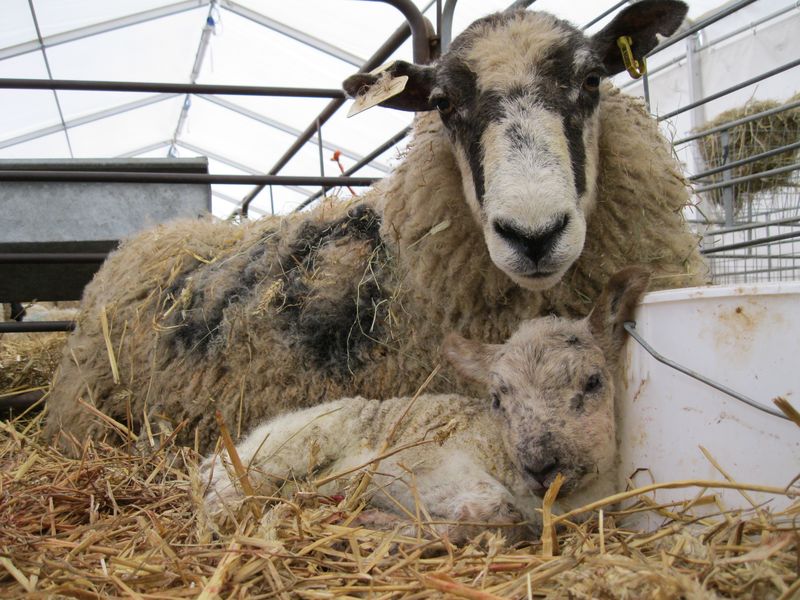
Early detection of foot rot is crucial for effective control and prevention. Regular monitoring allows for prompt intervention, minimizing the spread of infection and reducing the impact on sheep health and productivity. Identifying the disease early significantly improves treatment outcomes and reduces the overall cost associated with managing the condition.
Recognizing Early Signs of Foot Rot
Identifying foot rot in its early stages is key to successful treatment. Subtle signs can be easily missed if regular inspections are not performed. Early detection often involves observing the sheep’s behavior and examining their feet closely.
- Lameness: Mild lameness, often subtle, is one of the first signs. Sheep may shift weight or favor one foot.
- Redness and Inflammation: Examination of the interdigital skin (the skin between the toes) may reveal redness, swelling, and moistness.
- Mild Odor: A slight, unpleasant odor may be detected emanating from the affected foot. This odor is less pungent than that associated with advanced foot rot.
- Reluctance to Walk: Sheep may be hesitant to walk, particularly on uneven ground, and may spend more time lying down.
- Slight Separation of the Skin: In the early stages, there might be a small separation or erosion of the skin at the heel or between the claws.
Regular Monitoring System and Record Keeping
A systematic approach to monitoring sheep feet is essential. This involves establishing a routine, using appropriate tools, and maintaining accurate records. Consistent monitoring allows for tracking the disease’s progression and evaluating the effectiveness of control measures.
The monitoring system should include the following steps:
- Regular Inspection: Sheep should be inspected at least twice a year, preferably more frequently during periods of high risk, such as wet weather or after introducing new animals. Consider inspecting sheep at least monthly.
- Handling and Examination: Sheep should be handled individually for closer inspection. Use a foot rot knife or hoof pick to clean and examine the feet.
- Scoring System: A scoring system can be used to grade the severity of foot rot, providing a standardized way to assess the condition of the feet.
- Treatment and Isolation: Sheep with signs of foot rot should be treated promptly and isolated from the healthy flock to prevent spread.
- Record Keeping: Maintain detailed records of all inspections, treatments, and outcomes.
Record-Keeping Templates for Tracking Foot Health
Accurate record-keeping is vital for monitoring the prevalence and progression of foot rot within a flock. Using a structured template helps to track the condition of each sheep and the effectiveness of any interventions. The information recorded should be clear, concise, and easily accessible.
Example of a record-keeping template:
| Date | Sheep ID | Foot Examined | Severity Score | Treatment | Notes |
|---|---|---|---|---|---|
| 2024-01-15 | Ewe 123 | Left Fore | 0 (Healthy) | None | Healthy |
| 2024-01-15 | Ram 456 | Right Hind | 1 (Mild) | Foot Bath | Slight redness |
| 2024-02-15 | Ewe 123 | Left Fore | 0 (Healthy) | None | Healthy |
| 2024-02-15 | Ram 456 | Right Hind | 2 (Moderate) | Foot Bath, Antibiotics | Lameness observed |
Severity Score Examples:
- 0: No signs of foot rot; healthy foot.
- 1: Mild interdigital dermatitis (redness, inflammation between the toes).
- 2: Moderate separation of the horn from the sole, mild lameness.
- 3: Severe separation of the horn, lameness, and foul odor.
- 4: Severe lameness, significant horn loss, possible infection of the deeper tissues.
Visual Representation of Foot Rot Progression Stages
Understanding the progression of foot rot is essential for effective management. The following describes the stages of foot rot without using image links:
Stage 1 (Early Stage):
The initial stage is characterized by mild inflammation and redness of the skin between the claws. There might be slight moisture and a subtle odor. The sheep may exhibit mild lameness or no lameness at all. The interdigital skin is slightly moist.
Stage 2 (Moderate Stage):
In the moderate stage, the interdigital skin becomes more inflamed, and there is a noticeable separation of the horn from the sole. The lameness becomes more apparent, and the sheep may favor the affected foot. A distinct, unpleasant odor is present. The horn of the hoof begins to detach from the underlying tissue.
Stage 3 (Severe Stage):
The severe stage is marked by significant separation of the horn from the sole, often extending to the heel. The lameness is severe, and the sheep may struggle to walk. The infection may spread to the deeper tissues, causing significant pain and potentially affecting the entire foot. There is often extensive damage to the hoof.
Stage 4 (Advanced Stage):
The advanced stage involves extensive damage to the hoof structure. The infection has spread, causing significant lameness and potentially systemic illness. The hoof may be severely deformed, and the sheep may be unable to bear weight on the affected foot. The infection could potentially spread to other parts of the foot or body.
Foot Rot Treatment Methods
Foot rot, if left untreated, can cause significant pain and lameness in sheep, leading to reduced productivity and welfare issues. Prompt and effective treatment is crucial for controlling the disease and minimizing its impact on the flock. Treatment strategies typically involve a combination of topical therapies, systemic antibiotics, and supportive care, tailored to the severity of the infection. This section Artikels the various treatment methods available.
Topical Treatments for Foot Rot
Topical treatments are a cornerstone of foot rot management, especially in the early stages of infection or as an adjunct to systemic antibiotics. They work by directly targeting the bacteria causing the infection, reducing the bacterial load and promoting healing.
- Foot Trimming: This is often the first step. Overgrown or damaged hoof horn is carefully trimmed away to expose the infected tissue and remove areas where bacteria can thrive. Trimming should be done by a skilled individual to avoid causing further damage or pain. This process is usually performed with hoof shears or a hoof knife.
- Foot Soaks: Foot soaks involve immersing the affected feet in a solution of a bactericidal agent.
- Zinc Sulfate: A common and effective option, zinc sulfate solutions are typically used at concentrations of 10-20%. Sheep stand in the solution for a period of time, usually 15-30 minutes, allowing the solution to penetrate the infected tissues.
- Formalin: Another effective option, formalin solutions (usually 5-10%) are also used for foot soaks. However, formalin can be a skin irritant, so care should be taken to avoid prolonged exposure.
- Copper Sulfate: Copper sulfate can be used in foot baths, but it can be toxic if ingested. Care should be taken to prevent sheep from drinking the solution.
- Topical Antibiotics: Antibiotic sprays or ointments may be applied directly to the affected foot after trimming and soaking. These can help to control the infection locally. Examples include oxytetracycline sprays.
Antibiotics in Foot Rot Treatment
Antibiotics are often necessary for treating severe cases of foot rot or those that have not responded to topical treatments. Systemic antibiotics are administered either by injection or, less commonly, orally.
- Common Antibiotics: Commonly used antibiotics include penicillin-based drugs, tetracyclines, and macrolides. These are usually administered by a veterinarian, who will determine the appropriate antibiotic and dosage based on the severity of the infection and the sheep’s weight.
- Antibiotic Resistance: The overuse or misuse of antibiotics can lead to the development of antibiotic-resistant strains of
-Dichelobacter nodosus*, the bacterium that causes foot rot. This is a serious concern, as it can make treatment more difficult and less effective. To mitigate the risk of resistance:- Antibiotics should only be used when necessary, based on a veterinary diagnosis.
- The full course of antibiotics should be administered, as prescribed by the veterinarian.
- Regular monitoring of antibiotic efficacy and the prevalence of resistance in the flock is crucial.
Supportive Care During Foot Rot Treatment
Supportive care plays a vital role in the recovery of sheep with foot rot. This involves measures that help to reduce pain, promote healing, and prevent secondary infections.
- Pain Management: Providing pain relief is crucial for animal welfare. This can involve the use of non-steroidal anti-inflammatory drugs (NSAIDs), as prescribed by a veterinarian.
- Clean and Dry Environment: Keeping the sheep’s feet clean and dry is essential. This helps to prevent the spread of infection and promotes healing.
- Provide access to clean, dry bedding.
- Regularly clean and disinfect pens and sheds.
- Nutrition: Ensuring that the sheep have adequate nutrition is important for supporting their immune system and promoting healing. Provide a balanced diet that meets their nutritional needs.
- Isolation: Isolating affected sheep can help to prevent the spread of infection to other animals in the flock.
Foot Rot Treatment Flowchart
The following flowchart provides a step-by-step guide to treating foot rot. This guide is a general recommendation, and the specific steps may need to be adjusted based on the severity of the infection and the advice of a veterinarian.
| Step | Action | Details |
|---|---|---|
| 1 | Diagnosis | Identify the presence of foot rot based on clinical signs (lameness, odor, separation of the hoof wall). Consult with a veterinarian to confirm the diagnosis. |
| 2 | Foot Trimming | Trim the affected hoof to remove overgrown horn and expose infected tissue. |
| 3 | Topical Treatment | Apply topical treatments, such as foot soaks (zinc sulfate, formalin) or topical antibiotics, to the affected foot. |
| 4 | Antibiotic Administration (if needed) | Administer systemic antibiotics as prescribed by a veterinarian, based on the severity of the infection. |
| 5 | Supportive Care | Provide pain relief, ensure a clean and dry environment, offer adequate nutrition, and isolate affected animals. |
| 6 | Monitoring | Regularly monitor the sheep’s feet for improvement. If there is no improvement, consult with a veterinarian. |
| 7 | Recovery | Continue supportive care until the foot has fully healed. Implement preventative measures to prevent future outbreaks. |
Breed and Genetic Considerations
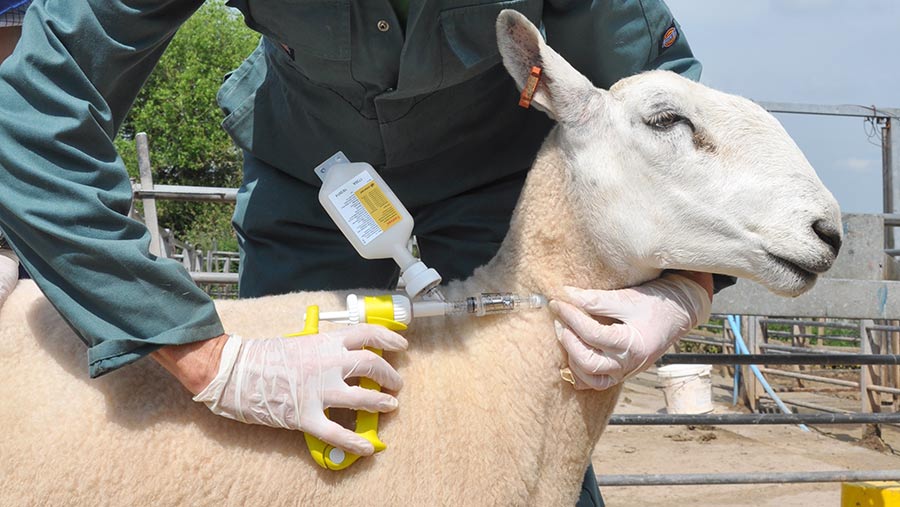
Understanding the genetic predispositions of sheep breeds to foot rot is crucial for effective prevention and control. Breed selection and genetic improvement can significantly impact the prevalence and severity of this debilitating disease. This section explores the role of breed susceptibility, foot conformation, and selective breeding in managing foot rot within a flock.
Breed Susceptibility to Foot Rot
Different sheep breeds exhibit varying levels of susceptibility to foot rot. Some breeds are naturally more resistant due to genetic factors influencing their foot structure, immune response, or bacterial interactions.
- Highly Susceptible Breeds: Certain breeds, like Merino and Suffolk, are often reported to have a higher incidence of foot rot. Their foot structure or other genetic factors may make them more vulnerable to infection.
- Moderately Susceptible Breeds: Breeds such as Dorset and Texel often show moderate susceptibility, where foot rot outbreaks can occur but might not be as widespread as in highly susceptible breeds.
- Potentially Less Susceptible Breeds: Some breeds, including breeds with a history of selection for hardiness and foot health, may demonstrate greater resistance. These breeds may have a combination of factors that provide some protection.
Selecting Sheep with Good Foot Conformation
Foot conformation is a critical factor in foot rot resistance. Sheep with well-formed feet are less prone to the conditions that favor foot rot development. Selecting sheep with desirable foot characteristics is a fundamental aspect of foot rot prevention.
- Toe Angle: The angle of the toe should be approximately 45 degrees, promoting even weight distribution and reducing stress on the claw horn.
- Claw Shape: Claws should be symmetrical and well-shaped, without overgrowth or distortions that can trap debris and create environments for bacterial growth.
- Interdigital Space: A clean, dry interdigital space is essential. Excessive moisture or debris accumulation in this area increases the risk of infection.
- Sole Thickness: A thicker sole provides better protection against abrasions and injuries that can serve as entry points for bacteria.
A sheep with optimal foot structure will exhibit a compact foot, with a well-defined and symmetrical claw shape. The toes will be properly aligned, with a healthy interdigital space that is free of excessive moisture or debris. The sole should be thick and resilient, and the heel should be well-cushioned. This conformation helps to distribute weight evenly, minimizing stress on the foot and reducing the likelihood of injury or infection.
Methods to Improve Foot Health Through Selective Breeding Programs
Implementing selective breeding programs can significantly enhance foot health within a flock, contributing to long-term foot rot management. These programs involve identifying and breeding sheep with superior foot conformation and resistance to foot rot.
- Phenotypic Selection: This involves visually assessing sheep for foot conformation traits such as toe angle, claw shape, and interdigital space cleanliness. Sheep with the best foot scores are selected for breeding.
- Genetic Testing: While not widely available for foot rot resistance, genetic markers associated with foot health traits could be used in the future to improve selection accuracy.
- Performance Recording: Recording foot rot incidence and severity in individual sheep can help identify resistant animals. This data can be incorporated into breeding decisions.
- Sire Selection: Using sires known for producing offspring with good foot conformation is a key strategy. Sires with a history of foot rot resistance in their progeny are particularly valuable.
- Culling Affected Animals: Removing sheep that repeatedly develop foot rot from the breeding program reduces the prevalence of susceptible genes in the flock.
Epilogue
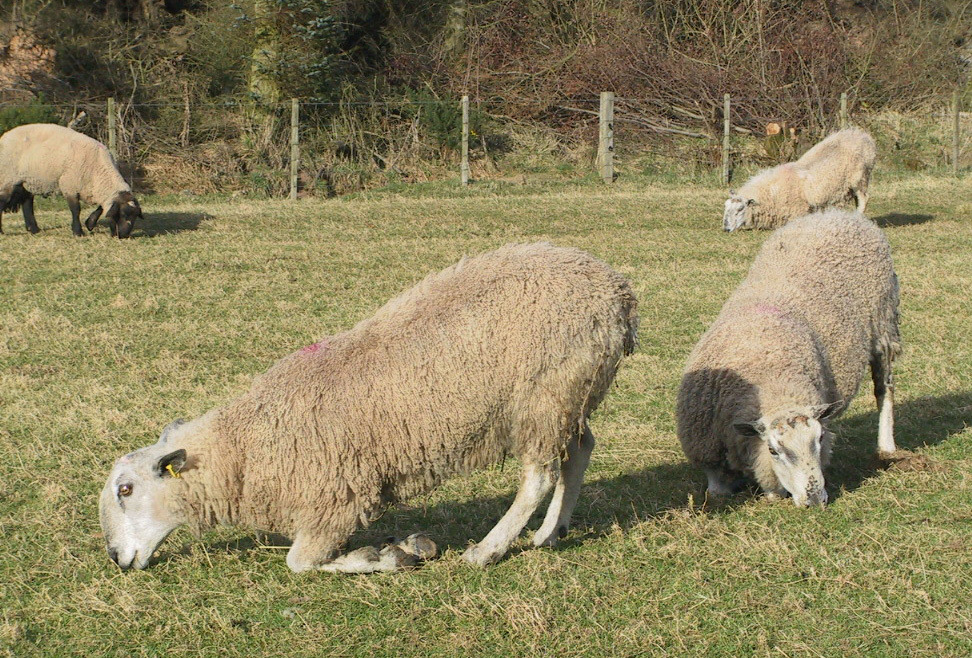
In conclusion, preventing sheep foot rot requires a multifaceted approach, encompassing environmental management, diligent animal husbandry, and proactive health strategies. By implementing the preventative measures and treatment methods Artikeld in this guide, you can significantly reduce the incidence of foot rot in your flock. Remember, early detection and consistent monitoring are key to success. With knowledge and dedication, you can ensure the well-being of your sheep and the prosperity of your farming operation.