Embarking on the journey of rabbit breeding requires a deep understanding of the intricate processes that govern their reproductive success. This guide explores the multifaceted aspects of enhancing rabbit reproduction rates, providing valuable insights for both novice and experienced breeders. From selecting the right breeds to implementing optimal management practices, we delve into the key elements that contribute to a thriving rabbitry.
We will cover breed selection, housing, nutrition, breeding techniques, health management, post-partum care, genetic considerations, record-keeping, and fertility enhancement in bucks. We will also address common reproductive challenges, offering practical solutions to ensure the health and productivity of your rabbit breeding program. Each section is designed to offer practical advice and actionable strategies, paving the way for successful and sustainable rabbit breeding endeavors.
Rabbit Breeds for Optimal Reproduction
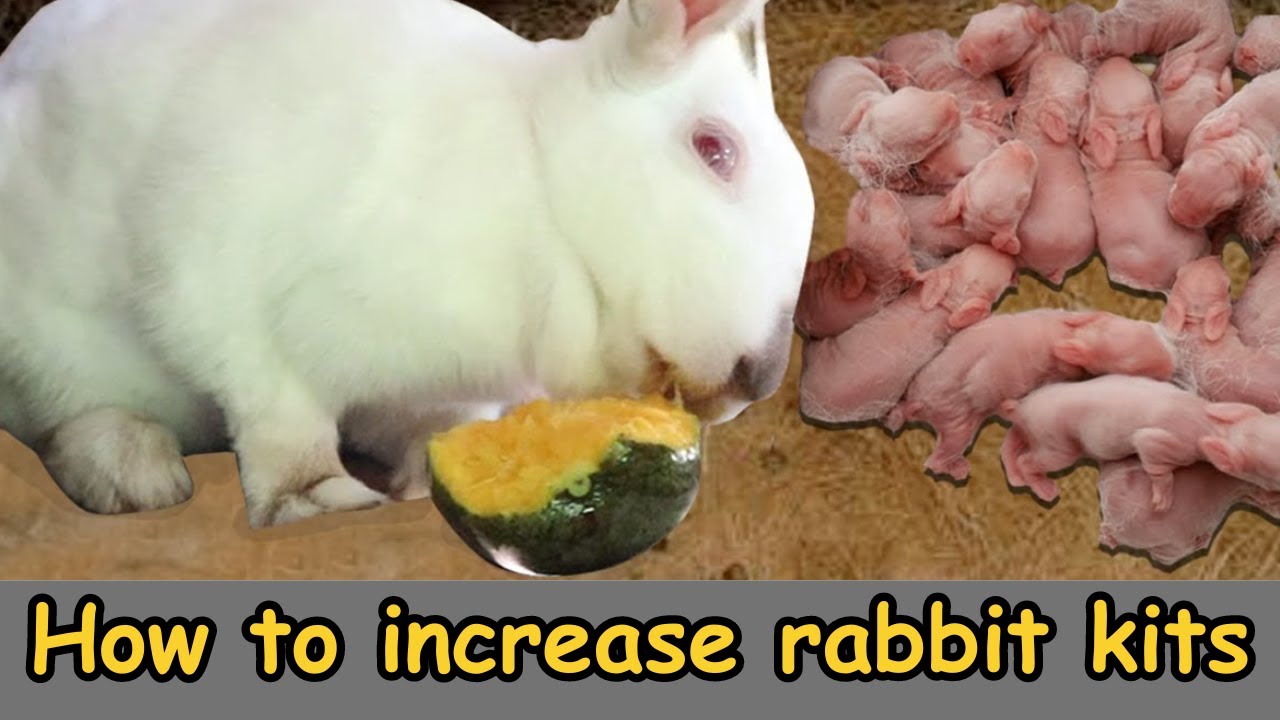
Selecting the right rabbit breed is crucial for maximizing reproductive success. Certain breeds are naturally more prolific than others, possessing traits that contribute to larger litter sizes, shorter gestation periods, and efficient maternal care. Understanding these breed-specific characteristics allows breeders to make informed decisions, optimizing their breeding programs for increased productivity.
Identifying Breeds Known for High Reproductive Rates and Prolificacy
Several rabbit breeds are renowned for their high reproductive potential. These breeds typically exhibit traits such as large litter sizes, frequent breeding cycles, and strong maternal instincts. Breeders often favor these breeds when prioritizing rapid population growth and meat production. Consider the following breeds when planning a breeding program focused on prolificacy:
- New Zealand: This breed is a popular choice due to its high fertility and large litter sizes. They are known for their rapid growth and efficient feed conversion, making them suitable for meat production.
- Californian: Similar to New Zealand rabbits, Californians are prolific breeders and are also favored for meat production. They have a good mothering ability, contributing to high survival rates for their kits.
- Rex: Rex rabbits are known for their luxurious fur and relatively high reproductive rates. While their litter sizes might be slightly smaller than some other breeds, their consistent breeding and good mothering skills make them a viable option.
- Flemish Giant: Though larger in size, Flemish Giants can produce substantial litters. Their size necessitates careful management, but their overall reproductive capabilities are noteworthy.
Comparative Table of Rabbit Breeds
The following table provides a comparative overview of several rabbit breeds, highlighting key reproductive characteristics. This information is based on average values, and individual results may vary.
| Breed | Average Litter Size | Gestation Period (Days) | Weaning Age (Weeks) |
|---|---|---|---|
| New Zealand | 7-10 | 31-33 | 6-8 |
| Californian | 7-9 | 31-33 | 6-8 |
| Rex | 5-8 | 30-31 | 6-8 |
| Flemish Giant | 6-10 | 30-32 | 8-10 |
| Dutch | 4-7 | 28-32 | 6-8 |
Advantages and Disadvantages of Breed Selection
Choosing a specific rabbit breed involves considering its advantages and disadvantages. Factors beyond reproductive rates, such as temperament, fur quality, and market demand, also influence breed selection.
- Advantages of High Prolificacy Breeds: Breeds with high reproductive rates offer several benefits, including a faster return on investment. Larger litters and shorter gestation periods translate to more kits born in a shorter time, increasing the potential for profit in meat or pet production. For example, a breeder using New Zealand rabbits might be able to produce significantly more offspring per year compared to a breeder using a breed with smaller litters.
- Disadvantages of High Prolificacy Breeds: The high demand on the doe’s body can lead to health issues if not managed correctly. The constant breeding cycle can also shorten the lifespan of the doe. Furthermore, the increased number of kits per litter can sometimes result in lower survival rates due to competition for resources. Careful attention to nutrition, housing, and health management is essential when working with highly prolific breeds.
- Considerations Beyond Reproduction: Breeders must consider other factors, such as the breed’s temperament. Some breeds are known for being more docile, making them easier to handle and manage. Market demand is another crucial factor; the popularity of a breed for meat or pets can significantly impact its profitability. The fur quality of the breed is also important if the fur is to be harvested.
Optimizing Rabbit Housing and Environment
Providing an optimal housing environment is crucial for successful rabbit reproduction. The environment significantly impacts a rabbit’s health, stress levels, and overall well-being, all of which directly influence breeding performance. Proper housing management, including temperature, humidity, ventilation, and the provision of essential equipment, is paramount for creating a conducive breeding environment.
Ideal Housing Conditions to Promote Rabbit Breeding Success
Successful rabbit breeding hinges on maintaining a stable and comfortable environment. Rabbits are particularly sensitive to fluctuations in temperature and humidity, and these factors can dramatically impact their reproductive capabilities. A well-designed housing system should prioritize these aspects to maximize breeding success.Temperature is a critical factor. Rabbits thrive in a temperature range of 60-70°F (15-21°C). Extremes, both hot and cold, can negatively affect fertility and doe performance.
High temperatures can lead to heat stress, reducing sperm production in bucks and causing does to experience a decline in appetite and milk production. Conversely, extremely cold temperatures can also reduce fertility and potentially lead to health issues, such as pneumonia.Humidity levels also play a vital role. The ideal humidity range for rabbits is between 40-60%. High humidity can promote the growth of mold and bacteria, leading to respiratory problems and other diseases.
Low humidity can cause dry skin and respiratory irritation.
The Importance of Temperature, Humidity, and Ventilation in the Rabbitry
Maintaining consistent temperature, humidity, and adequate ventilation are the cornerstones of a healthy rabbitry. These elements work together to create an environment that supports optimal rabbit health and breeding performance.* Temperature Control: Implement strategies to regulate temperature. This might involve using fans for cooling in the summer, providing insulated housing, or using heat lamps or supplemental heating during the winter months.
Monitor temperatures regularly using a thermometer, and make adjustments as needed.
Humidity Management
Control humidity levels by ensuring proper ventilation, cleaning the rabbitry regularly, and avoiding overcrowding. Consider using a dehumidifier if humidity levels consistently exceed the recommended range.
Ventilation
Ensure adequate ventilation to remove stale air, ammonia, and moisture. Good ventilation is essential to prevent respiratory problems and maintain air quality. This can be achieved through natural ventilation (e.g., well-placed windows and vents) or mechanical ventilation (e.g., fans). Avoid drafts, which can chill the rabbits.
Essential Equipment for Rabbit Housing
Providing the right equipment is essential for managing a rabbitry effectively and ensuring the well-being of the rabbits. This includes various items that cater to their needs for feeding, watering, nesting, and overall comfort.* Nesting Boxes: Nesting boxes are essential for does, especially during pregnancy and lactation. These boxes should be large enough to accommodate the doe and her kits.
Provide adequate bedding material, such as straw, hay, or wood shavings, to keep the kits warm and comfortable. The nesting box should be placed in a sheltered area to provide privacy and protection from the elements.
Feeders
Choose feeders that are easy to clean and prevent feed wastage. There are various types of feeders available, including hopper feeders and bowl feeders. Hopper feeders can hold a larger amount of feed, reducing the frequency of refilling. Bowl feeders are suitable for providing smaller portions of feed and are often used for supplemental feeding.
Watering Systems
Provide a clean and reliable water source. This can be achieved using water bottles or automatic watering systems. Water bottles need to be cleaned and refilled regularly. Automatic watering systems provide a continuous supply of fresh water, reducing the labor involved in watering.
Hutches/Cages
Choose hutches or cages that are appropriately sized for the breed of rabbit. The hutch should provide adequate space for movement, eating, and resting. Ensure the cage is constructed from durable, non-toxic materials.
Dropping Pans/Trays
These are essential for collecting waste and maintaining hygiene. They should be easy to remove and clean.
Diagram: Suitable Rabbit Hutch Layout
A well-designed hutch layout contributes significantly to rabbit health and breeding success. The following diagram illustrates a suitable layout, ensuring the provision of essential features for a comfortable and functional rabbitry. Diagram Description:The hutch is rectangular, divided into two main sections: a resting/living area and a separate area for feeding and waste disposal.* Resting/Living Area: This area is the largest portion of the hutch.
It includes a raised platform or solid floor for the rabbit to rest and sleep on. This helps to keep the rabbit away from the floor and provides a comfortable resting place.
Feeding and Waste Disposal Area
This area is typically positioned towards the front of the hutch. It includes a feeder and a water source. A removable dropping pan or tray is placed beneath this area to collect waste. The floor in this section is often made of wire mesh to allow waste to fall through, promoting cleanliness and reducing the build-up of ammonia.
Nesting Box (for does)
A nesting box is positioned within the resting area. It should be easily accessible for the doe and provide a secure and sheltered space for her to raise her kits.
Ventilation
The hutch includes ventilation features such as wire mesh sides and a sloped roof to promote air circulation and prevent the build-up of moisture.
Material
The hutch is constructed from durable, non-toxic materials. The framework is made of wood, and the sides and roof are made of wire mesh or solid panels.This layout prioritizes cleanliness, ventilation, and provides separate areas for resting, feeding, and waste disposal. It is crucial to regularly clean and disinfect the hutch to maintain a healthy environment for the rabbits.
Nutritional Strategies for Breeding Rabbits
Proper nutrition is paramount for successful rabbit breeding. The diet directly impacts reproductive performance, influencing fertility, gestation, lactation, and the overall health of both does and bucks. A well-balanced nutritional plan ensures optimal reproductive success, leading to healthier litters and improved breeding efficiency. Failure to provide adequate nutrition can result in decreased litter sizes, weakened kits, and reduced longevity of breeding rabbits.
Role of Diet in Rabbit Reproduction
The diet plays a crucial role in various aspects of rabbit reproduction. It affects hormone production, egg and sperm quality, the doe’s ability to carry a pregnancy to term, and the production of milk for the kits. Deficiencies or imbalances in the diet can lead to reproductive failures, including delayed puberty, reduced fertility, and increased kit mortality. Therefore, understanding the specific nutritional needs of breeding rabbits is essential for achieving optimal breeding results.
Essential Nutrients for Breeding Does and Bucks
Breeding rabbits require a diet rich in specific nutrients to support their increased physiological demands. These nutrients are vital for reproductive success.
- Protein: Protein is crucial for tissue development, including the growth of the kits and the doe’s milk production. Breeding does need a higher protein intake than non-breeding rabbits.
- Fiber: Fiber is essential for digestive health and maintaining a healthy gut environment. It aids in nutrient absorption and prevents digestive disorders that can negatively impact reproduction.
- Vitamins: Vitamins, such as Vitamin A, Vitamin D, and Vitamin E, are essential for reproductive function. Vitamin A supports reproductive organ health, Vitamin D aids in calcium absorption, and Vitamin E acts as an antioxidant, protecting reproductive cells.
- Minerals: Minerals, including calcium, phosphorus, and selenium, are critical for bone development and overall health. Calcium and phosphorus are particularly important during pregnancy and lactation. Selenium plays a role in sperm production and fertility.
- Energy: Breeding rabbits need adequate energy to support their increased metabolic demands. This energy comes from carbohydrates, fats, and proteins in the diet.
Dietary Plans to Support Breeding and Lactation
Developing a tailored dietary plan is essential for successful breeding and lactation. The following examples can be adapted based on individual rabbit breeds and environmental factors.
Example Dietary Plan for Breeding Does:
This plan focuses on providing a balanced diet throughout the breeding cycle, from pre-breeding to lactation.
- Pre-Breeding: Offer a high-quality commercial rabbit feed with approximately 16-18% protein. Supplement with fresh hay, such as Timothy hay or Orchard grass, for fiber. Provide fresh water daily.
- Gestation: Maintain the same high-quality feed and hay. Increase the daily feed ration slightly to support the developing kits. Continue providing fresh water.
- Lactation: Significantly increase the daily feed ration to meet the increased energy demands of milk production. The feed should still contain 16-18% protein or more. Provide plenty of fresh hay and water. Consider supplementing with alfalfa hay, which is richer in protein and calcium.
Example Dietary Plan for Breeding Bucks:
This plan focuses on supporting the buck’s overall health and sperm production.
- Maintenance: Feed a high-quality commercial rabbit feed with 14-16% protein. Provide fresh hay and water daily.
- Breeding Season: Increase the feed ration slightly during the breeding season. Ensure access to fresh, clean water at all times. Supplement the diet with a small amount of high-quality hay.
Supplemental Feeding Considerations:
These supplements can provide additional nutritional support, depending on the specific needs of the rabbits.
- Alfalfa Hay: Rich in protein and calcium, beneficial for lactating does.
- Oats: A good source of fiber and energy, can be added in small amounts.
- Vegetables: Offer a variety of fresh, leafy green vegetables in moderation.
- Commercial Supplements: Consider using a vitamin and mineral supplement, especially during periods of increased demand.
Impact of Forage and Hay Quality on Reproductive Performance
The quality of forage and hay significantly impacts reproductive performance in rabbits. High-quality hay provides essential fiber, nutrients, and vitamins that support optimal reproductive function. Conversely, poor-quality hay can lead to digestive problems and nutritional deficiencies, negatively affecting breeding success.
Hay Quality Assessment:
Evaluate hay based on its appearance, smell, and texture. High-quality hay should be green, leafy, and free from mold, dust, and weeds. It should have a fresh, sweet smell.
Impact of Hay Types:
- Timothy Hay: A popular choice, providing good fiber and moderate protein levels.
- Orchard Grass Hay: Another excellent option, offering a palatable source of fiber.
- Alfalfa Hay: Rich in protein and calcium, making it ideal for lactating does, but should be used in moderation to avoid digestive upset.
Real-Life Example:
Consider a rabbitry where does are fed exclusively poor-quality, dusty hay. This scenario can lead to lower conception rates, smaller litter sizes, and higher kit mortality rates. In contrast, a rabbitry using high-quality Timothy hay, supplemented with alfalfa for lactating does, is likely to experience higher conception rates, larger litters, and healthier kits. This is because the rabbits receive a balanced diet that supports their reproductive needs.
Formula for Estimating Hay Consumption:
The amount of hay needed can be estimated based on the number of rabbits and their stage of life. A general guideline is to provide a handful of hay per rabbit per day. However, this can vary based on the rabbit’s size, breed, and activity level.
Hay consumption = (Number of rabbits) x (Handful of hay per rabbit per day)
Breeding Management Techniques
Effective breeding management is crucial for maximizing rabbit reproduction rates. This involves understanding the intricacies of the breeding process, from timing and techniques to recognizing signs of pregnancy and managing the gestation period. Proper management significantly impacts litter size, kit survival, and the overall productivity of a rabbitry.
The Breeding Process: Timing and Methods
The breeding process in rabbits requires careful timing and attention to detail. The optimal time for breeding is influenced by the breed, the doe’s age, and overall health. Does are typically ready for breeding at around 6-9 months of age, while bucks can be used for breeding from 6 months onward. The estrous cycle in rabbits is induced ovulators, meaning ovulation occurs only after mating.The following methods are commonly employed:
- Natural Mating: This is the most common method. The doe is taken to the buck’s cage. The buck will mount the doe, and the breeding process usually takes a few seconds. It’s crucial to observe the mating to ensure it’s successful. After mating, the doe should be returned to her cage.
- Artificial Insemination (AI): This technique involves collecting semen from the buck and artificially inseminating the doe. While AI can be used to increase genetic diversity and control breeding, it requires specialized equipment and expertise. It is less commonly used in backyard rabbitries due to its complexity.
Comparison of Breeding Techniques
Both natural mating and artificial insemination have advantages and disadvantages. Natural mating is simpler and requires less specialized equipment, making it more accessible to most rabbit breeders. However, it may be less controlled and can lead to the spread of diseases if proper biosecurity measures are not in place. AI allows for greater control over the breeding process, potentially reducing the risk of disease transmission and enabling the use of superior genetics.
Nevertheless, AI necessitates specialized training and equipment, and its success rate can be lower than that of natural mating if not performed correctly.
Signs of Pregnancy and Gestation Stages
Recognizing pregnancy in rabbits is vital for providing appropriate care during gestation. The gestation period for rabbits is approximately 31 days, but it can range from 29 to 35 days.The following are signs of pregnancy:
- Palpation: Around 10-14 days after mating, a skilled breeder can gently palpate the doe’s abdomen to feel developing embryos. This involves carefully feeling for small, round structures (kits) in the doe’s abdomen.
- Nest Building: Around the 28th day of gestation, the doe will begin to build a nest, usually by pulling fur from her abdomen and chest. This behavior is a strong indicator that she is nearing the time of giving birth.
- Weight Gain: The doe will gain weight during pregnancy, particularly in the later stages.
- Changes in Appetite: Some does may experience a decreased appetite in the early stages of pregnancy, while others may eat more.
The gestation period can be divided into stages:
- Early Gestation (Days 1-14): During this period, the embryos are developing. The doe may not show any noticeable signs of pregnancy.
- Mid-Gestation (Days 15-28): The embryos continue to grow, and the doe’s abdomen may begin to swell. Palpation can be used to confirm pregnancy.
- Late Gestation (Days 29-31): The doe prepares for birth. She will build a nest and may exhibit behavioral changes, such as increased irritability.
Step-by-Step Guide to Managing a Successful Rabbit Breeding Cycle
A well-structured breeding cycle management plan can significantly improve reproductive success. This guide Artikels key steps for managing the breeding cycle:
- Preparation: Before breeding, ensure both the doe and buck are in good health and have a suitable body condition. The doe should be at a healthy weight, and the buck should be active and fertile. Prepare the breeding cages, ensuring they are clean and provide adequate space.
- Breeding: Introduce the doe to the buck’s cage. Observe the mating process to ensure it is successful. If the doe does not accept the buck, try again a few days later. Record the breeding date.
- Gestation Care: Provide the pregnant doe with a balanced diet, fresh water, and a clean environment. Monitor her health and provide any necessary veterinary care. Avoid unnecessary stress.
- Nest Box Preparation: Around day 28 of gestation, place a clean nest box in the doe’s cage. Provide nesting material, such as straw or hay.
- Kindling (Giving Birth): The doe will give birth (kindle) in the nest box. Minimize disturbance during kindling. Observe the kits for any immediate health issues.
- Post-Kindling Care: Ensure the kits are nursing. Check the nest box daily and remove any dead kits. Provide the doe with extra food and water to support lactation.
- Weaning: Wean the kits at around 4-6 weeks of age. Separate the kits from the doe and provide them with their own space and diet.
- Rebreeding: After weaning, the doe can be rebred. Allow the doe some time to recover between litters to maintain her health and productivity. A common practice is to rebreed the doe approximately 14 days after kindling.
Health Management and Disease Prevention
Maintaining the health of breeding rabbits is paramount for maximizing reproductive success and ensuring the well-being of the animals. A robust health management program encompasses disease prevention, early detection, and prompt treatment when necessary. Neglecting health can lead to reduced fertility, increased mortality rates, and the spread of diseases throughout the rabbitry, ultimately impacting productivity and profitability.
Common Diseases Affecting Rabbit Reproduction
Several diseases can significantly impact a rabbit’s reproductive capabilities. These illnesses can lead to infertility, abortions, stillbirths, and reduced litter sizes. Understanding these diseases and their potential effects is crucial for effective management.
- Rabbit Hemorrhagic Disease (RHD): This highly contagious and often fatal viral disease can cause sudden death in rabbits of all ages. Pregnant does are particularly vulnerable, and infection can lead to abortions and stillbirths. Outbreaks can decimate rabbit populations rapidly.
- Myxomatosis: This viral disease, spread by insect vectors, causes severe swelling, particularly around the eyes, mouth, and genitals. It often results in blindness and secondary infections, leading to death. Myxomatosis can significantly affect reproductive performance by causing illness and stress, ultimately leading to reduced breeding success.
- Pasteurellosis: Caused by the bacterium
-Pasteurella multocida*, this disease manifests in various forms, including respiratory infections (snuffles), pneumonia, and uterine infections. Respiratory infections can weaken does and lead to reduced fertility, while uterine infections can cause metritis, abortions, and infertility. - Sore Hocks: This condition, characterized by ulceration of the hocks (the back of the feet), can be caused by poor housing conditions and obesity. Sore hocks can cause pain and discomfort, reducing a doe’s willingness to breed and potentially affecting her ability to care for her kits.
- Uterine Tumors: Older does are prone to uterine adenocarcinoma, a type of cancer that can lead to infertility, vaginal bleeding, and death. Early detection is crucial for managing this condition.
- Mastitis: Inflammation of the mammary glands, often caused by bacterial infections, can affect lactating does. This can lead to reduced milk production, which negatively impacts kit survival and growth, indirectly impacting future reproductive success.
Preventative Measures for Common Rabbit Illnesses
Implementing proactive preventative measures is crucial to minimize disease outbreaks and maintain a healthy breeding environment. These measures should be integrated into the daily management practices of the rabbitry.
- Biosecurity: Implement strict biosecurity protocols to prevent the introduction and spread of diseases. This includes limiting access to the rabbitry, using separate clothing and footwear for entering the rabbitry, and disinfecting equipment and tools regularly.
- Quarantine: Quarantine all new rabbits for at least 30 days before introducing them to the breeding colony. During quarantine, observe them closely for any signs of illness and test for common diseases.
- Hygiene: Maintain excellent hygiene practices within the rabbitry. Regularly clean and disinfect cages, feeders, and waterers. Remove and dispose of soiled bedding promptly.
- Nutrition: Provide a balanced and nutritious diet that supports overall health and immune function. Ensure access to fresh, clean water at all times. Avoid overfeeding, which can lead to obesity and related health problems.
- Housing: Provide well-ventilated housing with adequate space and protection from extreme temperatures. Avoid overcrowding, which can increase stress and the risk of disease transmission.
- Stress Reduction: Minimize stress factors such as noise, overcrowding, and improper handling. Provide environmental enrichment to keep rabbits engaged and reduce stress levels.
Importance of Vaccination and Parasite Control in a Breeding Program
Vaccination and parasite control are essential components of a comprehensive health management program. They protect rabbits from preventable diseases and reduce the burden of parasites that can compromise reproductive performance.
- Vaccination: Vaccinate rabbits against RHD and myxomatosis, following a veterinarian’s recommended schedule. These vaccines are highly effective in preventing these devastating diseases. Vaccination programs should be tailored to the specific risks in your geographic location and the prevalence of these diseases.
- Parasite Control: Implement a regular parasite control program to prevent and treat infestations of internal and external parasites. This may include the use of:
- Ivermectin or other suitable medications for internal parasites (e.g., worms).
- Fipronil or similar treatments for external parasites (e.g., mites, fleas).
Regularly inspect rabbits for signs of parasites, such as skin irritation, hair loss, or weight loss. Consider a fecal examination to detect internal parasites.
Early Signs of Common Rabbit Diseases
Early detection of disease is critical for prompt treatment and minimizing the impact on the breeding program. Recognizing the early signs of illness can help prevent widespread outbreaks and reduce losses.
- Lethargy and Reduced Appetite: Rabbits that are not eating or are less active than usual may be ill.
- Nasal Discharge and Sneezing: These symptoms often indicate a respiratory infection, such as snuffles.
- Diarrhea: Loose stools can be a sign of digestive upset or infection.
- Weight Loss: Unexplained weight loss can be a sign of various diseases.
- Skin Lesions and Hair Loss: These may indicate the presence of parasites or skin infections.
- Swollen Eyes or Discharge: This can be a sign of myxomatosis or other eye infections.
- Difficulty Breathing: Labored breathing or wheezing may indicate pneumonia or other respiratory problems.
- Abnormal Behavior: Changes in behavior, such as hiding, grinding teeth (a sign of pain), or aggression, can indicate illness.
Post-Partum Care and Litter Management
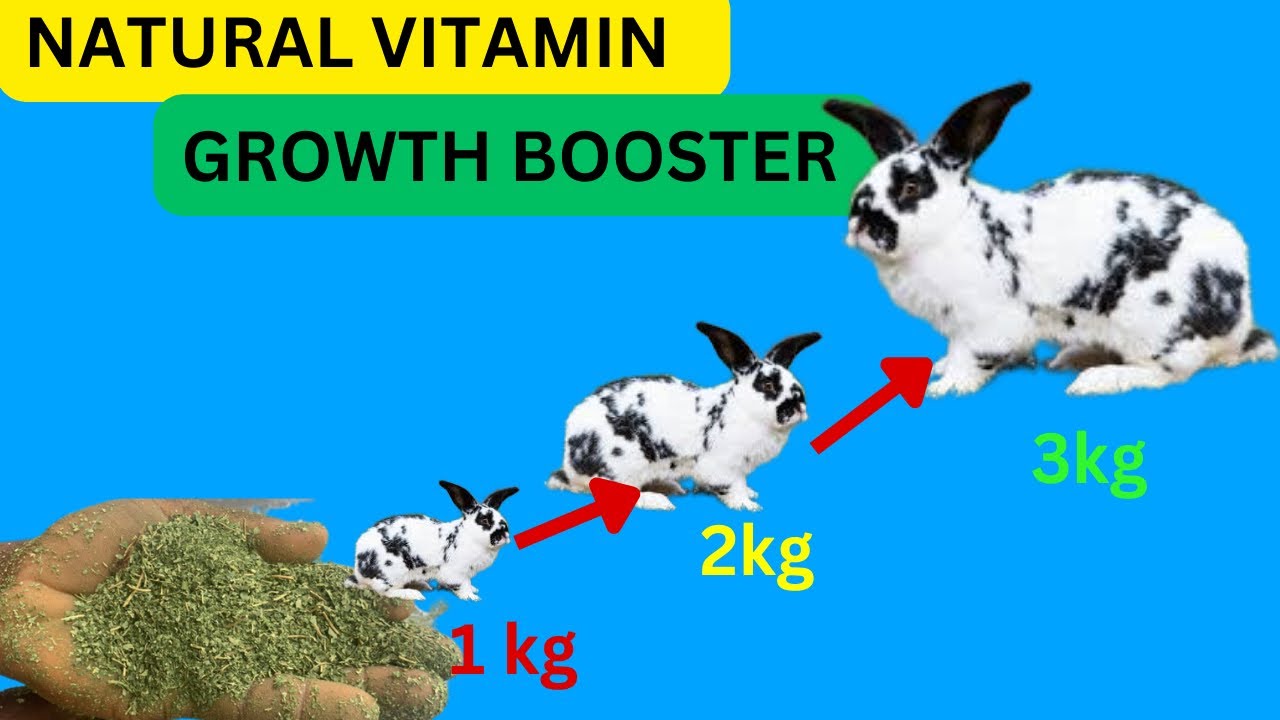
Following the successful birth of a litter, diligent post-partum care and efficient litter management are crucial for the survival and healthy development of the kits, as well as the well-being of the doe. This phase demands careful observation, timely intervention, and adherence to established protocols. Proper management ensures a high survival rate for the kits and minimizes stress on the mother, contributing to the overall success of the rabbit breeding program.
Care for Newborn Kits and Their Mothers
Immediately after birth, both the kits and the doe require specific care to ensure their health and survival. The environment should be meticulously managed, and the doe’s nutritional needs must be addressed.The kits, typically born hairless and with closed eyes, are highly vulnerable in their first few days.
- Immediate Care for Kits: Newborn kits should be gently inspected for any obvious deformities or injuries. Ensure they are warm and dry, as hypothermia is a major threat. If the nest box is damp, replace the bedding immediately.
- Doe’s Immediate Post-Partum Care: The doe should have access to fresh water and a high-quality, high-protein feed to support milk production. Observe her for any signs of mastitis (inflammation of the mammary glands), which can be identified by swollen, hot, and painful teats. Consult a veterinarian immediately if mastitis is suspected.
- Nest Box Management: The nest box should be checked daily to remove soiled bedding and maintain a clean environment. The temperature inside the nest box should be kept relatively stable, around 70-75°F (21-24°C).
- Feeding Schedule: The doe should be fed ad libitum, allowing her to eat as much as she wants. Fresh water should always be available. A lactating doe requires a significant increase in her daily feed intake to meet the demands of milk production.
Techniques for Fostering Kits and Managing Large Litters
Fostering kits and managing large litters are essential techniques for optimizing kit survival rates and managing resources effectively. These practices involve redistributing kits to ensure each doe can adequately feed her offspring.Fostering is particularly useful when a doe has a small litter or when another doe loses her kits.
- Fostering Procedures: Kits can be transferred to a doe with a smaller litter, ideally within the first few days of birth. To ensure acceptance, rub the kits with bedding from the foster doe’s nest box to mask their scent. Observe the foster doe for any signs of rejection.
- Managing Large Litters: If a doe has a very large litter, consider fostering some kits to another doe or supplementing the kits’ diet with a kitten milk replacer, specifically formulated for rabbits, after the first few weeks.
- Monitoring Milk Production: Regularly observe the kits to ensure they are nursing adequately. Check for full bellies and weight gain. Failure to thrive indicates insufficient milk production or nursing issues.
- Examples of Fostering Success: In a study conducted by the University of California, Davis, fostering kits between does with similar breeding histories increased the overall survival rate of kits by 15% in the first three weeks of life.
Weaning Procedures and Their Impact on the Doe’s Health
Weaning is a critical transition period in a rabbit’s life, affecting both the kits’ development and the doe’s health. Careful weaning practices are crucial for the long-term well-being of both.Weaning involves gradually separating the kits from their mother, transitioning them to solid food, and preparing them for independent living.
- Timing of Weaning: Kits are typically weaned at 6-8 weeks of age. Early weaning can lead to digestive problems and stunted growth. Late weaning can hinder the doe’s ability to recover and prepare for her next breeding cycle.
- Weaning Process: Gradually introduce the kits to solid food (pellets and hay) starting around 4 weeks of age. Provide fresh water at all times. Slowly reduce the doe’s access to the kits, eventually separating them completely.
- Doe’s Health Post-Weaning: After weaning, the doe needs a rest period to recover and replenish her body reserves. Provide her with a balanced diet and monitor her body condition. Avoid rebreeding her immediately after weaning to allow her to fully recover.
- Impact on the Doe’s Reproductive Cycle: The weaning process influences the doe’s reproductive cycle. Allowing a recovery period after weaning is essential for her reproductive health and longevity. Continuous breeding without adequate rest can lead to reproductive exhaustion and decreased productivity.
Daily and Weekly Checklist for Litter Management
Implementing a consistent checklist ensures that all necessary tasks are completed, promoting the health and well-being of both the kits and the doe. This systematic approach minimizes oversight and contributes to a successful rabbit breeding program.Regularly reviewing and updating this checklist can improve efficiency and ensure the program’s success.
| Task | Frequency | Details |
|---|---|---|
| Check Nest Box | Daily | Inspect for cleanliness, replace soiled bedding, and ensure kits are warm and dry. |
| Check Doe’s Water and Feed | Daily | Ensure fresh water and sufficient high-quality feed are available for the doe. |
| Observe Doe and Kits | Daily | Monitor for signs of illness, injury, or nursing problems. |
| Weigh Kits | Weekly | Monitor weight gain to assess growth and health (from one week old). |
| Clean Hutch and Nest Box | Weekly | Thoroughly clean and disinfect the hutch and nest box. |
| Check Doe’s Health | Weekly | Inspect the doe for any signs of mastitis, injuries, or other health concerns. |
Genetic Considerations in Rabbit Breeding
Understanding and applying genetic principles is crucial for enhancing rabbit reproduction. Breeding choices significantly influence litter size, kit survival, and overall herd productivity. Strategic genetic selection can lead to substantial improvements in reproductive efficiency and the long-term viability of a rabbitry.
The Role of Genetics in Improving Rabbit Reproduction
Genetics provides the blueprint for an individual rabbit’s traits, including those related to reproduction. By carefully selecting breeding stock, breeders can increase the frequency of desirable genes within a population. This, in turn, can lead to improved reproductive performance. This involves identifying and utilizing genetic markers associated with traits like large litter sizes, high conception rates, and strong maternal instincts.
Selective breeding can also reduce the prevalence of genetic disorders that negatively impact reproduction. The goal is to create a rabbit population that is genetically predisposed to successful breeding and raising healthy offspring.
Common Genetic Traits That Affect Litter Size and Survival Rates
Several genetic traits directly influence a rabbit’s reproductive success. These traits are heritable and, therefore, can be improved through selective breeding.
- Litter Size: The number of kits a doe produces per litter is a primary indicator of reproductive efficiency. Genetic factors contribute significantly to litter size variation. Some rabbit breeds naturally produce larger litters than others.
- Doe’s Maternal Instincts: Traits such as nest-building ability, milk production, and attentiveness to kits are crucial for kit survival. Genes influence a doe’s maternal behavior.
- Kit Viability: Genes affecting the overall health and robustness of kits are essential for survival. This includes resistance to diseases and the ability to thrive in early life.
- Fertility: Genes that affect the doe’s ability to conceive and maintain pregnancy. High fertility rates are essential for a productive rabbitry.
- Gestation Period: The length of gestation can vary slightly between rabbits, but genetics plays a role in its stability.
Methods for Selecting Breeding Stock Based on Genetic Potential
Choosing breeding stock based on genetic potential requires a systematic approach. Breeders employ various methods to identify rabbits with superior genetic traits.
- Pedigree Analysis: Examining the ancestry of a rabbit to assess its genetic potential. Analyzing the reproductive performance of ancestors, such as litter sizes and kit survival rates, provides insights into the rabbit’s genetic makeup.
- Performance Testing: Measuring and recording the reproductive traits of individual rabbits and their offspring. This data is used to identify rabbits with desirable traits. For example, recording the average litter size of a doe and the survival rate of her kits.
- Progeny Testing: Evaluating the genetic merit of a rabbit based on the performance of its offspring. This involves breeding a buck or doe and observing the reproductive performance of their kits. If the kits consistently exhibit desirable traits, the parent is considered to have good genetic potential.
- Estimated Breeding Values (EBVs): EBVs are a prediction of the genetic merit of an animal for a particular trait. They are calculated by combining information from the animal’s own performance, the performance of its relatives, and genetic relationships between traits. EBVs are particularly useful for complex traits like litter size.
- Visual Appraisal: While not a primary method, assessing the overall health, conformation, and body condition of a rabbit can provide clues about its genetic potential. Rabbits in good health are more likely to have good reproductive performance.
Common Rabbit Genetic Disorders and Their Impact on Reproduction
Genetic disorders can significantly impact a rabbit’s reproductive ability and the health of its offspring. These disorders can lead to reduced fertility, increased kit mortality, and other reproductive problems. The following table provides an overview of some common genetic disorders, their effects, and potential implications.
| Genetic Disorder | Description | Impact on Reproduction |
|---|---|---|
| Snuffles (caused by Pasteurella multocida) | A common respiratory disease. While often caused by environmental factors, genetic predisposition can increase susceptibility. | Can reduce fertility in does, increase abortion rates, and cause poor kit health. |
| Malocclusion (Overgrown Teeth) | Misalignment of the teeth, preventing proper wear. Often has a genetic component. | Affected rabbits may have difficulty eating, leading to poor body condition and reduced reproductive performance. Kits may inherit this trait. |
| Wry Neck (Torticollis) | Twisting of the neck, often caused by inner ear infections or neurological problems. Genetic factors can increase susceptibility. | Affected rabbits may have difficulty breeding and caring for kits. Kits may inherit the condition. |
Record Keeping and Monitoring
Maintaining meticulous records is paramount to the success of any rabbit breeding program. Accurate and detailed documentation allows breeders to analyze their practices, identify areas for improvement, and make informed decisions that enhance reproductive efficiency and overall herd health. This systematic approach transforms rabbit breeding from a casual hobby into a well-managed, productive endeavor.
Importance of Accurate Breeding Records
Accurate breeding records provide a wealth of information that is essential for effective rabbit management. These records serve as a historical account of breeding activities, allowing breeders to monitor progress, identify trends, and troubleshoot problems. Without these records, breeders are essentially operating in the dark, unable to accurately assess their performance or make data-driven decisions.
Design of a Rabbit Breeding Record Template
A well-designed breeding record template is the cornerstone of effective record-keeping. The template should be clear, concise, and easy to use, allowing for the efficient collection and organization of relevant data. The following is a suggested structure, adaptable to individual needs and preferences:
| Date | Doe ID | Buck ID | Breeding Method | Date of Kindling (Expected) | Date of Kindling (Actual) | Litter Size (Born Alive) | Litter Size (Stillborn) | Kits Alive at 24 Hours | Kits Weaned | Weaning Weight (Average) | Mortality (0-7 Days) | Mortality (7-21 Days) | Notes |
|---|---|---|---|---|---|---|---|---|---|---|---|---|---|
| (e.g., 2024-10-27) | (e.g., Doe #123) | (e.g., Buck #456) | (e.g., Natural, AI) | (Calculated) | (e.g., 2024-11-28) | (Number) | (Number) | (Number) | (Number) | (grams) | (Number) | (Number) | (Observations) |
Examples of Data to Track
Tracking various data points provides a comprehensive understanding of the breeding program’s performance. Each data point contributes valuable insights into different aspects of the breeding process.
- Doe Identification: This identifies the specific female rabbit.
- Buck Identification: This identifies the specific male rabbit.
- Breeding Date: The date the doe was bred.
- Breeding Method: The method used for breeding (e.g., natural mating, artificial insemination).
- Expected Kindling Date: The estimated date of birth, calculated by adding 31 days to the breeding date.
- Actual Kindling Date: The actual date the doe gives birth.
- Litter Size (Born Alive): The number of live kits born.
- Litter Size (Stillborn): The number of kits born dead.
- Kits Alive at 24 Hours: The number of kits alive 24 hours after birth.
- Kits Weaned: The number of kits successfully weaned.
- Weaning Weight (Average): The average weight of the kits at weaning (typically 4-8 weeks).
- Mortality Rates: The number of kits that died within the first week (0-7 days) and between 7 and 21 days.
- Notes: Any relevant observations, such as difficult births, health issues, or unusual behaviors.
Use of Breeding Records to Improve Future Breeding Outcomes
Breeding records are a powerful tool for improving future breeding outcomes. By analyzing the data collected, breeders can identify strengths and weaknesses in their program and make informed adjustments to optimize performance. This iterative process of data collection, analysis, and refinement is essential for long-term success.
- Identifying Productive Does: Track litter sizes, weaning weights, and frequency of litters to identify does that consistently produce high-quality litters. These does can be prioritized for breeding.
- Evaluating Buck Performance: Monitor the performance of different bucks to identify those that consistently sire large litters and healthy kits.
- Assessing Fertility Rates: Calculate conception rates to identify potential fertility issues. This might involve adjusting breeding schedules or seeking veterinary advice.
- Analyzing Mortality Rates: Investigate high mortality rates to identify potential causes, such as disease, poor nutrition, or inadequate environmental conditions.
- Optimizing Breeding Schedules: Analyze the data to determine the optimal breeding intervals for each doe, considering factors such as litter size, weaning weight, and overall health.
- Improving Nutritional Strategies: Evaluate the impact of different feed formulations on reproductive performance.
- Refining Environmental Management: Assess the impact of housing and environmental factors (temperature, ventilation) on breeding success.
By consistently analyzing breeding records, breeders can make data-driven decisions that lead to improved reproductive efficiency, healthier offspring, and a more profitable rabbitry. For example, if a breeder consistently observes small litter sizes from a particular doe, they might consider culling the doe or investigating potential health issues. Conversely, a doe that consistently produces large litters and healthy kits should be prioritized for breeding.
This proactive approach, informed by detailed record-keeping, is crucial for long-term success in rabbit breeding.
Enhancing Fertility in Bucks
The success of any rabbit breeding program hinges significantly on the fertility and reproductive health of the bucks. A fertile buck can impregnate multiple does, making him a critical contributor to litter size and overall productivity. This section focuses on the factors influencing buck fertility, strategies to improve semen quality, and techniques for maintaining a healthy buck breeding program. Understanding and implementing these practices are essential for maximizing reproductive efficiency in rabbitries.
Factors Affecting Buck Fertility
Several factors can influence a buck’s fertility. Addressing these factors is crucial for optimal reproductive performance.
- Age: Bucks typically reach peak fertility between 6 months and 3 years of age. Fertility may decline gradually in older bucks. Young bucks, under 6 months, may not have fully developed reproductive systems, leading to lower sperm counts and motility.
- Nutrition: A balanced diet is crucial. Deficiencies in vitamins and minerals, particularly vitamin E and selenium, can negatively impact semen quality. Overfeeding can lead to obesity, which can also decrease fertility.
- Temperature: High environmental temperatures can decrease sperm production and motility. Bucks should be kept in a cool environment, especially during the warmer months. The ideal temperature range is typically between 10°C and 20°C (50°F and 68°F).
- Stress: Stress from overcrowding, handling, or disease can temporarily reduce fertility. Providing a calm and comfortable environment is essential.
- Health: Diseases, particularly those affecting the reproductive tract (e.g., epididymitis, orchitis), can severely impair fertility. Regular health checks and prompt treatment of any illness are critical.
- Genetics: Some bucks may have inherent genetic predispositions to lower fertility. Careful selection of breeding stock can help mitigate this.
Strategies for Improving Buck Semen Quality
Improving semen quality involves several proactive measures. These strategies contribute to higher conception rates and larger litters.
- Nutritional Supplementation: Supplementing the diet with vitamin E and selenium can enhance sperm quality. Some breeders also include zinc in their feed. Consult with a veterinarian or animal nutritionist for appropriate supplementation levels.
- Temperature Control: Ensure the buck’s housing environment remains cool. Use fans, air conditioning, or provide shade during hot weather.
- Exercise: Regular exercise can improve overall health and potentially benefit sperm quality. Providing a larger cage or allowing bucks supervised access to an exercise area can be beneficial.
- Semen Collection Frequency: Frequent semen collection can sometimes improve sperm quality. However, excessive collection can deplete sperm reserves. It’s best to follow a schedule appropriate for the buck’s age and breeding load. A common practice is to collect semen from a buck two or three times a week.
- Optimizing the Diet: Provide a high-quality, balanced diet formulated for breeding rabbits. This should include adequate protein, fiber, and energy, along with essential vitamins and minerals.
- Avoiding Overweight Bucks: Maintaining a healthy weight is crucial. Overweight bucks often have reduced fertility. Monitor body condition regularly and adjust feed accordingly.
Techniques for Maintaining a Healthy Buck Breeding Program
A proactive approach to health management is vital for maintaining a healthy and productive buck breeding program. This approach reduces the likelihood of reproductive problems.
- Regular Health Checks: Conduct regular physical examinations. This includes checking the buck’s teeth, eyes, ears, and overall body condition. Palpate the testicles to check for any abnormalities, such as swelling or masses.
- Parasite Control: Implement a parasite control program to prevent infestations of mites, fleas, and worms. These parasites can weaken the buck and indirectly affect fertility.
- Vaccination: Vaccinate against common rabbit diseases as recommended by a veterinarian. This helps to prevent illnesses that could affect reproductive function.
- Quarantine New Bucks: Quarantine new bucks for at least 30 days before introducing them to the breeding herd. This helps to prevent the spread of disease.
- Biosecurity Measures: Practice good biosecurity measures, such as hand washing, disinfecting equipment, and limiting visitor access to the rabbitry, to minimize the risk of disease transmission.
- Prompt Treatment of Illness: Seek veterinary care immediately if a buck shows signs of illness. Early treatment can prevent serious health problems that could impact fertility.
Guide for Assessing a Buck’s Reproductive Potential
Regularly assessing a buck’s reproductive potential is crucial for optimizing breeding efficiency. This assessment involves a combination of visual inspection, semen analysis, and breeding trials.
- Visual Inspection:
- Body Condition: Assess the buck’s body condition score. He should be lean but not underweight.
- Testicles: Examine the testicles for size, symmetry, and any abnormalities (e.g., swelling, masses). Both testicles should be present and descend into the scrotum.
- General Health: Observe the buck for signs of illness or injury. Look for any discharge, skin problems, or other indications of poor health.
- Semen Analysis: This is the most reliable method to assess reproductive potential.
- Semen Collection: Semen is collected using an artificial vagina or electro-ejaculation (the latter is generally less common in rabbits).
- Sperm Count: The number of sperm per milliliter of semen is determined. A higher sperm count generally indicates better fertility. A healthy buck should have a sperm count of at least 200 million sperm/mL.
- Motility: The percentage of sperm that are actively moving is assessed. High motility is essential for successful fertilization. A good buck should have at least 70% progressively motile sperm.
- Morphology: The shape and structure of the sperm are examined under a microscope. Abnormal sperm can affect fertility. Ideally, less than 20% of sperm should have morphological defects.
- Breeding Trials:
- Introduce the buck to a doe in heat: Observe the buck’s interest and mating behavior.
- Pregnancy Check: Palpate the doe’s abdomen or use other methods to determine if she is pregnant.
- Litter Size: Record the number of kits born. A healthy buck should be able to sire litters of 7-10 kits or more.
- Record Keeping: Maintain detailed records of all assessments, including semen analysis results, breeding dates, and litter sizes. This information helps to track a buck’s reproductive performance over time and identify any potential problems.
Addressing Reproductive Challenges
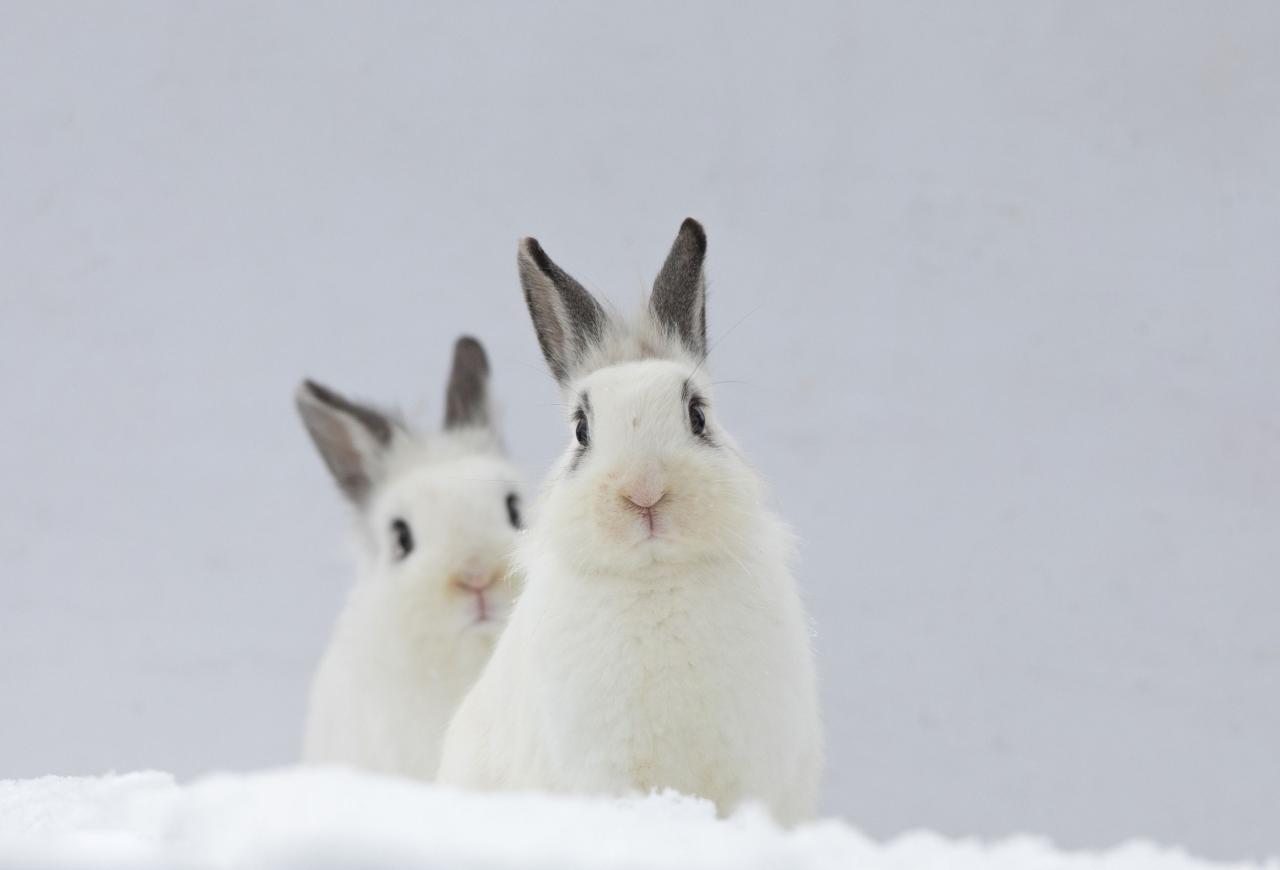
Rabbit breeders may encounter various reproductive challenges that can significantly impact the success of their breeding program. Recognizing these issues early and implementing appropriate management strategies is crucial for maintaining a healthy and productive rabbitry. This section addresses common reproductive problems, their solutions, and the importance of veterinary care.
Common Reproductive Problems in Rabbits
Rabbit reproduction, although naturally efficient, is susceptible to various problems that can reduce fertility and litter size. Understanding these challenges is the first step toward effective management.
- Pseudopregnancy: This condition, also known as false pregnancy, occurs when a doe experiences hormonal changes similar to those of pregnancy but without actual fertilization. Does may build nests, exhibit behavioral changes, and even lactate. The duration typically lasts around 16-18 days, the same as a normal gestation period.
- Dystocia: Dystocia refers to difficult or obstructed labor. It can be caused by various factors, including a malpositioned fetus, oversized kits, uterine inertia, or a narrow pelvic canal. Dystocia can be life-threatening for both the doe and the kits.
- Mastitis: Mastitis is an inflammation of the mammary glands, usually caused by bacterial infection. It can occur during or after lactation and is characterized by swollen, painful teats and reduced milk production. Affected does may refuse to nurse their kits.
- Metritis: Metritis is an inflammation of the uterus, often caused by bacterial infection following parturition or abortion. Symptoms include fever, lethargy, loss of appetite, and a foul-smelling vaginal discharge.
- Uterine Tumors: Uterine adenocarcinomas are a common concern in older does. These tumors can interfere with reproduction and, in severe cases, can be fatal.
- Failure to Conceive: Some does may fail to conceive despite being bred. This can be due to a variety of factors, including poor semen quality in the buck, hormonal imbalances, or underlying health issues.
Solutions for Addressing Reproductive Issues
Effective management strategies can mitigate many reproductive problems. Early intervention and prompt treatment are essential for successful outcomes.
- Pseudopregnancy Management: Since pseudopregnancy is a natural physiological process, treatment is usually not required. However, if the doe is excessively distressed, separating her from the buck for a few weeks can help. Breeding her again after she returns to normal estrous cycles is also an option.
- Dystocia Management: Dystocia requires immediate veterinary intervention. The veterinarian may attempt to manually remove the kits or perform a Cesarean section. Preventative measures include proper nutrition, maintaining the doe’s optimal body condition, and avoiding breeding does that are too young or too old.
- Mastitis Management: Mastitis requires prompt veterinary treatment, which typically involves antibiotics and supportive care. Regularly checking the doe’s teats for any signs of inflammation and providing a clean environment can help prevent mastitis.
- Metritis Management: Metritis requires aggressive veterinary treatment, including antibiotics and supportive care. In severe cases, a hysterectomy may be necessary. Providing a clean environment, proper hygiene during parturition, and monitoring the doe for signs of infection can help prevent metritis.
- Uterine Tumor Management: Uterine tumors are often treated with a hysterectomy. Early detection and prompt veterinary care are crucial.
- Failure to Conceive Management: If a doe consistently fails to conceive, a veterinary examination is recommended. This may involve semen analysis of the buck, hormonal testing of the doe, and examination of the reproductive tract. Addressing any underlying health issues or optimizing breeding management can improve conception rates.
Resources for Further Assistance with Reproductive Challenges
A network of resources can provide valuable support for rabbit breeders facing reproductive challenges.
- Veterinarians: Veterinarians specializing in rabbit care are a primary resource for diagnosing and treating reproductive problems. They can provide expert advice, perform necessary procedures, and prescribe medications.
- Breed Associations: Breed associations often offer educational materials, breeder directories, and mentorship programs to assist breeders. They may also have breed-specific health information.
- Online Forums and Communities: Online forums and social media groups dedicated to rabbit breeding can provide a platform for sharing experiences, asking questions, and learning from other breeders.
- Books and Publications: Numerous books and publications cover rabbit breeding and health. These resources provide in-depth information on reproductive problems and their management.
- Universities and Agricultural Extension Services: Universities and agricultural extension services may offer workshops, seminars, and research publications related to rabbit health and breeding.
Importance of Veterinary Care in Maintaining Reproductive Health
Regular veterinary care is critical for maintaining optimal reproductive health in rabbits. A veterinarian can perform routine health checks, provide vaccinations, diagnose and treat illnesses, and offer guidance on breeding management.
- Pre-Breeding Examinations: Before breeding, a veterinarian can examine both the doe and the buck to assess their overall health and identify any potential problems. This can include checking for signs of disease, assessing body condition, and performing semen analysis on the buck.
- Pregnancy Monitoring: During pregnancy, a veterinarian can monitor the doe’s health and provide guidance on nutrition and care. They can also diagnose and treat any complications that may arise.
- Post-Partum Care: After parturition, a veterinarian can check the doe and her kits for any health issues. They can also provide guidance on lactation management and preventative care.
- Disease Prevention: A veterinarian can implement preventative measures, such as vaccinations and parasite control, to protect the rabbits from common diseases that can affect reproduction.
- Emergency Care: In the event of a reproductive emergency, such as dystocia or mastitis, a veterinarian can provide immediate and appropriate treatment.
End of Discussion
In conclusion, mastering the art of increasing rabbit reproduction rate demands a holistic approach, encompassing breed selection, environmental optimization, nutritional strategies, and meticulous management. By implementing the insights and strategies Artikeld in this guide, breeders can significantly enhance their rabbitry’s productivity and ensure the well-being of their animals. Through careful planning, consistent effort, and a commitment to best practices, achieving remarkable results in rabbit breeding is well within reach.