Rabbit heat stroke is a serious threat, especially during warmer months, and understanding how to prevent it is crucial for every rabbit owner. These fluffy companions, with their unique physiology, are particularly vulnerable to overheating. This guide dives deep into the causes, symptoms, and preventative measures you can take to ensure your rabbit stays cool, comfortable, and healthy, even when the mercury rises.
We’ll explore the underlying reasons why rabbits struggle to regulate their body temperature, examining the environmental factors that exacerbate the risk. You’ll learn to recognize the early warning signs of heat stroke, allowing for swift intervention. This comprehensive resource equips you with the knowledge and tools to create a safe and comfortable environment for your beloved bunny, preventing this potentially fatal condition.
Understanding Rabbit Heat Stroke
Rabbit heat stroke is a severe and often fatal condition that occurs when a rabbit’s body temperature rises to a dangerous level. It is a critical concern for rabbit owners, especially during warmer months. Understanding the causes, susceptibility, and contributing factors is crucial for preventing this life-threatening emergency.
Causes of Rabbit Heat Stroke
Rabbit heat stroke is primarily caused by the inability of a rabbit’s body to effectively dissipate heat, leading to hyperthermia. Several factors contribute to this process, making rabbits particularly vulnerable.
Physiological Susceptibility in Rabbits
Rabbits have unique physiological characteristics that make them highly susceptible to heat stroke. They do not sweat and primarily regulate their body temperature through their ears and respiratory system.
- Inefficient Cooling Mechanisms: Rabbits lack sweat glands, making sweating an ineffective cooling method. They rely heavily on the blood vessels in their large ears to release heat into the environment. This method is less efficient than sweating, especially in humid conditions.
- Thick Fur Coat: A rabbit’s thick fur coat, while providing insulation in cold weather, can trap heat close to the body during warmer temperatures. This impedes the ability to dissipate heat.
- Respiratory Cooling Limitations: While rabbits can pant to cool down, this method is less efficient than in other animals. Panting can also be hindered by high humidity, as the air is already saturated with moisture, reducing evaporative cooling.
Environmental Factors Contributing to Heat Stroke
Several environmental factors can significantly increase a rabbit’s risk of heat stroke. Recognizing and mitigating these factors is essential for prevention.
- High Ambient Temperatures: Exposure to high temperatures is the most significant risk factor. Temperatures above 85°F (29°C) can quickly overwhelm a rabbit’s cooling mechanisms. The higher the temperature, the faster the onset of heat stroke.
- High Humidity: High humidity levels impair a rabbit’s ability to cool down through panting. The air’s increased moisture content reduces the effectiveness of evaporative cooling, making it harder for the rabbit to release heat.
- Poor Ventilation: Inadequate air circulation prevents the dissipation of heat. Enclosures with poor ventilation, such as hutches in direct sunlight or enclosed spaces, trap heat and exacerbate the risk.
- Direct Sunlight Exposure: Direct sunlight exposure, especially during peak hours, can rapidly raise a rabbit’s body temperature. This is particularly dangerous if the rabbit has no access to shade.
- Confinement: Confining rabbits in small, enclosed spaces, such as travel carriers or small hutches, can restrict airflow and limit their ability to escape heat.
- Lack of Water Access: Dehydration can impair a rabbit’s ability to regulate its body temperature. Providing constant access to fresh, cool water is critical.
Recognizing the Signs of Heat Stroke
Understanding the signs of heat stroke is crucial for the swift and effective treatment of rabbits. Recognizing these indicators early can significantly improve the chances of a positive outcome. This section Artikels the early warning signs and physical symptoms, along with a progression table, to aid in the rapid identification of heat stroke.
Early Warning Signs and Behavioral Changes
Rabbits, being prey animals, often try to hide signs of illness. However, certain behavioral changes can indicate that a rabbit is overheating and at risk of heat stroke. These early warning signs require immediate attention.
- Lethargy and inactivity: A rabbit that is usually active and playful may become unusually still and reluctant to move.
- Loss of appetite: Rabbits may stop eating or show a significant decrease in their food intake.
- Seeking cool surfaces: The rabbit may try to lie on cool surfaces like tiles, or even the floor of their enclosure.
- Panting or rapid breathing: Observe for open-mouthed breathing, which is not typical for rabbits except in extreme heat.
- Restlessness: The rabbit might appear anxious and restless, constantly shifting position or trying to escape the enclosure.
Physical Symptoms of Heat Stroke
As heat stroke progresses, physical symptoms become more pronounced and dangerous. These symptoms require immediate veterinary intervention.
- Rapid and shallow breathing: The rabbit’s breathing will become very fast and shallow, often accompanied by audible wheezing.
- Reddened ears and nose: The blood vessels in the ears and nose may dilate, causing them to appear redder than usual.
- Weakness and collapse: The rabbit may become weak and unable to stand, eventually collapsing.
- Drooling: Excessive salivation is a sign of distress.
- Seizures: In severe cases, the rabbit may experience seizures.
Stages of Heat Stroke Progression and Corresponding Symptoms
The progression of heat stroke can be categorized into stages, each characterized by specific symptoms. The following table illustrates this progression.
| Stage | Body Temperature | Symptoms | Treatment Required |
|---|---|---|---|
| Early Stage | 103-106°F (39.4-41.1°C) | Panting, restlessness, seeking cool surfaces, slightly red ears. | Move to a cooler environment, offer cool water, apply cool (not cold) compresses to ears and body. |
| Moderate Stage | 106-108°F (41.1-42.2°C) | Rapid, shallow breathing, excessive drooling, bright red ears, weakness. | Immediate veterinary attention is required. Continue cooling measures (cool compresses, fanning) during transport. |
| Severe Stage | Above 108°F (42.2°C) | Collapse, seizures, loss of consciousness, organ failure. | Critical emergency. Aggressive cooling measures and intensive veterinary care are essential. |
| Critical Stage | Variable, but often high | Coma, irreversible organ damage, death. | Intensive veterinary intervention is the only chance of survival, but prognosis is very poor. |
Immediate Actions
When a rabbit is experiencing heat stroke, prompt action is crucial to increase its chances of survival. The following steps Artikel the immediate first aid measures you should take while awaiting veterinary care. Remember, time is of the essence, and every second counts.
Cooling Down a Rabbit
Safely cooling down a rabbit with heat stroke requires a systematic approach. This aims to reduce the rabbit’s body temperature without causing shock.
- Move the Rabbit to a Cooler Environment: Immediately remove the rabbit from the hot environment. This might include moving the rabbit indoors to an air-conditioned room or to a shaded area outdoors where there is a breeze.
- Provide Cool Water: Offer the rabbit cool (not ice cold) water to drink. Encourage drinking by gently dipping a syringe or dropper into the water and placing a few drops near the rabbit’s mouth.
- Apply Cool Water to the Rabbit’s Body: Gently apply cool (again, not ice cold) water to the rabbit’s ears, feet, and the back of the neck. These areas have high blood flow and can help dissipate heat. Avoid soaking the rabbit excessively, as this can cause shock. You can use a wet towel, washcloth, or gently pour water.
- Use a Fan: Position a fan near the rabbit to help with evaporation. This process helps cool the rabbit’s body.
- Monitor the Rabbit’s Temperature: If you have a rectal thermometer, you can monitor the rabbit’s temperature. The goal is to gradually reduce the temperature to a safe level (around 101-103°F or 38.3-39.4°C). Stop cooling measures when the temperature approaches this range to avoid hypothermia.
- Transport to a Veterinarian: Once the rabbit’s condition stabilizes somewhat, transport it to a veterinarian immediately. Continue cooling measures during transport if possible. Inform the vet about the situation.
Actions to Avoid
Certain actions can worsen a rabbit’s condition during a heat stroke emergency. It is important to know what not to do.
- Do Not Use Ice Water or Ice Packs Directly: Rapid cooling can cause shock and further complicate the situation. Use cool, not ice-cold, water.
- Do Not Submerge the Rabbit in Water: This can lead to shock and make it difficult for the rabbit to breathe.
- Do Not Force Water Down the Rabbit’s Throat: If the rabbit is unconscious or struggling, forcing water can cause aspiration (water entering the lungs).
- Do Not Delay Veterinary Care: While first aid measures are important, they are not a substitute for professional veterinary care. Prompt veterinary attention is essential for the rabbit’s recovery.
- Do Not Leave the Rabbit Unattended: Closely monitor the rabbit’s condition throughout the cooling process and during transport to the veterinarian.
Creating a Safe Environment
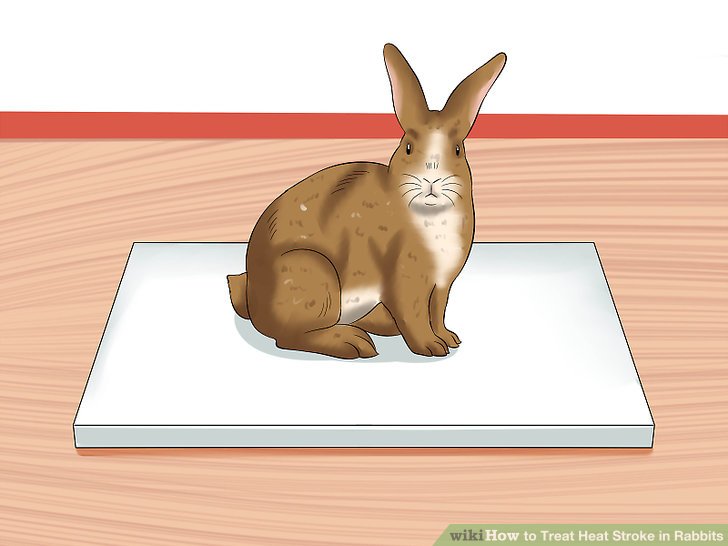
Providing a safe and comfortable environment is crucial for preventing heat stroke in rabbits. This involves careful consideration of both indoor and outdoor conditions. When temperatures soar, rabbits are particularly vulnerable, and proactive measures are essential to keep them cool and healthy. This section focuses on indoor precautions, offering practical advice on how to mitigate the risks of overheating within your home.
Indoor Precautions
Maintaining a cool indoor environment is paramount to protecting rabbits from heat stroke. Rabbits are unable to sweat effectively, making them highly susceptible to rising temperatures. Implementing several strategies can help create a comfortable and safe haven for your rabbit during hot weather.Air conditioning is one of the most effective ways to cool an indoor environment. Setting the thermostat to a comfortable temperature, generally between 68-72°F (20-22°C), provides a consistent and controlled cooling effect.
It’s important to ensure the rabbit’s enclosure is not directly in the path of cold air, as this can lead to drafts and potential health issues. Consider using a fan in conjunction with the air conditioner to circulate the cool air throughout the room.Fans offer a less energy-intensive alternative to air conditioning, especially in areas with milder temperatures. However, fans alone may not be sufficient in extreme heat.
Position the fan strategically to circulate air around the rabbit’s enclosure, avoiding direct airflow. Ensure the fan is securely placed and out of reach of the rabbit to prevent accidents. Using fans can help evaporate moisture and improve air circulation, contributing to a cooler environment.Other cooling devices, such as cooling mats and ceramic tiles, can also provide relief. Cooling mats, often filled with a gel that absorbs heat, offer a cool surface for the rabbit to rest on.
Ceramic tiles, which naturally stay cool, can also be placed in the enclosure. These options provide localized cooling and can be particularly helpful in conjunction with air conditioning or fans.Below is a table that compares the effectiveness of different cooling methods for indoor environments, taking into account various factors:
| Cooling Method | Effectiveness | Pros | Cons |
|---|---|---|---|
| Air Conditioning | High | Provides consistent and controlled cooling; reduces humidity. | Can be expensive to operate; potential for drafts if not positioned correctly. |
| Fan | Moderate | Affordable; improves air circulation; can be used in conjunction with other methods. | Less effective in extreme heat; may not significantly lower the ambient temperature. |
| Cooling Mat | Low to Moderate | Provides localized cooling; portable; readily available. | Effectiveness depends on ambient temperature; needs to be replaced if damaged. |
| Ceramic Tile | Low to Moderate | Provides a cool surface; readily available. | Effectiveness depends on ambient temperature; may not be appealing to all rabbits. |
Remember that the best approach often involves a combination of these methods. Regularly monitor the temperature and your rabbit’s behavior to ensure they remain comfortable and safe.
Creating a Safe Environment
Protecting your rabbit from heat stroke extends to the outdoor environment, where the risks can be significantly higher due to direct sunlight and limited airflow. Implementing preventative measures when your rabbit is outside is crucial for their health and well-being, especially during warmer months. Careful planning and execution can help ensure your rabbit enjoys the outdoors safely.
Outdoor Precautions
When your rabbit spends time outdoors, several considerations are paramount to prevent heat stroke. This includes providing ample shade, ensuring proper ventilation, and offering continuous access to cool, fresh water. These elements, when combined, create a safer and more comfortable outdoor environment for your rabbit.
- Shade Provision: Rabbits require constant access to shade to avoid direct sunlight exposure. This can be achieved through various methods, such as placing the enclosure in a naturally shaded area, using shade cloths or tarps, or providing a hutch with a shaded roof. Ensure the shade covers the entire enclosure, protecting the rabbit from the sun’s movement throughout the day.
- Ventilation: Adequate airflow is vital for preventing heat buildup within the enclosure. The enclosure design should promote good ventilation, with openings strategically placed to allow air circulation. Consider using wire mesh sides for the enclosure, as this facilitates better airflow than solid walls. Avoid placing the enclosure in areas with stagnant air.
- Cool Water Availability: Rabbits need constant access to cool, fresh water. Use heavy water bowls or bottles that are less likely to be tipped over. Change the water frequently, especially on hot days, and consider adding ice cubes to the water bowl to help keep it cool. Place the water source in a shaded area to prevent it from warming up quickly.
- Avoid Direct Sunlight Exposure: Avoid placing the enclosure in direct sunlight, especially during the hottest part of the day. If the enclosure is exposed to the sun for any period, make sure there are shaded areas where the rabbit can retreat. Consider the sun’s path and how it will affect the enclosure throughout the day when choosing a location.
- Monitor Temperature: Regularly monitor the temperature inside the enclosure, as it can be significantly hotter than the ambient temperature. Use a thermometer to check the temperature, and move the enclosure to a cooler location if necessary.
- Provide Cooling Surfaces: Offer cool surfaces for your rabbit to lie on. Ceramic tiles or frozen water bottles wrapped in a towel can provide a cool spot for the rabbit to rest. Ensure these items are always accessible and are kept clean.
- Safe Outdoor Enclosure Design: The design of the outdoor enclosure plays a significant role in preventing heat stroke.
- Enclosure Material: Opt for materials that reflect heat, such as light-colored wood or metal, rather than materials that absorb heat.
- Enclosure Height: Ensure the enclosure is tall enough to provide good ventilation and allow the rabbit to stand up fully.
- Placement: Position the enclosure away from heat-reflecting surfaces like concrete or asphalt.
- Size: The enclosure should be spacious enough to allow the rabbit to move around freely and choose cooler spots.
- Security: The enclosure must be secure to prevent escape and protect the rabbit from predators.
Hydration and Nutrition in Hot Weather
Maintaining proper hydration and providing appropriate nutrition are crucial aspects of preventing heat stroke in rabbits, especially during periods of high temperatures. Rabbits, like all animals, are susceptible to the effects of heat, and their well-being significantly depends on the availability of fresh water and a diet that supports their physiological needs. This section details how to best address these requirements.
Importance of Hydration
Adequate hydration is fundamental to a rabbit’s health, particularly when the weather is warm. Rabbits rely on their ability to regulate their body temperature, and this process is significantly impacted by dehydration. Dehydration can exacerbate the risk of heat stroke, leading to severe health complications and even death.
- Water plays a critical role in thermoregulation. Rabbits cool themselves primarily through their ears, and efficient cooling requires sufficient water for blood circulation and heat dissipation.
- Dehydration reduces blood volume, making it harder for the rabbit’s body to circulate blood effectively and cool itself.
- A dehydrated rabbit is more prone to stress, which can further elevate its body temperature and increase the risk of heat stroke.
Ensuring Access to Fresh, Cool Water
Providing a constant supply of fresh, cool water is essential to keeping a rabbit hydrated during hot weather. Regular monitoring and maintenance of the water source are crucial to ensuring its effectiveness.
- Water Bowls vs. Water Bottles: While both options can work, water bowls are generally preferred during hot weather because they allow rabbits to drink more easily and quickly. Water bottles can sometimes become clogged or the water inside can warm up quickly.
- Frequency of Water Changes: Water should be changed at least twice daily, and even more frequently on extremely hot days. This helps to keep the water cool and prevents the growth of bacteria.
- Water Temperature: The water should be cool, but not ice cold. Ice-cold water can shock the rabbit’s system. Room temperature or slightly cooler water is ideal.
- Placement of Water Sources: Water bowls and bottles should be placed in a shaded area away from direct sunlight to prevent the water from warming up too quickly.
- Regular Cleaning: Water bowls and bottles should be cleaned daily to prevent the buildup of algae and bacteria. Use a mild soap and rinse thoroughly.
Dietary Adjustments to Cope with Heat
Adjusting a rabbit’s diet during hot weather can help it to cope with the heat more effectively. Providing a diet that is rich in water and easy to digest can support their overall health and reduce the risk of heat-related issues.
- Increase Fresh Vegetables: Offer a greater proportion of fresh, leafy green vegetables. These vegetables have a high water content and can help the rabbit stay hydrated. Good choices include:
- Romaine lettuce
- Cucumber
- Celery
- Parsley
Avoid excessive amounts of vegetables that can cause digestive upset, such as broccoli or cauliflower.
- Reduce Pellet Consumption: Pellets are typically drier than fresh vegetables. While pellets are an important part of a rabbit’s diet, their consumption should be slightly reduced during hot weather to encourage more water intake through vegetables.
- Hay is Still Essential: Hay should always be available, as it is crucial for digestive health. However, ensure that the hay is stored in a cool, dry place to prevent mold growth, which can be detrimental to the rabbit’s health.
- Avoid Sugary Treats: Treats high in sugar can lead to digestive issues and can potentially worsen dehydration. Limit or eliminate sugary treats during hot weather.
- Example: Consider the case of a rabbit owner in Arizona who noticed their rabbit was less active and drinking less water during a heat wave. By increasing the amount of fresh, watery vegetables in the rabbit’s diet and providing multiple water bowls, the rabbit’s activity levels improved, and its water intake increased significantly.
Grooming and Coat Management
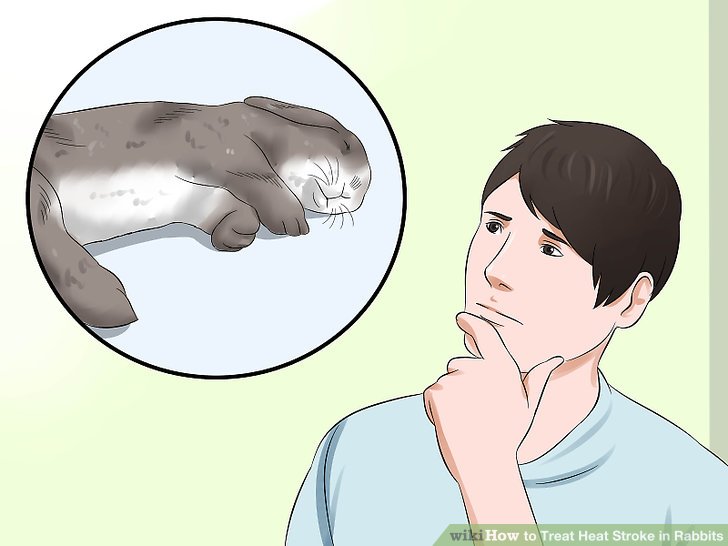
Grooming plays a crucial role in maintaining a rabbit’s health and well-being, especially during hot weather. Regular grooming helps to regulate body temperature by removing excess fur, promoting air circulation, and preventing matting. This is vital in preventing heat stroke, as rabbits cannot sweat and rely on other methods to cool down.
The Role of Grooming in Preventing Heat Stroke
Grooming is essential for preventing heat stroke in rabbits because it directly impacts their ability to regulate body temperature. Rabbits have a thick coat of fur that, while providing insulation in cold weather, can trap heat during warmer months.
- Removing Excess Fur: Regular brushing removes loose fur, which can trap heat close to the rabbit’s body. This allows for better air circulation and helps the rabbit cool down more effectively.
- Preventing Matting: Matted fur can restrict airflow and prevent heat from escaping, significantly increasing the risk of heat stroke. Grooming prevents mats from forming.
- Promoting Air Circulation: Grooming helps to improve air circulation through the coat, which is essential for evaporative cooling.
- Detecting Health Issues: Grooming allows owners to check for any skin problems, parasites, or other health concerns that could contribute to stress and potentially exacerbate the effects of heat.
Brushing Techniques for Different Rabbit Breeds
Different rabbit breeds have varying coat types, each requiring specific grooming techniques. Understanding these differences is crucial for effective grooming and preventing heat-related problems.
- Short-haired Breeds (e.g., Rex, Mini Rex): These breeds have short, dense coats. They benefit from brushing 1-2 times per week using a soft slicker brush or a rubber grooming tool to remove loose fur. Be gentle to avoid skin irritation.
- Medium-haired Breeds (e.g., Dutch, English Lop): These breeds have medium-length fur that requires more frequent grooming. Brush them 2-3 times per week with a slicker brush, followed by a comb to remove any remaining loose hair and prevent matting.
- Long-haired Breeds (e.g., Angora, Lionhead): These breeds have long, luxurious coats that require daily grooming to prevent mats. Use a slicker brush, a comb, and sometimes even thinning shears (with caution) to maintain their coats. Frequent grooming is critical for these breeds.
- Wool Breeds (e.g., Angora): Angora rabbits require specialized grooming due to their woolly coats. Daily brushing with a slicker brush and comb is essential. Regular trimming or shearing is often necessary to prevent matting and overheating.
Coat Types and Susceptibility to Heat
The type of coat a rabbit has significantly impacts its susceptibility to heat stroke. Some breeds are naturally more vulnerable due to their dense or long fur.
| Breed | Coat Type | Susceptibility to Heat |
|---|---|---|
| Rex | Short, dense, plush | Moderate |
| Mini Rex | Short, dense, plush | Moderate |
| Dutch | Medium, dense | Moderate |
| English Lop | Medium, dense | Moderate |
| Angora | Long, woolly | High |
| Lionhead | Long, with a mane | High |
| Flemish Giant | Long, dense | Moderate to High |
| Harlequin | Short to medium, dense | Moderate |
Monitoring and Observation
Regularly monitoring your rabbit is crucial during hot weather to prevent heatstroke. Rabbits can’t sweat and are therefore highly susceptible to overheating. Early detection of heat stress is vital for timely intervention and preventing potentially fatal consequences. Vigilance and proactive observation are your best defenses.
Regular Monitoring for Heat Stress
Consistent observation is key to ensuring your rabbit’s well-being during hot weather. Rabbits can quickly succumb to heatstroke, making it essential to be proactive. This involves understanding what to look for and how often to check on your pet.
Signs to Observe in a Rabbit During Hot Weather
Pay close attention to your rabbit’s behavior and physical condition. Look for subtle changes that might indicate heat stress. Recognizing these signs early allows for prompt action.
- Panting or Rapid Breathing: Observe the rabbit’s breathing rate. Rapid, shallow breaths, or open-mouth panting, are clear indicators of overheating.
- Lethargy and Weakness: A rabbit that is unusually still, inactive, or weak is cause for concern.
- Red or Wet Nose and Mouth: A flushed or wet nose and mouth can signal heat stress.
- Drooling: Excessive drooling is another sign to watch for.
- Loss of Appetite: Rabbits that stop eating or drink less water may be experiencing heat stress.
- Lying Flat and Stretched Out: Rabbits may stretch out on their sides or bellies to try and cool down.
- Seizures or Unconsciousness: In severe cases, heatstroke can lead to seizures or loss of consciousness. This requires immediate veterinary attention.
Best Times of Day to Check on a Rabbit During a Heatwave
During a heatwave, frequent monitoring is essential. The following times are especially critical for checking your rabbit.
- Morning: Check early in the morning before temperatures rise significantly. This allows you to catch any overnight issues.
- Midday: The hottest part of the day requires the most attention.
- Late Afternoon/Early Evening: Temperatures often remain high in the late afternoon.
- Before Bed: Ensure your rabbit is comfortable and cool before nightfall.
Breed-Specific Considerations
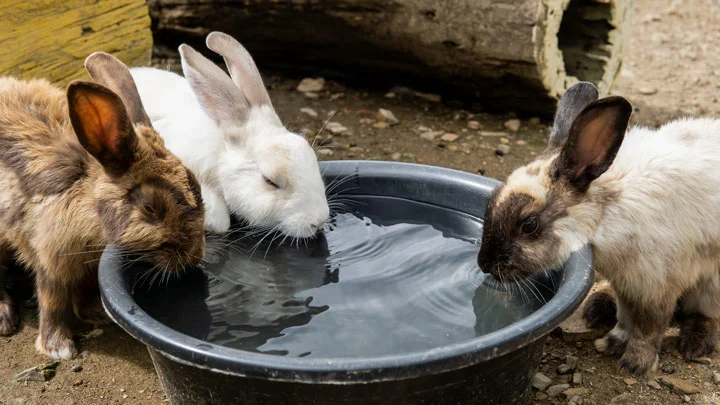
Understanding the varying susceptibility of rabbit breeds to heat stroke is crucial for providing appropriate care during hot weather. Certain breeds are inherently more vulnerable due to their physical characteristics, making it essential to tailor preventative measures. Careful consideration of breed-specific needs significantly enhances the well-being of rabbits during heat waves.
Breeds Most Susceptible to Heat Stroke
Some rabbit breeds are more prone to heat stroke due to their physical attributes, such as dense fur, short noses (brachycephalic), or large body sizes. These characteristics often impede their ability to effectively regulate body temperature.
- Long-Haired Breeds: Angoras, Lionheads, and Jersey Woolies, with their thick coats, are particularly vulnerable. Their dense fur traps heat, making it difficult for them to cool down. For example, Angora rabbits, bred for their wool, can overheat quickly in temperatures above 80°F (27°C).
- Brachycephalic Breeds: Breeds like the Netherland Dwarf and the Dutch rabbit, which have shorter noses, often struggle with efficient breathing and heat dissipation through panting. This makes them more susceptible to heat stress.
- Large Breeds: Giant breeds, such as the Flemish Giant, may have a higher surface area-to-volume ratio, leading to increased heat retention. Their size can also contribute to increased metabolic heat production.
Breeds Least Susceptible to Heat Stroke
Some breeds are relatively less prone to heat stroke. These breeds often have shorter coats and/or a body structure that allows for more efficient heat regulation.
- Short-Haired Breeds: Breeds with short, dense coats, like the Rex and the Californian, generally tolerate heat better than long-haired breeds. Their coat allows for better airflow.
- Breeds with Standard Noses: Rabbits with standard nose lengths often have better respiratory efficiency, facilitating effective panting and heat dissipation.
- Smaller Breeds: While size isn’t always a determining factor, smaller breeds might be less susceptible compared to giant breeds due to their lower overall metabolic heat production.
Breed-Specific Care Recommendations During Hot Weather
Adapting care routines based on breed is essential to mitigate heat stroke risks. Tailoring preventative measures ensures each rabbit receives the support it needs to stay cool and comfortable.
- Long-Haired Breeds: Regular grooming is critical. This includes frequent brushing to remove excess fur, especially during shedding seasons. Consider trimming the fur, particularly around the belly and rear, to improve airflow. Provide ample access to cool resting areas and consider the use of cooling mats.
- Brachycephalic Breeds: Ensure excellent ventilation in their living space. Avoid placing their enclosures in direct sunlight. Monitor their breathing closely for signs of distress. Provide multiple water sources and encourage frequent hydration.
- Large Breeds: Offer spacious, well-ventilated enclosures. Ensure access to shade and cool surfaces. Monitor their body temperature regularly, and provide extra water bowls.
- Short-Haired Breeds: While generally more heat-tolerant, these breeds still require proper care. Provide fresh water, shade, and consider using cooling aids, especially during extreme heat.
Unique Challenges Faced by Long-Haired Rabbit Breeds
Long-haired breeds face unique challenges in hot weather due to their thick coats. These breeds require intensive management to prevent overheating.
- Coat Density: The dense fur acts as insulation, trapping heat and making it difficult for the rabbit to cool down.
- Matting and Tangles: Long fur is prone to matting, which further restricts airflow and exacerbates heat retention. Regular grooming is essential to prevent this.
- Difficulty in Panting: The dense fur can interfere with the rabbit’s ability to effectively pant and dissipate heat.
- Increased Risk of Flystrike: During hot and humid weather, long-haired breeds are at higher risk of flystrike (myiasis) if their rear ends are not kept clean and dry. This is due to the attraction of flies to damp or soiled fur.
Seeking Veterinary Care
Prompt veterinary attention is crucial when dealing with rabbit heat stroke. While immediate first aid measures are vital, a veterinarian’s expertise is essential for a complete assessment and treatment plan. Recognizing the signs of severe heat stroke and knowing when to seek professional help can significantly improve a rabbit’s chances of survival and recovery.
When to Seek Immediate Veterinary Attention
A rabbit experiencing heat stroke requires immediate veterinary care in several critical situations.* When the rabbit is unresponsive or unconscious.
- If the rabbit is having seizures or tremors.
- If the rabbit’s breathing is labored or rapid.
- When the rabbit’s body temperature remains elevated despite initial cooling efforts (above 104°F or 40°C).
- If the rabbit shows any signs of shock, such as pale gums or a weak pulse.
- If the rabbit’s condition doesn’t improve or worsens after initial first aid.
Information to Share with a Veterinarian
Providing the veterinarian with detailed information about the rabbit’s condition and the events leading up to it is critical for accurate diagnosis and effective treatment.* History of the Rabbit: The veterinarian will need to know the rabbit’s age, breed, and any pre-existing health conditions.
Timeline of Events
Detail the onset of symptoms, including when you first noticed signs of heat stress, the duration of exposure to heat, and any actions you took.
Symptoms Observed
Provide a comprehensive description of the rabbit’s symptoms, including behavior changes, breathing patterns, and any physical signs.
Body Temperature
If you have taken the rabbit’s temperature, provide the reading.
First Aid Measures
Explain what first aid steps you have already taken, such as moving the rabbit to a cooler environment, applying cool water, or providing fluids.
Medications
Inform the veterinarian about any medications or supplements the rabbit is currently taking.
Environment
Describe the environment where the rabbit was when the heat stroke occurred (e.g., outdoors, in a car, indoors without air conditioning).
Potential Treatments a Veterinarian Might Administer
Veterinarians employ various treatments to manage rabbit heat stroke, aiming to stabilize the rabbit and address the underlying physiological imbalances.* Intravenous (IV) Fluid Therapy: This is crucial for rehydration and electrolyte balance, helping to restore blood volume and support organ function.
Oxygen Therapy
Providing supplemental oxygen can assist with breathing difficulties and improve oxygen saturation.
Cooling Measures
Veterinarians may continue cooling measures, such as applying cool water or using fans, but in a controlled environment to prevent overcooling.
Medications
Anti-inflammatory medications may be used to reduce swelling and inflammation.
Anti-seizure medications can be administered if the rabbit is experiencing seizures.
Medications to support organ function might be used depending on the severity of the heat stroke and the rabbit’s condition.
Monitoring
Close monitoring of vital signs, including body temperature, heart rate, and respiratory rate, is essential to assess the rabbit’s response to treatment and adjust the plan as needed.
Blood Work
Blood tests may be performed to evaluate organ function, electrolyte levels, and overall health status.
Illustrative Examples and Visual Aids
Providing visual aids and practical examples can significantly enhance your understanding of rabbit heat stroke prevention. Seeing how to implement these measures can make a real difference in your ability to protect your rabbit. This section will demonstrate several key strategies.
Creating a Makeshift Cooling Pad
Creating a cooling pad can provide a rabbit with a cool surface to rest on, helping to regulate its body temperature. This is particularly helpful in emergencies or when other cooling methods are unavailable.Here’s how to create a simple and effective cooling pad:
- Materials Needed: You’ll need a freezer-safe container (like a shallow plastic tray or baking sheet), water, and a towel. Consider adding ice packs for enhanced cooling.
- Preparation: Fill the container with water and freeze it. Alternatively, place ice packs in the container. Ensure the container is leak-proof.
- Assembly: Once frozen, place a towel over the frozen surface. The towel will prevent the rabbit from direct contact with the cold surface, preventing frostbite, and provide a comfortable resting area.
- Placement: Position the cooling pad in a shaded area where the rabbit can easily access it. Observe the rabbit’s behavior to ensure it is using the pad and that it is comfortable.
Designing a Safe Outdoor Rabbit Enclosure with Cooling Features
A safe outdoor enclosure should prioritize the rabbit’s well-being, especially during hot weather. The design should incorporate features that provide shade, ventilation, and a cool environment.Consider these design elements:
- Shade: The enclosure should have ample shade, either provided by natural elements (trees, shrubs) or artificial means (shade cloth, awnings). The shaded area should cover at least half of the enclosure, and preferably more, especially during the hottest parts of the day.
- Ventilation: Ensure good airflow. This can be achieved by using wire mesh sides and a raised floor to allow air circulation. Avoid placing the enclosure in a stagnant area.
- Cooling Pads/Areas: Incorporate the cooling pad described above. Alternatively, provide a tile or a ceramic dish that the rabbit can lie on. These materials stay cool naturally.
- Water Source: Provide multiple water sources, such as water bowls and water bottles. Place these in shaded areas to keep the water cool.
- Enclosure Material: Use materials that do not absorb heat, such as light-colored wood or wire mesh. Avoid dark-colored materials that can trap heat.
- Placement: Position the enclosure away from direct sunlight, especially during the afternoon hours. Avoid areas near heat-reflecting surfaces like concrete or asphalt.
An illustration of a safe outdoor rabbit enclosure could depict:
A rectangular enclosure constructed with wire mesh sides and a raised wooden floor. A portion of the enclosure is covered with shade cloth, creating a shaded area. Inside the shaded area, there’s a ceramic tile and a shallow dish filled with water. A water bottle is attached to the wire mesh. A small, fluffy rabbit is depicted resting comfortably on the ceramic tile. The background shows a lush green lawn and some trees, providing additional shade. The overall design is open and airy, allowing for good ventilation.
Illustrating the Correct Way to Hold a Rabbit While Cooling It Down with Water
Cooling a rabbit with water during a heat stroke emergency requires a careful and gentle approach. The goal is to lower the rabbit’s body temperature without causing additional stress.Here’s how to hold and cool a rabbit with water:
- Positioning: Support the rabbit’s body with one arm, cradling its chest and hindquarters. Use the other hand to gently pour cool (not cold) water over the rabbit’s ears, neck, and body. Avoid pouring water directly into the rabbit’s face or nostrils.
- Water Temperature: The water should be cool, but not ice cold. Using water that is too cold can cause the rabbit to go into shock. Aim for a temperature that is slightly cooler than the rabbit’s body temperature.
- Area of Application: Focus on applying water to areas where blood vessels are close to the surface, such as the ears, neck, and armpits. This helps to cool the blood circulating through the body.
- Monitoring: Continuously monitor the rabbit’s condition. Watch for signs of improvement, such as a decrease in panting and an increase in alertness. If the rabbit’s condition does not improve or worsens, seek immediate veterinary care.
- Drying: Once the rabbit’s temperature has stabilized or improved, gently dry the rabbit with a towel. Avoid leaving the rabbit wet, as this can lead to chilling.
An illustration of this technique would show:
A person gently holding a rabbit. The person is supporting the rabbit’s body with one arm, cradling its chest and hindquarters. The other hand is gently pouring water over the rabbit’s ears and neck. The rabbit’s eyes are open, and it appears calm. The illustration emphasizes the gentle and supportive handling technique. The background is simple, highlighting the focus on the interaction between the person and the rabbit.
Final Review
In conclusion, preventing rabbit heat stroke is a proactive endeavor that requires awareness, vigilance, and a commitment to providing a cool and comfortable environment. By understanding the risks, recognizing the signs, and implementing the preventative measures Artikeld in this guide, you can safeguard your rabbit’s well-being and ensure they enjoy a happy and healthy life, even when the sun shines its brightest.
Remember, a little preparation goes a long way in protecting your furry friend from the dangers of overheating.