Embarking on the journey of raising quail can be incredibly rewarding, but achieving high hatch rates from your eggs requires a meticulous approach. Understanding the intricacies of incubation, from selecting the perfect eggs to providing the ideal environment for chick development, is crucial. This guide delves into the essential steps and techniques needed to significantly boost your quail egg hatchability success, transforming your efforts into flourishing results.
This detailed exploration covers everything from egg selection and storage, incubator setup and calibration, and the critical roles of egg turning, humidity, and ventilation. We’ll also examine candling techniques, the hatching process itself, and the vital aspects of brooder setup and chick care. Furthermore, we’ll explore the significance of breeding quail health, nutrition, genetic factors, and breeding practices, all of which are pivotal in maximizing your hatch rates.
Egg Selection and Storage
The success of hatching quail eggs hinges significantly on proper egg selection and storage practices. This stage is critical, as it directly impacts the viability of the embryos and, consequently, the overall hatch rate. Careful attention to detail in this phase can significantly improve the chances of a successful hatching outcome.
Criteria for Selecting High-Quality Quail Eggs
Selecting the right eggs is the first step towards a successful hatch. Eggs with certain characteristics are more likely to produce healthy chicks.
- Egg Shape and Size: Choose eggs that are of a normal, consistent shape for the specific quail breed. Avoid eggs that are excessively round, pointed, or misshapen, as these can indicate shell abnormalities or issues with the developing embryo. The size should also be typical for the breed, as overly large or small eggs may have viability problems.
- Shell Quality: The shell should be clean, smooth, and free from cracks, thin spots, or rough textures. A strong shell is essential for protecting the developing embryo from damage and preventing moisture loss. Avoid eggs with cracks, even hairline ones, as these can allow bacteria to enter.
- Shell Color and Appearance: While color varies depending on the quail breed, the shell should have a consistent and uniform color. Avoid eggs with unusual discolorations, stains, or mottled patterns, which might indicate issues with the hen’s health or the egg’s internal quality.
- Internal Quality: Before incubation, candling (shining a bright light through the egg) can reveal internal quality. Look for a clear yolk that appears round and centered. Avoid eggs with blood spots, multiple yolks (though rare in quail), or a freely moving yolk, as these can indicate a compromised embryo. The air cell should be small and stable.
- Egg Freshness: Fresh eggs are crucial. The older an egg, the lower the hatch rate. Ideally, incubate eggs within 7 days of being laid, and preferably within 3-4 days for optimal results.
Optimal Storage Conditions for Quail Eggs Before Incubation
Proper storage significantly impacts hatchability. Maintaining the right environment slows down embryonic development and preserves the egg’s internal quality.
- Temperature: Store eggs at a consistent temperature between 55-60°F (13-16°C). Avoid fluctuating temperatures, as these can cause condensation on the shell and damage the embryo.
- Humidity: Maintain a humidity level of around 75-80%. This helps prevent excessive moisture loss from the egg, which can dry out the embryo. Use a hygrometer to monitor humidity.
- Egg Turning: Turn eggs gently at least once a day, ideally several times a day, if storing for more than a few days. This prevents the yolk from sticking to the shell membrane and ensures the embryo develops properly.
- Storage Duration: The shorter the storage duration, the better the hatch rate. While eggs can be stored for up to 7 days, hatchability decreases with each passing day. Aim to incubate eggs within a week of being laid.
- Egg Orientation: Store eggs with the pointed end down. This positions the air cell at the top and helps prevent the yolk from settling against the shell membrane.
Comparison of Storage Methods and Their Impact on Hatchability
Different storage methods can impact hatch rates. Choosing the right method can make a significant difference.
| Storage Method | Temperature | Humidity | Turning Frequency | Impact on Hatchability |
|---|---|---|---|---|
| Room Temperature (e.g., 70°F/21°C) | High | Variable, often low | None | Significant decrease in hatch rate, rapid embryo development, increased moisture loss. |
| Refrigerator (e.g., 40°F/4°C) | Low | Often too low | None or infrequent | Can damage embryo, especially with rapid temperature changes when moved to incubator, decreased hatch rate. |
| Cool, Humid Room (55-60°F/13-16°C) | Optimal | Optimal (75-80%) | Daily | Highest hatch rate, maintains egg quality. |
Proper storage in a cool, humid environment with regular turning is crucial for maintaining egg viability and maximizing hatch rates.
Common Mistakes in Egg Selection and Storage That Reduce Hatch Rates
Avoiding common errors in egg selection and storage can significantly improve the likelihood of a successful hatch.
- Using Cracked or Dirty Eggs: Cracked eggs allow bacteria to enter, and dirty eggs can harbor bacteria that contaminate the shell and infect the developing embryo.
- Storing Eggs at Incorrect Temperatures: Temperatures that are too high can accelerate embryonic development, while temperatures that are too low can damage the embryo. Fluctuating temperatures are also detrimental.
- Storing Eggs for Too Long: Hatchability decreases with storage time. Incubate eggs as soon as possible after they are laid.
- Insufficient Humidity: Low humidity leads to excessive moisture loss from the egg, which can dry out the embryo and prevent proper development.
- Lack of Egg Turning: Failure to turn eggs regularly can cause the yolk to stick to the shell membrane, leading to embryonic death.
- Ignoring Shell Quality: Shell defects can compromise the egg’s ability to protect the embryo.
Incubator Setup and Calibration
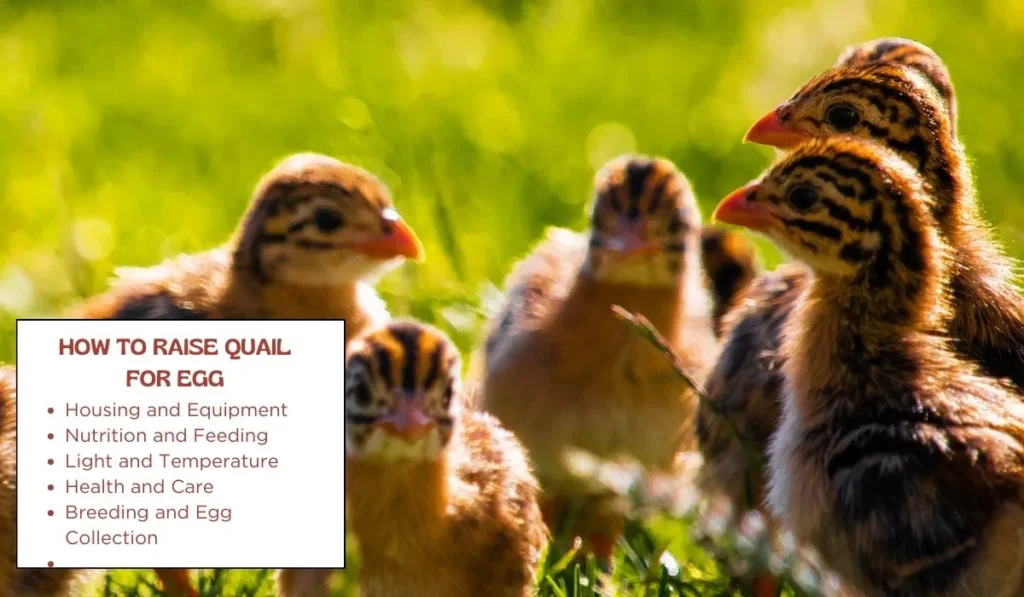
Proper incubator setup and calibration are crucial for achieving optimal quail egg hatchability. A well-maintained incubator provides the consistent environment necessary for the developing embryos to thrive. Neglecting this step can significantly reduce hatch rates, leading to disappointment and wasted effort.
Incubator Setup: Step-by-Step Guide
Setting up your incubator correctly is the first step towards successful quail egg hatching. Following these steps ensures a stable environment for your eggs.
- Placement: Choose a location that is stable, level, and free from drafts and direct sunlight. The room temperature should ideally be consistent, as fluctuating ambient temperatures can affect the incubator’s internal environment.
- Cleaning: Before use, thoroughly clean and disinfect the incubator. Follow the manufacturer’s instructions for cleaning, but generally, this involves using a mild detergent and water, followed by a disinfectant suitable for poultry equipment. Ensure the incubator is completely dry before proceeding.
- Component Installation: Assemble the incubator according to the manufacturer’s instructions. This typically involves installing the water reservoirs for humidity control, the egg turner (if included), and any other components.
- Temperature Calibration: Place a calibrated thermometer and hygrometer (or a combined thermo-hygrometer) inside the incubator. These instruments are essential for accurate monitoring of temperature and humidity.
- Powering On: Plug in the incubator and allow it to stabilize at the target temperature. This may take several hours, depending on the incubator model and the ambient temperature.
- Calibration Verification: Once the incubator has stabilized, compare the readings on your external thermometer and hygrometer with the incubator’s built-in display. If there are discrepancies, adjust the incubator’s controls according to the manufacturer’s instructions.
- Water Filling: Fill the water reservoirs to the recommended level. This is essential for maintaining the correct humidity.
- Egg Placement (After Stabilization): Only place the quail eggs in the incubator after it has reached and maintained the correct temperature and humidity for at least 24 hours.
Importance of Calibrating Temperature and Humidity Controls
Calibrating the incubator’s temperature and humidity controls is paramount for successful hatching. Inaccurate settings can severely impact the embryo’s development, leading to poor hatch rates or even embryonic death. Regular calibration ensures the incubator maintains the optimal environment for the eggs.
Ideal Temperature and Humidity Ranges for Quail Egg Incubation at Different Stages
The temperature and humidity requirements for quail eggs vary slightly depending on the stage of incubation. Maintaining these specific ranges optimizes the chances of a successful hatch.
During incubation, the developing quail embryos require specific temperature and humidity levels to thrive. The correct settings are vital for the embryo’s growth and survival. The following table Artikels the recommended settings:
| Stage of Incubation | Temperature (°F) | Humidity (% RH) | Notes |
|---|---|---|---|
| Days 1-14 (Incubation) | 99.5 – 100.0 | 45-55 | Maintain consistent temperature. Humidity aids in preventing the eggs from drying out. |
| Days 15-17 (Lockdown) | 99.0 – 99.5 | 65-75 | Increase humidity to aid in the hatching process. Lowering the temperature slightly can encourage the chicks to hatch. |
Turning and Positioning of Eggs
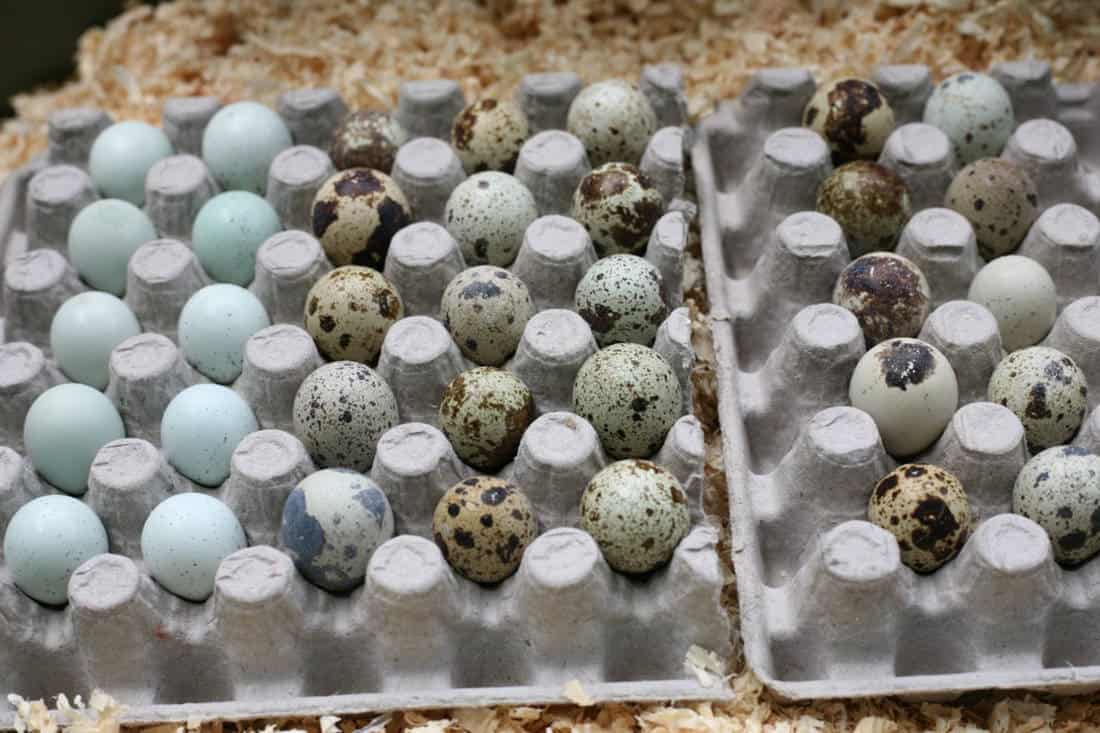
Proper egg turning and positioning are critical factors influencing successful quail egg hatchability. These practices ensure the developing embryo receives adequate nutrients, prevents the yolk from sticking to the shell membrane, and facilitates proper development. Neglecting these aspects can significantly reduce hatch rates and lead to weakened chicks.
Significance of Egg Turning During Incubation
Egg turning during incubation serves multiple crucial functions. It prevents the embryo from adhering to the shell membrane, which can be fatal. It also ensures uniform distribution of nutrients from the yolk sac to the developing embryo. Additionally, regular turning stimulates the developing embryo and promotes proper development of the skeletal and circulatory systems.
Methods for Turning Quail Eggs in an Incubator
There are several methods for turning quail eggs in an incubator, each with its advantages. The best choice depends on the type of incubator and the resources available.
- Manual Turning: This involves turning the eggs by hand, typically several times a day. This method is suitable for smaller incubators or for those who prefer a hands-on approach. The eggs must be marked to ensure all eggs are turned.
- Automatic Turning: Many incubators come equipped with automatic egg turners. These devices gently rotate the eggs at regular intervals, eliminating the need for manual turning. This is a convenient option, particularly for larger batches of eggs.
- Semi-Automatic Turning: Some incubators use a tilting mechanism. The eggs are placed on a tray that tilts from side to side, turning the eggs. This method reduces manual labor compared to fully manual turning.
Recommended Frequency and Angle of Egg Turning
The recommended frequency and angle of egg turning are essential for optimal hatchability.
- Frequency: Eggs should be turned a minimum of three to five times per day. However, more frequent turning, up to every hour or two, can be beneficial, especially during the early stages of incubation.
- Angle: The turning angle should be approximately 45 degrees from the vertical axis. This means the eggs should be tilted to one side and then the other. This range is sufficient to prevent the yolk from settling on one side and promote proper development.
Proper Positioning of Eggs Within the Incubator
Correct egg positioning is another critical aspect of successful incubation.
- Position: Eggs should be placed in the incubator with the pointed end down. This orientation helps position the air cell at the blunt end of the egg, which is essential for the chick to break out during hatching.
- Spacing: Ensure that eggs are spaced adequately within the incubator to allow for proper air circulation and turning. Overcrowding can lead to temperature and humidity inconsistencies.
- Turning Mechanism Compatibility: If using an automatic or semi-automatic turner, ensure the egg size and shape are compatible with the mechanism to avoid damage or incomplete turning.
Humidity Control
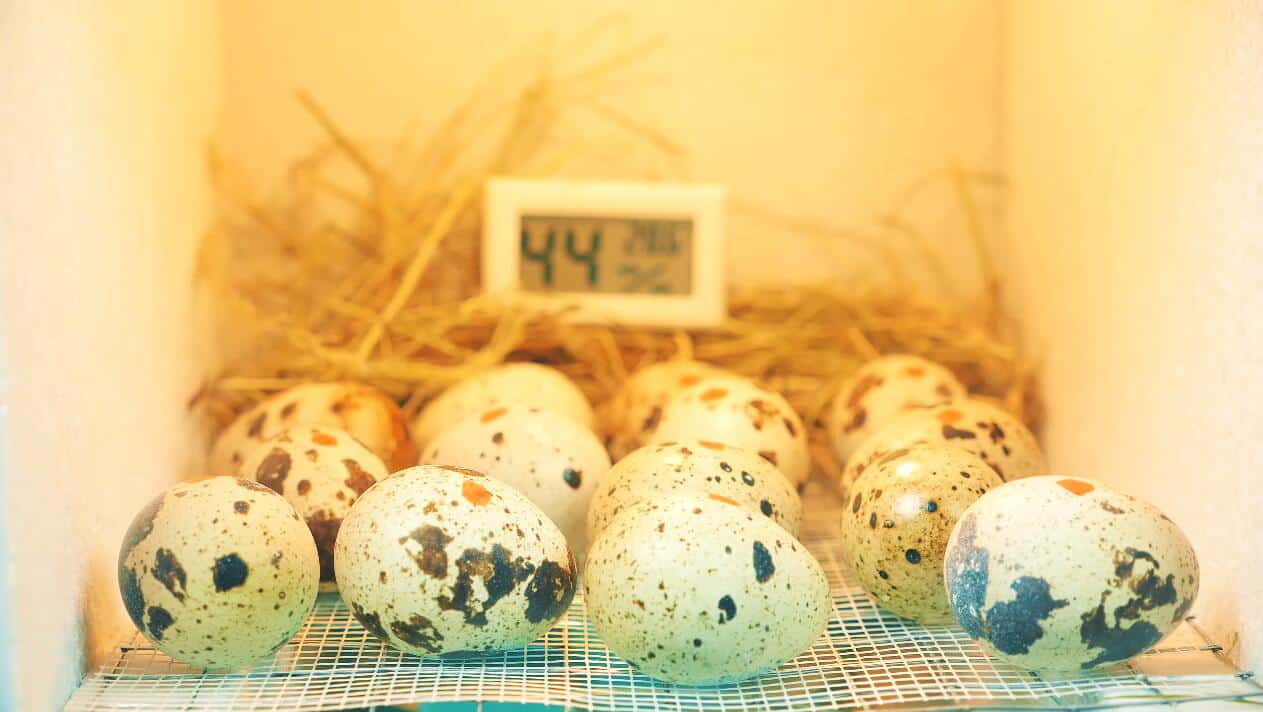
Maintaining the correct humidity levels is crucial for successful quail egg hatching. Humidity influences the rate of moisture loss from the eggs, which is essential for proper embryo development. Too much or too little humidity can negatively impact hatch rates and chick health. This section provides guidance on managing humidity throughout the incubation process.
Role of Humidity in Successful Quail Egg Hatching
Humidity plays a critical role in the hatching process. The primary function of humidity is to regulate the rate of water loss from the egg. During incubation, the embryo needs to lose a specific amount of water. If the humidity is too low, the egg will lose water too quickly, leading to dehydration and potentially the death of the embryo.
Conversely, if the humidity is too high, the egg may not lose enough water, which can also hinder development and lead to a failure to hatch.
Methods for Monitoring and Adjusting Humidity Levels During Incubation
Accurate monitoring and adjustment of humidity levels are critical for successful hatching. Several methods can be employed.
- Using a Hygrometer: A hygrometer is an instrument used to measure humidity. Digital hygrometers are generally more accurate and easier to read than analog hygrometers. Place the hygrometer inside the incubator and monitor the readings regularly.
- Wet Bulb Thermometer: A wet bulb thermometer can also be used to measure humidity. This method involves using a thermometer with a wet wick covering the bulb. The difference between the wet bulb and dry bulb temperatures can be used to calculate the relative humidity.
- Observation of Air Cell Size: The size of the air cell inside the egg can also provide an indication of humidity levels. As the egg loses moisture, the air cell increases in size. Monitoring the air cell size through candling can provide insights into the humidity’s effectiveness.
- Adjustment based on Hatching Results: After each hatch, evaluate the results. If chicks are struggling to hatch or are stuck in the shell, the humidity may have been too low. If the chicks hatch with excessive moisture or appear waterlogged, the humidity might have been too high. Adjust the humidity accordingly for the next incubation cycle.
Tips for Maintaining Optimal Humidity Levels Throughout the Incubation Period
Optimal humidity levels vary depending on the stage of incubation. Generally, higher humidity is needed during the final stages of incubation to aid the chicks in hatching.
- Pre-Incubation: Before placing the eggs in the incubator, ensure the incubator is clean and preheated to the correct temperature. This helps to stabilize the humidity levels from the start.
- Early Incubation (Days 1-14): During the first 14 days, a relative humidity of approximately 45-55% is generally recommended. This allows for the proper water loss needed for the developing embryo.
- Late Incubation (Days 15-17): In the final days of incubation, increase the humidity to around 65-75%. This helps to soften the eggshell and facilitates the hatching process.
- Water Sources: Use water sources, such as water trays or sponges, to control humidity. The surface area of the water source can be adjusted to increase or decrease humidity.
- Ventilation: Ensure proper ventilation in the incubator. Adequate ventilation helps to remove excess moisture and carbon dioxide.
- Frequent Monitoring: Regularly monitor the humidity levels using a hygrometer and adjust as needed.
- Adding Water: Add water to the incubator’s water trays or reservoirs as needed to maintain the desired humidity levels.
- Ventilation Control: Some incubators have adjustable vents. Use these vents to fine-tune humidity levels. Opening vents slightly can reduce humidity, while closing them can increase it.
Comparison of Different Humidity Control Methods
Several methods can be used to control humidity in an incubator. The best method depends on the type of incubator and the user’s preferences. The table below compares common methods.
| Method | Description | Advantages | Disadvantages |
|---|---|---|---|
| Water Trays/Reservoirs | Adding water to trays or reservoirs within the incubator. | Simple, inexpensive, and readily available. Easy to adjust by changing the surface area of the water. | Humidity can fluctuate if not monitored closely. Water needs to be refilled frequently. Prone to bacterial growth if not cleaned regularly. |
| Automatic Humidity Control | Incubators equipped with built-in humidity sensors and automatic water pumps or misters. | Provides precise and consistent humidity levels. Reduces the need for manual intervention. | More expensive than manual methods. Requires regular calibration and maintenance. Can malfunction. |
| Wet Sponges | Placing wet sponges inside the incubator. | Inexpensive and easy to implement. Can be used to quickly increase humidity. | Humidity control is less precise. Sponges need to be kept clean and re-wetted frequently. Can be a source of mold growth if not managed carefully. |
| Adjustable Vents | Incubators with adjustable vents that control airflow and moisture. | Can fine-tune humidity levels by adjusting ventilation. | Requires careful monitoring and adjustment. Not suitable for all incubator models. Can affect temperature if not used correctly. |
Ventilation and Airflow
Proper ventilation is crucial for successful quail egg incubation, influencing the health of developing embryos and ultimately impacting hatchability rates. It ensures a constant supply of fresh air, removing harmful gases and maintaining optimal conditions within the incubator environment. Effective ventilation is not merely about airflow; it’s a delicate balance that directly influences the survival and development of the chicks.
Importance of Ventilation in the Incubator
Ventilation in an incubator is paramount for several critical reasons. It directly impacts the gaseous environment surrounding the developing embryos. Without adequate ventilation, the build-up of carbon dioxide (CO2) and the depletion of oxygen (O2) can severely compromise the hatchability rate. Furthermore, ventilation helps regulate humidity and temperature, contributing to a stable and suitable environment for embryonic development.
Effects of Inadequate Ventilation on Hatchability
Insufficient ventilation in the incubator can have detrimental effects on quail egg hatchability. The primary consequence is an increase in CO2 levels and a decrease in O2 levels. High CO2 levels can hinder the embryo’s ability to breathe, leading to developmental issues and embryonic mortality. Low oxygen levels can also stunt growth and weaken the developing chicks, making them more susceptible to disease and reducing their chances of survival after hatching.
Additionally, inadequate ventilation can contribute to excessive humidity, which can promote the growth of mold and bacteria, further jeopardizing the health of the eggs and developing embryos. For instance, if ventilation is severely restricted, hatch rates can plummet from a typical 70-80% to below 30%.
Recommended Ventilation Practices for Quail Egg Incubation
Achieving optimal ventilation requires a careful balance of airflow management. This balance is achieved by considering the size of the incubator, the number of eggs, and the specific needs of the developing embryos.
- Airflow Rate: A general recommendation is to ensure that the incubator’s air volume is exchanged several times per hour. This can be achieved through vents strategically placed in the incubator’s design. The exact rate depends on the incubator’s design and the number of eggs.
- Vent Placement: Vents should be positioned to promote uniform airflow throughout the incubator. Typically, intake vents are located at the bottom, and exhaust vents are located at the top. This design leverages the natural convection of heat, with warmer, CO2-rich air rising and cooler, oxygen-rich air entering from below.
- Ventilation Control: Some incubators have adjustable vents to allow for fine-tuning of airflow based on the stage of incubation. For instance, more ventilation may be required in the later stages of incubation when the embryos are actively breathing and producing more CO2.
- Avoiding Drafts: While airflow is essential, drafts can lead to temperature fluctuations and uneven humidity. The ventilation system should be designed to provide a gentle, consistent airflow rather than strong, direct drafts.
Relationship Between Airflow and Gas Exchange
Airflow is the driving force behind gas exchange within the incubator. It facilitates the crucial process of removing harmful gases, such as CO2, and replenishing the incubator with fresh oxygen.
Gas exchange occurs through the eggshell pores, allowing the embryo to “breathe.” The efficiency of this process directly correlates with the rate of airflow.
Without adequate airflow, the concentration of CO2 increases, and the concentration of O2 decreases, inhibiting the embryo’s ability to respire effectively. This is a crucial process that occurs throughout the incubation period, but it becomes particularly critical in the later stages when the embryos have a higher metabolic rate and require more oxygen. In real-world examples, incubators with insufficient airflow often show a higher incidence of unhatched eggs, with the embryos failing to fully develop due to asphyxiation from the accumulation of CO2.
Conversely, incubators with well-designed ventilation systems consistently yield higher hatch rates and healthier chicks.
Candling and Monitoring
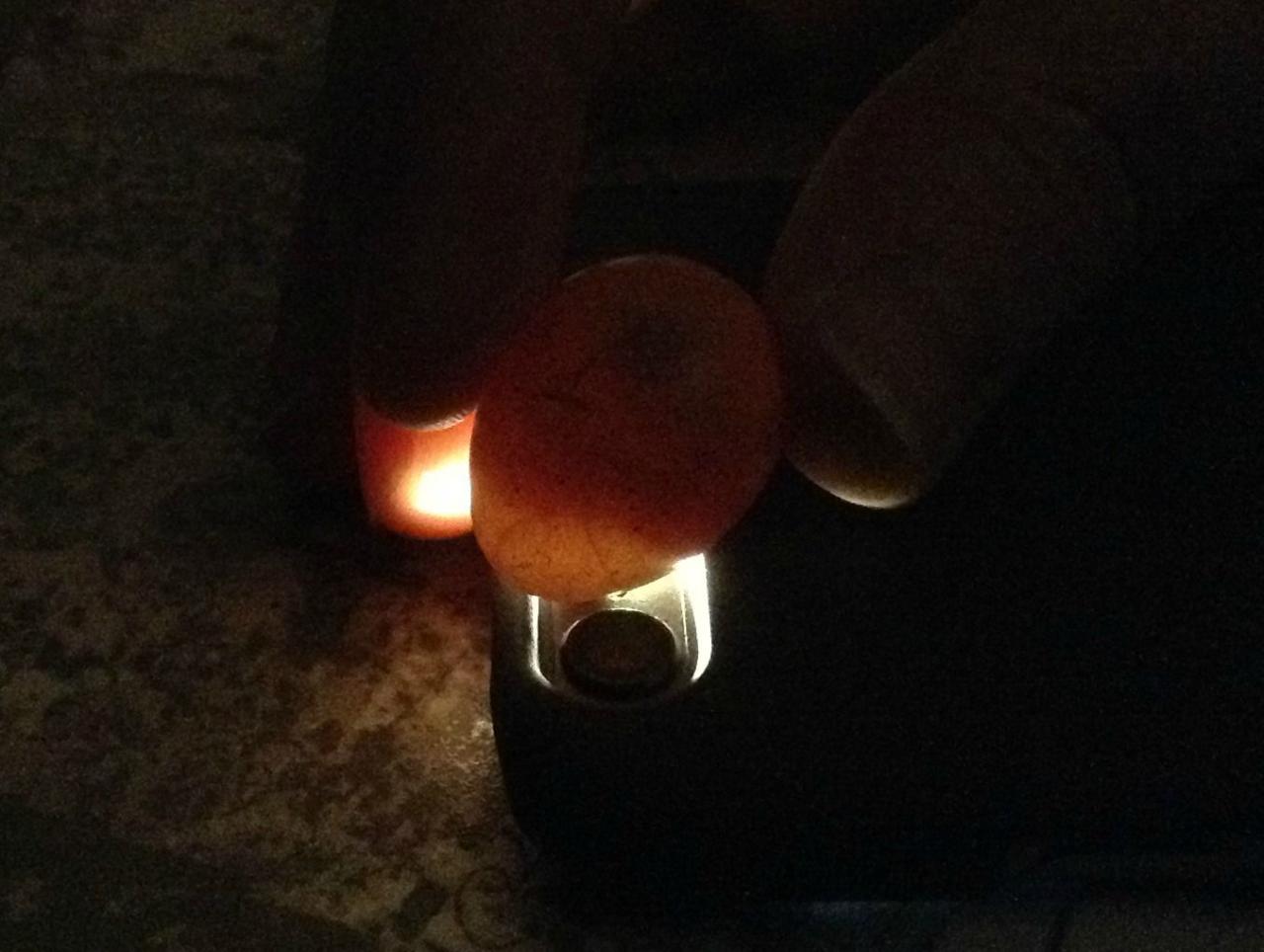
Candling and monitoring are crucial practices for assessing the development of quail embryos within the eggs. Regular candling allows you to identify infertile eggs, early embryonic mortality, and other potential issues, enabling timely intervention and improving hatch rates. This process also helps to optimize incubation conditions and gain valuable insights into the health of your developing chicks.
Candling Process
Candling involves using a bright light source to illuminate the interior of the egg, allowing you to observe the embryo and its development. The process should be performed in a darkened room for optimal visibility.
- Gather your supplies. You will need a candling lamp (a specialized egg candler or a bright flashlight will work), a clean surface to work on, and a container to hold the eggs.
- Position the egg. Hold the egg gently against the light source. Rotate the egg slowly to view the entire contents.
- Observe the contents. Carefully examine the interior of the egg for signs of development or abnormalities.
- Record your observations. Note the stage of development, the presence of any issues (such as blood rings or opaque areas), and remove any eggs that are clearly infertile or have stopped developing.
Candling Schedule
A regular candling schedule helps to monitor the progress of incubation and identify problems early.
- Day 7: This is the first crucial candling. At this stage, a healthy embryo will show a network of blood vessels radiating from a small, dark spot (the embryo). Infertile eggs will appear clear, while eggs with early embryonic death will show a “blood ring” (a ring of blood around the yolk).
- Day 14: The embryo should be larger and more developed, with a more prominent vascular system. The air cell should also be visible and increasing in size. Eggs that appear dark and opaque may indicate a dead embryo or a problem with development.
- Day 16 (Optional): You can candle again to check the position of the embryo. The embryo is starting to take up most of the egg, and the air cell should be prominent.
- Day 18: Stop turning the eggs.
- Day 21: Hatching should begin. Stop candling.
Embryo Development Stages Observed Through Candling
Candling reveals distinct stages of embryo development. Here’s what to look for at each stage:
- Day 0-3: At the beginning of incubation, the egg will appear clear. No visible development will be apparent.
- Day 7: A spiderweb-like network of blood vessels should be visible, radiating from a small, dark spot (the embryo). The embryo will look like a small dot. Infertile eggs will remain clear, while eggs with early mortality will have a blood ring.
- Day 10: The embryo will have grown larger and will be more easily discernible. The vascular system will be more extensive. The yolk sac will appear smaller.
- Day 14: The embryo will have grown substantially and will occupy a significant portion of the egg. The air cell will be clearly visible and will be increasing in size. The yolk sac will be smaller.
- Day 18: The embryo will fill most of the egg, with the air cell clearly visible. The embryo is ready to hatch. The yolk sac is mostly internalized.
- Day 21: The chick will be inside the egg, preparing to hatch. The egg will be filled, with the air cell providing space for the chick to breathe before pipping.
Visual Guide: Stages of Embryo Development (Candling Illustrations)
The following descriptions provide a visual guide to what you should see when candling quail eggs at different stages.
- Day 0-3: The egg appears clear with no visible structures. The yolk is a uniform yellow color.
- Day 7: A small, dark embryo is visible as a tiny speck. Fine, spiderweb-like blood vessels radiate from the embryo, covering a portion of the yolk. If a blood ring is present, it is a circular reddish line.
- Day 10: The embryo is larger and more distinct. The blood vessel network is more extensive, covering more of the yolk. The embryo may be starting to become a darker mass.
- Day 14: The embryo is significantly larger, and its shape is becoming more defined. The blood vessel network is well-developed, but the yolk is becoming smaller. The air cell is clearly visible, appearing as a distinct pocket at the blunt end of the egg.
- Day 18: The embryo fills almost the entire egg. The air cell is large and distinct. The yolk is nearly fully absorbed. The embryo’s shape is becoming more defined.
- Day 21 (Hatching): The embryo is positioned for hatching, usually with its beak pointed towards the air cell. The chick is preparing to break the shell. The air cell provides space for the chick to breathe.
Hatching Process
The culmination of all your efforts in incubation is the hatching process. This is a critical period, demanding close monitoring and appropriate management to ensure the successful emergence of healthy quail chicks. Understanding the signs of hatching, knowing how to manage the process, and being prepared to assist if necessary can significantly improve your hatch rates.
Signs of Imminent Hatching
As the incubation period nears its end, several signs indicate that the quail eggs are about to hatch. Recognizing these signs allows you to prepare the incubator environment and be ready to assist if needed.* The external pip, or the initial crack in the shell, typically appears. This is often a small, star-shaped fracture.
- Internal pipping, where the chick breaks the inner membrane but not the shell, may occur.
- Increased activity within the egg can be observed, often through candling. The chick’s movements become more frequent and vigorous.
- The egg’s position may shift as the chick maneuvers within the shell.
- You might hear chirping sounds coming from inside the egg.
Managing the Hatching Process
Proper management during the hatching process is essential for minimizing chick mortality and maximizing hatch success. This involves maintaining the correct environmental conditions and avoiding unnecessary interference.* Temperature: Maintain a temperature of approximately 99-100°F (37.2-37.8°C) during hatching. This is usually slightly lower than the incubation temperature.
Humidity
Increase the humidity to 65-70% during the hatching period. This helps prevent the membranes from drying out and makes it easier for the chicks to hatch. Achieve this by adding more water to the incubator’s water reservoirs.
Ventilation
Ensure adequate ventilation to provide fresh air and remove excess carbon dioxide. This can be achieved by adjusting the incubator’s ventilation controls.
- Do not open the incubator during hatching. Frequent opening can cause fluctuations in temperature and humidity, which can hinder the hatching process.
- Allow sufficient time. Most quail chicks hatch within a 24-hour window. Avoid interfering unless necessary.
- Once hatched, leave the chicks in the incubator. Allow them to dry completely and fluff up before removing them. This can take up to 24 hours.
- After the chicks have dried, remove them from the incubator. Transfer them to a brooder with appropriate temperature, food, and water.
Assisting Hatching Chicks
While it is best to let nature take its course, there may be instances where intervention is necessary to assist a chick that is struggling to hatch. However, assist only as a last resort.* Assess the situation: Before assisting, observe the chick for at least an hour. Ensure it’s not just resting. A chick that is weak or malpositioned may require assistance.
Increase Humidity
If the membranes appear dry, increase the humidity in the incubator.
Carefully crack the shell
If the chick has pipped the shell but is unable to make further progress, carefully chip away small pieces of the shell around the pip. Do not remove too much shell at once, and avoid damaging the blood vessels in the membrane.
Remove shell fragments
Gently remove any shell fragments that may be obstructing the chick’s progress.
Stop if bleeding occurs
If you encounter bleeding, stop assisting immediately and allow the chick to rest. Bleeding indicates that the chick is still connected to the blood vessels of the shell.
Provide time to rest
After assisting, allow the chick time to rest and recover.
Place the chick back in the incubator
Once the chick has rested, place it back in the incubator to allow it to dry and fluff up.
Common Hatching Problems and Solutions
Hatching problems can be frustrating, but understanding their causes and solutions can help improve future hatch rates.* Failure to pip: This can be caused by several factors, including incorrect temperature, humidity, or poor egg quality. Ensure the incubator is calibrated correctly, humidity is appropriate, and only the best quality eggs are used.
Failure to hatch after pipping
This can be due to the chick being malpositioned, weak, or the membranes drying out. Carefully assess the situation, increase humidity if necessary, and assist the chick if needed.
Chicks hatching with deformities
This can be caused by genetic factors, poor incubation conditions, or nutritional deficiencies in the parent birds. Review the parent birds’ health and diet and maintain proper incubation parameters.
Sticky chicks
This is usually caused by too low humidity during hatching. Increase the humidity level during the hatching period.
Bloody chicks
This indicates premature removal of shell, which is dangerous and can cause the chick to die. Carefully assess and if bleeding occurs, stop the assistance.
Omphalitis (navel infection)
This is an infection of the navel. Maintain good hygiene in the incubator and brooder.
Brooder Setup and Chick Care
Following a successful hatch, the focus shifts to providing the newly hatched quail chicks with a safe and nurturing environment to thrive. The brooder, essentially a temporary home for the chicks, plays a crucial role in their initial development. Proper setup and attentive care during this critical phase significantly impact their survival rate, health, and overall well-being.
Brooder Design
The brooder should be designed to offer warmth, protection from drafts, and easy access to food and water. The size of the brooder will depend on the number of chicks. A good rule of thumb is to provide at least 0.5 square feet of floor space per chick for the first few weeks. The brooder can be a plastic storage container, a large cardboard box, or a repurposed aquarium.
Ensure the chosen container is clean, well-ventilated, and has smooth sides to prevent chicks from escaping.
Essential Elements of a Brooder Environment
The brooder environment must include several key elements to ensure the chicks’ health and comfort.
- Bedding: The floor of the brooder should be covered with absorbent bedding material. Suitable options include pine shavings (avoid cedar shavings, as they can be toxic), shredded paper, or paper towels. The bedding should be changed regularly to keep the brooder clean and dry, reducing the risk of disease.
- Heat Source: A reliable heat source is crucial for maintaining the correct temperature. A brooder lamp with a red or infrared bulb is a common choice. Alternatively, a heat plate can be used, providing a more consistent and energy-efficient source of warmth.
- Waterer: Provide a shallow waterer that is easily accessible to the chicks. The waterer should be designed to prevent chicks from drowning. Regularly clean and refill the waterer with fresh, clean water.
- Feeder: A feeder designed for chicks should be used to provide easy access to food. Ensure the feeder is placed away from the heat source to prevent the food from drying out too quickly.
- Thermometer: Place a thermometer inside the brooder at chick level to monitor the temperature accurately.
Temperature Requirements for Newly Hatched Quail Chicks
Maintaining the correct temperature is critical for the chicks’ survival. Newly hatched quail chicks are unable to regulate their body temperature effectively and rely on the brooder for warmth.
The following temperature guidelines should be followed:
- Week 1: 95-100°F (35-38°C)
- Week 2: 90-95°F (32-35°C)
- Week 3: 85-90°F (29-32°C)
- Week 4: 80-85°F (27-29°C)
As the chicks grow, gradually reduce the temperature by about 5°F (3°C) per week. Observe the chicks’ behavior; if they are huddled together under the heat source, it indicates they are too cold. If they are avoiding the heat source, it suggests they are too warm. The temperature can be adjusted accordingly.
Foods and Water Requirements for Quail Chicks in Their First Week
Proper nutrition and hydration are essential for the chicks’ rapid growth and development.
- Food: Provide a high-protein starter feed formulated for game birds or chicks, with a protein content of around 24-26%. This feed is available at most feed stores. Avoid feeding medicated chick starter feed, as it is not necessary for quail. Offer the feed in a shallow feeder to ensure easy access.
- Water: Fresh, clean water is crucial. Provide water in a shallow waterer. Consider adding electrolytes and vitamins to the water, especially during the first few days, to help the chicks recover from the stress of hatching and provide essential nutrients.
- Supplemental Grit: Although not strictly necessary in the first week, you can provide a small amount of grit (crushed granite) to aid in digestion.
Nutrition and Health of Breeding Quail
Maintaining optimal nutrition and health is paramount for successful quail egg hatchability. The nutritional status of breeding quail directly influences the quality of eggs produced, which in turn affects the viability of the developing embryos. Furthermore, the health of the breeding flock plays a critical role in preventing diseases and parasites that can significantly reduce hatch rates. Careful attention to these aspects is crucial for maximizing the productivity of a quail breeding operation.
Essential Nutrients for Breeding Quail
Breeding quail require a balanced diet rich in essential nutrients to support egg production and ensure the health of both the hen and the developing embryo. These nutrients are crucial for various physiological processes, including eggshell formation, yolk development, and embryo growth.
- Protein: Protein is a fundamental building block for all tissues and is particularly important for egg production. Quail need a diet containing approximately 20-22% crude protein. Insufficient protein can lead to reduced egg production, smaller eggs, and poor hatchability.
- Amino Acids: Specific amino acids, such as methionine and lysine, are crucial for egg formation and embryo development. Deficiencies in these amino acids can impair egg quality and reduce hatch rates. Supplementation may be necessary if the diet is deficient.
- Vitamins: Vitamins are essential for various metabolic processes.
- Vitamin A: Supports healthy vision, reproduction, and immune function. Deficiency can lead to reduced hatchability and embryonic abnormalities.
- Vitamin D3: Crucial for calcium absorption and eggshell formation. A deficiency can result in thin-shelled eggs and poor bone development in chicks.
- Vitamin E: Acts as an antioxidant, protecting cells from damage. Important for fertility and embryo development.
- B Vitamins: Several B vitamins, such as riboflavin (B2) and biotin (B7), are essential for energy metabolism and embryonic development. Deficiencies can lead to various developmental problems.
- Minerals: Minerals are vital for eggshell formation, bone development, and various metabolic functions.
- Calcium: A major component of eggshells. Quail need a diet containing 2.5-3.5% calcium, especially during egg-laying. Calcium deficiency leads to soft-shelled eggs.
- Phosphorus: Works with calcium for bone development and energy metabolism. A balanced calcium-to-phosphorus ratio is crucial.
- Manganese: Essential for bone formation and cartilage development in embryos. Deficiency can cause skeletal deformities.
- Zinc: Involved in various enzyme systems and immune function. Deficiency can affect hatchability and chick growth.
- Fats and Fatty Acids: Fats provide energy and are important for the absorption of fat-soluble vitamins. Essential fatty acids, such as linoleic acid, are necessary for embryo development. A diet containing 2-4% fat is generally recommended.
Impact of Disease and Parasites on Hatchability
Diseases and parasites can significantly impact the health and reproductive performance of breeding quail, leading to reduced egg production and hatchability. Controlling these issues is essential for a successful breeding program.
- Infectious Diseases:
- Avian Influenza: Highly contagious and can cause significant mortality and reduced egg production.
- Newcastle Disease: Can cause respiratory and neurological problems, leading to decreased egg production and hatchability.
- Infectious Bronchitis: Affects the respiratory system and reproductive tract, causing misshapen eggs and reduced hatch rates.
- Parasites:
- Internal Parasites (e.g., worms): Can compete with the quail for nutrients, leading to poor health and reduced egg production.
- External Parasites (e.g., mites, lice): Can cause irritation, anemia, and stress, indirectly affecting egg quality and hatchability.
- Impact on Egg Quality: Diseases and parasites can negatively impact egg quality by:
- Damaging the reproductive system, leading to abnormal eggs.
- Causing stress, which can affect eggshell formation.
- Reducing the hen’s overall health, resulting in fewer viable eggs.
Methods for Maintaining the Health of Breeding Quail
Implementing effective health management practices is essential for preventing diseases and parasites, thereby improving egg quality and hatchability. This involves a multifaceted approach.
- Biosecurity Measures:
- Quarantine: Isolate new birds for at least 30 days to observe for signs of illness before introducing them to the flock.
- Sanitation: Regularly clean and disinfect housing, equipment, and waterers to prevent the spread of pathogens.
- Control of Visitors: Limit access to the breeding area to authorized personnel only and require them to wear protective clothing and footwear.
- Nutrition Management:
- Balanced Diet: Provide a complete and balanced diet formulated specifically for breeding quail.
- Fresh Feed and Water: Ensure that feed and water are always fresh and readily available.
- Supplementation: Consider supplementing the diet with vitamins and minerals if necessary, especially during periods of increased stress or egg production.
- Parasite Control:
- Regular Inspection: Regularly inspect birds for signs of parasites, such as mites and lice.
- Preventative Treatments: Implement a preventative parasite control program, using approved medications and treatments as needed.
- Environmental Control: Maintain a clean and dry environment to minimize the risk of parasite infestations.
- Vaccination Programs:
- Vaccination Schedules: Implement a vaccination program against common diseases, such as Newcastle disease and infectious bronchitis, based on the recommendations of a veterinarian.
- Proper Administration: Administer vaccines correctly to ensure their effectiveness.
- Regular Monitoring:
- Observation: Regularly observe the flock for signs of illness, such as changes in behavior, appetite, or egg production.
- Veterinary Consultation: Consult with a veterinarian regularly for health checks and advice on disease prevention and treatment.
Genetic Factors and Breeding Practices
Understanding the role of genetics and employing sound breeding practices are crucial for maximizing quail egg hatchability. The genetic makeup of your breeding stock significantly influences their reproductive performance, including the ability to produce viable eggs. Implementing strategies to manage genetics effectively can lead to substantial improvements in hatch rates and overall flock health.
Influence of Genetics on Hatchability
Genetic factors play a significant role in determining a quail’s ability to produce eggs that successfully hatch. Some quail lines are naturally predisposed to higher hatchability rates due to favorable genetic traits. These traits can affect various aspects of egg development and chick survival.
- Eggshell Quality: Genetic factors influence eggshell thickness and porosity. Thicker shells with optimal porosity are less prone to breakage and better at regulating moisture loss during incubation, leading to improved hatchability.
- Fertility: Certain genetic lines exhibit higher fertility rates. This is directly related to the sperm quality of the males and the overall reproductive health of both males and females.
- Embryo Viability: Genetic predispositions can impact embryo development. Some genetic combinations lead to embryos that are more robust and less susceptible to developmental abnormalities.
- Maternal Effects: The hen’s genetic background influences the quality of the yolk and albumen, providing essential nutrients for the developing embryo. The hen’s overall health and body condition also contribute to egg quality.
Impact of Inbreeding on Hatch Rates
Inbreeding, the mating of closely related individuals, can have detrimental effects on hatchability. Inbreeding increases the likelihood of offspring inheriting recessive genes that can negatively impact health and reproductive performance.
- Reduced Genetic Diversity: Inbreeding reduces the genetic variation within a flock. This limits the ability of the flock to adapt to environmental stressors and diseases.
- Increased Expression of Recessive Genes: Inbreeding increases the chances of recessive, deleterious genes being expressed. These genes can lead to various problems, including reduced fertility, weakened immune systems, and increased susceptibility to diseases.
- Decline in Hatchability: As inbreeding intensifies, hatch rates typically decline. Embryos may fail to develop properly, or chicks may hatch with deformities or weaknesses, leading to higher mortality rates.
- Reduced Overall Flock Health: Inbred flocks are often less resilient to disease and environmental challenges. They may exhibit slower growth rates, lower egg production, and a shorter lifespan.
Strategies for Improving Genetic Diversity in a Quail Flock
Maintaining genetic diversity is essential for long-term flock health and hatchability. Several strategies can be implemented to improve genetic diversity.
- Introduce New Breeding Stock: Regularly introduce unrelated birds from different bloodlines to your flock. This is the most effective way to introduce new genes and reduce inbreeding. Purchase birds from reputable breeders who maintain detailed records of their stock’s pedigree.
- Maintain Accurate Records: Keep detailed records of your birds’ ancestry, including parentage and any observed traits. This information will help you avoid breeding closely related individuals.
- Selective Breeding: Practice selective breeding by choosing the healthiest and most productive birds for breeding. Avoid breeding individuals with known genetic defects.
- Avoid Continuous Brother-Sister or Parent-Offspring Matings: These matings result in rapid inbreeding and should be strictly avoided. If such matings occur accidentally, cull the offspring.
- Rotate Breeding Males: Regularly rotate the males used for breeding to prevent the overrepresentation of any particular genetic line.
- Artificial Insemination: Consider using artificial insemination (AI) if access to new breeding stock is limited. AI allows for the introduction of new genetics without needing to physically introduce new birds.
Breeding Practices to Enhance Hatchability Rates
Implementing specific breeding practices can significantly improve hatchability rates. These practices focus on selecting for desirable traits and managing the breeding process effectively.
- Select for High Hatchability: Choose breeding stock from individuals with a history of producing eggs with high hatchability rates.
- Select for Egg Quality: Prioritize hens that lay eggs with good shell quality, appropriate size, and shape. Examine eggshells for thickness and uniformity.
- Maintain Optimal Hen-to-Cock Ratio: A proper ratio ensures adequate fertilization. A common ratio is 1 male for every 3-5 females, but this can vary depending on the breed and individual bird performance.
- Provide a Balanced Diet: Feed breeding birds a high-quality diet rich in protein, vitamins, and minerals. Adequate nutrition is crucial for egg production and embryo development.
- Control Environmental Factors: Maintain optimal environmental conditions for breeding birds, including temperature, humidity, and lighting. Stress can negatively impact fertility and hatchability.
- Monitor Fertility: Regularly monitor fertility rates by candling eggs after a week of incubation. This allows you to identify any problems early on and adjust breeding practices accordingly.
- Cull Poor Performers: Remove birds that consistently produce eggs with low hatchability or exhibit other undesirable traits.
- Practice Good Biosecurity: Implement strict biosecurity measures to prevent the spread of diseases. Healthy birds are more likely to produce viable eggs.
Final Review
In conclusion, mastering the art of increasing quail egg hatchability is a blend of science and dedication. By diligently applying the principles of proper egg selection, meticulous incubator management, and attentive chick care, you can significantly enhance your success. Remember, consistent monitoring, a keen eye for detail, and a commitment to providing the optimal environment are key to unlocking the full potential of your quail eggs and transforming them into thriving chicks.
With these insights, you are well-equipped to achieve remarkable results in your quail-raising endeavors.