Farming, while essential for feeding the world, inevitably generates byproducts. From crop residue to livestock waste and food processing scraps, these materials, if improperly managed, can pose environmental challenges. However, these byproducts also represent a wealth of resources that can be transformed through effective recycling strategies. This guide delves into the innovative methods of converting farm waste into valuable resources, fostering sustainability and reducing environmental impact.
We’ll explore the diverse range of farm byproducts suitable for recycling, including crop residue, livestock waste, and food processing byproducts. The benefits of recycling extend beyond environmental protection; they can lead to significant cost savings, create new revenue streams, and enhance the overall efficiency of farm operations. Furthermore, this guide will cover the practical aspects of implementing these methods, from composting techniques to anaerobic digestion, ensuring a comprehensive understanding of how to create a more sustainable and profitable farm.
Introduction: Understanding Farm Byproducts and Recycling
Farm byproducts, also known as agricultural residues, are materials produced as secondary outputs from farming operations. These byproducts often have significant value if managed effectively. Recycling these materials offers substantial environmental and economic advantages, contributing to a more sustainable agricultural system.
Defining Farm Byproducts and Providing Examples
Farm byproducts encompass a wide range of materials generated during crop cultivation and livestock production. These materials, often considered waste, can be repurposed through recycling.
- Crop Residues: These include stalks, stems, leaves, and husks left after harvesting crops like corn, wheat, rice, and soybeans. For instance, corn stover, the stalks and leaves remaining after corn harvest, is a significant byproduct.
- Livestock Manure: Animal waste from livestock operations, such as cattle, poultry, and swine, is a major byproduct. This includes solid and liquid manure, which can be a valuable resource when managed properly.
- Processing Byproducts: These are generated during the processing of agricultural products. Examples include fruit and vegetable peels, pulp from juice production, and bran from grain milling.
- Slaughterhouse Waste: This includes inedible parts of animals processed for meat, such as bones, blood, and offal.
Environmental Impact of Improper Disposal
Improper disposal of farm byproducts can lead to various environmental problems. These impacts underscore the importance of recycling and sustainable management practices.
- Greenhouse Gas Emissions: Decomposition of organic matter in landfills or open fields releases greenhouse gases like methane (CH4) and carbon dioxide (CO2), contributing to climate change. For example, anaerobic decomposition of manure in lagoons is a significant source of methane emissions.
- Water Pollution: Runoff from improperly stored manure and other byproducts can contaminate water sources with nutrients (nitrogen and phosphorus), leading to eutrophication and harming aquatic ecosystems.
- Soil Degradation: Improper disposal can lead to soil erosion, nutrient depletion, and reduced soil fertility. Burning crop residues, for instance, removes organic matter that could enrich the soil.
- Air Pollution: Open burning of crop residues and manure can release particulate matter, volatile organic compounds (VOCs), and other air pollutants, causing respiratory problems and other health issues.
Benefits of Recycling for Sustainability
Recycling farm byproducts offers numerous benefits, promoting sustainability in agriculture and contributing to a circular economy.
- Nutrient Recycling: Recycling manure and crop residues returns valuable nutrients (nitrogen, phosphorus, and potassium) to the soil, reducing the need for synthetic fertilizers and improving soil health. For example, composting manure creates a nutrient-rich soil amendment.
- Reduced Waste and Landfill Use: Recycling reduces the amount of waste sent to landfills, conserving landfill space and minimizing environmental impacts associated with waste disposal.
- Carbon Sequestration: Incorporating organic matter into the soil through composting and other recycling methods can sequester carbon, helping to mitigate climate change.
- Production of Renewable Energy: Anaerobic digestion of manure and other organic byproducts produces biogas (primarily methane), which can be used for electricity generation and heating, reducing reliance on fossil fuels.
- Economic Benefits: Recycling can create new economic opportunities, such as the production of compost, biogas, and other value-added products, generating income for farmers and rural communities. For example, selling composted manure to local gardeners can provide an additional revenue stream.
Identifying Common Farm Byproducts for Recycling
Farm byproducts, often considered waste, represent a significant resource for sustainable agriculture. Recycling these materials reduces waste, minimizes environmental impact, and offers economic benefits by creating valuable products. Understanding the types of byproducts and their potential for reuse is the first step towards effective recycling.
Crop Residue Recycling
Crop residue, the plant material remaining after harvest, is a readily available byproduct on most farms. Effective management of crop residue contributes to soil health, reduces erosion, and provides a source of organic matter. Recycling crop residue often involves returning it to the soil or converting it into other useful products.
- Straw and Stover: These are the stalks and stems of cereal crops (wheat, barley, oats) and corn, respectively. They can be used as animal bedding, incorporated into the soil to improve soil structure and fertility, or used as a feedstock for biofuel production. For example, in the United States, approximately 100 million tons of corn stover are produced annually, with a significant portion being used for these purposes.
- Chaff: This consists of the husks and other light materials separated from grains during threshing. It can be composted, used as animal feed (in limited quantities), or incorporated into the soil.
- Hulls and Shells: These byproducts from crops like rice, soybeans, and nuts have various uses. Rice hulls can be used in animal feed, as a soil amendment, or as a source of silica. Soybean hulls are a valuable feed ingredient, and nut shells can be used for landscaping or as a biomass fuel.
- Vine Trimmings: Pruning vines generates significant amounts of organic material. This material can be composted, mulched, or used to create a soil amendment.
Livestock Farming Byproduct Recycling
Livestock farming generates a substantial amount of byproducts, primarily manure. Proper management of these byproducts is crucial for environmental sustainability and resource efficiency. Recycling livestock byproducts transforms waste into valuable resources, such as fertilizer and energy.
- Manure: This is the primary byproduct of livestock farming. It can be composted to produce a nutrient-rich soil amendment. It can also be anaerobically digested to produce biogas (methane), which can be used for heating, electricity generation, or as a transportation fuel. The use of anaerobic digestion is expanding rapidly in many countries, with significant reductions in greenhouse gas emissions.
For instance, a dairy farm with 1,000 cows can generate enough biogas to power a significant portion of its operations.
- Urine: Livestock urine contains nitrogen and other nutrients that can be used as a liquid fertilizer. Careful application is necessary to avoid runoff and pollution.
- Slaughterhouse Waste: Byproducts from animal processing, such as blood, bones, and offal, can be rendered into valuable products. Blood can be processed into blood meal for animal feed. Bones can be processed into bone meal for fertilizer. Offal can be used as animal feed or composted.
- Used Bedding Materials: Bedding materials from livestock housing, such as straw, wood shavings, or sawdust, become saturated with manure and urine. This mixture can be composted to create a valuable soil amendment.
Recycling Methods for Crop Residue
Crop residue, the plant material left in the field after harvest, presents a significant opportunity for on-farm recycling. Effective management of this material not only reduces waste but also contributes to soil health, reduces reliance on external inputs, and can even generate alternative energy sources. The following sections explore several practical methods for recycling crop residue, transforming it from a waste product into a valuable resource.
Composting Crop Residue
Composting is a natural process that converts organic materials, such as crop residue, into a nutrient-rich soil amendment called compost. This process relies on the activity of microorganisms that break down the organic matter, producing a stable, humus-like substance. Composting offers several benefits, including improved soil structure, increased water retention, and reduced need for chemical fertilizers.To compost crop residue effectively on a farm, follow these steps:
- Choose a Composting Site: Select a well-drained area, preferably in a shaded location to prevent excessive drying. The site should be accessible for adding materials and turning the compost pile. Consider the size of the pile based on the volume of crop residue available.
- Gather Materials: Crop residue, such as stalks, leaves, and stems, forms the bulk of the compost. You’ll also need “green” materials (nitrogen-rich, like grass clippings or manure) and “brown” materials (carbon-rich, like shredded paper or wood chips) to balance the compost pile. Water is essential for microbial activity.
- Build the Compost Pile: Layer the materials in the pile. Start with a layer of coarse material for aeration, followed by alternating layers of brown and green materials. Aim for a carbon-to-nitrogen ratio of approximately 25:1 to 30:1. Ensure the pile is moist, like a wrung-out sponge.
- Turn the Compost Pile: Regularly turning the pile (every 1-2 weeks) is crucial for aeration and to ensure even decomposition. Turning mixes the materials, introduces oxygen, and helps to regulate temperature.
- Monitor Moisture and Temperature: The compost pile should be kept moist but not soggy. A temperature between 130°F and 160°F (54°C and 71°C) is ideal for efficient decomposition. Use a compost thermometer to monitor the temperature.
- Cure the Compost: Once the composting process is complete (usually after several months), the compost should be cured. This involves letting the compost sit undisturbed for a few weeks to allow it to stabilize and further mature.
Using Crop Residue for Animal Bedding
Crop residue can serve as an excellent bedding material for livestock. This practice offers several advantages, including reducing the need for purchased bedding materials, providing a comfortable environment for animals, and ultimately generating nutrient-rich manure that can be composted and returned to the fields. The choice of residue type depends on the animal and the farm’s specific needs. For example, corn stalks and wheat straw are commonly used for bedding.
The residue should be dry and free of mold or pests.When using crop residue for animal bedding, several factors must be considered. The residue needs to be properly processed, often by chopping or shredding, to increase its absorbency and comfort for the animals. Regular removal and replacement of the bedding are essential to maintain hygiene and prevent the buildup of ammonia and other harmful substances.
The soiled bedding, now enriched with manure, becomes a valuable source of nutrients when composted and applied to fields. This cyclical process exemplifies a closed-loop system that minimizes waste and maximizes resource utilization. For example, a dairy farm can utilize corn stover as bedding, then compost the resulting manure-enriched bedding, and apply the compost to their fields, improving soil fertility and reducing reliance on external fertilizers.
Converting Crop Residue into Biofuel
Crop residue can be converted into biofuel, such as ethanol, providing a renewable energy source and reducing reliance on fossil fuels. The process typically involves breaking down the complex carbohydrates in the residue, such as cellulose and hemicellulose, into simpler sugars that can then be fermented to produce ethanol. This process often requires several steps and specific equipment.The conversion of crop residue into biofuel typically involves these steps:
- Pretreatment: This step breaks down the complex structure of the crop residue, making the cellulose more accessible to enzymes. Methods include physical treatments (e.g., milling, grinding), chemical treatments (e.g., acid or alkali hydrolysis), and biological treatments (e.g., using fungi).
- Hydrolysis: This process converts the cellulose and hemicellulose into simple sugars (glucose, xylose, etc.) using either enzymes or acids. Enzymatic hydrolysis is generally preferred due to its lower environmental impact.
- Fermentation: The simple sugars are fermented by microorganisms (e.g., yeast) to produce ethanol.
- Distillation and Purification: The ethanol is separated from the fermentation broth through distillation and further purified to produce fuel-grade ethanol.
While the technology for biofuel production from crop residue is advancing, it often involves significant capital investment and specialized expertise. However, the potential benefits, including reduced greenhouse gas emissions and the creation of a sustainable energy source, make it a promising area for research and development. For example, research into cellulosic ethanol production from corn stover has shown promising results, with potential for large-scale commercialization in regions with abundant corn production.
The US Department of Energy has funded several projects to develop and demonstrate the viability of cellulosic biofuel production, aiming to reduce the cost and improve the efficiency of the process.
Recycling Methods for Livestock Waste
Livestock waste, primarily manure, presents a significant opportunity for recycling and resource recovery on farms. Effective management of this byproduct can not only reduce environmental impact but also generate valuable resources like biogas and fertilizer. Implementing appropriate recycling methods transforms a potential waste stream into a beneficial asset, promoting sustainability and economic viability for agricultural operations.
Anaerobic Digestion for Livestock Waste
Anaerobic digestion (AD) is a biological process that breaks down organic matter, such as livestock manure, in the absence of oxygen. This process converts the organic waste into biogas, a renewable energy source, and digestate, a nutrient-rich byproduct that can be used as fertilizer. The process involves several key stages.The stages of anaerobic digestion include:
- Hydrolysis: Complex organic polymers (proteins, carbohydrates, and lipids) are broken down into simpler soluble compounds by hydrolytic bacteria.
- Acidogenesis: The products of hydrolysis are further converted into volatile fatty acids (VFAs), alcohols, carbon dioxide, and hydrogen by acidogenic bacteria.
- Acetogenesis: VFAs are converted into acetic acid, hydrogen, and carbon dioxide by acetogenic bacteria.
- Methanogenesis: Methanogenic archaea convert acetic acid, hydrogen, and carbon dioxide into biogas, which primarily consists of methane (CH4) and carbon dioxide (CO2).
The efficiency of AD depends on factors such as temperature, pH, and the type and concentration of organic matter. Anaerobic digesters can be designed to handle various types of livestock manure, including cattle, swine, and poultry waste. A well-managed anaerobic digestion system contributes to waste reduction, odor control, and the production of renewable energy, aligning with sustainable agricultural practices.
Benefits of Using Biogas Generated from Livestock Waste
Biogas, primarily composed of methane, offers numerous benefits as a renewable energy source. Its use can significantly reduce reliance on fossil fuels and lower greenhouse gas emissions. The benefits extend beyond environmental considerations, contributing to farm economics and sustainability.The key benefits of using biogas include:
- Renewable Energy Production: Biogas can be used to generate electricity and heat through combined heat and power (CHP) systems or can be upgraded to biomethane and injected into the natural gas grid.
- Reduced Greenhouse Gas Emissions: Capturing and utilizing methane, a potent greenhouse gas, prevents its release into the atmosphere, mitigating climate change.
- Waste Reduction and Odor Control: Anaerobic digestion reduces the volume of manure and significantly decreases unpleasant odors associated with livestock operations.
- Production of Digestate: The digestate produced is a nutrient-rich fertilizer, improving soil health and reducing the need for synthetic fertilizers.
- Economic Benefits: Generating biogas can reduce energy costs, provide an additional revenue stream through the sale of electricity or biomethane, and potentially qualify for government incentives or carbon credits.
For example, according to the U.S. Environmental Protection Agency (EPA), a typical anaerobic digester on a dairy farm with 1,000 cows can generate enough electricity to power approximately 250 homes. The production of biogas and its utilization offer a pathway to greater sustainability and economic resilience for livestock farms.
Comparison of Manure Management Methods for Recycling Purposes
Different manure management methods offer varying levels of effectiveness for recycling livestock waste. Selecting the appropriate method depends on factors such as farm size, available resources, and environmental regulations.
| Method | Description | Advantages | Disadvantages |
|---|---|---|---|
| Composting | Aerobic decomposition of manure, typically mixed with carbon-rich materials, to produce a stable, humus-like substance. | Reduces volume, eliminates pathogens and weed seeds, produces a stable soil amendment. | Requires land area, can produce odors if not managed properly, nutrient losses through volatilization. |
| Anaerobic Digestion | Biological process that breaks down manure in the absence of oxygen to produce biogas and digestate. | Produces renewable energy, reduces greenhouse gas emissions, generates nutrient-rich fertilizer. | High initial investment costs, requires specialized equipment and expertise, can be complex to operate. |
| Land Application | Direct application of manure to agricultural land as fertilizer. | Provides nutrients to crops, improves soil structure, relatively low cost. | Potential for nutrient runoff and groundwater contamination, requires careful planning and management. |
| Solid Separation | Separation of solid and liquid fractions of manure, often using mechanical separators. | Reduces volume of liquid manure, facilitates handling and transportation, allows for different management options for each fraction. | Requires equipment, can be costly, does not address all environmental concerns. |
Each method offers unique advantages and disadvantages. The optimal choice depends on the specific context of the farm, taking into account the environmental and economic factors.
Method to Use Manure as Fertilizer
Manure can be effectively utilized as a valuable fertilizer, providing essential nutrients for crop growth and improving soil health. The process requires careful management to ensure the optimal benefit and minimize potential environmental impacts.Steps for using manure as fertilizer:
- Manure Collection and Storage: Collect manure from livestock operations and store it properly to minimize nutrient losses. Covered storage facilities can reduce ammonia volatilization and prevent runoff.
- Nutrient Analysis: Conduct a nutrient analysis of the manure to determine its nitrogen (N), phosphorus (P), and potassium (K) content. This information is crucial for calculating application rates.
- Application Rate Calculation: Determine the appropriate application rate based on the crop’s nutrient requirements, the manure nutrient content, and soil test results. Avoid over-application to prevent nutrient runoff and groundwater contamination. A common rule of thumb is to apply manure based on the nitrogen needs of the crop.
- Application Method: Apply manure using appropriate methods, such as surface spreading, injection, or incorporation into the soil. Incorporation can reduce nitrogen losses and improve nutrient availability.
- Timing: Apply manure at times when crops are actively growing and can utilize the nutrients. Avoid application before heavy rainfall events to minimize runoff.
- Monitoring and Evaluation: Monitor soil nutrient levels, crop yields, and water quality to assess the effectiveness of the manure application and make adjustments as needed.
By following these steps, farmers can effectively recycle livestock waste as fertilizer, contributing to soil health, reducing the need for synthetic fertilizers, and promoting sustainable agricultural practices. For instance, a study by the University of Minnesota showed that using manure as fertilizer increased corn yields by an average of 10% compared to using synthetic fertilizers alone. This highlights the potential of manure to enhance agricultural productivity while contributing to environmental sustainability.
Recycling Methods for Food Processing Byproducts
Food processing on farms often generates significant byproducts. Effective recycling of these materials not only reduces waste but also offers opportunities to create valuable resources and enhance the sustainability of agricultural operations. This section explores various methods for recycling these byproducts, transforming them from potential waste streams into beneficial inputs.
Identifying Common Food Processing Byproducts Generated on Farms
Various food processing activities on farms produce byproducts suitable for recycling. Understanding the types and quantities of these byproducts is crucial for developing effective recycling strategies.
- Fruit and Vegetable Processing: Byproducts include peels, cores, seeds, pulps, and trimmings from fruits and vegetables like apples, potatoes, tomatoes, and citrus fruits.
- Dairy Processing: Whey, a liquid byproduct of cheese and yogurt production, is a significant waste stream. Other byproducts include rejected milk and cleaning water.
- Meat Processing: This generates inedible portions like bones, blood, offal, and fat.
- Grain Processing: Byproducts include husks, bran, and milling residues from crops like wheat, corn, and rice.
- Beverage Production: Spent grains from brewing and pomace from juice production are common byproducts.
Recycling Food Processing Waste into Animal Feed
Many food processing byproducts possess nutritional value and can be effectively recycled into animal feed, reducing feed costs and waste disposal challenges. This approach is particularly relevant for farms with livestock.
- Fruit and Vegetable Waste: Peels, cores, and trimmings can be incorporated into animal feed, especially for ruminants like cattle and sheep. For instance, apple pomace, a byproduct of apple juice production, can be a valuable feed source, containing fiber and some sugars.
- Whey: Whey, a byproduct of cheese production, contains lactose, proteins, and minerals, making it a suitable feed supplement, especially for pigs and poultry. However, it needs to be used carefully, as high lactose content can cause digestive issues.
- Meat Processing Byproducts: Bones can be processed into bone meal, a calcium-rich feed supplement. Blood can be dried and used as a protein source.
- Grain Processing Byproducts: Bran and milling residues are excellent sources of fiber and nutrients for livestock.
Turning Food Processing Waste into Compost
Composting is a versatile method for recycling food processing byproducts, converting them into a nutrient-rich soil amendment. This process reduces waste volume and creates a valuable product for soil improvement and crop production.
- Composting Process: The composting process involves the controlled decomposition of organic matter by microorganisms under specific conditions of temperature, moisture, and aeration.
- Suitable Byproducts: Many food processing byproducts are suitable for composting, including fruit and vegetable waste, grain processing residues, and even some meat processing byproducts (after proper handling and processing).
- Composting Methods: Methods include windrow composting (piling the material in long rows and turning them regularly), static pile composting (aerating the pile using pipes or blowers), and in-vessel composting (using enclosed systems for controlled conditions).
- Benefits of Compost: Compost improves soil structure, increases water retention, provides essential nutrients, and suppresses plant diseases.
Creating Value-Added Products from Food Processing Byproducts
Beyond animal feed and compost, food processing byproducts can be transformed into value-added products, creating additional revenue streams and maximizing resource utilization. This approach often involves more sophisticated processing techniques.
- Bioenergy Production: Anaerobic digestion, a process where microorganisms break down organic matter in the absence of oxygen, can convert food processing waste into biogas, a renewable energy source. The digestate, a byproduct of anaerobic digestion, can also be used as a fertilizer.
- Extraction of Valuable Compounds: Certain byproducts contain valuable compounds that can be extracted for use in other industries. For example, citrus peels can be used to extract essential oils and pectin, which have applications in the food and pharmaceutical industries.
- Production of Bio-based Plastics: Some food processing byproducts, such as starch from potatoes or corn, can be used to produce bio-based plastics, offering a sustainable alternative to traditional plastics.
- Production of Other Food Products: Some byproducts can be processed to create new food products. For example, fruit pulp can be used to make jams, jellies, and fruit leathers.
Regulations and Guidelines for Recycling Farm Byproducts
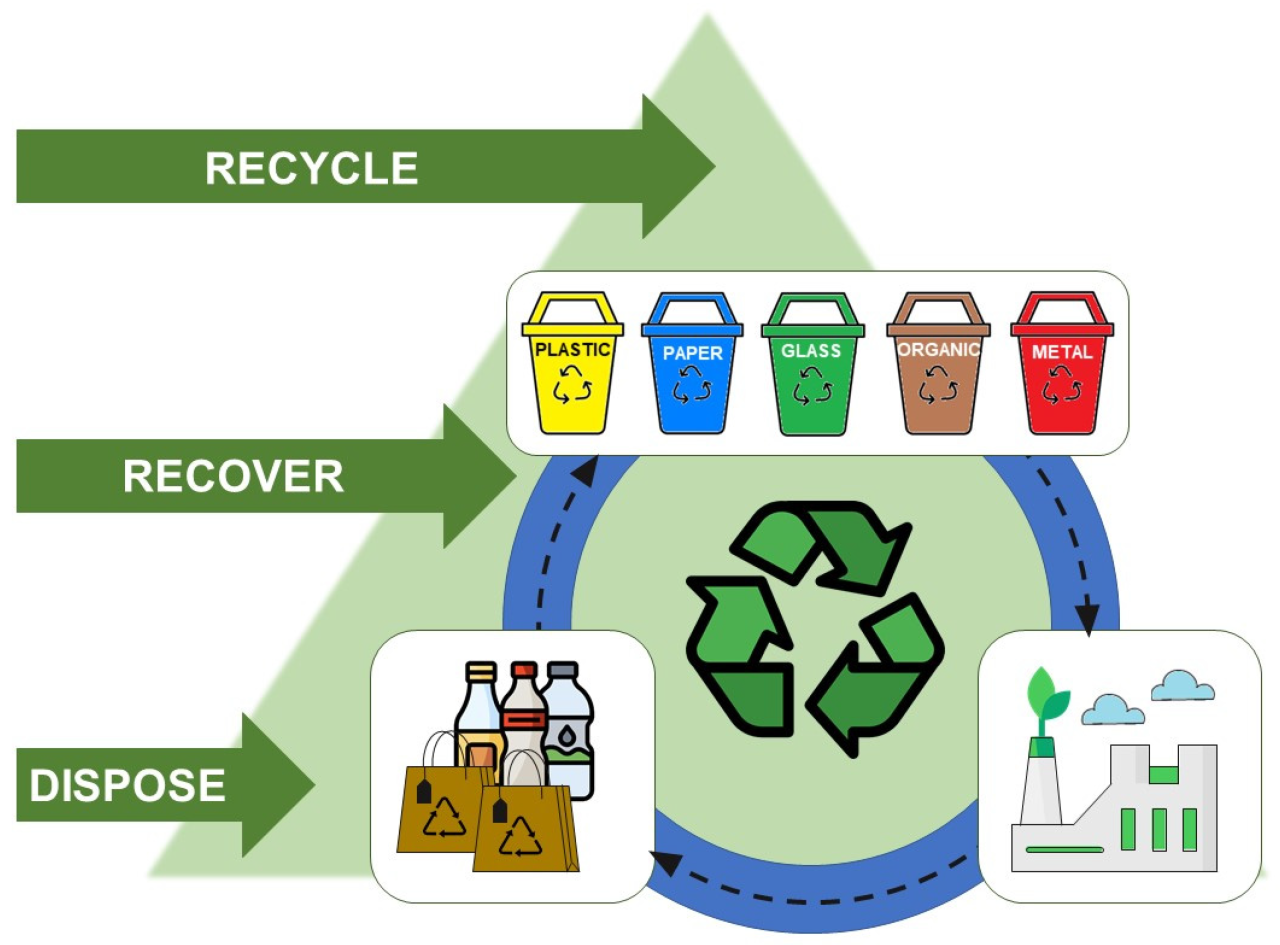
Navigating the landscape of farm byproduct recycling requires a keen understanding of the regulatory framework in place. This ensures environmental responsibility, operational legality, and the potential for accessing incentive programs. Both local and national regulations play a crucial role in shaping the practices used to manage and recycle agricultural waste.
Overview of Local and National Regulations
The recycling of farm byproducts is governed by a complex web of regulations, varying based on location and the specific recycling method employed. At the national level, the Environmental Protection Agency (EPA) often sets the overarching standards, particularly concerning waste management, water quality, and air quality. These regulations may include guidelines for composting, anaerobic digestion, and land application of byproducts.
Local authorities, such as state or county governments, often implement these national standards while also introducing their own specific requirements tailored to their region’s environmental conditions and agricultural practices. This can include regulations on nutrient management, buffer zones near waterways, and permitted uses of recycled materials.
Importance of Compliance with Environmental Guidelines
Adherence to environmental guidelines is not merely a legal requirement; it is a fundamental aspect of sustainable agriculture. Compliance helps minimize the environmental impact of farming operations, protecting natural resources and public health. Properly managed recycling practices can reduce greenhouse gas emissions, prevent water contamination from runoff, and improve soil health. Non-compliance can lead to significant penalties, including fines, legal action, and damage to a farm’s reputation.
Furthermore, complying with environmental standards can unlock opportunities for accessing financial incentives and participating in voluntary sustainability programs, which can enhance a farm’s economic viability.
Permits and Licenses Required for Specific Recycling Methods
Different recycling methods often necessitate specific permits and licenses to ensure responsible operation. For example, composting operations may require permits related to air quality, odor control, and waste management. Anaerobic digestion facilities, which produce biogas, typically require permits for wastewater discharge, air emissions, and the handling of hazardous materials. Land application of byproducts, such as manure, often necessitates nutrient management plans and permits to ensure that nutrient levels in the soil and water are within acceptable limits.Here’s a breakdown of common permit and license requirements:
- Composting: Permits often cover site design, odor control, leachate management, and the types of feedstocks allowed.
- Anaerobic Digestion: These facilities usually need permits related to air emissions, wastewater discharge, and the handling of digestate. For instance, a dairy farm in California with an anaerobic digester producing biogas might need permits from the California Air Resources Board (CARB) and the Regional Water Quality Control Board.
- Land Application: Nutrient management plans are typically required, along with permits specifying application rates, timing, and setbacks from water bodies.
- Biofuel Production: Production of biofuels may require permits related to air quality, water usage, and fuel storage.
Role of Government Agencies in Promoting Farm Byproduct Recycling
Government agencies play a crucial role in fostering farm byproduct recycling through various initiatives. The EPA provides guidance, resources, and funding opportunities to support recycling efforts. State and local agencies often offer technical assistance, training programs, and financial incentives, such as grants and tax credits. These agencies also conduct research and development projects to improve recycling technologies and promote best management practices.Some specific examples of government involvement include:
- Financial Incentives: Many states offer grants and tax credits for projects that implement innovative recycling methods. For example, the USDA’s Rural Energy for America Program (REAP) provides grants and loan guarantees for renewable energy projects, including anaerobic digestion facilities on farms.
- Technical Assistance: Government agencies often provide free or low-cost technical assistance to farmers, helping them develop recycling plans, navigate permit requirements, and implement best practices.
- Research and Development: Government-funded research projects explore new and improved recycling technologies, such as advanced composting systems and nutrient recovery techniques. For example, the Agricultural Research Service (ARS) conducts research on the use of agricultural byproducts for soil amendment and bioenergy production.
Equipment and Technologies for Recycling
Implementing effective recycling of farm byproducts necessitates the utilization of specialized equipment and advanced technologies. The choice of specific tools and techniques depends largely on the type of byproduct, the scale of operations, and the desired end product. This section explores the key equipment and technologies employed in various recycling processes, along with considerations of their cost-effectiveness.
Essential Equipment for Composting Farm Byproducts
Composting, a natural process of decomposition, transforms organic waste into nutrient-rich humus. Successful composting requires specific equipment to facilitate aeration, mixing, and monitoring.
Essential equipment includes:
- Compost Turners: These machines are critical for aerating the compost pile, which provides oxygen to the microorganisms responsible for decomposition. There are various types, including windrow turners (straddle or tractor-mounted) for large-scale operations and static pile systems with forced aeration for smaller setups. A compost turner is, in essence, a large machine with a rotating mechanism that moves through the compost pile, turning the material and allowing air to circulate.
- Front-End Loaders or Skid Steers: These are used for moving and mixing materials, such as feedstock (the initial organic materials) and finished compost. They are especially useful for managing the compost pile’s size and shape, facilitating the turning process, and loading materials.
- Grinders or Shredders: These reduce the particle size of the organic materials, which accelerates the composting process. They are especially useful for breaking down large pieces of crop residue or other bulky materials.
- Screening Equipment: After the composting process is complete, screening equipment separates the finished compost from any oversized particles or contaminants. This results in a uniform product.
- Moisture Monitoring Equipment: Maintaining optimal moisture levels is crucial for successful composting. Devices like moisture meters help to ensure that the composting process is effective.
Technologies Used in Anaerobic Digestion
Anaerobic digestion (AD) is a biological process where microorganisms break down organic matter in the absence of oxygen, producing biogas (primarily methane and carbon dioxide) and digestate (a nutrient-rich byproduct).
The key technologies used in anaerobic digestion are:
- Anaerobic Digesters: These are enclosed tanks or systems where the anaerobic digestion process takes place. They come in various designs, including:
- Covered lagoons: Simple and cost-effective for large-scale livestock operations, but with lower biogas production efficiency.
- Plug-flow digesters: Suitable for high-solids waste streams, with a continuous flow of material through the digester.
- Complete mix digesters: Offer efficient mixing, suitable for various waste types.
- Upflow anaerobic sludge blanket (UASB) reactors: Efficient for wastewater treatment.
- Biogas Upgrading Systems: These systems purify the biogas by removing impurities such as hydrogen sulfide (H₂S) and carbon dioxide (CO₂) to produce biomethane, which can be used as a transportation fuel or injected into the natural gas grid.
- Digestate Management Systems: After the digestion process, the digestate, which contains valuable nutrients, needs to be managed. This can involve storage tanks, separation equipment (for solid-liquid separation), and application equipment for using the digestate as a fertilizer.
- Monitoring and Control Systems: These systems monitor parameters like temperature, pH, and biogas production to optimize the AD process.
Machinery Used for Processing Crop Residue into Biofuel
Converting crop residue, such as corn stover or wheat straw, into biofuel involves several steps that require specialized machinery.
The machinery involved includes:
- Harvesting Equipment: Combines and balers are used to harvest and collect crop residue from the fields. The residue is then transported to a processing facility.
- Pretreatment Equipment: Before the conversion process, the crop residue often requires pretreatment to break down the complex structure of the plant material. This can include:
- Choppers: Reduce the size of the crop residue to make it easier to handle and process.
- Steam explosion units: Use high-pressure steam to break down the plant cell walls.
- Chemical pretreatment reactors: Use acids or bases to break down the crop residue.
- Fermentation Vessels: These vessels are used for fermentation, the process where microorganisms convert sugars derived from the crop residue into ethanol or other biofuels.
- Distillation Columns: These are used to separate the biofuel (e.g., ethanol) from the fermentation broth.
- Drying and Pelletizing Equipment: For solid biofuels, such as pellets, dryers and pelletizers are used to produce a standardized fuel product.
Cost-Effectiveness of Different Recycling Technologies
The cost-effectiveness of farm byproduct recycling technologies varies considerably depending on several factors.
Factors influencing cost-effectiveness:
- Scale of Operation: Larger-scale operations can often achieve economies of scale, making technologies like anaerobic digestion more cost-effective per unit of waste processed.
- Type of Byproduct: The characteristics of the byproduct, such as its moisture content, composition, and ease of handling, can influence the cost of recycling.
- Technology Choice: The initial investment costs, operational costs, and efficiency of different technologies vary. For example, composting is generally less expensive than anaerobic digestion.
- Energy Prices: The revenue generated from the sale of biofuels or biogas can significantly impact the cost-effectiveness of recycling technologies.
- Government Incentives: Subsidies, tax credits, and other government incentives can reduce the financial burden of implementing recycling technologies.
Examples of cost considerations:
- Composting can be a relatively inexpensive method for small to medium-sized farms, with low initial investment and operational costs. However, the revenue generated from compost sales may be limited.
- Anaerobic digestion has higher initial investment costs but can generate revenue from biogas sales, reduced waste disposal costs, and the production of digestate, which can be used as a fertilizer. The long-term profitability depends on the efficiency of the digester, the market price of biogas, and government support.
- Biofuel production from crop residue requires a substantial initial investment in specialized equipment. The cost-effectiveness depends on the price of biofuel, government incentives, and the efficiency of the conversion process.
Challenges and Solutions in Recycling Farm Byproducts
Recycling farm byproducts presents numerous opportunities for environmental sustainability and economic benefits. However, farmers often encounter various challenges that can hinder the effective implementation of recycling practices. Addressing these obstacles requires a proactive approach, encompassing technological advancements, policy support, and a shift in agricultural practices. This section will explore the common challenges, propose practical solutions, and Artikel strategies for minimizing the environmental impact of farm byproduct recycling.
Common Obstacles in Recycling Farm Byproducts
Farmers face several significant hurdles when attempting to recycle farm byproducts. These challenges can be categorized into technical, economic, and regulatory aspects. Understanding these obstacles is the first step towards developing effective solutions.
- Infrastructure Limitations: Many farms lack the necessary infrastructure for efficient byproduct collection, storage, and processing. This includes specialized equipment for composting, anaerobic digestion, or pelletizing, as well as adequate storage facilities to prevent spoilage. For instance, a small dairy farm may not have the resources to build a large-scale anaerobic digester for processing manure.
- Economic Constraints: The initial investment in recycling technologies and equipment can be substantial, creating a significant financial barrier for many farmers, particularly those with limited capital. Moreover, the operational costs associated with recycling, such as labor, energy, and maintenance, can impact profitability.
- Technical Expertise: Implementing and managing recycling processes often require specialized knowledge and skills in areas such as composting, biogas production, and nutrient management. A lack of trained personnel or access to technical support can hinder the effective operation of recycling systems.
- Logistical Challenges: The transportation of bulky farm byproducts, such as crop residues or manure, can be costly and time-consuming, especially for farms located far from processing facilities or end-users. This is particularly true for farms located in remote areas with limited road access.
- Regulatory Hurdles: Complex and varying regulations regarding byproduct handling, storage, and application can create confusion and compliance challenges for farmers. These regulations often differ across regions and can be difficult to navigate.
- Market Volatility: The market for recycled products, such as compost or biogas, can be unpredictable, with fluctuating prices and demand. This market uncertainty can discourage farmers from investing in recycling initiatives.
Solutions to Overcome Common Obstacles
Addressing the challenges in farm byproduct recycling requires a multifaceted approach. The following solutions can help farmers overcome these obstacles and successfully implement recycling practices.
- Government Incentives and Subsidies: Governments can play a crucial role in supporting farm byproduct recycling through financial incentives, such as grants, tax credits, and low-interest loans, to help farmers offset the costs of investing in recycling technologies and infrastructure. For example, several states in the U.S. offer grants to farmers for building anaerobic digesters.
- Technical Assistance and Training Programs: Providing farmers with access to technical assistance, training programs, and educational resources can help them acquire the necessary knowledge and skills to implement and manage recycling processes effectively. These programs could cover topics such as composting techniques, biogas production, and nutrient management.
- Development of Local Processing Facilities: Establishing regional or community-based processing facilities can reduce transportation costs and provide economies of scale for byproduct recycling. These facilities can handle the processing of various farm byproducts, such as crop residues, livestock waste, and food processing waste.
- Promoting Public-Private Partnerships: Collaboration between farmers, private companies, and research institutions can foster innovation and develop new recycling technologies and solutions. These partnerships can facilitate the sharing of expertise, resources, and infrastructure.
- Streamlining Regulatory Processes: Simplifying and harmonizing regulations related to byproduct handling, storage, and application can reduce compliance burdens for farmers. This could involve establishing clear guidelines, providing user-friendly permitting processes, and offering regulatory support.
- Market Development and Product Diversification: Supporting the development of markets for recycled products, such as compost, biogas, and animal feed, can increase demand and improve the economic viability of recycling initiatives. Farmers can also explore opportunities for product diversification, such as producing biochar or other value-added products from farm byproducts.
Potential Risks Associated with Recycling Methods
While recycling farm byproducts offers significant benefits, certain methods carry potential risks that must be carefully managed to protect human health and the environment.
- Composting Risks: Improper composting can lead to the production of greenhouse gases, such as methane and nitrous oxide, and the release of odors. There is also the risk of pathogen contamination, particularly if composting materials are not properly managed. The process must maintain optimal temperature and moisture levels to ensure effective decomposition and pathogen inactivation.
- Anaerobic Digestion Risks: Anaerobic digestion can produce biogas, a valuable renewable energy source. However, it also poses risks, including the potential for methane leaks, which are a potent greenhouse gas. The handling of digestate, the byproduct of anaerobic digestion, also requires careful management to prevent nutrient runoff and water pollution.
- Nutrient Management Concerns: The improper application of recycled products, such as compost or digestate, can lead to nutrient imbalances in the soil and water pollution. Over-application of nutrients can cause eutrophication in nearby water bodies, leading to algal blooms and oxygen depletion.
- Pathogen Contamination: Some farm byproducts, such as manure, can contain pathogens that pose a risk to human and animal health. It is crucial to implement appropriate sanitation and treatment methods to eliminate pathogens before using recycled products.
- Heavy Metal Accumulation: Certain farm byproducts may contain heavy metals that can accumulate in the soil and potentially contaminate crops. Regular soil testing and careful monitoring of input materials are essential to prevent heavy metal contamination.
Strategies for Minimizing Environmental Impact
Implementing effective strategies is crucial for minimizing the environmental impact of farm byproduct recycling. These strategies encompass best management practices, technological advancements, and policy interventions.
- Implementing Best Management Practices (BMPs): Adopting BMPs for composting, anaerobic digestion, and nutrient management can significantly reduce environmental risks. This includes using appropriate composting techniques, optimizing biogas production, and applying recycled products at agronomic rates based on soil testing.
- Using Advanced Technologies: Utilizing advanced technologies, such as biofilters to control odors from composting and anaerobic digestion, can further minimize environmental impacts. Additionally, employing precision agriculture techniques can optimize nutrient application and reduce runoff.
- Monitoring and Testing: Regularly monitoring and testing soil, water, and recycled products can help identify and address potential environmental problems. This includes testing for nutrient levels, pathogens, and heavy metals.
- Promoting Sustainable Product Use: Encouraging the use of recycled products in sustainable applications, such as landscaping, erosion control, and soil amendment, can enhance environmental benefits. This could involve promoting the use of compost in urban gardens and parks.
- Developing Comprehensive Regulations: Implementing comprehensive regulations that address all aspects of farm byproduct recycling, from collection and processing to application and end-use, can help ensure environmental protection. These regulations should be clear, enforceable, and based on scientific evidence.
Case Studies: Successful Farm Byproduct Recycling
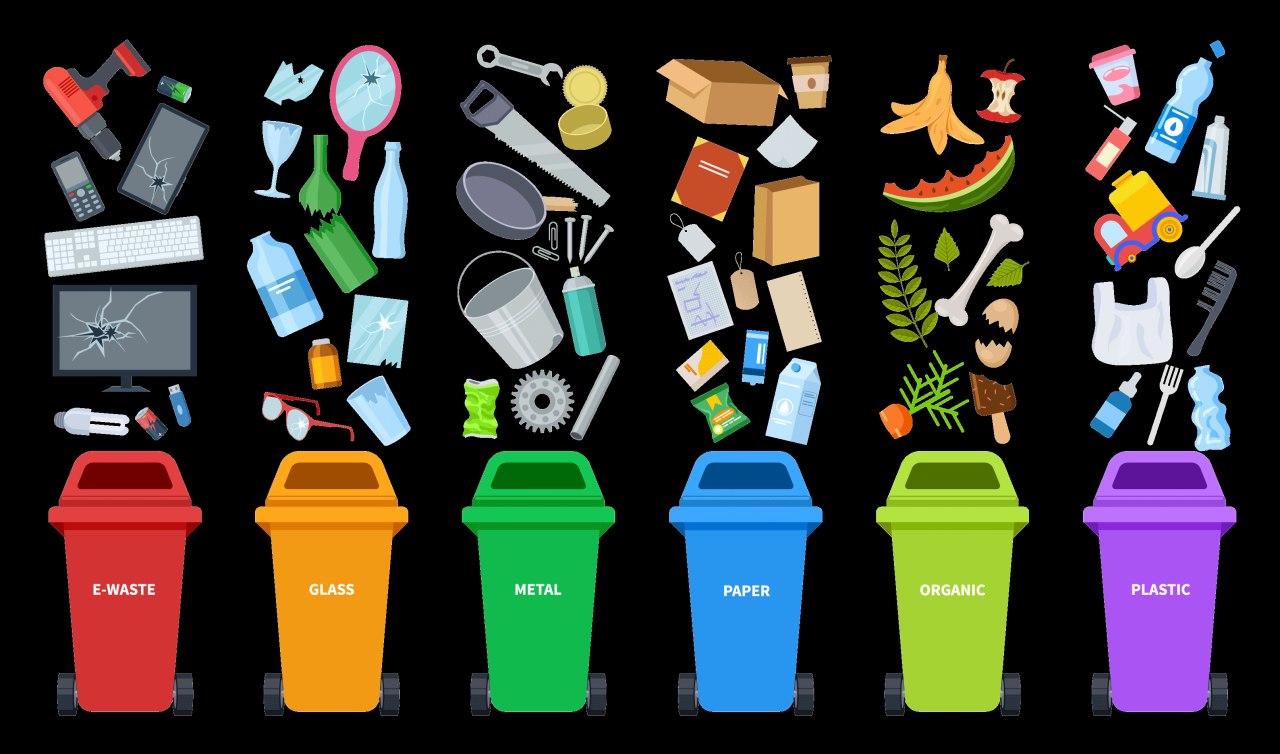
Implementing effective farm byproduct recycling programs requires practical examples to illustrate the benefits and provide inspiration. Examining successful case studies allows for a deeper understanding of how these programs can be tailored to different farm types and geographic locations. These examples showcase the potential for environmental stewardship and economic gains.
Successful Farm Implementations
Several farms worldwide have successfully implemented recycling programs for their byproducts. These programs range in scale and complexity, demonstrating the adaptability of recycling practices.
Case Study: Dairy Farm in the Netherlands
A dairy farm in the Netherlands has implemented an integrated approach to byproduct recycling. This farm is a good example of how technology and management practices can be combined for maximum efficiency.
- Practices: The farm uses a biogas digester to convert manure into biogas, which generates electricity and heat for the farm. The digestate (the remaining material after digestion) is then used as fertilizer on the farm’s fields. They also employ advanced composting techniques for solid waste.
- Results: The farm has significantly reduced its reliance on external energy sources, cut down on its greenhouse gas emissions, and decreased its fertilizer costs.
- Economic Benefits: The generated electricity is partially sold back to the grid, providing an additional revenue stream. Reduced fertilizer expenses and lower waste disposal costs also contribute to increased profitability. The farm is also eligible for government subsidies related to renewable energy production.
- Environmental Impact: The program has decreased the farm’s carbon footprint, minimized water pollution from manure runoff, and improved soil health through the use of digestate. The use of renewable energy also helps to reduce the demand for fossil fuels.
Case Study: Organic Vegetable Farm in California, USA
An organic vegetable farm in California, USA, focuses on composting and on-farm nutrient recycling to reduce waste and enhance soil quality. This farm demonstrates the benefits of a circular economy approach.
- Practices: The farm composts crop residues, food scraps from nearby restaurants, and cover crops. The compost is then applied to the fields to improve soil fertility and water retention. They also practice cover cropping to reduce erosion and improve soil health.
- Results: The farm has reduced its need for external fertilizers and pesticides, leading to higher crop yields and improved product quality.
- Economic Benefits: Reduced input costs (fertilizers and pesticides) and increased yields contribute to higher profitability. The farm also benefits from reduced waste disposal fees. The farm can also command a premium price for its organic produce.
- Environmental Impact: The program has improved soil health, reduced the use of synthetic fertilizers and pesticides, minimized water usage, and decreased waste sent to landfills. The use of compost helps to sequester carbon in the soil.
Case Study: Pig Farm in Denmark
A pig farm in Denmark has adopted a comprehensive approach to waste management, emphasizing nutrient recovery and reducing environmental impact. This farm illustrates how advanced technologies can be used in livestock operations.
- Practices: The farm uses a combination of anaerobic digestion for manure and a separation system to recover phosphorus and nitrogen. The biogas produced is used for heating and electricity, and the separated nutrients are used as fertilizers.
- Results: The farm has significantly reduced its environmental footprint, improved nutrient management, and generated renewable energy.
- Economic Benefits: The sale of biogas and reduced fertilizer costs contribute to profitability. The farm also benefits from reduced waste disposal fees and potential government incentives.
- Environmental Impact: The program has minimized greenhouse gas emissions, reduced water pollution from manure runoff, and improved soil health. The nutrient recovery system helps to close the nutrient cycle and reduces reliance on external fertilizers.
Future Trends in Farm Byproduct Recycling
The future of farm byproduct recycling is poised for significant advancements, driven by technological innovations, growing concerns about climate change, and a global push towards sustainable agriculture. This section will explore the emerging trends and their potential impact on the agricultural sector.
Emerging Technologies in Farm Byproduct Recycling
Several innovative technologies are emerging to transform farm byproducts into valuable resources. These advancements promise to improve efficiency, reduce environmental impact, and generate new revenue streams for farmers.
- Anaerobic Digestion Optimization: Advancements in anaerobic digestion (AD) are focusing on improving biogas production efficiency. Research is ongoing to develop more efficient digester designs and explore the co-digestion of various farm byproducts to optimize biogas yield. For example, researchers are investigating the use of advanced microbial consortia to enhance the breakdown of complex organic matter.
- Biochar Production and Application: Biochar, a charcoal-like substance produced through pyrolysis of biomass, is gaining traction as a soil amendment. New technologies are focusing on optimizing pyrolysis processes to produce biochar with specific properties for various soil types. The use of biochar can improve soil fertility, water retention, and carbon sequestration. For instance, studies have shown that biochar can reduce the need for chemical fertilizers.
- Precision Composting: Precision composting utilizes sensors and data analytics to monitor and control the composting process. This technology optimizes the composting conditions, such as temperature, moisture, and aeration, to accelerate decomposition and produce high-quality compost. Precision composting minimizes greenhouse gas emissions and improves the efficiency of nutrient recycling.
- Advanced Extraction Technologies: Technologies like supercritical fluid extraction and enzymatic hydrolysis are being developed to extract valuable compounds from farm byproducts. These methods can isolate high-value components, such as proteins, enzymes, and bioactive compounds, for use in various industries, including food, pharmaceuticals, and cosmetics.
Potential of Bio-Based Products Derived from Farm Byproducts
Farm byproducts are increasingly recognized as a valuable source of raw materials for bio-based products, contributing to a circular economy and reducing reliance on fossil fuels.
- Bioplastics: Farm byproducts such as corn stover, sugarcane bagasse, and wheat straw can be used to produce bioplastics, which are biodegradable alternatives to conventional plastics. This reduces plastic waste and minimizes the environmental impact of plastic production. For example, companies are developing bioplastics from corn starch for packaging materials.
- Biofuels: Agricultural residues can be converted into biofuels, such as bioethanol and biodiesel. This reduces greenhouse gas emissions and provides a renewable energy source. Research focuses on improving the efficiency of biofuel production from various feedstocks.
- Bio-based Chemicals: Farm byproducts can be used to produce a wide range of bio-based chemicals, including solvents, lubricants, and detergents. This reduces reliance on petroleum-based chemicals and promotes sustainable manufacturing.
- Animal Feed: Certain farm byproducts, such as soybean meal and distillers grains, can be used as animal feed, reducing the need for conventional feed ingredients. This can improve the sustainability of livestock production and reduce waste.
Impact of Climate Change on Farm Byproduct Recycling Practices
Climate change is significantly impacting farm byproduct recycling practices, necessitating adaptation and innovation to mitigate its effects.
- Changing Weather Patterns: Extreme weather events, such as droughts and floods, can affect the availability and quality of farm byproducts. Recycling practices must adapt to these changes, such as by storing byproducts in protected areas and developing drought-resistant crops.
- Increased Greenhouse Gas Emissions: Climate change exacerbates greenhouse gas emissions from agriculture. Recycling practices, such as anaerobic digestion and biochar production, can reduce these emissions by capturing methane and sequestering carbon.
- Soil Degradation: Climate change can lead to soil degradation, reducing soil fertility and crop yields. Recycling practices, such as composting and biochar application, can improve soil health and mitigate the effects of degradation.
- Water Scarcity: Climate change is increasing water scarcity in many regions. Recycling practices that conserve water, such as composting and using treated wastewater for irrigation, are becoming increasingly important.
Role of Innovation in Advancing Sustainable Farming Practices
Innovation is crucial for advancing sustainable farming practices, including farm byproduct recycling. New technologies, processes, and business models are essential for improving the efficiency, environmental performance, and economic viability of agricultural systems.
- Digital Agriculture: Digital technologies, such as sensors, drones, and data analytics, can be used to optimize farm byproduct recycling processes. This includes monitoring composting conditions, predicting byproduct yields, and tracking the movement of materials.
- Circular Economy Models: Implementing circular economy models that emphasize reuse, recycling, and waste reduction can improve the sustainability of farm byproduct recycling. This includes designing closed-loop systems that minimize waste and maximize resource utilization.
- Policy and Incentives: Supportive policies and financial incentives are crucial for encouraging innovation and adoption of sustainable farming practices. This includes providing grants for research and development, offering tax credits for recycling, and establishing regulations that promote the use of recycled materials.
- Collaboration and Knowledge Sharing: Collaboration among farmers, researchers, policymakers, and industry stakeholders is essential for advancing innovation and knowledge sharing in farm byproduct recycling. This includes creating networks for sharing best practices, conducting joint research projects, and developing educational programs.
Final Summary
In conclusion, recycling farm byproducts is not merely an environmental imperative; it’s a pathway to a more resilient and profitable agricultural future. By embracing innovative recycling methods, farmers can significantly reduce waste, minimize their environmental footprint, and generate valuable resources. From composting crop residue to converting livestock waste into biogas, the opportunities for sustainable practices are vast. As we look towards the future, the integration of these practices will be crucial in shaping a more sustainable and economically viable agricultural sector, paving the way for a greener and more efficient tomorrow.