Water scarcity poses a significant challenge to global agriculture, demanding innovative solutions to ensure both environmental sustainability and farm productivity. This guide explores the critical importance of water conservation on farms, examining the detrimental effects of unsustainable water practices and highlighting the urgency of adopting efficient methods. From understanding the global water crisis to recognizing its impact on farm profitability, this introduction sets the stage for a comprehensive exploration of water-saving strategies.
We will delve into various techniques, including advanced irrigation methods, drought-resistant crop selection, and innovative water harvesting and storage solutions. This will be complemented by a focus on soil management practices, water recycling initiatives, and the transformative potential of technology. Furthermore, the role of government policies, education, and monitoring in promoting water-efficient farming will be examined, offering a holistic approach to conserving this precious resource.
The Importance of Water Conservation on Farms
Water conservation is critical for the long-term viability of agriculture and the health of our planet. Sustainable water management practices are essential to ensure food security, protect ecosystems, and mitigate the effects of climate change. Farms that embrace water conservation not only contribute to environmental protection but also improve their economic resilience.The increasing global water scarcity presents a significant challenge to agriculture.
Over-extraction of groundwater, inefficient irrigation techniques, and climate change are exacerbating the problem, threatening agricultural productivity worldwide.
Global Water Scarcity and Farming
Water scarcity is a growing global crisis, significantly impacting agricultural practices and food production. The following points highlight the severity of the issue and its implications:
- Water Scarcity Statistics: According to the United Nations, approximately 2.2 billion people worldwide lack access to safely managed drinking water services. Agriculture accounts for about 70% of global freshwater withdrawals, making it the largest consumer of water. Furthermore, the World Resources Institute estimates that 25 countries face extremely high water stress, and 17 of these rely heavily on agriculture for their economies.
- Impact on Farming: Water scarcity directly impacts farming operations by reducing crop yields, increasing production costs, and limiting the ability to expand agricultural activities. Farmers in water-stressed regions may face challenges such as reduced irrigation availability, leading to crop failure and financial losses.
- Regional Variations: Water scarcity is not uniform across the globe. Regions such as the Middle East, North Africa, and parts of South Asia are particularly vulnerable due to arid climates, high population densities, and intensive agricultural practices. The impact of water scarcity on farming can vary depending on local climate conditions, soil types, and the crops cultivated.
Impact of Unsustainable Water Practices on Farm Productivity and Profitability
Unsustainable water practices can lead to significant economic and environmental consequences for farms. These practices often result in reduced yields, increased operational costs, and environmental degradation.
- Reduced Crop Yields: Inefficient irrigation methods, such as flood irrigation, can lead to water wastage and inadequate water distribution to crops. This results in reduced yields and lower quality produce. For example, a study by the Food and Agriculture Organization (FAO) found that switching from flood irrigation to drip irrigation could increase crop yields by up to 50% in certain regions.
- Increased Production Costs: Over-pumping groundwater can lead to rising energy costs for pumping water, especially in areas with declining water tables. In addition, water scarcity may force farmers to purchase water at higher prices, increasing overall production costs.
- Soil Degradation: Unsustainable water practices can contribute to soil salinization, where excessive irrigation with saline water leads to salt accumulation in the soil. This reduces soil fertility and makes it difficult for crops to grow.
- Environmental Damage: Over-extraction of groundwater can deplete aquifers, leading to land subsidence and reduced water availability for other users, including ecosystems. Runoff from agricultural fields can carry fertilizers and pesticides, polluting surface water bodies and harming aquatic life.
Irrigation Techniques for Water Conservation
Implementing efficient irrigation practices is crucial for conserving water resources on farms. Choosing the right irrigation method, along with careful management, can significantly reduce water consumption, improve crop yields, and minimize environmental impact. This section will explore various irrigation techniques, their water-saving capabilities, and the role of technology in optimizing irrigation practices.
Irrigation Method Comparison
Several irrigation methods are available, each with varying levels of water efficiency, cost, and suitability for different crops and farm conditions. Understanding the advantages and disadvantages of each method allows farmers to make informed decisions about their irrigation strategies.
| Irrigation Method | Water Efficiency | Cost (per acre) | Suitability for Different Crops |
|---|---|---|---|
| Drip Irrigation | Very High (80-90% efficient) | High (initial investment) | Row crops, orchards, vineyards, vegetables |
| Sprinkler Irrigation | Medium to High (60-80% efficient) | Medium | Field crops, vegetables, some orchards |
| Furrow Irrigation | Low (40-60% efficient) | Low | Row crops, particularly on sloped land |
Drip irrigation delivers water directly to the plant roots, minimizing water loss through evaporation and runoff. Sprinkler irrigation applies water over the crop canopy, and its efficiency depends on factors such as wind and water pressure. Furrow irrigation, the least efficient method, involves channeling water through furrows between crop rows.
Soil Moisture Sensors and Automated Irrigation Systems
The integration of technology plays a crucial role in optimizing irrigation practices. Soil moisture sensors and automated irrigation systems provide valuable data and control, enabling farmers to irrigate more precisely and efficiently.
- Soil moisture sensors measure the water content in the soil, providing real-time data on the moisture levels available to plants. This information helps farmers determine when and how much to irrigate, preventing overwatering and water waste. There are various types of sensors, including tensiometers, which measure soil water tension, and capacitance sensors, which measure the dielectric constant of the soil.
- Automated irrigation systems use data from soil moisture sensors and weather stations to automatically control irrigation schedules. These systems can adjust irrigation frequency and duration based on the specific needs of the crop and the prevailing weather conditions. This automation reduces the need for manual monitoring and adjustment, saving time and labor.
- Real-world examples of these technologies in action include the use of soil moisture sensors in California vineyards. Farmers in these vineyards have reported up to a 20% reduction in water use and a 10% increase in yields by using soil moisture sensors to manage their irrigation schedules.
Efficient Irrigation Scheduling
Implementing efficient irrigation scheduling based on weather data and crop needs is essential for maximizing water use efficiency. This involves considering various factors to determine the optimal timing and amount of irrigation.
- Weather data, including rainfall, temperature, wind speed, and solar radiation, provides valuable information for estimating crop water needs. Evapotranspiration (ET) is a key factor, representing the amount of water lost from the soil through evaporation and from the plant through transpiration. Calculating ET allows farmers to estimate the amount of water crops need daily.
- Crop characteristics, such as the growth stage, root depth, and water requirements, also influence irrigation scheduling. Different crops have different water needs at different stages of growth. For example, during the flowering or fruit development stages, crops often require more water.
- Irrigation scheduling can be implemented using various methods, including the water balance method, which calculates the water input (rainfall and irrigation) and output (ET) to determine the water deficit in the soil. The deficit is then used to determine the amount of water to apply.
- An example of effective scheduling is the use of a weather-based irrigation scheduler. These schedulers, which are readily available online or through agricultural extension services, use local weather data and crop coefficients to calculate the irrigation needs for specific crops. Farmers in the arid regions of Arizona have used these schedulers to significantly reduce their water consumption.
Crop Selection and Management
Choosing the right crops and employing smart management practices are crucial for conserving water on farms. Strategic crop selection, combined with efficient management techniques, can significantly reduce water consumption while maintaining or even enhancing crop yields. This section explores drought-resistant crop options, beneficial crop rotation strategies, and optimized planting densities, along with effective crop management practices.
Drought-Resistant Crop Selection
Selecting crops that are naturally more tolerant to water scarcity is a fundamental step in water conservation. Different crops have varying water requirements and drought tolerance levels.Here are examples of drought-resistant crops suitable for different climates:
- Cereals: Sorghum, millet, and certain varieties of wheat and barley are well-suited for drier regions. Sorghum, in particular, is known for its deep root system and ability to withstand periods of drought.
- Legumes: Beans, lentils, and chickpeas are relatively drought-tolerant and can also improve soil fertility through nitrogen fixation.
- Oilseeds: Sunflower and safflower are known for their drought resistance.
- Fruits and Vegetables: Certain varieties of fruits and vegetables, such as dates, olives, grapes, and sweet potatoes, have adaptations that enable them to survive in arid or semi-arid environments.
The selection of these crops depends on the specific climate, soil conditions, and market demands. Farmers should consider the local environment and choose crops that are best adapted to thrive with limited water resources.
Crop Rotation Strategies for Water Use Efficiency
Crop rotation involves systematically changing the crops grown in a specific field over time. This practice can enhance water use efficiency in several ways.Here’s how crop rotation improves water use efficiency:
- Improved Soil Health: Rotating crops helps maintain and improve soil structure, increasing its ability to retain water. For instance, planting cover crops like rye or oats can improve soil organic matter content, which enhances water infiltration and retention.
- Reduced Pest and Disease Pressure: Rotating crops disrupts pest and disease cycles, potentially reducing the need for irrigation-intensive pest control measures.
- Enhanced Nutrient Cycling: Different crops have varying nutrient requirements. Crop rotation helps balance nutrient levels in the soil. Legumes, for example, fix nitrogen, which can reduce the need for nitrogen fertilizers that might require additional irrigation for optimal performance.
- Water Use Diversity: Alternating between deep-rooted and shallow-rooted crops can help utilize water resources more efficiently throughout the soil profile.
Crop rotation plans should be tailored to the specific crops and climate. For example, a rotation might include a drought-tolerant cereal, followed by a legume to fix nitrogen, and then a cover crop to improve soil health.
Optimizing Planting Density for Water Conservation
Planting density, or the number of plants per unit area, significantly influences water consumption. Careful consideration of planting density can lead to reduced water usage.Here’s how to optimize planting density:
- Consider Crop Type: Different crops have different optimal planting densities. High-density planting might be suitable for some crops like certain vegetables, while others, such as corn, may require lower densities to maximize yields and minimize water use.
- Adapt to Local Conditions: Factors such as soil type, climate, and water availability should influence planting density decisions. In drier regions, lower planting densities might be preferable to reduce competition for water among plants.
- Use of Precision Planting: Precision planting techniques, such as GPS-guided planters, can ensure uniform spacing and depth, which helps plants establish evenly and use water efficiently.
- Monitoring Plant Performance: Regular monitoring of plant growth and development allows farmers to adjust planting densities as needed. Signs of water stress, such as wilting, can indicate that plants are too closely spaced.
By adjusting planting densities, farmers can reduce the overall water demand and improve water use efficiency. This is especially important in water-scarce regions.
Crop Management Practices for Water Conservation
Effective crop management practices play a critical role in minimizing water loss and maximizing water use efficiency. Several practices can significantly impact water consumption.Here are examples of crop management practices:
- Mulching: Applying mulch (organic materials such as straw, wood chips, or compost) to the soil surface helps retain moisture by reducing evaporation. Mulch also suppresses weed growth, which further conserves water.
- Cover Cropping: Planting cover crops during fallow periods improves soil health, reduces erosion, and increases water infiltration. Cover crops also help suppress weeds and can be incorporated into the soil as green manure, further improving water retention.
- Weed Control: Weeds compete with crops for water and nutrients. Effective weed control, whether through manual weeding, herbicides, or crop rotation, is essential for conserving water.
- Tillage Practices: Reduced tillage or no-till farming minimizes soil disturbance, preserving soil moisture and reducing evaporation. Conservation tillage practices can also improve water infiltration.
- Timing of Planting: Planting crops at the optimal time, based on local climate conditions, can help minimize water stress. In some regions, planting early in the season might take advantage of early rainfall.
- Use of Drought-Resistant Varieties: Selecting and planting drought-resistant crop varieties is a direct way to reduce water consumption.
Water Harvesting and Storage
Effective water harvesting and storage are critical components of sustainable water management on farms, ensuring a reliable water supply, especially during dry periods. Implementing these strategies not only conserves water but also reduces reliance on external sources, contributing to increased resilience against climate variability and water scarcity. By collecting and storing water, farmers can optimize irrigation practices, enhance crop yields, and protect valuable resources.
Methods for Collecting Rainwater on Farms
Collecting rainwater on farms involves various techniques to capture and channel precipitation for later use. The chosen method often depends on factors such as rainfall patterns, farm topography, and available resources.
- Rooftop Harvesting: This method involves collecting rainwater from the roofs of buildings, such as barns, sheds, and houses. The collected water is then directed through gutters and downspouts to storage tanks or reservoirs. This technique is particularly effective in areas with consistent rainfall and can provide a significant source of water for various farm activities.
- Surface Runoff Harvesting: This involves collecting rainwater that flows over the land surface. It can be achieved by constructing channels, bunds (small earthen walls), or terraces to direct runoff into storage areas like ponds or reservoirs. This method is well-suited for areas with sloping land and can capture a large volume of water, especially during heavy rainfall events.
- Infiltration Pits and Trenches: These structures are designed to capture and store rainwater within the soil. Infiltration pits are small depressions dug into the ground, while trenches are longer, narrower excavations. Both methods allow water to seep into the ground, replenishing groundwater reserves and reducing surface runoff. They are particularly effective in areas with permeable soils.
- Contour Bunding: Contour bunding involves constructing small earthen bunds along the contour lines of sloping land. These bunds slow down the flow of rainwater, allowing it to infiltrate the soil and reducing soil erosion. This technique not only conserves water but also improves soil moisture and fertility.
- Micro-Catchments: Micro-catchments are small, artificially created catchments that collect rainwater for specific purposes, such as irrigating individual plants or small plots. They can be constructed using various materials, including plastic sheeting or compacted soil. This method is particularly useful in arid and semi-arid regions where rainfall is scarce.
Construction and Maintenance of Ponds, Tanks, and Reservoirs for Water Storage
Constructing and maintaining water storage structures is crucial for ensuring a reliable water supply on farms. The type of structure chosen will depend on the farm’s specific needs, the available land, and the local climate.
- Ponds: Ponds are relatively shallow, open-water bodies that can be constructed by excavating the ground or by building an embankment. They are suitable for storing water for irrigation, livestock watering, and aquaculture. The construction of a pond requires careful planning, including site selection, soil analysis, and appropriate lining to prevent water leakage.
Maintenance: Regular maintenance of ponds involves removing sediment, controlling aquatic vegetation, and repairing any damage to the embankments or lining.
Sediment removal can be done manually or with the use of machinery, depending on the size of the pond. Aquatic vegetation should be controlled to prevent excessive growth that can reduce water storage capacity and affect water quality.
- Tanks: Water tanks are enclosed structures that can be made from various materials, including concrete, plastic, or steel. They are ideal for storing water for domestic use, livestock watering, and small-scale irrigation. The size of the tank should be based on the farm’s water needs and the available space.
Construction and Maintenance: The construction of a tank involves proper site preparation, foundation construction, and installation of the tank itself.
Regular maintenance includes inspecting the tank for leaks, cleaning the tank to remove sediment and debris, and ensuring that the tank is properly sealed to prevent contamination.
- Reservoirs: Reservoirs are larger water storage structures, often created by building a dam across a valley or natural depression. They are suitable for storing large volumes of water for irrigation and other large-scale farm activities. The construction of a reservoir requires significant engineering expertise and careful planning, including a thorough assessment of the site’s geology, hydrology, and environmental impact.
Construction and Maintenance: Regular maintenance of reservoirs includes inspecting the dam for any signs of damage, controlling vegetation growth, and managing water levels.
Periodic inspections by qualified engineers are essential to ensure the structural integrity of the dam and the safety of the surrounding areas.
Best Practices for Managing Stored Water to Minimize Evaporation and Contamination
Effective water management is essential to ensure that stored water remains available and suitable for its intended use. Implementing best practices can significantly reduce water loss and prevent contamination.
- Reducing Evaporation: Evaporation is a major source of water loss, especially in hot and dry climates. Several techniques can be used to minimize evaporation from stored water:
- Covering Water Surfaces: Covering ponds, tanks, and reservoirs with floating covers, shade cloths, or other materials can significantly reduce evaporation.
- Planting Vegetation: Planting trees and shrubs around water storage structures can provide shade and reduce wind speed, thus decreasing evaporation.
- Using Windbreaks: Constructing windbreaks, such as rows of trees or fences, can reduce wind exposure and lower evaporation rates.
- Preventing Contamination: Protecting stored water from contamination is crucial for maintaining water quality. Several measures can be taken to prevent contamination:
- Maintaining Clean Storage Structures: Regularly cleaning ponds, tanks, and reservoirs to remove sediment, debris, and algae growth.
- Protecting Water Sources: Ensuring that the water sources are protected from pollutants, such as fertilizers, pesticides, and animal waste.
- Implementing Proper Drainage: Designing and maintaining proper drainage systems to prevent runoff from entering water storage structures.
- Using Filtration Systems: Installing filtration systems to remove sediment, debris, and other contaminants from the water before it is stored.
- Monitoring Water Quality: Regular monitoring of water quality is essential to detect any signs of contamination or changes in water parameters.
- Conducting Regular Water Testing: Testing water samples for pH, salinity, and the presence of contaminants.
- Visual Inspection: Regularly inspecting the water for any unusual color, odor, or turbidity.
Soil Management Practices
Effective soil management is crucial for water conservation on farms. Healthy soil acts like a sponge, absorbing and retaining water, which is essential for plant growth and reduces the need for frequent irrigation. Implementing proper soil management practices can significantly improve water use efficiency and overall farm productivity.
The Importance of Healthy Soil in Water Retention
Healthy soil, rich in organic matter, plays a vital role in water retention. Soil structure and composition directly impact how much water the soil can hold and how readily plants can access it.
Healthy soil can hold significantly more water than degraded soil.
- Improved Water Holding Capacity: Soils with high organic matter content can hold several times their weight in water. This increased water-holding capacity ensures that water is available to plants for a longer duration, reducing the frequency of irrigation. For example, a study by the USDA found that increasing organic matter by 1% in the topsoil can increase water-holding capacity by approximately 25,000 gallons per acre.
- Enhanced Infiltration: Healthy soil structure allows for better water infiltration. Water can penetrate the soil more easily, reducing runoff and erosion. This also helps to replenish groundwater reserves.
- Reduced Evaporation: Organic matter acts as a mulch, covering the soil surface and reducing water evaporation. This helps to conserve soil moisture, especially in arid and semi-arid regions.
- Improved Root Development: Healthy soil provides a better environment for root growth. Well-developed root systems can access water more efficiently, further enhancing water use efficiency.
Methods for Improving Soil Structure
Improving soil structure is key to enhancing water retention and overall soil health. Several methods can be employed to achieve this, focusing on increasing organic matter and minimizing soil disturbance.
- Adding Organic Matter: Incorporating organic matter, such as compost, manure, cover crops, and crop residues, is one of the most effective ways to improve soil structure. Organic matter binds soil particles together, creating aggregates that improve aeration, water infiltration, and water-holding capacity. For example, the use of cover crops, such as rye or clover, can add significant amounts of organic matter to the soil, increasing its water retention capabilities.
- Reducing Tillage: Tillage, or plowing, can disrupt soil structure, leading to soil compaction and reduced water infiltration. Reducing tillage, or using no-till farming practices, helps to preserve soil structure and organic matter. No-till farming also leaves crop residue on the soil surface, which acts as a mulch, further reducing water loss through evaporation. According to the Conservation Technology Information Center, no-till farming can increase water infiltration by up to 30% compared to conventional tillage.
- Crop Rotation: Implementing crop rotation can improve soil structure and health. Rotating crops with different root systems helps to break up compacted soil layers and improve water infiltration. For example, alternating between deep-rooted crops (such as alfalfa) and shallow-rooted crops can enhance soil structure.
- Cover Cropping: Cover crops are planted to protect the soil from erosion and to improve soil health. Cover crops can improve soil structure, increase water infiltration, and suppress weeds.
Preventing Soil Erosion
Soil erosion leads to the loss of topsoil, which is the most fertile layer of the soil. This topsoil loss reduces the soil’s ability to retain water, leading to increased runoff and reduced crop yields. Preventing soil erosion is therefore a crucial aspect of water conservation.
- Terracing: Terracing involves creating level platforms or steps on sloping land. This reduces the slope length and slows down water flow, reducing soil erosion. Terracing is particularly effective in areas with high rainfall and steep slopes.
- Contour Plowing: Plowing and planting along the contours of the land helps to create small ridges and furrows that slow down water runoff. This allows more water to infiltrate the soil, reducing erosion.
- Windbreaks: Planting trees or shrubs as windbreaks can reduce wind erosion, which is particularly important in arid and semi-arid regions. Windbreaks reduce wind speed, protecting the soil surface and reducing water loss through evaporation.
- Cover Cropping: As mentioned earlier, cover crops protect the soil surface from the impact of raindrops and reduce soil erosion. The roots of cover crops also help to bind the soil particles together, further reducing erosion.
- No-Till Farming: No-till farming leaves crop residue on the soil surface, which protects the soil from erosion. The residue acts as a mulch, reducing the impact of raindrops and slowing down water runoff.
Water Recycling and Reuse

Implementing water recycling and reuse strategies on farms is a crucial step towards sustainable water management. By treating and reusing water, farmers can significantly reduce their reliance on freshwater sources, conserve precious resources, and minimize environmental impact. This approach is particularly important in regions facing water scarcity or where agriculture competes with other water users.
Potential of Reusing Agricultural Runoff Water
Agricultural runoff, which includes water from irrigation, rainfall, and drainage, often contains valuable nutrients and can be a significant source of water for reuse. Properly managed, this runoff can be treated and repurposed for irrigation, reducing the need for freshwater and minimizing the risk of water pollution. Reusing runoff water helps conserve water, reduces fertilizer costs, and can improve crop yields.
However, it is essential to address potential contaminants such as pesticides, herbicides, and pathogens before reuse.
Examples of Treating and Recycling Wastewater for Irrigation
Several methods exist for treating and recycling wastewater for irrigation purposes. These methods aim to remove pollutants and pathogens to ensure the water is safe for crop use. Constructed wetlands are a common example. They utilize a natural filtration process involving plants, soil, and microorganisms to remove contaminants. Another method involves using settling ponds to allow solids to settle out of the water.
Disinfection, often with chlorine or UV light, is frequently used to kill harmful bacteria and viruses. Furthermore, advanced treatment processes, such as membrane filtration and reverse osmosis, can be employed to produce high-quality irrigation water.
Steps Involved in a Water Recycling Process
A water recycling process typically involves a series of steps to ensure the treated water is safe and suitable for reuse. The specific steps may vary depending on the source of the water, the contaminants present, and the intended use of the recycled water.
- Collection: The process begins with collecting the agricultural runoff or wastewater. This can involve collecting water from irrigation systems, drainage ditches, or rainfall events.
- Pre-treatment: This initial step removes large debris and solids from the water. This can involve screening, sedimentation, or other physical processes.
- Primary Treatment: Primary treatment aims to remove settleable solids and reduce the organic matter content. This often involves sedimentation or settling ponds.
- Secondary Treatment: This stage further reduces organic matter and removes dissolved pollutants. Common methods include biological treatment processes, such as activated sludge or constructed wetlands.
- Tertiary Treatment: Tertiary treatment involves advanced treatment processes to remove remaining contaminants and pathogens. This may include filtration, disinfection (chlorination or UV), or other specialized treatments.
- Storage: Treated water is typically stored in reservoirs or tanks before reuse. This allows for further settling, disinfection, and ensures a consistent supply of water for irrigation.
- Distribution: The recycled water is then distributed to irrigation systems for crop watering. Careful monitoring and management are crucial to ensure the water quality remains suitable for the intended use.
Technology and Innovation
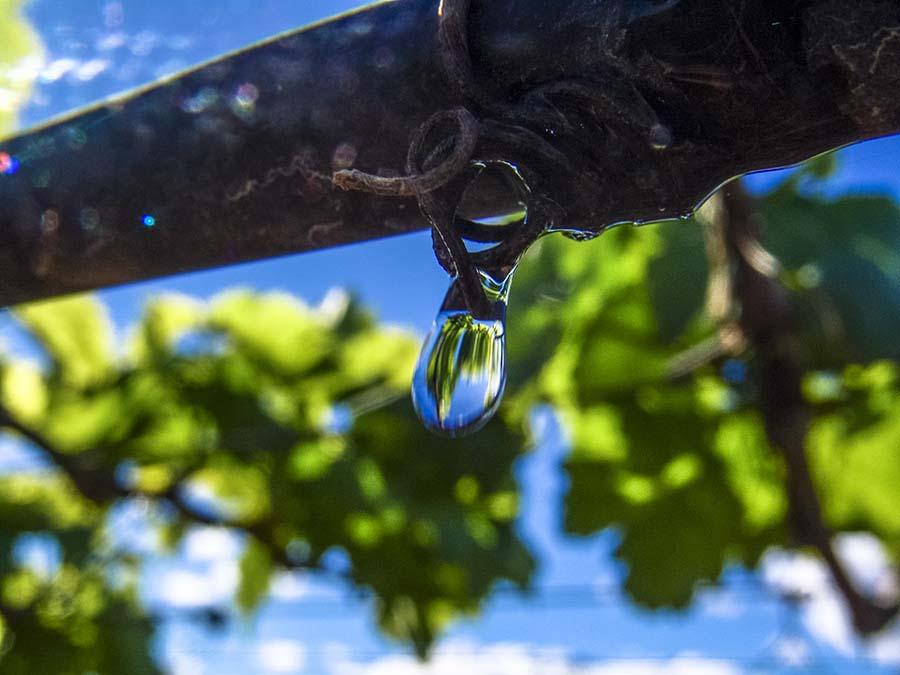
The agricultural sector is rapidly evolving, with technology playing a crucial role in improving water conservation practices. Precision agriculture, remote sensing, and innovative technologies are transforming how farmers manage water resources, leading to significant gains in efficiency and sustainability. Implementing these advancements allows for data-driven decision-making, minimizing water waste and maximizing crop yields.
Precision Agriculture Technologies to Optimize Water Use
Precision agriculture leverages technology to optimize farming practices, including water management. By integrating various tools and techniques, farmers can apply water precisely where and when it is needed, reducing overall water consumption.
- Variable Rate Irrigation (VRI): VRI systems use sensors and GPS technology to apply water at varying rates across a field. This is based on the specific needs of different areas, considering factors like soil type, crop stage, and microclimates. For example, a field might have areas with sandy soil that require more frequent irrigation compared to areas with clay soil.
- Soil Moisture Sensors: These sensors provide real-time data on soil moisture levels. Farmers can use this information to determine when and how much to irrigate, preventing overwatering or underwatering. Data from these sensors can be accessed remotely through smartphones or computers, providing farmers with immediate information.
- Weather Stations: Local weather stations monitor rainfall, temperature, humidity, and wind speed. This data is crucial for calculating evapotranspiration rates, which helps farmers determine the amount of water crops need. This information allows farmers to fine-tune irrigation schedules and avoid unnecessary water use.
- Automated Irrigation Systems: These systems use data from soil moisture sensors and weather stations to automatically control irrigation. They can adjust the timing and amount of water applied, optimizing water use and reducing labor costs.
Remote Sensing and Drones to Monitor Water Stress in Crops
Remote sensing technologies, particularly drones and satellite imagery, offer valuable tools for monitoring crop health and detecting water stress. This allows for early intervention and targeted irrigation, preventing yield losses and conserving water.
- Drone-Based Monitoring: Drones equipped with multispectral and thermal cameras can capture detailed images of crops. Multispectral cameras can detect subtle changes in plant health that are invisible to the naked eye. Thermal cameras can identify areas where crops are experiencing water stress by measuring leaf surface temperatures.
- Satellite Imagery: Satellites provide large-scale monitoring capabilities. They can track vegetation indices, such as the Normalized Difference Vegetation Index (NDVI), which indicates plant health and vigor. Satellite data can be used to assess water stress over large areas and identify regional trends.
- Data Analysis and Interpretation: The data collected from drones and satellites is analyzed using specialized software. This analysis produces maps and reports that highlight areas of water stress, enabling farmers to make informed irrigation decisions. These maps can be used to guide variable rate irrigation systems.
New Technologies for Water-Efficient Farming
Several innovative technologies are emerging to improve water-efficient farming practices. These advancements offer new ways to conserve water and enhance agricultural productivity.
- Hydrogels: Hydrogels are water-absorbing polymers that can be added to the soil. They absorb and retain water, releasing it slowly to the plant roots. This reduces the frequency of irrigation and minimizes water loss through evaporation.
- Fog Harvesting: In arid and semi-arid regions, fog harvesting can be a viable source of water. Mesh nets are used to capture water droplets from fog, which can then be used for irrigation.
- Desalination: Desalination technologies are becoming more affordable and efficient. They can provide a source of irrigation water in coastal areas or regions with saline groundwater. This involves removing salt from seawater or brackish water.
- Genetic Engineering: Researchers are developing drought-resistant crop varieties through genetic engineering. These crops have improved water-use efficiency and can thrive in water-scarce environments.
- Closed-Loop Irrigation Systems: These systems collect and reuse water from irrigation runoff. This reduces water consumption and minimizes the environmental impact of agricultural practices.
Water Auditing and Monitoring
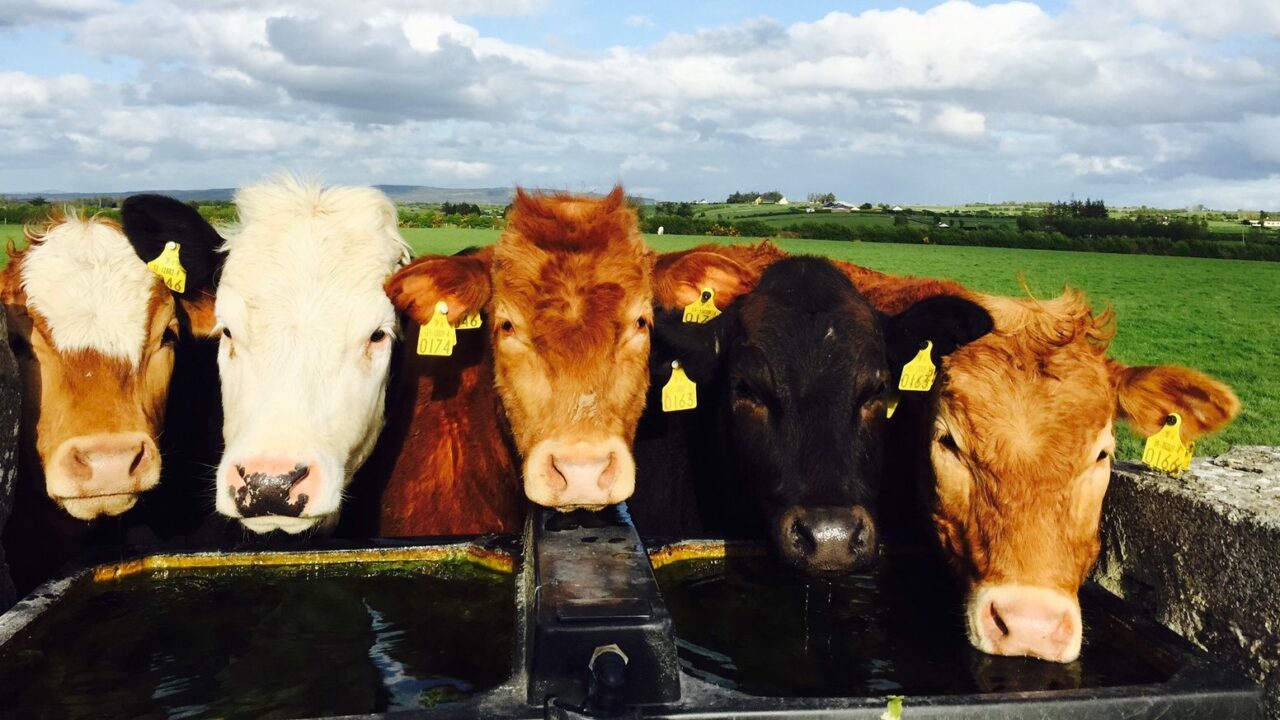
Effective water conservation on farms relies heavily on understanding current water usage and identifying opportunities for improvement. This requires a systematic approach to assess water consumption patterns and monitor the effectiveness of implemented conservation strategies. Water auditing and monitoring are crucial components of a comprehensive water management plan, enabling farmers to make informed decisions and optimize water use efficiency.
Conducting a Water Audit on a Farm
A water audit is a systematic process of assessing water use on a farm to identify areas of water loss, inefficiency, and potential for conservation. The process involves several key steps.
- Define the Scope: Determine the boundaries of the audit. This includes specifying which areas of the farm, irrigation systems, and water sources will be included.
- Data Collection: Gather comprehensive data on water sources, including wells, surface water diversions, and municipal supplies. Measure water flow rates using flow meters installed at various points, such as the wellhead, irrigation main lines, and specific zones. Collect historical water use records, including water bills and irrigation schedules.
- System Inventory: Conduct a detailed inventory of all water-using equipment and infrastructure, including irrigation systems (e.g., sprinkler, drip, flood), pumps, and water storage facilities. Note the age, condition, and maintenance records of each component.
- Water Use Assessment: Quantify water use for different purposes, such as irrigation, livestock watering, crop washing, and domestic use. Calculate the water applied per unit area for each crop. Assess the efficiency of irrigation systems by measuring water application uniformity and distribution.
- Leak Detection: Inspect all water infrastructure for leaks, including pipes, valves, and fittings. Use visual inspection, pressure testing, and leak detection equipment to identify and locate leaks.
- Data Analysis: Analyze the collected data to determine water use patterns, identify areas of high water consumption, and calculate water losses. Compare actual water use with recommended or optimal levels for each crop and irrigation system.
- Reporting: Prepare a comprehensive report summarizing the findings of the water audit. The report should include detailed data analysis, identification of water-saving opportunities, and recommendations for implementing conservation measures.
- Implementation and Monitoring: Based on the audit results, implement water conservation measures. Monitor water usage regularly to track progress and ensure the effectiveness of implemented strategies.
Monitoring Water Usage and Identifying Areas for Improvement
Regular monitoring of water usage is essential for ensuring the long-term success of water conservation efforts. Monitoring helps identify inefficiencies, detect leaks, and assess the impact of implemented strategies. Several techniques and tools can be employed for effective water monitoring.
- Flow Meters: Install flow meters at key points in the water distribution system to accurately measure water flow rates. Regularly record flow meter readings to track water usage over time.
- Soil Moisture Sensors: Use soil moisture sensors to monitor soil water content in the root zone of crops. This data helps farmers optimize irrigation schedules and avoid overwatering or underwatering.
- Weather Data: Collect weather data, including rainfall, temperature, humidity, and solar radiation. Use this information to calculate crop water requirements and adjust irrigation schedules accordingly.
- Irrigation System Evaluations: Conduct regular evaluations of irrigation system performance, including uniformity testing and pressure checks. This helps identify and address issues such as clogged emitters, leaks, and pressure fluctuations.
- Water Balances: Develop water balances for different areas of the farm, comparing water inputs (e.g., irrigation, rainfall) with water outputs (e.g., crop evapotranspiration, drainage). This helps identify areas of water loss or inefficiency.
- Remote Sensing: Employ remote sensing technologies, such as satellite imagery or drone-based sensors, to monitor crop health and water stress. This information can be used to identify areas where irrigation is needed or where water use can be reduced.
- Regular Inspections: Conduct regular visual inspections of all water infrastructure, including pipes, valves, and storage facilities. Look for leaks, damage, or other issues that may be affecting water efficiency.
Key Performance Indicators (KPIs) for Water Conservation Efforts
Tracking key performance indicators (KPIs) provides a quantifiable way to measure the effectiveness of water conservation efforts and identify areas where further improvements are needed. These KPIs should be regularly monitored and analyzed to assess progress and inform decision-making.
- Water Use Efficiency (WUE): Calculate the amount of crop yield produced per unit of water applied. This is often expressed as kilograms of yield per cubic meter of water (kg/m³).
WUE = Crop Yield / Water Applied
For example, if a farmer harvests 5,000 kg of wheat using 1,000 m³ of water, the WUE is 5 kg/m³. A higher WUE indicates greater water use efficiency.
- Irrigation Efficiency: Determine the percentage of water applied that is actually used by the crops. This takes into account water losses due to evaporation, runoff, and deep percolation. Irrigation efficiency can be calculated by assessing the uniformity of water distribution across the field.
- Water Footprint: Calculate the total volume of water used to produce a specific crop or product, considering all water sources (e.g., irrigation, rainfall, and water used in processing).
- Water Costs: Track the costs associated with water use, including water bills, energy costs for pumping, and maintenance expenses. Monitor changes in water costs over time to assess the financial impact of conservation measures.
- Soil Moisture Levels: Regularly monitor soil moisture content in the root zone using sensors. Maintaining optimal soil moisture levels helps prevent overwatering and ensures that crops have access to sufficient water for growth.
- Leakage Rate: Monitor the percentage of water lost due to leaks in the water distribution system. A lower leakage rate indicates a more efficient water management system.
- Water Productivity: Measure the economic value of crop production per unit of water used. This KPI considers both crop yield and market prices.
Government Policies and Incentives
Governments play a crucial role in promoting water conservation on farms through various policies, programs, and incentives. These initiatives aim to encourage sustainable water management practices, ensuring the long-term viability of agriculture and the preservation of water resources. This section will explore the different ways governments support water conservation efforts.
Government Programs and Incentives for Water Conservation
Governments often offer a range of programs and incentives to assist farmers in adopting water-saving technologies and practices. These incentives can significantly reduce the financial burden of implementing conservation measures.
- Financial Assistance: Many governments provide grants, subsidies, and low-interest loans to farmers who invest in water-efficient irrigation systems, such as drip irrigation or sprinkler systems. These financial incentives help offset the initial costs of upgrading equipment. For example, the United States Department of Agriculture (USDA) offers various programs, including the Environmental Quality Incentives Program (EQIP), which provides financial and technical assistance to farmers to implement conservation practices, including irrigation water management.
- Tax Incentives: Some governments offer tax credits or deductions for investments in water conservation technologies or practices. These incentives can reduce the overall tax burden on farmers who adopt sustainable water management strategies.
- Cost-Sharing Programs: Cost-sharing programs involve the government covering a portion of the expenses associated with implementing water conservation practices. This can include the cost of installing new irrigation systems, building water storage facilities, or implementing soil conservation measures.
- Technical Assistance: Governments often provide technical assistance and training to farmers on water conservation techniques. This can include workshops, field demonstrations, and one-on-one consultations with agricultural experts. The aim is to educate farmers about the best practices and help them implement them effectively.
- Research and Development Funding: Governments may fund research and development projects focused on developing new water-efficient technologies and practices. This investment in innovation can lead to more effective and affordable solutions for water conservation on farms.
Role of Regulations in Promoting Sustainable Water Practices
Regulations are essential tools for ensuring sustainable water management in agriculture. They establish standards and guidelines that farmers must adhere to, helping to protect water resources and promote responsible water use.
- Water Rights Management: Regulations often govern the allocation and use of water rights, setting limits on the amount of water farmers can extract from rivers, lakes, or groundwater sources. These regulations help prevent over-extraction and ensure that water resources are shared equitably.
- Irrigation Efficiency Standards: Governments may set standards for the efficiency of irrigation systems, requiring farmers to use water-efficient technologies and practices. These standards can help reduce water waste and improve overall water use efficiency.
- Water Quality Regulations: Regulations may address the impact of agricultural practices on water quality. For example, farmers may be required to implement best management practices to minimize runoff of fertilizers and pesticides into water bodies.
- Monitoring and Enforcement: Regulations are often accompanied by monitoring and enforcement mechanisms to ensure compliance. This can include regular inspections, water use audits, and penalties for violations.
- Water Pricing and Metering: Some regions implement water pricing policies or require the installation of water meters to encourage efficient water use. These measures provide farmers with financial incentives to conserve water.
Successful Water Conservation Initiatives Supported by Government
Several successful water conservation initiatives have been implemented through government support, demonstrating the positive impact of these programs on sustainable agriculture.
- California’s Sustainable Groundwater Management Act (SGMA): This landmark legislation in California provides a framework for sustainable groundwater management at the local level. The state government provides funding and technical assistance to local agencies to develop and implement groundwater sustainability plans, which include measures to reduce groundwater depletion and promote water conservation. This act is a significant example of how governmental policies can promote water sustainability.
- The Murray-Darling Basin Plan in Australia: The Australian government has invested heavily in improving water management in the Murray-Darling Basin, a major agricultural region. The plan includes measures such as water buybacks, infrastructure upgrades, and irrigation efficiency projects, all supported by government funding. The Murray-Darling Basin Plan has been instrumental in restoring the health of the river system and improving water security for farmers.
- The implementation of drip irrigation in Israel: The Israeli government, in partnership with private companies, has played a crucial role in promoting the widespread adoption of drip irrigation technology. Government subsidies and technical assistance have made drip irrigation more accessible and affordable for farmers, leading to significant water savings and increased crop yields. The success of drip irrigation in Israel demonstrates the impact of governmental incentives on agricultural practices.
- The USDA’s Conservation Reserve Program (CRP): The CRP is a voluntary program that provides financial assistance to farmers who retire environmentally sensitive land from agricultural production and plant it with water-conserving vegetation. The program aims to reduce soil erosion, improve water quality, and enhance wildlife habitat. The CRP is a key example of how government programs can promote sustainable land management and water conservation.
Education and Training
Educating farmers about water conservation is crucial for ensuring the long-term sustainability of agriculture. Knowledge empowers farmers to make informed decisions, adopt efficient practices, and contribute to the responsible use of water resources. Providing access to relevant information and training programs fosters a culture of water stewardship, benefiting both individual farms and the wider community.
The Significance of Farmer Education
Educating farmers is the foundation of successful water conservation. It equips them with the necessary understanding and skills to implement water-saving strategies effectively.
“Investing in farmer education is an investment in the future of sustainable agriculture.”
* Enhanced Knowledge: Training programs provide farmers with in-depth knowledge about water dynamics, soil properties, and the impact of various farming practices on water use.
Improved Decision-Making
Informed farmers are better equipped to assess their water needs, identify areas of water waste, and select appropriate conservation techniques tailored to their specific circumstances.
Increased Adoption of Best Practices
Education promotes the adoption of water-efficient irrigation methods, crop selection strategies, and soil management techniques, leading to significant water savings.
Environmental Stewardship
Educated farmers are more aware of the environmental consequences of water overuse and are motivated to protect water resources for future generations.
Economic Benefits
Water conservation can reduce input costs, improve crop yields, and increase farm profitability, providing economic incentives for farmers to adopt sustainable practices.
Training Programs and Workshops for Water Management
Numerous training programs and workshops are available to help farmers improve their water management skills. These programs offer practical training and hands-on experience.* Irrigation System Design and Management Workshops: These workshops teach farmers how to design, install, and maintain efficient irrigation systems, such as drip irrigation and sprinkler systems. They often include sessions on:
Water audit techniques.
System calibration and maintenance.
Scheduling irrigation based on crop needs and weather data.
Example
The University of California Cooperative Extension offers workshops on irrigation system design and management throughout the state.
Soil Health and Water Conservation Training
These programs focus on soil management practices that improve water infiltration, retention, and availability.
Cover cropping and its effect on soil structure.
Reduced tillage methods to reduce water evaporation.
The use of compost and other organic matter to enhance water-holding capacity.
Example
The Natural Resources Conservation Service (NRCS) provides training on soil health management practices, including workshops on cover cropping and no-till farming.
Water-Efficient Crop Selection and Management Courses
These courses teach farmers how to select crops that are well-suited to their climate and water availability, and how to manage those crops to minimize water use.
Choosing drought-tolerant crop varieties.
Optimizing planting dates to match water availability.
Implementing efficient irrigation scheduling.
Example
Many agricultural extension services offer courses on crop water requirements and irrigation scheduling.
Water Auditing and Monitoring Programs
Training in water auditing and monitoring helps farmers assess their water use, identify areas of water loss, and track the effectiveness of their conservation efforts.
Using flow meters and other monitoring equipment.
Conducting field-level water audits.
Analyzing water use data to identify trends and areas for improvement.
Example
The Irrigation Association provides training and certification programs for irrigation auditors.
Resources for Water-Efficient Farming
Farmers can access a wide range of resources to support their water conservation efforts. These resources provide information, technical assistance, and financial incentives.* Government Agencies:
United States Department of Agriculture (USDA)
The USDA offers various programs and resources related to water conservation, including financial assistance for implementing water-saving practices and technical support from the NRCS. The NRCS provides free technical assistance to farmers and ranchers.
State Agricultural Extension Services
Each state has an agricultural extension service that provides farmers with information, training, and technical assistance on a wide range of topics, including water management.
Agricultural Organizations
Irrigation Associations
Organizations like the Irrigation Association offer educational programs, training, and certification for irrigation professionals. They also provide resources on water-efficient irrigation technologies and practices.
Commodity Groups
Many commodity groups, such as the California Almond Board, provide farmers with information and resources related to water conservation in their specific crops.
Online Resources
University Websites
Universities offer a wealth of information on water management, including research findings, best practices, and online courses.
Government Websites
Government agencies, such as the EPA and the USGS, provide data, reports, and educational materials related to water resources and conservation.
Agricultural Publications
Numerous agricultural publications, such as
- Farm Journal* and
- Successful Farming*, publish articles and resources on water conservation and sustainable farming practices.
Financial Incentives
Cost-Sharing Programs
Many government agencies and organizations offer cost-sharing programs to help farmers offset the cost of implementing water-saving practices, such as installing efficient irrigation systems or adopting soil conservation techniques.
Grants and Loans
Farmers can also apply for grants and loans to finance water conservation projects.
Last Point
In conclusion, conserving water on farms is not merely an option but a necessity for a sustainable future. By implementing a combination of innovative technologies, efficient practices, and supportive policies, farmers can significantly reduce water consumption while maintaining or even enhancing their productivity. The journey toward water-efficient farming requires a collaborative effort, involving farmers, policymakers, and researchers, all working together to secure a resilient and water-wise agricultural sector for generations to come.