Embarking on the journey of how to market farm produce online opens up a world of opportunities for farmers seeking to connect directly with consumers. This guide serves as your compass, navigating the digital landscape to help you build a thriving online presence, from establishing a user-friendly website to leveraging the power of social media and email marketing. The objective is to help you not only sell your produce but also cultivate a loyal customer base and build a recognizable brand.
We will explore the essential steps involved in setting up your online store, crafting compelling product descriptions, and choosing the right e-commerce platforms. Additionally, we will delve into the art of content creation, local optimization, and the crucial aspects of delivery and logistics. The goal is to equip you with the knowledge and tools to transform your farm into a successful online business.
Establishing an Online Presence for Farm Produce
Creating a strong online presence is crucial for the success of any farm looking to sell its produce directly to consumers. A well-designed website serves as a digital storefront, enabling farmers to reach a wider audience, build brand awareness, and ultimately increase sales. This section will guide you through the essential steps to establish a professional and effective online presence for your farm produce.
Importance of a Dedicated Website for Selling Farm Produce Online
A dedicated website is far more than just a digital brochure; it is a vital tool for establishing credibility, building customer relationships, and driving sales. Unlike relying solely on social media, a website provides complete control over your brand messaging and the customer experience. It allows you to showcase your farm’s unique story, highlight the quality of your produce, and offer a seamless purchasing process.
A website also enables you to collect customer data, analyze sales trends, and personalize marketing efforts, which ultimately fosters customer loyalty and repeat business.
Registering a Domain Name and Selecting a Suitable Hosting Plan
The first step in establishing your online presence is securing a domain name and choosing a web hosting provider. The domain name is your website’s address (e.g., yourfarm.com), and web hosting provides the server space where your website files will be stored.Here are the steps to register a domain name and select a hosting plan:
- Choose a Domain Name: Select a domain name that is relevant to your farm and easy to remember. Consider using your farm’s name or a related to your produce. Make sure the name is available and check for trademark conflicts.
- Register Your Domain: Use a reputable domain registrar like GoDaddy, Namecheap, or Google Domains to register your chosen domain name. The registration process typically involves providing your contact information and paying an annual fee.
- Select a Hosting Plan: Choose a hosting plan based on your website’s needs. Consider factors like storage space, bandwidth, and the type of website you plan to create. Shared hosting is often a cost-effective option for small farms. As your website grows, you may need to upgrade to a VPS (Virtual Private Server) or dedicated server.
- Consider Website Builders: Many hosting providers offer website builders that simplify the website creation process. These builders often include drag-and-drop interfaces and pre-designed templates, making it easier for users without coding experience to build a website.
Essential Elements to Include on a Farm Website
A well-designed farm website should include several key elements to provide visitors with a positive experience and encourage them to purchase your produce. These elements should be clear, concise, and visually appealing.
- About Us: Tell your farm’s story. Share your values, farming practices, and what makes your produce unique. Include photos of your farm, your team, and your growing process to build trust and connect with customers on a personal level.
- Product Listings: Clearly list your available products, including descriptions, prices, and high-quality photos. Provide details about the seasonality of your produce and any special offers or bundles.
- Contact Information: Make it easy for customers to reach you. Include your email address, phone number, and physical address (if applicable). Consider adding a contact form for convenience.
- Online Ordering and Payment: Integrate a secure online ordering system and payment gateway (e.g., Stripe, PayPal) to allow customers to purchase your produce directly from your website. Clearly Artikel your ordering process, including delivery or pickup options.
- Blog (Optional): Share informative content about your produce, farming practices, recipes, and seasonal updates. A blog can help attract visitors, establish your expertise, and improve your website’s search engine optimization ().
- Testimonials: Include testimonials from satisfied customers to build credibility and encourage new customers to purchase your products.
Designing a Simple, User-Friendly Website Navigation Structure
Effective website navigation is crucial for guiding visitors to the information they need quickly and easily. A well-structured navigation system improves the user experience and encourages visitors to explore your website further.Here are some principles for designing a user-friendly website navigation structure:
- Keep it Simple: Use a clear and concise menu with no more than seven main navigation items.
- Use Descriptive Labels: Use descriptive labels for your menu items (e.g., “Our Products,” “About Us,” “Contact”).
- Prioritize Important Information: Place the most important information in the main navigation menu, such as product listings and ordering information.
- Use a Consistent Layout: Maintain a consistent navigation layout throughout your website to avoid confusion.
- Include a Search Bar: Add a search bar to allow visitors to quickly find specific information.
- Mobile-Friendly Design: Ensure your navigation is responsive and functions well on mobile devices.
Example of a Simple Navigation Structure:
Home | Products | About Us | Ordering | Recipes | Contact
Optimizing a Farm Website for Mobile Devices
With the increasing use of smartphones and tablets, it’s essential to optimize your farm website for mobile devices. A mobile-friendly website provides a better user experience and can significantly impact your sales.
Here’s how to optimize your farm website for mobile devices:
- Use a Responsive Design: A responsive design automatically adjusts your website’s layout to fit the screen size of the device being used. Most website builders offer responsive templates.
- Ensure Fast Loading Speeds: Optimize your website for speed by compressing images, minimizing code, and using a content delivery network (CDN).
- Use Large, Readable Fonts: Use large, easy-to-read fonts on mobile devices.
- Optimize Images: Compress images to reduce file sizes without sacrificing quality. Use descriptive alt tags for images to improve .
- Simplify Navigation: Use a simplified navigation menu on mobile devices, such as a “hamburger” menu.
- Test on Various Devices: Test your website on various mobile devices to ensure it displays correctly and functions as expected.
Product Presentation and Listing Strategies
Presenting your farm produce effectively online is crucial for attracting customers and driving sales. High-quality product presentation, including compelling visuals and informative descriptions, can significantly impact a customer’s decision to purchase. Well-structured listings with clear pricing and availability information further enhance the shopping experience, fostering trust and encouraging repeat business.
Photographing Farm Produce for Online Display
High-quality photographs are paramount for online sales. They are the first interaction a potential customer has with your product. Poorly lit, blurry, or unappealing photos can deter customers, while professional-looking images can significantly boost sales.
To ensure your produce looks its best online, consider these key factors:
- Lighting: Utilize natural light whenever possible. Direct sunlight can create harsh shadows; instead, shoot in indirect sunlight or in a shaded area. If natural light is unavailable, use softbox lighting or a diffuser to soften the light and minimize shadows.
- Composition: Arrange your produce attractively. Consider using props like wooden boards, baskets, or linen cloths to create a visually appealing setting. Group items together to show variety or arrange them individually to highlight their unique features.
- Focus and Clarity: Ensure your images are in sharp focus. Use a camera with a high resolution to capture fine details. Consider using a macro lens for close-up shots to highlight texture and freshness.
- Angles: Experiment with different angles to showcase the produce. Overhead shots can be great for showcasing arrangements, while side shots can highlight shape and texture.
- Background: Keep the background simple and uncluttered. A plain white or neutral background will help the produce stand out. Avoid busy backgrounds that distract from the product.
- Consistency: Maintain consistency in your photography style. Use the same lighting, background, and angles across all your product listings to create a cohesive brand image.
- Image Editing: Use image editing software to enhance your photos. Adjust brightness, contrast, and color balance to make the produce look its best. Avoid excessive editing that makes the product look unrealistic.
Writing Compelling Product Descriptions
Compelling product descriptions are essential for converting website visitors into customers. They should accurately and enticingly describe your produce, highlighting its freshness, origin, and unique qualities.
Strategies for writing effective product descriptions include:
- Highlight Freshness: Emphasize the freshness of your produce. Use phrases like “harvested this morning,” “picked at peak ripeness,” or “delivered fresh from the farm.”
- Emphasize Origin: Tell the story of your farm. Mention the farm’s location, farming practices (e.g., organic, sustainable), and any unique characteristics of your growing environment. For example, “Grown in the fertile soil of the Willamette Valley, our strawberries are known for their exceptional sweetness and flavor.”
- Describe Flavor and Texture: Use descriptive language to evoke the senses. Instead of simply saying “apples,” describe them as “crisp, juicy Honeycrisp apples with a sweet-tart flavor.”
- Include Usage Suggestions: Provide ideas on how to use the produce. Suggest recipes, pairings, or storage tips. For example, “These heirloom tomatoes are perfect for salads, sandwiches, or homemade sauces. Store at room temperature until ripe.”
- Use s: Incorporate relevant s that customers might use when searching for produce online. This can improve your search engine optimization ().
- Keep it Concise: While thorough, product descriptions should be concise and easy to read. Use bullet points, short paragraphs, and clear language.
- Proofread Carefully: Ensure your descriptions are free of grammatical errors and typos.
Produce Listing Template
A well-structured listing template ensures consistency and provides all the necessary information for customers. This template can be adapted for various produce items.
The template should include the following fields:
- Product Name: The common name of the produce (e.g., “Heirloom Tomatoes”).
- Variety: The specific variety of the produce (e.g., “Brandywine”).
- Description: A detailed description of the produce, including its flavor, texture, origin, and suggested uses.
- Price: The price per unit (e.g., “$4.00 per pound”).
- Weight/Quantity: The unit of measure (e.g., “per pound,” “per pint,” “per each”).
- Availability: The current availability of the produce (e.g., “In Stock,” “Out of Stock,” “Available for Pre-order”). Consider adding an estimated harvest date if applicable.
- Image(s): High-quality photographs of the produce.
- Origin: The farm’s name and location.
Produce Category Hierarchy
Organizing your produce into a clear and intuitive category hierarchy makes it easier for customers to browse and find what they are looking for.
A hierarchical structure might look like this:
- Fruits
- Berries
- Strawberries
- Blueberries
- Raspberries
- Stone Fruits
- Peaches
- Plums
- Cherries
- Apples
- Pears
- Berries
- Vegetables
- Leafy Greens
- Lettuce
- Spinach
- Kale
- Root Vegetables
- Carrots
- Beets
- Potatoes
- Tomatoes
- Peppers
- Squash
- Leafy Greens
- Herbs
- Basil
- Mint
- Parsley
Responsive Table for Produce Showcase
A responsive table allows customers to easily view your products on various devices. It should include essential information like product name, price, a short description, and a clear image.
Here is an example of a responsive table structure:
“`html
| Product | Price | Description | Image |
|---|---|---|---|
| Heirloom Tomatoes | $6.00 / lb | Delicious, locally grown heirloom tomatoes, perfect for salads and sauces. |
 |
| Organic Strawberries | $8.00 / pint | Sweet and juicy organic strawberries, hand-picked at peak ripeness. |
 |
| Mixed Greens | $5.00 / bag | Freshly harvested mixed greens, a blend of lettuce, spinach, and kale. |
 |
| Honeycrisp Apples | $2.00 / each | Crisp and sweet Honeycrisp apples, perfect for snacking or baking. |
 |
“`
This table provides a clear and concise overview of your produce, making it easy for customers to browse and purchase. Remember to replace the placeholder images with your own high-quality photographs.
E-commerce Platforms and Payment Gateways
Building an online store is a critical step for selling farm produce online. Choosing the right e-commerce platform and integrating secure payment gateways directly impacts the customer experience and the overall success of your online sales. This section explores various platform options, their features, and the essential considerations for processing payments and managing shipping.
E-commerce Platform Options
Several e-commerce platforms cater to different business needs and technical skill levels. The optimal choice depends on factors like budget, technical expertise, product range, and desired level of customization.
- Shopify: Shopify is a popular, user-friendly platform that offers a complete e-commerce solution. It provides a hosted environment, meaning you don’t need to manage your own web server. It’s known for its ease of use, extensive app store, and excellent customer support. Shopify is suitable for businesses of all sizes, from small farms to large agricultural operations.
- WooCommerce: WooCommerce is an open-source e-commerce plugin for WordPress. It offers a high degree of flexibility and customization, as you have complete control over your store’s design and functionality. However, it requires a WordPress website and some technical knowledge to set up and maintain. WooCommerce is a good choice if you already have a WordPress website and want a cost-effective solution.
- Etsy: Etsy is a marketplace specifically for handmade, vintage, and craft items. While it can be a viable option for selling farm produce, especially value-added products, it’s less ideal for fresh produce that requires local delivery or specific shipping logistics. Etsy provides a built-in audience and simplified setup, but you have less control over branding and customer data.
- Square Online: Square Online is another hosted e-commerce platform that is easy to set up, especially if you are already using Square for point-of-sale (POS) transactions. It offers seamless integration with Square’s payment processing and inventory management systems. It is a suitable choice for businesses that need a straightforward online store.
E-commerce Platform Comparison
The following table provides a comparison of key features across different e-commerce platforms to help you make an informed decision.
| Feature | Shopify | WooCommerce | Etsy | Square Online |
|---|---|---|---|---|
| Ease of Use | Very Easy | Moderate (Requires WordPress knowledge) | Very Easy | Easy |
| Customization | Moderate (Themes and Apps) | High (Full control with WordPress) | Limited (Within Etsy’s framework) | Moderate |
| Hosting | Hosted | Self-hosted (Requires WordPress hosting) | Hosted | Hosted |
| Pricing | Subscription-based (Various plans) | Free (Plugin), plus hosting and potential paid extensions | Listing fees, transaction fees | Free plan, plus transaction fees for paid plans |
| Payment Gateways | Shopify Payments, plus many third-party options | Any gateway supported by WooCommerce (e.g., Stripe, PayPal) | Etsy Payments | Square Payments |
| Features | Good | Excellent (with plugins) | Moderate | Good |
| Scalability | Excellent | Good | Moderate | Good |
Payment Gateway Integration
Integrating secure payment gateways is crucial for processing online transactions. Payment gateways act as intermediaries between your online store and your customers’ banks, securely handling financial information.
- Stripe: Stripe is a popular and developer-friendly payment gateway that supports a wide range of payment methods, including credit cards, debit cards, and digital wallets. It offers transparent pricing and robust fraud protection. Stripe is known for its ease of integration and comprehensive documentation.
- PayPal: PayPal is a well-established payment gateway with a large user base. It allows customers to pay using their PayPal accounts or credit cards. PayPal offers buyer protection, which can be an advantage for building customer trust.
- Other Gateways: Depending on your location and target market, consider other payment gateways such as Authorize.net, Square Payments, or local payment processors. Research the fees, supported currencies, and customer support offered by each gateway.
Shipping Options and Cost Calculation
Setting up clear and accurate shipping options is essential for a positive customer experience. Providing customers with transparent shipping costs reduces the likelihood of abandoned carts.
- Shipping Methods:
- Flat Rate Shipping: Charge a fixed price for shipping, regardless of the order’s weight or size. This simplifies the process, but it might not be accurate for all orders.
- Weight-Based Shipping: Calculate shipping costs based on the weight of the items in the order. This requires accurately weighing your products.
- Real-Time Carrier Rates: Integrate with shipping carriers (e.g., USPS, UPS, FedEx) to automatically calculate shipping costs based on the order’s weight, dimensions, and destination.
- Local Delivery/Pickup: Offer local delivery or pickup options for customers within a specific geographic area. This can reduce shipping costs and provide a convenient option for customers.
- Calculating Shipping Costs:
- Consider the following factors:
- Weight and dimensions of the package
- Shipping distance
- Shipping carrier rates
- Packaging materials costs
- Insurance costs
- Use shipping calculators: Many e-commerce platforms and shipping carriers offer built-in shipping calculators that can help you estimate shipping costs.
- Offer free shipping: Consider offering free shipping for orders above a certain value to incentivize purchases. Be sure to factor shipping costs into your product prices.
- Consider the following factors:
Checkout Process Demonstration
The checkout process should be simple, secure, and user-friendly. From the customer’s perspective, the following steps are typical:
- Adding Items to Cart: The customer browses your online store and adds desired products to their shopping cart. The shopping cart is displayed, showing the items selected, quantities, and subtotal.
- Reviewing the Cart: The customer reviews the items in their cart, making any necessary adjustments to quantities or removing items.
- Proceeding to Checkout: The customer clicks the “Checkout” button to begin the checkout process.
- Entering Shipping Information: The customer provides their shipping address, including their name, address, city, state, zip code, and country.
- Selecting Shipping Method: The customer selects a shipping method based on the available options (e.g., standard shipping, expedited shipping) and views the associated shipping costs.
- Entering Payment Information: The customer enters their payment information, such as credit card details or PayPal login information.
- Reviewing Order: The customer reviews their order details, including the items, shipping address, shipping method, and total cost.
- Placing the Order: The customer clicks the “Place Order” button to submit their order.
- Order Confirmation: The customer receives an order confirmation, typically displayed on the screen and sent via email, summarizing the order details and providing an order number.
Social Media Marketing for Farm Produce
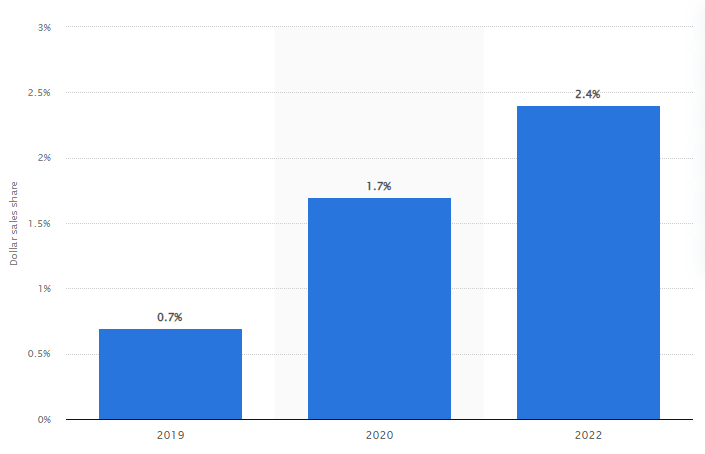
Social media offers a powerful platform to connect directly with customers, showcase your farm’s offerings, and build brand loyalty. A well-executed social media strategy can significantly boost online sales and increase awareness of your farm produce. This section will guide you through crafting effective social media marketing campaigns.
Creating a Content Calendar for Social Media Posts
Developing a content calendar is crucial for maintaining a consistent and engaging social media presence. It helps plan posts in advance, ensuring a variety of content and timely updates.
To create a content calendar:
- Identify Posting Frequency: Determine how often you’ll post on each platform. Consider your target audience and the platform’s best practices. For example, Instagram might benefit from daily posts, while Facebook could be 2-3 times a week.
- Choose Content Pillars: Define the key themes or topics your content will revolve around. Examples include “Farm Fresh Facts,” “Recipe Inspiration,” “Meet the Farmer,” and “Behind-the-Scenes.”
- Brainstorm Content Ideas: Generate a list of potential posts for each content pillar. This could include seasonal produce spotlights, customer testimonials, recipe videos, or farm updates.
- Select a Calendar Tool: Use a spreadsheet (Google Sheets, Excel) or a social media management tool (Hootsuite, Buffer, Later) to organize your calendar.
- Schedule Posts: Plan and schedule posts in advance. Include the date, time, platform, content type (image, video, text), and any relevant links or hashtags.
- Review and Adapt: Regularly review your content calendar and adjust it based on performance and seasonal changes.
Engaging Social Media Post Examples
Creating compelling social media posts that resonate with your audience is key to attracting customers. Here are some examples of engaging posts, without image links, to inspire your own content:
- Facebook: “Our heirloom tomatoes are bursting with flavor! 🍅 Grown with love and sunshine, they’re perfect for salads, sandwiches, or simply enjoying on their own. Order yours today at [link to your online store] #heirloomtomatoes #farmfresh #supportlocal”
- Instagram: “Harvesting the sweetest strawberries this week! 🍓 What’s your favorite way to enjoy them? Share your recipes in the comments! 👇 #strawberries #farmtotable #freshproduce #eatlocal”
- Twitter: “Did you know our pumpkins are perfect for carving AND baking? 🎃 Get ready for fall with our seasonal harvest! Shop now: [link to your online store] #pumpkins #fall #farmproduce”
- Facebook: “Meet Farmer John! 👋 He’s been growing the best sweet corn for over 20 years. Learn more about our farm’s history and values on our website: [link to your website] #meetthefarmer #farmlife #sweetcorn”
- Instagram: “Recipe Spotlight: Summer Salad with our Fresh Basil and Tomatoes! 🌿🍅 Get the full recipe on our blog: [link to your blog] #recipes #summersalad #basil #tomatoes”
Using Hashtags to Increase Visibility
Hashtags are essential for increasing the visibility of your farm produce on social media platforms. They help your content reach a wider audience by categorizing your posts and making them searchable.
To effectively use hashtags:
- Research Relevant Hashtags: Identify popular hashtags related to your produce, location, and farming practices. Use tools like Hashtagify or RiteTag to discover trending hashtags.
- Use a Mix of Hashtags: Combine broad hashtags (e.g., #farmfresh) with more specific ones (e.g., #organicstrawberries) and location-based hashtags (e.g., #yourcityfarms).
- Create a Branded Hashtag: Encourage customers to use a unique hashtag related to your farm. This helps build community and track user-generated content.
- Monitor Hashtag Performance: Track which hashtags generate the most engagement and adjust your strategy accordingly.
- Avoid Overuse: Don’t overload your posts with too many hashtags. A good rule of thumb is to use a few relevant hashtags on each platform, tailoring the number to the platform’s norms (e.g., up to 5-10 on Instagram, fewer on Twitter).
Designing Targeted Social Media Advertising Campaigns
Social media advertising can help you reach a wider audience and target specific customer segments. A well-designed campaign can drive traffic to your online store and increase sales.
To design targeted social media advertising campaigns:
- Define Your Target Audience: Identify your ideal customer, including demographics, interests, and online behavior.
- Set Clear Objectives: Determine what you want to achieve with your advertising campaign, such as increasing brand awareness, driving website traffic, or boosting sales.
- Choose the Right Platform: Select the social media platforms where your target audience is most active. Consider Facebook, Instagram, and Pinterest.
- Create Compelling Ad Content: Develop visually appealing ads with high-quality images or videos. Write clear and concise ad copy that highlights the benefits of your farm produce.
- Set a Budget: Determine how much you’re willing to spend on your advertising campaign. Set a daily or lifetime budget.
- Target Your Ads: Use the platform’s targeting options to reach your ideal customer. Target by demographics, interests, location, and behaviors.
- Track and Analyze Results: Monitor the performance of your ads using the platform’s analytics tools. Track metrics such as reach, impressions, clicks, and conversions.
- Optimize Your Campaigns: Make adjustments to your ads based on performance data. Test different ad creatives, targeting options, and budgets to improve results.
Methods for Monitoring Social Media Engagement and Analyzing Results
Monitoring social media engagement and analyzing results is crucial for understanding what resonates with your audience and optimizing your marketing efforts. This involves tracking key metrics and using analytics tools.
Methods for monitoring and analyzing social media engagement:
- Track Key Metrics: Monitor metrics such as:
- Reach: The number of unique users who saw your posts.
- Impressions: The total number of times your posts were displayed.
- Engagement Rate: The percentage of users who interacted with your posts (likes, comments, shares, clicks).
- Click-Through Rate (CTR): The percentage of users who clicked on links in your posts.
- Conversion Rate: The percentage of users who completed a desired action (e.g., made a purchase).
- Use Platform Analytics: Utilize the built-in analytics tools on each social media platform (e.g., Facebook Insights, Instagram Insights, Twitter Analytics).
- Analyze Audience Demographics: Understand your audience’s demographics (age, gender, location, interests) to tailor your content and targeting.
- Monitor User Comments and Messages: Respond to comments and messages promptly to build relationships and address customer inquiries.
- Use Social Listening Tools: Employ social listening tools (e.g., Hootsuite, Sprout Social, Mention) to monitor brand mentions, track relevant s, and identify trends.
- Conduct Sentiment Analysis: Analyze the sentiment (positive, negative, neutral) expressed in comments and mentions to gauge customer satisfaction and identify areas for improvement.
- Review and Adapt: Regularly review your social media performance and adjust your strategy based on the data. Experiment with different content formats, posting times, and targeting options to optimize results.
Email Marketing and Customer Relationship Management
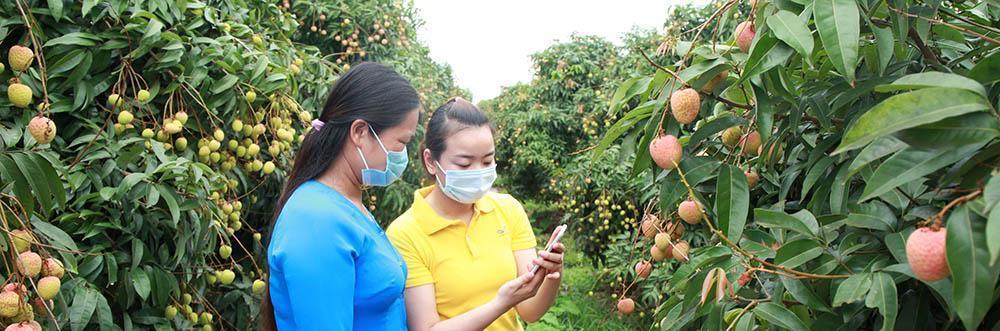
Email marketing is a powerful tool for farms to cultivate lasting relationships with customers, drive sales, and build brand loyalty. It provides a direct line of communication, allowing for personalized messaging and targeted promotions. Effective email marketing can significantly increase revenue and enhance the overall success of a farm’s online presence.
Building an Email List for a Farm
Creating a robust email list is the foundation of a successful email marketing strategy. This list represents a direct audience of potential customers who have expressed interest in your farm’s products.
- Importance: An email list allows for direct communication, bypassing social media algorithms and ensuring your message reaches your target audience. It provides a platform for sharing farm updates, promoting new products, offering exclusive deals, and fostering a sense of community. It is a cost-effective marketing channel with a high return on investment (ROI). Studies show that for every $1 spent on email marketing, the average ROI is $36.
- Benefits: Direct communication, increased sales, brand building, cost-effectiveness, and improved customer engagement.
Creating an Email Signup Form and Offering Incentives
Encouraging website visitors and customers to subscribe to your email list is crucial. Providing incentives can significantly boost signup rates.
- Placement: Integrate signup forms strategically throughout your website, including the homepage, product pages, and checkout process. Consider using pop-up forms, embedded forms, and dedicated landing pages.
- Form Design: Keep the form simple and user-friendly, asking for only essential information like name and email address. Use clear and concise language.
- Incentives: Offer valuable incentives to encourage signups. Examples include:
- A discount code for their first purchase.
- A free guide or recipe booklet featuring your farm’s products.
- Early access to sales and new product announcements.
- Exclusive content, such as behind-the-scenes farm tours or seasonal newsletters.
- Example: A farm could offer a 10% discount code for signing up for their newsletter, which also includes recipes and seasonal updates.
Segmenting an Email List
Segmenting your email list allows you to send targeted messages to specific groups of subscribers based on their interests and purchase history. This personalization increases engagement and conversion rates.
- Segmentation Criteria: Common segmentation strategies include:
- Purchase History: Group customers based on what they’ve purchased (e.g., fruit buyers, vegetable buyers).
- Interests: Segment based on expressed preferences (e.g., organic produce, specific types of fruits or vegetables).
- Location: Target subscribers based on their geographic location for local promotions or delivery options.
- Engagement: Segment based on email open rates and click-through rates (e.g., active subscribers, inactive subscribers).
- Tools: Email marketing platforms like Mailchimp, Constant Contact, and ConvertKit offer robust segmentation features.
- Example: A farm could segment its list to send a special offer on berries to customers who have previously purchased berries.
Automated Email Campaigns
Automated email campaigns streamline your marketing efforts and nurture leads over time. They are triggered by specific actions, such as subscribing to your list or making a purchase.
- Welcome Series: Introduce new subscribers to your farm, share your story, and highlight your products.
- Example: An email introducing the farm, its values, and the products offered.
- Abandoned Cart Emails: Remind customers of items left in their shopping carts and encourage them to complete their purchase.
- Example: An email reminding the customer about the items left in their cart, along with a picture of the product, and a link to complete the purchase.
- Product Promotion Emails: Promote new products or seasonal offerings to relevant segments of your list.
- Example: An email announcing the arrival of fresh peaches, with a picture and a link to purchase.
- Re-engagement Campaigns: Win back inactive subscribers with special offers or exclusive content.
- Example: An email offering a discount code to subscribers who haven’t opened an email in a while.
Tracking Email Open and Click-Through Rates
Monitoring email open and click-through rates provides valuable insights into the effectiveness of your email campaigns. This data helps you refine your strategy and improve your results.
- Open Rate: The percentage of subscribers who opened your email. A good open rate varies by industry, but a benchmark is typically between 15% and 25%.
- Click-Through Rate (CTR): The percentage of subscribers who clicked on a link within your email. A good CTR is generally between 2% and 5%.
- Tracking Tools: Email marketing platforms provide detailed analytics, including open rates, click-through rates, bounce rates, and unsubscribe rates.
- Analysis and Optimization:
- Analyze your data regularly to identify trends and areas for improvement.
- Test different subject lines, email content, and calls to action to optimize your results.
- Segment your list and tailor your messaging to improve engagement.
- Example: If an email campaign has a low open rate, the farm might test different subject lines to see which performs better. If the CTR is low, the farm could adjust the content or call to action.
Local and Online Visibility
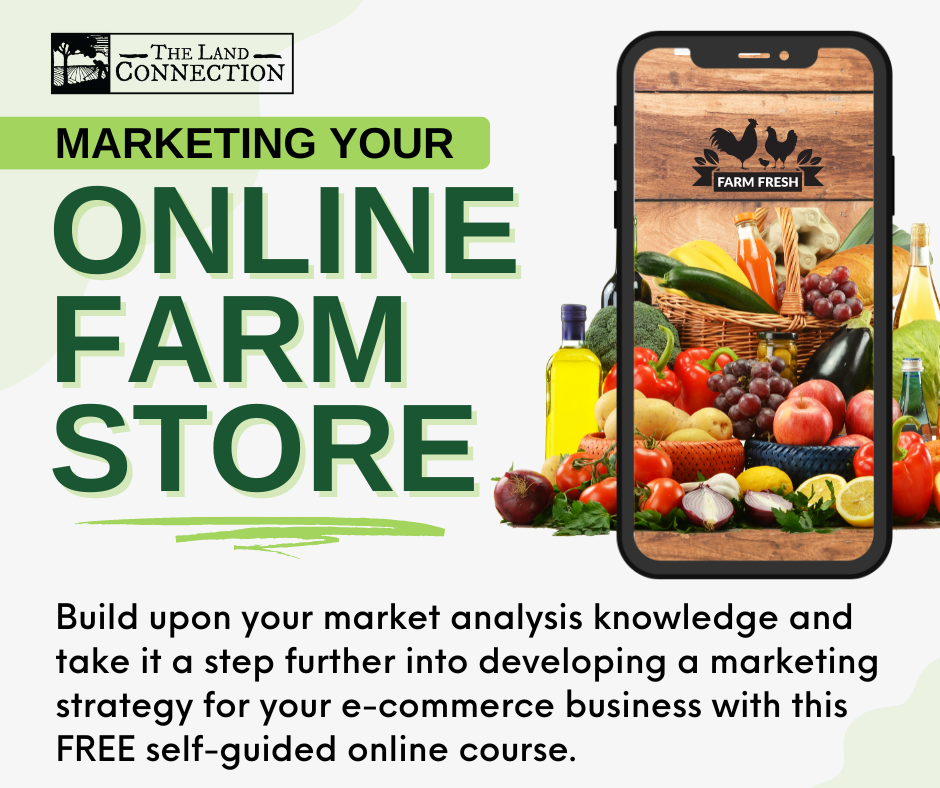
Improving a farm’s online visibility is crucial for attracting local customers. Local Search Engine Optimization () ensures that your farm appears prominently in search results when potential customers search for farm-fresh produce, local markets, or related terms in their area. This section Artikels strategies to optimize your online presence for local searches, creating a direct connection with your target audience.
Methods for Optimizing a Farm’s Online Presence for Local Searches
Several techniques can be employed to boost a farm’s visibility in local search results. These methods focus on making your farm easily discoverable by people in your community who are actively seeking your products.
- Research: Identify relevant s that local customers might use when searching for farm products. Use tools like Google Planner or SEMrush to find terms such as “farm fresh vegetables near me,” “organic eggs [your city/town],” or “pick your own berries [your county].”
- On-Page Optimization: Incorporate these s naturally into your website’s content, including page titles, headings, descriptions, and image alt text. Ensure your website clearly states your location and the products you offer.
- Off-Page Optimization: Build citations (mentions of your farm’s name, address, and phone number – NAP) on reputable online directories, local business listings, and industry-specific websites.
- Mobile Optimization: Ensure your website is mobile-friendly, as many local searches are performed on smartphones. A responsive design that adapts to different screen sizes is essential.
- Local Content: Create content that appeals to local audiences. This can include blog posts about seasonal produce, recipes using your products, or information about farm events and community involvement.
Creating a Google My Business Profile
A Google My Business (GMB) profile is a free and essential tool for local . It allows your farm to appear in Google Maps and local search results, providing potential customers with vital information about your business.
- Claim or Create Your Profile: Go to google.com/business and either claim an existing listing or create a new one. You’ll need a Google account.
- Fill Out Information Accurately: Provide complete and accurate information, including your farm’s name, address, phone number, website URL, business hours, and a description of your products and services.
- Choose Relevant Categories: Select the business categories that best describe your farm, such as “Farm,” “Farmers Market,” “Vegetable Farm,” or “Fruit Farm.”
- Add High-Quality Photos: Upload appealing photos of your farm, your products, and your team. This helps attract customers and gives them a better understanding of your business.
- Verify Your Listing: Google will usually require you to verify your business by mail or phone. Follow the instructions provided to complete the verification process.
- Manage and Update Regularly: Regularly update your profile with new information, special offers, events, and photos. Respond to customer reviews promptly.
Importance of Online Reviews and Encouraging Customers to Leave Them
Online reviews significantly influence consumer decisions. Positive reviews build trust and credibility, encouraging potential customers to choose your farm over competitors.
To encourage customers to leave reviews:
- Ask for Reviews: Politely ask satisfied customers to leave a review after they make a purchase or visit your farm. You can include a request in thank-you emails, on receipts, or in-person.
- Make it Easy: Provide a direct link to your Google My Business profile or other review platforms (Yelp, Facebook) where customers can easily leave a review.
- Respond to Reviews: Respond to all reviews, both positive and negative. Thank customers for positive feedback and address any concerns raised in negative reviews professionally and constructively.
- Offer Incentives (Carefully): While it’s generally against Google’s guidelines to offer incentives for reviews, you can occasionally run contests or promotions where leaving a review is one way to enter. Be sure to comply with all platform guidelines.
Strategies for Getting Listed in Online Directories and Local Food Guides
Listing your farm in relevant online directories and local food guides increases visibility and helps potential customers discover your business.
- Identify Relevant Directories: Research online directories and local food guides that are popular in your area. Examples include Yelp, TripAdvisor, local chamber of commerce websites, and websites specializing in local food and agriculture.
- Submit Your Listing: Create a listing for your farm on each relevant directory. Ensure your information is accurate and consistent across all listings.
- Optimize Your Listings: Include a detailed description of your farm, your products, and your contact information. Use relevant s to help people find your listing.
- Claim and Manage Your Listings: Claim your existing listings to ensure the information is correct and to manage any reviews or updates.
- Seek Partnerships: Consider partnering with local food bloggers, influencers, and other businesses to promote your farm and its listings.
Identifying and Using Local Techniques
Local techniques focus on optimizing your online presence to rank higher in local search results. Implementing these strategies can significantly increase the visibility of your farm to customers in your area.
Key local techniques include:
- Geotagging Images: Add location data (latitude and longitude) to images you upload to your website and social media. This helps search engines understand where the photos were taken and can improve local search rankings.
- Creating Local Content: Develop content that is specific to your local area. This can include blog posts about seasonal produce, local events, or partnerships with other local businesses.
- Building Local Backlinks: Acquire backlinks (links from other websites) from local businesses, community organizations, and news websites. This signals to search engines that your farm is a reputable business in the area.
- Monitoring Local Search Rankings: Regularly monitor your website’s search rankings for relevant s in your local area. Use tools like Google Search Console or third-party tools to track your progress.
- Utilizing Schema Markup: Implement schema markup (structured data) on your website to provide search engines with more information about your farm. This can improve your chances of appearing in rich snippets (enhanced search results) and local knowledge panels.
Delivery and Logistics
Effectively managing the delivery and logistics of your farm produce is crucial for ensuring customer satisfaction and maintaining the quality of your products. This involves careful consideration of various factors, from selecting the right shipping methods to implementing efficient order management systems. A well-defined logistics plan minimizes spoilage, reduces shipping costs, and builds customer trust, ultimately contributing to the success of your online farm business.
Determining the Best Delivery Options for Farm Produce
Choosing the most suitable delivery options depends on several factors, including the type of produce, the distance to be shipped, and your budget. Consider the following aspects:
- Perishability of the Produce: Highly perishable items, such as berries or leafy greens, necessitate faster shipping methods like overnight or expedited delivery. Less perishable items, like root vegetables or hard fruits, offer more flexibility.
- Shipping Distance: Local deliveries might allow for same-day or next-day delivery using your own vehicles or local courier services. For longer distances, you’ll likely need to rely on national shipping carriers.
- Shipping Costs: Compare rates from different carriers (USPS, UPS, FedEx, etc.). Consider flat-rate options, especially if you can fit a consistent amount of produce in a standard-sized box. Remember to factor in the cost of packaging materials.
- Temperature Control: For temperature-sensitive produce, investigate refrigerated shipping options. This might involve using insulated boxes, gel packs, or dry ice.
- Customer Preferences: Survey your customers to gauge their preferred delivery methods and willingness to pay for faster shipping.
Packaging Produce to Maintain Freshness During Transit
Proper packaging is essential for protecting your produce from damage and maintaining its freshness throughout the shipping process.
- Selecting Appropriate Packaging Materials: Use sturdy, corrugated cardboard boxes that are the right size for your produce. Consider insulated boxes with liners for temperature-sensitive items.
- Protecting Against Damage: Line the box with cushioning materials like bubble wrap, packing peanuts, or shredded paper. Place heavier items at the bottom and lighter, more delicate items on top.
- Temperature Control: Include ice packs or frozen gel packs to keep perishable items cool during transit. Use appropriate amounts based on the expected shipping time and ambient temperature.
- Ventilation: Ensure adequate ventilation, especially for produce that requires it. Punch holes in the box or use boxes with built-in ventilation features.
- Labeling: Clearly label the box with “Perishable,” “Fragile,” and “Keep Refrigerated” (if applicable) to alert the carrier.
Managing Orders and Tracking Deliveries
Efficient order management and delivery tracking are crucial for providing a positive customer experience and minimizing potential issues.
- Order Processing Systems: Utilize an e-commerce platform or order management software to automate order processing. This includes order confirmation, payment processing, and generating shipping labels.
- Shipping Carrier Integration: Integrate your e-commerce platform with your chosen shipping carriers. This allows you to automatically generate shipping labels, track shipments, and notify customers of their delivery status.
- Order Tracking: Provide customers with tracking numbers so they can monitor the progress of their orders. Send automated email or SMS notifications at key milestones, such as when the order ships, is out for delivery, and has been delivered.
- Inventory Management: Maintain accurate inventory records to avoid overselling and ensure you can fulfill all orders promptly.
- Customer Communication: Respond promptly to customer inquiries regarding order status or delivery issues. Be proactive in addressing any delays or problems.
Designing a Plan to Offer Local Pickup Options for Customers
Offering local pickup provides customers with a convenient alternative to shipping, potentially reducing costs and increasing sales.
- Choosing a Pickup Location: Select a convenient and accessible location for pickups. This could be your farm, a local farmers market, or a designated pickup point. Consider parking availability and accessibility.
- Setting Pickup Hours: Establish clear pickup hours that are convenient for your customers. Consider offering multiple pickup times throughout the week.
- Communication: Clearly communicate the pickup process to your customers. Provide detailed instructions on how to pick up their orders, including the location, pickup hours, and any necessary identification.
- Order Preparation: Prepare orders in advance, ensuring they are packed appropriately and ready for pickup. Have a system in place to quickly locate and distribute orders.
- Customer Notification: Notify customers when their orders are ready for pickup, including the pickup location and time.
Demonstrating the Process of Creating a Shipping Label
Creating accurate and professional shipping labels is vital for ensuring your produce reaches its destination without delay. The process involves the following steps, using the example of using the USPS website:
- Access the USPS Website or Shipping Software: Log in to your USPS account or access the shipping label creation tool within your e-commerce platform (if integrated with USPS).
- Enter Recipient Information: Input the recipient’s full name, address, and contact information accurately.
- Enter Sender Information: Enter your farm’s full name and return address.
- Select Package Type and Dimensions: Specify the type of packaging (e.g., box, envelope) and enter the dimensions (length, width, height) and weight of the package.
- Choose Shipping Service: Select the appropriate shipping service based on your delivery needs (e.g., Priority Mail, First-Class Package Service).
- Add Insurance (Optional): Consider adding insurance to protect against loss or damage.
- Enter Contents Description: Provide a brief description of the contents (e.g., “Fresh Organic Apples”).
- Print the Label: Print the shipping label. Ensure the label is clear, legible, and securely affixed to the package.
- Affix to Package: Carefully attach the label to the largest surface of the package, ensuring it’s flat and unobstructed.
- Hand Off to Carrier: Hand the package to the USPS carrier or drop it off at a designated location.
Example: Suppose you’re shipping a box of strawberries. You’d enter the recipient’s address, your farm’s return address, the box dimensions, the weight (including packaging), and select “Priority Mail” for faster delivery. You would also include “Fragile” and “Perishable” stickers on the box.
Legal and Regulatory Considerations
Selling farm produce online opens up a world of opportunity, but it also brings a responsibility to comply with various legal and regulatory requirements. Navigating these aspects is crucial for building trust with customers, protecting your business, and ensuring the safety of the products you sell. This section Artikels the key considerations to help you establish a compliant and sustainable online farm produce business.
Relevant Legal and Regulatory Requirements
The specific legal and regulatory requirements for selling farm produce online vary depending on your location (country, state/province, and local jurisdiction) and the type of produce you are selling. Understanding and adhering to these regulations is critical to avoid penalties and legal issues.
- Food Safety Regulations: These regulations are paramount. They cover aspects like handling, storage, processing, and transportation of food products. Many jurisdictions require adherence to food safety standards such as those Artikeld by the Food and Drug Administration (FDA) in the United States, the Food Standards Agency (FSA) in the United Kingdom, or similar bodies in other countries. These standards may include specific guidelines for preventing contamination, proper labeling, and record-keeping.
- Business Licensing and Permits: You will likely need a business license to operate legally. Depending on your business activities, you might also need specific permits related to food handling, processing, or sales. Contact your local government to determine the necessary licenses and permits. For example, a farmer selling directly to consumers in California might need a Certified Farmers’ Market permit, while a larger operation might require a food processing license.
- Labeling Requirements: Accurate and compliant labeling is essential. Labels must include information such as the product name, net weight, ingredients (if applicable), the name and address of the producer, and any necessary allergen information. In some regions, you may also be required to include a “sell-by” or “use-by” date. The FDA’s labeling guidelines provide detailed information on what must be included on food labels in the US.
- Weights and Measures Regulations: Ensure that the weights and measures of your produce are accurate and compliant with local regulations. This is especially important for pre-packaged items. Regular calibration of weighing scales and measuring devices is often required.
- Organic Certification (if applicable): If you are selling organic produce, you must be certified by a USDA-accredited certifying agent in the United States, or a similar certifying body in other countries. Maintaining organic certification requires adhering to strict standards regarding farming practices and record-keeping.
- Tax Regulations: Understand and comply with all relevant tax regulations, including sales tax and income tax. You will need to collect and remit sales tax based on the location of your customers. Consult with a tax professional to ensure you are meeting your obligations.
- Consumer Protection Laws: Be aware of consumer protection laws that govern online sales, including those related to product warranties, returns, and refunds. You must provide clear and accurate information about your products, pricing, and shipping policies.
Importance of Food Safety Certifications and Labeling Requirements
Food safety certifications and proper labeling are essential components of a successful online farm produce business. They build trust with consumers, ensure product safety, and demonstrate a commitment to quality.
- Building Consumer Trust: Food safety certifications, such as Good Agricultural Practices (GAP) or Hazard Analysis and Critical Control Points (HACCP), demonstrate that you follow established food safety protocols. These certifications provide consumers with confidence in the safety and quality of your products. For example, displaying a GAP certification badge on your website can significantly increase consumer trust and purchase likelihood.
- Ensuring Product Safety: Adhering to food safety standards helps prevent contamination and spoilage, protecting consumers from foodborne illnesses. Proper handling, storage, and transportation are all critical elements of food safety.
- Meeting Legal Requirements: Food safety certifications and labeling are often mandated by law. Failure to comply with these requirements can result in penalties, product recalls, and damage to your reputation.
- Providing Clear Information: Accurate labeling provides consumers with essential information about your products, including ingredients, nutritional information (if applicable), and allergen warnings. This helps consumers make informed purchasing decisions.
- Facilitating Traceability: Labeling requirements, such as lot codes and production dates, can assist in tracing the origin of your products in case of a recall.
Creating a Privacy Policy for the Farm’s Website
A privacy policy is a critical document for any online business, including those selling farm produce. It informs customers about how their personal data is collected, used, and protected. Creating a clear and comprehensive privacy policy is not only a legal requirement in many jurisdictions but also a demonstration of your commitment to customer privacy.The privacy policy should include:
- Information Collected: Specify the types of personal information you collect, such as names, email addresses, shipping addresses, and payment information.
- Purpose of Data Collection: Explain why you collect this information, such as for order processing, shipping, customer service, and marketing.
- Data Usage: Describe how you use the collected data, including whether it is shared with third parties (e.g., payment processors, shipping companies).
- Data Security Measures: Artikel the security measures you have in place to protect customer data, such as encryption and secure servers.
- Customer Rights: Inform customers about their rights regarding their data, such as the right to access, correct, or delete their personal information.
- Cookies and Tracking Technologies: Explain the use of cookies and other tracking technologies on your website.
- Contact Information: Provide contact information for privacy-related inquiries.
- Policy Updates: State how you will inform customers of any changes to your privacy policy.
Best Practices for Handling Customer Data
Handling customer data responsibly is essential for maintaining customer trust and complying with data privacy regulations. Implementing best practices for data handling demonstrates your commitment to protecting customer information.Here are some best practices:
- Data Minimization: Collect only the data that is necessary for your business operations. Avoid collecting unnecessary information.
- Secure Data Storage: Store customer data securely, using encryption and secure servers. Implement access controls to limit who can access customer data.
- Data Encryption: Encrypt sensitive data, such as payment information, both in transit and at rest.
- Regular Security Audits: Conduct regular security audits to identify and address potential vulnerabilities in your data security practices.
- Employee Training: Train your employees on data privacy best practices and your company’s privacy policy.
- Third-Party Compliance: Ensure that any third-party service providers (e.g., payment processors, shipping companies) also comply with data privacy regulations.
- Data Breach Response Plan: Have a plan in place to respond to data breaches, including notifying affected customers and relevant authorities.
- Customer Consent: Obtain customer consent before collecting and using their data for marketing purposes.
- Data Retention: Establish a data retention policy to determine how long you will store customer data.
Legal Aspects of Online Sales and Consumer Protection
Selling farm produce online is subject to a range of legal aspects related to online sales and consumer protection. Understanding these aspects is essential to avoid legal issues and maintain customer satisfaction.Here are some key legal aspects:
- Contract Formation: When a customer places an order, a contract is formed. Clearly Artikel the terms and conditions of sale on your website, including pricing, payment methods, shipping policies, and return policies.
- Product Liability: You are responsible for the safety and quality of your products. Ensure that your products are safe for consumption and that you provide accurate information about them. Consider obtaining product liability insurance to protect your business.
- Warranty and Returns: Clearly state your warranty and return policies. Be transparent about what happens if a customer is dissatisfied with their purchase. Comply with consumer protection laws regarding warranties and returns.
- Advertising and Marketing: Ensure that your advertising and marketing materials are accurate and not misleading. Avoid making false claims about your products. Comply with advertising regulations.
- Intellectual Property: Respect intellectual property rights, including trademarks and copyrights. Do not use copyrighted material without permission.
- Jurisdiction and Governing Law: Specify the jurisdiction and governing law that apply to your online sales. This is important for resolving disputes.
- Dispute Resolution: Provide a clear process for resolving disputes with customers. This may include a customer service contact or a dispute resolution mechanism.
- Compliance with the relevant consumer protection laws: Such as the Consumer Rights Act (in the UK) or similar legislation in your region, ensuring fair practices in your online store.
Building a Brand and Cultivating Customer Loyalty
Developing a strong brand and fostering customer loyalty are essential for long-term success in the online farm produce market. A well-defined brand differentiates your farm from competitors, while loyal customers provide a stable source of revenue and positive word-of-mouth marketing. This section explores how to build a unique brand identity and cultivate lasting relationships with your customers.
Developing a Unique Brand Identity
Creating a unique brand identity involves defining what makes your farm special and communicating that to your target audience. This process goes beyond just a logo; it encompasses every aspect of your farm’s online presence and how you interact with customers.
- Define Your Farm’s Values: Identify the core principles that guide your farm’s operations. Are you focused on organic practices, sustainable agriculture, heirloom varieties, or community involvement? These values will shape your brand identity.
- Identify Your Target Audience: Understand who you are trying to reach. Are you targeting health-conscious consumers, busy families, local food enthusiasts, or chefs? Knowing your audience helps you tailor your branding to their preferences.
- Develop Your Brand Story: Craft a compelling narrative that tells the story of your farm. Share your farm’s history, your passion for farming, and the unique qualities of your produce. This story humanizes your brand and creates an emotional connection with customers.
- Create a Brand Personality: Define the personality of your brand. Is it friendly, sophisticated, rustic, or modern? The brand personality should align with your values and target audience.
Branding Elements Examples
Various elements work together to create a cohesive and recognizable brand. Consistency across these elements is key to building brand recognition and trust.
- Logo: The visual representation of your farm. It should be memorable, relevant to your farm, and easily recognizable. Consider the use of imagery related to your produce, your farm’s location, or your farm’s practices. The logo should be adaptable to various sizes and applications, from your website to social media profiles and packaging.
- Color Palette: The set of colors used consistently in your branding. Colors evoke emotions and associations. For example, green and brown can suggest freshness and earthiness, while vibrant colors can indicate freshness and flavor.
- Typography: The choice of fonts used in your branding. Fonts should be legible and reflect your brand personality. Consider using a combination of fonts for headings, body text, and other design elements.
- Brand Voice: The tone and style of your written communication. Is your brand voice formal or informal, friendly or professional? Consistency in your brand voice helps to build trust and recognition. For instance, a farm specializing in heritage tomatoes might use a more sophisticated and informative voice, while a farm selling directly to families might use a warmer, more approachable tone.
- Imagery: The photographs and illustrations used in your branding. High-quality images of your produce, your farm, and your team are essential for creating a visual appeal. Ensure that your images are consistent in style and reflect your brand values. For example, a farm focused on organic practices might use images that highlight the natural beauty of their farm.
Building Customer Loyalty Through Exceptional Customer Service
Exceptional customer service is a cornerstone of building customer loyalty. Going above and beyond for your customers can turn them into brand advocates who recommend your farm to others.
- Provide Prompt and Helpful Responses: Respond to customer inquiries quickly and efficiently. Use email, phone, or live chat to provide assistance.
- Offer Personalized Service: Remember your customers’ preferences and past purchases. Personalize your communications to show that you value their business.
- Resolve Issues Quickly and Fairly: Address any complaints or issues promptly and professionally. Offer solutions that demonstrate your commitment to customer satisfaction.
- Go the Extra Mile: Consider offering small gestures of appreciation, such as including a handwritten thank-you note with orders or providing free samples of new products.
- Be Transparent: Be honest and upfront about your farming practices, product sourcing, and any potential issues. Transparency builds trust and strengthens customer relationships.
Gathering and Utilizing Customer Feedback
Collecting customer feedback is essential for continuous improvement and building customer loyalty. Feedback provides valuable insights into what your customers like and dislike, allowing you to refine your products, services, and overall customer experience.
- Implement Feedback Mechanisms: Use various methods to gather customer feedback, such as surveys, online reviews, social media comments, and direct email communication.
- Use Surveys: Create short, easy-to-complete surveys that ask for feedback on specific aspects of your farm’s products, services, and website experience. Use tools like SurveyMonkey or Google Forms.
- Monitor Online Reviews: Regularly check online reviews on platforms like Google, Yelp, and Facebook. Respond to both positive and negative reviews promptly and professionally.
- Engage on Social Media: Monitor social media comments and messages. Respond to customer inquiries, address complaints, and encourage feedback.
- Analyze and Act on Feedback: Analyze the feedback you receive to identify trends and areas for improvement. Use the insights to make changes to your products, services, or customer experience. For instance, if several customers complain about the packaging of a particular product, you can redesign the packaging to improve its durability.
Encouraging Repeat Purchases
Encouraging repeat purchases is a crucial part of growing your business. Strategies to incentivize repeat business include:
| Strategy | Description | Example | Expected Result |
|---|---|---|---|
| Loyalty Programs | Reward customers for repeat purchases. Offer points, discounts, or exclusive access to products or events. | For every $100 spent, customers receive a $10 discount on their next purchase. | Increased customer retention and higher average order value. |
| Subscription Services | Offer recurring deliveries of your produce. | Weekly or monthly boxes of seasonal fruits and vegetables delivered directly to customers’ homes. | Consistent revenue stream and enhanced customer loyalty. |
| Exclusive Offers | Provide special offers and promotions to existing customers. | Send out an email to your existing customer base with a limited-time discount on a particular product. | Increased sales and customer engagement. |
| Personalized Recommendations | Suggest products based on customers’ past purchases and preferences. | “Customers who bought this also bought…” recommendations on your website. | Improved customer experience and increased cross-selling opportunities. |
Outcome Summary
In conclusion, mastering how to market farm produce online requires a strategic blend of technical know-how, creative content, and a deep understanding of your target audience. By embracing the strategies Artikeld in this guide, from website development to customer relationship management, you can establish a robust online presence that not only boosts sales but also strengthens your brand identity. Remember, building a successful online farm business is an ongoing process, so continue to learn, adapt, and engage with your customers to cultivate lasting success.