Embark on a journey to understand how to produce silage for cattle, a cornerstone of modern cattle nutrition. This guide will illuminate the essential steps, from selecting the right crops to optimizing storage and feeding practices, providing a comprehensive overview for both seasoned farmers and those new to the field.
Silage, essentially fermented forage, offers a highly efficient method of preserving feed for cattle, maximizing nutritional value and minimizing waste. We’ll delve into the intricacies of crop selection, harvesting techniques, storage methods, and the crucial fermentation process that transforms fresh forage into a palatable and nutritious feed source. This will include understanding the equipment needed, troubleshooting common problems, and considering the associated costs.
Understanding Silage and Its Importance
Silage is a cornerstone of modern cattle feeding, providing a readily available and nutritious feed source throughout the year. Its strategic use contributes significantly to the overall health, productivity, and profitability of a cattle operation. Understanding the fundamentals of silage, from its composition to its preservation methods, is crucial for maximizing its benefits.
The Role of Silage in Cattle Nutrition
Silage serves as a vital component of a balanced diet for cattle, particularly during periods when fresh pasture is unavailable, such as winter months or during droughts. It provides essential nutrients, including carbohydrates, proteins, and vitamins, necessary for growth, maintenance, and milk production. The nutritional value of silage can be tailored to meet the specific needs of different cattle groups, such as lactating cows, growing heifers, or finishing steers, by selecting appropriate forage crops and managing the fermentation process.
For instance, corn silage, due to its high starch content, is frequently used to provide energy for high-producing dairy cows, while grass silage might be preferred for other classes of cattle, offering a balance of energy and fiber.
Definition of Silage
Silage is a fermented, high-moisture animal feed that is created by storing green forage crops, such as corn, alfalfa, or grasses, in an anaerobic (oxygen-free) environment. This fermentation process, driven primarily by lactic acid bacteria, preserves the forage by lowering the pH, thereby inhibiting the growth of spoilage microorganisms. The resulting silage is a palatable and nutritious feedstuff that can be stored for extended periods, often for several months or even years, without significant loss of nutritional value, provided proper storage and management practices are followed.
Benefits of Using Silage Over Other Feed Options
Silage offers several advantages over alternative feed options, such as hay or fresh pasture, particularly in intensive livestock systems.
- Nutritional Consistency: Silage provides a more consistent feed quality compared to hay, as the ensiling process minimizes nutrient losses that can occur during haymaking, such as leaf shatter and bleaching.
- Increased Digestibility: The fermentation process in silage production can improve the digestibility of the forage, making it easier for cattle to extract nutrients.
- Reduced Waste: Silage allows for efficient utilization of the entire forage crop, minimizing waste that can occur with other feeding methods.
- Year-Round Availability: Silage can be produced and stored during periods of high forage growth and fed to cattle throughout the year, regardless of seasonal variations in pasture availability.
- Cost-Effectiveness: Silage production can be more cost-effective than purchasing commercial feeds, especially when forage crops are grown on-farm.
Advantages of Silage in Terms of Storage and Preservation
Proper silage storage and preservation are essential for maintaining feed quality and minimizing losses.
- Anaerobic Environment: Silage is preserved through anaerobic fermentation. The exclusion of oxygen is critical for the proliferation of lactic acid bacteria, which produce lactic acid, lowering the pH and inhibiting the growth of spoilage organisms.
- Minimizing Losses: Effective sealing of the silo, whether it is a bunker silo, a silage bag, or a silage pile, is essential to minimize air infiltration and prevent spoilage. This reduces nutrient losses due to aerobic respiration and microbial activity.
- Extended Storage Life: Properly made and stored silage can maintain its nutritional value for several months or even years. This long storage life provides flexibility in feed management and reduces the risk of feed shortages.
- Reduced Fire Hazard: Compared to dry hay, silage is less prone to spontaneous combustion, which can pose a significant fire risk in hay storage.
- Versatile Storage Options: Silage can be stored in various structures, including bunker silos, pile silos, silage bags, and silage towers, allowing for flexibility in adapting to different farm sizes and operational requirements.
Selecting the Right Crops for Silage
Choosing the correct crops is a critical step in silage production, directly influencing the quality and nutritional value of the final product. The selection process should consider factors such as yield potential, nutritional content, and suitability for the local climate and farming practices. Proper crop selection ensures optimal silage fermentation and provides the necessary nutrients for livestock.
Best Crop Varieties for Silage Production
A variety of crops can be used for silage, each with its own advantages. The most common choices include grasses, legumes, and cereals. Understanding the characteristics of each crop helps in making informed decisions for silage production.
- Grasses: Grasses are a popular choice due to their high yields and palatability.
- Corn (Maize): Corn is a widely used silage crop, known for its high energy content and yield potential. It is particularly well-suited for areas with warm growing seasons.
- Sorghum: Sorghum offers good drought tolerance and can be a suitable alternative to corn in drier regions. Some varieties have been developed with improved digestibility.
- Oats: Oats can be harvested early, providing a quick silage source. They offer a good balance of energy and fiber, often used as a component in silage mixtures.
- Ryegrass: Ryegrass, especially perennial ryegrass, is known for its high palatability and nutritional value, making it a good option for dairy cattle.
- Legumes: Legumes contribute high protein content to silage, which can reduce the need for protein supplementation in livestock diets.
- Alfalfa (Lucerne): Alfalfa is a high-protein legume that provides excellent nutritional value. It requires well-drained soil and careful management to maximize yields.
- Clover (Red and White): Clovers are valuable in silage mixtures, providing a good protein source and improving the overall nutritional profile. They are also beneficial for soil health.
- Cereals: Cereals can be used as silage crops to add starch and energy to the feed.
- Barley: Barley can be harvested at the soft dough stage to provide a good balance of energy and fiber.
- Wheat: Wheat can be used for silage production. Its nutritional value depends on the stage of maturity at harvest.
Factors to Consider When Choosing a Crop
Several factors influence crop selection for silage production, impacting both yield and the nutritional value of the final product. Carefully considering these factors ensures that the selected crop meets the specific needs of the livestock operation.
- Yield Potential: The potential yield of a crop is a primary consideration. Higher yields translate to more silage per acre, reducing production costs.
- Nutritional Value: The nutritional composition of the crop, including its protein, energy, fiber, and mineral content, is crucial. The selected crop should meet the dietary requirements of the livestock.
- Adaptation to Local Climate and Soil Conditions: The crop should be well-suited to the local climate and soil conditions. This includes factors like temperature, rainfall, and soil type.
- Disease and Pest Resistance: Selecting crops with good resistance to common diseases and pests can reduce the need for pesticides and ensure higher yields.
- Harvest Timing: The ideal harvest window for silage crops is relatively narrow. The crop must be harvested at the correct stage of maturity to optimize nutritional value and fermentation.
- Storage and Preservation: Consider the storage requirements of the silage, and how the chosen crop’s characteristics will affect the storage process.
- Cost of Production: The cost of seed, fertilizers, and other inputs should be factored into the decision-making process to ensure profitability.
Ideal Growth Stages for Harvesting Different Crops
Harvesting crops at the correct growth stage is essential for producing high-quality silage. The optimal stage maximizes both yield and nutritional value, ensuring efficient fermentation.
- Corn: Harvest corn for silage when the kernels are in the dent stage, typically at 32-35% dry matter. This stage provides the best balance of starch content and overall yield.
- Sorghum: Sorghum should be harvested at the soft dough stage, around 30-35% dry matter. This timing ensures optimal starch content and digestibility.
- Oats: Oats are best harvested at the late milk to early dough stage, with a dry matter content of 30-35%. This timing offers a good balance of energy and fiber.
- Alfalfa: Harvest alfalfa at the bud to early bloom stage, aiming for 1/10 bloom. This stage provides a good balance of protein and fiber, resulting in high-quality silage.
- Ryegrass: Harvest ryegrass when the heads are emerging, typically at a dry matter content of 30-35%. This timing maximizes nutritional value.
Nutritional Profiles of Different Silage Crops
The nutritional profiles of silage crops vary significantly. Understanding these differences helps in formulating balanced rations for livestock. The table below provides a comparison of the key nutritional components of different silage crops.
| Crop | Dry Matter (%) | Crude Protein (% of DM) | Neutral Detergent Fiber (NDF) (% of DM) | Net Energy for Lactation (Mcal/cwt) |
|---|---|---|---|---|
| Corn | 32-35 | 7-9 | 40-45 | 0.75-0.80 |
| Alfalfa | 30-35 | 18-22 | 40-45 | 0.65-0.70 |
| Oats | 30-35 | 10-12 | 45-50 | 0.70-0.75 |
| Sorghum | 30-35 | 8-10 | 45-50 | 0.70-0.75 |
Note: The values provided are approximate and can vary based on specific varieties, growing conditions, and management practices.
Harvesting Techniques for Silage Production
The success of silage production hinges on efficient harvesting techniques. From the initial cutting of the crop to the final chopping process, each step significantly influences the silage’s quality, nutritional value, and overall palatability for cattle. Proper harvesting ensures optimal fermentation and minimizes losses, contributing to a high-quality feed source.
Steps Involved in Harvesting Silage Crops
Harvesting silage crops involves a series of carefully coordinated steps. Each stage plays a crucial role in preserving the nutritional content of the crop and creating an environment conducive to proper fermentation. The sequence must be followed meticulously for optimal results.
- Cutting: This initial step involves using machinery, such as mowers or cutter-conditioners, to sever the crop from the ground. The timing of cutting is critical and depends on the crop species and desired maturity stage.
- Windrowing (if applicable): After cutting, the crop may be gathered into windrows. This process, particularly important for crops like haylage, allows for initial wilting and helps to regulate the moisture content before chopping.
- Chopping: This is a critical step where the crop is cut into smaller pieces using a forage harvester. Chopping size is important for achieving optimal packing density and promoting proper fermentation.
- Transporting: The chopped material is transported to the storage structure (silo, bunker, or pile) using trucks, trailers, or other suitable vehicles.
- Packing: Once in the storage structure, the chopped forage is tightly packed to eliminate air and create an anaerobic environment. This is essential for the fermentation process.
- Sealing: The final step involves sealing the storage structure to prevent air and water infiltration. This helps maintain the anaerobic conditions necessary for proper silage preservation.
Best Practices for Cutting Crops at Optimal Moisture Content
Cutting crops at the correct moisture content is essential for producing high-quality silage. Moisture levels that are too high can lead to undesirable fermentation and nutrient loss, while crops that are too dry may not pack well, leading to air pockets and spoilage. Implementing these best practices is vital for maximizing silage quality.
- Crop Species and Maturity: Different crops have different optimal moisture contents at different maturity stages. Research and understand the specific requirements for the chosen crop. For example, corn silage is typically harvested at a lower moisture content than grass silage.
- Regular Monitoring: Frequently monitor the crop’s moisture content throughout the growing season, especially as it approaches the desired maturity stage. Use a moisture meter to obtain accurate readings.
- Weather Conditions: Be aware of the weather forecast. Sunny, windy conditions will dry the crop more quickly than cloudy, humid conditions. Adjust cutting schedules accordingly.
- Wilting (if necessary): If the crop is too wet at cutting, consider allowing it to wilt in the field for a period. This process reduces the moisture content to the optimal range.
- Equipment Calibration: Ensure that harvesting equipment, such as choppers and moisture meters, are properly calibrated and maintained to ensure accurate readings and consistent chopping.
Proper Techniques for Chopping Crops to Achieve Desired Particle Size
The particle size of the chopped forage significantly impacts the fermentation process, the ease of packing, and the animal’s ability to digest the silage. Achieving the correct particle size is a critical component of high-quality silage production.
- Forage Harvester Settings: Adjust the cutting knives on the forage harvester to achieve the desired chop length. This setting determines the average size of the forage particles.
- Crop Type Considerations: Different crops require different chop lengths. For example, corn silage typically requires a shorter chop length (around 0.75 to 1 inch) than grass silage (around 1 to 1.5 inches).
- Knife Sharpness: Maintain sharp cutting knives on the forage harvester. Dull knives tear the plant material rather than cutting it cleanly, which can reduce packing density and negatively affect fermentation.
- Regular Inspection: Regularly inspect the chopped material to ensure that the desired particle size is being achieved. Adjust the chopper settings as needed.
- Packing Efficiency: Smaller particle sizes generally improve packing density, which is crucial for eliminating air and promoting proper fermentation.
“Monitoring crop moisture levels is crucial during harvesting. Use a moisture meter to take multiple readings throughout the field. Aim for the recommended moisture content for your specific crop and storage method. For example, corn silage typically requires a moisture content between 60-70% at the time of ensiling, while haylage may need to be closer to 40-55%.”
Silage Storage Methods
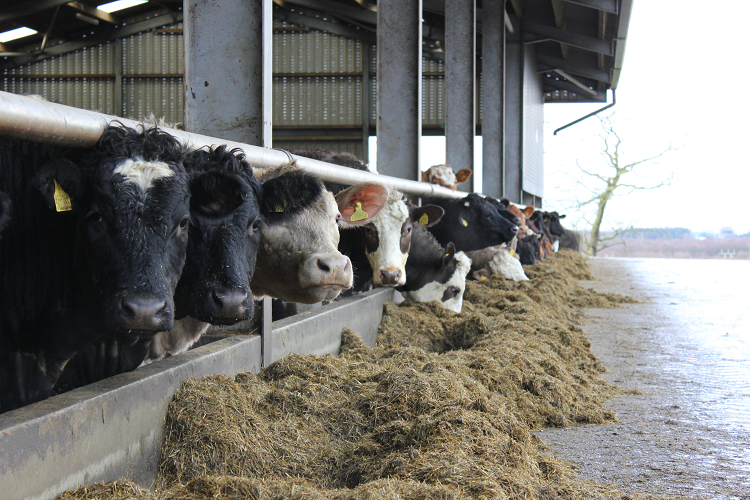
Proper storage is crucial to preserving the quality and nutritional value of silage. Effective storage minimizes spoilage and ensures that the feed remains palatable and beneficial for cattle throughout the feeding season. Various methods are employed, each with its own advantages and disadvantages. The choice of storage method depends on factors such as farm size, available resources, and the volume of silage produced.
Different Silage Storage Methods
Several methods are commonly used for storing silage, each with distinct characteristics. Understanding these methods is essential for selecting the most appropriate option for a given farming operation.
- Bunker Silos: Bunker silos are typically constructed with concrete walls and floors, creating a rectangular or square storage structure. Silage is packed into the bunker and then covered with plastic sheeting.
- Pile Silos: Pile silos are a more cost-effective alternative to bunker silos, often constructed on a compacted surface. Silage is piled and similarly covered with plastic sheeting.
- Bag Silos: Bag silos utilize large, airtight plastic bags to store silage. A specialized machine packs the silage into the bags, creating an anaerobic environment.
Pros and Cons of Each Storage Method
Each storage method has its own set of advantages and disadvantages that must be considered when making a selection. These factors can influence the overall cost, efficiency, and quality of the silage.
- Bunker Silos:
- Pros: High capacity, good silage quality due to controlled environment, ease of mechanized feeding.
- Cons: High initial construction cost, potential for large face area exposure to air if not managed properly, requires specialized equipment for filling and emptying.
- Pile Silos:
- Pros: Lower construction cost compared to bunker silos, flexibility in location, adaptable to varying silage volumes.
- Cons: Higher spoilage risk if not properly packed and sealed, potential for greater exposure to the elements, can be more labor-intensive.
- Bag Silos:
- Pros: Excellent anaerobic conditions, minimal spoilage if bags are intact, ideal for smaller operations or specific feed needs, can be easily moved.
- Cons: High initial equipment cost, potential for bag damage from rodents or other factors, limited capacity compared to bunker or pile silos.
Importance of Packing Silage Tightly
Packing silage tightly is a fundamental practice in successful silage production. This process removes air pockets, which is crucial for establishing and maintaining anaerobic conditions. These conditions are essential for the fermentation process that preserves the silage.
“Excluding air is paramount to prevent the growth of undesirable microorganisms that can spoil the silage and reduce its nutritional value.”
The tighter the packing, the better the silage quality. This process also helps to reduce the risk of mold and other spoilage organisms from growing, leading to a higher-quality feed for cattle. The degree of compaction depends on the crop being ensiled, its moisture content, and the storage method. Using appropriate equipment, such as tractors or specialized packing machines, is vital to achieve the required density.
Procedures for Sealing Silage Storage Structures
Sealing silage storage structures properly is essential for maintaining anaerobic conditions and preserving silage quality. This process involves several steps to create an airtight environment.
- Bunker and Pile Silos:
- Covering: Immediately after packing, the silage surface must be covered with a layer of heavy-duty plastic sheeting. This plastic should be specifically designed for silage storage.
- Sealing Edges: The edges of the plastic sheeting should be securely sealed. This can be achieved by burying the edges in soil, using sandbags, or employing specialized tire sidewalls to weigh the plastic down.
- Inspection and Maintenance: Regular inspections of the covering are essential to detect any tears or damage. Any damage must be promptly repaired to maintain the seal.
- Bag Silos:
- Bag Integrity: Ensure that the bags are not punctured or damaged during filling.
- Sealing Ends: The ends of the bags are sealed tightly to prevent air from entering.
- Monitoring: Regularly inspect the bags for any signs of damage. Repair or replace damaged bags immediately.
The Silage Fermentation Process
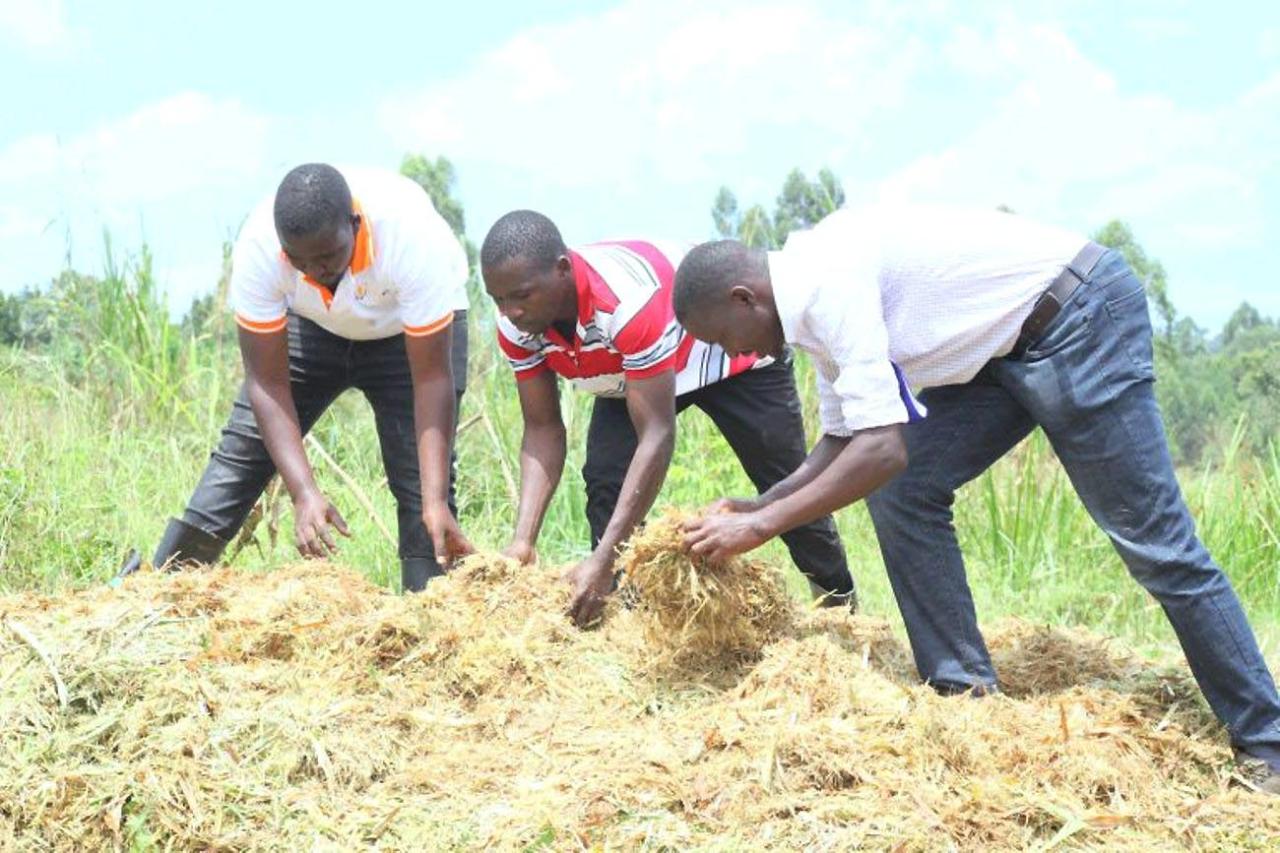
The silage fermentation process is a complex series of biochemical reactions that transform fresh forage into a stable feedstuff suitable for cattle. This process is crucial for preserving the nutritional value of the crop and ensuring its palatability and safety for livestock consumption. The success of silage production hinges on controlling this fermentation to favor the growth of beneficial microorganisms and inhibit the growth of spoilage organisms.
Key Microorganisms in Silage Fermentation
The fermentation process in silage is driven primarily by microorganisms naturally present on the crop. These microorganisms, predominantly lactic acid bacteria (LAB), convert plant sugars into lactic acid, which is the primary preservative in silage. The type and activity of these microorganisms dictate the quality and stability of the final product.
- Lactic Acid Bacteria (LAB): LAB are the workhorses of silage fermentation. They are anaerobic bacteria, meaning they thrive in the absence of oxygen. Common LAB species include Lactobacillus plantarum, Lactobacillus buchneri, and various Pediococcus species. These bacteria ferment sugars, such as glucose and fructose, into lactic acid, which lowers the pH and inhibits the growth of spoilage microorganisms.
- Yeasts: Yeasts are present on the crop and can contribute to fermentation. Some yeasts are desirable, while others can cause spoilage. They consume sugars and produce ethanol and carbon dioxide. Excessive yeast activity can lead to dry, unstable silage and nutrient loss.
- Molds: Molds are generally undesirable in silage. They require oxygen to grow and can produce mycotoxins, which are harmful to cattle. Proper anaerobic conditions are essential to suppress mold growth.
- Enterobacteria: These bacteria are often present at the beginning of fermentation. They can produce undesirable byproducts like acetic acid, ethanol, and ammonia, which can reduce the silage’s palatability and nutritional value. Their growth is inhibited as the pH drops.
Factors Affecting Silage Fermentation
Several factors influence the fermentation process, impacting the quality and stability of the final silage product. Controlling these factors is essential for producing high-quality silage.
- Oxygen Availability: Oxygen is the enemy of good silage. The goal is to create and maintain anaerobic conditions. This is achieved by rapidly packing the forage to remove air and sealing the storage structure effectively.
- Moisture Content: The ideal moisture content for silage is generally between 60% and 70%. Too little moisture can hinder fermentation, while too much can lead to undesirable fermentation and effluent production.
- Sugar Content: Adequate sugar content in the forage is crucial for LAB to produce lactic acid. Crops like corn and sorghum typically have high sugar levels, while grasses may require the addition of molasses or other sugar sources.
- pH: The pH of the silage is a critical indicator of fermentation success. As LAB produce lactic acid, the pH drops. A pH of 4.0 to 4.5 is generally considered ideal for stable silage.
- Temperature: Temperature affects the rate of fermentation. Warmer temperatures (within a reasonable range) can accelerate fermentation, but excessively high temperatures can promote undesirable microbial activity. Temperatures above 30°C can negatively impact the fermentation process.
- Buffering Capacity: The buffering capacity of the forage refers to its ability to resist changes in pH. Forages with high buffering capacity require more lactic acid production to achieve a stable pH.
- Inoculants: The addition of silage inoculants, containing specific strains of LAB, can help ensure a rapid and efficient fermentation process, particularly when the naturally occurring LAB population is insufficient or less effective.
Stages of Silage Fermentation
Silage fermentation progresses through distinct stages, each characterized by specific microbial activities and chemical changes. Understanding these stages allows for better management practices. The following table Artikels these stages:
| Stage | Microbial Activity | Changes Occurring | Duration (Approximate) |
|---|---|---|---|
| Aerobic Phase | Aerobic bacteria (e.g., enterobacteria, molds, and yeasts) utilize available oxygen. |
|
Few hours to 1-2 days (depending on packing and sealing) |
| Fermentation Phase | Lactic acid bacteria (LAB) proliferate and begin fermenting sugars. |
|
1-3 weeks |
| Stable Phase | LAB activity slows down as the pH drops. |
|
Months to years (if properly stored) |
| Feed-out Phase | Aerobic microorganisms (yeasts, molds) become active again when silage is exposed to oxygen. |
|
Hours to days (depending on feed-out management) |
Managing Silage Quality
Maintaining high-quality silage is crucial for maximizing livestock performance and profitability. This section delves into the assessment, testing, and troubleshooting of silage quality, providing valuable insights for effective silage management. Understanding and addressing potential issues is essential for ensuring the nutritional value and palatability of the feed.
Assessing Silage Quality
Assessing silage quality involves a multi-faceted approach, combining visual inspection, odor evaluation, and laboratory analysis. These assessments help determine the feed’s suitability for cattle consumption.Visual inspection is the first step. Observe the color, which should be a uniform green to yellowish-green. Dark or black areas may indicate spoilage. Look for mold, which appears as white, gray, or black patches.
Check the texture; the silage should be compact but not overly dry or wet. Finally, note any signs of pests or unusual materials.Odor evaluation is another key assessment. The silage should have a pleasant, slightly acidic smell. Off-odors indicate problems. Examples of these off-odors include:
- Ammonia: Indicates excessive protein breakdown due to improper fermentation.
- Butyric acid (rancid butter smell): Suggests undesirable fermentation by clostridia bacteria, often caused by wet silage or inadequate packing.
- Moldy odor: Indicates the presence of mold, often caused by air exposure.
Methods for Testing Silage Quality
Several methods are used to test silage quality, each providing different information about the feed’s nutritional value and fermentation characteristics. These tests are crucial for making informed feeding decisions.Laboratory analysis provides the most comprehensive assessment of silage quality. Key tests include:
- Dry Matter (DM) content: Determines the percentage of solids in the silage. DM content affects the feed’s nutritional value and storage stability. Aim for an ideal range, varying by crop and storage method (e.g., 30-40% for bunker silos, 35-45% for silage bales).
- Crude Protein (CP): Measures the protein content, an essential nutrient for cattle growth and milk production.
- Fiber content (ADF and NDF): Determines the levels of acid detergent fiber (ADF) and neutral detergent fiber (NDF). ADF indicates the digestibility of the silage, while NDF indicates the amount of fiber that fills the rumen.
- pH: Measures the acidity of the silage. A low pH (typically 4.0-5.0) indicates good fermentation.
- Fermentation acids (lactic, acetic, butyric): Indicates the type and extent of fermentation. High lactic acid is desirable, while high butyric acid is undesirable.
- Relative Feed Value (RFV): An index that combines NDF and ADF to provide an estimate of the feed’s quality.
On-farm testing can provide a quick assessment. Methods include:
- Near-infrared reflectance spectroscopy (NIRS): This technology analyzes the light reflected from the silage to estimate its nutritional composition.
- pH meters: Used to quickly measure the pH of the silage.
Common Problems in Silage Production and Storage
Several problems can arise during silage production and storage, leading to reduced feed quality and potential health issues for cattle. These problems often stem from inadequate management practices.Problems during harvesting and packing include:
- Inadequate chop length: Can lead to poor packing and air entrapment, promoting mold growth.
- Insufficient packing: Results in poor fermentation and spoilage.
- Air exposure: Allows for mold growth and aerobic spoilage.
- Contamination: Presence of soil, manure, or other undesirable materials.
Problems during fermentation and storage include:
- Poor fermentation: Results in high pH, undesirable fermentation products, and reduced feed palatability.
- Mold growth: Caused by air exposure or improper sealing.
- Heating: Indicates aerobic spoilage and nutrient loss.
- Seepage: Loss of nutrients and environmental pollution due to excessive moisture.
Solutions to Common Silage Quality Issues
Addressing silage quality issues requires proactive management and timely intervention. The following solutions can help mitigate common problems and preserve feed quality.The solutions are categorized by the type of problem encountered.
- Mold and Spoilage:
- Ensure proper packing and sealing of the silo.
- Use silage additives to improve fermentation and inhibit mold growth.
- Remove spoiled silage promptly and dispose of it properly.
- Monitor silage face and manage feed-out rate to minimize air exposure.
- Poor Fermentation:
- Harvest crops at the correct maturity and moisture content.
- Ensure rapid packing and sealing.
- Consider using fermentation additives to promote lactic acid production.
- Heating:
- Ensure adequate packing and sealing to minimize air exposure.
- Manage the feed-out rate to prevent prolonged exposure to air.
- Monitor silage temperature regularly.
- Seepage:
- Harvest crops at the correct moisture content.
- Ensure proper drainage of the silo.
- Consider using absorbent additives to reduce moisture.
Feeding Silage to Cattle
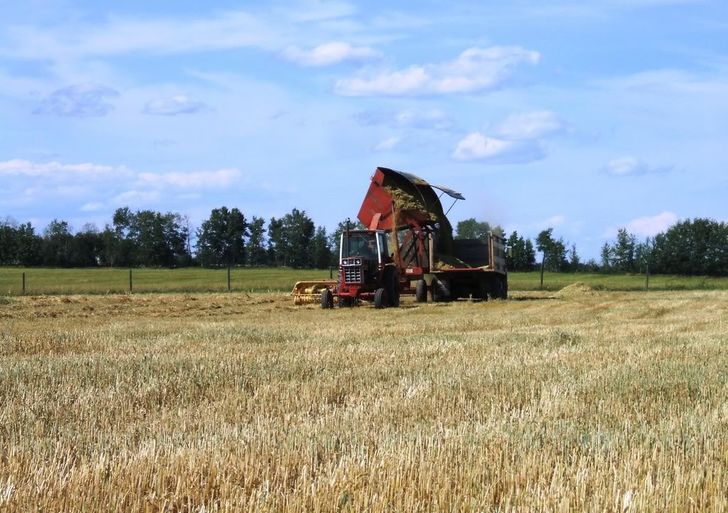
Feeding silage effectively is crucial for maximizing cattle performance and profitability. This involves understanding how to calculate feeding rates, integrating silage into a comprehensive feeding program, and consistently monitoring cattle health. This section provides practical guidance on these aspects.
Calculating Silage Feeding Rates
Determining the correct silage feeding rate depends on the type of cattle, their stage of production (e.g., growing, pregnant, lactating), and the silage quality. Using a balanced ration approach is key to optimizing animal health and productivity.
- Dry Matter Intake (DMI): Calculate the estimated DMI for the cattle. This varies based on the animal’s weight and physiological state. For example, a mature, non-lactating beef cow might consume 2% of her body weight in dry matter daily. A high-producing dairy cow can consume up to 3.5% of her body weight in dry matter.
- Silage Dry Matter Percentage: Determine the dry matter (DM) percentage of the silage. This is essential for accurately calculating how much silage to feed. This can be found from laboratory analysis of the silage sample.
- Silage Feeding Rate Calculation: Once DMI is known and the silage DM percentage is determined, calculate the amount of silage to feed. The amount of silage needed is determined by dividing the daily DMI by the DM percentage of the silage.
- Example: A beef cow weighing 1,400 pounds has a DMI of 2% of her body weight, which is 28 pounds of dry matter (1400 lbs x 0.02 = 28 lbs DM). If the silage is 35% DM, then the cow needs to consume 80 pounds of silage daily (28 lbs DM / 0.35 = 80 lbs silage).
Incorporating Silage into a Cattle Feeding Program
Silage should be strategically incorporated into the overall feeding program to meet the nutritional needs of the cattle. This involves balancing silage with other feedstuffs, such as grains, protein supplements, and minerals.
- Ration Balancing: Balance the silage ration to meet the energy, protein, mineral, and vitamin requirements of the cattle. This can be done by consulting with a nutritionist or using ration-balancing software.
- Feed Supplementation: Supplement silage with other feeds to meet the nutritional needs. Grains, such as corn or barley, can provide additional energy. Protein supplements, such as soybean meal or cottonseed meal, are necessary to meet protein requirements. Mineral and vitamin supplements should be included to balance the diet.
- Gradual Introduction: Introduce silage gradually into the diet, especially if cattle are not accustomed to it. This allows the rumen microbes to adapt, reducing the risk of digestive upsets like acidosis.
- Feeding Frequency: Feed silage at least twice daily to promote consistent feed intake and prevent sorting, particularly in high-producing animals.
Monitoring Cattle Health and Performance
Regular monitoring of cattle health and performance is essential for assessing the effectiveness of the silage feeding program. This involves observing cattle behavior, body condition, and production parameters.
- Body Condition Scoring (BCS): Regularly assess the body condition of the cattle. BCS helps determine if the animals are receiving adequate nutrition.
- Fecal Consistency: Monitor fecal consistency. Changes in fecal consistency can indicate digestive issues.
- Production Parameters: Track production parameters, such as weight gain in growing cattle, milk production in dairy cows, and reproductive performance.
- Health Monitoring: Regularly check for signs of illness or disease, such as reduced feed intake, lethargy, or abnormal behavior.
Adjusting Silage Feeding Based on Body Condition:
For example, if beef cows are losing body condition during the winter months, it may be necessary to increase the silage feeding rate, add supplemental energy (e.g., corn), or improve the overall ration balance. Conversely, if cows are becoming excessively fat, the silage feeding rate or the energy density of the ration should be reduced.Dairy cows should be evaluated in the same manner, making sure to maintain optimal body condition.
Equipment and Machinery for Silage Production
Producing high-quality silage efficiently necessitates the use of appropriate equipment and machinery. Selecting the right tools and maintaining them properly are critical for optimizing the ensiling process, minimizing losses, and ensuring the production of nutritious feed for cattle. This section Artikels the essential equipment, their functions, maintenance requirements, and provides a cost overview to aid in informed decision-making.
Essential Equipment for Silage Production
The specific equipment needed varies based on the scale of operation, the crops being ensiled, and the desired level of automation. However, certain pieces of equipment are fundamental to the silage-making process.
- Mowing Equipment: This is used to cut the forage crop in the field. Options range from simple disc mowers to more advanced self-propelled mowers with conditioning capabilities. The choice depends on the crop type and the desired cutting speed.
- Raking Equipment: Rakes gather the cut forage into windrows, which are rows of hay or other cut crops left in a field to dry before being baled or chopped. This facilitates efficient harvesting by the choppers or balers. Common types include wheel rakes and rotary rakes.
- Chopping/Harvesting Equipment: This equipment chops the forage into small pieces, which is crucial for proper fermentation. This can be a self-propelled forage harvester or a trailed chopper pulled by a tractor. Forage harvesters typically include a pickup head, a chopping mechanism, and a blower to load the chopped forage into a transport vehicle.
- Transport Vehicles: Trucks or trailers are needed to transport the chopped forage from the field to the storage location (e.g., silo, bunker, or silage bag). The size and number of transport vehicles should be sufficient to keep pace with the harvesting operation.
- Packing Equipment: Once the forage is in the storage structure, it must be tightly packed to remove air and promote anaerobic fermentation. This can be achieved using tractors, specifically those with sufficient weight and horsepower to compact the forage effectively.
- Sealing Equipment: After packing, the silage must be sealed to maintain anaerobic conditions. This can involve the use of plastic sheeting, oxygen barrier films, and tire weights or other methods to prevent air infiltration.
- Feeding Equipment: Equipment used to remove the silage from storage and deliver it to the cattle. This can range from front-end loaders to silage facers and feed mixers.
Specific Functions of Each Piece of Equipment
Each piece of equipment plays a vital role in the silage-making process. Understanding the specific functions of each is essential for maximizing efficiency and quality.
- Mowing Equipment: Its primary function is to cut the forage crop at the desired height, ensuring consistent and uniform cutting. Conditioners, which are often integrated into mowers, can also be used to crush the stems, accelerating the drying process. For example, a disc mower can cut a wide swath quickly, increasing harvesting efficiency.
- Raking Equipment: Rakes consolidate the cut forage into windrows. This streamlines the chopping process and facilitates uniform drying. Wheel rakes are commonly used for their simplicity and efficiency, whereas rotary rakes are often preferred for their gentle handling of the forage.
- Chopping/Harvesting Equipment: This equipment is the heart of the silage operation. Its primary function is to chop the forage into uniform pieces, typically between 0.5 and 1.5 inches long. This size promotes efficient packing, air expulsion, and proper fermentation. Modern forage harvesters often include kernel processors to further break down grains, improving digestibility.
- Transport Vehicles: These vehicles efficiently move the chopped forage from the field to the storage site. The capacity of the transport vehicles determines the rate at which the forage can be moved, impacting the overall harvesting speed. A fleet of trucks or trailers ensures a continuous supply of forage to the storage location.
- Packing Equipment: Tractors or other heavy machinery are used to compact the chopped forage in the storage structure. Proper packing removes air, which is critical for anaerobic fermentation. The weight and horsepower of the packing equipment determine the degree of compaction achieved.
- Sealing Equipment: This equipment ensures an airtight seal, preventing air infiltration and preserving the anaerobic environment. This includes plastic sheeting, oxygen barrier films, and weights to hold the covering in place.
- Feeding Equipment: This is used to remove silage from storage and deliver it to cattle. Silage facers remove silage from the face of the bunker or pile in a controlled manner, while feed mixers combine silage with other feed ingredients to create a balanced ration.
Maintenance Requirements for Silage-Making Machinery
Regular and thorough maintenance is crucial for ensuring the longevity and optimal performance of silage-making machinery. Implementing a preventative maintenance schedule minimizes downtime, reduces repair costs, and ensures the production of high-quality silage.
- Mowing Equipment: Regularly sharpen or replace mower blades to ensure a clean cut. Check and lubricate moving parts, such as bearings and pivot points, according to the manufacturer’s recommendations. Inspect for wear and tear on belts and other components.
- Raking Equipment: Inspect the rake tines for damage and replace them as needed. Lubricate the moving parts and check the alignment of the rake wheels.
- Chopping/Harvesting Equipment: Sharpen or replace chopper knives regularly to maintain chopping efficiency and minimize power consumption. Inspect and maintain the kernel processor (if equipped). Lubricate all moving parts and check for wear on belts, chains, and other components. Regularly inspect and clean the radiator to prevent overheating.
- Transport Vehicles: Regularly service the engine, transmission, and other mechanical components. Inspect tires for wear and ensure proper inflation. Check brakes, lights, and other safety features.
- Packing Equipment: Check tire pressure and inspect for wear. Regularly service the engine and other mechanical components.
- Sealing Equipment: Inspect plastic sheeting for tears or damage and repair or replace as needed. Ensure proper placement and securing of weights.
- Feeding Equipment: Regularly inspect and lubricate all moving parts. Check the condition of the mixing paddles and replace them if necessary.
Equipment Options, Specifications, and Approximate Costs
The following table provides an overview of equipment options, their specifications, and approximate costs. These costs are estimates and may vary depending on the manufacturer, model, and location.
| Equipment | Specifications | Approximate Cost (USD) | Notes |
|---|---|---|---|
| Disc Mower | Cutting width: 9-12 feet; Tractor HP requirement: 60-80 | $15,000 – $30,000 | Suitable for various forage crops; Provides a clean and consistent cut. |
| Wheel Rake | Working width: 10-16 feet; Number of wheels: 10-12 | $5,000 – $15,000 | Simple and efficient; Suitable for raking various forage crops. |
| Self-Propelled Forage Harvester | Engine HP: 300-600+; Chopping capacity: 50-150 tons/hour; Kernel processor | $300,000 – $700,000+ | High capacity; Suitable for large-scale operations; Includes advanced features. |
| Tractor (for packing) | HP: 150-250+; Weight: 10,000-25,000 lbs | $80,000 – $200,000+ | Essential for compacting forage; The heavier the tractor, the better the compaction. |
Troubleshooting Common Silage Problems
Producing high-quality silage is a complex process, and several factors can negatively impact its success. Recognizing potential problems early and implementing corrective measures is crucial for maximizing feed value and minimizing economic losses. This section will explore common issues encountered during silage production, their underlying causes, and practical solutions to ensure optimal silage quality.
Poor Fermentation
Poor fermentation leads to reduced nutrient availability and palatability, ultimately impacting animal performance. This can manifest in various ways, and understanding the root causes is key to preventing it.
- Causes: Inadequate packing, insufficient anaerobic conditions, low sugar content in the forage, presence of undesirable microorganisms, and improper moisture levels.
- Solutions: Ensure proper packing to remove air, utilize a silage additive to promote lactic acid bacteria growth, harvest crops at the optimal maturity stage to maximize sugar content, maintain a moisture content between 60-70%, and seal the silo promptly and effectively.
Aerobic Spoilage
Aerobic spoilage occurs when oxygen enters the silage, leading to the growth of molds and yeasts, which degrade the silage and produce heat. This results in a loss of dry matter and a decrease in feed value.
- Causes: Inadequate sealing, poor packing, and excessive air exposure during feed-out.
- Solutions: Ensure the silo is well-sealed to prevent air infiltration, pack the forage tightly to reduce air pockets, and feed out silage quickly to minimize exposure to oxygen. Consider using a silage face shaver to maintain a tight, smooth face.
Mold and Mycotoxin Contamination
Mold growth can produce mycotoxins, which are harmful substances that can negatively impact animal health and productivity. Identifying and managing mold contamination is essential for safe and effective silage utilization.
- Causes: Aerobic spoilage, improper storage conditions, and harvesting crops that were already stressed by drought or disease.
- Solutions: Prevent aerobic spoilage by implementing proper sealing and packing techniques. Monitor silage for mold growth and discoloration. If mold is present, test the silage for mycotoxins and consult with a veterinarian or nutritionist on appropriate feeding strategies. Consider using a mycotoxin binder in the feed.
Clostridial Fermentation
Clostridia are anaerobic bacteria that can thrive in silage with a high pH and produce butyric acid, leading to foul odors and reduced palatability. This type of fermentation significantly reduces the feed value.
- Causes: High moisture content, low sugar content, and contamination with soil or manure.
- Solutions: Ensure the forage is harvested at the correct moisture content, and maintain good hygiene during harvesting and storage. Consider using a silage additive to promote lactic acid bacteria growth and lower the pH. Avoid harvesting crops contaminated with soil or manure.
Poor Palatability
Poor palatability can result in reduced feed intake and decreased animal performance. Several factors can contribute to silage that cattle are reluctant to consume.
- Causes: High levels of butyric acid, excessive heating, the presence of mold or mycotoxins, and undesirable fermentation products.
- Solutions: Address the underlying causes of poor fermentation, control aerobic spoilage, and monitor for mold contamination. Ensure proper packing and sealing techniques to minimize heat production. Consider using palatability enhancers in the feed.
Visual Indicators of Poor Silage Quality
Observing the silage can provide valuable clues about its quality. Several visual indicators can suggest problems with the silage.
- Dark Color: Indicates excessive heating and potential nutrient loss.
- Mold Growth: Signifies aerobic spoilage and possible mycotoxin contamination.
- Unpleasant Odor: May indicate clostridial fermentation or the presence of butyric acid.
- Slimy Texture: Can suggest poor fermentation and the growth of undesirable bacteria.
- Presence of Soil or Debris: Indicates contamination during harvesting or storage.
Cost Considerations in Silage Production
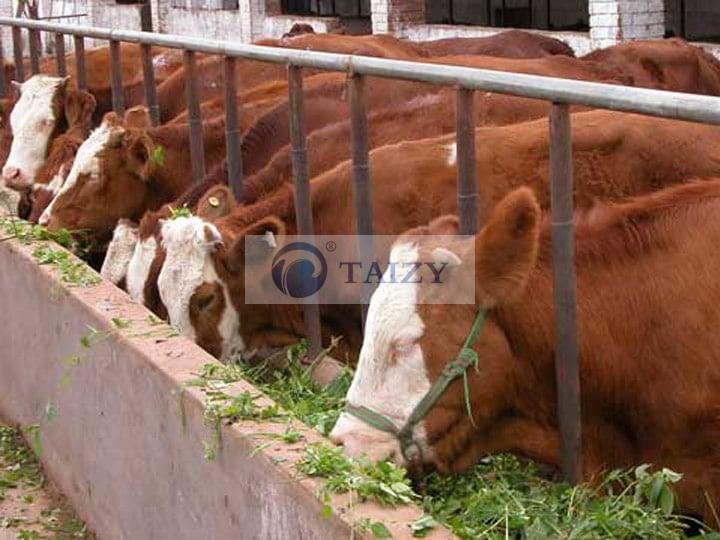
Producing high-quality silage is crucial for efficient cattle farming, but it also involves significant financial investment. Understanding and managing these costs effectively is essential for profitability. This section delves into the various cost components, estimation methods, and cost-saving strategies associated with silage production, providing farmers with the knowledge to optimize their silage operations.
Components of Silage Production Costs
The total cost of producing silage encompasses several key areas, each contributing to the overall expense. A thorough understanding of these components is vital for accurate budgeting and cost control.
- Seed Costs: This includes the price of the seed itself, which varies depending on the crop type (e.g., corn, alfalfa, sorghum), variety, and quantity purchased.
- Land Preparation Costs: These costs involve expenses related to tillage, fertilization, and weed control before planting. This includes the costs of fuel, labor, and the application of fertilizers and herbicides.
- Planting Costs: This covers the expenses associated with planting the crop, including labor, machinery operation (tractors, planters), and potential seed treatments.
- Fertilizer and Soil Amendments: This includes the cost of fertilizers (nitrogen, phosphorus, potassium), lime, and other soil amendments required to optimize crop growth and yield.
- Pest and Disease Control: Expenses related to controlling pests and diseases, including the cost of insecticides, fungicides, and labor for application.
- Harvesting Costs: These are significant costs and involve machinery operation (choppers, tractors, trailers), labor, and fuel. They also include the costs associated with the use of inoculants and preservatives.
- Storage Costs: This covers the costs associated with building or maintaining storage structures (bunkers, silos, bags), including the cost of the storage itself, and any repairs.
- Labor Costs: This represents the cost of labor involved in all stages of silage production, from planting to feeding. This may include hired labor or the value of the farmer’s own time.
- Equipment Costs: This includes depreciation, repairs, maintenance, and interest on investment in machinery used for silage production.
- Transportation Costs: The expenses associated with transporting the silage from the field to the storage facility and, subsequently, to the feeding area.
- Interest and Overhead: These include interest on operating loans and general farm overhead expenses (e.g., insurance, utilities).
Methods for Estimating Silage Production Costs
Accurately estimating the total cost of silage production requires a systematic approach. Several methods can be employed, each with its own advantages and limitations.
- Enterprise Budgeting: This method involves creating a detailed budget that Artikels all costs associated with producing a specific crop, such as silage. Enterprise budgets typically include itemized costs for seed, fertilizer, machinery operation, labor, and other inputs. This method provides a comprehensive overview of costs and helps in identifying areas where cost savings can be achieved.
- Partial Budgeting: This method focuses on the changes in costs and revenues resulting from a specific management decision, such as switching to a different crop variety or implementing a new harvesting technique. Partial budgeting is useful for evaluating the financial impact of specific changes in the silage production system.
- Cost Accounting: This method involves tracking all costs associated with silage production on a per-acre or per-ton basis. Cost accounting can provide valuable insights into the efficiency of the silage production system and help in identifying areas where costs are high.
- Using Historical Data: Analyzing past production records can provide valuable insights into costs. By tracking costs over time, farmers can identify trends and make more informed decisions.
Strategies for Minimizing Silage Production Costs
Implementing effective cost-saving strategies can significantly improve the profitability of silage production. Careful planning and management are crucial for achieving cost efficiency.
- Selecting High-Yielding Crop Varieties: Choosing crop varieties that are well-suited to the local climate and soil conditions and that offer high yields can reduce the cost per ton of silage.
- Optimizing Fertilizer Application: Soil testing can help determine the precise fertilizer requirements of the crop, preventing over-application and reducing fertilizer costs.
- Implementing Integrated Pest Management (IPM): IPM strategies, which combine biological, cultural, and chemical control methods, can minimize pest and disease-related costs.
- Efficient Harvesting Practices: Timely and efficient harvesting can minimize field losses and reduce labor and machinery costs.
- Proper Storage Management: Implementing proper storage practices, such as sealing silos effectively, can minimize spoilage and reduce the need for costly replacements.
- Regular Machinery Maintenance: Maintaining machinery properly can extend its lifespan and reduce repair costs.
- Negotiating Input Prices: Negotiating with suppliers for lower prices on seed, fertilizer, and other inputs can reduce overall costs.
- Using Custom Operators: Hiring custom operators for certain tasks, such as harvesting, can be more cost-effective than owning and maintaining the necessary equipment.
Comparison of Cost-Saving Strategies
The following table compares different cost-saving strategies, highlighting their potential benefits and considerations. This table provides a quick reference for farmers to evaluate and select the most appropriate strategies for their specific operations.
| Cost-Saving Strategy | Potential Benefits | Considerations |
|---|---|---|
| Selecting High-Yielding Crop Varieties | Increased yield per acre, reduced cost per ton of silage | Requires careful selection of varieties suited to the local environment and soil conditions; may involve higher seed costs initially. |
| Optimizing Fertilizer Application | Reduced fertilizer costs, improved crop nutrient uptake | Requires soil testing and careful monitoring of crop nutrient needs; may require adjusting fertilizer application rates. |
| Implementing Integrated Pest Management (IPM) | Reduced pest control costs, minimized environmental impact | Requires knowledge of pest life cycles and control methods; may involve a learning curve and the use of multiple control tactics. |
| Efficient Harvesting Practices | Reduced field losses, lower labor and machinery costs | Requires timely harvesting and well-maintained equipment; weather conditions can impact harvesting efficiency. |
| Proper Storage Management | Minimized spoilage, reduced feed waste | Requires proper silo sealing and maintenance; can involve initial investment in storage structures. |
| Regular Machinery Maintenance | Extended equipment lifespan, reduced repair costs | Requires a proactive maintenance schedule and investment in maintenance supplies; downtime for repairs may occur. |
| Negotiating Input Prices | Reduced input costs, improved profitability | Requires research on input prices and negotiation skills; may involve purchasing inputs in bulk. |
| Using Custom Operators | Reduced equipment costs, access to specialized equipment | Requires finding reliable custom operators; may involve paying a per-acre or per-ton fee. |
Final Thoughts
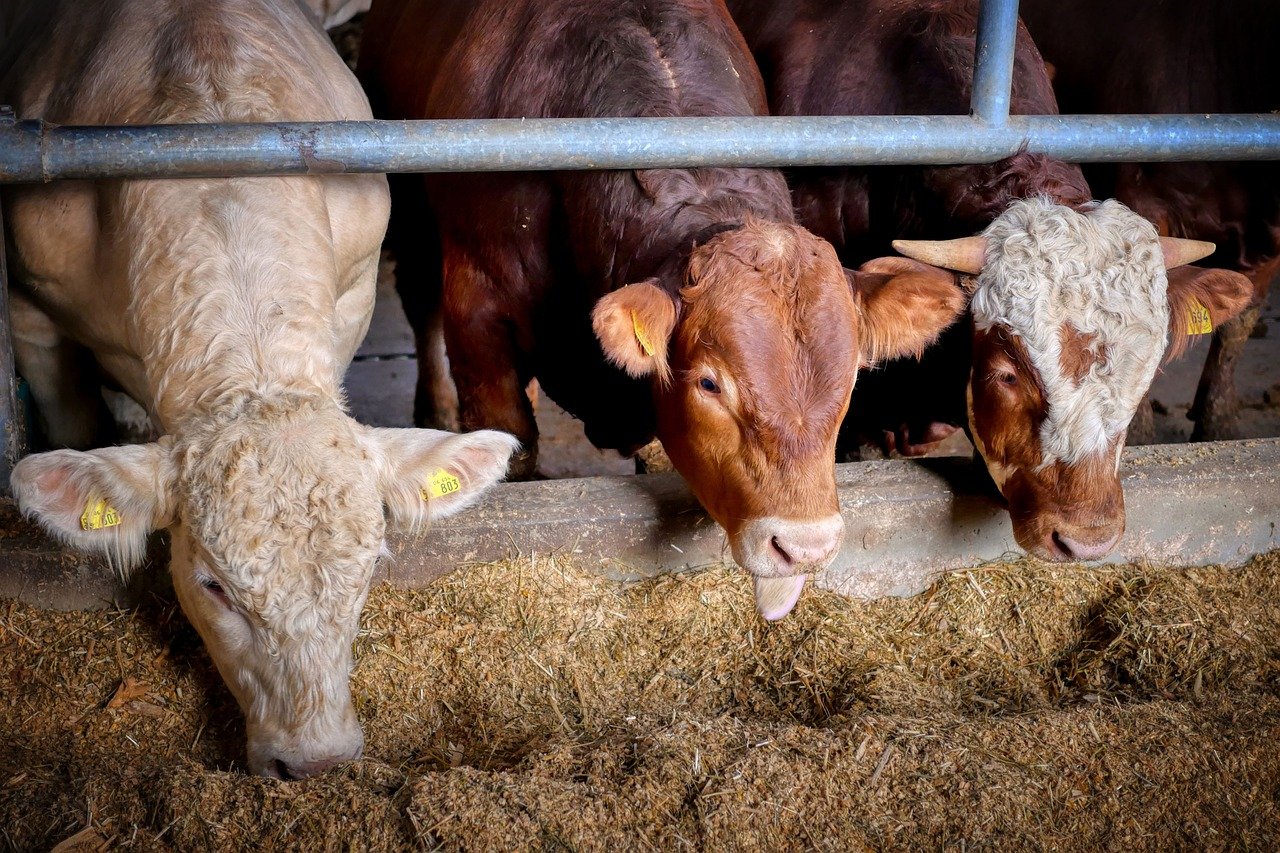
In conclusion, mastering how to produce silage for cattle is a multifaceted endeavor that yields significant rewards. By understanding the nuances of each stage, from crop selection and harvesting to storage, fermentation, and feeding, you can ensure high-quality silage production, contributing to healthier cattle and more sustainable farming practices. The knowledge shared provides a roadmap for producing superior silage and achieving optimal results in your cattle operation.