Understanding how to manage fish pond pH is paramount for maintaining a thriving aquatic ecosystem. This guide delves into the critical role pH plays in fish health and pond stability, providing a comprehensive overview of the factors influencing pH levels. From understanding the science behind pH to practical methods for testing, adjusting, and maintaining optimal conditions, this resource equips you with the knowledge to create a healthy and balanced environment for your fish.
We will explore the intricacies of pH testing methods, the causes of pH imbalances, and effective strategies for correcting and preventing fluctuations. Learn about natural buffers, long-term management techniques, and best practices for water changes, all designed to help you achieve a stable and healthy pH for your fish pond. This guide provides actionable insights and practical advice for both novice and experienced pond keepers.
Understanding pH in Fish Ponds
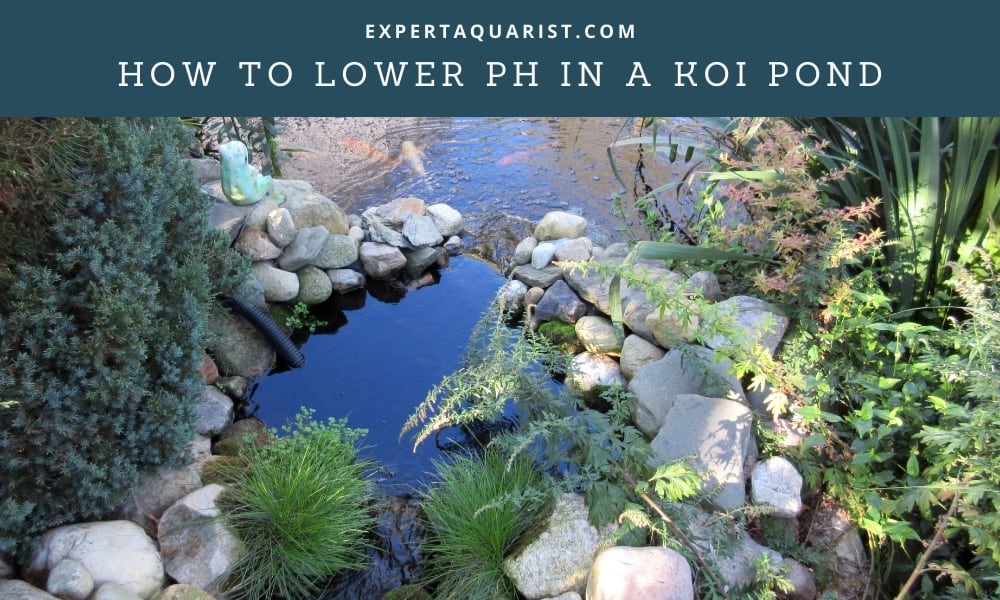
Maintaining the correct pH level is fundamental to the health and well-being of fish and other aquatic life in a pond ecosystem. pH, or potential of hydrogen, is a crucial water quality parameter that significantly impacts the biological processes within a pond. Understanding and managing pH is essential for creating a thriving and balanced aquatic environment.
Importance of pH in a Fish Pond Ecosystem
The pH level in a fish pond dictates the availability of essential nutrients, the toxicity of certain compounds, and the overall health of the aquatic inhabitants. It directly influences the physiological processes of fish, such as respiration, osmoregulation, and waste excretion.
- Nutrient Availability: pH affects the solubility and availability of essential nutrients like phosphorus, nitrogen, and various trace elements that are crucial for plant growth. Plants, in turn, provide oxygen and habitat for fish.
- Toxicity of Compounds: pH impacts the toxicity of certain substances, such as ammonia. Ammonia is less toxic at lower pH levels, while it becomes more toxic at higher pH levels.
- Fish Health and Metabolism: The pH of the water influences the fish’s ability to absorb oxygen, regulate body fluids, and excrete waste products. Extreme pH levels can cause stress, impair immune function, and ultimately lead to death.
- Biological Processes: pH affects the activity of beneficial bacteria involved in the nitrogen cycle, which is critical for maintaining water quality by breaking down waste products.
What pH Measures in Water
pH is a measure of the concentration of hydrogen ions (H+) in a solution, expressed on a logarithmic scale from 0 to 14. It indicates the acidity or alkalinity of the water.
pH = -log₁₀[H⁺]
The pH scale works as follows:
- pH < 7: Acidic – A higher concentration of hydrogen ions (H+).
- pH = 7: Neutral – The concentration of hydrogen ions (H+) and hydroxide ions (OH-) is equal.
- pH > 7: Alkaline (or Basic)
-A lower concentration of hydrogen ions (H+) and a higher concentration of hydroxide ions (OH-).
The pH of a pond water can fluctuate due to several factors, including the presence of carbon dioxide from respiration, the photosynthesis of aquatic plants, the addition of fertilizers, and the weathering of rocks.
Ideal pH Range for Various Fish Species
Different fish species have different pH tolerances. While some species can tolerate a wider range, others are more sensitive to pH fluctuations. Maintaining the ideal pH range is critical for fish health, growth, and reproduction. The ideal pH range for most freshwater fish species is generally between 6.5 and 9.0. However, specific tolerances can vary.
- General Tolerance: Most common pond fish, such as goldfish and koi, thrive in a pH range of 7.0 to 8.0.
- Sensitivity to Acidity: Fish are generally more sensitive to acidic conditions (low pH). Prolonged exposure to low pH levels can cause stress and physiological damage.
- Sensitivity to Alkalinity: While less common, excessively high pH levels (above 9.0) can also be detrimental, leading to gill damage and impaired oxygen uptake.
- Species-Specific Considerations: Some species, such as certain South American cichlids, prefer slightly acidic water (pH 6.0-7.0), while others, like some African cichlids, prefer alkaline water (pH 7.5-8.5).
It’s important to research the specific pH requirements of the fish species you intend to keep in your pond.
Effects of High and Low pH Levels on Fish Health
Both high and low pH levels can negatively affect fish health. These extreme conditions can disrupt the fish’s internal balance, leading to stress, disease, and even death.
- Low pH (Acidic Conditions):
- Stress and Physiological Damage: Low pH can damage the fish’s gills, leading to impaired oxygen uptake. It can also interfere with osmoregulation, the process of maintaining water balance in the fish’s body.
- Heavy Metal Toxicity: Acidic water can increase the solubility of heavy metals like aluminum and copper, making them more toxic to fish.
- Reduced Reproduction: Acidic conditions can interfere with the reproductive processes of fish, leading to reduced spawning success and egg development.
- High pH (Alkaline Conditions):
- Gill Damage: High pH can damage the protective mucus layer on fish gills, making them more susceptible to infections and diseases.
- Ammonia Toxicity: High pH increases the toxicity of ammonia, a common waste product in fish ponds. Even small amounts of ammonia can be lethal in high pH water.
- Impaired Oxygen Uptake: Extremely high pH can interfere with the fish’s ability to absorb oxygen from the water.
Testing and Monitoring pH Levels
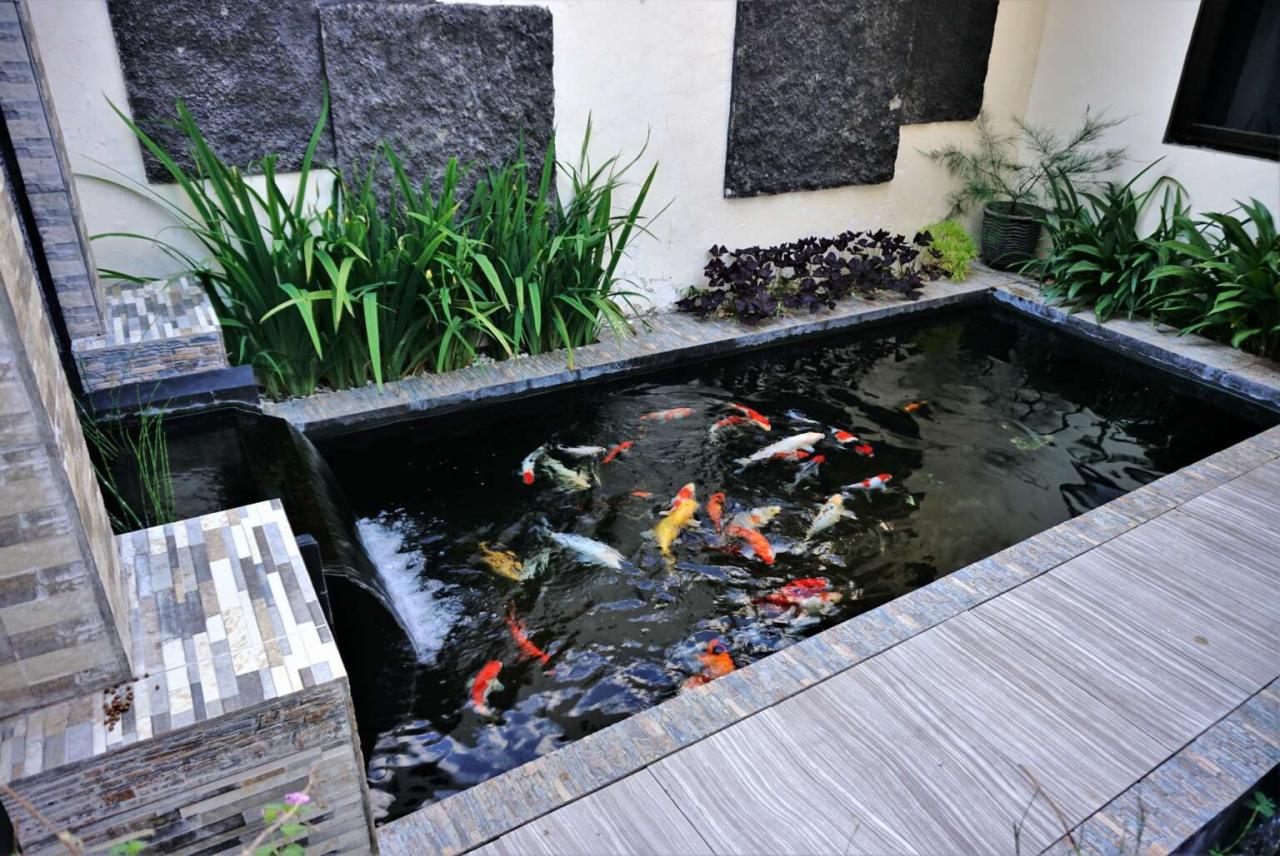
Maintaining the correct pH level in your fish pond is crucial for the health and well-being of your aquatic inhabitants. Regular testing and monitoring allow you to detect and address any fluctuations, ensuring a stable and suitable environment. This section details the various methods for testing pH, provides guidance on using test kits, and Artikels procedures for consistent monitoring and calibration.
Different Methods for Testing pH in a Fish Pond
Several methods are available for measuring pH in a fish pond, each with its own advantages and disadvantages. Understanding these options allows you to choose the most suitable method for your needs and budget.
- Liquid Test Kits: These kits typically involve adding a reagent (chemical solution) to a water sample and comparing the resulting color change to a provided color chart. They are generally inexpensive and easy to use, making them a popular choice for beginners.
- Test Strips: pH test strips are paper strips impregnated with a pH-sensitive dye. Dipping the strip into the water and comparing the color change to a chart provides a pH reading. They are convenient and portable but often less accurate than other methods.
- Digital pH Meters: Digital pH meters use an electronic probe to measure the pH of the water. They offer precise and rapid readings, and many models include temperature compensation. While more expensive initially, they can be a worthwhile investment for accurate and frequent testing.
- Continuous Monitoring Systems: Some advanced systems provide continuous pH monitoring, often integrated with other water quality parameters. These systems typically involve a probe connected to a control unit that displays readings and can even trigger alerts or automated adjustments. They are suitable for large ponds or those requiring very precise control.
Demonstrating the Use of a Liquid Test Kit for pH Measurement
Liquid test kits provide a simple and accessible way to measure pH. The following steps illustrate how to use a typical kit:
- Collect a Water Sample: Obtain a water sample from your pond, ideally from a few inches below the surface, using a clean container.
- Add Reagent: Following the kit’s instructions, add the specified number of drops of the pH reagent to the water sample.
- Mix the Sample: Gently swirl the container to ensure the reagent mixes thoroughly with the water.
- Observe Color Change: Allow the color to develop, as indicated by the kit’s instructions (usually a few minutes).
- Compare to Color Chart: Hold the sample against the color chart provided with the kit. Match the color of your sample to the closest color on the chart to determine the pH level.
- Record the Result: Note the pH reading in your logbook or monitoring records.
Example: A liquid test kit provides a color chart ranging from yellow (acidic) to blue (alkaline). If your sample turns a green color, the chart indicates a pH of approximately 7.0 (neutral).
Designing a Procedure for Regularly Monitoring pH Levels in a Fish Pond
Consistent monitoring is key to maintaining a stable pH in your fish pond. A well-defined procedure ensures regular testing and helps identify trends or potential problems.
- Establish a Testing Schedule: Determine how frequently you will test your pond’s pH. For new ponds or those with known pH instability, testing daily or every other day is recommended. For established ponds, testing once or twice a week may be sufficient. Adjust the frequency based on the stability of the pH and the size of the pond.
- Choose a Testing Location: Select a consistent location in your pond to collect water samples. This helps ensure consistent readings. Avoid areas with heavy aeration or direct sunlight.
- Record the Results: Maintain a logbook or spreadsheet to record your pH readings, along with the date, time, and any other relevant observations (e.g., recent rainfall, addition of chemicals, or changes in fish behavior).
- Analyze the Data: Regularly review your pH readings to identify any trends or fluctuations. Note any significant changes and investigate the potential causes.
- Take Corrective Actions: If the pH deviates from the desired range, take appropriate corrective measures (as discussed in the section on managing pH). Document all actions taken and their effects on the pH.
Example: A pond owner tests their pond’s pH every Monday and Thursday morning. They record the readings, along with any observations, in a logbook. If the pH consistently rises above 8.0, they investigate the cause (e.g., excessive algae growth) and implement a solution (e.g., adding carbon dioxide).
Organizing the Steps Involved in Calibrating a pH Meter
Calibrating a pH meter ensures accurate readings. The calibration process varies slightly depending on the meter model, but the following steps provide a general guideline:
- Prepare Calibration Solutions: Obtain at least two calibration solutions with known pH values (typically pH 7.0 and pH 4.0 or 10.0). These solutions are also known as buffer solutions.
- Rinse the Probe: Rinse the pH meter probe with distilled water and gently blot it dry with a soft cloth.
- Calibrate with the First Buffer: Immerse the probe in the first calibration solution (e.g., pH 7.0). Follow the meter’s instructions to initiate the calibration process. The meter should display the pH value of the solution.
- Calibrate with the Second Buffer: After the first calibration is complete, rinse the probe again and immerse it in the second calibration solution (e.g., pH 4.0 or 10.0). Follow the meter’s instructions to calibrate using this solution.
- Verify Calibration: After calibration, test the probe in each calibration solution to verify that it reads the correct pH values.
- Store the Probe: Store the probe properly, usually in a storage solution provided by the manufacturer, to prevent it from drying out.
Example: A pH meter displays “7.0” when submerged in a pH 7.0 buffer solution, and “4.0” when submerged in a pH 4.0 buffer solution, after calibration.
Comparing the Pros and Cons of Different pH Testing Methods
Different pH testing methods offer varied advantages and disadvantages, affecting their suitability for different pond owners. This table compares the key aspects of each method:
| Testing Method | Pros | Cons | Approximate Cost |
|---|---|---|---|
| Liquid Test Kits | Inexpensive, easy to use, readily available. | Less accurate than digital meters, color interpretation can be subjective, requires reagent. | $10 – $30 |
| Test Strips | Convenient, portable, quick results. | Least accurate, susceptible to user error, limited shelf life. | $10 – $20 |
| Digital pH Meters | Highly accurate, fast readings, often includes temperature compensation. | More expensive, requires calibration, probe maintenance. | $30 – $200+ |
| Continuous Monitoring Systems | Provides real-time data, can automate adjustments, ideal for large ponds. | Most expensive, requires installation, may require specialized maintenance. | $200+ |
Causes of pH Imbalance
Understanding the factors that contribute to pH fluctuations in a fish pond is crucial for maintaining a healthy aquatic environment. Several interconnected elements can disrupt the delicate pH balance, potentially stressing or even harming fish and other aquatic life. These imbalances often arise from natural processes and human activities, requiring diligent monitoring and appropriate management strategies.
Common Factors Causing pH Fluctuations
Several factors can directly influence the pH of a fish pond, leading to undesirable shifts. Recognizing these factors is the first step in proactive pH management.
- Organic Matter Decomposition: The breakdown of organic matter, such as uneaten fish food, dead plants, and fish waste, releases acidic byproducts. This process consumes oxygen and can lower the pH.
- Algae Blooms: While algae consume carbon dioxide during photosynthesis (increasing pH), massive die-offs of algae can release significant amounts of organic matter, leading to pH drops as decomposition occurs.
- Carbon Dioxide Levels: Carbon dioxide (CO 2) dissolves in water to form carbonic acid, lowering the pH. Respiration by fish, plants, and bacteria releases CO 2, while photosynthesis consumes it.
- Water Hardness: Water hardness, primarily determined by the concentration of calcium and magnesium ions, acts as a buffer, resisting pH changes. Low hardness can make a pond more susceptible to pH fluctuations.
- Rainfall and Runoff: Rainwater is naturally slightly acidic due to dissolved CO 2. Runoff from surrounding areas can introduce acidic or alkaline substances, further affecting pH.
- Addition of Chemicals: Treatments for algae, weeds, or diseases can alter pH. Certain fertilizers and other pond additives can also have an impact.
Role of Organic Matter in Affecting pH Levels
The accumulation and decomposition of organic matter are significant drivers of pH imbalances. This process directly affects the chemical composition of the water and, consequently, its acidity or alkalinity.
Organic matter decomposition is a complex process involving a series of biochemical reactions. As organic materials, like uneaten fish food or dead plant matter, break down, they release various substances. These include:
- Carbon Dioxide (CO2): Decomposition produces CO 2, which dissolves in water to form carbonic acid (H 2CO 3). This leads to a decrease in pH, making the water more acidic.
- Ammonia (NH3) and Nitrites (NO 2–): The breakdown of protein-rich organic matter releases ammonia, which, in high concentrations, can be toxic to fish. Ammonia can then be converted to nitrites and eventually to nitrates through the nitrogen cycle. While nitrate is generally less harmful, these processes can indirectly affect pH.
- Organic Acids: Decomposition produces various organic acids, such as humic and fulvic acids, which contribute to a decrease in pH. These acids can also give the water a yellowish or brownish tint.
The rate of decomposition is influenced by factors like temperature, oxygen availability, and the type of organic matter. Ponds with excessive organic matter are at a higher risk of experiencing pH drops and other water quality issues.
Impact of Rainfall and Runoff on pH
Rainfall and runoff play a crucial role in influencing the pH of a fish pond, often leading to noticeable changes in water chemistry. Understanding these effects is essential for managing pond water quality.
- Rainfall Acidity: Rainwater is naturally slightly acidic, with a pH typically around 5.6, due to the absorption of atmospheric carbon dioxide. This acidity can be amplified by air pollution, resulting in “acid rain,” which can further lower the pond’s pH.
- Runoff Introduction: Runoff from surrounding areas carries a variety of substances that can significantly impact pH. These substances include:
- Acidic Substances: Runoff from areas with decaying organic matter, such as forests or wetlands, can introduce humic and other organic acids, lowering pH.
- Alkaline Substances: Runoff from areas with limestone or concrete can introduce alkaline substances, increasing pH.
- Fertilizers and Chemicals: Agricultural runoff often contains fertilizers and pesticides, which can alter pH and introduce other pollutants.
- Dilution Effect: Rainfall can dilute the pond water, which may, in some cases, reduce the concentration of buffering agents, making the pond more susceptible to pH changes.
The extent of the impact of rainfall and runoff depends on several factors, including the volume of rainfall, the characteristics of the surrounding watershed, and the buffering capacity of the pond water.
Effects of Photosynthesis and Respiration on pH
Photosynthesis and respiration are fundamental biological processes that significantly influence the pH of a fish pond. These processes directly affect the concentration of carbon dioxide, a key factor in determining pH.
- Photosynthesis: During photosynthesis, aquatic plants and algae utilize carbon dioxide (CO 2) from the water to produce oxygen (O 2).
CO2 + H 2O → (CH 2O) n + O 2
As CO 2 is consumed, the concentration of carbonic acid (H 2CO 3) decreases, leading to an increase in pH (making the water more alkaline). This effect is most pronounced during the day when sunlight is available for photosynthesis.
- Respiration: Respiration is the process by which organisms, including fish, plants, and bacteria, consume oxygen and release carbon dioxide.
(CH2O) n + O 2 → CO 2 + H 2O
The release of CO 2 during respiration increases the concentration of carbonic acid, which decreases the pH (making the water more acidic). This effect is more pronounced at night when photosynthesis ceases and respiration continues.
- Diurnal pH Fluctuations: The interplay between photosynthesis and respiration leads to daily (diurnal) pH fluctuations. pH typically rises during the day due to photosynthesis and falls at night due to respiration. The magnitude of these fluctuations depends on factors such as the density of aquatic plants and algae, sunlight intensity, and water temperature.
These fluctuations can be substantial in ponds with high biological activity, and they need to be considered when managing pH.
Methods for Raising Low pH
Addressing low pH in a fish pond is crucial for maintaining a healthy aquatic environment and ensuring the well-being of the fish. Several methods can be employed to raise the pH, each with its own advantages and considerations. The choice of method depends on factors such as the severity of the pH imbalance, the pond’s size, and the available resources.
Use of Liming Materials to Raise pH Levels
Liming materials are commonly used to increase the pH of fish ponds because they contain alkaline substances that neutralize acidity. These materials, primarily calcium carbonate (CaCO₃) and calcium hydroxide (Ca(OH)₂), react with the acidic components in the water and the pond bottom, effectively buffering the water and raising the pH. Liming not only corrects low pH but also increases the total alkalinity, which is vital for maintaining a stable pH and providing essential nutrients for the pond’s ecosystem.
Step-by-Step Guide on How to Add Lime to a Fish Pond Safely
Adding lime to a fish pond requires careful planning and execution to avoid shocking the fish or causing other adverse effects. The following steps provide a safe and effective method:
- Determine the pH and Alkalinity: Before adding lime, test the pond’s pH and alkalinity levels accurately. This data will help determine the appropriate type and amount of lime needed.
- Calculate the Lime Dosage: The amount of lime required depends on the pond’s size, the current pH and alkalinity levels, and the type of lime used. Consulting with a fisheries expert or using established dosage charts is recommended. A common starting point is to add 200-500 kg of agricultural lime per hectare of pond surface area, but this varies significantly based on the pond’s characteristics.
- Choose the Right Lime: Select the appropriate type of lime based on the pond’s needs and the availability of different lime products. (See the next section for more details).
- Prepare the Lime: Agricultural lime is often applied directly to the pond. Hydrated lime (calcium hydroxide) should be mixed with water before application to create a slurry.
- Application Method: For agricultural lime, spread it evenly across the pond surface. For hydrated lime slurry, distribute it evenly using a boat or other means to ensure even dispersion. Avoid concentrating the lime in one area.
- Monitor the Pond: After adding lime, monitor the pH and alkalinity levels regularly (e.g., daily for the first few days, then weekly) to track the changes and ensure the pH is within the desired range. Observe the fish for any signs of stress.
- Repeat if Necessary: If the pH does not increase sufficiently, repeat the application after a few weeks, following the same monitoring and dosage guidelines. Avoid over-liming, which can lead to excessively high pH levels.
Different Types of Lime Available and Their Specific Uses
Several types of lime are available, each with its specific properties and uses in fish pond management:
- Agricultural Lime (Calcium Carbonate – CaCO₃): This is the most common type of lime used in fish ponds. It is relatively slow-acting, providing a gradual increase in pH and alkalinity. Agricultural lime is less likely to cause a sudden pH spike, making it safer for fish. It also improves the soil’s buffering capacity, which helps to maintain stable pH levels.
- Hydrated Lime (Calcium Hydroxide – Ca(OH)₂): Also known as slaked lime, hydrated lime is a more reactive form of lime than agricultural lime. It raises the pH more quickly but can also cause a rapid pH increase if not applied carefully. Hydrated lime is often used to quickly address a severely low pH or to treat pond bottoms before filling. It is crucial to dilute hydrated lime in water to create a slurry before applying it to the pond.
- Dolomitic Lime (Calcium Magnesium Carbonate – CaMg(CO₃)₂): Dolomitic lime contains both calcium and magnesium carbonates. It can be beneficial in ponds where magnesium levels are low. Dolomitic lime acts similarly to agricultural lime, providing a gradual increase in pH and alkalinity.
Comparison of the Effectiveness of Different Methods for Raising Low pH
The effectiveness of different methods for raising low pH varies based on the specific circumstances of the fish pond. Agricultural lime is generally considered the safest and most sustainable option for long-term pH management, offering a gradual and stable increase in pH. Hydrated lime, on the other hand, provides a quicker pH boost, making it suitable for emergency situations. However, its rapid action also poses a higher risk of overcorrection.
Other methods, such as aeration, can indirectly help raise pH by increasing the dissolved oxygen levels and facilitating the release of carbon dioxide. The most effective approach often involves a combination of methods tailored to the specific needs of the pond.
Most Common Methods for Raising Low pH
The following are the most common methods for raising low pH in fish ponds:
- Application of agricultural lime (calcium carbonate)
- Application of hydrated lime (calcium hydroxide)
- Aeration to release carbon dioxide
- Addition of crushed oyster shells or other calcium carbonate sources
- Addition of baking soda (sodium bicarbonate)
-use with caution and only for temporary pH buffering
Methods for Lowering High pH
Maintaining the correct pH level in a fish pond is crucial for the health and well-being of its inhabitants. When the pH becomes too high, it can stress fish, making them susceptible to diseases and potentially leading to death. This section details several methods for safely and effectively lowering high pH levels, focusing on practical applications and procedures.
Use of Acidic Substances
Acidic substances can be used to lower the pH of pond water. However, it is critical to use these substances with extreme caution and to understand their potential impacts. The choice of acid and the application method depend on the pond’s size, water chemistry, and the severity of the pH imbalance. Always prioritize safety and consult reliable sources before using any chemicals in your pond.
Procedure for Using Peat Moss to Lower pH
Peat moss is a natural and relatively gentle method for lowering pH. It releases humic acids into the water, which can gradually reduce the pH. The following procedure Artikels how to use peat moss effectively.
- Preparation: Obtain high-quality, untreated peat moss. Avoid peat moss that contains fertilizers or other additives.
- Containment: Place the peat moss in a porous bag, such as a burlap sack or a mesh bag. This allows water to flow through the moss while containing the solid material.
- Placement: Submerge the bag of peat moss in the pond. The location should be chosen carefully, ensuring good water circulation. Avoid placing the bag directly near the pond’s intake or outflow pipes, to prevent clogging.
- Dosage: The amount of peat moss needed depends on the pond’s size and the desired pH reduction. Start with a small amount and monitor the pH closely. A general guideline is to use about 1 pound of peat moss per 1000 gallons of water, but this is just a starting point.
- Monitoring: Regularly test the pH of the pond water, ideally daily, using a reliable test kit. Observe the fish for any signs of stress.
- Replacement: Peat moss will eventually lose its effectiveness. Replace the peat moss every few months or when the pH no longer decreases.
Importance of Gradual pH Adjustments
Rapid changes in pH can be extremely stressful, even fatal, to fish. It’s essential to make any pH adjustments gradually. Sudden shifts can disrupt the fish’s internal systems and cause shock. Slow, incremental changes allow the fish to acclimate to the new conditions.
Process of Diluting High pH Water
Dilution is a simple method to lower pH, particularly useful for small ponds or when dealing with a relatively minor pH imbalance. This involves partially draining the pond and refilling it with water that has a lower pH.
- Testing: Before starting, test the pH of both the pond water and the source water (tap water, well water, etc.).
- Partial Drain: Drain a portion of the pond water. The amount drained depends on the pH difference between the pond water and the source water and the desired pH reduction.
- Refilling: Slowly refill the pond with the source water. Ensure that the source water is dechlorinated if necessary.
- Monitoring: After refilling, test the pH again to ensure the desired level has been achieved.
- Repetition: Repeat the process as needed, allowing time for the pH to stabilize between adjustments.
Example of a Safe Procedure for Lowering pH
This blockquote demonstrates a safe and cautious approach to lowering pH using a diluted acid solution, emphasizing the importance of testing and observation.
Example Procedure using Muriatic Acid (Hydrochloric Acid):
- Safety First: Always wear appropriate safety gear, including gloves, eye protection, and a mask. Work in a well-ventilated area.
- Dilution: Prepare a highly diluted solution of muriatic acid. A starting point is 1 part muriatic acid to 100 parts water. Always add acid to water, never water to acid.
- Initial Testing: Test the pond’s pH and record the value.
- Application: Add a small amount of the diluted acid solution to the pond. The exact amount depends on the pond size. Start with a very small dose, such as 1/4 cup per 1000 gallons of water.
- Monitoring: Wait at least 24 hours and then test the pH again. Observe the fish for any signs of stress.
- Repeat (if needed): If the pH has not decreased sufficiently, repeat the process with another small dose of the diluted acid solution, always testing and observing the fish between each addition.
- Caution: Never add a large amount of acid at once. The goal is to achieve a gradual and controlled pH reduction.
Water Changes and pH Management
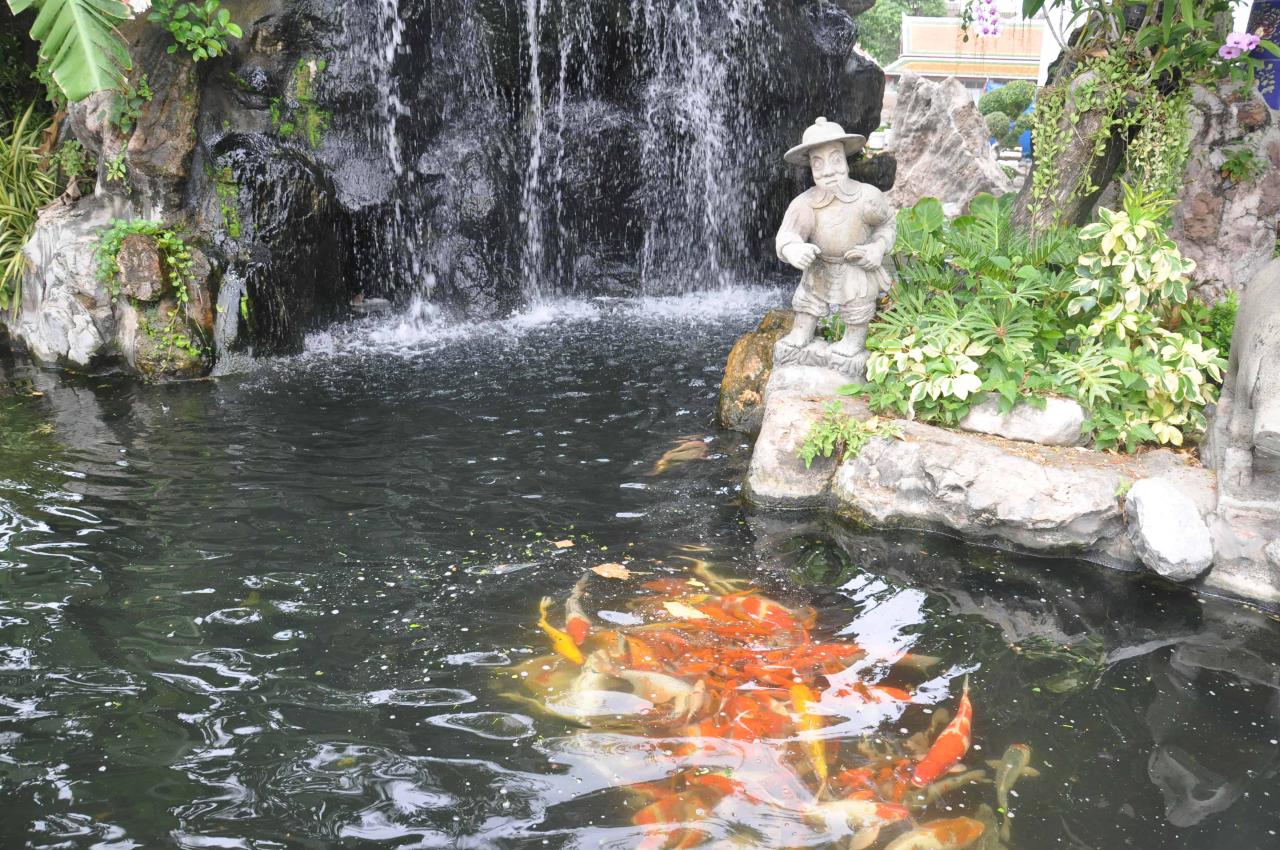
Maintaining a stable pH in your fish pond is crucial for the health and well-being of your aquatic inhabitants. Water changes are a fundamental practice in pond management, playing a significant role in regulating pH and overall water quality. Regular water changes help to dilute accumulated waste products, replenish essential minerals, and buffer against drastic pH fluctuations.
Relationship Between Water Changes and pH Stability
Water changes directly influence pH stability by removing compounds that contribute to pH imbalances and introducing fresh water with a potentially different pH and buffering capacity. The removal of accumulated organic waste, such as uneaten food and fish excrement, is a key benefit. These wastes decompose, releasing ammonia and other acidic byproducts that can lower the pH. Replacing a portion of the pond water with fresh water dilutes these harmful substances, reducing their impact on pH.
Furthermore, fresh water often contains a higher concentration of dissolved minerals and buffering agents, which help to stabilize the pH and resist sudden shifts. The frequency and volume of water changes, along with the characteristics of the replacement water, are important factors in their effectiveness in pH management.
Frequency and Amount of Water Changes
The optimal frequency and amount of water changes depend on several factors, including the size of the pond, the stocking density of fish, the filtration system’s efficiency, and the overall water quality. Generally, a partial water change of 10-25% of the total pond volume is recommended every one to four weeks. Ponds with high stocking densities, poor filtration, or noticeable water quality issues may require more frequent water changes.
For instance, a heavily stocked pond with a basic filtration system might benefit from a 20% water change every week. Conversely, a well-established pond with a robust filtration system and a low stocking density might only need a 10% water change every month. Regular monitoring of pH, ammonia, nitrite, and nitrate levels can help determine the appropriate frequency and amount of water changes needed.
Benefits of Using Dechlorinated Water
Using dechlorinated water for water changes is essential for the health of your fish. Chlorine and chloramine, commonly used to disinfect tap water, are toxic to fish and can severely damage their gills and other tissues. Dechlorinating the water removes these harmful chemicals, ensuring the safety of your fish. You can dechlorinate water using a water conditioner specifically designed for aquariums and ponds, which neutralizes chlorine and chloramine.
Alternatively, you can let tap water sit in an open container for 24-48 hours to allow the chlorine to evaporate. However, chloramine does not evaporate and must be removed using a water conditioner. It’s always better to use a water conditioner that removes chlorine and chloramine and also detoxifies heavy metals.
Calculating Water Change Volume
Calculating the appropriate volume of water for a partial water change is straightforward. You can use the following formula:
Water Change Volume = (Total Pond Volume) x (Percentage of Water Change)
For example, if your pond holds 1,000 gallons and you want to perform a 15% water change:
Water Change Volume = 1,000 gallons x 0.15 = 150 gallons
Therefore, you would remove 150 gallons of water and replace it with fresh, dechlorinated water. Always ensure the replacement water is at a similar temperature to the pond water to avoid shocking the fish.
Best Practices for Water Changes
Implementing the following best practices will ensure that water changes are performed safely and effectively:
- Test the Water: Before and after a water change, test the pond water for pH, ammonia, nitrite, and nitrate levels. This will help you assess the impact of the water change and monitor the overall water quality.
- Temperature Matching: Ensure the replacement water is at a similar temperature to the pond water. Sudden temperature changes can stress fish and potentially lead to illness.
- Dechlorination: Always use dechlorinated water for water changes. Use a water conditioner specifically designed for ponds, or allow tap water to sit for 24-48 hours to remove chlorine (chloramine removal requires a water conditioner).
- Slow Addition: Add the new water slowly to the pond to avoid sudden changes in water chemistry. This allows the fish to adjust gradually to the new water parameters. Consider using a hose with a gentle flow or a bucket to add the water.
- Gravel Vacuuming: During water changes, consider vacuuming the gravel or substrate at the bottom of the pond to remove accumulated debris and waste. This will further improve water quality and help maintain a stable pH.
- Monitor Fish Behavior: Observe your fish for any signs of stress, such as rapid gill movement, erratic swimming, or lethargy, during and after water changes. If you notice any unusual behavior, stop the water change and investigate the cause.
Natural pH Buffers
Maintaining a stable pH in a fish pond is crucial for the health and well-being of its inhabitants. Natural buffers play a significant role in achieving this stability, preventing drastic fluctuations that can stress or even kill fish. Understanding these natural buffering systems allows pond owners to create a more resilient and balanced aquatic environment.
Natural Substances as pH Buffers
Several naturally occurring substances can act as pH buffers in a fish pond, helping to resist changes in acidity or alkalinity. These substances work by absorbing or releasing hydrogen ions (H+) or hydroxide ions (OH-) to maintain a relatively stable pH.
- Carbonates and Bicarbonates: These are the most common and effective natural buffers. They are derived from the breakdown of organic matter, the dissolution of rocks and minerals, and photosynthesis by aquatic plants. The carbonate buffering system involves the following equilibrium:
CO2 + H 2O ⇌ H 2CO 3 ⇌ HCO 3– + H + ⇌ CO 32- + 2H +
This system helps to neutralize both acids and bases, keeping the pH within a desirable range.
- Humic Substances: Derived from the decomposition of organic matter, humic substances can also act as buffers, although they are generally weaker than the carbonate system. They contribute to the water’s color and can provide some buffering capacity.
- Certain Minerals: Minerals like calcium carbonate (limestone) can slowly dissolve in the water, releasing carbonate ions and contributing to the buffering capacity.
The Role of Carbonate Hardness in pH Stability
Carbonate hardness (KH), also known as alkalinity, is a measure of the water’s ability to resist changes in pH. It is primarily determined by the concentration of carbonate (CO 32-) and bicarbonate (HCO 3–) ions in the water. A higher KH indicates a greater buffering capacity, making the pond more resistant to pH fluctuations.
- Buffering Capacity: The higher the KH, the more acid or base can be added to the water without significantly changing the pH. This is because the carbonate/bicarbonate system can neutralize these additions.
- pH Stability: Ponds with sufficient KH are less likely to experience rapid pH swings, which can stress fish and disrupt the pond’s ecosystem.
- Relationship with pH: While KH helps stabilize pH, it doesn’t dictate the exact pH value. The actual pH is also influenced by other factors, such as carbon dioxide levels and the presence of other buffering systems.
Benefits of Adding Aquatic Plants to a Fish Pond
Aquatic plants contribute significantly to pH stability and overall pond health through various mechanisms. They play a crucial role in the natural buffering system and help maintain a balanced ecosystem.
- Photosynthesis: During photosynthesis, aquatic plants consume carbon dioxide (CO 2) from the water. This process increases the pH because CO 2 reacts with water to form carbonic acid (H 2CO 3). By removing CO 2, plants shift the equilibrium towards higher pH values.
- Oxygen Production: Plants produce oxygen (O 2) as a byproduct of photosynthesis, which is essential for fish and other aquatic organisms. Adequate oxygen levels contribute to a healthy ecosystem and indirectly support pH stability.
- Nutrient Uptake: Aquatic plants absorb nutrients, such as nitrates and phosphates, from the water. This helps to reduce algae growth, which can cause pH fluctuations, particularly in ponds with excessive nutrients.
- Habitat and Shelter: Plants provide shelter and habitat for fish and other organisms, contributing to the overall health and balance of the pond.
Descriptive Illustration of Buffering in the Pond Ecosystem
Consider a cross-sectional illustration depicting a fish pond, highlighting the interplay of various components in the buffering process.
Image Description: The illustration shows a side view of a fish pond. The pond’s water is filled with various elements. At the bottom, a layer of sediment is visible, representing the substrate. Emerging from the sediment are aquatic plants, such as water lilies and submerged vegetation. These plants are shown with green leaves, indicating active photosynthesis.
Above the plants, fish of various sizes are swimming, representing the pond’s inhabitants. The illustration also includes arrows representing the movement of key substances. One arrow indicates carbon dioxide (CO 2) entering the water from the atmosphere and from the respiration of fish and other organisms. Another arrow depicts the uptake of CO 2 by the aquatic plants during photosynthesis, which is labeled as a process that increases the pH.
A third arrow represents the release of oxygen (O 2) by the plants, essential for fish respiration. The illustration also includes a label highlighting the role of carbonate hardness (KH) as a buffering agent, with a visual representation of carbonate and bicarbonate ions in the water, indicating their capacity to neutralize acids and bases, thus maintaining a stable pH. Overall, the illustration demonstrates the interconnectedness of biological and chemical processes that contribute to pH buffering in a fish pond ecosystem.
Long-Term pH Management Strategies
Maintaining a healthy pH level in your fish pond is not a one-time task; it requires consistent effort and a proactive approach. Implementing long-term pH management strategies is crucial for the well-being of your fish and the overall stability of your pond ecosystem. This section Artikels practical steps to prevent pH imbalances and maintain a stable, thriving environment for your aquatic inhabitants.
Preventing pH Imbalances
Proactive measures are key to avoiding pH fluctuations. These strategies focus on establishing a stable environment from the outset and minimizing factors that can disrupt the pH balance.
- Proper Pond Construction and Preparation: The initial setup of your pond significantly impacts long-term pH stability. Ensure the pond liner is made of inert materials that won’t leach chemicals into the water. When filling the pond, use a water source that is already close to the desired pH range (typically 7.0-8.0 for most fish). Consider pre-treating the water to remove any potential contaminants that could affect pH.
- Appropriate Stocking Density: Overcrowding can lead to a buildup of organic waste, which can negatively impact pH. Stock your pond with an appropriate number of fish based on its size and filtration capacity. Regularly monitor the fish population and consider removing excess fish if necessary to maintain a healthy ecosystem.
- Control Organic Matter: Excess organic matter, such as uneaten food, dead plants, and fish waste, decomposes and releases acids, lowering pH. Implement a regular pond cleaning schedule to remove debris. Adjust the amount of food provided to match the fish’s consumption rate. Consider using a pond vacuum to remove settled waste.
- Strategic Plant Selection: Plants play a crucial role in pH regulation. Choose aquatic plants that are well-suited to your pond’s environment and can help buffer pH fluctuations. Plants absorb nutrients, which can help to reduce algae blooms that can also affect pH. Consider plants like water lilies and oxygenating plants.
- Regular Water Testing: Consistent monitoring of pH and other water parameters is essential for early detection of potential problems. Invest in a reliable test kit and test the water at least weekly, or more frequently if you notice any changes in the fish’s behavior or the pond’s appearance.
Maintaining a Stable pH in the Long Term
Maintaining a stable pH requires a combination of preventative measures and ongoing monitoring. This section Artikels the key elements to keep in mind.
- Consistent Water Changes: Regular partial water changes help to dilute accumulated waste products and replenish essential minerals that contribute to pH buffering. The frequency and volume of water changes will depend on your pond’s size, stocking density, and filtration system. Aim for a 10-25% water change every one to four weeks, or as needed.
- Effective Filtration: A robust filtration system is crucial for removing solid waste and maintaining water clarity. A combination of mechanical, biological, and chemical filtration is generally recommended. Mechanical filters remove particulate matter, biological filters convert harmful ammonia and nitrites into less toxic nitrates, and chemical filters (like activated carbon) remove dissolved pollutants.
- Use of pH Buffers: In some cases, adding a pH buffer can help to stabilize the pH and prevent sudden fluctuations. Common buffers include sodium bicarbonate (baking soda) and commercial pH buffer products. However, it’s essential to use buffers cautiously and follow the manufacturer’s instructions carefully. Overuse can lead to excessively high pH levels.
- Monitoring and Adjustments: Continuously monitor your pond’s pH and other water parameters. Be prepared to make adjustments as needed based on the results of your testing. This may involve adjusting your feeding practices, increasing water changes, or adding pH buffers.
The Importance of Regular Pond Maintenance
Regular pond maintenance is the cornerstone of long-term pH management and overall pond health. Neglecting maintenance can lead to a cascade of problems, including pH imbalances, algae blooms, and fish diseases.
- Removing Debris: Regularly remove leaves, twigs, and other debris from the pond’s surface and bottom. This prevents the buildup of organic matter, which can decompose and negatively impact pH. Use a skimmer net to remove surface debris and a pond vacuum to remove settled waste.
- Cleaning the Filtration System: Regularly clean and maintain your filtration system. This ensures that it functions efficiently and removes waste effectively. Follow the manufacturer’s instructions for cleaning your specific filters. Avoid using harsh chemicals, which can harm the beneficial bacteria in your biological filter.
- Pruning Aquatic Plants: Prune aquatic plants regularly to prevent them from overcrowding the pond and competing for resources. Remove dead or decaying plant matter, which can contribute to the buildup of organic waste.
- Inspecting and Maintaining Equipment: Regularly inspect your pond equipment, such as pumps and aerators, for proper functioning. Clean or replace any worn-out parts as needed. Ensure that your equipment is operating efficiently to maintain optimal water quality.
- Observing Fish Behavior: Regularly observe your fish for any signs of stress or illness. These signs can include changes in swimming behavior, loss of appetite, or the presence of disease symptoms. Early detection of problems allows for prompt intervention and helps to prevent further complications.
Creating a Pond Management Schedule
A well-defined pond management schedule helps ensure that all necessary tasks are performed regularly and consistently. This section provides guidance on creating a practical schedule tailored to your pond’s specific needs.
- Assess Your Pond’s Needs: Begin by assessing your pond’s size, stocking density, filtration system, and the types of plants and fish it contains. This assessment will help you determine the frequency and scope of your maintenance tasks.
- Identify Maintenance Tasks: Create a list of all the maintenance tasks required for your pond, such as water changes, filter cleaning, debris removal, plant pruning, and water testing.
- Establish a Frequency for Each Task: Determine how often each task needs to be performed. This will depend on your pond’s specific needs and the recommendations of the equipment manufacturers. For example, water testing might be done weekly, while filter cleaning might be done monthly.
- Create a Calendar or Checklist: Create a calendar or checklist to track your maintenance tasks. This can be a physical calendar, a digital calendar, or a dedicated pond management app.
- Stick to the Schedule: Consistency is key. Make your pond management schedule a regular part of your routine. Adjust the schedule as needed based on your observations and the changing needs of your pond.
Long-Term pH Management Strategies Table
This table summarizes key long-term pH management strategies, outlining the tasks, frequency, and rationale.
| Strategy | Task | Frequency | Rationale |
|---|---|---|---|
| Preventative Maintenance | Regularly remove debris from the pond surface and bottom. | Weekly | Prevents the buildup of organic matter that can lead to pH imbalances. |
| Water Quality Monitoring | Test pH, ammonia, nitrite, and nitrate levels. | Weekly | Early detection of pH fluctuations and other water quality problems. |
| Filtration System Maintenance | Clean and maintain the filtration system (mechanical, biological, and chemical). | Monthly (or as needed) | Ensures effective removal of waste and maintains water clarity. |
| Partial Water Changes | Perform partial water changes (10-25%). | Every 1-4 weeks | Dilutes accumulated waste and replenishes essential minerals. |
Final Thoughts
In conclusion, mastering how to manage fish pond pH is essential for the well-being of your aquatic inhabitants. By understanding the principles of pH, implementing regular monitoring, and utilizing the methods Artikeld in this guide, you can create a stable and thriving environment for your fish. Remember that consistent maintenance and a proactive approach are key to long-term success. Embrace these strategies to ensure a flourishing pond ecosystem for years to come.