Maintaining a healthy environment in pig farming is paramount, and at the heart of this lies the critical process of disinfection. This guide, focusing on how to disinfect pig pens, delves into the essential steps needed to safeguard against disease outbreaks and ensure the well-being of your swine. From understanding the underlying importance of hygiene to mastering the techniques for effective cleaning and disinfection, this resource provides a comprehensive overview.
We’ll explore the significance of a well-sanitized environment, including the economic benefits of preventing disease and the promotion of animal welfare. This includes selecting the right disinfectants, implementing step-by-step procedures, and understanding post-disinfection protocols. This guide aims to equip you with the knowledge to create a thriving and disease-free environment for your pigs, ensuring both their health and the prosperity of your operation.
Understanding the Importance of Pig Pen Disinfection
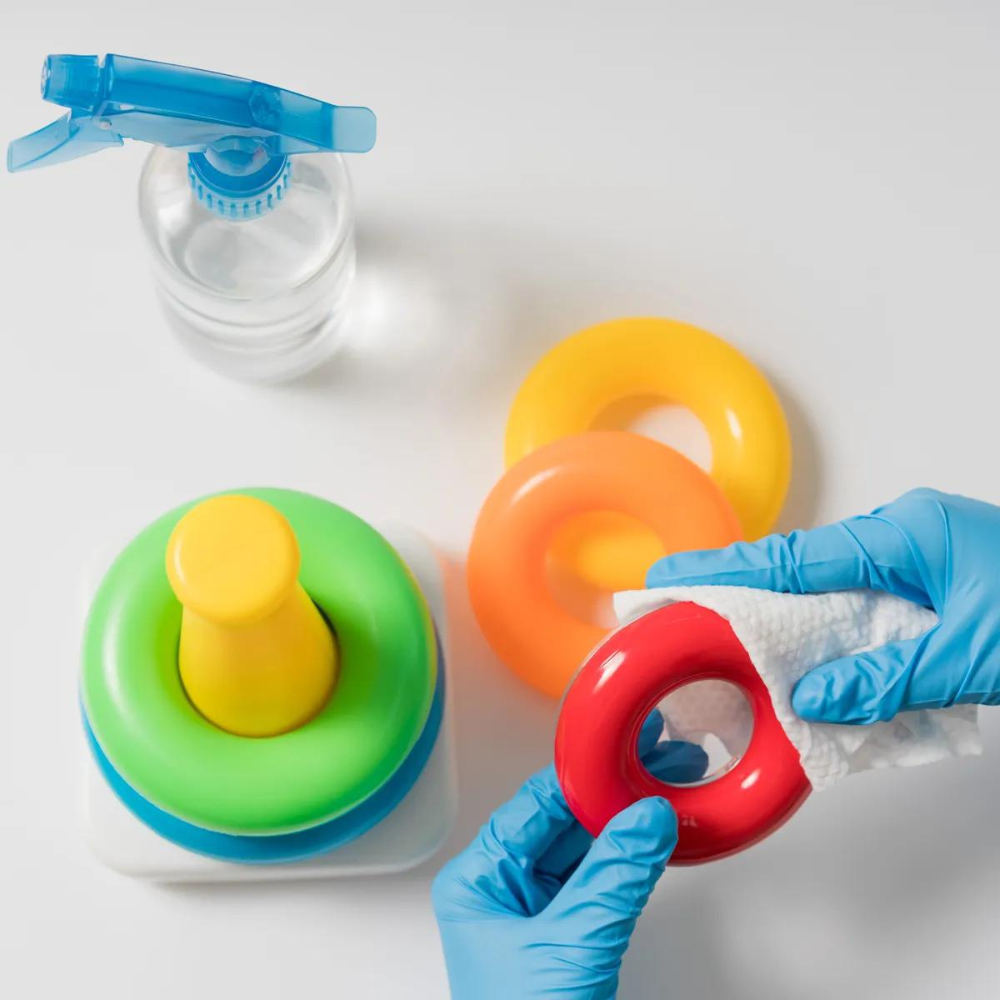
Maintaining a clean and disinfected pig pen is crucial for the health and productivity of a pig farm. Disinfection plays a vital role in preventing the spread of diseases, ensuring animal welfare, and minimizing economic losses. Implementing effective disinfection protocols is an essential practice for any pig farmer aiming to operate a successful and sustainable business.
Disease Prevention Through Disinfection
The primary objective of disinfecting pig pens is to eliminate or significantly reduce the presence of disease-causing organisms. These organisms, including bacteria, viruses, and parasites, can thrive in the environment of a pig pen, especially in the presence of organic matter like manure and bedding.Here are some common diseases that can spread in unsanitized pig pens:
- Swine Influenza: A highly contagious respiratory disease caused by the influenza A virus. Symptoms include fever, coughing, sneezing, and lethargy. Outbreaks can spread rapidly through a herd, leading to reduced growth rates and increased mortality.
- Porcine Reproductive and Respiratory Syndrome (PRRS): A viral disease that affects the reproductive and respiratory systems of pigs. It causes reproductive failure in sows and respiratory illness in piglets, leading to significant economic losses.
- African Swine Fever (ASF): A highly contagious and deadly viral disease affecting pigs. ASF has a high mortality rate, and outbreaks can devastate pig populations. While not present in all regions, its potential for rapid spread and economic impact makes it a major concern.
- Erysipelas: A bacterial disease caused by Erysipelothrix rhusiopathiae. It can cause skin lesions, fever, and lameness. The disease can lead to chronic arthritis and heart valve damage.
- Salmonellosis: A bacterial infection caused by various Salmonella serotypes. It can cause diarrhea, fever, and dehydration, particularly in young pigs.
Economic Impact of Disease Outbreaks
Disease outbreaks in pig farming can have a devastating economic impact, affecting profitability and the long-term viability of the farm. These impacts stem from several factors.
- Reduced Productivity: Infected pigs often experience reduced growth rates, decreased feed efficiency, and lower reproductive performance. This leads to fewer pigs reaching market weight and lower overall output.
- Increased Mortality: Diseases can cause high mortality rates, particularly among piglets. This results in direct financial losses due to the death of animals and a reduction in the breeding stock.
- Treatment Costs: Treating sick pigs requires the use of antibiotics, vaccines, and other medications, adding to the overall expenses. These costs can be substantial, especially during widespread outbreaks.
- Loss of Market Access: Disease outbreaks can lead to restrictions on the sale of pigs and pork products, both domestically and internationally. This can result in significant revenue losses for the farm.
- Increased Labor Costs: Managing and caring for sick animals requires additional labor, increasing the farm’s operational costs. Furthermore, labor may need to be reallocated from other tasks.
In the event of an outbreak, the economic consequences can be severe. For example, an outbreak of African Swine Fever (ASF) can lead to the complete depopulation of a farm, resulting in the loss of the entire herd and the closure of the operation. The cost of disease control and prevention, therefore, pales in comparison to the potential losses from an outbreak.
Role of Disinfection in Animal Welfare
Disinfection plays a critical role in promoting the welfare of pigs by creating a healthier and more comfortable living environment. Animal welfare is not only an ethical consideration but also contributes to the overall productivity and profitability of the farm.
- Reduced Exposure to Pathogens: By eliminating or reducing the presence of disease-causing organisms, disinfection minimizes the risk of infection and disease. This leads to healthier pigs with stronger immune systems.
- Improved Comfort: A clean and disinfected environment is more comfortable for pigs. Reducing the presence of pathogens also minimizes the risk of skin irritations, respiratory problems, and other health issues that can cause discomfort.
- Reduced Stress: Sick or stressed pigs are less productive. Disinfection helps to create an environment that minimizes stress and promotes the overall well-being of the animals.
- Compliance with Regulations: Many animal welfare regulations require farms to maintain clean and sanitary environments. Implementing effective disinfection protocols helps ensure compliance with these regulations.
Ensuring the welfare of pigs can lead to improved productivity, increased consumer satisfaction, and a more positive image for the farm. By prioritizing animal welfare, pig farmers can create a more sustainable and ethical operation.
Preparing the Pig Pen for Disinfection
Preparing a pig pen for disinfection is a critical step in controlling disease and ensuring the health of the animals. Thorough preparation significantly enhances the effectiveness of the disinfection process, minimizing the risk of pathogen survival and re-infection. This involves a systematic approach to remove organic matter and thoroughly clean all surfaces.
Removing Organic Matter
The removal of organic matter, such as manure, bedding, and feed remnants, is paramount before disinfection. Organic matter can shield pathogens from disinfectants, reducing their effectiveness. This process is often referred to as “cleaning” and is the most important step.To effectively remove organic matter, follow these steps:
- Remove all pigs: Prior to beginning any cleaning or disinfection procedure, all pigs must be removed from the pen and relocated to a safe and clean area. This prevents potential harm to the animals from cleaning agents and allows for a thorough cleaning process.
- Dry Cleaning (Pre-Cleaning): Before applying water, perform a dry cleaning of the pen. This helps to remove loose debris and reduce the amount of organic material that will be mixed with water. This can include sweeping or scraping.
- Manure Removal: Manure is the primary source of pathogens in a pig pen. The frequency of manure removal depends on the housing system. Solid floors require more frequent cleaning than slatted floors.
- Manual Scraping: Use a sturdy scraper to remove manure from solid floors, paying close attention to corners and areas where manure tends to accumulate.
- Mechanical Scraping: In larger facilities, mechanical scrapers, often powered by electric motors, can efficiently remove manure from the pen.
- Flushing Systems: Some pens utilize flushing systems, which involve the periodic release of water to wash manure into a collection pit.
- Bedding Removal: Remove all used bedding material, such as straw, wood shavings, or shredded paper. Properly dispose of the bedding, preferably composting it away from the pig pens or transporting it to a designated disposal area.
- Feed and Water Trough Cleaning: Remove any remaining feed and clean the troughs thoroughly. Scrub the water troughs to remove any biofilm or algae growth, which can harbor pathogens.
- Other Debris Removal: Remove any other debris, such as broken equipment, discarded items, or any other materials that could harbor pathogens or impede the cleaning process.
Cleaning Procedure for Surfaces
A comprehensive cleaning procedure is essential to remove remaining organic matter and prepare the surfaces for disinfection. This typically involves the use of water and detergents.The cleaning procedure should incorporate the following steps:
- Pre-Rinsing: Rinse all surfaces with clean water. This helps to loosen remaining debris and prepares the surfaces for the application of detergent. Use a pressure washer with a wide-angle nozzle for this purpose.
- Detergent Application: Apply a suitable detergent to all surfaces. The choice of detergent depends on the type of surfaces and the nature of the organic matter. Follow the manufacturer’s instructions for dilution and application. Detergents help to emulsify fats and break down proteins, making it easier to remove organic matter.
- Scrubbing: Thoroughly scrub all surfaces with brushes or other appropriate tools. This ensures that the detergent penetrates and removes any remaining organic matter. Pay particular attention to areas that are difficult to reach or where debris tends to accumulate.
- Rinsing: Rinse all surfaces thoroughly with clean water to remove all traces of detergent. Ensure that no detergent residue remains, as this can interfere with the effectiveness of the disinfectant.
- Inspection: After rinsing, inspect all surfaces to ensure they are visibly clean. If any areas remain dirty, repeat the cleaning process.
Essential Cleaning Tools and Equipment
Having the right tools and equipment is crucial for effective cleaning. Proper tools streamline the process, ensuring all surfaces are thoroughly cleaned.Essential tools and equipment include:
- Pressure Washer: A pressure washer is essential for rinsing and cleaning surfaces. Choose a model with sufficient pressure and flow rate to effectively remove debris. The nozzle type should be adjustable to suit the surface.
- Scrapers: Scrapers are necessary for removing manure and other debris from floors and walls. Choose scrapers with durable blades and comfortable handles.
- Brushes: Stiff-bristled brushes are needed for scrubbing surfaces, especially in corners and crevices. Select brushes with handles that provide a good grip.
- Buckets and Containers: Buckets and containers are necessary for mixing detergents, carrying water, and collecting debris. Choose containers that are easy to clean and durable.
- Protective Gear: Protective gear, including gloves, boots, eye protection, and a waterproof apron or coveralls, is essential for protecting the cleaner from exposure to pathogens and cleaning chemicals.
- Detergents and Cleaning Agents: Select appropriate detergents and cleaning agents based on the surfaces being cleaned and the type of organic matter present. Follow the manufacturer’s instructions for dilution and application.
- Disinfectant Applicator: A sprayer or other applicator for applying the disinfectant evenly to all surfaces after cleaning. This can be a backpack sprayer or a pressure sprayer.
Selecting the Right Disinfectant
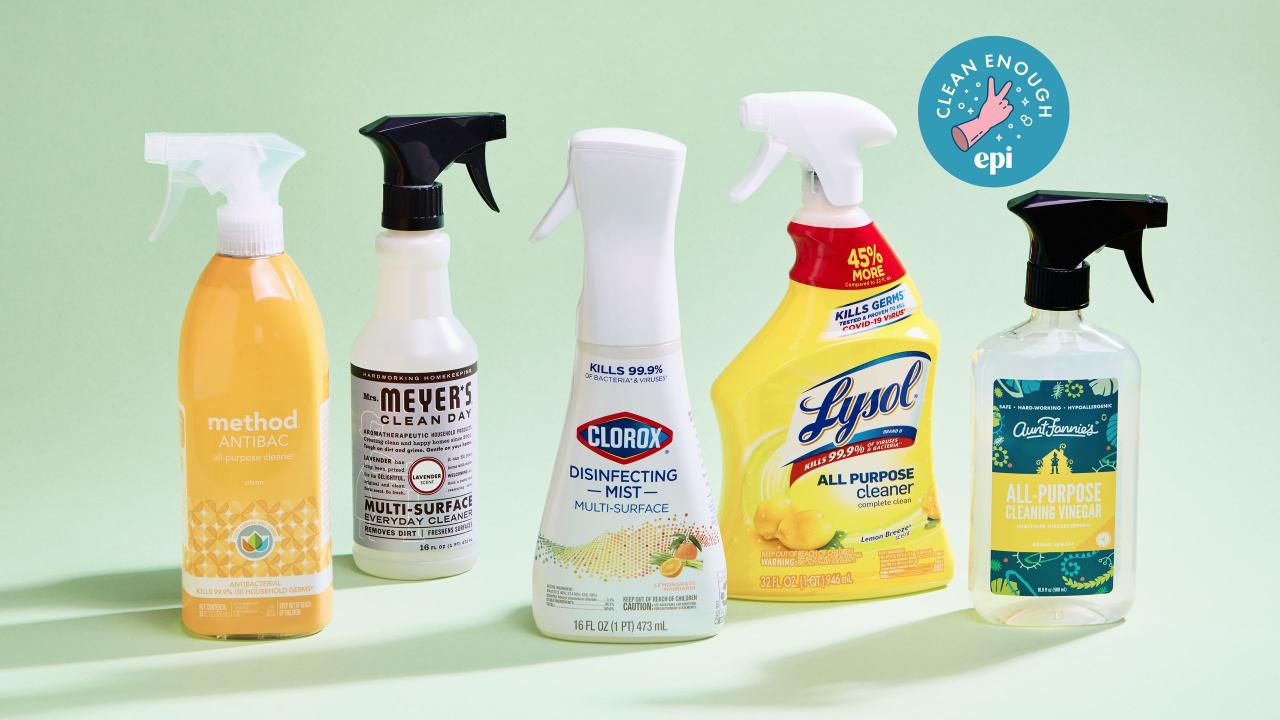
Choosing the appropriate disinfectant is crucial for effective pig pen sanitation. The selection process depends on several factors, including the types of pathogens present, the surfaces to be treated, and the presence of organic matter. This section will explore the different types of disinfectants suitable for pig pens, comparing their advantages and disadvantages, and outlining the factors to consider when making your choice.
It will also cover the essential aspects of handling and storing these disinfectants safely.
Types of Disinfectants for Pig Pens
Several types of disinfectants are commonly used in pig pens, each with its own strengths and weaknesses. Understanding these differences is essential for making an informed decision.
- Chlorine-Based Disinfectants: Chlorine-based disinfectants, such as sodium hypochlorite (bleach), are widely used due to their broad-spectrum activity and relatively low cost. They are effective against bacteria, viruses, and fungi.
- Advantages: They are inexpensive, readily available, and effective against a wide range of pathogens. They also have a rapid kill time.
- Disadvantages: They are corrosive to some surfaces, especially metals, and can be inactivated by organic matter. They also release irritating fumes and can be less effective in cold temperatures.
- Examples: Household bleach (diluted appropriately), calcium hypochlorite.
- Quaternary Ammonium Compounds (Quats): Quats are cationic surfactants that disrupt cell membranes, making them effective against a range of bacteria and some viruses. They are generally non-corrosive and have a low toxicity profile.
- Advantages: They are generally non-corrosive, have a low toxicity profile, and are effective against many bacteria and some viruses. They also offer good residual activity.
- Disadvantages: They can be less effective in the presence of hard water and organic matter. Some quats are ineffective against certain viruses, such as parvoviruses.
- Examples: Benzalkonium chloride, didecyldimethylammonium chloride.
- Phenolic Disinfectants: Phenolics are derived from phenol and are effective against a wide range of pathogens, including bacteria, fungi, and some viruses. They are relatively stable and retain activity in the presence of organic matter.
- Advantages: They are effective in the presence of organic matter and have good residual activity. They are also effective against a wide range of pathogens.
- Disadvantages: They can be toxic, especially to animals, and can leave a residue. Some are corrosive.
- Examples: Lysol (various formulations), creosote.
- Aldehydes: Aldehydes, such as formaldehyde and glutaraldehyde, are potent disinfectants effective against a broad spectrum of microorganisms.
- Advantages: They are highly effective against a wide range of pathogens, including bacteria, viruses, and fungi. They are also effective in the presence of organic matter.
- Disadvantages: They are toxic and can be irritating to the respiratory system and skin. Formaldehyde is a known carcinogen. Their use is often restricted due to health and environmental concerns.
- Examples: Formaldehyde, glutaraldehyde.
- Peroxygen Compounds: These disinfectants, such as hydrogen peroxide and peracetic acid, are oxidizing agents that are effective against a wide range of pathogens. They are generally environmentally friendly, breaking down into harmless substances.
- Advantages: They are environmentally friendly, breaking down into harmless substances. They are effective against a wide range of pathogens and have good activity in the presence of organic matter.
- Disadvantages: They can be corrosive to some surfaces and may have a short shelf life. They can also be irritating to the skin and eyes.
- Examples: Hydrogen peroxide, peracetic acid.
Factors for Choosing a Disinfectant
Several factors influence the selection of the most appropriate disinfectant for a pig pen. Considering these elements is crucial for maximizing the effectiveness of the disinfection process.
- Type of Surfaces: The type of surface being disinfected significantly influences disinfectant selection. Some disinfectants are corrosive and should not be used on certain materials.
- Example: Chlorine-based disinfectants can corrode metal surfaces, while quats are generally safer for use on most surfaces.
- Presence of Organic Matter: The presence of organic matter, such as manure and feed residue, can inactivate many disinfectants. Choose disinfectants that are effective in the presence of organic matter.
- Example: Phenolic disinfectants and peroxygen compounds often maintain their effectiveness in the presence of organic matter, whereas chlorine-based disinfectants can be significantly inactivated.
- Target Pathogens: Identify the specific pathogens of concern in the pig pen. Different disinfectants have varying levels of effectiveness against different microorganisms.
- Example: If parvovirus is a concern, ensure the disinfectant is effective against this virus, as some quats may not be.
- Contact Time: The contact time, or the amount of time the disinfectant must remain in contact with the surface to be effective, varies depending on the disinfectant and the target pathogen.
- Example: Follow the manufacturer’s instructions for the recommended contact time. Shorter contact times may be less effective.
- Safety and Environmental Considerations: Consider the toxicity of the disinfectant to both animals and humans, as well as its environmental impact.
- Example: Aldehydes are highly toxic and require careful handling, while peroxygen compounds are generally considered more environmentally friendly.
- Cost and Availability: The cost and availability of the disinfectant are also important considerations.
- Example: Chlorine-based disinfectants are generally inexpensive and readily available, while some specialized disinfectants may be more expensive.
Proper Handling and Storage of Disinfectants
Proper handling and storage of disinfectants are crucial for ensuring their effectiveness and minimizing risks to human and animal health. Safety precautions must always be followed.
- Personal Protective Equipment (PPE): Always wear appropriate PPE when handling disinfectants, including gloves, eye protection, and a mask or respirator if necessary.
- Example: Wear chemical-resistant gloves to protect your skin from direct contact with the disinfectant.
- Ventilation: Ensure adequate ventilation when using disinfectants, especially in enclosed spaces.
- Example: Open windows and doors or use fans to improve air circulation.
- Mixing and Dilution: Always follow the manufacturer’s instructions for mixing and dilution. Use the correct concentration to ensure effectiveness and avoid potential hazards.
- Example: Use a measuring container to accurately dilute the disinfectant with water, as directed on the product label.
- Storage: Store disinfectants in a cool, dry place, away from direct sunlight and extreme temperatures. Keep them out of reach of children and animals.
- Example: Store disinfectants in a locked cabinet or storage room to prevent accidental ingestion or misuse.
- Compatibility: Avoid mixing different disinfectants unless specifically instructed to do so by the manufacturer, as this can lead to dangerous chemical reactions.
- Example: Never mix bleach with ammonia, as this creates toxic fumes.
- Disposal: Dispose of used disinfectant solutions and empty containers according to local regulations.
- Example: Rinse empty containers thoroughly before disposal, and follow the instructions on the product label for proper disposal methods.
Disinfection Procedures
Implementing effective disinfection procedures is crucial for maintaining a healthy environment within pig pens, thereby preventing the spread of disease and promoting animal welfare. This section provides a step-by-step guide to ensure proper application of disinfectants, covering various methods and pen components.
Applying Disinfectant: Step-by-Step
Following a structured approach ensures the disinfectant effectively eliminates pathogens. Adhering to the manufacturer’s instructions is paramount for achieving optimal results and ensuring animal safety.
- Preparation: Before applying any disinfectant, thoroughly clean the pig pen, removing all organic matter such as manure, bedding, and feed residue. This is a critical step, as organic matter can inactivate many disinfectants. Use appropriate cleaning agents and tools to ensure surfaces are visibly clean.
- Dilution: Accurately dilute the disinfectant according to the manufacturer’s instructions. Using the correct dilution rate is essential for effectiveness. Over-dilution may render the disinfectant ineffective, while under-dilution can be wasteful and potentially harmful to the animals. Always use clean water for dilution.
- Application: Apply the diluted disinfectant evenly to all surfaces within the pen, including floors, walls, feeders, and waterers. Several application methods can be used, as detailed below.
- Contact Time: Allow the disinfectant to remain in contact with the surfaces for the recommended contact time specified by the manufacturer. Contact time is crucial for the disinfectant to effectively kill or inactivate pathogens. This time can vary significantly depending on the disinfectant and the pathogens targeted.
- Rinsing (if applicable): Some disinfectants require rinsing after the contact time. If rinsing is necessary, use clean water and ensure all disinfectant residue is removed. Always refer to the manufacturer’s instructions for guidance.
- Drying: Allow the pen to dry completely before reintroducing pigs. This further reduces the risk of pathogen survival and provides a safer environment for the animals.
Manufacturer’s Instructions
Understanding and strictly following the manufacturer’s instructions for each disinfectant is non-negotiable for several reasons. Disregarding these instructions can lead to ineffectiveness, safety hazards, and potential liability.
Manufacturers provide specific guidelines for optimal use. These guidelines include the correct dilution rates, contact times, application methods, and safety precautions. Different disinfectants have different chemical compositions, and therefore, different instructions. For example, a quaternary ammonium compound might require a 1:256 dilution with a 10-minute contact time, while a phenolic disinfectant might require a 1:128 dilution with a 30-minute contact time.
Failure to follow these specific instructions will significantly reduce the disinfectant’s effectiveness.
Safety precautions, such as the use of personal protective equipment (PPE) like gloves, masks, and eye protection, are also crucial and are clearly Artikeld by the manufacturer. Ignoring these precautions can expose handlers to harmful chemicals. The instructions also detail proper storage and disposal methods to ensure the safe handling of the disinfectant.
Application Methods
Various application methods can be employed to distribute disinfectant throughout the pig pen. The choice of method depends on factors like the pen’s size, the type of surfaces, and the disinfectant being used.
- Spraying: Spraying is a common method that involves using a hand-held or power sprayer to apply the disinfectant to surfaces. This method is suitable for floors, walls, and equipment. Ensure even coverage to reach all areas.
- Fogging: Fogging involves using a fogger to create a fine mist of disinfectant that disperses throughout the pen. This method is particularly useful for disinfecting hard-to-reach areas and for airborne pathogens. However, ensure all animals are removed from the pen during fogging, and adequate ventilation is provided afterward.
- Soaking: Soaking is used for smaller items or equipment that can be submerged in a disinfectant solution. This method ensures thorough disinfection. Examples include boots, tools, and smaller feeders.
Disinfecting Pen Components
Each component of the pig pen requires specific attention during the disinfection process. Different materials and surfaces necessitate different approaches to ensure effective pathogen elimination.
- Floors: Floors should be thoroughly cleaned of all organic matter before disinfection. Spray or apply the disinfectant solution evenly across the entire floor surface. Allow the recommended contact time before rinsing (if required) and allowing to dry completely.
- Walls: Walls should be cleaned and disinfected, paying close attention to any cracks or crevices where pathogens might hide. Spray the disinfectant from the top down to ensure even coverage.
- Feeders: Feeders should be emptied of any remaining feed, cleaned, and disinfected. Soaking smaller feeders in a disinfectant solution is often the most effective method. Ensure all surfaces are thoroughly cleaned and dried before refilling with feed.
- Waterers: Waterers should be emptied, cleaned, and disinfected. Pay particular attention to the inside of the waterers, as biofilms can harbor pathogens. Use a brush to scrub away any residue, and then apply the disinfectant. Rinse thoroughly before refilling with fresh water.
Methods for Effective Disinfection
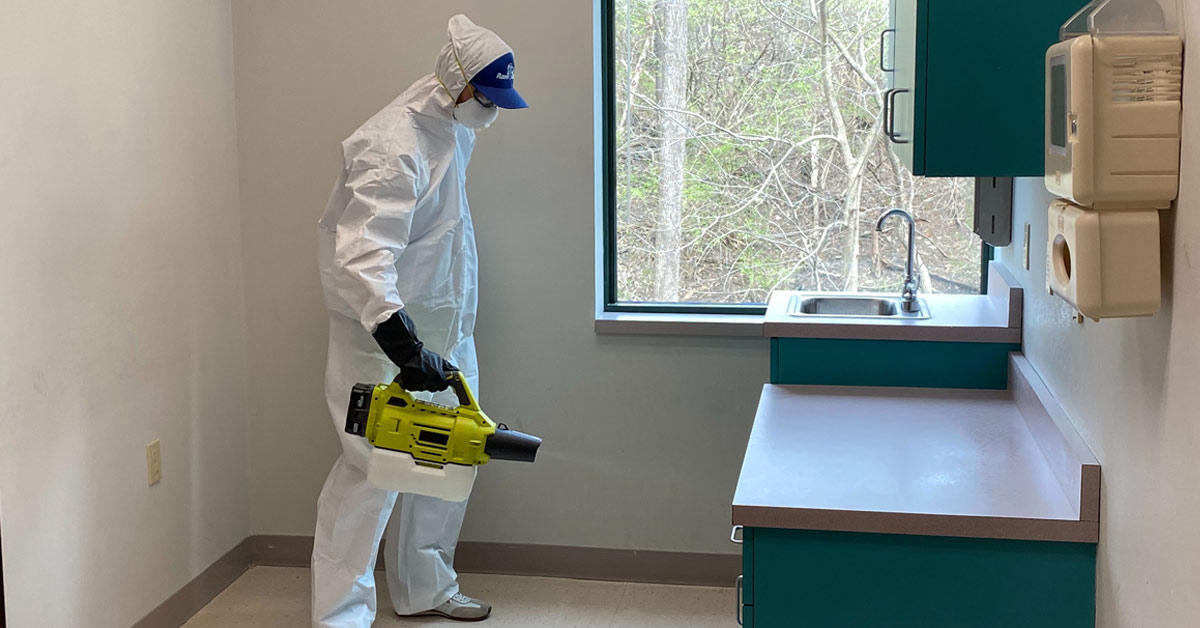
Implementing effective disinfection methods is crucial for controlling disease outbreaks and maintaining a healthy environment within pig pens. The choice of method depends on various factors, including the type of pen surface, the specific pathogens of concern, and the availability of resources. A well-planned disinfection strategy involves a combination of techniques to ensure thorough cleaning and elimination of harmful microorganisms.
Disinfection Methods for Various Pen Surfaces
Different pen surfaces require different approaches to disinfection due to their varying materials and potential for harboring pathogens. Selecting the appropriate disinfectant and adhering to recommended contact times are essential for effective results.Here’s a table outlining disinfection methods for different pen surfaces:
| Surface Type | Recommended Disinfectant | Dilution Rate | Contact Time |
|---|---|---|---|
| Concrete Floors | Sodium hypochlorite (bleach) | 1:10 (1 part bleach to 9 parts water) | 30 minutes |
| Metal Feeders/Waterers | Quaternary ammonium compounds (QACs) | Follow manufacturer’s instructions | 10 minutes |
| Plastic Surfaces | Glutaraldehyde-based disinfectants | Follow manufacturer’s instructions | 20 minutes |
| Wood Panels | Phenolic disinfectants | Follow manufacturer’s instructions | 30 minutes |
Effective Disinfection Protocols for Common Pathogens
Specific disinfection protocols are often tailored to target particular pathogens. Understanding the characteristics of these pathogens and the effectiveness of different disinfectants against them is critical for successful disease control.For Swine Influenza:
- Remove all organic matter.
- Wash the pen thoroughly with a detergent solution.
- Rinse the pen with clean water.
- Apply a disinfectant effective against enveloped viruses, such as sodium hypochlorite or a QAC, at the recommended dilution rate.
- Ensure the disinfectant makes contact with all surfaces.
- Allow for the recommended contact time, typically 10-30 minutes.
- Rinse the pen thoroughly.
- Allow the pen to dry completely.
For Porcine Reproductive and Respiratory Syndrome (PRRS):
- Remove all organic matter.
- Wash the pen thoroughly with a detergent solution.
- Rinse the pen with clean water.
- Apply a disinfectant effective against non-enveloped viruses, such as a phenolic disinfectant or a peroxygen-based disinfectant, at the recommended dilution rate.
- Ensure the disinfectant makes contact with all surfaces.
- Allow for the recommended contact time, typically 30-60 minutes.
- Rinse the pen thoroughly.
- Allow the pen to dry completely.
Use of Heat or Steam Cleaning
Heat or steam cleaning can be a valuable alternative or supplement to chemical disinfection, particularly for penetrating porous surfaces and killing microorganisms. Steam cleaning utilizes high-temperature steam to denature proteins and disrupt the cell membranes of pathogens.The application of heat can significantly enhance the effectiveness of disinfection:
- Steam cleaning can reach areas that are difficult to access with chemical disinfectants.
- High temperatures kill a broad spectrum of pathogens.
- Steam cleaning can be used as a pre-cleaning step to remove organic matter and improve the effectiveness of chemical disinfectants.
Importance of Rinsing and Drying
Rinsing the pen after disinfection and allowing it to dry completely are crucial steps in the disinfection process. These steps help to remove residual disinfectant and prevent the growth of new microorganisms.Here’s why these steps are important:
- Rinsing removes disinfectant residue, which can be toxic to pigs.
- Rinsing helps remove any remaining organic matter that could harbor pathogens.
- Drying inhibits the growth of many pathogens.
- A dry environment is less conducive to the survival and spread of many disease-causing organisms.
Post-Disinfection Procedures and Monitoring
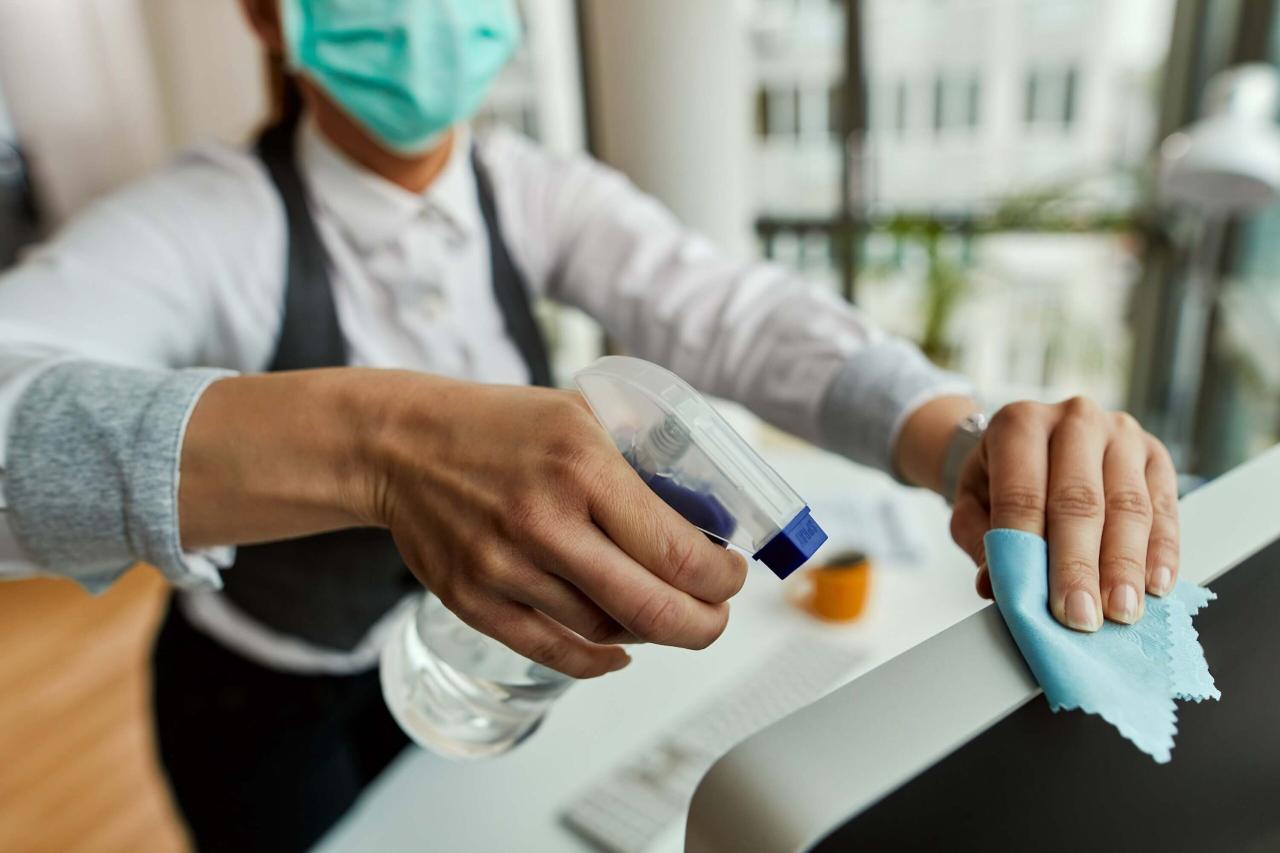
Following successful disinfection, it’s crucial to implement procedures to maintain a clean and healthy environment for the pigs. Effective monitoring is also essential to ensure the disinfection process was successful and to prevent future contamination. These post-disinfection steps are critical for minimizing disease risks and maximizing the health and productivity of the herd.
Maintaining a Clean Environment After Disinfection
After the disinfection process is complete, several actions should be taken to maintain the cleanliness of the pig pens and prevent the introduction of pathogens. These actions are vital for ensuring the long-term effectiveness of the disinfection efforts.
- Thorough Drying: Allow the pen to dry completely after disinfection. Moisture can support the growth of bacteria and fungi, reducing the effectiveness of the disinfection. Proper ventilation and air circulation are crucial for drying.
- Bedding Management: If the pen uses bedding, replace it with fresh, clean bedding. Used bedding can harbor pathogens and compromise the hygiene of the environment.
- Cleaning and Disinfecting Equipment: All equipment that comes into contact with the pigs, such as feeders, waterers, and handling tools, should be cleaned and disinfected before being reintroduced to the pen. This prevents the spread of any remaining pathogens.
- Waste Removal: Properly dispose of all waste materials, including used disinfectant solutions, bedding, and any other debris, according to local regulations. This reduces the risk of environmental contamination.
- Regular Cleaning: Implement a regular cleaning schedule to remove manure, debris, and other organic matter. This will minimize the buildup of pathogens and maintain a clean environment.
- Controlling Pests: Implement pest control measures to prevent rodents, insects, and other pests from entering the pen. Pests can act as vectors for disease transmission.
Monitoring the Effectiveness of the Disinfection Process
Monitoring the effectiveness of the disinfection process is crucial to ensure that the applied methods were successful in eliminating pathogens. This can be achieved through visual inspection and, in some cases, through testing.
- Visual Inspection: Conduct a thorough visual inspection of the pen after disinfection. Look for any remaining visible dirt, debris, or organic matter. The surfaces should appear clean and free of residue.
- Odor Assessment: Observe for any unusual odors. The absence of strong odors, particularly those associated with organic decay or animal waste, indicates a successful disinfection.
- Surface Sampling and Testing: Consider taking surface samples (e.g., swabs) to test for the presence of pathogens. These samples can be sent to a laboratory for analysis. This testing provides objective data on the effectiveness of the disinfection process.
- Water Quality Monitoring: If the pen uses water systems, monitor the water quality to ensure that the disinfection process did not affect the water supply. Regular water testing is recommended.
- Animal Health Observation: Closely monitor the health of the pigs for any signs of illness, such as coughing, sneezing, diarrhea, or reduced appetite. These symptoms could indicate that the disinfection was not completely effective or that recontamination has occurred.
Frequency of Disinfection
The frequency of disinfection depends on several factors, including stocking density, disease risk, and the overall biosecurity protocols implemented. It is important to establish a schedule that is appropriate for the specific situation.
- Stocking Density: Pens with higher stocking densities require more frequent disinfection because the potential for pathogen transmission increases with the number of animals present.
- Disease Risk: When there is a known or suspected disease outbreak, increase the frequency of disinfection to minimize the spread of the disease.
- Production Stage: Disinfect pens before introducing new animals, after moving animals to a new pen, and after the completion of a production cycle. This helps to prevent the introduction and spread of diseases.
- Biosecurity Protocols: Disinfection frequency should be aligned with the overall biosecurity plan. A robust biosecurity plan will likely include more frequent and thorough disinfection practices.
- Environmental Conditions: Consider the environmental conditions, such as temperature and humidity, when determining the frequency of disinfection. Warm and humid environments can promote pathogen growth, requiring more frequent disinfection.
- Example: In a farrowing unit with a high risk of disease transmission, disinfection may be performed after each farrowing, as well as weekly or bi-weekly. In a finishing barn with lower disease risk, disinfection may be performed after each group of pigs is moved out, or on a quarterly basis.
Biosecurity Measures to Prevent Recontamination
Biosecurity measures are essential to prevent the recontamination of disinfected pig pens. These measures focus on controlling the movement of people, animals, and equipment into and out of the pen.
- Restricting Access: Limit access to the pens to essential personnel only. All visitors should be authorized and follow biosecurity protocols.
- Protective Clothing and Footwear: Provide and enforce the use of dedicated protective clothing and footwear for personnel entering the pens. This includes coveralls, boots, and gloves.
- Foot Baths and Handwashing Stations: Install foot baths with disinfectant solution at the entrances of the pens. Provide handwashing stations with soap and water or hand sanitizer.
- Vehicle Sanitation: Ensure that vehicles entering the premises are cleaned and disinfected. This includes the tires and undercarriage.
- Quarantine: Implement a quarantine protocol for any new animals introduced to the farm. This allows for observation and testing before the animals are mixed with the existing herd.
- Equipment Management: Establish procedures for cleaning and disinfecting equipment before it enters or leaves the pen. This minimizes the risk of carrying pathogens.
- Rodent and Pest Control: Implement a comprehensive rodent and pest control program to prevent pests from entering the pens. Pests can transmit diseases.
- Source of Animals: Acquire animals from sources with a known and acceptable health status. The health status of incoming animals is a key factor in maintaining a healthy herd.
Addressing Specific Challenges in Disinfection
Effective disinfection strategies must adapt to the unique characteristics of pig pens, considering variations in construction materials, environmental conditions, and waste management practices. This section focuses on overcoming specific challenges encountered during disinfection to ensure optimal pathogen control and animal health.
Disinfecting Pens with Different Floor and Structure Types
The construction materials of a pig pen significantly influence the disinfection process. Concrete, wood, and slatted floors each present distinct challenges and require tailored approaches to achieve thorough sanitation.Concrete floors are common in pig pens due to their durability and ease of cleaning. However, concrete can be porous, allowing pathogens to penetrate and persist.
- Preparation: Thoroughly remove all organic matter, including manure, bedding, and feed residues. High-pressure washing is essential to remove visible contaminants.
- Disinfectant Selection: Choose a disinfectant specifically formulated for concrete surfaces and effective against the prevalent pathogens in the piggery. Consider disinfectants with good penetration properties.
- Application: Apply the disinfectant uniformly, ensuring complete coverage of the concrete surface. Use a sprayer or appropriate applicator to reach all areas, including corners and cracks.
- Contact Time: Allow the disinfectant to remain in contact with the concrete surface for the recommended contact time specified by the manufacturer. This is crucial for effective pathogen inactivation.
- Rinsing: Rinse the concrete surface thoroughly with clean water after the contact time has elapsed, unless the disinfectant manufacturer specifies otherwise.
Wooden structures, such as walls and feeders, are more susceptible to damage from moisture and can harbor pathogens in cracks and crevices.
- Preparation: Remove loose debris and clean the wooden surfaces with a brush or scraper. Avoid excessive water use to prevent wood damage.
- Disinfectant Selection: Select a disinfectant suitable for wood surfaces and effective against the target pathogens. Consider disinfectants with low corrosiveness.
- Application: Apply the disinfectant evenly to the wooden surfaces, paying close attention to cracks, joints, and areas where pathogens may accumulate.
- Contact Time: Allow the disinfectant to remain in contact with the wood for the recommended contact time.
- Considerations: Evaluate the wood’s condition before disinfection. Severely damaged or rotting wood may need replacement rather than disinfection.
Slatted floors, while designed to facilitate waste removal, can present challenges during disinfection due to the difficulty of reaching all surfaces.
- Preparation: Ensure the slats are free of large debris and thoroughly clean them. Use a high-pressure washer to remove any remaining organic matter.
- Disinfectant Selection: Choose a disinfectant that can effectively penetrate the spaces between the slats and reach all surfaces.
- Application: Apply the disinfectant from multiple angles to ensure thorough coverage of the slats. Consider using a spray wand or a specialized applicator to reach difficult areas.
- Contact Time: Allow the disinfectant to remain in contact with the slats for the recommended time.
- Considerations: Ensure the chosen disinfectant is compatible with the slat material (e.g., concrete, plastic, or metal) to avoid damage.
Disinfecting Pens During Cold Weather Conditions
Cold temperatures can significantly impact the efficacy of disinfectants. Lower temperatures slow down chemical reactions, potentially reducing the disinfectant’s effectiveness. Special considerations are necessary to maintain effective disinfection during cold weather.
- Disinfectant Selection: Choose disinfectants that are effective at lower temperatures. Some disinfectants are specifically formulated for cold weather use. Review the product label for temperature recommendations.
- Warming the Disinfectant: Warm the disinfectant solution to a temperature within the manufacturer’s recommended range before application. This can improve its efficacy. Avoid overheating, which can degrade some disinfectants.
- Application Method: Apply the disinfectant in a way that ensures thorough coverage of all surfaces. Consider using a sprayer with a fine mist to maximize surface contact.
- Surface Preparation: Remove ice and snow from surfaces before applying the disinfectant. Ensure the surfaces are as dry as possible.
- Contact Time: Extend the contact time of the disinfectant to compensate for the reduced reaction rate at lower temperatures. Consult the manufacturer’s recommendations for adjusted contact times.
- Protecting from Freezing: Protect the disinfectant solution from freezing. Store the disinfectant in a heated area or use insulated containers if possible.
- Example: In regions with severe winters, pig farmers often pre-warm the disinfectant solution to around 20°C (68°F) and extend the contact time by 30-60 minutes to ensure effective pathogen control.
Importance of Ventilation for Disinfection and Drying
Ventilation plays a crucial role in promoting effective disinfection and ensuring the rapid drying of treated surfaces. Proper ventilation helps to remove moisture, reduce the concentration of airborne pathogens, and facilitate the action of disinfectants.
- Moisture Removal: Ventilation helps remove moisture from the pen environment. Excess moisture can dilute the disinfectant, reducing its effectiveness. Drier surfaces are also less conducive to pathogen survival.
- Airborne Pathogen Reduction: Ventilation helps to remove airborne pathogens, such as viruses and bacteria, from the pen environment. This reduces the risk of reinfection after disinfection.
- Disinfectant Action: Adequate ventilation helps to ensure that the disinfectant can reach all surfaces and maintain its effectiveness.
- Drying Process: Ventilation accelerates the drying process after disinfection. Dry surfaces are less hospitable to pathogen growth and reproduction.
- Ventilation Systems: Utilize existing ventilation systems (e.g., fans, exhaust systems) to maximize airflow and ensure adequate air exchange.
- Natural Ventilation: Open windows and doors, where appropriate, to enhance natural ventilation.
- Example: A study by the University of Minnesota found that pens with well-maintained ventilation systems had significantly lower levels of airborne pathogens and a faster drying time after disinfection compared to pens with poor ventilation.
Managing Disinfectant Runoff and Waste Disposal
Environmentally responsible management of disinfectant runoff and waste disposal is crucial to minimize environmental impact and comply with regulations. Proper handling of these materials protects water resources and prevents soil contamination.
- Disinfectant Selection: Choose environmentally friendly disinfectants that are biodegradable and have minimal environmental impact.
- Application Practices: Apply disinfectants judiciously, avoiding overspray and excessive use. Follow the manufacturer’s recommendations for application rates.
- Runoff Control: Implement measures to control disinfectant runoff. This may include using absorbent materials, such as sawdust or straw, to contain spills and runoff.
- Collection and Containment: Collect and contain any runoff generated during the disinfection process. This may involve using collection basins or diversion channels.
- Waste Disposal: Dispose of disinfectant waste properly. This may involve treating the waste on-site, such as through a constructed wetland, or transporting it to a licensed waste disposal facility. Follow local and national regulations for waste disposal.
- Dilution and Neutralization: Dilute and/or neutralize disinfectant solutions before disposal, as appropriate. Some disinfectants can be neutralized with specific chemicals to reduce their toxicity.
- Record Keeping: Maintain detailed records of disinfectant use, runoff management, and waste disposal. This documentation is essential for regulatory compliance.
- Example: A pig farm in Denmark implemented a system to collect and treat disinfectant runoff through a constructed wetland. This system effectively removed disinfectant residues and reduced the farm’s environmental impact, demonstrating a practical approach to responsible waste management.
Advanced Techniques and Technologies
As advancements in technology continue to evolve, innovative methods for pig pen disinfection are emerging, offering enhanced efficiency and effectiveness. These advanced techniques and technologies aim to overcome limitations of traditional methods and improve overall biosecurity.
UV Light Disinfection in Pig Pens
Ultraviolet (UV) light disinfection utilizes the germicidal properties of UV-C radiation to inactivate pathogens. This method is particularly effective in reducing surface contamination in pig pens.UV light disinfection presents several benefits:
- It effectively kills a broad spectrum of microorganisms, including bacteria, viruses, and fungi, by damaging their DNA and RNA, preventing replication.
- It is a chemical-free method, eliminating the need for potentially harmful disinfectants and reducing the risk of chemical residues.
- UV light can be used in areas that are difficult to reach with traditional methods.
However, there are also limitations to consider:
- UV light effectiveness depends on the intensity and exposure time, requiring careful calibration and monitoring.
- UV light is only effective on surfaces directly exposed to the radiation; it cannot penetrate shadows or opaque materials.
- The effectiveness of UV light is reduced by dust, dirt, and organic matter, necessitating thorough cleaning before use.
- Exposure to UV light can be harmful to humans and animals, requiring appropriate safety precautions and protective measures.
Automated Disinfection Systems
Automated disinfection systems offer a significant advantage in terms of efficiency and consistency, minimizing human error and labor costs. These systems are often employed to disinfect large areas or complex pen layouts.Fogging systems are a common type of automated disinfection system:
- Fogging systems disperse disinfectant solutions as a fine mist, reaching all surfaces within the pen.
- These systems are effective in treating large areas quickly and can penetrate difficult-to-reach areas.
- They require careful selection of disinfectant and proper ventilation to ensure safety.
Robotic cleaners represent another advanced technology:
- Robotic cleaners can be equipped with spray nozzles, brushes, and UV-C lamps, providing a comprehensive disinfection solution.
- These robots can navigate pig pens autonomously, covering large areas efficiently and consistently.
- Robotic cleaners reduce human exposure to pathogens and hazardous chemicals.
Innovative Technologies for Enhanced Disinfection
Several innovative technologies are being developed and implemented to improve the efficiency and effectiveness of pig pen disinfection. These technologies often incorporate advanced sensors, monitoring systems, and data analytics.One example involves using sensors to monitor environmental conditions:
- Sensors can detect the presence of organic matter, dust, and humidity levels, providing real-time data to optimize the disinfection process.
- This data can be used to adjust disinfectant application rates, exposure times, and cleaning schedules.
Another innovation is the integration of data analytics:
- Data analytics can analyze disinfection data to identify trends, optimize protocols, and predict potential contamination risks.
- This information can be used to improve biosecurity practices and prevent disease outbreaks.
Future Advancements in Pig Pen Disinfection
The future of pig pen disinfection is likely to involve further integration of advanced technologies, including artificial intelligence (AI), robotics, and nanotechnology. These advancements promise to improve efficiency, effectiveness, and sustainability.AI can be used to optimize disinfection protocols:
- AI algorithms can analyze data from various sources, such as environmental sensors and disease monitoring systems, to identify the most effective disinfection strategies.
- AI can also automate tasks such as cleaning, disinfecting, and monitoring, reducing labor costs and human error.
Robotics will likely play an increasingly important role:
- Robots can be used to perform various tasks, including cleaning, disinfecting, and monitoring, in a safe and efficient manner.
- Robots can be equipped with advanced sensors and tools to improve the effectiveness of disinfection.
Nanotechnology offers the potential for innovative disinfection solutions:
- Nanomaterials can be used to create disinfectants with enhanced properties, such as increased effectiveness, reduced toxicity, and longer-lasting effects.
- Nanotechnology can also be used to develop self-disinfecting surfaces that reduce the risk of contamination.
These advancements are expected to contribute to improved biosecurity, reduced disease outbreaks, and increased productivity in pig farming operations. For instance, according to a study published in the “Journal of Animal Science,” farms utilizing automated disinfection systems saw a 15% reduction in disease incidence compared to those using traditional methods. Furthermore, the development of novel disinfectants based on nanotechnology is expected to reduce the use of harsh chemicals, making the process more environmentally friendly.
Summary
In conclusion, mastering how to disinfect pig pens is not merely a task; it’s an investment in the health and productivity of your pig farming operation. By diligently following the principles Artikeld in this guide, from preparation and disinfectant selection to post-disinfection monitoring, you can significantly reduce the risk of disease and create a thriving environment for your animals. Embrace these practices, and witness the positive impact on your pigs’ health and the overall success of your farm.