Understanding how to breed cows naturally is essential for sustainable and healthy herd management. This process involves more than just pairing bulls and cows; it requires a comprehensive knowledge of reproductive behaviors, health management, and optimal timing to ensure successful conception and herd vitality. By mastering these practices, farmers can promote natural fertility while minimizing intervention and maintaining animal well-being.
This guide explores key aspects such as selecting suitable bulls, managing reproductive health, identifying the right breeding time, creating a conducive environment, and tracking breeding outcomes. Implementing these strategies can significantly enhance breeding success and herd productivity.
Understanding Natural Breeding in Cows
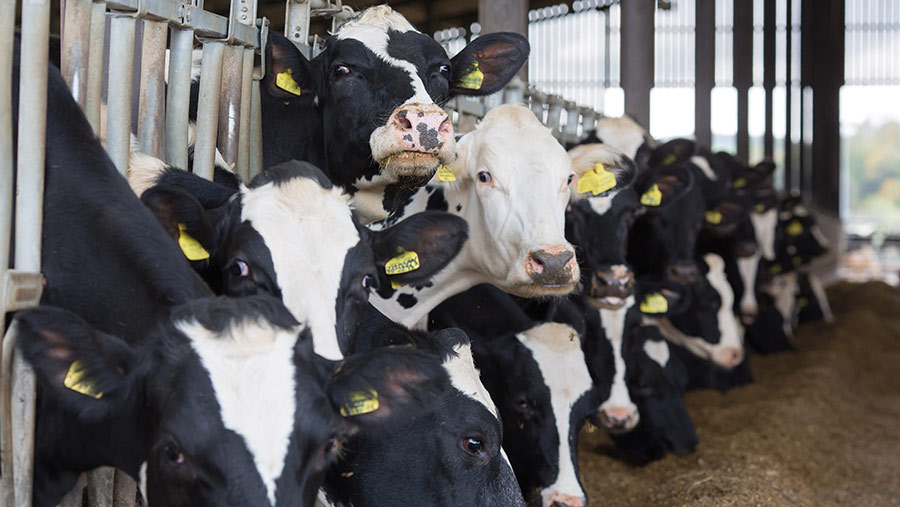
Natural breeding in cattle is a fundamental aspect of beef and dairy farm management, relying on the innate reproductive behaviors and biological cycles of cows to facilitate successful conception without artificial interventions. Recognizing and supporting these natural processes can enhance herd fertility, reduce costs, and promote animal welfare.
Understanding the biological and behavioral intricacies of cow fertility is essential for farmers seeking to optimize breeding programs. It involves awareness of the reproductive cycle stages, signs of heat, and management strategies that align with the animal’s natural rhythms, ensuring a harmonious and effective breeding process.
Biological and Behavioral Aspects of Cow Fertility
The reproductive success of cows largely depends on their natural biological rhythms and behavioral cues, which signal readiness for mating. Cows are polyestrous animals, meaning they can go into heat multiple times during the year, typically every 18 to 24 days. During this period, hormonal changes trigger observable behaviors that indicate fertility, such as mounting other cows, restlessness, and raised tail positions.
Understanding these behaviors helps farmers identify optimal mating times, thus increasing conception rates.
The estrous cycle is regulated by complex hormonal interactions involving estrogen and progesterone, which prepare the reproductive tract for possible conception. Ovulation occurs around the middle of the cycle, usually about 24 to 30 hours after the onset of heat, providing a limited window for successful mating. Cows must be monitored carefully to detect the signs of estrus, as timing is crucial for natural breeding success.
Reproductive Cycle of Cows
To effectively manage natural breeding, it is vital to be familiar with the different stages of the cow’s reproductive cycle. The following table summarizes the key phases, their typical duration, observable signs, and management tips:
| Stage | Duration | Signs | Management Tips |
|---|---|---|---|
| Proestrus | 1-2 days | Swelling of vulva, mucus discharge, increased activity | Observe behaviors closely; prepare for heat detection |
| Estrus (Heat) | 12-24 hours | Standing to be mounted, vocalization, restless behavior, mucous discharge | Maximize mating efforts during this window; record signs |
| Metestrus | 1-3 days | Decreased activity, vulval swelling reduces, initial corpus luteum formation | Monitor for signs of cycle progression; prepare for next heat |
| Diestrus | 10-14 days | Behavior calm, corpus luteum active, no signs of heat | Maintain observation; if no conception, repeat detection process |
Important: Accurate heat detection is critical to natural breeding success. Failure to identify the optimal window can result in missed opportunities for conception, leading to extended calving intervals and reduced herd productivity.
Selecting Suitable Bulls for Natural Breeding
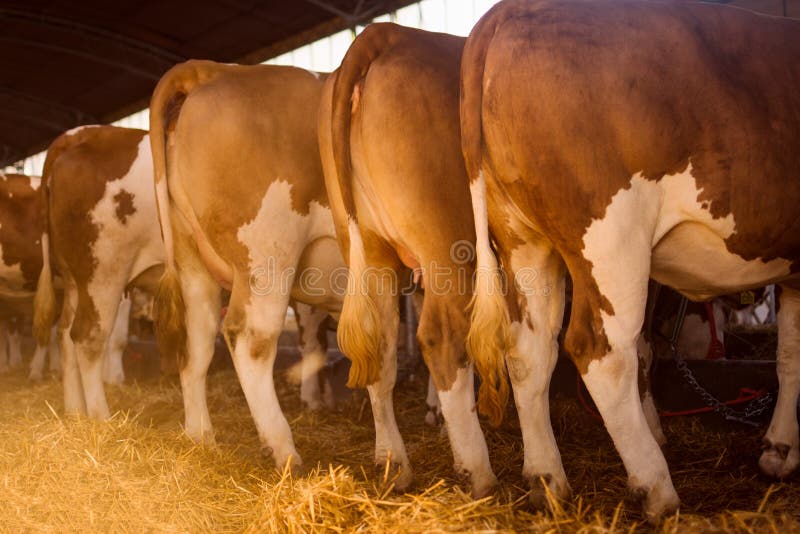
Choosing the right bull for natural breeding is a critical step in ensuring healthy, productive, and genetically desirable offspring. The process involves careful assessment of the bull’s health, fertility, and genetic traits to maximize the benefits of the breeding program. Proper selection helps in maintaining herd excellence and improving desirable characteristics over generations.
It is essential to evaluate potential sires thoroughly, considering both physical health and reproductive capacity. This not only reduces the risk of fertility issues but also ensures the offspring inherit strong genetic qualities. When selecting a bull, farmers should adopt a systematic approach based on established criteria to identify the most suitable candidate for their specific breeding goals.
Criteria for Choosing Healthy, Genetically Desirable Bulls
To achieve successful natural breeding, bulls must be both healthy and possess desirable genetic traits. The selection process involves examining physical health, reproductive status, and genetic merits. Healthy bulls are less prone to transmitting hereditary diseases and are more likely to produce viable, high-quality offspring.
Genetically desirable bulls contribute favorable traits such as improved growth rates, disease resistance, fertility, temperament, and milk production (for dairy breeds). It is vital to select bulls that complement the existing herd’s genetic profile and align with the targeted breeding objectives. This strategic approach helps in advancing herd quality consistently over time.
Procedures for Evaluating Bull Fertility and Health
Assessing a bull’s fertility and overall health involves a combination of physical examinations, reproductive tests, and health screenings. These procedures are fundamental in identifying potential reproductive issues and ensuring the selected bull can perform effectively in natural mating scenarios.
- Physical Examination: Conduct a comprehensive health check focusing on body condition, mobility, and absence of injuries or deformities that could impair mating ability.
- Genital Inspection: Examine the reproductive organs, including the penis, testes, and scrotum, for abnormalities such as swelling, lumps, or infections.
- Semen Analysis: Collect semen samples for laboratory evaluation to determine sperm count, motility, morphology, and overall semen quality.
- Fertility Trials: Observe the bull during natural mating to assess libido, mount behavior, and successful copulation frequency.
- Health Screening: Test for prevalent diseases or infections that can affect fertility, such as Brucellosis and Leptospirosis, and ensure vaccinations are up to date.
“A healthy, fertile bull is characterized by strong libido, high semen quality, and absence of transmissible diseases,” emphasizing the importance of routine health monitoring.
Traits to Consider When Selecting a Sire
Selecting a suitable bull requires attention to specific traits that influence reproductive success and genetic improvement. The traits listed below serve as a guideline for making informed choices:
- Fertility and Semen Quality: High sperm motility, adequate sperm concentration, and normal morphology.
- Genetic Merit: Superior genetics based on herd pedigree and breeding objectives, including desirable traits such as growth rate, milk yield, or disease resistance.
- Physical Health: Good body condition, absence of deformities, and robust reproductive organs.
- Temperament: Calm, manageable behavior that facilitates handling and natural mating.
- Age and Maturity: Mature enough to breed effectively, usually between 15 months to 3 years, depending on breed standards.
- Disease Resistance: Absence of hereditary or transmissible diseases and a strong immune system.
- Breeding Records: Proven reproductive success and documented fertility history.
Managing Cow Reproductive Health for Natural Breeding
Ensuring optimal reproductive health in cows is a fundamental aspect of successful natural breeding programs. Proper health management not only maximizes fertility rates but also minimizes the risk of reproductive disorders that can hinder breeding success. Regular health checks, vaccinations, and vigilant monitoring of the cow’s reproductive cycle are essential components of a comprehensive management strategy that fosters a healthy environment for natural mating.Maintaining the reproductive health of cows involves a combination of preventive healthcare measures and attentive observation throughout their estrous cycle.
This proactive approach helps identify potential issues early and ensures that cows are in prime condition for breeding. Good reproductive health ultimately contributes to higher conception rates, healthier calves, and overall herd productivity.
Managing Cow Reproductive Health for Natural Breeding
Effective management of cow reproductive health begins with routine health assessments and vaccination programs tailored to address common reproductive diseases. These checks are crucial for detecting underlying health issues that could impair fertility, such as uterine infections, metabolic disorders, or parasitic infestations. The deployment of appropriate vaccinations, including those against leptospirosis, infectious bovine rhinotracheitis (IBR), and campylobacteriosis, helps protect the herd from diseases that can negatively impact conception and pregnancy maintenance.
Continuous monitoring of cow fertility involves observing physical and behavioral signs indicative of estrus, as well as maintaining detailed reproductive records. Supporting cows during their cycle includes providing a clean, comfortable environment, ensuring proper nutrition, and minimizing stress, all of which contribute to healthy reproductive function. Recognizing early signs of fertility or distress allows farmers to adjust management practices promptly, optimizing the chances for successful natural breeding.
| Signs of Heat | Optimal Breeding Times | Management Actions |
|---|---|---|
|
|
|
Regular health checks, timely vaccination, and precise monitoring of estrous signs are key pillars of effective reproductive health management in cows, leading to improved conception rates and herd productivity.
Timing and Scheduling Breeding for Success
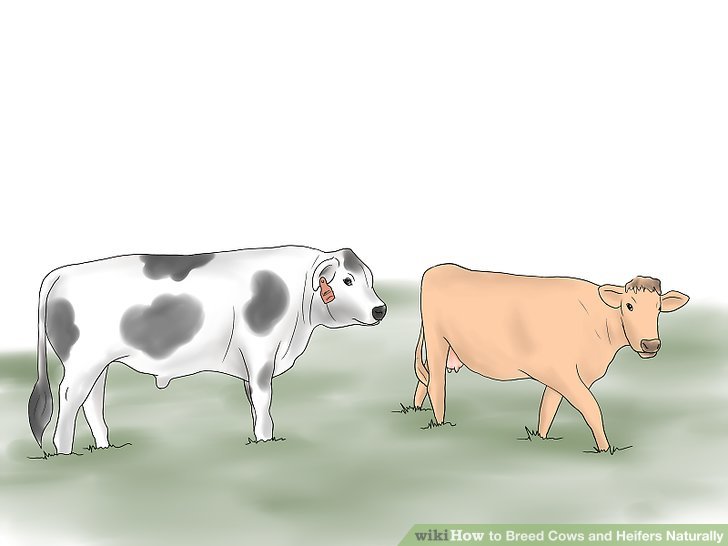
Effective breeding in cattle hinges on accurately identifying the optimal window for conception. Proper timing ensures higher pregnancy rates, reduces the number of unproductive cycles, and promotes overall herd health. Implementing precise schedules and monitoring techniques allows farmers to maximize reproductive efficiency and maintain a sustainable breeding program.
Understanding the biological rhythms of cows and employing reliable methods for heat detection are crucial steps in planning successful natural breeding. By integrating these practices into daily farm routines, breeders can significantly improve the chances of successful conception and overall herd productivity.
Methods to Identify the Optimal Breeding Window in Cows
Determining the ideal time for breeding involves recognizing the cow’s natural reproductive cycle, known as the estrous cycle, which typically lasts 18–24 days. The most fertile period occurs during the estrus phase, usually lasting 12–24 hours, when the cow is receptive to the bull. Accurate identification of this window is essential for synchronizing natural breeding efforts and increasing conception success.
Farmers should observe consistent patterns in behavioral changes and physical signs that indicate estrus, such as increased activity, mounting behavior, and swelling of the vulva. Combining these observations with knowledge of the cow’s regular cycle timings helps in better scheduling breeding activities.
Employing hormonal assays or ultrasonography can further refine timing, especially in herds requiring precise control over breeding schedules. These methods provide confirmation of ovulation readiness and allow for targeted breeding within the optimal window.
Procedures for Tracking Estrus and Heat Detection Techniques
Effective heat detection is central to scheduling breeding in a natural setting. It involves observing specific signs and employing various techniques to reliably identify when a cow is in heat, thus ready for mating. Regular and systematic observation during the suspected estrus period enhances the accuracy of detection.
Common methods include:
- Visual observation of behavioral signs such as restlessness, mounting other cows, standing heat, and vocalization.
- Use of teaser bulls that are trained to detect estrus by exhibiting mounting behavior or alertness when a cow is in heat.
- Recording and monitoring physical signs like vulvar swelling, mucous discharge, and mucous consistency.
- Implementing heat detection patches or paint that change color during estrus, providing visual confirmation over time.
- Utilizing activity monitors or pedometers that track increased movement patterns associated with estrus.
Consistent daily observation during the suspected heat period, typically lasting from 12 to 24 hours, is crucial. Combining behavioral signs with physical and technological indicators enhances detection accuracy, leading to better timing for natural breeding.
Breeding Timing Method Table
| Method | Tools Needed | Timing | Advantages |
|---|---|---|---|
| Visual Observation | Binoculars, observation log | During suspected estrus, usually every 4–6 hours within the 12–24 hour window | Cost-effective; immediate detection based on behavioral signs |
| Teaser Bull | Trained teaser bull, observation area | When behavioral signs are ambiguous, daily during estrus period | Accurate identification of heat; reduces reliance on visual signs alone |
| Heat Patches/Paint | Special dye or patches | Applied before expected estrus; checked daily during suspected period | Visual confirmation over time; helps in identifying multiple heats |
| Activity Monitors | Electronic pedometers or accelerometers | Continuous monitoring; alerts when activity spikes indicating heat | Highly accurate; reduces labor for manual checks |
| Ultrasonography / Hormonal Assays | Ultrasound equipment; progesterone testing kits | Scheduled based on cycle length; confirmed ovulation | Precise timing; useful in controlled breeding programs |
Breeding Environment and Management Practices

Creating a safe and stress-free environment is vital for successful natural cow breeding. Proper management of the physical surroundings, herd dynamics, and overall farm environment can significantly influence reproductive success and animal well-being. By implementing best practices, farmers can enhance cow comfort, reduce injuries, and promote harmonious interactions within the herd.A well-designed breeding environment minimizes stressors that could negatively impact cow health and fertility.
It involves thoughtful pasture management, secure fencing, and appropriate herd size considerations to foster a calm and secure setting for both cows and bulls. Proper management practices not only support natural breeding efforts but also contribute to the long-term productivity and sustainability of the herd.
Pasture Management and Fencing
Effective pasture management and fencing are foundational elements in creating an optimal breeding environment. The goal is to provide ample, high-quality forage that meets nutritional needs while ensuring safety and minimizing potential hazards.Maintaining pasture quality involves rotational grazing to prevent overgrazing, which can cause soil erosion and reduce forage availability. Rotational grazing also encourages healthier pastures that support the dietary requirements of breeding cows, contributing to better conception rates.Secure fencing is essential to prevent accidental injuries, escape, or unwanted interactions with neighboring herds.
Fencing materials such as woven wire, high-tensile electric fencing, or wooden fences should be sturdy, well-maintained, and positioned at an appropriate height to contain both cattle and bulls securely. Regular inspections for damages or gaps are crucial to ensure continuous safety.
Herd Size and Compatibility Considerations
Optimal herd size management ensures manageable interactions among animals, reduces stress, and promotes compatibility between cows and bulls. Smaller herds allow for more attentive management, better observation of breeding behaviors, and easier identification of health issues.Herd composition should account for temperament, age, and reproductive status. Pairing bulls with cows of compatible temperaments minimizes aggression and injury risks. Ensuring that bulls are not overcrowded with too many females helps prevent excessive competition, which can lead to injuries and stress.Maintaining appropriate herd dynamics involves monitoring social interactions, avoiding overcrowding, and providing sufficient space for each animal.
This approach fosters a peaceful environment conducive to natural breeding behaviors.
Minimizing Injuries and Ensuring Cow-Bull Compatibility
Creating a safe breeding environment also involves specific strategies to prevent injuries and promote compatibility between cows and bulls. The safety of both animals is paramount during the breeding process.
- Design fencing with smooth edges and adequate height to prevent accidental entrapment or injuries during interactions.
- Maintain appropriate space allowances to reduce competition and aggressive encounters.
- Introduce bulls gradually to the herd, monitoring their behavior and interactions with cows to identify signs of incompatibility or aggression.
- Use visual barriers or segregated areas during initial introductions to ease tension and facilitate calm interactions.
- Regularly observe herd behavior to detect early signs of stress, discomfort, or injuries, and intervene promptly.
- Select bulls with calm temperaments and proven compatibility with the herd to reduce aggressive tendencies.
- Provide escape routes or retreat areas where cows can move away from the bull if they feel threatened or stressed.
- Implement controlled breeding sessions in designated areas to closely monitor animal behavior and intervene if necessary.
Ensuring cow-bull compatibility and injury prevention safeguards the health and reproductive efficiency of the herd, resulting in higher conception rates and a more harmonious breeding environment.
Recording and Monitoring Breeding Outcomes
Accurate recording and diligent monitoring of breeding activities are vital components of successful natural breeding programs. Proper documentation ensures that reproductive patterns are tracked, health issues are identified early, and future breeding strategies are informed by reliable data. This systematic approach helps in maintaining high fertility rates, minimizing breeding errors, and optimizing overall herd productivity.
Effective monitoring involves observing physical and behavioral changes, recording vital reproductive information, and analyzing trends over time. Integrating these practices into daily farm routines enhances decision-making and promotes the health and reproductive success of the herd.
Record-Keeping Procedures for Breeding and Cow Health
Establishing standardized record-keeping procedures allows farmers to maintain comprehensive data on breeding activities and cow health status. These records should include dates of breeding, identification of the bulls used, observed cow behaviors, and results of pregnancy checks. Maintaining consistent and accurate records enables easy retrieval of information, helps identify patterns, and supports timely interventions when issues arise.
Implementing digital or paper-based record systems ensures that all relevant data is systematically documented. Regular updates following each breeding event or health check are essential to keep the records current. Additionally, recording any health concerns, treatments administered, or reproductive anomalies contributes to holistic herd management.
Documenting Behavioral Changes Post-Breeding
Post-breeding behavioral observation is a critical aspect of monitoring reproductive outcomes. Changes such as increased restlessness, mounting behaviors, or alterations in appetite can indicate successful copulation. Conversely, a lack of observable behaviors may suggest unsuccessful breeding attempts or underlying health issues.
Farmers should systematically observe and record these behaviors daily within a specified window—typically the first two weeks following breeding. Documenting behavioral changes provides valuable clues about the likelihood of conception and helps determine the appropriate timing for pregnancy testing. Using a standardized observation chart can facilitate consistent documentation and improve overall monitoring accuracy.
Sample Record Sheet for Breeding Outcomes
Maintaining an organized record sheet is essential for tracking breeding efficiency and outcomes. A well-designed record sheet includes key information such as cow identification, breeding date, bull ID, pregnancy check results, and comments on any notable observations or issues. This structured approach simplifies data analysis, helps in planning subsequent breeding cycles, and supports herd health management.
Sample record sheet in HTML table format:
| Cow ID | Breeding Date | Bull ID | Pregnancy Check | Comments |
|---|---|---|---|---|
| Cow001 | 2024-04-01 | BullA | Positive | Strong behavioral changes observed post-breeding |
| Cow002 | 2024-04-02 | BullB | Negative | No noticeable behavioral signs; consider re-breeding |
| Cow003 | 2024-04-03 | BullA | Pending | Waiting for pregnancy check; slight swelling observed |
| Cow004 | 2024-04-04 | BullC | Positive | Good recovery after breeding; no health issues noted |
Ensuring Continued Success in Natural Breeding
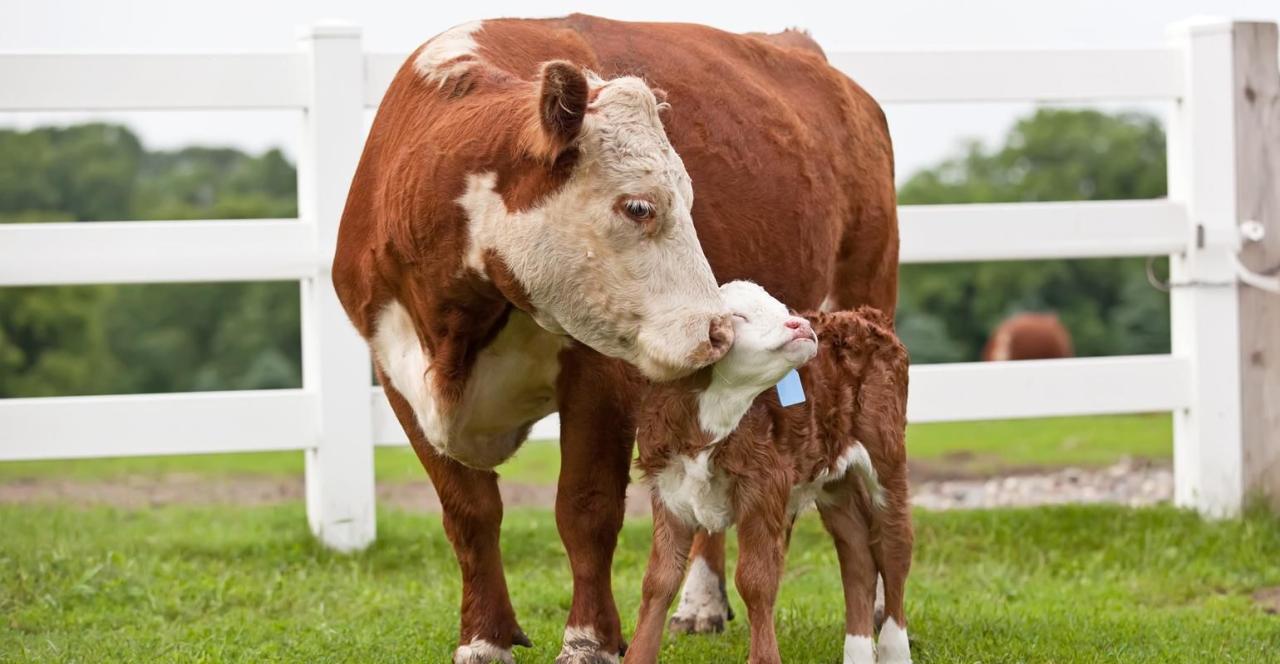
Maintaining a consistent and successful natural breeding program requires diligent follow-up and proactive herd management. After breeding occurs, it is essential to verify pregnancy, support the ongoing reproductive health of the herd, and implement best practices that foster future fertility and breeding success. These steps help ensure optimal herd productivity and the sustainability of breeding efforts over time.A systematic approach to post-breeding management solidifies the foundation for future reproductive cycles.
It involves confirming pregnancy accurately, maintaining herd health meticulously, and adopting nutritional, environmental, and health practices tailored to reproductive longevity. By integrating these strategies, breeders can achieve higher conception rates, minimize reproductive issues, and promote the overall well-being of their cattle.
Follow-up Procedures to Confirm Pregnancy
Accurate and timely confirmation of pregnancy is vital for planning subsequent herd management decisions. Several techniques are employed to verify pregnancy, each with specific advantages depending on the stage of gestation and available resources.
Regular follow-up not only confirms pregnancy but also helps identify early reproductive issues such as silent heats or embryonic loss, enabling prompt intervention and management adjustments.
Maintaining Herd Health for Future Breeding Cycles
A healthy herd is fundamental to sustained reproductive success. Good health practices support optimal conception rates and reduce the incidence of reproductive disorders. Implementing comprehensive herd health strategies ensures resilience and readiness for subsequent breeding cycles.
Consistent health management practices create a resilient herd capable of producing healthy calves across multiple breeding seasons.
Supporting Ongoing Fertility through Nutritional, Environmental, and Health Practices
Sustaining high fertility rates over time involves a holistic approach focusing on optimal nutrition, conducive environment, and proactive health care.
Proper nutrition ensures that cows maintain body condition scores between 3 and 3.5, which is ideal for reproduction. Over-conditioned or under-conditioned animals tend to have lower conception rates. Mineral supplements, particularly selenium and zinc, support reproductive functions and immune health.
Environmental factors play a role in minimizing stress and disease risks. Providing adequate shelter, clean water, and comfortable bedding encourages natural behaviors and reduces stress-induced reproductive failures.
Maintaining herd health involves an integrated health management plan, including vaccination schedules, parasite control, and prompt treatment of illnesses. Ensuring reproductive tract health through regular checks and treating infections reduces the likelihood of early embryonic loss and improves overall fertility outcomes.
Continuous monitoring and adaptive management are key to sustaining natural breeding success. Regularly assessing herd health, reproductive performance, and environmental conditions allow for timely adjustments that promote long-term fertility and herd productivity.
Concluding Remarks
In conclusion, mastering how to breed cows naturally involves a combination of understanding reproductive biology, careful planning, and diligent management. Consistent record-keeping and health monitoring are vital for long-term success, ensuring that each breeding cycle leads to healthy, productive calves. With proper practices, farmers can foster a thriving herd built on natural and sustainable breeding principles.