Embarking on the journey of pig breeding requires a thorough understanding of the entire process, from the fundamental biological cycles to the meticulous management of each stage. This guide is designed to provide you with a clear and comprehensive overview, ensuring you are well-equipped to foster a healthy and productive swine herd.
We will delve into the intricacies of reproductive basics, the crucial steps in selecting optimal breeding stock, and the precise techniques for mating and insemination. Furthermore, we will explore the essential aspects of gestation management, the critical farrowing and piglet care, and effective post-farrowing strategies. Finally, we will address vital health and biosecurity measures, alongside the indispensable practice of detailed record-keeping for successful breeding operations.
Understanding Pig Reproduction Basics
Successfully breeding pigs hinges on a thorough understanding of their reproductive physiology. This knowledge allows for precise management, maximizing conception rates and ensuring healthy offspring. We will delve into the fundamental aspects of pig reproduction, covering the sow’s reproductive cycle, identifying heat, optimal mating times, gestation, and the observable changes during pregnancy.A sow’s reproductive efficiency is largely determined by her ability to cycle regularly and conceive successfully.
Managing these cycles effectively is paramount for any breeding program.
The Typical Reproductive Cycle of a Female Pig (Sow)
The estrous cycle, commonly referred to as the heat cycle, is the period during which a sow is receptive to mating and capable of becoming pregnant. This cycle is influenced by various factors, including age, nutrition, and environmental conditions. A typical estrous cycle in pigs lasts approximately 21 days, with variations commonly ranging from 18 to 24 days. Understanding the distinct phases of this cycle is crucial for successful breeding.The estrous cycle can be broadly divided into two main periods: anestrus (non-receptive) and estrus (receptive).
The anestrus period encompasses the time when the sow is not showing signs of heat and is not receptive to mating. Estrus, on the other hand, is the period of sexual receptivity.
Signs of Estrus (Heat) in Sows
Recognizing the signs of estrus is a critical skill for pig breeders. These indicators signal that a sow is fertile and ready for insemination or mating. The most reliable sign is the standing reflex, where the sow will stand still and allow a boar or a human to mount her. This is often accompanied by other behavioral and physical changes.Key indicators of estrus include:
- Standing Reflex: The most definitive sign, where the sow remains immobile when pressure is applied to her back or when she is mounted.
- Restlessness and Vocalization: Sows in heat may become more agitated, pace more frequently, and vocalize more than usual.
- Swollen Vulva: The vulva may appear slightly swollen and moist, often with a clear discharge.
- Reduced Appetite: Some sows may eat less during estrus.
- Riding Other Sows: Sows in heat may attempt to mount other sows, particularly those also in estrus.
It is important to note that the intensity and duration of these signs can vary between individual sows and even between cycles for the same sow. Regular observation and familiarity with individual sow behavior are essential for accurate heat detection.
Optimal Timing for Insemination or Mating
The timing of insemination or mating is a critical factor influencing conception rates. Inseminating too early or too late in the estrus period can significantly reduce the likelihood of pregnancy. The goal is to inseminate when the ovum is viable and the sow’s reproductive tract is optimally prepared for fertilization.The optimal time for insemination is generally considered to be 12 to 24 hours after the onset of standing estrus.
This window allows for the sperm to travel to the oviducts and for ovulation to occur, ensuring that viable sperm are present when the eggs are released.
The saying “breed on the second day of heat” is a useful general guideline, but precise timing based on consistent observation of estrus signs is superior.
For artificial insemination (AI), breeders often use a combination of visual heat detection and, in some operations, techniques like boar exposure to stimulate estrus and confirm receptivity. Mating with a boar should also be timed based on observed estrus.
The Gestation Period for Pigs
The gestation period, the duration of pregnancy in sows, is a relatively consistent timeframe. Knowing this period is vital for planning farrowing, preparing farrowing crates, and ensuring adequate care for the pregnant sow.The average gestation period for pigs is approximately 114 days, often remembered by the “three months, three weeks, and three days” rule. This period can range from 110 to 116 days.
Gestation Length ≈ 114 days (or 3 months, 3 weeks, 3 days)
Accurate record-keeping of mating or insemination dates is crucial for predicting the farrowing date. Deviations from the average can occur due to breed, litter size, and individual sow factors.
Physical and Behavioral Changes Observed During a Sow’s Pregnancy
As a sow progresses through her gestation, several physical and behavioral changes become apparent. Monitoring these changes helps confirm pregnancy and manage the sow’s needs effectively.Early in gestation, the changes may be subtle. However, as the pregnancy advances, these become more pronounced.Physical changes include:
- Mammary Gland Development: The udder will begin to enlarge and develop in the later stages of pregnancy, typically in the last trimester. The teats will become more prominent and may secrete a small amount of colostrum.
- Abdominal Enlargement: The belly will visibly distend as the fetuses grow. This becomes most noticeable in the final weeks of gestation.
- Weight Gain: Pregnant sows will experience a steady increase in body weight.
Behavioral changes often observed during pregnancy include:
- Decreased Activity: Sows tend to become less active and spend more time resting as pregnancy progresses.
- Nest-Building Behavior: In the days leading up to farrowing, sows may exhibit nest-building behaviors, such as rearranging bedding materials.
- Reduced Appetite (late gestation): While appetite generally increases during pregnancy, some sows may experience a slight decrease in food intake in the very final days before farrowing due to the pressure of the enlarged uterus on their digestive system.
- Increased Aggression or Docility: Some sows may become more irritable or aggressive, while others may become more docile and seek comfort.
These observations are invaluable for anticipating farrowing and ensuring a safe and healthy environment for both the sow and her upcoming litter.
Selecting Breeding Stock
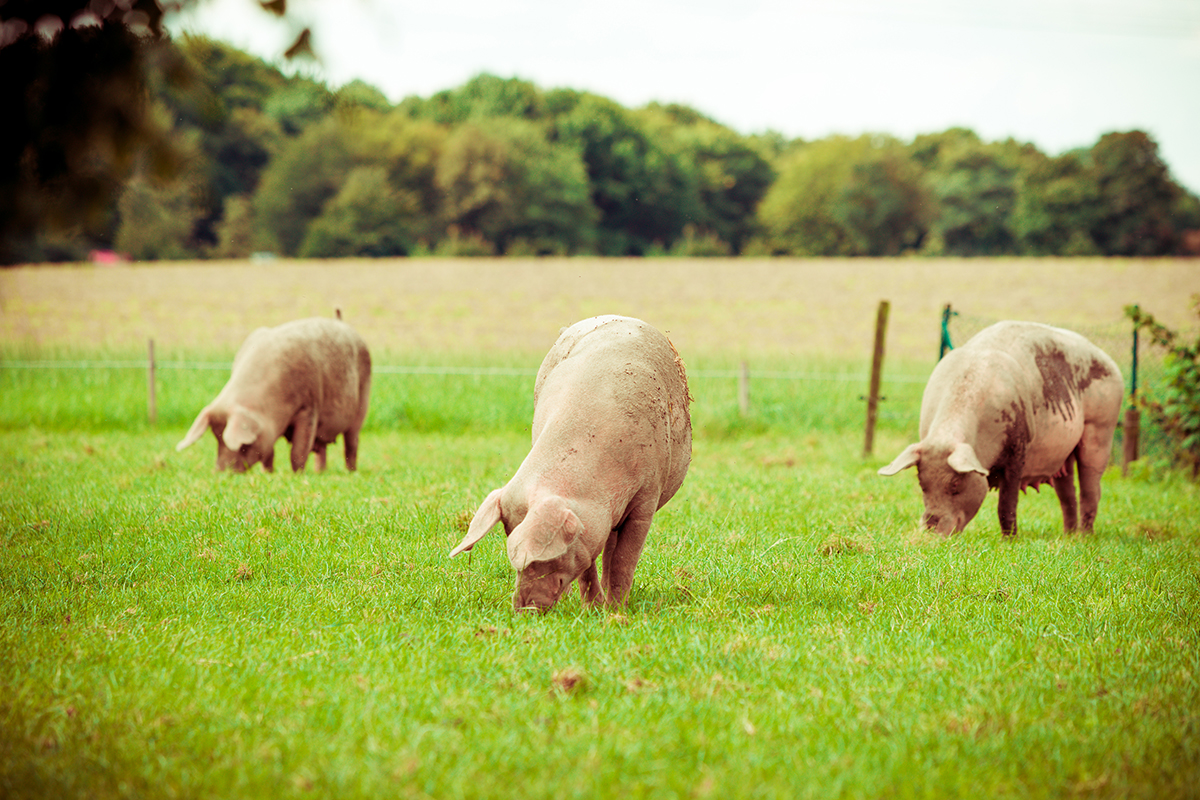
The foundation of a successful pig breeding program lies in the careful selection of healthy, productive, and genetically superior animals. Choosing the right boars and sows is paramount to ensuring efficient reproduction, desirable offspring traits, and overall herd improvement. This section will guide you through the essential criteria for making informed decisions when acquiring breeding stock.
Mating and Insemination Techniques
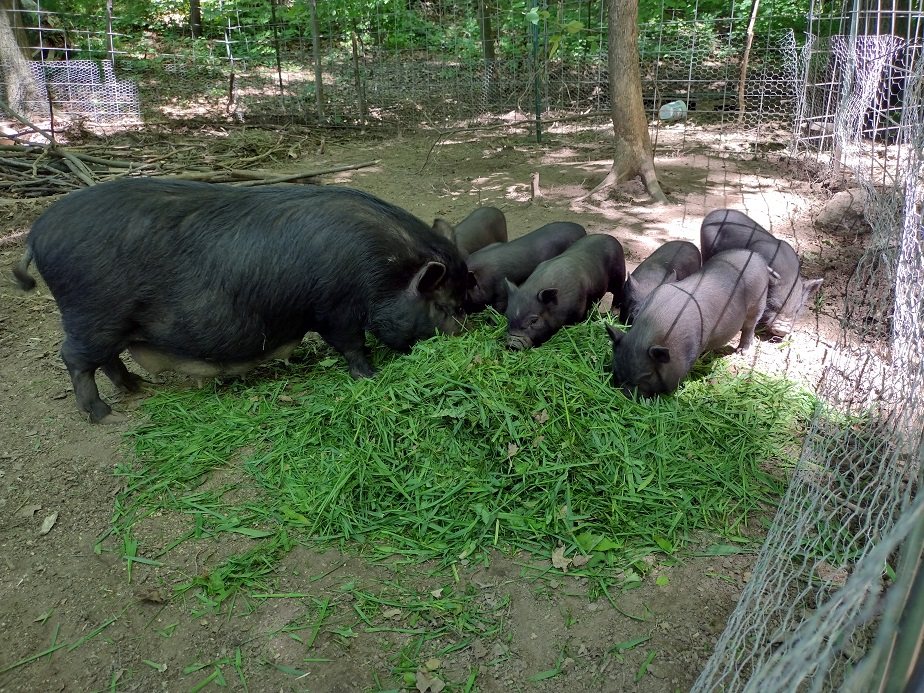
Successful pig breeding hinges on effective mating and insemination techniques. Whether employing natural mating or artificial insemination, understanding the optimal procedures and requirements is crucial for maximizing conception rates and ensuring a healthy start for your piglet population. This section will guide you through the practical aspects of bringing a boar and sow together for breeding.
Natural Mating Procedures
Natural mating, the traditional method of pig breeding, involves directly bringing a fertile boar and a receptive sow together. This method is straightforward but requires careful observation to ensure successful service.To demonstrate natural mating procedures:
- Estrus Detection: The sow must be in estrus (heat). Signs of estrus include restlessness, vocalization, a swollen vulva, and a willingness to stand firmly when pressure is applied to her back (the “standing reflex”).
- Boar Introduction: Introduce the boar to the sow’s pen or a designated mating area. A familiar environment can reduce stress for both animals.
- Courtship: The boar will typically engage in courtship behaviors, such as sniffing, vocalizing, and mounting attempts. This phase is important for stimulating the sow and ensuring her readiness.
- Mounting and Mating: Once the sow accepts the boar, he will mount her. The mating process, characterized by the boar’s “thrusting” and eventual “copulatory lock” (where the boar’s bulbus glandis swells and locks into the sow’s cervix), can last anywhere from 5 to 30 minutes, though it is often completed within 10-20 minutes.
- Separation: After mating, the boar will dismount. It is advisable to separate the boar and sow promptly to prevent further attempts or potential injury.
Artificial Insemination (AI) in Pigs
Artificial insemination offers several advantages, including the ability to utilize superior genetics from boars located elsewhere, reduce the risk of disease transmission, and manage breeding more efficiently. It involves collecting semen from a boar and then manually introducing it into the reproductive tract of a receptive sow.The process of artificial insemination requires specific equipment and careful execution. The essential equipment includes:
- AI Catheters: These are flexible tubes designed to deliver semen into the sow’s cervix. They come in various designs, such as spiral or foam-tipped, to aid in cervical penetration and semen deposition.
- Semen Collection Sheath/Bag: A specialized bag or sheath is used to collect the semen during boar collection.
- Semen Extender: This liquid diluent is mixed with the collected semen to preserve its viability and volume for insemination. It often contains nutrients, antibiotics, and buffers.
- Gloves: Clean, disposable gloves are essential for hygiene during semen collection and insemination.
- Lubricant: A non-spermicidal lubricant is used on the AI catheter to facilitate smooth insertion.
- Warm Water Bath: Semen is typically stored and handled at a specific temperature, often requiring a warm water bath to maintain optimal conditions.
- Syringes/Pipettes: For measuring and transferring semen.
Semen Collection from a Boar
Collecting semen from a boar is a critical step in the AI process. The most common and effective method is the “artificial vagina” (AV) technique.The process of collecting semen from a boar involves the following:
- Boar Preparation: Ensure the boar is healthy and has been rested for a suitable period (typically 5-7 days) to ensure adequate sperm count.
- Stimulation: A teaser sow in estrus is often used to stimulate the boar’s sexual drive. The boar is then guided to mount a dummy or a collection cone.
- Artificial Vagina (AV) Preparation: The AV is prepared to mimic the natural conditions of the sow’s reproductive tract. This includes filling it with warm water (around 45-50°C or 113-122°F) and lubricating the inner surface.
- Collection: As the boar mounts and begins to simulate copulation, the collector guides the boar’s penis into the AV. The boar will thrust and ejaculate into the collection sheath attached to the AV. The collector will apply gentle pressure and mimic the pressure and temperature of the sow’s vagina to encourage ejaculation.
- Ejaculate Separation: The ejaculate typically consists of three fractions: pre-sperm, sperm-rich fraction, and gel fraction. The sperm-rich fraction is the most valuable for AI and is carefully separated from the other fractions.
Handling and Storage of Boar Semen
Proper handling and storage of boar semen are paramount to maintaining sperm viability and ensuring successful insemination. Semen is sensitive to temperature fluctuations and contamination.Proper handling and storage of boar semen involve:
- Immediate Dilution: Semen should be diluted with a suitable extender immediately after collection to preserve sperm motility and longevity.
- Temperature Control: Boar semen is typically stored at a temperature of 16-18°C (60-64°F). Avoid extreme heat or cold, as these can damage sperm.
- Gentle Handling: Semen should be handled gently to avoid shocking the sperm. Avoid vigorous shaking or agitation.
- Protection from Light: Prolonged exposure to direct sunlight can be detrimental to sperm viability. Store semen in opaque containers or in a dark environment.
- Regular Assessment: Regularly assess the quality of stored semen using a microscope to check for motility and morphology.
- Storage Duration: Freshly diluted semen can typically be stored for 2-5 days, with decreasing viability over time. Extended semen quality can vary depending on the extender used and storage conditions.
Step-by-Step Guide for Performing AI
Performing artificial insemination requires precision and attention to detail to maximize the chances of fertilization. This guide Artikels the essential steps for successful AI in sows.A step-by-step guide for performing AI is as follows:
- Estrus Detection: Confirm the sow is in estrus using the methods described earlier (standing reflex, visual cues). Inseminate sows when they exhibit a strong standing reflex.
- Sow Preparation: Clean the sow’s vulva area to remove any dirt or debris that could introduce bacteria during insemination.
- Catheter Insertion: Gently insert the lubricated AI catheter into the sow’s vulva. Direct the catheter upwards and slightly backward, following the natural curvature of the reproductive tract.
- Cervical Penetration: Carefully advance the catheter until it passes through the cervix. You will feel a slight resistance as it enters the cervix, followed by a smoother passage into the uterine body.
- Semen Deposition: Once the catheter is correctly positioned in the uterine body, attach the semen container (bag or syringe) and slowly deposit the diluted semen. The volume of semen typically ranges from 50 to 100 ml, depending on the extender and concentration.
- Withdrawal: After semen deposition, wait for a few minutes to allow the sow to absorb the semen and then gently withdraw the catheter.
- Post-Insemination Observation: Observe the sow for any signs of semen backflow. If significant backflow occurs, it may indicate improper catheter placement or a sow that is not fully receptive.
- Repeat Insemination: For optimal conception rates, sows are often inseminated multiple times during their estrus cycle, typically 12-24 hours apart.
Gestation Management
Proper gestation management is crucial for the health and well-being of the pregnant sow and for ensuring a successful farrowing with a large, healthy litter. This phase requires careful attention to nutrition, environment, and health to support the developing fetuses and prepare the sow for lactation. Effective management during gestation minimizes stress and potential complications, contributing significantly to the overall profitability of the pig operation.Managing pregnant sows effectively involves a multi-faceted approach, addressing their specific physiological needs throughout the approximately 114-day gestation period.
This period can be broadly divided into early, mid, and late gestation, each with distinct nutritional and management considerations. By understanding and implementing best practices in these areas, producers can optimize reproductive performance and sow health.
Nutritional Requirements for Pregnant Sows
The nutritional needs of a gestating sow change as the pregnancy progresses, primarily to support fetal growth and development, as well as the maintenance and growth of maternal tissues. Adequate nutrition is essential for embryo survival, uterine development, and the subsequent development of mammary glands. Deficiencies can lead to reduced litter size, weaker piglets, and compromised sow health.The specific requirements are influenced by factors such as the sow’s body condition, parity (number of litters farrowed), and the stage of gestation.
Energy and protein are primary considerations, but vitamins and minerals also play critical roles.The following table Artikels general nutritional considerations during gestation:
| Nutrient | Early Gestation (Days 1-80) | Late Gestation (Days 80-114) | Importance |
|---|---|---|---|
| Energy (Mcal DE/day) | 5.5 – 6.5 | 7.0 – 8.0 | Supports sow maintenance, fetal growth, and mammary development. |
| Crude Protein (%) | 13 – 14 | 15 – 16 | Essential for fetal and placental development, and sow tissue growth. |
| Lysine (g/day) | 10 – 12 | 12 – 14 | A key amino acid for protein synthesis and muscle development. |
| Calcium (%) | 0.6 – 0.7 | 0.7 – 0.8 | Crucial for skeletal development of fetuses and sow bone health. |
| Phosphorus (%) | 0.5 – 0.6 | 0.6 – 0.7 | Works in conjunction with calcium for bone formation and metabolic processes. |
| Vitamins & Minerals | Adequate levels of all essential vitamins (A, D, E, K, B-complex) and trace minerals (iron, zinc, copper, selenium) are vital. | Increased requirements for some vitamins and minerals to support rapid fetal growth. | Support various physiological functions, immune response, and reproductive efficiency. |
It is important to note that these are general guidelines. Specific formulations should be based on feed analysis, sow body condition scoring, and consultation with a swine nutritionist.
Feeding Program for Sows During Gestation
A well-designed feeding program ensures that sows receive the correct amount of nutrients without becoming overconditioned, which can lead to farrowing difficulties and reduced milk production. The program typically involves adjusting feed intake based on the stage of gestation and the sow’s body condition.Feeding strategies often differentiate between early and late gestation. In early gestation, sows may be fed a maintenance diet, with increased feeding in the later stages to support the rapid growth of fetuses.Here is a typical feeding program structure:
- Early Gestation (Days 1-80): Sows are typically fed a diet formulated for gestation, with the quantity adjusted to maintain an optimal body condition. This might be around 1.8 to 2.2 kg (4 to 5 lbs) of feed per day, depending on the diet’s energy density and the sow’s condition. The goal is to prevent weight loss while avoiding excessive gain.
- Late Gestation (Days 80-114): Feed intake is increased significantly to support the rapid growth of fetuses, which occurs primarily in the last trimester. Sows may receive 2.5 to 3.0 kg (5.5 to 6.6 lbs) or more of feed per day. This increased intake is critical for ensuring piglets are born at a good birth weight and that the sow has adequate reserves for lactation.
- Body Condition Scoring: Regular body condition scoring (BCS) of sows, typically on a scale of 1 to 5 (with 3 being ideal), is essential. Sows that are too thin or too fat require adjustments to their feeding levels. Thin sows may need a slight increase in feed, while overconditioned sows may require a reduction or a more controlled feeding strategy.
- Feeding Systems: Individual feeding stalls or electronic feeding systems are often used to ensure each sow receives her appropriate ration, especially in group housing situations. This prevents dominant sows from consuming more than their share and ensures that less dominant sows receive adequate nutrition.
The type of feed used is also important. Gestation feeds are typically formulated with lower energy and protein levels compared to lactation feeds, but with higher levels of fiber to promote gut health and satiety.
Environmental Needs for Gestating Sows
Providing an optimal environment for gestating sows is critical for their comfort, health, and reproductive performance. This includes managing temperature, providing adequate space, and ensuring appropriate bedding. A comfortable environment reduces stress, which can negatively impact pregnancy.Key environmental factors to consider include:
- Temperature: Gestating sows are most comfortable in a temperature range of 15-20°C (59-68°F). Temperatures outside this range can cause stress. Higher temperatures can lead to reduced feed intake and decreased reproductive efficiency, while colder temperatures require the sow to expend more energy to stay warm, potentially diverting nutrients away from fetal development. Proper ventilation is essential to manage temperature and humidity, and to remove ammonia and other airborne contaminants.
- Space: Adequate space is vital for sow comfort and to allow for natural behaviors. In gestation crates, sows have limited space, but it should be sufficient for them to stand up, lie down, and turn around comfortably. For sows housed in group pens, stocking density is critical. Overcrowding can lead to increased aggression, injuries, and stress. A general guideline for group housing is to provide at least 2.0-2.5 m² (21.5-27 sq ft) of space per sow.
- Bedding: While not always common in commercial settings due to hygiene and management considerations, bedding can improve sow comfort and provide opportunities for natural behaviors like rooting. If used, it should be clean, dry, and free of dust. Straw is a common bedding material. In systems without bedding, comfortable flooring is essential to prevent lameness and pressure sores.
- Ventilation: Effective ventilation systems are paramount for maintaining air quality. They help to control temperature, humidity, and remove harmful gases like ammonia and carbon dioxide. Good ventilation reduces the risk of respiratory diseases and improves overall sow health and well-being.
The design of the housing facility, whether individual crates or group pens, should prioritize sow welfare and ease of management.
Health Monitoring and Preventative Care for Pregnant Sows
Proactive health monitoring and preventative care are essential components of successful gestation management. This helps to detect potential health issues early, minimize the risk of disease outbreaks, and ensure the health of both the sow and her developing litter.Key aspects of health monitoring and preventative care include:
- Regular Observation: Sows should be observed daily for any signs of illness, lameness, loss of appetite, abnormal discharge, or behavioral changes. Early detection allows for prompt intervention.
- Body Condition Monitoring: As mentioned previously, regular assessment of body condition helps identify sows that are too thin or too fat, allowing for nutritional adjustments.
- Vaccination Programs: Pregnant sows are typically part of a broader herd vaccination program. Vaccinations can protect against diseases that could affect the pregnancy, such as parvovirus, leptospirosis, and E. coli, which can cause abortions, stillbirths, or weak piglets. Specific vaccination protocols should be developed with a veterinarian.
- Parasite Control: Internal and external parasite control is crucial. Internal parasites can compete for nutrients, leading to poor sow condition and reduced fetal development. External parasites like lice and mites can cause skin irritation and stress. Deworming and external parasite treatments should be administered according to a veterinarian’s recommendations.
- Biosecurity Measures: Strict biosecurity protocols are vital to prevent the introduction and spread of diseases. This includes controlling access to the farm, disinfecting vehicles and equipment, and managing the movement of animals and personnel.
- Record Keeping: Accurate record-keeping of health events, treatments, vaccinations, and breeding dates is essential for tracking sow health and reproductive performance. This data can help identify trends and inform management decisions.
A strong relationship with a veterinarian is invaluable for developing and implementing effective health management strategies.
Best Practices for Managing Sows in the Late Stages of Pregnancy
The final weeks of gestation are a critical period, as the majority of fetal growth occurs and the sow’s body prepares for farrowing and lactation. Implementing specific management practices during this time can significantly improve outcomes.Best practices for managing sows in late gestation include:
- Dietary Adjustments: As discussed in the feeding section, feed intake is typically increased in late gestation to support fetal development. The diet may also be adjusted to include higher levels of fiber to promote gut health and prevent constipation, which can be problematic during farrowing.
- Movement to Farrowing Pens: Sows are usually moved to farrowing pens or crates approximately 5-7 days before their estimated due date. This allows them to acclimate to the new environment, reduces stress, and minimizes the risk of farrowing complications. It also allows for easier monitoring.
- Cleanliness of Farrowing Environment: The farrowing pen or crate must be thoroughly cleaned and disinfected before the sow is moved in. This helps to reduce the challenge of pathogens and the risk of infections for both the sow and the newborn piglets.
- Monitoring for Farrowing Signs: Sows should be closely monitored for signs of impending farrowing, such as vulvar swelling and discharge, restlessness, nesting behavior (if bedding is available), and udder development.
- Comfort and Stress Reduction: Ensure the farrowing environment is comfortable and free from disturbances. Minimize handling and unnecessary noise during this sensitive period. Adequate ventilation and a comfortable temperature are also important.
- Preparation for Farrowing Assistance: Have farrowing supplies readily available, including gloves, lubricants, and potentially oxytocin (if prescribed by a veterinarian for difficult farrowings). Familiarize yourself with the signs of dystocia (difficult birth) and know when to intervene or seek veterinary assistance.
Careful attention to these details in the late stages of pregnancy contributes to a smoother farrowing process and healthier start for the piglets.
Farrowing and Piglet Care
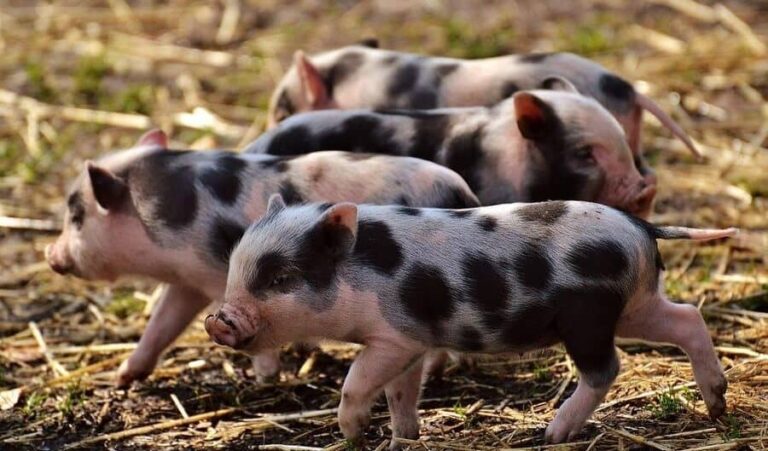
The culmination of successful breeding is the farrowing, or birth of piglets. This is a critical period requiring careful observation and preparation to ensure the well-being of both the sow and her offspring. Understanding the signs of impending farrowing, the process itself, and the essential care needed immediately after birth will significantly contribute to the success of your pig farming operation.This section will guide you through the crucial stages of farrowing and the initial care of newborn piglets, covering everything from recognizing labor signs to providing essential post-natal support.
Signs of Impending Farrowing
Several physiological and behavioral changes indicate that a sow is nearing the end of her gestation period and is about to farrow. Observing these signs allows for timely intervention and preparation.
Key indicators include:
- Nesting Behavior: The sow may become restless, begin to break straw or bedding material, and arrange it into a nest-like structure. This is a strong instinctual preparation for birth.
- Mammary Gland Development: The udder will become noticeably enlarged and engorged with milk. The teats will become more prominent and may leak milk, especially in the 24-48 hours prior to farrowing.
- Vulva Swelling and Discharge: The sow’s vulva may swell and a clear or slightly mucous discharge may be observed.
- Behavioral Changes: She may become more withdrawn, irritable, or aggressive, or conversely, seek out human interaction more than usual. Reduced appetite is also common in the hours leading up to farrowing.
- Isolation: A sow about to farrow will often try to isolate herself from other pigs, seeking a quiet and secure location.
The Farrowing Process
The farrowing process, or parturition, is the expulsion of piglets from the sow. While generally a natural process, understanding its stages and potential complications is vital for successful outcomes.
The farrowing process typically unfolds in several stages:
- Stage 1 (Dilation and Cervical Opening): This stage can last from a few hours to over a day. The sow will show signs of restlessness and discomfort. Her cervix begins to dilate, and uterine contractions commence, though they may not be outwardly visible.
- Stage 2 (Expulsion of Piglets): This is the active stage of birth. Stronger abdominal contractions push the piglets out. Piglets are usually born within a 20-40 minute interval, though this can vary. They may be born headfirst or tailfirst, with tailfirst being more common and generally not a cause for concern. Each piglet is typically born enclosed in an amniotic sac.
- Stage 3 (Expulsion of the Placenta): After the last piglet is born, the sow will expel the placenta (afterbirth). This usually occurs within a few hours of the last piglet’s birth, but can take up to 12 hours. It is important to monitor that the entire placenta is passed to prevent potential uterine infections.
The entire farrowing process can last from 30 minutes to several hours, depending on the sow and litter size. It’s essential to observe without undue interference unless the sow is clearly struggling or distressed, such as if more than an hour passes between piglets without progress.
Essential Supplies for Farrowing
Having a well-stocked farrowing kit readily available ensures that you are prepared to handle common situations that arise during and immediately after farrowing. This preparedness can prevent stress and ensure the health of both sow and piglets.
The following supplies are recommended for your farrowing kit:
- Disinfectant: For cleaning the farrowing area and equipment.
- Clean Towels or Paper Towels: For drying piglets and cleaning the sow.
- Disposable Gloves: For hygiene during any necessary assistance.
- Piglet Warming Lamp or Heat Source: To provide a warm environment for newborns.
- Farrowing Assist Device (optional): Such as a snare or obstetrical chains for difficult births.
- Lubricant: For assisting with difficult births.
- Navel Clamps or String: For tying the umbilical cord if necessary.
- Disinfectant Solution for Navels: Such as iodine, to prevent infection.
- Scale: For weighing piglets to monitor growth.
- Record-Keeping Supplies: Notebook, pen, or digital device for noting birth weights, litter size, and any interventions.
- Iron Dextran Injection: For administering iron to piglets.
- Needles and Syringes: Appropriate sizes for iron injections.
- Tail Docking Tool: Such as sterile shears or a cauterizing iron.
- Colostrum Supplement (optional): In case a piglet is not receiving enough from the sow.
Immediate Post-Farrowing Care for Sow and Piglets
The period immediately following farrowing is critical for establishing the health and survival of the litter. Prompt and appropriate care can mitigate common issues and set the stage for healthy growth.
Immediate care for the sow includes:
- Observation: Monitor the sow for signs of exhaustion, retained placenta, or excessive bleeding. Ensure she is drinking and beginning to eat.
- Comfort: Provide a clean, dry, and comfortable environment. Remove any soiled bedding.
- Assistance with Placenta: Ensure the sow passes her placenta. If it appears incomplete after 12 hours, consult a veterinarian.
Immediate care for the piglets focuses on their survival and adaptation to life outside the womb:
- Drying: Gently dry each piglet with clean towels or paper towels to prevent chilling.
- Warming: Immediately move piglets to a warm creep area (ideally 30-35°C or 86-95°F) under a heat lamp or other safe heat source.
- Colostrum Intake: Ensure each piglet nurses and receives colostrum within the first few hours of life. Assist weak piglets to the udder.
- Navel Disinfection: Disinfect the umbilical cord stump with iodine to prevent infection.
- Identification: Ear notching or tagging should be performed within the first 24-48 hours.
- Processing: Tail docking and iron injections are typically administered within the first few days.
Schedule for Common Piglet Care Procedures
Establishing a consistent schedule for essential piglet care procedures ensures that vital health interventions are not missed. This proactive approach contributes significantly to piglet survival rates and long-term health.
A typical schedule for common piglet care procedures is as follows:
- Within 1-2 Hours of Birth: Drying, warming, ensuring colostrum intake, and navel disinfection.
- Within 24-48 Hours:
- Iron Injection: Administer iron dextran to prevent anemia, as sow’s milk is low in iron. A common dosage is 100-200 mg intramuscularly.
- Tail Docking: This procedure is performed to prevent tail-biting later in life. It can be done with sterile shears or a heated docking iron. Ensure the cut is clean and cauterized if using a heated iron.
- Identification: Ear notching or tagging for individual piglet identification and record-keeping.
- Within the First Week: Continued monitoring of health, growth, and ensuring adequate feed and water access in the creep area.
It is important to note that the exact timing may vary slightly based on farm protocols and the condition of the piglets. Always follow veterinary recommendations.
Colostrum Intake and Its Importance
Colostrum, the first milk produced by the sow after farrowing, is a vital nutrient-rich fluid that provides passive immunity and essential nourishment for newborn piglets. Its intake is paramount for piglet survival and future health.
Colostrum is critical for several reasons:
- Passive Immunity: Colostrum contains high levels of antibodies, which are crucial for protecting newborn piglets against diseases. Piglets are born without a fully developed immune system and rely entirely on these antibodies from their mother for immediate protection.
- Nutritional Value: It is rich in energy, protein, vitamins, and minerals, providing the essential building blocks for rapid growth and development in the critical first hours and days of life.
- Laxative Effect: Colostrum has a mild laxative effect, which helps to clear the meconium (fetal waste) from the piglet’s digestive tract, preventing constipation and promoting gut health.
- Gut Closure: The piglet’s gut is most permeable to antibody absorption in the first 6-12 hours after birth. This “gut closure” means that if piglets do not consume colostrum within this window, their ability to absorb these vital antibodies significantly diminishes.
“The first few hours after birth are the most critical for a piglet’s survival, and colostrum intake is non-negotiable.”
Ensuring all piglets, especially weaker ones, receive adequate colostrum involves observing them nurse, assisting them to the udder if necessary, and monitoring for signs of successful intake such as a full belly.
Comparison of Different Farrowing Systems
The choice of farrowing system can significantly impact piglet survival, sow comfort, and labor efficiency. Each system has distinct advantages and disadvantages that should be considered based on farm resources, goals, and management practices.
| Farrowing System | Description | Advantages | Disadvantages |
|---|---|---|---|
| All-In/All-Out (AIAO) Pens | Pens where all sows in a group farrow around the same time, and the entire group moves to the next stage together. | Facilitates cleaning and disinfection between groups, reducing disease transmission. Allows for tailored management of sows and litters. Simpler to manage than more complex systems. | Requires careful scheduling and group management. May not be suitable for farms with continuous farrowing. |
| Farrowing Crates/Stalls | Enclosed metal crates within a pen that restrict the sow’s movement, protecting piglets from crushing. | Significantly reduces piglet mortality due to crushing by the sow. Provides a defined creep area for piglets. Easier to manage individual sows and litters. | Can restrict sow movement and natural farrowing behaviors, potentially causing stress. Requires careful monitoring for sow comfort and heat stress. Can be labor-intensive for sow movement and cleaning. |
| Free-Farrowing Systems (e.g., open pens with farrowing aids) | Pens designed to allow the sow more freedom of movement while incorporating features to reduce piglet crushing, such as raised farrowing rails or larger creep areas. | Allows for more natural sow behavior, potentially reducing stress and aggression. Can be more comfortable for sows. May reduce the need for intensive sow confinement. | Higher risk of piglet crushing if not managed carefully or if appropriate aids are not used. Requires more skilled observation and management to ensure piglet safety. May require more space. |
| Deep Bedding Systems | Pens with a large amount of bedding material (straw, sawdust) allowing the sow to build a nest. | Promotes natural nesting behavior, which can reduce stress. Provides a warm and comfortable environment for sows and piglets. Can absorb moisture and manure, improving hygiene if managed correctly. | Requires significant bedding material, which can be costly and labor-intensive to manage. Can be challenging to maintain consistent hygiene if bedding becomes wet or soiled. May increase the risk of piglets becoming lost or chilled in deep bedding. |
Post-Farrowing Management and Weaning
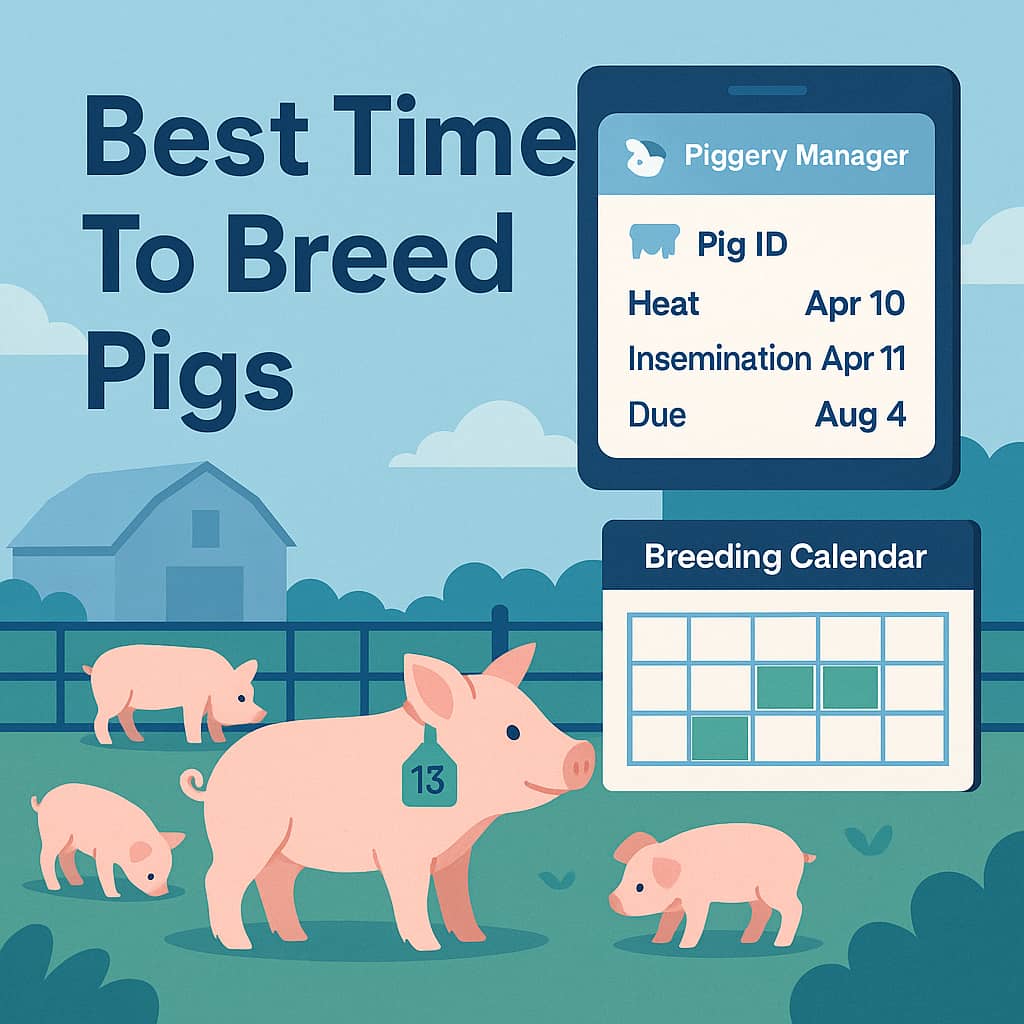
Following a successful farrowing, the focus shifts to ensuring the well-being and optimal development of both the sow and her litter. This critical period involves careful attention to the sow’s nutritional demands, meticulous management of the farrowing environment, and a well-orchestrated weaning process. Effective post-farrowing management not only supports immediate health but also lays the foundation for future reproductive performance and efficient growth.The transition from gestation to lactation places significant physiological stress on the sow.
Her energy and nutrient requirements dramatically increase to support milk production for a growing litter. Meeting these heightened demands is paramount for maintaining her body condition, ensuring adequate milk quality and quantity, and preparing her for subsequent reproductive cycles.
Lactating Sow Nutritional Needs
Sows in lactation have exceptionally high nutritional requirements to meet the demands of milk synthesis and the maintenance of their own body condition. These needs are influenced by factors such as litter size, piglet growth rate, sow parity, and environmental temperature. Providing a diet that is balanced in energy, protein, amino acids, vitamins, and minerals is essential for optimal milk production and sow health.The primary goal of lactation feeding is to maximize milk production to support piglet growth while minimizing excessive body weight loss in the sow.
A deficit in nutrient intake can lead to reduced milk yield, poorer piglet growth, increased sow mortality, and impaired subsequent reproductive performance.
Key Nutritional Components for Lactating Sows
- Energy: Lactating sows require a high-energy diet to fuel milk production. This is typically supplied by grains, fats, and oils. The energy density of the feed is crucial for supporting both milk yield and sow condition.
- Protein and Amino Acids: Adequate protein and essential amino acids, particularly lysine, methionine, and threonine, are vital for milk protein synthesis. Ratios of amino acids to lysine are critical for efficient utilization.
- Vitamins and Minerals: Vitamins such as A, D, E, K, and B-complex vitamins, along with minerals like calcium, phosphorus, sodium, and trace minerals (iron, zinc, copper, manganese), are essential for milk composition, sow health, and piglet development. Calcium and phosphorus are particularly important for bone health and milk production.
- Water: Access to clean, fresh water is non-negotiable. Sows consume large quantities of water, which is directly linked to milk production. Water intake can be influenced by feed dry matter content and ambient temperature.
Lactation Feeding Strategy
Designing an effective feeding strategy for lactating sows involves a phased approach, gradually increasing feed intake as the litter grows and milk demand rises. This strategy aims to encourage maximum feed consumption, which is directly correlated with milk production and piglet growth.The strategy should also consider the sow’s comfort and the environmental conditions. Overheating can reduce feed intake, so maintaining a comfortable ambient temperature is important.
Providing feed in a way that is easily accessible and palatable is also key.
Phased Feeding Approach
- Early Lactation (Days 1-7): Sows are typically offered a diet with moderate energy and protein levels. Feed intake is gradually increased from farrowing day onwards, often starting with 2-3 kg per day and increasing by approximately 0.5 kg per day. The focus is on stimulating appetite and preventing digestive upset.
- Mid-Lactation (Days 8-21): This is the period of peak milk production. Feed intake should be maximized. Sows can be fed ad libitum or offered a specific high-energy, high-protein diet that can reach 7-10 kg per day, depending on litter size and sow appetite.
- Late Lactation (Days 21-Weaning): While milk production may slightly decline, continued high feed intake is important for maintaining sow condition and preparing her for rebreeding.
“Maximizing sow feed intake during lactation is the single most important factor influencing piglet growth and sow reproductive efficiency.”
Methods to Encourage Feed Intake
- Feed Consistency and Palatability: Using high-quality ingredients and ensuring the feed is fresh and free from contaminants is crucial. Adding palatable ingredients or using wet feeding systems can enhance intake.
- Water Availability: Ensuring constant access to clean, cool water, especially during warmer months, is vital. Water nipples should be checked regularly for functionality.
- Environmental Control: Maintaining a comfortable ambient temperature for the sow (around 18-20°C) is critical. Overheating can significantly reduce feed intake.
- Feeding Frequency: Feeding sows multiple times a day, especially during peak lactation, can stimulate appetite and ensure fresh feed is always available.
Weaning Process and Impact
Weaning is a significant physiological and psychological event for both piglets and sows. It marks the abrupt separation of the litter from the sow and the transition to a solid diet. This transition can be stressful, leading to potential challenges if not managed properly.The impact on piglets includes a sudden change in diet, environment, and social structure. They lose the nutritional benefits and immunological protection provided by sow’s milk.
For the sow, weaning results in a cessation of milk production, a hormonal shift, and the need to recover body condition before the next reproductive cycle.
Impact on Piglets
- Dietary Shift: Piglets transition from a liquid diet (milk) to solid feed. This requires adaptation of their digestive system, which is still immature.
- Stress and Social Disruption: The separation from the sow and mixing with unfamiliar piglets can lead to increased stress, aggression, and reduced feed intake.
- Immune System Development: Piglets lose the passive immunity transferred through colostrum and milk, making them more susceptible to diseases.
- Growth Check: A temporary reduction in growth rate is common immediately post-weaning due to the stress and dietary changes.
Impact on Sows
- Hormonal Changes: The cessation of suckling triggers hormonal changes that initiate the involution of the uterus and prepare the sow for her next estrus.
- Nutritional Status: Sows typically lose body condition during lactation. Weaning marks the beginning of recovery, but if losses are too severe, it can impact subsequent fertility.
- Mammary Gland Involution: The mammary glands regress, and milk production ceases.
Piglet Growth and Development Timeline to Weaning
The period from birth to weaning is a dynamic phase of rapid growth and development for piglets. Understanding this timeline allows for appropriate management interventions and feeding strategies to optimize their progress. Weaning typically occurs between 21 and 28 days of age, depending on farm practices and management goals.During this period, piglets rely heavily on sow’s milk for nutrition and antibodies.
However, their ability to consume and digest solid feed gradually increases, making creep feeding a crucial component of their development.
Key Milestones in Piglet Development
- Birth to Day 3: Piglets are entirely dependent on colostrum for immunity and initial nutrition. They establish a strong bond with the sow and learn to nurse. Their birth weight is typically around 1.2-1.8 kg.
- Day 4 to Day 14: Piglets begin to explore their environment and show interest in solid feed. Their digestive systems mature, and they start to consume creep feed. Average daily gain (ADG) starts to increase.
- Day 15 to Day 21: Creep feed consumption increases significantly. Piglets are developing their social behaviors and are becoming more independent of the sow for feeding. Their average daily gain continues to accelerate.
- Day 21 to Weaning (typically Day 28): This is the period of most rapid growth. Piglets are consuming substantial amounts of creep feed, which contributes significantly to their pre-weaning weight. They are fully mobile and socially integrated within the litter. Average weaning weights can range from 6 to 8 kg or more, depending on genetics, nutrition, and management.
Preparing Piglets for Weaning
Effective preparation of piglets for weaning is essential to minimize the post-weaning growth check and reduce the incidence of health problems. This involves gradually accustoming them to solid feed and the weaning environment.The goal is to ensure that by the time of weaning, piglets have a well-developed gut, are consuming adequate amounts of solid feed, and are mentally prepared for the transition.
Methods for Piglet Preparation
- Creep Feeding: This is the most critical preparation step. High-quality, palatable creep feeds should be introduced from 5-7 days of age. The feed should be easily digestible and formulated with appropriate nutrient levels to support gut development and growth. Offering creep feed in shallow trays or mats encourages exploration and consumption.
- Water Access: Ensuring piglets have easy access to clean water from an early age is crucial for their overall health and to aid in the digestion of solid feed. Water should be readily available near creep feeders.
- Familiarization with Weaning Environment: If possible, using a transition pen or introducing some of the weaned littermates to the weaning pen a day or two before actual weaning can help reduce stress.
- Litter Management: Maintaining healthy litters with minimal cross-fostering close to weaning helps maintain social stability.
- Reducing Stressors: Minimizing handling and unnecessary disturbances in the days leading up to weaning can contribute to a smoother transition.
Common Challenges During the Weaning Period
The weaning period is a critical juncture, and several challenges can arise if not managed proactively. These challenges can impact piglet health, growth, and survival rates. Early identification and prompt intervention are key to overcoming these issues.Understanding the potential problems allows for the implementation of preventative measures and effective treatment strategies.
Common Challenges and Solutions
- Post-Weaning Diarrhea (PWD): This is one of the most prevalent issues, often caused by the stress of weaning, changes in diet, and the immature gut flora.
- Solutions: Implement excellent hygiene protocols, use highly digestible feed with appropriate additives (e.g., organic acids, prebiotics, probiotics), ensure adequate water intake, and consider therapeutic use of specific feed additives or medication under veterinary guidance.
Gradual dietary changes are also beneficial.
- Solutions: Implement excellent hygiene protocols, use highly digestible feed with appropriate additives (e.g., organic acids, prebiotics, probiotics), ensure adequate water intake, and consider therapeutic use of specific feed additives or medication under veterinary guidance.
- Reduced Feed Intake: Piglets may be reluctant to eat the post-weaning diet due to stress, unfamiliarity with the feed, or digestive discomfort.
- Solutions: Offer highly palatable and easily digestible starter feeds. Ensure feeders are clean and accessible. Consider using wet feeding or sprinkling feed on top of the feeders to encourage consumption. Maintain a comfortable and quiet environment.
- Cannibalism and Aggression: Stress from mixing unfamiliar pigs can lead to tail biting and aggression.
- Solutions: Ensure adequate space per piglet, provide environmental enrichment, and avoid overcrowding. Monitor pigs closely and remove aggressive individuals if necessary. Ensure all pigs have access to feed and water.
- Mortality: Weak piglets or those succumbing to disease can experience increased mortality rates post-weaning.
- Solutions: Focus on robust pre-weaning management, including ensuring piglets receive adequate colostrum and creep feed. Promptly identify and treat sick piglets. Ensure proper ventilation and temperature control in the weaning facility.
- Poor Growth Performance: A significant growth check post-weaning can indicate underlying issues with feed intake, health, or environment.
- Solutions: Address the root causes of reduced feed intake and health issues. Ensure the starter diet is nutritionally appropriate and palatable. Optimize environmental conditions (temperature, ventilation, space).
Health and Biosecurity in Breeding Herds
Maintaining the health and well-being of your breeding herd is paramount for successful pig production. A robust health program, coupled with stringent biosecurity measures, forms the foundation for preventing diseases, ensuring reproductive efficiency, and ultimately, maximizing profitability. This section will delve into common health challenges, preventative strategies, and the critical role of biosecurity in safeguarding your valuable breeding stock.A healthy breeding herd is characterized by optimal reproductive performance, minimal disease incidence, and good growth rates.
This requires a proactive approach that integrates disease prevention, early detection, and rapid response to any health concerns. By implementing comprehensive health management and biosecurity protocols, producers can create a resilient herd less susceptible to devastating outbreaks.
Common Diseases Affecting Breeding Pigs
Breeding pigs are susceptible to a range of diseases that can impact their reproductive capacity, overall health, and longevity. Understanding these common ailments is the first step in developing effective prevention and treatment strategies.Diseases can be broadly categorized by their causative agents, such as viruses, bacteria, and parasites. Some prevalent examples include:
- Porcine Reproductive and Respiratory Syndrome (PRRS): This viral disease is notorious for causing reproductive failures in sows (e.g., abortions, stillbirths, delayed farrowing) and respiratory issues in pigs of all ages. It can lead to significant economic losses due to reduced litter sizes and increased mortality.
- Porcine Epidemic Diarrhea Virus (PEDv): While primarily affecting young pigs with severe diarrhea and high mortality, PEDv can also cause mild to moderate clinical signs in adult sows, including vomiting and diarrhea, which can disrupt their reproductive cycle.
- Swine Influenza Virus (SIV): This viral respiratory disease can cause fever, coughing, nasal discharge, and reduced appetite in breeding stock. It can lead to decreased fertility and increased susceptibility to secondary bacterial infections.
- E. coli and Salmonella Infections: These common bacterial pathogens can cause severe diarrhea (scours) in sows, leading to dehydration, reduced nutrient absorption, and potential reproductive complications. They can also contribute to mastitis (udder infections).
- Leptospirosis: This bacterial disease can cause abortions, stillbirths, and reduced litter size in sows. It is a zoonotic disease, meaning it can be transmitted to humans.
- Brucellosis: Although less common in well-managed herds due to vaccination and eradication programs, Brucellosis can cause reproductive failures, including abortions and infertility, and is also a zoonotic concern.
- Parasitic Infections: Internal parasites like Ascaris suum (roundworms) and Trichuris suis (whipworms) can impair nutrient absorption, reduce growth rates, and negatively affect the overall health and reproductive performance of breeding pigs. External parasites such as Sarcoptes scabiei (mange mites) can cause severe itching and skin lesions, leading to stress and reduced productivity.
Preventative Measures for Herd Health
Proactive disease prevention is far more effective and economical than treating sick animals. A multi-faceted approach incorporating good husbandry, nutrition, and veterinary guidance is essential for maintaining a healthy breeding herd.Key preventative measures include:
- Optimal Nutrition: Providing a balanced diet tailored to the specific nutritional needs of breeding sows and boars is crucial. This ensures strong immune systems, good body condition, and optimal reproductive function. Deficiencies or excesses in nutrients can compromise health and fertility.
- Environmental Management: Maintaining clean, dry, and well-ventilated housing is fundamental. Proper temperature control, adequate space per animal, and effective manure management reduce stress and the risk of disease transmission.
- Stress Reduction: Minimizing stressors such as overcrowding, rough handling, and sudden environmental changes helps maintain the immune status of breeding animals.
- Regular Veterinary Consultations: Establishing a strong working relationship with a veterinarian is vital. Regular herd health checks, disease surveillance, and prompt diagnosis and treatment of any emerging issues are critical components of a preventative health program.
- Parasite Control Programs: Implementing a strategic deworming program based on fecal egg counts and veterinary recommendations helps manage internal and external parasite loads.
- Hygiene and Sanitation: Strict adherence to cleaning and disinfection protocols for housing, equipment, and personnel movement is essential to break disease transmission cycles.
Importance of a Biosecurity Plan
Biosecurity refers to the measures taken to protect a herd from the introduction and spread of disease. A comprehensive biosecurity plan is the cornerstone of disease prevention in any pig farm, especially those with breeding stock. It acts as a protective barrier against pathogens entering the farm and spreading within the existing herd.A well-defined biosecurity plan should address several key areas:
- Control of Entry and Exit: Implementing strict protocols for personnel, vehicles, and equipment entering and leaving the farm is crucial. This minimizes the risk of carrying disease-causing agents from external sources.
- Isolation and Quarantine: New animals brought onto the farm must be isolated and observed for a specific period before being introduced to the main herd. This allows for the detection of any latent diseases or infections.
- Herd Health Monitoring: Regular monitoring of the herd for signs of illness, coupled with diagnostic testing, allows for early detection and rapid response to disease outbreaks.
- Waste Management: Proper disposal of animal waste, carcasses, and contaminated materials prevents the proliferation and spread of pathogens.
- Visitor Management: Limiting visitor access to the farm and ensuring that any essential visitors adhere to strict biosecurity protocols is important.
A robust biosecurity plan is not a one-time effort but an ongoing commitment that requires regular review and adaptation to changing risks and farm conditions.
Vaccination Schedule for Breeding Stock
Vaccination plays a critical role in preventing many common diseases and protecting the reproductive performance of breeding sows and boars. A well-structured vaccination schedule, developed in consultation with a veterinarian, is tailored to the specific disease risks present on the farm and in the region.A typical vaccination schedule for breeding stock may include:
- Boar Vaccination: Boars should be vaccinated against diseases that can affect their reproductive health and transmit to sows, such as Leptospirosis.
- Gilt Vaccination: Gilts (young female pigs before their first litter) should undergo a vaccination program to ensure they are protected before entering the breeding herd. This often includes vaccinations against reproductive diseases like PRRS and Parvovirus, as well as respiratory pathogens.
- Sow Vaccination: Sows require regular booster vaccinations to maintain immunity throughout their productive lives. Key vaccinations typically include:
- PRRS: If PRRS is endemic or a significant risk, vaccination protocols are crucial.
- Parvovirus: This is essential to prevent SMEDI (Stillbirth, Mummification, Embryonic Death, Infertility) syndrome.
- Leptospirosis: Vaccination helps prevent abortions and infertility.
- Erysipelas: This bacterial disease can cause fever, skin lesions, and sudden death, and vaccination is recommended.
- Porcine Circovirus Disease (PCVD) type 2: While often managed in nursery pigs, vaccination can be considered for breeding stock if the disease is a concern.
- Other diseases: Depending on local prevalence and veterinary advice, vaccinations against diseases like Mycoplasma pneumonia or Actinobacillus pleuropneumoniae may be included.
- Timing of Vaccinations: Vaccinations are typically administered at specific times in the animal’s life cycle, such as before breeding, during gestation, or at weaning, to provide optimal protection. For example, gilts are vaccinated before their first breeding, and sows are vaccinated pre-farrowing to transfer passive immunity to piglets via colostrum.
It is important to follow the manufacturer’s instructions for each vaccine and to maintain accurate vaccination records for all animals.
Protocols for Quarantine of New Animals
The introduction of new animals to a breeding herd is a significant biosecurity risk. Implementing a strict quarantine protocol is essential to prevent the introduction and potential spread of diseases. Quarantine involves isolating new animals from the existing herd for a defined period, allowing for observation and health checks.Key components of a quarantine protocol include:
- Dedicated Quarantine Facility: A separate facility, ideally located away from the main breeding herd, should be used for quarantine. This facility should have its own equipment, feeding, and water systems to prevent cross-contamination.
- Duration of Quarantine: The typical quarantine period ranges from 30 to 60 days, though this can be adjusted based on the specific risks and veterinary recommendations. This period allows for the incubation of potential diseases to become clinically apparent.
- Observation and Health Monitoring: During quarantine, animals should be closely observed for any signs of illness, including changes in appetite, behavior, respiration, or the presence of diarrhea or lesions.
- Diagnostic Testing: Depending on the source of the animals and identified risks, diagnostic testing may be performed during quarantine. This could include blood tests for specific diseases or fecal testing for parasites.
- Treatment and Vaccination: If any health issues are detected during quarantine, appropriate treatment should be administered. New animals may also be vaccinated against diseases prevalent on the farm during this period.
- Strict Biosecurity within Quarantine: Personnel working in the quarantine facility should adhere to strict biosecurity measures, including dedicated clothing and footwear, and handwashing protocols, to prevent the transfer of pathogens to other areas of the farm.
- Gradual Introduction (if applicable): In some cases, after the quarantine period, animals may be gradually introduced to a small group of existing animals before full integration into the main herd.
By diligently following these quarantine protocols, producers can significantly reduce the risk of introducing costly diseases to their valuable breeding herd.
Record Keeping for Breeding Operations
Effective record keeping is the backbone of any successful pig breeding operation. It provides invaluable insights into the health, productivity, and profitability of your herd, allowing for informed decision-making and continuous improvement. Without meticulous records, managing a breeding program effectively becomes a matter of guesswork, which can lead to costly mistakes and missed opportunities.This section will guide you through the essential types of records, how to track key breeding metrics, provide examples of useful forms, and illustrate how to leverage this data to enhance your herd’s efficiency.
We will also present a template for a simplified yet comprehensive breeding record system.
Essential Breeding Operation Records
Maintaining a comprehensive set of records is crucial for understanding the performance of your breeding herd and making data-driven management decisions. These records serve as a historical account of your operation, enabling you to identify trends, pinpoint areas for improvement, and ensure the long-term health and productivity of your pigs.The following types of records are indispensable for a breeding operation:
- Individual Pig Identification: Each pig, especially breeding stock, should have a unique identification number (e.g., ear tag, tattoo) to track its individual history.
- Breeding Records: This includes details of mating or insemination dates, boar or semen used, and the success of each breeding event.
- Gestation Records: Tracking the expected farrowing date for each sow is vital for preparing for farrowing.
- Farrowing Records: Documenting the number of piglets born alive, stillborn, and mummified, as well as the sow’s condition, is essential for assessing litter performance.
- Piglet Records: Tracking individual piglet survival, birth weight, weaning weight, and any health treatments administered provides data on early-life performance.
- Sow and Boar Performance Records: Monitoring traits like litter size, weaning-to-estrus interval, conception rates, and longevity helps in selecting superior breeding animals.
- Health Records: Documenting all vaccinations, deworming, treatments for illness, and mortality events is critical for herd health management and biosecurity.
- Financial Records: Tracking income from sales of piglets or weaners and expenses related to feed, veterinary care, and breeding stock is necessary for profitability analysis.
Tracking Breeding Cycles, Farrowing Dates, and Piglet Survival Rates
Accurate tracking of these fundamental metrics allows for precise management of your breeding program and ensures optimal resource allocation. By diligently recording this information, you gain a clear picture of your herd’s reproductive efficiency and identify areas where interventions might be needed to improve outcomes.Breeding cycles, farrowing dates, and piglet survival rates are interconnected and provide a direct measure of your breeding herd’s success.
- Breeding Cycles: When a sow is identified in estrus, record the date and the boar or insemination dose used. If insemination is performed, note the date. Repeat this for subsequent inseminations if the sow does not conceive. This helps calculate conception rates and the effectiveness of your breeding protocols.
- Farrowing Dates: Based on the breeding date (typically a 114-day gestation period), calculate the expected farrowing date for each sow. Record the actual farrowing date, noting any deviations from the expected date. This allows for timely preparation of farrowing pens and necessary supplies.
- Piglet Survival Rates: At farrowing, count the total number of piglets born, distinguishing between live births and stillbirths. Record the number of piglets the sow successfully raises to weaning. Calculate the survival rate by dividing the number of weaned piglets by the number of piglets born alive, then multiplying by 100.
For instance, if a sow farrows 12 piglets alive and weans 10, her survival rate for that litter would be (10 / 12)100 = 83.3%. Consistently monitoring this metric across the herd highlights potential issues with sow care during gestation, farrowing difficulties, or early piglet mortality.
Examples of Useful Record-Keeping Forms
Well-designed record-keeping forms simplify the process of data collection and ensure that all necessary information is captured consistently. These forms can range from simple notebooks to sophisticated digital spreadsheets or specialized farm management software. The key is to choose a system that is practical for your operation and easy to maintain.Here are examples of common record-keeping forms used in pig breeding operations:
Individual Sow Record Card
This card would be attached to or associated with each individual sow and would contain fields such as:
- Sow ID:
- Date of Birth:
- Parity (number of litters farrowed):
- Date Bred:
- Boar/Semen ID:
- Expected Farrowing Date:
- Actual Farrowing Date:
- Number Born Alive:
- Number Stillborn:
- Number Mummified:
- Number Weaned:
- Litter Number:
- Notes (e.g., health issues, behavioral observations):
Breeding Log Sheet
This log can be used daily or weekly to record all breeding events.
- Date:
- Sow ID:
- Boar ID/Semen Batch:
- Service Type (Natural/AI):
- Notes (e.g., estrus detection details, insemination success):
Farrowing Report Form
This form is completed immediately after a sow farrows.
- Date Farrowed:
- Sow ID:
- Litter Number:
- Time Farrowed:
- Number Born Alive:
- Number Stillborn:
- Number Mummified:
- Number of Piglets Fostered (if any):
- Piglet Birth Weights (average or individual):
- Sow Condition Post-Farrowing:
- Notes (e.g., assistance required, piglet health):
Using Breeding Records to Improve Herd Efficiency
The true value of record keeping lies in its application to enhance herd performance. By analyzing the data collected, you can identify patterns, diagnose problems, and implement targeted strategies to boost efficiency and profitability. This proactive approach transforms raw data into actionable intelligence.Analyzing your breeding records can lead to significant improvements in herd efficiency through several key avenues:
- Identifying Underperforming Animals: Consistently poor conception rates, small litter sizes, or low piglet survival rates in individual sows or boars can be identified. These animals may need to be culled from the breeding herd to improve overall genetic potential and productivity. For example, if a sow has farrowed three litters with an average of fewer than 8 piglets weaned per litter, she might be a candidate for removal.
- Optimizing Breeding Strategies: Tracking the success rates of different boars or semen batches can help you select the most fertile and genetically superior breeding stock. Understanding the effectiveness of your estrus detection methods and insemination techniques allows for refinement and improvement.
- Improving Gestation and Farrowing Management: Analyzing the relationship between gestation length, sow condition, and farrowing outcomes can highlight areas for improvement in nutrition, housing, or stress reduction during pregnancy. Early identification of farrowing due dates allows for better preparation, reducing stress on both the sow and the piglets.
- Enhancing Piglet Survival: By tracking causes of piglet mortality (e.g., crushing, starvation, disease), you can implement specific interventions. For instance, if crushing is a common issue, adjustments to farrowing crate design or management practices during farrowing might be necessary.
- Predicting Future Performance: Historical data allows for more accurate predictions of future farrowing dates, litter sizes, and resource needs, enabling better planning for feed, labor, and market timing.
By regularly reviewing these records, you can make informed decisions that directly impact your herd’s reproductive efficiency, growth rates, and ultimately, your bottom line.
Template for a Simplified Breeding Record System
For smaller operations or those new to detailed record keeping, a simplified system can be an excellent starting point. This template focuses on the most critical data points to ensure you are capturing essential information without becoming overwhelmed. This system can be implemented using a spreadsheet or a dedicated notebook.Here is a template for a simplified breeding record system, which can be adapted to your specific needs:
Sow Breeding and Farrowing Log
This single log can track a sow from breeding through farrowing and weaning.| Sow ID | Date Bred | Boar/Semen ID | Expected Farrow Date | Actual Farrow Date | Litter # | Born Alive | Stillborn | Mummified | Weaned | Weaning Date | Notes ||—|—|—|—|—|—|—|—|—|—|—|—|| [Unique Sow Identifier] | [YYYY-MM-DD] | [Boar Name or Semen Code] | [YYYY-MM-DD] | [YYYY-MM-DD] | [Number] | [Number] | [Number] | [Number] | [Number] | [YYYY-MM-DD] | [Brief observations] || [Unique Sow Identifier] | [YYYY-MM-DD] | [Boar Name or Semen Code] | [YYYY-MM-DD] | [YYYY-MM-DD] | [Number] | [Number] | [Number] | [Number] | [Number] | [YYYY-MM-DD] | [Brief observations] || …
| … | … | … | … | …
| … | … | … | … | …
| … | How to use this template:
- Sow ID: Assign a unique number or name to each sow.
- Date Bred: Record the date of the first successful mating or insemination.
- Boar/Semen ID: Note the identification of the boar used or the semen batch number.
- Expected Farrow Date: Calculate this by adding 114 days to the date bred.
- Actual Farrow Date: Record the actual date the sow gives birth.
- Litter #: Assign a sequential number for each litter born to that sow.
- Born Alive, Stillborn, Mummified: Record the count for each category immediately after farrowing.
- Weaned: Record the number of piglets successfully weaned from the litter.
- Weaning Date: Record the date piglets are weaned (typically around 3-4 weeks of age).
- Notes: Use this space for any important observations, such as sow health, piglet condition, or any management interventions.
This simplified system allows you to track the essential reproductive performance of your sows. Over time, you can expand this system to include more detailed health or financial records as your operation grows and your needs evolve.
Outcome Summary
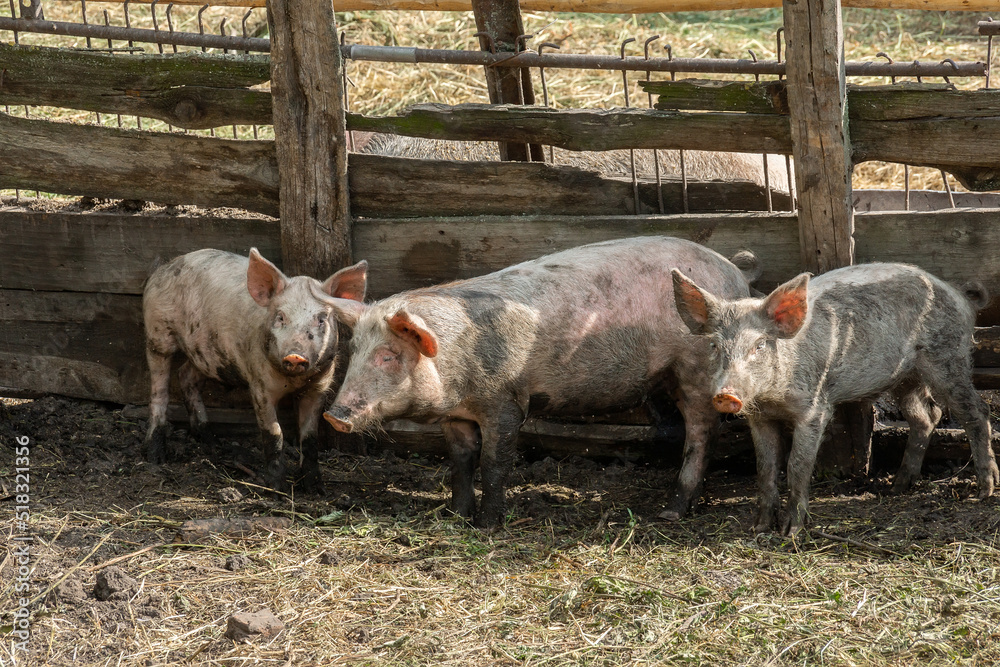
Successfully breeding pigs is a rewarding endeavor that hinges on diligent planning, careful execution, and continuous learning. By mastering the principles of reproduction, stock selection, breeding techniques, and comprehensive herd management, you can establish a thriving and efficient operation. This guide has illuminated the path, offering the foundational knowledge and best practices to confidently navigate the exciting world of swine husbandry and achieve your breeding goals.