Understanding how to breed sheep is essential for anyone interested in sustainable livestock production and genetic improvement. This comprehensive guide offers insights into the fundamental processes, selection criteria, and management practices necessary for successful sheep breeding. By mastering these techniques, breeders can enhance the quality and productivity of their flock while ensuring animal welfare and profitability.
The content explores the biological aspects of sheep reproduction, selection of suitable breeding stock, optimal timing for mating, effective mating procedures, post-breeding care, and record-keeping practices. Each section is designed to provide practical and detailed information that supports both beginners and experienced breeders in achieving their breeding goals.
Understanding Sheep Breeding Fundamentals
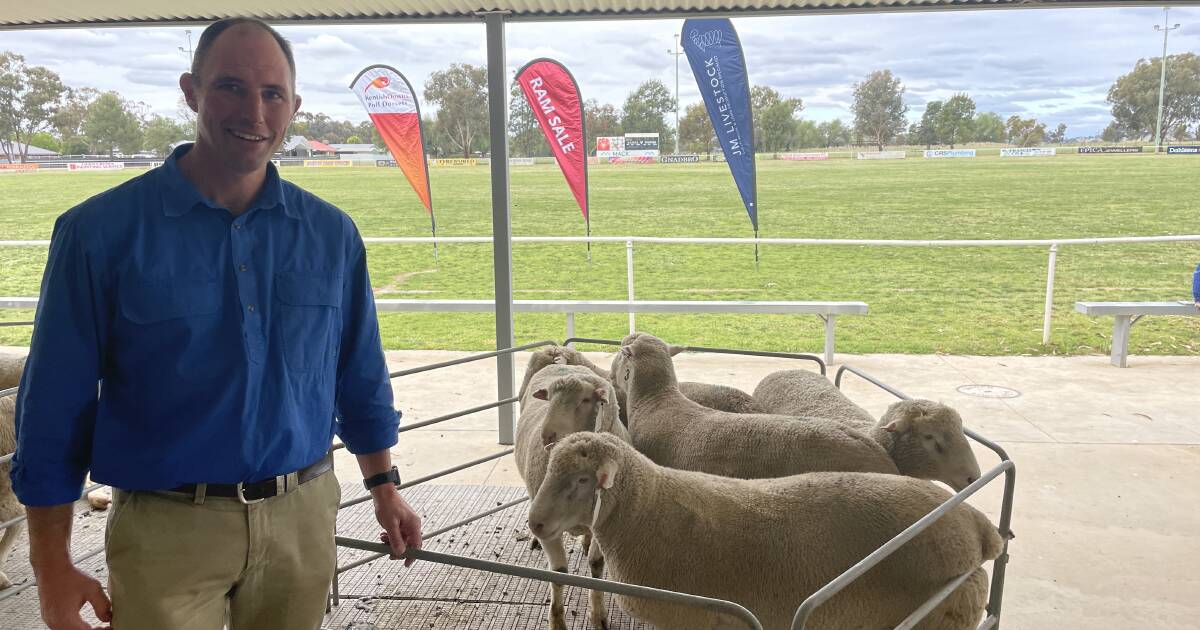
Effective sheep breeding begins with a comprehensive understanding of the biological processes involved in reproduction and the genetic principles that influence the traits of the flock. Recognizing these fundamentals enables breeders to enhance productivity, improve desirable characteristics, and ensure the health and longevity of their sheep populations.
Sheep reproduction is a complex interplay of biological, environmental, and genetic factors. The reproductive cycle involves estrus, mating, conception, gestation, and lambing. Genetics play a crucial role in determining traits such as growth rate, wool quality, disease resistance, and reproductive efficiency. Selecting suitable breeding stock based on genetic merit is essential for sustainable flock improvement and achieving specific production goals.
Biological Process of Sheep Reproduction and Role of Genetics
The reproductive cycle in sheep is governed by hormonal changes that regulate estrus, or heat, which typically occurs every 17 to 19 days during the breeding season. During estrus, ewes are receptive to rams, facilitating successful mating. Ovulation occurs, leading to fertilization if mating occurs at the right time. The fertilized egg implants in the uterine lining, resulting in pregnancy that lasts approximately 147 days.
Genetics influence the inheritance of numerous traits, including fertility, growth rate, wool quality, and disease resistance. Selective breeding involves choosing rams and ewes with desirable genetic traits to produce offspring that better meet production objectives. Modern breeding practices integrate genetic testing and pedigree analysis to enhance the accuracy of selection and improve genetic gain over generations.
Factors Influencing Sheep Fertility and Breeding Readiness
Successful breeding depends on multiple factors that affect sheep fertility and their readiness to mate. These include environmental conditions, nutritional status, health, and age. Proper management of these factors ensures that sheep reach peak reproductive performance and minimizes the risk of reproductive failures.
Key factors include:
- Nutrition: Adequate energy, protein, vitamins, and minerals are vital for optimal reproductive function. Malnutrition or nutritional imbalances can lead to irregular estrus cycles and reduced conception rates.
- Health: Regular health checks and vaccinations prevent diseases that impair fertility, such as parasitic infestations or infectious diseases.
- Age: Breeding readiness is highest in sexually mature sheep, typically between 7 to 12 months, depending on breed and individual development.
- Environmental Conditions: Adequate shelter, appropriate lighting, and controlled temperatures influence reproductive cycles and breeding success.
- Genetic Compatibility: Selecting genetically compatible mates enhances fertility and offspring viability, reducing the likelihood of genetic disorders or reproductive issues.
Comparison Table of Common Sheep Breeds Suitable for Breeding
Understanding the characteristics of various sheep breeds helps farmers select the most suitable breeds for their specific production goals and environmental conditions. The following table summarizes some of the most common breeds used in sheep breeding programs, highlighting their key traits and suitability.
| Breed | Characteristics | Suitability |
|---|---|---|
| Suffolk | Large frame, rapid growth, good meat quality, lean carcass, minimal wool | Ideal for meat production, adaptable to various climates |
| Corriedale | Dual-purpose breed, excellent wool and meat qualities, hardy and adaptable | Suitable for meat and wool production, adaptable to diverse environments |
| Dorper | Hair sheep, high tolerance to arid conditions, good growth rate, low maintenance | Best in dry, arid regions, suitable for meat production |
| Merino | Fine wool, slow growth, high-quality fleece, hardy in arid climates | Primarily for wool production, ideal for wool-focused breeding operations |
| Romney | Medium-sized, good wool and meat qualities, hardy and adaptable | Versatile breed suitable for wool, meat, and crossbreeding programs |
Note: Selecting a breed should consider environmental adaptability, market demand, and specific production goals to optimize breeding success.
Selecting Breeding Sheep
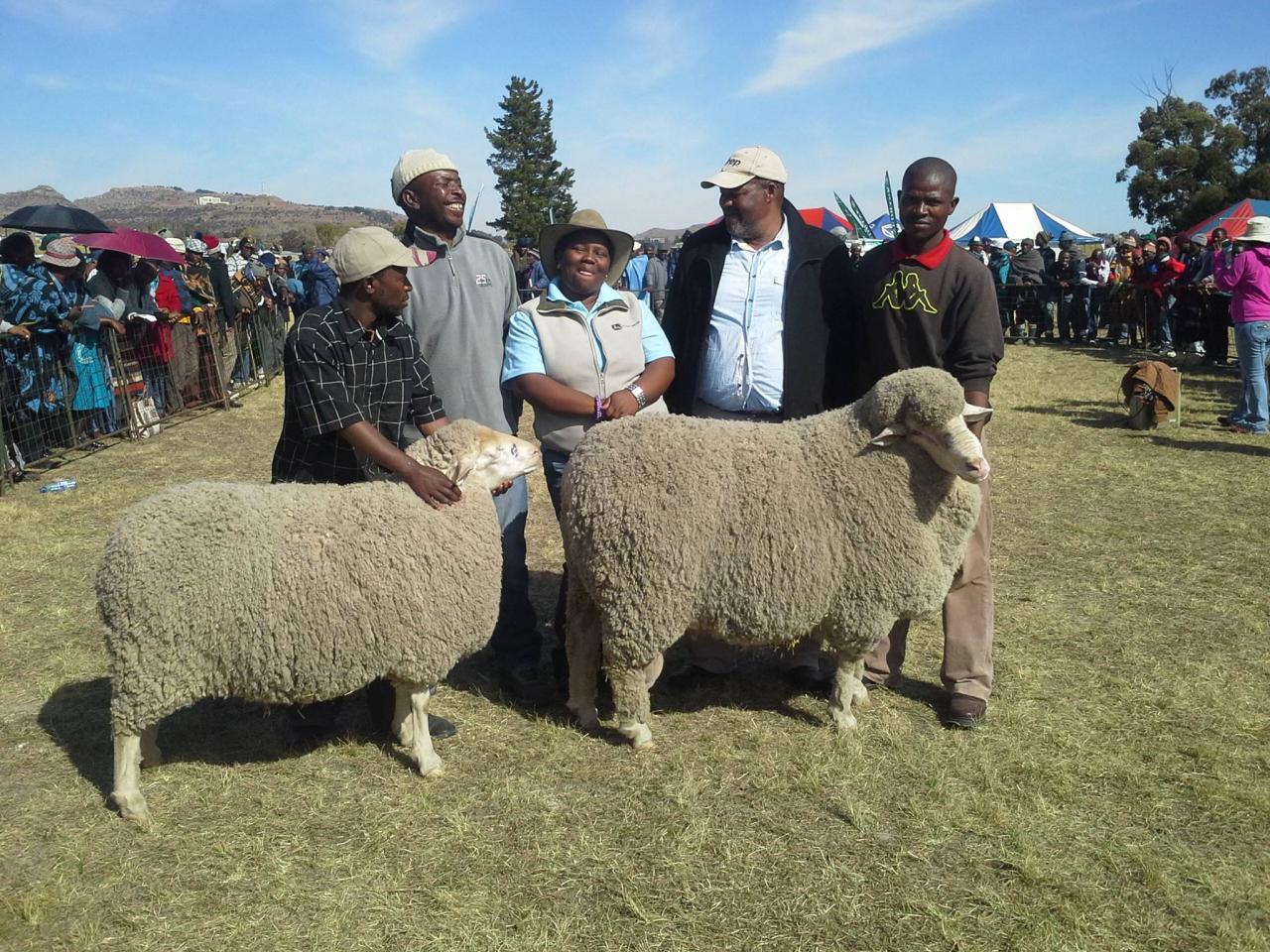
Choosing the right breeding sheep is a fundamental step in establishing a productive and healthy flock. High-quality rams and ewes lay the foundation for desirable traits, superior genetics, and overall herd improvement. Proper selection ensures that the offspring inherit beneficial characteristics, leading to increased productivity, better disease resistance, and improved adaptability to environmental conditions.
Effective selection involves a comprehensive evaluation of potential breeders based on health, age, and genetic traits. Implementing a structured checklist can assist farmers and breeders in making informed decisions, ultimately contributing to the consistency and success of their breeding programs. Prioritizing specific traits aligned with production goals ensures that the flock develops in the desired direction, whether for wool, meat, or overall resilience.
Criteria for Choosing High-Quality Rams and Ewes
When selecting breeding sheep, it is essential to assess several key factors that influence their suitability for your specific breeding objectives. This process encompasses evaluating physical health, reproductive readiness, and genetic qualities. The aim is to identify animals that demonstrate vigor, desirable phenotypic traits, and strong genetic potential for the traits you wish to enhance within your flock.
- Health Status: Ensure the animals are free from infectious diseases, parasites, and hereditary conditions. Look for clear eyes, shiny coat, and good body condition.
- Age: Select animals within the optimal reproductive age bracket—typically 1 to 4 years for both rams and ewes—to maximize fertility and longevity.
- Genetic Traits: Consider lineage, pedigree, and known performance records. Animals with proven desirable traits are more likely to pass on those qualities.
- Reproductive History: Review any records of lambing, fertility, and previous breeding success to gauge reproductive reliability.
Checklist for Evaluating Potential Breeding Stock
Utilizing a detailed checklist facilitates a systematic assessment of each candidate to ensure only the most suitable animals are selected for breeding. This checklist covers essential health, physical, and genetic parameters that contribute to the overall quality and productivity of the flock.
- General Health: Check for signs of illness, injury, or parasites. Confirm vaccinations are up to date.
- Body Condition Score: Aim for a score that indicates good nutrition and health without excess fat, typically between 2.5 and 3.5 on a 5-point scale.
- Reproductive Organs: For ewes, examine the udder development and vulva; for rams, inspect testicles and penis for abnormalities.
- Breeding Soundness: Conduct breeding soundness evaluations, including semen quality tests for rams.
- Physical Conformation: Assess traits such as overall structure, leg conformation, and symmetry, which influence longevity and productivity.
- Genetic Merit: Review genetic testing results where available; select animals that carry desirable traits for your breeding goals.
Traits to Prioritize in Breeding Stock
In order to achieve specific breeding outcomes, certain traits should be prioritized when selecting sheep. These traits ensure the flock’s productivity, health, and adaptability meet the desired standards while also aligning with management practices and environmental conditions.
- Fertility and Lambing Ease: Ability to conceive readily and lamb without complications, reducing labor and mortality rates.
- Growth Rate: Faster growth in lambs leads to quicker market readiness and improved profitability.
- Carcass Quality: Favorable meat characteristics, such as conformation, marbling, and size, for meat production breeds.
- Wool Quality: For wool breeds, prioritize fiber fineness, uniformity, and yield.
- Disease Resistance: Select for animals that demonstrate resilience to prevalent local diseases and parasites.
- Adaptability: Traits that enable sheep to thrive in specific environmental conditions, including climate and pasture quality.
- Reproductive Efficiency: High lambing percentages and prolificacy to increase flock productivity over time.
Breeding Season and Timing
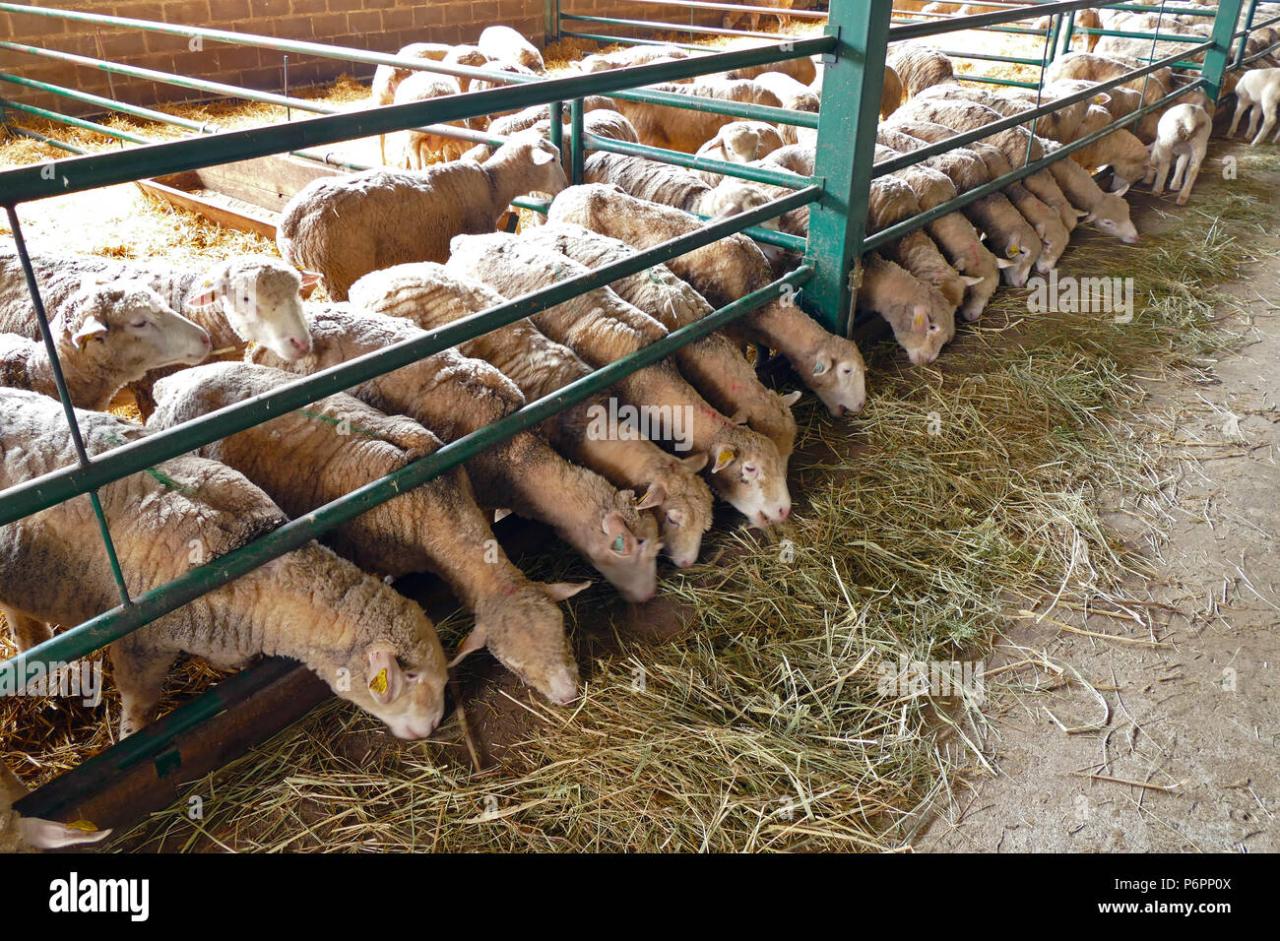
Understanding the optimal timing of sheep breeding is essential for maximizing reproductive success and managing flock productivity efficiently. The appropriate breeding period varies based on geographic location, breed characteristics, and environmental conditions, making it crucial for breeders to develop a well-informed breeding timetable that aligns with these factors.The timing of the breeding season influences conception rates, lambing periods, and overall flock health.
Properly coordinated breeding ensures lambs are born during favorable seasons with optimal forage availability, which contributes to better growth rates and survival. Additionally, recognizing the natural reproductive cycles of sheep allows breeders to plan mating activities and resource allocation effectively.
Optimal Breeding Seasons Based on Location and Breed
The natural breeding season for sheep often aligns with environmental conditions that optimize lamb survival and growth. Generally, in temperate regions, sheep tend to breed in the fall or early winter, resulting in lambing in spring when pasture resources are abundant. Conversely, in tropical or subtropical climates, sheep may breed year-round or have multiple breeding cycles annually due to consistent warmth and forage availability.Certain breeds are adapted to specific breeding cycles.
For example, fine-wool breeds like Merino and Rambouillet often have a defined breeding season in response to daylight length, typically from late summer to early winter, which ensures lambs are born in spring to maximize pasture growth. Meat breeds such as Dorper or Katahdin may breed year-round, especially in warmer climates, providing greater flexibility for producers.The best approach involves assessing regional climatic patterns and breed-specific behaviors to determine the most suitable breeding window.
Consulting local extension services or experienced breeders can provide valuable insights into regional optimal breeding timings.
Detecting Sheep in Heat and Timing Mating
Effective detection of estrus, or heat, is vital for successful mating. Sheep are seasonal breeders, and their estrous cycle generally lasts around 17 days, with a fertile period of approximately 24 to 36 hours within that cycle. Recognizing signs of heat enables breeders to time mating accurately, thereby increasing conception success.Signs of estrus include:
- Increased restlessness and agitation
- Frequent tail wagging and mounting behavior
- Standing to be mounted by other sheep, a key indicator known as “standing heat”
- Swollen and reddened vulva, sometimes accompanied by mucous discharge
- Elevated vocalizations and affectionate behavior
Monitoring for these signs consistently during the expected breeding season is essential. Visual observation is often complemented by other methods such as teaser rams fitted with marking harnesses, which leave visible marks on ewes that are in heat, providing a quick and reliable detection method.Optimal mating times are typically within 24 to 36 hours of detecting estrus. Implementing a breeding timetable involves regular observation—preferably twice daily—to catch the onset of heat and coordinate mating activities precisely during this fertile window.
Breeding Cycle Timetable and Signs of Estrus
Aligning breeding activities with the sheep’s reproductive cycle requires a structured timetable that accounts for the duration of the estrous cycle, signs of heat, and ideal mating periods. This ensures efficient use of resources and improves overall reproductive outcomes.A typical breeding cycle timetable includes:
- Days 1-2: Restlessness, mounting behavior, and vulvar swelling indicate the onset of estrus.
- Days 2-3: Peak signs of heat, with prominent standing behavior when pressured, confirming readiness for mating.
- Days 3-4: Optimal time for mating, ideally within the first 24 hours of standing heat to maximize conception chances.
- Days 4-17: Post-heat period, during which the ewe is no longer receptive to mating.
It is crucial to record observations meticulously to establish a pattern within the flock. Regular monitoring and marking of individual ewes in heat enable breeders to plan mating schedules precisely.Signs of estrus should be closely observed and documented to identify the most fertile days, thus enhancing the likelihood of successful conception. Employing consistent detection methods, such as teaser rams and behavioral observations, ensures timely mating, ultimately leading to a more productive breeding program.
Mating Procedures and Techniques
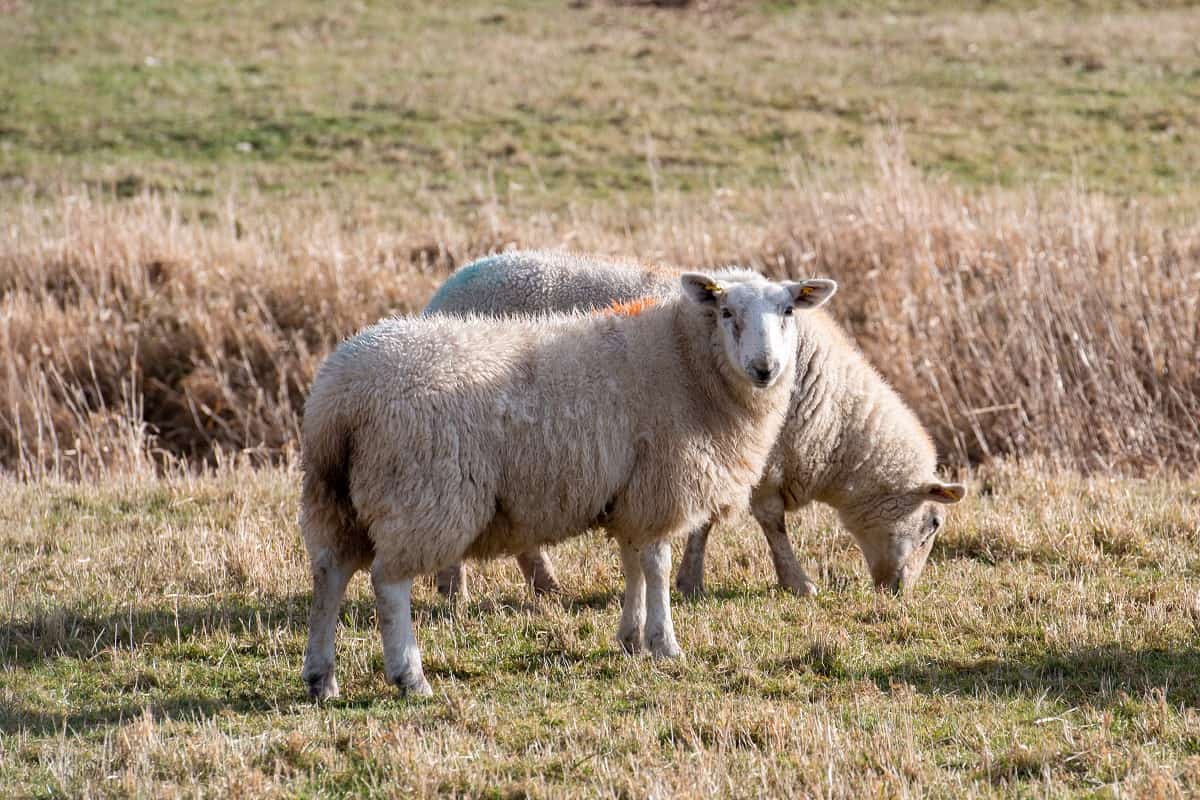
Effective mating procedures are vital to ensure successful fertilization and optimal reproductive outcomes in sheep. Whether employing natural mating or artificial insemination, understanding and implementing precise techniques can significantly influence breeding success rates, genetic improvement, and overall flock productivity.
Proper management of mating practices not only enhances conception rates but also minimizes stress and injuries among sheep. It is essential to adopt methods that are humane, efficient, and adapted to the specific needs and environment of the flock.
Natural Mating Procedures
Natural mating remains the most traditional and widely used method in sheep breeding due to its simplicity and cost-effectiveness. Ensuring successful fertilization involves following a structured process that accounts for timing, behavior, and environment.
Below are the step-by-step procedures for natural mating:
- Selection of Breeding Ram: Choose a healthy, fertile ram with desirable genetic traits, good libido, and no reproductive abnormalities. The ram should be compatible with the ewe’s breed and size.
- Introduction and Observation: Introduce the ram to the ewe flock, preferably during the breeding season, and observe behavioral cues indicating receptivity such as standing heat or lordosis.
- Monitoring Heat: Identify ewes in heat through signs like restlessness, tail wagging, swelling of the vulva, and mucus discharge. Typically, heat lasts 24-36 hours, and precise timing is crucial for successful mating.
- Mating Step: When a ewe is in estrus, guide her to the ram or vice versa. Ensure the environment is calm and free of stressors. The ram should be encouraged to mount the ewe, ensuring proper positioning for copulation.
- Post-Mating Observation: After successful mounting, monitor the ewe for signs of acceptance, such as standing still and allowing the ram to mount repeatedly if needed. Limit disturbance to reduce stress.
Consistent observation and record-keeping help in tracking mating success and planning subsequent breeding activities. Proper handling minimizes injury risks and ensures both sheep remain healthy and stress-free throughout the process.
Artificial Insemination Methods
Artificial insemination (AI) offers advantages such as genetic improvement, disease control, and the ability to breed sheep from remote locations. Implementing AI requires specific equipment, meticulous technique, and proper management of the environment to maximize success rates.
The main AI methods used in sheep breeding are cervical insemination and laparoscopic insemination. The choice depends on resources, expertise, and the desired success rate.
Equipment Needed
- Sterile insemination pipettes or catheters suitable for sheep.
- Microscope and semen extender or storage media if using frozen semen.
- Seminal fluid extender or diluent to preserve semen viability.
- Cooling containers or liquid nitrogen tanks for semen storage (if using frozen semen).
- Sterilized gloves, lubricants, and antiseptic solutions for cleanliness.
- Ultrasound or other equipment for advanced methods like laparoscopy (if applicable).
Procedure Guidelines
- Semen Preparation: Thaw frozen semen at recommended temperatures and dilute with extender if necessary. Assess semen motility and concentration to ensure viability before insemination.
- Estrus Detection: Precisely identify the ewe’s heat period to enhance insemination timing. Timing within the estrus cycle is critical, generally 12-24 hours after onset of standing heat.
- Insemination Technique: For cervical insemination, gently insert the lubricated catheter through the ewe’s vulva into the cervix, aligning with the natural direction of the birth canal. For laparoscopic insemination, a specialized laparoscope is used to deposit semen directly into the uterus through small incisions under anesthesia, typically yielding higher success rates.
- Insemination Timing: Perform insemination at the optimal period within the estrus cycle, usually as close to ovulation as possible.
- Post-Insemination Care: Ensure minimal movement, stress, and disturbance to the ewe after insemination. Keep records of insemination details for future reference.
Proper sanitation and handling are essential to prevent infections and improve fertilization outcomes. Training personnel in the correct techniques significantly increases the success of artificial insemination programs.
Managing Mating Environments and Minimizing Stress
Creating an optimal environment for mating activities is crucial for animal welfare and breeding success. Stress can negatively impact libido, fertility, and overall health of sheep, so management practices should focus on providing a calm, comfortable, and clean environment.
Key considerations include:
- Providing sufficient space to avoid overcrowding, which can lead to competition and stress.
- Ensuring the environment is free from loud noises, predators, and other disturbances.
- Providing clean bedding and shelter to protect sheep from extreme weather conditions.
- Maintaining proper nutrition and hydration to support reproductive health.
- Handling sheep gently and minimizing unnecessary restraint to reduce anxiety.
- Monitoring for signs of stress or discomfort and addressing issues promptly.
“A calm environment and gentle handling are as important as the actual mating procedure in ensuring reproductive success and animal welfare.”
Implementing these best practices supports natural behaviors, reduces injury risk, and encourages positive reproductive outcomes, ultimately leading to a healthier and more productive flock.
Managing Lambing and Newborn Care
Ensuring a smooth and healthy lambing process is crucial for the success of any sheep breeding operation. Proper preparation of the lambing environment, coupled with attentive newborn care, helps minimize risks and promotes optimal growth. This section provides a comprehensive guide on preparing the lambing area, assisting during delivery, and caring for newborn lambs to establish a strong foundation for their health and development.A well-managed lambing and neonatal care routine reduces mortality, encourages healthy bonding between ewe and lamb, and ensures that the young lambs receive the necessary nutrients and health checks to thrive.
Proper management practices are essential, especially in commercial or large-scale sheep production where efficiency and animal welfare are priorities.
Preparing the Lambing Area and Assisting During Delivery
Preparation of the lambing environment is vital to accommodate the ewe comfortably and to facilitate a safe delivery process. The lambing area should be a clean, dry, and draft-free space that can be easily sanitized before use. It is advisable to have a dedicated lambing pen or separate area equipped with necessary supplies, such as clean towels, iodine solution for umbilical cord disinfection, gloves, and disinfectants.To support a smooth lambing, monitor the ewe closely as she approaches her due date.
Signs of imminent labor include restlessness, separation from the flock, swelling of the vulva, and udder development. When labor begins, remain observant but avoid unnecessary interference unless complications arise. Assistance may be needed during delivery if there are signs of dystocia, such as prolonged labor beyond two hours without delivery or visible signs of distress.Assisting during lambing involves guiding the lamb if delivery is obstructed, clearing the airway if the lamb is born submerged in fluids, and ensuring the lamb is delivered in a safe manner.
Having a plan for prompt intervention helps prevent complications for both ewe and lamb.
Essential Newborn Care: Warming, Feeding, and Health Checks
Immediate and attentive care after birth is fundamental to the survival and healthy development of lambs. Newborn lambs are particularly vulnerable to hypothermia, dehydration, and disease; thus, prompt actions are necessary to secure their well-being.Warming is the first priority, especially if lambs are born in cold or damp conditions or show signs of hypothermia. Use clean towels or blankets to dry the lamb thoroughly, focusing on the head and body.
If ambient temperatures are low, place the lamb in a warm, draft-free environment or use heat lamps, ensuring the heat source is stable and safe.Feeding is crucial immediately after birth to provide essential colostrum, which supplies antibodies vital for immunity. The lamb should nurse naturally within the first two hours. If the lamb struggles to nurse, assist gently by guiding the lamb to the ewe’s udder or manually administering colostrum using a clean bottle or syringe.
Ensure the lamb consumes at least 50 ml of high-quality colostrum per kilogram of body weight within the first six hours.Regular health checks involve inspecting the lamb for signs of illness, such as lethargy, abnormal breathing, or weakness. The umbilical cord should be disinfected with iodine to prevent infection, and the lamb should be monitored to ensure it is nursing effectively and gaining weight.
Maintaining hygiene during handling and providing a clean environment significantly reduces the risk of infections.
Assisting with Lambing and Immediate Postnatal Care: Step-by-Step Process
A clear, step-by-step approach ensures timely and effective intervention during lambing and afterbirth:
Observe the ewe closely as she approaches labor and be prepared with necessary supplies.
When signs of labor begin, ensure the environment is clean and free of drafts.
During delivery, gently assist if the lamb is stuck or if delivery exceeds two hours without progress. Wear gloves and apply gentle traction if needed, avoiding force.
Clear the lamb’s airway if fluids or membranes obstruct breathing, using a clean towel or suction if necessary.
Dry the lamb thoroughly with a clean towel, especially the head and body, to prevent hypothermia.
Disinfect the umbilical cord with iodine, ensuring it is clamped or tied if necessary.
Facilitate the lamb’s first nursing attempt by guiding it to the ewe’s udder or manually administering colostrum if needed.
Monitor the lamb for signs of weakness or distress and ensure it is nursing regularly.
Keep the lamb in a warm, dry environment until it is strong enough to join the flock.
Record vital information such as birth weight, time of birth, and any interventions performed for future reference and health management.
Proper management of lambing and neonatal care ensures that lambs have the best start in life, fostering healthy growth, reducing mortality, and supporting overall flock productivity.
Ultimate Conclusion
In conclusion, mastering the art of how to breed sheep involves understanding their reproductive biology, careful selection of breeding stock, precise timing, and diligent management throughout pregnancy and lambing. Maintaining detailed records and continuous evaluation will lead to improved breeding outcomes and a healthier, more productive flock. With dedication and proper techniques, breeders can successfully enhance their sheep herds for generations to come.