Learning how to build a barn involves careful planning, precise design, and strategic material selection. This comprehensive guide aims to walk you through each crucial step, ensuring your construction project is both successful and sustainable.
From understanding essential considerations before starting, to designing a functional structure, selecting appropriate materials, preparing the site, and executing each construction phase, this overview provides valuable insights to help you create a durable and efficient barn tailored to your needs.
Essential considerations before building a barn
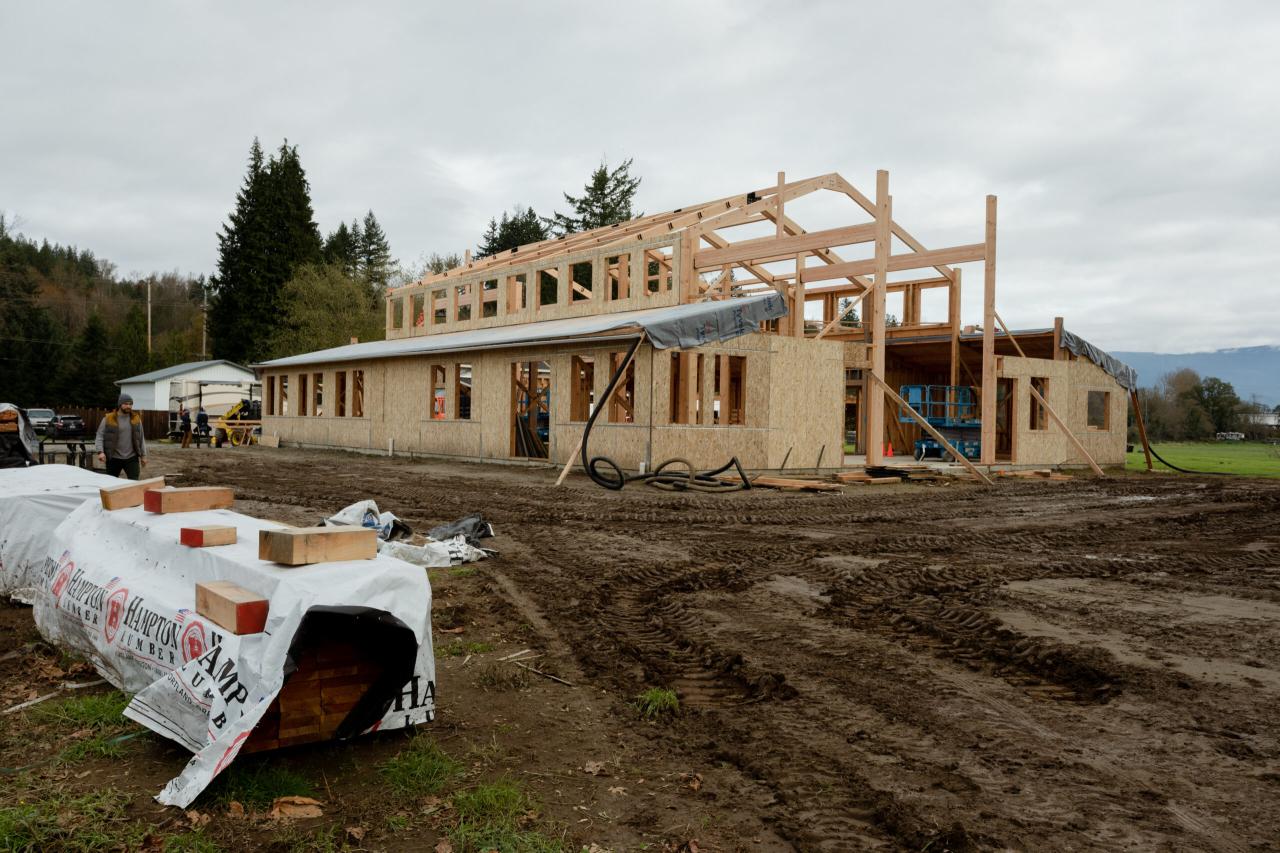
Planning a barn construction involves careful evaluation of multiple factors to ensure that the structure effectively meets its intended purpose while complying with local regulations. Addressing key considerations beforehand can prevent costly modifications and legal issues, contributing to a smooth building process and a durable, functional facility.
Fundamental to successful barn construction is understanding the purpose of the structure, selecting an appropriate location, and determining the correct size. Additionally, navigating the permitting process and adhering to local building codes are crucial steps that safeguard against legal complications and ensure safety standards are met. An organized pre-construction plan, including site assessment and budget estimation, lays a solid foundation for the project and facilitates efficient resource allocation.
Purpose of the barn and functional requirements
Defining the primary function of the barn is the first step in the planning process. Whether it is intended for livestock housing, equipment storage, or crop shelter, the designated purpose influences design features, size, and layout. For instance, a dairy barn requires ample space for milking stations, ventilation systems, and feed storage, whereas a storage barn may prioritize high ceilings and large doors for easy access.
Clarifying the intended use also impacts the choice of materials and foundation specifications, ensuring the structure’s longevity and operational efficiency.
Location selection and site assessment
Choosing the optimal site for the barn involves evaluating environmental, logistical, and safety considerations. The location should be accessible for machinery and livestock movement, strategically positioned to minimize noise and odor disturbances to neighboring properties. Soil quality and drainage are vital components, as poor drainage can lead to water accumulation and structural instability. Conducting a thorough site assessment involves soil testing, topographical analysis, and environmental impact review.
Additionally, proximity to utilities such as water, electricity, and sewage systems can influence overall project costs and feasibility.
Size requirements and layout planning
Determining the appropriate size of the barn depends on the current and anticipated future needs. Overestimating can lead to unnecessary expenses, while underestimating may result in overcrowding and operational inefficiencies. It is essential to develop a detailed layout plan that considers livestock comfort, storage capacity, ventilation needs, and workflow. Consulting with agricultural engineers or experienced builders can provide valuable insights into optimal dimensions and configurations, ensuring the structure is both functional and scalable.
Permits and local regulations
Securing the necessary permits and ensuring compliance with local building codes are critical steps that safeguard against legal repercussions and ensure safety standards. Regulations vary significantly across regions, often covering aspects such as land use, environmental protection, fire safety, and structural integrity. Before starting construction, it is advisable to consult local zoning offices, building departments, and agricultural authorities. Typical requirements include submitting detailed plans, paying applicable fees, and obtaining approvals prior to breaking ground.
Non-compliance can lead to fines, delays, or even the requirement to dismantle unauthorized structures.
Compliance procedures and documentation
Adhering to local regulations involves understanding specific procedural steps and preparing necessary documentation. This typically includes detailed architectural and engineering plans, site survey reports, environmental impact assessments, and proof of ownership or land rights. Engaging professionals such as licensed architects or engineers can facilitate the approval process, as they are familiar with regional standards. Keeping comprehensive records of all communications, permits, and approvals ensures transparency and helps resolve any issues that may arise during construction.
Pre-construction planning checklist
An organized pre-construction checklist helps streamline the building process by ensuring all critical aspects are addressed before breaking ground. The checklist includes:
- Conducting a thorough site assessment, including soil testing, drainage analysis, and environmental considerations.
- Establishing a clear project budget, accounting for permits, materials, labor, and contingencies.
- Securing necessary permits and approvals from local authorities.
- Designing detailed plans and layouts, ideally in collaboration with professionals.
- Assessing access points, utility connections, and proximity to other structures or infrastructure.
- Scheduling inspections and ensuring compliance with all regulatory requirements.
- Preparing a timeline for construction phases to facilitate efficient project management.
By systematically addressing each of these points, builders can reduce risks, avoid delays, and ensure the final structure aligns with both functional needs and legal standards.
Designing a Functional Barn
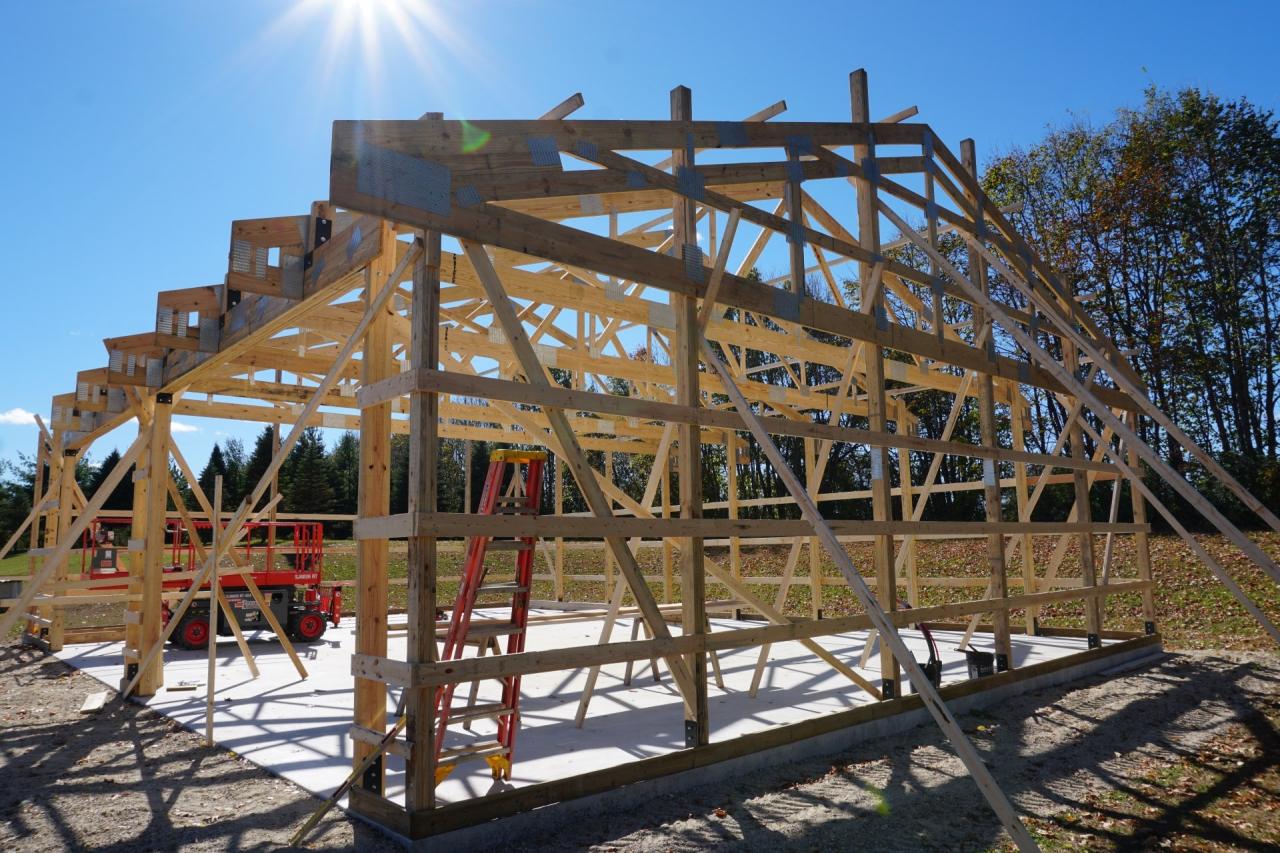
Creating an effective barn design requires careful planning to ensure it meets the specific needs of its intended use, whether for housing livestock, storage, or a combination of both. A well-designed barn enhances operational efficiency, promotes animal welfare, and maximizes available space. The process involves a thorough assessment of functional requirements, environmental conditions, and future expansion possibilities.
Designing a barn is not merely about aesthetics; it involves integrating practical features that facilitate daily operations while ensuring durability and safety. The following guidelines will assist in developing a comprehensive and tailored barn design that aligns with your unique goals and site conditions.
Steps to Create a Detailed Barn Design Tailored to Specific Needs
Developing a barn design begins with establishing clear objectives based on the primary functions it must serve. This involves assessing the types of animals or equipment that will occupy the space, the volume of storage required, and any specialized features needed for particular operations. Once these needs are identified, detailed planning can proceed through a systematic approach:
- Define the Purpose and Scope: Clarify whether the barn will primarily house livestock, serve as a equipment storage, or combine functions. Determine the size and capacity requirements based on current and future needs.
- Conduct Site Analysis: Evaluate the land layout, topography, prevailing weather conditions, and access routes. This information influences the barn’s orientation, foundation choices, and overall design.
- Establish Spatial Requirements: Calculate space per animal or function, considering comfort standards, movement pathways, and storage zones. Incorporate zones for feed, water, waste management, and ventilation systems.
- Draft Preliminary Layouts: Create initial sketches illustrating the spatial arrangement, including entry points, passageways, and designated areas. Use scaled drawings to facilitate adjustments.
- Select Materials and Structural Systems: Choose durable, climate-appropriate materials that ensure longevity and ease of maintenance. Consider traditional wood, steel, or concrete based on regional availability and building codes.
- Design for Ventilation, Lighting, and Accessibility: Integrate natural and mechanical ventilation systems to maintain air quality. Plan ample windows and skylights for natural lighting. Ensure doors, aisles, and pathways are accessible for all users and equipment.
- Refine and Finalize Design: Incorporate feedback from stakeholders and consult with architects or engineers. Prepare detailed plans, sections, and specifications for construction.
Comparison of Architectural Styles Suitable for Various Climates and Uses
Choosing the appropriate architectural style for your barn significantly impacts its functionality, durability, and suitability for the local climate. Different styles offer distinct advantages and are better suited to specific environmental conditions and operational needs.
- Gable Roof Barns: Characterized by two sloping sides meeting at a ridge, this classic style provides excellent runoff for snow and rain, making it ideal for snowy climates. Its simplicity allows for cost-effective construction and easy expansion.
- Hip Roof Barns: Featuring slopes on all four sides, hip roofs offer enhanced stability against strong winds, suitable for areas prone to storms. They provide additional attic space for storage or insulation.
- Quonset Hut Style: Semi-circular or arched structures made of corrugated steel or other durable materials. These are highly weather-resistant, energy-efficient, and quick to assemble, suitable for remote locations or temporary setups.
- Post and Frame Barns: Utilizing large vertical posts supporting horizontal beams, this style offers flexibility in interior layout and is adaptable to various climates. It also allows for large open spaces with minimal internal supports.
- Traditional Timber Frame: With exposed timber trusses, this style offers aesthetic appeal and robust structure, well-suited for temperate climates and for those prioritizing craftsmanship and tradition.
Each architectural style carries unique benefits; selecting the most appropriate involves considering regional weather patterns, the purpose of the barn, budget constraints, and aesthetic preferences.
Sample Barn Layout in a Table Format
Below is an example layout designed for a multi-purpose barn, accommodating livestock, equipment storage, and staff access. The table illustrates the key dimensions, materials, and features incorporated into the design:
| Section | Dimensions | Materials | Features |
|---|---|---|---|
| Livestock Area | 40m (length) x 20m (width) x 4m (height) | Steel framing with insulated metal panels | Stalls for 50 animals, automated watering system, drainage flooring |
| Equipment Storage | 15m x 10m x 3.5m | Concrete walls with steel doors | High ceiling for tall equipment, shelving units, ventilation vents |
| Work and Staff Area | 10m x 8m x 3m | Reinforced concrete and drywall | Office space, rest area, access to utilities |
| Entry and Passageways | Variable widths, minimum 3m wide | Gravel or paved concrete | Wide enough for machinery and livestock movement, ramps for accessibility |
| Ventilation and Lighting | Integrated windows, roof vents, and skylights | Glass, polycarbonate panels, mechanical exhaust fans | Natural light, air circulation to reduce humidity and odors |
Effective barn design combines appropriate spatial planning, material selection, and environmental considerations, resulting in a structure that is durable, efficient, and suited to operational needs.
Selecting appropriate materials for barn construction
Choosing the right materials is fundamental to building a durable, sustainable, and cost-effective barn. The selection process involves evaluating various materials based on climate considerations, longevity, environmental impact, and budget constraints. Proper material choices not only enhance the structural integrity of the barn but also contribute to its energy efficiency and overall service life.
Understanding the characteristics of different materials allows for informed decisions that balance durability, sustainability, and affordability. It is essential to analyze each material’s performance in specific environmental conditions, as well as its availability and environmental footprint, to ensure the barn meets both functional and ecological requirements.
Durable and Sustainable Materials Suitable for Different Climates
Materials should be selected based on their ability to withstand local climate conditions, whether it be moisture, temperature fluctuations, wind, or pests. Below are common durable and sustainable options tailored to various environments:
- Wood: Natural and renewable; suitable for temperate climates. Treated wood resists pests and decay but should be sourced sustainably.
- Stone: Excellent for regions with heavy rainfall or high humidity; stone is highly durable and offers thermal mass benefits, helping regulate barn temperature.
- Recycled Steel: Suitable for areas prone to extreme weather; steel offers strength, longevity, and recyclability with proper insulation.
- Straw Bale: An eco-friendly insulation material ideal for dry climates; offers excellent insulation and is biodegradable when used appropriately.
- Clay or Adobe: Appropriate for hot, dry regions; provides thermal insulation and natural cooling properties.
In addition to these, incorporating eco-friendly materials like reclaimed wood, recycled metal, and locally sourced natural fibers can significantly reduce environmental impact while ensuring durability.
Evaluating Quality and Cost-Effectiveness of Building Materials
When assessing materials, it is crucial to balance quality, durability, and cost. High-quality materials, though initially more expensive, often offer longer lifespan and lower maintenance costs, resulting in better overall value. Conversely, cheaper options might lead to higher repair and replacement expenses over time.
Key factors to consider include:
- Material Strength and Durability: Ability to withstand environmental stressors and load requirements.
- Maintenance Needs: Frequency and cost of repairs or treatments necessary to sustain performance.
- Environmental Impact: Recyclability, carbon footprint, and sustainability credentials.
- Availability and Local Sourcing: Ease of procurement and supporting local economies can reduce transportation costs and environmental impacts.
Performing a cost-benefit analysis that accounts for initial expenses, expected lifespan, and maintenance costs ensures a pragmatic and environmentally responsible choice.
Comparison Table of Common Barn Construction Materials
| Material Type | Advantages | Disadvantages | Recommended Usage |
|---|---|---|---|
| Wood |
|
|
Framing, interior structures, and areas requiring flexibility; ideal for temperate climates. |
| Stone |
|
|
Foundations, walls in rainy or humid environments, and load-bearing elements. |
| Recycled Steel |
|
|
Structural framing, roofing, and large-span areas. |
| Straw Bale |
|
|
Insulation in dry climates; wall infill with appropriate protective coatings. |
| Clay/Adobe |
|
|
Walls in hot, arid regions where insulation and cooling are priorities. |
Sourcing Eco-Friendly and Locally Available Materials
Locally available and eco-friendly materials reduce transportation emissions, support regional economies, and often adapt better to local climate conditions. Strategies for sourcing such materials include:
- Partnering with regional suppliers who specialize in sustainable building products.
- Utilizing reclaimed or recycled materials, such as salvaged wood, metal, or bricks, which can be obtained from demolition sites or salvage yards.
- Engaging with local craftsmen and cooperatives who produce natural building materials like compressed earth blocks or handmade clay products.
- Participating in community initiatives aimed at recycling or repurposing construction waste for barn projects.
- Conducting thorough site assessments to identify naturally occurring local materials, such as stone or clay, that can be used directly in construction.
Implementing these sourcing methods not only enhances sustainability but also can lead to cost savings and the creation of a barn that is well-adapted to its environment.
Preparing the Construction Site
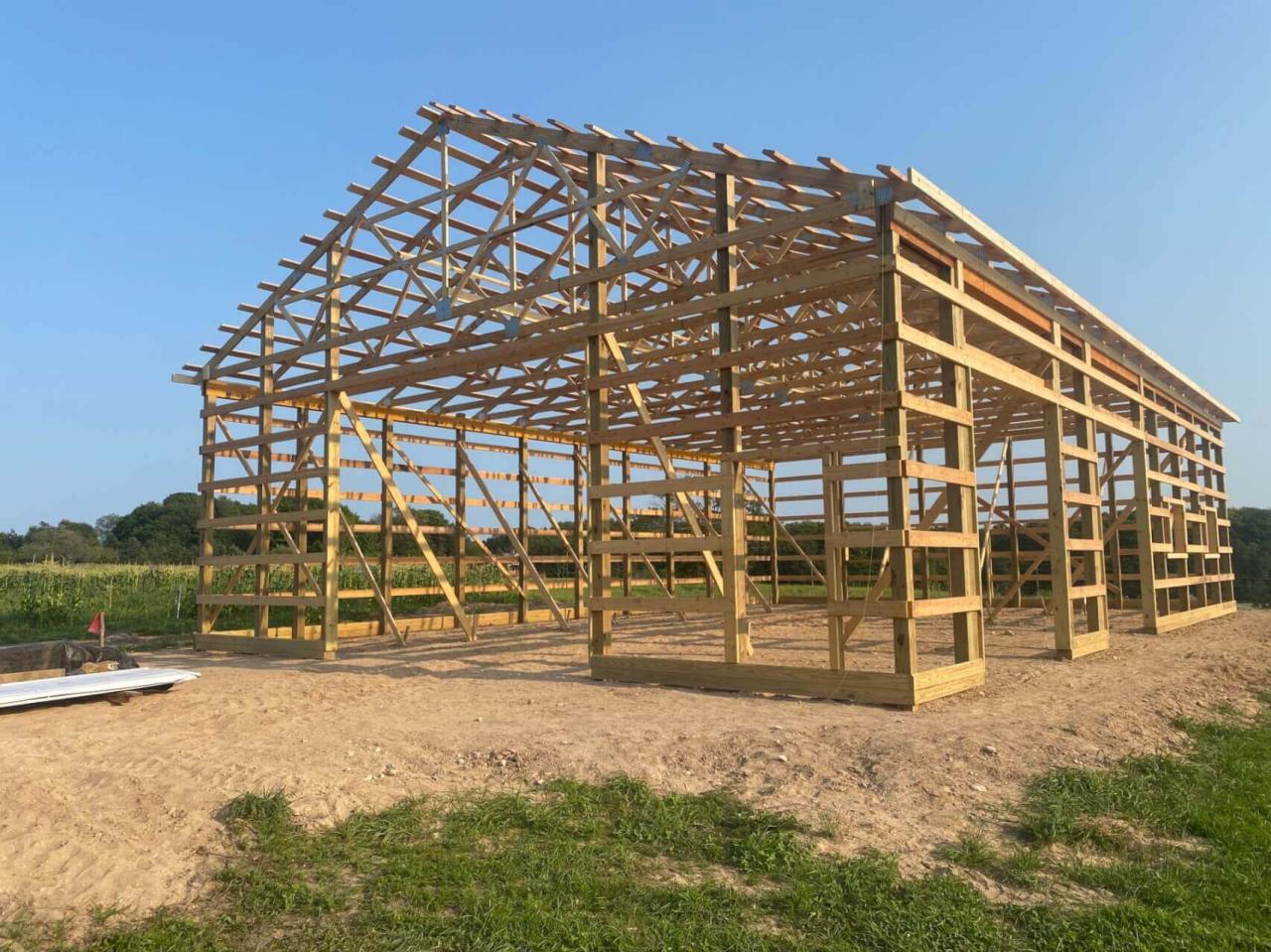
Setting up a construction site properly is a crucial step in ensuring the stability, safety, and longevity of the barn. Proper site preparation minimizes future issues related to foundation stability, water drainage, and access, ultimately contributing to a smooth building process and durable structure. This process involves clearing the land, assessing soil conditions, and planning for effective drainage and access routes.A well-prepared site lays the groundwork for efficient construction and long-term maintenance.
It involves detailed planning and execution to address environmental considerations and safety standards, ensuring the project progresses without unnecessary delays or complications.
Clearing and Leveling the Land
Effective clearing and leveling of the land are fundamental steps that facilitate stable foundation construction and accessibility. Begin by removing all vegetation, including trees, shrubs, and roots, as well as any debris such as rocks, old structures, or trash. This process can be carried out using heavy machinery like bulldozers, backhoes, or excavators, depending on the scale of the site.Following clearing, the land must be leveled to provide a flat, even surface for foundation work.
Use a laser level or sight level to identify high and low spots across the site. Fill low areas with suitable soil or gravel, and grade the land to promote proper water runoff. Proper grading is vital to prevent water pooling around the foundation, which can undermine structural integrity over time.
Soil Testing and Foundation Preparation
Understanding soil properties is essential for designing a stable foundation that can support the barn’s load over time. Soil tests should be conducted by a geotechnical engineer or a qualified soil testing laboratory to analyze parameters such as bearing capacity, compaction, drainage capacity, and soil stability.Based on soil test results, appropriate foundation options can be selected, such as concrete slabs, pier foundations, or stem walls.
Compact the soil beneath the foundation to increase stability and reduce future settling. If soils are identified as problematic—such as high clay content leading to swelling or expansive soils—remedial measures like soil stabilization or replacing unsuitable soil with gravel or crushed stone may be necessary.
Proper soil analysis and foundation preparation are fundamental to preventing structural issues that can arise from soil movement or instability over time.
Site Safety and Environmental Considerations
Prior to commencing construction, it is imperative to address safety and environmental aspects to ensure compliance and minimize risks. Conduct a site safety assessment to identify potential hazards such as uneven terrain, underground utilities, or proximity to hazardous materials. Clearly mark hazardous zones and establish safety protocols, including the use of signage, protective gear, and barriers.Environmental considerations involve managing erosion, preserving natural drainage patterns, and protecting local flora and fauna.
Implement erosion control measures like silt fences, straw wattles, or erosion control blankets around the site perimeter. Ensure proper disposal of waste materials and avoid contaminating nearby water sources.
- Assess and mark underground utility lines to prevent accidental damage during excavation.
- Schedule construction activities to avoid disrupting local wildlife or habitats.
- Install temporary fencing and signage to secure the site and prevent unauthorized access.
- Minimize soil disturbance and implement erosion control to protect surrounding land and waterways.
Drainage and Site Access Planning
Proper drainage planning is essential to prevent water accumulation around the barn foundation, which can lead to structural damage and moisture-related issues. Design the site layout to promote natural runoff away from the structure by grading the land to slope away from the foundation at a minimum of 2%, or about 2 inches per foot.Install drainage systems such as French drains, swales, or culverts where necessary to redirect water flow effectively.
These systems help manage stormwater and reduce erosion risks. Additionally, plan for convenient and durable access routes for construction vehicles, delivery trucks, and future utility connections. Wide, well-maintained access roads facilitate smooth construction operations and future barn maintenance.
Effective drainage and clear access routes contribute significantly to the durability of the barn and ease of ongoing maintenance, ensuring the structure remains functional and safe for years to come.
Construction Phases of Building a Barn
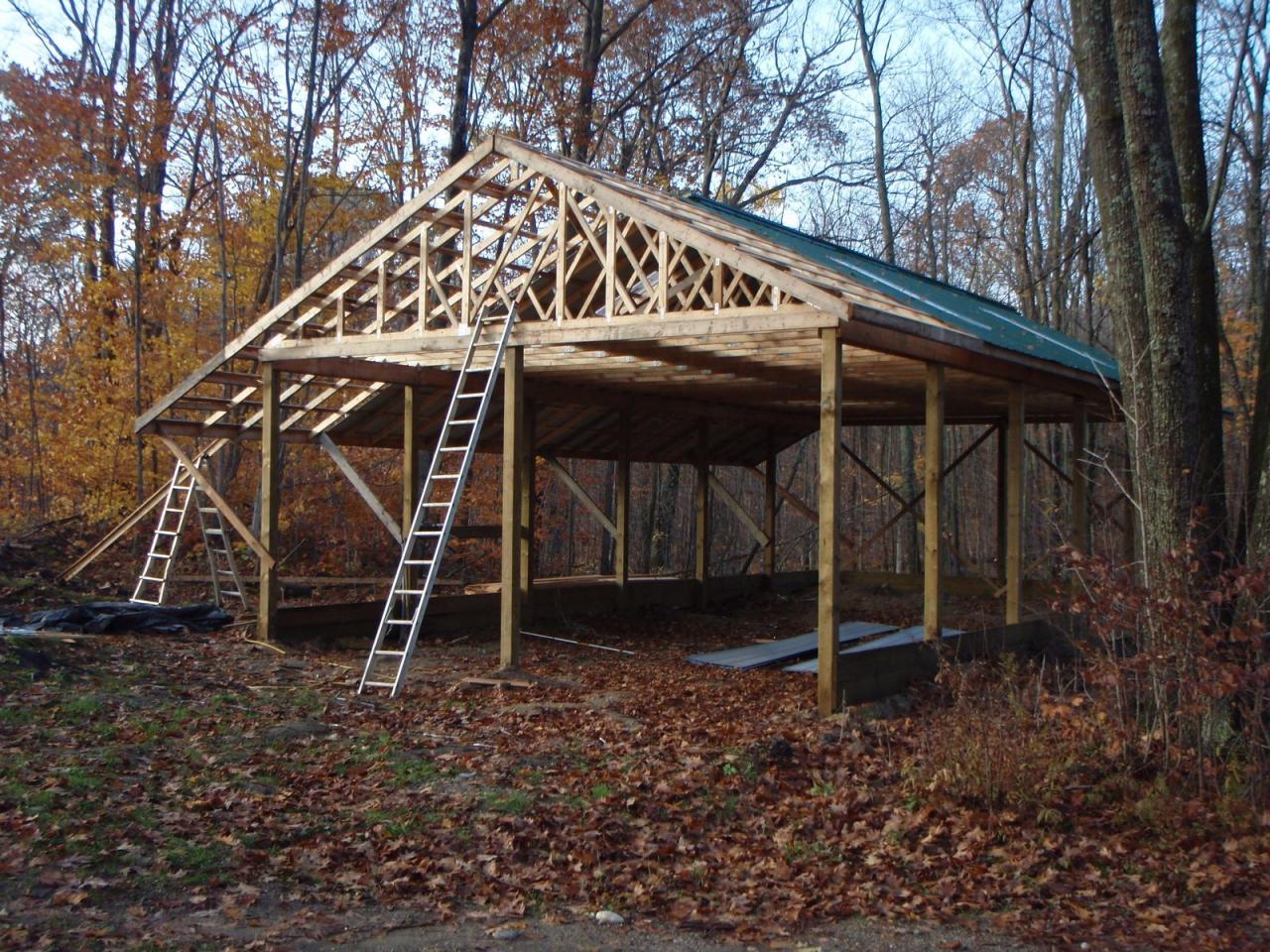
Building a barn involves several carefully coordinated phases that ensure structural integrity, durability, and functionality. Each stage requires specific skills, tools, and attention to detail to achieve a successful outcome. Understanding these phases helps streamline the construction process, minimizes delays, and guarantees a high-quality finished product.
The construction of a barn typically progresses through four primary stages: laying the foundation, erecting the framing, installing the roofing, and completing the finishing details. Proper execution at each phase is crucial for the longevity and usability of the barn, as well as for maintaining safety standards. By following a systematic approach, builders can effectively manage resources and time, ensuring the project moves smoothly from start to finish.
Foundation Construction
The foundation serves as the structural base for the entire barn, providing stability and support. It must be designed to handle the loads imposed by the structure, environmental conditions, and future usage. A well-constructed foundation prevents issues such as settling, cracking, or water infiltration that could compromise the barn’s integrity over time.
- Excavation and Site Preparation: Clear the site of debris, level the ground, and mark the foundation layout according to the barn design. Use excavators, shovels, and measuring tools to ensure accuracy.
- Footings and Concrete Pouring: Dig trenches for footings, ensuring they are deep enough to prevent frost heave (typically below the frost line). Install rebar reinforcement within the trenches for added strength. Pour concrete with appropriate mix ratios, using vibrators to eliminate air pockets.
- Foundation Walls or Slab: Depending on the design, construct foundation walls with concrete blocks or pour a monolithic slab. Use formwork, levelers, and trowels for smooth surfaces. Incorporate drainage systems and moisture barriers as necessary.
Tools such as shovels, concrete mixers, rebar cutters, level instruments, and compaction tools are essential during this phase. Ensuring proper curing of the concrete and inspection of the foundation are critical for quality control.
Framing the Barn
The framing stage defines the barn’s shape and structural framework. This phase involves assembling the skeleton that supports the walls, roof, and interior partitions. Accurate measurement, cutting, and assembly are vital to ensure stability and ease of construction for subsequent stages.
- Wall and Column Assembly: Use dimensional lumber or steel beams, depending on design. Cut and assemble wall frames with precise joints, using nail guns or bolts. Vertical supports should be aligned with plumb lines.
- Roof Truss Construction: Build trusses on the ground for efficiency, then lift into position using cranes or pulley systems. Attach trusses securely to the top plates of the wall frames, following manufacturer specifications or engineering plans.
- Assembly and Erection: Elevate wall frames and secure them to the foundation using anchor bolts or similar fasteners. Install temporary bracing to maintain alignment during construction.
Essential tools include saws, drills, nail guns, cranes, levels, and scaffolding. Regular inspection throughout framing ensures structural accuracy and adherence to safety standards.
Roofing Installation
The roof protects the barn interior from weather elements and contributes significantly to the structure’s durability. A systematic approach ensures the roofing system is weather-tight and properly ventilated.
- Sheathing and Underlayment: Attach plywood or OSB panels to the trusses, ensuring tight fits and proper fastening. Cover with waterproof underlayment such as roofing felt or synthetic membranes, overlapping panels to prevent leaks.
- Roof Covering: Install roofing materials such as metal panels, asphalt shingles, or clay tiles, following manufacturer instructions. Secure materials with appropriate fasteners, and incorporate flashing around edges, chimneys, and vents to prevent water infiltration.
- Ventilation and Insulation: Add vents, ridge caps, and soffits for adequate airflow. Insulate the roof if necessary to regulate temperature and prevent condensation.
Tools needed for roofing include nail guns, hammers, ladders, safety harnesses, and cutting tools. Conduct thorough inspections at each step to ensure the roof is flat, secure, and properly sealed.
Finishing Touches and Quality Control
The final phase involves completing the barn’s interior and exterior details, ensuring aesthetic appeal, safety, and functionality. It encompasses installing doors, windows, siding, and other fixtures, as well as finishing interior surfaces.
- Exterior Cladding: Attach siding materials such as wood, metal, or vinyl, ensuring overlaps and fasteners are correctly placed to prevent water ingress. Seal joints and edges for added weather resistance.
- Interior Finishes: Install flooring, wall panels, and electrical wiring as needed. Pay attention to proper insulation and ventilation to enhance comfort and energy efficiency.
- Inspection and Final Adjustments: Conduct comprehensive quality control checks, verifying structural stability, weatherproofing, and safety features. Address any deficiencies promptly to meet building codes and standards.
Using precise tools such as drills, screwdrivers, levels, and measuring tapes ensures the accuracy and durability of the finishing work. Regular supervision during this stage helps maintain high quality and adherence to project specifications.
Construction Timeline Visualization
| Week | Construction Activity |
|---|---|
| 1-2 | Site Preparation and Foundation Excavation |
| 3-4 | Foundation Pouring and Curing |
| 5-6 | Framing of Walls and Roof Trusses |
| 7 | Rough-In and Structural Inspections |
| 8-9 | Roofing Installation and Waterproofing |
| 10-11 | Exterior Cladding and Windows/Doors |
| 12 | Interior Finishes and Final Inspection |
Maintaining an efficient workflow, coordinating tasks, and performing regular quality checks at each phase are essential for timely project completion, cost control, and ensuring the barn’s long-term performance.
Incorporating Utilities and Amenities
Creating a functional and comfortable barn requires careful planning to integrate essential utilities and amenities effectively. Proper electrical wiring, water supply, and ventilation systems are vital for ensuring the safety, efficiency, and usability of the barn. Incorporating insulation and pest control measures further enhances the durability and comfort of the structure, safeguarding it against environmental elements and unwanted pests. A systematic approach to installing these utilities not only promotes safety but also ensures long-term operational efficiency.
Additionally, exploring sustainable energy options such as solar panels can significantly reduce operational costs and contribute to environmental conservation.Integrating utilities involves a comprehensive planning process that aligns with the barn’s design and intended use. This process must consider local building codes, safety standards, and future expansion possibilities. Properly planned utilities create a safe environment for both animals and humans while enhancing the overall functionality of the barn.
Planning for Electrical, Water, and Ventilation Systems
Incorporating electrical wiring, water supply, and ventilation systems begins with a detailed assessment of the barn’s operational needs and proximity to existing utility sources. Electrical wiring should be designed to power lighting, fans, heaters, and any specialized equipment, ensuring all circuits are adequately rated and safely installed following local electrical codes. Water supply lines are necessary for livestock watering, cleaning, and other operational needs, requiring planning for water source access, pipe insulation, and drainage.
Proper ventilation plays a crucial role in maintaining air quality, temperature regulation, and humidity control, especially in barns housing livestock.To begin, develop detailed diagrams that specify the locations for outlets, switches, water lines, and vents. Consult licensed professionals to ensure compliance with safety standards, and schedule utility installations early in the construction process to avoid delays. Safety tips include installing weatherproof outlets, ensuring proper grounding of electrical systems, and prioritizing water line insulation to prevent freezing in colder climates.
Step-by-Step Guide for Utility Installation and Safety Tips
Implementing utilities should follow a structured approach to maximize safety and efficiency:
- Conduct a comprehensive site survey to identify suitable locations for utilities and ensure access to existing infrastructure.
- Design detailed plans for electrical circuits, water supply lines, and ventilation pathways, emphasizing safety and future access.
- Obtain necessary permits and engage licensed contractors specializing in electrical and plumbing work.
- Prepare trenches and conduits for electrical wiring and water piping, following local code requirements for depth and materials.
- Install electrical wiring, outlets, and switches, ensuring all connections are secure and properly insulated.
- Lay water supply lines, install shut-off valves, and connect to water sources, testing for leaks before covering.
- Set up ventilation systems, including exhaust fans and vents, to promote airflow and regulate temperature effectively.
- Conduct comprehensive testing of all utilities to ensure safety and functionality, addressing any issues promptly.
Always prioritize safety by double-checking wiring connections, grounding systems properly, and adhering to local electrical standards to prevent hazards and ensure reliable operation.
Sustainable Energy Solutions for Barns
Implementing renewable energy options like solar panels can provide a sustainable and cost-effective power source. Solar panel systems are adaptable to various barn sizes and can be installed on rooftops or nearby ground mounts. They offer advantages such as reduced energy bills, independence from grid fluctuations, and environmental benefits.When considering solar energy, evaluate the barn’s orientation, roof space, and local sunlight exposure to maximize efficiency.
Solar panels can be integrated with existing electrical systems through proper inverters and battery storage options, allowing for energy use during cloudy days or at night. Additionally, some barns can benefit from solar water heating systems, further reducing reliance on conventional energy sources.Incorporating these sustainable solutions not only supports eco-friendly practices but can also qualify the barn for various green building incentives and grants, depending on the local regulations.
Proper planning and consultation with renewable energy specialists ensure optimal system design tailored to the barn’s specific needs, ultimately contributing to long-term savings and environmental stewardship.
Maintenance and Longevity of the Barn
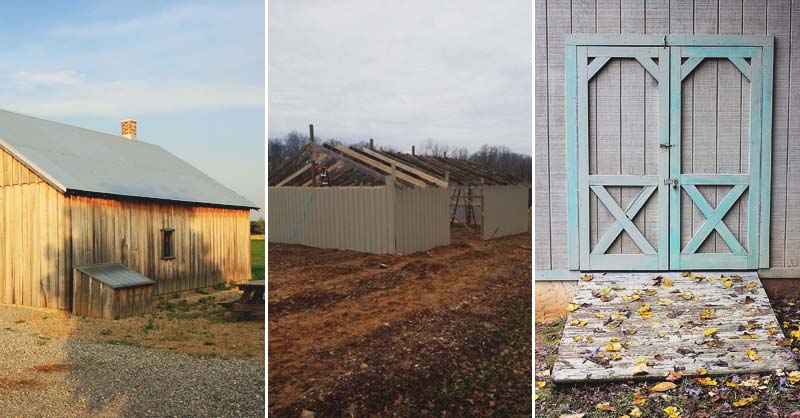
Maintaining a barn is essential to ensure its structural integrity, safety, and usability over many years. Regular upkeep not only preserves the value of the building but also prevents costly repairs caused by neglect or weather-related damage. A well-maintained barn can serve your needs effectively for decades, providing a reliable space for storage, livestock, or agricultural activities.Proper maintenance involves routine inspections, timely repairs, and protective measures against environmental factors such as weather and pests.
Understanding how to care for your barn and implementing a scheduled maintenance routine can significantly extend its lifespan and ensure it remains functional and secure.
Best Practices for Regular Inspections and Repairs
Consistent inspections are vital to identify potential issues early before they develop into major problems. Conducting a thorough visual inspection at least twice a year, ideally in spring and fall, is recommended. During inspections, focus on foundational elements, roofing, siding, doors, windows, and utility connections. Look for signs of water damage, wood rot, pest activity, or structural weaknesses.Prompt repairs are critical to prevent small issues from escalating.
For example, fixing a leaking roof immediately can prevent water damage to the interior and structural components. Using quality replacement parts and materials ensures longevity and structural integrity. Regularly reinforcing weak spots, such as compromised beams or damaged siding, maintains overall stability.
Protection from Weather and Pests
The longevity of a barn heavily depends on safeguarding it from adverse weather conditions and pest infestations. Applying weather-resistant coatings and sealants to exterior surfaces helps prevent moisture ingress, which can cause wood rot, mold, and deterioration of building materials. Installing proper drainage systems around the foundation directs water away from the structure, reducing settlement risks and water intrusion.Protecting the barn from pests involves a combination of physical barriers and chemical treatments.
Sealing cracks, gaps, and entry points in walls and around windows prevents pests like rodents, insects, and birds from nesting inside. Regularly inspecting for signs of pests and applying appropriate pest control measures maintains the structure’s integrity. Avoid storing feed or organic debris near the barn to minimize attraction for pests.
Annual Maintenance Schedule
Implementing a structured maintenance schedule ensures comprehensive care for the barn throughout the year. Below is an example of key tasks to perform annually:
- Inspect roofing for damaged or missing shingles and repair as necessary.
- Check gutters and drainage systems, clearing debris to prevent water accumulation.
- Examine siding, doors, and windows for cracks or damage; reseal or replace compromised components.
- Apply weatherproof coatings or sealants to exterior surfaces to protect against moisture.
- Inspect foundation for signs of settling, cracking, or water pooling; address issues promptly.
- Assess internal structures, including beams, posts, and flooring, for signs of rot or pest damage.
- Test and maintain utility connections such as electricity and water to ensure safety and functionality.
- Conduct pest control measures as needed, sealing entry points and treating problem areas.
- Repaint or recoat surfaces with durable, weather-resistant paint or sealants to extend protection.
- Clean and lubricate doors, windows, and hinges to ensure smooth operation and prevent rust.
Importance of Durable Paint and Sealants
Using high-quality, durable paint and sealants is fundamental in safeguarding the barn’s exterior and prolonging its structural life. These materials provide a protective barrier against moisture, UV rays, and temperature fluctuations, which are primary factors in material degradation. Choosing products with proven weather-resistant properties ensures that the paint remains intact longer, reducing the frequency of repainting and touch-ups. Sealants, especially those formulated for outdoor wood and masonry, can effectively prevent water infiltration, thereby minimizing wood rot, mold growth, and internal damage.
Investing in reputable brands and proper application techniques enhances the overall durability and appearance of your barn, leading to fewer repairs and a longer lifespan.
Wrap-Up
In conclusion, building a barn requires meticulous planning and attention to detail at every stage. By following structured guidelines and best practices, you can ensure your barn remains a reliable and long-lasting asset. Proper maintenance and sustainable choices will further enhance its longevity and usability for years to come.