Learning how to build a duck pond involves careful planning and execution to create a safe and sustainable environment for your feathered friends. From selecting the perfect location to designing an inviting landscape, each step plays a crucial role in establishing a thriving pond ecosystem.
This guide provides comprehensive instructions on materials, excavation, waterproofing, water management, landscaping, and safety measures to ensure your duck pond is both functional and beautiful, offering a lasting habitat for ducks and enjoyment for you.
Planning the Duck Pond Construction
Constructing a duck pond requires careful planning to ensure it provides a healthy and sustainable environment for ducks. Proper planning involves selecting the right location, assessing soil and terrain conditions, and designing the pond to mimic natural habitats. Taking these factors into account from the outset can significantly improve the longevity and ecological balance of the pond, making it a delightful feature in any garden or outdoor space.
Effective planning is essential to create a pond that supports the well-being of the ducks while blending seamlessly into the surrounding landscape. A well-designed pond promotes clean water, encourages biodiversity, and minimizes maintenance, ensuring that both the ducks and the environment benefit harmoniously.
Choosing the Optimal Location for the Duck Pond
The location of the pond plays a crucial role in its success and sustainability. Several environmental and practical factors must be considered to select an ideal site that provides ample sunlight, shade, and safety for the ducks, as well as ease of access for maintenance.
- Sunlight and Shade: Ducks thrive in environments where they receive sufficient sunlight, which helps regulate water temperature and encourages the growth of beneficial aquatic plants. However, too much direct sunlight can lead to excessive algae growth. An optimal location offers a balance, with partial shade during the hottest parts of the day, possibly from nearby trees or structures.
- Proximity to Trees and Vegetation: While trees provide shade and shelter, their roots should not interfere with pond construction or stability. Additionally, proximity to trees can introduce fallen leaves and debris, which may affect water quality. Selecting a site with minimal leaf fall into the pond is preferable or planning for regular debris removal.
- Accessibility and Safety: The pond should be easily accessible for maintenance and observation, yet situated away from high-traffic areas to prevent disturbances. Safety considerations include avoiding steep slopes or dangerous drop-offs that could pose risks to ducks or visitors.
Assessing Terrain and Soil Suitability for Pond Construction
The terrain and soil conditions significantly influence the ease of excavation, pond stability, and water retention capabilities. Proper assessment ensures the pond will hold water effectively while minimizing structural issues later on.
Begin by examining the natural topography of the site. Ideally, choose a location with a gentle slope that can be utilized to create varied depths naturally. A flat or slightly sloped terrain simplifies excavation and reduces the need for extensive retaining structures.
Soil quality is equally critical. Conduct a soil test to determine permeability and stability. Loamy or clay-rich soils are optimal because they naturally retain water, reducing seepage and the need for additional lining. Sandy soils, on the other hand, are highly permeable and may require waterproof linings such as bentonite clay or pond liners to prevent water loss.
Soil testing can be performed by collecting samples and submitting them to a local laboratory for analysis, focusing on permeability and composition. This step ensures the selected site can sustain a pond without extensive reinforcement.
Designing the Pond Layout for a Natural and Functional Habitat
A thoughtfully designed pond layout enhances both its aesthetic appeal and ecological function. Mimicking natural pond shapes and incorporating depth variations provide habitats suitable for ducks and aquatic life.
Design principles include creating irregular, freeform shapes rather than geometric patterns to blend seamlessly with the landscape. Incorporate shallow edges and gentle slopes, which allow ducks to wade comfortably and facilitate easy access for feeding and cleaning.
Depth variations are vital for maintaining water quality and supporting diverse plant and animal life. Shallow zones, typically a few inches to a foot deep, warm up quickly and support aquatic plants like reeds and lilies. Deeper areas, reaching several feet, help regulate temperature and provide refuge for fish and other aquatic creatures.
Consider including features such as small islands or overhanging vegetation to offer shade and protection from predators, as well as creating visual interest and supporting biodiversity. Using natural materials like rocks and logs to shape the edges fosters a more authentic environment for both ducks and native wildlife.
Gathering Materials and Tools
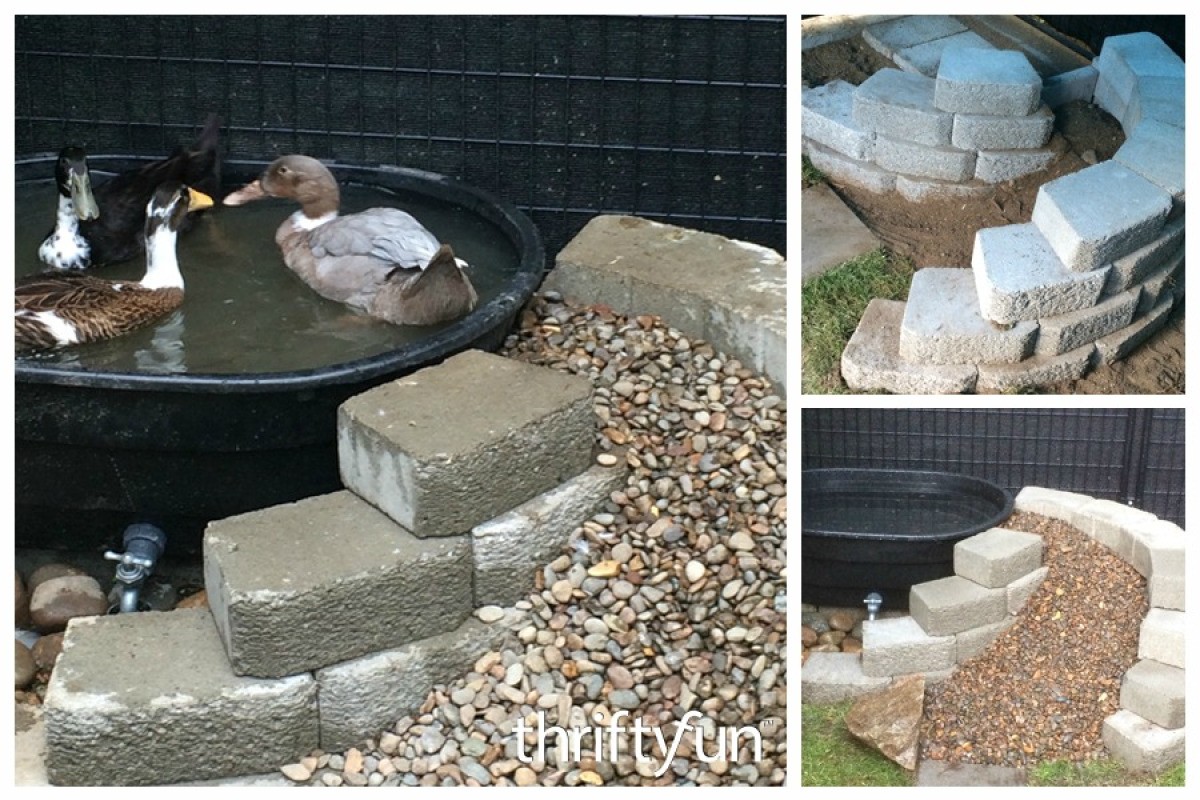
Constructing a durable and aesthetically pleasing duck pond requires careful selection of materials and the appropriate tools to execute each phase of the project effectively. The choice of materials influences the pond’s longevity, safety for aquatic life, and overall appearance, while the tools ensure precise excavation, lining, and landscaping work. A well-prepared toolkit combined with quality materials sets the foundation for a successful pond-building process that will serve as a habitat and sanctuary for ducks and other wildlife.
In this section, essential materials and tools are Artikeld, along with a comparative overview of different pond liner options. Ensuring the right selection at this stage will facilitate smoother construction and better pond performance over time.
Necessary Materials for Building a Duck Pond
Gathering the right materials is crucial for creating a resilient and safe environment for the pond ecosystem. Each material plays a specific role, from lining the pond to providing natural decor and safety features.
- Pond Liner: A flexible barrier that prevents water leakage and maintains the pond’s shape. It is available in various types, each with different durability, flexibility, and cost implications.
- Rocks and Gravel: Natural elements used for lining the pond edges, creating a natural appearance, and providing habitat for beneficial pond organisms.
- Soil: Essential for sculpting the pond basin, planting around the edges, and providing a base for aquatic plants to root and grow.
- Plants: Aquatic and marginal plants such as water lilies, reeds, and rushes, which help oxygenate the water, provide cover, and support pond ecology.
- Fencing: Protective barriers made of wire or mesh to safeguard ducks from predators and prevent them from wandering out of the pond area.
Tools Required for Construction
Having the right tools ensures efficient excavation, proper lining installation, and effective landscaping. Each tool serves a specific purpose in creating a stable, attractive, and functional pond environment.
- Shovel and Spade: For excavation of the pond basin and shaping the terrain according to the desired design.
- Pickaxe: Useful for breaking hard soil or rocky ground that may impede excavation efforts.
- Level: Ensures the pond’s bottom and edges are even, preventing water from leaking or uneven settling.
- Garden Hoe and Rake: For smoothing the soil, removing debris, and preparing planting areas around the pond.
- Utility Knife or Scissors: For cutting pond liner and plants, ensuring clean and precise edges.
- Wheelbarrow: Facilitates transportation of soil, rocks, and other materials around the construction site.
Comparative Table of Pond Liner Types
Choosing the right pond liner involves considering factors such as durability, flexibility, and budget. The following table provides a comparison of common liner options to guide informed decision-making.
| Pond Liner Type | Durability | Flexibility | Cost | Additional Notes |
|---|---|---|---|---|
| EPDM (Ethylene Propylene Diene Monomer) Rubber | High: Often lasts 20-30 years with proper care | Very flexible, easy to install in irregular shapes | Moderate to high | Resistant to UV rays and weathering; eco-friendly options available |
| PVC (Polyvinyl Chloride) | Moderate: Typically lasts 10-15 years | Moderately flexible, suitable for simple pond designs | Lower cost | Less resistant to UV and weather, may degrade faster |
| Liner Fabric or Butyl Rubber | High: Similar to EPDM, with lifespan up to 25 years | Flexible, easy to shape | High | Durable, but more expensive, often used for custom projects |
| Polypropylene or Other Plastic Sheets | Low to moderate: Varies based on thickness and quality | Less flexible, best for flat or simple pond designs | Low | Practical for small or temporary ponds, less suitable for large or pond with complex shapes |
Excavation and Shaping the Pond
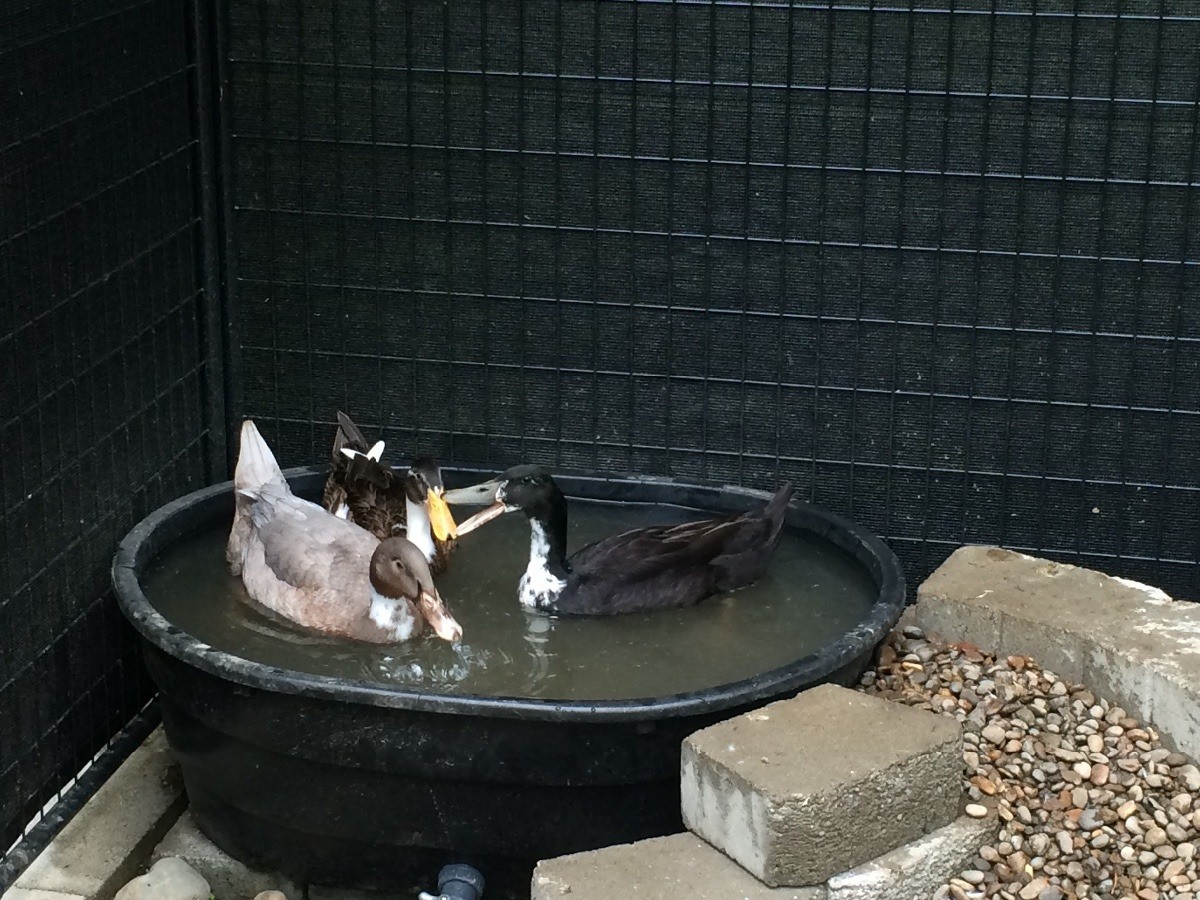
Creating a pond that is both functional and aesthetically pleasing requires careful excavation and shaping. This phase involves marking the pond boundaries accurately, excavating the designated area, and forming varied depths to accommodate the needs of the ducks while ensuring stability. Proper execution of these steps forms the foundation for a durable and safe pond environment for your feathered friends.During excavation, safety precautions should be prioritized to prevent accidents or injuries.
It is essential to wear appropriate protective gear such as sturdy gloves, safety goggles, and sturdy footwear. Keeping the work area clear of unnecessary tools and debris reduces tripping hazards. Additionally, recognizing underground utilities or roots before digging can prevent accidental damage or injury.Creating varied depths and shelving within the pond enhances its functionality and safety for ducks. Shallow shelves allow ducks to rest comfortably and access water easily, while deeper sections offer refuge and swimming space.
Shelves can be shaped by gradually sloping the sides of the excavation, ensuring gentle transitions rather than abrupt edges, which reduces the risk of injury.
Ensuring Smooth and Stable Edges
The edges of the pond are critical in maintaining structural integrity and providing safe access points for ducks. Smooth, stable edges prevent erosion and minimize the risk of injury from sharp or uneven surfaces. Properly shaping these edges involves several key practices:
- Gradually slope the sides of the pond to create gentle inclines, avoiding steep walls that could collapse or cause harm.
- Use a tamper or hand tool to firm the soil along the edges, ensuring stability and reducing future erosion.
- Incorporate a layer of natural stones or bricks at the water’s edge to reinforce the boundary and provide a natural look.
- Ensure the edges are free from sharp rocks or protrusions by smoothing the surface with a rake or trowel.
- Check for consistency in slope and smoothness across the entire perimeter, especially at access points, to facilitate safe entry and exit for ducks.
Installing the Pond Liner and Waterproofing
Proper installation of the pond liner and effective waterproofing are critical steps in ensuring the longevity and functionality of your duck pond. These procedures prevent water seepage, protect the pond structure, and maintain a healthy environment for your ducks. Attention to detail during this phase will save time and resources in the long run, avoiding costly repairs due to leaks or water loss.
The process involves carefully laying the liner to conform to the pond’s shape, securing it to prevent shifting, and creating seamless joints with high-quality sealants. Selecting the appropriate waterproofing materials and techniques suited to your pond’s size and location will also enhance durability, especially in areas prone to temperature fluctuations or heavy rainfall.
Securing and Laying the Pond Liner
Ensuring a secure and precise placement of the pond liner is essential to prevent leaks and maintain structural integrity. Start by spreading the liner loosely across the excavated pond area, allowing it to conform naturally to the contours. Smooth out wrinkles and folds to reduce stress points that might lead to tears over time.
Once the liner is positioned, extend it beyond the pond edges by at least 12-18 inches to facilitate proper anchoring and sealing. Use flat, heavy stones or logs along the perimeter to hold the liner in place temporarily. In regions with high winds or heavy rainfall, additional weights or stakes may be necessary to keep the liner secure during the sealing process.
Creating Effective Sealant Joints and Handling Overlaps
Sealing joints and overlaps correctly is vital to prevent water leakage at seams. For overlaps, fold the liner edges so they extend by a minimum of 12 inches and align them carefully to avoid gaps. Use a high-quality, flexible waterproof sealant designed for pond liners, applying it uniformly along the overlapped edges.
When joining separate liner sections, consider using a liner adhesive or welding method if the material is compatible (such as EPDM or PVC). For non-weldable materials, a durable seam tape combined with an adhesive sealant provides a reliable waterproof bond. Ensure that all sealants are applied in clean, dry conditions, and follow manufacturer instructions for curing times. Overlapping seams should be pressed firmly to eliminate air pockets and ensure a tight seal, reducing the risk of leaks under fluctuating water levels and temperature changes.
Waterproofing Materials and Their Advantages
To aid in selecting the best waterproofing materials for your pond, the following table compares common options based on durability, ease of installation, cost, and environmental considerations.
| Material | Advantages | Considerations |
|---|---|---|
| EPDM Rubber Liner | Highly durable, UV resistant, flexible in various temperatures, long lifespan (up to 50 years) | Relatively higher initial cost, requires professional welding or sealing for seams |
| PVC Pond Liner | Cost-effective, easy to install, lightweight, readily available | Less UV resistant, prone to punctures, shorter lifespan (around 10-20 years) |
| Polypropylene or HDPE Liners | Excellent chemical resistance, very durable, suitable for large ponds | More rigid, challenging to install in irregular shapes without professional help |
| Butyl Rubber Liner | Good flexibility, excellent chemical and UV resistance, longer lifespan than PVC | Higher cost than PVC, requires proper handling during installation |
| Liquid Waterproofing Membranes | Seamless application, adaptable to complex shapes, excellent adhesion | Requires skilled application, curing time necessary, potential for higher costs |
Adding Water and Filtration
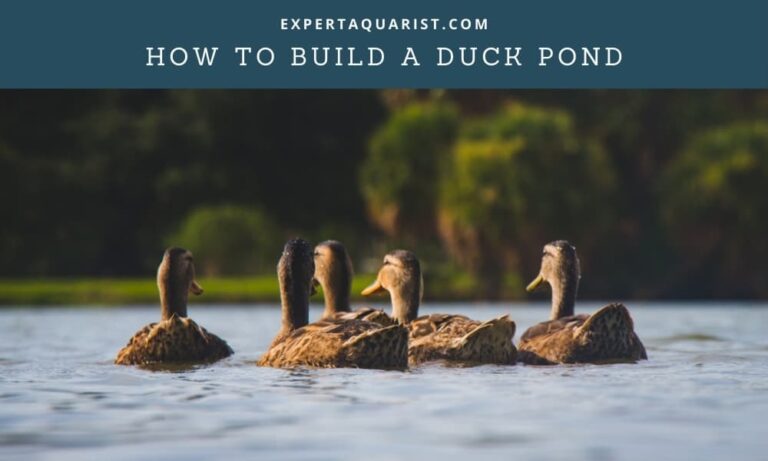
Constructing a healthy and sustainable duck pond requires careful attention to water quality and filtration. Properly filling the pond with clean water and implementing effective filtration systems are essential steps to ensure a safe habitat for your ducks and promote a balanced aquatic environment. This segment will guide you through sourcing suitable water, initial treatments, and selecting appropriate filtration methods to maintain clarity and health in your pond.Filling the pond with water is a critical phase that sets the foundation for a thriving aquatic ecosystem.
Using clean, non-contaminated water helps prevent the introduction of pollutants, algae blooms, and diseases. After sourcing water from reliable sources such as municipal supplies, wells, or rainwater collection systems, it’s important to treat it appropriately before filling the pond. Initial treatments may include dechlorination if tap water is used, to eliminate harmful chemicals that can affect aquatic life. Additionally, allowing the water to sit for 24-48 hours can help dissipate residual chlorine and stabilize temperature, providing a safer environment for your ducks.A robust filtration system is vital for maintaining the pond’s water quality over time.
It helps remove debris, excess nutrients, and harmful microorganisms, reducing the likelihood of algae overgrowth and disease. Choosing the right filter depends on the pond size and the number of ducks. For small ponds, a simple biological or mechanical filter may suffice, while larger ponds benefit from more advanced filtration systems, such as submersible pumps with integrated biological filters or external pond filters.
Filtration System Recommendations
Effective filtration systems for duck ponds should combine mechanical and biological filtration to ensure optimal water clarity and health:
| Filter Type | Description | Suitable For |
|---|---|---|
| Mechanical Filters | Remove suspended debris, leaves, and organic matter through foam pads, sponges, or filter brushes. | Small to medium ponds with moderate duck populations |
| Biological Filters | Use beneficial bacteria to break down ammonia and nitrates, maintaining a balanced ecosystem. | Any pond size, especially when combined with mechanical filters |
| UV Clarifiers | Use ultraviolet light to eliminate free-floating algae and pathogens, clarifying water. | Medium to large ponds requiring improved clarity |
| Pump and Skimmer Systems | Circulate water continuously, removing surface debris and promoting aeration. | Large ponds with high duck activity |
Water Quality Maintenance Methods
Maintaining pristine water quality is essential to prevent illness and promote healthy duck behavior. Incorporating regular maintenance routines and aeration enhances oxygen levels and minimizes stagnation:
- Regularly remove floating debris, leaves, and organic matter using a skimmer or pond net to prevent decay and nutrient buildup.
- Ensure consistent aeration through pond fountains, waterfalls, or aerators, which increase oxygen levels vital for aquatic life and beneficial bacteria activity.
- Conduct routine water testing to monitor pH levels, ammonia, nitrites, and nitrates. Ideal pH for duck ponds typically ranges between 6.5 and 8.0.
- Perform partial water changes—about 10-20% weekly—to dilute accumulated toxins and refresh water without disturbing the pond’s ecosystem.
- Clean filters periodically according to the manufacturer’s instructions to prevent clogging and maintain filtration efficiency.
Adhering to these procedures will foster a clean, oxygen-rich pond environment that supports the health and happiness of your ducks, while minimizing maintenance issues and promoting ecological balance.
Introducing Ducks and Ensuring Safety
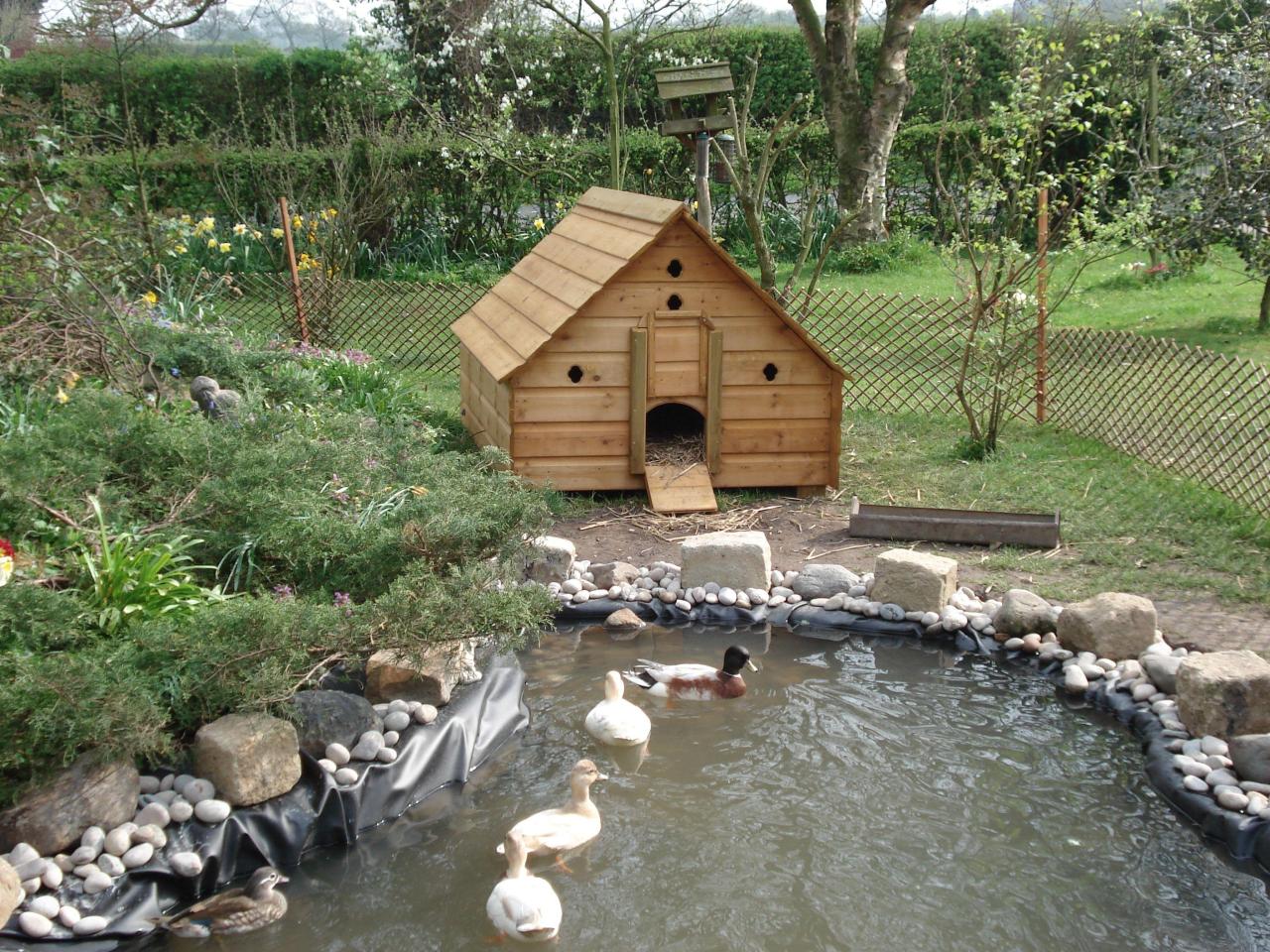
Establishing a new duck population in your pond requires careful planning to ensure their comfort, safety, and well-being. Properly introducing ducks minimizes stress while promoting a smooth transition to their new environment. Additionally, implementing safety measures such as fencing, predator deterrents, and suitable shelter placement are crucial for protecting your ducks from potential threats and creating a secure habitat that encourages healthy growth and natural behaviors.Introducing ducks to a new pond involves a gentle and gradual acclimatization process.
It is advisable to transport the ducks during cooler parts of the day, such as early morning or late afternoon, to reduce stress caused by heat or sudden environmental changes. Before releasing them, allow the ducks to familiarize themselves with the pond’s surroundings by gradually opening the enclosure or transport container. Providing shaded areas and access to water during this initial phase helps them feel secure.
Keeping the introduction period short and observing their behavior ensures they adapt without undue stress, which is vital for their health and integration into the pond ecosystem.Safety measures are essential in safeguarding ducks from natural predators and human-related risks. Installing sturdy fencing around the pond creates a physical barrier that prevents predators like foxes, raccoons, or stray dogs from entering.
Utilizing predator deterrent devices such as motion-activated lights or ultrasonic repellents can further discourage unwanted visits. Placement of shelters—such as duck houses, shaded areas, or floating platforms—within the pond offers refuge and reduces the risk of injury or distress during predator encounters or harsh weather conditions. Strategic shelter positioning ensures easy access while maintaining safety and comfort.To maintain a safe and healthy environment for your ducks, consistent monitoring routines are indispensable.
These include:
- Daily visual inspections for any signs of injury, illness, or distress among the ducks.
- Regular cleaning of the pond and shelters to prevent disease buildup and parasitic infestations.
- Checking fencing and deterrent devices weekly to ensure they remain intact and effective.
- Observing duck behaviors to identify signs of stress, such as excessive panting, feather plucking, or withdrawal from the flock.
- Monitoring water quality parameters, including pH, temperature, and clarity, to prevent health issues.
- Ensuring food and water supplies are clean, fresh, and adequate to support the ducks’ nutritional needs.
Consistent attention to these routines helps create a safe, secure, and thriving environment for your ducks, promoting their health and natural behaviors within their new pond habitat.
Maintenance and Upkeep
Establishing a well-designed duck pond is just the beginning; ongoing maintenance is essential to ensure the pond remains healthy, attractive, and safe for the ducks. Regular upkeep not only enhances the pond’s aesthetic appeal but also promotes a balanced ecosystem that supports the well-being of your feathered visitors. Consistent attention to cleaning, water quality, plant health, and repairs will help prevent common problems and extend the lifespan of your pond.Proper maintenance involves a combination of daily, weekly, and monthly tasks that collectively sustain a thriving pond environment.
Addressing issues promptly and systematically contributes to the longevity of your pond and the health of its inhabitants. Understanding how to manage repairs, control algae, and troubleshoot issues is vital for a successful and enjoyable backyard feature.
Daily, Weekly, and Monthly Maintenance Tasks
Maintaining a pond requires a structured schedule to ensure all aspects of the pond’s health are monitored and managed efficiently. These tasks should be integrated into your routine to prevent problems from escalating and to keep the pond in optimal condition.
- Daily Tasks: Check water levels and top up as necessary to compensate for evaporation, especially during hot weather. Observe the ducks for signs of distress or illness. Remove any visible debris such as leaves or fallen twigs to prevent water contamination. Ensure filtration systems are functioning properly by listening for unusual noises or checking for blockages.
- Weekly Tasks: Test water quality parameters including pH, ammonia, nitrite, and nitrate levels using appropriate test kits. Adjust if necessary to maintain a balanced aquatic environment. Clean out filters and remove algae buildup from surfaces where feasible. Trim overgrown aquatic plants to prevent overgrowth, which can lead to oxygen depletion or poor water circulation. Inspect the pond liner for any signs of damage or leaks.
- Monthly Tasks: Conduct a thorough inspection of the entire pond, including the water pump and filtration system. Perform water changes of approximately 10-15% to dilute accumulated toxins and refresh nutrients. Fertilize aquatic plants with suitable aquatic plant fertilizer to promote healthy growth. Remove any persistent algae using environmentally safe algicide or manual removal methods. Check and repair any structural damage or leaks promptly to prevent further issues.
Repairing Leaks, Replacing Liners, and Managing Algae Growth
Maintaining a leak-free pond is critical to preserving water levels and preventing costly repairs. Leaks can develop due to liner punctures, root intrusion, or deterioration over time. Detecting leaks involves monitoring water levels regularly and inspecting the pond liner for visible damage.To repair leaks, locate the puncture or tear and apply a pond liner repair patch or aquatic-safe sealant. For extensive damage, replacing sections of the liner or the entire liner may be necessary.
When replacing the liner, ensure the new liner is compatible with pond conditions and properly installed to prevent future leaks.Algae growth is a common issue that can compromise water quality and aesthetics. To manage algae, reduce nutrient runoff by avoiding overfeeding ducks and minimizing fertilizer use near the pond. Introduce beneficial aquatic plants that compete with algae for nutrients and provide natural shading.
Mechanical removal, combined with eco-friendly algaecides, can be used for persistent algae blooms. Installing a proper filtration system and circulating water adequately also helps prevent algae accumulation.
Troubleshooting Common Pond Issues
Understanding how to identify and address typical pond problems ensures quick resolution and minimizes impact on the pond ecosystem. Below are practical tips for common issues encountered in pond maintenance.
Issue: Persistent algae blooms
Solution: Increase aeration and circulation, reduce nutrient input, and introduce algae-eating aquatic animals like snails or certain fish species. Regular manual removal is also effective.
Issue: Foul odors emanating from the pond
Solution: Check for decaying organic matter or excess sludge at the bottom. Perform partial water changes, add beneficial bacteria to break down organic waste, and ensure proper filtration.
Issue: Pond liner punctures or tears
Solution: Identify the damaged area, drain the affected section if necessary, and apply a pond-safe patch or sealant. For extensive damage, replace the liner entirely.
Issue: Water clarity problems or murky water
Solution: Improve filtration, reduce feeding, and add beneficial bacteria to promote water clarity. Avoid overstocking ducks, which can increase waste and cloud water.
Issue: Excessive weed or aquatic plant overgrowth
Solution: Prune and remove overly dense plant growth to improve water circulation and light penetration. Use environmentally safe aquatic plant management techniques.
Conclusive Thoughts
![Best 15 DIY Duck Pond [Easy To Make] – craftydiyers.com](https://teknoworks.web.id/wp-content/uploads/2025/09/duckonpodn-1.jpg "Best 15 DIY Duck Pond [Easy To Make] – craftydiyers.com")
By following these detailed steps, you can successfully create a durable and inviting duck pond that enhances your outdoor space. Regular maintenance and monitoring will ensure the pond remains healthy and safe for your ducks, providing years of enjoyment and ecological benefits.