Creating a fish pond involves careful planning and thoughtful execution to transform an outdoor space into a thriving aquatic environment. Whether you aim for a decorative feature or a functional habitat for fish and plants, understanding the essential steps ensures a successful build. From selecting the perfect location to designing the layout, each stage contributes to the pond’s longevity and beauty.
This guide provides comprehensive insights into choosing suitable materials, incorporating water features, stocking fish, and maintaining an eco-friendly environment. With detailed instructions and helpful tips, you’ll be equipped to develop a pond that not only enhances your landscape but also supports a healthy aquatic ecosystem.
Planning and Design of a Fish Pond
Establishing an effective fish pond begins with meticulous planning and thoughtful design to ensure optimal conditions for aquatic life and ease of maintenance. A well-conceived layout considers environmental factors, pond dimensions, and structural components, forming the foundation for a successful aquaculture venture. Proper planning not only enhances fish health and growth but also maximizes land use efficiency and environmental sustainability.
In this section, key considerations for selecting the ideal location and designing the pond’s shape and size will be discussed, along with a detailed step-by-step guide to creating comprehensive blueprints. Clear organization and precise measurements are essential to translating the conceptual plan into a functional aquatic habitat that meets specific needs and environmental conditions.
Selection of the Ideal Location for Constructing a Fish Pond
The success of a fish pond heavily depends on choosing a location that provides optimal environmental conditions. Key factors include sunlight exposure, drainage capacity, and safety considerations, each influencing water quality, fish health, and operational safety.
- Sunlight Exposure: The pond should be situated where it receives ample sunlight for at least 4-6 hours daily. Sunlight aids in natural water temperature regulation, promotes healthy algae growth for natural food sources, and reduces the risk of unwanted pests and pathogens. Avoid shaded areas caused by large trees or structures, as excessive shade can hinder plant and algae productivity.
- Drainage and Water Supply: The site must have proper drainage to prevent water stagnation and flooding. A gentle slope of 1-2% away from the pond area can facilitate natural runoff, reducing sediment buildup. Access to a reliable water source, such as a well or spring, is also vital for filling and maintaining water levels.
- Safety and Accessibility: Construct the pond in a location that minimizes risk to children or animals, especially if near residential zones. Ensure easy access for maintenance, feeding, and harvesting, while avoiding areas prone to strong wind or heavy rainfall that can cause erosion or water quality issues.
Designing the Shape and Size of the Fish Pond
The configuration of the fish pond affects its ecological balance, ease of management, and fish growth potential. The shape and size should accommodate the specific species being cultured, considering their swimming habits, growth rate, and environmental needs.
Factors to consider include pond depth, shoreline complexity, and overall surface area. A deeper pond (minimum depth of 1.2 meters or about 4 feet) helps maintain temperature stability and provides refuge during extreme weather. The shape can be round, rectangular, or irregular, with rounded edges reducing erosion and shoreline erosion risks. Space should also be allocated for future expansion and necessary infrastructure, such as aeration and filtration systems.
Creating a Detailed Blueprint or Layout Plan
Developing a comprehensive blueprint involves translating the physical and functional aspects of the pond into a scaled drawing that guides construction. This plan should clearly label all components, including water inlet and outlet points, aerators, feeding zones, and safety barriers.
- Identify the final location based on environmental assessment and site conditions.
- Determine the optimal pond dimensions, considering the space available and species requirements.
- Sketch the pond Artikel, selecting a shape that minimizes shoreline erosion and maximizes water volume efficiency.
- Mark key features such as inlet pipes, drainage outlets, aeration equipment, and access paths.
- Indicate the depth zones to support different fish developmental stages.
- Design adjacent infrastructure, including fencing, walkways, and vegetation buffers for environmental protection.
- Review the plan for compliance with local regulations and environmental standards.
Design Options and Measurements
Below is a table presenting common pond design options with typical measurements and materials, aiding in selecting the most suitable configuration based on available space, budget, and intended fish species.
| Component | Material | Dimension | Notes |
|---|---|---|---|
| Pond Shape | Natural soil or concrete | Round (10-20 meters diameter), Rectangular (10×15 meters), Irregular | Shape impacts shoreline erosion and ease of maintenance |
| Depth Zones | Concrete or reinforced soil | Surface zone: 0.3-0.5 meters; Deep zone: ≥1.2 meters | Supports different fish life stages and temperature control |
| Water Inlet Pipe | PVC or HDPE | Diameter: 50-100 mm | Controlled flow for filling and aeration |
| Drainage Outlet | PVC or metal | Diameter: 50-100 mm | Allows water level regulation and cleaning |
By carefully considering these aspects and utilizing detailed blueprints, the construction of a fish pond can proceed smoothly, ensuring a sustainable and productive aquatic environment tailored to specific operational needs.
Materials and Construction Methods
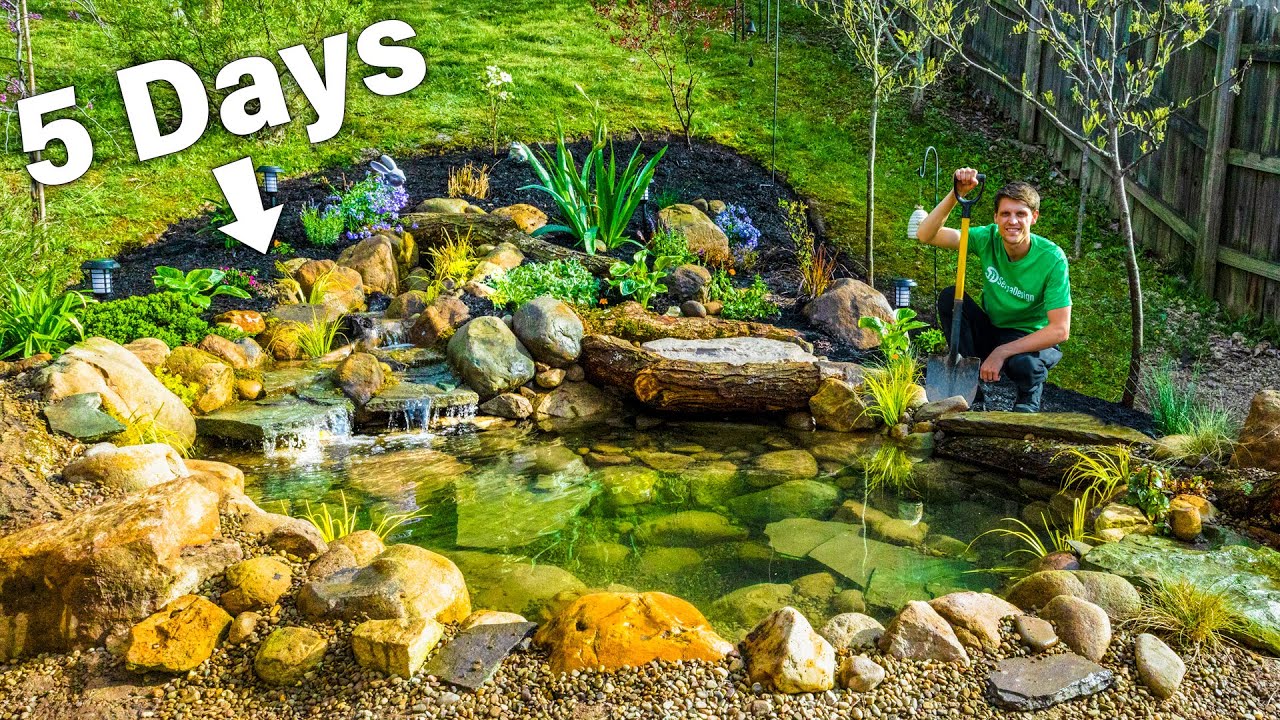
Building a durable and effective fish pond requires careful selection of construction materials and methods. The choice of materials impacts the longevity, water retention capacity, and overall success of the pond. Proper construction techniques ensure a stable environment for aquatic life and minimize maintenance needs over time.Choosing suitable materials involves understanding their properties, advantages, and potential drawbacks. The construction process also demands specific tools and safety precautions to ensure efficiency and worker safety during excavation and assembly.
Materials Suitable for Pond Lining
The lining material is crucial for preventing water seepage and maintaining water levels within the pond. Several options are available, each with its own merits and limitations.
- Geomembranes: Often made from high-density polyethylene (HDPE), PVC, or EPDM rubber, geomembranes provide flexible, impermeable barriers that are resistant to chemicals and UV radiation. They are quick to install and have a long lifespan. However, they may be relatively expensive and require careful handling to avoid punctures.
- Clay: Natural or engineered clay linings are cost-effective options that expand and form a watertight seal when properly compacted. Clay is environmentally friendly and locally available in many areas. Nonetheless, it requires thorough compaction and regular maintenance to prevent cracks, especially in areas with fluctuating water levels or temperature variations.
- Concrete: Reinforced concrete linings are highly durable and can be molded to fit various pond shapes. They are ideal for large-scale or permanent ponds. The disadvantages include higher initial costs, extensive labor requirements, and the need for proper curing to prevent cracks and leaks.
Excavation Procedure for Pond Construction
Excavating the pond area involves systematic planning and the use of appropriate tools to shape the pond accurately while ensuring safety.
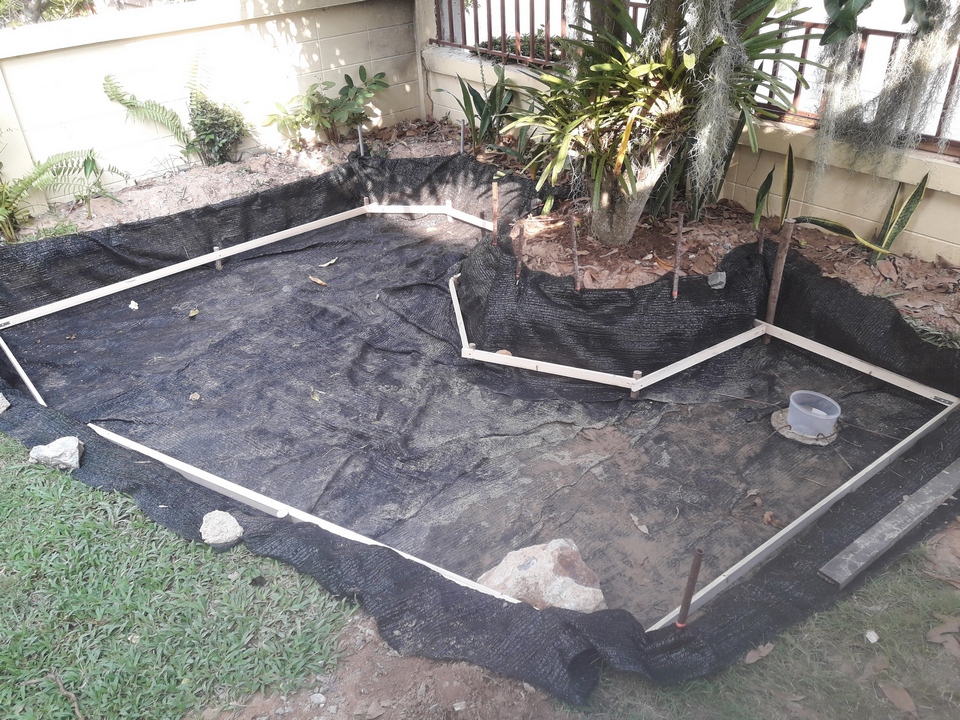
Before excavation begins, mark the pond boundaries precisely according to the planned dimensions. Clearing the area of vegetation, rocks, and debris ensures a smooth excavation process. The excavation process should be carried out with adequate safety measures, including wearing protective gear and ensuring that the excavation walls are stable to prevent collapses.
The steps include:
- Using measuring tapes, stakes, and string to Artikel the pond’s shape and depth.
- Employing shovels, pickaxes, and excavators (for larger ponds) to remove soil systematically.
- Ensuring the sides of the excavation are sloped appropriately to prevent erosion and collapse.
- Disposing of excavated soil in designated areas away from the pond margin to prevent contamination.
- Checking the depth and contours regularly with levels and measuring tapes to match the design specifications.
Safety precautions include wearing helmets, gloves, and sturdy footwear. It is also essential to be aware of underground utilities to avoid accidents.
Comparison Chart of Construction Techniques
| Construction Technique | Advantages | Disadvantages | Suitability |
|---|---|---|---|
| Excavation | Cost-effective, flexible shape customization, suitable for various pond sizes | Labor-intensive, risk of collapse, requires safety management | Basic pond foundation and large-scale projects |
| Lining | Water retention, leak prevention, adaptable to various shapes | Material costs, installation expertise required | All pond types, especially in areas with permeable soil |
| Structural Support | Enhanced stability, durability for large or permanent ponds | Higher material and labor costs | Large-scale commercial or ornamental ponds requiring longevity |
Essential Construction Tools and Materials
A successful pond construction project relies on the availability of proper tools and materials. The following list highlights key items required during the process:
- Shovels: Used for manual soil excavation and shaping the pond Artikel. Ideal for small to medium projects and detailed work.
- Pickaxes: Essential for breaking hard soil or rocky areas during excavation, especially in tougher terrains.
- Measuring Tape and Stakes: Critical for marking precise boundaries, depths, and ensuring the pond’s shape aligns with the design plans.
- Level: Ensures the pond bottom and sides are even and at the correct slope, aiding in water flow management.
- Excavator: Heavy machinery suitable for large-scale ponds, significantly reducing excavation time and effort.
- Geotextile Fabric: Used as a protective layer beneath the pond liner to prevent punctures and weed intrusion.
- Pond Lining Materials (Geomembrane, Clay, or Concrete): Selected based on design requirements and budget considerations.
- Compaction Equipment: Rammers or rollers used to compact clay or soil, ensuring water-tightness and stability.
- Safety Gear: Helmets, gloves, safety spectacles, and sturdy footwear to protect workers during excavation and construction activities.
Water Features and Ecosystem Setup
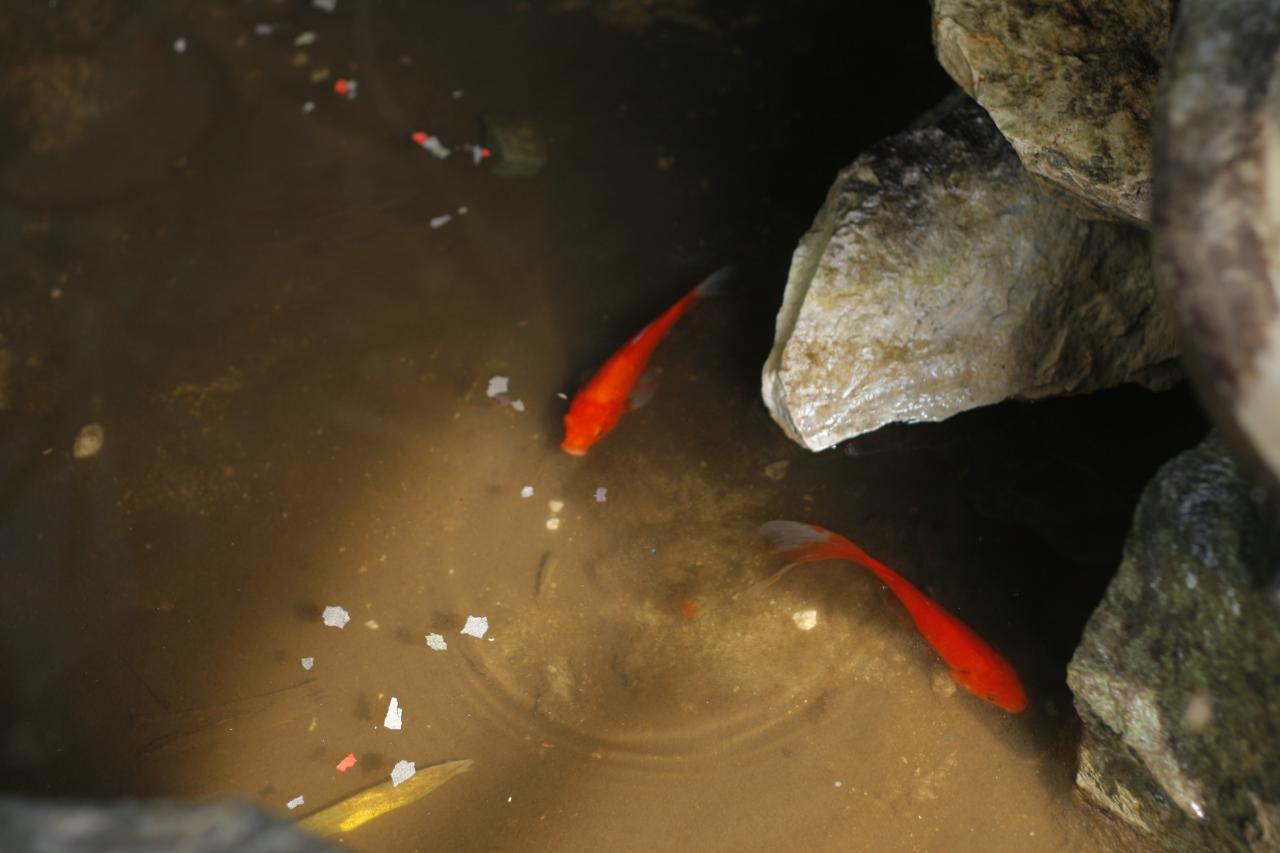
Integrating water features and establishing a balanced ecosystem are essential steps in creating a visually appealing and environmentally sustainable fish pond. Thoughtfully designed water elements not only enhance the aesthetic appeal but also contribute significantly to aeration, water circulation, and habitat diversity within the pond. Building an ecosystem that supports natural plants, beneficial bacteria, and efficient filtration systems ensures the health and vitality of your aquatic environment.
Proper incorporation of features such as waterfalls, streams, and fountains can dramatically improve oxygen levels in the pond, reduce stagnation, and attract beneficial wildlife. Simultaneously, establishing a natural ecosystem with native aquatic plants and biological filtration maintains water quality and reduces the need for chemical treatments. This holistic approach results in a resilient pond that supports healthy fish populations and overall ecological balance.
Water Features to Enhance Aesthetics and Aeration
Creating dynamic water features enriches the visual landscape of the pond while promoting oxygenation and water movement. Waterfalls, streams, and fountains serve multiple functions—improving circulation, preventing stagnation, and creating soothing soundscapes. Proper design and placement of these features are crucial to maximize their benefits and integrate seamlessly with the overall pond layout.
Waterfalls can be constructed using natural stones or prefabricated modules, with water recirculating through pumps and pipes. Streams can be designed with gentle slopes and lined with durable materials like rubber or concrete to prevent leaks, allowing water to flow naturally through the landscape. Fountains, ranging from simple jets to elaborate sculptures, can be powered by energy-efficient pumps and can be programmed for different spray patterns, adding visual interest and aeration.
Establishing a Balanced Ecosystem
A sustainable pond ecosystem requires a strategic combination of natural plants, beneficial bacteria, and filtration systems that work synergistically to maintain water quality and support aquatic life. Selecting the right aquatic plants is vital for providing shelter, oxygen, and nutrient absorption, which helps control algae and organic debris. Beneficial bacteria accelerate the breakdown of waste materials, converting harmful substances into harmless compounds, thereby supporting a healthy environment.
Filtration systems, including mechanical and biological filters, are essential components that ensure clarity and hygiene in the pond. Mechanical filters trap debris, while biological filters host beneficial bacteria that process organic waste. Combining these elements creates a self-sustaining ecological system capable of maintaining stable water conditions with minimal chemical intervention.
Checklist of Water Features and Ecological Components
| Feature | Purpose | Installation Method | Maintenance |
|---|---|---|---|
| Waterfall | Enhances aesthetics, aerates water, creates soundscape | Constructed with natural stones or prefabricated kits, connected to a recirculating pump | Regular cleaning of pump and filter, check for clogging, and remove debris from stones |
| Stream | Provides natural flow and oxygenation, improves water circulation | Lined with durable material, designed with gentle slopes for natural flow, powered by submersible pump | Inspect for blockages, clean filters, and maintain consistent water flow |
| Fountain | Creates focal point, aerates water, aesthetic enhancement | Placed on stable base, connected to an adjustable pump for spray control | Check for mineral build-up, clean spray heads, and ensure pump functionality |
| Native Aquatic Plants | Provide habitat, oxygenate water, absorb excess nutrients | Planted in soil-filled containers submerged in pond margins or shallow zones | Trim dead leaves, control growth, and monitor plant health |
| Beneficial Bacteria | Break down organic waste, reduce algae, improve water clarity | Applied weekly or bi-weekly via biological filters or directly into pond water | Maintain appropriate levels, avoid overapplication, and monitor microbial activity |
| Filtration System | Maintain water clarity, remove debris, biological waste processing | Install mechanical and biological filters in series, connected to pumps | Periodic cleaning of filter media, check pump operation, replace worn components |
Native Aquatic Plants and Their Roles
- Cattails (Typha spp.): Provide shelter for fish and insects, stabilize pond banks, and absorb nutrients from water.
- Water Lilies (Nymphaea spp.): Offer shade to reduce algae growth, provide cover for fish, and add aesthetic appeal with their vibrant blooms.
- Pickerelweed (Pontederia cordata): Attracts pollinators, oxygenates water, and stabilizes sediment.
- Rushes (Juncus spp.): Help filter runoff, prevent erosion, and support beneficial insect habitats.
- Hornwort (Ceratophyllum demersum): Free-floating, rapid-growing plant that oxygenates water and competes with algae for nutrients.
Safety and Environmental Considerations
Constructing and maintaining a fish pond requires meticulous attention to safety protocols and environmental stewardship. Ensuring the safety of construction personnel, pond users, and maintaining ecological balance is vital for sustainable pond management. Implementing best practices not only protects human health but also minimizes ecological impact, promotes biodiversity, and prevents pollution.
Adhering to safety guidelines and environmentally responsible practices fosters a harmonious coexistence between the pond ecosystem and its surroundings. Proper planning, diligent implementation, and consistent maintenance are crucial for achieving these objectives.
Safety Guidelines for Construction and Maintenance
Effective safety measures are essential during the construction and ongoing maintenance of a fish pond. These practices help prevent accidents, mitigate legal liabilities, and promote a safe working environment. Key safety considerations include secure fencing, proper handling of chemicals, and the use of personal protective equipment.
| Measure | Implementation Steps | Responsible Person | Expected Outcome |
|---|---|---|---|
| Fencing and Barriers | Install sturdy fencing around the pond to prevent accidental falls and unauthorized access; use signs to warn of potential hazards. | Project Supervisor / Maintenance Team | Enhanced safety for visitors and workers; minimized risk of accidental injury or drowning. |
| Chemical Handling and Storage | Store pond chemicals in labeled, secure containers away from children and animals; provide training on safe handling and disposal. | Operational Staff / Safety Officer | Reduced risk of chemical spills, poisoning, or environmental contamination. |
| Personal Protective Equipment (PPE) | Require workers to wear gloves, safety goggles, and appropriate footwear during construction and maintenance tasks. | Site Manager / Safety Supervisor | Minimized injury risk from tools, chemicals, or environmental hazards. |
| Emergency Preparedness | Establish protocols for accidents or spill response; keep first aid kits accessible on-site. | Safety Officer / Construction Manager | Quick response to emergencies, reducing severity of accidents. |
Environmental Best Practices
To preserve ecological integrity and promote sustainable pond management, it is imperative to adopt environmentally friendly practices. These include preventing pollution, avoiding invasive species, and minimizing habitat disruption. Implementing these measures supports the health of local ecosystems and enhances the pond’s long-term viability.
- Use biodegradable or environmentally safe pond treatments and chemicals, avoiding pollutants that can harm aquatic life.
- Prevent the introduction of invasive species by sourcing native plants and fish, and inspecting equipment before use at the pond site.
- Design pond in harmony with existing natural features, avoiding excessive excavation or alteration of surrounding habitats.
- Implement natural filtration methods, such as vegetated wetlands or biofilters, to minimize the need for chemical interventions.
- Regularly monitor water quality and biological health to detect early signs of pollution or invasive species presence.
“Maintaining the ecological balance ensures a sustainable pond that supports biodiversity, enhances water quality, and reduces environmental impact.”
Last Recap
Building a fish pond is a rewarding project that combines aesthetic appeal with ecological responsibility. By following proper planning, construction, and maintenance practices, you can create a sustainable habitat that offers enjoyment and environmental benefits for years to come. Embrace this opportunity to enrich your outdoor space with a vibrant and balanced aquatic environment.